Hotels by Trip.com
Flights by Trip.com
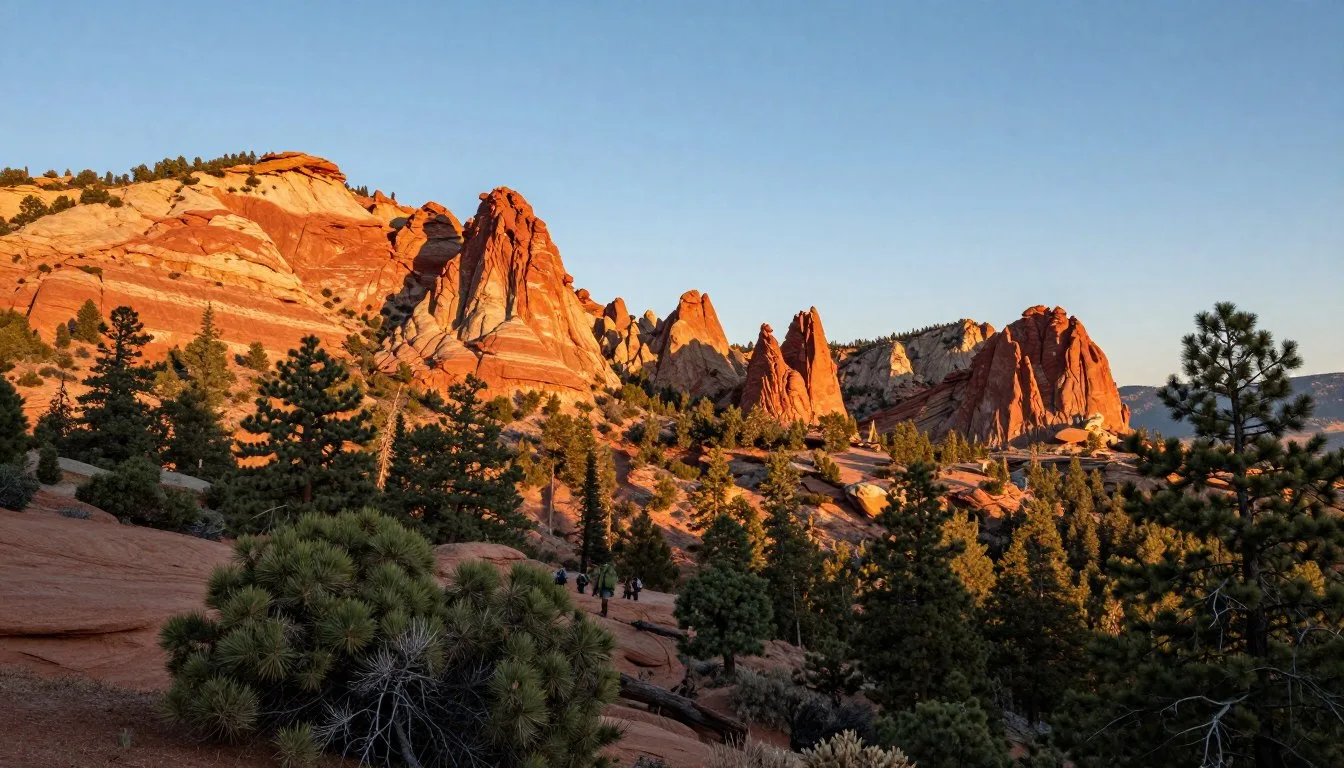
Hidden in the remote canyon country where Utah meets Colorado, Hovenweep National Monument protects over 700 years of history within its ancient stone towers. Yet fewer than forty thousand people visit each year, making it one of the least-visited national monuments in the American Southwest. This remarkable lack of crowds means you can explore Ancestral Puebloan structures in near solitude, experiencing the same profound silence that surrounded these villages centuries ago.
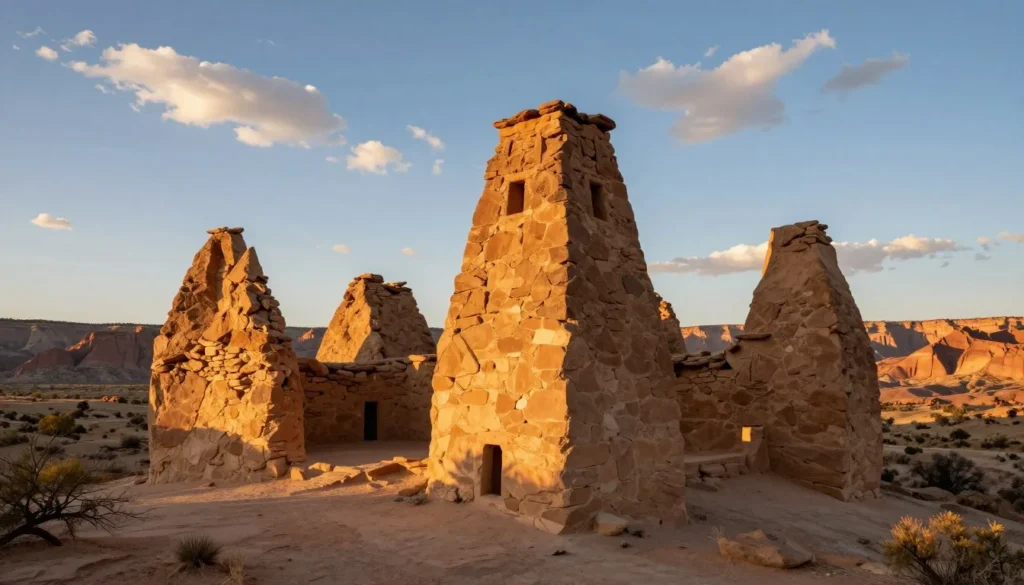
The monument spans six separate sites across this rugged area, each revealing different architectural achievements of the people who called this home between 1200 and 1300 CE. Square Tower stands as the most photographed structure, rising dramatically from massive boulder foundations at the canyon rim.
Whether you seek archaeological wonders, stunning desert views, or simply peaceful trails far from tourist crowds, Hovenweep National Monument offers an authentic journey into the Southwest’s ancient past.
Getting There & Planning Your Journey
Reaching Hovenweep National Monument requires planning, as this remote area sits far from major highways. The monument straddles the Utah-Colorado border, approximately 64 km (40 miles) from Cortez, Colorado.
The nearest commercial airports include Cortez Municipal Airport, located 72 km (45 miles) northeast, which offers limited regional service. Most travelers fly into larger hubs like Durango-La Plata County Airport, situated 145 km (90 miles) away, or Grand Junction Regional Airport, approximately 193 km (120 miles) distant. Albuquerque International Sunport, though farther at 354 km (220 miles), provides the most flight options.
From Cortez, take US Highway 491 south, then turn onto County Road G. Follow signs carefully, as GPS systems sometimes provide unreliable directions in this area. The final stretch involves well-maintained gravel roads suitable for standard vehicles during dry weather.
Plan for a full day if combining Hovenweep with nearby Mesa Verde National Park. The drive between these two sites takes roughly 90 minutes. Stock up on fuel and supplies in Cortez or Blanding before heading to the monument, as no services exist nearby.
Contact the visitor center for current road conditions before departure:
Best Time to Visit & Weather Tips
Timing your visit to Hovenweep National Monument significantly impacts your experience. The monument sits at an elevation of 1,585 m (5,200 ft), creating distinct seasonal weather patterns.
Recommended Seasons
Spring from April through May offers ideal conditions. Temperatures range from 16°C to 24°C (60°F to 75°F), perfect for hiking the trail system. Wildflowers bloom across the canyon during these months, adding color to the landscape.
Fall months of September and October provide equally pleasant weather. Daytime temperatures hover around 21°C (70°F), while cooler evenings make campground stays comfortable. The area sees fewer visitors during fall compared to spring.
Seasons to Avoid
Summer from June through August brings extreme heat, with temperatures frequently exceeding 35°C (95°F). Limited shade along trails makes midday hiking dangerous. If visiting during summer, plan outdoor activities before 10 AM or after 5 PM.
Winter from December through February can be harsh. Snow occasionally closes access roads, and temperatures drop below freezing at night. The visitor center operates on reduced hours during winter months.
Weather Preparation
Desert conditions mean dramatic temperature swings. Even during recommended seasons, morning temperatures may start at 4°C (40°F) before climbing to 21°C (70°F) by afternoon. Layer clothing accordingly.
Afternoon thunderstorms develop quickly from July through September. These storms bring lightning danger to exposed canyon rims. Monitor weather forecasts and seek shelter if storms approach.
The high desert climate keeps humidity consistently low year-round. Drink water frequently, even when not feeling thirsty. Plan for at least 2 liters per person for a half-day visit.
Notable Annual Festivals
The remote location of Hovenweep National Monument means the area hosts few organized festivals. However, several regional events celebrate Native American culture and Southwest heritage within driving distance.
The Cortez Cultural Center in nearby Cortez, Colorado, presents summer evening programs featuring Native American dances and cultural demonstrations. These free events run Monday through Saturday from late May through early September. While not festivals in the traditional sense, they offer valuable insights into Ancestral Puebloan culture.
Mesa Verde Country Indian Arts and Culture Festival takes place each summer in Cortez, typically during late July. This two-day event showcases traditional pottery, weaving, and jewelry from regional tribes. Artists demonstrate ancient techniques still practiced today.
For current festival dates and information, contact the Cortez Welcome Center:
The Four Corners region celebrates Heritage Days in Blanding, Utah, each June. This event includes archaeological lectures, guided tours, and exhibits related to Ancestral Puebloan sites. The festival occurs approximately 64 km (40 miles) from Hovenweep.
Getting Around Locally
Navigation within Hovenweep National Monument centers on the Square Tower Unit, where the visitor center and main trails are located. This site provides the most accessible structures and developed facilities.
Personal vehicles remain essential, as no public transportation serves the monument. Parking areas accommodate standard cars, though spaces fill quickly during peak spring weekends. The main parking lot sits adjacent to the visitor center, with the campground offering additional parking for registered guests.
All six monument units require separate drives on unpaved roads. These outlying sites include Holly, Hackberry Canyon, Cutthroat Castle, Goodman Point, and Cajon. High-clearance vehicles handle these routes more easily, though standard cars can navigate them during dry conditions. Avoid these roads during or immediately after rain, as mud makes passage difficult.
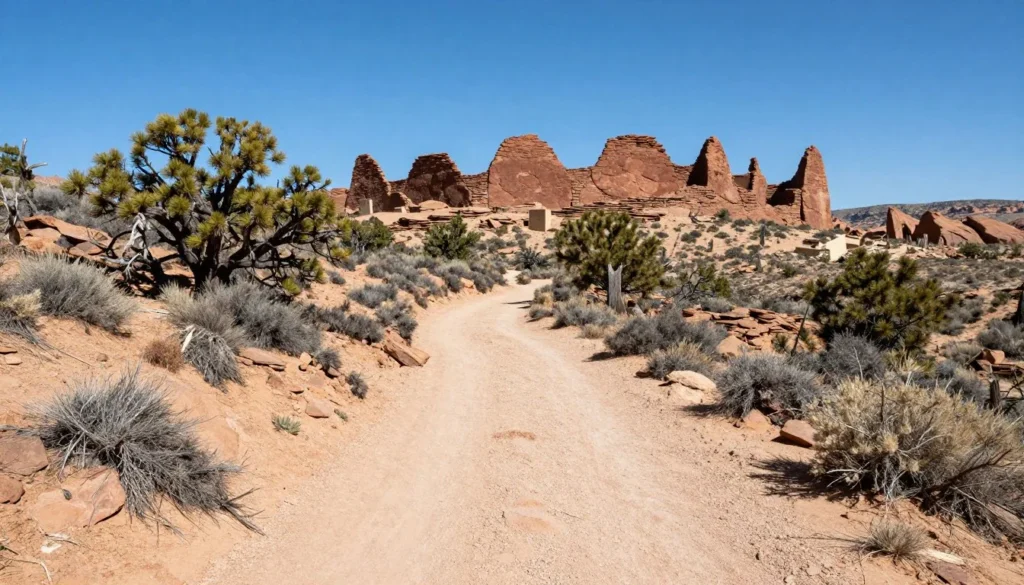
The Square Tower trail system connects all major structures via a 3.2 km (2-mile) loop. This paved and packed-dirt path remains relatively flat, suitable for most fitness levels. Allow two to three hours for the complete circuit, including time to photograph structures and read interpretive signs.
Cell phone coverage does not exist throughout most of the monument. Download maps and information before arrival. The visitor center provides printed trail guides when rangers are on duty.
Bicycle use is permitted on roads but prohibited on hiking trails. The remote location and limited services make cycling impractical for most visitors. The nearest bike rentals operate in Cortez, 64 km (40 miles) away.
Where to Stay
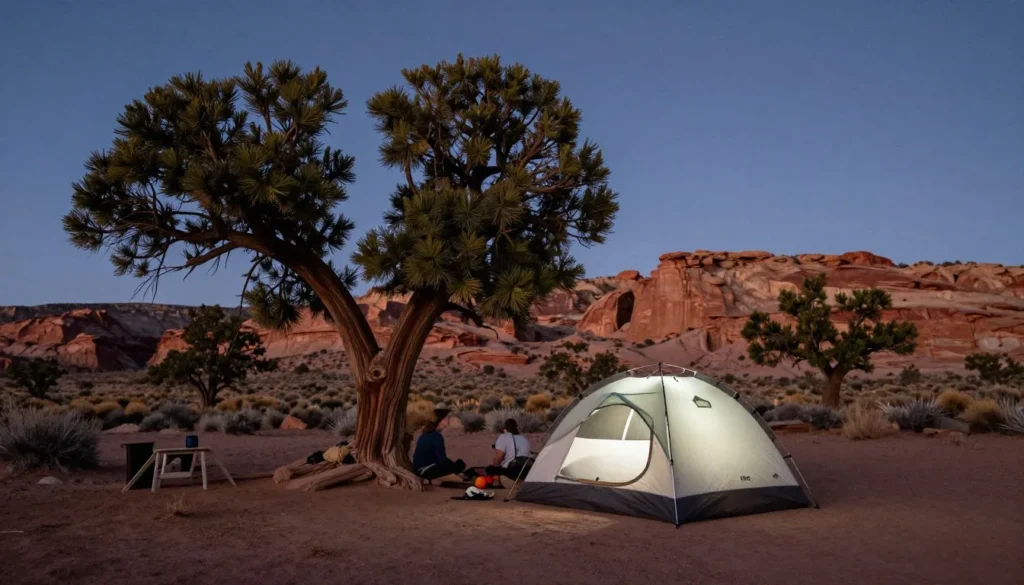
Accommodation options near Hovenweep National Monument range from primitive camping to comfortable hotels, though all require significant travel from the monument entrance.
Camping at the Monument
Hovenweep Campground offers the closest overnight option, located just 800 m (half a mile) from the visitor center. This small facility provides 31 sites on a first-come, first-served basis. Each site includes a picnic table and fire ring.
The campground features basic amenities with drinking water and vault toilets but no showers or RV hookups. Sites accommodate tents and RVs up to 11 m (36 ft). Rangers collect fees at the entrance station.
Spring and fall weekends see the campground fill by early afternoon. Arrive before noon to secure a spot during these peak periods. Summer weekdays typically have availability.
Nearby Towns
Cortez, Colorado, situated 64 km (40 miles) northeast, serves as the primary base for Hovenweep visitors. This town offers numerous chain hotels, independent motels, and bed-and-breakfast establishments. Prices range from budget to mid-range options.
Blanding, Utah, located 64 km (40 miles) northwest, provides similar lodging variety. This smaller community has fewer choices but often better availability during peak season.
Bluff, Utah, sits 80 km (50 miles) west and features several charming inns and vacation rentals. This historic town attracts travelers seeking more character than chain hotels provide.
Unique Options
Several working ranches in the area offer guest accommodations, providing authentic Western experiences. These properties typically require advance reservations and may have minimum-stay requirements.
Dispersed camping on Bureau of Land Management property surrounds the monument. These free sites lack facilities but allow self-contained RVs and experienced campers to stay closer to the monument. Practice Leave No Trace principles at these locations.
Dining & Local Cuisine
The remote location of Hovenweep National Monument means no restaurants or food services exist at or near the site. All visitors must bring their own meals or plan to dine in Cortez or Blanding.
Pack a cooler with lunch items, snacks, and plenty of water before driving to the monument. Picnic tables at the campground and visitor center provide pleasant outdoor dining spots. The visitor center has no vending machines or snack sales.
Cortez Dining Scene
Cortez offers the most diverse dining within reasonable distance. Family-style restaurants serve American comfort food alongside several Mexican eateries featuring Southwestern flavors. Local favorites include green chile, Navajo tacos, and fresh tortillas.
Several cafes in Cortez open early for breakfast before monument trips. These establishments prepare packed lunches to go when ordered in advance. This service proves convenient for visitors staying multiple days.
The town also has standard fast-food chains and a supermarket for stocking coolers and camping supplies.
Blanding Options
Blanding provides fewer restaurant choices but still covers basic needs. Local diners serve hearty breakfasts and traditional American dinners. A grocery store supplies picnic provisions and camping food.
Regional Specialties
The Four Corners area takes pride in its Southwestern cuisine influenced by Native American, Mexican, and frontier traditions. Dishes often feature beans, corn, squash, and chile peppers. Fry bread, though not historically Ancestral Puebloan, has become a regional staple worth trying.
Local honey from the high desert and pinon nuts harvested from the surrounding forests appear in some restaurant dishes and at farmers markets during summer months.
Attractions, Sightseeing & Activities
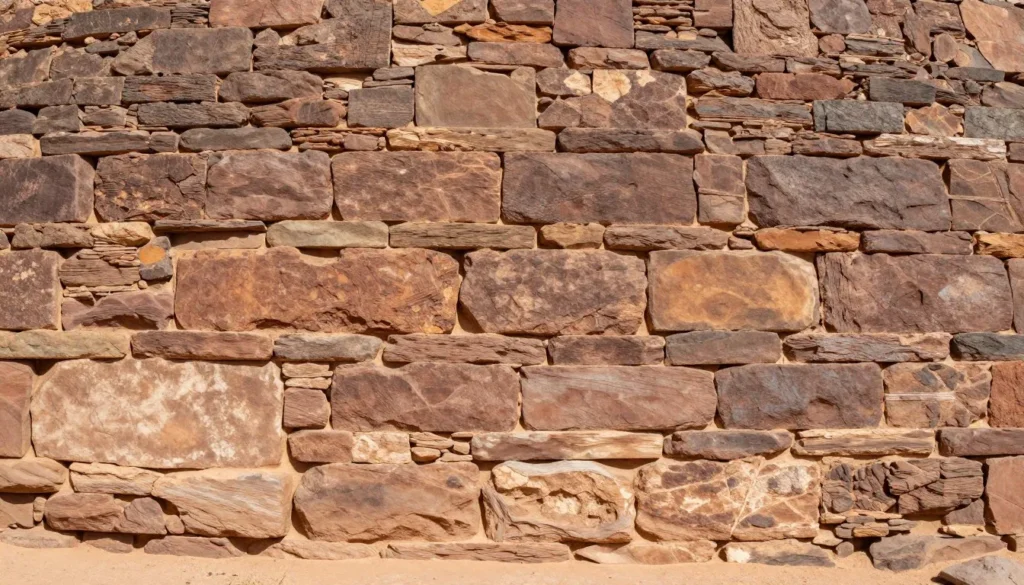
Hovenweep National Monument protects six groups of Ancestral Puebloan villages scattered across 318 hectares (785 acres). Each site showcases the sophisticated stone architecture these people developed during the 13th century.
Square Tower Unit
This main unit contains the most impressive structures and receives the majority of visitors. Square Tower itself rises three stories from a massive boulder at the canyon rim. The precision stonework demonstrates advanced engineering skills.
Hovenweep Castle sits nearby, forming a D-shaped structure that once housed multiple families. Small windows face the cardinal directions, suggesting astronomical observations occurred here. The name “Hovenweep” comes from a Ute word meaning “deserted valley.”
The rim trail connects these towers with additional sites including Twin Towers, Stronghold House, and Unit-Type House. Interpretive signs along the 3.2 km (2-mile) loop explain architectural features and daily life in these pueblos.
Outlying Sites
Holly Group features structures perched on canyon ledges and boulders. The drive requires 14 km (9 miles) of unpaved road from the visitor center. Tilted Tower earned its name from an obvious lean caused by foundation settling.
Horseshoe House at Hackberry Canyon forms a curved wall along a boulder, creating protected living space. This unit sits 16 km (10 miles) from the main area on rough roads.
Cutthroat Castle preserves a large tower and pueblo rooms along Little Ruin Canyon. Goodman Point, though lacking standing structures, reveals extensive surface ruins across a mesa top. Cajon Group showcases towers built atop massive boulders.
Photography Opportunities
Morning and late afternoon light provides the best conditions for photographing the stone towers. The warm glow enhances the natural sandstone colors and creates dramatic shadows that emphasize architectural details.
Square Tower photographs particularly well during the hour before sunset when golden light illuminates the west-facing walls. Bring a tripod for low-light conditions inside structures.
Museums, Cultural Spots & Festivals
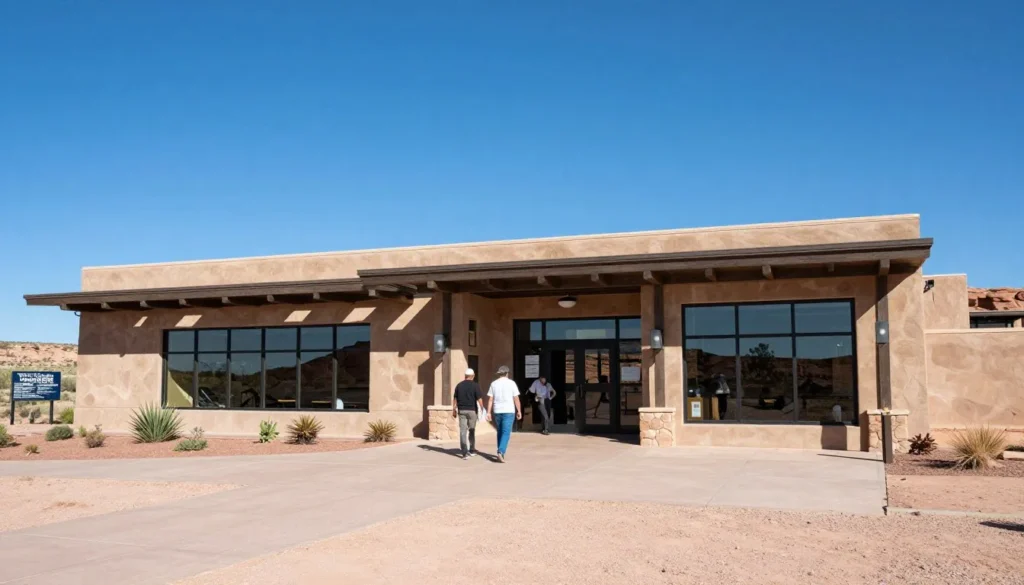
The Hovenweep visitor center serves as the primary cultural and educational facility. Rangers staff the center during operating hours, typically 9 AM to 5 PM, though winter hours may be reduced. Call ahead to confirm current schedules.
Indoor exhibits explain Ancestral Puebloan culture, architecture, and the archaeological research conducted at Hovenweep. A small bookstore sells field guides, history books, and maps. Proceeds support educational programs at the national monument.
Rangers present informal talks about the towers and pueblos when visitors request information. These impromptu discussions provide insights not found on interpretive signs. Ask about the water collection systems, tower purposes, and reasons for village abandonment around 1300 CE.
Nearby Cultural Sites
Mesa Verde National Park, located 72 km (45 miles) from Hovenweep, preserves the most famous Ancestral Puebloan cliff dwellings. This UNESCO World Heritage Site offers ranger-guided tours into actual dwelling rooms. Many visitors combine both monuments in a multi-day itinerary.
Anasazi Heritage Center near Dolores, Colorado, houses artifacts from throughout the Four Corners region. This Bureau of Land Management museum features hands-on exhibits and a research library. The facility sits approximately 88 km (55 miles) from Hovenweep.
Edge of the Cedars State Park Museum in Blanding displays extensive pottery collections and offers tours of an excavated pueblo adjacent to the museum building. This site provides excellent context for understanding Hovenweep’s role in the broader Ancestral Puebloan world.
Cultural Programs
The National Park Service occasionally hosts special programs featuring Native American consultants who discuss connections between modern Puebloan people and their ancestors at Hovenweep. Check the monument website or call the visitor center for the current schedule of these events.
Nature & Outdoor Experiences
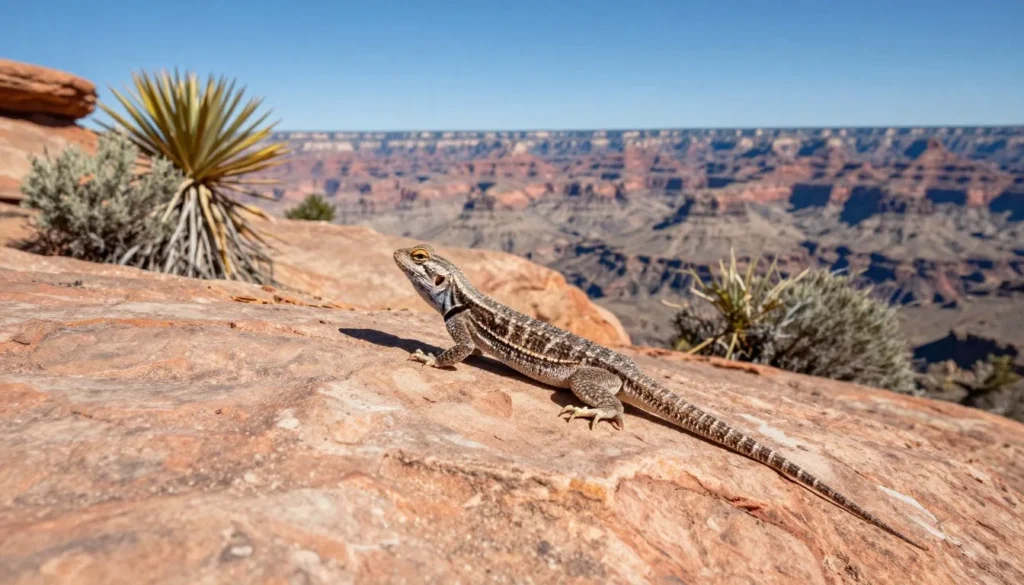
Beyond the archaeological wonders, Hovenweep National Monument encompasses diverse high-desert ecosystems. The landscape supports surprising wildlife and plant communities adapted to this arid environment.
Hiking Trails
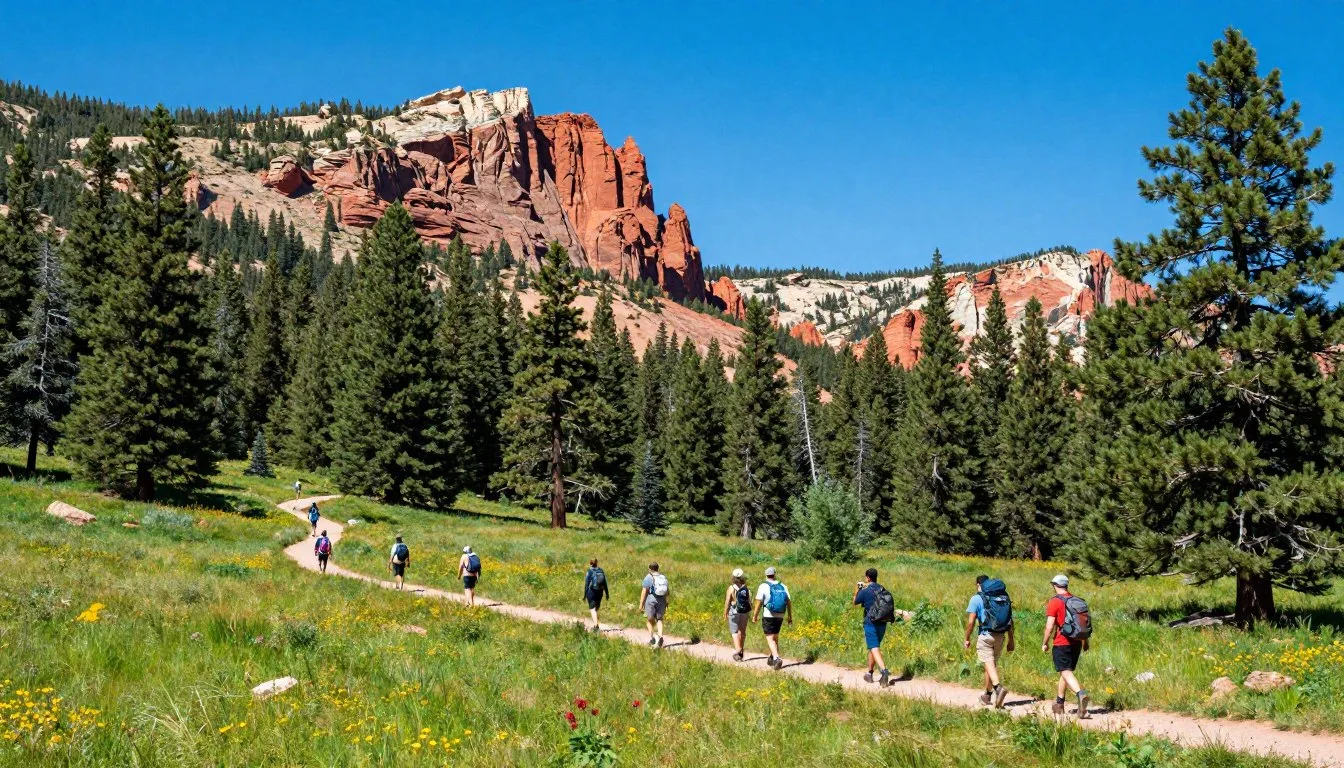
The Square Tower Trail forms the primary hiking route, looping 3.2 km (2 miles) through the main unit. This mostly flat path passes all major structures while following the canyon rim. Parts of the trail descend into the canyon on stone steps for closer views of lower structures.
Cajon Ruins Trail extends 1.6 km (1 mile) one-way to lesser-known sites. This primitive route follows cairns across open terrain with minimal shade. The trailhead begins near the Holly Group access road.
No maintained trails connect the six monument units. Hiking between sites requires navigation skills and remains appropriate only for experienced desert travelers. Always notify rangers before attempting cross-country travel.
Wildlife Watching
The monument provides habitat for numerous desert species. Ravens frequently soar past the canyon towers, while turkey vultures ride thermals during warm afternoons. Golden eagles occasionally appear in winter months.
Collared lizards sun themselves on rocks throughout summer. These colorful reptiles can reach 35 cm (14 inches) in length including their tails. Watch for them near the visitor center and along trails.
Mule deer visit the canyon area during morning and evening hours. Small mammals including rabbits, chipmunks, and ground squirrels remain active during cooler parts of the day.
Listen for canyon wrens singing their distinctive descending calls from cliff faces. These small brown birds nest in crevices among the ancient towers.
Plant Life
Pinyon pine and Utah juniper trees dominate the monument landscape. These hardy species create the pygmy forest characteristic of high-desert regions. Indigenous people harvested pinyon nuts as an important food source.
Wildflowers bloom from April through May following winter moisture. Look for Indian paintbrush, globe mallow, and various species of penstemon adding seasonal color to the canyon slopes.
Yucca plants send up tall flowering stalks in early summer. The historic relationship between yucca and people extended beyond food, as fibers were woven into sandals, baskets, and cordage.
Stargazing
Dark skies at Hovenweep rival any location in the Southwest for astronomy. The remote setting eliminates light pollution, revealing the Milky Way in stunning detail on clear nights. New moon periods offer optimal viewing conditions.
The campground provides excellent stargazing opportunities. Bring a star chart or astronomy app to identify constellations. The National Park Service occasionally offers ranger-led astronomy programs during peak visiting seasons.
Travel With Children
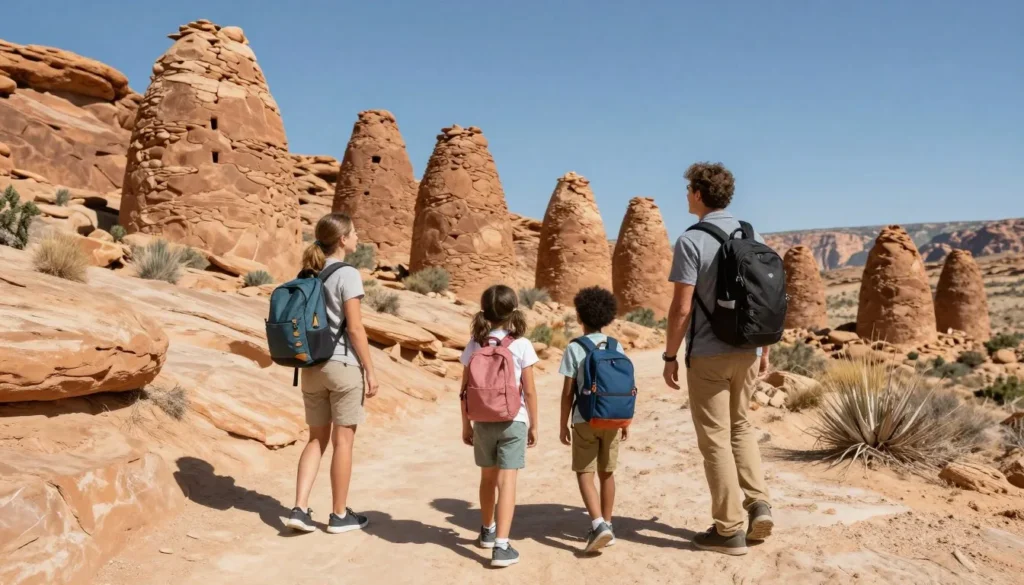
Hovenweep National Monument offers excellent opportunities for family exploration when properly planned. The archaeological sites naturally spark curiosity in young minds about how people lived centuries ago.
Age-Appropriate Activities
Children who can walk comfortably for 3 km (2 miles) handle the Square Tower Trail well. The loop requires about two hours at a child-friendly pace with stops to read signs and peer into structures. Break the walk into sections with sitting breaks at strategic viewpoints.
The Junior Ranger program engages children ages 5 through 12 with activity booklets available at the visitor center. Kids complete age-appropriate tasks while exploring the monument, then receive badges from rangers. This free program teaches archaeological concepts through hands-on learning.
Older children and teenagers often enjoy the photography opportunities. Challenge them to document architectural details or capture creative angles of the towers. This activity keeps them engaged while developing observation skills.
Safety Considerations
The canyon rim presents fall hazards. Keep young children close and establish clear boundaries about approaching edges. Many spectacular views exist from safe distances back from drop-offs.
Desert sun affects children faster than adults. Apply sunscreen before starting any outdoor activities, even on cloudy days. Dress kids in lightweight long sleeves and wide-brimmed hats for added protection.
Each child should carry their own small water bottle on the trail. Make drinking water a regular activity every 15 to 20 minutes rather than waiting for complaints of thirst.
Educational Value
Prepare children before arrival by reading age-appropriate books about Ancestral Puebloan culture. Understanding the basic story of who built these towers enhances their visit experience.
Encourage questions and observations during the visit. Rangers welcome inquiries from young visitors and often tailor explanations to children’s comprehension levels.
The campground setting allows families to extend learning into evening hours. Sitting around a campfire provides natural opportunities to discuss what was seen during the day while watching stars emerge over the ancient towers.
Money Saving Tips
Visiting Hovenweep National Monument costs significantly less than major national parks while offering equally rewarding experiences. Strategic planning maximizes value throughout your trip.
Entrance Fees
Hovenweep charges modest entrance fees compared to heavily visited parks. The per-vehicle fee covers all occupants for seven consecutive days. Annual passes providing access to all national parks and monuments offer the best value for visitors planning multiple site visits.
Children under 16 enter free regardless of the fee payment method. Active military personnel and veterans may qualify for free or reduced-rate passes.
Accommodation Savings
The monument campground costs less per night than any nearby hotel. A family camping for two nights saves substantially compared to hotel rates in Cortez or Blanding. The campground operates on a first-come, first-served basis with no reservation fees.
Dispersed camping on surrounding public lands eliminates accommodation costs entirely for those equipped with self-contained camping gear. Research Bureau of Land Management regulations before utilizing this option.
Food Strategies
Pack all meals from home rather than dining in restaurants. A cooler stocked with groceries purchased before the trip eliminates the premium prices typical of tourist-area restaurants.
Water from the campground is safe to drink and free. Fill reusable bottles rather than purchasing expensive bottled water in stores.
Fuel Efficiency
Cortez serves as the most economical base for multi-day Hovenweep visits. Staying in town allows combining visits to the monument with nearby attractions while minimizing long-distance driving.
Fill fuel tanks in larger towns before heading to remote areas. Gas stations near national monuments and parks typically charge higher prices due to limited competition.
Free Activities
All trails and archaeological sites within the monument require no additional fees beyond entrance. The Junior Ranger program provides structured activities at no charge. Ranger talks and informal discussions offer expert knowledge without admission costs.
Stargazing from the campground or scenic overlooks costs nothing while providing memorable experiences equal to expensive planetarium shows.
Safety, Etiquette & Local Customs
Respecting both the environment and the cultural significance of Hovenweep National Monument ensures preservation for future generations while keeping visitors safe.
Archaeological Site Protection
Federal law prohibits touching, climbing on, or entering the ancient structures. Oils from human hands damage the stonework, while added stress accelerates deterioration. Admire these 700-year-old buildings from designated viewing areas only.
Never remove artifacts, rocks, pottery shards, or any other objects from the monument. Taking archaeological materials violates the Antiquities Act and carries significant penalties. Even small fragments provide crucial scientific information.
Stay on established trails to prevent erosion and protect fragile desert soils. Cryptobiotic crust, the lumpy black soil visible in many areas, takes decades to develop. A single footprint destroys years of growth.
Wildlife Interactions
Observe animals from a distance without approaching or feeding them. Human food harms wildlife health and alters natural behaviors. Store all food securely in vehicles when not actively eating.
Rattlesnakes inhabit the monument area from spring through fall. Watch where you place hands and feet when scrambling on rocks or stepping over logs. Give snakes encountered on trails wide berth and allow them to move away.
Desert Safety
Heat exhaustion develops quickly in desert environments. Recognize warning signs including excessive thirst, headache, dizziness, and decreased urination. Rest in shade and drink water if symptoms appear.
Afternoon thunderstorms create lightning hazards, especially along exposed canyon rims. Seek lower ground away from tall objects if thunderstorms approach. The visitor center and vehicles provide safe shelter.
Cell phone service does not exist throughout most of the monument. Inform someone of your plans before hiking. Carry a basic first-aid kit even on short walks.
Cultural Respect
Remember that Hovenweep holds deep cultural significance for modern Puebloan people whose ancestors built these structures. Approach the sites with the reverence appropriate to someone else’s heritage and home.
Refrain from loud conversations near the ruins. The quiet atmosphere allows all visitors to connect with the spiritual qualities of these ancient places.
Environmental Ethics
Pack out everything brought into the monument. Trash receptacles exist only at the visitor center and campground. Carry a bag for collecting all waste during trail walks.
Use vault toilets at designated facilities rather than going in the backcountry. Human waste near archaeological sites contaminates the area culturally and environmentally.
Visitor Comments About Hovenweep National Monument
“The solitude at Hovenweep creates a completely different experience than the crowded cliff dwellings at Mesa Verde. We had entire sections of the trail to ourselves and could truly imagine what life was like for the ancient people who built these incredible towers. The engineering skills evident in the stone masonry amazed our whole family.”
“Traveling from Nigeria, I sought authentic American Southwest experiences away from tourist crowds. Hovenweep exceeded expectations. The remote location means fewer visitors but equally impressive ruins compared to more famous sites. The National Park Service rangers provided fascinating information about Ancestral Puebloan culture. I spent three days camping and photographing the towers during different light conditions.”
“Our children participated in the Junior Ranger program and learned more about archaeology in one afternoon than months of classroom history. The Square Tower Trail was manageable for our eight-year-old twins. They particularly enjoyed spotting lizards and discussing how families lived in these stone pueblos. The night sky from our campsite revealed stars we never see at home. Hovenweep became the unexpected highlight of our American West road trip.”
Additional Nearby Destinations
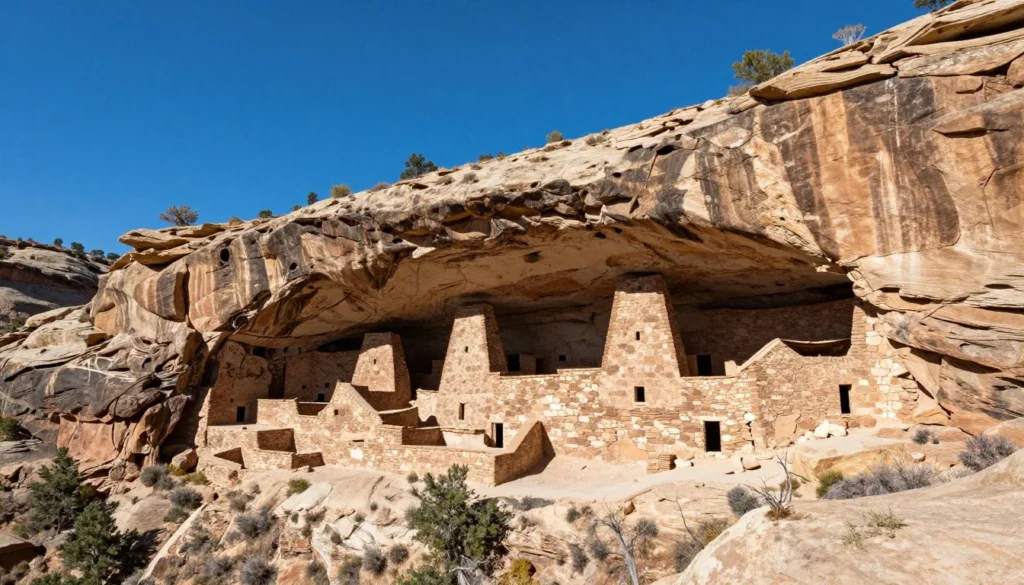
The Four Corners region offers numerous archaeological and natural attractions within reasonable driving distance of Hovenweep National Monument. Plan multi-day itineraries to explore this culturally rich area thoroughly.
Mesa Verde National Park
Located 72 km (45 miles) from Hovenweep, Mesa Verde protects the most famous cliff dwellings in North America. This UNESCO World Heritage Site showcases 600 cliff dwellings built into canyon alcoves. Rangers guide tours into Cliff Palace and Balcony House, allowing visitors to climb ancient ladders and crawl through tunnels.
The park requires a full day minimum. Purchase tour tickets early, as popular cliff dwelling tours sell out during summer months. Mesa Verde sits at higher elevation than Hovenweep, creating cooler summer temperatures.
Natural Bridges National Monument
This Utah monument preserves three massive natural stone bridges formed by water erosion over millions of years. Located 97 km (60 miles) west of Hovenweep, Natural Bridges offers a scenic drive connecting overlooks of Sipapu, Kachina, and Owachomo bridges.
A 13 km (8-mile) loop trail descends into the canyon for closer views. The monument also qualifies as an International Dark Sky Park, rivaling Hovenweep for stargazing opportunities. A small campground provides overnight camping.
Canyon of the Ancients
This Bureau of Land Management area surrounding Hovenweep protects over 6,000 archaeological sites across 71,000 hectares (176,000 acres). Most sites remain undeveloped and unmarked to prevent vandalism, but several locations offer public access.
Lowry Pueblo, situated 14 km (9 miles) from Hovenweep, features a painted kiva and great house accessible via a short trail. Sand Canyon Pueblo provides a moderate 10 km (6-mile) round-trip hike through dramatic canyon scenery.
Monument Valley
The iconic sandstone buttes featured in countless Western films stand 161 km (100 miles) south of Hovenweep. Monument Valley Navajo Tribal Park operates under Navajo Nation jurisdiction on the Arizona-Utah border.
A self-guided scenic drive tours the valley floor, while Navajo guides offer access to restricted areas and cultural insights. This destination deserves a full day for photography and exploration.
Four Corners Monument
The only point where four U.S. states meet, this simple marker lies 64 km (40 miles) south of Hovenweep. Vendors sell Native American crafts and food at this Navajo Nation site. While not a major destination, it makes a quick stop for families interested in geographic trivia.
Practical Travel Tips
Successful Hovenweep visits require advance planning due to the monument’s remote location and limited services. These practical tips help ensure smooth travel experiences.
Essential Packing
Bring more water than seems necessary. The dry climate and high elevation increase dehydration risk even during mild weather. Calculate at least 2 liters per person for a half-day visit, with additional supplies for longer stays.
Sun protection ranks as critical gear. Wide-brimmed hats, sunglasses, and sunscreen rated SPF 30 or higher prevent burns even on overcast days. The intense high-altitude sunlight penetrates cloud cover.
Layer clothing for dramatic temperature swings between morning and afternoon. Start with warm layers for early exploration, then shed items as temperatures rise. Pack warm clothes for evening campground stays year-round.
Technology Considerations
Download maps, directions, and any desired information before leaving cellular coverage areas. Phone service does not exist within the monument or for many miles approaching it.
Bring printed confirmations for any lodging reservations in case electronic devices fail. Backup navigation methods beyond GPS ensure you can locate the monument entrance on unmarked roads.
Charge all devices fully before arrival. The visitor center has no public outlets for device charging. Campground facilities provide no electrical hookups.
Vehicle Preparation
Fill fuel tanks in Cortez or Blanding before driving to Hovenweep. The nearest gas stations sit 64 km (40 miles) from the monument. Fuel range anxiety ruins otherwise enjoyable visits.
Check tire pressure and tread condition before traveling unpaved roads to outlying monument units. Carry a spare tire and necessary tools. Cell phones cannot summon help in these remote areas.
Clean windshields thoroughly before starting. Desert dust and bug splatter accumulate quickly, reducing visibility. Keep window cleaning supplies in the vehicle.
Timing Strategies
Arrive at the campground before noon during weekends from April through October to secure a site. The first-come basis creates competition during popular periods. Weekday visits rarely encounter full campgrounds.
Start trail walks early in morning during summer months. Complete hiking before temperatures peak in early afternoon. Sunrise lighting also provides better photography conditions than harsh midday sun.
Accessibility Information
The visitor center meets accessibility standards with level entry and accessible restrooms. Paved portions of the Square Tower Trail accommodate wheelchairs for views of several major structures. Canyon rim barriers prevent wheelchair users from accessing lower pueblo units requiring stone steps.
Contact the monument in advance to discuss specific accessibility needs and available accommodations:
Photography Permits
Amateur photography requires no permits or fees beyond monument entrance. Professional photography for commercial purposes, including social media influencers conducting business shoots, requires special use permits obtained in advance through the National Park Service.
Drone flights are prohibited throughout the national monument without explicit written authorization. This restriction protects both wildlife and the quiet atmosphere.
Your Journey Into Ancient Southwest Mysteries Awaits
Hovenweep National Monument stands as proof that the most rewarding travel experiences often hide far from tourist crowds. These ancient stone towers rising from remote canyon country connect modern visitors with people who mastered desert living seven centuries ago. The engineering sophistication evident in the structures, the profound silence surrounding the ruins, and the spectacular desert landscapes create memories lasting far beyond the visit.
Whether you spend a single afternoon walking the Square Tower Trail or invest several days exploring all six monument units, Hovenweep offers something increasingly rare in our busy world: space to contemplate human ingenuity and perseverance. The lack of crowds means each visitor experiences the sites personally rather than fighting through tour groups for photographs. The stars wheel overhead as they did when these pueblos bustled with daily life, and the sun illuminates the same stone walls that sheltered families through countless seasons.
Pack your sense of adventure alongside practical supplies. The journey to Hovenweep rewards those willing to venture beyond easy destinations. You will return home with not just photographs of remarkable architecture, but a deeper appreciation for the complex societies that flourished in this challenging environment. The ancient towers silently wait for your discovery in their deserted valley, ready to share their stories with anyone willing to listen.