Hotels by Trip.com
Flights by Trip.com
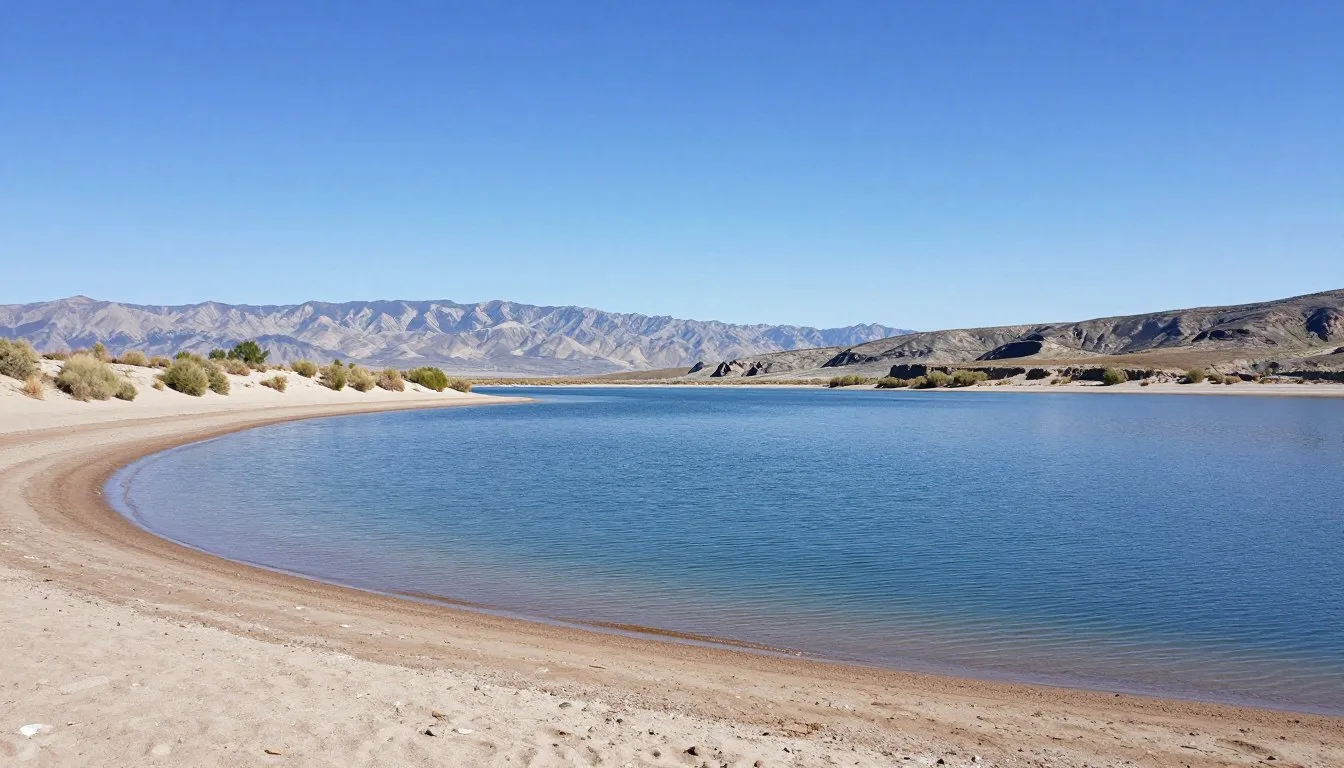
Here’s a surprising fact that catches most visitors off guard: Huntington State Park sits at 1,768 meters (5,800 feet) elevation, creating a unique microclimate where desert meets mountain ecosystems. This small state park packs an enormous punch for outdoor enthusiasts.
The park offers year-round recreation opportunities that few similar-sized parks can match. Whether you’re an angler chasing largemouth bass or a family seeking a peaceful camping retreat, this hidden gem delivers experiences that rival Utah’s more famous destinations.
This comprehensive guide walks you through everything you need to plan an unforgettable visit. You’ll discover the best times to visit, top activities, practical travel tips, and insider knowledge to make your trip exceptional.
Getting There & Planning Your Journey
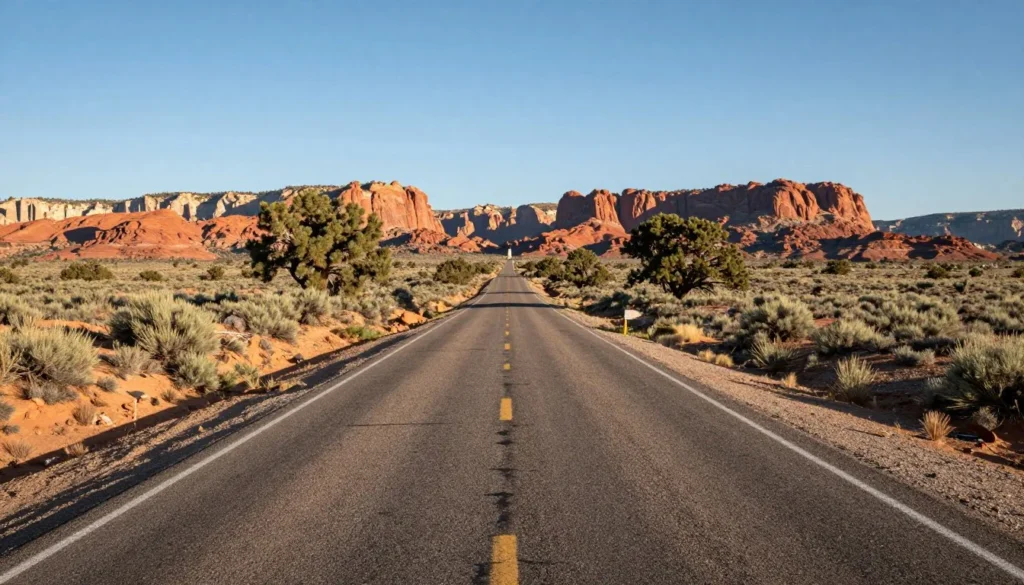
Huntington State Park is located in Emery County, Utah, approximately 2.4 kilometers (1.5 miles) north of the town of Huntington. The park sits along State Route 10, making it easily accessible from major Utah cities.
Closest Airports
Several airports serve the Huntington area, with varying distances and flight options:
- Salt Lake City International Airport – 209 kilometers (130 miles) north, approximately 2.5 hours driving time
- Provo Municipal Airport – 169 kilometers (105 miles) north, approximately 2 hours driving time
- Grand Junction Regional Airport (Colorado) – 209 kilometers (130 miles) east, approximately 2.5 hours driving time
- Canyonlands Field Airport (Moab) – 145 kilometers (90 miles) southeast, approximately 1.75 hours driving time
Salt Lake City offers the most flight options and rental car availability. The drive from Salt Lake City to Huntington State Park follows Interstate 15 south, then US Highway 6 southeast through scenic mountain passes.
Driving Directions
From Salt Lake City, take I-15 south to Spanish Fork, then US-6 southeast through Price to Huntington. The route passes through diverse terrain, from mountain valleys to high desert plateaus. From the town of Huntington, head north on State Route 10 for about 2.4 kilometers (1.5 miles).
The road to the park is paved and suitable for all vehicle types, including RVs and trailers. Winter travelers should check road conditions, as mountain passes along US-6 can experience snow and ice from November through March.
Best Time to Visit & Weather Tips
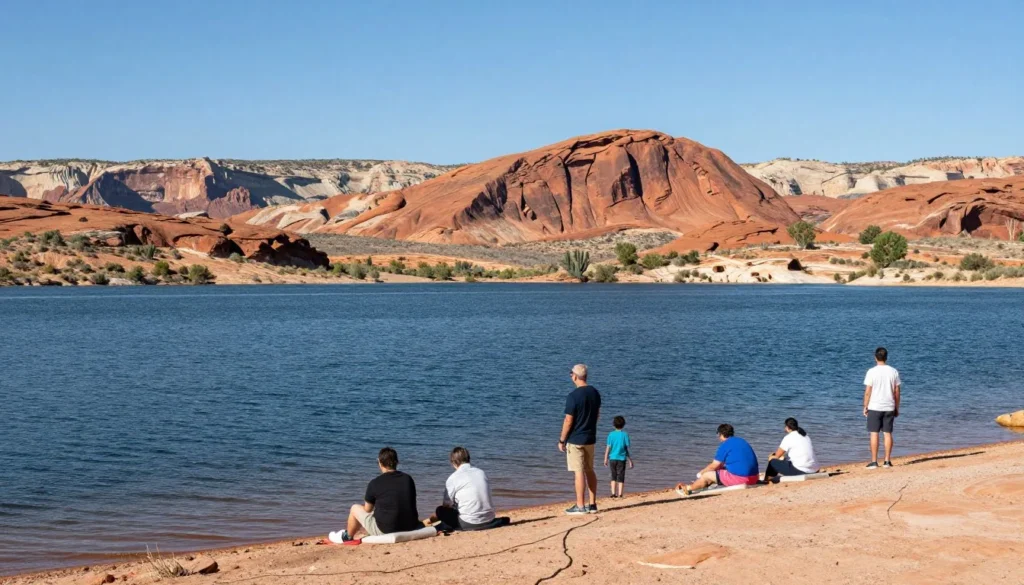
Best Time to Visit Huntington State Park
The ideal visiting window runs from late April through October, when temperatures are comfortable and all facilities are fully operational. Each season offers distinct advantages:
Spring (April-May)
Spring brings moderate temperatures averaging 15-21°C (60-70°F) during the day. This season offers excellent fishing as largemouth bass become active after winter. Wildflowers bloom across the surrounding desert landscape.
Water temperatures remain cool, typically 10-15°C (50-60°F), which may limit swimming activities. Spring can bring occasional rain showers, so pack layers and rain gear.
Summer (June-August)
Summer represents peak season at Huntington State Park. Daytime temperatures range from 27-35°C (80-95°F), perfect for water activities. The reservoir warms to comfortable swimming temperatures of 21-24°C (70-75°F).
This period sees the highest visitor numbers, particularly on weekends and holidays. Campground sites fill quickly, so advance reservations are essential. Summer thunderstorms occur occasionally in late afternoon.
Fall (September-October)
Fall offers arguably the best combination of pleasant weather and fewer crowds. Temperatures drop to comfortable 18-26°C (65-80°F) ranges during the day. Water remains warm enough for activities through mid-September.
The surrounding landscape displays beautiful autumn colors. Fishing remains excellent as fish feed actively before winter. Evenings turn cool, with temperatures sometimes dropping to 4-10°C (40-50°F).
Winter (November-March)
Winter brings cold temperatures averaging 0-10°C (32-50°F) during the day, with nights often below freezing. The park remains open year-round, but water-based activities are limited.
Ice fishing becomes possible when the reservoir freezes, typically from late December through February. Some facilities close for the winter season. Snow accumulation is moderate, creating scenic desert-meets-winter landscapes.
Months to Avoid
January and February present the most challenging conditions for casual visitors. Freezing temperatures, limited facilities, and potential road closures make these months suitable primarily for experienced winter campers and ice fishermen.
Notable Annual Festivals
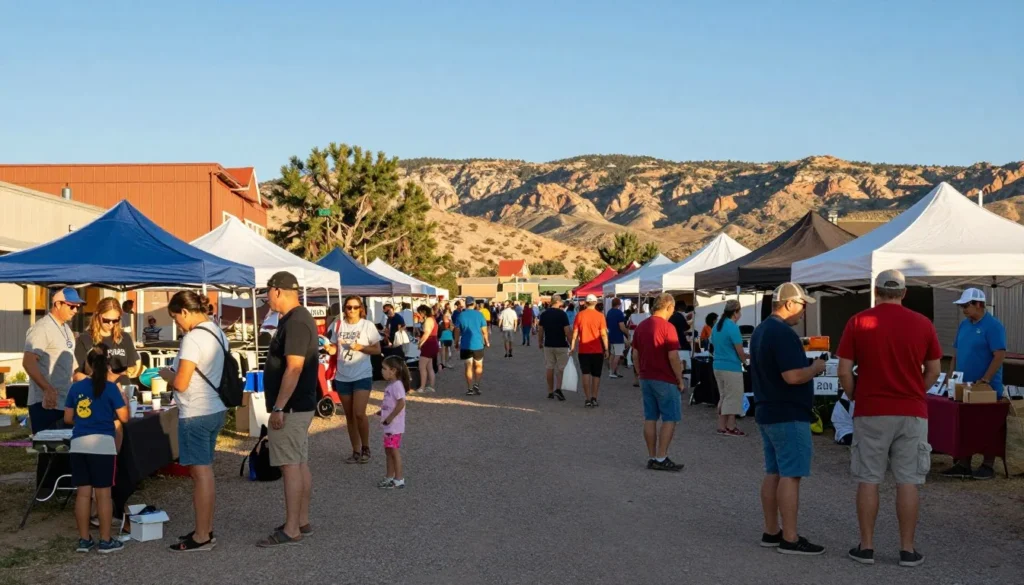
While Huntington State Park itself doesn’t host major festivals, the nearby town of Huntington and Emery County organize several annual events that enhance any visit to the area:
- Emery County Fair (August) – Traditional county fair featuring rodeo events, livestock exhibitions, local crafts, and family entertainment. Contact: Emery County Events Office +1 (435) 381-3340
- Huntington Heritage Days (July) – Community celebration with parade, barbecue, live music, and historical demonstrations. Contact: Huntington City Office +1 (435) 687-2231
- San Rafael Swell Festival (October) – Regional event celebrating the nearby San Rafael Swell with guided hikes, photography workshops, and educational programs. Contact: San Rafael Country Events +1 (435) 613-1122
These events provide opportunities to experience local culture and connect with the community. Many visitors time their Huntington State Park trips to coincide with these celebrations, adding cultural depth to their outdoor adventures.
Getting Around Locally
Huntington State Park is a compact area where most visitors can walk easily between the campground, reservoir shoreline, and picnic facilities. The entire park covers approximately 97 hectares (240 acres), with the reservoir itself spanning about 81 hectares (200 acres).
Transportation Within the Park
Personal vehicles provide the primary transportation method. The park features a well-maintained road system connecting all facilities. Parking areas are located near the campground, day-use picnic area, and boat ramp.
Bicycles offer an enjoyable way to explore the park. The flat terrain and light traffic make cycling safe and pleasant. No bike rentals are available at the park, so bring your own equipment.
Exploring the Surrounding Area
The town of Huntington lies just 2.4 kilometers (1.5 miles) south and provides basic services including gas stations, grocery stores, and restaurants. A personal vehicle is essential for accessing these amenities and exploring nearby attractions.
The San Rafael Swell, one of Utah’s most spectacular desert wilderness areas, begins approximately 32 kilometers (20 miles) east of the park. This region requires a high-clearance vehicle for many backcountry roads, though several scenic viewpoints are accessible via paved highways.
Where to Stay
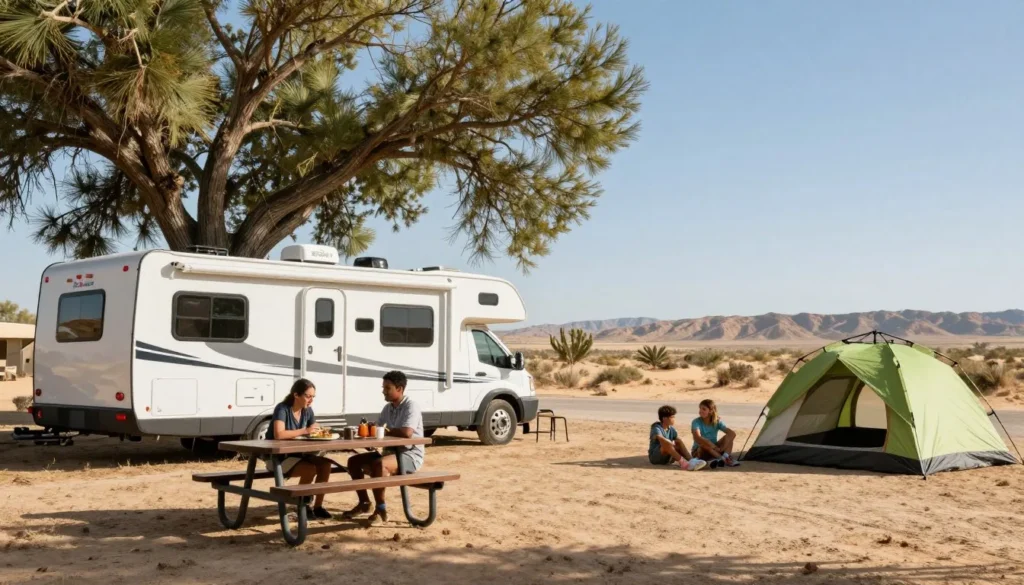
Huntington State Park offers diverse lodging options, from primitive camping to full-hookup RV sites. The campground provides the most immersive experience, placing visitors steps from the reservoir and outdoor activities.
Campground Facilities
The park campground features 22 campsites suitable for tents, trailers, and RVs. Each site includes a picnic table, fire ring with grill, and level parking pad. Sites are arranged to provide reasonable privacy despite the desert setting with limited vegetation.
Full Hookup Sites
Eight campsites offer full hookups with water, electricity (30-amp service), and sewer connections. These sites accommodate RVs up to 12 meters (40 feet) in length. Full hookup sites are the most popular and require advance reservations during peak season.
Partial Hookup Sites
Ten sites provide water and electric hookups without sewer connections. These sites work well for smaller RVs and trailers. A dump station is available near the campground entrance for waste disposal.
Tent Sites
Four designated tent camping sites offer basic amenities without hookups. These sites provide tent pads, picnic tables, and fire rings. Tent campers share access to modern restroom facilities with flush toilets and hot showers.
Campground Amenities
Modern restroom facilities with flush toilets and hot showers serve the entire campground. These buildings are heated and remain open year-round. Drinking water is available throughout the campground area from frost-free faucets.
The camp host occupies a site near the entrance during peak season and provides assistance, firewood sales, and general information. A small amphitheater occasionally hosts evening programs during summer months.
Lodging in Huntington Town
The town of Huntington offers limited commercial lodging options for visitors preferring indoor accommodations. A small motel provides basic rooms with standard amenities. Booking in advance is recommended, as capacity is limited.
Additional lodging options are available in nearby Price, located 48 kilometers (30 miles) north. Price offers several chain hotels, motels, and vacation rentals with a wider range of prices and amenities.
Dining & Local Cuisine
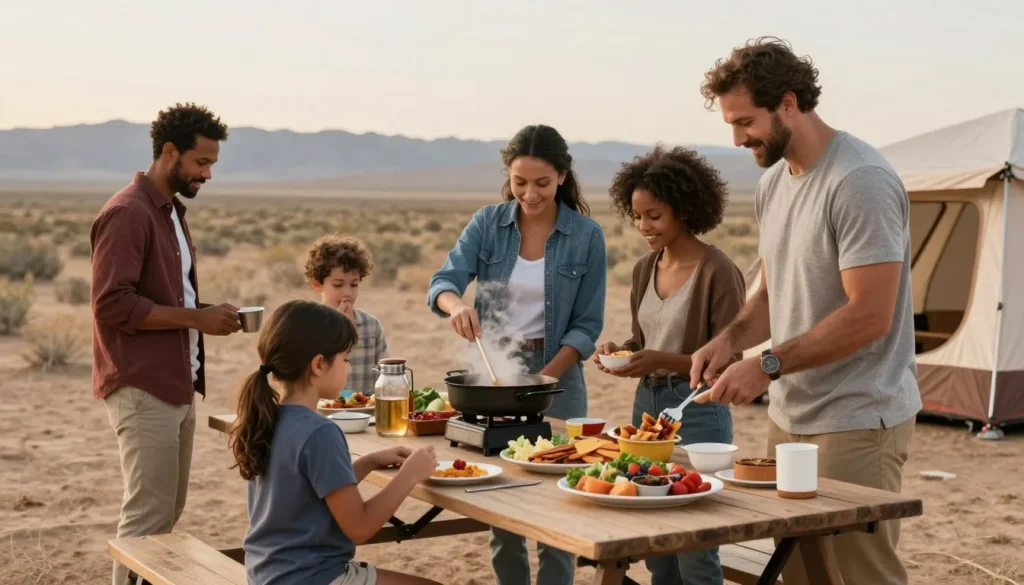
Huntington State Park doesn’t have restaurants or food service facilities within the park boundaries. Visitors should plan to bring their own food or visit the nearby town of Huntington for dining options.
Campground Cooking
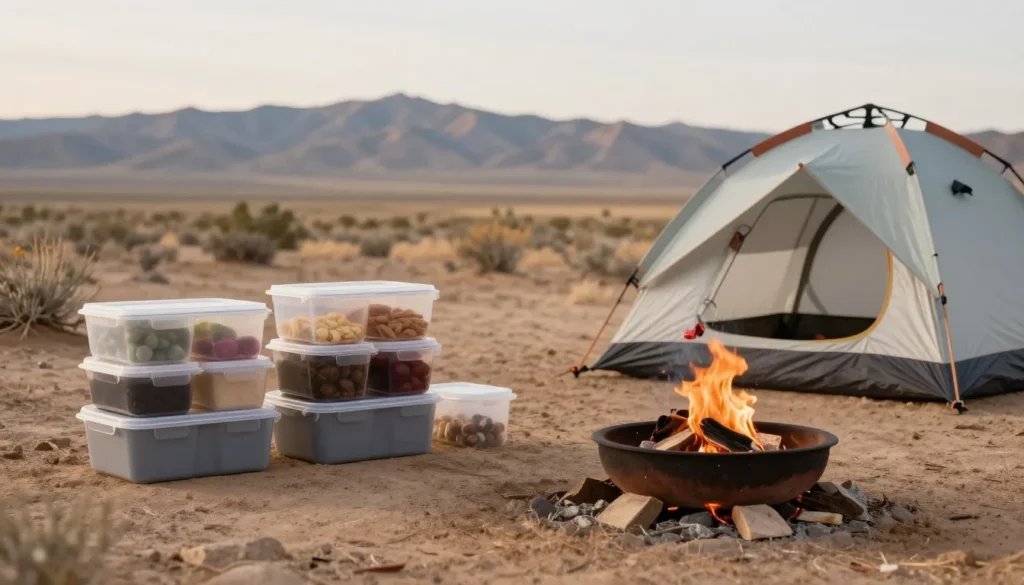
Each campsite provides a fire ring with attached grill, perfect for traditional campfire cooking. Charcoal grills and camp stoves are permitted at all sites. Most campers bring coolers stocked with groceries purchased before arrival or from Huntington town stores.
The picnic area features several covered pavilions available for day use. These structures provide shade and tables for outdoor dining. Some pavilions can be reserved for group events and family gatherings.
Dining in Huntington
The town of Huntington, just minutes from the park, offers several casual dining establishments. Local favorites include family-style restaurants serving American cuisine, a pizza shop, and a cafe offering breakfast and lunch.
Grocery shopping is available at a small supermarket in Huntington where visitors can stock up on camping supplies, fresh produce, and groceries. The store carries basic camping necessities like ice, firewood, and charcoal.
Regional Specialties
While Huntington doesn’t specialize in unique local cuisine, the broader region reflects Utah’s pioneer heritage. Visitors might encounter dishes like Dutch oven cooking, funeral potatoes, and fry sauce at community events. The area’s cattle ranching tradition means beef features prominently in local menus.
Attractions, Sightseeing & Activities
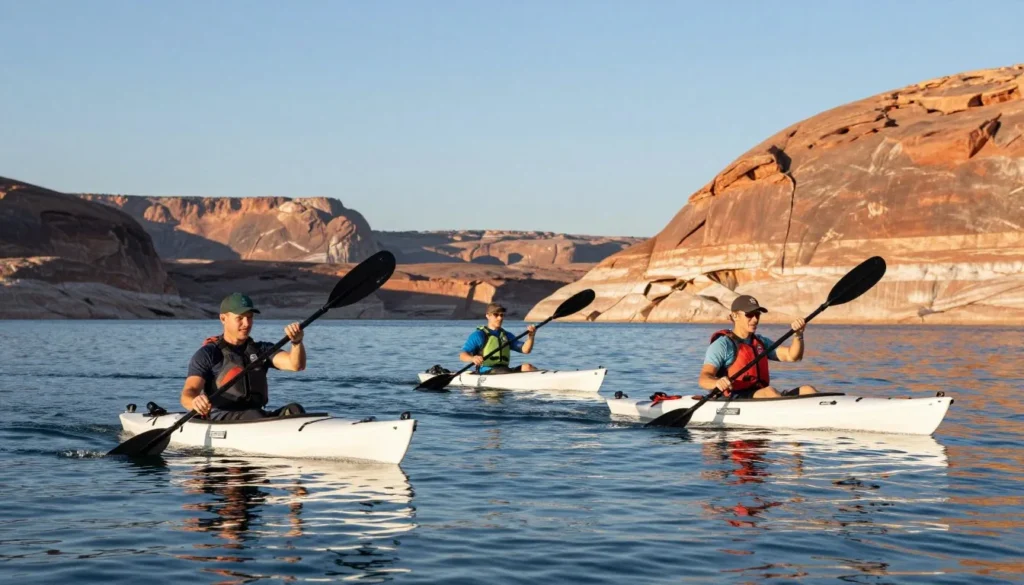
Huntington State Park offers a concentrated array of outdoor activities centered around the reservoir and surrounding desert landscape. The park’s compact size means multiple activities are easily accessible within minutes of your campsite.
Water Activities
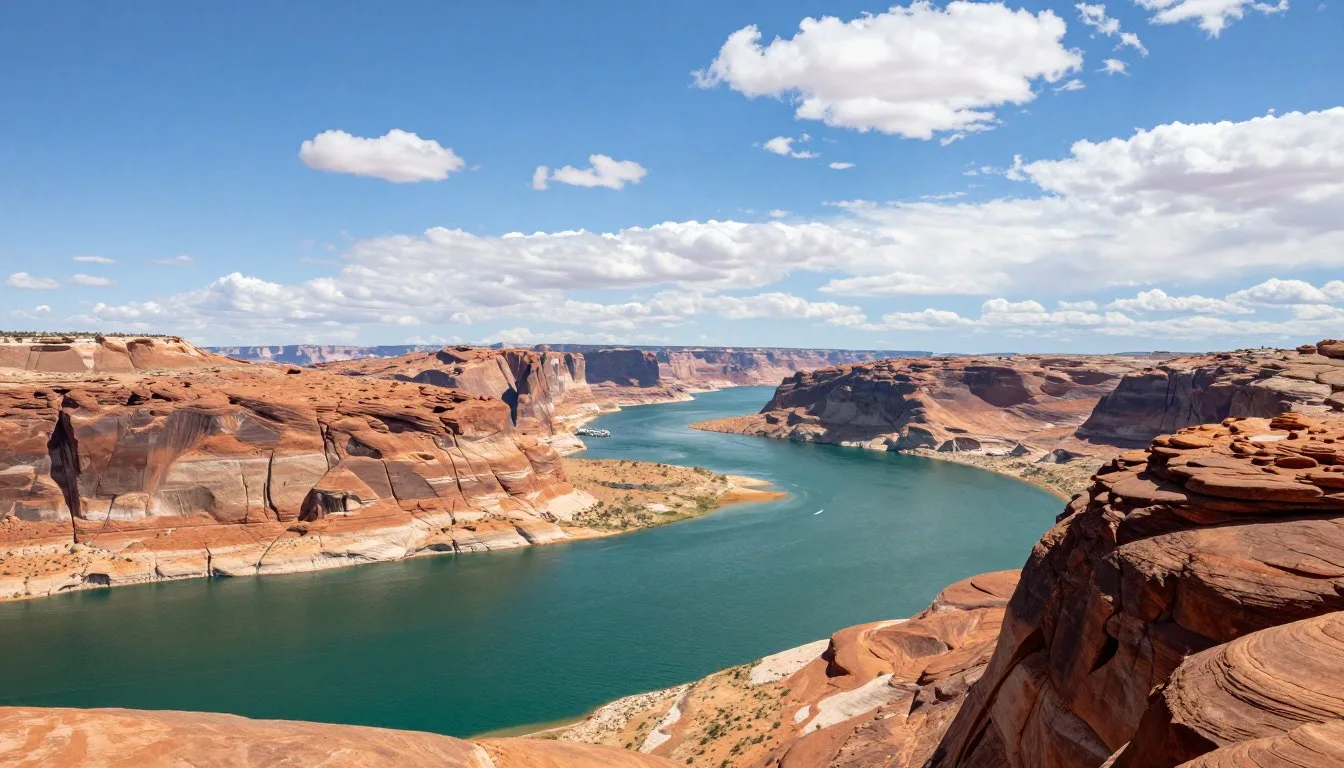
The reservoir provides the park’s primary attraction. Huntington State Park offers excellent conditions for various water-based recreation from spring through fall.
Boating
A concrete boat ramp accommodates vessels up to moderate size. The reservoir allows motorized boats, though a wakeless speed limit is enforced near the swimming beach and designated areas. Many visitors bring small fishing boats, kayaks, and canoes.
No boat rentals are available at the park, so bring your own watercraft. The calm waters and scenic surroundings make paddling particularly enjoyable during early morning hours when the reservoir surface resembles glass.
Swimming
A designated swimming beach offers supervised swimming during peak summer season. The gradual slope into the water makes this area safe for families with children. Water temperatures reach comfortable levels from June through September.
No lifeguards are on duty, so swimming is at your own risk. The beach area includes a small bathhouse with changing facilities. Swimming is restricted to the designated beach area for safety reasons.
Fishing Opportunities
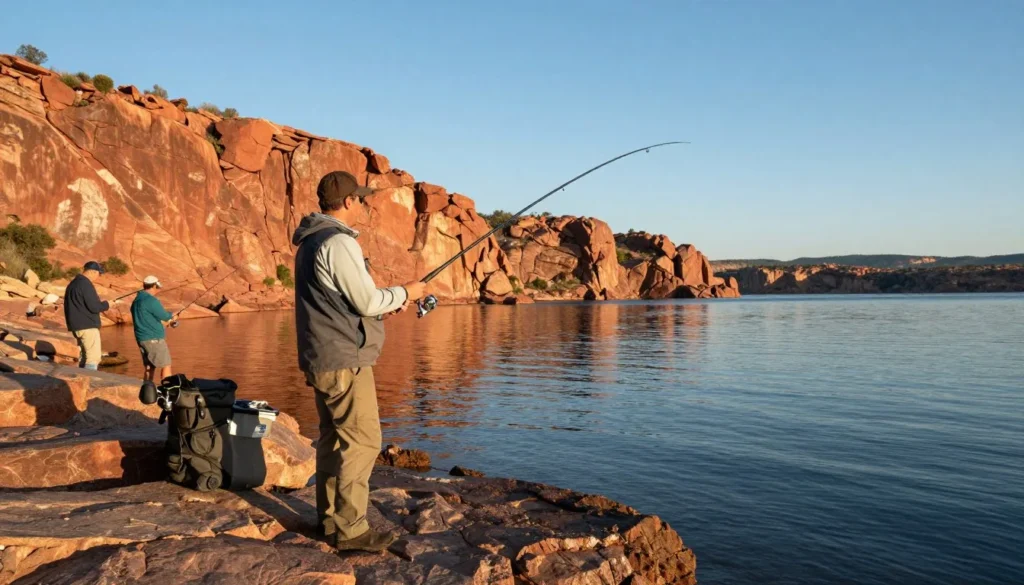
Fishing represents one of Huntington State Park’s most popular activities. The reservoir supports healthy populations of several game fish species that attract anglers year-round.
Target Species
Largemouth bass dominate the reservoir and provide excellent sport fishing. These fish reach impressive sizes, with catches of 2-3 kilograms (4-6 pounds) common. The bass fishing is particularly productive during spring and fall when fish are most active.
The reservoir also contains bluegill, which offer fun fishing for children and beginners. Yellow perch provide additional variety and are considered good eating. Winter ice fishing for perch becomes popular when the reservoir freezes solid.
Fishing Access
Shore fishing is available along much of the reservoir shoreline. Several spots offer easy access with level ground and room for casting. Boat fishing allows access to deeper water and structure where larger bass often hold.
Utah fishing licenses are required for all anglers ages 12 and older. Licenses can be purchased online through the Utah Division of Wildlife Resources website or at sporting goods stores in nearby towns. Park staff cannot sell fishing licenses.
Wildlife Viewing
The park’s location at the transition between desert and mountain ecosystems supports diverse wildlife. Patient observers often spot mule deer, particularly during early morning and evening hours near the campground area.
Birdwatching opportunities abound, especially during spring and fall migration periods. Waterfowl including ducks and geese use the reservoir as a stopover. Raptors such as red-tailed hawks and golden eagles soar overhead, hunting the surrounding desert.
Museums, Cultural Spots & Festivals
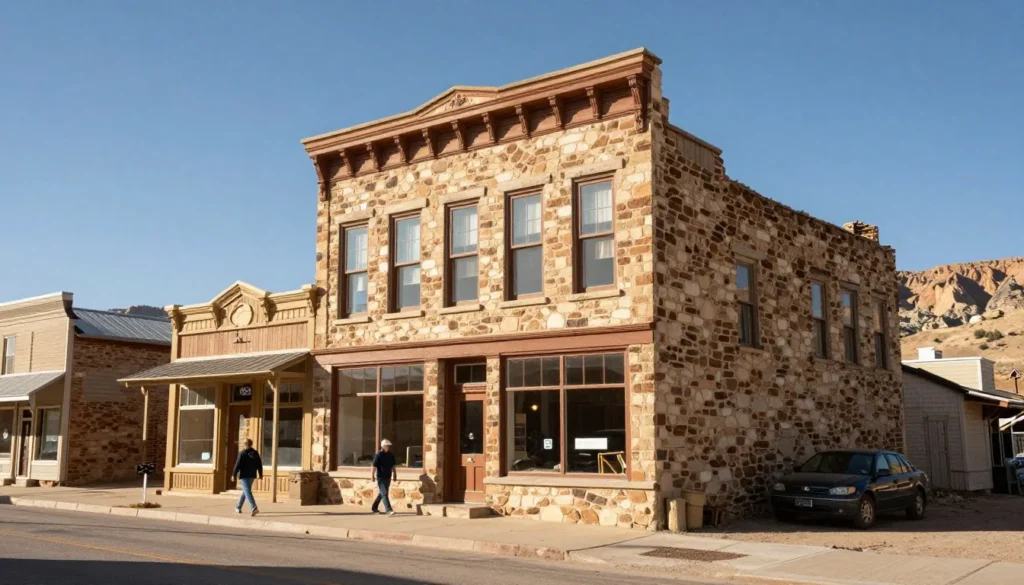
While Huntington State Park itself focuses on outdoor recreation, the surrounding area offers cultural and historical attractions that complement a park visit.
Huntington Canyon Petroglyphs
Ancient Native American rock art can be found at several sites within a short drive of the park. These petroglyphs, created by the Fremont culture centuries ago, depict human figures, animals, and geometric designs. Respectful viewing is encouraged, but touching or disturbing the rock art is strictly prohibited.
Museum of the San Rafael
Located in Castle Dale, approximately 40 kilometers (25 miles) north, this museum showcases regional geology, paleontology, and pioneer history. Displays include dinosaur fossils found in the area, Native American artifacts, and exhibits on early settlement. Admission is free, though donations are appreciated.
Cleveland-Lloyd Dinosaur Quarry
This world-famous paleontological site sits about 48 kilometers (30 miles) south of the park. The quarry has yielded more than 12,000 dinosaur bones, making it one of the densest concentrations of Jurassic dinosaur fossils ever discovered. A visitor center and short trail allow guests to see excavation sites and learn about paleontology.
Nature & Outdoor Experiences

Beyond water activities, Huntington State Park and its surroundings offer diverse opportunities to experience Utah’s distinctive desert and canyon landscapes.
Hiking Trails
The park itself has limited developed hiking trails, but the surrounding public lands offer extensive exploration opportunities. A short nature trail near the campground provides an easy 1.6-kilometer (1-mile) loop through desert vegetation.
This interpretive trail features signs identifying native plants like sagebrush, rabbitbrush, and juniper trees. The trail offers beautiful views across the reservoir to the surrounding cliffs and provides good wildlife viewing opportunities.
San Rafael Swell
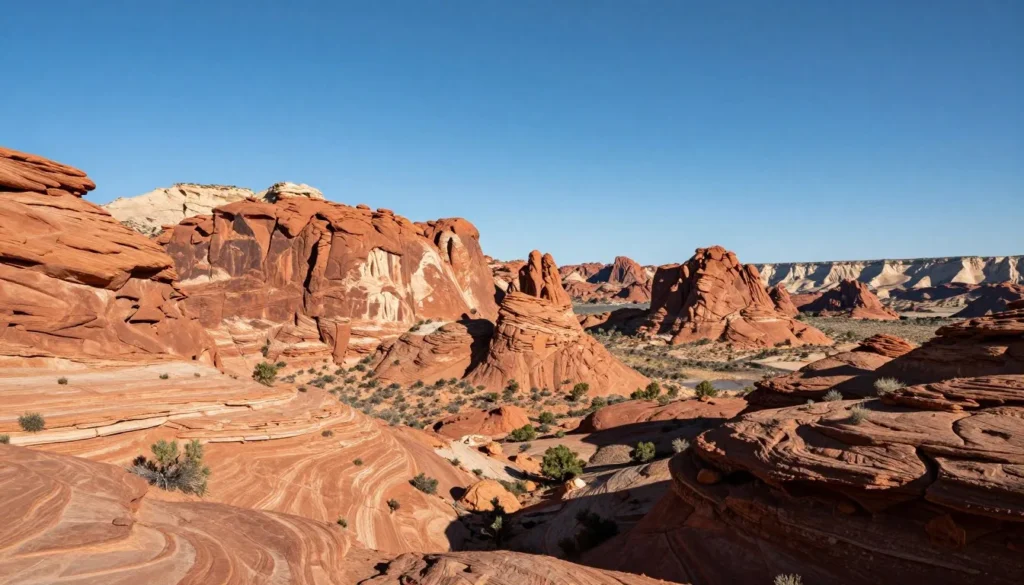
The spectacular San Rafael Swell lies within easy driving distance and deserves a day trip during any extended stay at Huntington State Park. This massive geologic feature encompasses 518,000 hectares (1,280,000 acres) of canyons, mesas, and buttes.
Popular destinations within the San Rafael include Goblin Valley State Park, Little Wild Horse Canyon, and numerous backcountry roads accessing remote canyons. The area offers hiking, photography, and exploration opportunities ranging from easy roadside viewpoints to challenging slot canyon adventures.
Stargazing
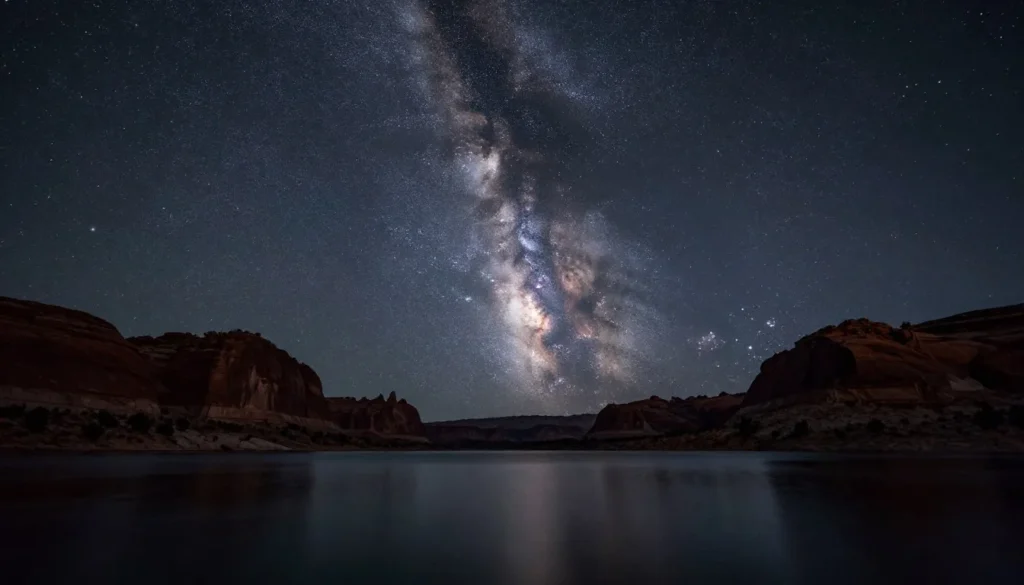
The remote location and minimal light pollution create exceptional conditions for stargazing. On clear nights, the Milky Way stretches brilliantly across the sky. The park’s campground amphitheater occasionally hosts astronomy programs during summer months.
Bring binoculars or a telescope to enhance your celestial viewing. Fall and winter offer the clearest skies, though summer’s warmer temperatures make for more comfortable outdoor observation sessions.
Photography Opportunities
Photographers find abundant subjects at Huntington State Park. The reservoir provides beautiful reflections of surrounding cliffs during calm morning hours. Wildlife, particularly birds, offer excellent subjects for nature photographers.
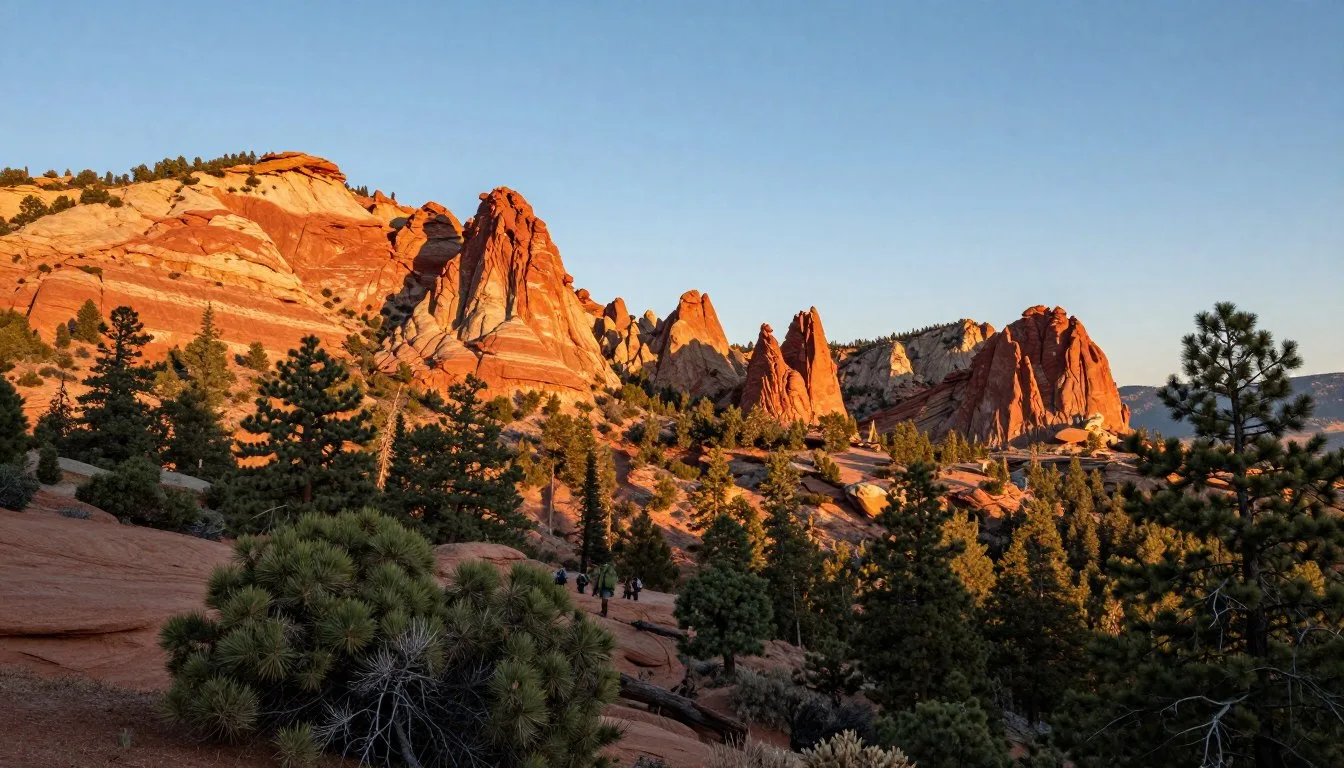
The dramatic lighting during golden hour, just after sunrise and before sunset, transforms the desert landscape. Red rock formations glow with intense color, and long shadows create compelling compositions.
Travel With Children
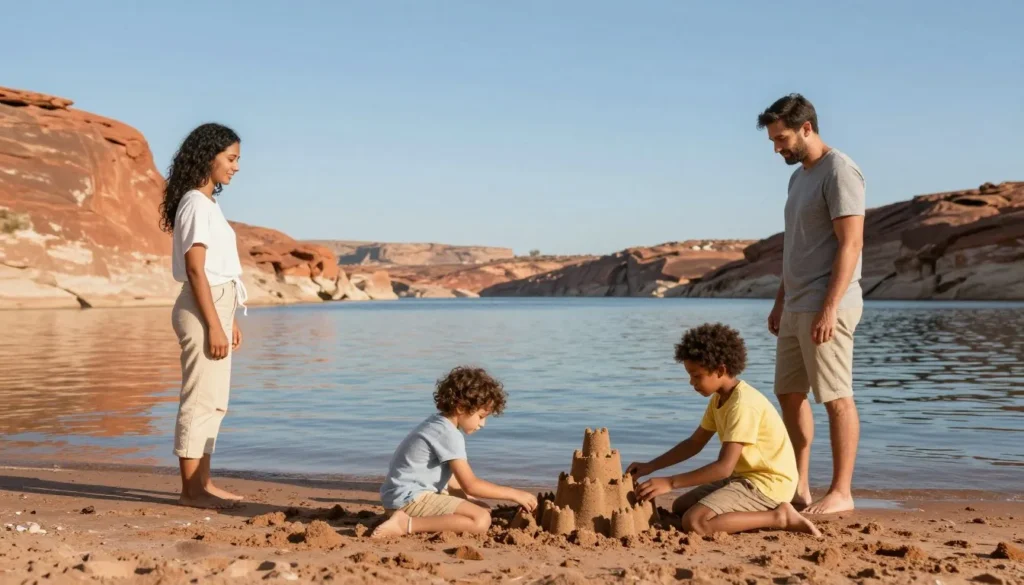
Huntington State Park provides an excellent destination for family camping trips. The compact size, calm waters, and developed facilities create a manageable environment for parents with children.
Kid-Friendly Activities
The swimming beach offers safe, supervised water play during summer months. The gradual entry and sandy bottom make it ideal for young swimmers. Many families bring beach toys, inflatable rafts, and water play equipment.
Fishing appeals to children of all ages. Bluegill fishing from shore requires minimal equipment and often produces steady action that keeps young anglers engaged. Park rangers sometimes offer junior fishing clinics during summer weekends.
Playground Facilities
A small playground near the day-use area provides swings, slides, and climbing equipment suitable for children ages 2-12. The playground sits in a shaded area with picnic tables where parents can supervise comfortably.
Nature Exploration
Children enjoy exploring the short nature trail where they can identify plants, look for animal tracks, and collect (permitted) natural objects like interesting rocks and shed feathers. The junior ranger program offers activity books that guide children through educational park exploration.
Family Camping Tips
Choose campsites near restroom facilities to minimize nighttime walks. Sites 8-12 offer the closest proximity to bathrooms while maintaining reasonable privacy. Bring bicycles for children to ride around the campground loop on the paved roads.
Evening campfire programs during peak season provide family-friendly entertainment and education. These programs cover topics like local wildlife, astronomy, and Leave No Trace principles in engaging formats that appeal to children.
Money Saving Tips
Huntington State Park offers affordable outdoor recreation, and smart planning can stretch your budget even further without sacrificing experience quality.
Camping Cost Strategies
Consider visiting during shoulder seasons (April-May or September-October) when some parks offer reduced camping fees. The weather remains pleasant, but lower demand sometimes results in discounted rates.
Utah state parks offer an annual pass that pays for itself after 6-7 day-use visits or 3-4 nights of camping. Families planning multiple trips to Utah state parks within a year should purchase this pass for significant savings.
Equipment Rentals vs. Purchase
Rather than renting fishing equipment, consider purchasing basic gear from discount retailers in larger cities like Price or Salt Lake City. A simple rod and reel combo costs less than several days of rentals and can be used on future trips.
Share equipment costs with friends or family when car camping. Items like camp stoves, coolers, and shade canopies can serve multiple families, splitting the initial investment.
Food and Supplies
Shop for groceries and camping supplies in larger towns before reaching Huntington. Prices in small rural communities typically run higher than chain supermarkets in cities. Purchase ice, firewood, and charcoal in bulk before arrival.
Plan and prepare meals in advance. Pre-cut vegetables, marinated meats, and pre-mixed ingredients reduce cooking time and minimize waste. Bring reusable water bottles and fill them from campground spigots rather than purchasing bottled water.
Free Activities
Many of the area’s best experiences cost nothing beyond park entry fees. Hiking, wildlife viewing, stargazing, and beach time require no additional spending. Explore nearby public lands like the San Rafael Swell where dispersed camping is free.
Safety, Etiquette & Local Customs
Water Safety
Always wear life jackets when boating, regardless of swimming ability. Sudden weather changes can create choppy water conditions quickly. Children should remain within arm’s reach of adults when near water, even at the designated swimming beach.
Lightning poses a serious threat during summer thunderstorms. When thunder sounds, immediately leave the water and seek shelter in a vehicle or building. Avoid being the tallest object in an area and stay away from isolated trees.
Desert Environment Hazards
Summer temperatures regularly exceed 32°C (90°F), creating heat illness risks. Drink water frequently, even when not feeling thirsty. Carry at least four liters (one gallon) of water per person for day hikes.
Rattlesnakes inhabit the area and are most active during warm months. Watch where you place hands and feet when scrambling on rocks or moving through brush. Give snakes space if encountered; they will retreat if given the opportunity.
Fire Safety
Use only designated fire rings for campfires. Never leave fires unattended and completely extinguish them before sleeping or leaving your site. During dry periods, fire restrictions may be implemented. Check current regulations at the park entrance.
Collect only dead and down wood for fires. Never cut standing trees or branches from live vegetation. Many campers prefer bringing purchased firewood to avoid searching for fuel.
Wildlife Etiquette
Observe wildlife from a distance. Never approach or feed animals, which can become dangerous and dependent on human food. Store food in vehicles or bear-resistant containers to avoid attracting animals to campsites.
Leave No Trace Principles
Pack out all trash, including micro-litter like cigarette butts and food scraps. Use existing trails and campsites to minimize impact. Dispose of gray water in designated dump stations, not on the ground.
Respect quiet hours, typically 10 PM to 7 AM. Keep noise levels moderate even during permitted hours. Many visitors come to state parks seeking peaceful natural experiences.
Local Customs
The Huntington area reflects traditional rural Utah values. Friendliness and neighborliness are highly valued. Greet fellow campers and park staff courteously. Most visitors are happy to share recommendations and local knowledge.
Sunday activities may be quieter than other days due to religious observances common in Utah communities. Some local businesses close on Sundays, so plan accordingly for supply needs.
Visitor Comments About Huntington State Park
“We spent a wonderful week at Huntington State Park camping with our children. The reservoir was perfect for teaching our kids to fish, and they caught bluegill almost every day. The campground felt safe and clean, and having hot showers made the whole experience comfortable. The surrounding desert scenery was beautiful, and we enjoyed evening walks along the shoreline. This park exceeded our expectations for a small state park.”
“Huntington State Park became our favorite bass fishing destination. The largemouth bass population is healthy and responsive to various lures and techniques. We launched our boat early each morning and enjoyed productive fishing until mid-morning. The park is well-maintained, and the staff are helpful and knowledgeable about fishing conditions. The location offers a perfect balance of quality fishing and peaceful surroundings without the crowds of more famous Utah destinations.”
“Our family discovered Huntington State Park while traveling across Utah, and it became a highlight of our trip. The swimming beach kept our children entertained for hours, and the calm water felt safe for our younger ones. Evenings at our campsite were magical, with incredible starry skies and comfortable temperatures. The park’s proximity to other attractions like the San Rafael Swell made it an ideal base camp. We’ll definitely return for future Utah adventures.”
Additional Nearby Destinations
Huntington State Park serves as an excellent base for exploring the remarkable natural and cultural attractions of central Utah. Several destinations within easy driving distance offer day-trip opportunities that complement your park stay.
San Rafael Swell
This vast geological feature lies approximately 32 kilometers (20 miles) east and encompasses some of Utah’s most spectacular desert wilderness. The Swell offers countless hiking opportunities, scenic drives, and photographic subjects. Popular sites include Goblin Valley, Little Wild Horse Canyon, and the Wedge Overlook.
Goblin Valley State Park
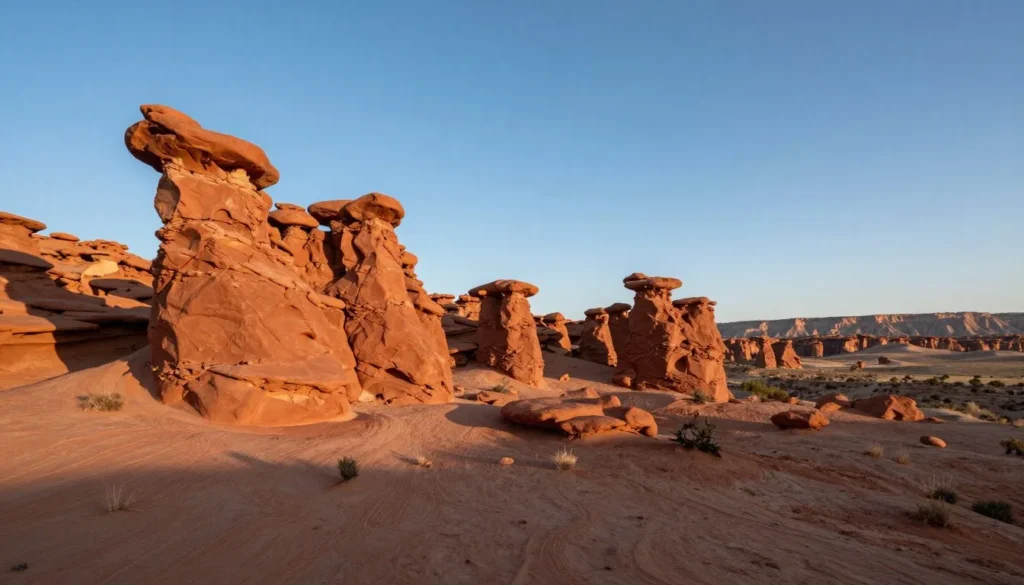
Located 64 kilometers (40 miles) southeast, Goblin Valley features thousands of mushroom-shaped rock formations called hoodoos. Children especially enjoy exploring among these unique geological features. The park offers camping, hiking trails, and visitor center exhibits explaining the area’s formation.
Scofield State Park
This mountain reservoir park sits 77 kilometers (48 miles) northwest at 2,438 meters (8,000 feet) elevation. Scofield offers excellent trout fishing and provides a cooler summer alternative to desert environments. The surrounding mountains create beautiful scenery contrasting with Huntington’s desert setting.
Joe’s Valley Reservoir
Just 40 kilometers (25 miles) west, Joe’s Valley provides another fishing destination known for trophy-sized splake and tiger trout. The area also features world-class rock climbing at Joe’s Valley Boulders, attracting climbers from around the globe.
Price and Helper
These larger towns, 48-56 kilometers (30-35 miles) north, offer museums, restaurants, and shopping. The Western Mining and Railroad Museum in Helper and the Prehistoric Museum in Price provide interesting educational experiences, particularly on rainy days or extreme heat days.
Practical Travel Tips
Essential Items to Pack
Successful Huntington State Park visits require proper preparation. Essential items include:
- Sunscreen (SPF 30+) and wide-brimmed hats for desert sun protection
- Insect repellent for mosquitoes near the water, especially during summer evenings
- Layered clothing for temperature variations between day and night
- Reusable water bottles and water purification tablets for extended activities
- First aid kit including treatment for minor cuts, burns, and heat-related issues
- Headlamps or flashlights with extra batteries for nighttime campground navigation
- Utah fishing license if planning to fish (purchase before arrival)
Cell Phone Coverage
Cell phone service at Huntington State Park is generally reliable for major carriers. The town of Huntington has good coverage, and most of the park area receives adequate signal strength. However, service becomes spotty or unavailable when exploring remote backcountry areas of the San Rafael Swell.
Pet Policies
Pets are welcome at Huntington State Park but must remain on leashes no longer than 1.8 meters (6 feet) at all times. Pets are not permitted on the swimming beach or in park buildings. Clean up after pets and dispose of waste in trash receptacles.
Summer heat creates dangerous conditions for pets. Never leave animals in vehicles, and provide shade and water at campsites. Consider leaving pets at home during extreme summer temperatures.
Accessibility
The park provides accessible parking spaces near day-use facilities and restrooms. Paved paths connect parking areas to restroom buildings and some picnic areas. Several campsites can accommodate visitors with mobility challenges, though the terrain is generally level throughout the campground.
Accessible restrooms with appropriate fixtures serve the campground and day-use areas. Contact the park office before arrival to discuss specific accessibility needs and request suitable campsite assignments.
Park Rules and Regulations
Key regulations visitors should know include:
- Day-use hours are 6 AM to 10 PM unless camping overnight
- Maximum stay limit is 14 consecutive days
- Quiet hours are enforced from 10 PM to 7 AM
- Fireworks, firearms discharge, and off-road vehicle use are prohibited
- Glass containers are not permitted on the swimming beach
- All watercraft must display current registration
Reservation Information
Campsite reservations are strongly recommended from May through September. Reservations can be made up to 16 weeks in advance through Utah State Parks’ reservation system. A small booking fee applies to reservations.
Some campsites operate on a first-come, first-served basis during off-peak seasons. However, availability is not guaranteed, especially on weekends and holidays. Day-use areas do not require reservations.
Huntington State Park Location Map
Your Huntington Adventure Awaits
Huntington State Park delivers an authentic Utah outdoor experience without the overwhelming crowds of more famous destinations. The combination of excellent fishing, peaceful camping, and proximity to spectacular desert landscapes creates the perfect recipe for memorable family adventures or solo retreats.
Whether you’re casting for largemouth bass at sunrise, swimming in the cool reservoir on a hot summer afternoon, or stargazing from your campsite on a clear autumn evening, this small park offers experiences that rival Utah’s most celebrated destinations. The welcoming local community, well-maintained facilities, and stunning natural beauty make Huntington State Park a place you’ll want to return to year after year.
Pack your camping gear, grab your fishing rod, and discover why those who know Utah’s hidden gems treasure this special corner of Emery County. Your Huntington State Park adventure is waiting.