Hotels by Trip.com
Flights by Trip.com
Did you know that Indian Creek hosts over 2,000 documented climbing routes, making it one of North America’s premier crack climbing destinations? This remarkable concentration of sandstone splitter cracks draws climbers from around the world to this remote corner of southeastern Utah. Beyond the vertical world, this stunning area within Bears Ears National Monument offers a wealth of outdoor adventures and ancient history waiting to be discovered.
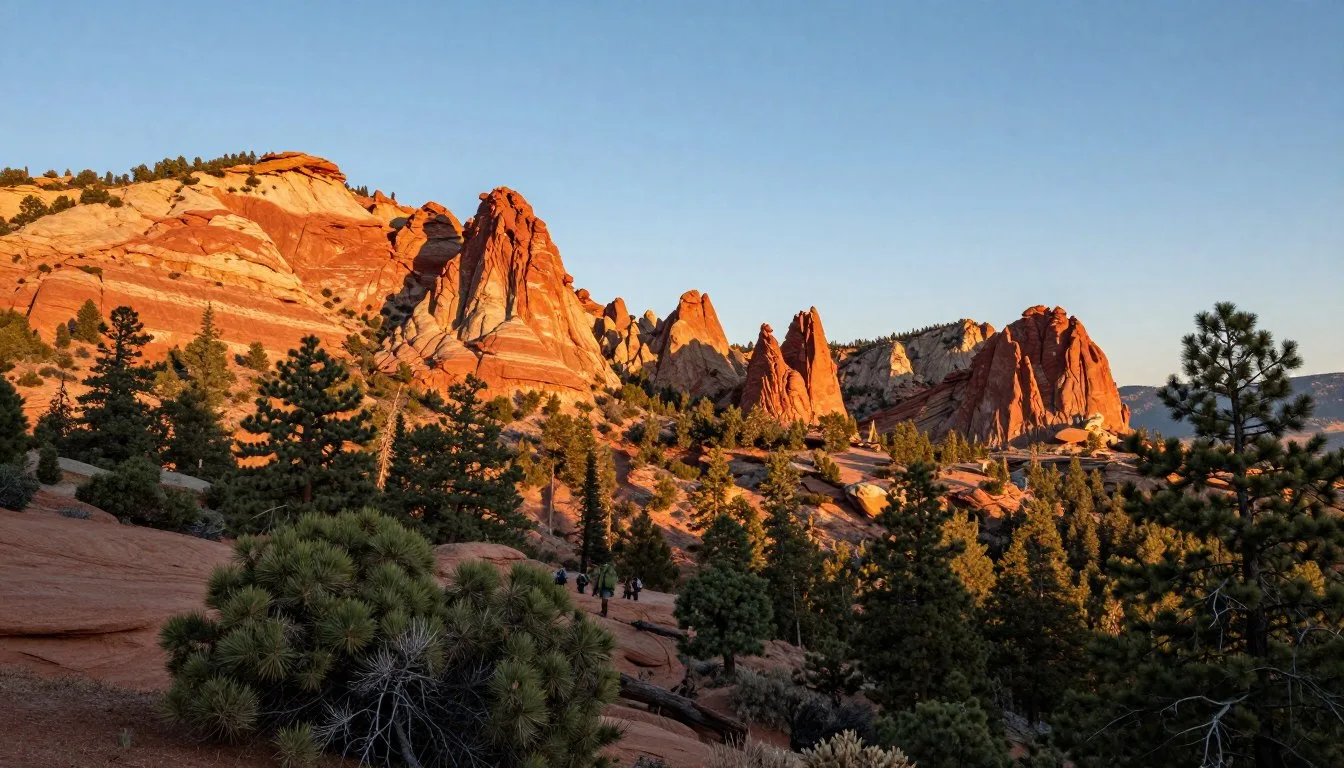
The Indian Creek corridor stretches along a scenic highway between Canyonlands National Park and Bears Ears National Monument. Red rock towers pierce the desert sky while cottonwood trees line the creek below. This high desert landscape combines geological wonders with cultural significance, creating an unforgettable destination for adventurers and history enthusiasts alike.
Getting There and Planning Your Journey
The closest major airport to Indian Creek is Canyonlands Field Airport in Moab, located approximately 64 km (40 miles) north of the area. This regional airport offers connections through major hubs. For more flight options, travelers can fly into Grand Junction Regional Airport in Colorado, about 177 km (110 miles) away.
From Moab, take Highway 191 south for about 40 minutes, then turn onto Highway 211 west toward the Needles District of Canyonlands National Park. The Indian Creek corridor follows this scenic highway for approximately 24 km (15 miles). The drive itself offers spectacular views of red rock formations and desert landscapes.
Visitors should prepare for remote travel conditions. Cell phone service is extremely limited throughout the area. The nearest full-service town is Monticello, located about 48 km (30 miles) south on Highway 191. Stock up on supplies, fuel, and water before heading into Indian Creek, as no services exist along the corridor.

Best Time to Visit and Weather Tips
Recommended Seasons
Spring and fall offer the most comfortable conditions for visiting Indian Creek. March through May brings mild temperatures ranging from 13°C to 24°C (55°F to 75°F) during the day. Wildflowers bloom across the desert landscape during April and early May, adding vibrant colors to the red rock scenery.
September through November provides another excellent window for visits. Temperatures remain pleasant, typically between 16°C to 27°C (60°F to 80°F). The fall season attracts fewer visitors compared to spring, offering more solitude on trails and climbing routes. October stands out as particularly ideal, with warm days and cool nights perfect for camping.
Seasons to Avoid
Summer temperatures from June through August frequently exceed 38°C (100°F), making outdoor activities challenging and potentially dangerous. The exposed desert environment offers little shade, and water sources become scarce. Heat-related emergencies increase significantly during summer months.
Winter brings unpredictable weather from December through February. While some sunny days reach comfortable temperatures, sudden snowstorms can make roads impassable. Night temperatures regularly drop below freezing, often reaching -7°C (20°F) or lower. Winter camping requires specialized gear and experience with cold weather conditions.
Weather Preparation Tips
Desert weather changes rapidly throughout the day. Temperatures can swing 22°C (40°F) between day and night, even during mild seasons. Layer clothing to adapt to these fluctuations. Bring sun protection including hats, sunglasses, and high-SPF sunscreen regardless of the time of year.
Afternoon thunderstorms develop frequently during late summer monsoon season from July through September. These storms arrive quickly and can produce dangerous lightning, flash flooding, and sudden temperature drops. Monitor weather forecasts before your trip and watch for developing clouds during afternoon activities.
Notable Annual Festivals
The Indian Creek area itself hosts limited organized events due to its remote location and protected status. However, nearby communities celebrate the region’s culture and outdoor heritage through several annual gatherings.
The Moab Folk Festival takes place each November in Moab, featuring folk music, storytelling, and cultural celebrations. This event highlights the connection between people and the land. Contact the organizers at +1 435-259-3198 for current dates and performer information.
Bears Ears Inter-Tribal Coalition periodically hosts cultural events and educational programs within Bears Ears National Monument. These gatherings offer opportunities to learn about Native American heritage and the sacred significance of the land. Check with the coalition for upcoming events and participation guidelines.
The nearby town of Blanding hosts the Blanding Arts Festival each June, showcasing regional artists, crafts, and local culture. While not directly in Indian Creek, this event provides insight into the broader cultural landscape of southeastern Utah.
Getting Around Locally
Personal vehicles provide the only practical transportation option for exploring Indian Creek. The area has no public transportation, shuttle services, or rental facilities. A high-clearance vehicle is strongly recommended, though not absolutely required for the main highway.
Highway 211 remains paved and accessible to standard passenger cars throughout the year during normal conditions. However, dispersed camping sites and some trailheads require driving on unpaved roads. These dirt roads can become impassable during wet weather or after snowmelt. Four-wheel drive vehicles handle these conditions more safely.
Many visitors prefer camping along the Indian Creek corridor, allowing easy access to climbing areas and trails without daily driving. Sites along the main road accommodate RVs and trailers, though larger vehicles should scout potential camping spots carefully due to limited turning space in some areas.
Bicycles offer an alternative for exploring the corridor once camped. The relatively flat highway and stunning scenery make cycling popular among visitors. However, cyclists should prepare for limited shoulders on the road and carry adequate water and supplies.
Where to Stay
Dispersed Camping
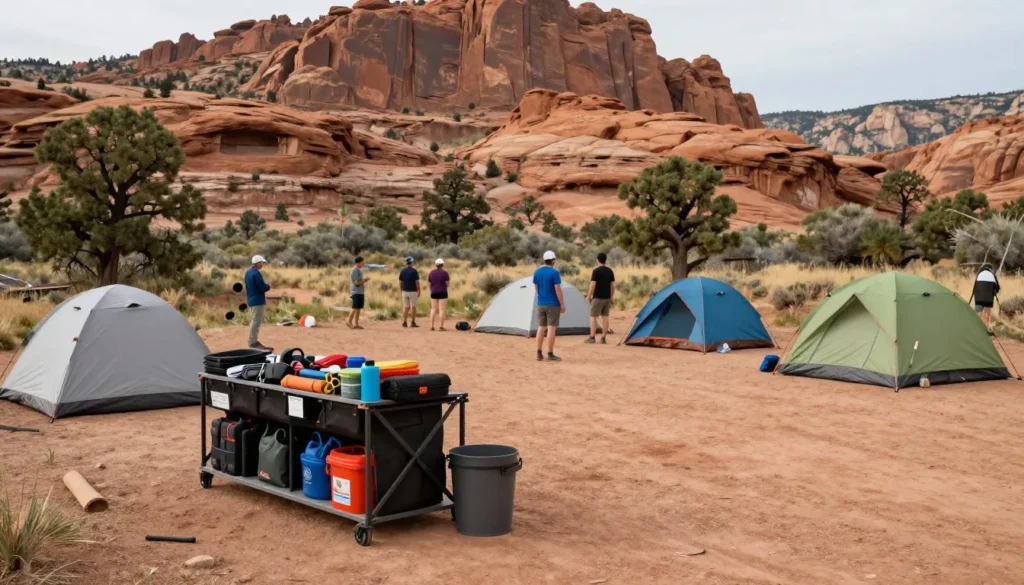
Indian Creek is renowned for its dispersed camping opportunities along the corridor. The Bureau of Land Management manages numerous informal camping sites beneath towering rock formations. These free sites operate on a first-come, first-served basis and fill quickly during peak spring and fall seasons.
Popular camping areas include Hamburger Rock and the stretches near Newspaper Rock. Sites accommodate tents, RVs, and van campers. Facilities are primitive with no water, restrooms, or trash collection. Visitors must pack out all waste and practice Leave No Trace principles. Maximum stay is 14 days within any 28-day period.
Nearby Campgrounds
The Needles District of Canyonlands National Park operates Squaw Flat Campground, located about 32 km (20 miles) west of Indian Creek. This developed campground offers 26 sites with picnic tables and vault toilets. Reservations are strongly recommended during busy seasons. The campground provides a more structured camping experience with defined sites and basic amenities.
Hotels and Lodging
Monticello, approximately 48 km (30 miles) south, offers the nearest hotels and motels. Options range from budget chains to local establishments. This small town provides full services including restaurants, grocery stores, and fuel. Moab, located 64 km (40 miles) north, features a wider selection of accommodations from luxury resorts to budget motels.
Bluff, a small community about 56 km (35 miles) southeast, provides charming bed and breakfast options and small inns. This historic settlement offers a quieter alternative to Moab while maintaining reasonable access to Indian Creek.

Dining and Local Cuisine
The Indian Creek area has no restaurants, cafes, or food services. Visitors must bring all food and cooking supplies. Most people camping along Indian Creek prepare their own meals using camp stoves or campfires where permitted. Plan menus carefully and pack extra supplies as weather or road conditions might extend your stay unexpectedly.
Monticello offers several dining options including family restaurants, fast food outlets, and a local grocery store for provisions. The town serves as the primary supply point for many Indian Creek visitors. Pack coolers with ice to maintain food safety in the desert heat.
Moab provides the most extensive dining scene in the region. Restaurants range from brewpubs and pizza joints to upscale Southwestern cuisine establishments. Many visitors stock up in Moab before heading to Indian Creek, taking advantage of the larger grocery stores and specialty outdoor retailers that sell freeze-dried camping meals and trail snacks.
Water availability requires special attention. Indian Creek itself flows seasonally and should not be considered a reliable water source. Furthermore, water from natural sources requires treatment before consumption. Carry at least 3.7 liters (1 gallon) of water per person per day, and more during hot weather or strenuous activities like climbing and hiking.
Attractions, Sightseeing and Activities
World-Class Rock Climbing
Indian Creek’s reputation as a climbing mecca draws enthusiasts from across the globe. The area features over 2,000 routes characterized by parallel-sided cracks splitting through vertical Wingate sandstone walls. These splitter cracks range from finger-width to full chimneys, offering challenges for all skill levels.
Popular climbing formations include The Incredible Hand Crack, considered one of the finest hand crack climbs anywhere. Scarface wall features dozens of routes in a concentrated area. Super Crack of the Desert attracts photographers and climbers alike with its striking aesthetic line. Beginners can find moderate routes while experienced climbers tackle classic hard grades.
Climbers should bring a comprehensive rack of camming devices and practice solid crack climbing technique. The sandstone can be soft in places, requiring careful placement and backup. Spring and fall provide ideal temperatures for climbing, while summer heat makes vertical rock faces uncomfortable and potentially dangerous.

Newspaper Rock State Historic Monument
Located along Highway 211 approximately 19 km (12 miles) before reaching the main Indian Creek corridor, Newspaper Rock showcases one of the Southwest’s finest petroglyph panels. Ancient and more recent Native peoples created these rock art images over a span of 2,000 years.
The dark desert varnish coating the rock face provided an ideal canvas for pecking designs that reveal lighter stone beneath. Images depict human figures, animals including bighorn sheep and deer, geometric patterns, and mysterious symbols. Interpretive signs help visitors understand the timeline and potential meanings of different styles.
A small parking area and viewing platform make Newspaper Rock easily accessible. The site remains free and open year-round. Visitors should view the rock art from the designated platform and never touch the ancient images, as oils from skin can damage the irreplaceable cultural resources.
Hiking Trails
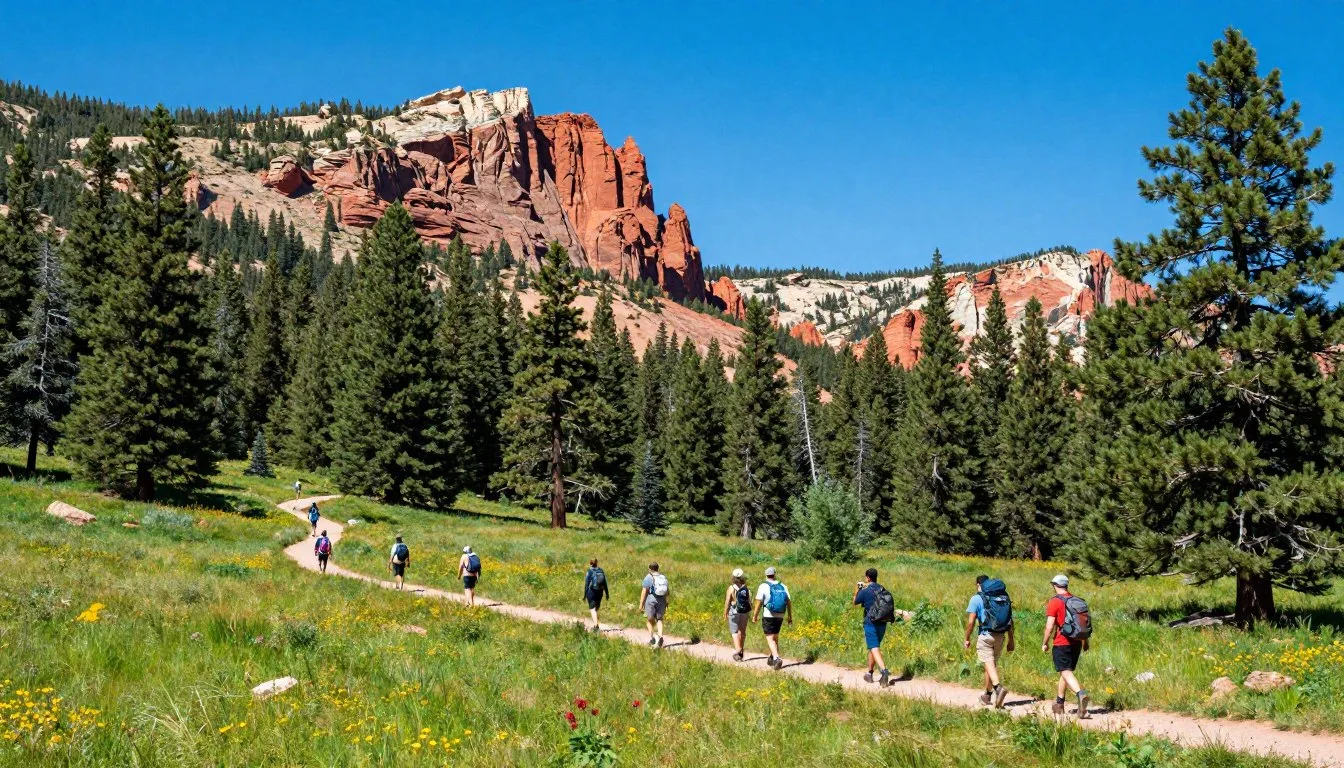
While Indian Creek is better known for climbing than hiking, several trails offer opportunities to explore the landscape. Most routes follow canyon bottoms or traverse desert benches with stunning views of the surrounding towers and buttes.
The Upper Salt Creek Trail in the nearby Needles District provides access to ancient ruins and spectacular canyon scenery. This trail requires a high-clearance four-wheel drive vehicle to reach the trailhead. The hike itself covers varied terrain with opportunities to see Ancestral Puebloan structures tucked into alcoves.
Many climbers create their own routes exploring the bases of formations and scrambling up talus slopes. These informal trails are not maintained or marked, requiring navigation skills and awareness of terrain hazards. Always tell someone your plans before heading out on any exploration.
Museums, Cultural Spots and Festivals
The Indian Creek area itself contains limited developed cultural facilities, but the surrounding region holds deep cultural significance and important historical sites. Bears Ears National Monument, which encompasses Indian Creek, protects thousands of archaeological sites representing 12,000 years of human presence.
Evidence of Ancestral Puebloan, Fremont, Navajo, and Ute peoples appears throughout the landscape. Rock art panels, cliff dwellings, ceremonial sites, and artifact scatters demonstrate the land’s long cultural importance. Many sites remain sensitive and undisclosed to protect them from vandalism and looting.
The Edge of the Cedars State Park Museum in Blanding offers comprehensive exhibits about the region’s archaeology and Native American cultures. The museum features an excavated Ancestral Puebloan village site and extensive collections of pottery, baskets, and tools. Educational programs help visitors understand the cultural landscape they’re exploring.
In Moab, the Museum of Moab presents exhibits on regional history including pioneer settlement, uranium mining, and outdoor recreation heritage. These museums provide valuable context for understanding the human story of southeastern Utah beyond just the natural wonders.
Nature and Outdoor Experiences
Wildlife Viewing
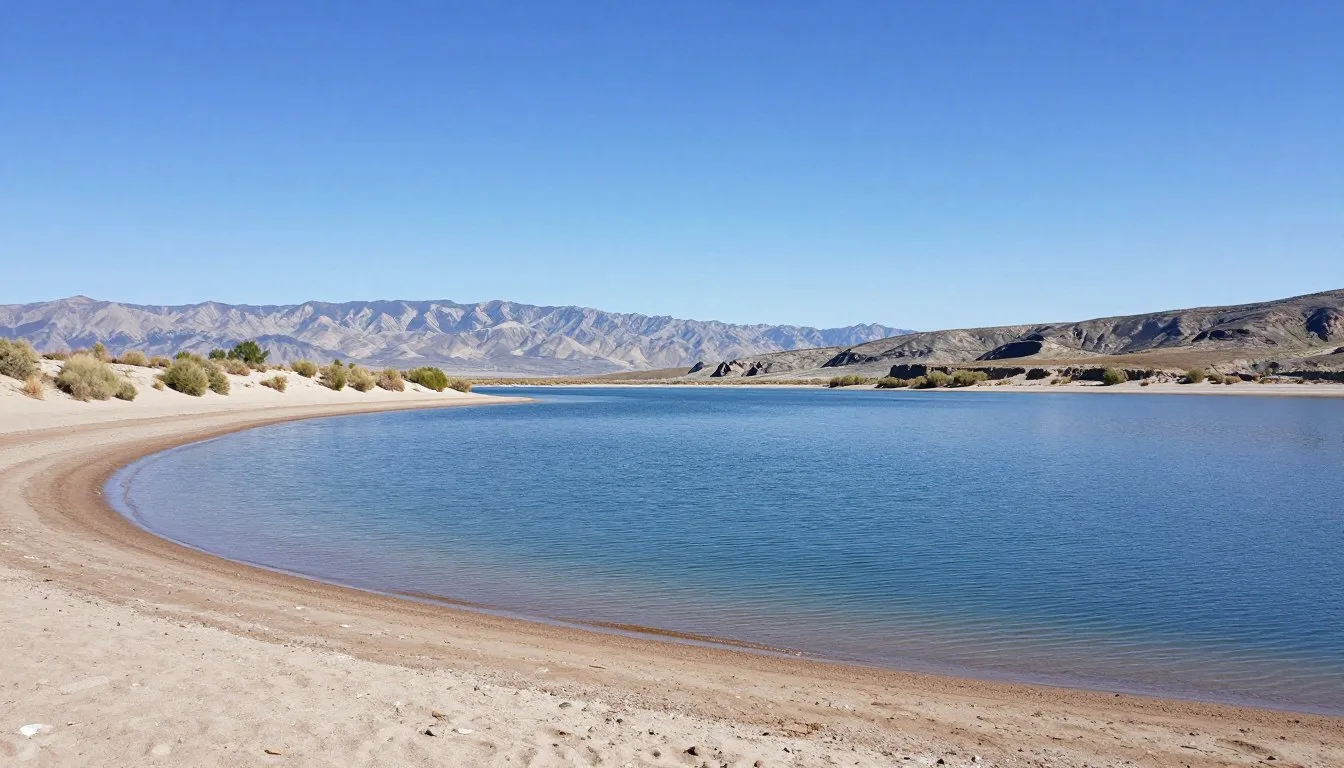
Despite its name, Indian Creek State Wildlife Area offers varied wildlife viewing opportunities. Desert bighorn sheep inhabit the rocky terrain, though they remain elusive and spotting them requires patience and sharp eyes. Early morning and evening hours provide the best chances for wildlife encounters.
Mule deer frequent the riparian areas along Indian Creek, particularly near water sources. These adaptable animals thrive in the desert environment and often venture near camping areas. Keep a respectful distance and never feed wildlife, as human food causes serious health problems for desert animals.
Bird species include golden eagles soaring above cliff faces, common ravens, and numerous songbirds in the cottonwood groves. Spring migration brings additional species passing through the corridor. Reptiles such as collared lizards, whiptails, and occasionally rattlesnakes occupy sunny rock faces and desert floors.

Photography Opportunities
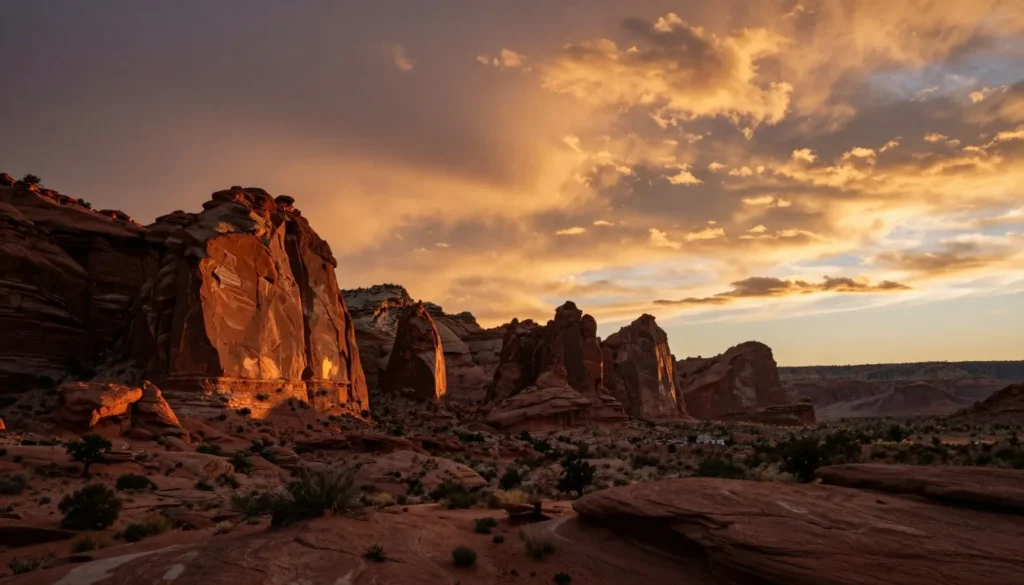
Indian Creek’s dramatic landscapes create endless photography possibilities. The towering sandstone walls glow in warm tones during golden hour, while stark contrasts develop during midday. Spring wildflowers add colorful foregrounds to red rock compositions.
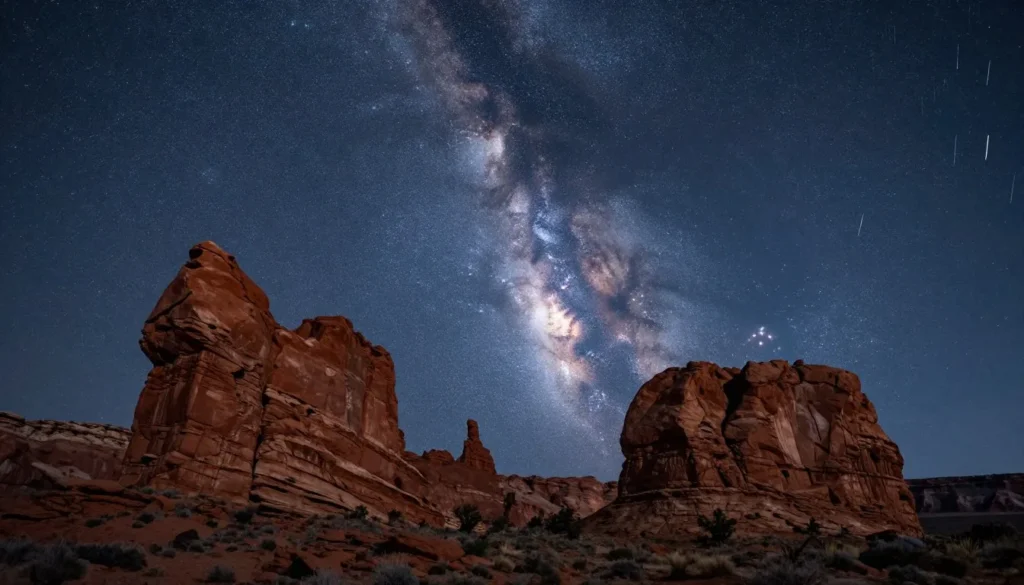
Night skies offer spectacular opportunities for astrophotography. The remote location far from city lights provides dark skies where the Milky Way appears brilliantly overhead. The silhouettes of rock formations against starry skies create dramatic images. New moon periods offer the darkest conditions for capturing celestial objects.
Stargazing
The combination of high elevation, dry climate, and minimal light pollution makes Indian Creek exceptional for stargazing. On clear nights, thousands of stars become visible to the naked eye. The Milky Way stretches across the sky with remarkable clarity, revealing details invisible from urban areas.
Bring binoculars or a telescope to enhance the experience. Planets, star clusters, and nebulae appear with stunning clarity. Meteor showers peak several times throughout the year, with August’s Perseids and December’s Geminids providing impressive displays. The cool desert nights enhance the experience of contemplating the cosmos beneath vast dark skies.
Travel With Children
Indian Creek can provide wonderful family experiences, but parents must carefully consider the remote environment and limited facilities. The dispersed camping areas lack amenities like playgrounds, restrooms, or designated swimming areas that make other destinations easier for young children.
Children often enjoy exploring the creek bed when water flows, searching for interesting rocks, and watching climbers on the walls. These activities require close supervision due to uneven terrain and potential hazards. The area’s openness allows kids to experience nature without crowds and developed infrastructure.
Education opportunities abound for families willing to prepare. Teaching children about desert ecology, geology, and cultural history makes the visit more meaningful. Newspaper Rock particularly captivates young imaginations with its ancient images. Bringing field guides for identifying plants, animals, and rock formations turns exploration into learning adventures.
Heat safety becomes critical when traveling with children. Young bodies regulate temperature less efficiently than adults, increasing heat-related risks. Plan activities for early morning and evening hours during warmer months. Ensure children drink water regularly even when not thirsty, and watch for signs of heat exhaustion including excessive fatigue, dizziness, or nausea.
The remote location means emergency medical care is far away. Families should bring comprehensive first aid kits and know how to handle common outdoor injuries and illnesses. Cell phones don’t work in most areas, making self-sufficiency essential.
Money Saving Tips
Indian Creek offers exceptional value for budget-conscious travelers. The free dispersed camping eliminates accommodation costs that typically consume significant portions of travel budgets. Unlike many national parks charging entrance fees, access to the Indian Creek corridor and surrounding BLM lands remains free.
Bring all food and supplies from home or purchase them in larger towns where prices are lower. Small convenience stores in Monticello charge premium prices for limited selections. Shopping at grocery stores in Moab or even before arriving in Utah saves considerable money on provisions.
Camping eliminates restaurant costs entirely. Prepare simple, filling meals using camp stoves or campfires. Breakfast burritos, pasta dishes, and one-pot meals provide nutrition without complexity or expense. Bringing a cooler with ice extends the range of fresh foods available.
Climbing and hiking require no fees or permits for day use in most areas. Unlike guided tours or paid activities at some destinations, Indian Creek’s recreational opportunities cost nothing beyond basic gear. Borrowing or renting specialized equipment like climbing racks from friends or outdoor shops in Moab reduces gear investment costs.
Visit during shoulder seasons in early spring or late fall for the best campsite availability without crowds. Popular areas fill rapidly during peak October weekends, sometimes forcing late arrivals to continue searching for available spots. Arriving on weekdays rather than Friday evenings improves campsite selection.
Fuel efficiency matters on the long drives to Indian Creek. Carpooling with friends splits gas costs while reducing environmental impact. Consolidate trips to town for supplies rather than making multiple runs, as the nearest services are 48 km (30 miles) away.
Safety, Etiquette and Local Customs
Safety Considerations
The remote desert environment presents serious safety challenges. Cell phone service is unavailable throughout most of the Indian Creek corridor, making emergency communication impossible without satellite devices. Visitors should carry personal locator beacons or satellite messengers for true emergencies.
Water scarcity poses the greatest risk to unprepared visitors. Carry far more water than you think necessary, especially during warmer months. Dehydration progresses rapidly in dry desert air, often before you feel thirsty. Symptoms include headache, dizziness, and dark-colored urine requiring immediate rehydration.
Flash flooding occurs with little warning during thunderstorms. Never camp in dry washes or low-lying areas where water can suddenly appear. Storms many miles away can send walls of water down narrow canyons, creating life-threatening situations. Monitor weather forecasts and watch for distant clouds that might indicate developing storms.
Rattlesnakes inhabit rocky areas and become more active during warmer months. Watch where you place hands and feet when scrambling over rocks or reaching into cracks. Most snake encounters result from accidentally surprising the snake rather than aggressive behavior. Give snakes space and they will retreat.
Leave No Trace Principles
The dispersed camping system relies entirely on visitor responsibility. No trash collection services exist along the corridor, requiring you to pack out everything you bring in. This includes food waste, which attracts wildlife and creates problems for future visitors and animals alike.
Human waste disposal follows specific protocols in this desert environment. Solid waste should be buried in catholes at least 15 cm (6 inches) deep and located at least 60 m (200 feet) from water sources, campsites, and trails. Pack out toilet paper in sealed bags rather than burying it, as decomposition is extremely slow in the arid climate.
Campfires are permitted but use existing fire rings rather than creating new ones. The desert ecosystem recovers slowly from disturbance, and fire ring proliferation scars the landscape. Use dead and downed wood only, never cut standing trees or branches. Consider using camp stoves instead of fires to minimize impact.
Cultural Respect
Indian Creek and the broader Bears Ears region hold profound cultural and spiritual significance for multiple Native American tribes. Archaeological sites, rock art panels, and ceremonial areas deserve utmost respect. Never touch rock art, enter structures, or remove artifacts. These irreplaceable cultural resources belong to descendant communities and all humanity.
Some areas remain sacred to contemporary Native peoples. Approach all cultural sites with reverence and understanding of their ongoing importance. Photography at some sites may feel intrusive or disrespectful even when technically permitted. Use judgment and err on the side of restraint.
Climbing Ethics
Climbers have developed strong ethics specific to Indian Creek to preserve the area’s character. Avoid creating new routes near existing classics. Clean chalk from holds after climbing to maintain the rock’s natural appearance. Use existing approach trails rather than creating new paths that accelerate erosion.
Keep noise levels reasonable, especially in popular climbing areas where multiple parties work routes simultaneously. The desert carries sound remarkably well, meaning loud conversations and music disturb others over surprising distances. Many visitors seek quiet immersion in the natural environment.
Visitor Comments About Indian Creek State Wildlife Area
H.W., Irakleion: “Indian Creek exceeded every expectation. The crack climbing is world-class, and camping beneath those massive sandstone walls created unforgettable nights. We spent a week there in April and the weather was perfect. The only challenge was choosing which routes to climb with so many incredible options. The remote feeling and dark night skies made it truly special. Definitely bring more water than you think you’ll need.”
M.B., Springfield: “We visited as a family in October and found it surprisingly accessible even with kids. Our children loved exploring along the creek and watching the climbers. Newspaper Rock was a highlight that captivated everyone. The dispersed camping took some adjustment coming from developed campgrounds, but we appreciated the freedom and space. Just be prepared with everything you need since there are absolutely no services or facilities.”
M.R., Helsingborg: “Indian Creek offers incredible desert beauty without the crowds of more famous Utah destinations. The geology is stunning and the rock formations create dramatic scenery in all directions. We combined climbing with hiking in the nearby Needles District for variety. Spring wildflowers added unexpected color to the landscape. The only downside is how quickly the good campsites fill on weekends. Arrive early or consider weekdays for better options.”
Additional Nearby Destinations
Canyonlands National Park – Needles District
Located just 32 km (20 miles) west of Indian Creek, the Needles District showcases remarkable spires of Cedar Mesa sandstone rising from the desert floor. Hiking trails wind through narrow canyons, past ancient ruins, and up to spectacular viewpoints. The district offers more developed infrastructure than Indian Creek while maintaining a remote character. Entrance fees apply.
Natural Bridges National Monument
About 72 km (45 miles) west, Natural Bridges protects three massive stone bridges carved by flowing water. A scenic loop drive provides overlooks, while trails descend into canyons for close-up views. The monument earned designation as the world’s first International Dark Sky Park, offering exceptional stargazing opportunities.
Valley of the Gods
This dramatic landscape approximately 64 km (40 miles) southeast features towering buttes and mesas reminiscent of Monument Valley but without crowds or fees. A 27 km (17-mile) dirt road winds through the valley, accessible to most vehicles in dry conditions. The area provides excellent primitive camping and photography opportunities.
Moab
The recreation hub of Moab lies 64 km (40 miles) north and serves as a base for exploring Arches National Park, Canyonlands Island in the Sky District, and countless other outdoor destinations. The town offers full services, dining options, bike shops, and guide services for those wanting structured adventures.
Bears Ears Buttes
The twin buttes that give Bears Ears National Monument its name rise prominently from the landscape about 56 km (35 miles) southwest. These distinctive formations hold cultural significance and offer hiking opportunities. The surrounding Cedar Mesa area contains numerous archaeological sites and stunning canyon systems worth exploring.
Practical Travel Tips
Cell phone coverage is essentially nonexistent throughout Indian Creek and most surrounding areas. Download maps and important information before arrival. Apps like Gaia GPS allow downloading topographic maps for offline navigation. Share your itinerary with someone outside the area and establish expected check-in times.
Vehicle preparation prevents many problems in remote areas. Check tire pressure and condition before departure. Bring a full-size spare tire, jack, and tools needed to change a flat. A basic tool kit, jumper cables, and extra fluids can resolve minor mechanical issues that would otherwise strand you far from help.
Weather can change dramatically within hours. Pack clothing layers appropriate for temperatures ranging from freezing nights to hot afternoons during shoulder seasons. A quality sleeping bag rated for expected temperatures ensures comfortable nights. Sudden storms can drop temperatures rapidly even during warmer months.
Bring a comprehensive first aid kit including treatments for cuts, burns, sprains, blisters, and allergic reactions. Include any personal medications plus extras in case your visit extends unexpectedly. Knowledge matters as much as supplies, so consider taking a wilderness first aid course before traveling to remote areas.
Insects are generally minimal in the desert environment compared to wetter climates. However, spring can bring biting gnats near water sources. Mosquitoes occasionally appear after rare rain events. Bringing insect repellent provides insurance against unexpected encounters.
The high desert environment sits at approximately 1,524 m to 1,829 m (5,000 to 6,000 feet) elevation. Visitors arriving from sea level may notice increased fatigue and shortness of breath during physical activities. Allow time to acclimate, drink extra water, and moderate exertion levels during initial days.
Pets can visit Indian Creek but require constant supervision and control. The desert heat poses serious risks to animals not acclimated to extreme temperatures. Wildlife including porcupines, snakes, and predators create additional hazards. Always keep dogs on leash and never leave them in vehicles, as temperatures inside can become lethal within minutes.
Your Indian Creek Adventure Awaits
Indian Creek State Wildlife Area offers an authentic desert wilderness experience that remains remarkably accessible yet genuinely remote. Whether you come to test your skills on world-renowned crack climbs, explore ancient rock art, or simply immerse yourself in stunning red rock landscapes under dark starry skies, this special corner of Utah delivers unforgettable adventures.
The area rewards those who arrive prepared with self-sufficiency, respect for the land, and openness to the desert’s unique beauty. From the towering Wingate sandstone walls to the cottonwood-lined creek below, from ancient cultural sites to modern climbing classics, Indian Creek invites you to discover why this landscape captivates all who visit. Start planning your journey to this remarkable destination today.