Hotels by Trip.com
Flights by Trip.com
Did you know that beneath your feet on the Markagunt Plateau lies evidence of volcanic eruptions that occurred just 1,000 years ago? This makes it one of the youngest volcanic fields in the entire United States. While millions flock to nearby Bryce Canyon and Zion, this high mountain plateau remains a hidden treasure waiting to reward adventurous travelers.
The name “Markagunt” comes from the Southern Paiute language meaning “high mountain” or “highland of trees.” This perfectly describes the elevated landscape that reaches heights of over 3,048 m (10,000′) above sea level.
Located in southwestern Utah, the Markagunt Plateau offers a unique blend of geological wonders, outdoor recreation, and stunning natural beauty. From ancient lava flows to pristine alpine lakes, this destination provides experiences you won’t find anywhere else in the American Southwest.
Getting There & Planning Your Journey
Reaching the Markagunt Plateau requires some planning, but the journey itself offers spectacular views. The plateau sits in southwestern Utah, accessible from several directions depending on your starting point.
The closest major airport is St. George Regional Airport (SGU), located approximately 97 km (60 miles) southwest of the plateau. This smaller airport offers connections through Salt Lake City and other regional hubs. For more flight options, consider Las Vegas McCarran International Airport (LAS), about 257 km (160 miles) south, or Salt Lake City International Airport (SLC), roughly 402 km (250 miles) north.
From St. George, take Interstate 15 north to Cedar City, then follow State Route 14 east onto the plateau. The scenic drive takes about 90 minutes and climbs from desert lowlands into high mountain terrain.
Las Vegas visitors should plan for a four-hour drive through diverse landscapes. The route passes through the stunning Virgin River Gorge and past Zion National Park before reaching the plateau area.
For current road conditions, trail access, and recreation information, contact the Cedar Breaks National Monument Visitor Center at the number above. The helpful staff can provide updates on seasonal closures and weather conditions that might affect your travel plans.
If you’re driving from Salt Lake City, take Interstate 15 south through Provo and past numerous small Utah towns. The journey takes approximately five hours but offers glimpses of Utah’s varied terrain from urban valleys to red rock country.
Winter visitors should note that many access roads close due to heavy snow. State Route 14 typically closes from November through May, limiting plateau access to summer and early fall months.
Best Time to Visit & Weather Tips
Recommended Months to Visit
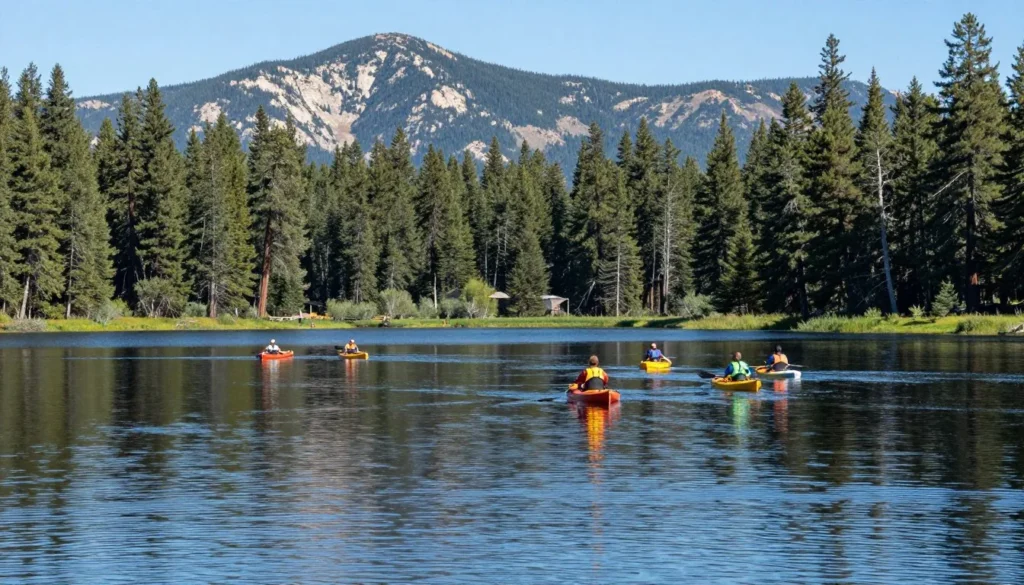
The ideal time to explore the Markagunt Plateau runs from late June through September. During these summer months, all roads remain open, wildflowers blanket alpine meadows, and daytime temperatures hover around a comfortable 21°C to 26°C (70°F to 80°F).
July and August represent peak season when families take advantage of school breaks. You’ll find the most services available during this time, though popular spots see increased visitor numbers.
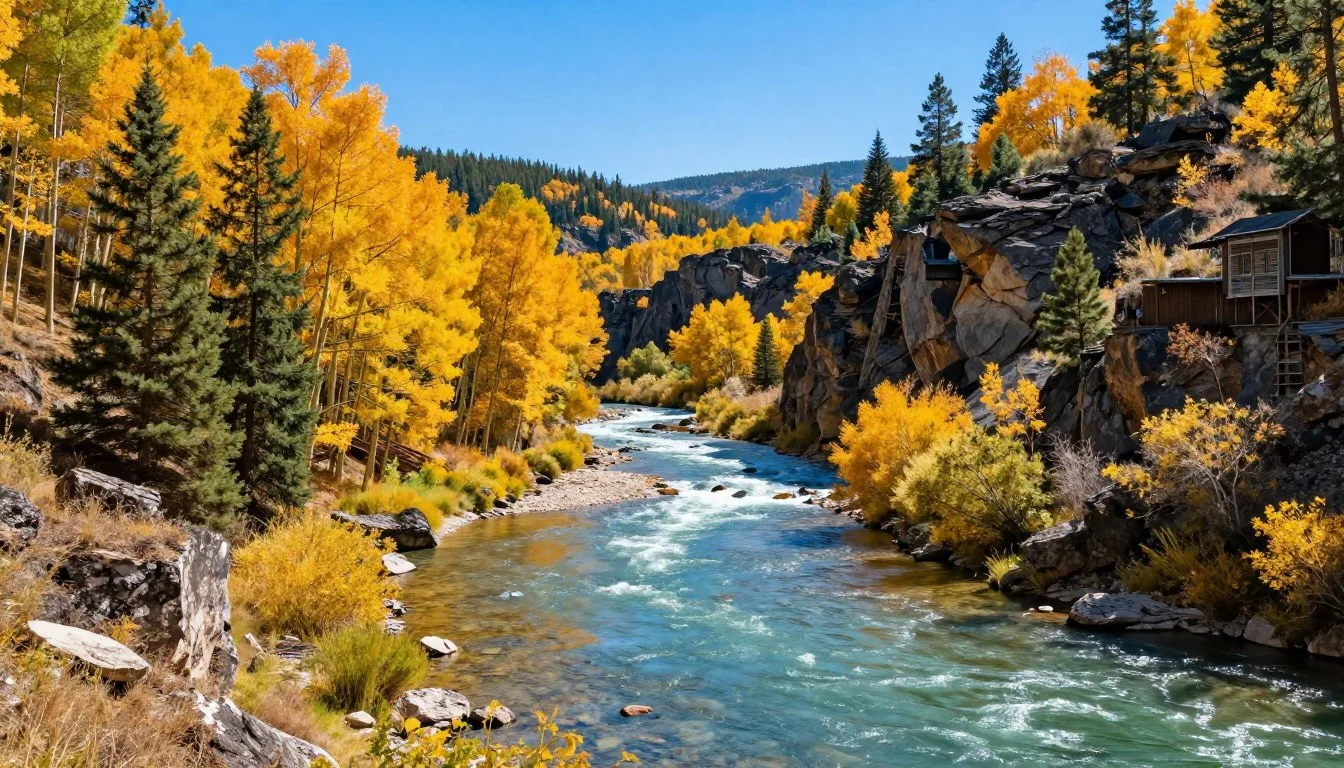
September offers a sweet spot for many travelers. The crowds thin out after Labor Day, aspen trees turn brilliant gold, and weather remains pleasant. Daytime temperatures range from 15°C to 21°C (60°F to 70°F), perfect for hiking and outdoor activities.
✓ Check 30,000+ Local Sightseeing Tours Worldwide
Early June can be wonderful for those who don’t mind lingering snow patches. Higher elevation trails may still be snow-covered, but lower areas become accessible, and you’ll have the place largely to yourself.
Months to Avoid
Winter months from November through April prove challenging for plateau visits. Heavy snowfall closes most access roads, and temperatures plummet well below freezing. Some areas receive over 305 cm (120 inches) of snow annually.
Late spring (May to early June) presents unpredictable conditions. Roads might open and close repeatedly based on weather patterns. Sudden snowstorms can occur even in late May at higher elevations.
Weather Considerations
The plateau’s elevation creates weather patterns distinct from surrounding lowland areas. Even during summer, nighttime temperatures can drop to 4°C to 10°C (40°F to 50°F). Always pack warm layers regardless of the season you visit.
Afternoon thunderstorms develop frequently during July and August. These storms typically roll in between 2:00 PM and 5:00 PM, bringing lightning, heavy rain, and sometimes hail. Plan outdoor activities for morning hours when conditions remain more stable.
The thin mountain air at elevations above 2,743 m (9,000′) intensifies sun exposure. UV radiation proves stronger than at sea level, making sunscreen and protective clothing essential even on cloudy days.
Notable Annual Festivals
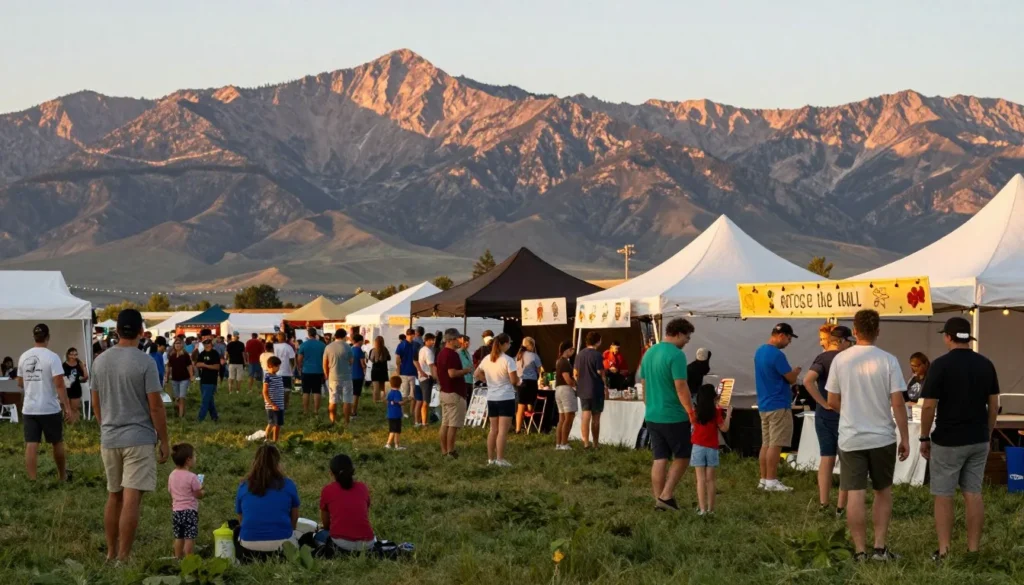
The Markagunt Plateau area hosts several festivals that celebrate local culture, history, and natural beauty. These events provide excellent opportunities to connect with the community and experience regional traditions.
The Utah Shakespeare Festival in Cedar City runs from late June through October. This Tony Award-winning festival brings world-class theater to the plateau’s doorstep. Productions take place in both outdoor and indoor venues, showcasing classic Shakespeare alongside contemporary works.
For festival schedules, ticket information, and performance dates, contact the Utah Shakespeare Festival box office at the number above.
The Cedar City Livestock & Heritage Festival occurs each July, celebrating the area’s ranching heritage. Visitors enjoy rodeo events, livestock shows, western arts demonstrations, and traditional cowboy poetry. The festival provides authentic glimpses into rural Utah culture.
Parowan’s Labor Day celebration has taken place for over a century. This small-town festival features a parade, carnival rides, Dutch oven cooking competitions, and live music. It perfectly captures the friendly spirit of plateau communities.
Brian Head Resort hosts summer concert series throughout July and August. Free outdoor performances feature regional and national acts against spectacular mountain backdrops. Families spread blankets on the grass while enjoying music and sunset views.
The Panguitch Valley Balloon Rally launches each June, filling morning skies with colorful hot air balloons. Early risers witness mass ascensions as dozens of balloons lift off from valley floors. The event includes tethered balloon rides and evening balloon glows.
Getting Around Locally
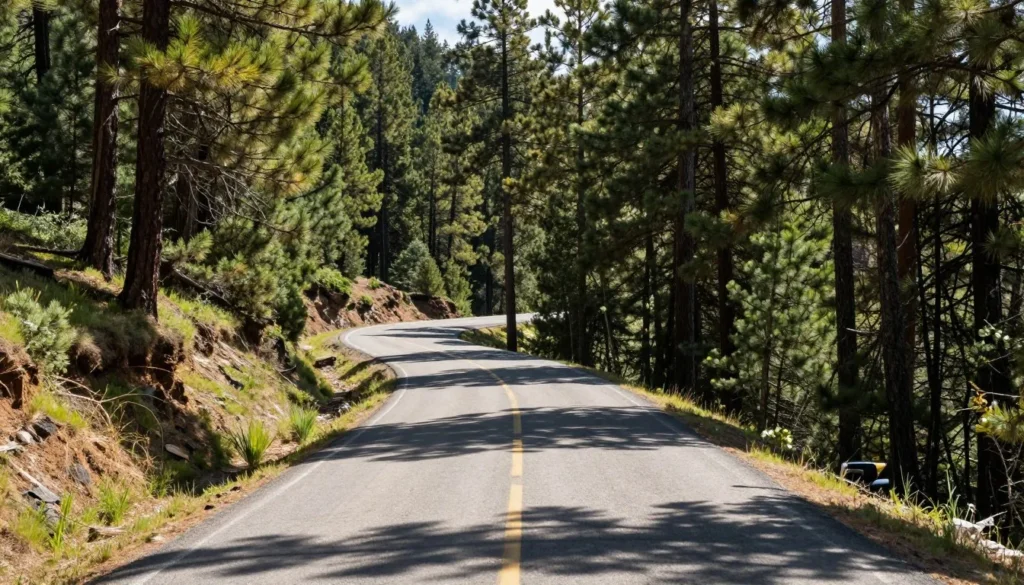
A personal vehicle provides the best way to explore the Markagunt Plateau. Public transportation options are extremely limited in this rural mountain region, and attractions spread across considerable distances.
Rental cars are available at all three major airports mentioned earlier. Reserve your vehicle in advance during summer months when demand peaks. Four-wheel drive isn’t necessary for paved roads, but adds confidence on forest service roads and during unpredictable weather.
State Route 14 serves as the main artery through the plateau’s southern section. This scenic byway connects Cedar City with Long Valley Junction, passing through diverse volcanic landscapes and offering numerous pullouts for photo opportunities.
State Route 143 provides access to Brian Head Resort and Panguitch Lake. The road climbs steeply from Parowan, reaching elevations above 3,048 m (10,000′) before descending toward the lake. This route closes in winter but offers spectacular fall colors during September.
Forest service roads crisscross the plateau, opening up backcountry areas for exploration. Many of these unpaved routes require high-clearance vehicles and remain impassable until late June due to snow and mud. Always check current conditions before attempting forest roads.
Fill your gas tank in Cedar City, Parowan, or Panguitch before heading into remote areas. Gas stations are sparse on the plateau, and those that exist close early or operate seasonally.
Cell phone coverage proves spotty across much of the plateau. Download offline maps before your visit and carry physical maps as backup. GPS units sometimes struggle in deep canyons and heavily forested areas.
Parking at popular trailheads and scenic overlooks fills quickly during summer weekends. Arrive before 9:00 AM for the best chance of finding spots at Cedar Breaks viewpoints and major hiking trails.
Where to Stay
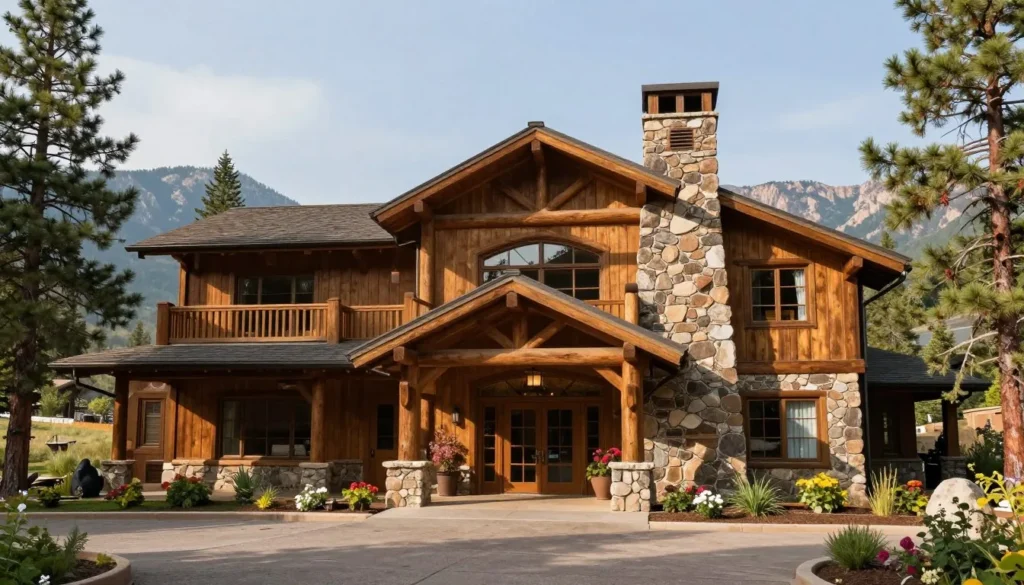
Lodging options on and around the Markagunt Plateau range from rustic campgrounds to comfortable mountain lodges. Your choice depends on desired amenities, budget, and preferred proximity to specific attractions.
Mountain Lodges and Resorts
Brian Head Resort offers year-round accommodations at the plateau’s highest elevations. Summer visitors enjoy cooler temperatures and access to mountain biking trails, while winter brings skiing and snowboarding. The resort features hotel rooms, condominiums, and vacation rentals.
Cedar Breaks Lodge sits just outside the national monument, providing convenient access to scenic overlooks and hiking trails. The lodge maintains a rustic mountain atmosphere with modern comforts. Rooms feature views of surrounding forests or distant valleys.
For reservations and current rates at Cedar Breaks Lodge, call the number above.
Lakeside Accommodations
Panguitch Lake offers several resort options along its 321-hectare (793-acre) shoreline. These properties cater to fishing enthusiasts and families seeking water-based recreation. Many feature boat rentals, fishing guide services, and lakefront cabins.
Rustic Lodge at Panguitch Lake provides classic mountain cabin experiences. Individual units include kitchenettes, allowing you to prepare meals and extend your stay economically. The lodge sits steps from the water and offers stunning sunrise views.
Town-Based Hotels
Cedar City, just 32 km (20 miles) from plateau access points, features the widest selection of hotels and motels. Chain properties offer familiar amenities and competitive rates. Staying in town provides easy access to restaurants, grocery stores, and services while serving as a base for day trips.
Parowan and Panguitch present smaller town alternatives with locally-owned motels and bed-and-breakfast establishments. These communities offer quieter atmospheres and friendly hospitality at budget-friendly prices.
Camping Options
The Dixie National Forest manages numerous campgrounds across the plateau. Developed sites include picnic tables, fire rings, and vault toilets. Most operate on a first-come, first-served basis, though some accept reservations through Recreation.gov.
Te-Ah Campground near Cedar Breaks accommodates RVs and tent campers at 2,438 m (8,000′) elevation. The 28-site campground offers cool summer temperatures and proximity to national monument trails. Water and restrooms are available, but no hookups exist for RVs.
Paunsaugunt Wildlife Management Area allows dispersed camping in designated zones. This free option suits self-sufficient campers with proper equipment. No facilities exist, and you must pack out all waste.
Private RV parks in Cedar City and Panguitch provide full hookups, showers, and laundry facilities. These prove popular with travelers seeking creature comforts while exploring the plateau during the day.
Dining & Local Cuisine
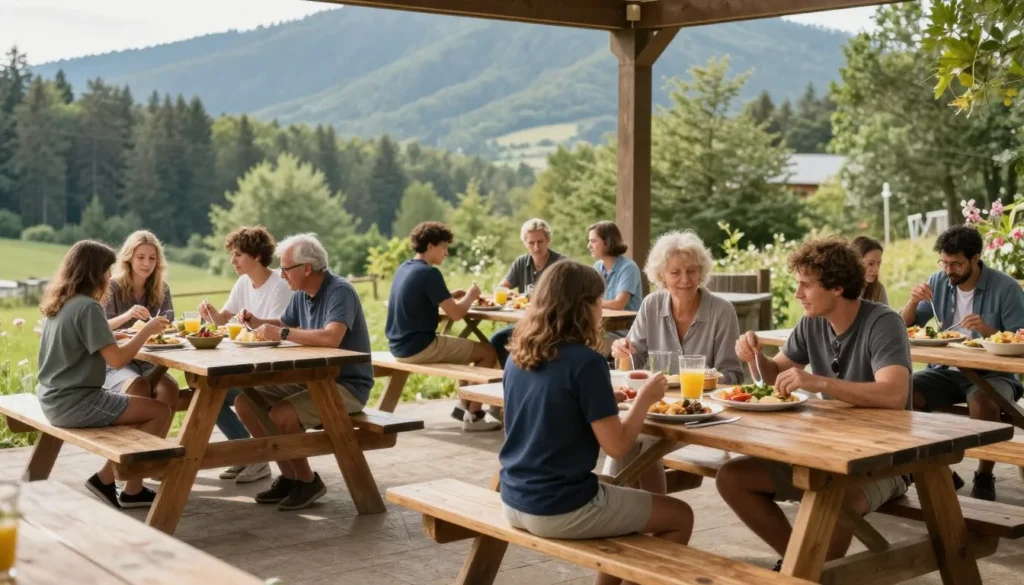
Dining options on the Markagunt Plateau itself are limited, with most restaurants concentrated in surrounding towns. The cuisine reflects Utah’s pioneer heritage and western ranching traditions.
Cedar City offers the most diverse restaurant selection. Local favorites include steakhouses serving locally-raised beef, family-style diners featuring hearty breakfasts, and several international cuisine options. The town’s proximity to Southern Utah University adds coffee shops and casual eateries popular with students.
Grind Coffee House in Cedar City serves excellent espresso drinks and fresh-baked pastries. This locally-owned spot provides the perfect stop before heading to the plateau. Their breakfast burritos and homemade scones fuel many hiking adventures.
Centro Woodfired Pizzeria crafts artisan pizzas in a wood-burning oven. Fresh ingredients and creative topping combinations draw both locals and visitors. The restaurant’s patio offers pleasant summer evening dining.
The iconic Pastry Pub combines two Utah favorites: fresh-baked goods and craft sodas. This unique concept shop creates elaborate desserts and offers dozens of flavored soda combinations. It’s a fun stop for families with children.
Parowan’s Main Street features several small cafes and a classic diner serving breakfast all day. The Pioneer Restaurant has fed travelers since 1952, maintaining recipes passed down through generations. Try their famous cinnamon rolls or chicken-fried steak.
Panguitch specializes in comfort food and western fare. Several restaurants prepare Dutch oven meals, a cooking method pioneered by early Mormon settlers. The slow-cooked pot roasts and cobblers taste even better after a day outdoors.
On the plateau itself, dining options are sparse. Brian Head Resort operates several restaurants during summer months. The casual grill serves burgers and sandwiches, while the main dining room offers more upscale options for dinner.
Pack picnic supplies before heading to remote areas. Cedar City’s grocery stores stock everything needed for trail lunches or campfire meals. Many scenic pullouts and forest clearings provide perfect picnic spots with incredible views.
Local specialties worth trying include fry sauce (a Utah condiment mixing ketchup and mayonnaise), funeral potatoes (a creamy potato casserole), and anything made with local honey. Roadside stands sometimes sell fresh produce during late summer.
Attractions, Sightseeing & Activities
Cedar Breaks National Monument
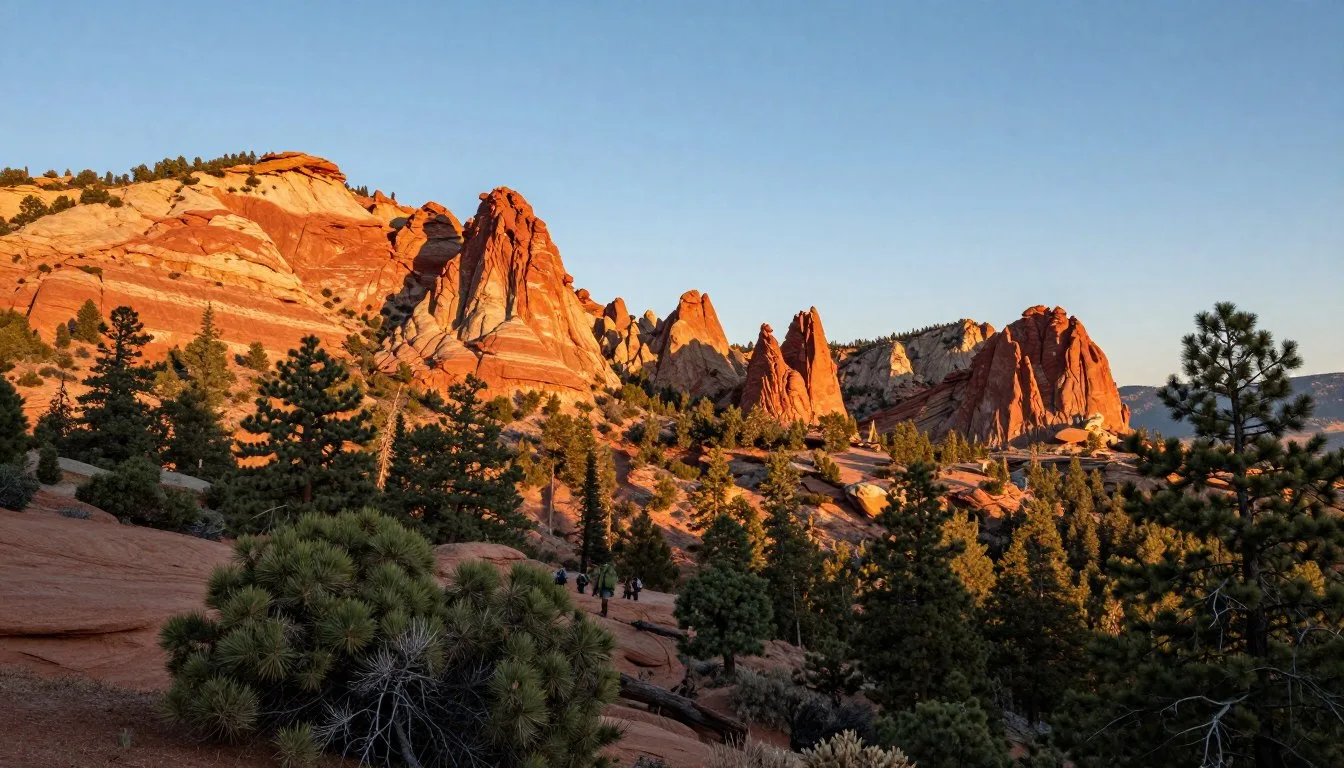
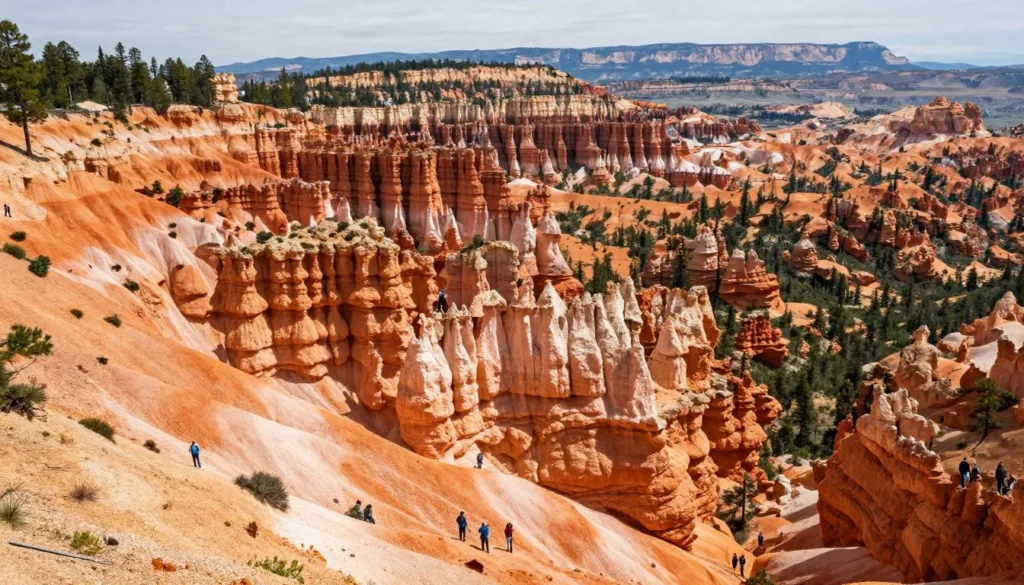
Cedar Breaks National Monument stands as the Markagunt Plateau’s crown jewel. This natural amphitheater spans 3 km (2 miles) and plunges 610 m (2,000′) into colorful rock formations. The monument showcases layers of limestone, sandstone, and volcanic rock painted in vivid oranges, reds, and purples.
The monument’s rim sits at 3,048 m (10,000′) elevation, providing cool summer temperatures and panoramic views. A 5-mile scenic rim drive connects four major viewpoints, each offering unique perspectives into the amphitheater.
Point Supreme Overlook provides the most accessible views. A short paved path leads from the parking area to viewpoint platforms. Interpretive signs explain the geological processes that created these spectacular features over millions of years.
Sunset View lives up to its name, offering the best vantage point for evening photography. The western exposure illuminates rock formations in warm golden light. Plan to arrive at least 30 minutes before sunset to secure parking.
Ancient Volcanic Features
The Markagunt Megabreccia represents one of Earth’s largest known volcanic landslides. This massive rock avalanche occurred approximately 22 million years ago, moving billions of tons of material across the plateau. Evidence of this catastrophic event appears in jumbled rock formations throughout the area.
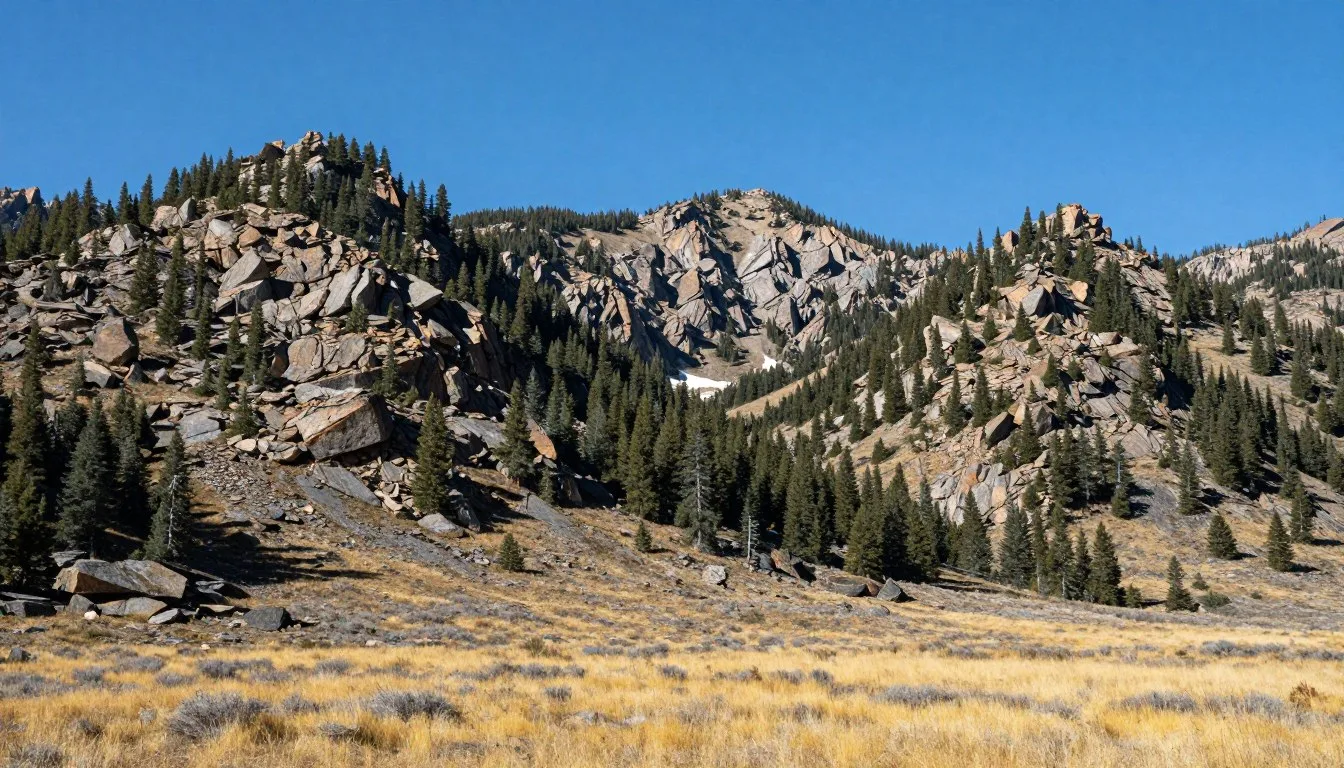
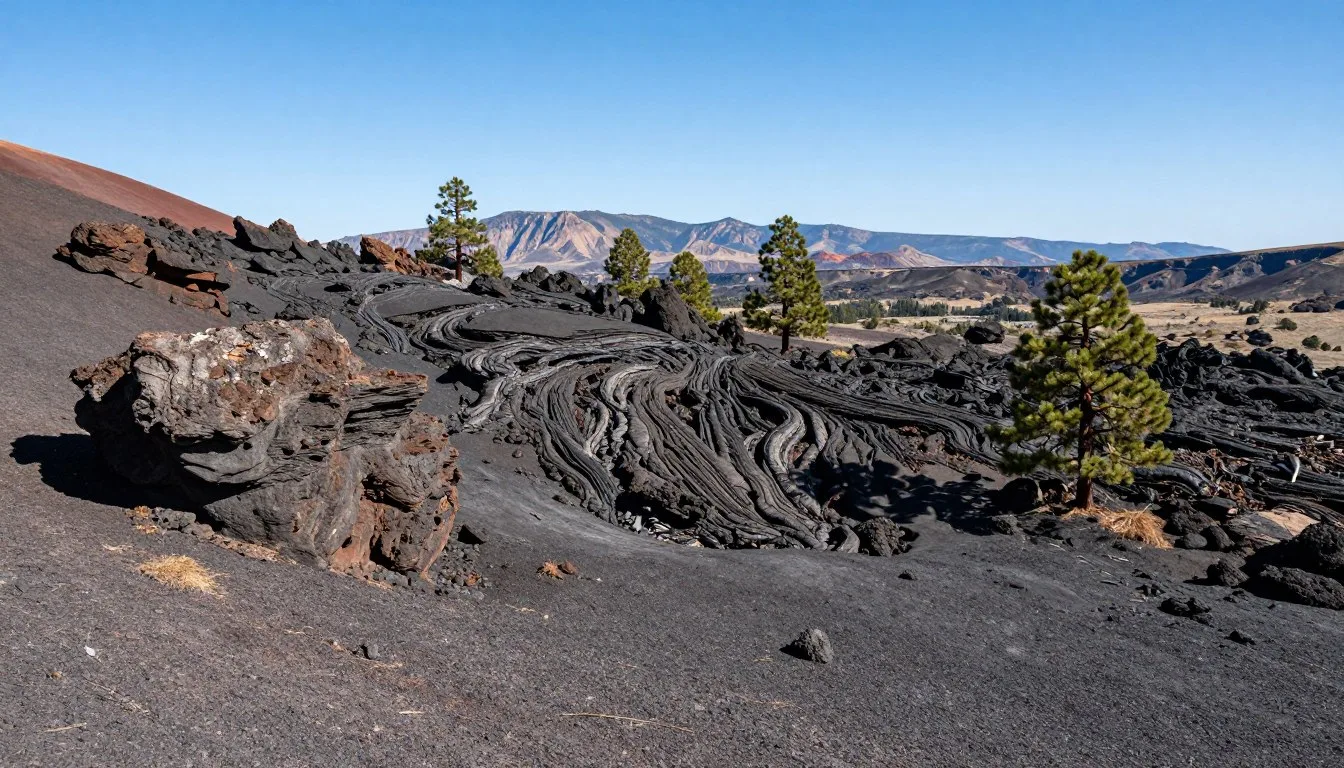
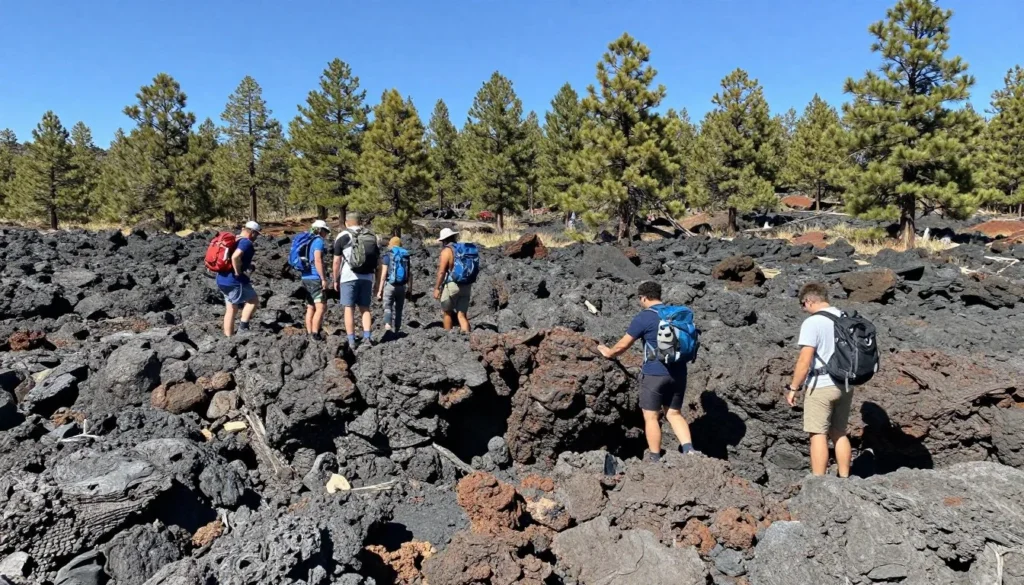
More recent lava flows covered portions of the plateau between 1,000 and 20,000 years ago. The dark basaltic rocks contrast sharply with lighter-colored sedimentary formations. Several trails cross these lava fields, allowing close examination of volcanic features.
Mammoth Cave, despite its name, isn’t a true cave but rather a lava tube formed when molten rock flowed beneath a hardened surface. The tube stretches for several hundred meters and can be explored with proper lighting and caution.
Panguitch Lake Recreation
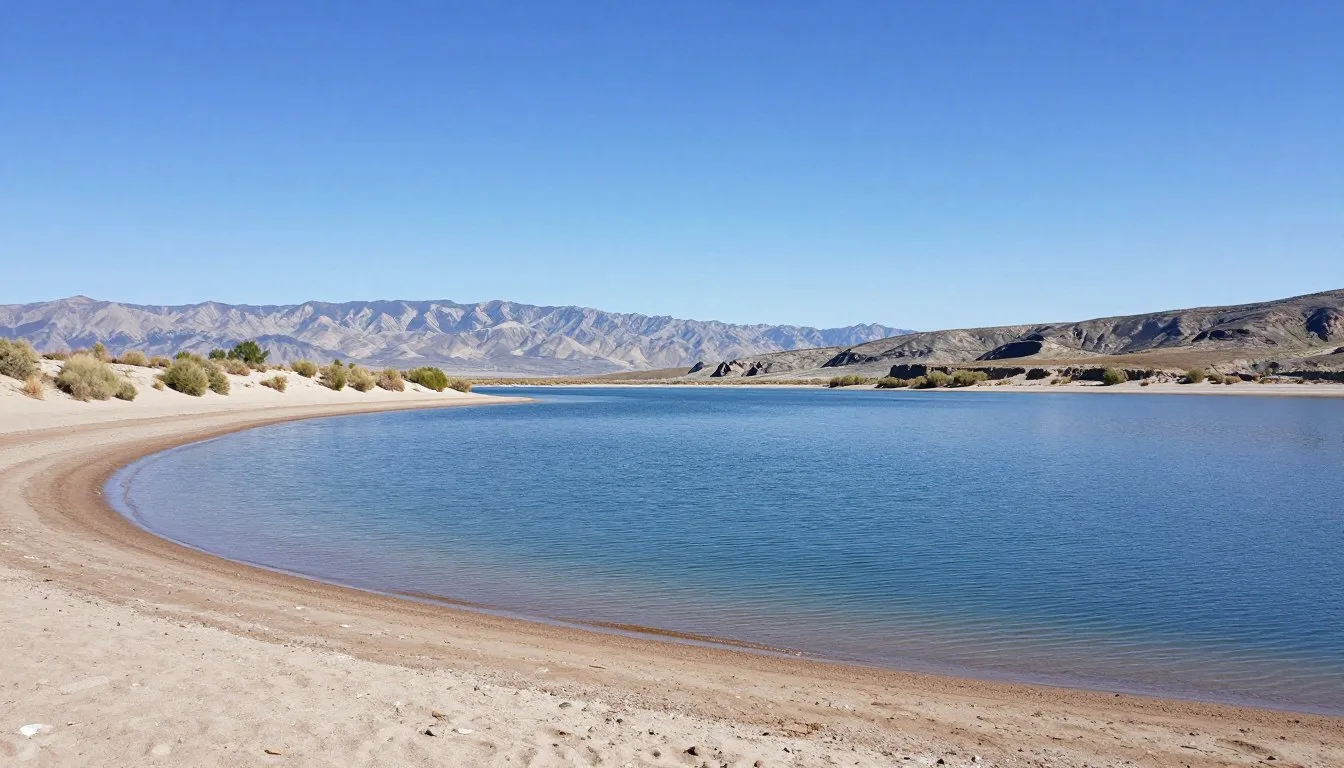
Panguitch Lake covers 321 hectares (793 acres) at 2,590 m (8,500′) elevation. The lake formed behind a natural lava dam created by ancient volcanic activity. Crystal-clear waters support excellent trout fishing, while surrounding forests provide scenic beauty.
Rainbow trout, brown trout, and cutthroat trout populate the lake. Ice fishing proves popular during winter months when the lake freezes solid. Summer anglers launch boats from multiple access points around the shoreline.
Non-motorized watercraft like kayaks and canoes allow peaceful exploration of quiet coves. The calm morning waters perfectly reflect surrounding mountains, creating magical moments for photographers. Remember that only five or fewer small watercraft should occupy any given area to preserve the peaceful atmosphere.
Scenic Drives
The Brian Head-Panguitch Lake Scenic Byway (State Route 143) climbs to the highest paved road elevation in Utah. The route passes through distinct ecological zones, from sagebrush valleys through aspen groves to alpine meadows.
State Route 14, the Markagunt High Plateau Scenic Byway, traverses the southern edge of the volcanic field. Numerous pullouts provide access to lava flow viewpoints and hiking trails. The road remains open seasonally from late May through October.
Museums, Cultural Spots & Festivals
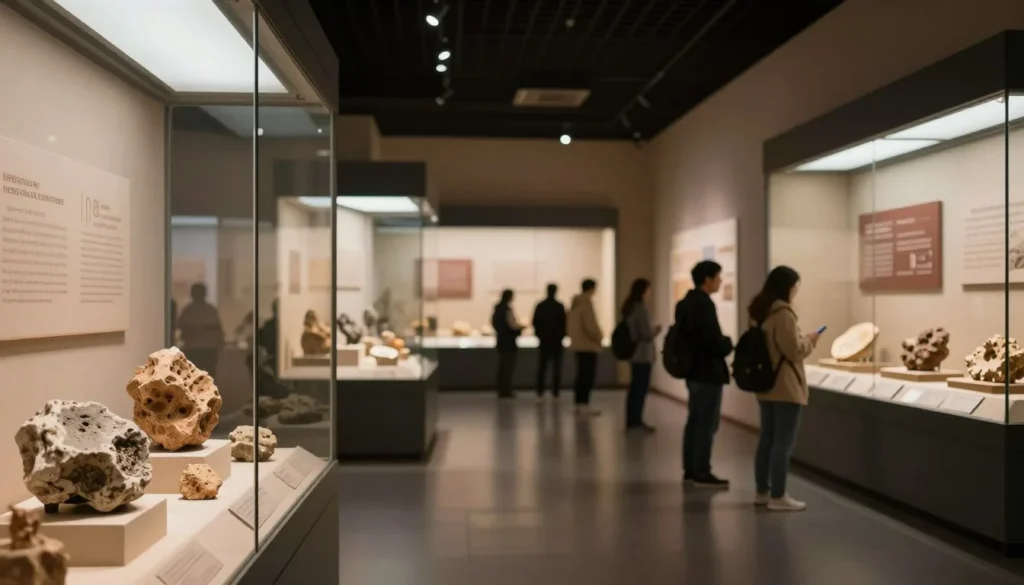
While the Markagunt Plateau emphasizes natural attractions, several cultural sites in surrounding communities provide context for the region’s human history and geological significance.
The Parowan Gap Petroglyphs preserve ancient rock art created by Native peoples over 1,000 years ago. This site sits in a natural pass through red rock cliffs where ancestral populations carved hundreds of images into rock surfaces. The geometric patterns and animal figures offer windows into prehistoric cultures.
Southern Utah Museum of Art in Cedar City showcases regional and contemporary art in a striking modern building. Rotating exhibitions feature works by Utah artists alongside traveling shows. The museum’s collection emphasizes connections between art and the surrounding landscape.
Frontier Homestead State Park Museum presents Cedar City’s pioneer history through restored buildings and artifact collections. The museum includes a working blacksmith shop, vintage farm equipment, and stories of early settlers who transformed this harsh environment into thriving communities.
The Neil Simon Festival Theatre hosts performances during summer months. This outdoor venue sits on Southern Utah University’s campus and provides intimate settings for dramatic productions. The theater’s Shakespeare focus reflects the area’s cultural emphasis on classical performing arts.
Cedar City’s downtown historic district features preserved Victorian-era buildings housing galleries, shops, and restaurants. Self-guided walking tours highlight architectural details and share stories of the town’s mining and ranching heritage.
The Iron Mission State Park Museum explores the region’s iron mining history. In the 1850s, Mormon settlers attempted to establish an iron industry using local ore deposits. Though the venture ultimately failed, it shaped the area’s development and gave Iron County its name.
Nature & Outdoor Experiences
Hiking Trails
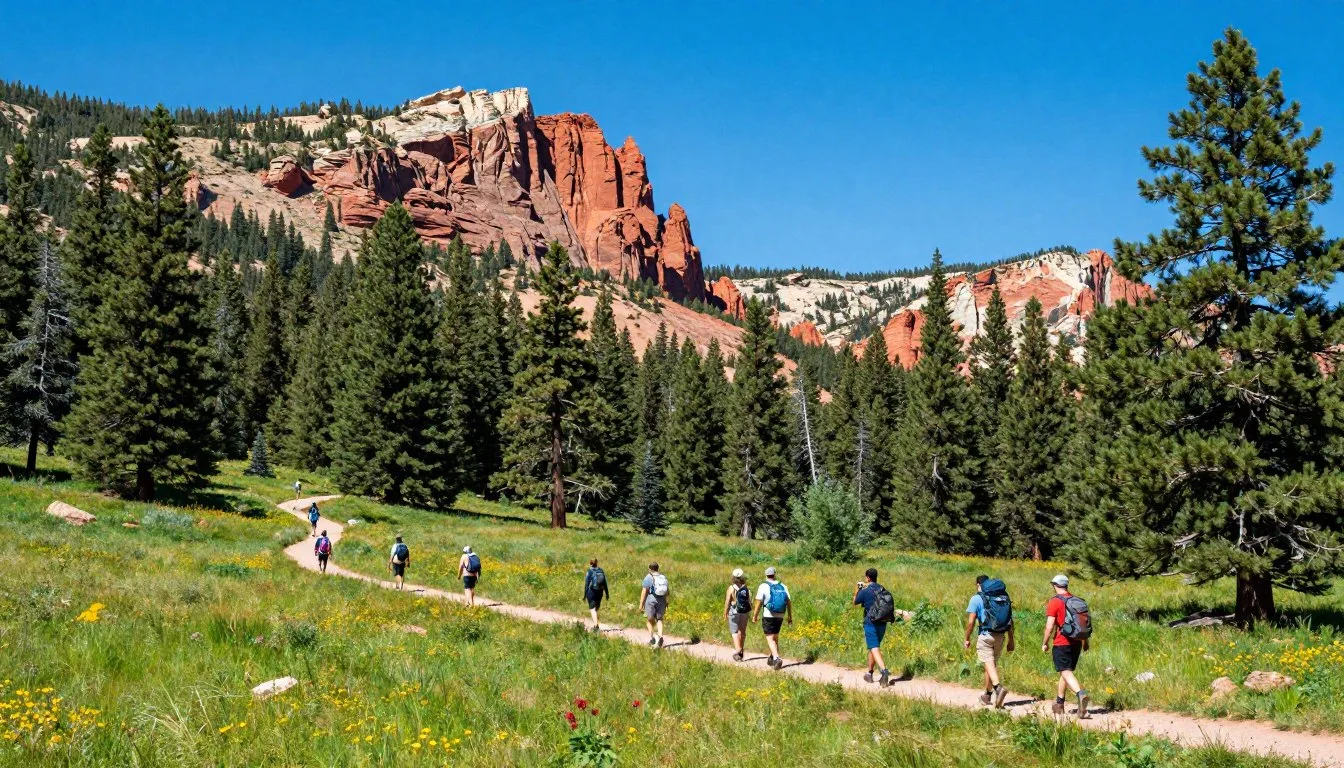
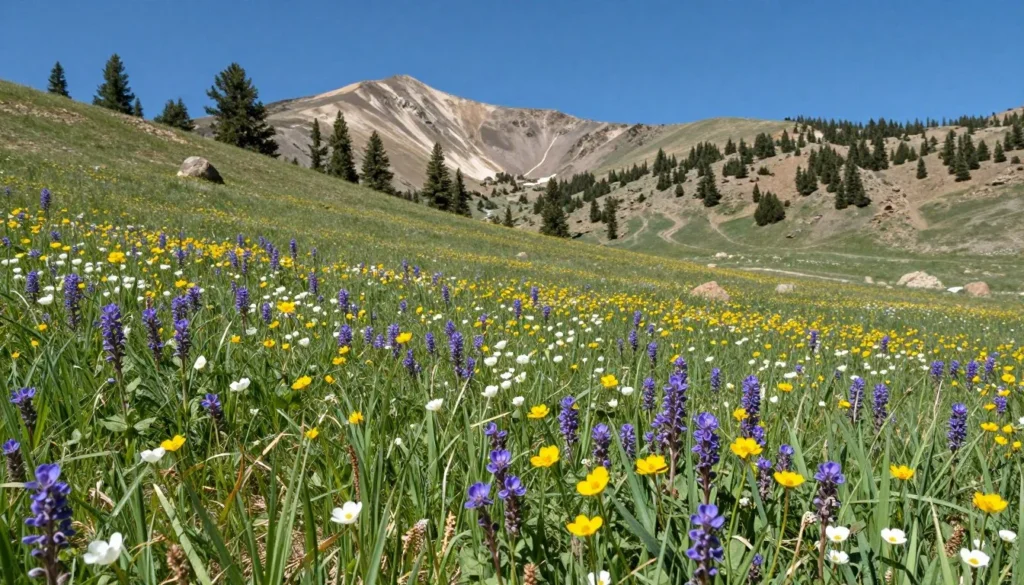
The Markagunt Plateau offers hiking trails ranging from easy nature walks to challenging backcountry routes. Most trails remain snow-free from July through September, though higher elevations may hold snow patches into early summer.
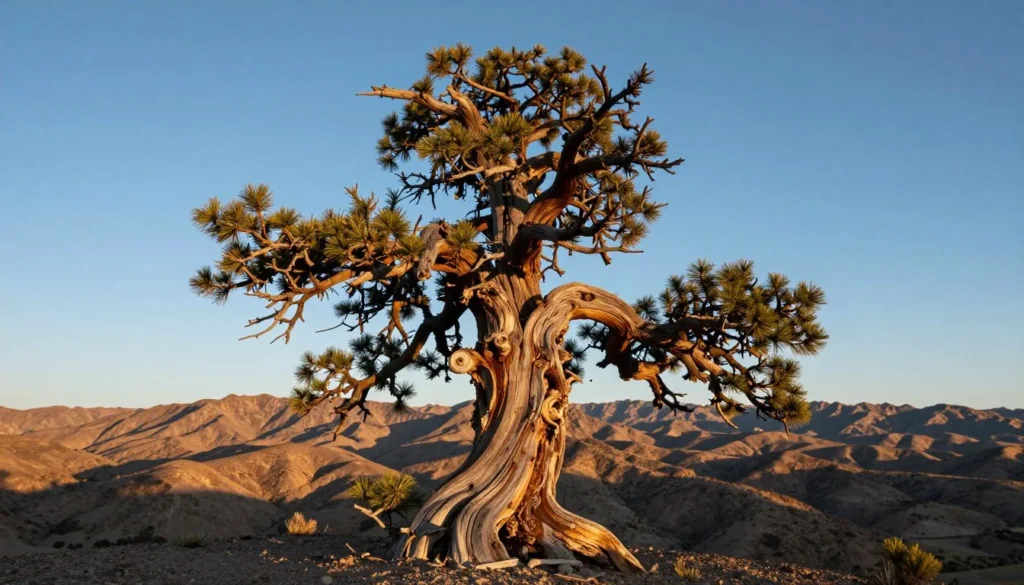
The Alpine Pond Trail at Cedar Breaks provides an easy 3.2 km (2-mile) loop suitable for families. The path winds through ancient bristlecone pine trees, some over 1,600 years old. A small pond attracts wildlife and reflects surrounding cliffs.
Rattlesnake Creek Trail descends from the plateau’s rim into a lush canyon. This 6.4 km (4-mile) out-and-back hike loses 305 m (1,000′) elevation, making the return climb challenging. Wildflowers blanket the canyon floor in July and August.
The Twisted Forest Trail showcases wind-sculpted trees near timberline. Harsh conditions create gnarled, twisted trunks and branches that inspire photographers. The 1.6 km (1-mile) interpretive trail includes signs explaining high-altitude ecology.
Virgin River Rim Trail follows the plateau’s western edge for 56 km (35 miles). This multi-day backpacking route provides solitude and spectacular vistas. The trail traverses varied terrain from meadows to lava fields to dense forest.
Wildlife Viewing
The plateau supports diverse wildlife adapted to high-elevation environments. Mule deer graze in meadows during dawn and dusk hours. Elk herds migrate to higher elevations during summer, returning to lower valleys for winter.
Bird enthusiasts spot numerous species including Clark’s nutcrackers, mountain bluebirds, and golden eagles. The high-altitude environment attracts species rarely seen at lower elevations. Bring binoculars for the best viewing experiences.
Small mammals like yellow-bellied marmots sun themselves on rocky outcrops. These large ground squirrels emit distinctive whistles when alarmed. Pikas, rabbit relatives adapted to cold climates, inhabit rocky areas above timberline.
✓ Check 30,000+ Local Sightseeing Tours Worldwide
Photography Opportunities
The Markagunt Plateau rewards photographers year-round. Summer wildflower displays create colorful foregrounds for mountain vistas. Fall transforms aspen groves into golden spectacles against evergreen forests and blue skies.
Sunrise at Panguitch Lake produces mirror-like reflections when conditions cooperate. Arrive early before breezes ripple the water surface. The quiet morning hours often feature mist rising from the lake.
Star photography benefits from the plateau’s dark skies and high elevation. Limited light pollution and thin atmosphere provide crystal-clear views of the Milky Way. New moon periods offer the best conditions for astrophotography.
Mountain Biking
Hundreds of kilometers of forest roads and designated trails accommodate mountain biking. The Markagunt OHV System provides mapped routes suitable for various skill levels. These multi-use trails wind through forests and volcanic rock formations.
Brian Head Resort transforms ski runs into mountain bike trails during summer. The resort operates chairlifts for uplift access, allowing riders to enjoy downhill trails without the climb. Flow trails, technical descents, and jump lines serve different riding styles.
Lower-elevation forest roads offer gentler terrain for families and beginners. These routes explore less-visited corners of the plateau while avoiding challenging obstacles. Always yield to hikers and horses on shared trails.
Fishing
Beyond Panguitch Lake, numerous smaller lakes and streams hold fish populations. Navajo Lake, straddling the plateau’s eastern edge, offers excellent trout fishing in a remote setting. The lake sits at 2,743 m (9,000′) elevation surrounded by volcanic rock.
Small creeks tumbling off the plateau provide intimate stream fishing experiences. These waters require stealth and precise casting in tight quarters. Brook trout inhabit cold headwater streams, while lower sections hold rainbow and brown trout.
Utah fishing licenses are required for all anglers over age 12. Purchase licenses online or at sporting goods stores in Cedar City and Panguitch. Special regulations apply to some waters, so check current rules before fishing.
Travel With Children
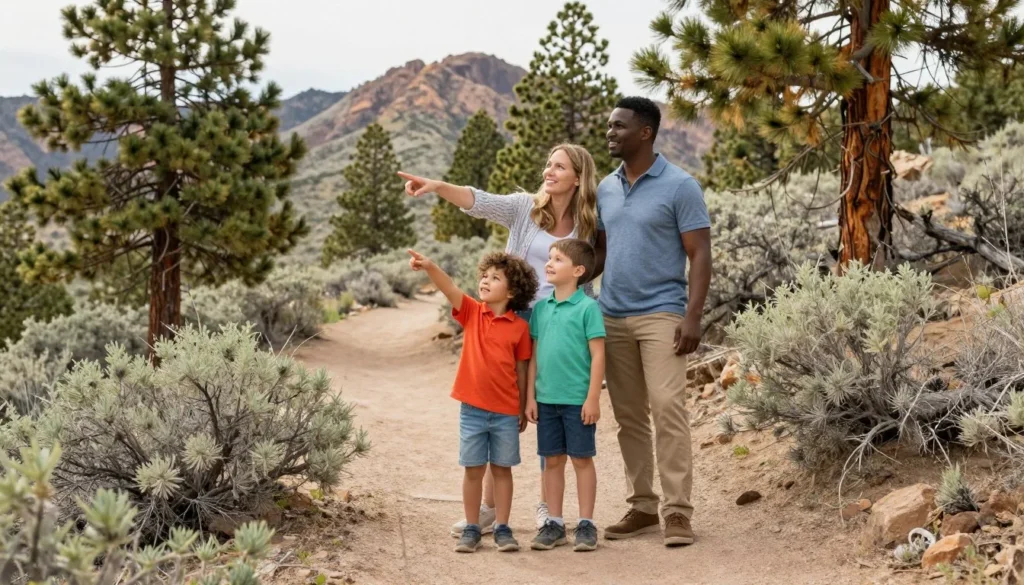
The Markagunt Plateau provides wonderful family experiences with proper planning. The high elevation and remote nature require extra preparation when traveling with children.
Choose shorter trails with minimal elevation gain for young hikers. The Alpine Pond Trail and Twisted Forest Trail both work well for families. Allow extra time and bring plenty of snacks to maintain energy levels.
Junior Ranger programs at Cedar Breaks National Monument engage children with age-appropriate activities. Kids complete activity booklets while exploring the monument, then receive official Junior Ranger badges. The program makes learning about geology and ecology fun.
Pack layers for children even during summer visits. Mountain weather changes quickly, and temperatures drop significantly in shade or when clouds cover the sun. Hypothermia can develop rapidly if children become wet and cold.
The high altitude affects children more than adults in some cases. Watch for signs of altitude sickness including headaches, nausea, and unusual tiredness. Most symptoms resolve by descending to lower elevations and resting.
Panguitch Lake offers excellent family recreation. The calm water suits beginning kayakers and children learning to fish. Shallow areas near the shoreline allow safe wading on hot afternoons.
Many campgrounds feature nature programs during summer evenings. Rangers and naturalists present talks about plateau wildlife, geology, and history. These programs suit all ages and provide educational entertainment after dinner.
Bring sun protection including hats, sunglasses, and sunscreen with high SPF ratings. The thin mountain air provides little UV protection. Reapply sunscreen frequently, especially after swimming or during extended outdoor time.
Cedar City offers family-friendly restaurants and hotels with pools. These provide welcome breaks from camping and outdoor activities. Indoor options become important if weather turns unfavorable.
Money Saving Tips
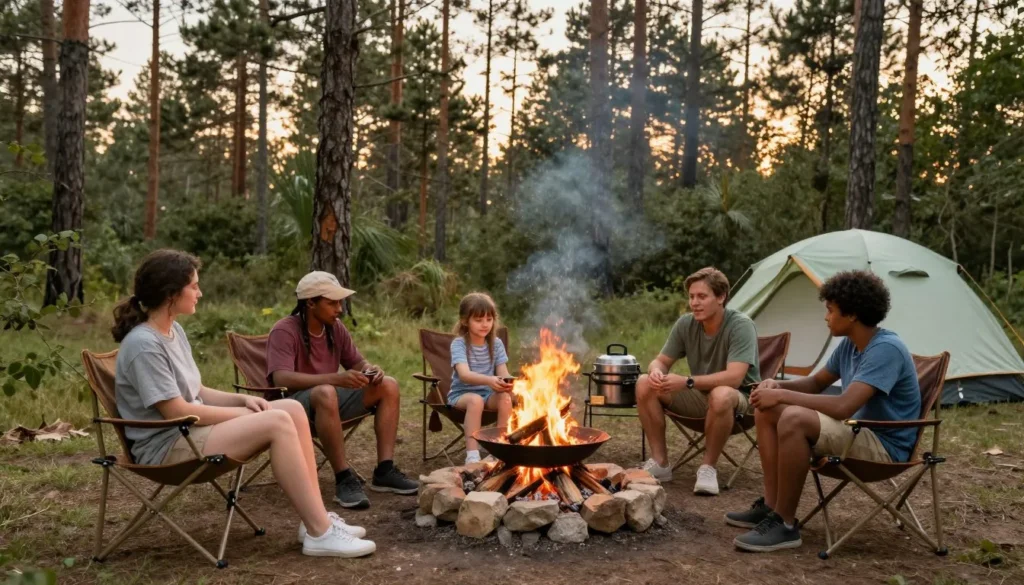
Visiting the Markagunt Plateau can be surprisingly affordable with strategic planning. The area’s natural attractions cost little to nothing, while careful choices reduce accommodation and dining expenses.
Cedar Breaks National Monument charges a per-vehicle entrance fee of $10, valid for seven consecutive days. This fee grants unlimited visits during the validity period. Alternatively, the America the Beautiful Annual Pass costs $80 and covers entrance fees at all national parks and monuments for one year.
Camping costs significantly less than hotel rooms. Forest Service campgrounds charge $10-20 per night, while dispersed camping in designated areas remains free. Saving $100+ per night on accommodations quickly offsets camping equipment costs for multi-day trips.
Pack food from home rather than dining out for every meal. Grocery stores in Cedar City offer far better value than resort restaurants. Simple camp meals like pasta, sandwiches, and trail mix cost a fraction of restaurant prices.
Visit during shoulder seasons in June or September. Lodging rates drop considerably outside peak July-August periods. You’ll also find less crowded conditions and still enjoy good weather for most activities.
Many outstanding hiking trails and viewpoints charge no fees whatsoever. The Dixie National Forest allows free access to most areas. You can easily fill several days exploring without spending money on entrance fees.
Fuel up in larger towns where gas prices run lower. Small mountain communities and resort areas charge premium prices. A full tank purchased in Cedar City saves $10-15 compared to filling up at Brian Head.
Free evening programs at campgrounds and visitor centers provide entertainment without cost. Ranger talks, night sky programs, and nature walks offer educational experiences that commercial attractions charge for elsewhere.
Book accommodations directly with properties rather than through third-party websites. Many hotels and lodges offer lower rates or added perks for direct bookings. Call and ask about available discounts.
Share accommodations with other families or friends. Many cabins and vacation rentals become economical when costs split among multiple parties. The per-person rate often beats hotel rooms while providing more space and amenities.
Safety & Local Customs
Altitude Considerations
The Markagunt Plateau’s elevation creates challenges for visitors from lower elevations. Most of the plateau sits above 2,438 m (8,000′), with some areas exceeding 3,048 m (10,000′). This high altitude affects everyone differently.
Common altitude sickness symptoms include headaches, fatigue, nausea, and shortness of breath. These typically appear within 12-24 hours of arrival at elevation. Most people adjust within 2-3 days as bodies produce more red blood cells.
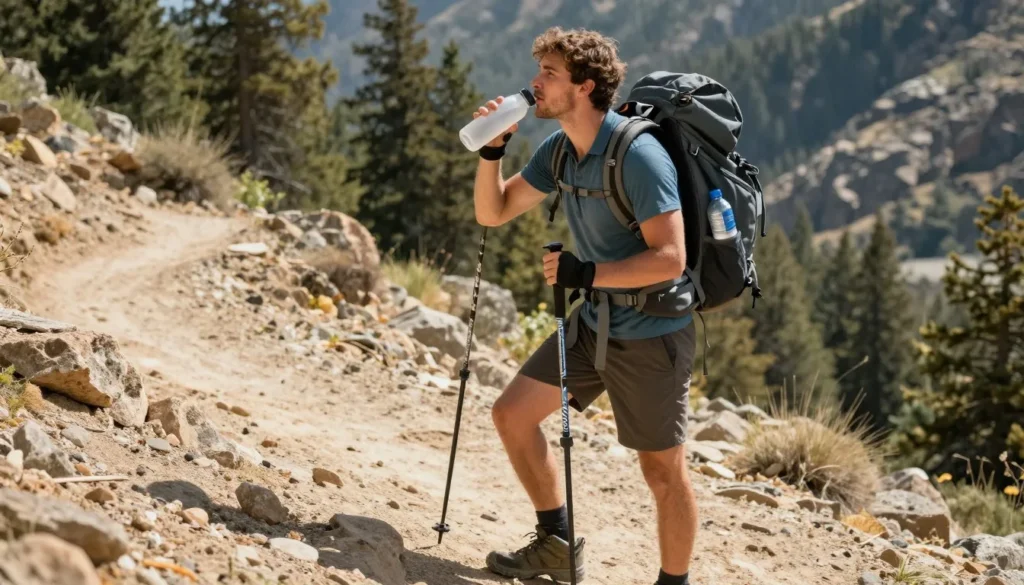
Drink extra water to combat altitude effects. The dry mountain air and increased respiration cause rapid dehydration. Aim for at least 3-4 liters of water daily during active outdoor pursuits.
Avoid alcohol during your first day or two at elevation. Alcohol worsens dehydration and can intensify altitude symptoms. Save celebratory drinks for after you’ve acclimated.
Weather Hazards
Lightning poses serious danger during summer thunderstorms. These storms develop rapidly and produce intense electrical activity. Descend from ridges and peaks when clouds build. Avoid isolated trees and open areas during storms.
Hypothermia can occur even during summer if you get wet and temperatures drop. Always carry rain gear and extra warm layers. Change into dry clothing immediately if you become wet from rain or stream crossings.
Wildfires represent increasing threats during dry periods. Check current fire restrictions before using campfires or camp stoves. Obey all closure orders, which exist to protect both visitors and firefighters.
Wildlife Safety
Mountain lions inhabit the plateau though sightings remain rare. Make noise while hiking to avoid surprising animals. Never approach wildlife or attempt to feed any creatures. Keep children close and supervise them constantly in backcountry areas.
Black bears occasionally wander onto the plateau from adjacent ranges. Store food properly in hard-sided vehicles or bear-resistant containers. Never leave food, toiletries, or scented items in tents.
Rattlesnakes live in lower-elevation areas of the plateau. Watch where you place hands and feet when scrambling over rocks. Most snake encounters end peacefully if you give the snake space to retreat.
Emergency Services
For emergencies on Dixie National Forest lands, contact the Cedar City Ranger District at the number above. Cell coverage remains unreliable in many areas, so carry a personal locator beacon for serious backcountry trips.
The nearest hospitals are located in Cedar City and Panguitch. Both offer emergency rooms and basic medical care. More specialized treatment requires transport to St. George or Salt Lake City.
Local Etiquette
Utah’s small towns maintain conservative values and friendly cultures. Respect local customs even if they differ from your home area. Modest dress is appreciated, especially in town settings.
Sunday remains a day of rest for many residents. Some businesses close or operate limited hours. Plan accordingly and avoid expecting full services on Sundays.
Leave No Trace principles are crucial in this fragile environment. Pack out all trash, stay on designated trails, and camp only in established sites. The volcanic soils and high-altitude vegetation recover slowly from damage.
Visitor Comments About Markagunt Plateau
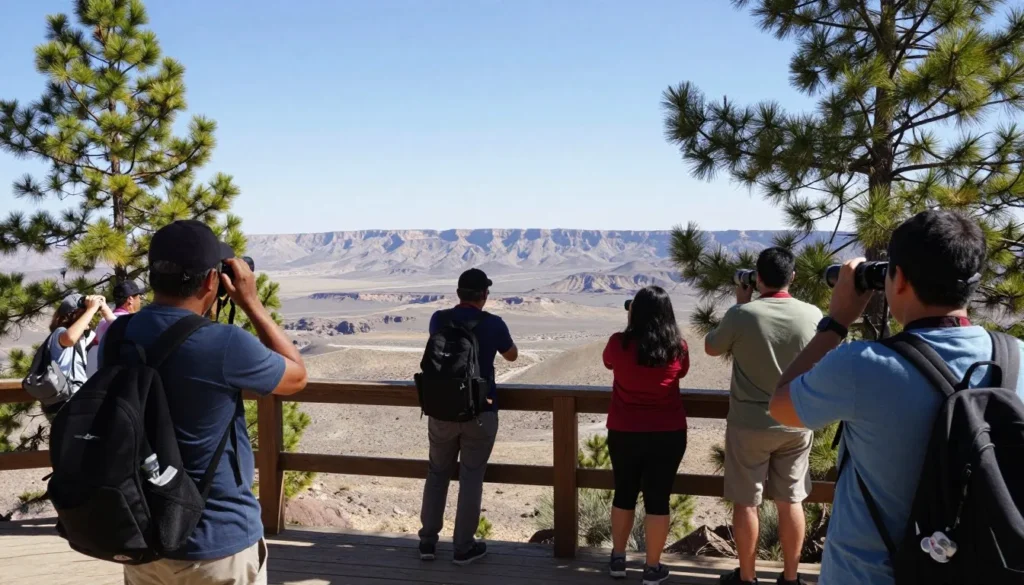
“We absolutely loved the Markagunt Plateau! After visiting the crowded national parks, this area felt like our own private discovery. The lava fields were unlike anything we’d seen before, and Cedar Breaks took our breath away. Our kids especially enjoyed earning their Junior Ranger badges. We’ll definitely return to explore more of the backcountry trails.”
“The Markagunt Plateau exceeded all expectations. I came for the geology and stayed for the incredible landscapes. The diversity amazed me—ancient bristlecone pines, fresh lava flows, colorful rock formations, and pristine mountain lakes all within a small area. Fishing at Panguitch Lake provided peaceful mornings, while afternoon hikes revealed new wonders daily. This region deserves far more recognition than it receives.”
“Our family spent a week based in Cedar City exploring the plateau. Each day brought different adventures from easy nature walks to challenging hikes. The wildflower displays in July were spectacular—entire meadows covered in purple lupine and yellow mule’s ears. We appreciated the lack of crowds compared to Zion. The cool mountain temperatures provided welcome relief from summer heat. Already planning our return visit for fall colors.”
Additional Nearby Destinations
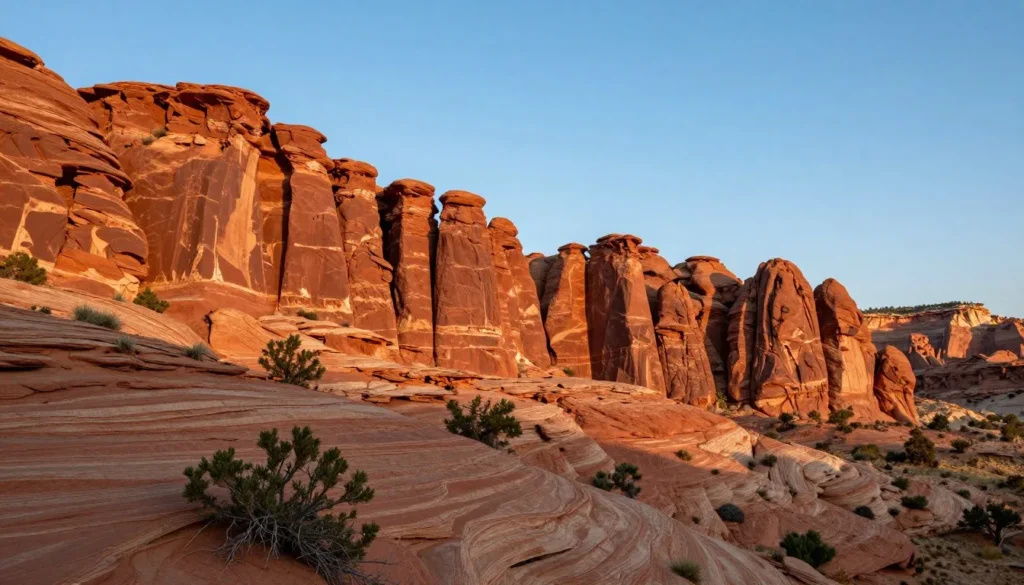
The Markagunt Plateau’s central location makes it an ideal base for exploring southwestern Utah’s other attractions. Several world-famous destinations lie within easy driving distance.
Zion National Park sits 72 km (45 miles) southwest of Cedar City. This iconic park features towering red rock cliffs, narrow slot canyons, and the famous Angels Landing trail. Plan to arrive early during summer as parking fills quickly. The scenic drive through Zion Canyon alone justifies the visit.
Bryce Canyon National Park lies 121 km (75 miles) east of the Markagunt Plateau. This park showcases thousands of hoodoos—tall, thin rock spires created by erosion. The amphitheaters appear especially magical at sunrise when warm light illuminates the orange and red rocks. Winter visits reveal a completely different landscape blanketed in snow.
Kolob Canyons, a less-visited section of Zion National Park, sits just off Interstate 15 near the plateau. The 8 km (5-mile) scenic drive provides spectacular views with minimal hiking required. This area receives far fewer visitors than Zion Canyon while offering equally impressive scenery.
Snow Canyon State Park near St. George features red and white sandstone cliffs, ancient lava flows, and excellent hiking trails. The lower elevation makes this park accessible year-round. It serves as a perfect winter destination when the Markagunt Plateau lies buried under snow.
The Grand Staircase-Escalante National Monument protects 1.9 million acres of remote desert landscape. This vast area requires serious preparation for backcountry exploration but rewards adventurers with solitude and spectacular geology. The monument’s western edge lies about 80 km (50 miles) from the plateau.
Great Basin National Park in eastern Nevada sits 257 km (160 miles) northwest. This remote park features the ancient Lehman Caves, bristlecone pine groves, and opportunities for true solitude. The 4,011 m (13,161′) Wheeler Peak provides alpine hiking just a few hours from the Markagunt Plateau.
Coral Pink Sand Dunes State Park offers a completely different landscape of fine pink sand dunes surrounded by colorful sandstone cliffs. Located 97 km (60 miles) south, the park permits sandboarding and off-highway vehicle use in designated areas.
Practical Travel Tips
What to Pack
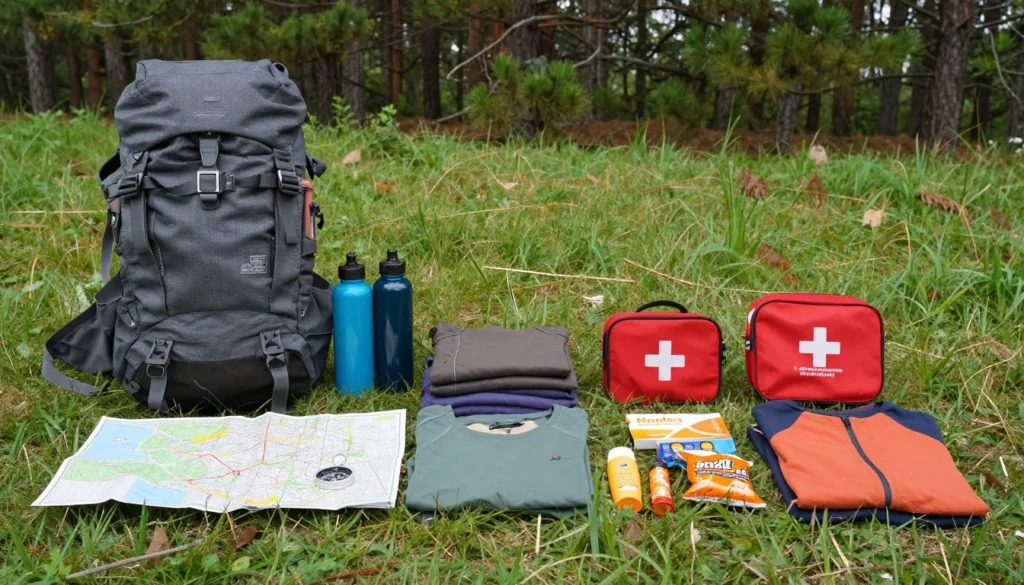
Layer clothing for changing mountain conditions. Start with moisture-wicking base layers, add insulating mid-layers like fleece, and top with windproof and waterproof outer shells. Even summer visitors need warm jackets for cool mornings and evenings.
Quality hiking boots prevent blisters and provide ankle support on rocky trails. Break in new boots before your trip. Bring camp shoes or sandals for relaxing after hikes.
Sun protection items are essential at high elevation. Pack sunscreen with SPF 50+, lip balm with sun protection, sunglasses with UV protection, and wide-brimmed hats. Reapply sunscreen every two hours during outdoor activities.
Carry more water than you think necessary. A hydration bladder or multiple water bottles ensure adequate fluid intake. Water sources exist on the plateau, but treat all water before drinking using filters, purification tablets, or boiling.
Communication and Navigation
Download offline maps before arrival since cell service proves unreliable. Apps like Gaia GPS and AllTrails allow map access without data connections. Carry paper maps and a compass as backup navigation tools.
✓ Check 30,000+ Local Sightseeing Tours Worldwide
Inform someone of your plans before heading into backcountry areas. Provide expected return times and planned routes. This simple step aids search efforts if problems arise.
Best Practices
Arrive with full water containers and ice chests. Potable water isn’t available everywhere on the plateau. Filling up in towns saves money and ensures adequate supplies.
Start hikes early to avoid afternoon thunderstorms and heat. Most locals hit trails by 7:00 or 8:00 AM, complete activities by early afternoon, then relax during the hottest hours.
Respect private property boundaries. Some areas that appear to be public forest actually contain private inholdings. Stay on marked trails and designated roads to avoid trespassing.
Check current conditions before your visit. The Forest Service website provides updates on road conditions, trail closures, fire restrictions, and weather forecasts. Conditions change rapidly, especially during spring and fall shoulder seasons.
Photography Tips
Golden hour light (the hour after sunrise and before sunset) provides the best conditions for landscape photography. The warm, angled light enhances rock colors and creates dramatic shadows.
Bring a polarizing filter to reduce glare and intensify blue skies. This simple accessory dramatically improves outdoor photographs, especially around water and during midday hours.
Protect camera equipment from dust when traveling forest roads. Keep gear in sealed bags until ready to shoot. The fine volcanic dust penetrates everywhere and can damage electronics.
Location Map
Your Markagunt Adventure Awaits
The Markagunt Plateau stands ready to reveal its secrets to those willing to venture beyond Utah’s more famous destinations. Ancient lava flows tell stories written in stone. Alpine lakes reflect endless skies. Trails wind through forests that have witnessed centuries of change.
This is a place where volcanic fire and mountain water have conspired to create something extraordinary. Where you can stand on rocks that flowed as molten rivers just 1,000 years ago. Where bristlecone pines older than written history still cling to windswept ridges.
The crowds haven’t discovered this corner of Utah yet. Morning stillness at Panguitch Lake belongs to you and the trout rising in mist-shrouded water. The views from Cedar Breaks need not be shared with hundreds of other cameras. The trails through volcanic fields lead to solitude and discovery.
Pack your sense of adventure along with your hiking boots. Bring curiosity about the forces that shape our world. Come ready to explore, to wonder, and to find your own connection with this remarkable landscape. The Markagunt Plateau doesn’t reveal itself all at once, but rather unfolds slowly for those patient enough to listen.
Your journey to this high mountain plateau might begin as a side trip from more famous parks. But it will likely become the highlight you remember most vividly. Start planning your Markagunt adventure today—the ancient rocks and mountain views await.