Hotels by Trip.com
Flights by Trip.com
Hidden among the red rock canyons of central Utah lies a surprising oasis that sees fewer visitors in an entire year than Zion National Park welcomes in a single week. Millsite State Park sits at the edge of the vast San Rafael Swell, offering an intimate outdoor experience that larger parks simply cannot match. The park takes its name from the historic Ferron Creek Mill that once operated nearby, serving pioneering communities in this rugged desert landscape.
This compact state park packs remarkable variety into its setting. Visitors discover a shimmering reservoir for water sports, a challenging nine-hole golf course carved into the desert terrain, and immediate access to extensive ATV trails winding through the San Rafael desert.
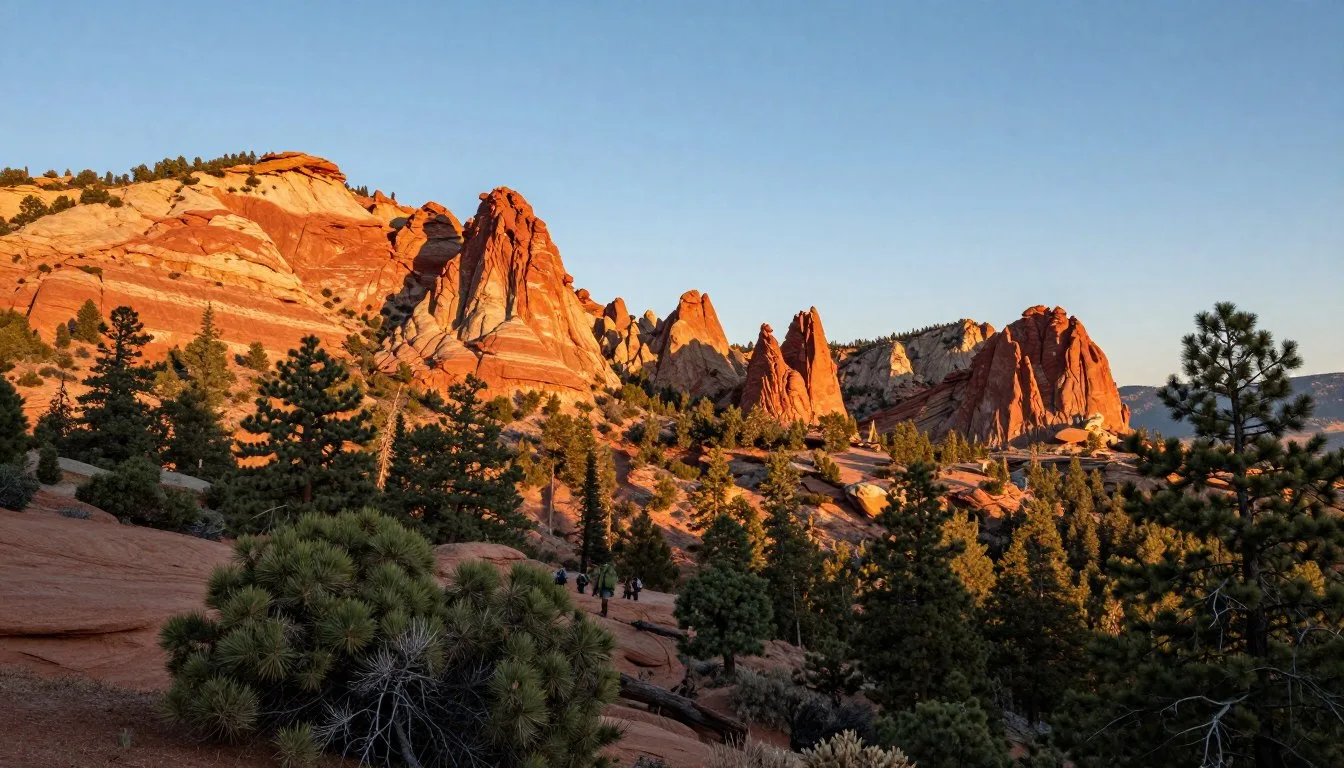
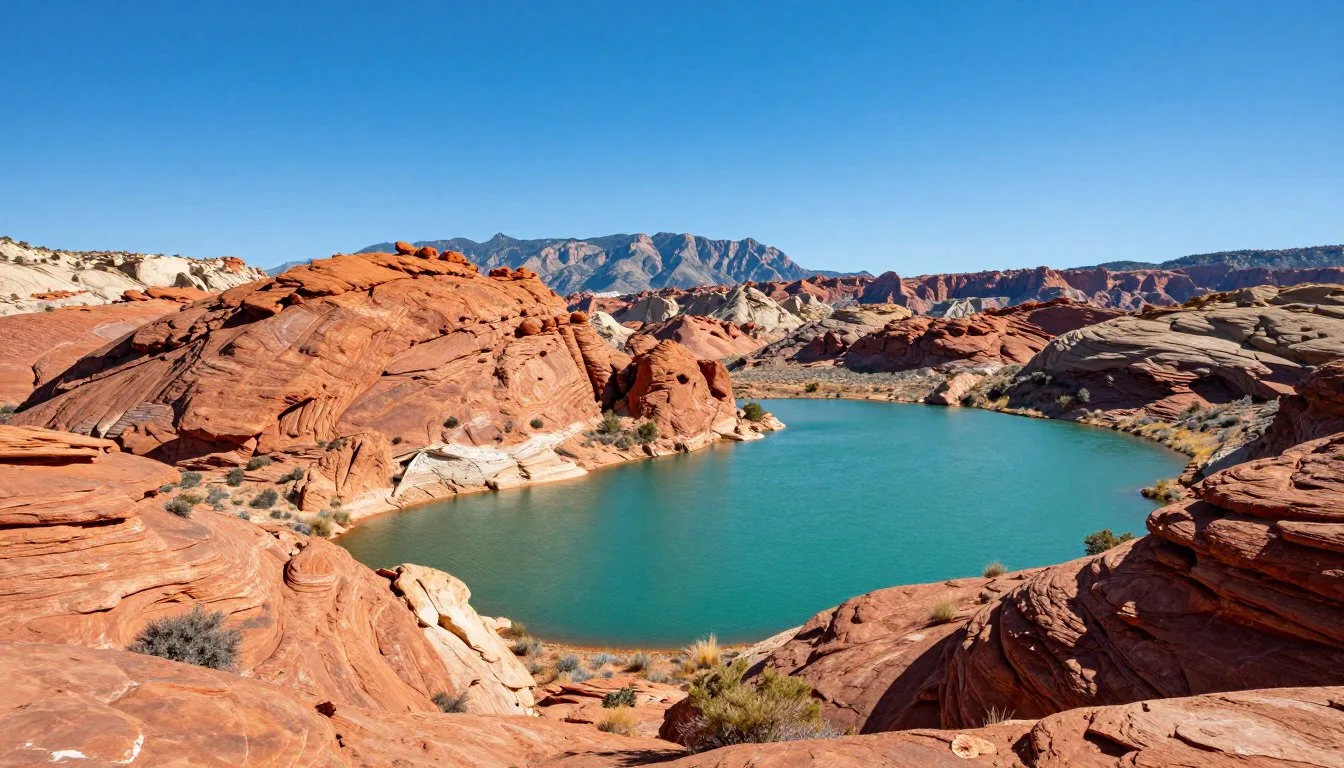
The location serves as an ideal base camp for exploring one of Utah’s most geologically fascinating areas. Red rock formations tower above sagebrush flats. Mountain peaks rise in the distance. The Manti-La Sal National Forest spreads across nearby slopes.
Getting There & Planning Your Journey
Millsite State Park sits in central Utah, approximately 3.2 kilometers (2 miles) west of Ferron. The park occupies a strategic location between major Utah attractions, making it an excellent stopping point for road trippers exploring the state.
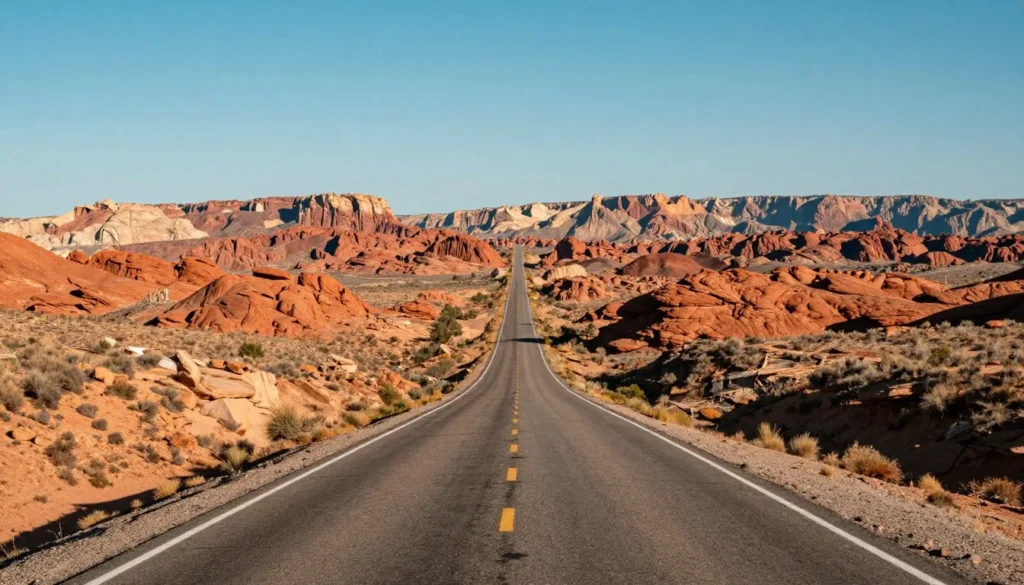
The nearest major airport is Salt Lake City International Airport, located approximately 241 kilometers (150 miles) north of the park. From Salt Lake City, visitors take Interstate 15 south to US-6, then follow State Route 10 south through scenic Castle Valley. The drive takes approximately 2.5 to 3 hours under normal conditions.
Alternatively, travelers can fly into Provo Municipal Airport, which sits about 177 kilometers (110 miles) from Millsite State Park. This smaller airport offers fewer flight options but reduces driving time by roughly 45 minutes. From Provo, take US-6 southeast through the mountains, then connect to State Route 10 south.
Park Contact Information:
Millsite State Park office hours: 8:00 AM – 5:00 PM daily (seasonal variations apply)
Driving from surrounding cities presents these approximate distances and times:
- From Price, Utah: 64 kilometers (40 miles), 45 minutes
- From Moab, Utah: 201 kilometers (125 miles), 2.5 hours
- From Capitol Reef National Park: 153 kilometers (95 miles), 2 hours
- From Green River, Utah: 121 kilometers (75 miles), 1.5 hours
The access road to Millsite State Park is paved and well-maintained year-round. Standard passenger vehicles have no difficulty reaching the park. RVs and trailers navigate the route easily, though drivers should note that the campground has specific size restrictions for individual sites.
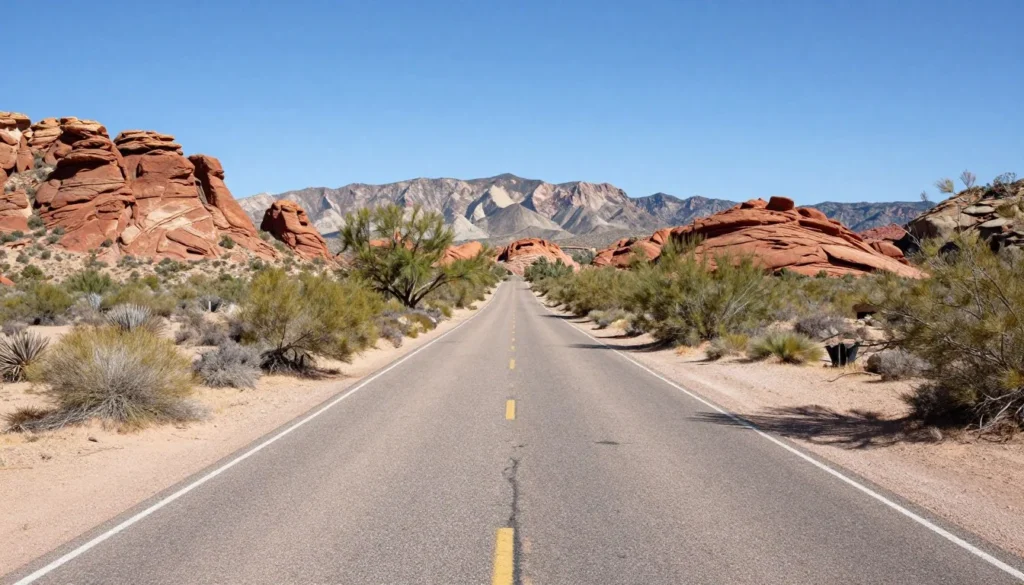
Visitors coming from the south via State Route 10 enjoy spectacular views of the San Rafael Swell. The highway climbs through changing terrain zones, from high desert valleys to pinyon-juniper forests. Wildlife sightings along this route frequently include mule deer, golden eagles, and occasional pronghorn antelope.
No public transportation serves Millsite State Park directly. Visitors must arrange private vehicles or rental cars. The nearest car rental facilities operate in Price and Salt Lake City. Some travelers coordinate with shuttle services from larger cities, though these require advance booking and come at premium rates.
Cell phone coverage in the park area is limited and unreliable. Most major carriers provide minimal service at the park itself. Coverage improves significantly in the town of Ferron, just minutes away. Visitors should download maps, directions, and any needed information before departing from areas with reliable internet access.
Check 30,000+ Local Sightseeing Tours Worldwide
✓ Numerous languages and currencies are available
Best Time to Visit & Weather Tips
Millsite State Park welcomes visitors year-round, but seasonal variations dramatically affect the experience. Understanding these patterns helps travelers plan the perfect visit.
Spring Season (March through May)
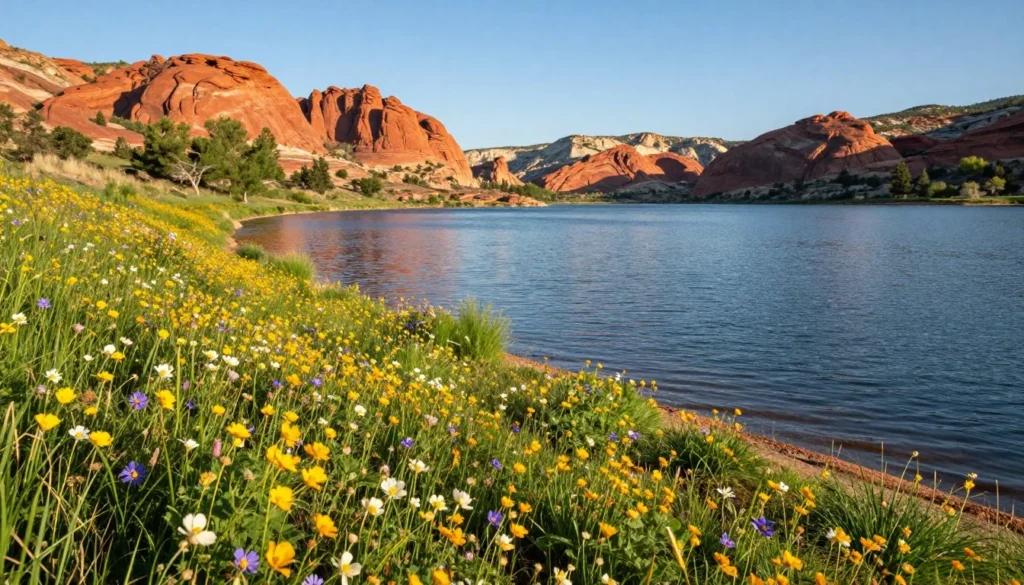
Spring brings mild temperatures and spectacular wildflower displays across the desert landscape. Daytime highs range from 15°C to 24°C (59°F to 75°F) in March, climbing to 21°C to 29°C (70°F to 85°F) by May. Nights remain cool, often dropping to 0°C to 7°C (32°F to 45°F).
This season offers excellent conditions for hiking and exploring ATV trails. The reservoir water temperature begins warming but remains too cold for comfortable swimming until late May. Spring storms occasionally pass through, bringing brief periods of rain and wind. These storms typically clear quickly, leaving fresh, crisp air.
Summer Season (June through August)
Summer transforms Millsite State Park into a water recreation paradise. Daytime temperatures regularly reach 29°C to 35°C (85°F to 95°F), with occasional spikes above 38°C (100°F) during heat waves. The reservoir water warms to comfortable swimming temperatures.
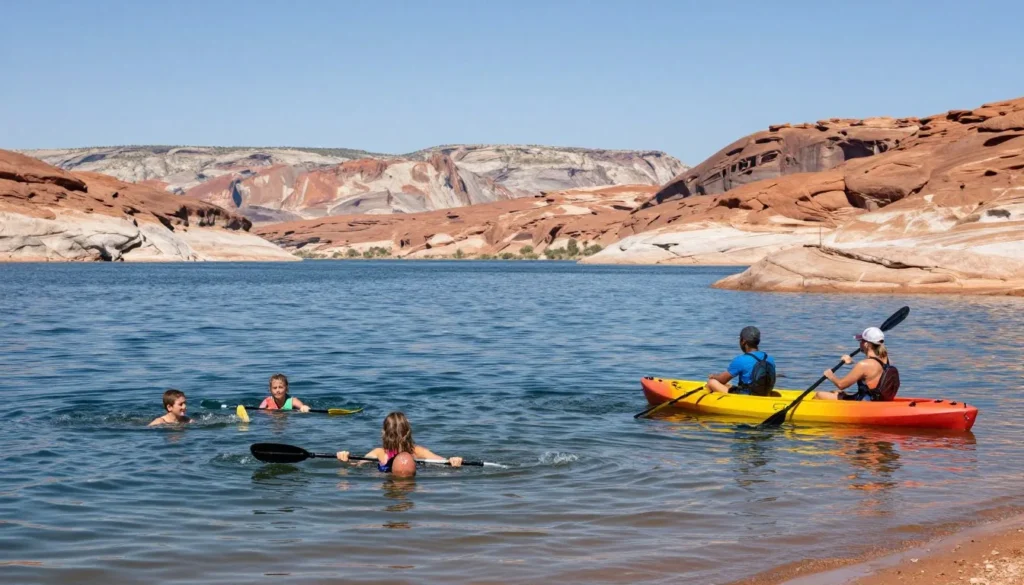
This peak season sees maximum visitor numbers, particularly on weekends and holidays. Campsites fill quickly. The golf course operates at full capacity. Early mornings provide the most pleasant conditions for outdoor activities, with temperatures 10-15 degrees cooler than midday.
Summer thunderstorms develop in the afternoons, especially in July and August. These storms produce spectacular lightning displays but pose risks to outdoor enthusiasts. The park recommends monitoring weather conditions and seeking shelter when storms approach.
Fall Season (September through November)
Fall ranks as many locals’ favorite season at Millsite State Park. Temperatures moderate to 18°C to 27°C (65°F to 80°F) in September, dropping to 7°C to 16°C (45°F to 60°F) by November. Crowds thin dramatically after Labor Day weekend.
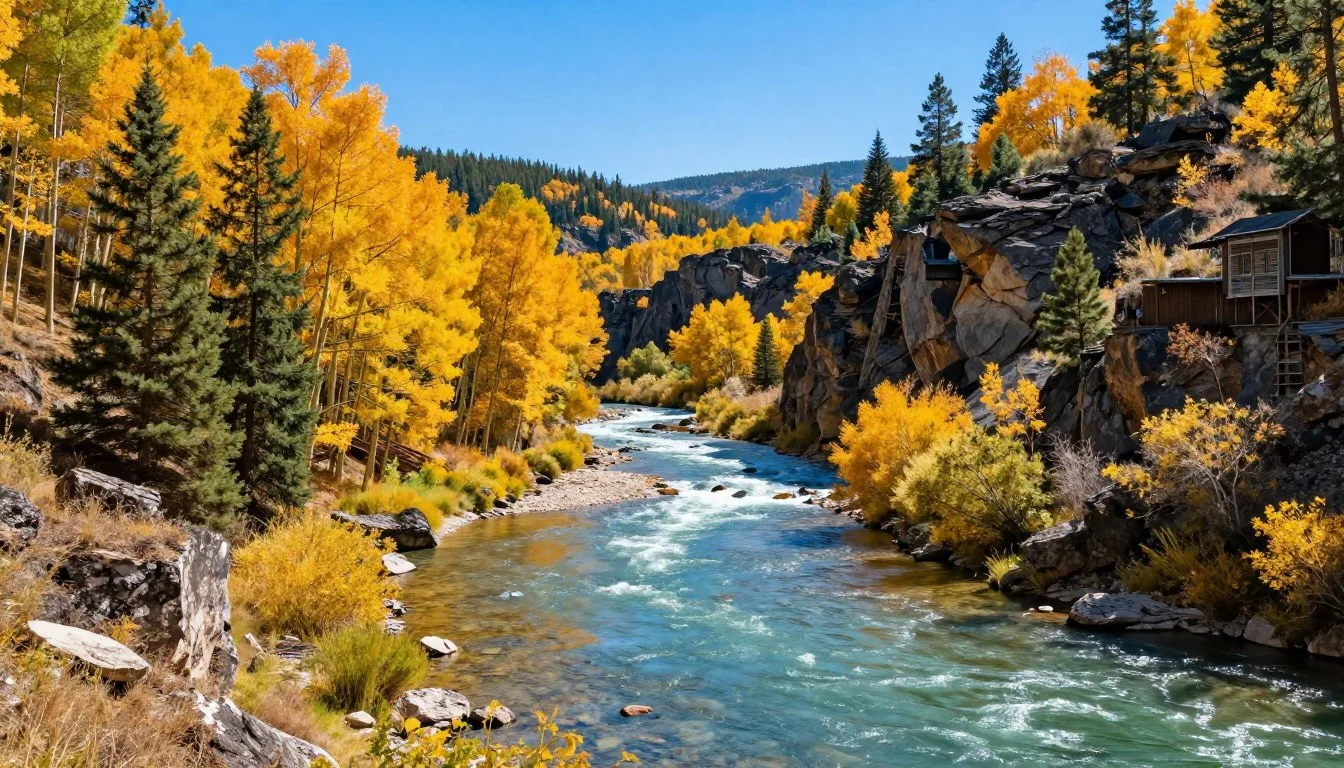
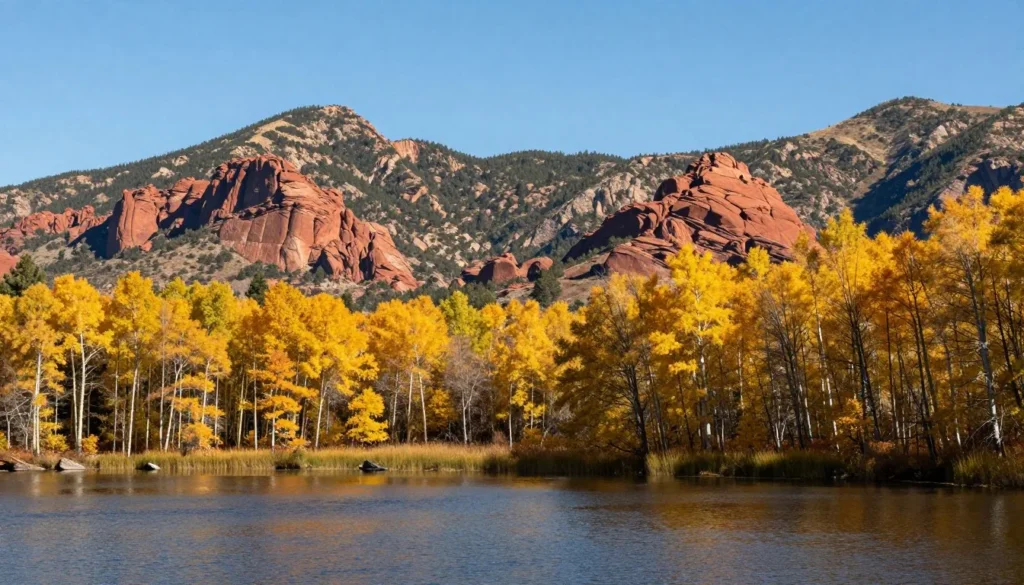
The surrounding mountains display autumn colors as aspens turn golden. Fishing improves as water temperatures cool. The golf course remains playable through October in most years. Fall camping offers crisp, clear nights perfect for stargazing.
Winter Season (December through February)
Winter brings quiet solitude to Millsite State Park. Daytime temperatures range from 1°C to 7°C (35°F to 45°F), with nights frequently dropping below freezing to -7°C to -1°C (20°F to 30°F). Snow covers the ground intermittently, though accumulation rarely exceeds 15-20 centimeters (6-8 inches).
The campground remains open, though water service shuts off to prevent freezing pipes. Hardy winter campers appreciate the solitude and dramatic desert scenery. Ice fishing becomes possible when the reservoir freezes sufficiently thick, though this varies by year. The golf course closes for the season.
Best Times to Visit Millsite State Park
Recommended Months:
- May: Perfect weather, wildflowers, fewer crowds
- September: Warm days, cool nights, autumn colors, minimal crowds
- Early October: Ideal camping weather, fall colors peak
- Late June: Water activities begin, good weather, before peak crowds
Months to Avoid or Consider Carefully:
- July-August weekends: Maximum crowds, extreme heat, campground often full
- December-February: Limited services, cold temperatures, potential snow
- March: Unpredictable weather, strong winds possible
Precipitation remains low throughout the year, averaging only 25-30 centimeters (10-12 inches) annually. The desert climate means sudden weather changes occur regularly. Summer monsoon storms develop quickly. Spring cold fronts can drop temperatures 15-20 degrees in hours.
Wind presents a consideration year-round at Millsite State Park. The area experiences frequent breezes, with spring bringing the strongest sustained winds. Tent campers should bring sturdy stakes and guy lines. Boaters should check wind forecasts before launching.
Notable Annual Festivals
The Ferron area and surrounding Emery County host several annual events that coincide nicely with visits to Millsite State Park. These festivals celebrate local culture, history, and outdoor traditions.
Emery County Fair
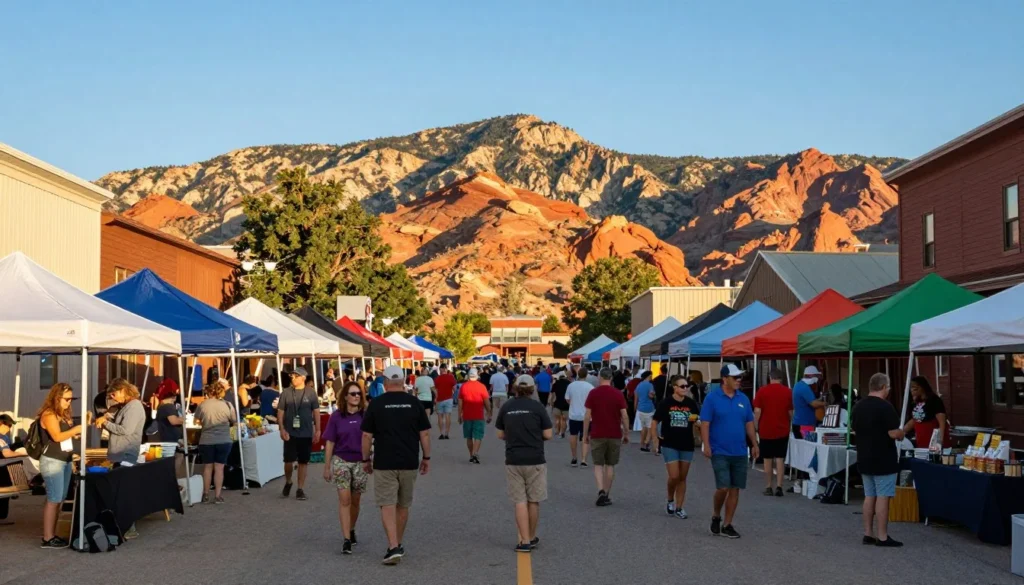
Held annually in early August, the Emery County Fair brings traditional agricultural celebration to Castle Dale, just 32 kilometers (20 miles) from Millsite State Park. The fair features livestock exhibitions, rodeo events, carnival rides, and local food vendors. This multi-day event attracts families throughout the region.
The fair typically runs Wednesday through Saturday during the first full week of August. Admission fees remain modest, with special discount days for families. Rodeo events require separate tickets.
Emery County Events Office:
Ferron Peach Days
This beloved local celebration takes place in late August or early September, depending on peach harvest timing. The festival honors the area’s agricultural heritage with peach-themed foods, craft vendors, live music, and children’s activities. The event centers on Ferron’s historic downtown area.
Peach Days typically runs for a weekend, Friday through Saturday. Highlights include a parade, pie-eating contests, and fresh peach sales from local orchards. Many visitors to Millsite State Park time their trips to coincide with this charming small-town festival.
San Rafael Swell ATV Jamboree
Off-road enthusiasts gather each spring for organized trail rides through the spectacular San Rafael Swell. This event includes guided tours of premier ATV trails, technical training sessions, and evening social gatherings. Millsite State Park serves as one of several base camp locations for participants.
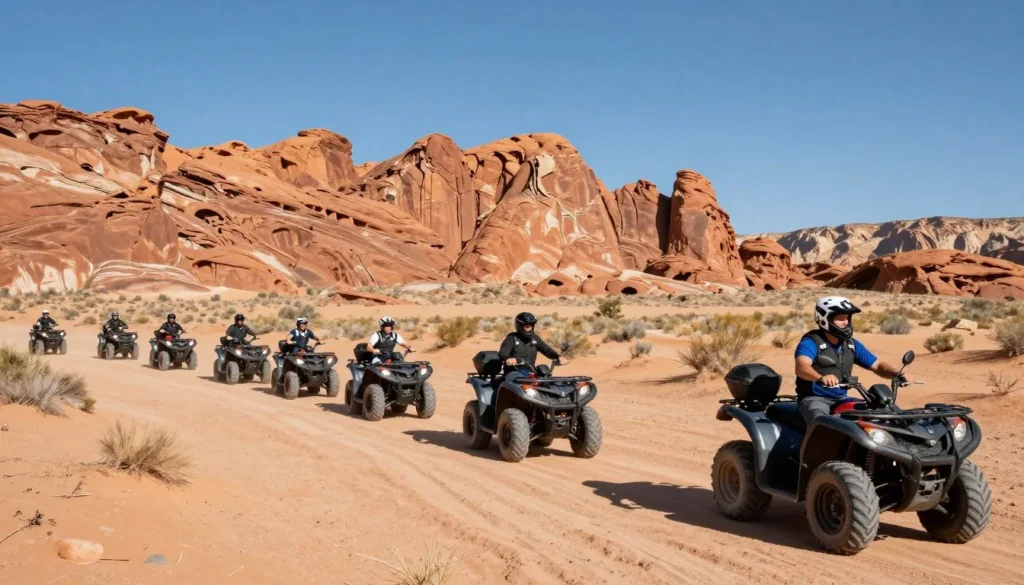
The Jamboree usually occurs in late April or early May. Registration is required and fills quickly. Both experienced riders and beginners find appropriate trail options during this multi-day event.
Utah State Parks Day
The first Saturday of June marks Utah State Parks Day, when all state parks offer free day-use admission. Millsite State Park participates in this annual celebration, hosting special ranger-led programs and activities. This provides an excellent opportunity for first-time visitors to explore the park without admission fees.
Activities vary by year but often include guided nature walks, fishing clinics for children, and educational presentations about the San Rafael Swell ecosystem. Camping fees still apply, but day-use admission is waived.
Beyond these major events, Ferron and nearby communities host smaller celebrations throughout the year. Independence Day brings fireworks displays visible from the park. Local rodeos occur periodically during summer months. Check with the park office or Ferron city offices for current event schedules when planning your visit.
Getting Around Locally
Millsite State Park covers a relatively compact area, making navigation simple and straightforward. The park layout centers on the reservoir, with facilities arranged for easy access.
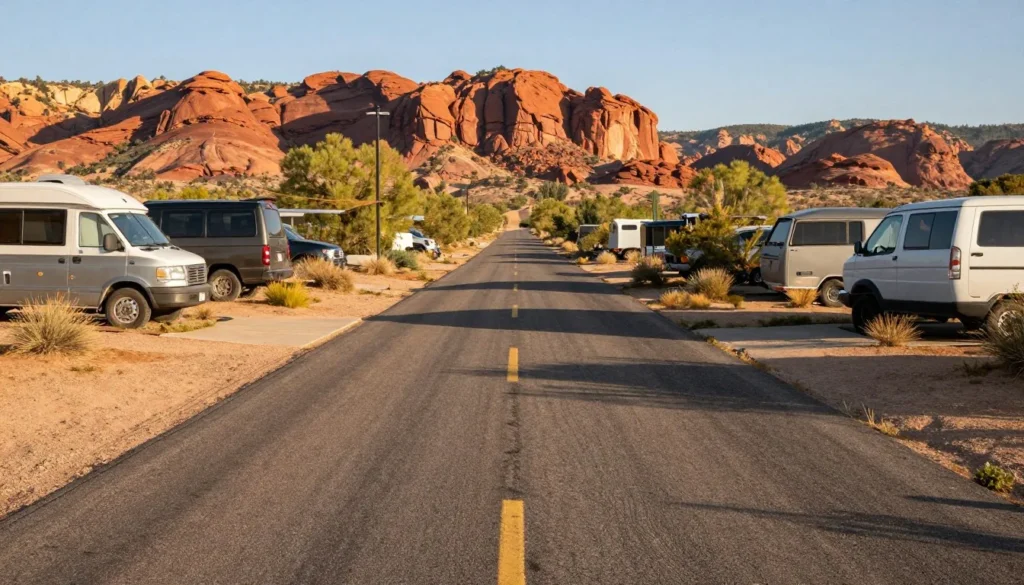
The main park road is paved and suitable for all vehicle types. This road connects the entrance station to the campground, boat launch, and day-use areas. Side roads branch to individual campsites and parking areas. Most side roads feature gravel surfaces that remain in good condition.
Walking and cycling work perfectly for exploring the park itself. The compact size means visitors can walk from the campground to the boat launch in under 10 minutes. A network of informal trails connects various areas, though these are not officially marked or maintained.
The golf course sits adjacent to the main park area, accessible via a short connecting road. Golfers can walk or drive to the course from campsites. Golf carts are available for rent at the course clubhouse.
For exploring beyond the park boundaries, personal vehicles remain essential. The town of Ferron lies 3.2 kilometers (2 miles) east, easily reached in five minutes. This small community provides basic services including a grocery store, gas stations, and several restaurants.
Accessing the extensive San Rafael Swell trail system requires driving. The nearest ATV trailheads sit 16-24 kilometers (10-15 miles) from the park. These trails are not interconnected with park roads. Responsible riders must trailer ATVs to designated trailheads rather than riding on public highways.
The Manti-La Sal National Forest begins approximately 19 kilometers (12 miles) west of Millsite State Park. Several forest access points and recreation areas scatter along the mountain front. These areas offer additional hiking, camping, and scenic driving opportunities.
Parking at Millsite State Park is generally abundant. The boat launch features a large paved parking area with designated trailer spaces. Day-use areas include additional parking lots. During peak summer weekends, arriving before 10:00 AM ensures finding preferred parking spots near popular areas.
The park does not offer shuttle services, guided tours, or equipment rentals beyond golf carts. Visitors must bring or rent their own boats, fishing equipment, and recreational gear. Nearby towns occasionally have equipment rental options for specialized items.
Where to Stay
Accommodation options around Millsite State Park range from on-site camping to lodging in nearby communities. The park itself offers the most convenient base for exploring the area.
Millsite State Park Campground
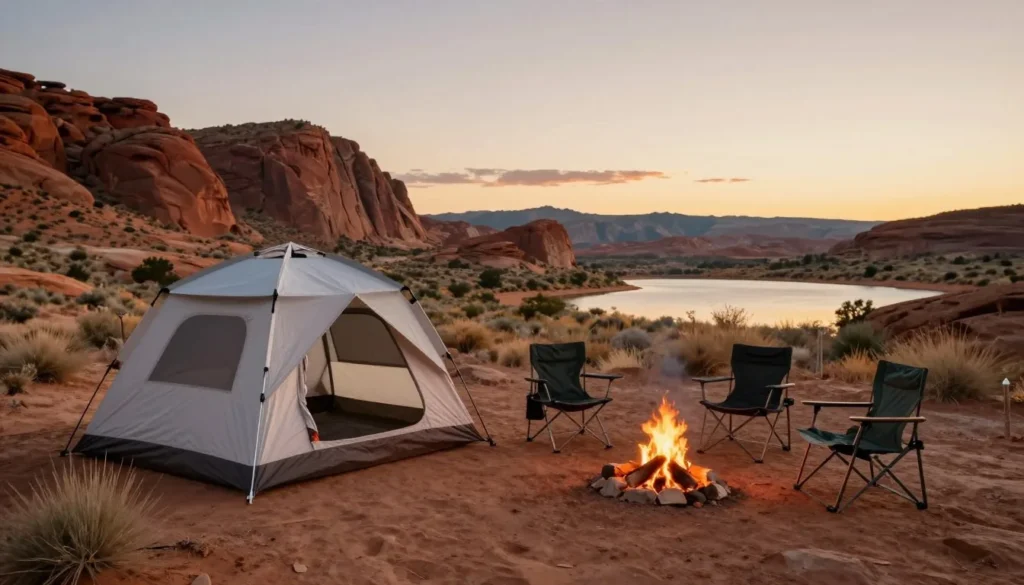
The park campground provides 20 sites with varying amenities. The location offers the ultimate convenience for visitors wanting to maximize their time at the reservoir and surrounding areas.
Developed sites include:
- 15 sites with full hookups (water, electric, sewer)
- 3 sites with partial hookups (water and electric only)
- 2 tent-only sites with no hookups
Each site features a picnic table, fire ring, and designated parking spot. The sites accommodate RVs up to 12 meters (40 feet) in length, though specific sites have individual restrictions. Trees provide limited shade at some sites, while others sit in open desert terrain.
Modern restroom facilities include flush toilets and hot showers. The bathhouse is centrally located and maintained daily during peak season. A dump station serves campers departing the park.
Campground Reservations:
Reservations are strongly recommended May through September
Walk-in sites available on first-come, first-served basis (subject to availability)
Camping fees vary by site type and season. Full hookup sites command premium rates. Discounts apply for Utah residents with hunting or fishing licenses. The park accepts reservations up to 16 weeks in advance through the state parks reservation system.
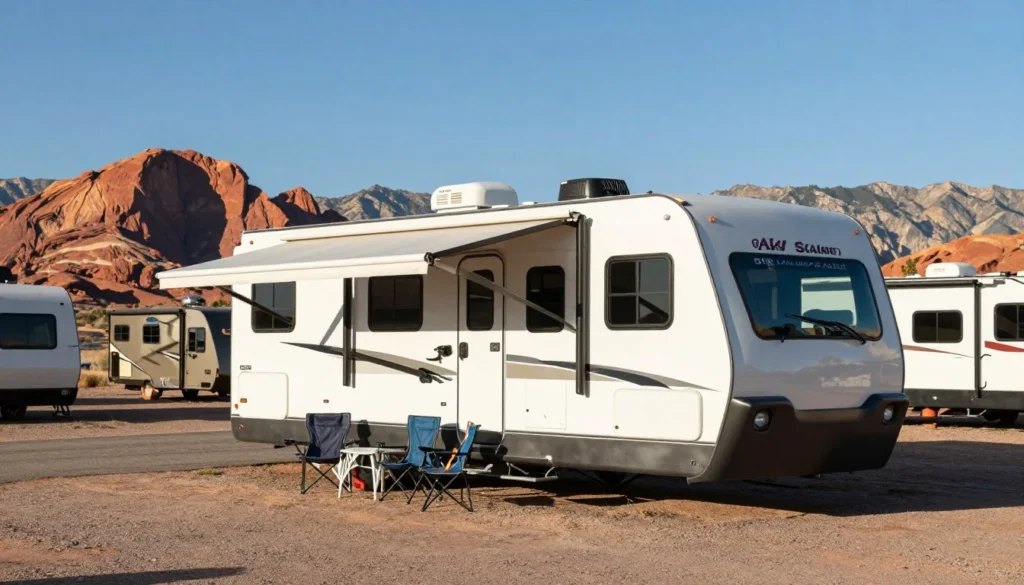
The campground remains open year-round, though winter camping requires preparation for freezing temperatures. Water service shuts off November through March to prevent pipe damage. Vault toilets replace the flush facilities during winter months.
Ferron Lodging Options
The nearby town of Ferron offers basic motel accommodations for visitors preferring indoor lodging. These establishments provide simple, clean rooms at budget-friendly rates.
The Ferron Motel operates year-round with approximately 12 rooms. Amenities include air conditioning, cable television, and WiFi internet. The property sits on Main Street within walking distance of local restaurants and shops. Pet-friendly rooms are available with advance notice.
Rates typically range from moderate to budget category. Reservations are advisable during summer months and hunting seasons. The motel sometimes fills with workers and contractors during the week.
Castle Dale and Regional Options
Castle Dale, located 32 kilometers (20 miles) north, provides additional lodging choices. This larger community hosts several motels and one small inn. The extra distance proves worthwhile for visitors seeking more amenities or dining options.
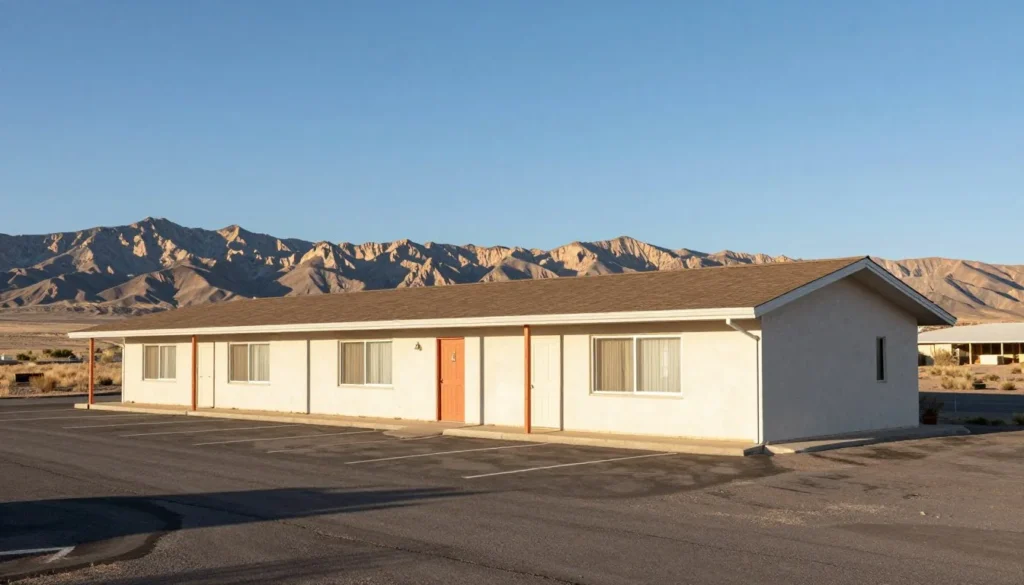
The Village Inn in Castle Dale features updated rooms, complimentary breakfast, and business services. The property caters to both tourists and business travelers. Swimming pool facilities operate seasonally.
Price, Utah sits 64 kilometers (40 miles) north and offers the most extensive lodging selection in the region. National chain hotels operate here, along with independent properties. Price serves as the regional hub for services and amenities.
Alternative Camping Areas
The Manti-La Sal National Forest contains dispersed camping opportunities west of Millsite State Park. Forest roads access numerous undeveloped camping spots in mountain settings. These free sites lack facilities but provide solitude and scenic beauty.
Dispersed camping requires self-sufficiency and adherence to Leave No Trace principles. Campers must pack out all waste. Campfires may be restricted during dry periods. High-clearance vehicles are recommended for accessing many forest camping locations.
Several developed Forest Service campgrounds operate in the Manti-La Sal National Forest at higher elevations. These sites offer pit toilets and picnic tables but no hookups. The mountain locations provide cooler temperatures during summer heat.
Nearby state parks including Huntington and Scofield offer alternative camping if Millsite State Park reaches capacity. These parks sit within 48-64 kilometers (30-40 miles) and feature their own recreation opportunities centered on larger reservoirs.
Dining & Local Cuisine
Dining options near Millsite State Park reflect the rural character of central Utah. Visitors find hearty, straightforward meals rather than gourmet cuisine. Local restaurants emphasize generous portions and friendly service.
The park itself contains no dining facilities. Campers typically prepare their own meals at campsites. Picnic areas with grills and tables serve day-use visitors bringing packed lunches.
Ferron Dining
Ferron hosts several casual restaurants serving breakfast, lunch, and dinner. These establishments cater primarily to locals, creating authentic small-town atmosphere.
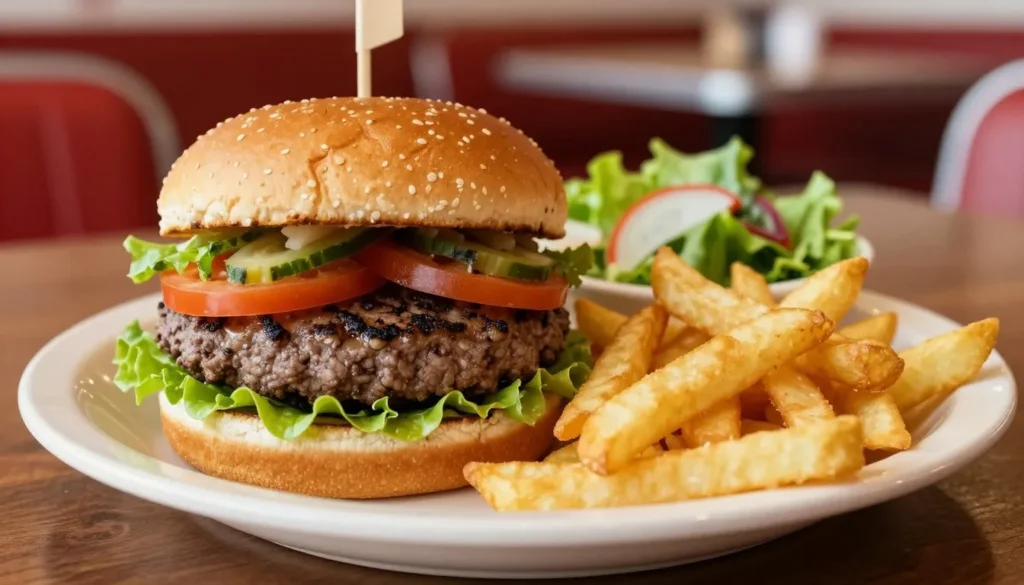
The Cactus Grill operates as Ferron’s most popular restaurant. This family-owned establishment serves American comfort food including steaks, burgers, and Mexican-influenced dishes. The menu features daily specials and generous breakfast options. Hours typically run 6:00 AM to 8:00 PM, though these vary seasonally.
A small café on Main Street specializes in breakfast and lunch service. Home-style cooking includes made-from-scratch biscuits and gravy, hearty omelets, and deli sandwiches. The café closes by mid-afternoon most days.
Pizza delivery operates from Ferron to the state park campground during summer months. This convenient option allows campers to enjoy hot meals without leaving the park. Delivery times can be lengthy during busy periods.

Regional Flavors and Local Specialties
Central Utah cuisine reflects pioneer heritage and ranching culture. Beef features prominently on most menus. Locally raised lamb occasionally appears as a specialty item.
Fruit orchards around Ferron produce exceptional peaches, cherries, and apples. During harvest seasons, roadside stands sell fresh fruit and homemade preserves. The peaches from this area enjoy regional fame for their sweetness and flavor.
Local bakeries create fresh bread, pastries, and desserts. Home-style pies showcase seasonal fruits. These treats make excellent additions to camping supplies or picnic baskets.
Hunting culture influences autumn menus when wild game dishes appear as specials. Elk and deer prepared in various styles reflect local traditions. These items typically require advance ordering at restaurants.
Grocery Shopping and Supplies
Ferron’s grocery store provides basic supplies for campers and self-catering visitors. The store stocks fresh produce, meats, dairy products, and camping essentials. Selection is limited compared to larger supermarkets, but adequate for most needs.

A gas station convenience store supplements grocery options with grab-and-go items, ice, firewood, and fishing bait. Prices run slightly higher than supermarkets but offer convenience for forgotten items.
Visitors planning extended stays should consider shopping in Price before arriving. This larger town features full-service supermarkets with greater selection and competitive pricing. The extra planning saves money and ensures preferred brands are available.
Castle Dale Dining Options
Castle Dale, 32 kilometers (20 miles) north, expands dining choices significantly. This county seat hosts additional restaurants including a steakhouse, fast-food outlets, and a popular family restaurant.
The steakhouse specializes in locally sourced beef and Western atmosphere. Reservations are recommended for weekend dinners. The establishment features a full bar and expanded menu beyond typical small-town offerings.
A well-regarded Mexican restaurant in Castle Dale serves authentic dishes prepared by a family with multi-generational recipes. This spot draws diners from surrounding communities for its fresh ingredients and generous portions.
Check 30,000+ Local Sightseeing Tours Worldwide
✓ Numerous languages and currencies are available
Fast food franchises in Castle Dale include national burger chains and pizza delivery. These provide familiar options for families with children or visitors seeking quick meals.
Attractions, Sightseeing & Activities
Millsite State Park and the surrounding area offer diverse activities appealing to various interests. The compact park packs surprising variety into its desert setting.
The Millsite Reservoir
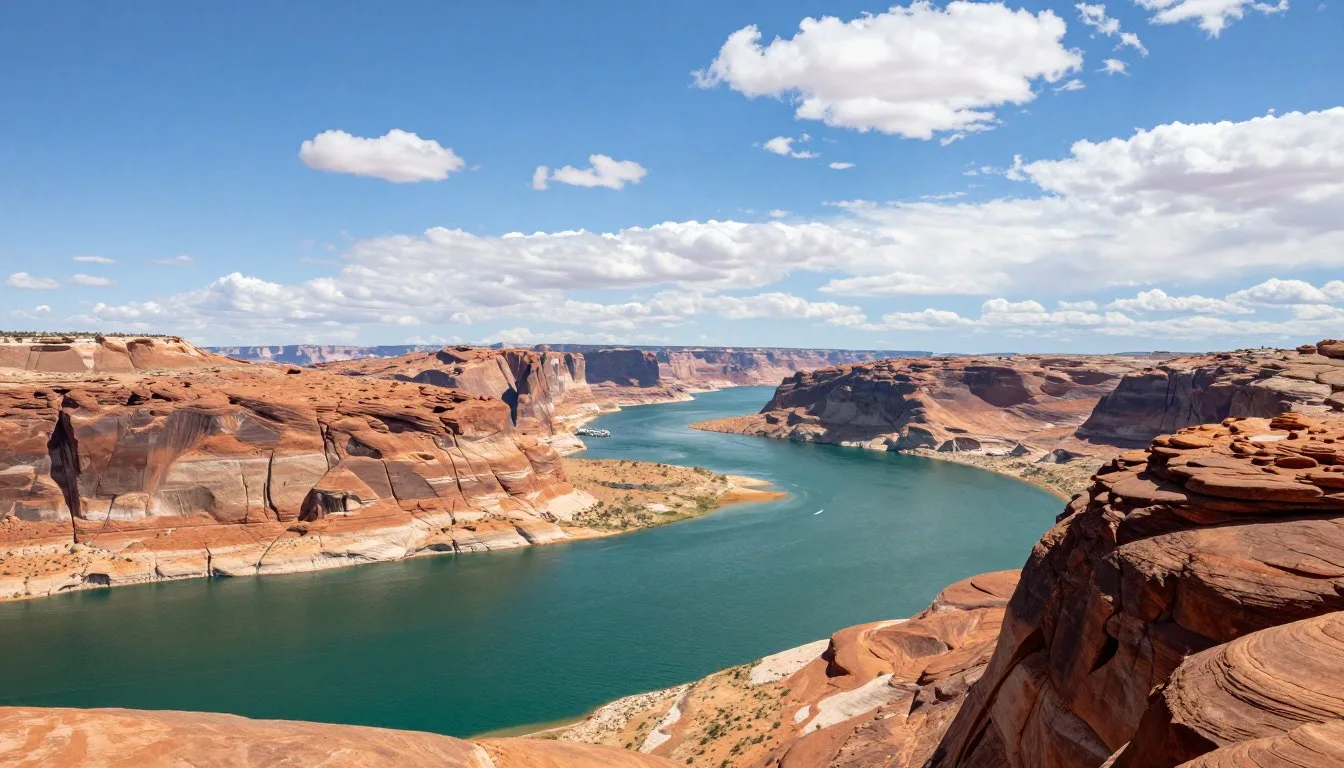
The 182-hectare (450-acre) reservoir forms the centerpiece of park activities. This scenic body of water offers multiple recreation opportunities throughout the warmer months.
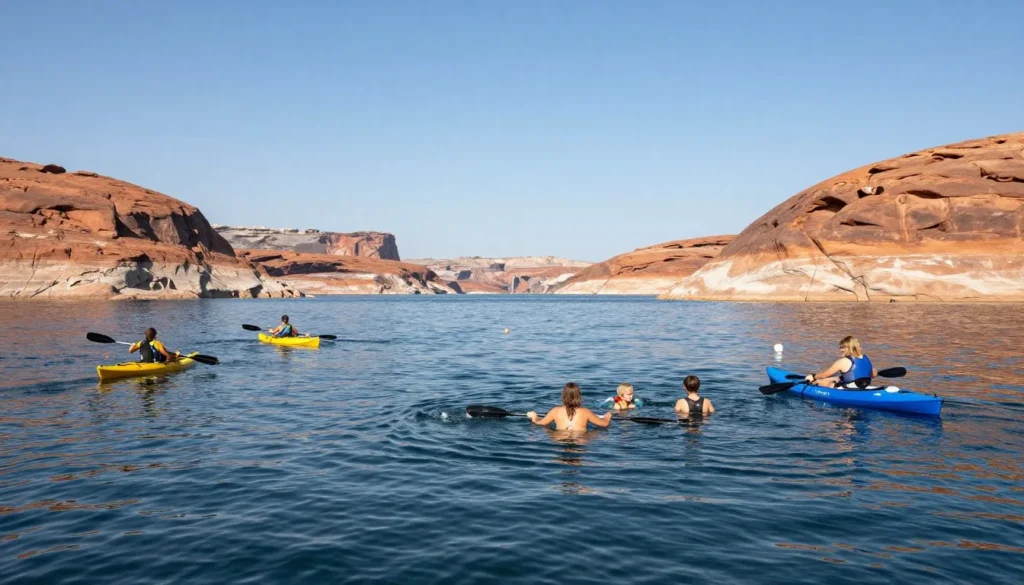
Boating enthusiasts find excellent conditions for various watercraft. The reservoir allows motorboats, personal watercraft, sailboats, and kayaks. A concrete boat launch ramp with courtesy dock facilitates easy launching. Parking areas accommodate vehicles with trailers.
Water skiing and wakeboarding prove popular during summer months. The reservoir’s size provides adequate space for these activities while maintaining safety zones near swimming areas and shorelines. Early mornings offer the calmest water conditions before afternoon winds develop.
Kayaking and canoeing present ideal ways to explore the reservoir’s shoreline. Paddlers discover quiet coves and varied terrain features. The calm water suits beginners, while the reservoir’s size challenges experienced paddlers seeking exercise.
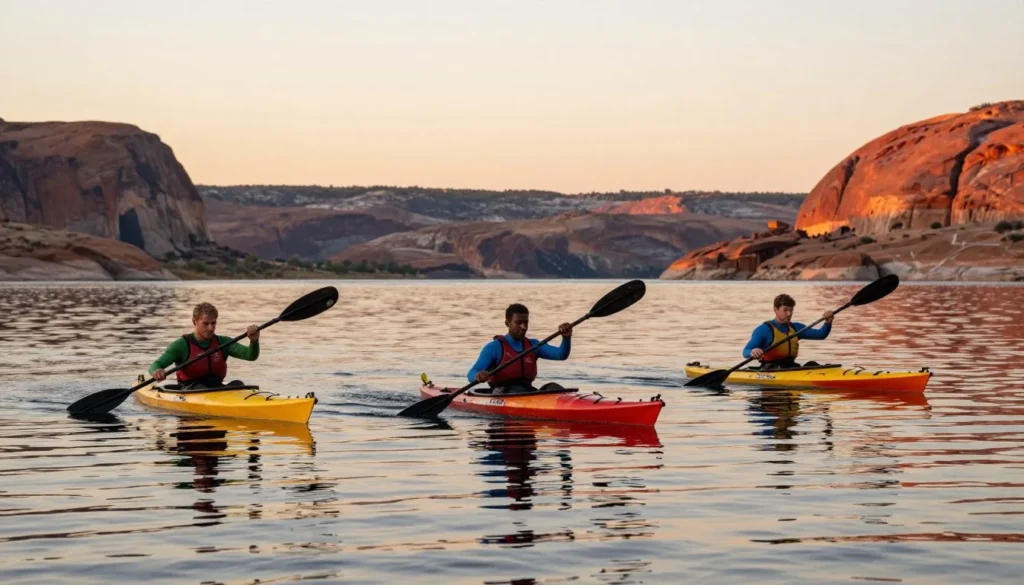
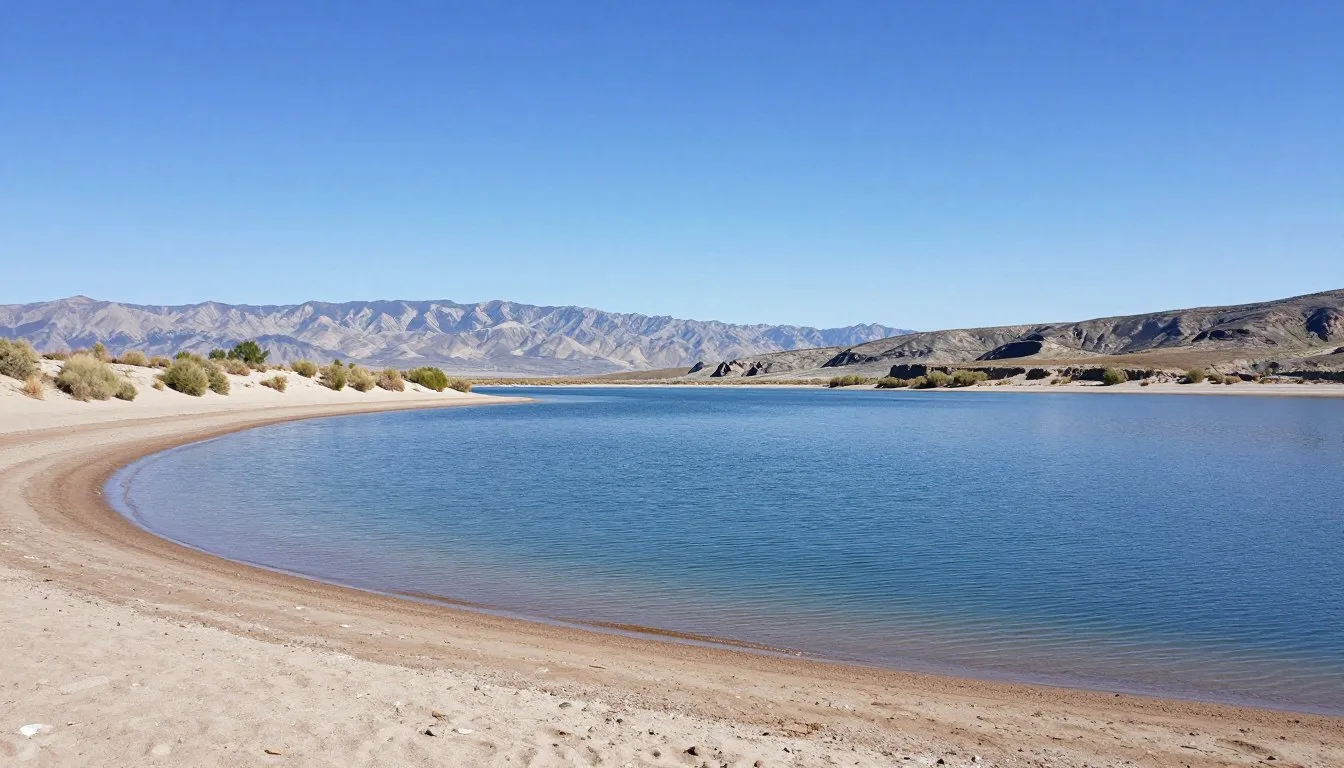
Swimming is permitted in designated areas near the day-use beach. The sandy shoreline provides easy water access for families. Water temperatures reach comfortable levels from June through September, typically ranging from 18°C to 24°C (65°F to 75°F) during peak season.
No lifeguards staff the swimming area. Parents must supervise children closely. The reservoir bottom drops off gradually in most areas but includes some deeper sections near the dam.
Fishing at Millsite
Fishing ranks among the most popular activities at Millsite State Park. The reservoir hosts healthy populations of several species that provide year-round angling opportunities.
Rainbow trout dominate catches, with the Utah Division of Wildlife Resources stocking the reservoir regularly. Fish sizes vary from pan-sized to occasionally exceeding 2.3 kilograms (5 pounds). Spring and fall produce the most consistent trout fishing.
Largemouth bass inhabit the reservoir in good numbers. These fish favor the rocky shorelines and submerged structures. Summer bass fishing can be excellent, particularly during early morning and evening hours. Bass averaging 0.9 to 1.4 kilograms (2 to 3 pounds) are common.
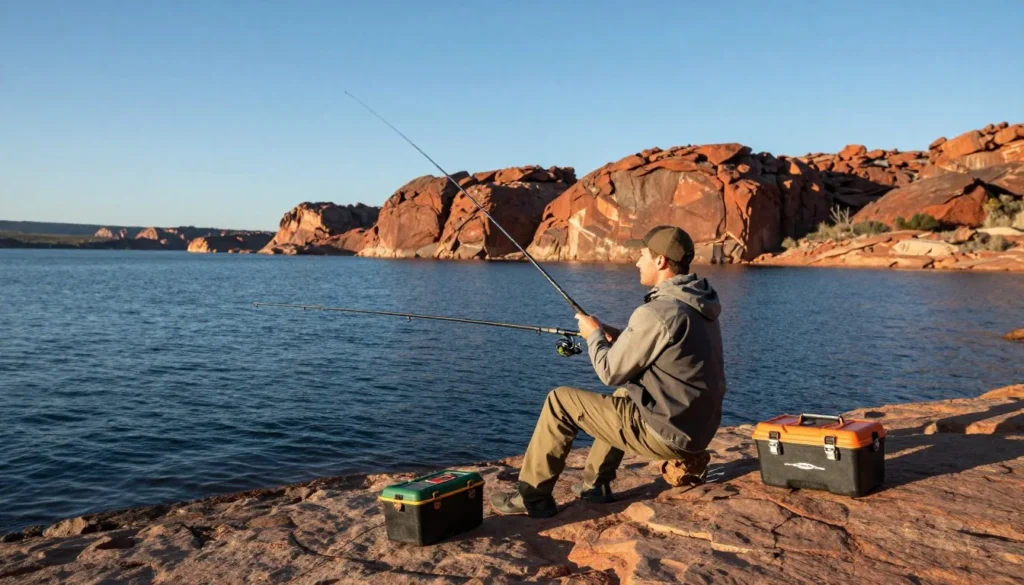
Bluegill and other panfish provide action for anglers of all skill levels. These fish concentrate near vegetation and shallow areas during warmer months. Children particularly enjoy catching bluegill, which bite readily on simple baits.
Shore fishing access points scatter around the reservoir. Rock jetties extend into the water at several locations, providing deeper water access for bank anglers. The area near the boat launch offers productive fishing from shore.
Valid Utah fishing licenses are required for all anglers age 12 and older. Licenses can be purchased online through the Utah Division of Wildlife Resources or at local retailers in Ferron. Special regulations may apply to specific species or fishing methods.
Millsite Golf Course
The nine-hole golf course adjacent to Millsite State Park provides unique desert golfing. This challenging course integrates natural terrain features into its layout, creating memorable holes.
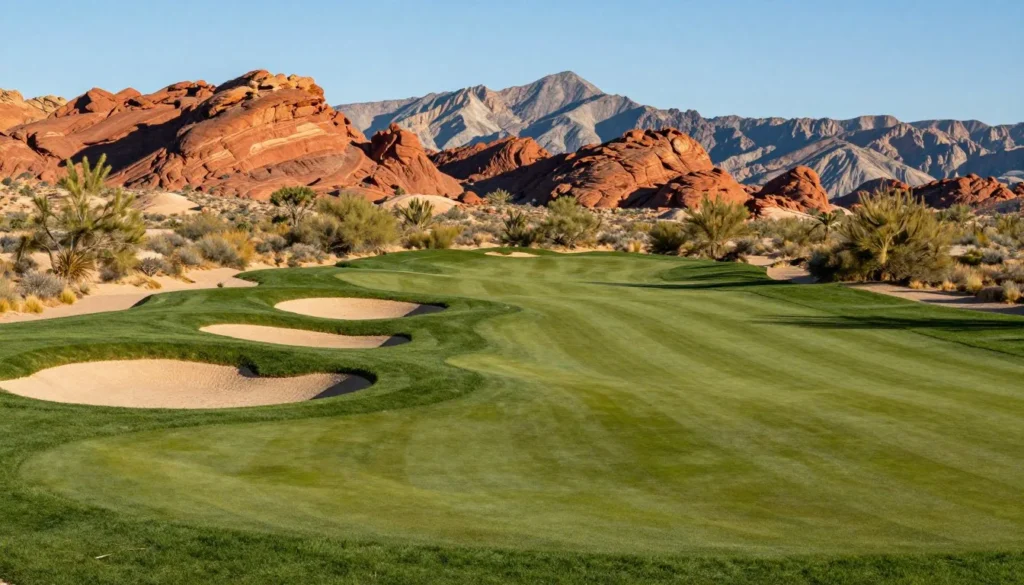
The course measures approximately 2,743 meters (3,000 yards) from the back tees. Tight fairways wind through sagebrush and rock formations. Elevated greens test approach shots. The layout rewards accuracy over distance.
Natural hazards include desert vegetation, rock outcroppings, and occasional water features. Players should bring extra golf balls, as wayward shots sometimes disappear into rugged terrain.
A small clubhouse provides basic amenities including golf cart rentals, club rentals, and refreshments. The pro shop stocks limited golf supplies and accessories. Tee times are recommended during summer weekends but usually unnecessary on weekdays.
Greens fees remain affordable compared to resort courses. Special rates apply for juniors and twilight golf. The course typically operates from March through October, weather permitting. Winter conditions occasionally allow play during mild periods.
Scenic Drives
Several exceptional scenic drives begin near Millsite State Park, showcasing the dramatic geology of central Utah.
The Wedge Overlook Road leads to one of Utah’s most spectacular viewpoints. This 40-kilometer (25-mile) drive on maintained gravel roads reaches a canyon rim offering views into the Little Grand Canyon. The overlook sits 305 meters (1,000 feet) above the San Rafael River.
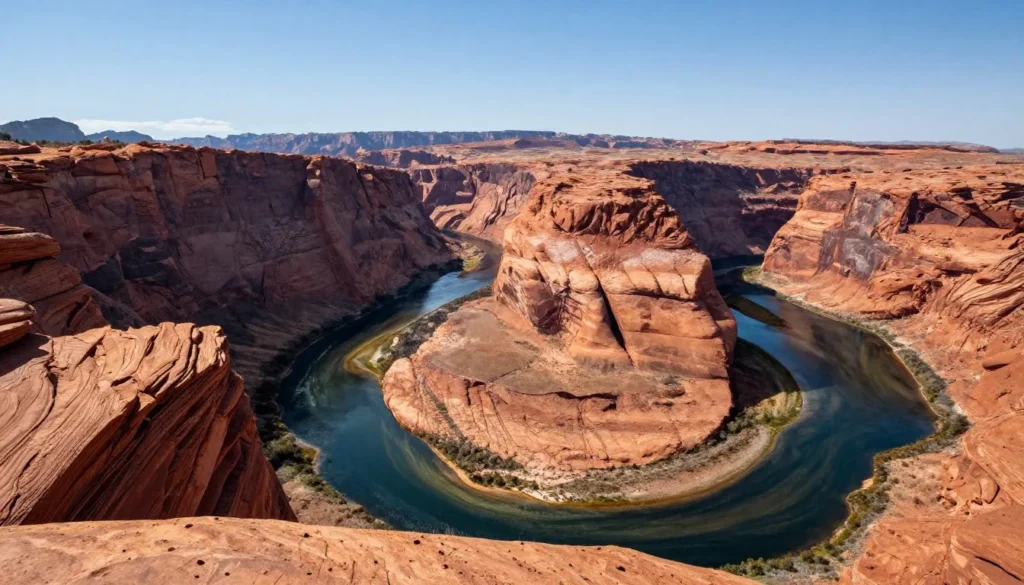
The Temple Mountain Loop explores the heart of the San Rafael Swell. This route passes abandoned uranium mines, colorful badlands, and towering rock formations. The loop covers approximately 80 kilometers (50 miles) on mixed pavement and maintained dirt roads.
Ferron Canyon Scenic Backway climbs from the desert floor into the Manti-La Sal National Forest. This paved route gains over 914 meters (3,000 feet) in elevation, passing through distinct ecological zones. Alpine meadows and forests contrast dramatically with the desert below.
All these drives require careful preparation. Carry extra water, snacks, and emergency supplies. Cell phone service is absent in most areas. Check road conditions before departing, as summer storms can make dirt roads impassable.
Museums, Cultural Spots & Festivals
The Millsite State Park area, while remote, connects to rich cultural and historical resources that illuminate the region’s past and present.
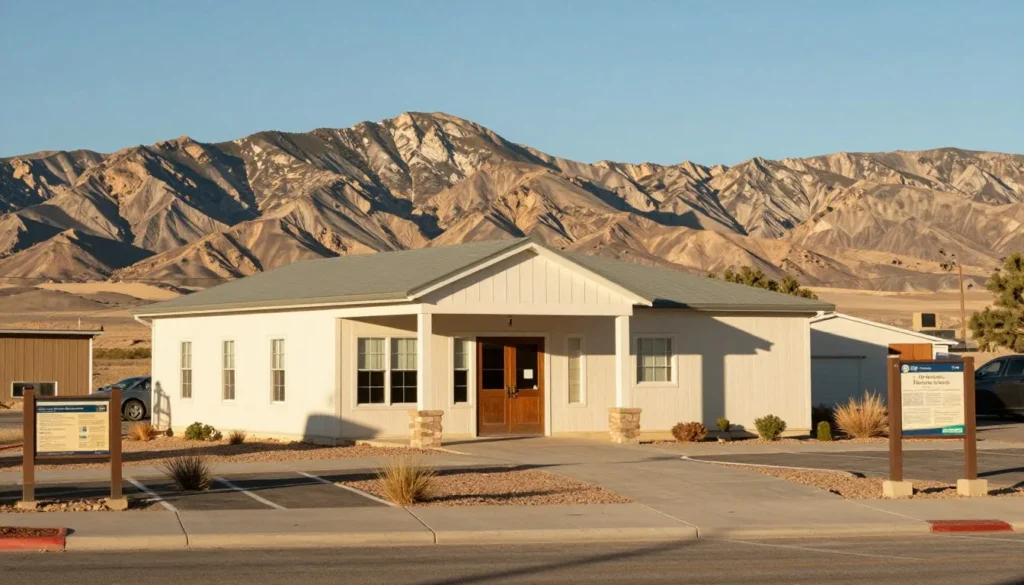
Western Mining & Railroad Museum
Located in Helper, approximately 80 kilometers (50 miles) north of Millsite State Park, this museum preserves the coal mining heritage of Carbon County. Exhibits showcase mining equipment, immigrant worker histories, and the railroad systems that transported coal from mountain mines.
The museum occupies a restored historic building in Helper’s downtown district. Displays include authentic mining artifacts, period photographs, and recreated mine tunnels visitors can walk through. A highlight is the extensive model railroad depicting the region’s rail network during its peak operations.
Admission fees are modest. The museum opens Tuesday through Saturday from 10:00 AM to 4:00 PM during summer months, with reduced winter hours. Guided tours are available with advance notice.
San Rafael Swell Interpretive Sites
Several locations throughout the San Rafael Swell feature interpretive panels explaining geology, paleontology, and human history. These informal outdoor sites require no admission and remain accessible year-round.
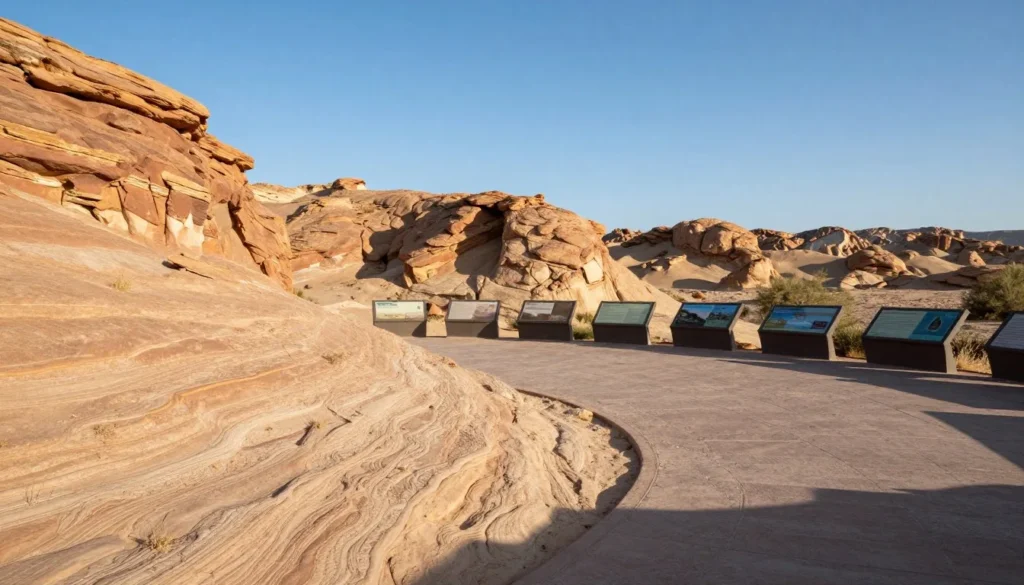
The Buckhorn Wash Pictograph Panel displays ancient rock art created by Barrier Canyon culture peoples thousands of years ago. Life-sized humanoid figures painted in red pigment cover a large alcove wall. A viewing platform protects the fragile art while allowing photography.
The Cleveland-Lloyd Dinosaur Quarry sits approximately 64 kilometers (40 miles) from Millsite State Park. This working paleontological site has yielded more dinosaur bones than any other Jurassic period quarry. A small visitor center displays fossils and explains ongoing research.
The quarry operates seasonally, typically Memorial Day through Labor Day. Self-guided trails and interpretive displays explain the site’s significance. The remote location requires driving on maintained dirt roads, passable by standard vehicles in dry conditions.
Local Historical Sites
The Ferron area contains several sites related to Mormon pioneer settlement and early 20th-century development.
Historic downtown Ferron features buildings dating to the early 1900s. The Ferron Canal, completed in 1908, transformed the valley into productive farmland. Portions of the original canal system remain visible and operational today.
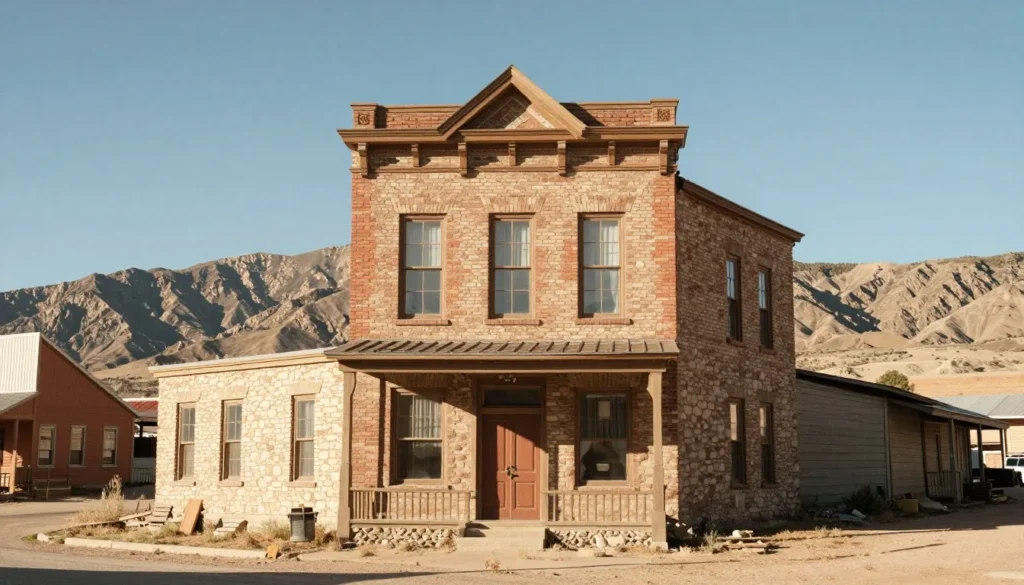
The Ferron Cemetery, established in the 1870s, contains graves of original settlers. Headstones tell stories of pioneer hardship, infant mortality, and multi-generational families who built the community.
Local churches represent various denominations that served the community. Several buildings date to the 1920s and 1930s, displaying architectural styles of that era.
Native American Heritage
The region surrounding Millsite State Park contains evidence of Native American presence spanning thousands of years. The Fremont culture inhabited this area from approximately 700 to 1300 CE.
Rock art sites scatter throughout the San Rafael Swell and surrounding canyons. These include both pictographs (painted images) and petroglyphs (carved designs). Figures depict humans, animals, geometric patterns, and mysterious symbols whose meanings remain debated.
Visitors should view rock art respectfully without touching the fragile surfaces. Oils from human skin damage ancient pigments and rock patina. Photography is encouraged as a non-invasive way to document and appreciate these cultural treasures.
The Utah Division of Indian Affairs and local archaeology groups occasionally offer guided tours to significant sites. These programs provide expert interpretation while ensuring visitor impact remains minimal.
Nature & Outdoor Experiences
The landscape surrounding Millsite State Park presents remarkable opportunities for outdoor adventure. Desert terrain, mountain forests, and unique geological features create diverse environments to explore.
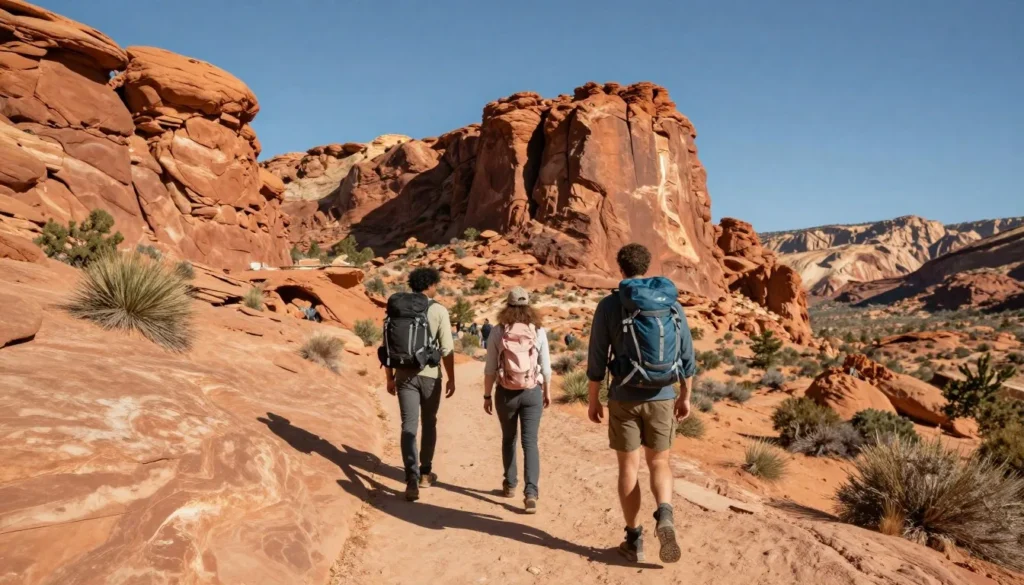
Hiking Trails
Numerous trails wind through the terrain near Millsite State Park, ranging from easy nature walks to challenging backcountry routes.
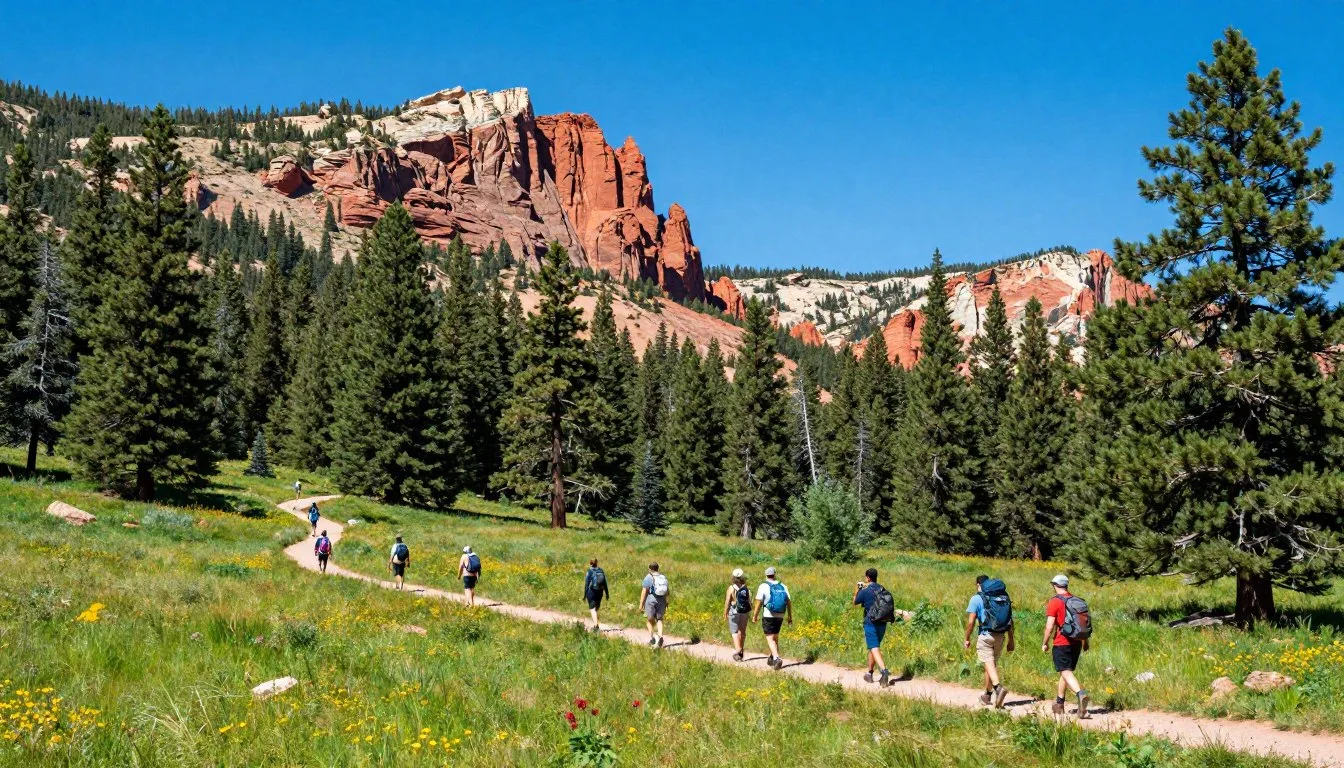
The Reservoir Loop Trail circles Millsite Reservoir, covering approximately 5.6 kilometers (3.5 miles). This easy, mostly flat trail follows the shoreline, providing constantly changing views of the water and surrounding landscape. The path works well for families with young children.
Ferron Canyon offers multiple hiking opportunities along Ferron Creek. Trails ascend through a dramatic rock-walled canyon as elevation increases toward the national forest. A popular route follows the creek for 6.4 kilometers (4 miles) one-way, gaining 305 meters (1,000 feet) elevation.
The San Rafael Swell contains dozens of slot canyons, natural arches, and remote wilderness trails. Popular destinations include Little Wild Horse Canyon, Bell Canyon, and Crack Canyon. These routes require navigation skills, proper equipment, and awareness of flash flood dangers.
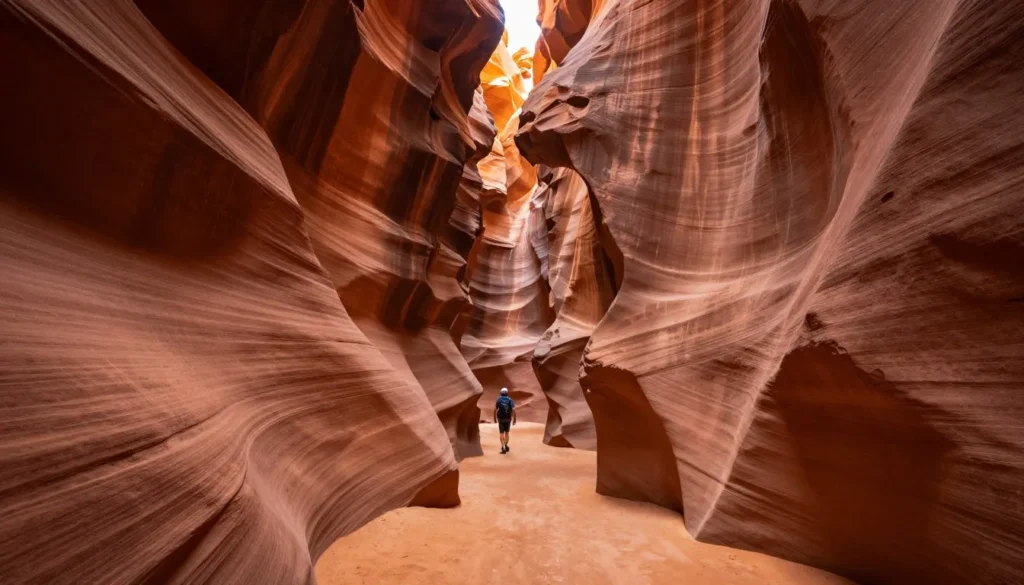
Trail conditions vary significantly. Some paths are well-marked and maintained, while others require route-finding skills. Topographic maps and GPS devices prove essential for backcountry exploration. Water sources are scarce or non-existent in most areas, requiring hikers to carry adequate supplies.
ATV and Off-Road Trails
The San Rafael Swell ranks among Utah’s premier destinations for ATV and motorcycle riding. Hundreds of kilometers of designated routes cross public lands surrounding Millsite State Park.
The Behind the Reef Road provides a popular introduction to Swell riding. This maintained two-track road runs 43 kilometers (27 miles) along the eastern edge of the reef formation. Moderate difficulty and stunning scenery make it suitable for less experienced riders.
More challenging single-track trails penetrate deeper into the Swell. Technical terrain includes steep climbs, loose rock, and narrow passages. These routes demand skilled riding and proper equipment.
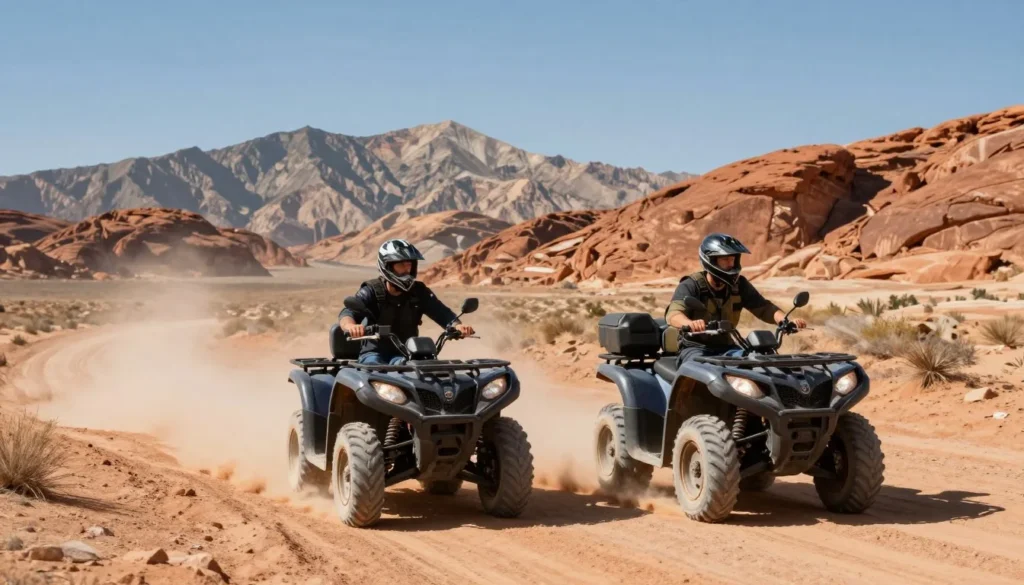
All ATV riders must possess valid registrations and observe posted regulations. Stay on designated routes to minimize environmental impact. The fragile desert soils damage easily and recover slowly from off-trail riding.
Trail maps are available from the BLM field office in Price. Local shops sell detailed GPS tracks for popular routes. Riding groups and clubs organize events throughout the spring and fall riding seasons.
Wildlife Watching
The diverse habitats around Millsite State Park support varied wildlife populations. Observant visitors encounter numerous species throughout the year.
Mule deer are commonly sighted, especially during early morning and evening hours. These large mammals browse on vegetation throughout desert and mountain areas. Bucks grow impressive antlers that reach full size by autumn.
Pronghorn antelope inhabit open desert valleys and plains. These remarkably fast animals can run at speeds exceeding 88 kilometers (55 miles) per hour. Their tan and white coloring provides camouflage in sagebrush habitat.
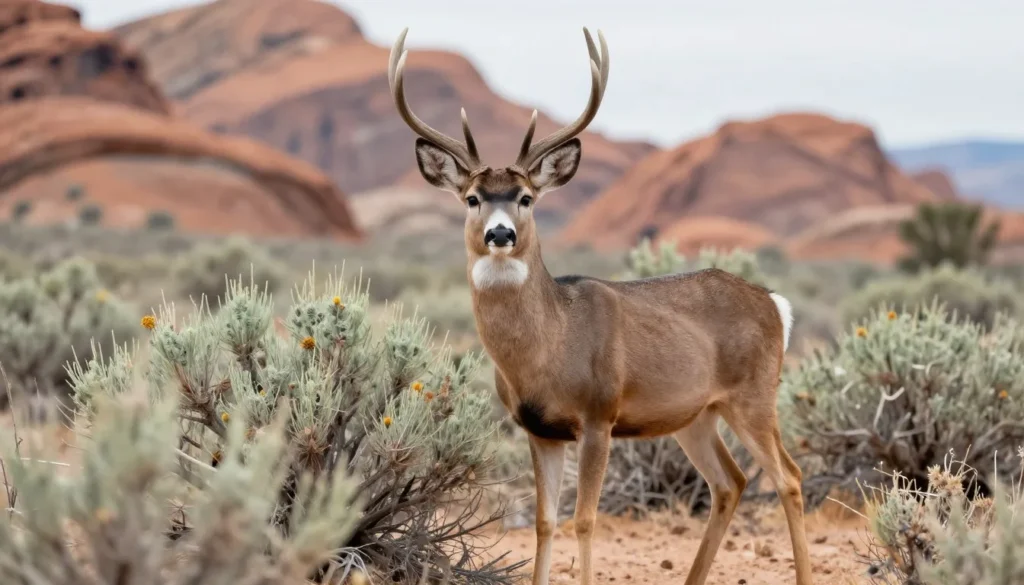
Bird diversity peaks during spring and fall migrations. Waterfowl use the reservoir as a stopover point. Species observed include various duck species, Canada geese, pelicans, and herons. Bald eagles occasionally visit during winter months.
Raptors patrol the skies year-round. Golden eagles, red-tailed hawks, and American kestrels hunt over open terrain. These magnificent birds are often seen soaring on thermal currents.
Small mammals include cottontail rabbits, jackrabbits, ground squirrels, and chipmunks. Coyotes patrol territories throughout the area, their howling sometimes heard from campsites at night.
Reptiles emerge during warmer months. Common species include various lizard types and harmless gopher snakes. Rattlesnakes inhabit rocky areas but generally avoid human contact. Hikers should watch their footing and avoid reaching into rock crevices blindly.
Photography Opportunities
The dramatic landscapes near Millsite State Park attract photographers seeking diverse subjects. Lighting conditions change throughout the day, offering varied creative possibilities.
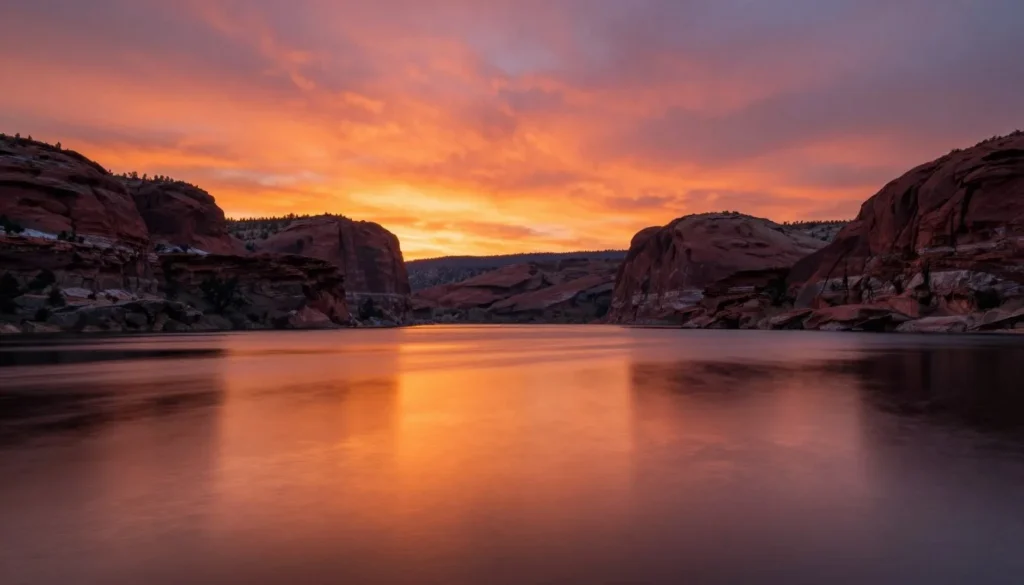
Sunrise and sunset provide the most dramatic light. The low-angle sun illuminates rock formations with warm, golden tones. The reservoir reflects colorful skies. Morning light favors east-facing subjects, while evening light enhances west-facing features.
Midday harsh light challenges photographers but works well for slot canyons and shaded areas. The high sun penetrates deep into narrow passages, creating opportunities not available during other times.
Night photography captures exceptional star fields in this dark sky location. The Milky Way arches overhead from spring through fall. Light pollution from distant towns remains minimal, allowing faint astronomical features to appear clearly.
Wildlife photography requires patience and appropriate equipment. Telephoto lenses capture distant subjects without disturbing them. Early morning hours near water sources provide the best opportunities for photographing animals.
Rock Climbing
While not a primary climbing destination, the area around Millsite State Park offers scattered opportunities for rock climbing enthusiasts. Routes range from beginner-friendly boulder problems to advanced multi-pitch climbs.
The rock quality varies significantly. Some formations provide excellent sandstone with good friction and features. Other areas feature friable rock requiring careful testing and conservative protection placement.
Check 30,000+ Local Sightseeing Tours Worldwide
✓ Numerous languages and currencies are available
Most climbing areas receive little traffic compared to popular Utah destinations like Moab or Indian Creek. Climbers often have crags to themselves. This solitude comes with responsibilities for self-rescue and complete self-sufficiency.
Local knowledge proves valuable for finding quality routes. Published guidebooks provide limited information about this region. Online climbing resources and forums share more current information about developed areas.
Travel With Children
Millsite State Park accommodates families well, offering activities that engage children while providing parents with manageable logistics. The compact park size allows supervision without constant worry about children wandering far.
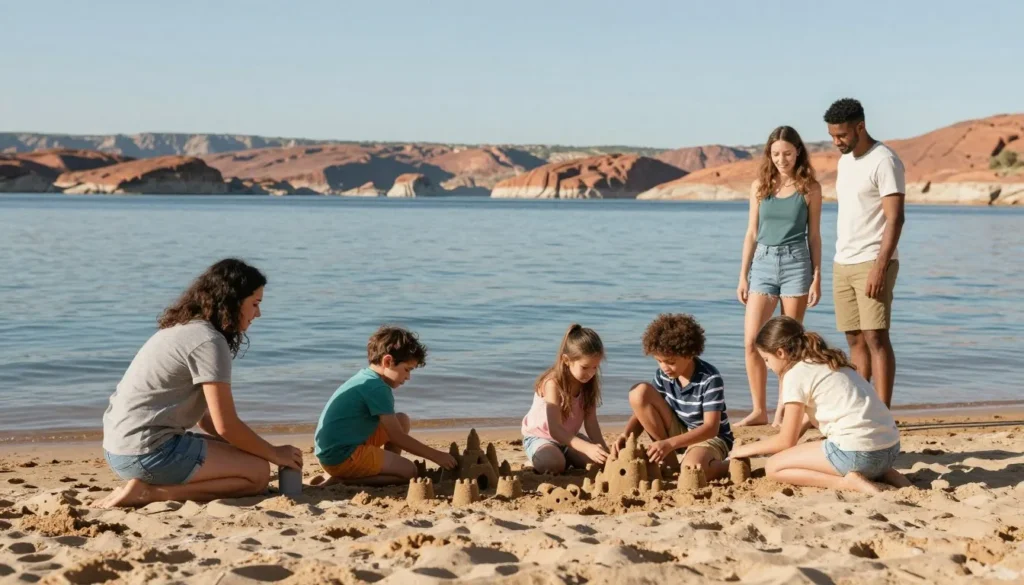
Child-Friendly Activities
Swimming in the designated beach area ranks among children’s favorite activities. The sandy bottom and gradual depth increase allow even young children to play safely in shallow water. Parents should supervise closely as no lifeguards are on duty.
Building sandcastles and playing in the sand entertains younger children for hours. The beach area provides ample space for these activities. Bringing sand toys from home enhances this free entertainment option.
Fishing captivates children of various ages. Bluegill and other panfish bite readily, providing action that holds young attention spans. Simple gear works perfectly – a basic rod, bobber, and worms create successful fishing experiences.
The park’s relatively flat terrain allows easy bicycle riding for children. Paved roads and gentle grades suit young cyclists learning skills. Parents should supervise carefully as vehicle traffic shares roads with bikes.

Nature scavenger hunts engage children while teaching observation skills. Parents can create lists of items to find: different colored rocks, specific plant types, animal tracks, or bird sightings. This simple activity works well for all ages.
Evening campfire programs provide educational entertainment. Rangers occasionally offer programs during peak season. Even without organized programs, campfires create opportunities for storytelling, stargazing, and making s’mores.
Practical Considerations for Families
The modern restroom facilities with hot showers make camping more comfortable for families. Young children appreciate the convenience of flush toilets and warm water after days of outdoor activities.
Shade is limited at many campsites. Families should bring pop-up canopies or tarps to create shaded areas during hot summer days. This protection becomes essential for young children who overheat easily.
The campground’s compact size means children playing together can be supervised from campsites. Parents often allow older children more independence than possible at sprawling campgrounds.
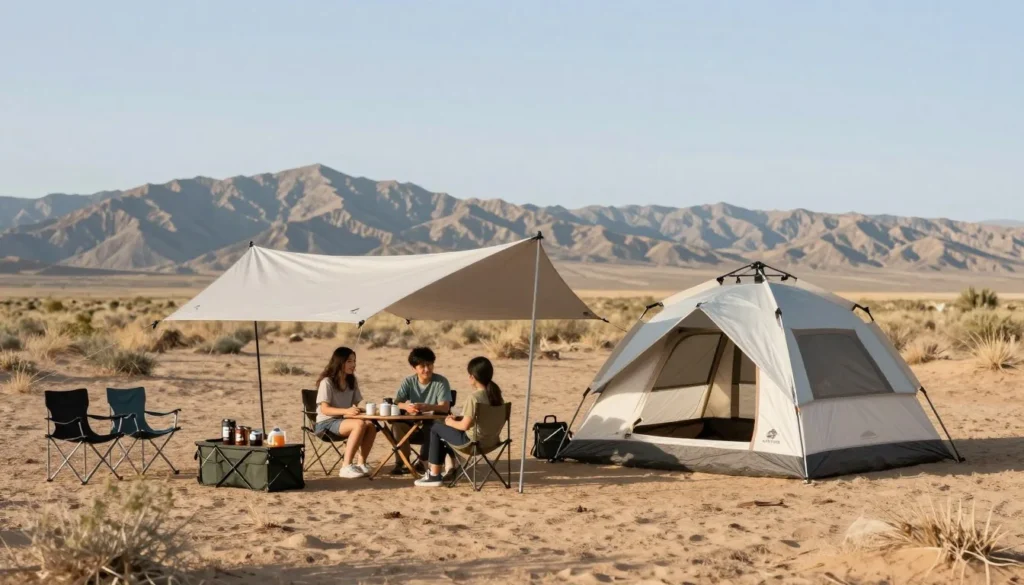
Cell phone service is unreliable, which many families appreciate. Children disconnect from devices and engage more fully with nature and family time. Parents should explain this limitation and set expectations before arrival.
The nearby town of Ferron provides essential services if needs arise. A small grocery store, gas stations, and basic medical clinic operate in town. This proximity to services provides reassurance while maintaining the camping experience.
Safety Tips for Families
Sun protection requires constant attention in the high desert environment. Children burn quickly at this elevation. Apply broad-spectrum sunscreen frequently, even on cloudy days. Protective clothing including hats and UV-rated shirts provide additional defense.
Hydration becomes critical during warm weather. Children playing actively may not recognize thirst signals. Parents should enforce regular water breaks. Bring more water than seems necessary – desert air causes rapid fluid loss.
Water safety deserves special emphasis. Even strong swimmers can struggle in the reservoir. Children should wear properly fitted life jackets during all water activities. Establish clear boundaries about where children may play near water.
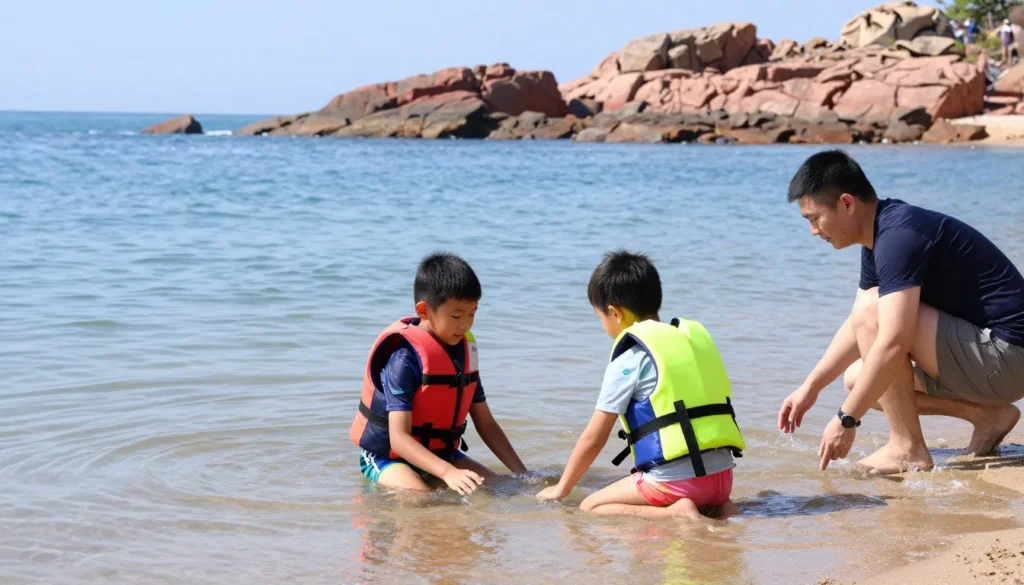
The desert environment contains hazards unfamiliar to many visitors. Teach children to avoid touching unfamiliar plants – some species have thorns or irritating properties. Shake out shoes before wearing them, as scorpions occasionally seek shelter in gear.
Rattlesnakes inhabit the area but rarely cause problems for alert visitors. Teach children to watch where they step and never reach into rock crevices or under logs. Snakes typically retreat if given opportunity.
Educational Opportunities
The varied landscape around Millsite State Park creates natural teaching moments. Geology becomes tangible when children can see and touch different rock types. Explain how ancient seas deposited sediments that became the colorful layers visible today.
Wildlife encounters provide biology lessons. Discuss animal adaptations for desert survival. Observe how different species obtain water and cope with temperature extremes. These real-world examples make more impact than classroom instruction.
Night skies offer astronomy education. The dark skies reveal countless stars invisible in cities. Download a stargazing app to identify constellations, planets, and satellites. Children remember these experiences long after the trip ends.
Money Saving Tips
Visiting Millsite State Park on a budget is entirely achievable with planning and smart choices. The remote location and limited commercial development keep many costs naturally lower than at heavily developed destinations.
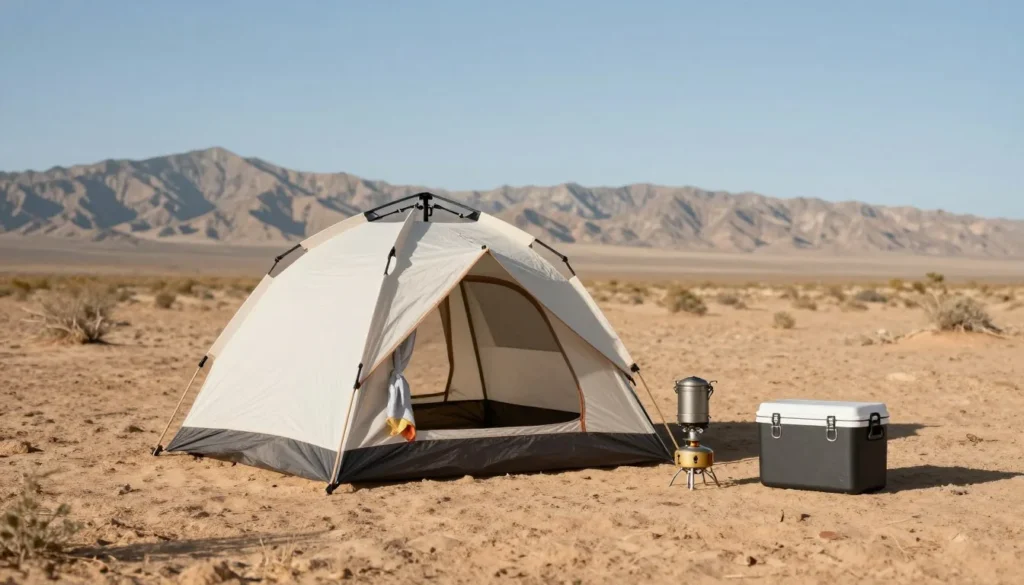
Camping Savings
Camping at Millsite State Park costs significantly less than hotel accommodations while providing superior access to park activities. The campsites include picnic tables and fire rings, eliminating the need to purchase these items or eat all meals at restaurants.
Visit during shoulder seasons (May, September, early October) for the same park experience with fewer crowds. Some periods offer reduced camping rates compared to peak summer pricing. Weather remains pleasant during these months while costs decrease.
Utah residents with valid hunting or fishing licenses receive campsite discounts at state parks. This benefit pays for itself quickly for in-state visitors planning multiple nights. Check current discount amounts when making reservations.
Campers with self-contained RVs can select sites without full hookups, which cost less than premium sites. If fresh water and waste dumping are needed only periodically, partial hookup or basic sites provide adequate services at lower rates.
Recreation and Activity Savings
Most activities at Millsite State Park are free after paying park entrance fees. Swimming, shore fishing, hiking, and wildlife watching cost nothing beyond basic equipment. These activities can fill entire days without additional expenses.
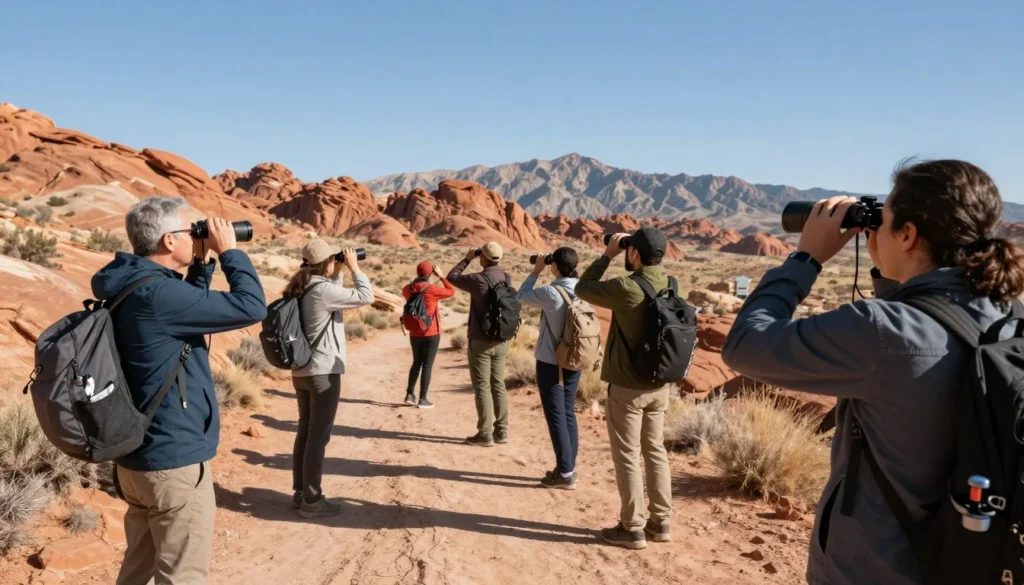
Bring your own boats, kayaks, or fishing equipment rather than renting. The modest investment in basic gear pays for itself after a few trips. Quality used equipment often sells for reasonable prices through online marketplaces.
The golf course offers twilight rates that significantly reduce green fees. Playing after 3:00 or 4:00 PM costs less while still providing a full nine-hole round during long summer days. Walking the course instead of renting a cart saves additional money.
Many spectacular sites surrounding the park, including scenic overlooks and rock art panels, charge no admission fees. These attractions rival paid experiences in other areas. Budget time to explore these free alternatives to costly guided tours.
Food and Supply Savings
Shop for groceries and camping supplies in larger cities before arriving. Prices in Ferron’s small stores run higher than supermarkets in Price or other regional centers. Stock up on non-perishables, snacks, and beverages in advance.
Prepare meals at your campsite using camping stoves or fire grills. Even simple meals like hot dogs, hamburgers, and grilled vegetables cost far less than restaurant dining. Breakfast cooked at camp sets the day up right while saving substantially.
Bring a cooler with ice rather than relying on purchasing ice frequently. Block ice lasts longer than cubed ice. Pre-freeze water bottles to use as additional ice packs that become drinking water as they melt.
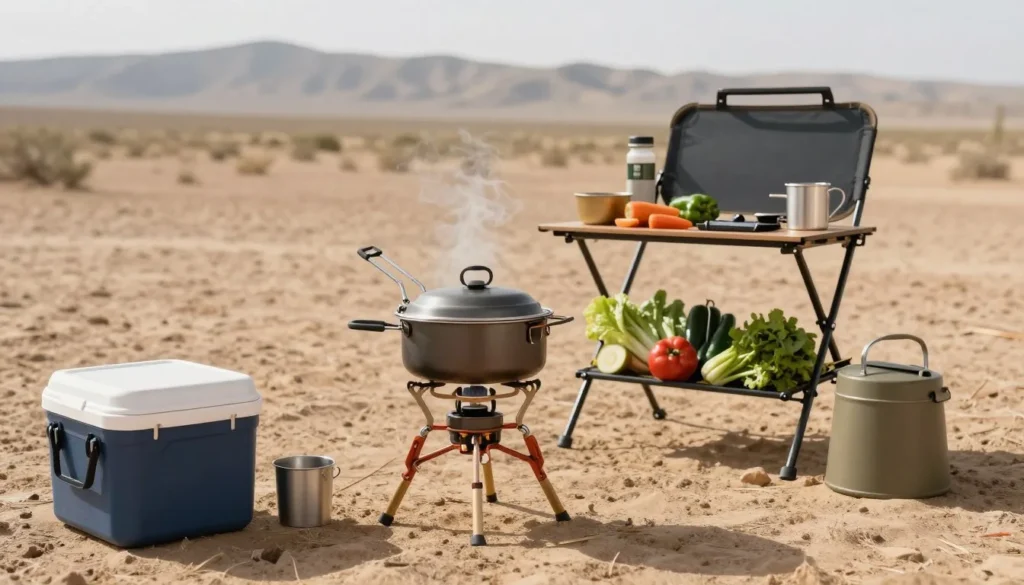
Pack refillable water bottles for each family member. The campground provides potable water at no charge. Avoiding bottled water purchases saves money while reducing plastic waste.
Collect fallen wood for campfires rather than purchasing bundled firewood. Regulations permit gathering deadfall wood in most areas around the park. This free fuel source works perfectly for cooking and evening campfires.
Transportation and Fuel Savings
Plan your trip to minimize driving once established at Millsite State Park. The compact area allows walking or biking to most locations within the park. Nearby attractions cluster relatively closely, reducing fuel costs for day trips.
Coordinate with other families or friends to share transportation costs. Carpooling to the park reduces per-person expenses. This approach also adds social benefits during the journey.
Monitor fuel prices in different communities along your route. Apps show current prices at gas stations. Small price differences add up when filling larger vehicles or RVs.
Strategic Planning Savings
Visit during free admission days, such as Utah State Parks Day in early June. The park entrance fee is waived, though camping fees still apply. This annual event saves day-use fees for families wanting to explore without camping.
Purchase an annual state parks pass if planning multiple Utah state park visits. The pass pays for itself after just a few trips. It provides unlimited day-use admission to all Utah state parks for one year.
Travel mid-week rather than on weekends when possible. Campgrounds are less crowded, improving the experience while maintaining the same costs. Some area accommodations offer reduced weekday rates.
Safety & Local Customs
Understanding safety considerations and local customs enhances any visit to Millsite State Park and the surrounding region. The remote desert environment presents unique challenges requiring preparation and awareness.
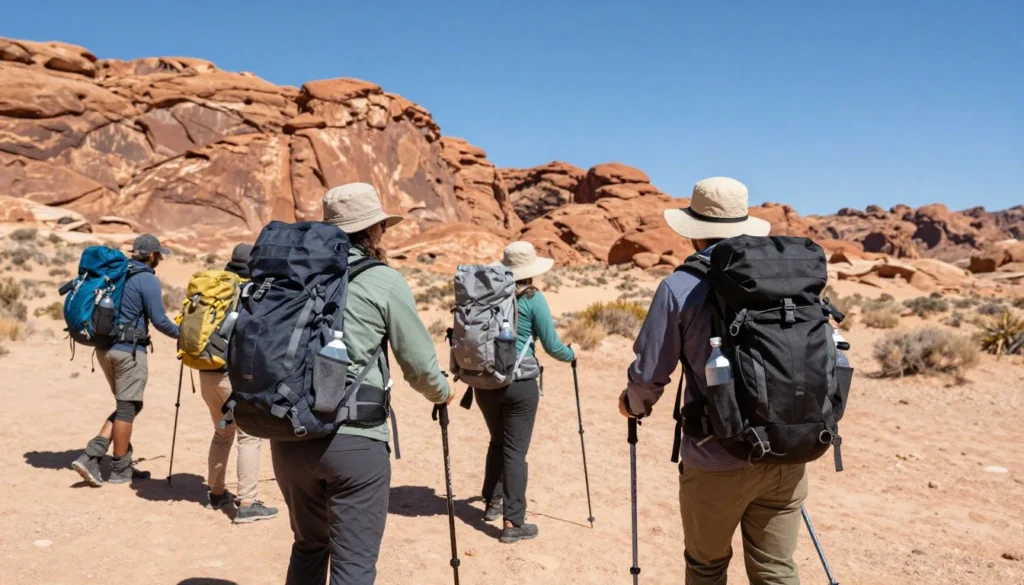
Desert Environment Safety
The high desert climate creates conditions unfamiliar to many visitors. Air temperatures can swing 20-30 degrees Celsius (35-55 degrees Fahrenheit) between day and night. Layer clothing to accommodate these variations. Bring warm layers even during summer trips.
Dehydration develops rapidly in the dry desert air. Adults should drink 3-4 liters (0.8-1 gallon) of water daily during active outdoor pursuits. Increase this amount during hot weather or strenuous activities. Carry more water than you think necessary.
Heat exhaustion and heat stroke pose serious risks during summer months. Recognize warning signs including dizziness, nausea, rapid heartbeat, and confusion. Rest in shade, cool the body with wet cloths, and hydrate if symptoms appear. Seek medical attention for serious cases.
Hypothermia can occur even in summer due to wet clothing and cold night temperatures. Change out of wet clothes promptly. Bring extra layers for evening and early morning. Cotton clothing loses insulating properties when wet – synthetic or wool fabrics perform better.
Wildlife Safety
Wildlife encounters enrich outdoor experiences but require respectful distance and proper behavior. Never feed wildlife – it harms animals by altering natural behaviors and creates dangerous situations.
Rattlesnakes inhabit rocky areas and can be encountered on trails. Watch where you place hands and feet. Snakes typically flee if given opportunity. If you encounter one, give it space to retreat. Most bites occur when people attempt to handle or kill snakes.
Store food properly to avoid attracting animals to campsites. Use sealed containers and keep cooking areas clean. Trash should be disposed of in designated receptacles. Even small animals like mice can become nuisances if food rewards them.
If you encounter larger mammals like deer, observe from a distance. These animals appear docile but can react aggressively if they feel threatened or cornered. Never approach wildlife for photographs – use telephoto lenses instead.
Water Safety
The reservoir depth varies significantly across different areas. Underwater obstacles including submerged trees and rocks exist in some locations. Swimmers should scout areas before diving or jumping into water.
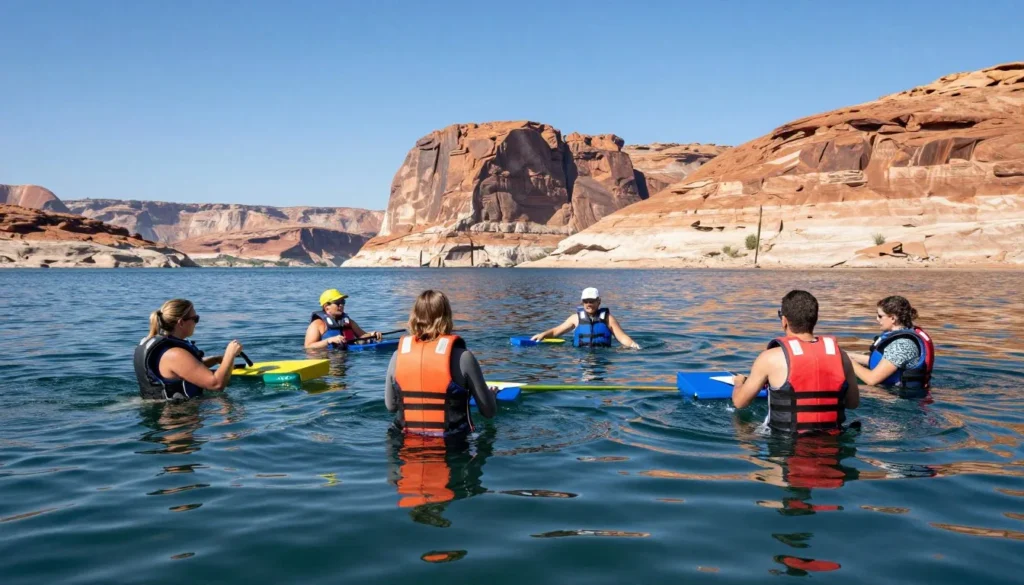
Wear U.S. Coast Guard-approved life jackets during boating activities. Utah law requires children under 13 to wear life jackets while on boats. Non-swimmers should wear life jackets during all water activities.
Cold water temperatures, even during summer, can cause problems for swimmers. Sudden immersion in cold water triggers involuntary gasping that can lead to drowning. Enter water gradually to allow your body to adjust.
Afternoon winds create waves and rough water conditions. Boaters should return to shore if conditions deteriorate. Kayakers and canoers are particularly vulnerable to wind – paddle early before winds develop.
Emergency Preparedness
Cell phone service is unreliable throughout most of the area. Do not depend on mobile phones for emergency communication. Inform someone of your plans before departing for remote areas. Provide expected return times.
The nearest hospital is in Price, 64 kilometers (40 miles) away. Response times for emergency services can be lengthy. Basic first aid knowledge and a well-stocked first aid kit are essential. Consider wilderness first aid training for backcountry activities.
Emergency Contacts:
Emergency Services (Fire, Medical, Police): 911
Emery County Sheriff (Non-Emergency):
Millsite State Park Office:
Flash flooding poses risks in canyon and wash areas during summer thunderstorm season. Never camp in dry washes or narrow canyons when storms threaten. Water can arrive from storms many miles away. Exit canyons immediately if you notice rapidly rising water or hear distant thunder.
Local Customs and Etiquette
The communities around Millsite State Park reflect traditional rural Utah values. Residents appreciate courtesy, respect, and friendly greetings. Small-town hospitality is genuine – people often help visitors with directions or recommendations.
Sunday observance remains important in many local households. Some businesses close or operate reduced hours on Sundays. Plan accordingly if shopping or requiring services on this day.
The area has strong ties to ranching and agriculture. Respect private property and close gates as you found them. Livestock have right-of-way on rural roads. Slow down and pass carefully around animals.
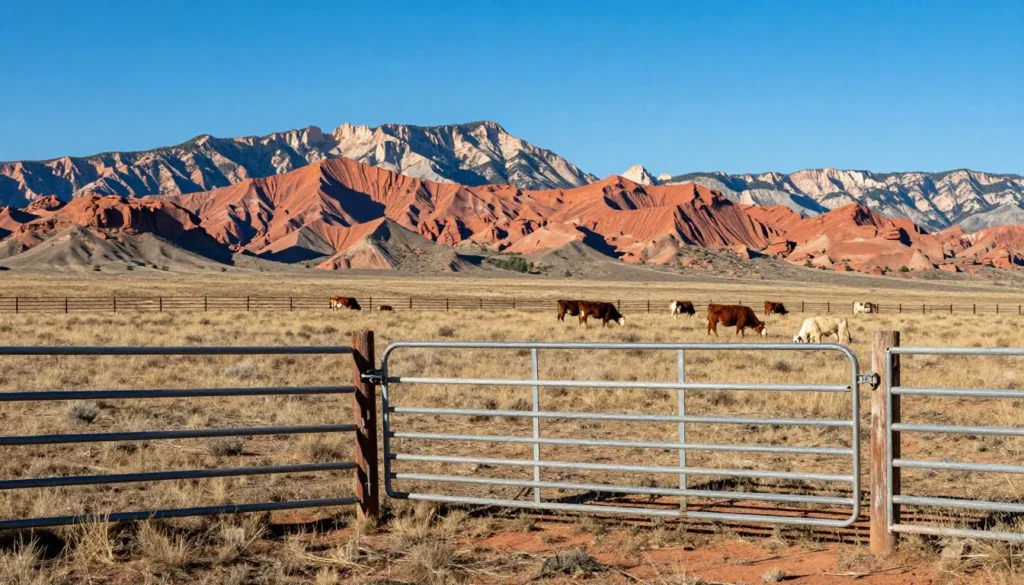
Environmental stewardship matters deeply to both locals and land management agencies. Pack out all trash. Stay on designated trails and roads. Leave archaeological sites and natural features undisturbed. The principle of “leave no trace” guides responsible outdoor recreation.
Campfire restrictions may be in effect during dry periods. Check current fire regulations before building fires. Use existing fire rings rather than creating new ones. Completely extinguish fires before leaving them unattended or departing campsites.
Quiet hours in the campground typically run from 10:00 PM to 6:00 AM. Respect fellow campers by keeping noise levels down during these hours. The desert quiet is part of the experience many visitors seek.
Visitor Comments About Millsite State Park
Real experiences from travelers who have visited Millsite State Park provide valuable insights into what makes this destination special.
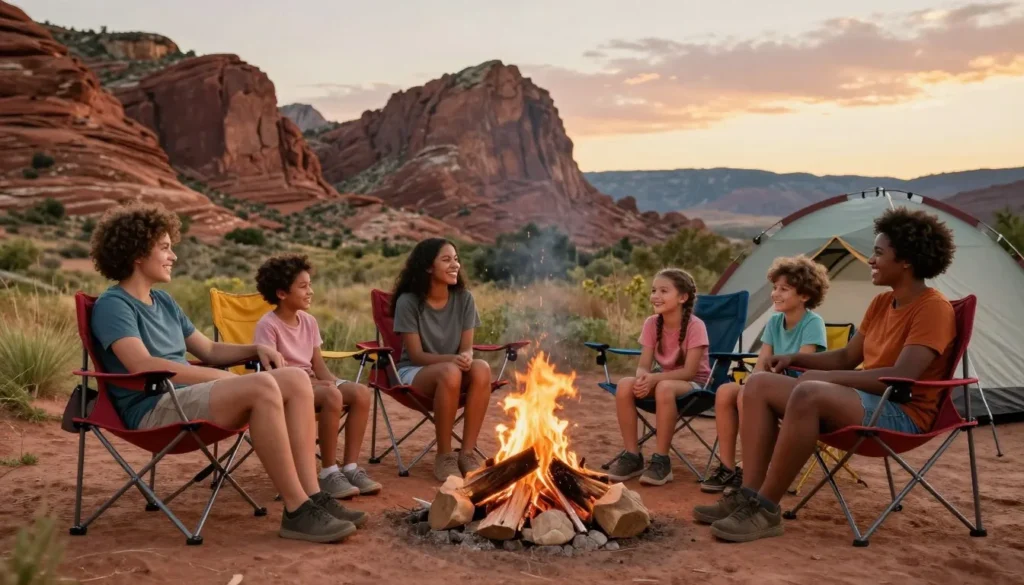
“We discovered Millsite State Park by accident while driving through Utah and ended up staying three nights instead of one. The campground was clean and well-maintained. Our kids loved fishing for bluegill from the shore – they caught dozens! The reservoir provided perfect swimming conditions, and we had the beach area almost to ourselves on weekdays. What impressed us most was how quiet and peaceful everything felt compared to the crowded parks we’d visited earlier in our trip. The golf course surprised us with its challenging layout and stunning desert scenery. We’ll definitely return and stay longer next time.”
“As avid ATV riders, we’d heard about the San Rafael Swell for years but never made it until last spring. Millsite State Park served as our base camp for a week of incredible riding. The trails offered everything from easy scenic routes to technical challenges that tested our skills. We appreciated being able to clean up in real showers after dusty days on the trails. The golf course provided a nice change of pace – who knew we’d play golf on an ATV trip? Ferron had everything we needed for supplies. The whole area felt authentically western without being touristy. We’ve already booked our return visit for this fall.”
“My family has been camping at Millsite State Park for three generations. My grandparents brought my parents here in the 1970s, and now I bring my own children. The park has improved over the years with better facilities, but it has retained the charm and character we love. The reservoir provides reliable fishing – my son caught his first trout here last summer. We enjoy exploring different areas of the San Rafael Swell each visit. There’s something special about a place that creates such lasting family memories. The lack of cell service forces us to disconnect and focus on each other, which has become increasingly rare. This park represents what Utah outdoor recreation should be – accessible, beautiful, and uncommercial.”
Check 30,000+ Local Sightseeing Tours Worldwide
✓ Numerous languages and currencies are available
Additional Nearby Destinations
Millsite State Park’s central location makes it an excellent base for exploring numerous attractions throughout central Utah. Day trips reach remarkable destinations while returning to established camp each evening.
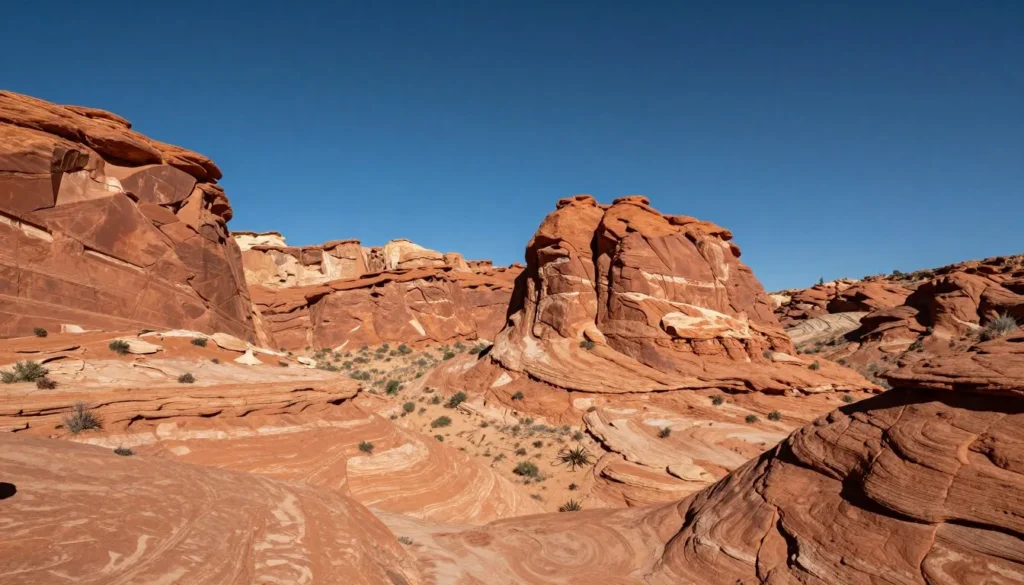
San Rafael Swell
This vast geological wonder sprawls across 518,000 hectares (1,280,000 acres) west of Millsite State Park. The Swell formed 60 million years ago when underground forces pushed rock layers upward, creating a massive dome. Erosion then carved the exposed rocks into canyons, towers, and badlands.
Popular destinations within the Swell include:
- The Wedge Overlook – spectacular canyon viewpoint accessible via maintained dirt roads
- Little Wild Horse Canyon – family-friendly slot canyon requiring no technical skills
- Goblin Valley State Park – otherworldly landscape of mushroom-shaped rock formations
- Temple Mountain – historic uranium mining area with colorful badlands
Most Swell destinations require high-clearance vehicles. Roads can become impassable when wet. Carry detailed maps, extra water, and emergency supplies. The remote area sees little traffic – mechanical breakdowns become serious situations.
Manti-La Sal National Forest
Mountain terrain begins 19 kilometers (12 miles) west of Millsite State Park. The Manti-La Sal National Forest covers the slopes rising above the desert valleys.
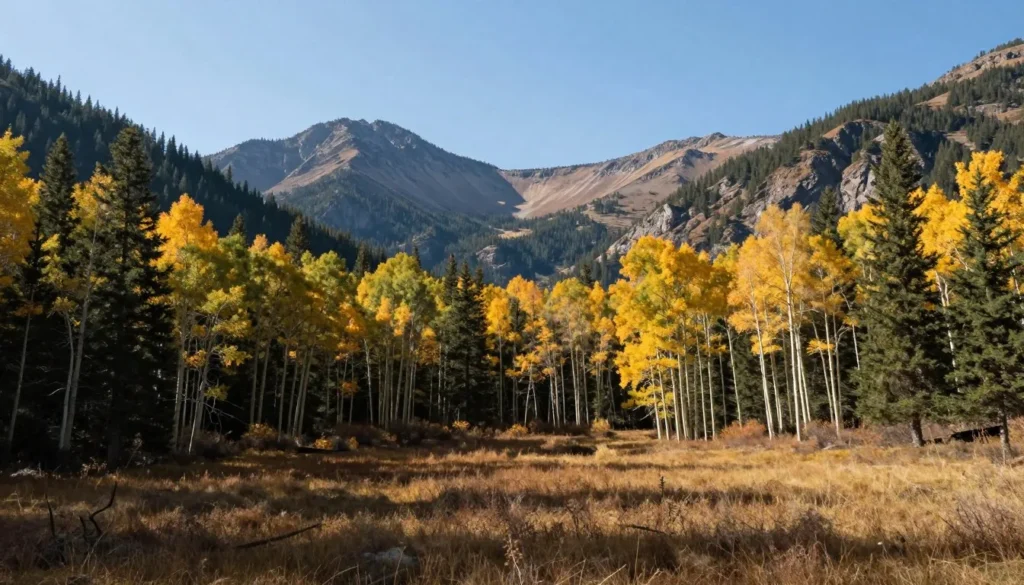
The forest provides cooler temperatures during summer heat. Paved and improved gravel roads access campgrounds, picnic areas, and trailheads. Popular activities include hiking, mountain biking, and wildlife watching.
Ferron Canyon Scenic Backway climbs through multiple ecological zones. The route passes from desert sagebrush through pinyon-juniper forest into aspen and spruce-fir forests. Elevation gains exceed 914 meters (3,000 feet) over 24 kilometers (15 miles).
Fall colors peak in late September and early October at higher elevations. Golden aspen stands contrast with dark evergreens. Many visitors drive the scenic backway specifically for autumn photography.
Joe’s Valley Reservoir
Located 40 kilometers (25 miles) northwest of Millsite State Park, Joe’s Valley Reservoir offers another excellent water recreation destination. This larger reservoir sits at higher elevation, surrounded by forested mountains.
The 251-hectare (620-acre) reservoir supports excellent fishing for rainbow trout, splake, and tiger muskie. The cool mountain water attracts anglers throughout summer. Ice fishing draws winter enthusiasts when the reservoir freezes.
A developed campground provides more than 40 sites near the water. Amenities include vault toilets, boat launch, and picnic areas. The setting feels distinctly different from Millsite’s desert environment.
Capitol Reef National Park
This spectacular national park lies 153 kilometers (95 miles) southwest of Millsite State Park. The 2-hour drive passes through fascinating terrain and small communities.
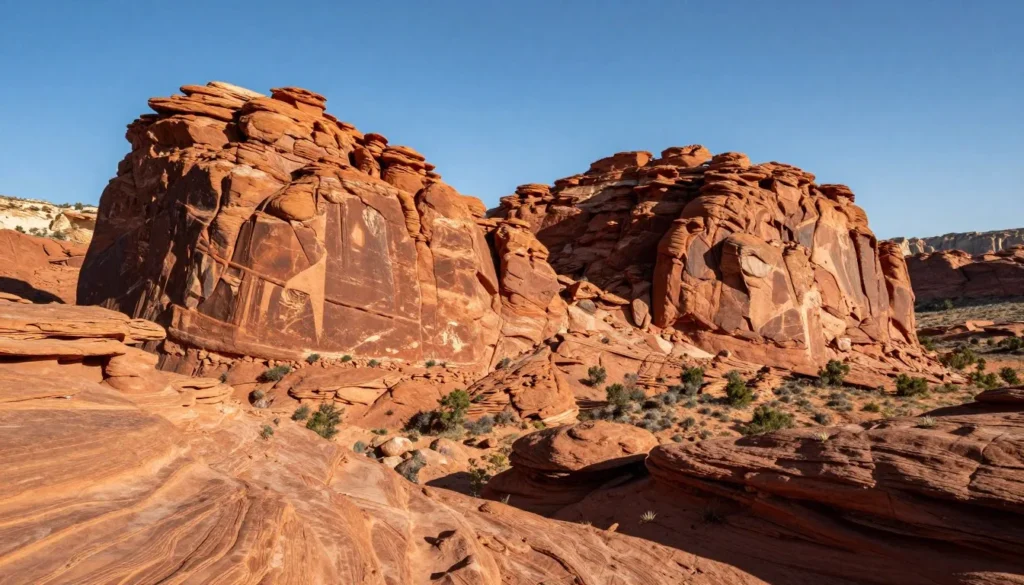
Capitol Reef preserves the Waterpocket Fold, a 160-kilometer (100-mile) wrinkle in the Earth’s crust. Colorful rock layers create dramatic cliffs, domes, and canyons. Historic orchards planted by Mormon pioneers still produce fruit.
The park offers scenic driving, hiking trails ranging from easy to strenuous, and primitive camping. Visitor facilities include a visitor center, campground, and historic district. Entry fees apply for private vehicles.
Plan full-day trips to Capitol Reef from Millsite State Park. The distance makes day trips possible but requires early starts. Some visitors split multi-day trips between the two parks.
Cleveland-Lloyd Dinosaur Quarry
Paleontology enthusiasts should visit this world-class fossil site 64 kilometers (40 miles) from Millsite State Park. The quarry has yielded more than 12,000 dinosaur bones from at least 70 individual animals.
The concentration of Jurassic-period carnivorous dinosaurs here exceeds any other known location. Scientists continue debating why so many predators accumulated in this ancient watering hole.
A visitor center displays fossils and explains ongoing research. Self-guided trails show where bones were discovered. The remote location receives few visitors compared to major museums, allowing more intimate experiences.
The quarry operates seasonally from Memorial Day through Labor Day. The access road is maintained gravel, passable by standard vehicles in dry conditions. Allow 90 minutes driving time each way from Millsite State Park.
Green River
This small town 121 kilometers (75 miles) east serves as a gateway to additional outdoor recreation. The community sits along the Green River, a major tributary of the Colorado River.
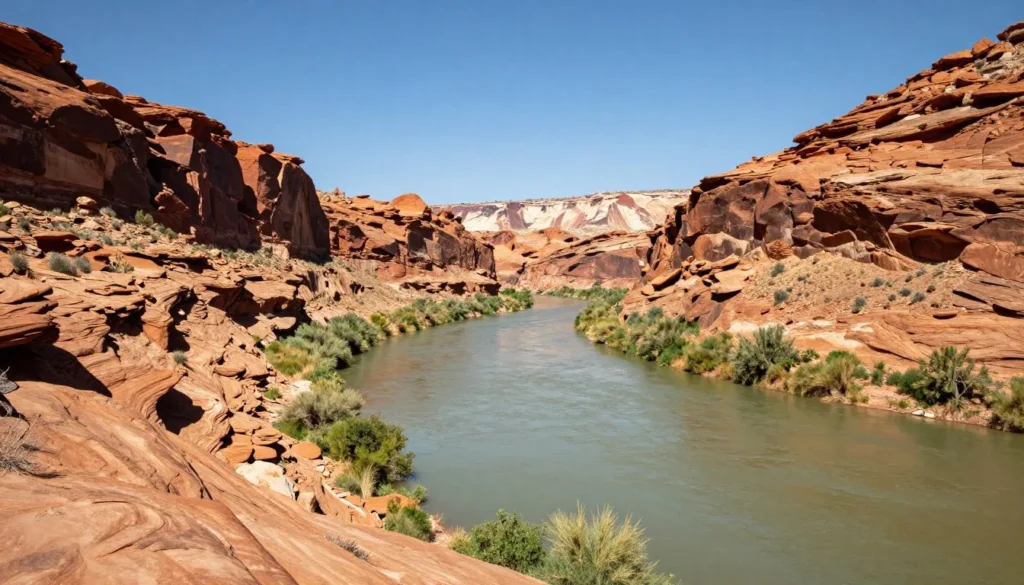
River rafting trips launch from Green River, ranging from half-day floats to multi-day expeditions through Desolation Canyon. Several outfitters operate from town, offering guided trips and equipment rentals.
The town hosts the Melon Days festival each September, celebrating the area’s famous watermelon crops. The event includes a parade, vendors, and abundant fresh melons.
Green River provides more extensive services than smaller communities nearer Millsite State Park. The interstate highway location makes it a convenient resupply point for extended trips.
Practical Travel Tips
Successful visits to Millsite State Park benefit from understanding practical details that help avoid common problems and maximize enjoyment.
What to Pack
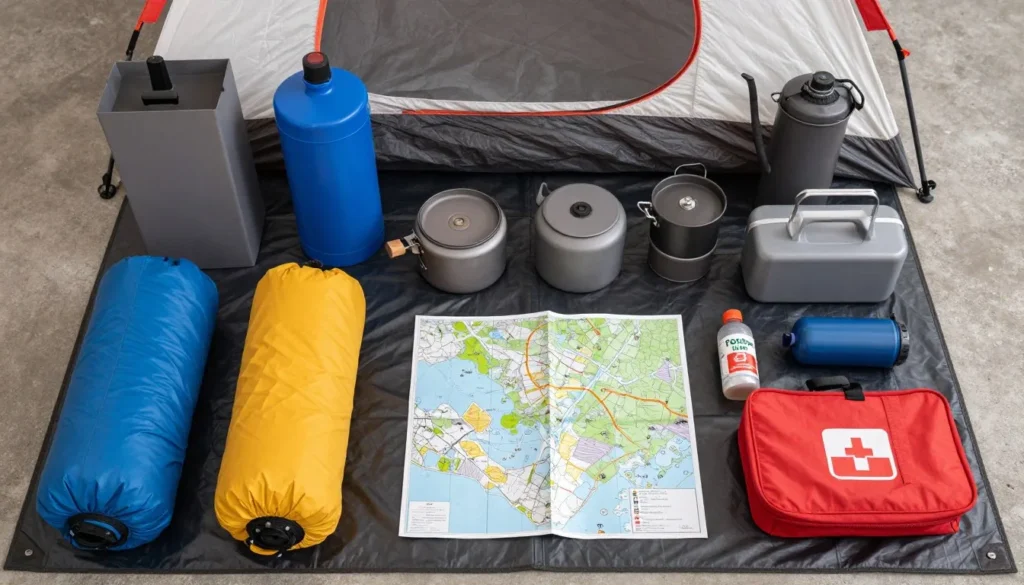
Essential items for any Millsite State Park visit include:
- Sun protection: broad-spectrum sunscreen, UV-rated sunglasses, wide-brimmed hat
- Layered clothing: temperatures vary greatly between day and night
- Sturdy footwear: closed-toe shoes for hiking, water shoes for the reservoir
- Reusable water bottles: bring more capacity than you think necessary
- First aid kit: include blister treatment, pain relievers, bandages
- Insect repellent: mosquitoes and flies can be problematic near water
- Headlamp or flashlight: essential for nighttime campground navigation
- Paper maps: do not rely solely on GPS devices
Camping-specific items should include extra tent stakes and guy lines for wind, a shade canopy for summer visits, and warm sleeping bags rated for temperatures 10 degrees lower than forecast lows.
Reservations and Fees
Campsite reservations can be made up to 16 weeks in advance through the Utah State Parks reservation system. Summer weekends and holidays fill quickly – book early for these peak periods.
Park Information and Reservations:
Millsite State Park Office:
Utah State Parks Reservations:
Office Hours: 8:00 AM – 5:00 PM Daily (seasonal variations)
Day-use fees apply for all visitors not camping. Annual state parks passes provide unlimited day-use admission to all Utah state parks. These passes pay for themselves after approximately 3-4 visits.
Camping fees vary by site type and include park day-use admission. Additional fees apply for extra vehicles beyond one per site. Senior and disability discounts reduce fees for qualifying visitors.
Best Practices for Desert Camping
Desert camping requires adaptations compared to forested environments. Tent stakes often pull out of sandy soil – bring heavy-duty stakes or use rock-filled stuff sacks as additional anchors. Guy lines become essential when afternoon winds develop.
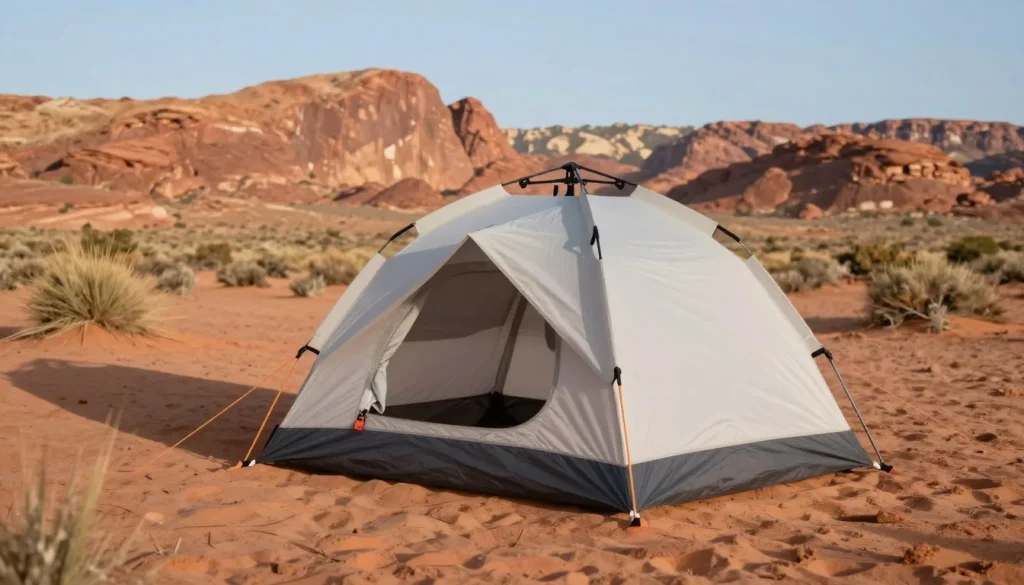
Dust infiltrates everything in desert environments. Store gear in sealed bags when not in use. Keep tent doors closed except when entering or exiting. Rinse dusty items before packing for the trip home.
The dry air desiccates food quickly. Store items in airtight containers. Bread becomes stale rapidly. Fresh fruits and vegetables lose moisture. Plan menus accounting for these factors.
Campfires create different challenges in the desert compared to forests. Firewood burns quickly due to low moisture content. Bring more wood than expected or plan alternative cooking methods. Ashes blow easily in wind – wait until fully cooled before disposal.
Photography Tips
The dramatic landscape around Millsite State Park photographs beautifully with attention to timing and techniques. Golden hour lighting (first and last hour of sunlight) provides the warmest, most flattering illumination for rock formations.
A polarizing filter enhances blue skies and manages reflections on the reservoir water. This simple accessory dramatically improves many outdoor photographs.
The stark contrast between bright sun and deep shadows challenges camera sensors. Bracket exposures or use HDR techniques to capture the full range of tones. Consider graduated neutral density filters for landscape photography.
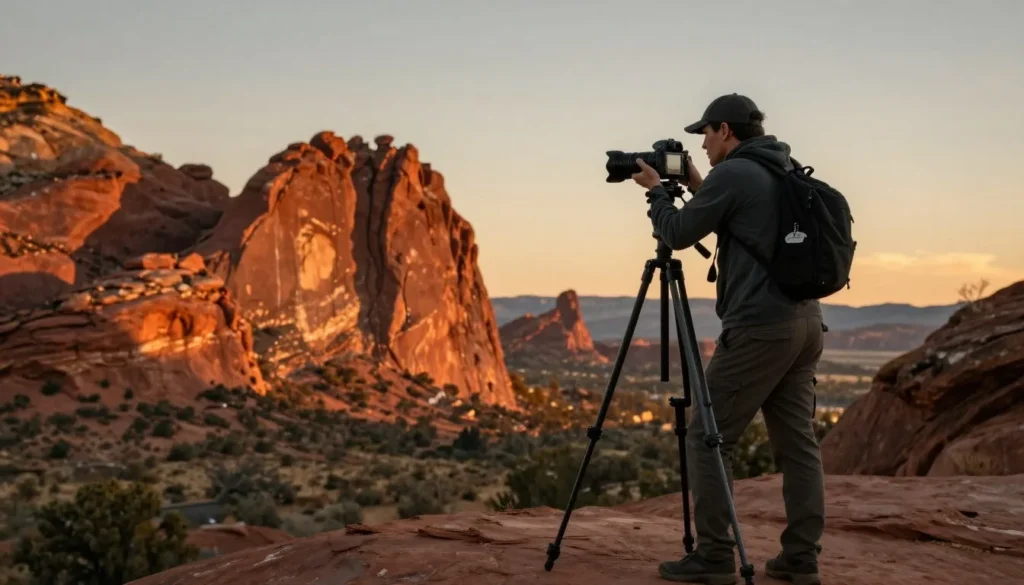
Protect camera equipment from dust and sand. Use camera bags with tight closures. Change lenses in protected environments rather than exposed conditions. Bring cleaning supplies for lenses and sensors.
Internet and Communications
Cell phone coverage at Millsite State Park is minimal and unreliable. Most carriers provide no service or extremely weak signals. This limitation extends throughout much of the surrounding area.
Ferron offers the nearest reliable cell service and WiFi. The library provides free public internet access during business hours. Some restaurants and gas stations offer WiFi to customers.
Plan for communication limitations by downloading maps, directions, and needed information before departing areas with reliable service. Share trip plans with someone who can contact authorities if you don’t return as scheduled.
Satellite communication devices provide emergency contact capabilities in areas without cell coverage. Personal locator beacons (PLBs) and satellite messengers add safety margins for remote adventures.
Accessibility Information
Millsite State Park accommodates visitors with varying abilities, though some limitations exist due to terrain and facilities.
Several campsites feature level parking pads and relatively flat approaches suitable for wheelchair access. The modern restroom building includes ADA-compliant facilities. Paved roads connect main park areas.
The boat launch features a concrete ramp with gentle grade. The fishing pier provides accessible angling opportunities. However, many shoreline fishing areas involve rough terrain unsuitable for wheelchairs.
Hiking trails are generally not ADA-compliant due to uneven natural surfaces. The Reservoir Loop Trail offers the most accessible walking option, though some sections include loose gravel and minor elevation changes.
Contact the park office in advance to discuss specific accessibility needs and receive current information about facilities and conditions.
Your Desert Oasis Awaits
Millsite State Park stands ready to exceed expectations for travelers seeking authentic Utah outdoor experiences without overwhelming crowds. This compact park delivers remarkable variety – from the sparkling reservoir perfect for water sports to the challenging desert golf course, from productive fishing waters to access routes into the spectacular San Rafael Swell.
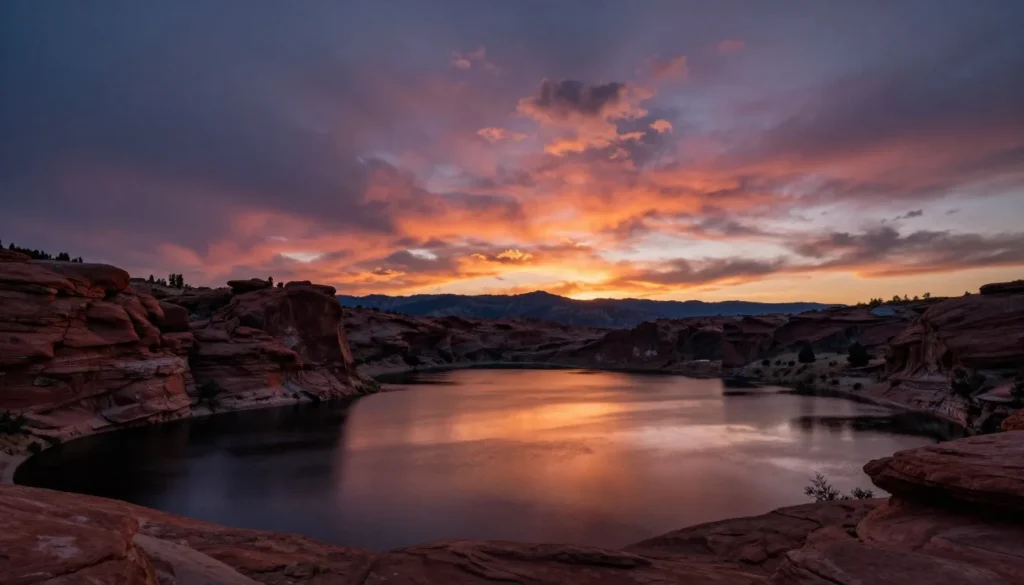
The park’s location in central Utah creates opportunities extending far beyond its boundaries. Day trips reach Capitol Reef National Park, the Cleveland-Lloyd Dinosaur Quarry, and countless adventures throughout the San Rafael Swell. Yet the park itself provides enough activities to fill entire vacations without venturing far from camp.
What truly sets Millsite State Park apart is its authenticity. This is Utah as it was meant to be experienced – spectacular natural beauty, genuine small-town hospitality, and room to breathe. The absence of commercialization allows the landscape to speak for itself. The limited cell service forces disconnection from digital distractions, creating space for real connections with companions and surroundings.
Whether you’re casting for rainbow trout as the sun rises over red rock formations, navigating your kayak across calm morning waters, or exploring slot canyons carved through ancient stone, Millsite State Park offers the freedom to craft your perfect adventure. Pack your gear, gather your favorite people, and discover why this hidden gem keeps visitors returning year after year.