Hotels by Trip.com
Flights by Trip.com
More than ninety percent of visitors to Southern Utah never discover the hidden wonder of Moqui Cave, despite passing within miles of this geological treasure. Tucked along Highway 89 between Kanab and Zion National Park, this remarkable site offers an intimate glimpse into ancient history and stunning natural formations without the crowds that overwhelm more famous attractions.
The name “Moqui” comes from the Hopi word meaning “the dead,” referring to the ancient Ancestral Puebloan people who once inhabited this area. These indigenous peoples left behind artifacts and mysteries that still captivate researchers and visitors alike.
This comprehensive guide reveals everything you need to know about visiting Moqui Cave and the surrounding area. Whether you’re planning a day trip or extended adventure, you’ll find practical tips for making the most of this unique Southern Utah destination.
Getting There and Planning Your Journey
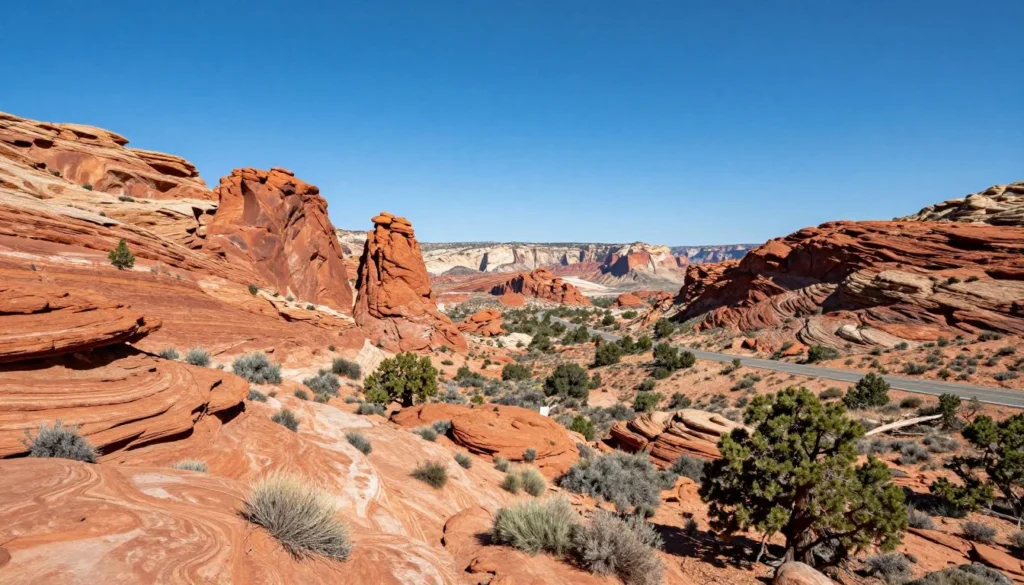
Moqui Cave sits along Highway 89, approximately 8 kilometers (5 miles) north of Kanab, Utah. The location makes it an ideal stop between major southern Utah attractions. Most visitors arrive by car, as public transportation options in this rural area are limited.
Closest Major Airports
The nearest airports provide convenient access to the region. Each offers different advantages depending on your travel plans and budget.
St. George Regional Airport
Located 120 kilometers (75 miles) west of Moqui Cave, this airport provides the closest commercial service. The drive takes approximately ninety minutes through scenic desert terrain.
- Daily flights from major hubs
- Rental car facilities on-site
- Shortest driving distance
- Limited flight options
Las Vegas McCarran International
Situated 280 kilometers (174 miles) southwest, Las Vegas offers the most flight options and competitive pricing. The three-hour drive showcases stunning desert scenery.
- Extensive flight connections
- Competitive rental rates
- Major international gateway
- Longer drive time required
Salt Lake City International
About 470 kilometers (292 miles) north, this major hub provides numerous domestic and international flights. The five-hour drive passes through varied landscapes.
- Most flight options
- Delta hub advantages
- All major car rental agencies
- Longest driving distance
Page Municipal Airport
This small regional airport lies 130 kilometers (81 miles) east of Moqui Cave. Limited commercial service makes it suitable primarily for private aircraft.
- Closest to area attractions
- Private plane friendly
- Very limited commercial flights
- Higher cost per ticket
Route Planning Tips
Highway 89 serves as the primary route to Moqui Cave. The road conditions remain excellent year-round. Visitors should fill fuel tanks in Kanab, as services become sparse between towns.
GPS coordinates work reliably in this area. Cell phone coverage exists along Highway 89, though signals weaken in remote canyons. Download offline maps before departure as a precaution.
Visitor Information: The Kanab Visitor Center provides current road conditions, weather updates, and travel guidance for the area. Experienced staff members answer questions about Moqui Cave and surrounding attractions.
Check 30,000+ Local Sightseeing Tours Worldwide
✓ Numerous languages and currencies are available
Best Time to Visit and Weather Tips
Best Time to Visit Moqui Cave
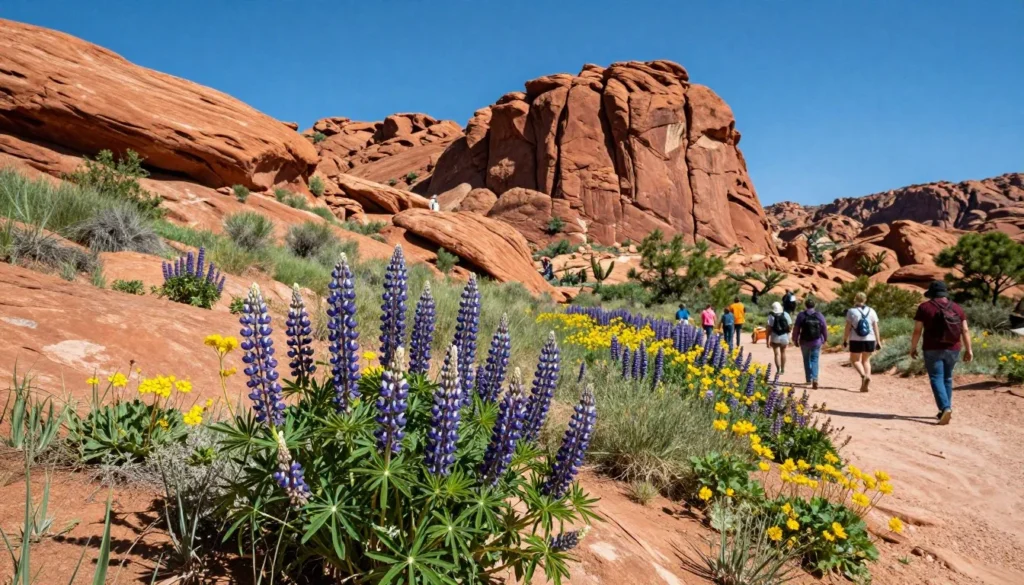
The ideal months for visiting Moqui Cave span from March through May and September through November. These shoulder seasons offer comfortable temperatures and fewer crowds than peak summer months.
Spring brings desert wildflowers that paint the landscape in vibrant colors. Temperatures range from 15°C to 27°C (59°F to 81°F), making hiking and outdoor exploration pleasant. Light layers work well for changing conditions throughout the day.
Fall provides equally comfortable weather with temperatures between 13°C and 25°C (55°F to 77°F). The autumn light creates stunning photography conditions as the sun sits lower in the sky.
Months to Avoid
July and August bring extreme heat to the area. Daytime temperatures frequently exceed 38°C (100°F), making outdoor activities uncomfortable and potentially dangerous. The intense sun reflects off sandstone surfaces, increasing the perceived temperature.
Winter months from December through February can bring snow and ice to higher elevations. While Moqui Cave itself remains accessible, surrounding trails may become hazardous. Temperatures drop to -7°C to 10°C (20°F to 50°F).
Seasonal Weather Patterns
Spring (March-May)
- Mild temperatures perfect for hiking
- Occasional spring rain showers
- Wildflower blooms peak in April
- Increasing daylight hours
- Light jacket needed for mornings
Summer (June-August)
- Extreme heat during midday
- Afternoon thunderstorms possible
- Very low humidity levels
- Longest daylight hours
- Heavy sun protection essential
Fall (September-November)
- Comfortable hiking temperatures
- Clear skies most days
- Brilliant sunset colors
- Lower humidity than summer
- Warm layers for evening
Winter (December-February)
- Cool to cold temperatures
- Possible snow at elevations
- Fewer tourists visit area
- Shorter daylight hours
- Winter jacket required
Notable Annual Festivals
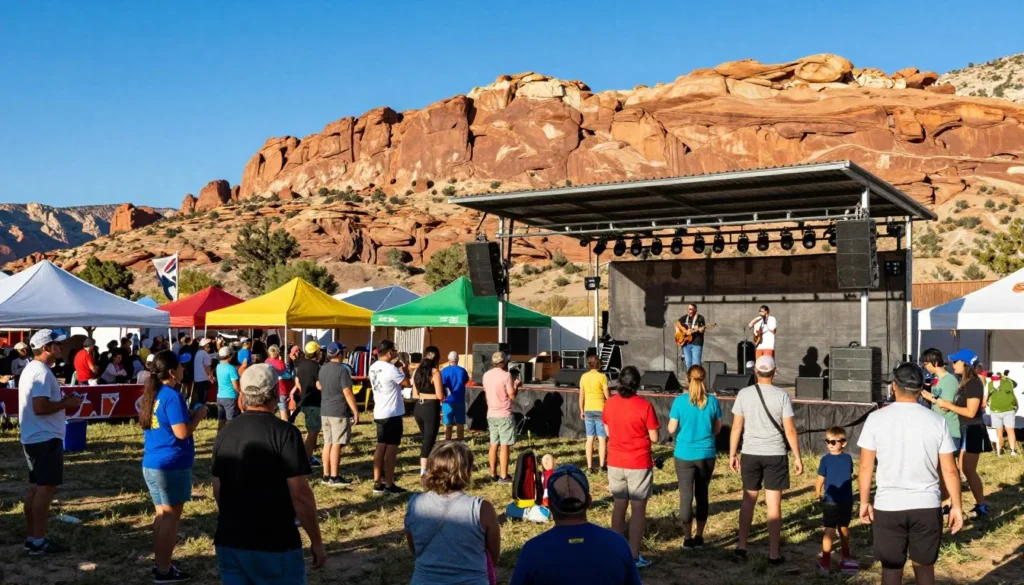
Southern Utah hosts several festivals that enhance any visit to the Moqui Cave area. These events celebrate the region’s culture, history, and natural beauty.
Western Legends Roundup
This August festival in Kanab celebrates the Wild West heritage of the area. Events include cowboy poetry, gunfight reenactments, and Dutch oven cooking competitions. The festival attracts thousands of visitors interested in frontier history.
Kanab Balloon Festival
Each January, hot air balloons fill the sky above southern Utah. The festival includes dawn balloon launches, night glow events, and family activities. The red rock backdrop creates unforgettable photography opportunities.
Festival Details:
Getting Around Locally
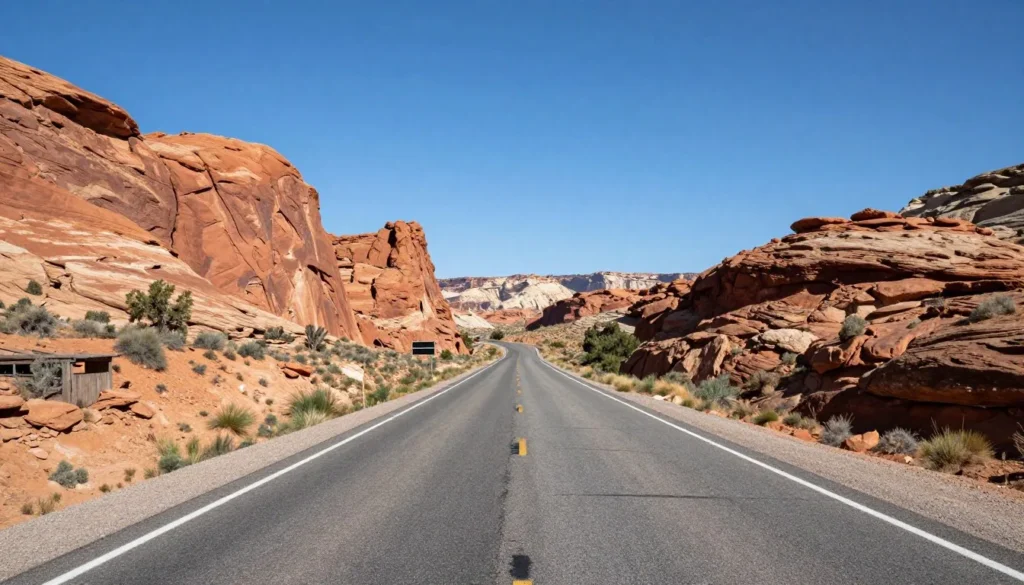
Personal vehicles provide the most practical transportation method for exploring Moqui Cave and the surrounding area. The region’s attractions spread across considerable distances, making car travel essential for most visitors.
Vehicle Requirements
Standard passenger cars handle Highway 89 and paved roads to major attractions without difficulty. The short hike to Moqui Caverns requires no special vehicle capabilities. Parking lots at the cave accommodate cars, RVs, and tour buses.
Four-wheel drive becomes necessary only for exploring remote side roads and unmarked trails. Most visitors find standard vehicles perfectly adequate for their Southern Utah adventures.
Rental Car Considerations
Book rental vehicles well in advance during peak travel seasons. Demand often exceeds supply at smaller airports like St. George. Compare rates between airport locations and downtown rental offices for potential savings.
Verify that rental agreements permit travel on unpaved roads if you plan backcountry exploration. Some companies restrict vehicle use to paved surfaces only. Additional insurance coverage may prove worthwhile given the remote nature of the area.
Fuel and Services
Kanab offers multiple fuel stations, grocery stores, and basic automotive services. Fill tanks before heading north toward Moqui Cave and beyond. The next reliable fuel stops lie considerable distances away in any direction.
Carry extra water for both passengers and vehicles during summer months. The extreme heat stresses cooling systems and increases water consumption. A basic emergency kit should include first aid supplies, flashlight, and phone charger.
Where to Stay
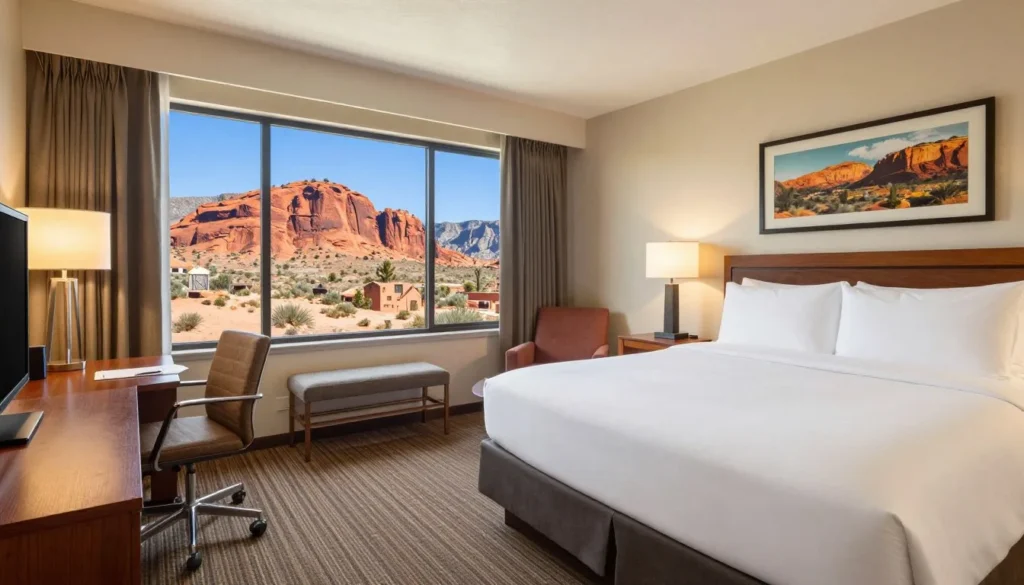
Kanab serves as the primary base for visitors to Moqui Cave. The town offers diverse lodging options ranging from budget motels to boutique hotels. Most accommodations sit within a fifteen-minute drive of the cave.
Hotel Options
Several national chain hotels operate in Kanab, providing familiar amenities and consistent quality. These properties typically include swimming pools, complimentary breakfast, and WiFi access. Rooms feature air conditioning essential for summer comfort.
Boutique hotels in downtown Kanab offer more personalized experiences. Many occupy historic buildings renovated with modern conveniences. Staff members often provide valuable local knowledge about hidden attractions and dining recommendations.
Vacation Rentals
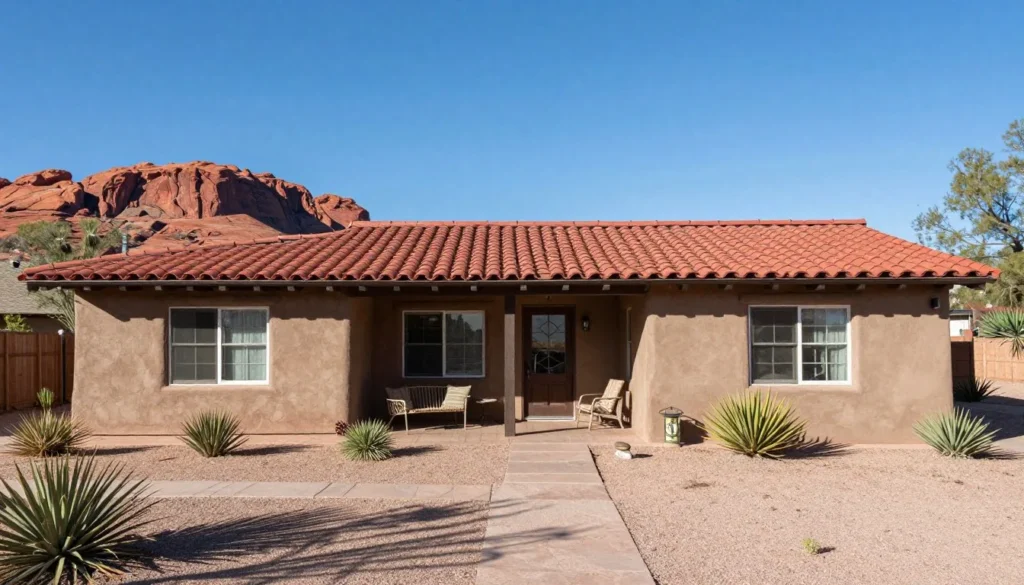
Vacation rentals provide excellent value for families and groups. Full kitchens allow meal preparation, reducing dining costs. Many properties feature outdoor spaces perfect for enjoying mild spring and fall evenings.
Book vacation rentals several months ahead for peak season visits. Popular properties with optimal locations fill quickly. Read reviews carefully to ensure accurate representation of amenities and location.
Camping and RV Parks
Multiple campgrounds surround Kanab, offering budget-friendly accommodation. Facilities range from primitive sites to full-hookup RV parks. Spring and fall provide ideal camping weather, while summer nights remain surprisingly comfortable despite hot days.
Reserve campsites early for visits during popular months. Many campgrounds fill to capacity during spring break and fall color season. Some sites operate on first-come, first-served basis, requiring early arrival to secure spots.
Budget Accommodations
- Basic motel rooms from sixty dollars per night
- Campground sites starting at twenty-five dollars
- RV parks with hookups around forty-five dollars
- Hostel beds available in Kanab
Mid-Range Options
- Chain hotels averaging one hundred twenty dollars
- Vacation rentals from one hundred fifty dollars
- Bed and breakfast inns around one hundred dollars
- Upgraded campground cabins at ninety dollars
Dining and Local Cuisine
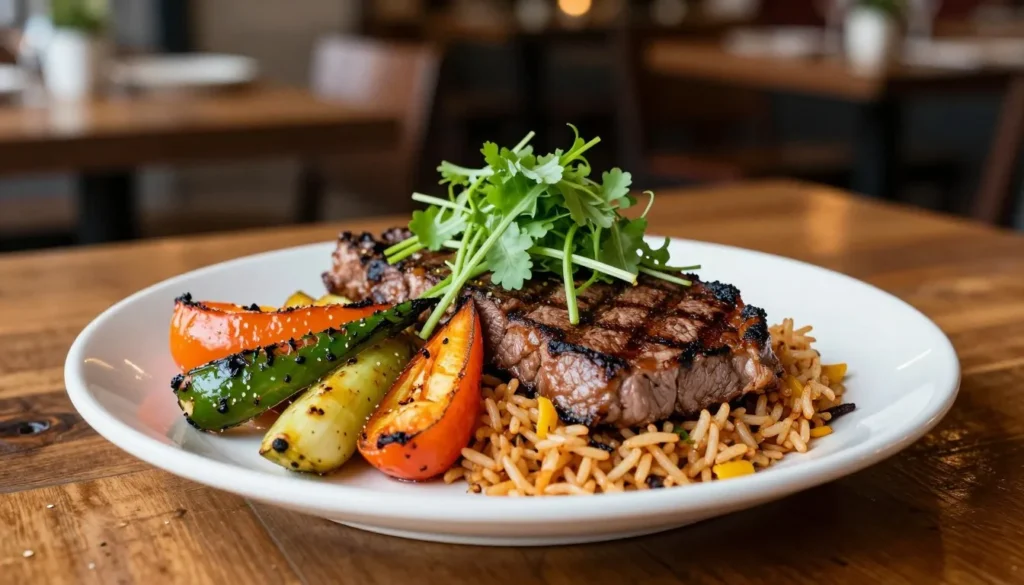
Kanab’s dining scene reflects its position as a gateway to national parks. Restaurants cater to hungry hikers while maintaining local character. Options range from quick cafes to full-service establishments featuring regional specialties.
Local Favorites
Southwestern cuisine dominates local menus, featuring influences from Native American, Mexican, and cowboy cooking traditions. Hearty portions fuel outdoor adventures. Many restaurants source ingredients from regional farms and ranches.
Breakfast spots open early to accommodate hikers heading to nearby trails. Expect classic American breakfast options alongside southwestern specialties like breakfast burritos and huevos rancheros. Strong coffee keeps adventurers energized.
Dining Recommendations
Casual Dining
Family-friendly restaurants serve burgers, sandwiches, and salads perfect after a day exploring Moqui Cave. Pizza shops deliver to hotels and vacation rentals. Fast-casual chains provide familiar options for picky eaters.
Fine Dining
Several upscale restaurants in Kanab prepare creative dishes using local ingredients. Reservations recommended for peak season dinners. Wine lists feature selections from Utah wineries alongside California classics.
Grocery and Provisions

Grocery stores in Kanab stock everything needed for picnic lunches or vacation rental cooking. Prices run slightly higher than urban areas due to transportation costs. Stock up on snacks and water before heading to attractions.
Local markets sell regional products including honey, jams, and artisanal foods. These make excellent souvenirs and support local producers. Farmers markets operate seasonally with fresh produce and baked goods.
Attractions, Sightseeing and Activities
Moqui Cave Experience
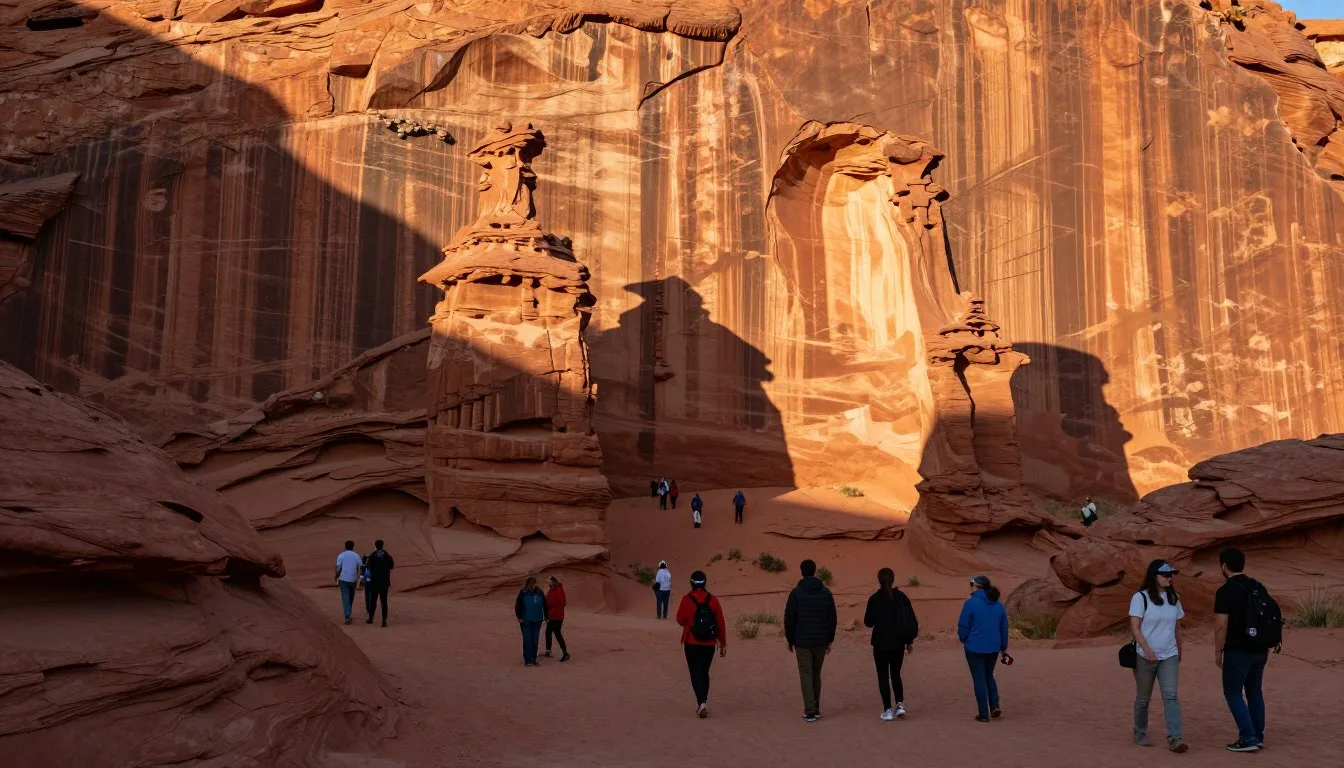
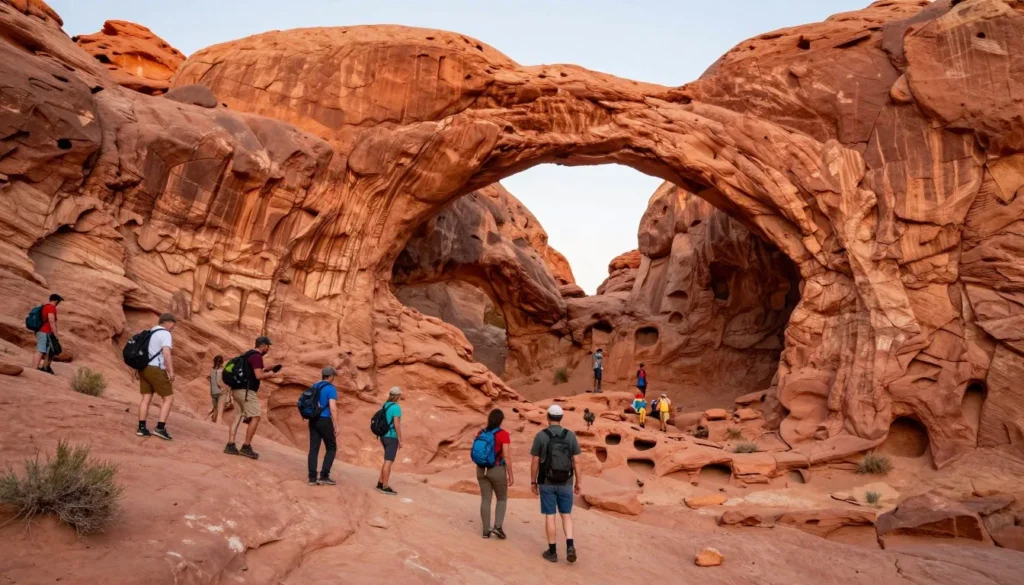
The main attraction offers a unique combination of natural geology and human history. Ancient artifacts discovered in the cave provide glimpses into prehistoric life. Guided information helps visitors understand the geological processes that formed these striking sandstone chambers.
Plan to spend one to two hours exploring the cave and surrounding area. The self-guided experience allows visitors to move at their own pace. Information displays explain the cave’s formation and the indigenous peoples who used it for shelter.
The Short Hike to Moqui Caverns
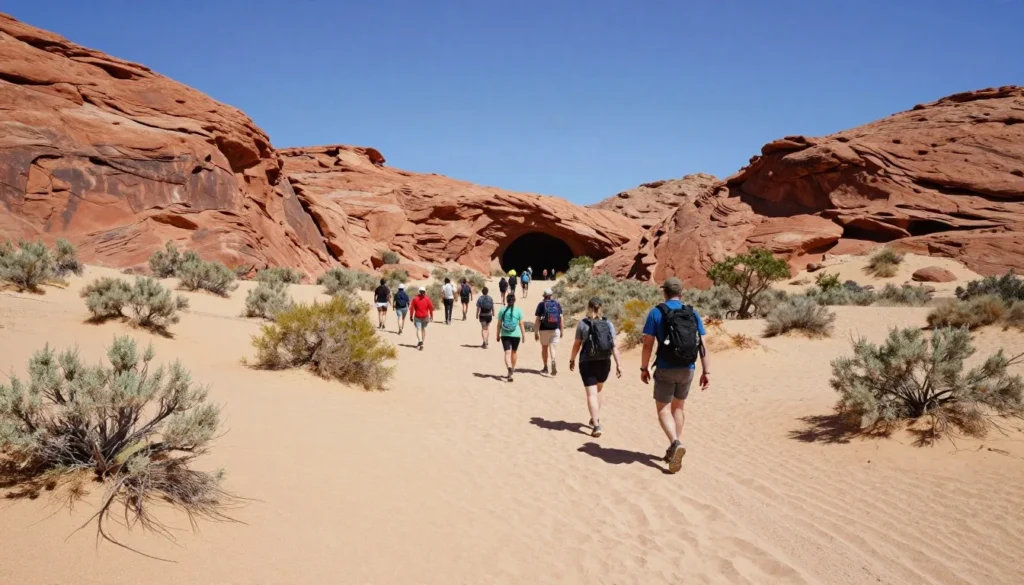
Access to the Moqui Caverns requires a brief walk from the parking area. The trail covers approximately 0.4 kilometers (0.25 miles) over relatively flat terrain. Most visitors complete the hike in fifteen to twenty minutes each way.
The path remains well-marked and suitable for most fitness levels. Families with young children navigate it successfully. Sturdy shoes help prevent slips on sandy sections, though the trail doesn’t require hiking boots.
Photography Opportunities
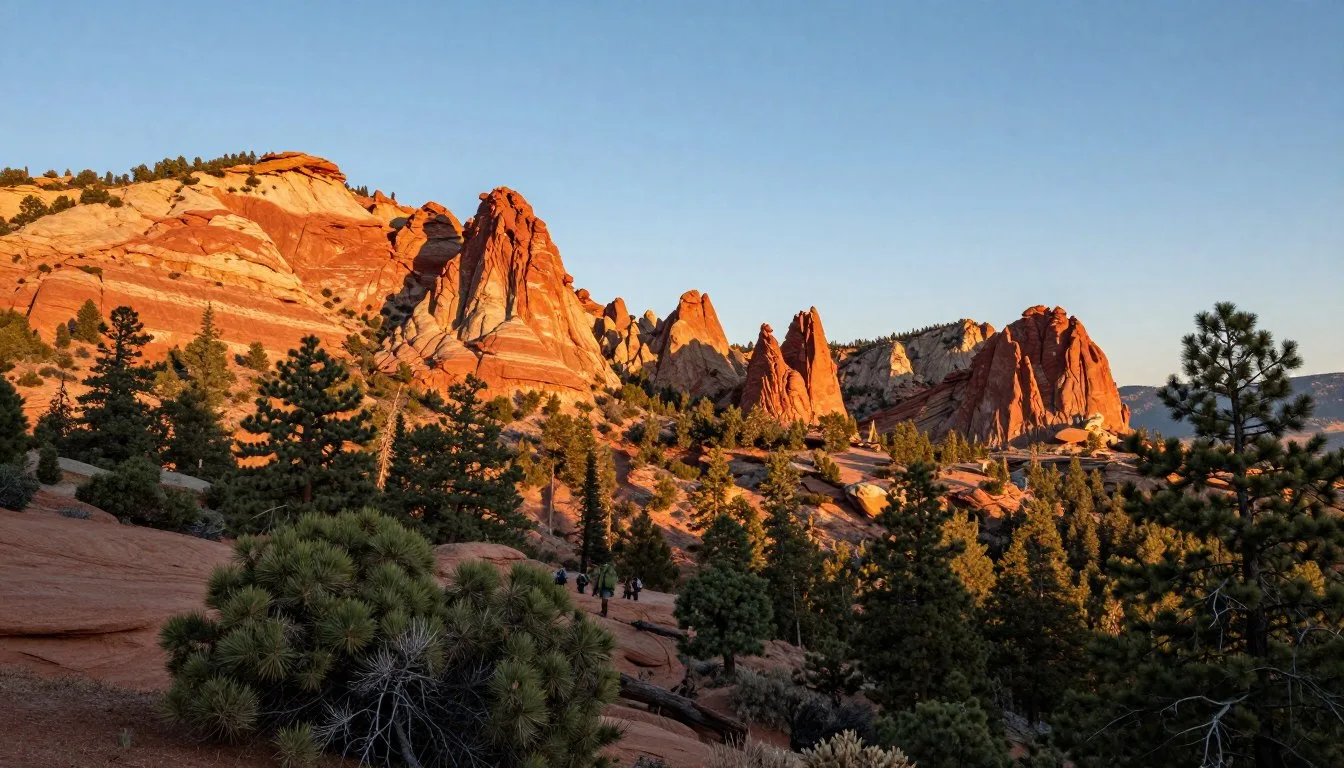
The caves offer exceptional photography subjects throughout the day. Morning light illuminates the eastern walls with warm tones. Afternoon sun creates dramatic shadows that emphasize the textured sandstone surfaces.
Bring wide-angle lenses to capture the expansive cave chambers. A tripod helps with interior shots where light levels drop. The area surrounding the caves provides equally photogenic landscapes of the Southern Utah desert.
Nearby Attractions
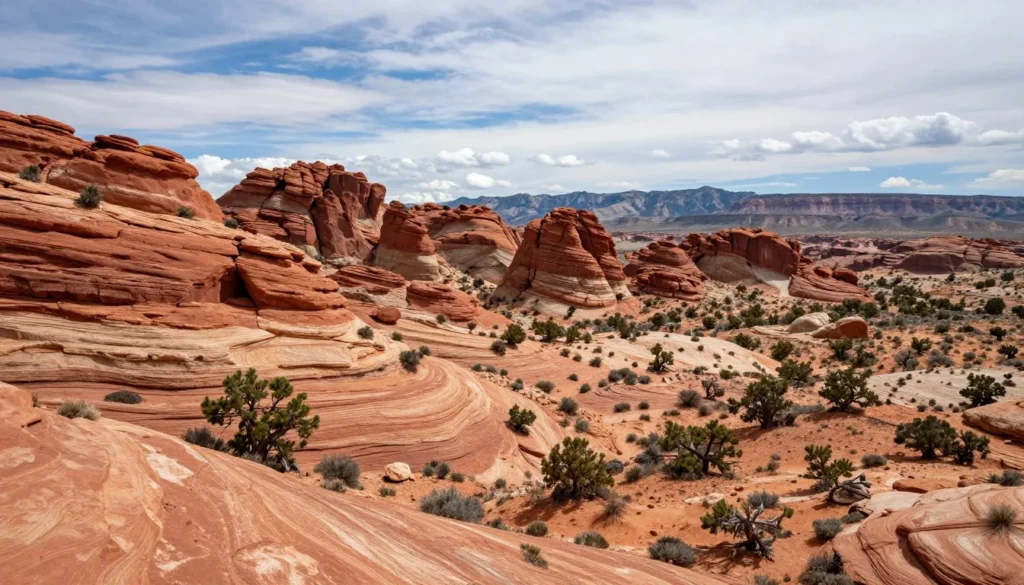
Moqui Cave serves as an excellent addition to a broader Southern Utah itinerary. Zion National Park lies just 64 kilometers (40 miles) west. The drive takes approximately fifty minutes along scenic Highway 89.
Coral Pink Sand Dunes State Park sits 18 kilometers (11 miles) from Moqui Cave. This unique geological area features massive sand dunes perfect for photography and exploration. The pink sand creates surreal landscapes unlike anything else in the region.
Planning Your Visit
Most visitors allocate half a day for Moqui Cave and immediate surroundings. This allows ample time for the hike, cave exploration, and photography without feeling rushed. Combine the visit with other nearby attractions for a full day of adventure.
Arrive early during peak season to avoid crowds and heat. Morning visits provide the best light for photography. Weekdays see fewer visitors than weekends, especially during summer vacation periods.
Museums, Cultural Spots and Festivals
Cultural Heritage
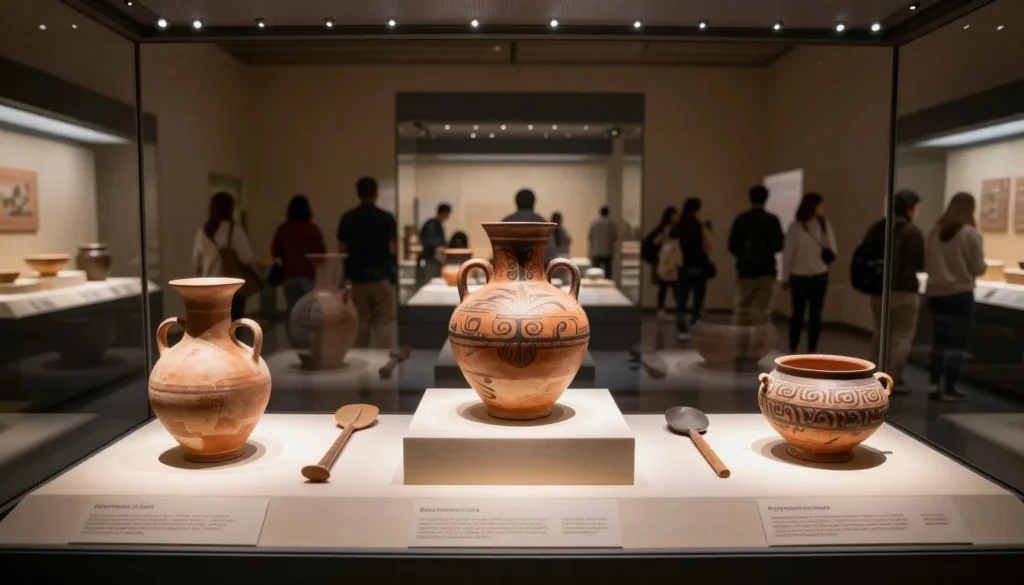
The Moqui Cave area holds significant cultural importance tied to indigenous peoples. Archaeological evidence indicates use by Ancestral Puebloans dating back centuries. Artifacts found in the caves include pottery shards, tools, and dwelling remains.
Respectful exploration honors the sacred nature of these sites. Visitors should never remove artifacts or disturb archaeological features. Photography remains welcome, but touching ancient rock art or structures damages irreplaceable cultural resources.
Regional Museums
Kanab Heritage Museum preserves local history through exhibits covering pioneer settlement, movie filming, and indigenous cultures. The small museum provides context for understanding the broader region. Admission remains affordable for families.
Collections include vintage photographs, period clothing, and household items from early settlers. Film industry exhibits showcase Kanab’s role as a backdrop for classic Western movies. Interactive displays engage children while adults appreciate historical details.
Best Friends Animal Sanctuary
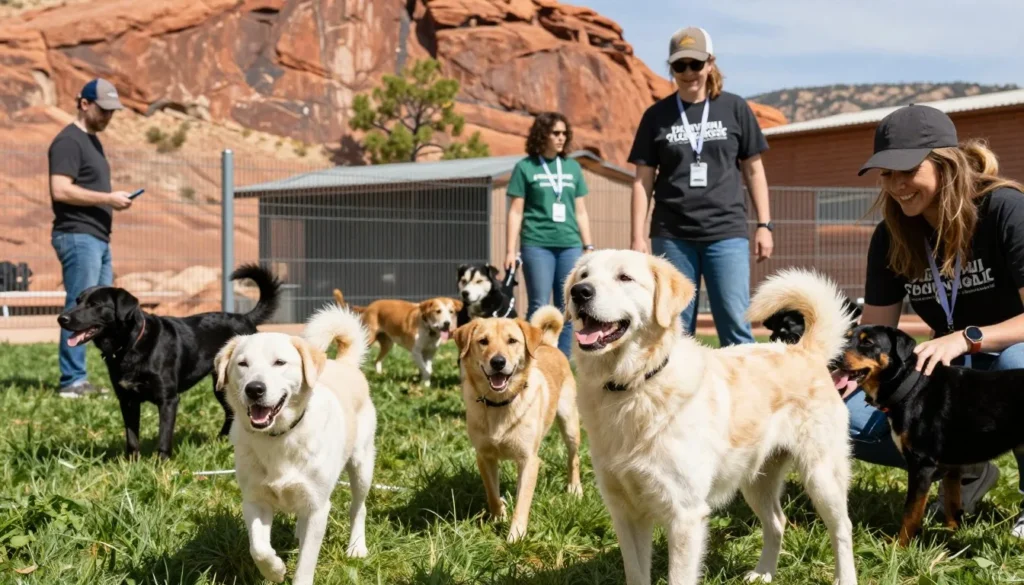
This renowned animal sanctuary welcomes visitors year-round. Located near Kanab, the facility houses thousands of rescued animals. Guided tours explain the organization’s mission and introduce visitors to resident animals.
Volunteer opportunities allow hands-on interaction with cats, dogs, and other animals. Many visitors spend entire days at the sanctuary. The experience provides meaningful connection while supporting animal welfare efforts.
Film History Tours
Kanab’s stunning landscapes attracted Hollywood filmmakers for decades. More than one hundred movies filmed in the area, from classic Westerns to modern productions. Several tour operators offer excursions to famous filming locations.
Tours visit sites where legendary actors worked and iconic scenes were shot. Guides share behind-the-scenes stories and production details. Film enthusiasts find these experiences fascinating additions to natural sightseeing.
Nature and Outdoor Experiences
Hiking Opportunities
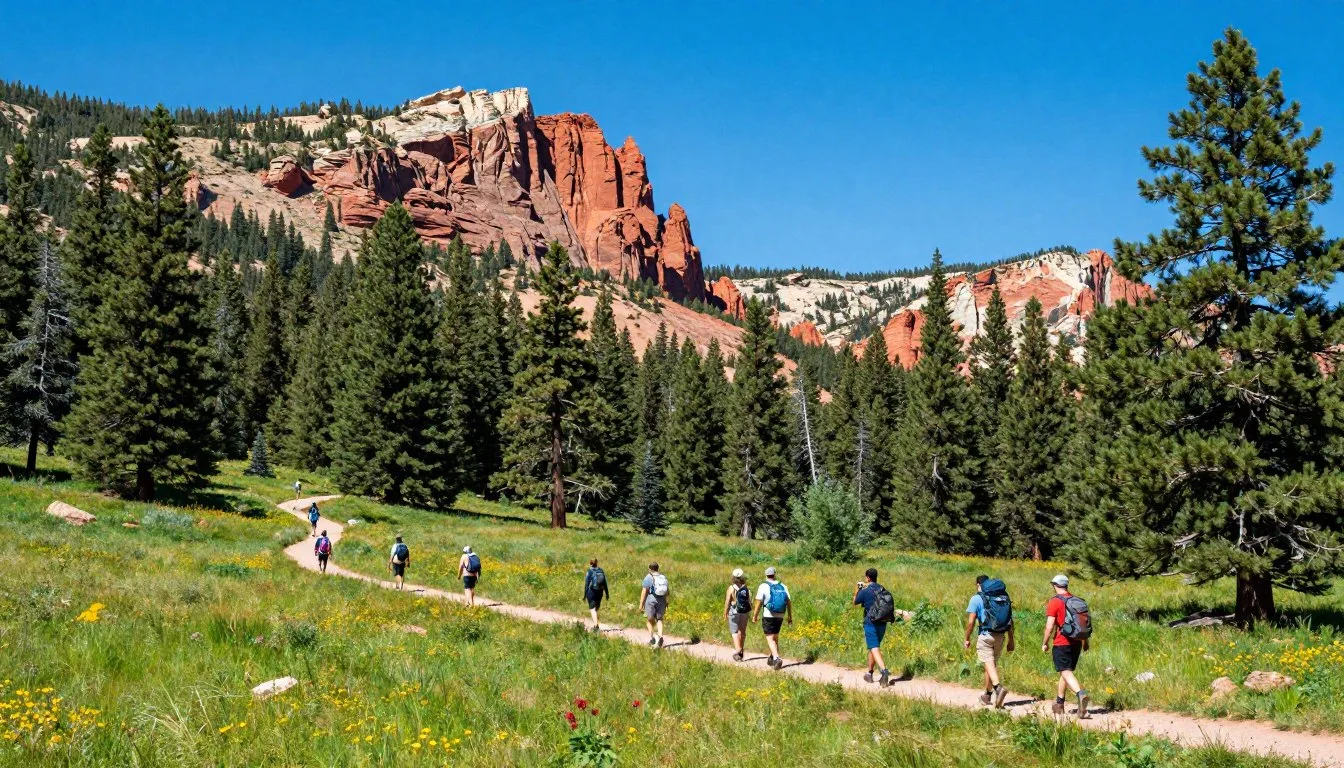
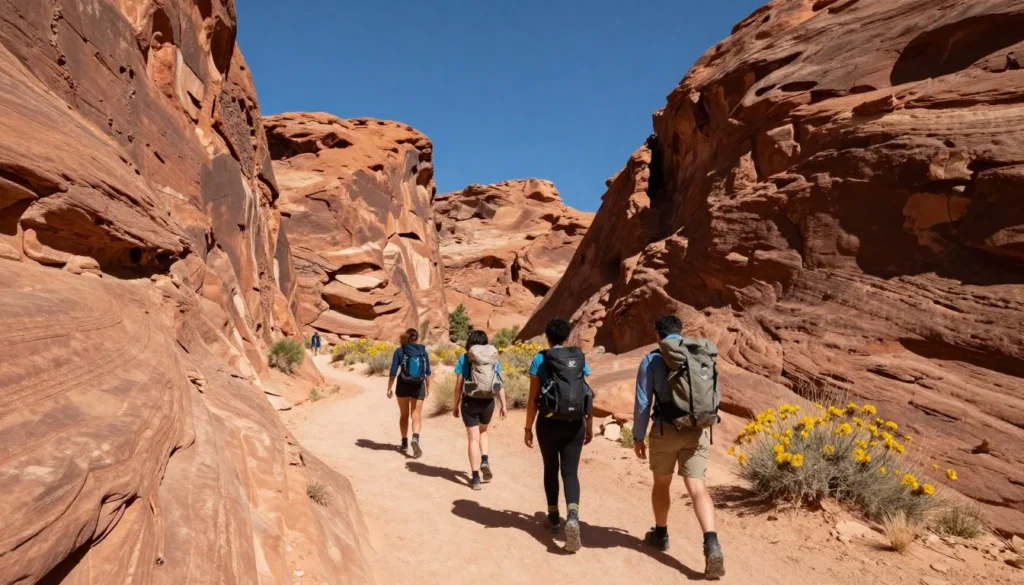
Beyond the Moqui Cave trail, the surrounding area offers extensive hiking options. Trails range from easy walks to challenging backcountry routes. Spring and fall provide ideal conditions for extended hiking adventures.
Popular nearby trails include routes through slot canyons, across sand dunes, and up to scenic overlooks. Trail difficulty varies significantly. Research specific routes before attempting them to match difficulty with group capabilities.
Wildlife Viewing
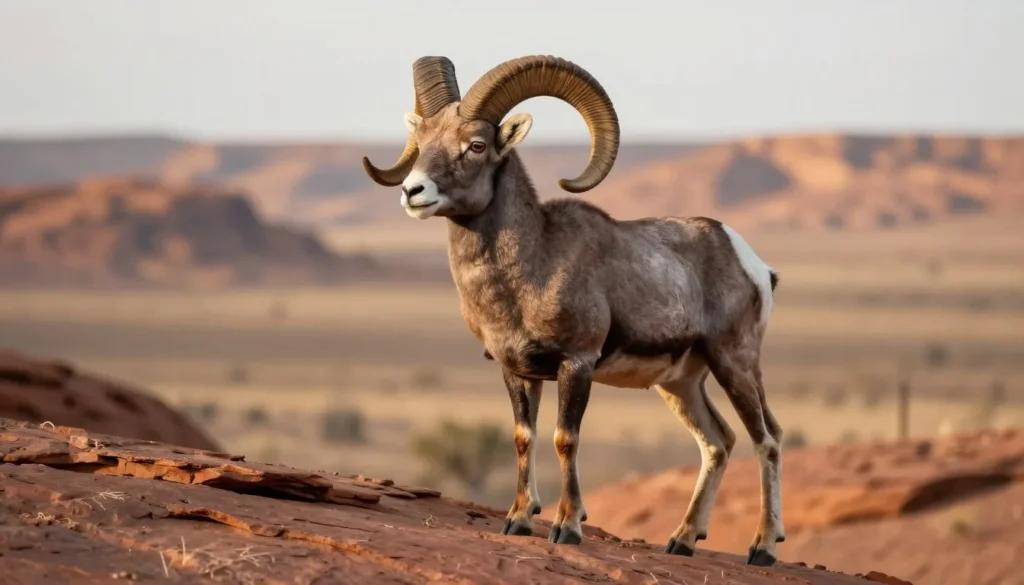
The Southern Utah desert supports diverse wildlife adapted to harsh conditions. Early morning and evening hours offer the best viewing opportunities. Common sightings include mule deer, jackrabbits, and various lizard species.
Birdwatchers spot raptors including golden eagles, hawks, and turkey vultures. Smaller birds like canyon wrens and pinyon jays inhabit the area year-round. Bring binoculars for distant observations without disturbing animals.
Photography Locations
The area surrounding Moqui Cave provides endless photography subjects. Dramatic rock formations, expansive desert vistas, and unique geological features reward patient photographers. Golden hour light transforms ordinary scenes into extraordinary images.
Scout locations in advance for optimal shooting positions. Return to favorite spots at different times of day to capture varying light conditions. Weather changes quickly in the desert, creating dynamic sky conditions.
Check 30,000+ Local Sightseeing Tours Worldwide
✓ Numerous languages and currencies are available
Stargazing
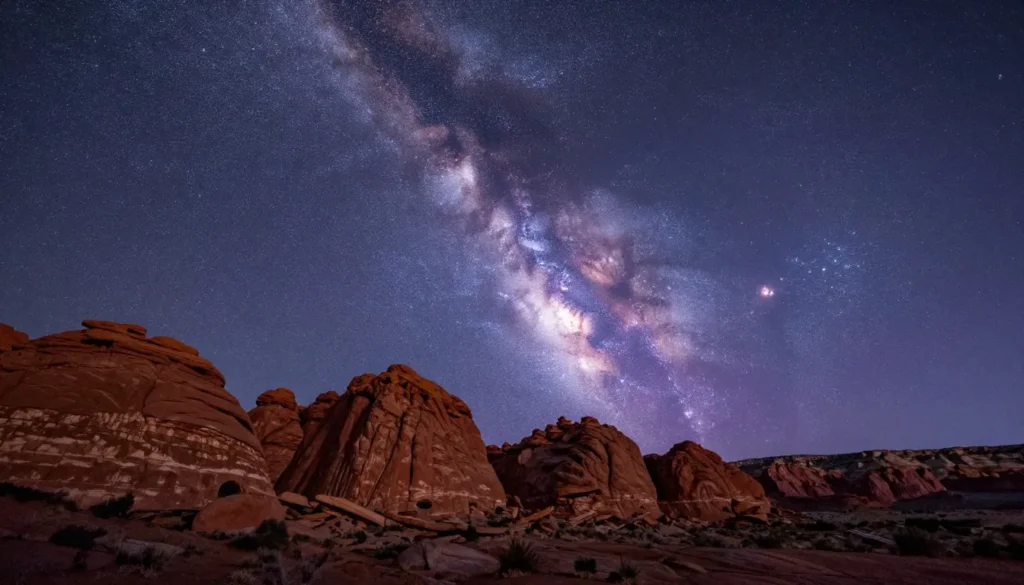
Minimal light pollution makes Southern Utah exceptional for stargazing. The Milky Way appears clearly on moonless nights. Meteor showers provide spectacular shows during peak periods throughout the year.
Bring a red flashlight to preserve night vision while navigating in darkness. Allow eyes to adjust for at least twenty minutes to see fainter stars. Smartphone apps help identify constellations and planets.
Travel With Children
Family-Friendly Activities
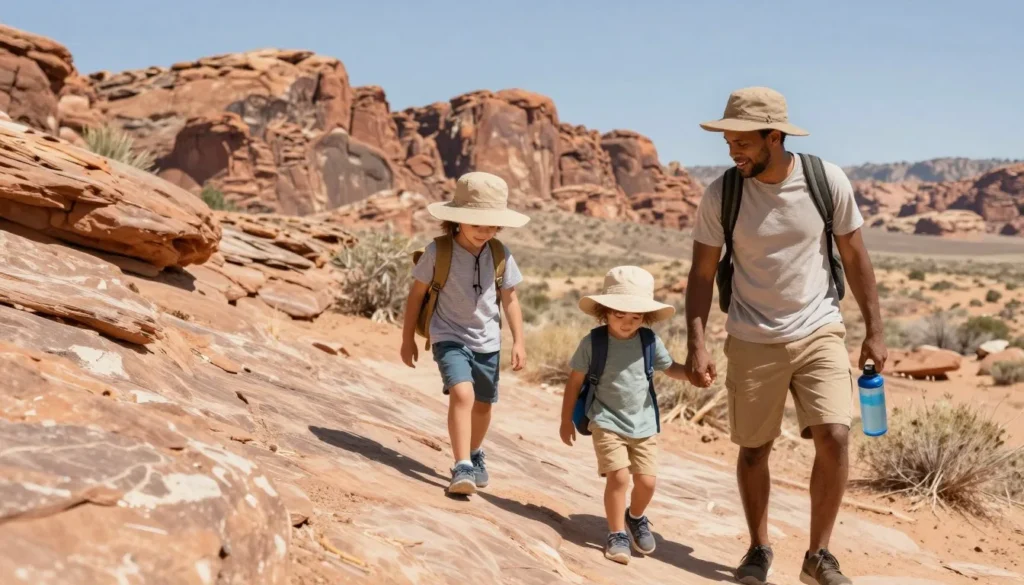
Moqui Cave appeals to children with its adventure atmosphere and manageable difficulty. Kids enjoy exploring the cave chambers and imagining ancient peoples who sheltered there. The short hike prevents exhaustion while providing outdoor experience.
Best Friends Animal Sanctuary ranks as a top family destination. Children interact safely with rescued animals under staff supervision. Educational programs teach responsibility and compassion. Many families return multiple times during extended stays.
Safety Considerations
Keep children well-hydrated during outdoor activities. The dry desert air causes rapid dehydration that affects kids faster than adults. Carry extra water beyond what seems necessary. Frequent water breaks prevent heat-related issues.
Sun protection becomes critical in the intense Southern Utah sun. Apply sunscreen liberally and reapply every two hours. Wide-brimmed hats shield faces and necks from direct exposure. Lightweight long sleeves provide additional protection without overheating.
Age-Appropriate Experiences
Young Children (Ages 3-7)
- Short walks to Moqui Cave
- Animal sanctuary visits
- Sand dune play areas
- Junior ranger programs
- Simple nature scavenger hunts
Older Children (Ages 8-14)
- Longer hiking trails
- Photography workshops
- Volunteer opportunities
- Geology education programs
- Stargazing sessions
Practical Tips for Parents
Pack more snacks than typical day trips require. Limited food options exist between attractions. Hungry children quickly lose interest in sightseeing. Protein-rich snacks maintain energy levels better than sugary treats.
Schedule activities during cooler parts of the day during summer visits. Early morning explorations avoid the worst heat. Late afternoon activities work well once temperatures moderate. Midday hours suit indoor attractions like museums or the animal sanctuary.
Money Saving Tips
Accommodation Savings
Book lodging well in advance for significant savings. Last-minute rates often run higher during peak seasons. Shoulder season visits in spring and fall offer lower prices with comparable weather. Mid-week stays typically cost less than weekend nights.
Consider camping or RV parks for budget-conscious travel. Sites cost a fraction of hotel rates while providing unique outdoor experiences. Many campgrounds offer amenities like hot showers and WiFi at minimal additional cost.
Food Cost Management
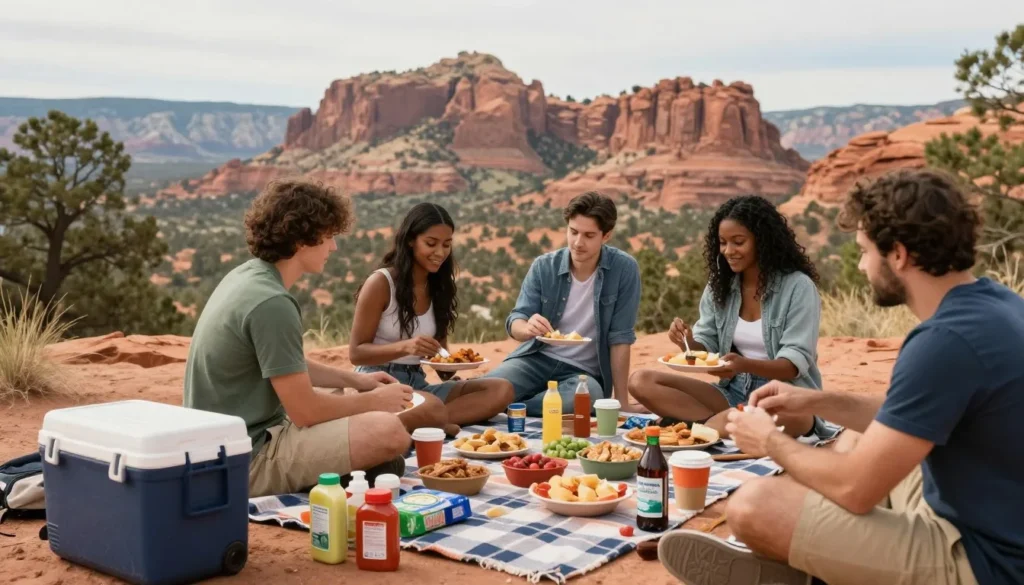
Prepare picnic lunches instead of dining at restaurants for every meal. Grocery stores in Kanab stock everything needed for trail-ready meals. A cooler keeps perishables fresh during day trips to Moqui Cave and beyond.
Breakfast at accommodations saves money and time. Many hotels include continental breakfast in room rates. Vacation rentals with kitchens allow affordable home-cooked meals. Reserve restaurant dining for special dinners rather than every meal.
Free and Low-Cost Activities
No-Cost Experiences
- Hiking public trails
- Scenic driving routes
- Sunset viewing
- Photography expeditions
- Wildlife observation
- Stargazing sessions
Minimal-Cost Options
- State park day passes
- Museum admission fees
- Guided nature walks
- Junior ranger programs
- Film location tours
- Sanctuary tours by donation
Transportation Savings
Fuel costs represent a significant expense when exploring Southern Utah. Combine multiple attractions into single day trips to maximize fuel efficiency. Fill tanks in larger towns where prices run lower than remote gas stations.
Car rental comparison shopping reveals significant price differences. Book through discount travel sites rather than directly with rental companies. Decline unnecessary insurance if existing coverage applies to rentals.
Safety and Local Customs
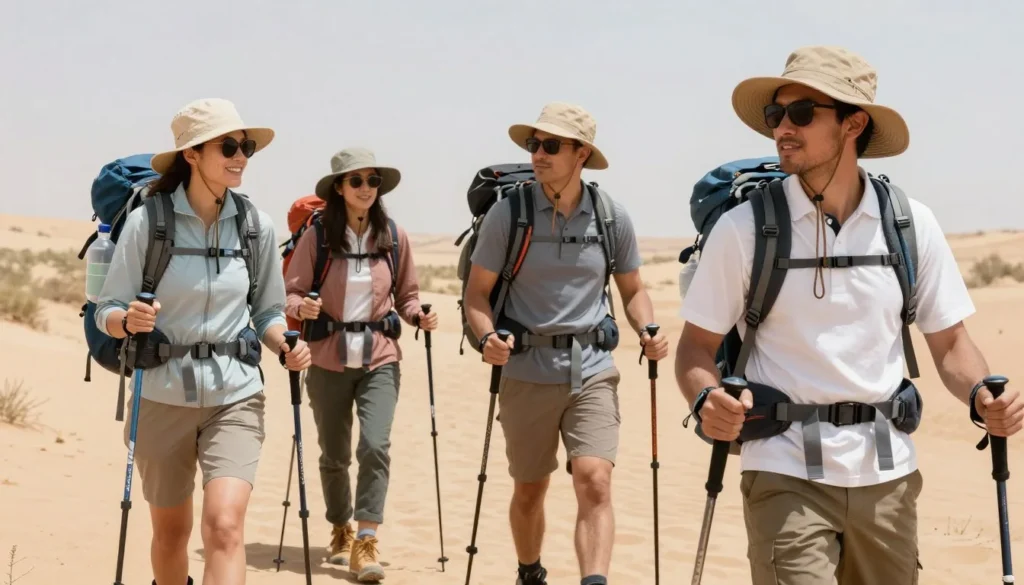
Desert Safety Essentials
Heat exhaustion poses the primary danger for visitors unfamiliar with desert conditions. Symptoms include dizziness, nausea, and excessive fatigue. Rest in shade immediately if symptoms appear. Drink water slowly and cool body temperature gradually.
Carry at least one liter of water per person per hour of outdoor activity. Double this amount during summer months. Dehydration occurs rapidly in the dry desert air. Drinking water before feeling thirsty prevents dangerous dehydration.
Wildlife Precautions
Venomous creatures including rattlesnakes and scorpions inhabit the area. Watch where you place hands and feet when scrambling on rocks. Shake out shoes and clothing before dressing each morning. Most wildlife bites occur when animals feel threatened or cornered.
Maintain respectful distance from all wildlife. Never feed wild animals or attempt to touch them. Even seemingly docile creatures can behave unpredictably. Use telephoto lenses for close-up wildlife photography.
Weather Hazards
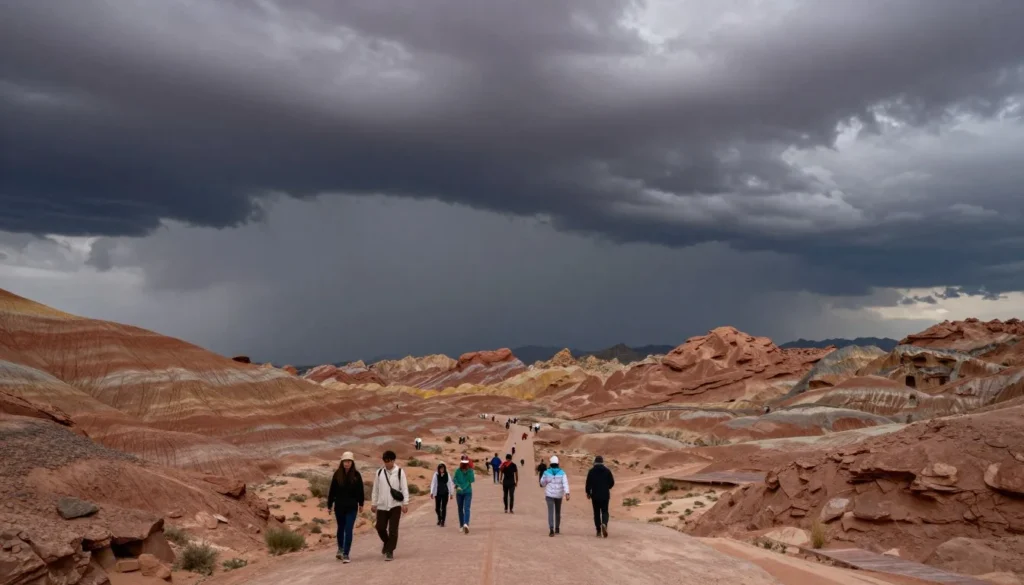
Flash floods threaten slot canyons and low-lying areas during thunderstorm season. Never enter narrow canyons when rain threatens, even if skies appear clear locally. Storms miles away can send walls of water through canyons with little warning.
Lightning strikes pose serious danger on exposed ridges and peaks. Descend immediately when thunderstorms approach. Avoid isolated trees and metal objects. Crouch low if caught in the open, minimizing contact with the ground.
Local Customs and Etiquette
Southern Utah communities value friendliness and mutual respect. Locals willingly help visitors with directions and recommendations. A simple greeting acknowledges others on trails and in town.
Leave no trace principles apply throughout the area. Pack out all trash, including organic waste like fruit peels. Stay on established trails to prevent erosion. Never remove rocks, plants, or artifacts from public lands.
Emergency Contacts
Emergency Services: Dial 911 for immediate assistance anywhere in the area. Cell coverage exists along Highway 89 and near Kanab. Inform others of hiking plans before departing for remote areas.
Kane County Sheriff:
Visitor Comments About Moqui Cave
“The caves exceeded our expectations completely. We spent nearly two hours exploring and photographing the incredible rock formations. The light filtering through the openings created magical effects that changed throughout our visit. Our children loved imagining ancient peoples living in these chambers. The short hike proved perfect for our family with mixed fitness levels.”
“Visiting Moqui Cave provided a welcome break from the crowds at nearby national parks. We had the area almost entirely to ourselves on a weekday morning in May. The geological features fascinated us as amateur photographers. I took some of my best travel photos in the beautiful morning light. The cave offered shade and cooler temperatures on what became a hot day.”
“Our Southern Utah road trip wouldn’t have been complete without this stop. The cave sits conveniently along our route between Zion and other attractions. We appreciated the minimal development that preserves the natural character. Information about indigenous history added educational value to the beautiful scenery. We recommended Moqui Cave to every traveler we met afterward.”
Additional Nearby Destinations
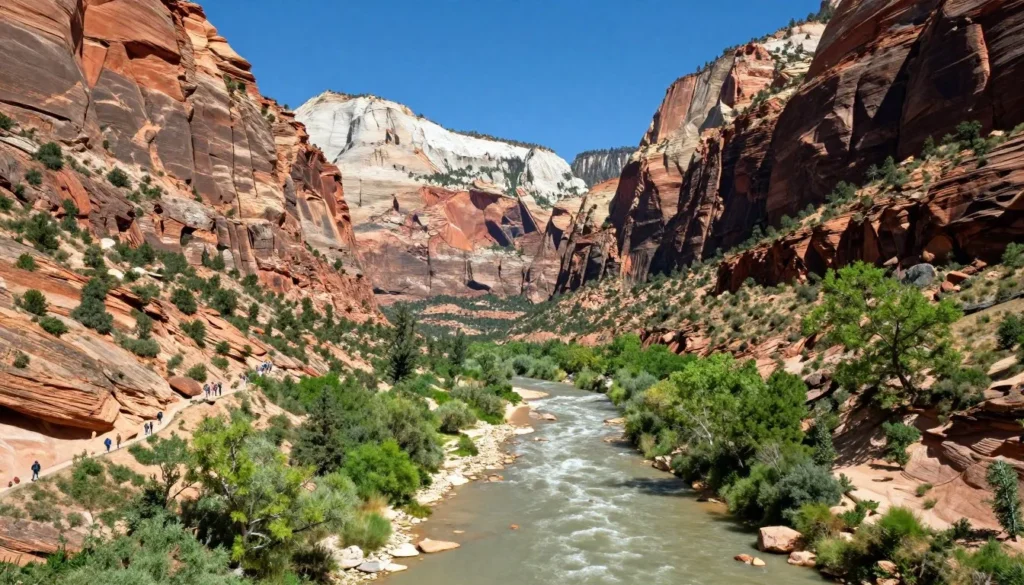
Zion National Park
This world-renowned park lies just over an hour west of Moqui Cave. Towering sandstone cliffs, narrow slot canyons, and lush river valleys attract millions of visitors annually. Popular trails include Angels Landing and The Narrows, though dozens of routes suit various abilities.
Plan to arrive early as parking fills by mid-morning during peak seasons. A shuttle system transports visitors through Zion Canyon from April through October. Winter visits offer solitude and snow-dusted landscapes.
Bryce Canyon National Park
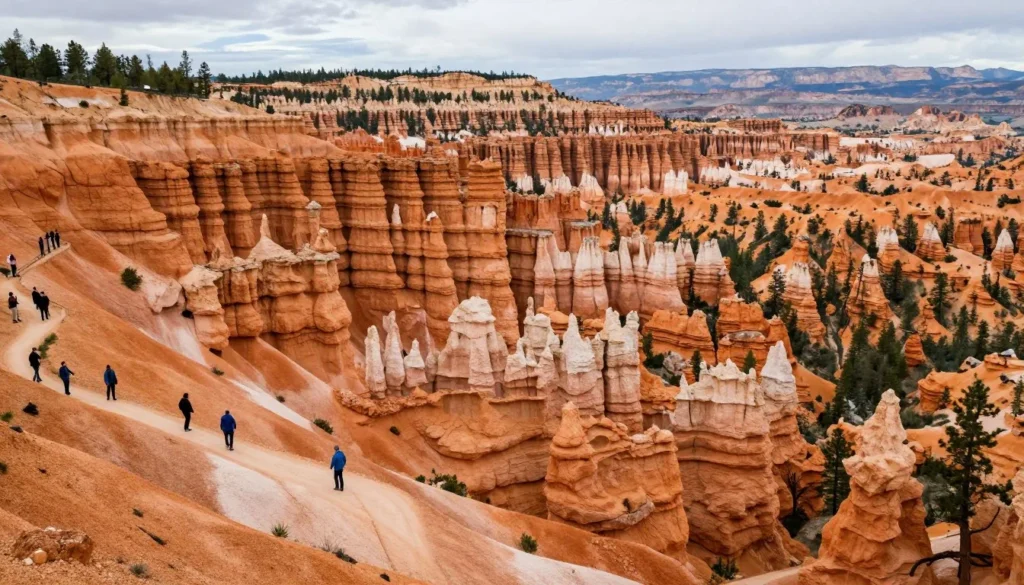
Approximately 130 kilometers (81 miles) northeast of Moqui Cave, Bryce Canyon showcases unique geological formations called hoodoos. These spire-shaped rock formations create an otherworldly landscape unlike anywhere else. The park sits at higher elevation, providing cooler summer temperatures.
Sunrise and sunset transform the hoodoos into glowing sculptures. Winter snow enhances the surreal beauty. Popular viewpoints include Sunrise Point, Sunset Point, and Inspiration Point.
Grand Staircase-Escalante National Monument
This vast protected area encompasses nearly 7,600 square kilometers (1.9 million acres) of rugged terrain. Remote slot canyons, hidden waterfalls, and ancient rock art reward adventurous explorers. Many areas require four-wheel drive vehicles and backcountry navigation skills.
Popular accessible sites include Calf Creek Falls and Devils Garden. Research specific destinations thoroughly before venturing into remote sections. Cell service remains unreliable throughout much of the monument.
Coral Pink Sand Dunes State Park
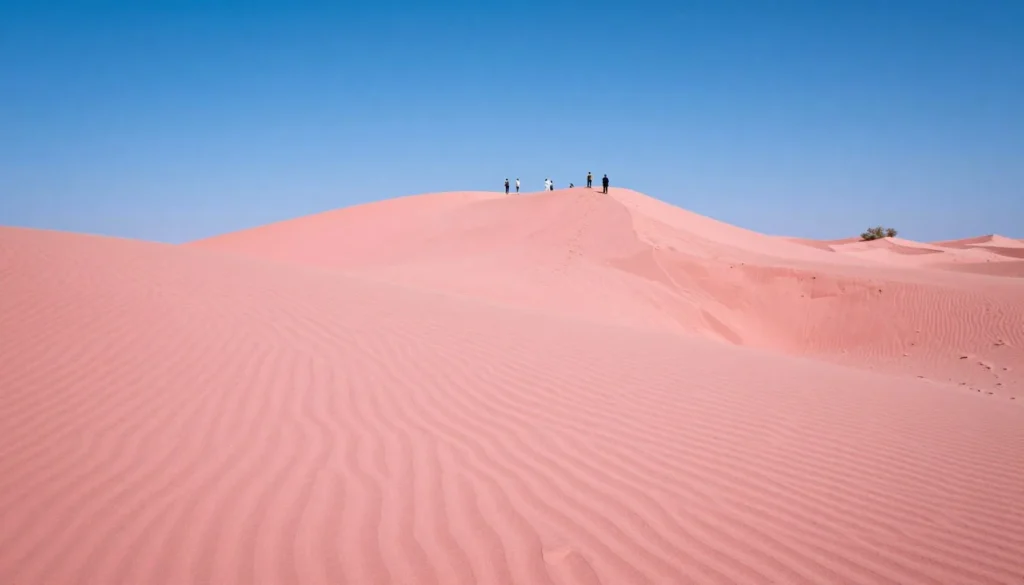
These distinctive pink sand dunes lie less than thirty minutes from Moqui Cave. The unusual color results from eroded Navajo sandstone. Visitors enjoy sandboarding, photography, and exploring the unique ecosystem.
The dunes reach heights of 90 meters (300 feet) in some areas. Climbing provides panoramic views of surrounding mountains. Summer temperatures make early morning or evening visits most comfortable.
Lake Powell and Glen Canyon
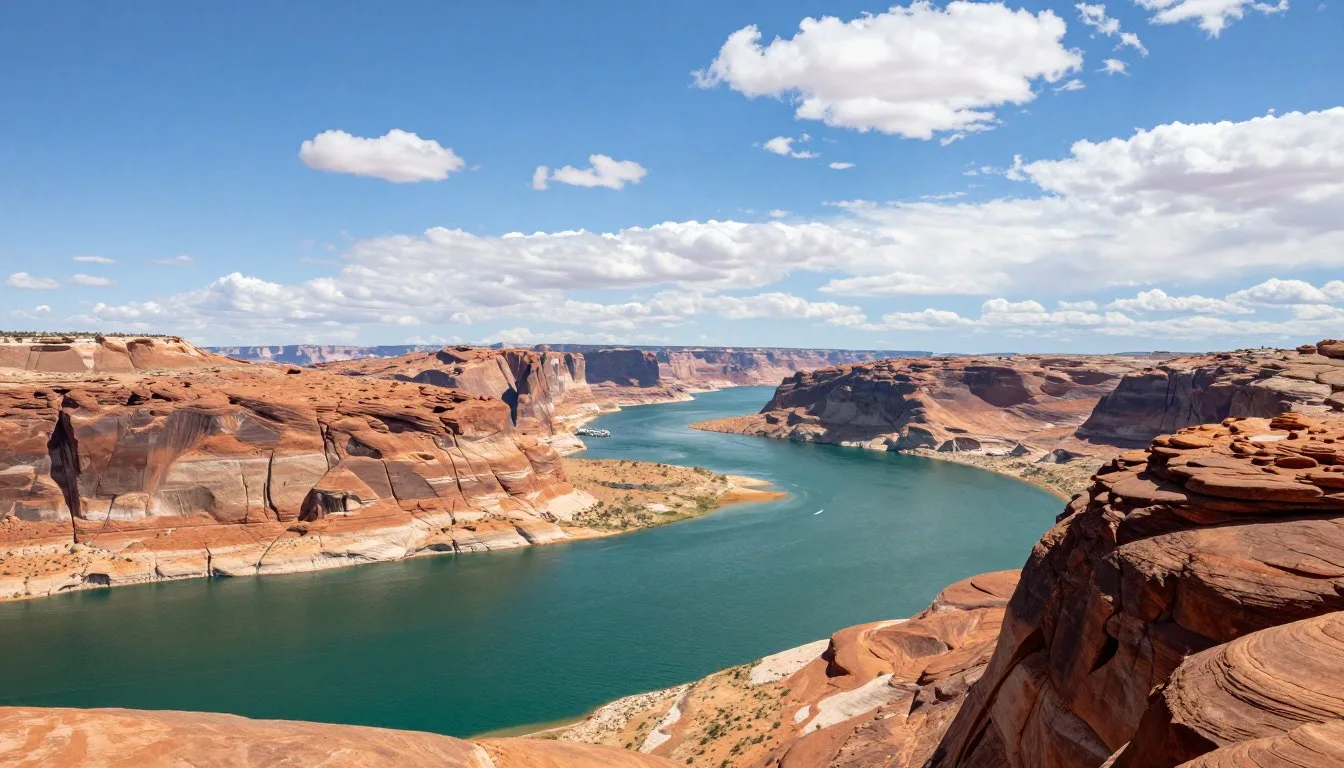
This massive reservoir sits about 90 kilometers (56 miles) east of Moqui Cave. Houseboating, kayaking, and fishing attract water sports enthusiasts. The contrast between blue water and red rock creates stunning scenery.
Antelope Canyon and Horseshoe Bend rank among the most photographed locations in the Southwest. Both require separate trips from Lake Powell itself. Guided tours access Antelope Canyon’s famous slot canyon.
Practical Travel Tips
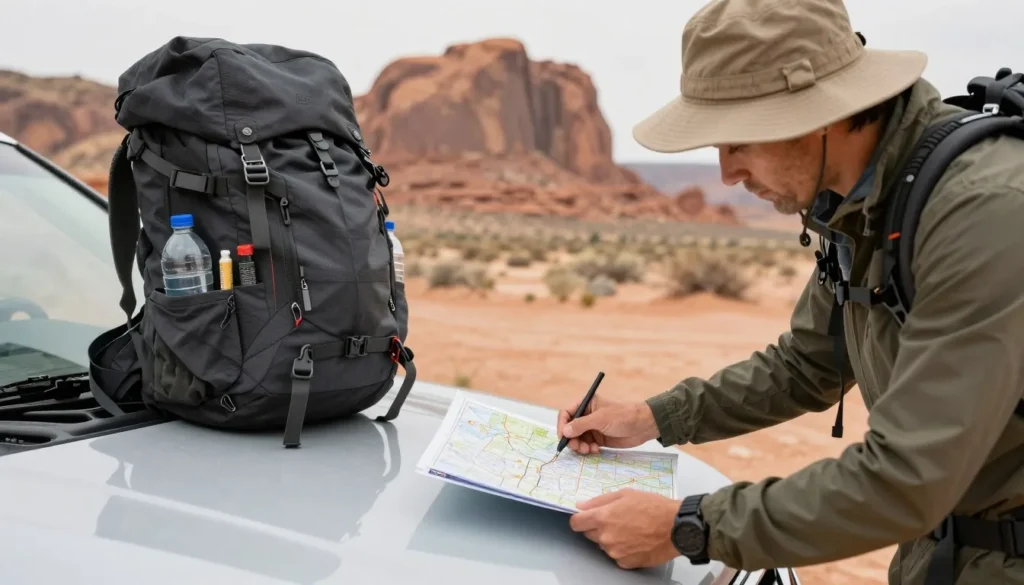
What to Pack
Layered clothing handles temperature fluctuations throughout the day. Mornings start cool even during summer months. Afternoons heat up significantly. A light jacket serves for chilly mornings and air-conditioned restaurants.
Sun protection items rank as essential gear. High SPF sunscreen prevents painful burns in the intense high-altitude sun. Lip balm with sun protection addresses the dry desert air. Sunglasses reduce glare from bright sandstone surfaces.
Essential Gear List
Clothing Items
- Moisture-wicking shirts
- Convertible hiking pants
- Wide-brimmed sun hat
- Sturdy hiking shoes
- Light fleece jacket
Safety Equipment
- First aid supplies
- Headlamp with batteries
- Whistle for emergencies
- Multi-tool or knife
- Emergency blanket
Comfort Items
- Reusable water bottles
- Snack bars and food
- Camera with extra batteries
- Binoculars for wildlife
- Small backpack
Cell Phone and Internet
Cell coverage exists along Highway 89 and throughout Kanab. Service becomes spotty in canyons and remote areas. Download offline maps before departing WiFi zones. Major carriers provide the most reliable coverage.
Hotels and restaurants offer WiFi for guests. Connection speeds vary but suffice for basic communication and social media. Public libraries provide free internet access during business hours.
Best Photography Times
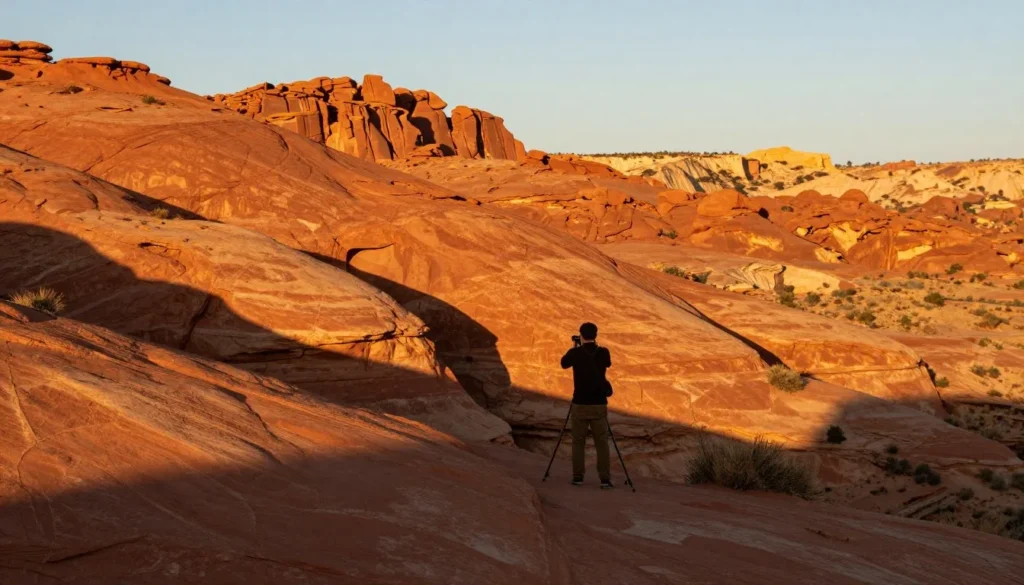
Golden hour occurs during the first hour after sunrise and the final hour before sunset. The angled light enhances textures and creates warm color tones in the sandstone. Clouds add drama to sky compositions.
Midday harsh light washes out details and creates unflattering shadows. Use this time for indoor activities, meals, or rest. Return to outdoor photography when light softens in late afternoon.
Respecting the Environment
Stay on designated trails to prevent erosion and protect fragile desert ecosystems. Shortcutting switchbacks damages vegetation that takes decades to recover. Social trails encourage others to follow, expanding environmental impact.
Never touch or deface rock art or archaeological sites. Oils from hands damage ancient artwork. Removing artifacts destroys scientific context and violates federal laws. Report vandalism to park authorities.
Money and Banking
ATMs operate in Kanab at banks and some gas stations. Withdraw cash before heading to remote areas. Many small businesses prefer cash payment. Credit cards work at most hotels, restaurants, and larger stores.
No foreign currency exchange services exist in Kanab. Exchange money at airports before arrival. US dollars remain the only accepted currency throughout the area.
Location Map
Your Southern Utah Adventure Awaits
Moqui Cave stands as a testament to both geological wonder and human history. This hidden gem offers intimate encounters with ancient landscapes without the overwhelming crowds of more famous parks. The short hike, fascinating rock formations, and rich cultural heritage combine to create memorable experiences for visitors of all ages.
Southern Utah rewards those who venture beyond the most popular attractions. From sunrise over red rock cliffs to starlit desert nights, each moment reveals new beauty. Whether you spend a few hours or several days exploring the area, Moqui Cave and its surroundings promise discoveries that linger long after your journey ends.
Plan your visit during the comfortable spring or fall months. Bring plenty of water, sun protection, and a sense of adventure. Most importantly, approach this special place with respect for both its natural wonders and cultural significance. Your Southern Utah adventure begins with a single step onto the trail to Moqui Cave.