Hotels by Trip.com
Flights by Trip.com
Nine Mile Canyon harbors over 10,000 individual rock art images along its 46-mile length, earning it the unofficial title of the world’s longest art gallery. Despite its name, Nine Mile Canyon actually stretches much farther than nine miles. The canyon received its curious name from John Wesley Powell’s 1869 expedition, which measured nine miles from the canyon mouth to a creek crossing.
This remote Utah canyon preserves one of North America’s most significant concentrations of Native American rock art. Ancient Fremont people carved and painted these remarkable panels between 950 and 1250 CE. The canyon walls tell stories through petroglyphs and pictographs that have survived centuries of wind, weather, and time.
Visitors today travel the same route that indigenous peoples, fur trappers, and early settlers once traversed. The journey through Nine Mile Canyon offers far more than ancient art. The area combines archaeological wonders with stunning natural scenery, wildlife viewing opportunities, and genuine wilderness solitude.
Getting There & Planning Your Journey
Nine Mile Canyon sits in eastern Utah, roughly equidistant between Price and Duchesne. The canyon lies approximately 193 km (120 miles) southeast of Salt Lake City and 322 km (200 miles) west of Denver, Colorado.
Closest Airports
Salt Lake City International Airport serves as the primary gateway for Nine Mile Canyon visitors. The airport handles domestic and international flights year-round. The drive from Salt Lake City takes approximately three hours under normal conditions.
Provo Municipal Airport offers a smaller alternative about 161 km (100 miles) from the canyon. Grand Junction Regional Airport in Colorado sits roughly 241 km (150 miles) away. Both airports accommodate regional carriers and chartered flights.
Important Note: Plan to rent a vehicle with good ground clearance. High-clearance vehicles or SUVs handle the canyon road more comfortably than standard sedans.
Driving Directions
From Price, Utah, travelers take US Highway 6 east to Wellington. Turn north onto Soldier Creek Road at the canyon entrance sign. This route covers approximately 64 km (40 miles) from Price to the canyon.
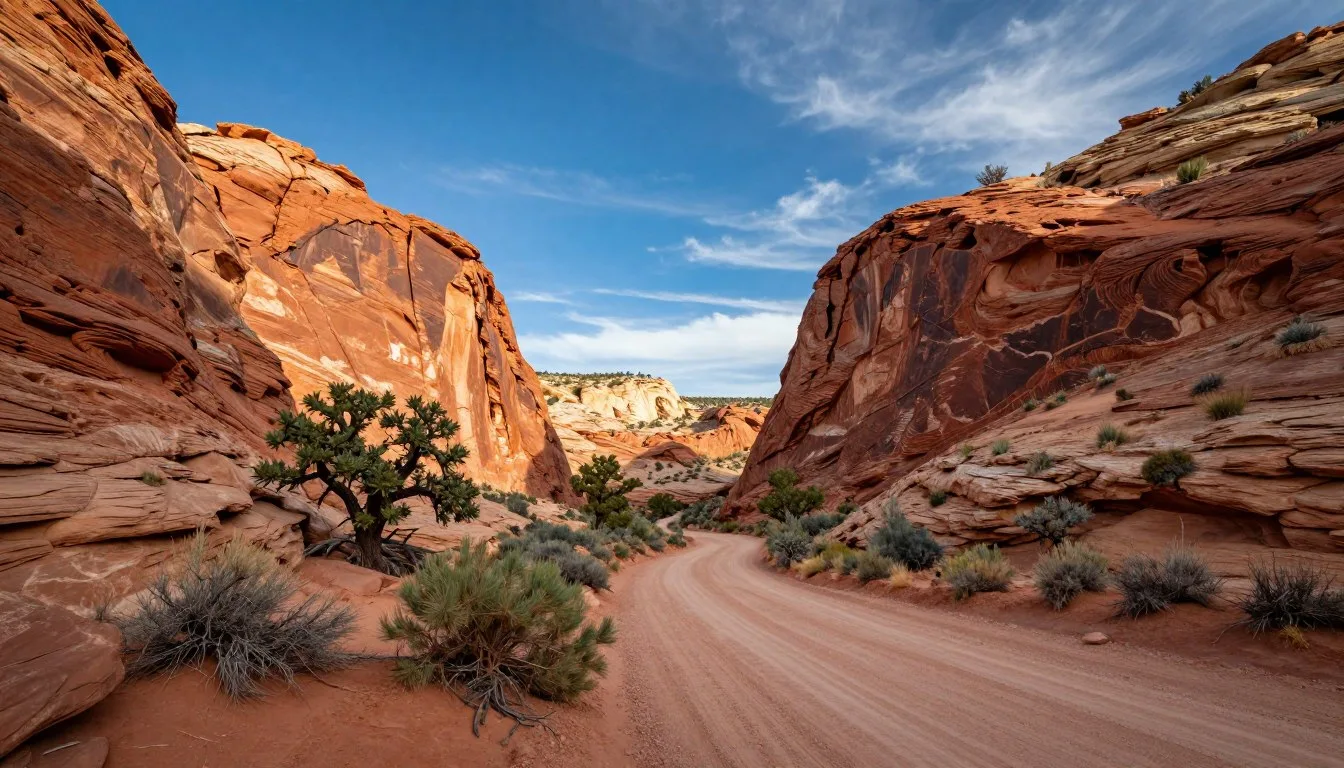
The canyon road itself winds for 74 km (46 miles) through the heart of the area. The primarily graded dirt surface requires careful driving. Washboard sections appear frequently, especially during dry weather. Recent grading work has improved many sections, but conditions vary seasonally.
Road Conditions and Vehicle Requirements
The nine mile canyon road passes through working land with active energy development. Large trucks use this route regularly, creating dust and requiring cautious passing. Pull completely off the road when meeting oncoming traffic.
Heavy rains transform the road surface into slippery mud. Winter snows may close sections temporarily. Spring runoff sometimes creates water crossings at nine mile creek. Summer typically offers the most reliable road conditions.
Cell phone service remains unreliable throughout most of the canyon. Download offline maps before departure. Carry a physical map as backup. The nearest fuel stations sit in Price and Wellington.
Best Time to Visit & Weather Tips

Best Time to Visit Nine Mile Canyon
Late spring through early fall provides optimal visiting conditions. May through October offers reliable weather and accessible roads. The canyon welcomes visitors year-round, but seasonal considerations significantly impact the experience.
May and June bring mild temperatures and spring wildflowers. Daytime highs reach 18-24°C (65-75°F). Wildflowers blanket the canyon floor in yellow, purple, and white. Morning and evening light enhances rock art photography during these months.
July and August see peak summer heat. Afternoon temperatures climb to 32-38°C (90-100°F). Start early morning visits to avoid midday heat. Summer thunderstorms sometimes develop in late afternoon. These storms pass quickly but create temporary road hazards.
September and October deliver comfortable temperatures and spectacular autumn colors. Cottonwood trees along nine mile creek turn brilliant gold. Daytime temperatures settle around 18-24°C (65-75°F). September typically experiences the most stable weather patterns.
Months to Avoid: December through March brings snow, ice, and road closures. Winter temperatures drop to -7°C to 4°C (20-40°F). The canyon road becomes impassable during and after winter storms.
Weather Patterns and Preparation
Nine Mile Canyon sits at elevations ranging from 1,524 m to 2,134 m (5,000 to 7,000 feet). Desert high country weather changes rapidly. Temperature swings of 17°C (30°F) between day and night occur regularly.
Summer monsoon season runs from mid-July through September. Brief but intense thunderstorms develop with little warning. Lightning poses serious risks in exposed canyon areas. Seek shelter in vehicles during electrical storms.
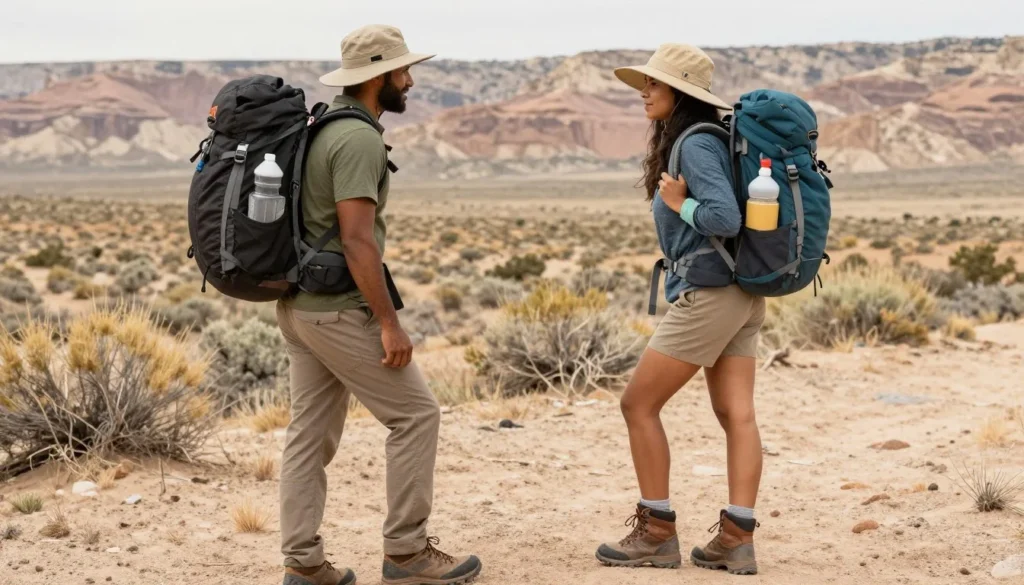
Pack layers regardless of season. Mornings start cool even in summer. Afternoon sun intensifies in the canyon. Bring sun protection including wide-brimmed hats, sunglasses, and high-SPF sunscreen. Carry extra water—at least four liters per person for day trips.
Notable Annual Festivals
Nine Mile Canyon Rock Art Day occurs annually in September. The event features guided tours with archaeologists and Native American cultural demonstrations. Local organizations provide shuttle service to major rock art sites. Contact Carbon County Travel Bureau for current year dates and details.
The Price area hosts Petroglyphs and Pictographs Festival each May. This regional celebration includes expert presentations about Fremont culture, workshops on rock art preservation, and guided canyon tours. The festival coincides with ideal spring visiting conditions.
Planning Tip: Book accommodations early if visiting during festival periods. Price and surrounding communities fill quickly during these popular events.
Getting Around Locally
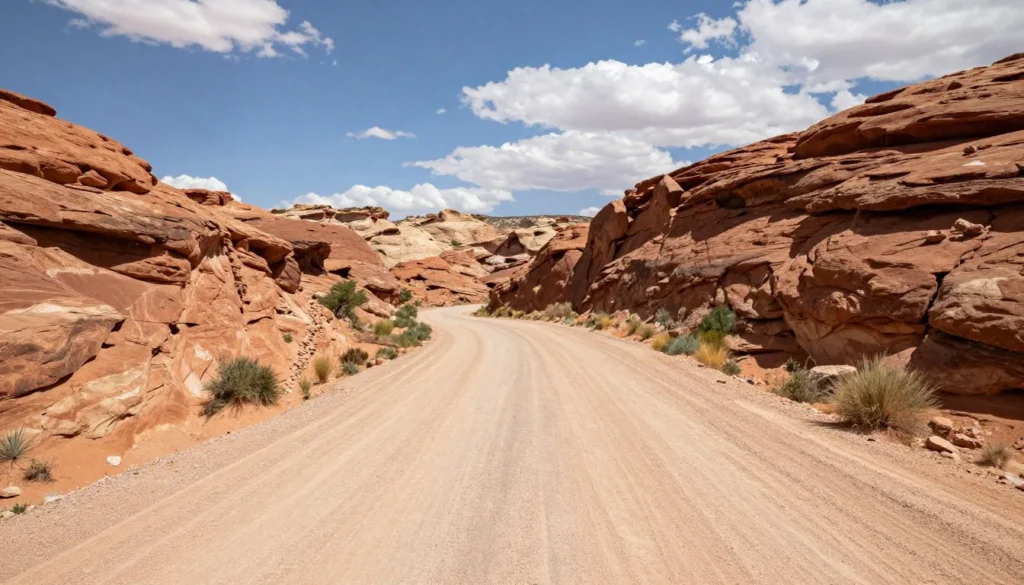
Personal vehicles provide the only practical transportation through Nine Mile Canyon. No public transit or shuttle services operate in the area. The canyon road requires full attention and careful navigation throughout its length.
Self-Guided Driving Tours
Most visitors explore Nine Mile Canyon via self-guided driving tours. The main canyon road passes hundreds of rock art panels. Numbered sites mark the most significant locations. Small pullouts provide parking at major sites.
The complete canyon drive takes four to six hours without stops. Allow a full day for thorough exploration with time at major rock art panels. Average driving speed ranges from 24-40 km/h (15-25 mph) due to road conditions.
Mile markers along the route help with navigation. Rock art sites appear on both sides of the canyon. Watch for brown BLM interpretive signs indicating major panels. Many important sites sit within easy walking distance of parking areas.
Walking and Hiking Access
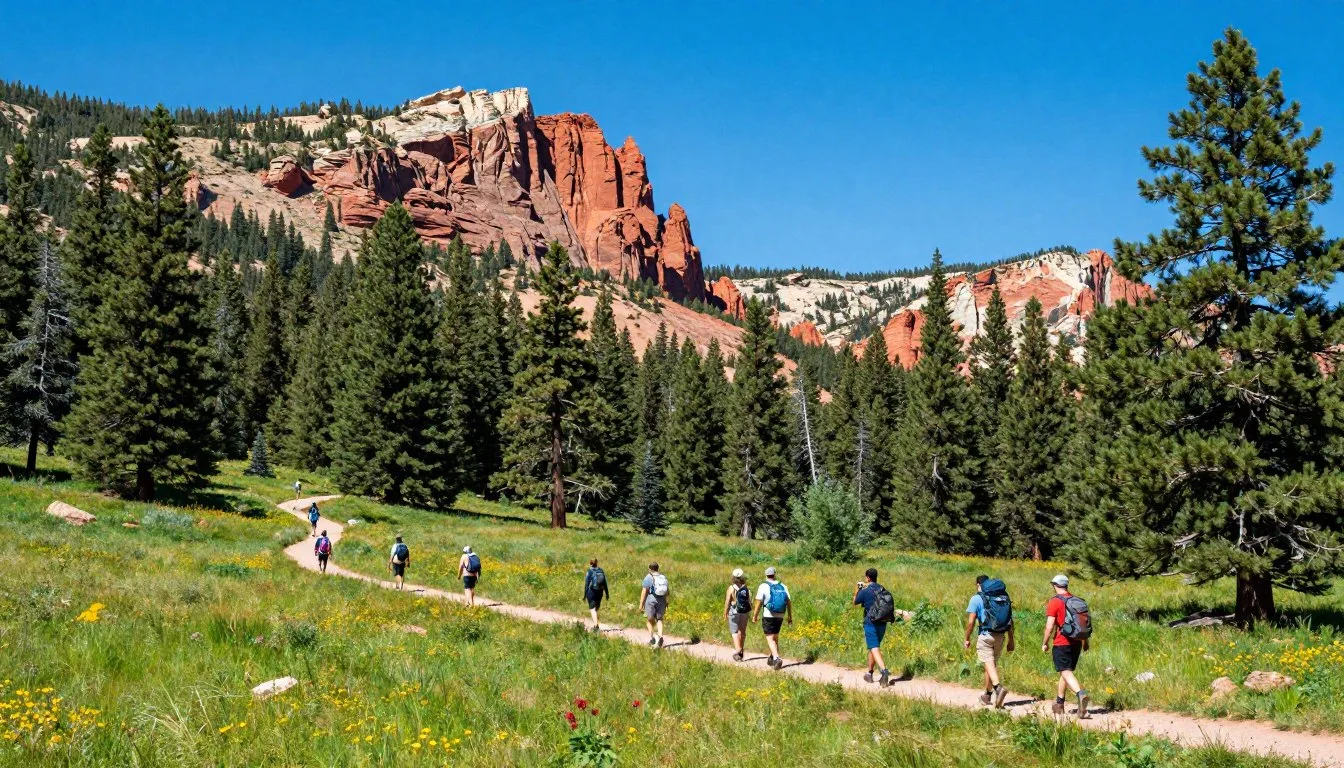
Most rock art viewing involves short walks from the road. Panels often sit 9-91 m (30-300 feet) from parking areas. Trails to major sites remain relatively flat and suitable for most fitness levels. The great hunt panel requires a five-minute walk from the roadside parking area.
Stay on established trails when approaching rock art. Fragile desert soils erode easily under foot traffic. Cryptobiotic soil crusts provide essential ecosystem functions. These living soil communities take decades to recover from trampling.
Longer hikes to remote sites exist for adventurous visitors. These routes require good navigation skills and appropriate preparation. Carry topographic maps and GPS devices for backcountry exploration. Inform others of your plans before departing on extended hikes.
Navigation Tips
Download the “Guide to Nine Mile Canyon” mobile app before arrival. This resource works offline and includes GPS coordinates for major sites. The app provides historical context and cultural information at rock art locations.
Physical guidebooks offer reliable backup navigation. The Bureau of Land Management publishes detailed canyon maps available at Price field offices. Carbon County tourism offices distribute free canyon maps and brochures.
Note your vehicle’s mileage or trip odometer reading at the canyon entrance. Site descriptions reference distances from this starting point. This simple practice prevents confusion when locating specific panels along the route.
Where to Stay
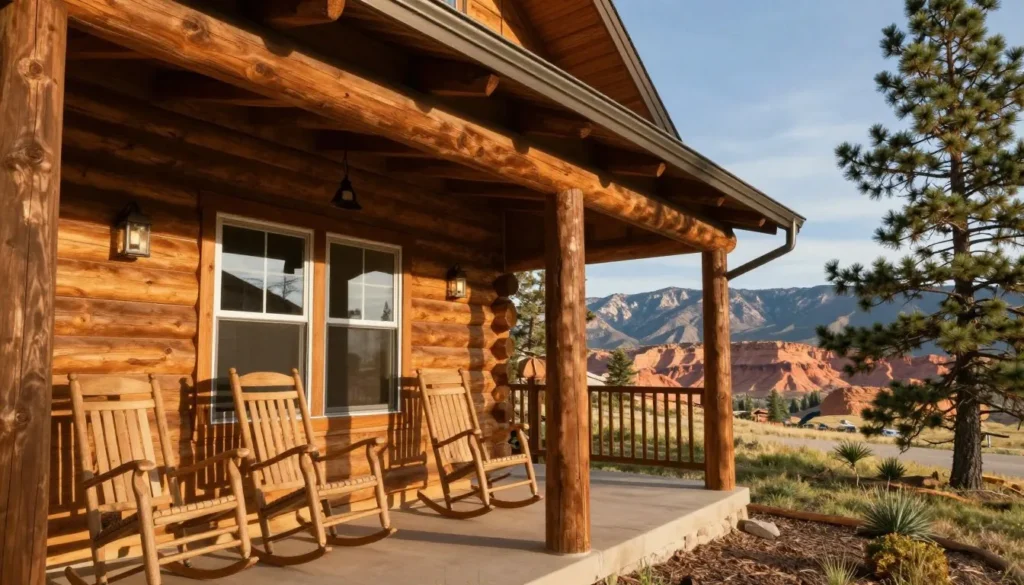
No lodging exists within Nine Mile Canyon itself. Visitors base themselves in nearby communities and make day trips to the canyon. Price serves as the primary accommodation hub, located approximately 64 km (40 miles) from the canyon entrance.
Hotels and Motels
Price offers a dozen hotels and motels ranging from budget to mid-range options. National chain properties provide familiar amenities including breakfast, WiFi, and parking. Local independent motels offer competitive rates and personalized service.
Book accommodations ahead during peak season from May through September. Summer weekends and festival periods fill quickly. Price serves as a regional hub for surrounding recreation areas, creating consistent lodging demand.
Helper, a small town 11 km (7 miles) from Price, provides additional lodging options. This historic mining community offers bed and breakfast properties with local character. Several vintage hotels have undergone recent renovations.
Bed and Breakfast Options
Several bed and breakfast properties operate in Carbon County. These smaller establishments provide personalized attention and local knowledge. Hosts often share detailed canyon visiting advice and lesser-known site recommendations.
Ranch stays near the canyon entrance offer authentic rural Utah experiences. Working cattle ranches sometimes accommodate guests in separate cabins or bunkhouses. These properties require advance booking and typically have minimum stay requirements.
Camping Options
The nine mile ranch area includes limited primitive camping opportunities. Bureau of Land Management land allows dispersed camping in designated areas. These sites lack facilities—no water, restrooms, or services exist.
Dispersed camping requires complete self-sufficiency. Carry all necessary water, food, and supplies. Pack out all trash and waste. Fire restrictions apply during dry conditions. Check current regulations before planning primitive camping.
Developed campgrounds exist in nearby Manti-La Sal National Forest. These facilities provide vault toilets and designated sites. Campgrounds sit 48-64 km (30-40 miles) from the canyon. Reservations open several months in advance through recreation.gov.
RV Travelers: Price has full-service RV parks with hookups, showers, and dump stations. The canyon road accommodates RVs, though larger units find maneuvering challenging in narrow sections.
Alternative Communities
Duchesne sits north of Nine Mile Canyon, approximately 72 km (45 miles) from the canyon’s northern end. This small town offers basic lodging and services. The drive from Duchesne takes visitors through the canyon from north to south.
Wellington, at the southern canyon entrance, has minimal lodging. This small community sits 11 km (7 miles) from Price. Wellington provides closest access to the canyon’s southern sections but lacks accommodation variety.
Dining & Local Cuisine

No restaurants or food services operate within Nine Mile Canyon. Visitors must plan accordingly and carry all necessary food and beverages. The nearest dining options appear in Price and surrounding Carbon County communities.
Price Area Restaurants
Price supports approximately 30 restaurants covering various cuisines and price points. Local establishments serve traditional American fare, Mexican food, pizza, and fast food. Several family restaurants specialize in hearty breakfast portions popular with early-starting canyon visitors.
Greek-owned restaurants reflect Price’s coal mining heritage. Greek immigrants established many businesses during the mining boom era. These establishments serve authentic Mediterranean dishes alongside American classics. Lamb dishes and Greek salads appear prominently on menus.
Downtown Price contains several historic diners and cafes. These longtime establishments serve breakfast all day. Locals favor these spots for generous portions and reasonable prices. Biscuits and gravy, chicken fried steak, and homemade pie represent menu staples.
Pack-Your-Own Provisions
Smart visitors pack substantial food supplies before heading into the canyon. A full day exploring requires lunch, snacks, and plenty of drinking water. No trash receptacles exist in the canyon—pack everything out.
Price has several supermarkets for provisioning. Stock up on sandwiches, fresh fruit, trail mix, and energy bars. A cooler keeps perishables safe during long summer days. Ice remains available at gas stations along the route.
Prepare meals the night before to maximize morning canyon time. Pre-made sandwiches, cut vegetables, and portioned snacks simplify meal breaks. Eating at roadside pullouts allows flexibility to match hunger with interesting locations.
Local Specialties
Utah scones—fried bread dough served with honey butter—appear on many local menus. These puffy treats bear no resemblance to British scones. They make popular breakfast items or desserts.
Fry sauce, a Utah condiment mixing mayonnaise and ketchup, accompanies burgers and fries statewide. Local restaurants take pride in their particular fry sauce recipes. Regional variations include additional spices and flavorings.
Funeral potatoes, a cheesy potato casserole, represent classic Utah comfort food. This dish appears on restaurant sides menus and local gathering tables. The name references its popularity at post-funeral gatherings.
Hydration Essential: Desert conditions demand constant water intake. Carry minimum 4 liters per person for full-day canyon visits. Dehydration affects judgment and energy levels quickly in dry air.
Attractions, Sightseeing & Activities
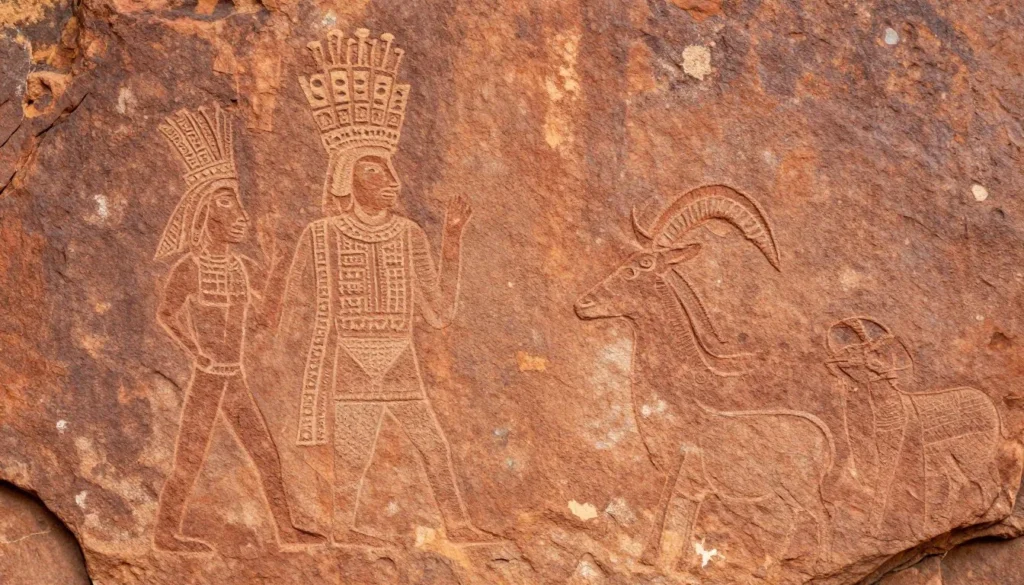
Nine Mile Canyon’s primary attraction remains its extraordinary concentration of rock art. Thousands of individual images cover canyon walls throughout the 74 km (46-mile) corridor. Fremont people created most panels between 950 and 1250 CE. Later Ute people added images during subsequent centuries.
The Great Hunt Panel
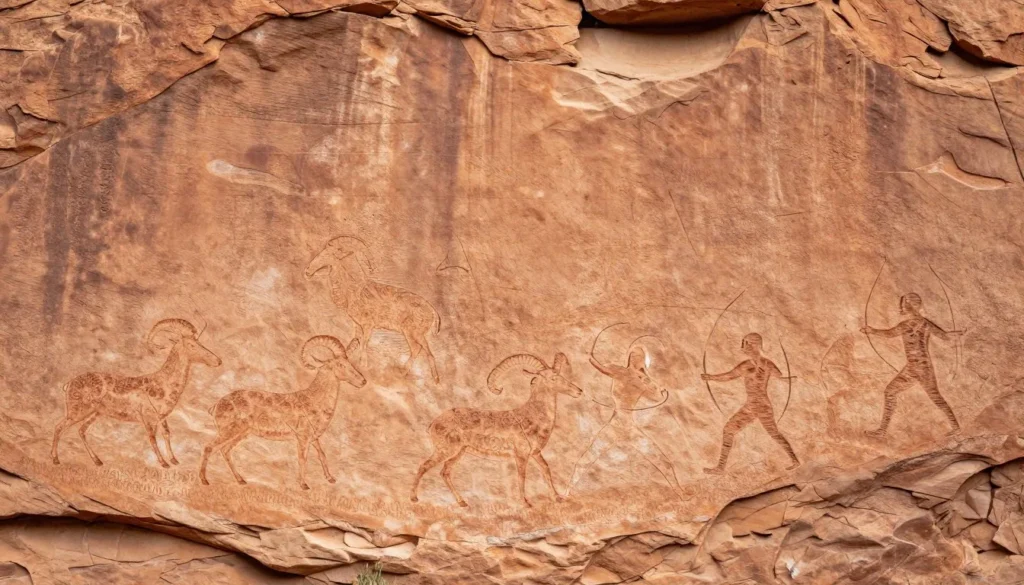
The great hunt panel ranks among North America’s most impressive rock art displays. This massive composition stretches across approximately 18 m (60 feet) of cliff face. The panel depicts dozens of bighorn sheep, hunters with bows, and dogs assisting in the hunt.
The hunt panel sits roughly 29 km (18 miles) into the canyon from the southern entrance. A small parking area accommodates several vehicles. The short trail to the panel crosses level ground. Interpretive signs provide context about Fremont hunting practices and artistic techniques.
Morning light illuminates the great hunt panel most favorably. Afternoon shadows can obscure fine details. Photographers prefer early visits for optimal lighting conditions. The site sees heaviest visitation during midday hours in peak season.
Major Rock Art Sites
The big buffalo panel showcases large-scale animal representations. This site features several life-sized bison figures pecked into dark desert varnish. The buffalo panel demonstrates the technical skill Fremont artists achieved in creating proportionate animal forms.
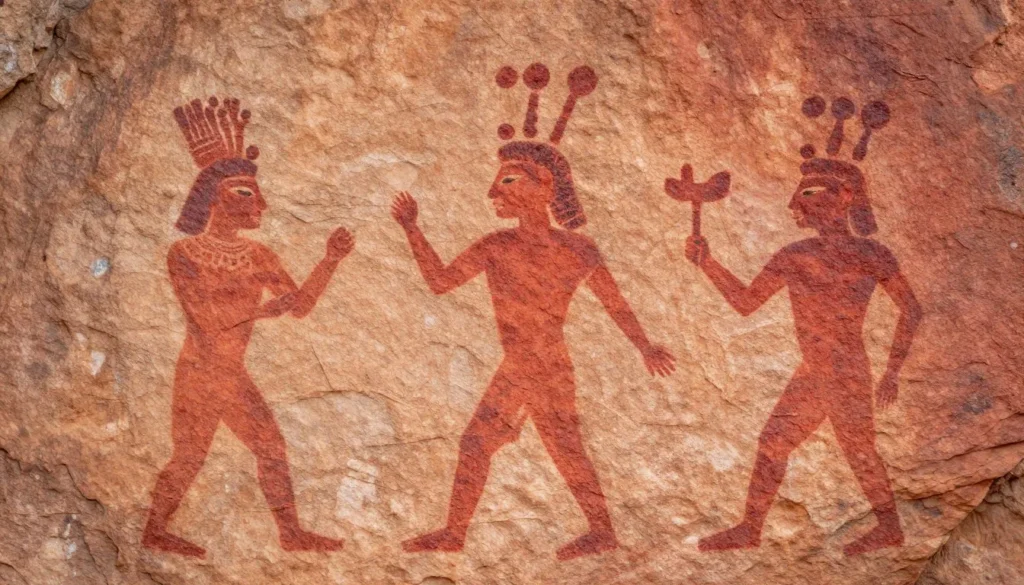
Cottonwood Glen features dense concentrations of both petroglyphs and pictographs. This area contains some of the canyon’s best-preserved painted images. Red ochre pictographs retain vivid color after centuries of exposure. The site includes anthropomorphic figures with elaborate ceremonial regalia.
Daddy Canyon Complex preserves multi-layered rock art created over several centuries. Earlier images show different stylistic elements than later additions. Archaeologists study this site to understand changes in Fremont culture over time. The complexity reveals sustained use of this specific location.
Historic Structures and Sites
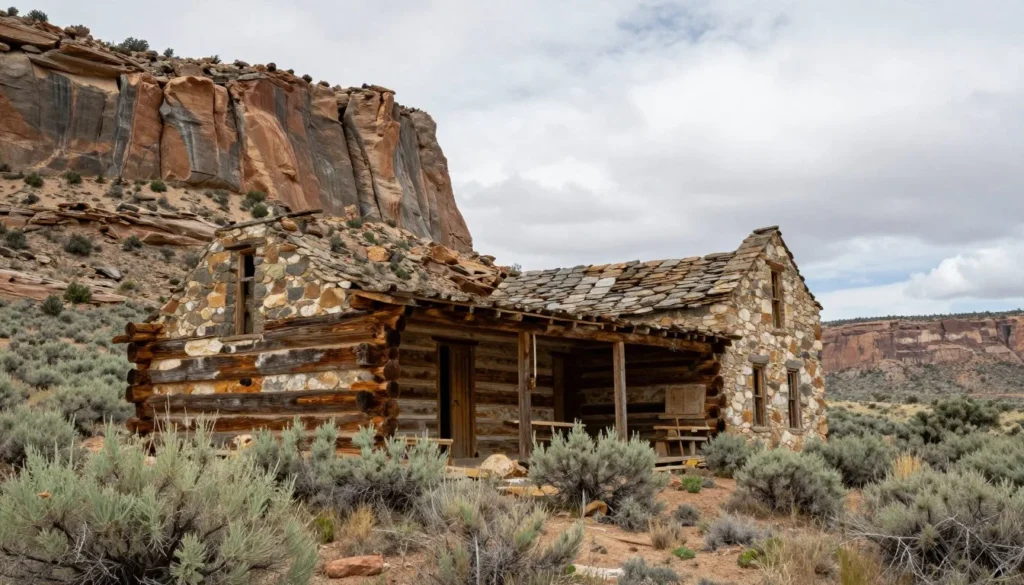
The nine mile ranch represents early Euro-American settlement attempts. Stone foundations and deteriorating wood structures remain from late 1800s ranching efforts. The site illustrates the harsh challenges pioneers faced establishing operations in remote canyon land.
Preston Nutter’s ranch buildings date to the early 1900s. Nutter ran enormous cattle operations throughout eastern Utah. His ranch headquarters in Nine Mile Canyon served as a regional supply center. Several historic structures survive in varying conditions.
An old stage road parallels modern roads in some sections. Ruts worn by wagon wheels remain visible over a century later. These traces connect to the route between Myton and Price used during settlement times. Interpretive markers identify stage road segments.
Photography Opportunities
Nine Mile Canyon offers exceptional photography subjects beyond rock art. Landscape compositions incorporate dramatic cliff formations, serpentine roads, and expansive desert vistas. Golden hour lighting transforms ordinary scenes into extraordinary images.
Wildlife photography opportunities exist throughout the area. Mule deer browse among sagebrush at dawn and dusk. Hawks and eagles soar above canyon walls. Careful observers spot pronghorn antelope on open flats near the canyon entrance.
Macro photography captures desert wildflowers and unique geological details. Spring blooms provide colorful subjects against red rock backgrounds. Lichen patterns and rock textures offer abstract compositional possibilities year-round.
Important: Never touch rock art. Skin oils damage ancient images. Photograph from established viewing areas only. Use telephoto lenses rather than approaching panels closely.
Museums, Cultural Spots & Festivals
College of Eastern Utah Prehistoric Museum
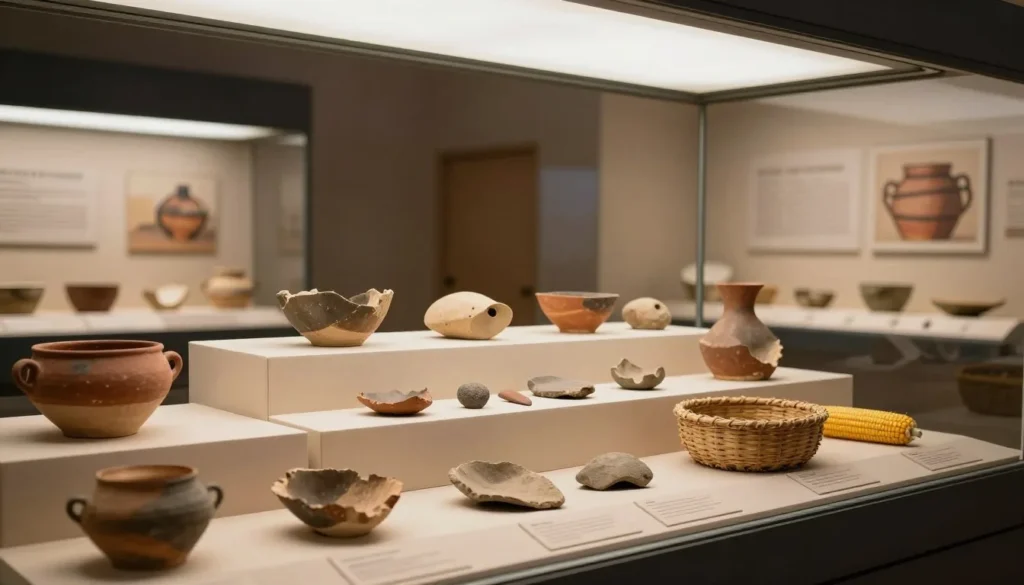
This Price museum provides essential context for Nine Mile Canyon visits. Extensive Fremont culture exhibits display artifacts excavated from regional sites. Full-scale dioramas recreate ancient daily life activities including food preparation, tool making, and shelter construction.
The museum collection includes pottery, stone tools, and basketry fragments. Detailed interpretive text explains Fremont subsistence patterns and seasonal movements. A special rock art exhibit uses replicas and photographs to demonstrate artistic techniques and symbolic meanings.
Visiting the museum before canyon exploration enhances understanding of what you’ll see. Staff members provide current road conditions and site recommendations. The gift shop stocks detailed guidebooks and maps specific to Nine Mile Canyon. Museum admission includes access to all exhibits and special collections.
Rock Art Interpretation
Understanding rock art requires recognizing common Fremont symbols and figures. Trapezoidal anthropomorphic figures represent the most distinctive Fremont style element. These elaborately decorated human forms often wear horned headdresses and carry shields or staffs.
Animal depictions include bighorn sheep, deer, birds, and occasionally bison. Geometric designs may represent clan symbols, territorial markers, or astronomical observations. Some researchers interpret certain panels as harvest calendars or hunting magic.
Pictographs differ from petroglyphs in creation method. Petroglyphs involve pecking or abrading rock surfaces to expose lighter stone beneath dark desert varnish. Pictographs use mineral pigments painted onto rock surfaces. Nine Mile Canyon contains both art forms, sometimes combined on single panels.
Cultural Sensitivity and Ethics
Nine Mile Canyon rock art represents sacred cultural heritage for modern Native American tribes. Ute, Paiute, and other indigenous groups maintain spiritual connections to these sites. Visitors should approach all rock art with respect and reverence.
Federal and state laws protect rock art sites from vandalism, theft, and defacement. The Archaeological Resources Protection Act imposes substantial fines and imprisonment for damaging cultural resources. Even well-meaning actions like tracing or chalking images cause permanent harm.
Photography restrictions apply at some sensitive sites. Respect all posted signs and barriers. Never climb on or touch rock art panels. Stand on established trails and viewing platforms. Take only photographs, leave only footprints remains the essential guideline.
Ongoing Research and Conservation
Archaeologists continue studying Nine Mile Canyon to understand Fremont culture better. Recent excavations have revealed new information about diet, trade networks, and social organization. Rock art recording projects document panels digitally to track deterioration over time.
Conservation efforts address threats from both natural weathering and human impacts. Energy development in the area has sparked debates about access and preservation. Various organizations work to balance resource extraction with cultural heritage protection.
Volunteer opportunities exist for interested visitors to participate in site monitoring and documentation. The Utah Rock Art Research Association conducts regular field trips and training sessions. Contributing to preservation efforts helps ensure future generations can experience these remarkable sites.
Nature & Outdoor Experiences
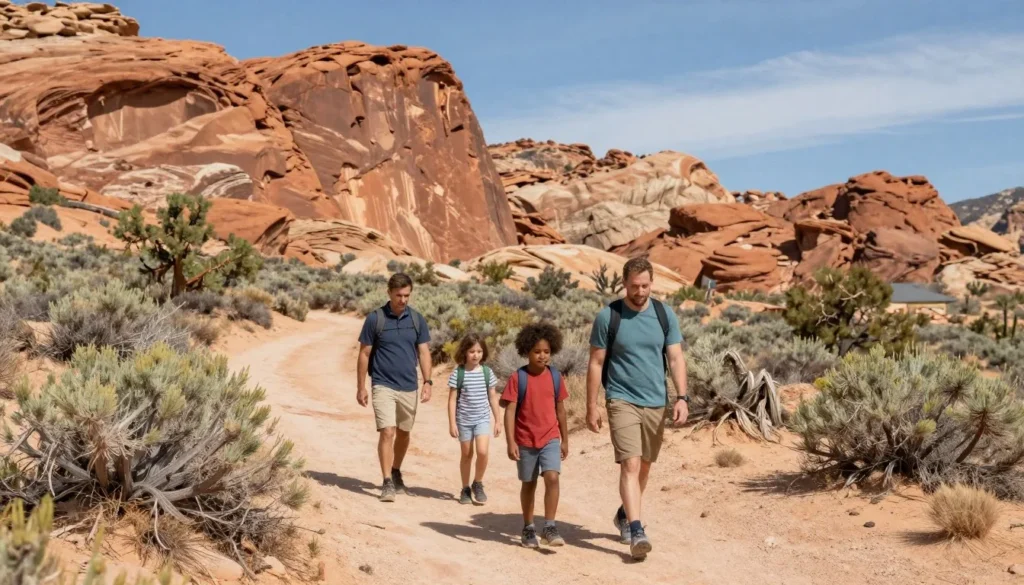
Nine Mile Canyon provides outdoor experiences beyond cultural sightseeing. The remote canyon environment supports diverse high desert ecosystems. Wildlife viewing, botanical study, and geological exploration complement rock art visits.
Wildlife Watching
Mule deer inhabit the canyon year-round. These large ungulates browse on shrubs and forbs throughout the area. Dawn and dusk provide optimal viewing times when deer emerge from cover to feed. Patient observers often spot does with fawns during summer months.
Pronghorn antelope frequent open areas near the canyon entrance. These swift animals prefer flat terrain with good visibility. Pronghorn can run 89 km/h (55 mph), making them North America’s fastest land mammals. Bring binoculars for viewing these wary creatures.
Bird diversity peaks during spring and fall migration. Raptors including golden eagles, red-tailed hawks, and prairie falcons hunt along the canyon. American kestrels perch on prominent rocks and snags. Turkey vultures soar on thermal updrafts during warm afternoons.

Smaller mammals include rock squirrels, chipmunks, and cottontail rabbits. These active creatures provide entertainment during lunch breaks. Coyotes occasionally appear at dawn, their tracks common in sandy areas. Kit foxes inhabit the area but remain rarely seen due to nocturnal habits.
Desert Flora
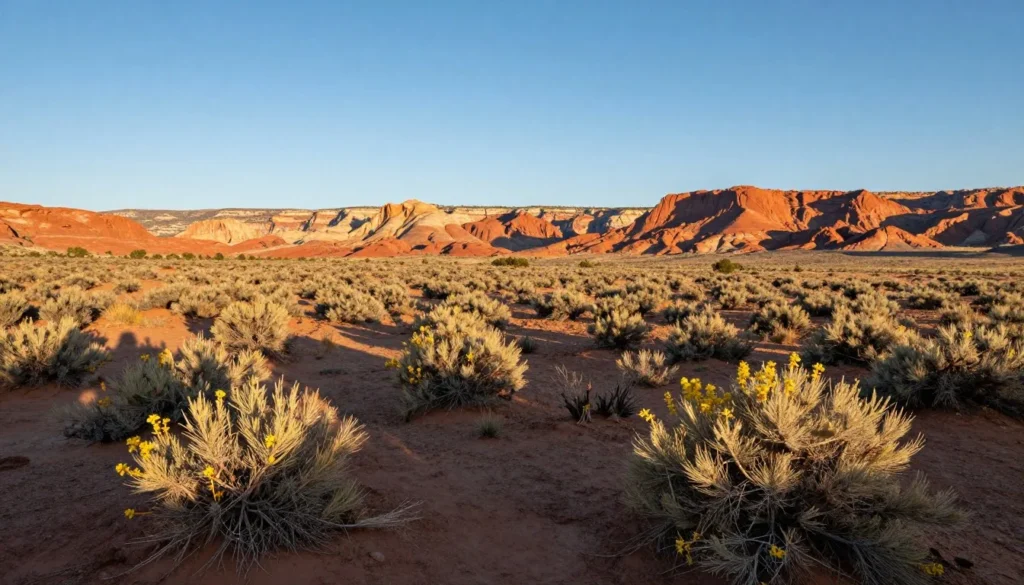
Sagebrush dominates the canyon vegetation. Several sage species occur here, each adapted to specific elevation and moisture conditions. The aromatic leaves release distinctive scent, especially after rain. Native peoples used sagebrush for medicine, firewood, and ceremonial purposes.
Juniper and pinyon pine dot the upper canyon elevations. These hardy evergreens provide important wildlife habitat and food sources. Pinyon nuts sustained both ancient and historic peoples. Birds cache seeds throughout the area, contributing to tree distribution patterns.
Spring wildflowers transform the desert in late April through May. Indian paintbrush adds red and orange splashes. Purple lupine covers slopes in dense stands. Yellow desert marigolds bloom profusely after wet winters. Prickly pear cactus produces brilliant yellow or magenta flowers in June.
Riparian areas along nine mile creek support cottonwood trees and willows. These water-dependent species create oasis-like zones within the arid landscape. Cottonwoods turn spectacular gold in autumn, contrasting dramatically with red rock cliffs.
Hiking Opportunities
Formal trails remain limited within Nine Mile Canyon. Most hiking involves cross-country travel requiring strong navigation skills. The canyon sides offer steep scrambles for experienced hikers seeking elevated viewpoints. Always stay alert for loose rock and unstable footing.
Side canyon exploration provides adventure for those seeking solitude. Many tributary canyons contain additional rock art undiscovered by casual visitors. Carry detailed topographic maps and GPS devices when venturing off main routes. Inform others of your plans before attempting backcountry exploration.
Distances deceive in the clear desert air. A cliff that appears close may require hours to reach. Start hikes early in morning to avoid afternoon heat. Turnaround times become critical for safe returns before dark.
Geological Features
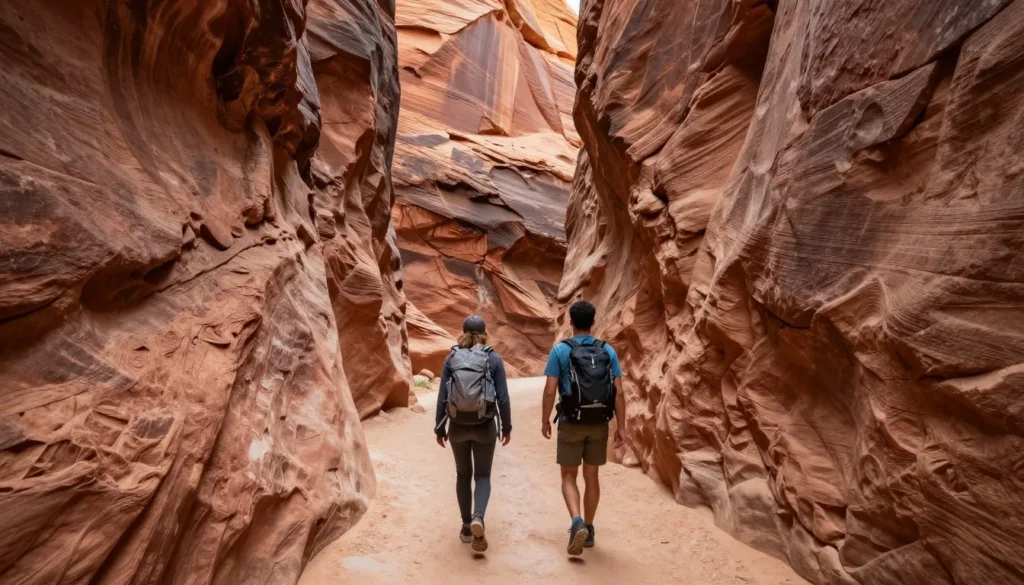
Nine Mile Canyon cuts through sedimentary rock layers deposited during ancient seas and swamps. The colorful bands represent different geological periods spanning millions of years. Reddish layers contain iron oxides. Lighter bands indicate ancient beach deposits.
The canyon itself formed through stream erosion over millennia. Nine mile creek still flows intermittently, continuing the erosion process. Seasonal floods carve the channel deeper and transport sediment downstream toward the Green River.
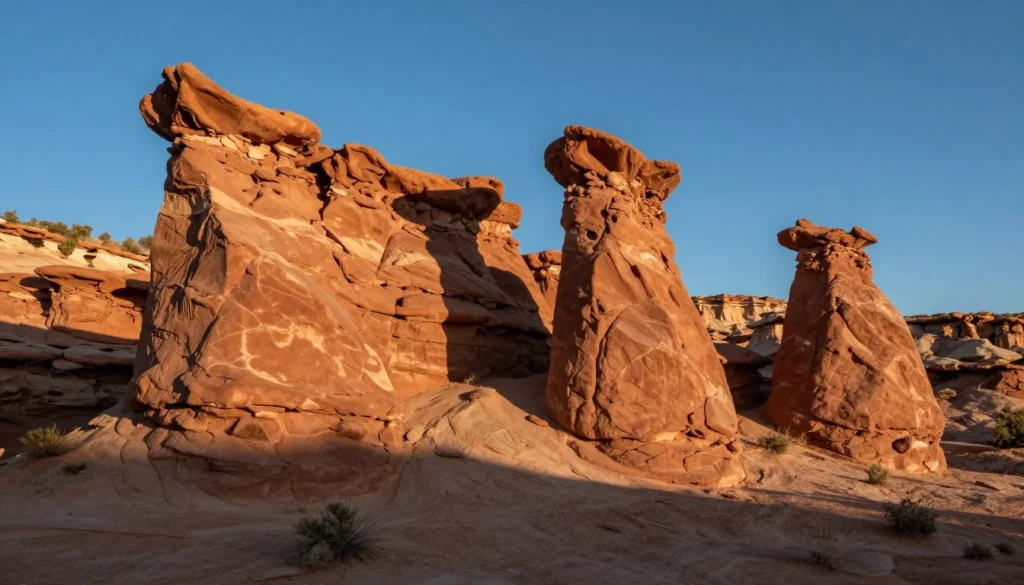
Weathering processes create fantastic rock formations. Differential erosion sculpts spires, arches, and alcoves. These features result from variations in rock hardness and composition. Some alcoves provided shelter for ancient peoples, protecting rock art from direct weather exposure.
Stargazing Opportunities
Nine Mile Canyon’s remote location offers exceptional dark sky conditions. Light pollution from distant cities barely affects the view overhead. The Milky Way stretches spectacularly across the night sky during summer months. Shooting stars appear frequently during meteor showers.
New moon periods provide darkest skies for stargazing and astrophotography. Cold winter nights offer clearest atmospheric conditions but require appropriate cold weather gear. Summer brings warmer temperatures but sometimes hazy conditions from distant wildfires.
Ancient peoples likely observed the same stars visible today. Some researchers believe certain rock art panels contain astronomical references. Studying the night sky adds another layer to understanding how Fremont people interacted with their environment.
Travel With Children

Nine Mile Canyon offers excellent family educational opportunities. Children find ancient rock art fascinating when presented appropriately. The remote setting provides memorable outdoor experiences away from typical tourist crowds. Success requires planning appropriate to children’s ages and abilities.
Age Considerations
Children age seven and older typically handle the canyon visit well. The long drive and limited facilities challenge younger children’s patience. Middle schoolers often show genuine interest in ancient cultures and archaeological mysteries. Teenagers appreciate photography opportunities and adventure aspects.
Toddlers and preschoolers require extra attention in the canyon environment. The unpaved road tests car seat tolerance. Limited shade and lack of playgrounds provide few diversions. Families with very young children might save Nine Mile Canyon for future years.
Elementary age children enjoy collecting (approved) items like interesting rocks from the ground. Creating scavenger hunts for different rock art elements maintains engagement. Bring notebooks for sketching favorite panels from observation distance. These activities transform sightseeing into active learning.
Educational Opportunities
Preparation before visiting enhances children’s experience. Read age-appropriate books about Fremont culture and rock art. Watch documentaries about ancient peoples of the Southwest. Discuss what daily life might have been like for children in Fremont villages.
Junior Ranger programs through BLM provide structured learning activities. Download activity booklets before visiting. Children complete challenges at various sites throughout the canyon. Finished booklets can be submitted for Junior Ranger certificates and badges.
Photography assignments give older children specific goals. Tasks might include finding five different animal representations or photographing examples of geometric symbols. Comparing their photos later reinforces learning and creates lasting memories.
Safety Considerations
Supervise children closely around cliff edges and rock art panels. Loose rocks create tripping hazards on trails to viewing areas. Teach children to watch where they step rather than looking only at cliffs above.
Sun protection becomes critical for children’s sensitive skin. Apply sunscreen every two hours throughout the day. Wide-brimmed hats protect faces and necks. Long-sleeve lightweight shirts prevent sunburn better than repeated sunscreen applications.
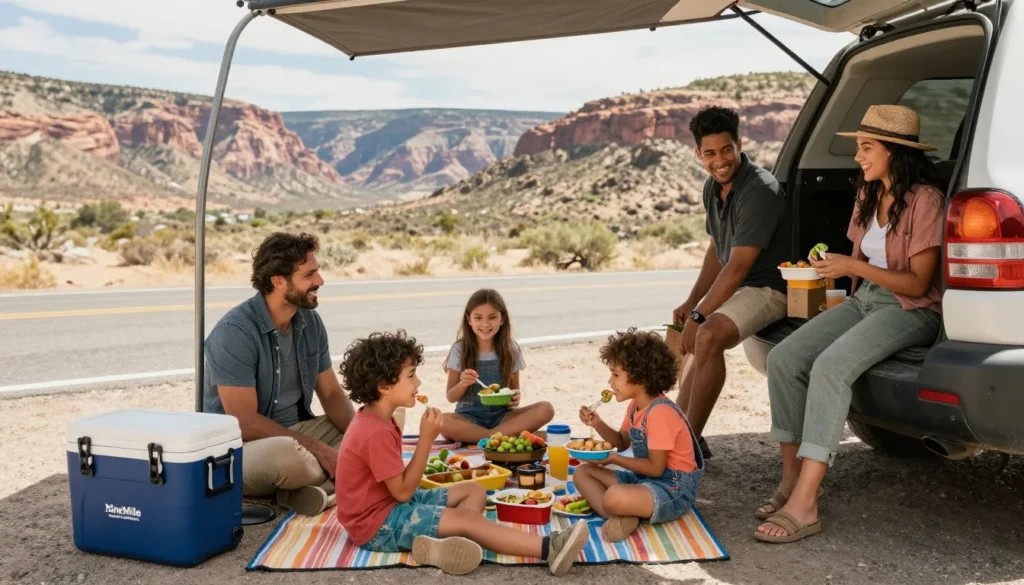
Hydration requirements exceed adult needs. Children dehydrate quickly in dry desert air. Bring flavored water or electrolyte drinks if kids resist drinking plain water. Schedule regular drink breaks whether children request them or not.
Practical Tips for Families
Pack extensive snacks beyond what seems necessary. Hunger strikes at unpredictable times on long excursions. Include protein-rich options like cheese sticks, nuts, and jerky. Fruit provides natural energy and hydration. Avoid sugary snacks that create energy crashes.
Bring activities for the long drive. Audiobooks about archaeology or ancient cultures fit the theme. Road trip games help pass miles between rock art sites. Download offline games and movies for devices as backup entertainment.
Schedule frequent stops to burn energy. Short walks to rock art panels provide necessary movement breaks. Let children safely explore around parking areas when appropriate. The drive requires patience from active kids.
Set clear expectations about rock art protection before arrival. Explain why touching damages ancient images. Practice observing without touching on the drive to the canyon. Make respecting cultural sites part of the family adventure.
Best Sites for Children
The great hunt panel captivates children with its action-packed hunting scene. The dramatic composition and numerous figures hold attention well. The short walk from parking suits most children’s abilities.
Big buffalo panel’s large animal figures impress young visitors. Size makes these images easy to identify and understand. Children enjoy comparing their height to the life-sized bison representations.
Sites with multiple panel concentrations provide variety that maintains interest. Cottonwood Glen offers numerous images within compact area. Children can spot different elements without extensive walking between sites.
Money Saving Tips
Nine Mile Canyon itself costs nothing to visit. No entrance fees or permits apply for general sightseeing. The Bureau of Land Management maintains this public land for free access. However, related expenses including fuel, food, and lodging affect trip budgets.
Transportation Savings
Fuel represents the primary transportation cost. The canyon visit requires approximately 241 km (150 miles) round trip from Price. Factor additional mileage if exploring the full 74 km (46-mile) canyon length. Fuel-efficient vehicles reduce these costs considerably.
Consider carpooling with other travelers interested in Nine Mile Canyon. Splitting fuel costs among several people dramatically reduces individual expenses. Shared rides also provide conversation partners during the long drive through remote country.
Rental car costs vary significantly between Salt Lake City and smaller regional airports. Compare total costs including daily rates and mileage fees. Sometimes flying into Salt Lake City and renting there costs less than closer regional options despite longer driving distance.
Accommodation Strategies
Price hotel rates fluctuate between weekdays and weekends. Midweek visits typically offer lower lodging costs. Book several weeks ahead for best room rates. Last-minute bookings during peak season face premium pricing.
Chain hotel loyalty programs provide free nights after accumulated stays. Members often receive discounted rates even when paying. Sign up for programs before booking to maximize benefits immediately.
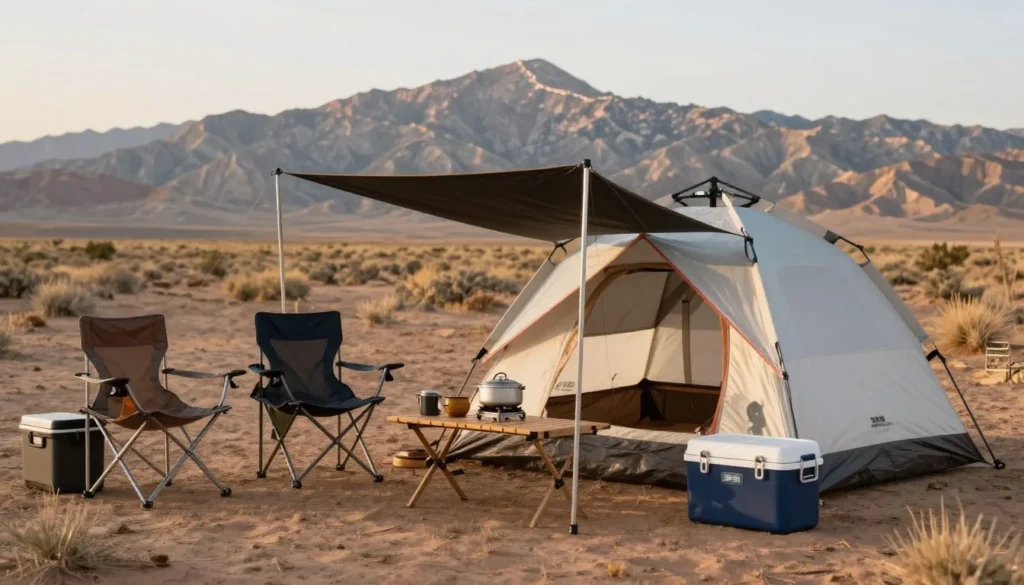
Dispersed camping eliminates lodging costs entirely for self-sufficient visitors. BLM land near the canyon permits free primitive camping. This option requires complete camping equipment and willingness to forego facility amenities.
Food and Supplies
Grocery store provisions cost far less than restaurant meals. Prepare sandwiches, salads, and snacks from supermarket ingredients. A cooler maintains food safety throughout the day. This approach saves money while providing better nutrition than typical fast food.
Pack reusable water bottles to refill from accommodations. Buying bottled water daily adds unnecessary expense. Most hotels provide ice for coolers. Freezing water bottles overnight creates ice packs that later provide cold drinking water.
Price has discount grocery chains offering lower prices than convenience stores. Shop at larger supermarkets rather than small town markets. Stock up before heading to the canyon where no purchasing opportunities exist.
Free Resources: Download BLM’s free Nine Mile Canyon guides and maps before visiting. These PDF resources eliminate need for purchased guidebooks. Local museums often distribute free brochures and site information.
Activity Costs
All Nine Mile Canyon outdoor activities cost nothing. Rock art viewing, hiking, wildlife watching, and photography require zero fees beyond transportation. This represents exceptional value compared to fee-based tourist attractions.
The College of Eastern Utah Prehistoric Museum charges modest admission. However, this investment enhances understanding dramatically. Consider the museum fee educational value rather than entertainment expense. Some days offer free or reduced admission.
Avoid guided tour costs by using free resources for self-guided exploration. BLM interpretive signs mark major sites clearly. Mobile apps and downloaded maps enable independent navigation. Ranger-led programs occasionally occur during peak season at no charge.
Timing Strategies
Visit during shoulder seasons for lowest lodging rates. May and September offer excellent weather with reduced accommodation costs compared to peak summer. Fewer visitors also enhance the experience at popular rock art sites.
Plan midweek visits when possible. Monday through Thursday hotel rates run lower than weekend pricing. Restaurant specials and reduced crowds provide additional midweek advantages.
Day trip from Salt Lake City eliminates lodging costs entirely for budget-focused travelers. Departing early morning allows full canyon exploration with evening return. This marathon approach saves accommodation expenses while maximizing time at the site.
Safety & Local Customs
Personal Safety Considerations
Remote location defines Nine Mile Canyon’s primary safety concern. Cell phone service remains non-existent throughout most of the canyon. Emergency response times extend significantly compared to urban areas. Self-reliance becomes essential for safe visits.
Inform others of your detailed travel plans before departing. Specify expected return time and planned route. Provide vehicle description and license plate number. Check in upon safe return. This simple practice enables rescue if problems occur.
Carry comprehensive first aid supplies appropriate for remote travel. Include medications for allergic reactions, pain relief, and stomach upset. Add wound care supplies, elastic bandages, and blister treatment. Know how to use everything in your kit.
Vehicle breakdown creates serious situations in this isolated area. Maintain your vehicle properly before the trip. Check tire condition, fluid levels, and spare tire readiness. Carry tools, jumper cables, and basic spare parts. A vehicle emergency kit should include water, food, blankets, and flashlights.
Environmental Hazards
Heat exhaustion and heat stroke threaten summer visitors. Symptoms include confusion, nausea, and cessation of sweating. Seek shade immediately if symptoms appear. Drink water slowly and cool the body gradually. Prevent problems by drinking water constantly before feeling thirsty.
Hypothermia risks emerge during spring and fall visits. Temperature swings catch unprepared visitors off guard. Layer clothing to adapt to changing conditions. Carry rain gear and extra warm layers even on sunny mornings.
Flash floods pose dangers during thunderstorms despite the area’s arid nature. Never camp in dry washes or low areas. Move to high ground if storms threaten. Water can appear suddenly from storms miles away upstream.
Lightning kills several people annually in Utah. Avoid high ridges and isolated trees during electrical storms. Cars provide safe shelter when lightning threatens. Wait thirty minutes after the last thunder before resuming outdoor activities.
Wildlife Safety
Rattlesnakes inhabit Nine Mile Canyon but encounters remain relatively rare. Watch where you place hands and feet. Snakes avoid humans when possible. Give any encountered snakes wide berth and allow them to retreat. Seek immediate medical attention for bites.
Deer carrying ticks pose disease transmission risks. Check for ticks after walking through vegetation. Remove attached ticks promptly using proper technique. Monitor for symptoms of tick-borne illnesses for several weeks following exposure.
Maintain safe distance from all wildlife. Elk and deer can behave aggressively if approached too closely, especially with young present. Never attempt to feed wild animals. Human food harms wildlife health and creates dangerous habituation.
Cultural Respect and Etiquette
Rock art sites hold deep spiritual significance for Native American tribes. Approach all panels with reverence and respect. Speak quietly near rock art. Avoid loud behavior that disrupts the contemplative atmosphere other visitors seek.
Federal law strictly prohibits touching, chalking, or otherwise altering rock art. Penalties include substantial fines and imprisonment. Even seemingly harmless actions cause cumulative damage. Photograph panels from designated viewing areas without physical contact.
Private property exists throughout the canyon. Respect all private land boundaries and no trespassing signs. Many landowners tolerate public passage through their property. Trespassing, littering, or vandalism jeopardizes continued access for all visitors.
Critical Rule: Pack out everything you pack in. No trash facilities exist in the canyon. Leaving garbage disrespects the land, attracts wildlife, and ruins the experience for others. Carry trash bags and remove all waste.
Road Safety
Large industrial trucks use Nine Mile Canyon road regularly. Pull completely off the roadway when meeting oncoming trucks. These vehicles create significant dust clouds that temporarily eliminate visibility. Slow down or stop until dust clears.
Cattle graze freely throughout the canyon. Watch for livestock on the road, especially at dawn and dusk. Slow down when approaching cattle. Patient waiting allows animals to move off the road safely.
Washboard road surfaces develop between grading operations. These rippled sections shake vehicles violently at certain speeds. Experiment to find speed where washboard effect lessens. Sometimes faster or slower travel smooths the ride.
Leave No Trace Principles
Stay on established trails when walking to rock art panels. Cryptobiotic soil crusts take decades to recover from single footprints. These living soil communities prevent erosion and support plant growth. Step only on rocks or existing trails.
Avoid creating new social trails to rock art. Use established access routes even if they seem indirect. Multiple parallel trails cause exponentially more damage than single paths. Your decision to stay on trail helps preserve the resource.
Dispose of human waste properly in remote areas. Catholes should be 15-20 cm (6-8 inches) deep and 60 m (200 feet) from water sources. Pack out toilet paper in sealed bags. Better yet, use restrooms in Price before entering the canyon.
Visitor Comments About Nine Mile Canyon
“Nine Mile Canyon exceeded every expectation. The rock art panels are absolutely incredible – so detailed and extensive. We spent an entire day and still didn’t see everything. The remoteness adds to the experience. You really feel like you’re discovering something special. Road conditions were better than we feared from reading older reviews. Definitely worth the drive.”
“Visiting Nine Mile Canyon was a highlight of our American Southwest road trip. The great hunt panel alone justified the journey. We appreciated how uncrowded the canyon was compared to more famous Utah destinations. Having the rock art essentially to ourselves made the experience feel more personal and meaningful. Bring plenty of water and snacks – there’s absolutely nothing out there. The isolation is part of the appeal.”
“An amazing place that more people should know about. The combination of archaeological sites and beautiful desert scenery creates a unique experience. We took our teenage children who initially complained about the long drive but ended up fascinated by the ancient art. The canyon offers excellent opportunities to disconnect from technology and connect with history. Plan for a full day and you won’t be disappointed.”
Additional Nearby Destinations
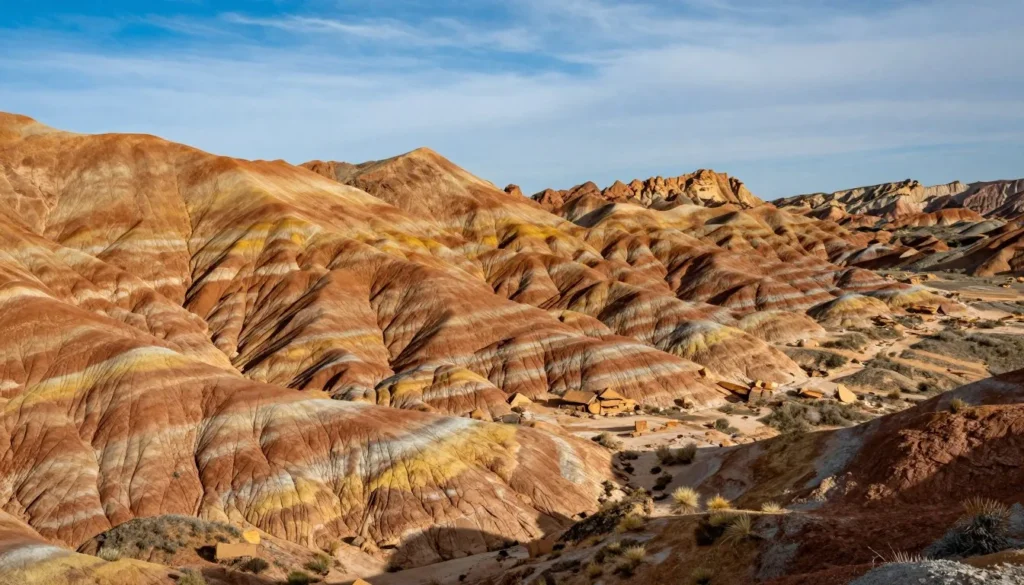
Nine Mile Canyon’s location in eastern Utah positions visitors near several other remarkable destinations. Extending your trip to explore nearby areas maximizes travel time and provides diverse experiences.
San Rafael Swell
The San Rafael Swell lies approximately 64 km (40 miles) southwest of Price. This massive geologic uplift exposes colorful rock layers in dramatic formations. The area encompasses 518,000 hectares (1,280,000 acres) of public land managed by BLM.
Popular sites include Little Wild Horse Canyon, Goblin Valley State Park, and numerous photography locations. Backpacking, rock climbing, and mountain biking opportunities attract outdoor enthusiasts. The Swell offers both day trip options and multi-day expedition possibilities.
Arches and Canyonlands National Parks
Moab, Utah sits approximately 161 km (100 miles) southeast of Nine Mile Canyon. This recreation mecca provides access to Arches and Canyonlands National Parks. World-class rock formations, hiking trails, and scenic drives attract millions of annual visitors.
Unlike Nine Mile Canyon’s isolation, Moab offers extensive services, lodging, and dining options. The area provides striking contrast—from solitary canyon exploration to full tourist infrastructure. Many visitors combine Nine Mile Canyon with Moab area parks on extended Utah adventures.
Dinosaur National Monument
Dinosaur National Monument straddles the Utah-Colorado border approximately 120 km (75 miles) northeast of Nine Mile Canyon. The monument protects an extraordinary concentration of Jurassic period fossils. The Quarry Exhibit Hall displays 1,500 dinosaur bones still embedded in rock.
The monument also preserves Fremont rock art panels and historic homestead sites. River rafting through dramatic canyons attracts adventure seekers. The monument combines paleontology, archaeology, and recreation in one destination.
Helper Historic District
Helper, just 11 km (7 miles) from Price, preserves authentic coal mining history. The small town features early 20th-century architecture and multiple art galleries. Helper’s Main Street Historic District earned National Register of Historic Places designation.
The Western Mining and Railroad Museum documents regional industrial heritage. Helper hosts regular arts festivals and special events. The town offers quirky charm and dining options in a genuinely historic setting.
Green River
Green River town sits along Interstate 70 approximately 88 km (55 miles) south of Nine Mile Canyon. The community serves as gateway to river rafting adventures on the Green River. John Wesley Powell’s expeditions launched from this area.
Crystal Geyser, a rare cold-water geyser, erupts periodically south of town. The area offers additional rock art sites, fossil collecting, and scenic drives. Green River melons gain fame for exceptional sweetness grown in the desert climate.
Cedar Mountain
Cedar Mountain rises west of Nine Mile Canyon offering cooler temperatures and different ecosystems. The high elevation plateau supports pine forests contrasting with canyon desert environments. Unpaved roads provide access to remote areas popular with backcountry explorers.
The Cleveland-Lloyd Dinosaur Quarry near Cedar Mountain yields more Jurassic dinosaur bones than any other location worldwide. Summer educational programs explain paleontology and ongoing research. The site complements Nine Mile Canyon’s ancient human history with prehistoric natural history.
Route Combination Suggestions
A clockwise loop from Salt Lake City includes Nine Mile Canyon, Dinosaur National Monument, and return via Vernal. This route takes two to three days with comfortable pacing. The journey crosses dramatically varied terrain and multiple cultural resources.
Southern loop options connect Nine Mile Canyon with San Rafael Swell and Capitol Reef National Park. This route requires three to five days. The combination showcases Utah’s geological diversity and ancient human presence across different landscapes.
Practical Travel Tips
Essential Items to Pack
Water ranks as the single most critical item. Carry minimum 4 liters per person for day visits. Summer heat increases requirements substantially. Dehydration symptoms develop quickly in dry desert air before you feel thirsty.
Sun protection prevents miserable burns and dangerous heat illness. High-SPF sunscreen requires reapplication every two hours. Wide-brimmed hats protect faces and necks. Quality sunglasses protect eyes from bright reflected light.
Navigation tools ensure you don’t miss important sites. Download offline GPS maps before arrival. Carry paper maps and BLM guides as backup. Note vehicle mileage at the canyon entrance for matching site descriptions to locations.
Photography equipment captures memories but requires protection. Dust pervades everything in dry conditions. Camera bags and protective covers prevent grit damage. Bring extra batteries and memory cards—no purchasing opportunities exist nearby.
What to Wear
Layered clothing adapts to changing temperatures throughout the day. Mornings start cool even in summer. Afternoons heat significantly. Evenings cool rapidly after sunset. Three layers handle most conditions effectively.
Sturdy footwear with ankle support prevents injuries on uneven terrain. Hiking boots or trail shoes with good tread perform best. Avoid sandals or smooth-soled shoes. Gaiters keep sand and debris out of footwear.
Long pants protect legs from sun exposure and scratchy vegetation. Lightweight, quick-drying materials work well. Avoid cotton which stays wet and cold when damp. Synthetic or wool fabrics provide better performance.
Timing Your Visit
Early morning starts maximize comfortable exploration time. Departing Price by 7:00 AM allows arrival during cool morning hours. Morning light illuminates many rock art panels beautifully. Wildlife activity peaks at dawn.
Plan for the drive to take longer than GPS estimates suggest. Slow road conditions and frequent photo stops extend travel time. Budget six to eight hours total for comprehensive canyon exploration including driving and site visits.
Avoid afternoon thunderstorm timing during summer monsoon season. Storms typically develop after 2:00 PM. Lightning and flash flood risks increase significantly during storms. Plan to finish canyon driving before mid-afternoon when possible.
Technology Considerations
Cell service absence requires advance preparation. Download all needed maps, guides, and information before departure. Inform others of your detailed plans before entering the no-service zone. Don’t expect to make phone calls until returning to Price area.
GPS devices work fine without cell service. Download Nine Mile Canyon specific GPS tracks if your device allows. Satellite messengers provide emergency communication capability for those wanting extra security.
Camera battery charging becomes impossible during the day. Start with fully charged batteries and bring extras. Power banks can recharge small devices. Consider vehicle charging adapters for longer trips.
Etiquette Reminders
Other visitors deserve unspoiled experiences just as you do. Keep noise levels moderate. Avoid playing music or conducting loud conversations near rock art sites. Many visitors seek quiet contemplation of ancient places.
Stay visible but not intrusive when others photograph rock art. Wait patiently for clear shots at popular panels. Take your photos and move on to allow others their turn. Share particularly good viewing angles with fellow visitors.
Private land boundaries deserve respect even without obvious fencing. Stay on public access routes marked by BLM signs. Landowner tolerance of public travel depends on visitors respecting property rights.
Emergency Preparedness
Know your location at all times using mileage markers and GPS coordinates. This information becomes critical if emergency assistance becomes necessary. Recording locations helps emergency responders find you quickly.
Vehicle emergency kit should include jumper cables, basic tools, spare fluids, and tire repair supplies. Add emergency blankets, flashlights, and extra food and water. These supplies provide security during unexpected delays or breakdowns.
First aid knowledge proves as important as carrying supplies. Take a wilderness first aid course before undertaking remote travel. Basic skills help you handle emergencies until professional help arrives hours later.
Weather Updates: Check forecast before departing Price. National Weather Service provides detailed forecasts for Carbon County. Road conditions information available from Carbon County Road Department or Price BLM office.
Your Journey Through Time Awaits
Nine Mile Canyon offers something increasingly rare in our modern world. Here you encounter genuine wilderness solitude combined with profound cultural heritage. The canyon walls whisper stories from centuries past while the desert landscape unfolds in pristine beauty.
Every visitor experiences Nine Mile Canyon differently. Some find inspiration in the artistic achievements of ancient peoples. Others connect with the raw natural environment and dramatic geology. Many simply appreciate escaping crowds and technology to find perspective in vast open spaces.
The journey requires effort. Unpaved roads, remote location, and lack of facilities demand preparation and self-reliance. Yet these very challenges enhance the reward. You’ll earn your experience through the miles traveled and care taken to reach this special place.
Nine Mile Canyon reminds us that remarkable treasures still exist beyond tourist infrastructure. Not everything worthwhile comes easily or arrives in convenient packages. Some of life’s most meaningful experiences require venturing off the beaten path.
Pack your supplies, fuel your vehicle, and set aside preconceptions. Nine Mile Canyon awaits with 10,000 ancient images and endless desert horizons. Your own story in this timeless landscape begins the moment you turn onto that long dirt road leading into Utah’s incredible canyon country.