Hotels by Trip.com
Flights by Trip.com
Did you know that Pine Valley Mountain is actually not a single peak but rather the collapsed remains of an ancient volcano that erupted over 20 million years ago? This geological wonder creates one of Utah’s most unique mountain wilderness areas, rising dramatically from the surrounding desert landscape.
The Pine Valley Mountains take their name from the abundance of ponderosa pine forests that blanket their slopes, creating an island of green in the red rock country of southern Utah. This stunning contrast makes the area a year-round destination for outdoor enthusiasts.
Whether you’re seeking challenging hiking trails, peaceful camping spots, or simply a cool mountain retreat from the desert heat, Pine Valley offers something special for every visitor. This comprehensive guide will help you plan an unforgettable adventure in this remarkable corner of Utah.
Getting There & Planning Your Journey
The Pine Valley Mountains are located in southwestern Utah, approximately 48 km (30 miles) northwest of St. George. Most visitors arrive by flying into one of two nearby airports.
Closest Airports
St. George Regional Airport (SGU) sits just 56 km (35 miles) from Pine Valley Mountain Wilderness. This smaller airport offers daily flights from major western cities. The drive takes about 45 minutes through scenic desert terrain.
McCarran International Airport in Las Vegas, Nevada, located 193 km (120 miles) southwest, provides more flight options and competitive prices. The two-hour drive follows Interstate 15 through dramatic desert landscapes before reaching the Pine Valley area.
From either airport, renting a vehicle is essential. The mountain wilderness has no public transportation, and a personal vehicle allows you to explore multiple trailheads and camping areas at your own pace.
Driving Routes
From St. George, take State Route 18 north toward Enterprise, then turn east on Pine Valley Road. This scenic route climbs gradually through juniper-covered foothills before entering dense pine forests.
The main access road through Pine Valley is well-maintained and suitable for standard vehicles during summer months. However, many side roads leading to remote trailheads require high-clearance vehicles, especially after rain or snow.
Best Time to Visit & Weather Tips
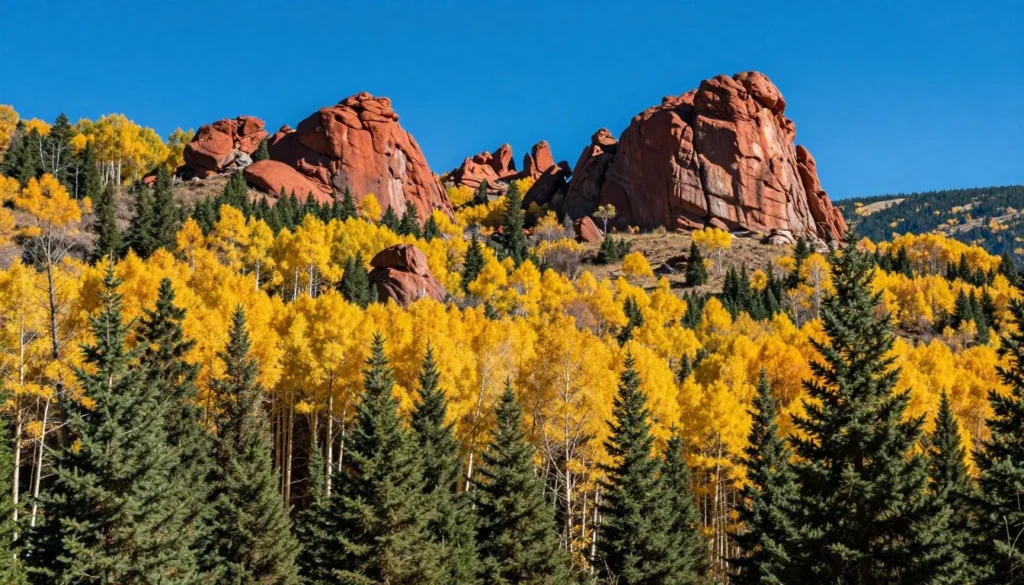
Best Time to Visit Pine Valley Mountains
Late May through October offers the best weather for exploring Pine Valley Mountain Wilderness. During these months, temperatures range from 15°C to 27°C (60°F to 80°F) at lower elevations, perfect for hiking and camping.
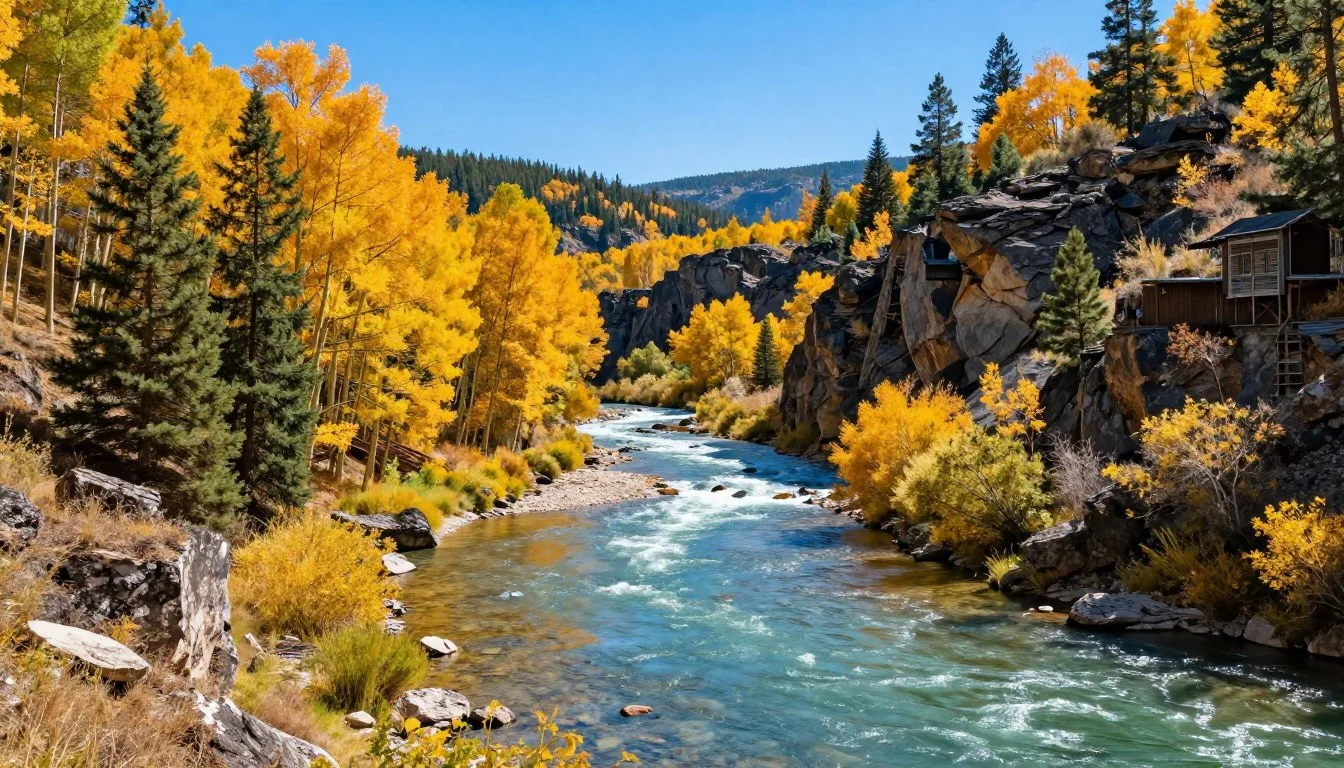
September and early October bring spectacular fall colors as aspen groves turn golden yellow against the evergreen pine forests. This period combines comfortable temperatures with fewer crowds compared to peak summer months.
Summer months from June through August provide the warmest weather but also attract the most visitors. Afternoon thunderstorms occur frequently during July and August, typically developing after 2 PM.
Months to Avoid
November through April brings heavy snow to higher elevations, making many trails inaccessible without snowshoes or cross-country skis. Roads to trailheads often close completely during winter months.
Check 30,000+ Local Sightseeing Tours Worldwide
✓ Numerous languages and currencies are available
March and April can be particularly unpredictable, with sudden snowstorms even as valley areas begin warming. Trail conditions vary dramatically, with snow lingering in shaded areas while sunny slopes dry out.
Weather Patterns
The Pine Valley Mountains create their own microclimate. Temperatures at the summit of Signal Peak, elevation 3,227 m (10,587 feet), average 10-15°C (20-25°F) cooler than valley floors.
Morning hours typically offer the clearest skies and calmest conditions for hiking. Clouds build throughout the day, with afternoon thunderstorms common in summer. Lightning poses a serious risk above treeline.
Winter storms can deposit over 3 m (10 feet) of snow at higher elevations. This snowpack feeds springs and streams that flow through summer, creating lush mountain meadows filled with wildflowers.
Notable Annual Festivals
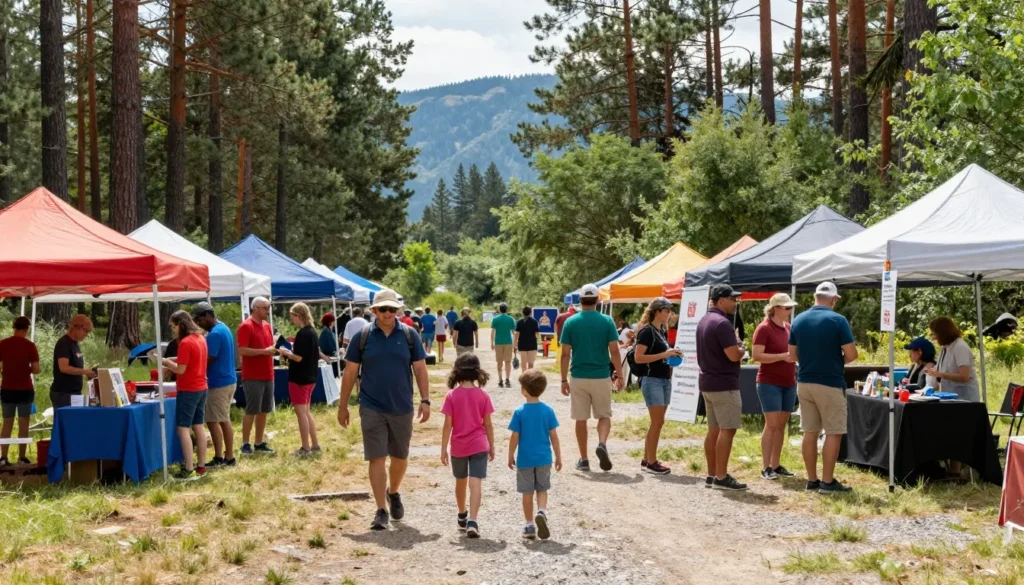
While the Pine Valley area itself maintains a quiet, natural atmosphere, nearby communities host several events that celebrate the region’s outdoor heritage.
Pine Valley Heritage Days
This July celebration in the town of Pine Valley honors pioneer history with family-friendly activities, local crafts, and traditional music. The event takes place in the historic Pine Valley Chapel area.
Contact the Pine Valley Community Center for specific dates and activities. Local organizers can be reached during business hours for current festival information.
Red Rock Rendezvous
Held annually in St. George each March, this climbing festival attracts outdoor enthusiasts from across the country. While not in Pine Valley itself, many participants extend their trip to explore the mountain wilderness trails.
The festival features guided climbs, workshops, and evening presentations about southern Utah’s unique geology and outdoor recreation opportunities.
Getting Around Locally
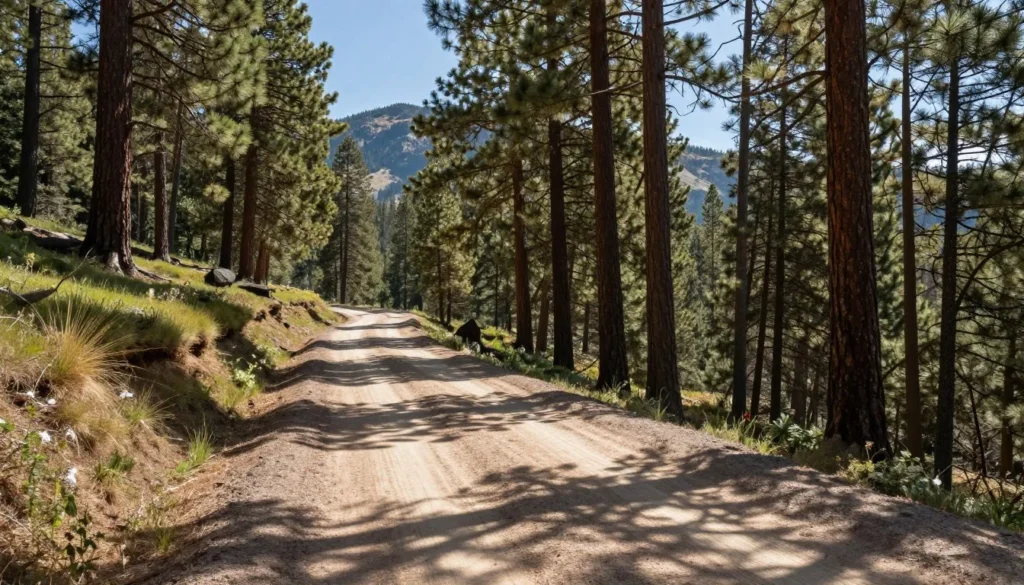
Personal vehicles remain the only practical way to navigate the Pine Valley area. The Dixie National Forest road network provides access to dozens of trailheads and camping spots scattered throughout the valley mountain wilderness.
Main paved roads connect the town of Pine Valley with State Route 18. From there, well-maintained gravel roads branch into the Dixie National Forest, leading to popular destinations like Oak Grove Campground and Signal Peak trailheads.
Many forest roads remain suitable for standard passenger cars during dry conditions. However, spring runoff and summer thunderstorms can create muddy conditions requiring four-wheel drive vehicles with high clearance.
Cell phone coverage is extremely limited throughout the valley mountains. Download offline maps before your trip and carry physical maps as backup. The nearest gas stations are in Pine Valley town and Central, so fill your tank before heading into remote areas.
During winter months, only the main valley road receives regular plowing. Accessing trailheads typically requires snowmobiles or snowshoes, as side roads remain closed until late May or early June.
Where to Stay
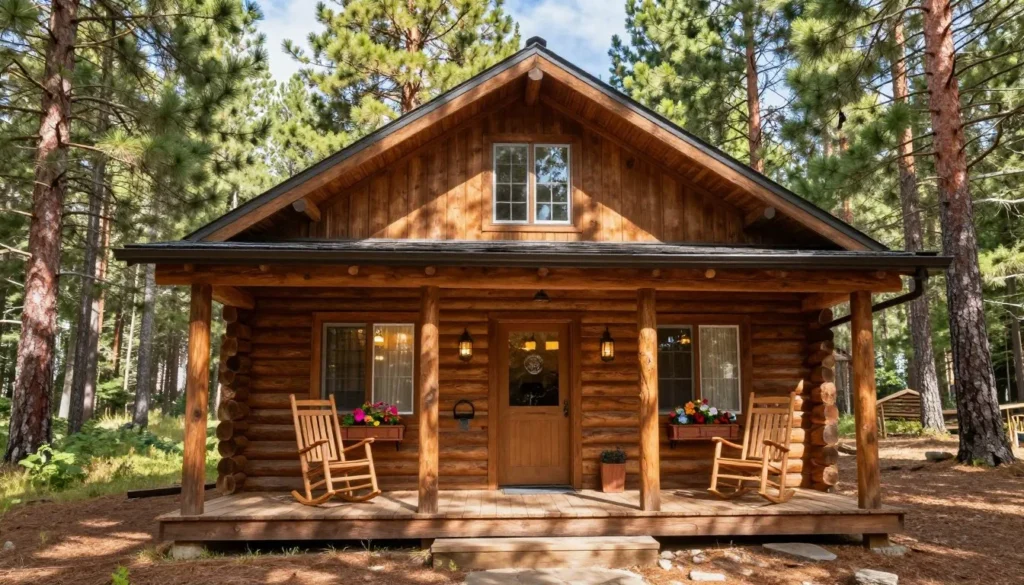
Accommodation options around Pine Valley range from primitive camping in the mountain wilderness to comfortable lodges in nearby towns. Your choice depends on desired comfort level and proximity to hiking trails.
Camping Options
Oak Grove Campground sits at 2,012 m (6,600 feet) elevation in a beautiful ponderosa pine forest. The area offers developed sites with picnic tables and fire rings, plus vault toilets and drinking water from late May through September.
Dispersed camping is permitted throughout most of the Dixie National Forest outside designated wilderness boundaries. These primitive sites offer solitude and direct trail access but provide no facilities or water sources.
Blue Springs Campground, located on the eastern slope, provides another developed option with similar amenities. Both developed campgrounds fill quickly on summer weekends, so arriving early Friday afternoon increases your chances of securing a spot.
Lodging in Town
The small community of Pine Valley offers several vacation rental cabins that provide a comfortable base for exploring the mountains. These range from simple one-bedroom cottages to larger family homes with modern amenities.
St. George, located 48 km (30 miles) south, provides the widest selection of hotels, motels, and vacation rentals. This option works well if you prefer daily drives to trailheads while enjoying evening restaurant and shopping options.
Several bed and breakfast establishments operate in the Pine Valley area, offering home-cooked meals and local knowledge about the best hiking trails and scenic spots. These smaller properties fill quickly during peak season.
Dining & Local Cuisine
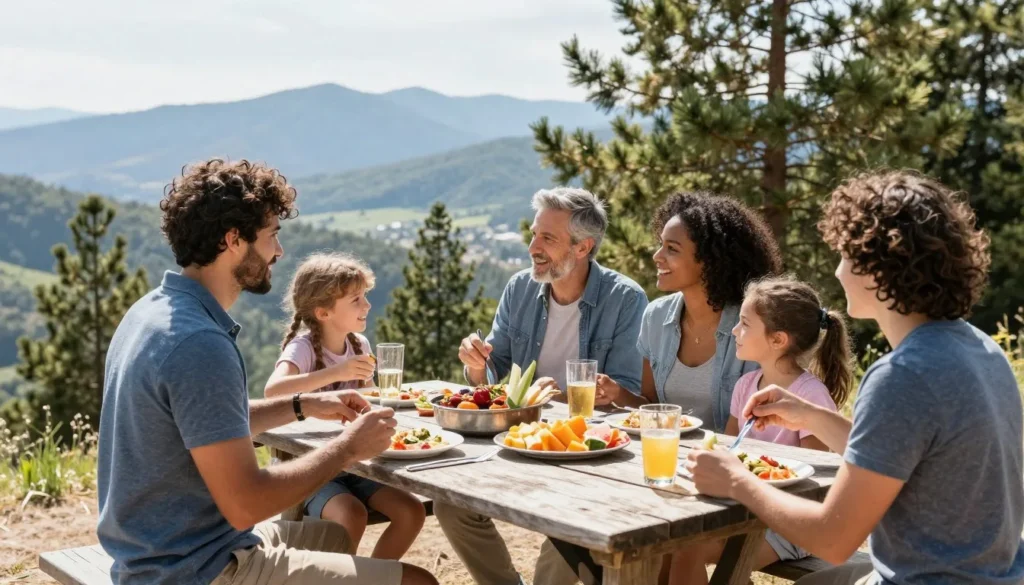
The Pine Valley Mountains area offers limited dining options, reflecting its wild and remote character. Most visitors prepare their own meals or drive to nearby communities for restaurant choices.
Pine Valley town has a small general store stocking basic groceries, camping supplies, and local honey. The store operates limited hours, so call ahead to confirm availability before counting on purchasing supplies there.
Packing a cooler with food for your entire trip makes the most sense for mountain wilderness visitors. Campfire cooking over wood fires creates memorable meals, though fire restrictions apply during dry periods from June through September.
Nearby Dining Options
Central, a small town 16 km (10 miles) west of Pine Valley, has a cafe serving breakfast and lunch. The menu features classic American comfort food with generous portions perfect for refueling after a long day on the trail.
St. George offers dozens of restaurant choices ranging from fast food to upscale dining. The drive takes about 50 minutes from Pine Valley, making it practical for a special dinner or to stock up on groceries before heading into the mountains.
Many visitors enjoy bringing portable camp stoves for preparing hot meals even when fire restrictions prevent wood fires. Simple one-pot meals using dehydrated ingredients work well for multi-day backpacking trips into the valley mountain wilderness.
Attractions, Sightseeing & Activities
Summit Hikes
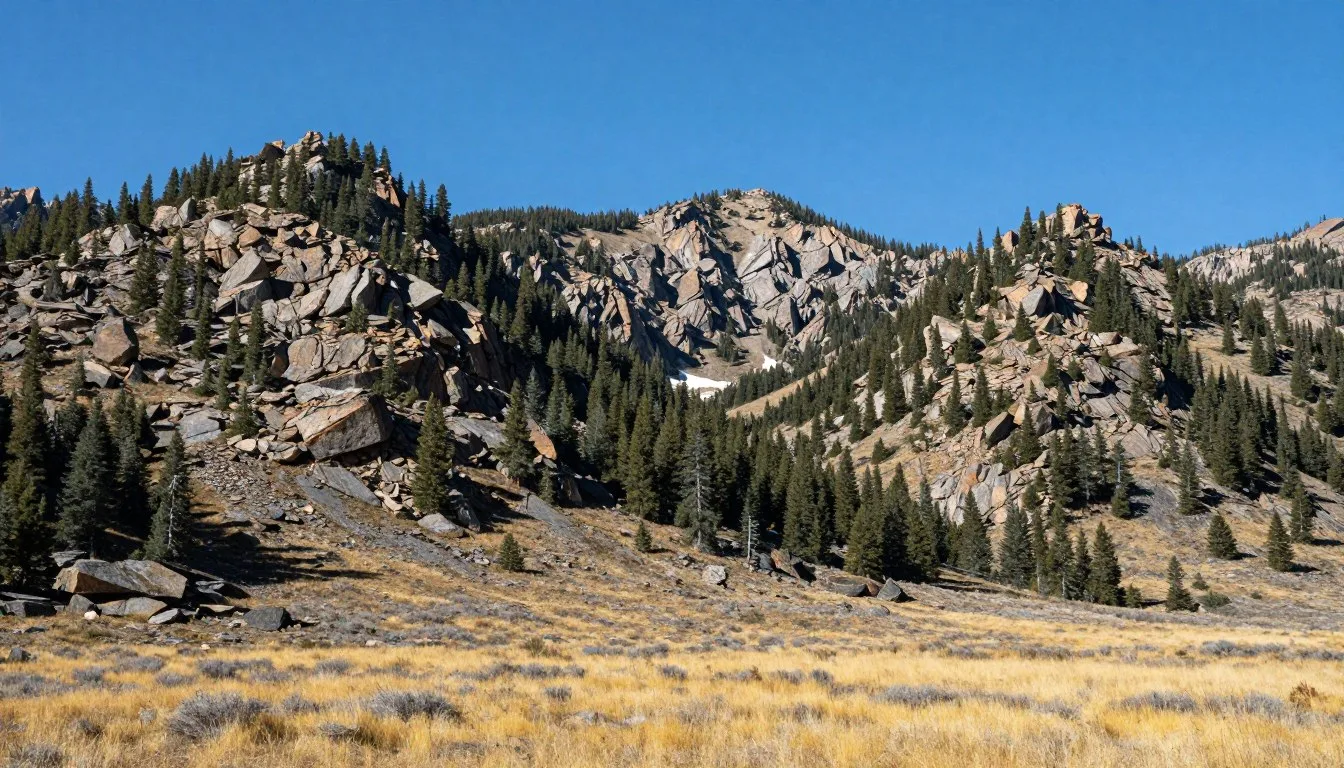
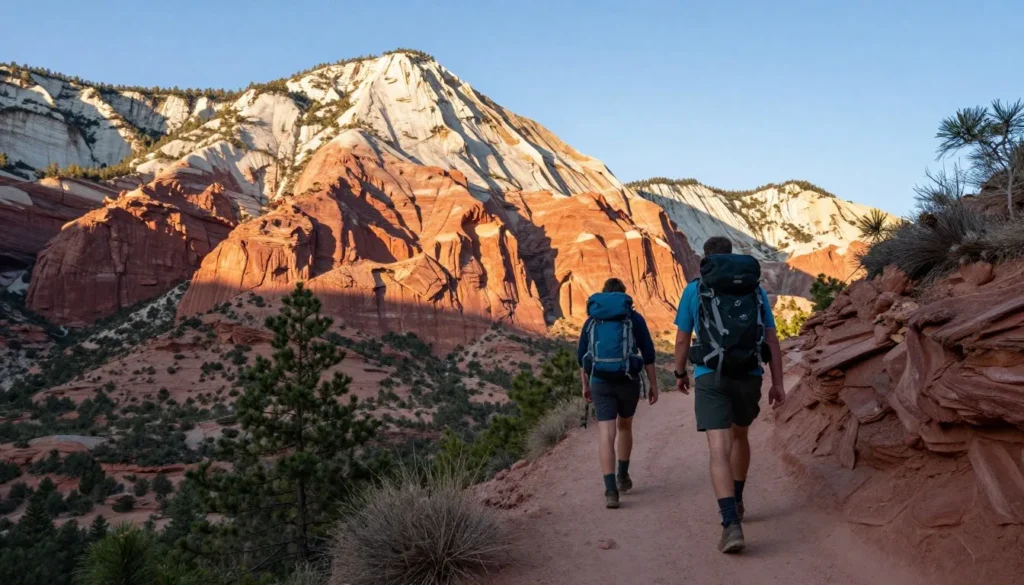
Signal Peak stands as the highest point in the Pine Valley Mountains at 3,227 m (10,587 feet). The trail to the summit covers approximately 22.5 km (14 miles) round trip with an elevation gain of 1,219 m (4,000 feet).
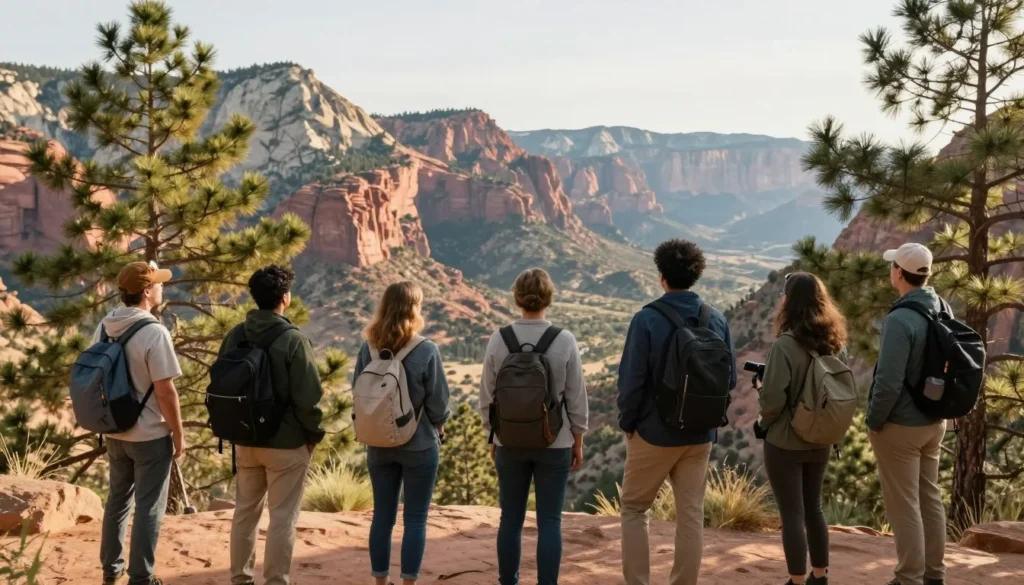
This challenging hike rewards effort with panoramic views stretching across southern Utah and into Nevada and Arizona on clear days. The peak typically remains snow-free from late June through October, providing a comfortable hiking window.
Starting from the Signal Peak trailhead requires a high-clearance vehicle to navigate the rough forest road. Most hikers begin before dawn to reach the summit by midday and descend before afternoon thunderstorms develop.
Geological Features
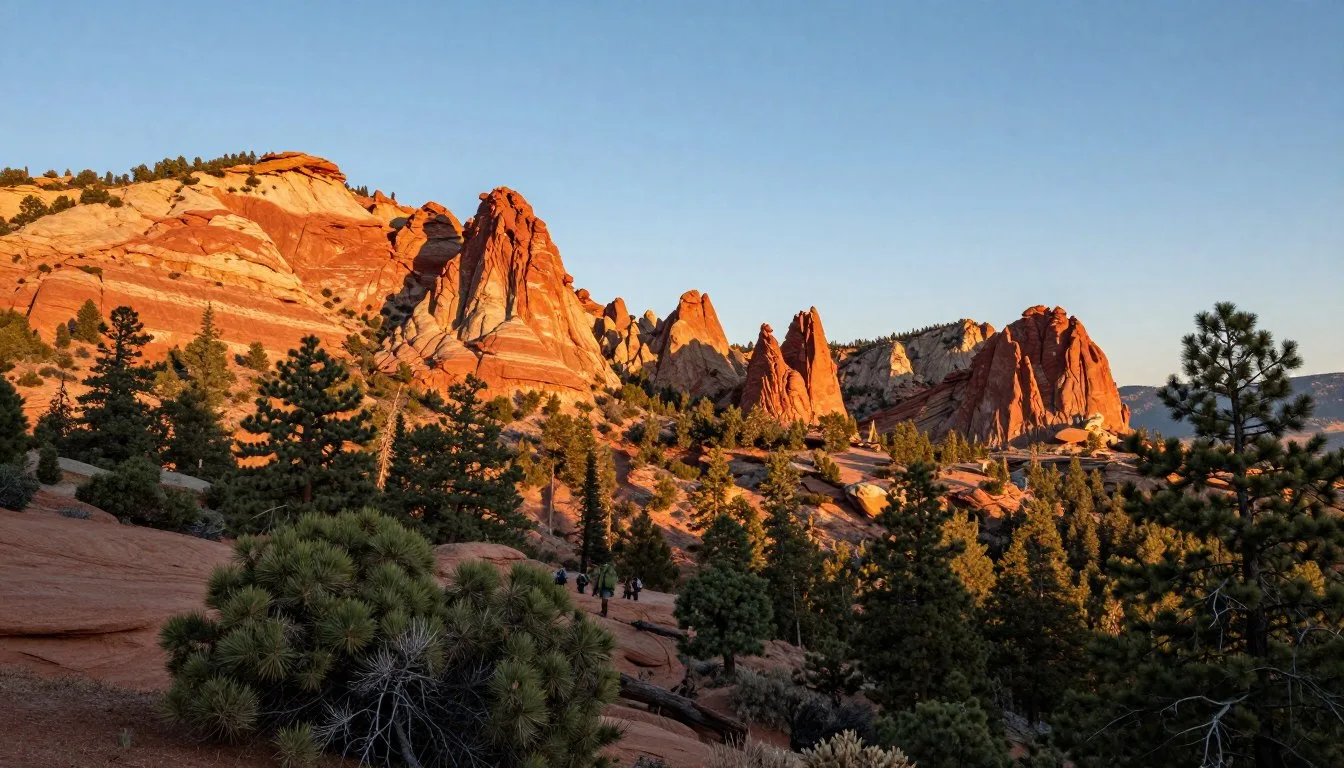
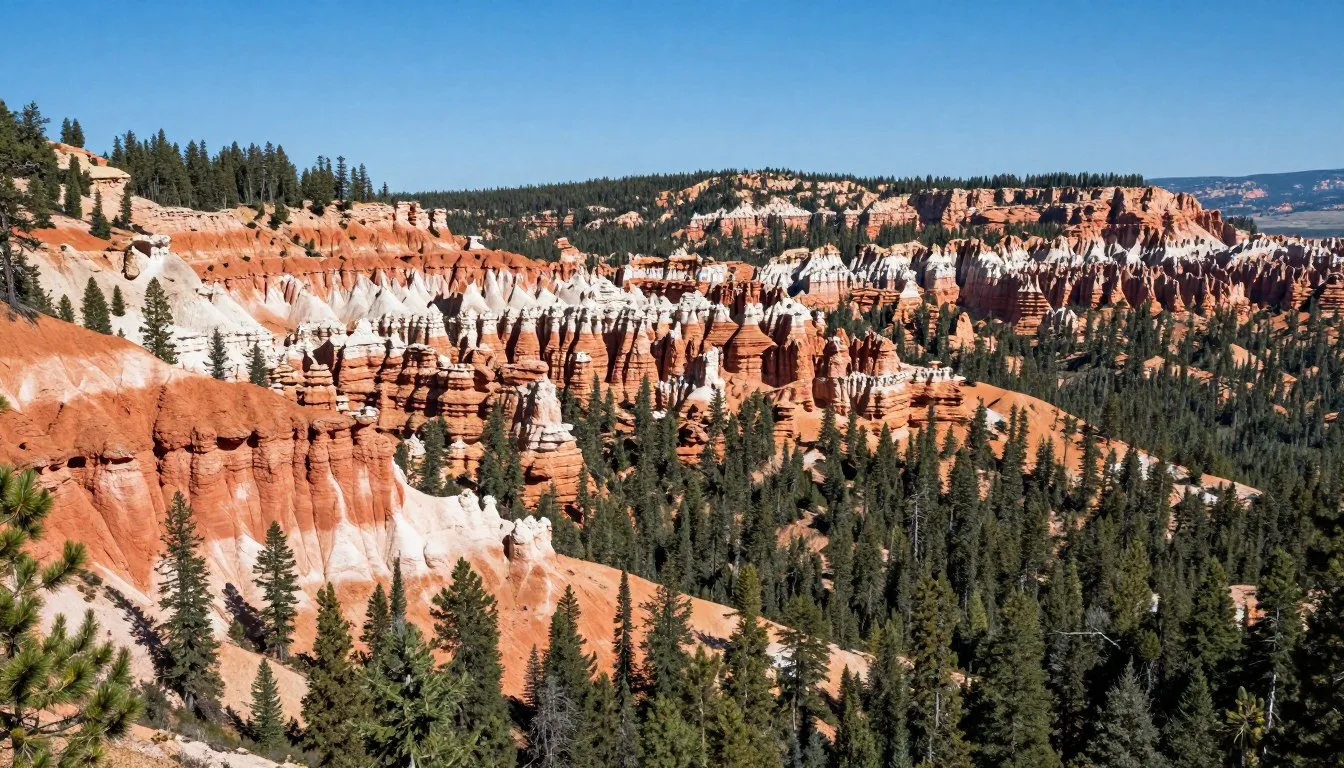
The Pine Valley laccolith represents one of the largest exposed volcanic intrusions in North America. Layers of colorful rock reveal the mountain’s volcanic origins, with distinctive red, white, and gray bands visible on cliff faces throughout the area.
These rock layers tell a story spanning millions of years. Darker volcanic rock pushed up through lighter sedimentary layers, creating the dramatic cliffs and unusual geological formations that make Pine Valley unique among Utah mountain ranges.
Photography enthusiasts find endless subjects in the interplay of rock, forest, and changing light. Early morning and late afternoon provide the best lighting for capturing the colorful cliffs and dramatic landscape features.
Wildlife Viewing
Mule deer are commonly seen throughout Pine Valley, especially during early morning and evening hours. Elk herds also inhabit the higher elevations, though they tend to remain in more remote areas away from popular trails.
Bird watchers can spot numerous species including Steller’s jays, mountain bluebirds, and various woodpecker species. Raptors like red-tailed hawks and golden eagles soar above the cliffs hunting for prey.
Black bears occasionally wander through the area, making proper food storage essential when camping. Never approach wildlife, and maintain at least 91 m (300 feet) distance from large animals like elk and deer.
Museums, Cultural Spots & Festivals
The Pine Valley area showcases southern Utah’s pioneer heritage through several well-preserved historic sites. These locations provide insight into the determination required to settle this challenging mountain environment.
Pine Valley Chapel
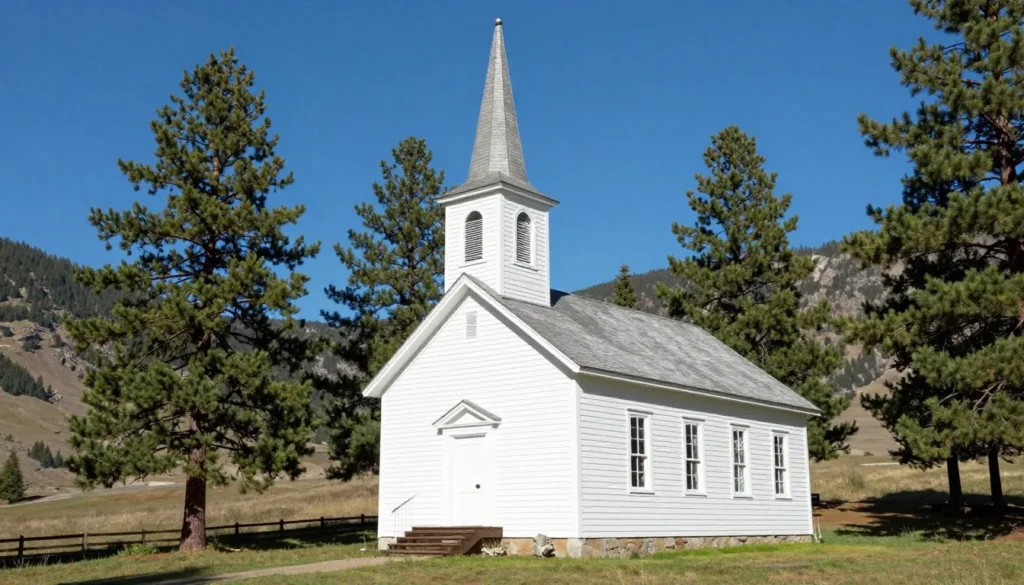
This beautiful white chapel, built in 1868, stands as one of Utah’s oldest and most photographed pioneer buildings. The simple but elegant structure features mortise and tenon construction held together entirely with wooden pegs.
The chapel remains an active community center and occasional worship space. Visitors can often view the interior during daytime hours, though calling ahead ensures access during your visit.
Historical Markers
Several interpretive signs throughout the Dixie National Forest explain the area’s natural and cultural history. These markers describe pioneer logging operations, early ranching activities, and the geological forces that created the unique mountain landscape.
The Forest Service visitor center in the town of Pine Valley provides maps, current trail conditions, and information about ranger-led programs. Rangers offer valuable advice about trail selection based on your experience level and fitness.
Nature & Outdoor Experiences
Trail Network
The Pine Valley Mountain Wilderness encompasses over 50 km (31 miles) of maintained hiking trails. Routes range from easy nature walks to strenuous summit climbs, accommodating all fitness levels and experience.
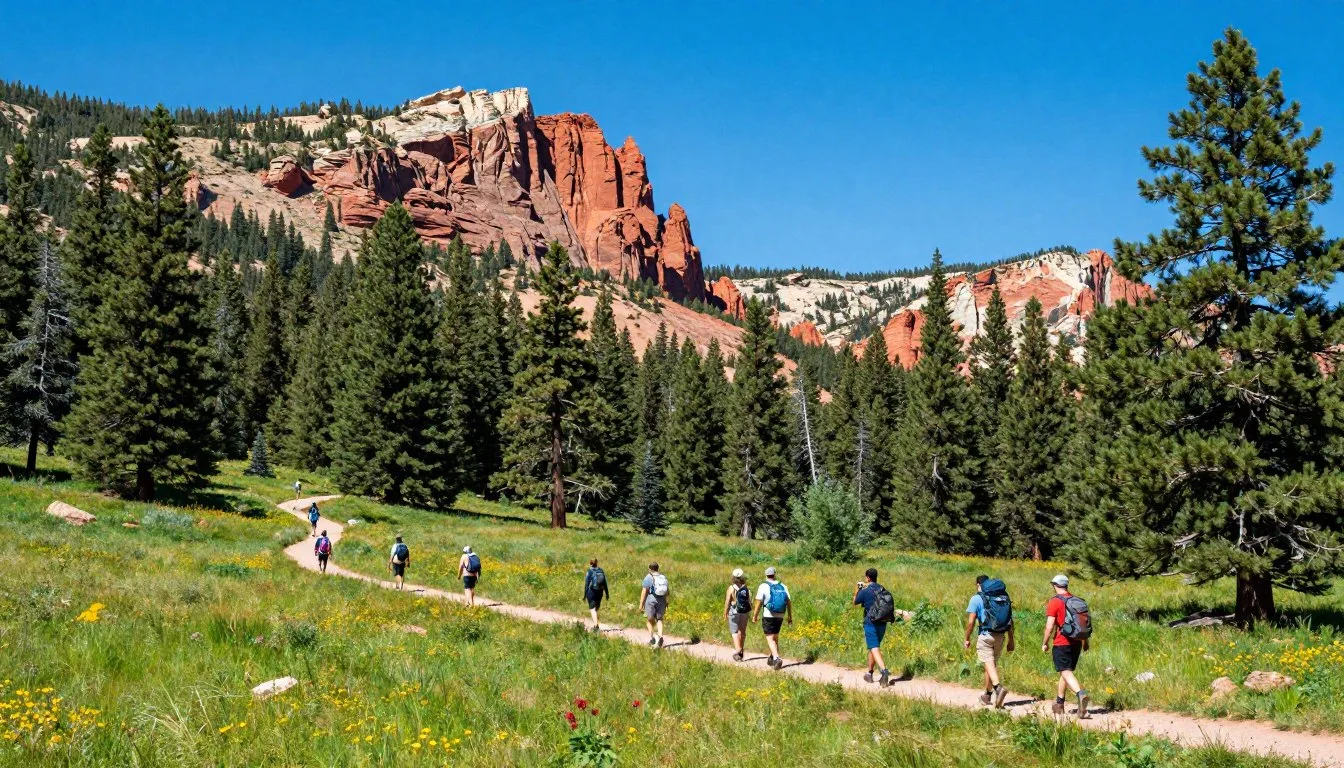
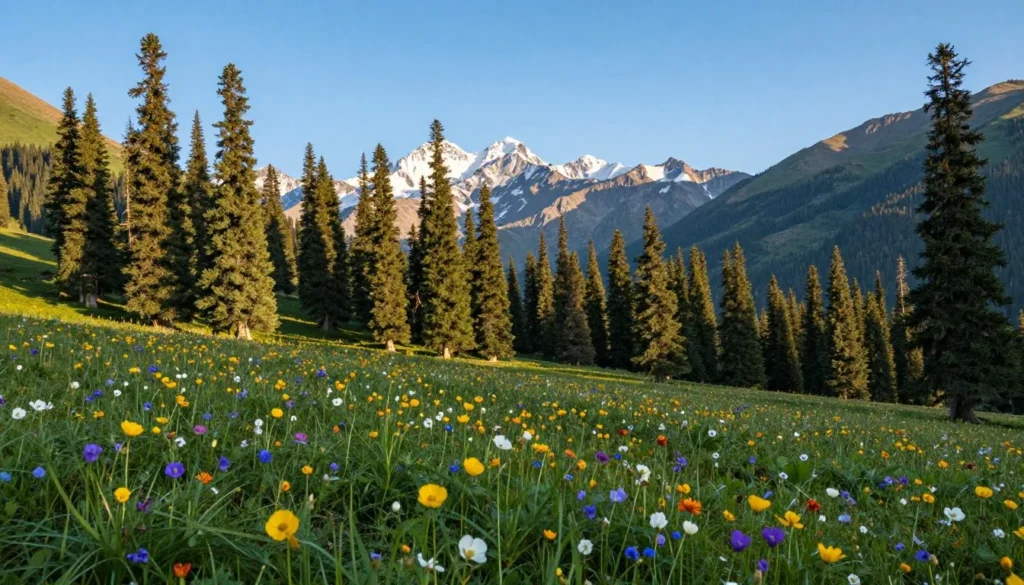
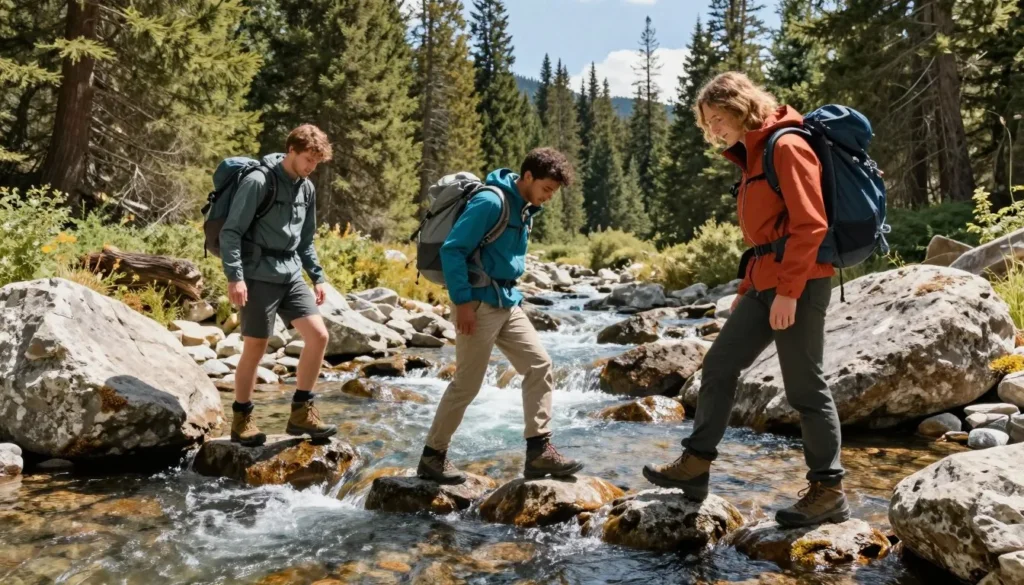
The Whipple Trail offers a moderate option covering 11.3 km (7 miles) round trip through ponderosa pine forests and past several seasonal springs. This trail sees moderate use and provides excellent wildflower viewing during July and August.
Summit Creek Trail follows a perennial stream through a narrow canyon, offering shade and scenic beauty even during hot summer days. The 8 km (5-mile) round trip hike gains just 244 m (800 feet) in elevation, making it accessible for families with older children.
Rock Climbing
The valley mountains feature numerous cliff faces with traditional climbing routes. The volcanic rock provides solid holds and crack systems for experienced climbers, though the remote location means self-sufficiency is essential.
Most climbing areas require significant approaches on foot, adding to the adventure but limiting casual access. Bringing comprehensive climbing gear and rescue equipment is mandatory, as cell phone coverage for emergencies remains nonexistent.
Fishing Opportunities
Several small streams flowing from the Pine Valley Mountains support populations of brown and rainbow trout. These fish tend to be small but provide enjoyable fishing in beautiful mountain settings.
A valid Utah fishing license is required, available online or from sporting goods stores in St. George. Stream fishing works best in early morning and evening hours during summer months when water temperatures stay cooler.
Mountain Biking
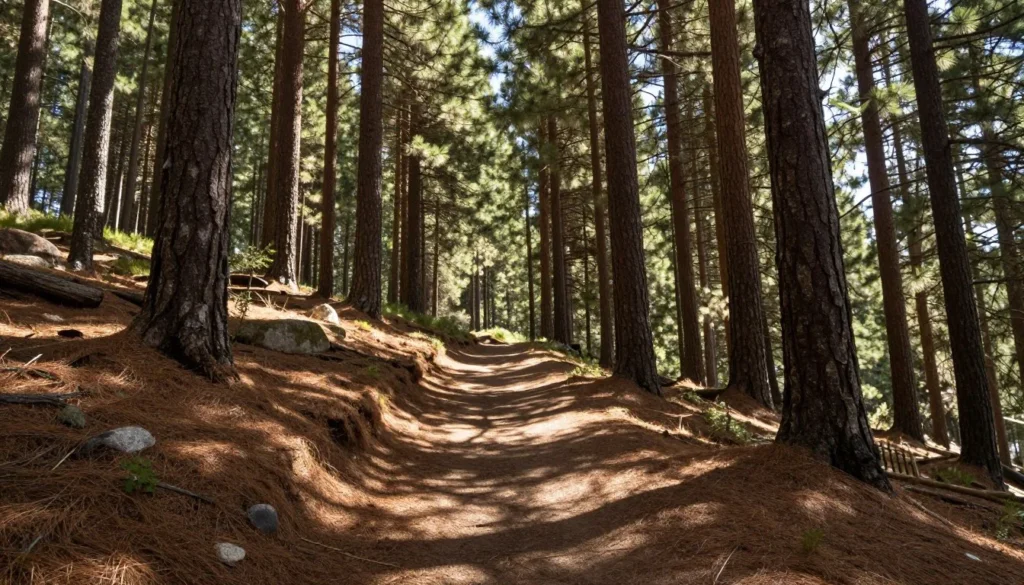
Forest roads throughout the Dixie National Forest offer excellent mountain biking opportunities. These routes provide moderate terrain perfect for exploring the area while covering more ground than hiking allows.
Remember that bikes are not permitted on trails within the designated wilderness boundaries. However, numerous forest roads and trails outside the wilderness provide plenty of riding options through beautiful pine forests.
Winter Recreation
Snowshoeing and cross-country skiing become popular when snow blankets the valley mountains from December through March. The quiet winter landscape offers a completely different perspective on this beautiful area.
Backcountry skiing on Signal Peak attracts experienced winter mountaineers. Avalanche hazard exists on steep slopes, so proper training, equipment, and avalanche awareness are absolutely essential for safety.
Travel With Children
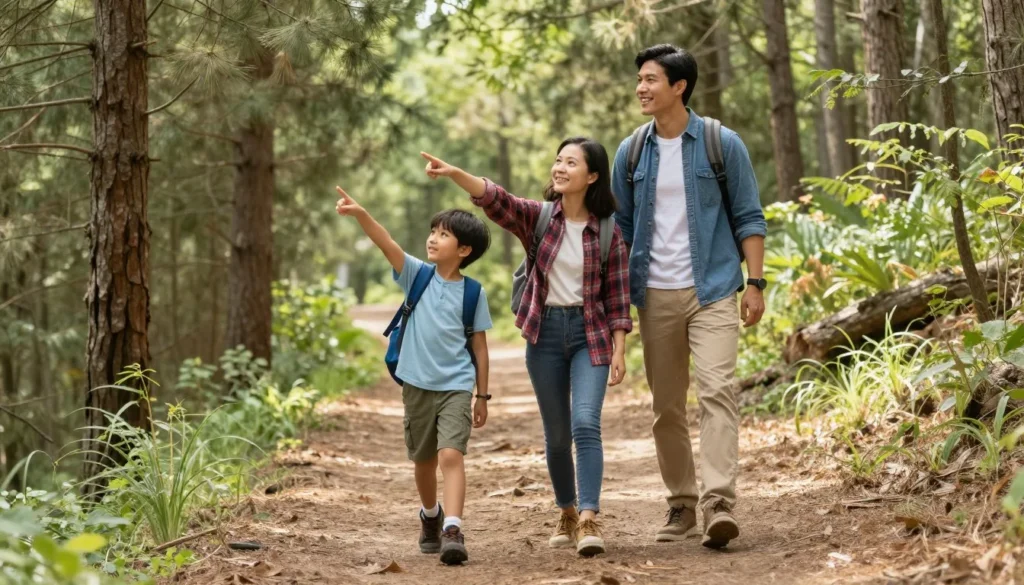
Pine Valley offers wonderful opportunities for introducing children to outdoor adventure, though careful planning ensures everyone enjoys the experience safely.
Start with shorter, easier trails like the nature walk near Oak Grove Campground. This gentle 1.6 km (1-mile) loop introduces kids to forest ecology while building confidence for longer adventures.
Camping at developed sites provides a perfect family experience. Children love exploring the forest near campsites, watching wildlife, and enjoying campfire activities. The relatively cool mountain temperatures offer relief from valley heat.
Safety Considerations
Always keep children within sight on trails. The dense forest and numerous side trails make it easy for young ones to wander off the main path. Bright-colored clothing helps you spot children quickly in the forest.
Teach children to recognize trail markers and explain what to do if they become separated from the group. Carrying a whistle and knowing to stay put if lost are critical skills even young children can learn.
The high elevation affects children more than adults. Plan for frequent rest breaks, pack plenty of snacks, and ensure everyone drinks water regularly. Watch for signs of altitude sickness including headaches and nausea.
Age-Appropriate Activities
Younger children enjoy simple activities like collecting pine cones, identifying animal tracks, and learning about forest ecosystems. Bringing a nature identification guide adds an educational component to hikes.
Older children and teenagers can tackle more challenging trails like the hike to Signal Peak, building physical fitness and self-confidence. These accomplishments create lasting memories and often spark lifelong love of outdoor activities.
Money Saving Tips
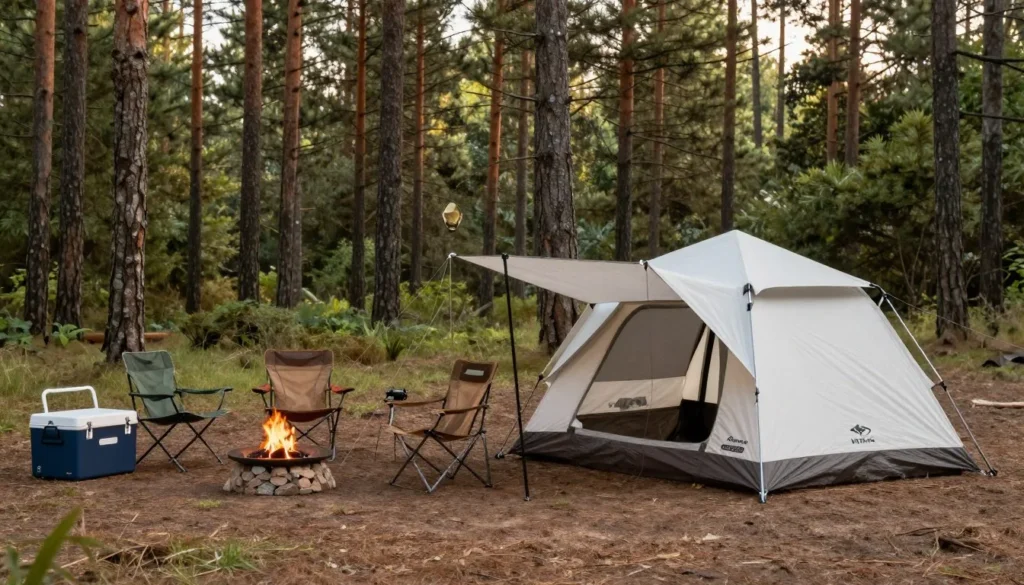
Visiting the Pine Valley Mountains can be remarkably affordable with smart planning. The natural attractions cost nothing to enjoy, and camping eliminates expensive hotel bills.
Dispersed camping throughout the Dixie National Forest is completely free, though you sacrifice amenities like toilets and water. This option works well for experienced campers with proper equipment and knowledge of leave-no-trace principles.
Even developed campgrounds at Oak Grove cost less than hotel rooms in St. George. Booking sites midweek instead of weekends often means finding available spots without reservations, saving booking fees.
Food and Supplies
Grocery shopping in St. George before heading to the mountains saves money compared to limited options in Pine Valley town. Preparing meals at camp costs far less than restaurant dining.
Bringing water from home in reusable containers eliminates buying bottled water. During summer months, several springs along trails provide opportunities to refill water bottles after proper treatment.
Transportation Savings
Carpooling with friends or family splits gas costs and allows access to high-clearance vehicles without rental fees. Combining your Pine Valley trip with visits to nearby attractions like Zion National Park maximizes vacation value.
Visiting during shoulder seasons in May or September offers pleasant weather with fewer crowds. Some vacation rentals lower rates during these periods, providing more affordable lodging options.
Many trails and scenic spots lie close together, minimizing driving distances once you reach the area. Planning efficient routes saves fuel and maximizes time enjoying the outdoors rather than driving.
Safety & Local Customs
Wilderness Safety
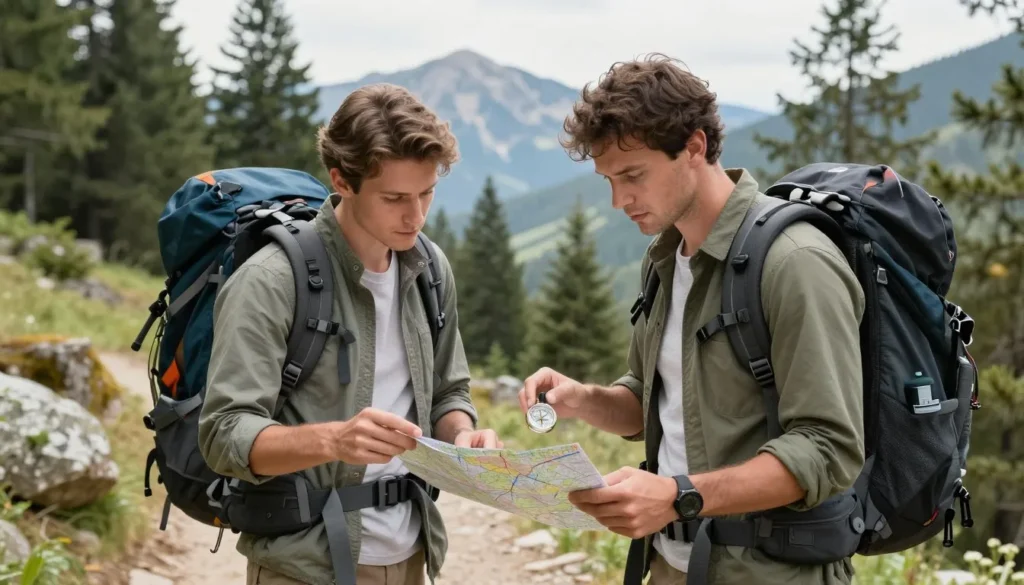
The Pine Valley Mountain Wilderness demands self-sufficiency and proper preparation. Cell phone coverage is essentially nonexistent, meaning you cannot call for help in emergencies.
Always inform someone outside the area of your planned route and expected return time. Carry the ten essentials including navigation tools, sun protection, extra clothing, illumination, first aid supplies, fire starter, repair kit, nutrition, hydration, and emergency shelter.
Check 30,000+ Local Sightseeing Tours Worldwide
✓ Numerous languages and currencies are available
Lightning poses the most common weather hazard during summer months. Start hikes early to reach summits before noon and descend to lower elevations before afternoon storms develop. If caught in a storm, avoid ridge tops, isolated trees, and cliff bases.
Water Safety
Never drink untreated water from streams or springs. Giardia and other waterborne pathogens exist even in pristine-looking sources. Carry a water filter, purification tablets, or the ability to boil water for at least one minute.
Dehydration happens quickly at elevation, especially during physical activity. Plan to drink at least 3-4 liters per day while hiking. Bringing electrolyte supplements helps maintain proper hydration beyond just drinking water.
Wildlife Precautions
Store food properly when camping to avoid attracting bears and other wildlife. Use bear-proof containers or hang food at least 4.5 m (15 feet) high and 3 m (10 feet) from tree trunks.
Rattlesnakes inhabit lower elevations, particularly in rocky areas. Watch where you place hands and feet when scrambling over rocks. Most snakebites occur when people try to handle or kill snakes.
Local Customs
The Pine Valley community values the area’s natural beauty and quiet character. Practice leave-no-trace principles by packing out all trash, staying on established trails, and minimizing campfire impacts.
Respect private property boundaries in and around the town of Pine Valley. Much of the land surrounding the national forest is privately owned, and trespassing creates conflicts that can lead to access restrictions.
Fire restrictions often apply during dry periods from June through September. Check current regulations before building campfires. Violations can result in significant fines and endanger lives and property.
Visitor Comments About Pine Valley Mountains
“The hike to Signal Peak was challenging but absolutely worth the effort. The views from the summit stretched forever, and we could see several mountain ranges in different states. The colorful rock layers are even more impressive in person than in photos. We started at 5 AM and reached the peak by 10, giving us plenty of time to descend before afternoon clouds rolled in.”
“Our family spent four days camping at Oak Grove, and it was the perfect base for exploring the area. The kids loved the cool mountain temperatures after the desert heat. We did several shorter hikes to waterfalls and meadows filled with wildflowers. The dark night skies offered incredible stargazing opportunities. We saw more wildlife than on any previous camping trip, including a herd of elk near our campsite one morning.”
“As a photographer, I found endless subjects in Pine Valley. The contrast between red rock cliffs and green pine forests creates stunning compositions. Early morning light painted the mountain in shades I’ve never seen anywhere else. I particularly enjoyed hiking to remote viewpoints away from popular trails. The solitude and natural beauty made it easy to spend entire days just watching light and shadow play across the landscape.”
Additional Nearby Destinations
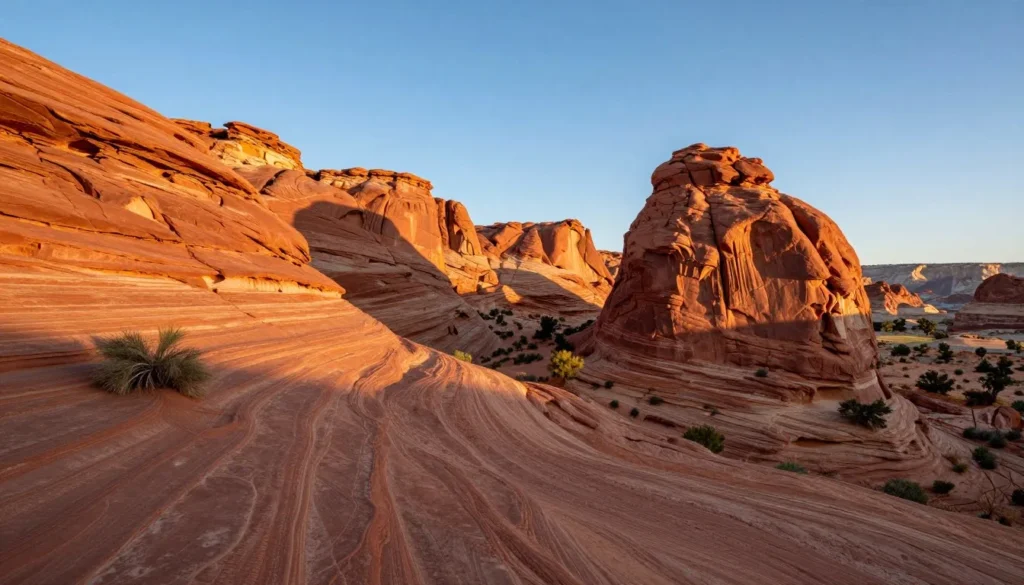
Pine Valley’s location in southwestern Utah places you near several other remarkable destinations worth exploring during your trip.
Zion National Park
Located just 64 km (40 miles) east of Pine Valley, Zion offers world-famous hiking trails and stunning red rock scenery. The park’s towering cliffs and narrow canyons present a dramatic contrast to Pine Valley’s forested mountains.
Popular trails like Angels Landing and The Narrows require shuttle reservations during peak season. Consider visiting Zion on weekdays or during shoulder seasons for a better experience with fewer crowds.
Snow Canyon State Park
This beautiful park sits 40 km (25 miles) south of Pine Valley near St. George. Red and white Navajo sandstone formations create a colorful desert landscape perfect for hiking, rock climbing, and photography.
The park offers excellent trails for all abilities, from easy nature walks to challenging ridge hikes. Cooler months from October through April provide the most comfortable temperatures for desert exploration.
Cedar Breaks National Monument
Located 105 km (65 miles) north of Pine Valley, Cedar Breaks features a massive natural amphitheater carved into colorful rock layers. The high elevation of 3,048 m (10,000 feet) means the monument stays cool even during summer.
Wildflower displays peak in July and August across the alpine meadows surrounding the amphitheater. The scenic drive along the rim provides spectacular views accessible even to visitors who prefer not to hike.
Great Basin National Park
This less-visited national park in Nevada lies 241 km (150 miles) northwest of Pine Valley. Ancient bristlecone pine forests and Lehman Caves offer unique experiences found nowhere else.
The remote location means fewer crowds than Utah’s more famous parks. Wheeler Peak, the park’s centerpiece, rises to 3,982 m (13,063 feet) and features a small glacier despite the desert surroundings.
Practical Travel Tips
Essential Gear
Proper footwear makes or breaks your Pine Valley experience. Hiking boots with ankle support and aggressive tread prevent injuries on rocky trails. Break in new boots before your trip to avoid painful blisters miles from the trailhead.
Layered clothing allows you to adapt to changing mountain weather throughout the day. Morning temperatures often start near 10°C (50°F) even in summer, warming to 27°C (80°F) by afternoon before cooling rapidly after sunset.
Sun protection is critical at elevation where UV radiation intensifies. Wear a wide-brimmed hat, sunglasses, and apply sunscreen with SPF 30 or higher. Reapply every two hours, especially during midday when the sun’s rays are strongest.
Navigation
Download offline maps before leaving cell service. Apps like Gaia GPS or AllTrails allow map downloads for use without data connection. However, always carry paper maps as backup since electronic devices can fail or lose battery power.
Trail junctions sometimes lack clear signage. Learning basic navigation with map and compass provides confidence and safety in the backcountry. GPS devices work well in the valley mountains since the open terrain provides clear satellite visibility.
Photography Tips
The best light for photography occurs during the first and last hours of daylight. The low sun angle emphasizes the texture of rock layers and creates dramatic shadows across the landscape.
Bring extra camera batteries and memory cards. Cold morning temperatures drain batteries quickly, and the stunning scenery will have you taking more photos than anticipated.
Leave No Trace
Pack out everything you pack in, including toilet paper and food scraps. Burying trash doesn’t work in the mountain environment where decomposition happens slowly due to cool temperatures and low humidity.
Use established campsites rather than creating new ones. Camping at least 61 m (200 feet) from water sources protects fragile riparian areas and ensures water quality for wildlife and other visitors.
Keep noise levels down to preserve the natural quiet that makes wilderness areas special. Sound carries far in the mountain environment, and loud voices or music disturb both wildlife and other visitors seeking peace.
Health Considerations
Altitude affects everyone differently. The valley floor sits around 2,012 m (6,600 feet), with peaks reaching over 3,048 m (10,000 feet). Spend a day acclimatizing before attempting strenuous hikes to higher elevations.
Symptoms of altitude sickness include headache, nausea, fatigue, and shortness of breath. Descending to lower elevation provides the quickest relief. Staying hydrated and avoiding alcohol help prevent altitude-related problems.
Location Map
Pine Valley Mountains location in southwestern Utah
Your Pine Valley Adventure Awaits
The Pine Valley Mountains stand ready to welcome you into a world where ancient volcanic forces created a landscape unlike any other in Utah. Whether you seek the challenge of summiting Signal Peak, the tranquility of camping beneath towering pines, or simply a cool mountain retreat from desert heat, this remarkable area delivers unforgettable experiences.
The colorful rock layers tell stories of geological time, while hiking trails lead you through forests and meadows teeming with wildlife. Each season paints the valley mountains in different hues, from spring wildflowers to autumn gold, creating new reasons to return again and again.
Pack your hiking boots, grab your camera, and prepare for adventure in one of southern Utah’s most spectacular yet accessible wilderness areas. The trails are waiting, the summit views are calling, and memories of a lifetime are just one trip away.