
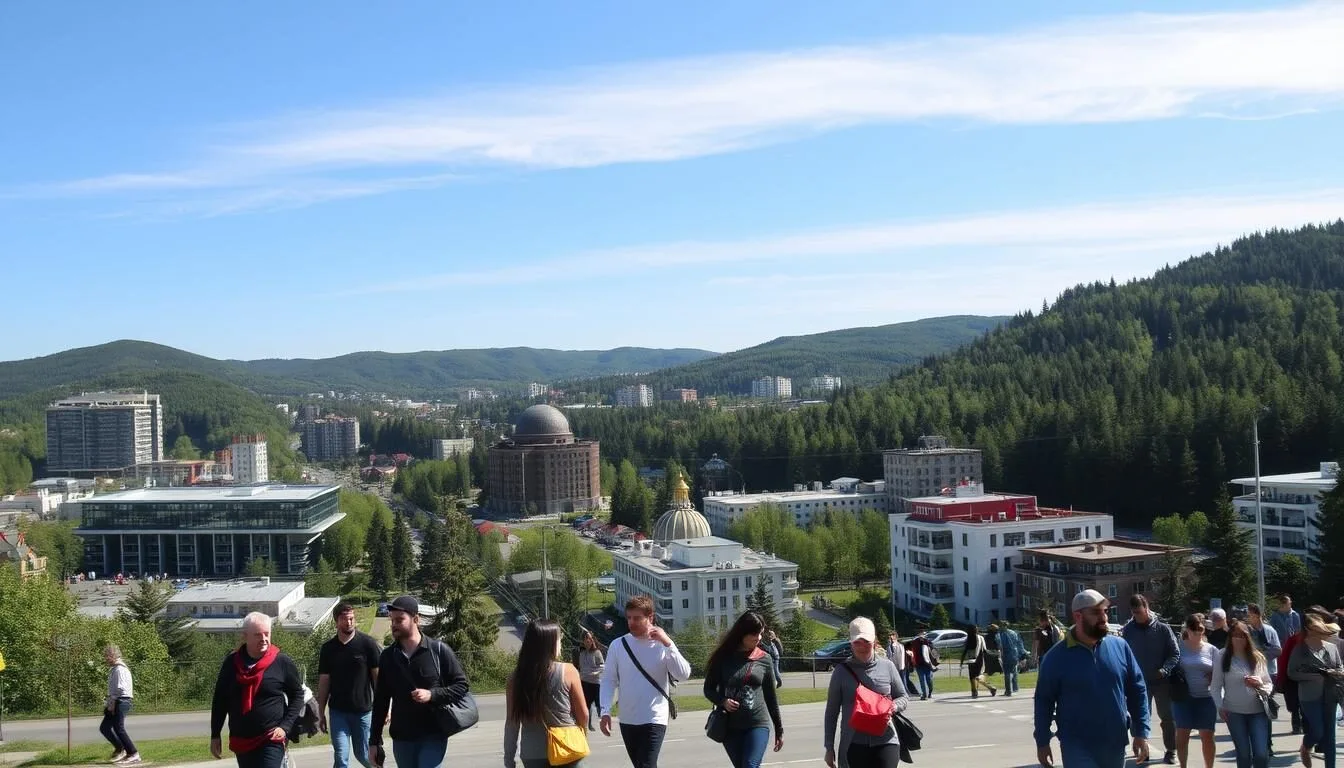
Did you know that Khanty-Mansi Autonomous Okrug produces over 60% of Russia’s oil, yet remains one of the country’s most pristine natural paradises? This remarkable region in Western Siberia, where ancient indigenous cultures thrive alongside modern oil wealth, offers travelers a rare glimpse into a Russia few foreigners ever experience. From the majestic Ural Mountains to vibrant cultural festivals celebrating the indigenous Khanty and Mansi peoples, this vast territory is a treasure trove of unexpected adventures waiting to be discovered.
Getting There & Planning Your Journey
Reaching Khanty-Mansi Autonomous Okrug requires some planning, but the journey is well worth the effort. The region is serviced by several airports, with Khanty-Mansiysk International Airport (HMA) being the main gateway to the region’s capital. Regular flights connect through Moscow’s major airports, with the flight time from Moscow being approximately 3 hours.
Surgut International Airport (SGC) and Nizhnevartovsk Airport (NJC) are other important entry points, especially if you’re planning to explore the eastern parts of the region. These airports receive regular flights from Moscow, St. Petersburg, and other major Russian cities.
For the more adventurous traveler, the Trans-Siberian Railway passes through the southern part of the region, with stops in Surgut and other cities. This option provides a unique opportunity to experience the vastness of Siberia, though it requires more time.
When planning your trip, consider that visa requirements for Russia can be complex and time-consuming. Most foreign visitors need a visa, which should be arranged well in advance through the Russian embassy or consulate in your home country. The process typically takes 2-4 weeks, so plan accordingly.
It’s also advisable to book accommodation in advance, especially if traveling during summer or during major events like the winter biathlon competitions that Khanty-Mansiysk is famous for hosting.
Best Time to Visit & Weather Tips
The climate of Khanty-Mansi Autonomous Okrug is continental with long, harsh winters and relatively short summers. Understanding the seasonal variations is crucial for planning your visit.
Recommended Seasons
- Summer (June to August): The most comfortable time to visit, with temperatures ranging from 15°C to 25°C (59°F to 77°F). Days are long, with nearly 24 hours of daylight around the summer solstice, giving you plenty of time to explore.
- Early Autumn (September): A beautiful time when the taiga forests transform into a spectacular display of golden and red hues. Temperatures are cooler, ranging from 5°C to 15°C (41°F to 59°F).
- Late Winter (February to March): Ideal for winter sports enthusiasts. The region hosts international biathlon competitions during this time. Temperatures are still very cold, but slightly milder than in deep winter.
Seasons to Avoid
- Deep Winter (December to January): Extremely cold with temperatures often dropping below -30°C (-22°F) and sometimes reaching -50°C (-58°F). Daylight hours are very limited.
- Spring Thaw (April to May): The melting snow creates muddy conditions that can make travel difficult, especially in remote areas. Many roads become nearly impassable.
- Late Autumn (October to November): Cold, wet, and generally unpleasant with the first snowfalls but before winter activities begin in earnest.
Pack accordingly for the season. Summer visitors should bring light clothing but also include a warm jacket for cool evenings. Insect repellent is essential as mosquitoes can be abundant in summer months. Winter travelers need serious cold-weather gear, including thermal underwear, a quality down jacket, insulated boots, and accessories that cover all exposed skin.
Regardless of when you visit, weather in Siberia can be unpredictable, so layering is always a good strategy. The region’s remote nature means that being prepared for changing conditions is particularly important if you plan to venture outside urban areas.
Getting Around Locally
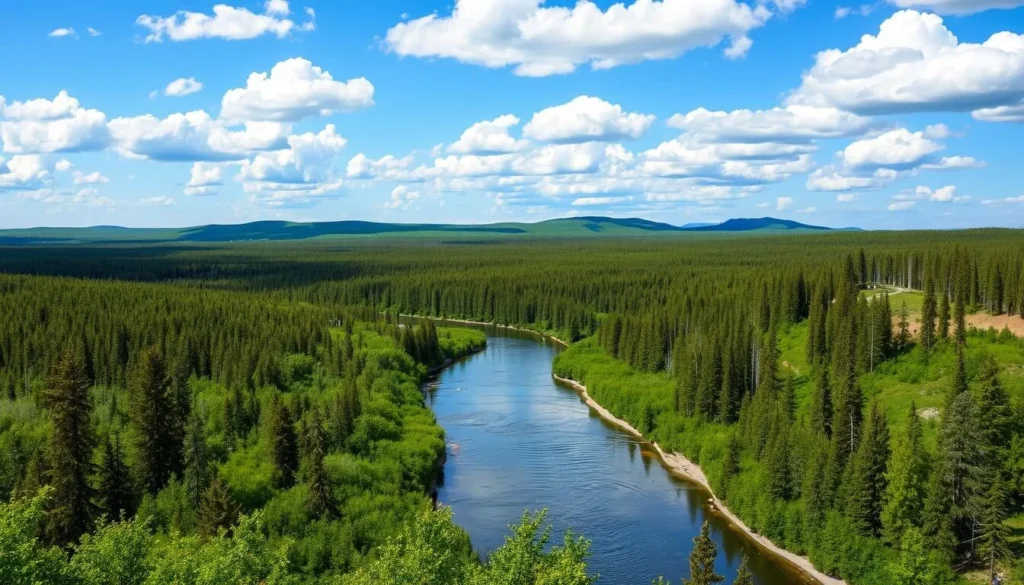
Navigating the vast expanses of Khanty-Mansi Autonomous Okrug requires some planning. The region spans over 534,800 square kilometers (206,500 square miles), making it larger than many European countries.
Within major cities like Khanty-Mansiysk, Surgut, and Nizhnevartovsk, public transportation is reliable and affordable. City buses run regularly and can get you to most attractions. Taxis are readily available and can be hailed on the street or ordered through apps like Yandex Taxi (Russia’s equivalent to Uber). Having a Russian speaker help you navigate is invaluable, as English is not widely spoken.
For travel between cities, domestic flights are often the most practical option due to the vast distances. Regular flights connect the major cities within the region. The alternative is long-distance buses, which are more economical but can take many hours on roads that vary in quality.
Renting a car gives you the most flexibility but comes with challenges. Roads can be in poor condition, especially in remote areas, and winter driving requires experience with extreme conditions. If you do rent a car, opt for a 4WD vehicle with good clearance, particularly if venturing beyond main highways.
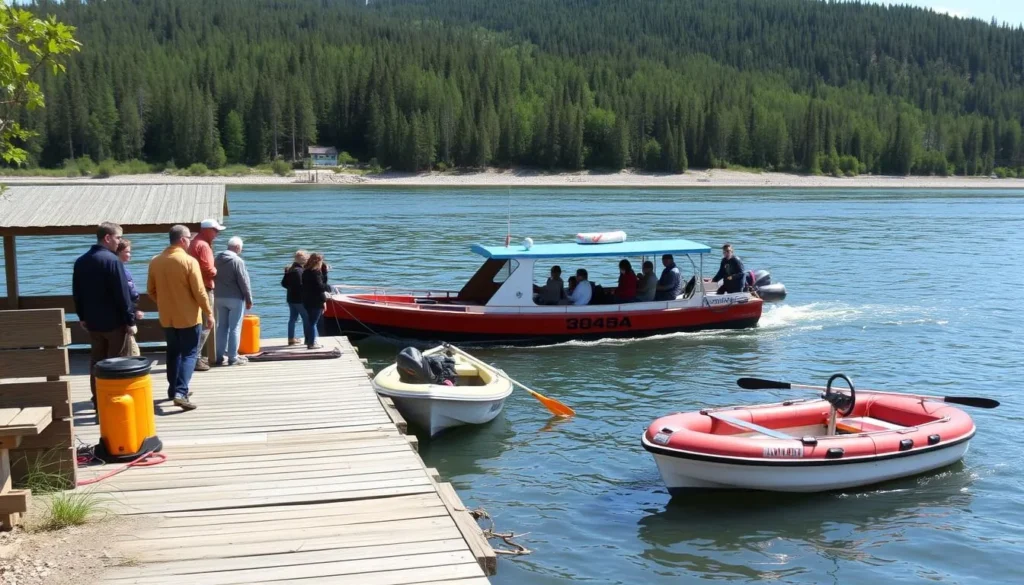
For the more adventurous, the region’s rivers offer another transportation option during summer months. The Ob and Irtysh rivers, along with their tributaries, have been traditional transportation routes for centuries. River cruises and water taxis operate in some areas, providing a unique perspective on the landscape.
In winter, some remote areas are accessible only by snowmobile or specialized all-terrain vehicles. Organized tours can arrange this type of transportation to truly off-the-beaten-path destinations.
Where to Stay
Accommodation options in Khanty-Mansi Autonomous Okrug range from international-standard hotels in major cities to rustic lodges in remote areas. The type of experience you’re seeking will guide your choice of where to stay.
In Khanty-Mansiysk, the capital city, you’ll find the region’s best selection of upscale hotels. The Yugra Classic Hotel and Hotel Olympic offer comfortable rooms with modern amenities and are conveniently located near major attractions. Mid-range options include Hotel Na Chekhova and Hotel Cronwell Resort Ugra Collection, which provide good value for money. Budget travelers can consider Hotel Sputnik or various apartment rentals available through booking platforms.
Surgut, as the region’s largest city and economic center, offers several business-oriented hotels like the Metropolis and Surgut Hotel. These cater primarily to business travelers but are also suitable for tourists seeking modern comforts.
In Nizhnevartovsk and other smaller cities, accommodation options are more limited but still adequate, with hotels like Hotel Samotlor and Hotel Sibir providing comfortable stays.
For those seeking a more authentic experience, consider staying at one of the tourist bases (turisticheskiye bazy) located near natural attractions. These range from basic cabins to more comfortable lodge-style accommodations and often include meals. Some even offer the chance to stay in traditional chums (conical tents similar to teepees) used by the indigenous Khanty and Mansi peoples.
During peak tourist seasons (summer and winter sports season) and during major events like the Biathlon World Cup, accommodations fill up quickly, so advance booking is strongly recommended. Many hotels in smaller towns may not have English-speaking staff or websites, so having a Russian speaker assist with bookings can be helpful.
Dining & Local Cuisine
The cuisine of Khanty-Mansi Autonomous Okrug offers a fascinating blend of traditional Siberian, indigenous Khanty and Mansi dishes, and modern Russian cooking. Exploring the local food scene is an adventure in itself and provides insight into the region’s cultural heritage.
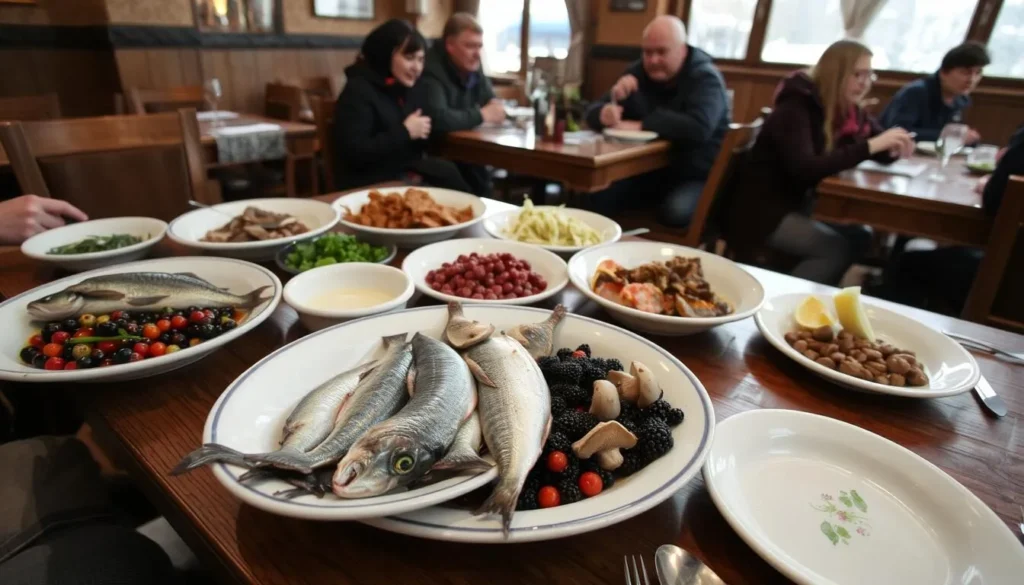
Traditional indigenous cuisine relies heavily on what the taiga forest and rivers provide. Fish plays a central role, with northern species like muksun (a type of whitefish), nelma, and sturgeon being particular delicacies. Try stroganina – thin, frozen slices of raw fish served with salt and pepper – a traditional dish that might challenge Western palates but is beloved locally.
Game meats like venison, elk, and bear are also featured in traditional cooking. Dishes like pelmeni (dumplings) filled with game meat offer a taste of authentic Siberian cuisine. The indigenous peoples also make extensive use of wild berries, mushrooms, and pine nuts gathered from the taiga.
In cities like Khanty-Mansiysk, you’ll find restaurants serving both traditional fare and international cuisine. Chum Restaurant specializes in northern dishes, while Ugra Restaurant offers a mix of Russian and European options. For a more casual experience, try the various cafes around the central square in Khanty-Mansiysk.
Tea culture is strong in the region, with locals often adding forest berries and herbs to create distinctive blends. You might also encounter the traditional drink of mors, made from cranberries or lingonberries.
In recent years, the oil wealth of the region has brought more sophisticated dining options to the larger cities. Surgut, in particular, has developed a diverse restaurant scene with everything from sushi to Italian cuisine available.
For an authentic experience, look for restaurants serving dishes like:
- Ukha – a clear fish soup that’s a staple of Russian cuisine
- Sagudai – marinated raw fish similar to ceviche
- Pyacu – bread baked by the Khanty people, often with fish
- Shurpa – a hearty meat soup popular throughout Siberia
Attractions, Sightseeing & Activities
Khanty-Mansi Autonomous Okrug offers a diverse range of attractions that showcase both its natural beauty and cultural heritage. From modern architectural marvels to ancient traditions, there’s something to captivate every type of traveler.
Top Attractions in Khanty-Mansiysk
The capital city serves as an excellent base for exploring the region and has several must-visit sites:
Archeopark
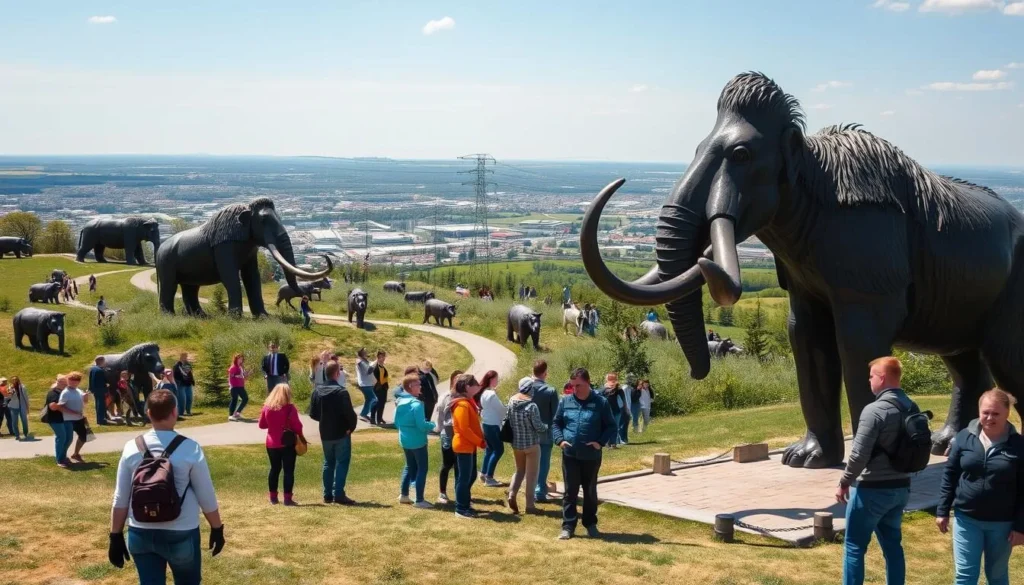
This open-air museum features impressive life-sized bronze sculptures of Ice Age animals that once roamed the area, including mammoths, cave bears, and bison. Located on a picturesque slope, it offers stunning views of the surrounding landscape and is particularly magical during sunset. The park blends archaeology, art, and natural beauty in a unique way that appeals to visitors of all ages.
Ugra Chess Academy
Even if you’re not a chess enthusiast, the striking modern architecture of this academy is worth seeing. The building’s design resembles chess pieces and houses a world-class chess facility where international tournaments are held. Inside, you can observe local chess masters at practice or even join a game if you’re feeling confident.
Museum of Geology, Oil and Gas
Given the region’s importance to Russia’s oil industry, this museum provides fascinating insights into the geological formations that created the vast oil reserves and the technology used to extract them. Interactive exhibits explain complex processes like hydraulic fracturing in accessible ways, and you can even try on a Gazprom helmet for a photo opportunity.
Torum Maa Ethnographic Museum
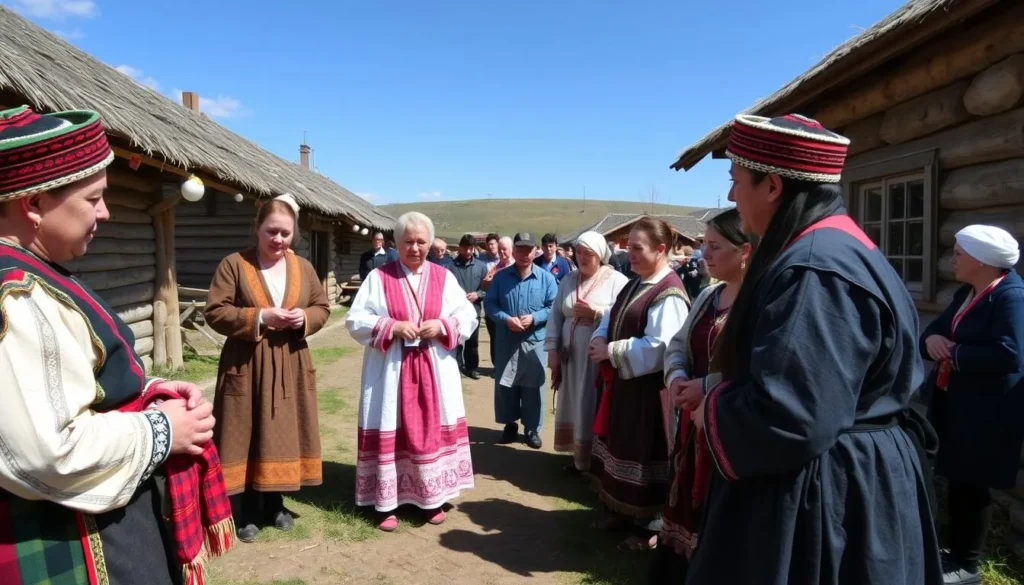
This open-air museum, whose name means “Holy Land” in the Khanty language, offers a glimpse into the traditional lifestyles of the indigenous Khanty and Mansi peoples. The museum features authentic dwellings, tools, clothing, and religious artifacts. Guided tours provide context and stories that bring these cultures to life.
Natural Attractions
The region’s vast wilderness areas offer numerous opportunities for nature lovers:
Samarovskiy Chugas Natural Park
Located right in Khanty-Mansiysk, this natural park features ancient cedar forests that have been preserved within the city limits. Walking trails wind through the forest, offering a peaceful retreat from urban life. The park is home to numerous bird species and small mammals, making it a favorite spot for wildlife photographers.
Numto Nature Park
This remote park centers around Lake Numto, a sacred site for indigenous peoples. The pristine landscape includes vast wetlands that serve as important bird habitats. The park is also home to numerous archaeological sites dating back thousands of years.
The Subpolar Urals
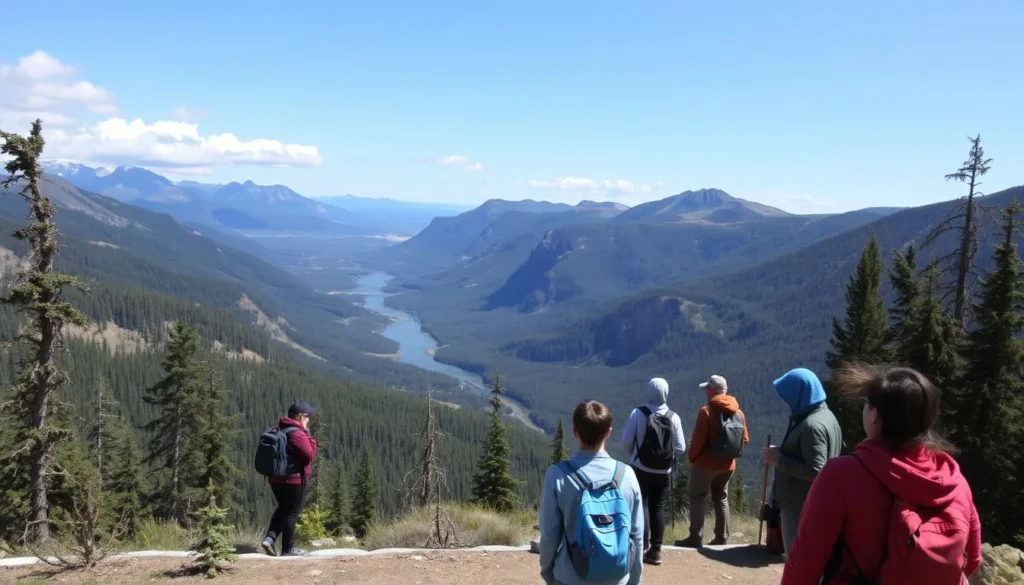
For the adventurous traveler, the western edge of the region includes part of the Ural Mountains. Mount Narodnaya, standing at 1,895 m (6,217 ft), is the highest peak in the Urals and offers challenging hiking opportunities during summer months. The area features stunning alpine scenery with glaciers, clear mountain lakes, and diverse flora.
Malaya Sosva Nature Reserve
This strictly protected area was established to preserve the European beaver population and the pristine taiga ecosystem. Limited guided tours are available, offering a chance to see this untouched wilderness and possibly spot some of its shy inhabitants.
Museums, Cultural Spots & Festivals
The rich cultural tapestry of Khanty-Mansi Autonomous Okrug is showcased through its museums, cultural institutions, and vibrant festivals that celebrate both indigenous traditions and modern achievements.
Must-Visit Museums
Museum of Nature and Man
Located in Khanty-Mansiysk, this flagship museum offers a comprehensive look at the region’s natural history and human development. The exhibits range from paleontology (including mammoth remains) to ethnography of indigenous peoples. The museum uses modern interactive technologies to create engaging experiences for visitors of all ages. English descriptions are available for most exhibits, making it accessible to international visitors.
State Art Museum
This impressive collection includes works by renowned Russian artists like Shishkin, Aivazovsky, and Malyavin. The museum also features temporary exhibitions of contemporary art, often showcasing local artists who draw inspiration from indigenous cultures and the natural environment of the region.
Museum of the First Settlers
This smaller museum in Surgut focuses on the history of Russian colonization of Siberia and the development of the region from a remote outpost to an oil-producing powerhouse. Personal stories and artifacts bring to life the challenges faced by those who first ventured into this harsh environment.
Rayshev Art Gallery
Dedicated to the works of Gennady Rayshev, a prominent artist of Khanty origin, this gallery presents a unique fusion of indigenous worldviews with modern artistic expression. Rayshev’s colorful, symbolic paintings offer insight into the spiritual beliefs and cultural perspectives of the region’s native peoples.
Cultural Institutions
The region has invested significantly in cultural facilities that showcase both traditional and contemporary arts:
- Yugra-Classic Concert Hall – A modern venue in Khanty-Mansiysk that hosts classical music performances, theater productions, and cultural events throughout the year.
- Theater of Ob-Ugric Peoples “The Sun” – The world’s first professional theater dedicated to the cultures of the Khanty and Mansi peoples, presenting performances that draw on traditional stories and artistic forms.
- Khanty-Mansiysk Puppet Theater – A delightful venue for families, offering performances that often incorporate elements of local folklore.
Major Festivals
Timing your visit to coincide with one of the region’s festivals can add a special dimension to your experience:
Reindeer Herder’s Day (March)
This colorful celebration of indigenous culture features reindeer races, traditional sports competitions, and displays of native crafts. The festival takes place in various locations throughout the region, with one of the largest celebrations held near Khanty-Mansiysk.
Spirit of Fire Film Festival (February/March)
An international film festival held in Khanty-Mansiysk that focuses on debut works by filmmakers from around the world. The event attracts cinema professionals and enthusiasts who brave the winter temperatures for this cultural highlight.
Yugra Summer (June)
A celebration of the brief but beautiful northern summer, this festival includes outdoor concerts, art exhibitions, and sporting events held throughout the region.
Day of the Indigenous Peoples of the North (August)
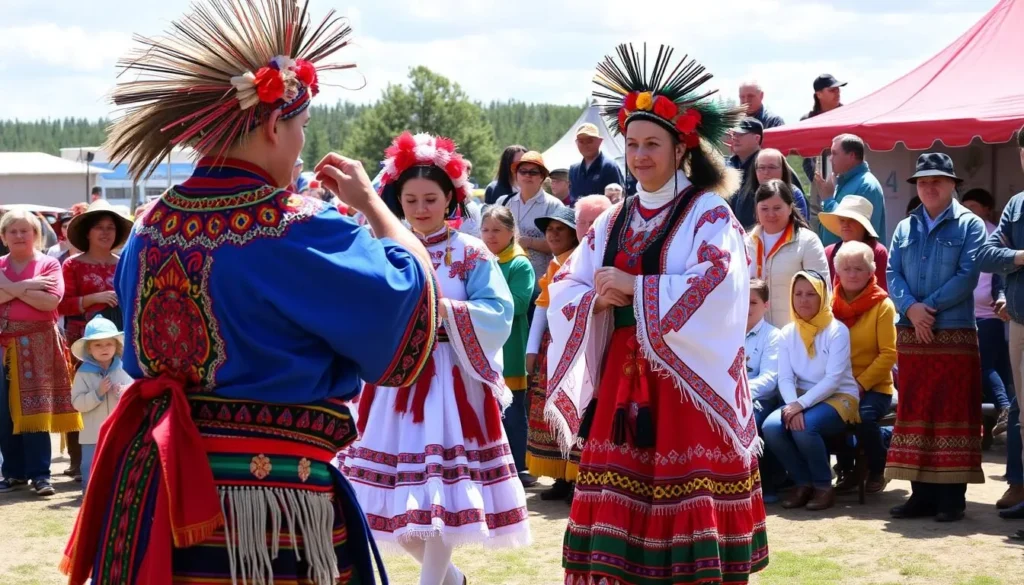
This festival celebrates the cultural heritage of the Khanty, Mansi, and other northern peoples with traditional music, dance, cuisine, and demonstrations of traditional skills like reindeer herding and birch bark crafting.
Sports, Nature & Outdoor Experiences
Khanty-Mansi Autonomous Okrug offers exceptional opportunities for outdoor enthusiasts year-round, with activities that change dramatically with the seasons in this land of extremes.
Winter Activities
Winter transforms the region into a snow-covered wonderland that attracts sports enthusiasts from around the world:
Biathlon
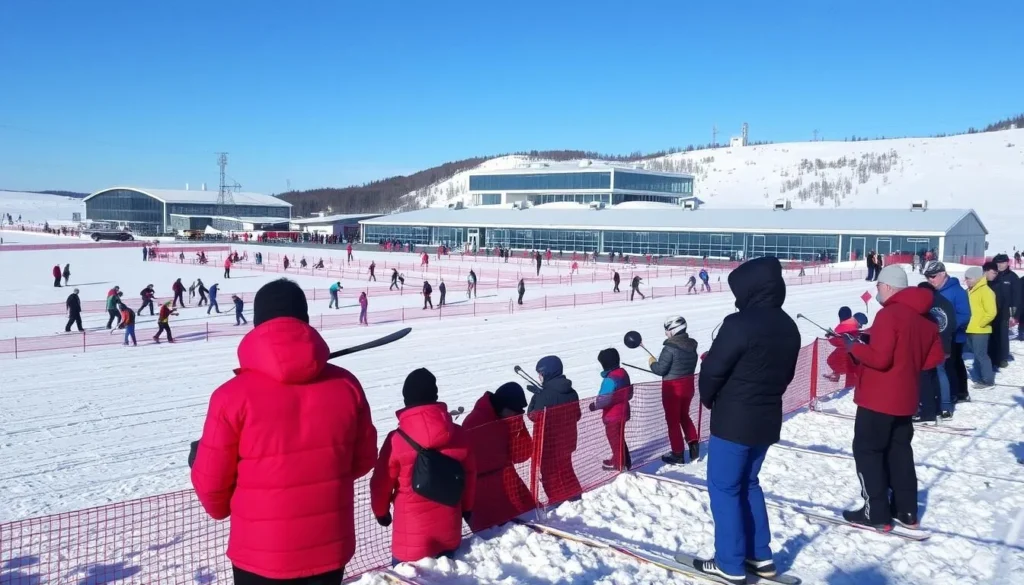
Khanty-Mansiysk is renowned for hosting international biathlon competitions at its world-class Winter Sports Center. Even when competitions aren’t running, visitors can try this challenging combination of cross-country skiing and target shooting with proper instruction.
Skiing and Snowboarding
Several ski resorts cater to different skill levels. The Cedar Ravine resort near Surgut offers gentle slopes perfect for beginners, while Pine Urman in Khanty-Mansiysk provides more challenging runs. Equipment rental is available at most resorts.
Ice Fishing
Join locals in this popular winter pastime on frozen rivers and lakes. Tour operators can arrange authentic ice fishing experiences complete with traditional methods and a taste of your catch prepared in the Siberian style.
Snowmobiling
Explore the vast snow-covered taiga forests on guided snowmobile tours. These excursions range from short rides near cities to multi-day adventures into remote wilderness areas where few visitors ever venture.
Summer Activities
When the snow melts, the region reveals different natural treasures:
Hiking
The western part of the region includes the foothills of the Ural Mountains, offering spectacular hiking opportunities. Trails range from easy walks through taiga forests to challenging multi-day treks in the mountains. Always hike with a guide, as trails can be poorly marked and wildlife encounters are possible.
River Cruises
The mighty Ob and Irtysh rivers, along with numerous smaller waterways, provide opportunities for boat excursions. These range from short sightseeing trips to multi-day cruises that showcase the region’s diverse landscapes and remote settlements.
Fishing
The region’s rivers and lakes are rich in fish species, making it a paradise for anglers. Northern pike, perch, and various whitefish species are common catches. Fishing permits are required and can be arranged through hotels or tour operators.
Berry and Mushroom Gathering
A beloved local pastime that visitors can participate in during late summer and early autumn. The taiga forests yield abundant harvests of blueberries, cranberries, cloudberries, and numerous edible mushroom species. Local guides can help identify safe varieties and the best gathering spots.
Ecotourism Opportunities
The region’s commitment to preserving its natural heritage has created several ecotourism destinations:
- Kondinskie Lakes Natural Park – A system of interconnected lakes offering kayaking, swimming, and wildlife observation opportunities. The park has well-maintained trails and camping facilities.
- Siberian Uvaly Nature Park – This protected area showcases the unique ecosystem of the West Siberian Plain, with guided tours available that focus on sustainable interaction with nature.
- Bird Watching – The extensive wetlands of the region serve as important breeding grounds and migration stopover points for numerous bird species, making it an excellent destination for birders, especially during spring and fall migrations.
Safety, Etiquette & Local Customs
Understanding local customs and safety considerations will enhance your experience in Khanty-Mansi Autonomous Okrug and help you navigate this unique region with confidence.
Safety Considerations
Weather Preparedness
The extreme climate demands respect and preparation. In winter, temperatures can drop dangerously low, making proper clothing essential. Frostbite can occur within minutes on exposed skin when temperatures fall below -30°C (-22°F). In remote areas, always travel with emergency supplies including extra warm clothing, food, and communication devices.
Wildlife Awareness
The taiga forests are home to bears, wolves, and other large mammals. While attacks are rare, it’s important to make noise while hiking to avoid surprising animals and to properly store food when camping. Never approach or feed wild animals, no matter how docile they may appear.
Transportation Safety
Road conditions can be challenging, especially outside major cities and during winter or spring thaw. If self-driving, ensure your vehicle is appropriate for the conditions and carry emergency supplies. On organized tours, choose reputable operators with proper safety equipment and experienced guides.
Health Precautions
Medical facilities in major cities are adequate, but can be basic in rural areas. Comprehensive travel insurance including evacuation coverage is strongly recommended. Bring any prescription medications you need, as specific brands may not be available locally.
Cultural Etiquette
Respecting local customs will enhance your interactions with residents:
- Russian Customs – Remove your shoes when entering someone’s home, bring a small gift when invited to dinner (flowers or chocolates are appropriate), and be prepared for toasts if alcohol is served. Russians appreciate directness but also value politeness.
- Indigenous Customs – When visiting indigenous communities or sacred sites, ask permission before taking photographs of people or religious objects. Some natural features like unusual trees or rock formations may have spiritual significance to indigenous peoples and should be treated respectfully.
- Religious Respect – When visiting Orthodox churches, women should cover their heads and wear modest clothing that covers shoulders and knees. Men should remove hats. Photography may be restricted in some religious buildings.
Communication Tips
Russian is the primary language throughout the region, and English is not widely spoken outside major hotels and tourist facilities in larger cities. Learning a few basic Russian phrases will be greatly appreciated by locals and can significantly enhance your experience. Consider downloading a translation app that works offline, as internet connectivity can be spotty in remote areas.
The indigenous Khanty and Mansi languages are still spoken in some communities, though most indigenous people also speak Russian. Showing interest in these endangered languages is usually welcomed.
Practical Considerations
The region operates on Yekaterinburg Time (YEKT), which is UTC+5. Business hours typically run from 9:00 AM to 6:00 PM, though many shops stay open later. Museums are often closed on Mondays, so plan accordingly.
While major credit cards are accepted in cities, cash is still king in rural areas. ATMs are readily available in urban centers but can be scarce elsewhere. The Russian ruble is the only accepted currency, so exchange money before heading to remote locations.
Additional Nearby Destinations
While Khanty-Mansi Autonomous Okrug offers enough attractions to fill an extended stay, its location provides opportunities to explore other fascinating parts of Russia:
Yamalo-Nenets Autonomous Okrug
Located directly north of Khanty-Mansi, this region extends into the Arctic Circle and is home to the Nenets reindeer herders who maintain their nomadic lifestyle. The capital, Salekhard, is the only city in the world located directly on the Arctic Circle. Visitors can experience the midnight sun in summer or the polar night in winter, and potentially witness the Northern Lights. The region is accessible via flights from Khanty-Mansiysk to Salekhard.
Tyumen
South of Khanty-Mansi lies Tyumen, the first Russian settlement in Siberia, founded in 1586. The city offers a pleasant mix of historic wooden architecture and modern amenities. Tyumen is famous for its hot springs, which are especially enjoyable during winter when you can bathe in warm water while surrounded by snow. Regular flights and trains connect Tyumen with the cities of Khanty-Mansi Autonomous Okrug.
Yekaterinburg
Located on the European side of the Ural Mountains, Yekaterinburg is Russia’s fourth-largest city and a major cultural center. The city is known for its constructivist architecture, vibrant arts scene, and as the place where the last Russian Tsar and his family met their end. The city serves as a gateway to the Ural Mountains and is accessible by direct flights from Khanty-Mansiysk and other cities in the region.
Practical Travel Tips
Documentation
Beyond a valid passport and Russian visa, travelers to remote areas of Khanty-Mansi Autonomous Okrug may need additional permits, especially when visiting nature reserves or border areas near the Ural Mountains. These can usually be arranged through tour operators or local guides. Always carry your passport (or a notarized copy) and visa registration with you, as random document checks can occur.
Connectivity
Mobile coverage is generally good in cities and along major transportation routes but can be non-existent in remote areas. Consider renting a satellite phone if venturing far from civilization. Wi-Fi is available in most hotels and many cafes in larger cities, though speed and reliability can vary. Download maps, translation apps, and other essential resources for offline use before departing for remote locations.
Shopping
For authentic souvenirs, look for items made by indigenous artisans, including birch bark containers, reindeer hide products, and beaded jewelry. The central market in Khanty-Mansiysk offers a good selection. Be aware that products made from certain animal parts may be illegal to export or import to your home country. For practical shopping, major cities have modern supermarkets and shopping centers where you can purchase any necessities.
Budgeting
While not as expensive as Moscow or St. Petersburg, Khanty-Mansi Autonomous Okrug can be pricier than many other Russian regions due to its remote location and oil wealth. Accommodations represent the largest expense, with mid-range hotels in Khanty-Mansiysk costing between 4,000-7,000 rubles (approximately $50-90 USD) per night. Meals at mid-range restaurants average 800-1,500 rubles ($10-20 USD) per person. Organized tours, especially to remote areas, can be costly but are often the only practical way to access certain attractions.
Is Khanty-Mansi Autonomous Okrug safe for foreign visitors?
Yes, the region is generally safe for tourists. Crime rates are relatively low, especially compared to larger Russian cities. The main safety concerns relate to the harsh climate and remote nature of many attractions. Following local advice regarding weather conditions and appropriate preparation for outdoor activities is essential. As in any destination, maintain awareness of your surroundings in public places and take standard precautions with valuables.
How many days should I plan to spend in the region?
A minimum of 5-7 days is recommended to experience the highlights of Khanty-Mansi Autonomous Okrug. This allows for exploring Khanty-Mansiysk (2-3 days), taking a day trip to a natural area, and possibly visiting another city like Surgut. If you’re interested in more remote attractions like the Ural Mountains or indigenous communities, consider extending your stay to 10-14 days to account for travel time and to fully appreciate these unique experiences.
Can I visit indigenous communities as a tourist?
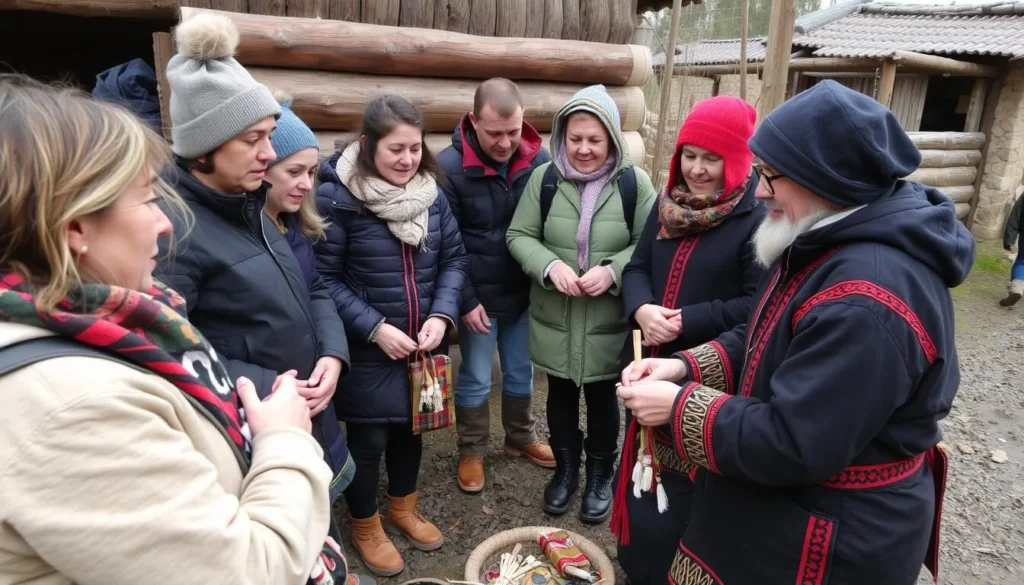
Yes, but visits should be arranged through reputable tour operators who work respectfully with these communities. Some Khanty and Mansi families welcome tourists to experience their traditional way of life, but unannounced visits are not appropriate. The Torum Maa Ethnographic Museum can provide information about cultural tours and authentic experiences. Always approach these opportunities with cultural sensitivity and a genuine interest in learning rather than treating them as spectacles.
The Siberian Treasure Awaiting Your Discovery
Khanty-Mansi Autonomous Okrug represents a Russia few travelers ever experience – a land where pristine wilderness meets indigenous traditions and modern development. From the snow-capped peaks of the Ural Mountains to the endless taiga forests, from traditional reindeer herder celebrations to world-class museums and sports facilities, this region offers authentic experiences that go far beyond the typical Russian tourist trail.
The challenges of reaching and navigating this vast territory are amply rewarded by the opportunity to witness a unique cultural landscape where ancient ways of life continue alongside contemporary Russian society. Whether you’re seeking adventure in untouched natural settings, cultural insights into indigenous communities, or simply a different perspective on Russia, Khanty-Mansi Autonomous Okrug promises memories that will last a lifetime.
As you plan your journey to this remarkable corner of Siberia, remember that the most rewarding travel experiences often come from the most unexpected places. In Khanty-Mansi Autonomous Okrug, you’ll find not just attractions to check off a list, but a profound connection to a land and its people that may well call you back again and again.
Related Posts
Saint Petersburg, Russia: Best Things to Do – Top Picks
Zabaykalsky Krai, Russia: Best Things to Do – Top Picks
Yamalo-Nenets Autonomous Okrug, Russia: Best Things to Do – Top Picks
Tver Oblast, Russia: Best Things to Do – Top Picks
Yaroslavl Oblast, Russia: Best Things to Do – Top Picks
Volgograd Oblast, Russia: Best Things to Do – Top Picks
Coming Soon: Clickable Maps
Visitor Comments About Khanty-Mansi Autonomous Okrug
“My expedition to the Subpolar Urals in Khanty-Mansi was the adventure of a lifetime. Standing atop Mount Narodnaya, I felt like I’d discovered a secret corner of Russia that few foreigners ever see. The pristine wilderness and the warmth of the local people made this journey unforgettable. Don’t miss the chance to try stroganina – frozen fish served with salt and pepper – it’s surprisingly delicious!”
“Khanty-Mansiysk city surprised me with its modern architecture and cultural offerings. The Museum of Nature and Man was world-class, and watching a biathlon competition at the Winter Sports Center was thrilling even though I knew little about the sport. What really touched me was participating in a traditional Khanty ceremony at the Torum Maa museum – the connection to ancient traditions in such a modern region was fascinating.”
“As someone who’s traveled extensively in Russia, I found Khanty-Mansi Autonomous Okrug to be a refreshing discovery. The oil wealth has created excellent infrastructure in the cities, while the vast taiga remains largely untouched. Fishing on the Ob River with local guides who shared stories of growing up in this remote region was the highlight of my trip. Just be prepared for the mosquitoes if you visit in summer!”