
Hotels by Trip.com
Flights by Trip.com
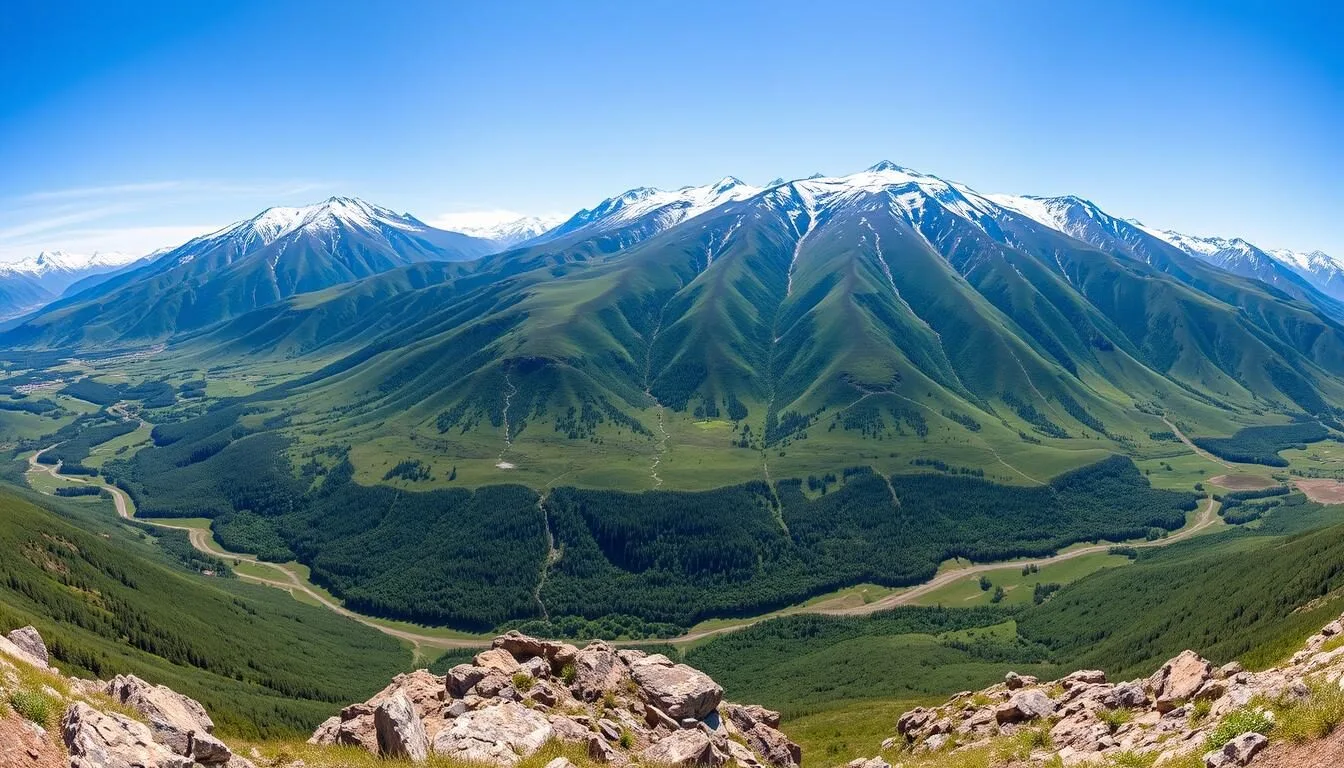
Did you know that the Altai Krai region contains Lake Teletskoye, often called the “Little Baikal,” which holds enough pristine freshwater to supply the entire world’s population for over a year? This remote Siberian wonderland, where Russia meets Kazakhstan, China, and Mongolia, offers travelers an extraordinary escape into one of the most spectacular wilderness regions on earth. With UNESCO-listed Golden Mountains, crystal-clear rivers, and a unique blend of Russian and indigenous Altaian culture, this hidden gem rewards adventurous travelers with experiences that feel increasingly rare in our interconnected world.
Getting There & Planning Your Journey
Reaching the Altai Krai requires some planning, as it’s located in one of Russia’s most remote regions. The area sits in southern Siberia, bordering Kazakhstan, China, and Mongolia.
By Air
The most convenient way to reach the Altai region is by flying to Barnaul, the capital of Altai Krai. Several airlines operate flights from Moscow, with a flight time of about 4 hours. S7 Airlines offers regular connections, and Aeroflot also serves this route. From Barnaul, you’ll need to arrange ground transportation to explore the region.
Alternatively, you can fly to Gorno-Altaysk, the capital of the neighboring Altai Republic, which is closer to many natural attractions. However, flight options are more limited to this smaller airport.
By Land
If you’re already in Siberia, you can reach the Altai region via the Trans-Siberian Railway to Novosibirsk, then take a bus to Barnaul (3-4 hours, approximately 800₽ or $9 USD). From Barnaul, buses travel to various destinations within Altai Krai.
For the adventurous, the journey from Moscow to Barnaul by train takes approximately 55 hours and offers a chance to experience the vastness of Russia’s landscape.
Best Time to Visit & Weather Tips
Recommended Seasons
Summer (June-August)
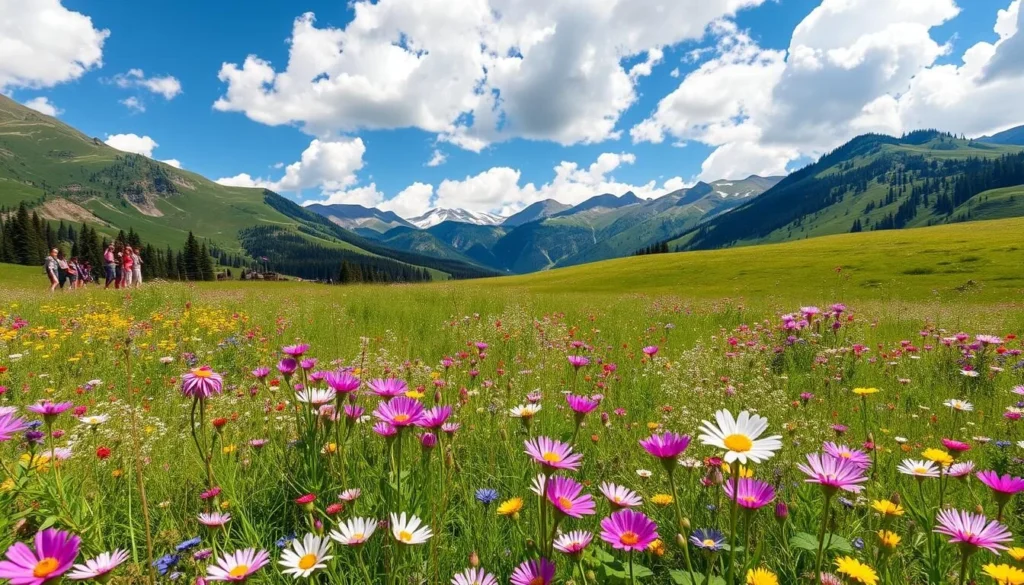
The peak tourist season offers warm days (20-25°C/68-77°F) and cool nights (5-10°C/41-50°F). Perfect for hiking, boating, and outdoor activities. August typically has the sunniest weather with minimal rain. This is the ideal time for exploring remote areas, as roads are most accessible.
Early Autumn (September)
A wonderful time for photography as the forests transform into brilliant gold and red hues. Temperatures range from 10-15°C (50-59°F) during the day to near freezing at night. Tourist crowds thin out significantly, offering a more peaceful experience.
Seasons to Avoid
Late Autumn (October-November)
Weather becomes unpredictable with increasing precipitation and temperatures dropping below freezing. Many tourist facilities begin closing for the season, and roads to remote areas may become impassable.
Winter (December-February)
Extremely cold with temperatures plunging to -15°C to -20°C (5°F to -4°F). While the snow-covered landscapes are beautiful, many areas become inaccessible, and most tourism infrastructure operates at minimal capacity.
Local Tip: The temperature difference between day and night can be dramatic (up to 20°C/36°F), even in summer. Always pack layers, regardless of when you visit.
Getting Around Locally
By Car
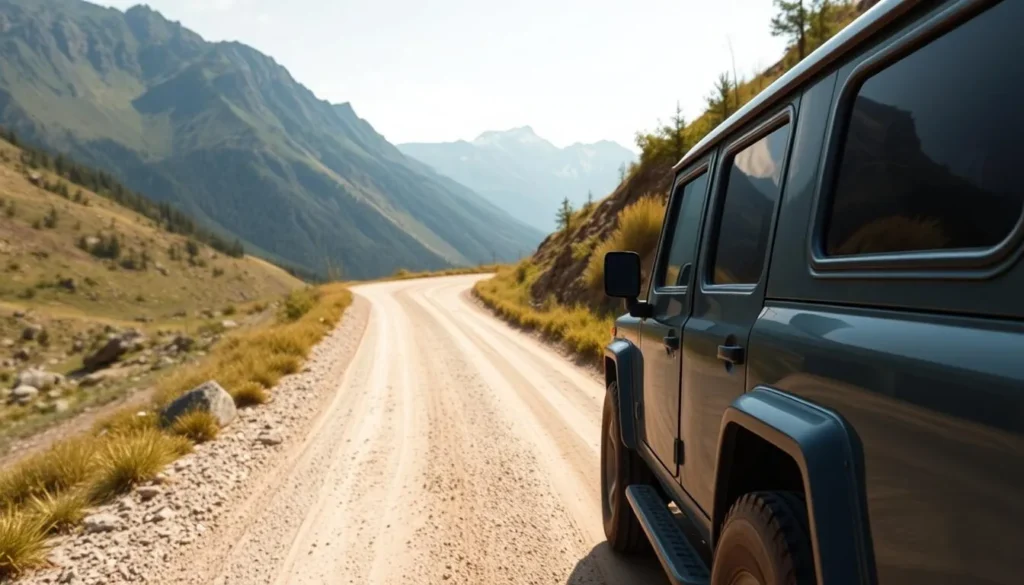
Renting a 4×4 vehicle is the best way to explore Altai Krai independently. Major roads are generally well-maintained, but many attractions require driving on unpaved roads. Car rental services are available in Barnaul, with prices starting from about 2,500₽ ($28) per day. International driving permits are recognized.
The main road (M52 highway) leading toward the Mongolian border is well-maintained, but secondary roads can be challenging, especially after rain. Always check road conditions before venturing into remote areas.
Check 30,000+ Local Sightseeing Tours Worldwide
✓ Numerous languages and currencies are available
By Tour
Organized tours are a popular option, especially for those unfamiliar with the region or uncomfortable driving in remote areas. Many tour operators in Barnaul and Gorno-Altaysk offer packages ranging from day trips to multi-day expeditions. This option provides the benefit of local knowledge and eliminates navigation concerns.
By Public Transport
Public buses connect major towns and some tourist sites, but schedules can be limited and many natural attractions are not served by public transportation. Buses from Barnaul to Belokurikha (a popular resort town) run several times daily and cost around 400₽ ($4.50).
Navigation Tip: Download offline maps before your trip, as mobile coverage can be spotty in remote areas. Apps like Maps.me work well in the region.
Where to Stay
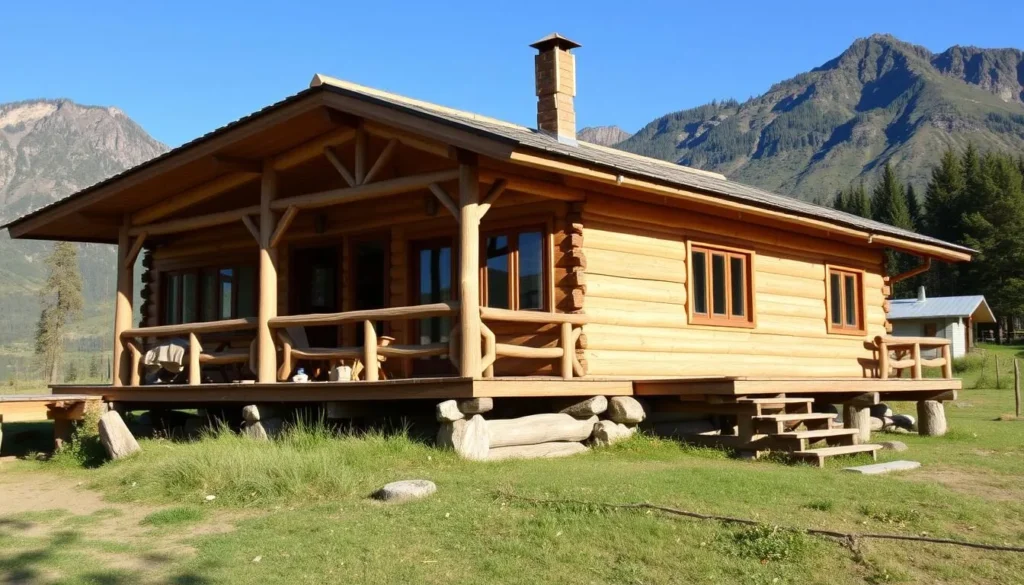
Accommodation options in Altai Krai range from comfortable hotels in larger towns to rustic guesthouses and camping sites in more remote areas. While facilities are relatively basic compared to major tourist destinations, there’s a growing number of comfortable options.
Recommended Accommodations
Budget Options
Simple guesthouses and hostels in towns like Belokurikha and Chemal offer basic but comfortable rooms from 1,000₽ ($11) per night. Camping is permitted in many areas, with formal campsites charging around 300-500₽ ($3-6) per tent.
Mid-Range Options
Tourist complexes like those around Lake Aya provide comfortable cabins with private bathrooms and sometimes kitchenettes. Prices range from 2,500-4,000₽ ($28-45) per night, often including breakfast.
Luxury Options
Spa resorts in Belokurikha offer upscale accommodations with thermal pools and wellness facilities. The health-focused resort town provides a comfortable base for exploring the region, with rooms starting from 5,000₽ ($56) per night.
Important: Summer weekends can be extremely busy, with accommodations booking up months in advance. In winter, many guesthouses close or operate with limited services. Always make reservations ahead of time, regardless of season.
Dining & Local Cuisine
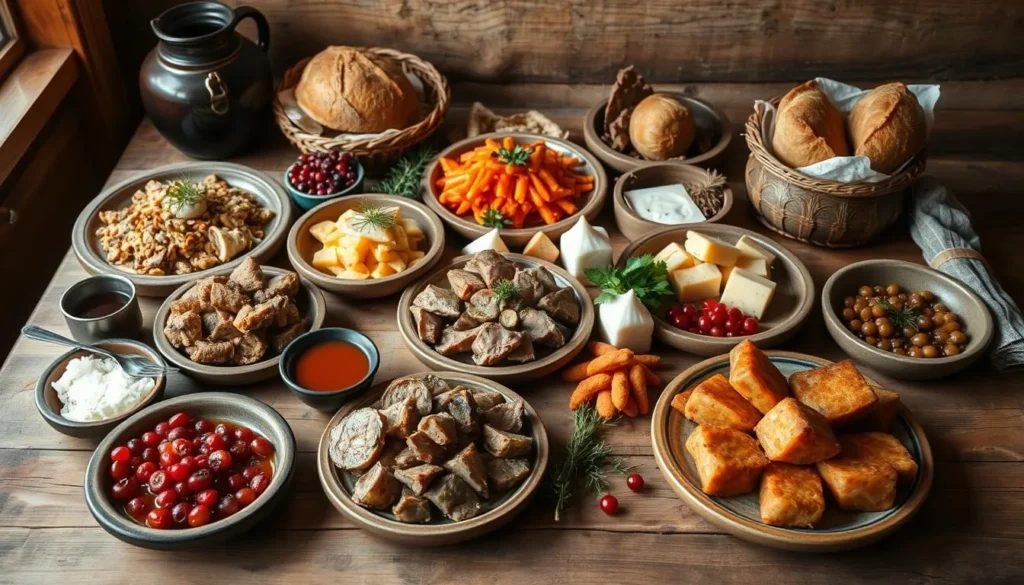
The Altai region’s cuisine reflects its nomadic heritage and Russian influences, with an emphasis on hearty, simple dishes based on meat, dairy, and foraged ingredients. In the small towns and villages around Altai Krai, dining options range from simple cafes to more upscale restaurants in tourist areas.
Local Specialties to Try
- Pelmeni – Siberian dumplings filled with various meats, often served with sour cream
- Altai Honey – The region is famous for its high-quality honey, produced from the diverse wildflowers of the mountains
- Kurut – Hard, salty cheese smoked over wood on an open fire
- Kocho – Altai barley soup made from meat broth with minimal seasoning
- Chegan – A lightly fizzy yogurt-based drink popular throughout the region
- Altai Herbs Tea – Herbal infusions made from local mountain herbs and berries
Where to Eat
In Barnaul and Belokurikha, you’ll find a range of restaurants serving both local and international cuisine. In smaller towns and villages, options are more limited but often more authentic. Prices are generally very reasonable, with a full meal in a local cafe costing around 400-700₽ ($4.50-8).
If visiting during winter or shoulder seasons, come prepared with your own food supplies. Most guesthouses provide kitchen facilities for self-catering, and small grocery stores in the villages offer basic provisions.
Attractions, Sightseeing & Activities
Must-See Natural Wonders
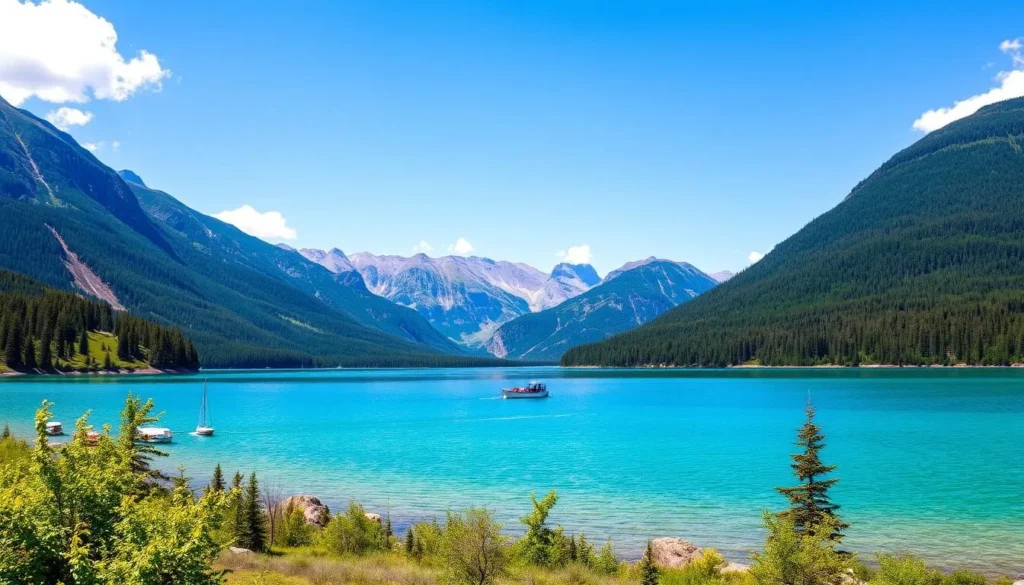
Lake Teletskoye
Often called the “Pearl of Altai,” this 78 km-long lake is one of Siberia’s most pristine bodies of water. Surrounded by forested mountains, the lake reaches depths of 325 meters (1,066 feet). Boat trips offer the best way to explore its beauty, with tours departing regularly from the northern shore villages.
Belokurikha Resort Area
Famous for its radon-enriched thermal springs, this spa town offers both wellness treatments and access to beautiful mountain scenery. The nearby Tserkovka Mountain provides excellent hiking opportunities and panoramic views of the surrounding countryside.
Scenic Viewpoints
Katu-Yaryk Pass
This dramatic mountain pass offers breathtaking views over the Chulyshman River valley. The steep, switchback road descending into the valley is an adventure in itself, but the panoramic vistas make it worthwhile.
Blue Lakes (Golubye Ozera)
These small but stunningly beautiful lakes near Chemal are known for their vivid turquoise color. The water maintains a constant temperature of about 9°C (48°F) year-round, creating a unique microclimate where plants bloom even in winter.
Historical Sites
The Altai region is rich in archaeological treasures, with petroglyphs (rock carvings) dating back thousands of years. The Kalbak-Tash petroglyph complex along the Chuya Highway contains over 5,000 images depicting ancient life, hunting scenes, and mythological figures, some dating back to 8,000 BCE.
Museums, Cultural Spots & Festivals
Museums
The Altai State Regional Museum in Barnaul houses an impressive collection of artifacts documenting the region’s natural history and cultural heritage. Exhibits include archaeological findings, traditional costumes, and displays about the region’s flora and fauna. Admission costs around 200₽ ($2.25).
In smaller towns, local history museums provide insights into traditional lifestyles and the development of settlements in this frontier region.
Cultural Experiences
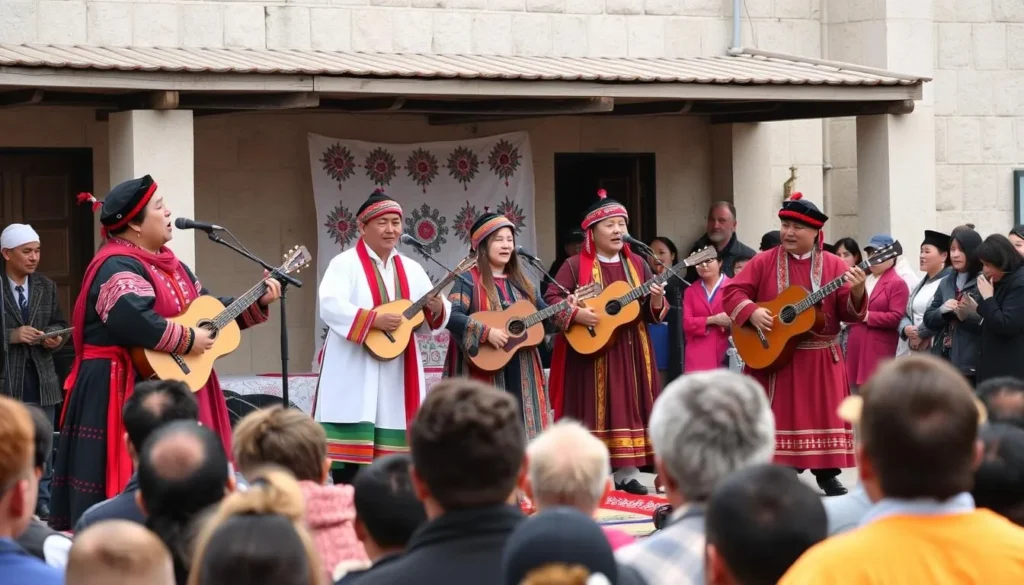
The indigenous Altaians practice a unique blend of shamanism, Buddhism, and Burkhanism (the “White Faith”). Their traditional lifestyle revolves around semi-nomadic herding, with horses playing a central role in their culture.
One of the most distinctive cultural practices in Altai is throat singing, where performers produce multiple vocal tones simultaneously. Cultural centers in larger towns sometimes offer performances, particularly during summer.
Local Festivals
- El Oyin (June/July, biennial) – A traditional festival featuring folk music, throat singing, archery competitions, and horse racing
- Chagan Bayram (February) – The “White Holiday” marking the beginning of the New Year according to the lunar calendar
- Honey Festival (August) – Celebrating the region’s famous honey harvest with tastings, competitions, and cultural performances
Sports, Nature & Outdoor Experiences
Hiking & Trekking
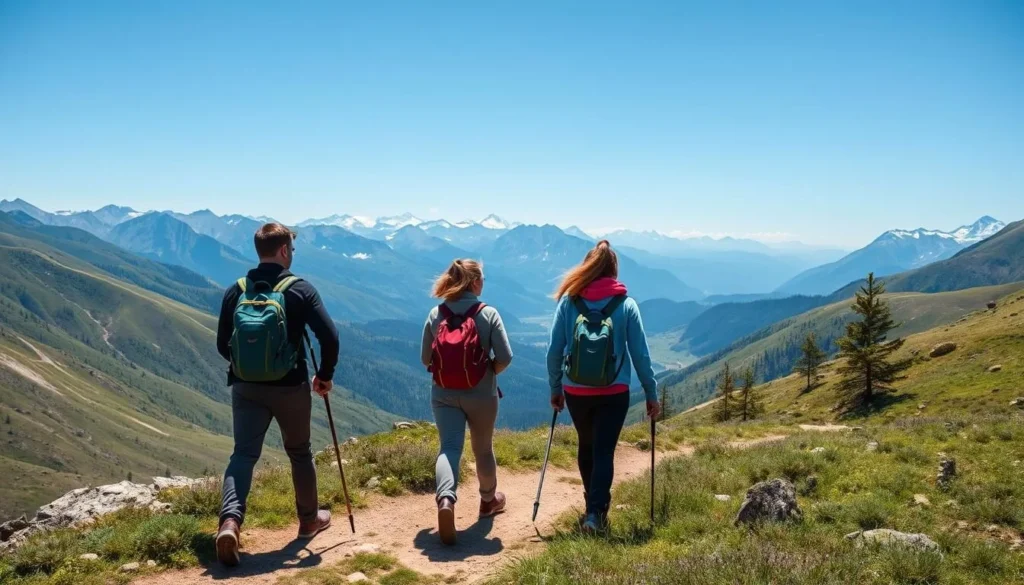
The Altai mountains offer numerous hiking opportunities for all skill levels. Popular routes include the trails around Belokurikha, the paths to Tilan-Tuu viewpoint, and more challenging treks in the Katu-Yaryk area. Multi-day hikes require proper preparation and often a guide, as trails can be poorly marked in remote areas.
Water Activities
Rafting & Kayaking
The Katun River offers excellent white-water rafting opportunities, with sections suitable for different experience levels. Tour operators in Barnaul and along the river provide equipment and guides. The best time for rafting is May to September, with peak water levels in early summer.
Lake Cruises
Boat trips on Lake Teletskoye provide a more relaxed way to enjoy the water. Regular excursions depart from the northern shore, taking visitors to waterfalls and remote villages along the lake. A full-day boat journey costs approximately 1,500₽ ($17) per person.
Winter Activities
During the winter months, the Altai region transforms into a snow-covered wonderland. Activities include cross-country skiing, snowshoeing, and ice fishing. The ski resort at Belokurikha offers downhill skiing with several lifts and runs suitable for beginners to intermediate skiers.

Unique Experiences
- Horseback Riding – Experience the landscape as locals have for centuries, with guided rides available from several stables throughout the region
- Honey Tasting – Visit local apiaries to sample and purchase the region’s famous honey varieties
- Photography – The diverse landscapes of Altai Krai provide endless opportunities for nature photography, particularly during the golden hours of sunrise and sunset
Safety, Etiquette & Local Customs
Safety Considerations
Altai Krai is generally safe for tourists, but its remote nature presents certain challenges. Medical facilities are limited outside major towns, so bring a comprehensive first aid kit and any necessary medications. Cell phone coverage can be spotty in mountainous areas, so inform someone of your plans when venturing into remote locations.
Weather can change rapidly in mountain regions, so always be prepared with appropriate clothing and supplies. When hiking, stick to established trails and consider hiring a local guide for more challenging routes.
Language & Communication
Russian is the primary language, with limited English spoken even in tourist areas. Learning basic Russian phrases is highly recommended. The indigenous population also speaks Altaian dialects. A translation app on your smartphone can be invaluable for communication.
Cultural Etiquette
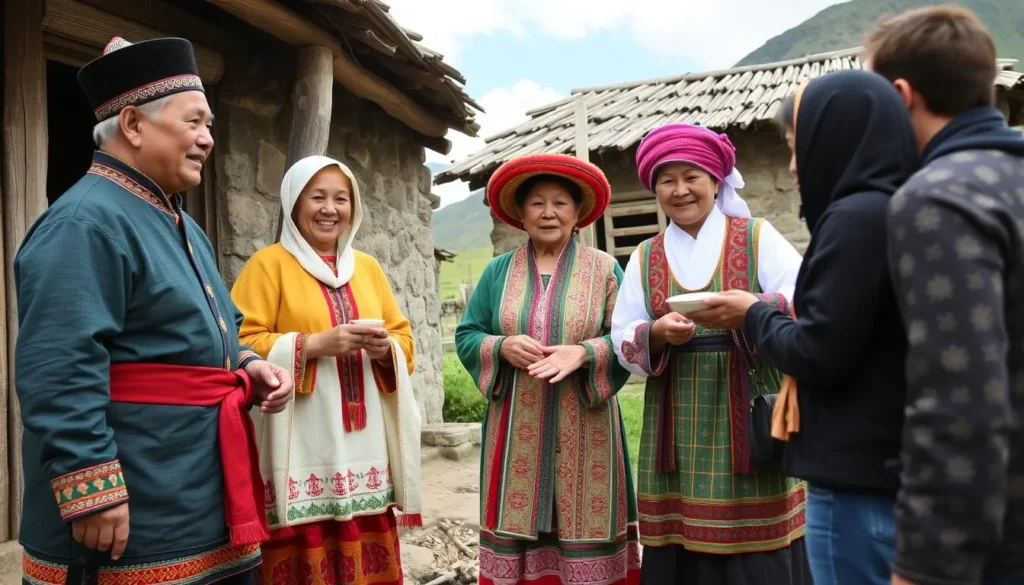
- When visiting indigenous communities, ask permission before taking photographs of people or religious sites
- Remove shoes when entering someone’s home
- If invited to a meal, bringing a small gift (like chocolates or fruit) is appreciated
- Sacred natural sites are often marked with ribbons tied to trees or stone cairns – respect these places and don’t disturb the markers
Currency Tip: The Russian ruble (₽) is the only accepted currency. ATMs are available in Barnaul and larger towns but scarce in remote areas, so bring sufficient cash. Credit cards are accepted at larger establishments but not universally.
Visitor Comments About Altai Krai
“Lake Teletskoye was the highlight of our Siberian adventure. The water is incredibly clear, and the boat trip showed us waterfalls and scenery we couldn’t have accessed any other way. We stayed in a small guesthouse in Artybash where the owners treated us like family despite the language barrier. Bring warm clothes even in summer – the evenings get chilly!”
“The Altai honey is worth the journey alone! We visited in early September when the summer crowds had thinned out but before the weather turned. The hiking around Belokurikha was spectacular, with well-marked trails and stunning views. Don’t miss the petroglyphs if you’re interested in history – seeing art that’s thousands of years old was humbling.”
“As an experienced traveler, I can say Altai Krai offers something truly special. The combination of mountain scenery, cultural experiences, and genuine hospitality made this one of my most memorable trips. The roads can be challenging, so I’d recommend hiring a local driver unless you’re comfortable with rough conditions. The throat singing performance we attended in a small village was absolutely mesmerizing.”
Practical Travel Tips
What to Pack
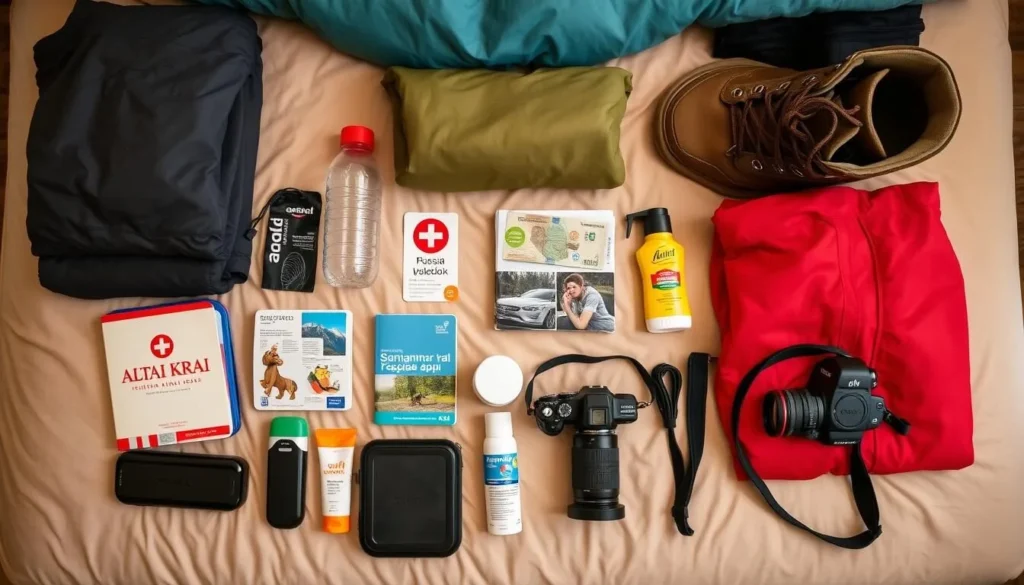
- Layered clothing – Even in summer, temperatures can fluctuate dramatically between day and night
- Waterproof jacket – Rain is possible year-round, and boat trips can be splashy
- Sturdy footwear – Essential for hiking the uneven forest trails
- Insect repellent – Mosquitoes can be abundant in summer months
- Power bank – Useful for extended trips away from electrical outlets
- Cash – Sufficient rubles for your entire stay in remote areas
- Basic medical supplies – Including any prescription medications you need
- Russian phrasebook or translation app – Essential for communication
Connectivity
Mobile coverage exists in towns and along major roads but becomes unreliable in remote areas. Wi-Fi is available at some accommodations but is typically slow and intermittent. Consider this an opportunity to disconnect and fully immerse in nature.
Transportation Tips
If renting a car, opt for a 4×4 vehicle with good clearance. Fuel stations can be far apart in remote areas, so fill up whenever possible. For those using public transportation, be aware that schedules can change seasonally, and it’s best to confirm timings locally.
Important: The Altai Krai region borders the Altai Republic, which has the same name but is a different administrative entity. When researching or booking, ensure you’re looking at information for the correct region (Krai vs. Republic).
Altai Krai Location Map
Sample 3-Day Itinerary
Day 1: Barnaul & Belokurikha
Morning: Arrive in Barnaul and visit the Altai State Regional Museum to learn about the region’s history and culture.
Afternoon: Drive to Belokurikha (150 km) and check into accommodation. Explore the resort town and enjoy a relaxing thermal spa treatment.
Evening: Dinner at a local restaurant featuring Altai specialties.
Day 2: Mountain Exploration
Morning: Hike up Tserkovka Mountain for panoramic views of the surrounding countryside.
Afternoon: Visit a local honey farm to sample the region’s famous varieties.
Evening: Attend a cultural performance featuring traditional music and throat singing if available.
Day 3: Lake Aya
Morning: Drive to Lake Aya (70 km from Belokurikha), a small but picturesque lake surrounded by mountains.
Afternoon: Enjoy swimming (in summer), hiking around the lake, or boat rentals.
Evening: Return to Barnaul or extend your stay to explore more of the Altai region.
Extended Trip: With more time, consider adding visits to Lake Teletskoye (allow 2-3 days), the Katu-Yaryk Pass, or the ancient petroglyphs along the Chuya Highway.
The Untamed Beauty of Siberia Awaits
Altai Krai, with its shimmering lakes, majestic mountains, and rich cultural heritage, offers an extraordinary escape into one of Russia’s most pristine wilderness areas. From boat journeys across crystal-clear waters to hikes through ancient forests and encounters with traditional cultures, this remote destination rewards adventurous travelers with experiences that feel increasingly rare in our interconnected world.
While reaching and navigating Altai Krai requires effort and planning, those who make the journey discover a place where nature’s grandeur remains largely untouched and where time seems to move at a different pace. Whether you’re seeking adventure, tranquility, or simply a break from the familiar, the golden mountains and pristine lakes of this Siberian wonderland promise memories that will last a lifetime.
Related Posts
Saint Petersburg, Russia: Best Things to Do – Top Picks
Zabaykalsky Krai, Russia: Best Things to Do – Top Picks
Yamalo-Nenets Autonomous Okrug, Russia: Best Things to Do – Top Picks
Tver Oblast, Russia: Best Things to Do – Top Picks
Yaroslavl Oblast, Russia: Best Things to Do – Top Picks
Volgograd Oblast, Russia: Best Things to Do – Top Picks
Coming Soon: Clickable Maps