
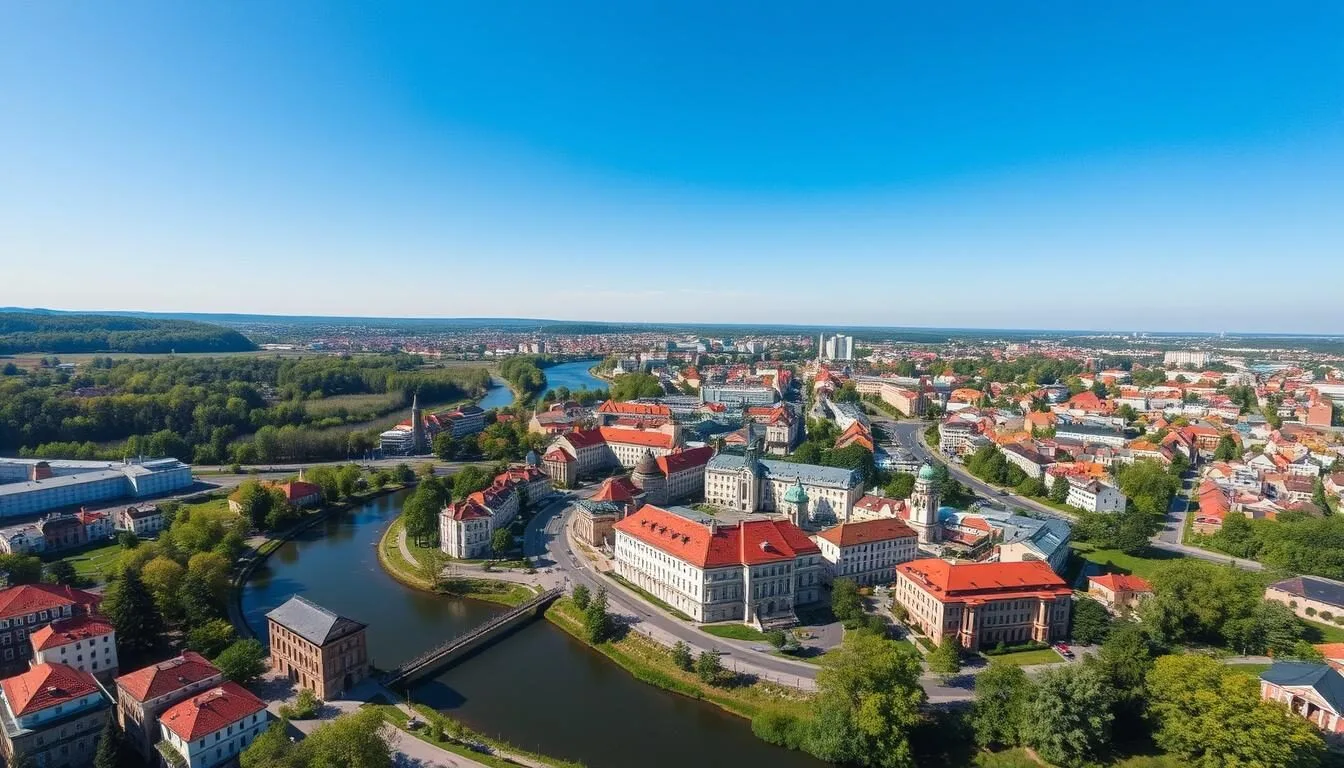
Did you know that Kaluga is known as the “Cradle of Cosmonautics” and houses the world’s first and largest museum dedicated to space exploration? Founded in 1967 with the direct participation of Yuri Gagarin (the first human in space) and Sergei Korolev (the lead Soviet rocket engineer), the Museum of the History of Cosmonautics stands as a testament to Kaluga’s unique place in humanity’s journey to the stars. This fascinating city, just 160 km southwest of Moscow, offers a perfect blend of cosmic innovation, rich history, and picturesque Russian architecture that makes it an undiscovered gem for travelers seeking authentic Russian experiences beyond the typical tourist routes.
Getting There & Planning Your Journey
Kaluga is conveniently located about 160 km (100 miles) southwest of Moscow, making it an accessible destination for travelers. The most common way to reach Kaluga is from Moscow, which serves as the main international gateway to the region.
From Moscow to Kaluga:
- By Train: Regular trains depart from Moscow’s Kievsky Railway Station to Kaluga, with the journey taking approximately 2-2.5 hours.
- By Bus: Buses run frequently from Moscow’s Teply Stan bus station, with travel times of around 3 hours depending on traffic.
- By Car: The drive from Moscow takes approximately 2.5-3 hours via the M3 highway, offering flexibility for your travel schedule.
Best Time to Visit Kaluga
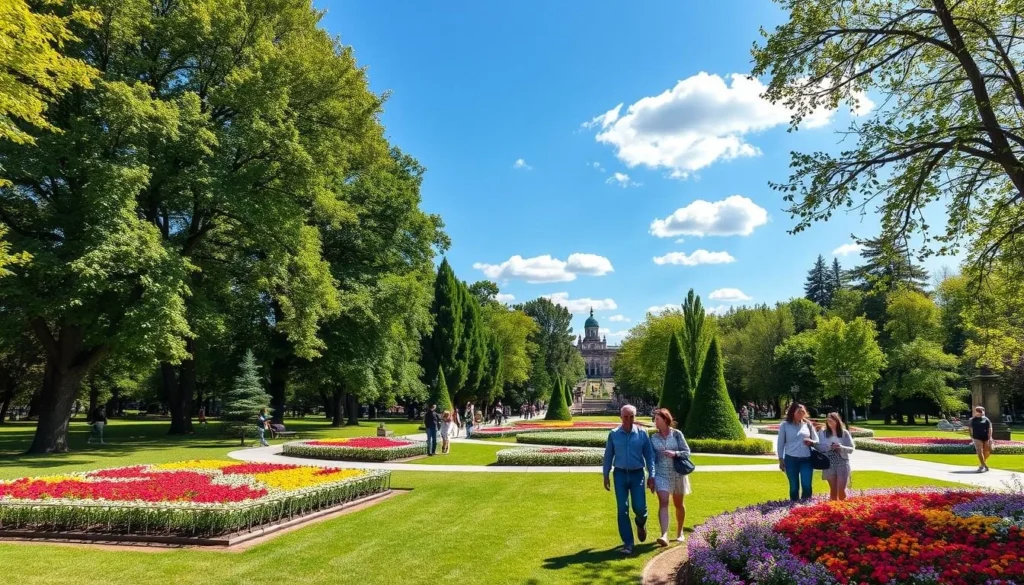
Kaluga experiences a continental climate with distinct seasons. The best time to visit depends on your preferences for weather and activities.
Recommended Seasons:
- Late Spring (May-June): 15-22°C (59-72°F) with blooming gardens and comfortable temperatures for sightseeing.
- Summer (June-August): 20-26°C (68-79°F) with long daylight hours perfect for exploring outdoor attractions and enjoying festivals.
- Early Autumn (September): 12-18°C (54-64°F) with beautiful fall colors and fewer tourists.
Seasons to Avoid:
- Winter (December-February): -10 to -5°C (14-23°F) with snow and limited daylight hours, though beautiful for those who enjoy winter landscapes.
- Late Autumn (October-November): 0-8°C (32-46°F) with frequent rain and gray skies.
- Early Spring (March-April): 0-10°C (32-50°F) with melting snow creating muddy conditions.
Getting Around Locally
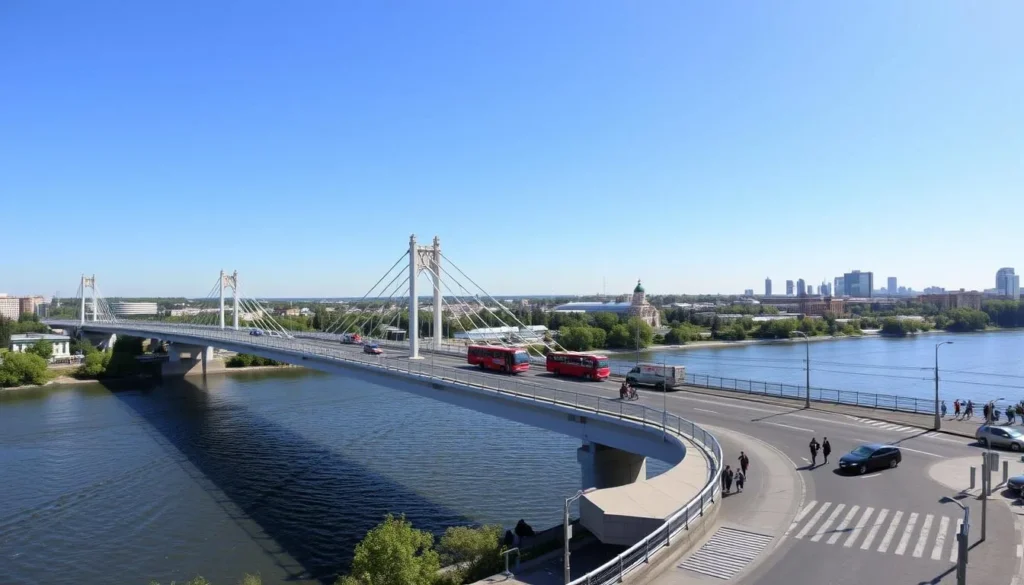
Navigating Kaluga is relatively straightforward, with several transportation options available to visitors.
Local Transportation Options:
- Public Buses: Kaluga has an extensive bus network covering most attractions. Single rides cost around 25-30 rubles (approximately $0.30-0.35).
- Marshrutkas (Minibuses): These follow set routes and are slightly faster than regular buses. Flag them down anywhere along their route.
- Taxis: Readily available and affordable. Use official taxi services or apps like Yandex Taxi for reliable service.
- Walking: The historical center is compact and best explored on foot, with many attractions within walking distance of each other.
For visitors planning to explore attractions outside the city center, such as Shamordino Monastery or Ugra National Park, renting a car or booking a guided tour is recommended.
Where to Stay
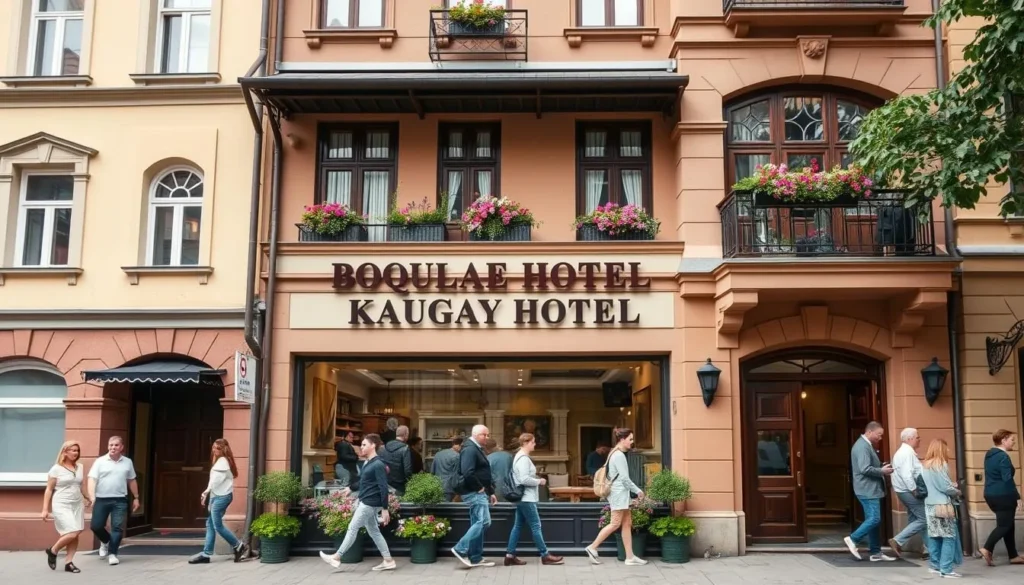
Kaluga offers a range of accommodation options to suit different budgets and preferences. Most hotels are concentrated in the city center, providing easy access to major attractions.
Accommodation Options:
Luxury & Business Hotels
Four-star hotels like Ambassador Hotel and Hilton Garden Inn offer modern amenities, restaurants, and business facilities. Expect to pay 5,000-8,000 rubles ($60-95) per night.
Mid-Range Options
Hotels like Kaluga Plaza and Best Western provide comfortable rooms at 3,000-5,000 rubles ($35-60) per night, often including breakfast and central locations.
Budget Accommodations
Hostels and guesthouses offer basic accommodations from 1,500-2,500 rubles ($18-30) per night, perfect for travelers watching their budget.
For an authentic experience, consider staying in a mini-hotel in a restored historical building in the old town area, where you’ll be within walking distance of most attractions.
Dining & Local Cuisine
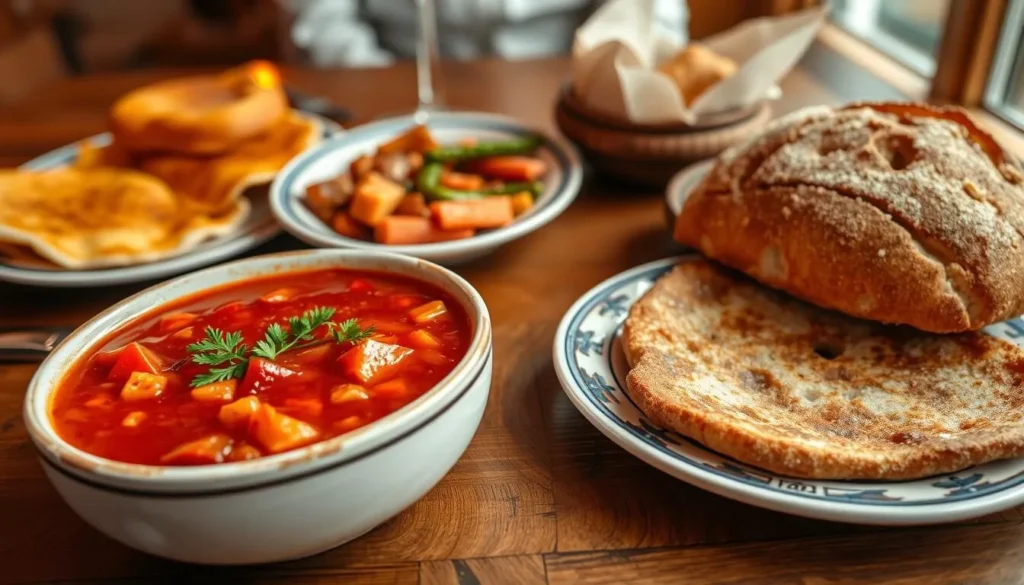
Kaluga offers a variety of dining options featuring traditional Russian cuisine alongside international dishes. Local specialties often incorporate freshwater fish from the Oka River and forest ingredients like mushrooms and berries.
Must-Try Local Dishes:
- Kaluga Sturgeon: A local delicacy prepared with herbs and served with traditional accompaniments.
- Kalach: A traditional Russian white bread with a distinctive shape, often served with soups.
- Shchi: Cabbage soup that has been a staple of Russian cuisine for centuries.
- Pelmeni: Russian dumplings filled with minced meat and served with sour cream.
Recommended Restaurants:
Kupets
Located in a historic building, this restaurant serves traditional Russian cuisine in an authentic atmosphere with reasonable prices (500-1,500 rubles per person).
Gastronom
A modern restaurant offering creative interpretations of Russian classics using local ingredients. Mid-range prices (1,000-2,000 rubles per person).
Cafe Kalachnaya
A cozy cafe specializing in traditional baked goods and light meals at budget-friendly prices (300-700 rubles per person).
Attractions, Sightseeing & Activities
Kaluga offers a fascinating mix of space-related attractions, historical sites, and cultural experiences. Here are the top attractions you shouldn’t miss:
Top Attractions:
Museum of the History of Cosmonautics
The world’s first space museum founded in 1967 with Yuri Gagarin’s participation. Explore fascinating exhibits including spacecraft models, space suits, and interactive displays about Russia’s space program.
Address: Akademika Koroleva St., 2
Hours: 10:00-18:00, closed Mondays
Tsiolkovsky House-Museum
Visit the wooden house where the father of theoretical cosmonautics, Konstantin Tsiolkovsky, lived and worked for 29 years. See his original manuscripts, instruments, and personal belongings.
Address: Tsiolkovskogo St., 79
Hours: 10:00-18:00, closed Mondays
Stone Bridge
An impressive 18th-century viaduct considered the largest in Russia. This architectural marvel consists of 15 arches and offers excellent views of the city.
Address: City center, spanning the Beryozuysky ravine
Hours: Accessible 24/7
Historical Sites:
Gostiny Dvor
A picturesque 18th-century trading arcade built in classical style with elements of ancient Russian architecture. Now houses shops and cafes.
Korobov Merchants’ Chambers
One of the oldest buildings in Kaluga dating back to the 17th century, showcasing traditional Russian architecture and now part of the Museum of Local Lore.
Trinity Cathedral
An impressive 19th-century cathedral with five domes, beautiful iconostasis, and rich interior decorations representing classic Russian Orthodox architecture.
Museums, Cultural Spots & Festivals
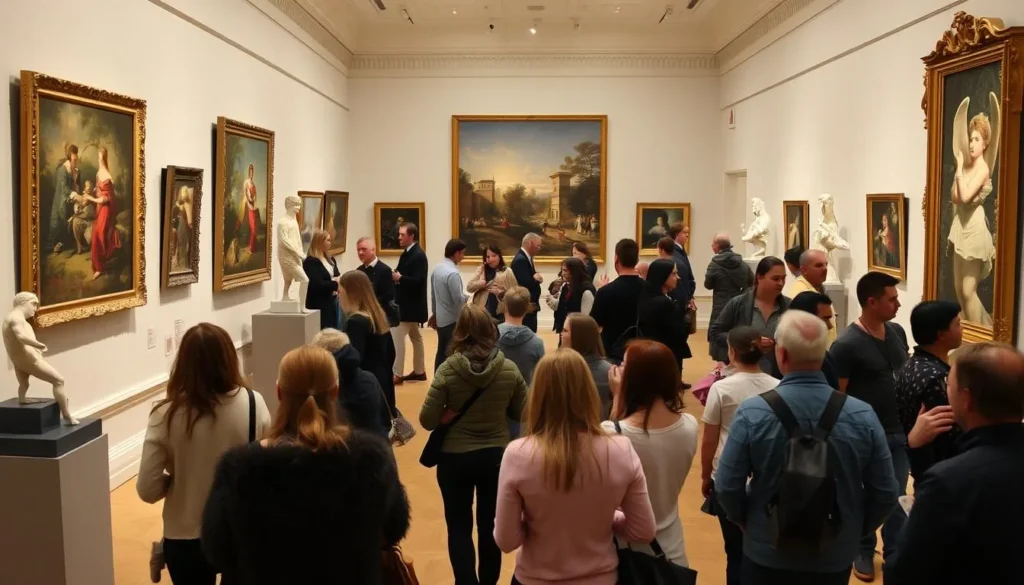
Beyond its space-related fame, Kaluga boasts a rich cultural scene with diverse museums, religious sites, and vibrant festivals that showcase Russian traditions.
Museums & Cultural Institutions:
- Kaluga Regional Museum of Local Lore: Housed in the historic Korobov Chambers, this museum showcases the region’s history from ancient times to the present day.
- Kaluga Museum of Fine Arts: Features an impressive collection of Russian and European art spanning several centuries, including works by local artists.
- House of Masters: A unique museum dedicated to traditional crafts and folk art, housed in a beautiful 19th-century wooden building.
- House-Museum of A.L. Chizhevsky: Dedicated to the pioneering biophysicist who studied the connection between solar activity and Earth processes.
Religious Sites:
Church of Cosmas and Damian
An elegant five-domed church built in 1794, featuring beautiful mosaics depicting Orthodox saints. Once the richest church in Kaluga.
Church of the Intercession
A stunning 17th-century church with white and blue façade and golden domes, representing classic Russian Orthodox architecture.
Shamordino Monastery
A beautiful convent located near Kaluga with impressive architecture and peaceful grounds, perfect for a day trip from the city.
Annual Festivals:
- Cosmonautics Day (April 12): Celebrates Yuri Gagarin’s historic space flight with special events at the Museum of Cosmonautics.
- City Day (Late August/Early September): Kaluga’s birthday celebration featuring concerts, parades, and fireworks.
- Tsiolkovsky Readings (September): Scientific conference and cultural events honoring Konstantin Tsiolkovsky’s legacy.
Sports, Nature & Outdoor Experiences
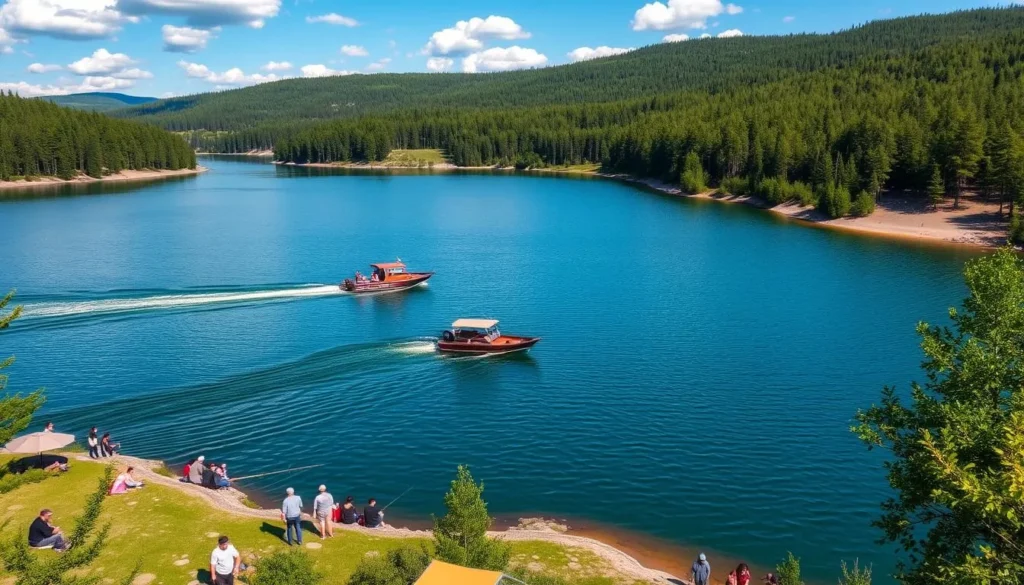
Kaluga’s natural surroundings offer plenty of opportunities for outdoor enthusiasts to enjoy nature, recreational activities, and scenic landscapes.
Natural Attractions:
Yachen Reservoir
Known locally as the “Kaluga Sea,” this artificial reservoir offers swimming, fishing, and boating opportunities during summer months. The shoreline features several beaches and picnic areas.
Ugra National Park
Located near Kaluga, this protected area features diverse ecosystems, hiking trails, and historical sites. Perfect for nature walks, birdwatching, and photography.
Oka River Embankment
A scenic promenade along the Oka River offering beautiful views, walking paths, and recreational areas. Popular for evening strolls and sunset views.
Parks & Recreation:
- Tsiolkovsky Park: A historic park where the scientist himself once walked, featuring tree-lined paths, monuments, and recreational facilities.
- Park of Culture and Leisure: Built on the site of ancient fortress walls, this park features centuries-old trees, including a 600-year-old oak designated as a natural monument.
- Golden Alley: A beautiful linden-lined promenade perfect for leisurely walks and connecting several historical buildings.
Seasonal Activities:
- Summer: Swimming, boating, fishing, hiking, cycling, and outdoor festivals.
- Winter: Cross-country skiing, ice skating, and winter photography in snow-covered historical areas.
- Spring/Fall: Nature walks to enjoy seasonal colors, birdwatching, and photography.
Safety, Etiquette & Local Customs
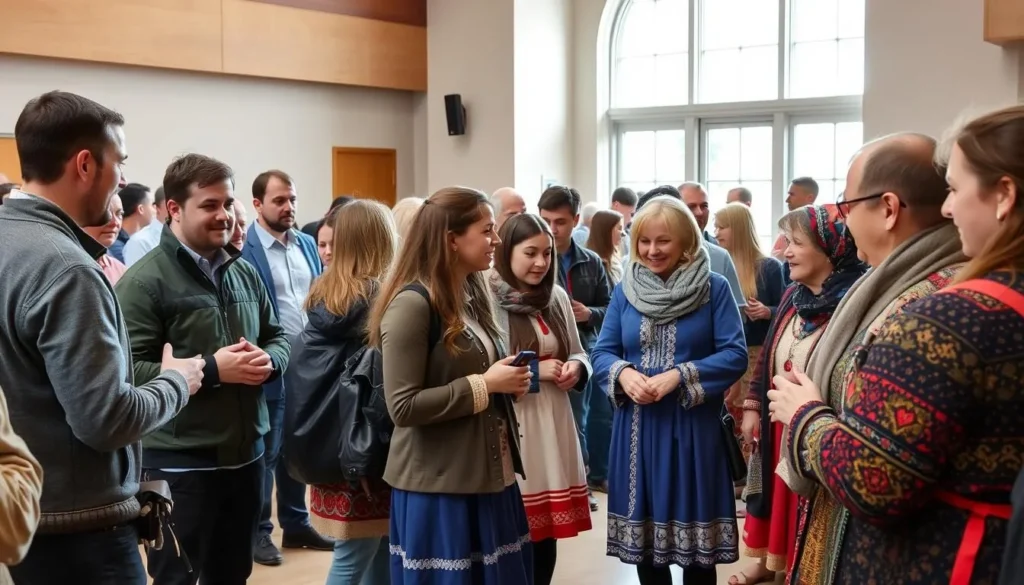
Kaluga is generally a safe destination for travelers, but as with any travel experience, it’s helpful to understand local customs and safety considerations.
Safety Tips:
- Kaluga has a low crime rate, but standard travel precautions apply – keep valuables secure and be aware of your surroundings.
- Winter visitors should dress appropriately for cold temperatures, which can drop below -10°C (14°F).
- While English is not widely spoken outside tourist areas, younger Russians often have basic English skills.
- Keep digital copies of important documents and the contact information for your country’s embassy in Russia.
Cultural Etiquette:
- When visiting Orthodox churches, women should cover their heads with a scarf and both men and women should dress modestly.
- Russians appreciate visitors who make an effort to learn a few basic phrases in Russian.
- Removing shoes when entering someone’s home is customary in Russia.
- Small gifts are appreciated when visiting Russian homes – chocolates, quality alcohol, or flowers (in odd numbers, but not 13) are appropriate.
Local Customs:
- Handshakes are common when greeting, though men typically wait for women to extend their hand first.
- Russians may appear reserved initially but are generally warm and hospitable once acquainted.
- Toasting is an important part of Russian dining culture – it’s polite to participate even if just with a small sip.
- Photography may be restricted in some museums and churches – always check for signs or ask permission.
Practical Travel Tips

These practical tips will help you navigate your visit to Kaluga more smoothly and make the most of your experience.
Essential Information:
- Language: Russian is the official language. Learning basic phrases like “hello” (zdravstvuyte), “thank you” (spasibo), and “please” (pozhaluysta) is helpful.
- Currency: Russian Ruble (RUB). ATMs are widely available in Kaluga, but having some cash is recommended for smaller establishments.
- Electricity: 220V with European-style round pin plugs (Type C and F). Travelers from the US will need adapters.
- Internet: Wi-Fi is available in most hotels, cafes, and restaurants. Mobile data is affordable with local SIM cards.
Planning Tips:
- Consider purchasing the Kaluga Card if available, which offers discounts to major attractions and public transportation.
- Most museums are closed on Mondays, so plan your itinerary accordingly.
- Allow at least 2-3 hours for the Museum of Cosmonautics, as there’s much to see and explore.
- Combine your Kaluga visit with nearby attractions like Optina Pustyn Monastery or Ugra National Park for a more comprehensive experience.
Communication & Navigation:
- Download offline maps of Kaluga before your trip for easier navigation.
- Translation apps like Google Translate can be helpful for communication.
- The tourist information center on Kirov Street provides maps and information in English.
- Consider hiring a local guide for a more in-depth understanding of Kaluga’s history and culture.
Experience the Undiscovered Charm of Kaluga
Kaluga offers travelers a unique blend of cosmic innovation, rich history, and authentic Russian culture away from the tourist crowds of Moscow and St. Petersburg. From exploring the fascinating world of space exploration at the Museum of Cosmonautics to wandering through centuries-old churches and merchant chambers, Kaluga rewards visitors with genuine experiences and warm hospitality. Whether you’re fascinated by Russia’s space achievements, drawn to historical architecture, or simply seeking to discover a less-traveled Russian destination, Kaluga promises memorable experiences that connect you with both Russia’s storied past and its innovative spirit. Start planning your journey to this “Cradle of Cosmonautics” and discover why Kaluga deserves a place on your Russian travel itinerary.
Related Posts
Saint Petersburg, Russia: Best Things to Do – Top Picks
Zabaykalsky Krai, Russia: Best Things to Do – Top Picks
Yamalo-Nenets Autonomous Okrug, Russia: Best Things to Do – Top Picks
Tver Oblast, Russia: Best Things to Do – Top Picks
Yaroslavl Oblast, Russia: Best Things to Do – Top Picks
Volgograd Oblast, Russia: Best Things to Do – Top Picks
Coming Soon: Clickable Maps