Hotels by Trip.com
Flights by Trip.com
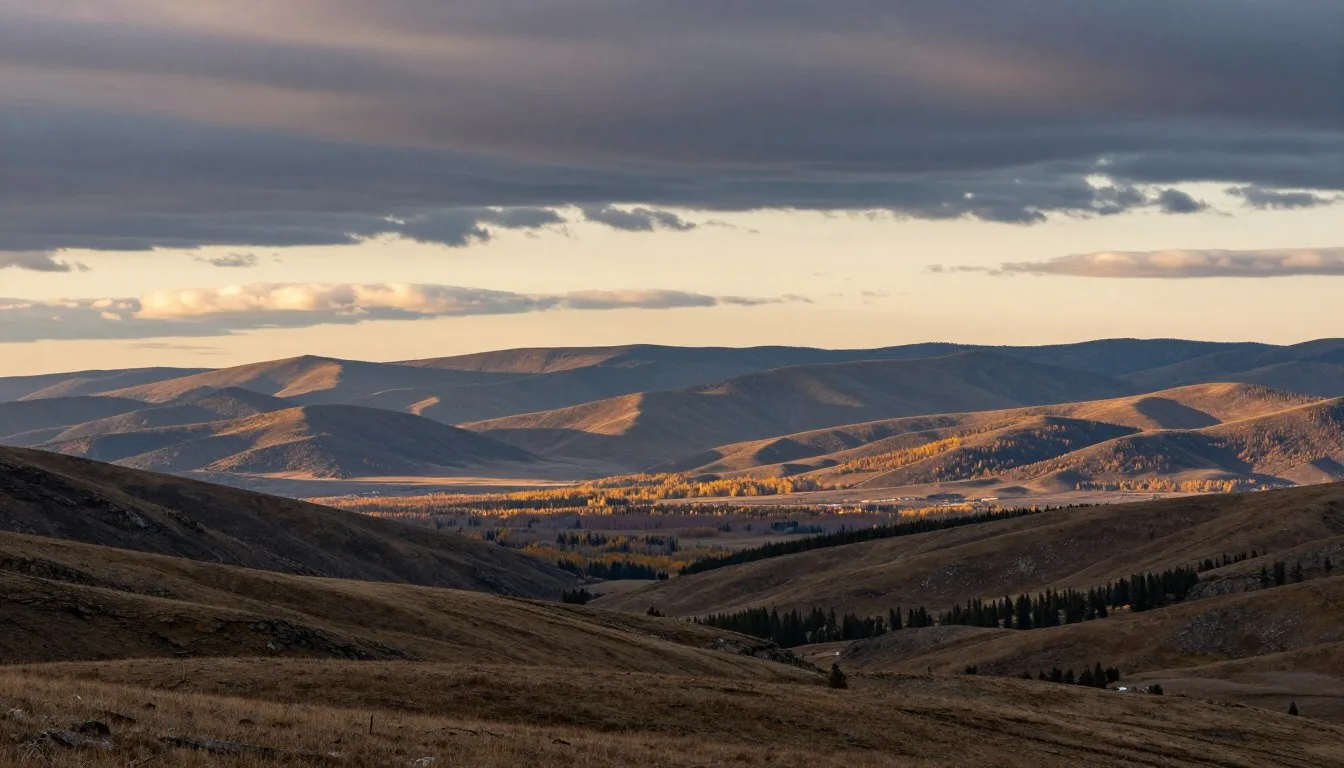
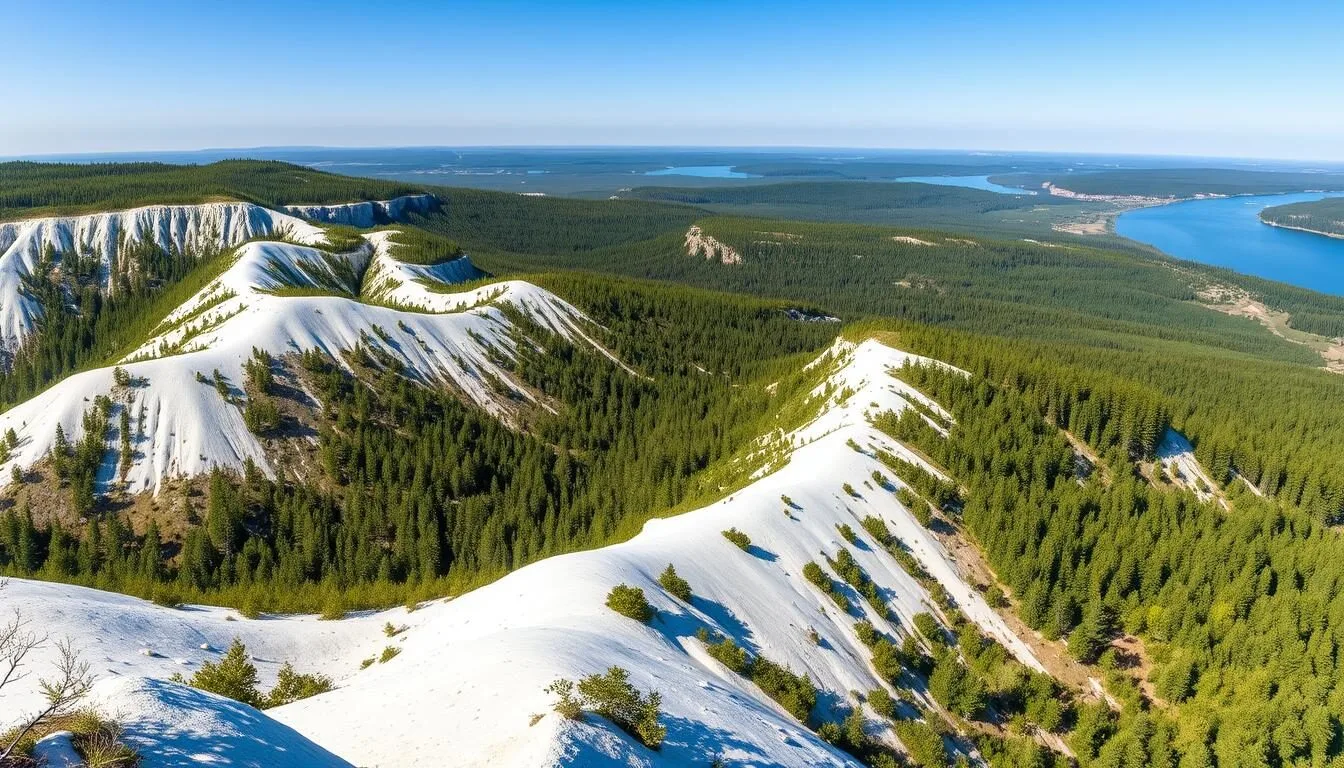
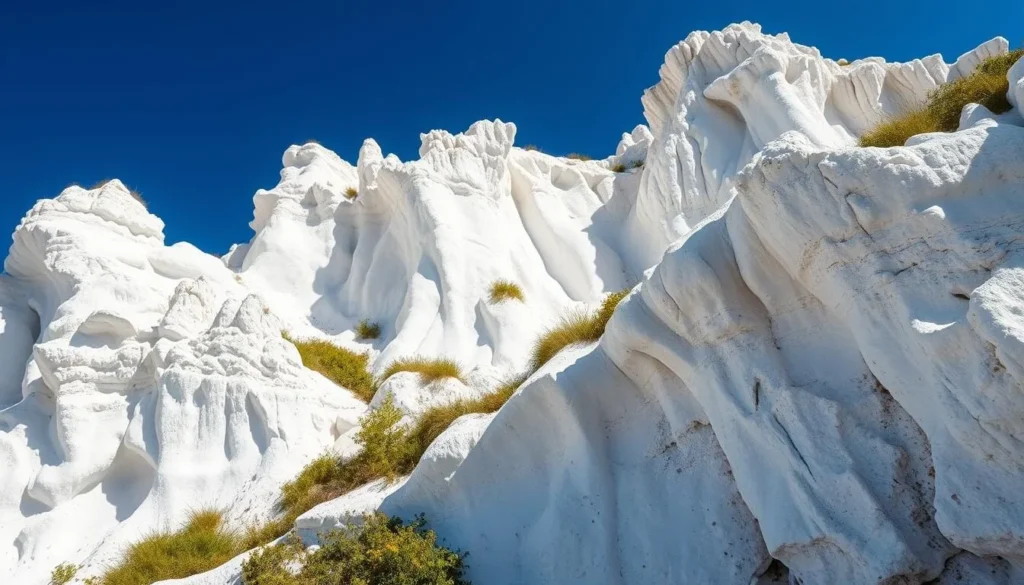
Nestled along the western bank of the mighty Volga River, Khvalynsky National Park harbors a remarkable secret: its chalk hills contain some of the best-preserved ancient marine fossils in Russia, dating back 25 million years when this entire region lay beneath a vast prehistoric sea. Established in 1994, this 25,524-hectare natural wonder offers visitors a unique glimpse into Russia’s geological past while showcasing extraordinary biodiversity with over 970 plant species, many found nowhere else in the country.
Getting There & Planning Your Journey
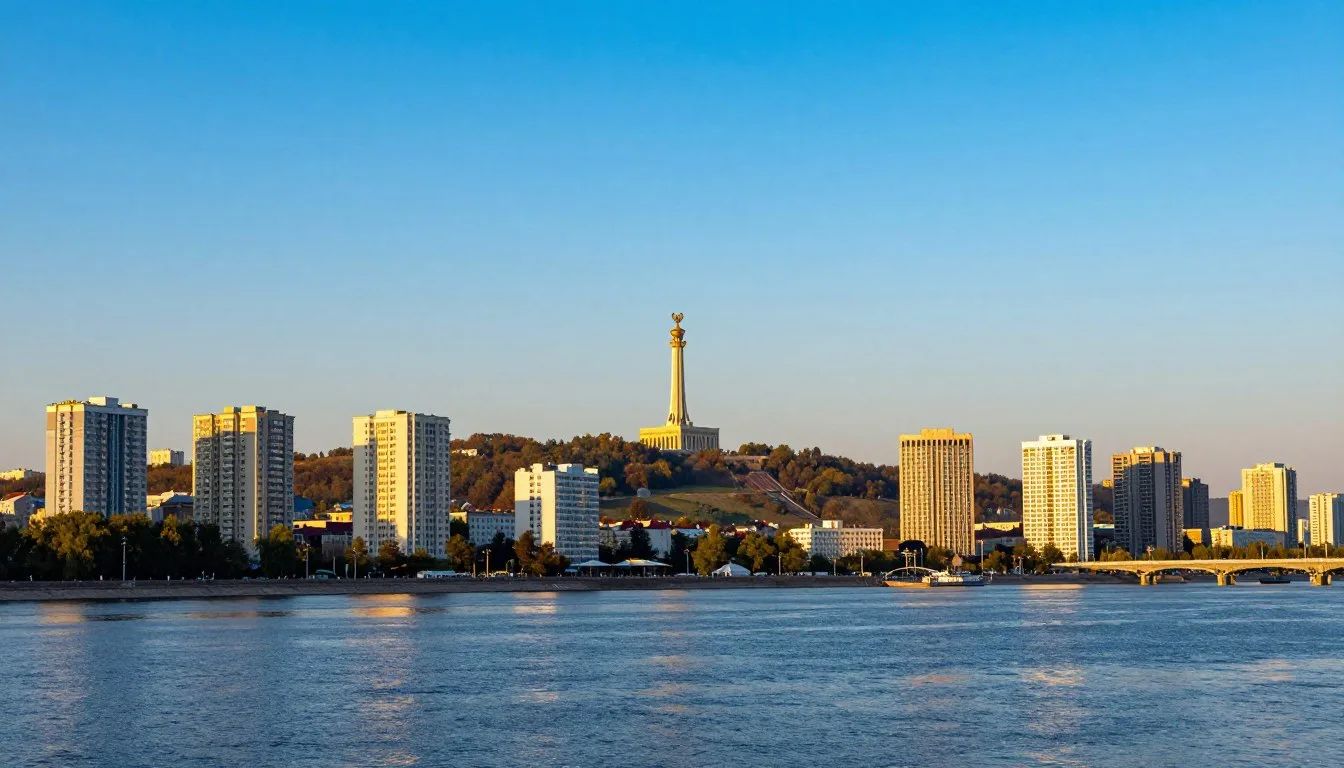
Khvalynsky National Park is located in Saratov Oblast, approximately 200 km northeast of the city of Saratov. The park’s northern boundary lies about 10 km west of the small town of Khvalynsk, which serves as the main gateway to the park.
By Air
The nearest major airport is in Saratov (Gagarin International Airport), which receives regular flights from Moscow and other Russian cities. From Saratov, you’ll need to arrange ground transportation to reach the park.
By Train
Regular train services connect Moscow to Khvalynsk (journey time approximately 14-16 hours) and Saratov. The train station in Khvalynsk is just a short taxi ride from the park entrance.
By Car
If you’re driving from Saratov, take the P228 highway north along the Volga River. The journey takes approximately 3 hours. Having your own vehicle provides the flexibility to explore different sections of this expansive park.
Best Time to Visit Khvalynsky National Park
The park experiences a humid continental climate with distinct seasons. Your experience will vary dramatically depending on when you visit.
Recommended Seasons
- Late Spring (May-June): 15-22°C (59-72°F). Wildflowers bloom across the park’s meadows and forests, creating spectacular displays. Rainfall is moderate.
- Summer (June-August): 18-25°C (64-77°F). Peak season with warm, pleasant days ideal for hiking and outdoor activities. The forests provide welcome shade.
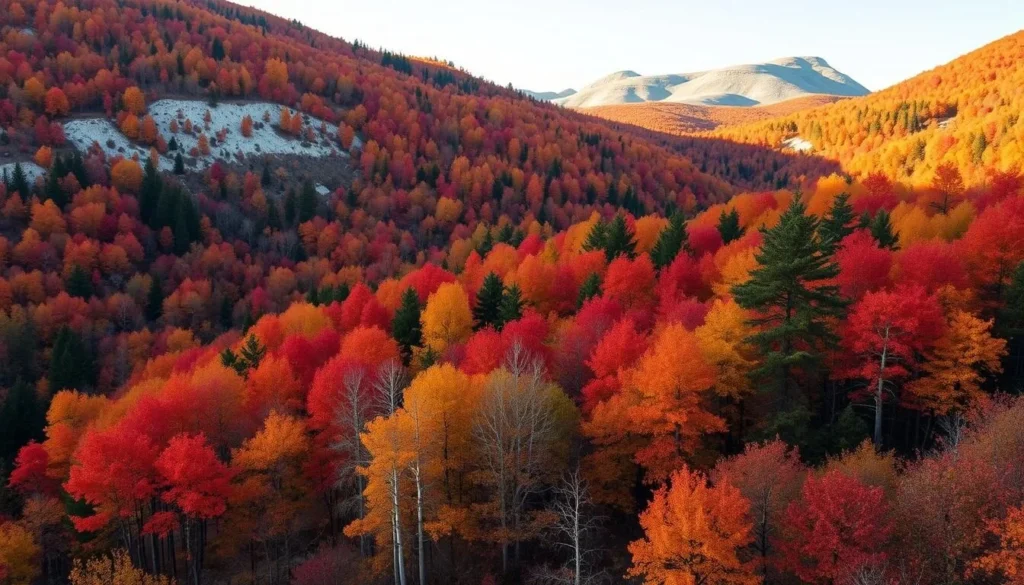
- Early Autumn (September-October): 10-18°C (50-64°F). Beautiful fall foliage transforms the forests into a tapestry of red, orange, and gold. Fewer visitors and crisp, clear days.
Seasons to Avoid
- Winter (November-March): -15 to 0°C (5-32°F). Heavy snowfall makes many trails inaccessible. Park facilities have limited operations.
- Early Spring (April): 5-12°C (41-54°F). Muddy conditions from melting snow and spring rains can make hiking difficult.
Getting Around Locally
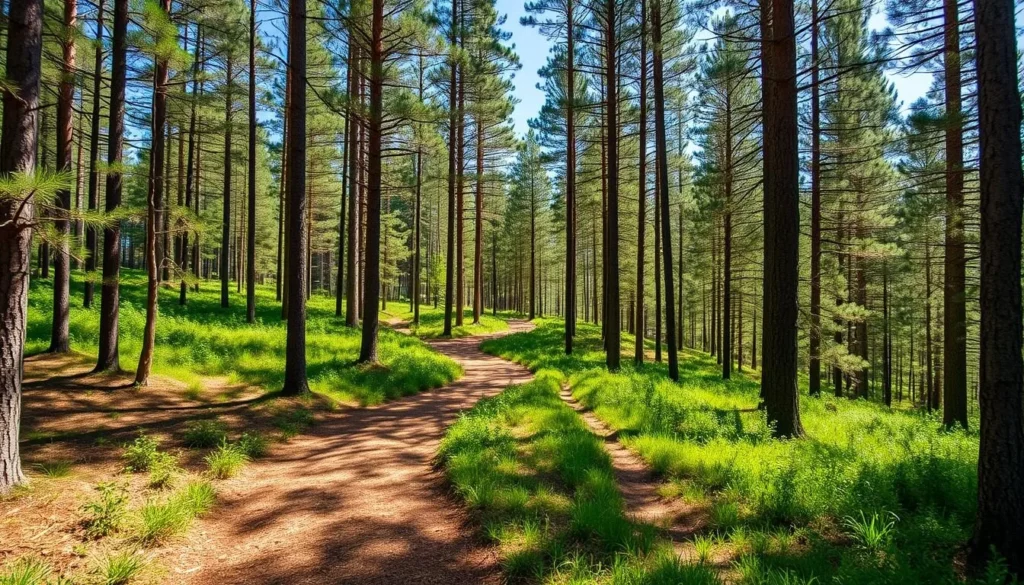
Khvalynsky National Park is divided into several zones, including protected areas, recreational zones, and commercial areas. Understanding the transportation options will help you navigate this diverse landscape effectively.
Park Transportation
- On Foot: The park features numerous hiking trails of varying difficulty. Well-marked paths like “Travel on the Bottom of an Ancient Sea” highlight geological features.
- Guided Tours: The “Khvalinskoe safari” offers guided excursions through the park with opportunities to spot wildlife.
- Private Vehicles: Cars are permitted in designated recreational zones but prohibited in protected areas.
- Bicycle: Some trails are suitable for mountain biking, offering an eco-friendly way to cover more ground.
Where to Stay
Accommodation options in and around Khvalynsky National Park range from simple guesthouses to comfortable hotels, catering to different preferences and budgets.
Inside the Park
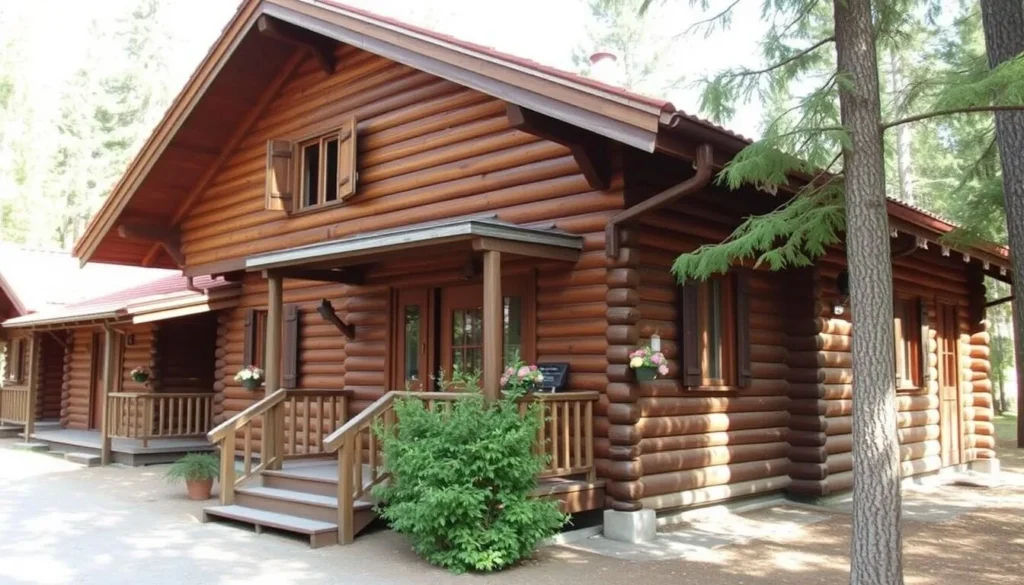
- Family Guesthouses: The park offers simple but comfortable family-oriented guesthouses available by prior reservation. These provide an authentic experience and convenient access to trails.
- Camping: Designated camping areas are available for those who prefer to immerse themselves in nature. Facilities are basic but adequate.
In Khvalynsk Town
- Small Hotels: Several modest hotels in Khvalynsk provide comfortable rooms with basic amenities.
- Guesthouses: Family-run guesthouses offer a more personal experience with home-cooked meals often available.
Nearby Areas
- Ski Resort Accommodations: The ski resort on the edge of the park offers hotel rooms with additional amenities like restaurants and spa facilities.
- Volga Riverside Lodges: Some accommodations along the Volga River provide scenic views and fishing opportunities.
Dining & Local Cuisine
The Volga region offers distinctive culinary traditions that blend Russian staples with unique local ingredients and preparation methods.

Local Specialties
- Volga Fish Dishes: Fresh fish from the Volga River, particularly sterlet, pike, and perch, prepared in various ways including ukha (fish soup).
- Forest Mushrooms: Seasonal mushrooms collected from the forests, often served in soups or as side dishes.
- Wild Berry Preserves: Jams and preserves made from forest berries like cloudberries and bilberries.
- Traditional Baked Goods: Regional variations of pirozhki (stuffed buns) and other Russian pastries.
Where to Eat
- Park Cafés: Simple cafés within the park offer basic meals and snacks during the high season.
- Khvalynsk Town Restaurants: Several family-run restaurants serve authentic local cuisine at reasonable prices.
- Guesthouse Dining: Many accommodations offer home-cooked meals featuring local ingredients.
- Picnic Areas: Designated picnic spots throughout the park allow visitors to enjoy packed lunches amid nature.
Tip: Many restaurants in this region don’t have English menus. Consider downloading a translation app or learning a few basic food-related Russian phrases before your trip.
Attractions, Sightseeing & Activities
Khvalynsky National Park offers diverse attractions that showcase its unique geological features, rich biodiversity, and cultural heritage.
Check 30,000+ Local Sightseeing Tours Worldwide
✓ Numerous languages and currencies are available
Natural Highlights
- Belenkaya Mountain: The park’s highest point at 369 meters, composed almost entirely of chalk. Offers panoramic views of the surrounding landscape and Volga River.
- Ancient Sea Bed Trail: “Puteshestvie po Dnu Drevnego Morya” (Travel on the Bottom of an Ancient Sea) is a fascinating geological trail highlighting fossils and formations from the prehistoric sea that once covered the region.
- Monk’s Cave (Peshchera Monakha): A natural limestone cave with historical and spiritual significance.
- Sacred Springs: Natural springs considered to have healing properties by locals.
Cultural Attractions
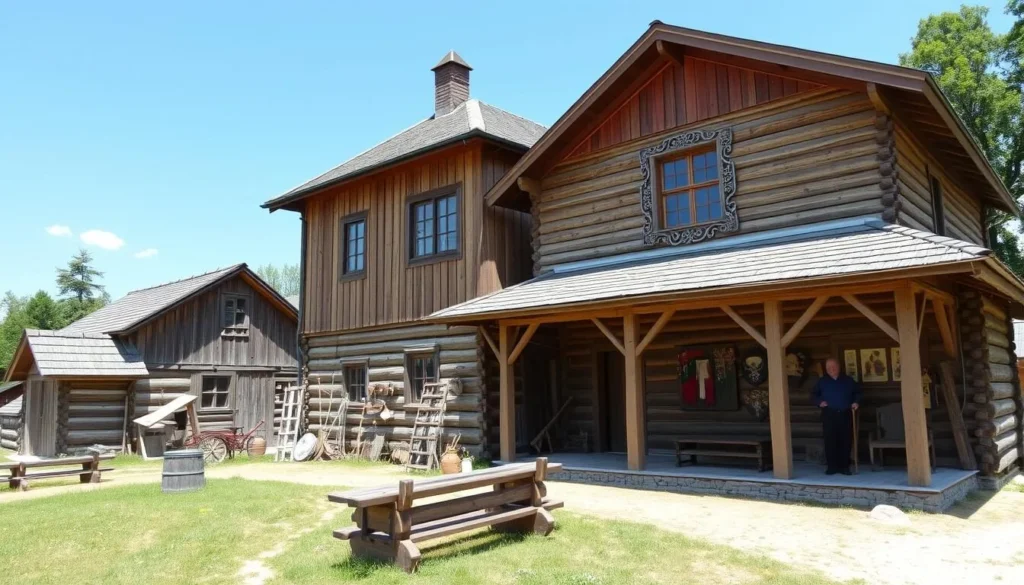
- Derevenskoe Podvorye (Village Farmstead): An open-air museum showcasing traditional peasant life and rural customs of the Volga region.
- Khvalynsk History Museum: Located in the nearby town, this museum exhibits local history, including geological specimens and cultural artifacts.
- Wildlife Captive Farm: A small zoo within the park where visitors can observe representative animals of the region.
- Chapel and Sacred Sites: Religious structures with historical significance.
Sports, Nature & Outdoor Experiences
The diverse landscapes of Khvalynsky National Park provide excellent opportunities for outdoor recreation throughout the year.
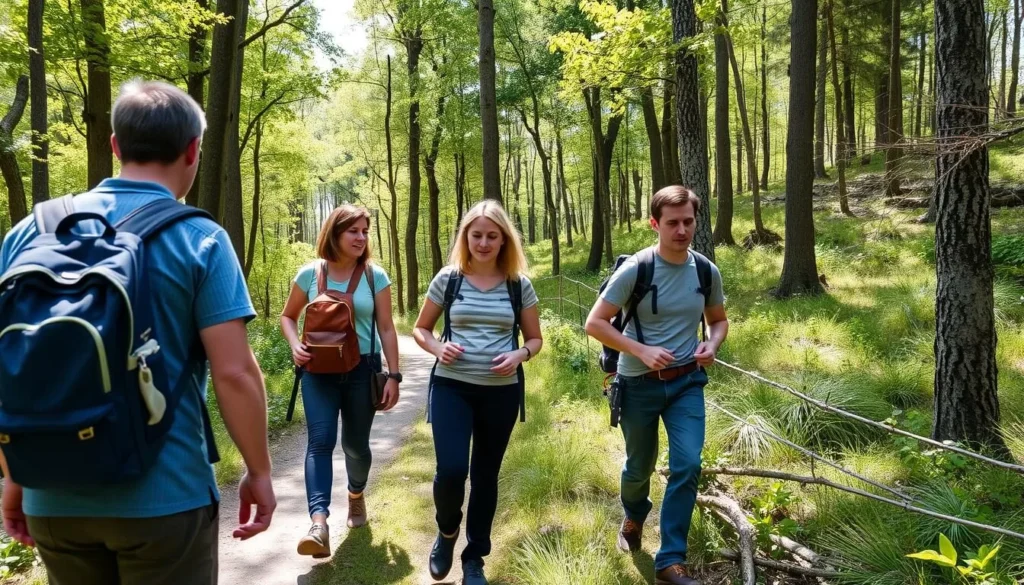
Hiking & Nature Observation
- Ecological Trails: Several marked paths of varying difficulty showcase different ecosystems within the park.
- Birdwatching: Opportunities to spot rare birds including White-tailed Eagles, Ospreys, and the endangered Saker Falcon.
- Wildlife Viewing: The park is home to elk, wild boar, European roe deer, foxes, and wolves.
- Botanical Excursions: Guided walks focusing on the park’s remarkable plant diversity, including 26 rare or endangered species.
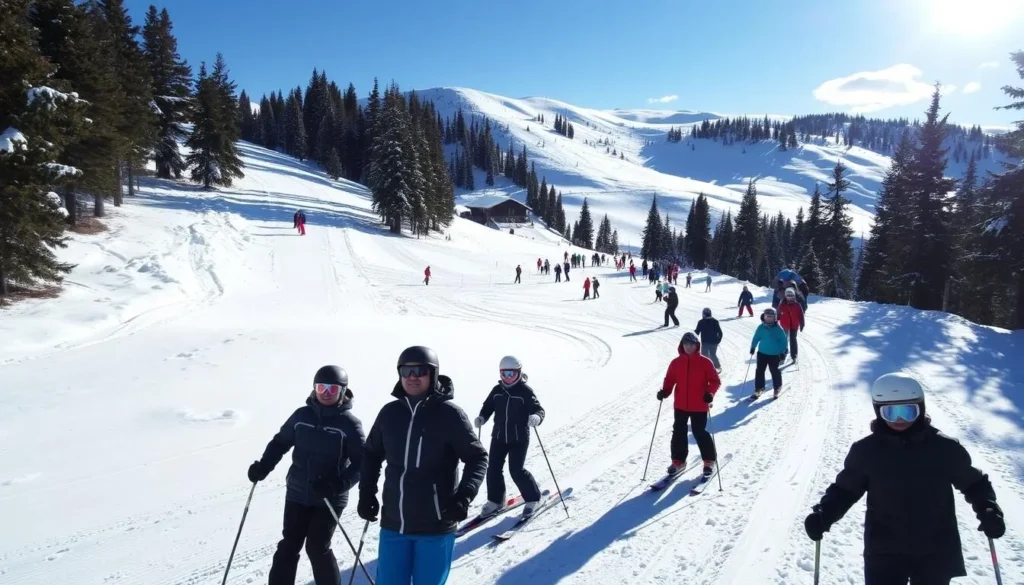
Seasonal Activities
- Winter Sports: The ski resort adjacent to the park offers downhill skiing and snowboarding during winter months.
- Photography: The changing seasons provide stunning photographic opportunities, from spring wildflowers to autumn foliage.
- Fossil Hunting: Guided excursions to search for marine fossils in the chalk deposits (only permitted with official guides).
- Fishing: Regulated fishing is permitted in designated areas along the Volga River.
Safety, Etiquette & Local Customs
Understanding local regulations and customs will enhance your experience while helping preserve this unique ecosystem for future generations.
Park Regulations
- Protected Zones: Certain areas of the park are strictly protected. Respect all boundary markers and stay on designated trails.
- Vehicle Restrictions: Cars are not permitted in the protected zones. Use only designated parking areas.
- Wildlife Protection: Do not feed or disturb wildlife. Observe animals from a safe distance.
- Fire Safety: Campfires are only permitted in designated areas. Exercise extreme caution during dry periods.
- Waste Management: Pack out all trash. There are limited waste facilities within the park.
Cultural Considerations
- Language: Few staff members speak English. Basic Russian phrases will be helpful.
- Sacred Sites: Show respect when visiting the chapel and sacred springs, which hold religious significance for locals.
- Photography: Ask permission before photographing local people, especially in rural communities.
- Dress Code: When visiting religious sites, modest dress is appreciated (covered shoulders and knees).
Emergency Information: Cell phone coverage is limited within the park. Inform someone of your planned route and expected return time when hiking. The park administration office can be reached at +7 (84595) 2-29-30 during operating hours.
Practical Travel Tips
These essential tips will help you prepare for a smooth and enjoyable visit to Khvalynsky National Park.
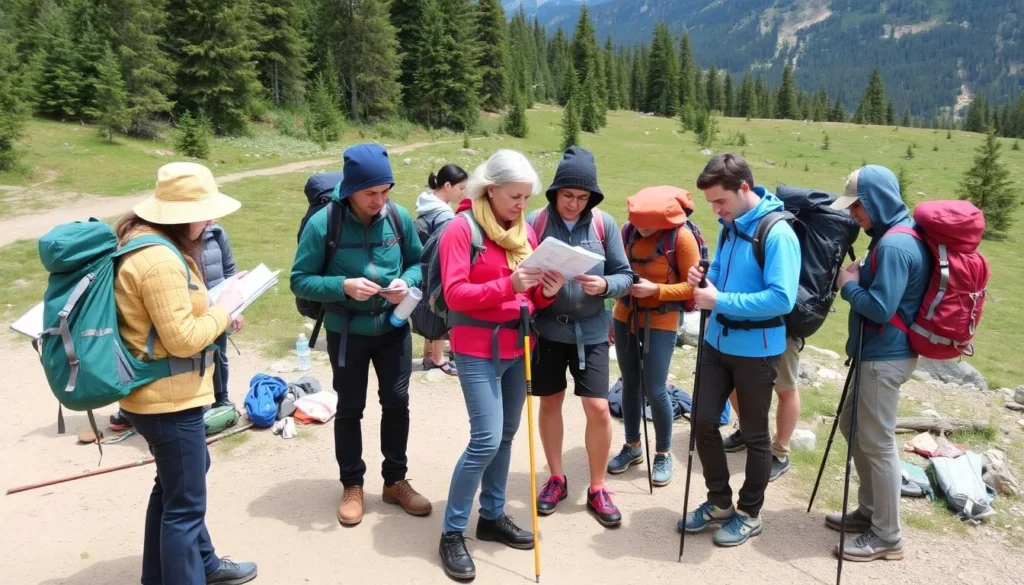
Planning & Preparation
- Reservations: Book accommodation and guided tours in advance, especially during the summer high season.
- Park Hours: The park is generally open from 9:00 AM to 6:00 PM, though hours may vary seasonally.
- Entrance Fees: A modest entrance fee (approximately 100-200 rubles) is charged. Keep your receipt as proof of payment.
- Maps: Pick up a trail map at the visitor center or download one from the official website (
What to Pack
- Hiking Essentials: Sturdy footwear, weather-appropriate clothing, sun protection, insect repellent.
- Water & Snacks: Bring sufficient water and food, especially when hiking, as facilities are limited.
- Navigation: A compass, map, or offline GPS app as cell service is unreliable in many areas.
- Language Aids: A Russian phrasebook or translation app will be invaluable.
- Documentation: Carry your passport and visa at all times, as required by Russian law.
Money & Communication
- Currency: Russian rubles are essential as credit cards are not widely accepted in rural areas.
- ATMs: Available in Khvalynsk town but not within the park. Withdraw cash before arriving.
- Internet: Wi-Fi is limited to some accommodations and the visitor center. Consider a local SIM card for data.
- Phone Service: Cell coverage is patchy within the park, especially in ravines and remote areas.
Ready to Discover Khvalynsky National Park?
Khvalynsky National Park offers a rare combination of geological wonders, rich biodiversity, and cultural heritage that remains largely undiscovered by international travelers. From the ancient marine fossils embedded in its chalk hills to the diverse ecosystems supporting hundreds of plant and animal species, this hidden gem along the Volga River provides an authentic glimpse into Russia’s natural splendor.
Whether you’re hiking through mixed forests, learning about traditional rural life at the Village Farmstead museum, or simply enjoying the panoramic views from Belenkaya Mountain, Khvalynsky rewards visitors with experiences that connect them to both nature and Russian heritage. Pack your hiking boots, bring your sense of adventure, and prepare to be amazed by one of Russia’s most distinctive national parks.