
Hotels by Trip.com
Flights by Trip.com
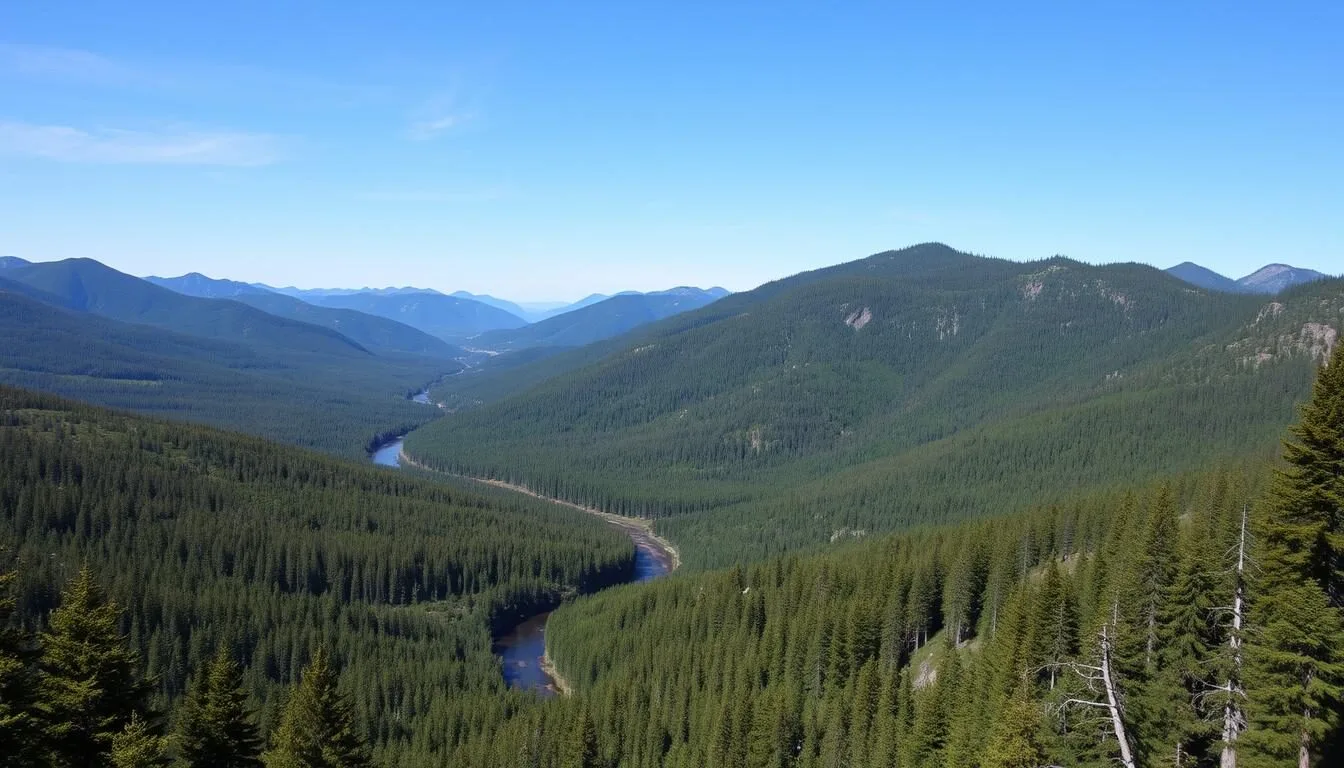
Home to one of the world’s largest virgin forest areas, the Komi Republic contains the first natural UNESCO World Heritage Site in Russia, spanning over 32,800 square kilometers of pristine wilderness that has remained virtually untouched by human development for centuries. This hidden gem in Russia’s northwestern region offers travelers a rare glimpse into both untamed nature and the unique culture of the indigenous Komi people, whose language and traditions differ significantly from mainstream Russian culture.
Getting There & Planning Your Journey
Reaching the Komi Republic requires some planning, but the journey rewards adventurous travelers with experiences few international visitors ever encounter. The region’s capital, Syktyvkar, serves as the main gateway to exploring this vast territory.
International Access
Most international travelers will first fly to Moscow, then take a connecting flight to Syktyvkar International Airport (SCW). Direct flights from Moscow take approximately 2 hours. Alternatively, you can reach Syktyvkar by overnight train from Moscow (around 21 hours) for a more authentic Russian travel experience.
Entry Requirements
Foreign visitors to Russia require a visa in advance. The standard tourist visa allows stays of up to 30 days. Some remote areas of the Komi Republic may require additional permits, so check with local authorities or tour operators when planning your itinerary.
Important: Russia is currently subject to various travel advisories. Always check your government’s latest travel recommendations and ensure your travel insurance covers your planned activities before booking your trip.
Best Time to Visit & Weather Tips
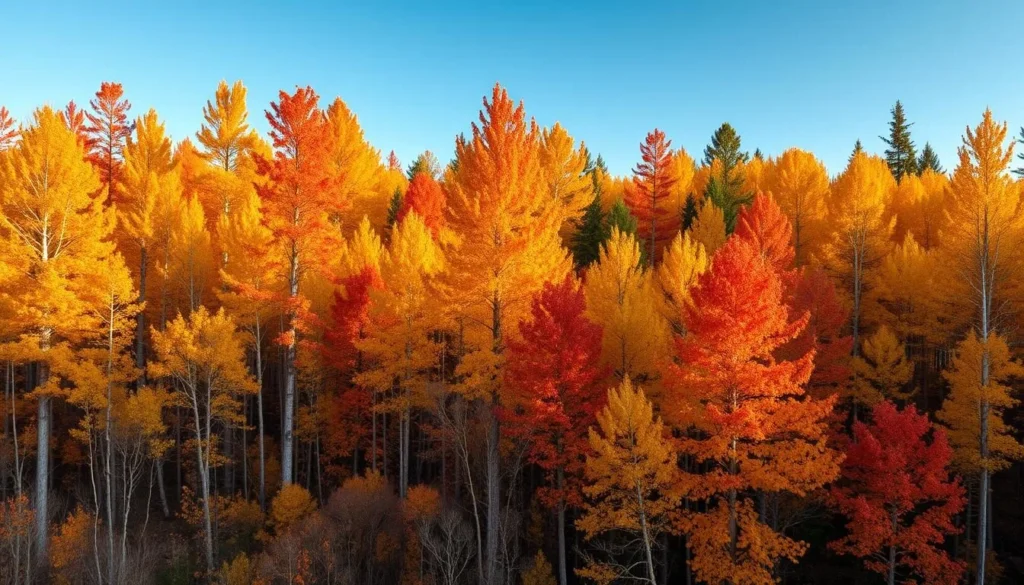
The Komi Republic experiences a continental climate with distinct seasons, each offering unique experiences for visitors.
| Season | Months | Temperature | Conditions | Recommendation |
| Spring | April-May | 0-10°C (32-50°F) | Melting snow, muddy trails, rivers at peak flow | Good for waterfall viewing, avoid remote hiking |
| Summer | June-August | 15-25°C (59-77°F) | Mild, occasional rain, abundant wildlife | Ideal for hiking, wildlife viewing, festivals |
| Autumn | September-October | 0-15°C (32-59°F) | Spectacular foliage, fewer visitors | Perfect for photography, mushroom gathering |
| Winter | November-March | -25 to -5°C (-13 to 23°F) | Snow-covered, limited daylight | For experienced winter travelers, skiing, dog sledding |
Recommended Months
The optimal time to visit the Komi Republic is from mid-June to mid-September. July and August offer the most pleasant weather conditions with moderate temperatures and longer daylight hours, perfect for exploring the region’s natural wonders.
Months to Avoid
Unless you’re specifically seeking a winter adventure, November through March can be challenging due to extremely cold temperatures (sometimes reaching -40°C/-40°F), limited daylight hours, and reduced accessibility to many natural attractions. The spring thaw (late April to early May) creates muddy conditions that can make travel difficult.
Getting Around Locally
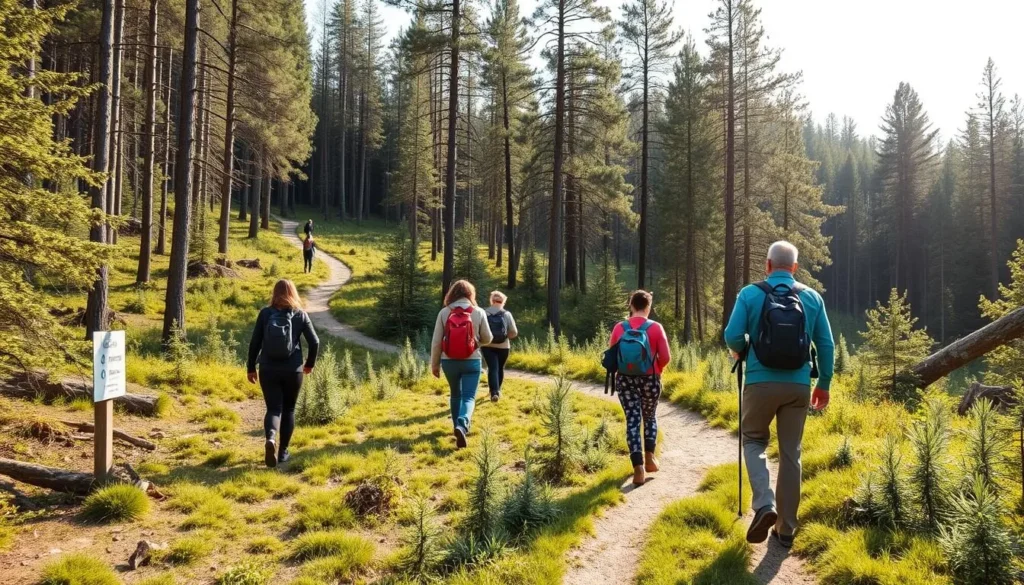
Navigating within the Komi Republic requires some planning, as public transportation outside major towns is limited and many natural attractions are in remote areas.
Transportation Options
- Local Buses: Connect major towns and cities but run on limited schedules. The main bus station in Syktyvkar offers services to regional centers like Ukhta and Vorkuta.
- Rental Cars: Available in Syktyvkar and other major towns. A 4WD vehicle is recommended for exploring remote areas, especially outside summer months.
- Guided Tours: Local operators offer excursions to national parks and remote attractions, often including transportation in their packages.
- River Transport: During summer months, boat trips along the Pechora and Vychegda rivers provide access to some remote villages and natural areas.
- Winter Transportation: Snowmobiles and dog sleds are common for winter exploration, especially in northern regions.
Travel Tip: Cell phone coverage is limited in remote areas. Download offline maps before your journey, and consider hiring a local guide when exploring wilderness areas. The Komi Republic covers a vast territory, so plan your itinerary carefully to avoid spending too much time in transit.
Where to Stay
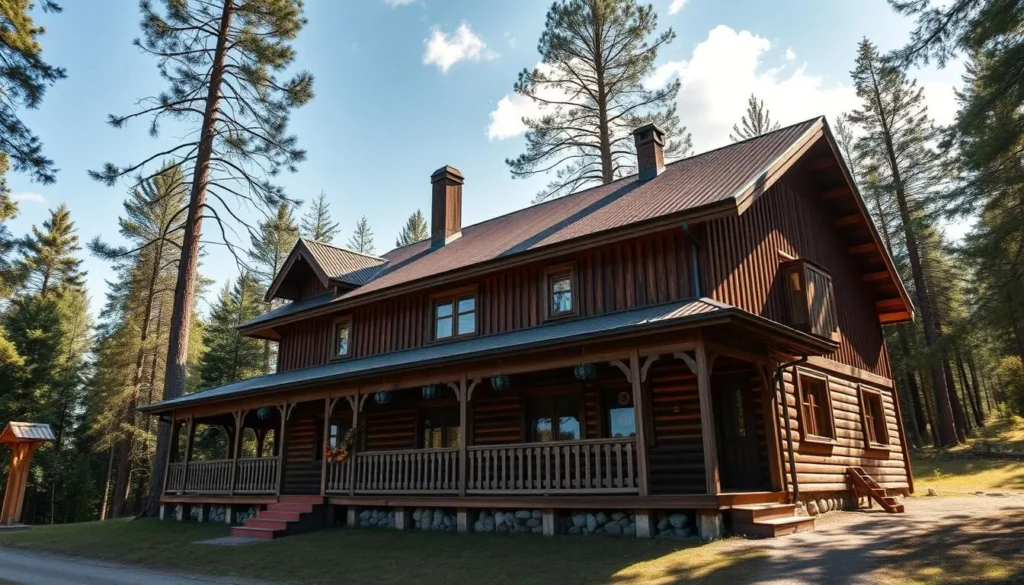
Accommodation options in the Komi Republic range from city hotels to rustic guesthouses and wilderness lodges, catering to different preferences and budgets.
Check 30,000+ Local Sightseeing Tours Worldwide
✓ Numerous languages and currencies are available
Urban Centers
- Syktyvkar: The capital offers the widest range of accommodations, from modern business hotels like Hotel Syktyvkar and Avalon Hotel to budget-friendly options and apartment rentals.
- Ukhta: This industrial city has several decent hotels catering primarily to business travelers, including Hotel Tchaikovsky and Ukhta Hotel.
- Vorkuta: Accommodation options are more limited in this northern city but include Hotel Vorkuta and several smaller guesthouses.
Rural & Wilderness Accommodations
- Eco-Lodges: Several eco-tourism bases operate near protected areas, offering basic but comfortable accommodations in natural settings.
- Guesthouses: Small family-run guesthouses in villages provide authentic experiences and home-cooked meals.
- Camping: Designated camping areas exist within some natural parks, though facilities are minimal. Permits may be required.
- Wilderness Cabins: Basic hunter’s cabins can be rented in some remote areas through local guides or tour operators.
“The small guesthouse in Troitsko-Pechorsk offered us the perfect base to explore the virgin forests. Our hosts shared traditional Komi meals and stories that made our experience truly unforgettable.”
Dining & Local Cuisine

The cuisine of the Komi Republic reflects its northern forest environment, with dishes featuring local fish, game, wild berries, and mushrooms. The food combines traditional Komi recipes with Russian influences.
Local Specialties
- Trya (Треа): A traditional Komi fish soup made with freshwater fish, potatoes, and local herbs.
- Shangi (Шаньги): Open-faced pies with various fillings such as potatoes, cottage cheese, or berries.
- Pelmeni (Пельмени): Dumplings filled with meat, fish, or mushrooms, often served with sour cream.
- Forest Delicacies: Dishes featuring wild mushrooms, berries (cloudberries, lingonberries, blueberries), and herbs gathered from the taiga.
- Game Meats: Elk, venison, and other game prepared according to traditional recipes.
- Rye Bread: Hearty dark bread that forms a staple of the local diet.
Dining Options
In Syktyvkar and other major towns, you’ll find a range of restaurants serving both local and international cuisine. In rural areas, dining options are more limited, often consisting of small cafes and guesthouses serving home-style meals.
Culinary Tip: Don’t miss the opportunity to try local berry preserves and teas made from forest herbs. Many families in the Komi Republic still preserve traditional methods of preparing these natural products.
Attractions, Sightseeing & Activities
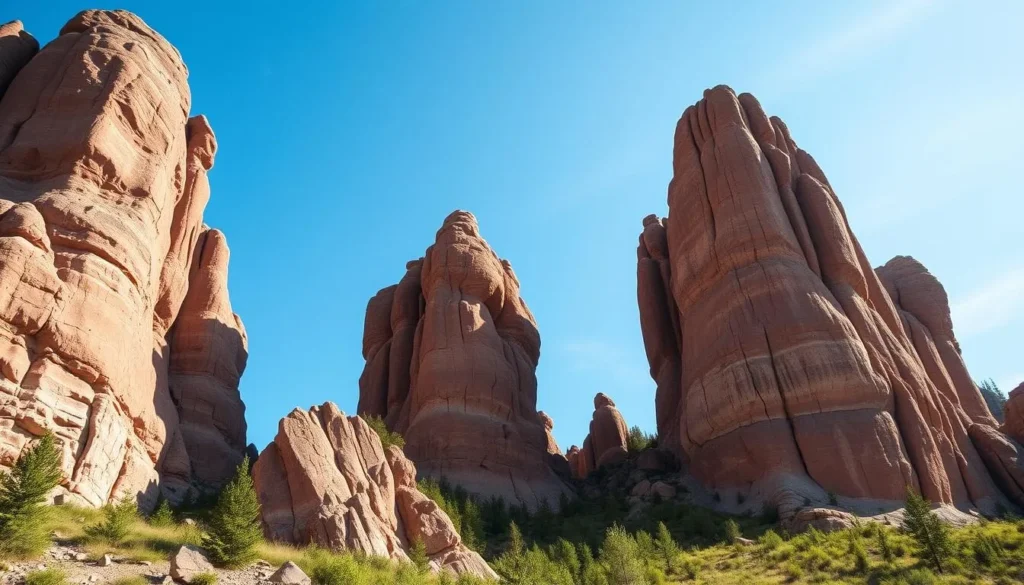
The Komi Republic offers a diverse range of attractions, from pristine wilderness areas to cultural and historical sites that showcase the region’s unique heritage.
Natural Wonders
- Virgin Komi Forests: A UNESCO World Heritage Site covering over 32,800 square kilometers, these are some of Europe’s largest remaining primeval forests.
- Man-Pupu-Nyer: Seven massive stone pillars standing 30-42 meters (98-138 feet) tall on a remote plateau in the Ural Mountains. These mysterious rock formations are considered one of Russia’s seven natural wonders.
- Pechora-Ilych Nature Reserve: One of Russia’s oldest nature reserves, protecting diverse ecosystems from river valleys to mountain tundra.
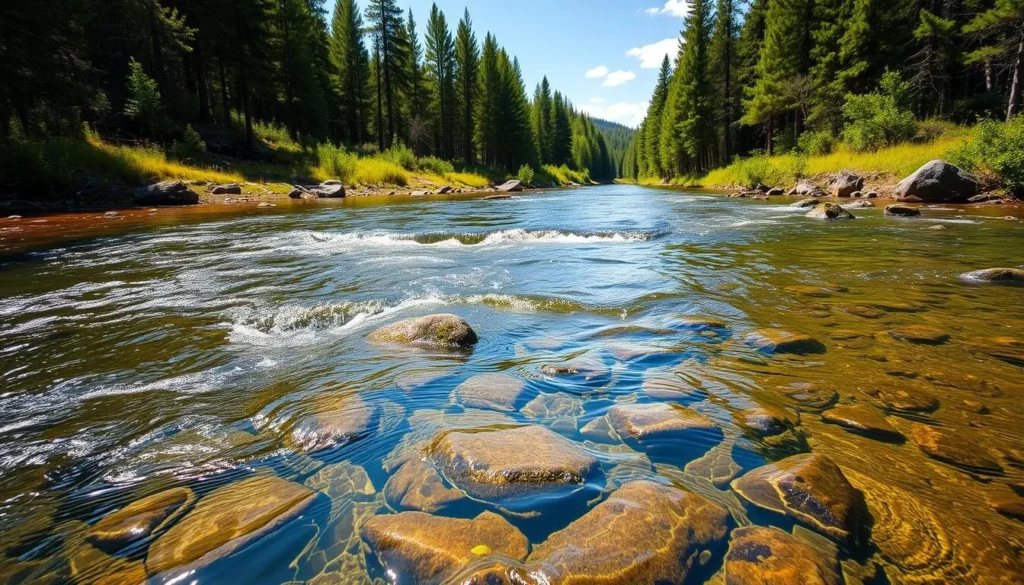
- Yugyd Va National Park: Russia’s largest national park, covering 18,917 square kilometers (4.7 million acres) of mountains, forests, and crystal-clear rivers.
- Ural Mountains: The ancient mountain range forming the natural boundary between Europe and Asia offers spectacular hiking opportunities.
Cultural & Historical Sites
- National Museum of the Komi Republic: Located in Syktyvkar, this museum showcases the region’s history, culture, and natural resources.
- Stefanovsky Cathedral: An impressive Orthodox cathedral in Syktyvkar with distinctive blue domes.
- Finno-Ugric Ethnocultural Park: An open-air museum near Syktyvkar featuring traditional architecture and cultural exhibits.
- Gulag Memorials: Historical sites commemorating the Soviet labor camps that once operated in the region.
- Traditional Komi Villages: Rural settlements where traditional lifestyles, crafts, and wooden architecture are preserved.
“Standing before the Man-Pupu-Nyer pillars after a challenging hike, I felt like I’d discovered one of Earth’s last true wilderness secrets. The effort to reach them makes the experience all the more magical.”
Museums, Cultural Spots & Festivals
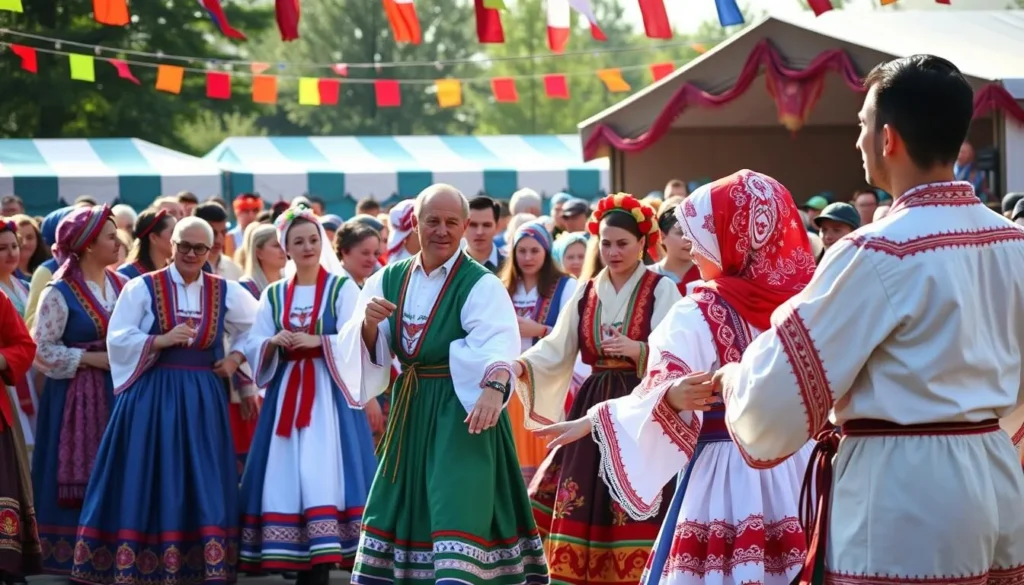
The Komi Republic has a rich cultural heritage influenced by both its indigenous traditions and Russian history. Visitors can explore this heritage through museums, cultural centers, and traditional festivals.
Museums & Cultural Centers
- National Gallery of the Komi Republic: Houses an impressive collection of art, including works by local artists and traditional Komi crafts.
- Literary Museum of I.A. Kuratov: Dedicated to the founder of Komi literature and showcasing the development of written Komi language.
- Museum of Geology: Displays the rich mineral resources of the region, including samples from the Ural Mountains.
- Vorkuta Museum and Exhibition Center: Chronicles the history of this northern city, including its development as a coal mining center and Gulag labor camp.
- Traditional Craft Centers: Various locations throughout the republic where visitors can observe and learn about traditional Komi crafts like birch bark working, weaving, and wood carving.
Festivals & Cultural Events
- Lud Festival (June): A traditional Komi summer festival celebrating nature’s renewal with folk music, dance, and games.
- Shondi Festival (July): Celebrates the Komi culture with performances, craft demonstrations, and traditional cuisine.
- Reindeer Herders’ Day (March): In northern communities, this festival features reindeer races, traditional sports, and cultural performances.
- Berry Festivals (August): Various communities celebrate the harvest of forest berries with food, music, and folk traditions.
- Syktyvkar City Day (June): The capital celebrates its founding with concerts, exhibitions, and public festivities.
Cultural Tip: The Komi language belongs to the Finno-Ugric language family and differs significantly from Russian. Learning a few basic Komi phrases can be appreciated by locals, especially in rural areas where traditional culture remains strong.
Sports, Nature & Outdoor Experiences
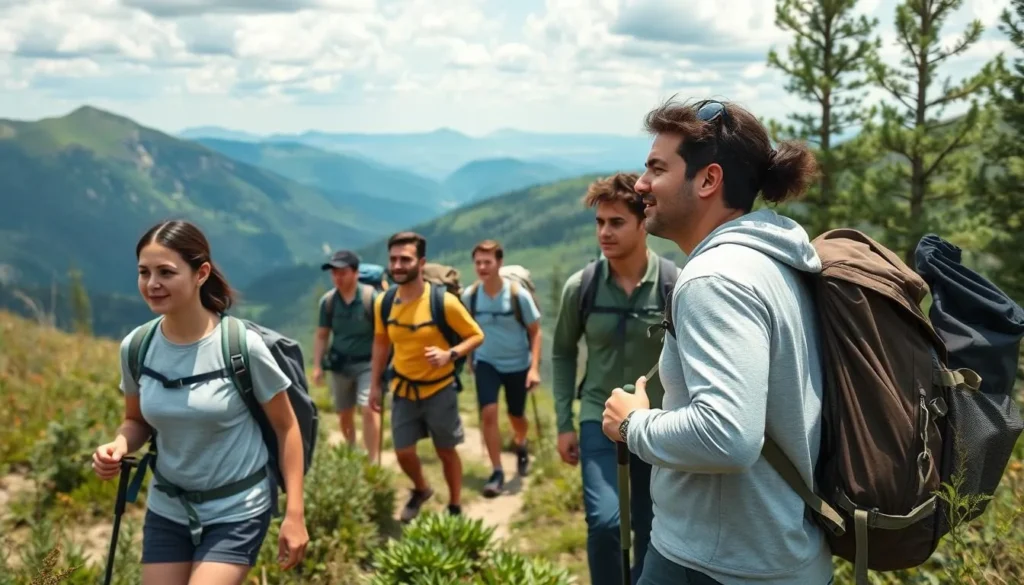
The vast wilderness of the Komi Republic offers endless opportunities for outdoor adventures across all seasons. From gentle nature walks to challenging expeditions, the region caters to all levels of outdoor enthusiasts.
Hiking & Trekking
The Komi Republic features numerous hiking trails ranging from easy day walks to challenging multi-day treks:
- Man-Pupu-Nyer Trail: A challenging multi-day trek to the famous stone pillars, requiring good fitness and preferably a guide.
- Yugyd Va National Park Trails: Various marked routes through pristine taiga forest and along crystal-clear rivers.
- Ural Mountain Paths: Trails of varying difficulty in the western slopes of the Urals, offering spectacular views.
- Nature Reserve Eco-Trails: Guided walks in protected areas with opportunities to learn about local ecosystems.
Water Activities
- Rafting: The Pechora, Shchugor, and Kosyu rivers offer excellent rafting opportunities during summer months.
- Fishing: The region’s rivers are rich in species like grayling, pike, and salmon. Fishing permits are required.
- Kayaking: Explore the quieter waterways by kayak, with rental equipment available in major towns.
- Swimming: During the brief summer months, locals and visitors enjoy swimming in the region’s cleaner lakes and rivers.
Winter Activities
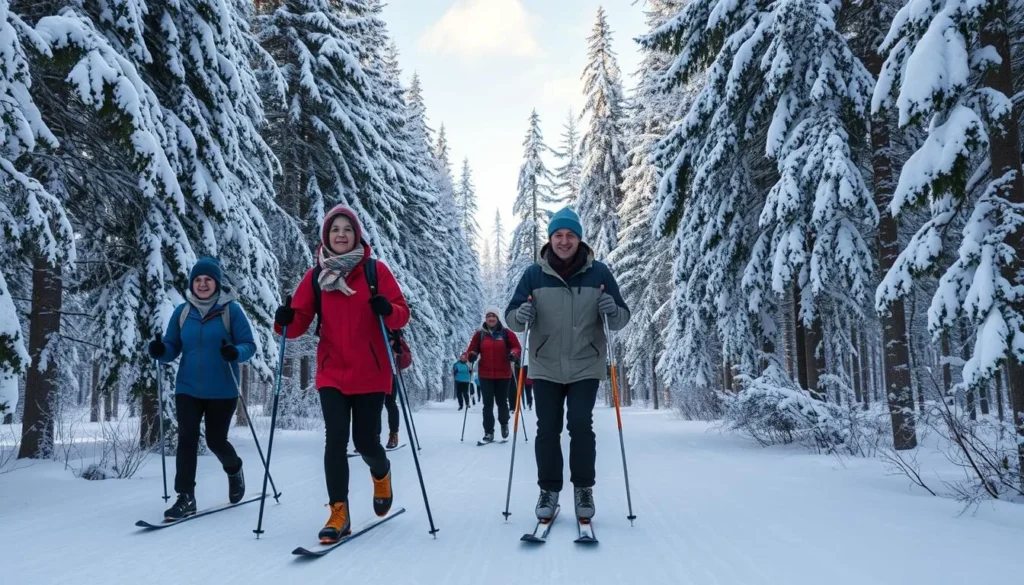
- Cross-Country Skiing: Extensive trails throughout the region, with equipment rental available in major towns.
- Dog Sledding: Experience traditional transportation with dog sled tours in northern areas.
- Snowmobiling: Guided tours offer access to remote winter landscapes.
- Ice Fishing: A popular winter activity among locals, with guided experiences available for visitors.
- Northern Lights Viewing: The northern parts of the republic offer opportunities to witness the aurora borealis during winter months.
“Rafting down the Shchugor River through untouched wilderness was like traveling back in time. We saw bears fishing along the banks and eagles soaring overhead—a true wilderness experience that’s becoming increasingly rare in today’s world.”
Safety, Etiquette & Local Customs

Traveling in the Komi Republic is generally safe, but its remote nature and sometimes harsh climate require proper preparation and respect for local customs.
Safety Considerations
- Wilderness Safety: When exploring remote areas, always inform someone of your plans, carry appropriate equipment, and consider hiring a local guide.
- Wildlife Awareness: The forests are home to brown bears, wolves, and other large mammals. Maintain a safe distance and store food properly when camping.
- Weather Preparedness: Weather conditions can change rapidly, especially in mountain areas. Pack appropriate clothing and emergency supplies.
- Communication: Cell phone coverage is limited in remote areas. Consider renting a satellite phone for wilderness expeditions.
- Medical Facilities: Quality medical care is available in major cities like Syktyvkar, but remote areas have limited facilities. Comprehensive travel insurance is essential.
Cultural Etiquette
- Respect for Nature: The Komi people have a deep connection to their natural environment. Follow Leave No Trace principles and respect protected areas.
- Home Visits: If invited to a local home, removing shoes is customary. Bringing a small gift for the host is appreciated.
- Photography: Always ask permission before photographing people, especially in indigenous communities.
- Religious Sites: When visiting churches or sacred sites, dress modestly and follow local customs.
- Toasting Traditions: If joining locals for drinks, wait for toasts before drinking and never refuse a toast when offered.
Important Safety Note: Some areas of the Komi Republic are extremely remote. Always register your hiking or expedition plans with local authorities, especially when visiting wilderness areas like the Ural Mountains or national parks.
Additional Nearby Destinations
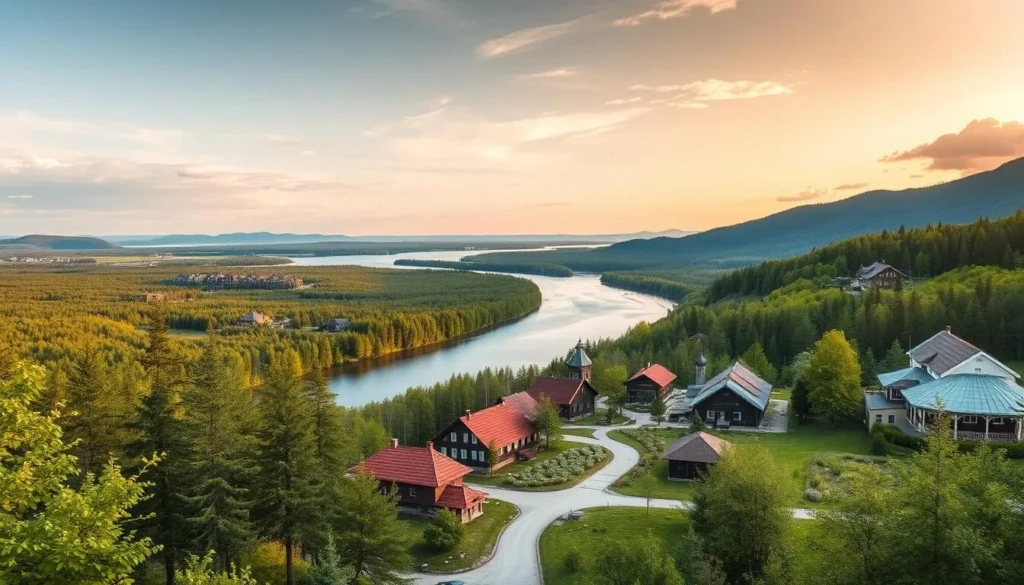
The Komi Republic’s location makes it possible to combine your visit with explorations of neighboring regions, each offering unique experiences.
Neighboring Regions
- Arkhangelsk Oblast: Home to the historic city of Arkhangelsk, the Solovetsky Islands UNESCO site, and traditional northern Russian villages.
- Perm Krai: Features the historic city of Perm, unique salt mines at Solikamsk, and the western slopes of the Ural Mountains.
- Nenets Autonomous Okrug: Experience the Arctic tundra, indigenous Nenets culture, and reindeer herding traditions.
- Sverdlovsk Oblast: Visit Yekaterinburg, one of Russia’s major cities, and explore the central Ural Mountains.
Extended Itineraries
For travelers with more time, consider these extended journey options:
- Northern Urals Expedition: Combine the Komi Republic with neighboring regions for a comprehensive exploration of the Ural Mountains.
- Russian North Cultural Tour: Experience the diverse cultures of northwestern Russia by visiting the Komi Republic, Arkhangelsk, and Karelia.
- Trans-Ural Adventure: Cross from Europe to Asia through the Urals, visiting both the Komi Republic and Siberian regions.
Practical Travel Tips
These practical tips will help you make the most of your journey to the Komi Republic while avoiding common challenges.
Essential Preparations
- Language: Russian is the primary language, with Komi spoken in some areas. English is limited outside major hotels and tourist facilities in Syktyvkar. A translation app or phrasebook is highly recommended.
- Currency: The Russian ruble is the only accepted currency. ATMs are available in cities and larger towns, but carry cash for rural areas.
- Connectivity: Purchase a local SIM card in Syktyvkar for better coverage. Download offline maps and translation tools before venturing into remote areas.
- Documentation: Carry your passport and visa at all times. Make copies of important documents and store them separately.
- Electricity: Russia uses 220V with European-style round prong plugs (Type C and F). Bring appropriate adapters.
What to Pack
Essential Items:
- Sturdy, waterproof hiking boots
- Layered clothing (even in summer)
- High-quality rain gear
- Insect repellent (May-August)
- Sunscreen and sunglasses
- Basic first aid kit
- Water purification tablets or filter
Recommended Extras:
- Binoculars for wildlife viewing
- Portable power bank
- Offline maps and guidebooks
- Russian phrasebook or translation app
- Waterproof bag for electronics
- Trekking poles for mountain hikes
- Thermos for hot drinks (essential in winter)
Planning Tip: The Komi Republic covers a vast territory with limited transportation between some attractions. Group your activities by region to minimize travel time, and consider booking guided tours for the most remote locations.
Discover the Untamed Beauty of Russia’s Hidden Wilderness
The Komi Republic offers intrepid travelers a rare opportunity to experience one of Europe’s last great wildernesses. From the ancient stone pillars of Man-Pupu-Nyer to the pristine rivers cutting through virgin forests, this remarkable region rewards visitors with natural wonders that few foreigners ever witness. Beyond its natural treasures, the unique cultural heritage of the Komi people provides a fascinating glimpse into traditions that have evolved in harmony with this challenging northern environment for centuries.
Whether you’re trekking through UNESCO-protected forests, rafting down crystal-clear rivers, or connecting with local communities, the Komi Republic promises authentic experiences far from the well-trodden tourist paths. As you plan your journey to this extraordinary destination, embrace the spirit of adventure that has drawn explorers to Russia’s northern frontiers for generations.
Related Posts
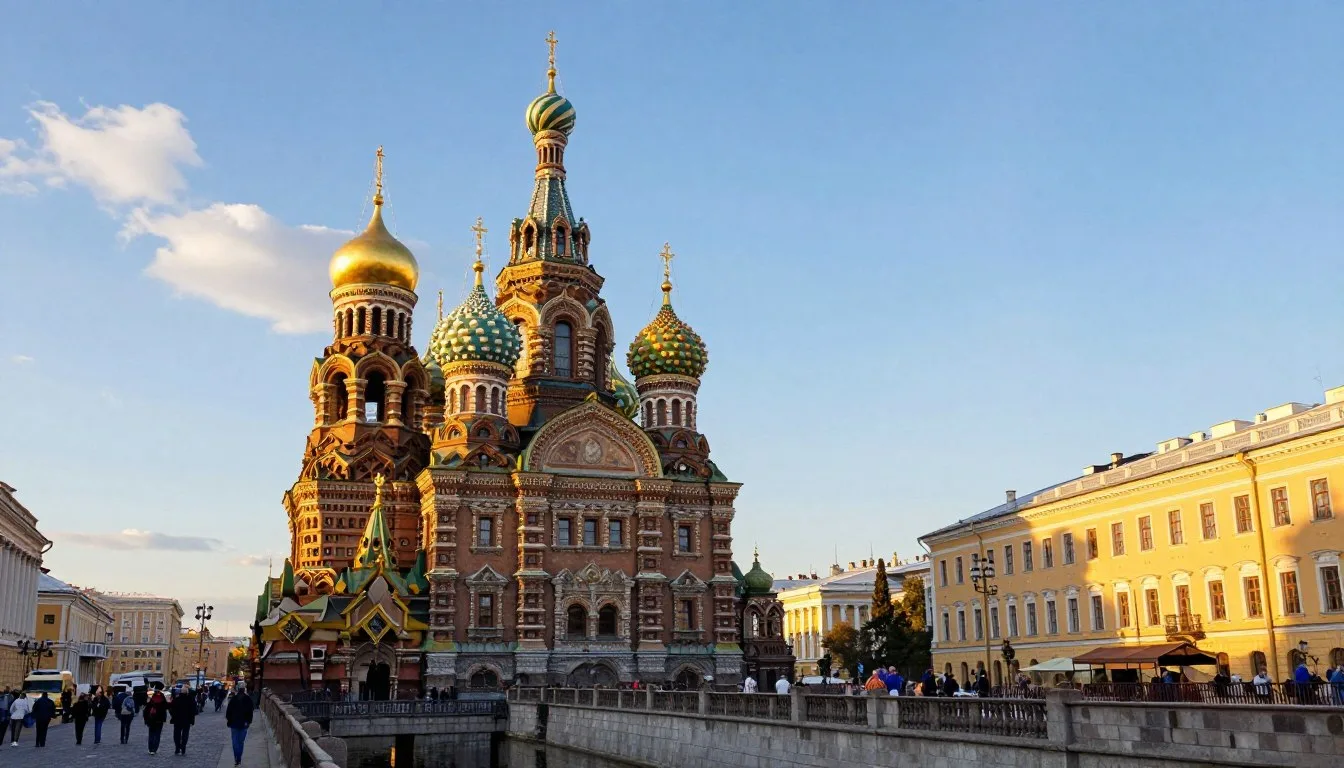
Saint Petersburg, Russia: Best Things to Do – Top Picks
Zabaykalsky Krai, Russia: Best Things to Do – Top Picks
Yamalo-Nenets Autonomous Okrug, Russia: Best Things to Do – Top Picks
Tver Oblast, Russia: Best Things to Do – Top Picks
Yaroslavl Oblast, Russia: Best Things to Do – Top Picks
Volgograd Oblast, Russia: Best Things to Do – Top Picks
Coming Soon: Clickable Maps