Hotels by Trip.com
Flights by Trip.com
Did you know that the Republic of Tuva is home to the world’s most renowned throat singers, capable of producing multiple pitches simultaneously in a vocal technique that UNESCO has recognized as an Intangible Cultural Heritage of Humanity? This hidden gem in southern Siberia offers travelers a rare glimpse into an ancient culture where shamanic traditions blend seamlessly with Buddhist practices against a backdrop of pristine mountain landscapes and vast steppes that remain largely untouched by mass tourism.
Getting There & Planning Your Journey
Reaching the Republic of Tuva requires some planning, as it’s one of Russia’s most remote regions. The capital city, Kyzyl, has a small airport (KYZ) with limited domestic flights from Krasnoyarsk and Novosibirsk. Most international travelers will need to fly into these larger Siberian cities first, then connect to Kyzyl.
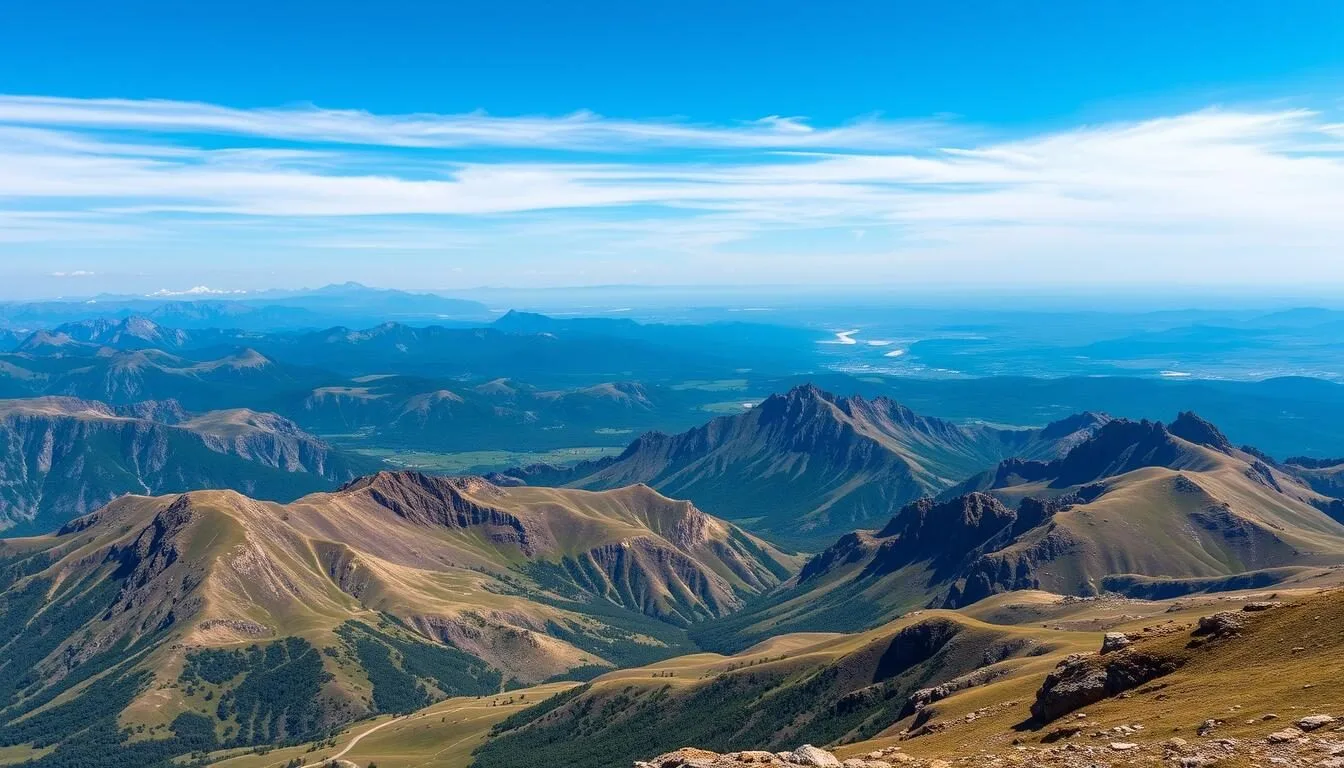
Alternatively, many visitors opt for the overland route via the spectacular Sayan Mountains. Regular bus services connect Kyzyl with Abakan (the capital of neighboring Khakassia), with the journey taking approximately 8-9 hours through mountain passes and stunning landscapes.
For those traveling along the Trans-Siberian Railway, Abakan is the closest major station to Tuva. From there, you can arrange transportation to Kyzyl. The journey forms part of the Great Sayan Ring, a popular tourist route that includes Tuva, Khakassia, and parts of the Krasnoyarsk Territory.
When planning your trip, consider allocating at least 5-7 days to explore Tuva properly. The region’s remote nature means travel between sites can take time, but the journey itself is often as rewarding as the destinations.
Best Time to Visit & Weather Tips
Best Time to Visit Republic of Tuva
Recommended Seasons:
- Late May to early September – Ideal for outdoor activities with temperatures ranging from 15°C to 25°C (59°F to 77°F)
- June to July – Perfect for cultural festivals, including the important Naadym festival
- Late August – Harvest season with pleasant temperatures and beautiful autumn colors beginning
Seasons to Avoid:
- November to March – Extremely cold with temperatures dropping to -30°C (-22°F) or lower
- April – Muddy conditions as snow melts, making some sites difficult to access
- October – Increasingly cold with limited tourist infrastructure operating
Summer visitors should pack light clothing but also bring layers for cool evenings, especially in the mountains. The temperature can drop significantly after sunset, even in summer months. If visiting during late spring or early autumn, layered clothing is essential as daily temperature fluctuations can be significant.
Local Tip: The steppe regions of Tuva can experience strong winds, so a windproof jacket is recommended even in summer. UV protection is also important as the clear mountain air provides less filtering of the sun’s rays than you might expect.
Getting Around Locally
Navigating within the Republic of Tuva requires some planning, as public transportation is limited outside the capital city. In Kyzyl, local buses and marshrutkas (shared minivans) provide affordable transportation around the city, with single rides costing approximately 30 RUB ($0.40 USD).
For exploring attractions beyond the capital, your options include:
- Rental Car – The most flexible option for exploring remote areas and natural attractions. Several agencies operate in Kyzyl with daily rates starting from about 2,500 RUB ($35 USD). An international driving permit is recommended.
- Organized Tours – Many local tour operators offer day trips to popular attractions like Chadan Monastery or Lake Dus-Khol. These typically include transportation, guide services, and sometimes meals.
- Intercity Buses – Regular services connect Kyzyl to major towns like Chadan, Shagonar, and Turan, though schedules may be limited.
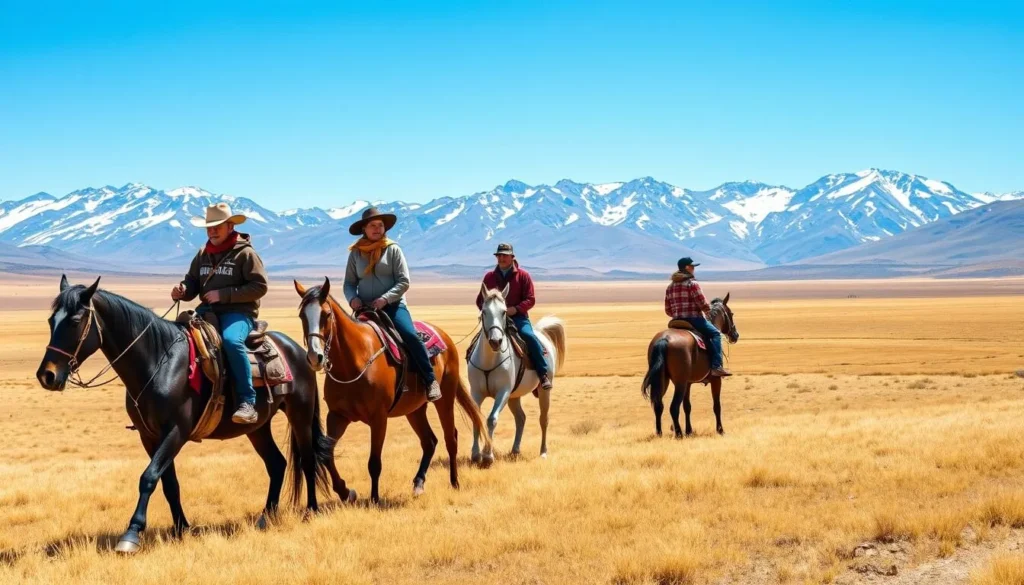
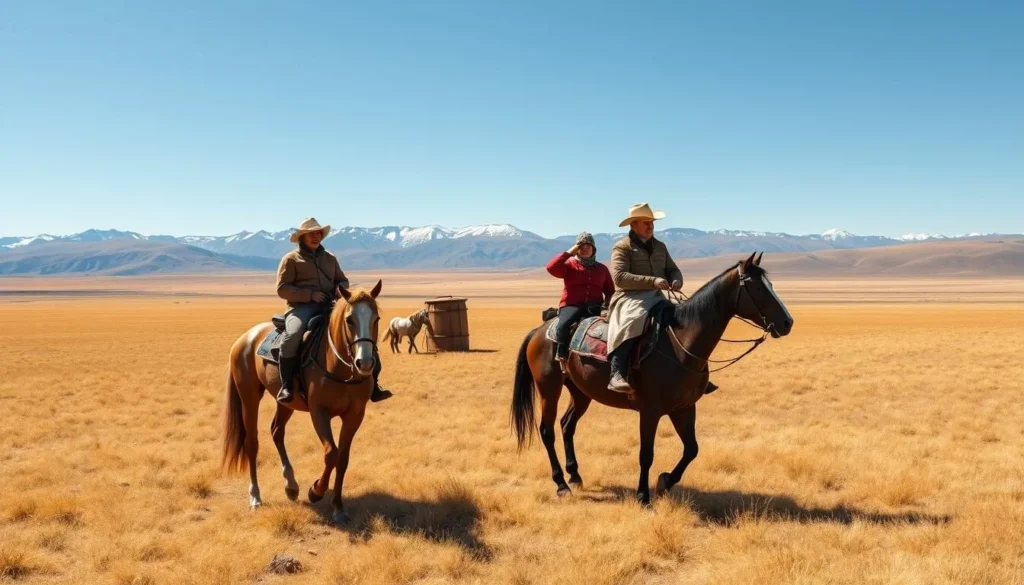
- Traditional Transport – In rural areas, horseback riding remains a practical and authentic way to explore the landscape, with many guesthouses offering guided rides.
Navigation Tip: Download offline maps before your trip, as mobile coverage can be spotty in remote areas. The 2GIS app works particularly well for Kyzyl and includes public transport routes.
✓ Check 30,000+ Local Sightseeing Tours Worldwide
Where to Stay
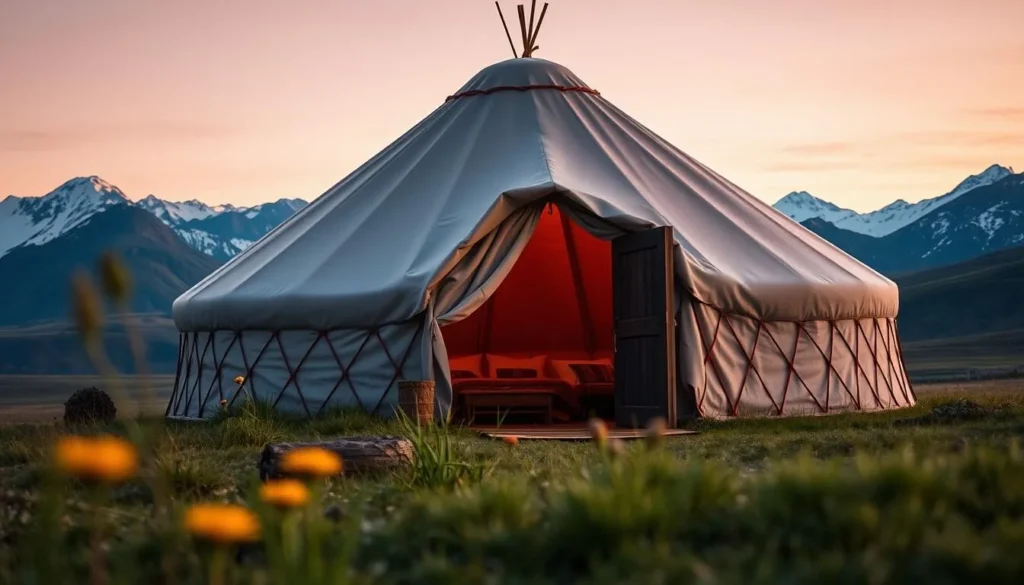
Accommodation options in Tuva range from modern hotels in Kyzyl to unique yurt camps and rural guesthouses that offer an authentic cultural experience. Most visitors base themselves in the capital city, which offers the widest range of facilities, though staying in rural areas provides a deeper connection to Tuvan traditions and natural surroundings.
Recommended Accommodation Options
City Hotels
- Hotel Kyzyl – 3-star accommodation in central Kyzyl with modern amenities
- Odugen Hotel – Mid-range option with good restaurant and central location
- Tuva Hotel – Budget-friendly choice near the Center of Asia monument
Price range: 2,000-5,000 RUB ($30-70 USD) per night
Yurt Camps
- Aldyn-Bulak Ethno-Cultural Complex – Luxury yurts with modern comforts near Kyzyl
- Biy-Khem Yurt Camp – Traditional felt yurts along the Yenisei River
- Sayan Ring Yurts – Authentic nomadic experience with cultural programs
Price range: 1,500-4,000 RUB ($20-55 USD) per night
Rural Guesthouses
- Tos-Bulak Guesthouse – Family-run accommodation with home-cooked Tuvan meals
- Taiga House – Wooden cabins near the taiga forest with hiking access
- Shaman’s Home – Cultural immersion with traditional hosts
Price range: 1,200-3,000 RUB ($15-40 USD) per night
Booking Tip: During summer months (June-August) and around traditional Tuvan holidays like Naadym (August), accommodations fill up quickly. Book at least 1-2 months in advance for these peak periods.
Dining & Local Cuisine
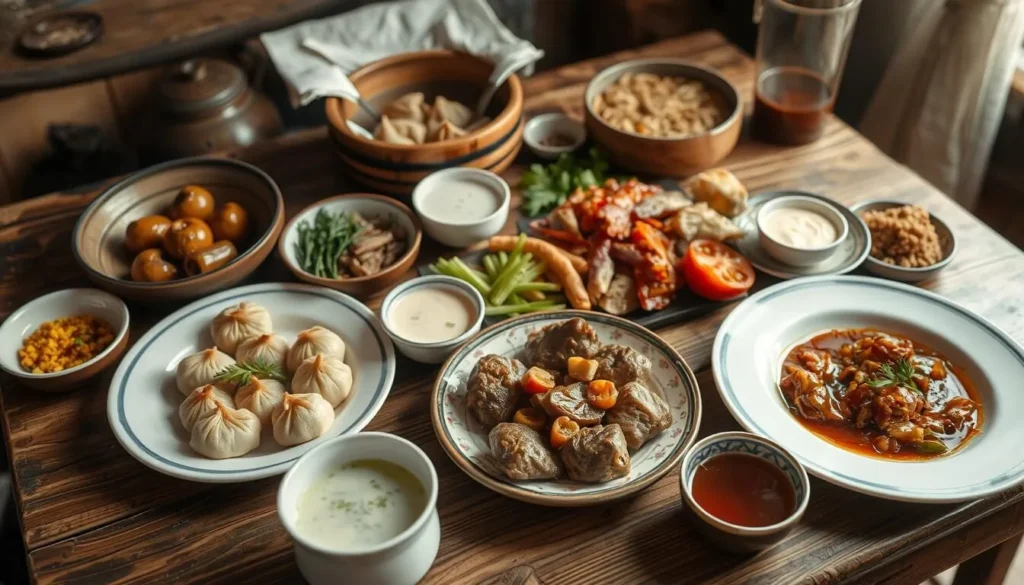
Tuvan cuisine offers a fascinating blend of Central Asian, Mongolian, and Siberian influences. The local food culture heavily features meat (especially lamb and horse), dairy products, and hearty dishes designed to sustain people through the harsh Siberian climate.
Must-Try Tuvan Specialties
- Byshtak – Fresh cheese made from cow’s or yak’s milk, often served with honey
- Khoraan – Sausage made from horse meat, a delicacy at celebrations
- Dalgan – Roasted barley flour mixed with butter and dried curds
- Khöiytpak – Meat-filled dumplings similar to pelmeni but with Tuvan spices
- Süt-Chai – Milk tea with salt, a traditional morning beverage
- Khuuzha – Hearty soup with meat, vegetables, and wild herbs
Recommended Restaurants
For Traditional Cuisine:
- Odugen Restaurant (Kyzyl) – Authentic Tuvan dishes in a yurt-inspired setting
- Aldyn-Bulak Restaurant (near Kyzyl) – Traditional meals served in an ethno-cultural complex
- Taigar Café (Kyzyl) – Family recipes passed down through generations
For Modern & International Options:
- Café Odugen (Kyzyl) – European cuisine with some local influences
- Chalama (Kyzyl) – Cozy café with excellent pastries and coffee
- Yenisei Restaurant (Kyzyl) – Russian pub food and local craft beers
Dining Tip: Many restaurants in Kyzyl offer business lunch specials (biznes lanch) on weekdays between 12:00-16:00, providing excellent value with multi-course meals for 300-450 RUB ($4-6 USD).
Attractions, Sightseeing & Activities
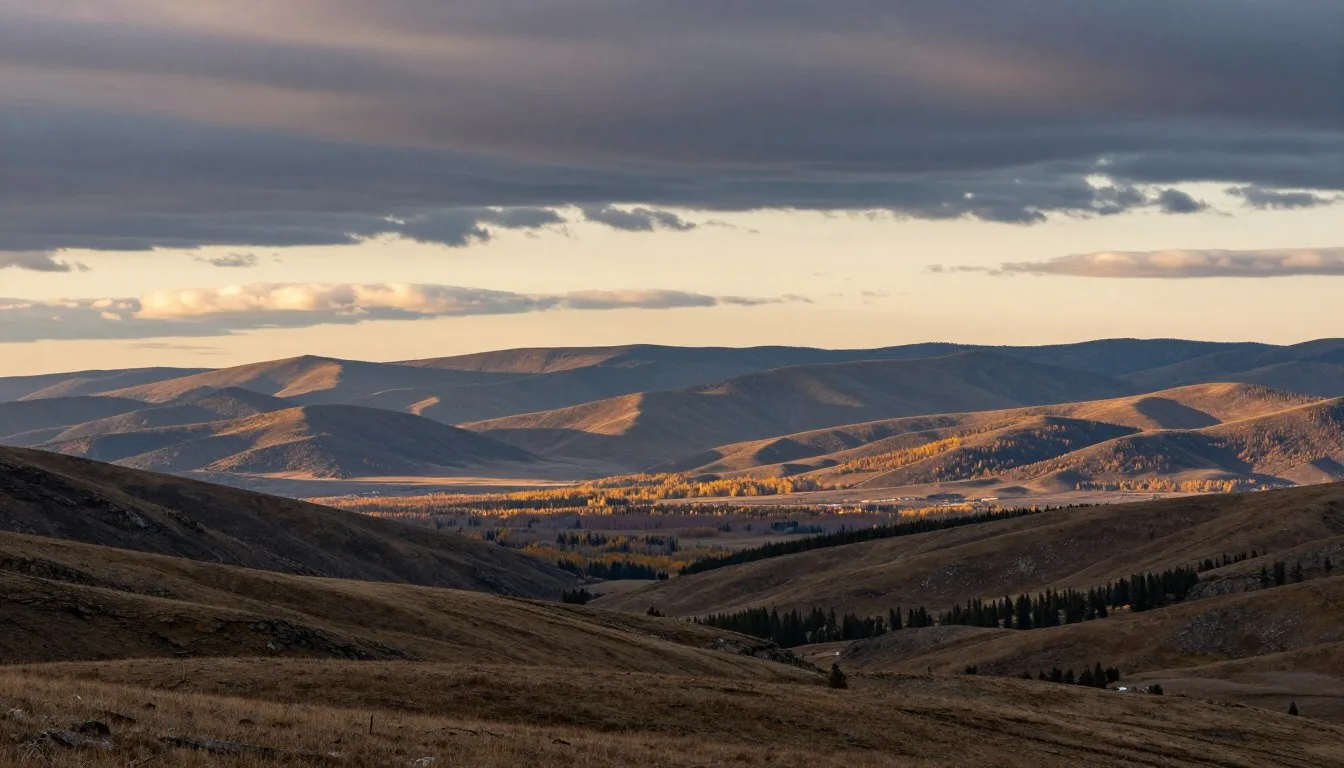
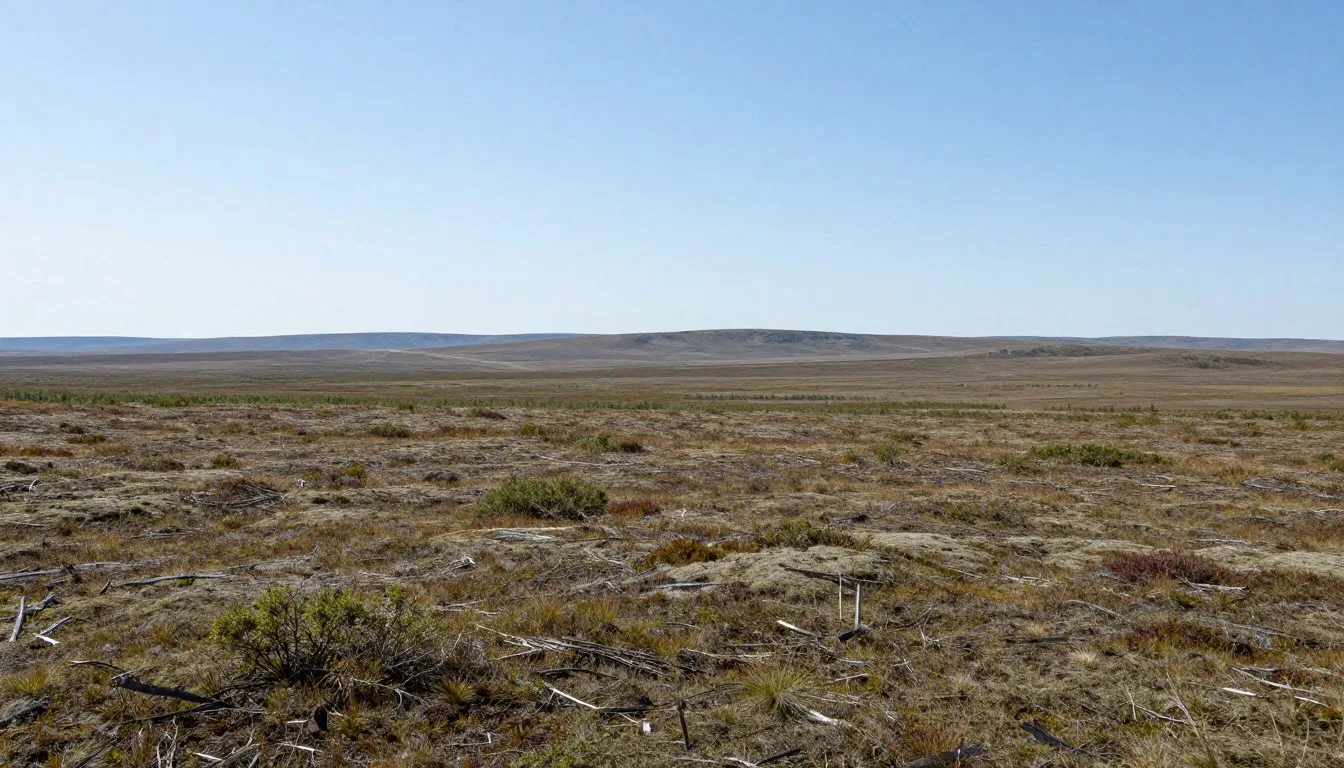
Tuva offers a compelling mix of cultural experiences, natural beauty, and historical sites. The region’s location between the Sayan Mountains and the vast steppes provides diverse landscapes from alpine lakes to expansive grasslands dotted with ancient monuments.
Top Attractions in Republic of Tuva
1. Center of Asia Monument
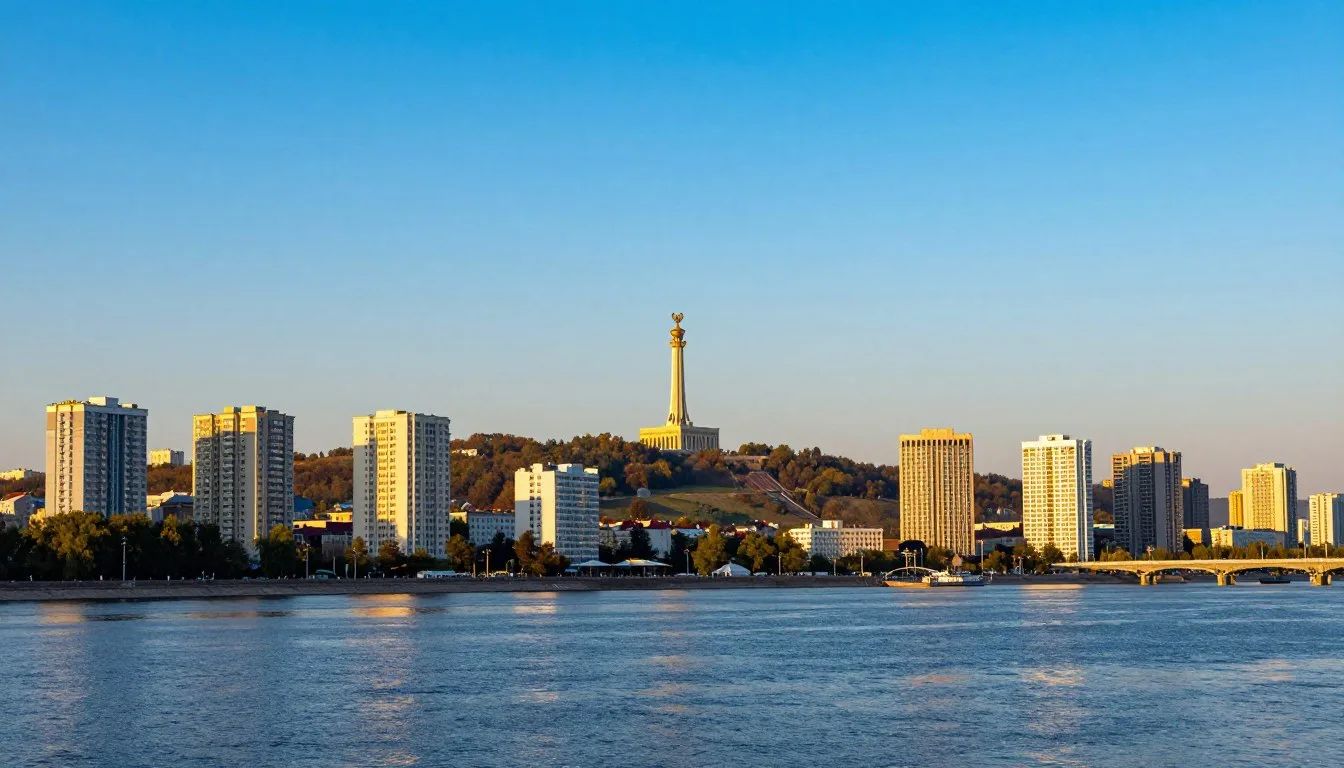
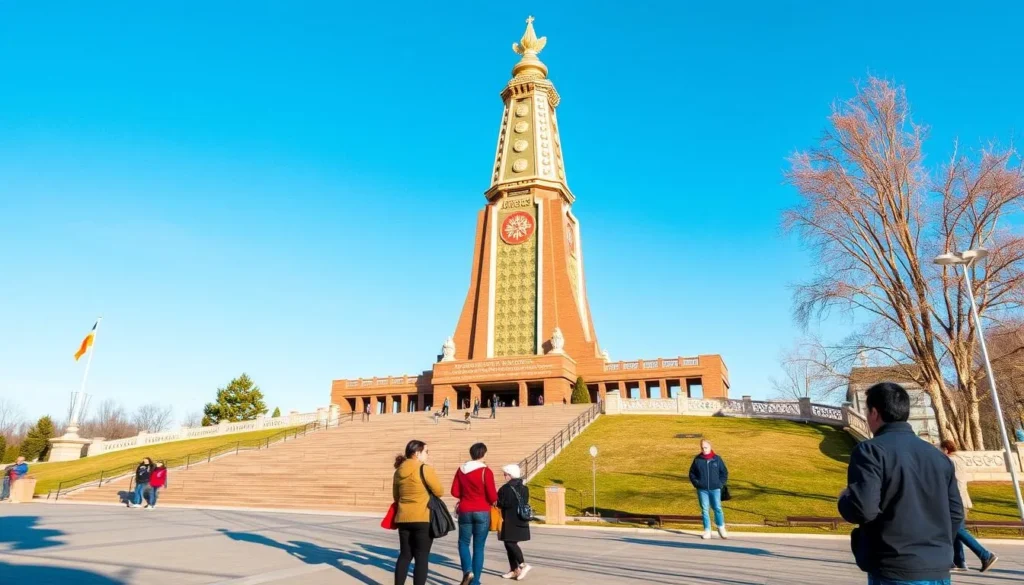
Located in Kyzyl, this impressive monument marks the geographical center of the Asian continent. The current monument, built in 2014, features a 12-meter (39-foot) tall pillar topped with a three-legged symbol representing the Scythian art style. The surrounding plaza offers beautiful views of the Yenisei River and hosts cultural performances during summer evenings.
2. National Museum of Tuva
This excellent museum houses an impressive collection of archaeological finds, ethnographic materials, and exhibits explaining the region’s natural history. Don’t miss the famous Scythian gold collection, including artifacts from the “Valley of the Kings” archaeological site that rivals those found in European museums.
3. Ustuu-Huree Buddhist Temple
Located near the town of Chadan, this reconstructed Buddhist temple was originally built in 1907 but destroyed during the Soviet era. The rebuilt temple is now an important spiritual center for Tuvan Buddhists. Visitors can observe monks in prayer, spin prayer wheels, and enjoy the peaceful atmosphere of this sacred site.
4. Lake Dus-Khol (Salty Lake)
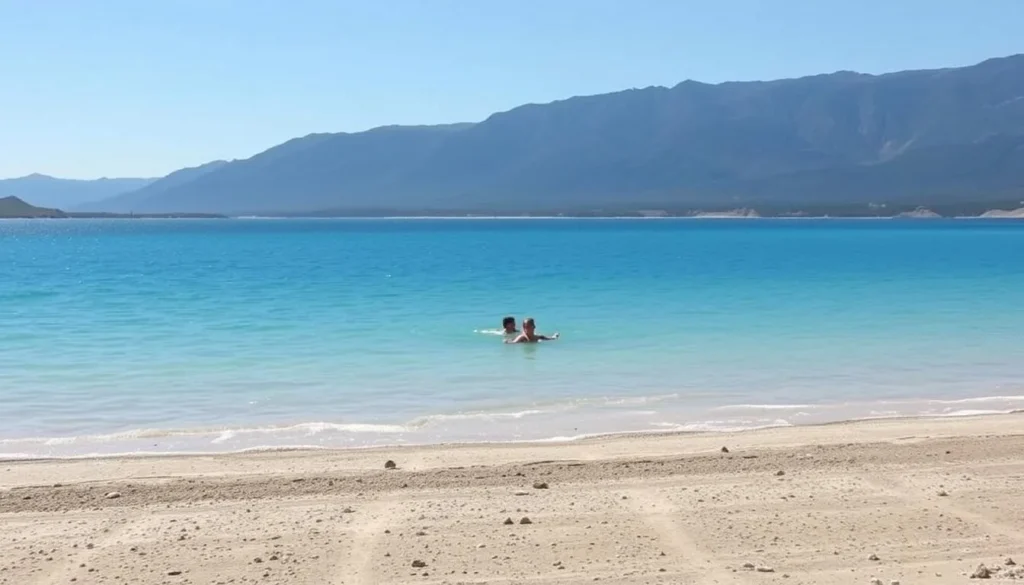
Often called the “Dead Sea of Siberia,” this mineral-rich lake is located about 45 km (28 miles) from Kyzyl. The saline water is so buoyant that swimming feels effortless. The surrounding steppe landscape offers excellent hiking opportunities with views of the pristine waters against the backdrop of rolling hills.
5. Khöömei Cultural Center
Dedicated to Tuva’s famous throat singing tradition, this cultural center in Kyzyl offers performances, workshops, and exhibits about this unique vocal art. Visitors can learn about the five distinct styles of throat singing and even take introductory lessons from master performers.
Visitor Tip: Many cultural sites are considered sacred by local Tuvans. It’s customary to tie a small ribbon (called “chalama”) to nearby trees as a sign of respect when visiting these locations. Bring some colorful fabric strips if you plan to visit temples or sacred natural features.
Museums, Cultural Spots & Festivals

Beyond its natural attractions, Tuva boasts a rich cultural scene that showcases the unique heritage of the Tuvan people and their traditions that blend shamanic practices with Buddhist influences and nomadic lifestyle.
Museums & Cultural Venues
- National Museum of Tuva Republic – Comprehensive collection covering archaeology, ethnography, and natural history of the region
- Tuvan Music and Drama Theater – Regular performances of traditional music and contemporary plays in the Tuvan language
- International Khöömei Center – Dedicated to preserving and promoting the throat singing tradition
- Aldan-Maadyr Museum – Historical museum focusing on Tuva’s complex political history
- Center of Asia Cultural Complex – Performance venue and cultural center near the famous monument
Annual Festivals & Events
Cultural Festivals:
- Naadym (August) – Tuva’s most important festival featuring horse racing, wrestling, archery, and throat singing competitions
- Shagaa (February) – Tuvan New Year marked by purification ceremonies and feasting
- International Khöömei Symposium (June, biennial) – Gathering of throat singers from around the world
Contemporary Events:
- Ustuu-Huree Festival (July) – Music festival held at the reconstructed Buddhist temple
- Festival of Nomadic Culture (July) – Showcasing traditional nomadic lifestyles with yurt building, archery, and horse riding
- Day of Kyzyl (September) – City celebration with concerts, food markets, and fireworks
Cultural Tip: When attending cultural performances, it’s considered respectful to bring a small gift (like chocolates) if you’re personally introduced to performers. Photography is usually permitted during public performances, but always ask before photographing shamanic ceremonies or inside Buddhist temples.
Nature & Outdoor Experiences
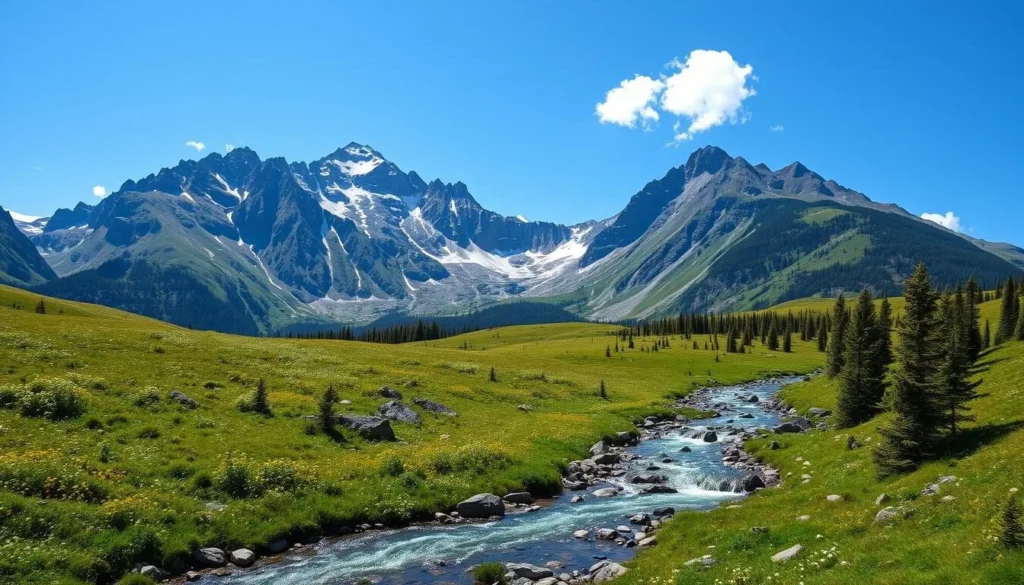
Tuva’s diverse landscapes offer excellent opportunities for outdoor enthusiasts year-round. From the mineral lakes of the steppe to the forested mountains of the Western Sayan range, the region’s natural beauty provides a perfect backdrop for adventure and relaxation.
Year-Round Outdoor Activities
Summer Adventures (May-September)
- Hiking in the Western Sayan Mountains – Trails ranging from easy walks to challenging multi-day treks through pristine wilderness
- Horseback Riding on the Steppe – Experience the traditional nomadic way of travel across the vast grasslands
- Rafting on the Yenisei River – One of Siberia’s great waterways offers exciting rapids and beautiful scenery
- Fishing – The rivers and lakes of Tuva offer excellent fishing for taimen, lenok, and grayling
- Camping at Lake Tere-Khol – Remote lake camping with views of the mysterious Por-Bazhyn fortress ruins
Winter Activities (November-April)
- Cross-country Skiing – Well-maintained trails through snow-covered forests and steppes
- Ice Fishing – Popular on frozen lakes, often accompanied by traditional warming huts
- Winter Photography – The stark landscapes of Tuva in winter create stunning visual opportunities
- Shagaa Celebrations – Experience traditional Tuvan New Year celebrations in February
- Dog Sledding – Available in some areas, offering a unique way to experience the winter landscape
Adventure Tip: For the most rewarding experience in the Western Sayan Mountains, arrange a local guide through your accommodation or the tourist information center in Kyzyl. Guides can identify wildlife, explain the ecological significance of the area, and ensure your safety in remote regions.
Safety, Etiquette & Local Customs
Tuva is generally a safe destination for travelers, with low crime rates and friendly locals. However, as with any travel, it’s important to be aware of local customs and safety considerations to ensure a respectful and trouble-free visit.
Safety Tips
- Carry copies of your passport and visa; Russian law requires foreigners to carry identification
- Register your stay with local authorities (your hotel will typically handle this)
- Be cautious when hiking in remote areas and always inform someone of your plans
- In winter, dress appropriately for extreme cold to prevent frostbite
- During summer hikes, carry insect repellent to protect against ticks, which can be common in Siberian forests
- Tap water is generally not recommended for drinking; stick to bottled water
- When visiting sacred sites, stay on marked paths to avoid damaging ancient monuments
Local Etiquette & Customs
Social Customs:
- When visiting a Tuvan home, remove your shoes at the entrance
- It’s customary to bring a small gift when invited to someone’s home (chocolates or pastries are appropriate)
- Always walk around ovaa (sacred stone cairns) in a clockwise direction
- When photographing local people, always ask permission first
Dining Etiquette:
- If offered airag (fermented mare’s milk) or other traditional drinks, it’s polite to at least taste them
- Toasts are common during meals with alcohol; it’s customary to participate
- When dining in someone’s home, finishing everything on your plate is considered complimentary
- In traditional settings, elders are served first as a sign of respect
Cultural Insight: Many Tuvans practice a form of shamanism alongside Buddhism. You may notice small offerings (ribbons, coins, or food) at natural features like springs or unusual trees. These are sacred spots, and it’s important not to disturb these offerings.
Visitor Comments About Republic of Tuva
“The throat singing performance at the Khöömei Cultural Center was unlike anything I’ve experienced elsewhere. The way these musicians produce multiple tones simultaneously is truly mind-boggling. Beyond the music, I was struck by how warmly Tuvan people welcomed us into their culture. Staying in a traditional yurt and learning about their nomadic heritage gave me a new perspective on what it means to live in harmony with nature.”
“Horseback riding across the Tuvan steppe was the highlight of my Siberian journey. The vast open spaces, the silence broken only by the wind and occasional bird calls, and the distant mountains created a sense of freedom I’ve rarely felt elsewhere. Our guide taught us about the traditional nomadic lifestyle and showed us how to prepare Tuvan tea. The authenticity of the experience was something you simply can’t find in more touristy destinations.”
“The Center of Asia Monument in Kyzyl was impressive, but what really captivated me was exploring the archaeological sites in the Valley of the Kings. The Scythian artifacts in the National Museum are world-class, and seeing the actual burial mounds where they were discovered added another dimension to the experience. I’d recommend spending at least a week in Tuva to fully appreciate both its cultural treasures and natural beauty.”
Additional Nearby Destinations
While exploring Tuva, consider visiting these fascinating nearby destinations that complement your Siberian adventure:
Neighboring Regions Worth Exploring
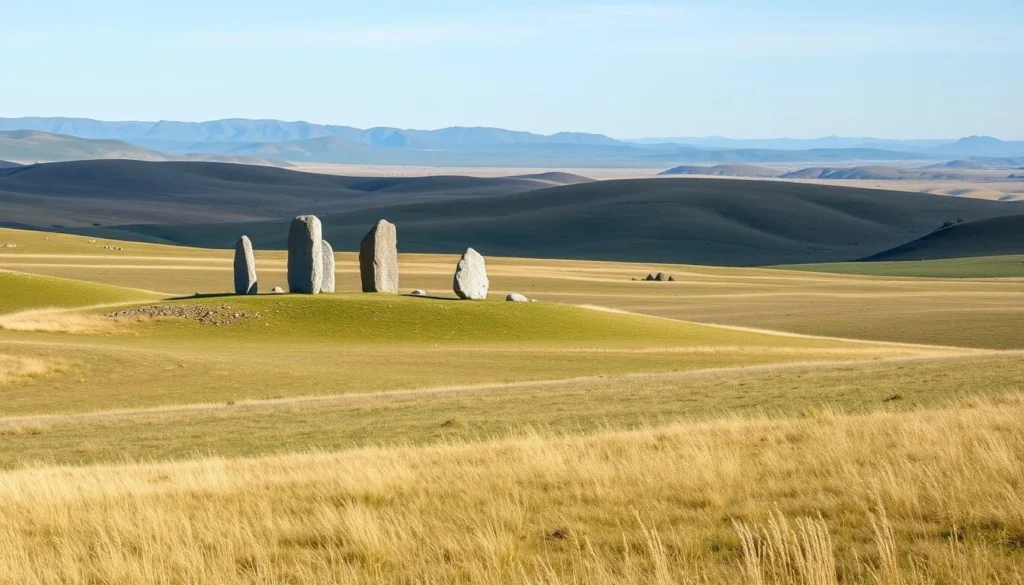
- Republic of Khakassia – Directly north of Tuva, this region offers the stunning Sunduki mountain range with ancient astronomical alignments, the mineral-rich Lake Shira, and thousands of archaeological monuments including stone stellae and burial mounds. The capital, Abakan, makes an excellent gateway to Tuva.
- Krasnoyarsk Krai – This vast region offers the stunning Stolby Nature Reserve with its unique rock formations, the impressive Krasnoyarsk Dam, and the vibrant city of Krasnoyarsk itself. The city makes an excellent starting point for the Great Sayan Ring tourist route.
- Altai Republic – Though requiring a longer journey west, this mountainous region is often called “Russia’s Switzerland” for its alpine scenery, turquoise lakes, and diverse ecosystems. Perfect for those seeking extended wilderness adventures.
- Western Mongolia – For truly adventurous travelers, the border with Mongolia is relatively close to southern Tuva. The Mongolian steppe offers an extension of the nomadic cultures found in Tuva but with distinct traditions and landscapes.
Travel Tip: The Great Sayan Ring is a popular tourist route that connects Tuva with Khakassia and Krasnoyarsk Krai. This circuit takes approximately 10-14 days to complete and offers a comprehensive experience of southern Siberia’s diverse cultures and landscapes.
Practical Travel Tips
These practical tips will help you navigate Tuva smoothly and make the most of your Siberian adventure.
Essential Information
- Language: Russian is the primary language, with Tuvan also widely spoken. English is limited outside major hotels and tourist attractions, so learning a few basic Russian phrases is helpful
- Currency: Russian Ruble (RUB). ATMs are available in Kyzyl but can be scarce in rural areas. Carry cash for smaller establishments and rural areas
- Electricity: 220V, 50Hz with European-style round pin plugs (Type C and F)
- Internet: Good WiFi coverage in Kyzyl but may be limited or non-existent in remote locations
- Time Zone: Krasnoyarsk Time (KRAT), UTC+7
Money-Saving Tips
- Visit the Tourist Information Center in Kyzyl (Lenin Street, 37) to get free maps and advice on current events
- Consider joining group tours to major attractions to share transportation costs
- Take advantage of business lunch specials at restaurants on weekdays
- Many museums offer free or discounted admission on specific days of the month
- Consider staying in guesthouses or yurt camps instead of hotels for a more authentic and often more affordable experience
Important: Russia requires tourists to have a visa before arrival. The application process can take several weeks, so plan accordingly. You’ll also need to register your stay within 7 days of arrival, though hotels typically handle this for guests.
Experience the Heart of Asia
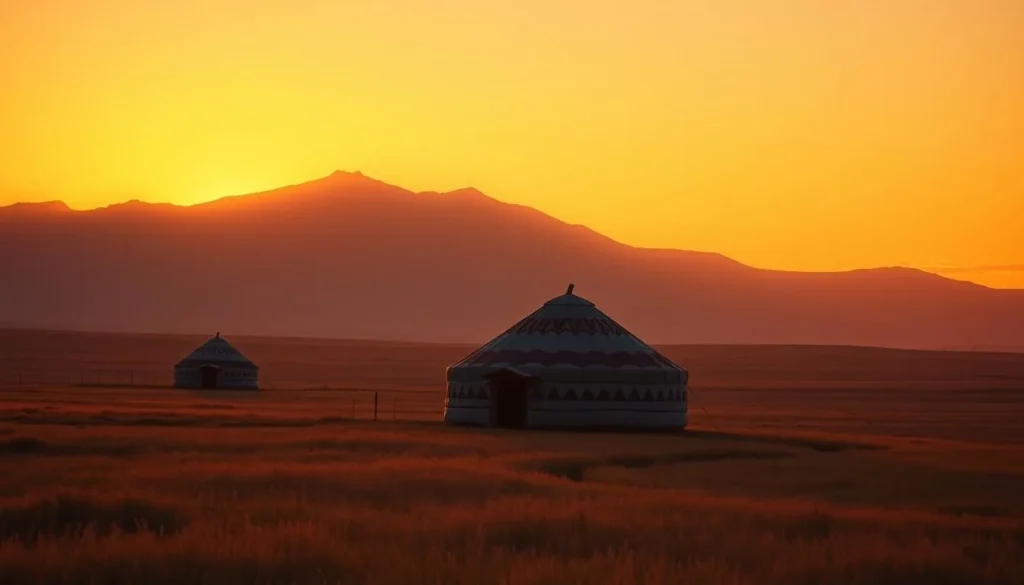
The Republic of Tuva offers travelers a rare opportunity to experience a side of Russia that few international visitors ever see. From the haunting melodies of throat singers that have captivated audiences worldwide to the pristine landscapes where shamanic traditions blend with Buddhist practices, this compact region packs an extraordinary diversity of experiences into an accessible package.
Whether you’re standing at the geographical center of Asia, riding horseback across the vast steppe, or sharing a traditional meal in a felt yurt under the vast Siberian sky, Tuva connects visitors to something timeless and profound. As you explore this land where ancient traditions remain vibrant parts of daily life, you’ll discover that Tuva isn’t just a destination—it’s a journey into the cultural and natural heart of Asia that will leave you with memories to last a lifetime.