

Hotels by Trip.com
Flights by Trip.com
Did you know that Samursky National Park protects one of the last remaining pristine floodplain forests in Europe, home to over 480 plant species and more than 50 species listed in Russia’s Red Book of endangered wildlife? This ecological treasure in southern Russia’s Dagestan Republic spans an impressive 48,273 hectares (119,285 acres) of diverse ecosystems where the mighty Samur River creates a unique delta as it flows into the Caspian Sea. Despite its remarkable biodiversity and stunning landscapes, this natural wonder remains one of Russia’s least-visited national parks, offering adventurous travelers a rare glimpse into untouched wilderness.
Getting There & Planning Your Journey
Reaching Samursky National Park requires some planning, as it’s located in the southern part of Dagestan Republic, near the border with Azerbaijan. The park is approximately 170 km (105 miles) south of Makhachkala, the capital of Dagestan.
Closest Airports:
- Makhachkala Airport (MCX) – The primary entry point, located about 190 km (118 miles) from the park
- Baku Heydar Aliyev International Airport (GYD) in Azerbaijan – An alternative option about 210 km (130 miles) away
- Moscow airports (SVO, DME, VKO) – For international connections with onward flights to Makhachkala
From Makhachkala, you’ll need to take local transport to reach the park. The nearest towns to the park are Magaramkent and Samur. Most visitors hire a local driver or join a guided tour from Makhachkala or Derbent, as public transportation to the park is limited.
Before planning your trip, check the current visa requirements for Russia and any regional travel advisories. It’s also recommended to arrange your visit through a local tour operator familiar with the area, especially if you don’t speak Russian.
Best Time to Visit & Weather Tips
Samursky National Park experiences distinct seasons, each offering a different experience for visitors. The climate is moderately continental with influences from the nearby Caspian Sea.
Late Spring (May-June)
Highly Recommended
Temperatures range from 15°C to 25°C (59°F to 77°F). The landscape bursts with wildflowers, and the weather is perfect for hiking. Wildlife is active, and the forests are lush with new growth.
Early Autumn (September-October)
Highly Recommended
Temperatures cool to 10°C to 20°C (50°F to 68°F). The forests transform with vibrant fall colors, creating spectacular photo opportunities. Fewer crowds make this an excellent time for a peaceful visit.
Summer (July-August)
Good but hot
Warm days with temperatures around 25°C to 35°C (77°F to 95°F). The coastal areas can be humid. Good for water activities along the Samur River and delta. Early morning and evening activities are recommended to avoid midday heat.
Seasons to Avoid
Winter (December-February) brings temperatures between 0°C and 10°C (32°F to 50°F), making outdoor activities less comfortable. While not extremely cold, the park’s facilities are limited during this season. Late autumn and early spring can be rainy and unpredictable, with limited access to some trails.
Weather Tip: Weather can change quickly in the region, especially in the mountainous areas. Pack layers, rain gear, and sturdy shoes regardless of when you visit. Check local forecasts before heading out on trails.
✓ Check 30,000+ Local Sightseeing Tours Worldwide
Getting Around Locally

Navigating Samursky National Park requires some planning, as public transportation within the park is limited and some areas are only accessible with proper guidance.
Transportation Options:
- Guided Tours: The most common and recommended way to explore the park. Local guides know the best trails and can provide valuable insights about the ecosystem and safety considerations.
- Rental Car: Having your own vehicle provides flexibility, but note that many park roads are unpaved and may require 4WD vehicles, especially after rain.
- Local Taxis: Available in nearby towns like Magaramkent and Samur, but arrange return pickup times in advance as cell service can be spotty.
- Walking: Many of the park’s attractions are best explored on foot via designated trails. Comfortable hiking shoes are essential.
The park is divided into several zones, with varying levels of protection and accessibility. The recreational zones are open to visitors, while the strictly protected core zones may require special permits or can only be visited with certified guides.
Park rangers recommend staying on marked trails and respecting boundaries, both for your safety and for the protection of the fragile ecosystem.
Where to Stay

Accommodation options within and around Samursky National Park are limited but growing as the region develops its tourism infrastructure. Most visitors stay in nearby towns and make day trips to the park.
Nearby Towns
- Magaramkent: The closest town to the park, offering basic guesthouses and homestays
- Samur: A small border town with a few modest hotels and guesthouses
- Derbent: About 65 km (40 miles) north, offering more hotel options and amenities
Accommodation Types
- Guesthouses: Family-run accommodations offering authentic local experiences
- Homestays: Stay with local families for a cultural immersion
- Small Hotels: Basic but comfortable options in nearby towns
- Camping: Limited designated camping areas within the park (permit required)
What to Expect
Accommodations in this region tend to be simple and functional rather than luxurious. Expect warm hospitality but basic amenities. Wi-Fi and consistent hot water may not be available everywhere. Many places offer home-cooked meals featuring local cuisine.
For the best experience, consider staying in Derbent, which offers a wider range of accommodation options and making day trips to the park. If you prefer to stay closer, the guesthouses in Magaramkent provide a more authentic local experience and easier access to the park.
Booking accommodation in advance is highly recommended, especially during the peak seasons of late spring and early autumn.
Dining & Local Cuisine

The Dagestan region offers delicious traditional cuisine with influences from various ethnic groups. Within the park itself, dining options are limited, so planning ahead is essential.
What to Try:
- Khinkal: The national dish of Dagestan – boiled pieces of dough served with meat and garlic sauce
- Chudu: Thin flatbread filled with various ingredients like meat, cheese, or pumpkin
- Kurze: Small dumplings filled with meat and herbs
- Shashlik: Marinated and grilled meat skewers
- Fresh Fish: From the Samur River and Caspian Sea, often grilled or in soup
- Mountain Herbs and Teas: Local herbs are used in cooking and for brewing aromatic teas
Dining Options:
Within the Park
There are no restaurants within the park boundaries. Visitors should bring their own food and water for day trips. Pack plenty of snacks, sandwiches, and water, especially if planning longer hikes.
Tip: Reusable water bottles and containers are recommended to minimize waste in the park.
In Nearby Towns
Magaramkent and Samur have small cafes serving simple, hearty meals. Guesthouses often offer home-cooked meals for their guests, which is a great way to experience authentic local cuisine. Derbent has a wider range of restaurants, including some that specialize in traditional Dagestani dishes.
Cultural Note: Meals in Dagestan are often a social affair. If invited to dine with locals, it’s considered polite to accept. Traditional dining may involve sitting on cushions around a low table. Always wash your hands before eating, as many dishes are eaten with the hands.
Attractions, Sightseeing & Activities

Samursky National Park offers a diverse range of attractions that showcase its natural beauty and cultural heritage. From pristine forests to river ecosystems, there’s something for every nature enthusiast.
Top Natural Attractions:
Samur River Delta
The park’s most iconic feature is where the Samur River forms a lush delta before flowing into the Caspian Sea. This unique ecosystem supports diverse plant and animal life, including many rare species.
Don’t miss: Bird watching platforms that offer views of migratory birds, especially during spring and fall.
Floodplain Forest
One of the last remaining pristine floodplain forests in Europe, with ancient trees creating a magical atmosphere. The forest is home to rare plant species and wildlife.
Best spot: The marked ecological trail that takes you through different forest zones with informational stops.
Samur River Beaches
The clear waters of the Samur River create several natural beach areas where visitors can relax and cool off during warmer months.
Notable: The contrast between the cool river water and the warm Caspian Sea nearby offers a unique swimming experience.
Cultural Sights:
Traditional Lezgin Villages
The areas surrounding the park are home to traditional villages of the Lezgin people, one of Dagestan’s indigenous ethnic groups. These settlements offer a glimpse into rural life and traditional architecture.
Visit during local festivals to experience traditional music, dance, and crafts.
Ancient Bridges and Waterways
Throughout the region, you’ll find historical irrigation systems and stone bridges that showcase the ingenious water management techniques developed by local communities over centuries.
Some of these structures date back hundreds of years and demonstrate the region’s rich agricultural heritage.
Museums, Cultural Spots & Festivals

While Samursky National Park is primarily known for its natural attractions, there are several cultural and historical sites worth exploring in the surrounding region.
Museums:
- Dagestan Museum of Local Lore (in Makhachkala): Features exhibits on the natural history and ecology of the region, including information about Samursky National Park
- Lezgin History Museum (in Kasumkent): Dedicated to the history and culture of the Lezgin people, the main ethnic group in the Samursky region
- Derbent Historical Museum: One of the oldest museums in Dagestan, with collections related to the region’s rich history
Annual Events & Festivals:
- Nowruz (March): The Persian New Year celebration with traditional music, dance, and food
- Sharvili Epic Festival (July): A cultural festival celebrating Lezgin heritage and the epic hero Sharvili
- Day of the Samur River (August): Environmental festival focused on conservation of the river ecosystem
- Harvest Festivals (September-October): Various villages hold celebrations of the autumn harvest with traditional foods and customs
Cultural Experiences:
For a deeper understanding of local culture, consider participating in these activities:
- Traditional carpet weaving workshops in Lezgin villages
- Folk music and dance performances in local cultural centers
- Cooking classes featuring regional specialties
- Visits to local artisans who create traditional crafts
Many guesthouses and tour operators can arrange cultural experiences with local communities. These interactions provide valuable income for residents while offering visitors authentic insights into the region’s heritage.
Sports, Nature & Outdoor Experiences

Samursky National Park is a paradise for outdoor enthusiasts, offering activities for all fitness levels and interests in a relatively undiscovered natural setting.
Hiking & Trekking:
The park features several trails ranging from easy walks to more challenging hikes.
- Floodplain Forest Trail: An easy 3 km (1.9 miles) loop through the ancient forest with interpretive signs about the ecosystem
- Samur Delta Path: A moderate 5 km (3.1 miles) trail offering spectacular views of the river delta and opportunities for bird watching
- Highland Forest Route: A more challenging 8 km (5 miles) trek through varied terrain with panoramic viewpoints
Water Activities:
The Samur River provides opportunities for various water-based activities during the warmer months:
- Kayaking along calm stretches of the Samur River
- Swimming at designated river beaches (summer only)
- Fishing with proper permits (catch and release encouraged)
- River ecology tours to learn about aquatic ecosystems
Wildlife Watching:
The park is home to diverse flora and fauna, making it excellent for nature observation:
- Over 480 plant species, including rare and endemic varieties
- Mammals such as wild boar, jackal, otter, and various small rodents
- More than 250 bird species, making it a paradise for birdwatchers
- Spring and early autumn are best for wildlife enthusiasts
Photography Tip: Bring a camera with a good zoom lens (at least 200mm) for wildlife photography, and a wide-angle lens to capture the expansive landscapes. Early morning and late afternoon offer the best light for photography.
Safety, Etiquette & Local Customs

Ensuring a safe and respectful visit to Samursky National Park requires awareness of local customs and safety precautions.
Safety Tips:
- Guided Visits: Consider hiring a local guide, especially for more remote areas of the park
- Weather Preparation: Pack layers as weather can change quickly, especially near the mountains
- Proper Footwear: Bring sturdy hiking shoes with good traction for trails
- Navigation: Cell service is unreliable; bring physical maps or download offline maps
- Wildlife: Keep a safe distance from wild animals and never feed them
- Water Safety: If swimming in the Samur River, only use designated areas and be aware of currents
- Border Awareness: Parts of the park are near the Azerbaijan border; respect all boundary markers
Etiquette & Conservation:
- Leave No Trace: Pack out all trash and leave natural objects where you find them
- Stay on Trails: To prevent erosion and protect sensitive habitats
- Fire Safety: Open fires are prohibited in most areas; use designated spots if available
- Respect Wildlife: Observe from a distance and do not disturb animals or their habitats
- Cultural Sites: Treat historical and cultural sites with respect
Local Customs:
When interacting with locals in villages within and around the park:
- A basic greeting in Russian is appreciated – “Zdravstvuyte” (hello) and “Spasibo” (thank you)
- Dagestan is predominantly Muslim; modest dress is respectful, especially in villages
- If invited into a local home, removing shoes at the entrance is customary
- When visiting mosques, women should cover their heads and both men and women should dress modestly
- Photography: Always ask permission before photographing local people
Visitor Comments About Samursky National Park
“The floodplain forest in Samursky National Park feels like stepping into another world. The ancient trees create a magical atmosphere unlike anything I’ve experienced elsewhere in Russia. Our local guide was incredibly knowledgeable about the ecosystem and showed us rare plants we would have missed on our own. The bird watching along the Samur Delta was exceptional – we spotted over 30 species in just one morning!”
“What struck me most about Samursky was how untouched it feels compared to more famous parks. We barely saw other tourists during our three-day visit, which made wildlife encounters much more frequent. The contrast between the lush forest and the nearby semi-desert landscapes is fascinating. The local Lezgin villages around the park were a highlight – we were invited to a family dinner where we tried homemade Khinkal that was absolutely delicious.”
“As a photographer, Samursky National Park offered endless opportunities. The morning light filtering through the ancient forest created ethereal scenes, while the river delta provided spectacular sunset shots. I recommend spending at least two full days to explore different areas of the park. Our guesthouse in Magaramkent arranged a wonderful guide who knew exactly where to find the most photogenic spots and was patient while I set up my equipment.”
Practical Travel Tips
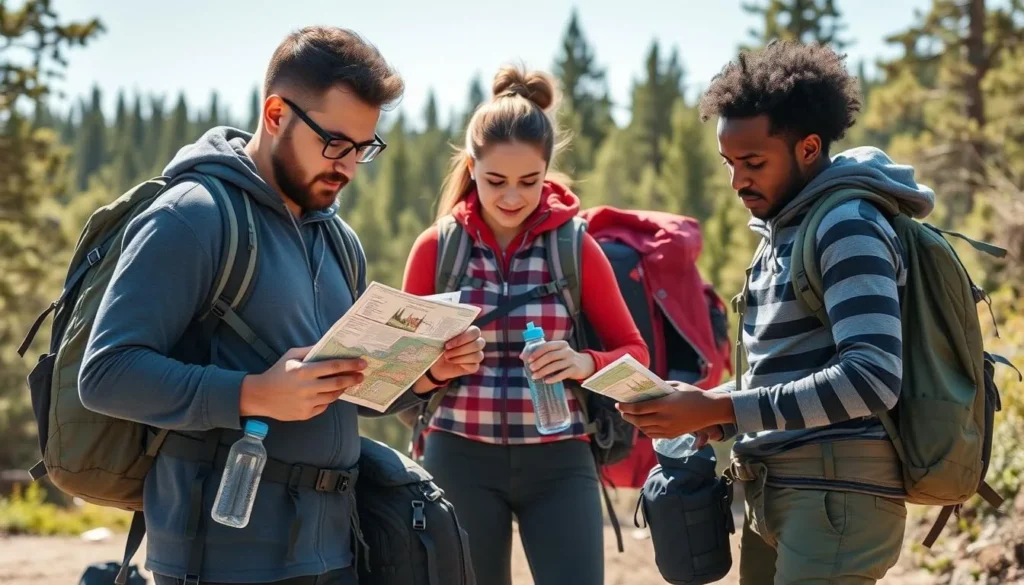
What to Pack
- Sturdy hiking shoes with good ankle support
- Layered clothing (even in summer, evenings can be cool)
- Rain jacket or poncho (weather can change quickly)
- Insect repellent (especially May-August)
- Sunscreen and hat
- Reusable water bottle and water purification tablets
- Basic first aid kit
- Power bank (charging options are limited)
- Binoculars for wildlife watching
Money & Communication
- Cash is essential – ATMs are scarce in the region
- Russian ruble is the only accepted currency
- Download offline maps before your trip
- Consider a local SIM card for better coverage
- Learn basic Russian phrases – English is not widely spoken
- Save important contacts and addresses in Cyrillic
- Inform your bank of travel plans to avoid card blocks
Planning Advice
- Book accommodation in advance during peak season
- Consider hiring a local guide for the best experience
- Allow at least 2-3 days to explore the park properly
- Weekdays are less crowded than weekends
- Check seasonal opening hours for attractions
- Research any permits needed for activities
- Bring sufficient supplies for day trips
Your Russian Wilderness Adventure Awaits
Samursky National Park offers a rare glimpse into Russia’s natural splendor away from the typical tourist path. From the ancient floodplain forests to the vibrant Samur River delta, from unique wildlife encounters to cultural experiences in traditional villages, this hidden gem rewards those willing to venture beyond the familiar. The park’s relatively undiscovered status means you can experience pristine nature without crowds, creating a sense of exploration and discovery that’s increasingly rare in today’s world. Pack your sturdy shoes, bring your sense of adventure, and prepare to discover one of Russia’s most captivating yet least-known natural treasures. The memories of misty morning forests, bird-filled deltas, and warm local hospitality will stay with you long after you’ve returned home.
Related Posts
Saint Petersburg, Russia: Best Things to Do – Top Picks
Zabaykalsky Krai, Russia: Best Things to Do – Top Picks
Yamalo-Nenets Autonomous Okrug, Russia: Best Things to Do – Top Picks
Tver Oblast, Russia: Best Things to Do – Top Picks
Yaroslavl Oblast, Russia: Best Things to Do – Top Picks
Volgograd Oblast, Russia: Best Things to Do – Top Picks
Coming Soon: Clickable Maps