
Hotels by Trip.com
Flights by Trip.com
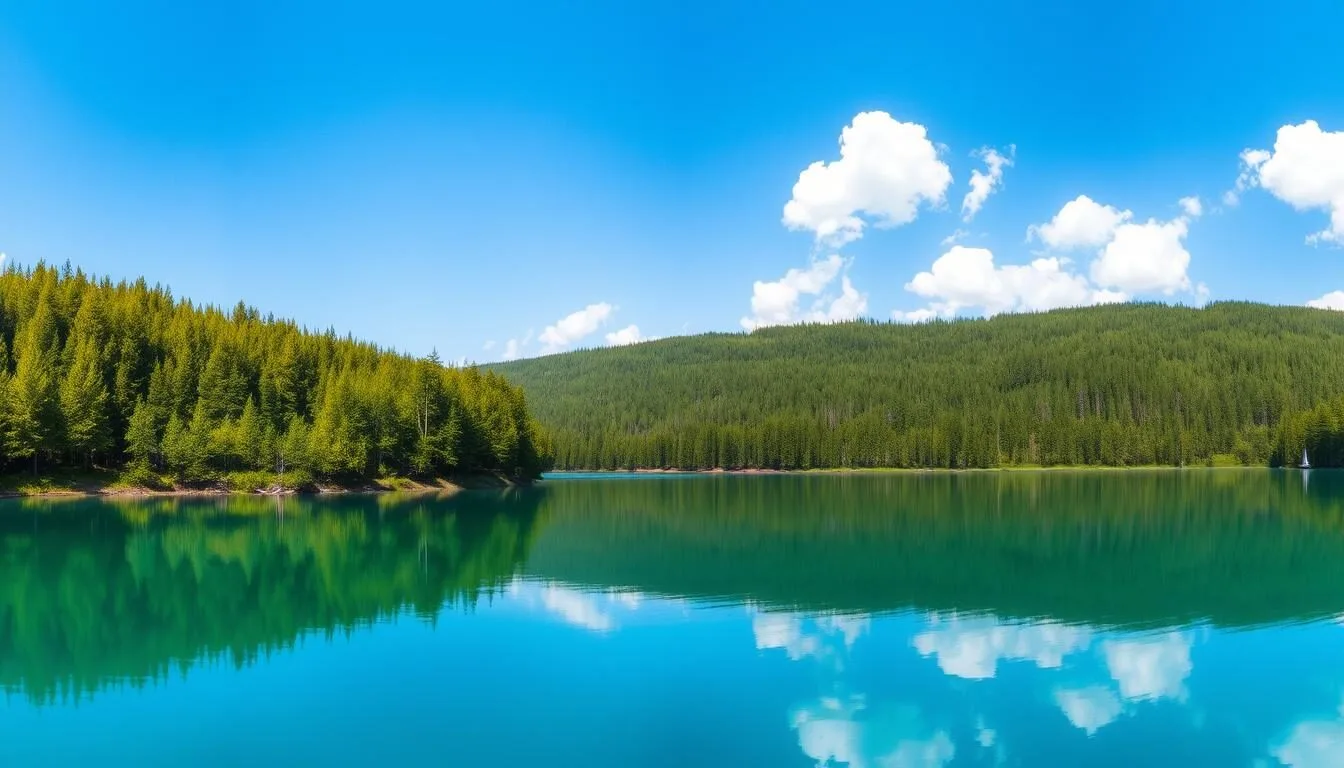
Nestled in the northwestern part of Russia lies a natural wonderland that few international travelers have discovered: Smolenskoye Poozerye National Park boasts an astonishing 35 glacial lakes within its borders, earning it the nickname “the land of a thousand lakes.” Established in 1992, this 146,237-hectare paradise represents one of the last preserved sections of virgin coniferous and oak woodlands in central Europe, making it a truly unique destination for nature enthusiasts.
Getting There & Planning Your Journey
Smolenskoye Poozerye National Park is located in the northeastern part of Smolensk region, approximately 120 km from Smolensk city. The closest major airports are in Moscow, about 395 km away, with Sheremetyevo International Airport (SVO) being the primary gateway for international travelers.
From Smolensk, you can reach the park by:
- Public bus: Regular services run from Smolensk to Przhevalskaya village, the administrative center of the park
- Private car: The drive takes approximately 2 hours via the P133 highway
- Organized tour: Several companies in Smolensk offer day trips to the park
When planning your visit, allocate at least 2-3 days to properly explore the park’s diverse landscapes and attractions. The park has five entrance points: two paved entrances from the western side and three unpaved entrances from the eastern side.
Best Time to Visit & Weather Tips
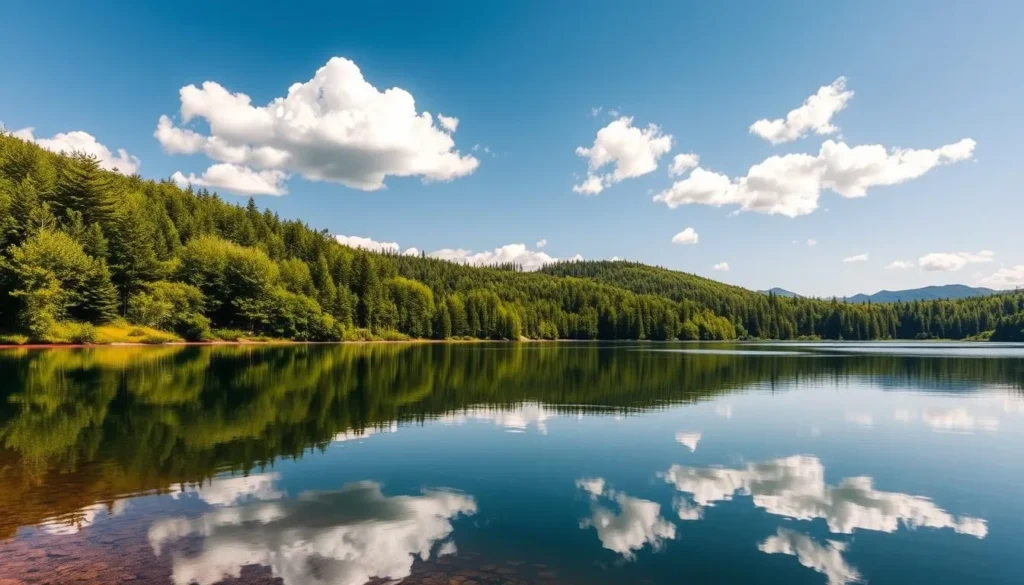
The ideal time to visit Smolenskoye Poozerye National Park is from late spring to early fall (May to September). During this period, you’ll experience the most pleasant weather conditions and have access to all activities the park offers.
| Season | Months | Temperature | Conditions | Recommendation |
| Spring | April-May | 5-20°C (41-68°F) | Thawing snow, occasional rain | Good for birdwatching, fewer crowds |
| Summer | June-August | 15-25°C (59-77°F) | Warm, occasional rain showers | Ideal for all activities, busiest season |
| Fall | September | 10-15°C (50-59°F) | Cooling temperatures, colorful foliage | Beautiful colors, fewer crowds |
| Winter | October-March | -15 to 5°C (5-41°F) | Snow, ice, limited access | Not recommended for most visitors |
July and August tend to be the busiest months, especially with local tourists and school groups. For a quieter experience with still-pleasant weather, consider visiting in late May or early September. Rain is common during summer, so pack a lightweight rain jacket regardless of when you visit.
Getting Around Locally
Exploring Smolenskoye Poozerye National Park requires some planning as public transportation within the park is limited. The park covers a vast area with diverse terrain, from forests and lakes to bogs and meadows.
Transportation Options
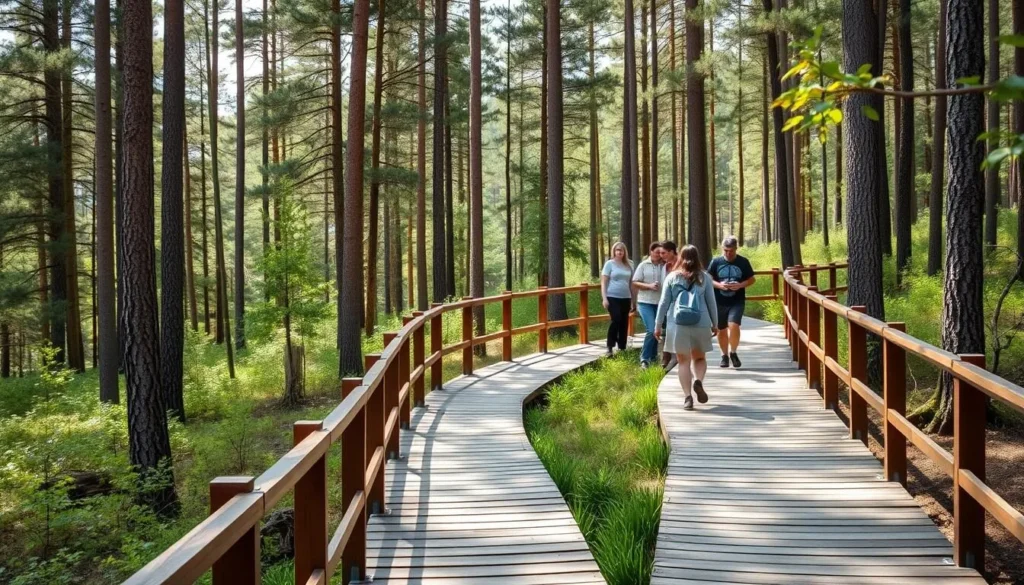
- On foot: The park features several marked hiking trails of varying difficulty, perfect for exploring the forests and lakes
- Bicycle: Bring your own or rent one in Przhevalskaya village to cover more ground
- Canoe/Kayak: Ideal for exploring the numerous interconnected lakes and rivers
- Private car: Useful for reaching different sections of the park, though some areas are only accessible by foot
Navigation Tips
- Pick up a park map at the visitor center in Przhevalskaya village
- Download offline maps before your visit as mobile coverage can be spotty
- Stick to marked trails to protect the fragile ecosystem
- Allow extra time when planning your routes, especially if hiking through varied terrain
The visitor center in Przhevalskaya village is an excellent starting point for your exploration. Staff can provide up-to-date information on trail conditions, wildlife sightings, and guided tour options.
Where to Stay
Accommodation options in and around Smolenskoye Poozerye National Park range from basic camping to comfortable guesthouses. While facilities are not as developed as in more famous parks, there are enough options to suit different preferences and budgets.
Within the Park
- Camping: Several designated camping areas around lakes Baklanovskoye, Rytoye, and Sapsho
- Tent camps: Basic facilities with fire pits and access to water
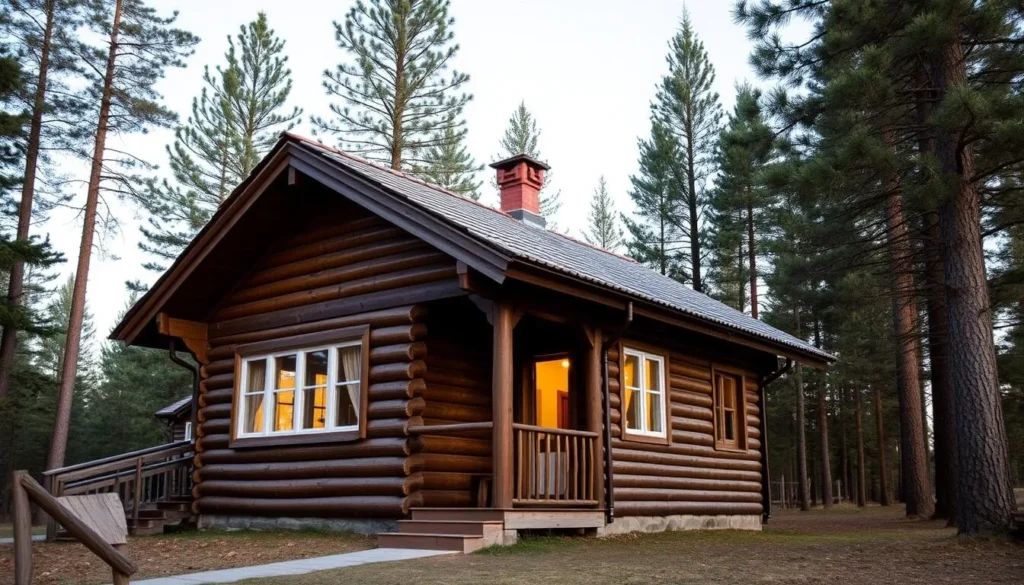
- Recreation sites: Simple cabins with minimal amenities
In Przhevalskaya Village
- Przhevalsky Sanatorium: Health resort with comfortable rooms and medical treatments
- Guesthouses: Family-run accommodations with home-cooked meals
- Park visitor center: Basic accommodation options for budget travelers
Nearby Towns
- Demidov: Small town with several hotels and guesthouses, 30 minutes from the park
- Smolensk: City with full range of accommodation options, 2 hours from the park
- Rural homestays: Authentic experience in villages surrounding the park
For the most immersive experience, consider staying at one of the long-term rest sites along Lake Baklanovskoye or Lake Sapsho. These locations offer beautiful views and direct access to nature trails. Booking in advance is recommended, especially during the summer months.
Dining & Local Cuisine
Dining options within Smolenskoye Poozerye National Park are limited, but you’ll find authentic Russian cuisine in the surrounding villages and towns. The region is known for its fresh ingredients, including wild berries, mushrooms, and freshwater fish from the park’s lakes.
✓ Check 30,000+ Local Sightseeing Tours Worldwide
Where to Eat
- Przhevalskaya village: Small cafes and the sanatorium restaurant offer traditional Russian dishes
- Demidov: Several restaurants serving local specialties and standard Russian fare
- Park picnic areas: Designated spots for outdoor meals (bring your own food)
Local Specialties to Try
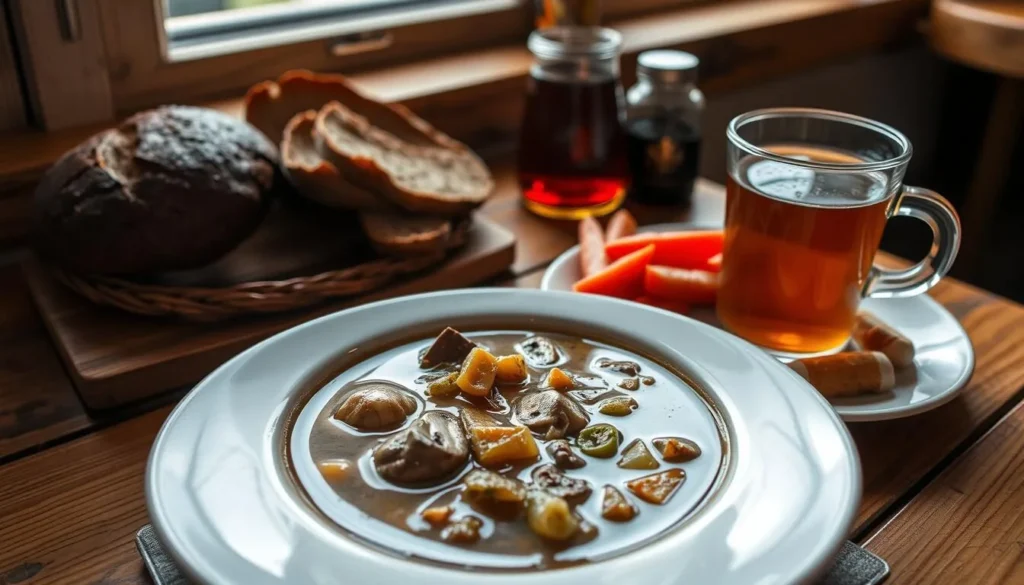
- Ukha: Traditional Russian fish soup, often made with freshly caught fish from the park’s lakes
- Wild mushroom dishes: The forests of Poozerye are rich in edible mushrooms, featured in many local recipes
- Herbal teas: Made from plants grown in the park’s pharmaceutical garden
- Blini: Russian pancakes served with various toppings, including local berries and honey
- Homemade preserves: Jams and pickles made from berries and vegetables harvested in the region
For a truly authentic experience, try the health-improving herbal teas mentioned in local tour descriptions. These teas are made from herbs grown in the pharmaceutical garden located within the park territory and have been used for their healing properties for generations.
Attractions, Sightseeing & Activities
Smolenskoye Poozerye National Park offers a wealth of natural attractions and activities for visitors to enjoy. From pristine lakes to ancient forests, there’s something for every nature enthusiast.
Top Natural Attractions
Lake Sapsho
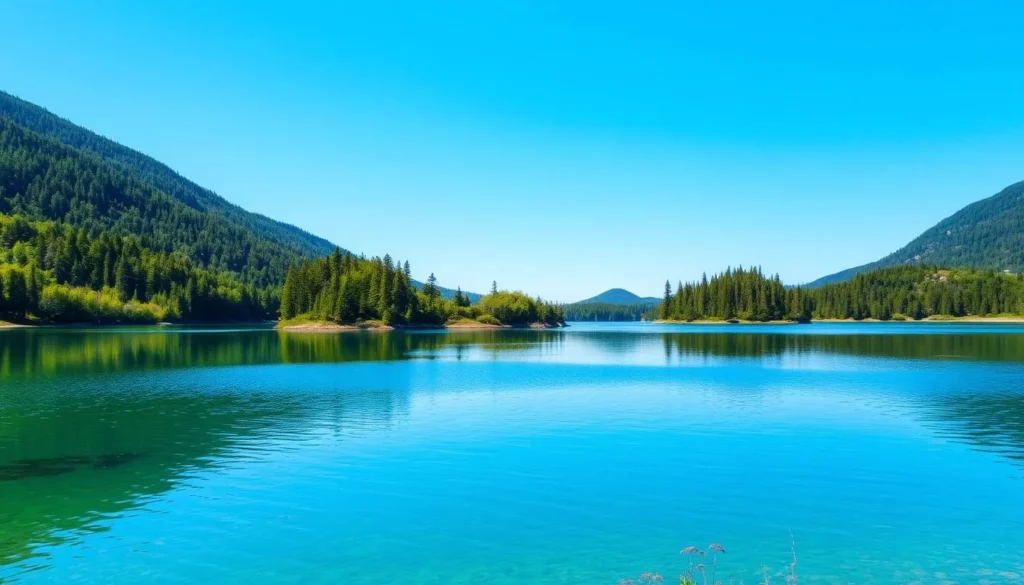
The crown jewel of the park, Lake Sapsho covers 304 hectares (751 acres) and features forest-grown islands that create a stunning landscape. Its clear waters and sandy bays make it perfect for swimming and paddling, while the sunset views are particularly magnificent.
Glacial Lakes Chain
The park’s system of interconnected lakes and channels forms a unique patchwork landscape best explored by canoe. Each lake has its own character – from the deep Baklanovskoye (28.7 m) to the mysterious Chistick with its exceptional water clarity.
Raised Bogs and Peatlands
The Vervizhsky, Pelyshev, and Lopatinsky quagmires are among the most valuable ecosystems in the park. These wide, quiet mires are threaded with boardwalks and streams, hosting uncommon bog plants and creating prime habitat for secretive birds.
Old-Growth Forests
The park preserves one of the last sections of virgin coniferous and oak woodlands in central Europe. These ancient forests with tall pines, birch, and spruce provide habitat for diverse wildlife and offer excellent opportunities for mushroom foraging in season.
Must-Do Activities
- Hiking: Follow the “In the Kingdom of a Brown Bear” ecotrail (1700 m) to learn about local wildlife
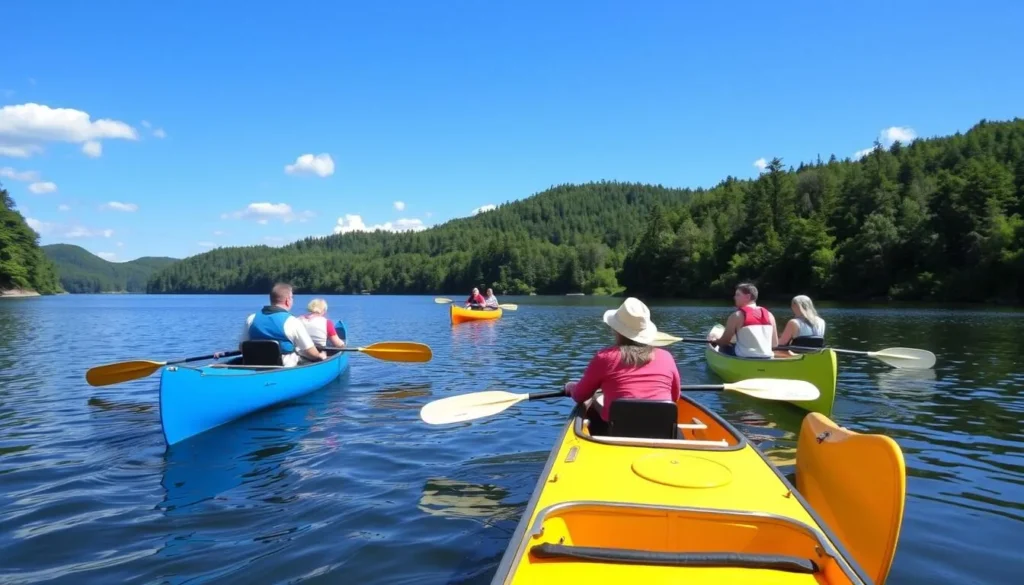
- Canoeing: Paddle along the Yelsha or Polovya Rivers with organized tours available
- Birdwatching: Spot rare species including black storks, fish hawks, and spotted eagles
- Swimming: Enjoy the clear waters of Lake Sapsho during summer months
- Wildlife observation: Visit the bison enclosure to see these magnificent animals up close
- Fishing: Try your luck at lakes known for pike, perch, and bream (permit required)
Museums, Cultural Spots & Festivals
Beyond its natural wonders, Smolenskoye Poozerye National Park boasts a rich cultural and historical heritage, with 180 monuments of history and culture located within its territory.
Museums and Historical Sites
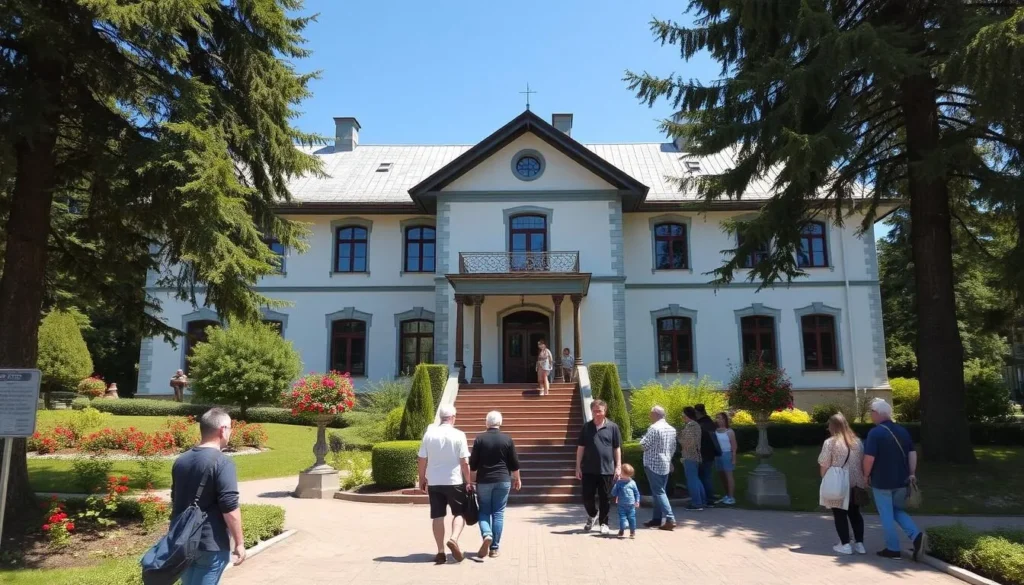
- Nikolay Przhevalsky Museum: Located in Przhevalskaya village (formerly Sloboda), this restored mansion houses exhibits on the life and expeditions of the famous Russian explorer who discovered Przhevalsky’s horse
- Museum of Partisans’ Glory: Tells the story of the partisan movement in the region during World War II
- “The Museum of Birch Bark”: A unique private museum created by local resident Albert Deryabin, featuring characters from Russian folk tales crafted from birch bark
- Ancient Verzhavsk site: Remains of a mysterious ancient Russian city that prospered from the 9th to 17th centuries on the trade route from the Varangians to the Greeks
Archaeological Sites
The park territory contains numerous archaeological treasures, including:
- 14 Neolithic camps
- 17 ancient settlement sites
- 32 burial mounds of the Slavic Krivichi tribe
- A pagan sacrificial stone on an island in Lake Dgo
Cultural Experiences
- Horse Ranch in Przhevalsky: Visit the breeding center for Przhevalsky’s horses, where you can learn about and feed these rare animals
- “Sacred Well” mineral spring: A popular site with locals and visitors alike
- Birch bark crafting: Try your hand at making traditional souvenirs at the Museum of Birch Bark
- Herbal tea workshops: Learn about the medicinal plants grown in the park’s pharmaceutical garden

Sports, Nature & Outdoor Experiences
Smolenskoye Poozerye National Park is a paradise for outdoor enthusiasts, offering diverse activities across its varied landscapes of forests, lakes, and wetlands.
Hiking Trails
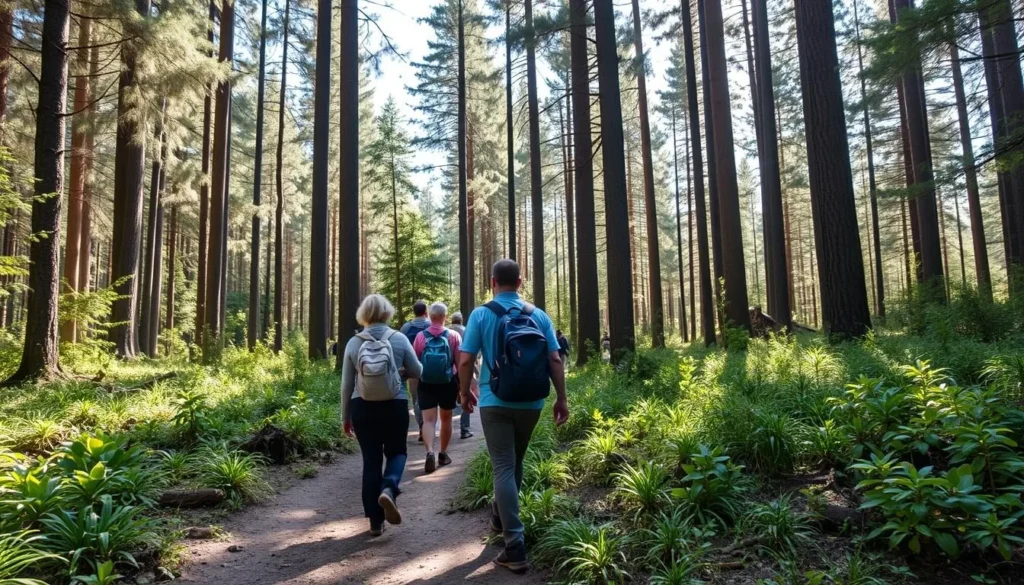
The park features several well-marked trails suitable for different fitness levels:
- “In the Kingdom of a Brown Bear” Ecotrail: 1700 meters, easy difficulty, perfect for families and wildlife observation
- Lake Svir Trail: 8 km, moderate difficulty, offering stunning views of the lake and diverse plant life
- Forest and Bog Routes: Various lengths, allowing visitors to explore the unique ecosystems of the park
Water Activities
Canoeing and Kayaking
The interconnected lakes and rivers of Poozerye create perfect conditions for paddling adventures. Organized canoe tours along the Yelsha and Polovya Rivers include camping accommodations and meals cooked over campfires. The Baklanovskoye Lake boat station offers equipment rentals.
Swimming and Fishing
Many of the park’s lakes have sandy beaches ideal for swimming during summer months. Fishing is popular, with different lakes known for specific species – Lake Dgo for bream and pike, Baklanovskoye for perch, and Rytoye for various carp family fish. Fishing permits are required.
Wildlife Observation
The park is home to impressive biodiversity, making it excellent for wildlife watching:
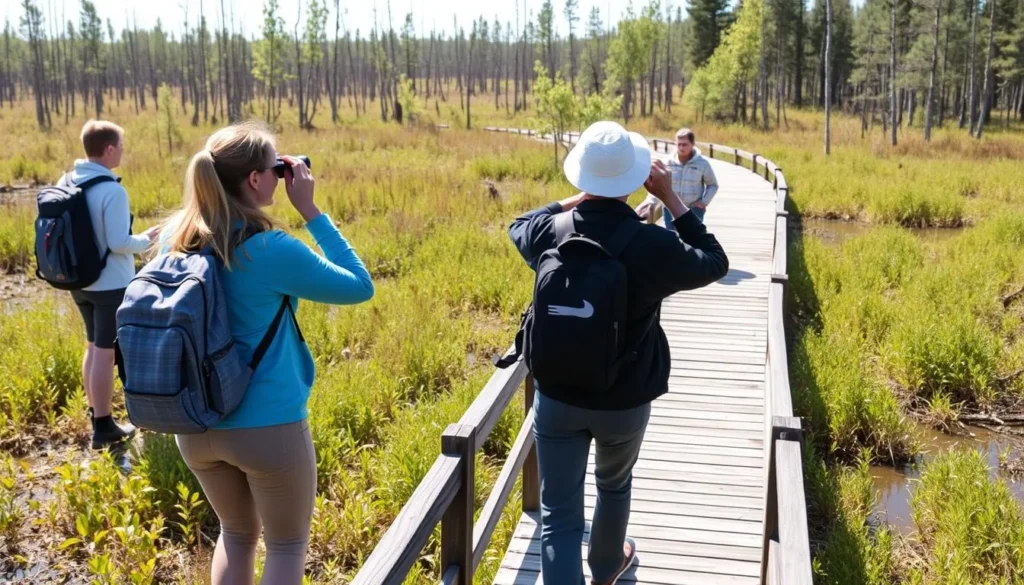
- Birdwatching: Bring binoculars to spot some of the 228 bird species, including rare black storks and eagles
- Beaver wetlands: Visit at dawn or dusk to observe beaver activity and their impressive dams
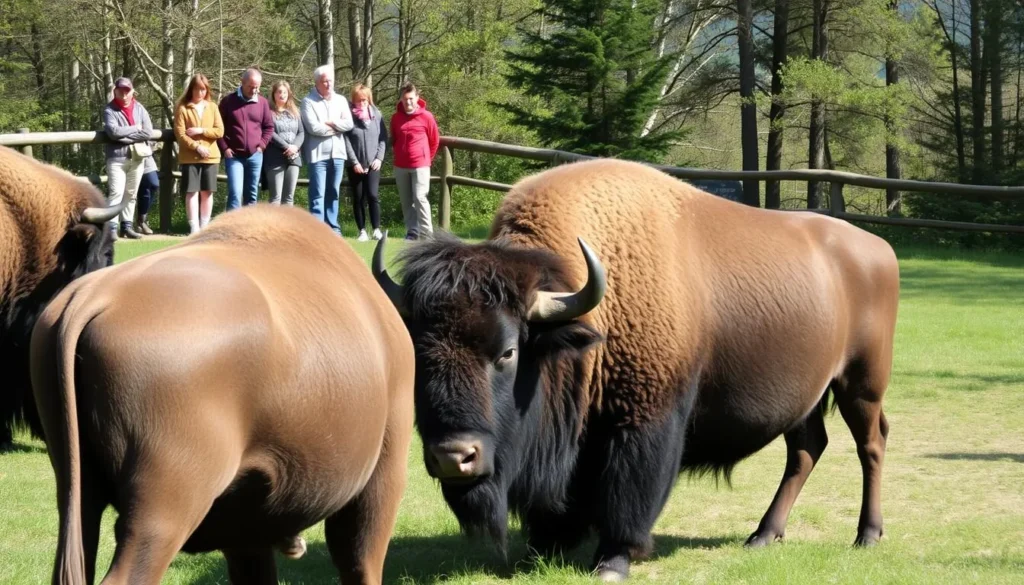
- Bison enclosure: See these magnificent animals that are part of conservation efforts
- Mammal tracking: Look for signs of wolves, foxes, brown bears, bobcats, and elk throughout the forest
Safety, Etiquette & Local Customs
Visiting Smolenskoye Poozerye National Park requires awareness of safety considerations and respect for local customs to ensure a pleasant experience for all.
Safety Guidelines
- Check weather conditions before setting out on trails or water activities
- Wear appropriate footwear and clothing for the terrain and weather
- Carry sufficient water and snacks, especially on longer hikes
- Inform someone of your planned route and expected return time
- Bring a basic first aid kit, insect repellent, and sun protection
- Be aware that mobile phone coverage can be limited in remote areas
- Follow all park regulations regarding fires, camping, and wildlife
Etiquette and Conservation
- Stay on marked trails to protect fragile ecosystems
- Practice “leave no trace” principles – pack out all trash
- Do not pick plants or disturb wildlife
- Keep noise levels down to avoid disturbing animals and other visitors
- Obtain necessary permits for fishing or camping
- Respect private property and local communities
- Ask permission before photographing local residents
Local Customs
When interacting with locals in and around the park, keep these cultural considerations in mind:
- Greetings are important – a simple “Zdravstvuyte” (hello) is appreciated
- Modest dress is appropriate when visiting churches or cultural sites
- If invited into a local home, removing shoes at the entrance is customary
- Small gifts are appreciated when visiting locals, especially if they share their hospitality
- Many Russians appreciate genuine interest in their culture and history
Visitor Comments About Smolenskoye Poozerye National Park
“The pristine lakes of Smolenskoye Poozerye were the highlight of our Russia trip. We spent three days canoeing between lakes and camping on the shores. The water clarity in Lake Chistick was incredible – you could see straight to the bottom! The park staff were helpful despite the language barrier, and the Museum of Birch Bark was a delightful surprise.”
“As an avid birdwatcher, Smolenskoye Poozerye exceeded my expectations. I spotted 47 species in just two days, including a black stork! The raised bog ecosystems were fascinating and unlike anything I’ve seen in North America. If you visit, definitely take the ‘In the Kingdom of a Brown Bear’ trail with a guide – the ecological insights were invaluable.”
“We visited the park as a day trip from Smolensk and wish we’d planned to stay longer. The Przhevalsky Museum was fascinating, and feeding the horses at the ranch was a hit with our kids. The bison enclosure was impressive – these massive animals are awe-inspiring up close. Pack a picnic lunch as food options are limited, and definitely bring bug spray in summer!”
Practical Travel Tips
Make the most of your visit to Smolenskoye Poozerye National Park with these essential tips from experienced travelers.
What to Pack
- Sturdy, waterproof hiking boots
- Layered clothing (temperatures can vary)
- Rain jacket (even in summer)
- Insect repellent (essential in warmer months)
- Binoculars for wildlife viewing
- Reusable water bottle
- Basic Russian phrasebook
- Power bank (limited charging options)
- Cash (card facilities are limited)
Money & Costs
- Park entrance fee: approximately 100-200 rubles
- Guided tours: from 3000 rubles per person
- Accommodation: 1000-5000 rubles per night
- Meals: 300-800 rubles per person
- Equipment rental: 500-1500 rubles per day
- ATMs available in Demidov but not in the park
- Credit cards accepted at larger establishments only
- Tipping (10-15%) appreciated for good service
Language & Communication
- Russian is the primary language
- English is limited, especially in rural areas
- Download a translation app before arrival
- Learn basic phrases: “Здравствуйте” (Hello), “Спасибо” (Thank you)
- Mobile coverage varies throughout the park
- Download offline maps before your visit
- International roaming or local SIM card recommended
- Wi-Fi available at some accommodations
Embrace the Untouched Wilderness
Smolenskoye Poozerye National Park remains one of Russia’s best-kept natural secrets, offering a rare glimpse into pristine ecosystems that have largely disappeared elsewhere in Europe. From the crystal-clear waters of its 35 glacial lakes to the ancient forests harboring diverse wildlife, this park rewards those willing to venture beyond the typical tourist path. Whether you’re paddling between forested islands, tracking wildlife along quiet trails, or learning about the region’s fascinating cultural heritage, Smolenskoye Poozerye provides an authentic connection with nature that stays with you long after you’ve returned home. As you plan your journey to this remarkable destination, remember that the true magic of Poozerye lies in its tranquility and unspoiled beauty – treasures increasingly rare in our busy world.
Related Posts
Saint Petersburg, Russia: Best Things to Do – Top Picks
Zabaykalsky Krai, Russia: Best Things to Do – Top Picks
Yamalo-Nenets Autonomous Okrug, Russia: Best Things to Do – Top Picks
Tver Oblast, Russia: Best Things to Do – Top Picks
Yaroslavl Oblast, Russia: Best Things to Do – Top Picks
Volgograd Oblast, Russia: Best Things to Do – Top Picks
Coming Soon: Clickable Maps