
Hotels by Trip.com
Flights by Trip.com
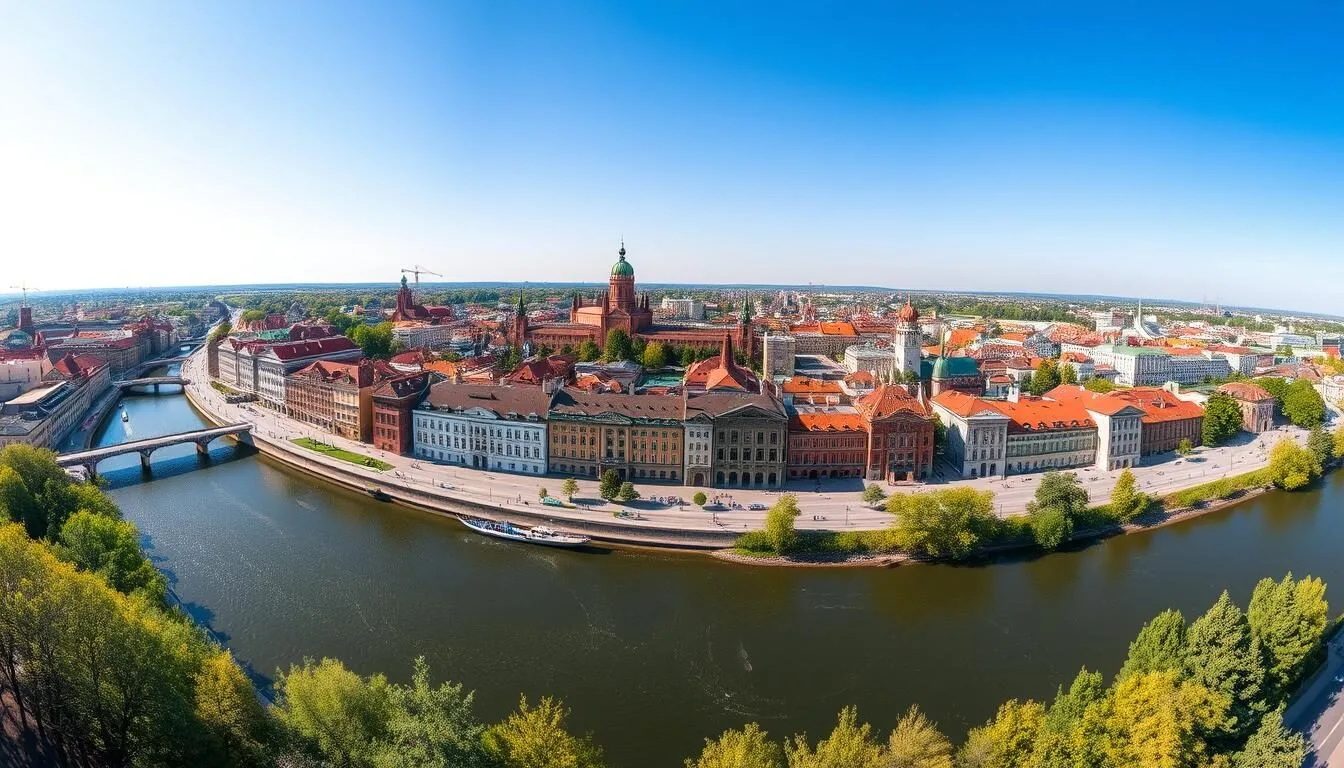
Did you know that Tomsk houses over 1,800 unique wooden buildings, making it home to one of the world’s largest collections of preserved wooden architecture? This Siberian gem, founded in 1604, remains one of Russia’s most overlooked treasures, where intricate wooden mansions with names like “House with Firebirds” and “Dragon House” stand as testaments to remarkable craftsmanship that has survived centuries of harsh Siberian winters.
Getting There & Planning Your Journey
Reaching Tomsk requires some planning as it doesn’t have an international airport. The closest major airport is in Novosibirsk (Tolmachevo International Airport), located about 250 km (155 miles) away. From there, you can take a 4-hour bus or train ride to Tomsk. Alternatively, you can fly to Tomsk Bogashevo Airport from Moscow or other Russian cities, though flights are less frequent.
When planning your journey, consider that Russian visa requirements can be complex. Apply for your visa at least one month before your planned trip. Most visitors will need an invitation letter from a Russian hotel or tour company, which can usually be arranged when booking accommodation.
For the most seamless experience, consider booking accommodation and local transportation in advance, especially if you’re visiting during the summer months when tourism peaks.
Best Time to Visit & Weather Tips
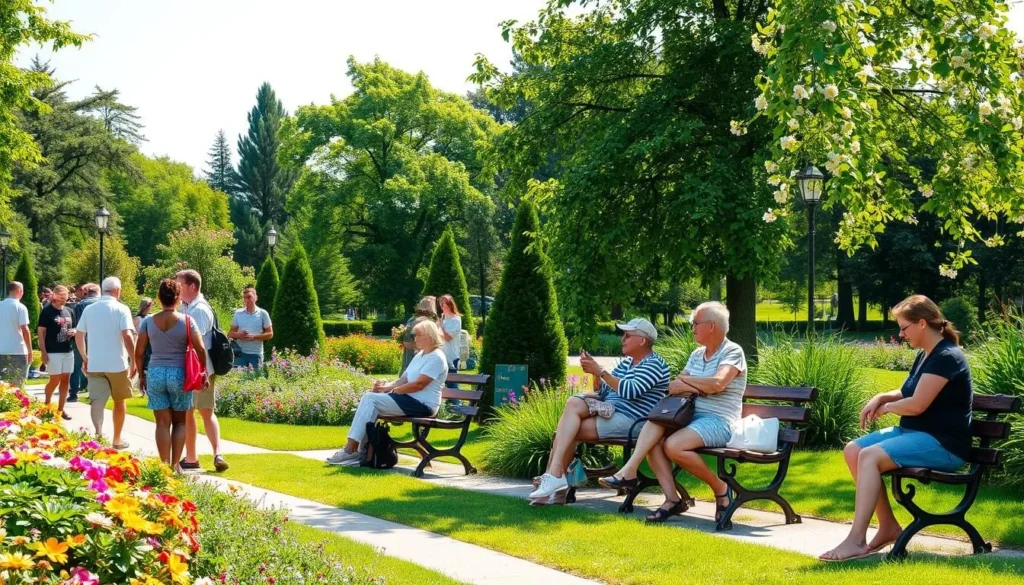
Tomsk experiences a continental climate with distinct seasons. The best time to visit is during the summer months from June to August when temperatures average a pleasant 22-26°C (72-79°F). This period offers the most comfortable conditions for exploring the city’s wooden architecture and outdoor attractions.
Early autumn (September) can also be delightful with colorful foliage and fewer tourists, though temperatures begin to drop to 10-15°C (50-59°F). Winter in Tomsk is severe, with temperatures plunging to -15°C to -25°C (5°F to -13°F) from November through March, though the snow-covered wooden buildings create a magical atmosphere for those prepared for the cold.
Spring (April-May) brings melting snow and muddy conditions, making it less ideal for tourism. If you visit during winter, pack extremely warm clothing, including thermal layers, a heavy coat, insulated boots, and accessories to protect against frostbite.
Getting Around Locally

Tomsk is a relatively compact city with many attractions concentrated in the historic center, making it ideal for exploration on foot. The public transportation system includes buses, trams, and marshrutkas (fixed-route minibuses) that cover most areas of interest. A single ride costs approximately 30-35 rubles (about $0.40-0.45).
Taxis are readily available and affordable, with rides within the city typically costing between 150-300 rubles ($2-4). You can hail them on the street or use ride-hailing apps like Yandex Taxi or Uber Russia. For a more authentic experience, consider renting a bicycle during summer months to explore the city’s parks and riverside areas.
Most signage is in Russian only, so it’s helpful to have a translation app or learn basic Cyrillic letters. Having your destination written in Russian can be invaluable when communicating with drivers or asking for directions.
Where to Stay
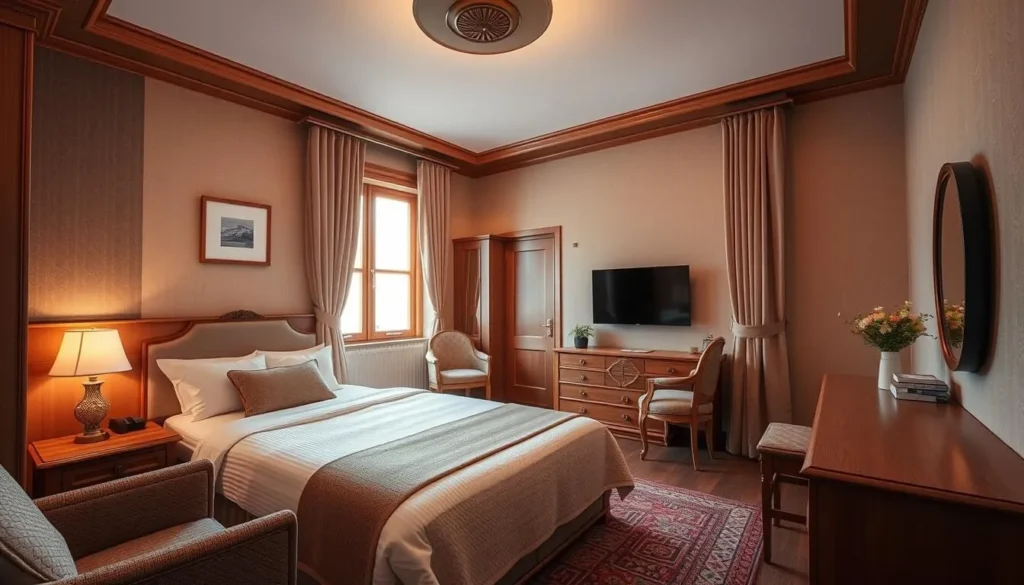
Tomsk offers a range of accommodation options to suit various budgets. The city center, particularly around Lenin Avenue and New Cathedral Square, provides the most convenient base for exploring the main attractions.
For luxury travelers, the Magistrat Hotel and Hotel Tomsk offer upscale rooms with excellent amenities, typically ranging from 5,000-8,000 rubles ($65-105) per night. Mid-range options include Toyan Hotel and Hotel Oktiabrskaya, with rates between 2,500-4,000 rubles ($33-52).
Budget travelers can find comfortable hostels and guesthouses like Hostel Universitetskiy and Hostel Ecotel for 800-1,500 rubles ($10-20) per night. For a unique experience, consider staying at Kupecheskiy Dom (Merchant’s House), a boutique hotel housed in a restored wooden mansion that gives you a taste of historic Tomsk.
✓ Check 30,000+ Local Sightseeing Tours Worldwide
Many accommodations in Tomsk are located in historic buildings, offering an authentic atmosphere. However, they may lack certain modern conveniences, so check amenities carefully when booking.
Dining & Local Cuisine
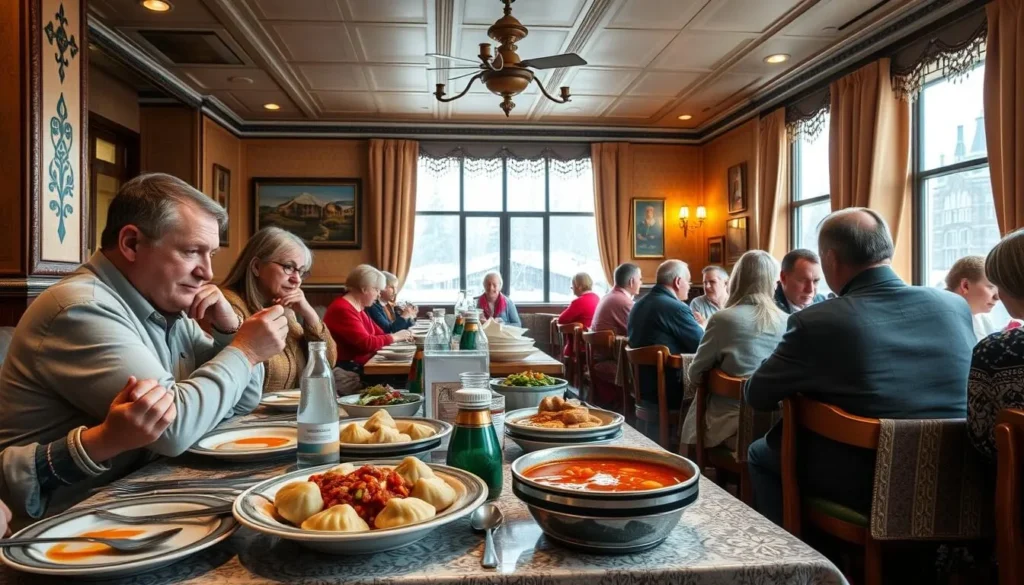
Tomsk’s culinary scene offers a delightful mix of traditional Siberian cuisine and international options. Local specialties to try include pelmeni (Siberian dumplings filled with meat), stroganina (frozen raw fish or meat sliced thin), and various wild berry desserts featuring local cranberries, cloudberries, and sea buckthorn.
For an authentic Siberian dining experience, visit Vechny Zov or Slavyanskiy Bazar, where you can sample traditional dishes in rustic settings. Prices at these establishments range from 800-1,500 rubles ($10-20) per person for a full meal.
Café-restaurants like Perchini and PastaMama offer excellent Italian-inspired cuisine at moderate prices (500-1,000 rubles or $7-13 per person). For budget-friendly options, try the university cafeterias or local stolovayas (cafeterias) where you can get a filling meal for 250-400 rubles ($3-5).
Don’t miss trying Tomsk’s local beer from the historic Tomsk Beer Factory, which has been brewing since 1876. Many restaurants serve this local favorite, and you can learn about its production at the Tomsk Beer Museum.
Attractions, Sightseeing & Activities
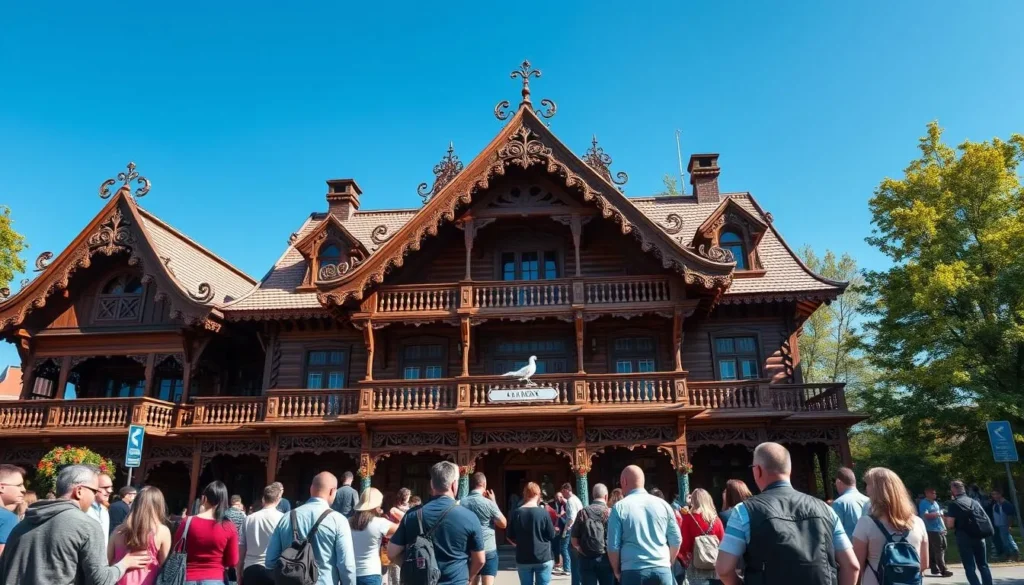
Tomsk’s main attraction is undoubtedly its collection of wooden architecture. Start your exploration at the Museum of Wooden Architecture, which provides context for the city’s unique building style. Then, embark on a self-guided tour of the most famous wooden mansions:
- “House with Firebirds” (Krasnoarmeyskaya St, 67) – featuring intricate carvings of mythical birds
- “Dragon House” (Krasnoarmeyskaya St, 68) – adorned with wooden dragon heads
- “House with a Tent” (Belinskogo St, 7) – crowned with a tower resembling a church bell tower
- The mansion of architect S.V. Khomich (Belinskogo St, 19) – a masterpiece created by the architect for his own family
Beyond wooden architecture, visit the charming Monument to Happiness (a cheerful wolf sculpture from a famous cartoon) on Shevchenko Street, where touching the wolf’s belly is said to bring good luck. The humorous Monument to Anton Chekhov on the Tom River embankment is another must-see, created in response to the writer’s unflattering comments about the city.
For relaxation, head to Lagerny Garden or Buff Garden, beautiful parks offering scenic views and pleasant walking paths. White Lake in the city center provides a peaceful spot for a stroll and features seasonal activities—boating in summer and ice skating in winter.
Museums, Cultural Spots & Festivals

Tomsk boasts several fascinating museums that showcase the region’s rich history and culture. The First Museum of Slavic Mythology offers a unique collection dedicated to Slavic epics and folklore, with paintings and artifacts that bring ancient legends to life. Admission costs around 300 rubles ($4).
The Tomsk Regional Museum of Local Lore, housed in a 19th-century Empire-style mansion, contains over 140,000 exhibits detailing the region’s history and natural environment. Don’t miss the NKVD Memorial Museum, located in the basement of a former prison, which provides a sobering look at the Soviet-era repressions.
Tomsk State University, founded in 1878, is worth visiting for its beautiful historic campus and the University Grove, a botanical garden established in 1885. The university also houses several museums, including the Zoological Museum and the Mineralogical Museum.
If you’re visiting in summer, try to catch the “Tomsk—the Heart of Siberia” festival in June, which features folk music, traditional crafts, and local cuisine. Winter visitors can experience the Siberian Ice Festival in January, where impressive ice sculptures transform the city center.
Sports, Nature & Outdoor Experiences

The Tom River offers excellent opportunities for outdoor recreation. In summer, you can rent kayaks or paddleboards to explore the waterways, or simply enjoy a leisurely stroll along the embankment. Fishing is also popular among locals, with the river containing species like pike, perch, and ide.
The Siberian Botanical Garden, covering over 126 hectares (311 acres), is a paradise for nature lovers with more than 6,000 plant species, including Siberian, tropical, and subtropical varieties. Guided tours are available for around 200 rubles ($2.60).
In winter, embrace the Siberian cold with traditional activities like ice skating on White Lake or cross-country skiing in the forests surrounding the city. For the brave, try winter swimming or “moržování” with local clubs that practice this invigorating tradition.
Hiking enthusiasts should venture to Tomskaya Pisanitsa, an archaeological site about 55 km (34 miles) from Tomsk featuring ancient rock carvings and petroglyphs dating back thousands of years. The open-air museum also includes reconstructions of traditional Siberian dwellings.
Safety, Etiquette & Local Customs
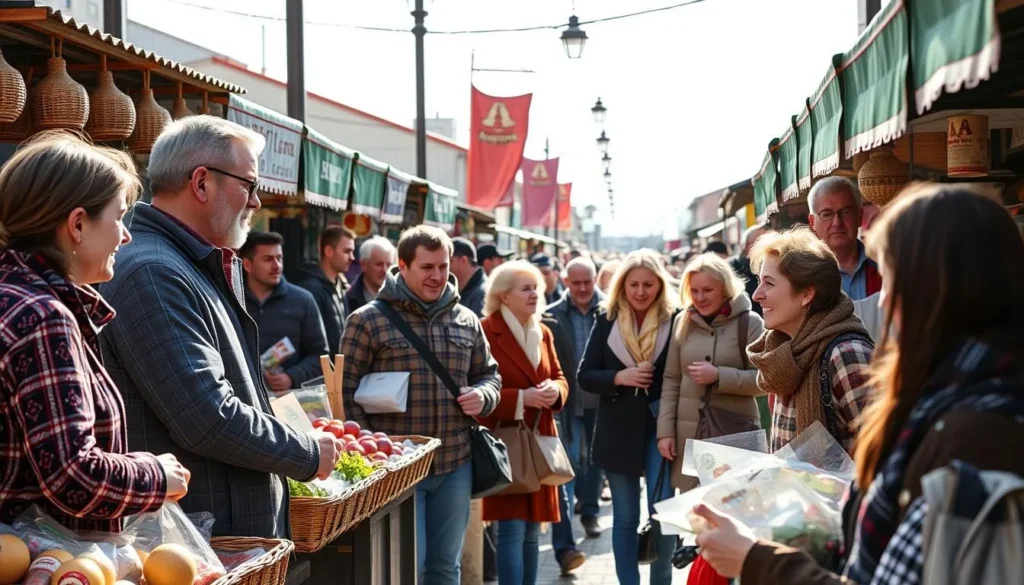
Tomsk is generally a safe city for tourists, with low crime rates compared to larger Russian cities. However, standard precautions should be taken: avoid displaying valuable items, be vigilant in crowded areas, and keep copies of important documents separate from originals.
Winter visitors should be particularly cautious about weather conditions, as temperatures can be dangerously low. Dress appropriately in layers and be aware of the signs of frostbite and hypothermia. Icy sidewalks can also present hazards, so proper footwear with good traction is essential.
When visiting Orthodox churches, women should cover their heads with a scarf and both men and women should dress modestly, covering shoulders and knees. It’s customary to remove gloves before shaking hands, and bringing small gifts when invited to someone’s home is appreciated.
Russians may initially seem reserved, but they’re typically warm and hospitable once you get to know them. Learning a few basic Russian phrases will be greatly appreciated by locals and can enhance your experience significantly.
Visitor Comments About Tomsk
“The wooden architecture in Tomsk was unlike anything I’ve seen elsewhere in Russia. Each building tells a story through its intricate carvings. Don’t miss the quirky Chekhov monument—it gave us a good laugh! The local beer museum was also a highlight, offering both history and tastings in one stop.”
“As someone who’s traveled extensively across Russia, Tomsk surprised me with its university atmosphere and youthful energy. The First Museum of Slavic Mythology was fascinating—a perfect blend of art and folklore. Winter visitors should prepare for the cold, but the snow-covered wooden mansions create a magical scene worth experiencing.”
“We spent three days exploring Tomsk and could have easily stayed longer. The ‘Monument to Happiness’ wolf statue became our meeting point—my kids loved touching its belly for luck! The local cuisine was hearty and perfect for the cool weather. Tomsk feels like a hidden gem that more international travelers should discover.”
Practical Travel Tips
- Currency: The Russian ruble is the local currency. While major hotels and restaurants accept credit cards, smaller establishments often require cash. ATMs are widely available in the city center.
- Language: Russian is the primary language, and English is not widely spoken outside of universities and upscale hotels. A translation app or phrasebook is highly recommended.
- Internet: Free Wi-Fi is available in most cafes, restaurants, and hotels. Consider purchasing a local SIM card for data access throughout your stay.
- Electricity: Russia uses Type C and F sockets with 220V. Travelers from the US will need adapters and possibly voltage converters.
- Tipping: A 10% tip is customary in restaurants if service charge isn’t included. Round up taxi fares but tipping isn’t expected for other services.
- Registration: Foreign visitors staying more than 7 business days must register with local authorities, usually handled by your accommodation.
- Photography: While photographing the wooden architecture is encouraged, be respectful when photographing people and always ask permission.
The Tourist Information Center on Lenin Avenue provides maps, brochures, and advice in English. For emergencies, dial 112, which connects to an operator who can transfer you to police, ambulance, or fire services.
Tomsk City Map
The Siberian Gem Awaits Your Discovery
Tomsk represents a side of Russia that few international travelers experience—a place where Siberian hospitality, stunning wooden architecture, and vibrant student life create an atmosphere unlike anywhere else in the country. Whether you’re admiring the intricate carvings of merchant mansions, enjoying hearty Siberian cuisine, or simply wandering the historic streets, Tomsk offers authentic experiences that go beyond typical Russian tourism.
This city of contrasts, where centuries-old wooden houses stand alongside modern university buildings, invites you to slow down and appreciate the unique blend of history, culture, and natural beauty that defines this special corner of Siberia. As you plan your Russian adventure, consider adding Tomsk to your itinerary—it may well become the unexpected highlight of your journey.
Related Posts
Saint Petersburg, Russia: Best Things to Do – Top Picks

Zabaykalsky Krai, Russia: Best Things to Do – Top Picks

Yamalo-Nenets Autonomous Okrug, Russia: Best Things to Do – Top Picks
Tver Oblast, Russia: Best Things to Do – Top Picks
Yaroslavl Oblast, Russia: Best Things to Do – Top Picks
Volgograd Oblast, Russia: Best Things to Do – Top Picks
Coming Soon: Clickable Maps