
Hotels by Trip.com
Flights by Trip.com
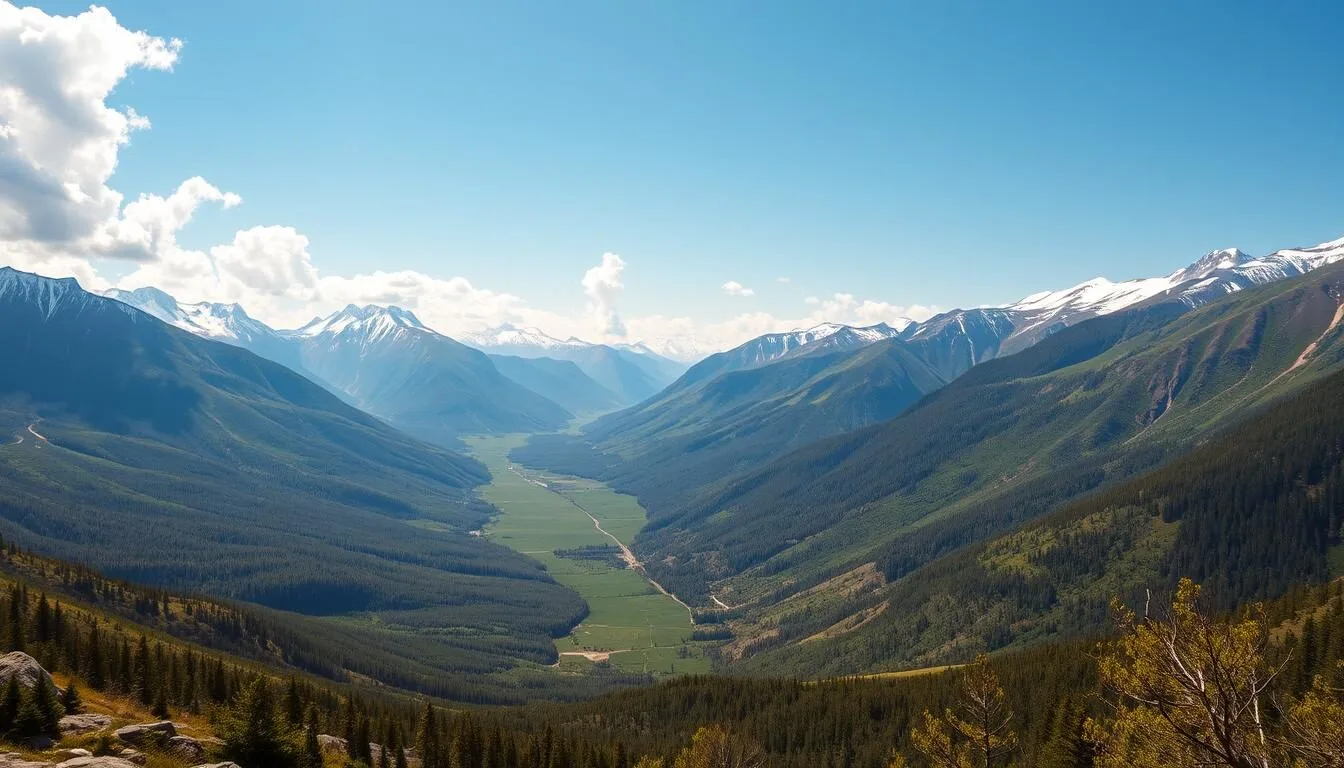
Nestled between Lake Baikal and Mongolia lies one of Russia’s best-kept secrets: Tunkinsky National Park, home to over 100 mineral springs with unique healing properties. This vast Siberian wilderness spans an impressive 1,183,622 hectares (2,924,995 acres), making it one of Russia’s largest protected areas. The park’s stunning landscape features everything from alpine peaks and pristine valleys to sacred sites that local Buryat people have revered for centuries. Whether you’re seeking adventure, wellness, or cultural immersion, this remote paradise offers experiences you won’t find anywhere else in the world.
Getting There & Planning Your Journey
The most common gateway to Tunkinsky National Park is through Irkutsk, which has an international airport (IKT) with regular flights from Moscow, St. Petersburg, and several Asian cities. From Irkutsk, the journey to the park takes approximately 3-4 hours by road.
- By Bus: Regular public buses run from Irkutsk to Arshan (the main resort town within the park). The journey takes about 4 hours and offers beautiful scenery along the way.
- By Car: Renting a vehicle in Irkutsk gives you more flexibility. The main road to Arshan is generally well-maintained, though conditions can vary in remote areas.
- By Tour: Many tour operators in Irkutsk offer organized trips to Tunkinsky National Park, which can be a convenient option for first-time visitors.
When planning your trip, remember that this is a remote region with limited infrastructure outside the main towns. Arrange accommodations in advance, especially during summer months when the park receives more visitors. It’s also advisable to carry cash, as card payments aren’t universally accepted throughout the region.
Best Time to Visit & Weather Tips
Best Time to Visit Tunkinsky National Park
Recommended Seasons:
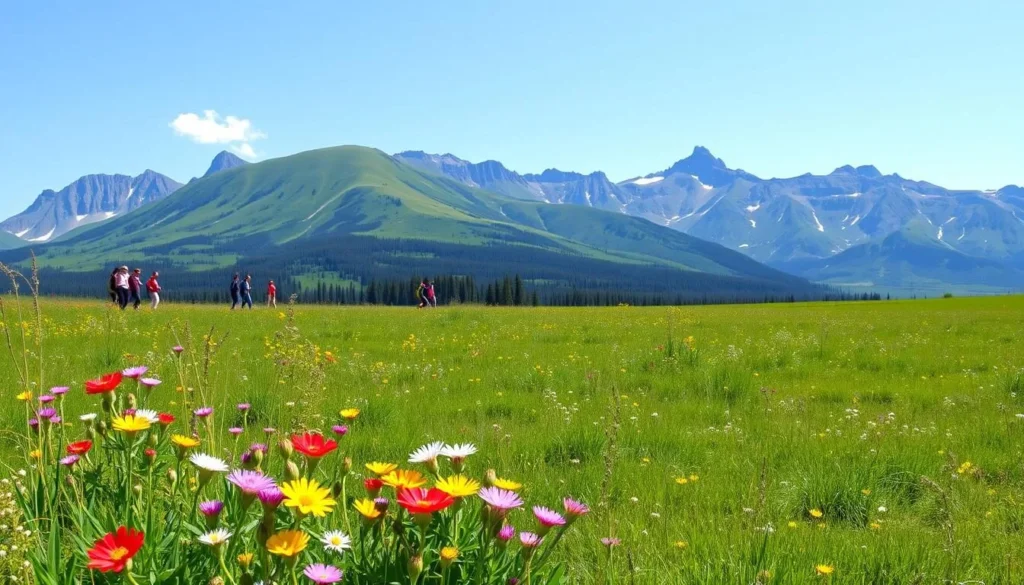
- Late Spring (May-June): Wildflowers bloom across the valleys, and there are fewer crowds. Weather is mild but can be unpredictable.
- Summer (July-August): The most popular time with warm temperatures (15-20°C/59-68°F) and clearest skies. Early mornings offer the best views.
- Early Autumn (September): Beautiful fall colors and fewer tourists, though temperatures begin to drop.
Seasons to Avoid:
- Winter (November-March): Extremely cold with temperatures often below -20°C (-4°F). Many facilities close, and access to remote areas becomes difficult.
- Late Autumn (October): Unpredictable weather with potential early snowfall and limited services.
- Early Spring (April): Muddy conditions as snow melts, making many trails difficult to navigate.
Weather Tip: Mountain weather can change rapidly! Always pack layers, rain gear, and sun protection regardless of when you visit. The temperature difference between valleys and mountain peaks can be significant, even in summer.
Getting Around Locally
Once you’ve arrived at Tunkinsky National Park, you’ll need to consider how to explore its vast territory. The park spans a huge area with varying levels of accessibility.
Within Arshan:
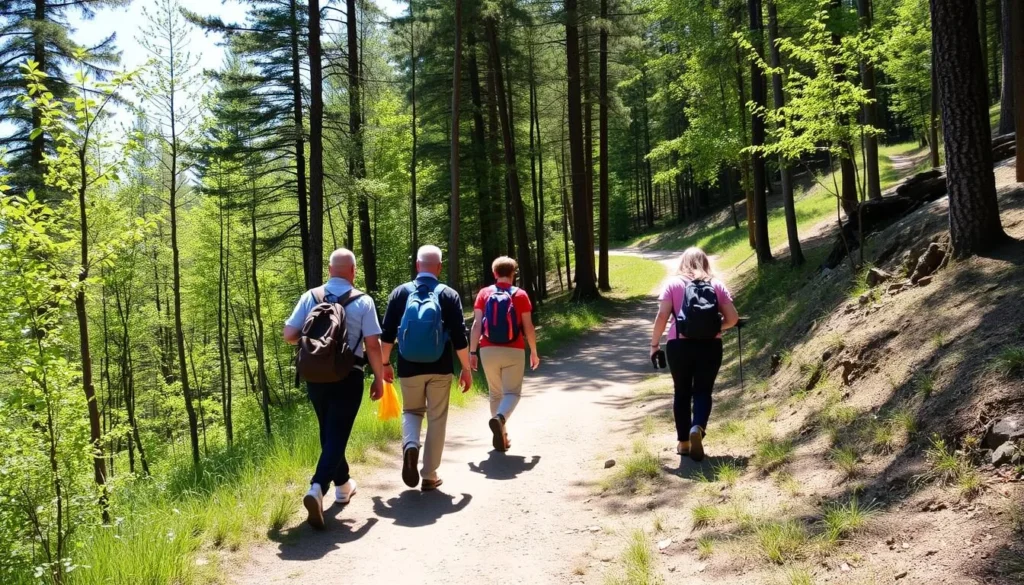
The resort town of Arshan is easily explored on foot. Most attractions, including the mineral springs and trailheads, are within walking distance of the town center.
Exploring Further:
For venturing beyond Arshan, you have several options:
- Local Taxis: Available in Arshan for trips to nearby villages and attractions.
- Arranged Transport: Many guesthouses can organize transportation to more remote areas.
- Hiking: The primary way to explore the park’s wilderness areas and mountain trails.
- Horseback: Traditional horseback tours are available to certain areas, particularly around the Shumak Valley.
✓ Check 30,000+ Local Sightseeing Tours Worldwide
Public transportation within the park is limited outside the main routes to Arshan. For exploring remote areas, it’s best to arrange private transportation or join organized tours.
Where to Stay
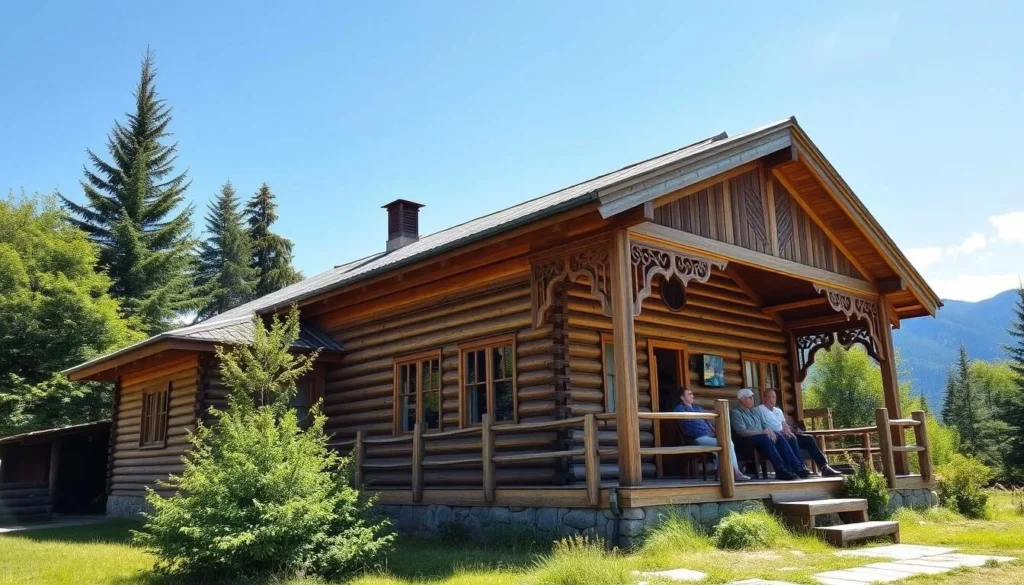
Accommodation options in Tunkinsky National Park range from comfortable hotels to rustic camping experiences. Most visitors base themselves in Arshan, the main tourist hub within the park.
Hotels & Guesthouses
Arshan offers a variety of hotels and guesthouses to suit different budgets. Many provide access to mineral waters and have restaurants serving local Buryat cuisine. Booking in advance is recommended, especially during summer months.
Sanatoriums
Traditional sanatoriums focus on health treatments using the local mineral waters. These Soviet-era facilities offer basic but comfortable accommodations with full board and various wellness treatments.
Camping & Remote Stays
For the more adventurous, camping is permitted in designated areas throughout the park. The Shumak Valley has basic accommodation facilities for those making the trek to the remote mineral springs.
When staying in remote areas, be prepared for basic facilities. Bring your own supplies, including food, water purification methods, and appropriate camping gear if needed.
Dining & Local Cuisine
The culinary experience in Tunkinsky National Park offers a fascinating blend of Russian, Buryat, and Mongolian influences. Arshan has the most dining options, from local cafes to hotel restaurants.
Must-Try Local Specialties
- Buuz: Steamed meat dumplings that are a staple of Buryat cuisine. These savory treats are typically filled with minced mutton or beef mixed with onions and spices.
- Khuur: Similar to buuz but fried rather than steamed, giving them a delicious crispy exterior.
- Salmat: A type of Buryat bread that pairs perfectly with the region’s hearty soups and stews.
- Herbal Teas: Local herbal teas made from plants gathered in the surrounding mountains are both refreshing and said to have medicinal properties.
“The food in Arshan offers a true taste of Siberian hospitality. Don’t miss trying the buuz – they’re completely different from dumplings you might have tried elsewhere!”
Dining options become very limited outside of Arshan. If you plan to explore remote areas like the Shumak Valley, bring your own food supplies. Most guesthouses in Arshan offer half or full board options, which can be a convenient choice for travelers.
Attractions, Sightseeing & Activities
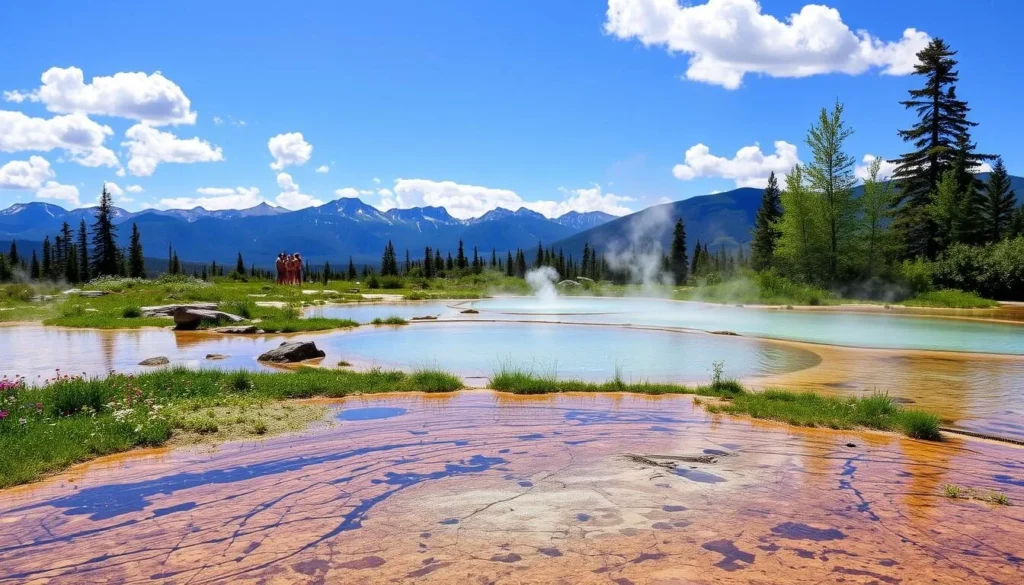
Tunkinsky National Park offers a wealth of natural and cultural attractions. Here are the top highlights you shouldn’t miss:
Natural Wonders
Shumak Mineral Springs
Often called the “Valley of 100 Springs,” this remote area contains over 100 mineral springs, each with different compositions and healing properties. Reaching Shumak requires a challenging two-day trek across the Tunka Range via Shumak Pass (2,760 m), but the journey rewards visitors with pristine wilderness and therapeutic waters.
Tunkinskaya Valley
The heart of the national park, this picturesque valley offers stunning mountain panoramas and diverse flora and fauna. The valley floor is dotted with small villages, extinct volcanoes, and fertile farmland, all framed by the dramatic peaks of the surrounding mountain ranges.
Cultural Sites
Arshan Resort Town
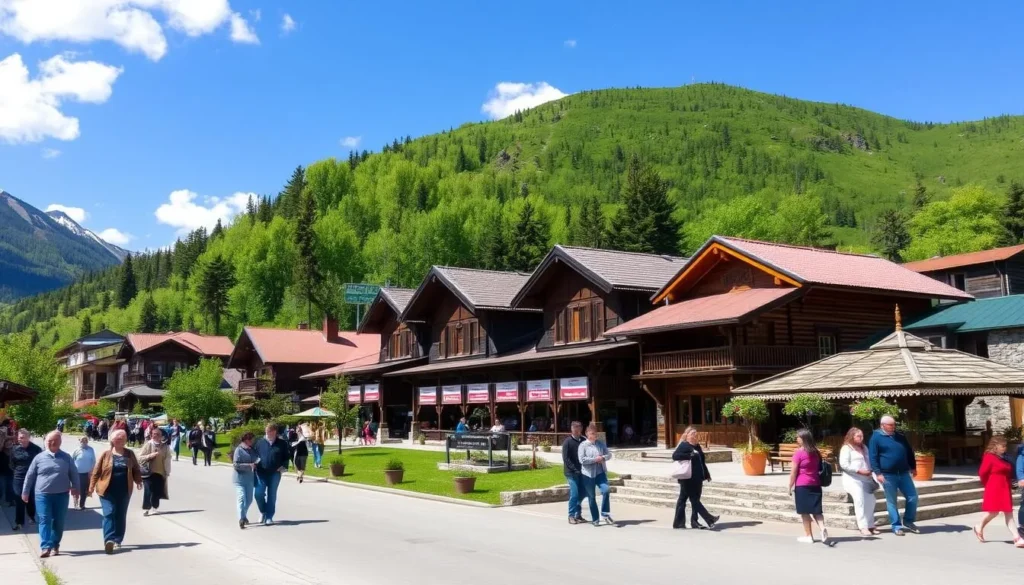
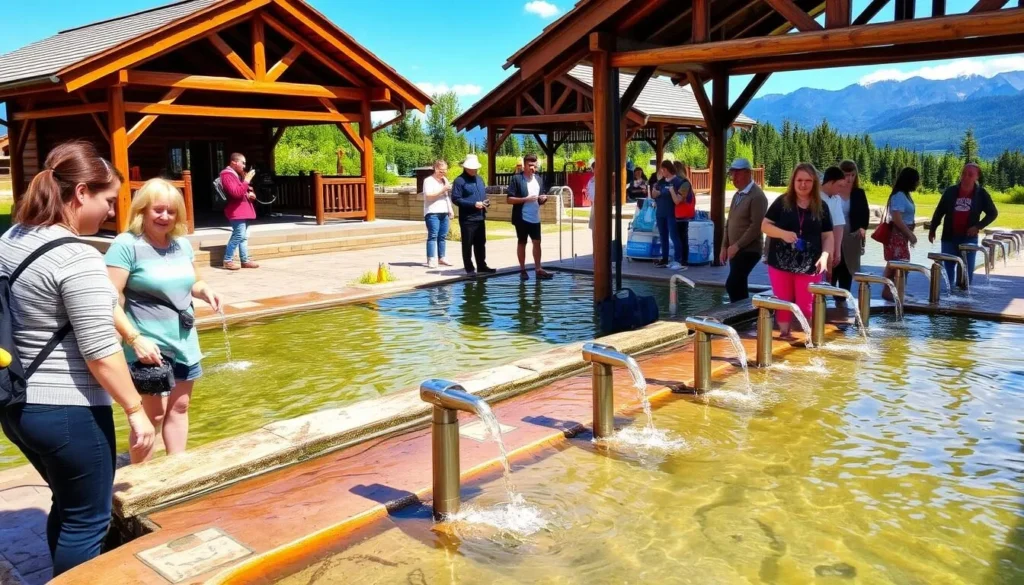
The main tourist hub within the park, Arshan has been a healing resort since 1920. The town features multiple mineral springs, each said to help with different ailments. Visitors can drink directly from the springs or enjoy the charming atmosphere of this mountain retreat.
Buddhist Temples
The region has strong Buddhist traditions, and several temples can be found throughout the park. These spiritual sites offer insight into the local Buryat culture and their religious practices that blend Buddhism with traditional shamanic beliefs.
Adventure Activities
- Hiking to Love Peak: A popular 5 km trail from Arshan with a 1.5 km elevation gain. According to local legend, those who summit alone will find true love, while couples who reach the top together will stay together forever.
- Kyngarga Waterfalls Trail: An accessible trail along the Kyngarga river gorge featuring 12 beautiful waterfalls.
- Nukhu-Daban Pass: A historic trail with stunning views of Munku-Sardyk and other Eastern Sayan peaks. Don’t miss the mystical hole in the rock that, according to legend, was created by the arrow of indigenous hero Geser-Khan.
Museums, Cultural Spots & Festivals
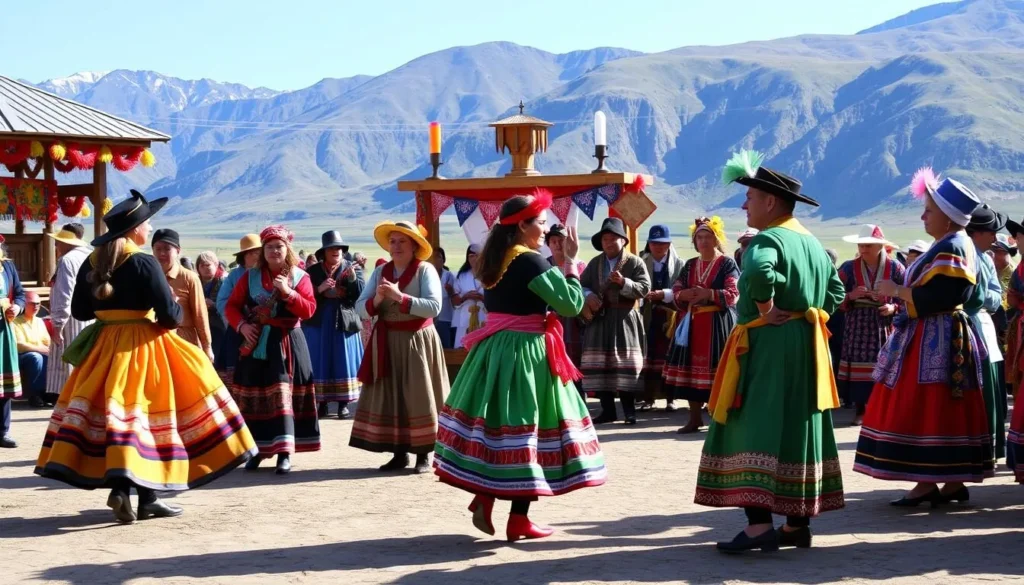
The Tunkinsky region is rich in cultural heritage, particularly that of the indigenous Buryat people who have inhabited this area for centuries.
Cultural Experiences
Local Museums
Small local museums in Kyren and other villages display artifacts related to the region’s history, from ancient archaeological findings to items showcasing the traditional Buryat way of life. These modest exhibitions provide valuable context for understanding the cultural significance of the area.
Sacred Sites
Throughout the park, you’ll find sacred sites revered by the Buryat people. These include special mountains, springs, and trees that hold spiritual significance. When visiting these places, it’s important to be respectful and follow local customs, such as tying colorful fabric ribbons (khadak) to trees as offerings.
Festivals & Events
If your visit coincides with local festivals, you’re in for a special treat. Buryat celebrations feature traditional music, dance, wrestling competitions, and archery displays. The most significant events include:
- Sagaalgan (Lunar New Year): Usually celebrated in February, this is the most important Buryat holiday with ceremonies, games, and feasting.
- Surkharban: A summer festival featuring the “three games of men” – wrestling, archery, and horse racing.
- Local Village Celebrations: Throughout summer, various villages hold their own celebrations that visitors are often welcome to join.
“Witnessing a local Buryat celebration was the highlight of my trip. The colorful costumes, traditional music, and genuine warmth of the people made for an unforgettable cultural experience.”
Sports, Nature & Outdoor Experiences
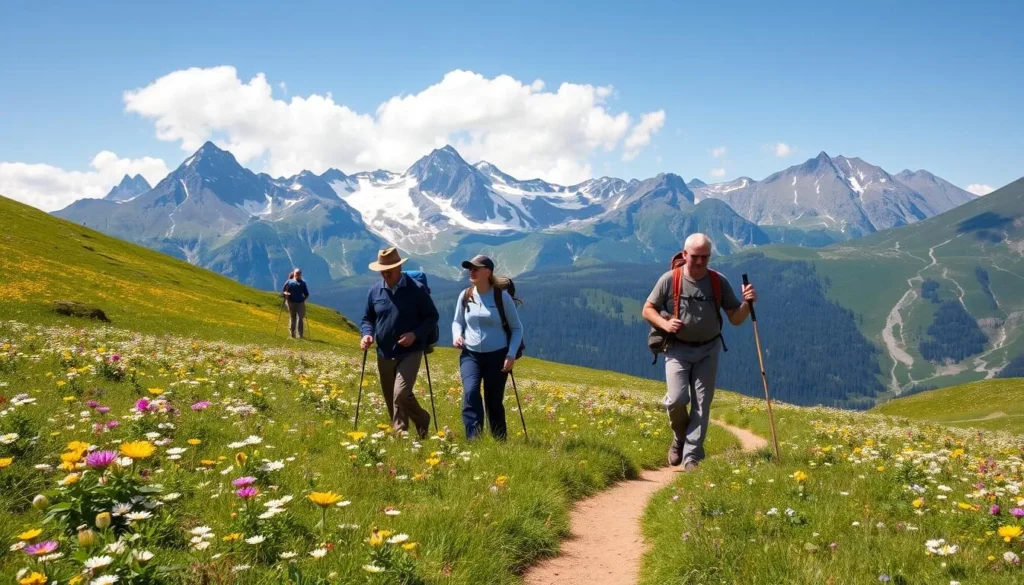
For outdoor enthusiasts, Tunkinsky National Park is a paradise waiting to be explored. The park’s diverse ecosystems and dramatic topography create perfect conditions for a wide range of activities.
Hiking & Trekking
Hiking is the primary way to experience the park’s wilderness. Trails range from easy walks suitable for beginners to challenging multi-day treks for experienced hikers.
- Beginner Trails: The area around Arshan offers several accessible trails, including shorter sections of the Kyngarga Waterfalls path.
- Intermediate Hikes: The full Kyngarga Waterfalls trail and the hike to Love Peak provide more challenge with significant rewards.
- Advanced Treks: The journey to Shumak Valley and climbs in the Munku-Sardyk massif are demanding multi-day adventures requiring proper preparation.
Wildlife Watching
The park is home to diverse wildlife, including brown bears, lynx, sable, and numerous bird species. While animals tend to avoid humans, patient observers may spot wildlife, especially in more remote areas. Early morning and dusk offer the best viewing opportunities.
Seasonal Activities
Summer (June-August)
The peak season for hiking, photography, and enjoying the mineral springs. Wildflowers bloom across alpine meadows, creating spectacular displays of color.
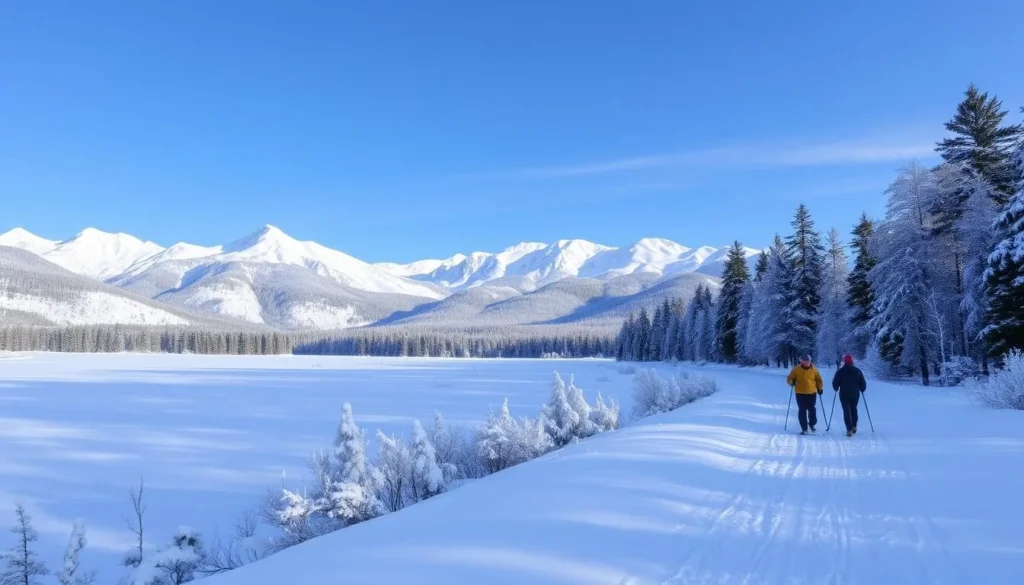
Winter (December-February)
For the adventurous, winter offers a completely different experience. Cross-country skiing and snowshoeing are possible, though services are limited and proper winter equipment is essential.
“The hike to Shumak Springs was challenging but absolutely worth it. Standing in that remote valley surrounded by mountains, with healing springs bubbling up from the earth, was one of the most magical experiences I’ve ever had.”
Safety, Etiquette & Local Customs

Safety Considerations
- Weather Preparedness: Mountain weather can change rapidly. Always check forecasts before heading out and pack appropriate clothing and emergency supplies.
- Wildlife Safety: While rare, bear encounters are possible. Make noise while hiking, store food properly, and know how to respond if you encounter wildlife.
- Remote Areas: When venturing into remote parts of the park, inform someone of your itinerary and expected return time. Consider hiring a local guide for unfamiliar terrain.
- Insect Protection: Mosquitoes can be prevalent, especially in summer. Bring strong repellent, particularly when visiting the Shumak Valley.
Cultural Etiquette
The Tunkinsky region has strong cultural traditions that visitors should respect:
Sacred Sites
Many natural features in the park hold spiritual significance for local Buryat people. When visiting sacred mountains, springs, or trees, maintain a respectful attitude. It’s customary to make a small offering (coins or food) and tie a khadak (colorful fabric ribbon) to designated trees as a sign of respect.
Local Interactions
When visiting small villages or interacting with local people, a few Russian or Buryat phrases will be appreciated. Greetings are important – “Zdravstvuyte” (hello in Russian) or “Sain baina” (hello in Buryat) are good starting points. Always ask permission before photographing people or their property.
Environmental Responsibility: Practice Leave No Trace principles throughout your visit. Pack out all trash, stay on designated trails, and avoid damaging vegetation or disturbing wildlife. The pristine nature of the park depends on responsible visitor behavior.
Visitor Comments About Tunkinsky National Park
“The most beautiful place in the world I have ever seen. The combination of majestic mountains, healing springs, and spiritual atmosphere is unlike anything else. Despite the mosquitoes (bring repellent!), the journey to Shumak Springs was life-changing. The effort to reach this remote valley makes the experience all the more special.”
R.I., Sydney
“Arshan is a perfect base for exploring the park. The mineral springs are fascinating – each one supposedly helps with different ailments. The local Buryat food is delicious, especially the buuz (dumplings). Don’t miss hiking to Love Peak for incredible views of the entire valley. Just be prepared for rapidly changing weather!”
R.K., Chattanooga
“Tunkinsky surprised me with its combination of natural beauty and cultural richness. The sacred sites throughout the park offer a glimpse into local spiritual traditions that have existed for centuries. If you can, time your visit to coincide with a local festival – the traditional music, dancing, and food create memories that will last a lifetime.”
E.N., Christchurch
✓ Check 30,000+ Local Sightseeing Tours Worldwide
Practical Travel Tips
Essential Packing
- Layered clothing (even in summer, temperatures can vary widely)
- Sturdy hiking boots for uneven terrain
- Rain gear and sun protection
- Strong insect repellent
- Basic first aid kit
- Water bottle (you can refill at mineral springs in Arshan)
- Cash (ATMs are limited and many places don’t accept cards)
Communication
Cell phone coverage is reliable in Arshan and major villages but can be non-existent in remote areas. Consider downloading offline maps before your trip. Learning a few basic Russian phrases will be extremely helpful, as English is not widely spoken outside of major tourist facilities.
Permits & Regulations
Some areas, particularly those near the Mongolian border like Munku-Sardyk, require special permits. These can be obtained in Irkutsk from the Baikal Border Guard. Check current requirements before planning trips to border regions.
A Journey Through Siberia’s Hidden Gem
Tunkinsky National Park represents the perfect blend of natural wonder, cultural heritage, and healing traditions. From the therapeutic mineral springs of Shumak to the sacred peaks of the Eastern Sayan Mountains, this vast wilderness offers experiences that connect visitors with both nature and centuries of human history. Whether you’re seeking adventure on challenging mountain trails, wellness through the park’s famous healing waters, or cultural insights into the unique Buryat traditions, Tunkinsky rewards those willing to venture beyond Russia’s typical tourist destinations. As you plan your journey to this Siberian paradise, remember that the park’s remoteness is part of its charm – preserving both its pristine landscapes and authentic cultural experiences for those fortunate enough to discover them.
Related Posts
Saint Petersburg, Russia: Best Things to Do – Top Picks
Zabaykalsky Krai, Russia: Best Things to Do – Top Picks
Yamalo-Nenets Autonomous Okrug, Russia: Best Things to Do – Top Picks
Tver Oblast, Russia: Best Things to Do – Top Picks
Yaroslavl Oblast, Russia: Best Things to Do – Top Picks
Volgograd Oblast, Russia: Best Things to Do – Top Picks
Coming Soon: Clickable Maps