
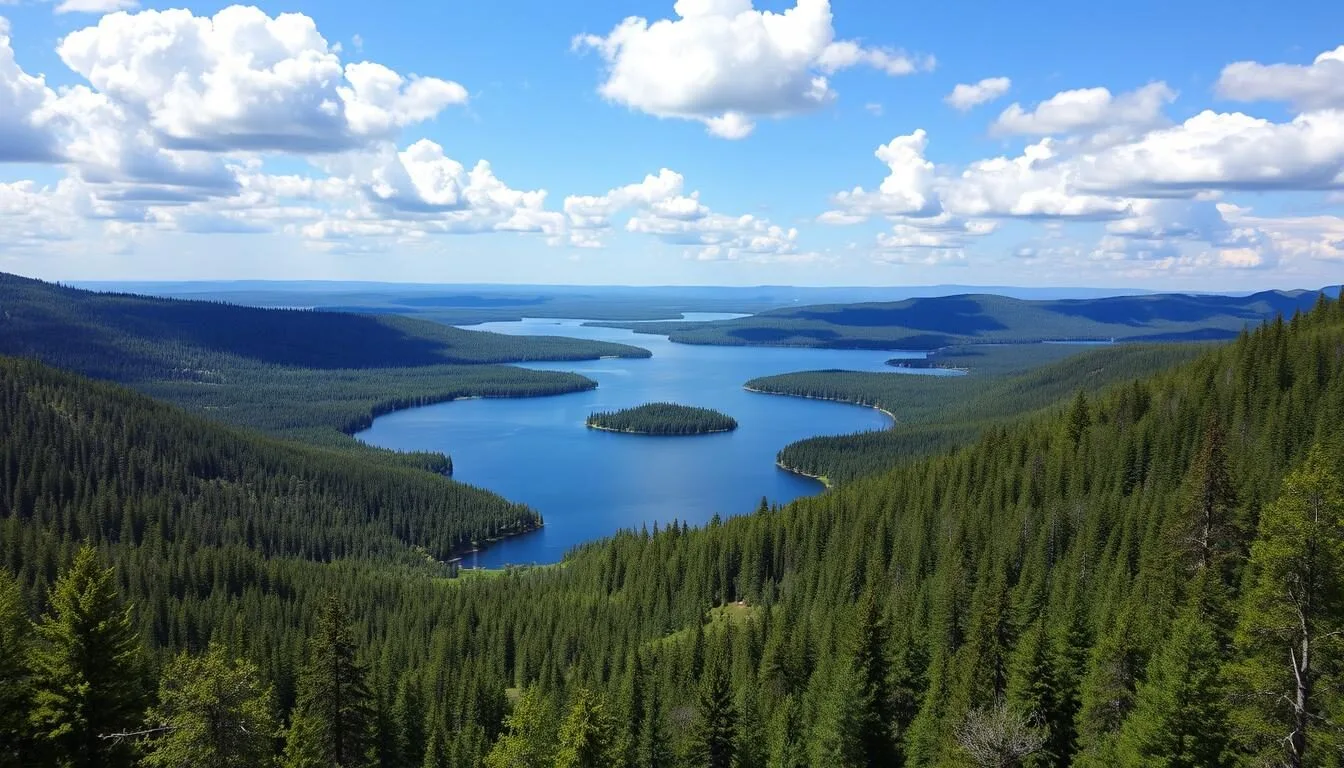
Did you know that Vodlozersky National Park protects one of Europe’s largest intact old-growth forests, with some pine trees dating back over 500 years? Established in 1991 and spanning an impressive 470,000 hectares (1.16 million acres), this pristine wilderness represents one of the last remaining examples of the original taiga ecosystem that once covered much of northern Europe. Located in northwestern Russia, straddling the Republic of Karelia and Arkhangelsk Oblast, this remarkable national park offers visitors a rare glimpse into untouched nature and traditional Russian culture that has remained largely unchanged for centuries.
Getting There & Planning Your Journey
Reaching Vodlozersky National Park requires some planning, as it’s located in a relatively remote part of northwestern Russia. The closest major airports are in Petrozavodsk (Republic of Karelia) and Arkhangelsk, both approximately 250-300 km (155-186 miles) from the park’s boundaries.
- From Petrozavodsk Airport: Take a bus or taxi to Petrozavodsk city center, then catch a regional bus to the town of Pudozh. From there, local transportation or a pre-arranged transfer can take you to the park’s southern entrance. Travel time is approximately 5-6 hours.
- From Arkhangelsk Airport: Travel to the town of Onega, then continue by local transportation to the northern section of the park. This route is less common but provides access to the Arkhangelsk portion of the park.
- From Moscow: The most convenient option is to fly to Petrozavodsk (2-hour flight) and then continue by ground transportation.
- From St. Petersburg: You can take a train or bus to Petrozavodsk (about 5-6 hours) and then continue as described above.
Important: Due to the park’s remote location, it’s highly recommended to arrange transportation and accommodation in advance. The park administration can help organize transfers from nearby towns. All visitors must register at the visitor center in the village of Kuganavolok, which serves as the main gateway to the park.
Best Time to Visit & Weather Tips
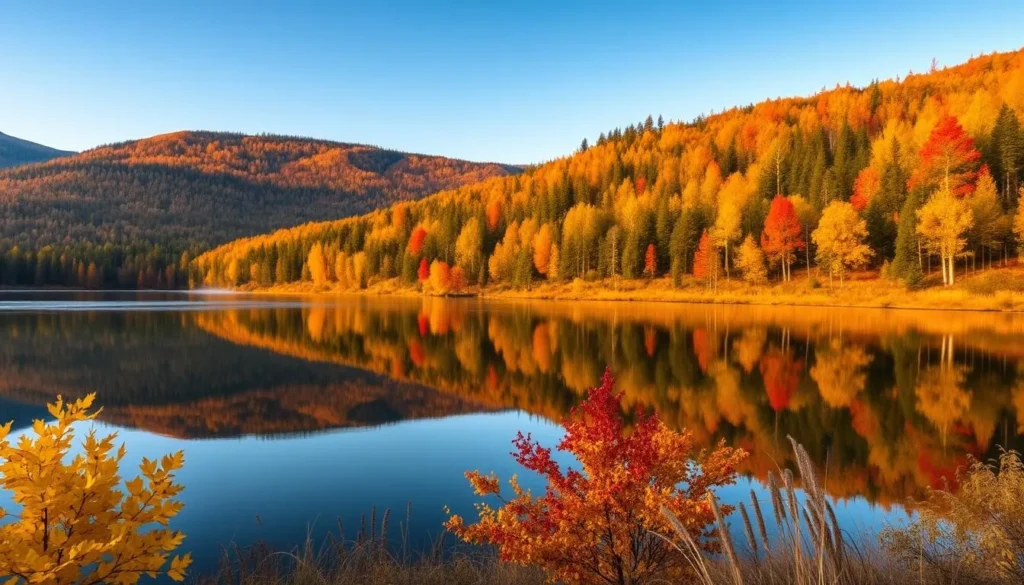
The climate in Vodlozersky National Park is continental with long, cold winters and relatively short, mild summers. Your experience will vary dramatically depending on when you visit.
| Season | Months | Temperature | Conditions | Recommendation |
| Summer | June-August | 15-25°C (59-77°F) | Mild, occasional rain, long daylight hours | Highly Recommended |
| Autumn | September-October | 5-15°C (41-59°F) | Beautiful foliage, fewer visitors | Recommended |
| Winter | November-March | -15 to -5°C (5-23°F) | Snow-covered, limited accessibility | For winter enthusiasts only |
| Spring | April-May | 0-15°C (32-59°F) | Muddy trails, spring flooding | Not recommended |
The best time to visit is from mid-June to late August when temperatures are pleasant, and all trails and waterways are accessible. Early autumn (September) offers spectacular foliage with fewer crowds, though temperatures begin to drop. Winter visits are possible for cross-country skiing enthusiasts, but many facilities close, and navigation becomes challenging.
Keep in mind that mosquitoes and other insects can be abundant during the summer months, especially in June and July. Bring appropriate repellent and protective clothing if visiting during this time.
Getting Around Locally
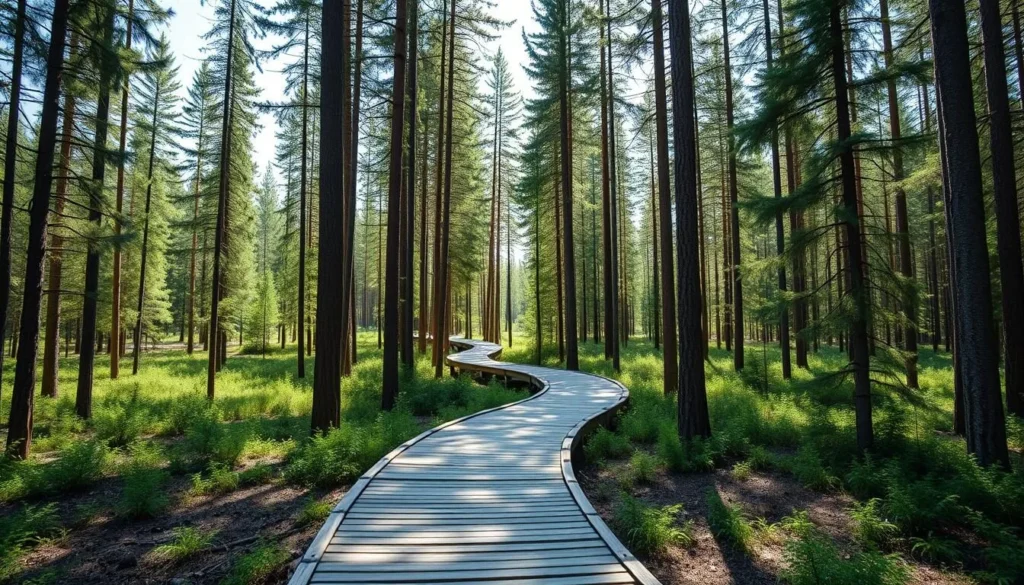
Navigating Vodlozersky National Park requires planning, as public transportation within the park is limited. The park spans 470,000 hectares with various attractions spread across this vast territory.
By Boat
Water transportation is the primary way to explore Vodlozersky National Park, as Lake Vodlozero and the Ileksa River form the backbone of the park. Motorboats, canoes, and kayaks can be rented in the village of Kuganavolok. The park administration also offers guided boat tours to various destinations within the park, including the historic Ilyansky Pogost.
By Foot
Several marked hiking trails of varying difficulty levels crisscross the park. The most accessible trails are located near the village of Kuganavolok. For longer hikes into remote areas, it’s advisable to hire a local guide. All hikers should register their routes with the park administration for safety reasons.
Guided Tours
The park administration offers various guided tours, which can be an excellent option for first-time visitors. These typically include transportation between major attractions and provide valuable historical and ecological context. Tours can be arranged at the visitor center in Kuganavolok.
During winter months (December to April), some areas of the park can be accessed by snowmobile or cross-country skis. The frozen lake provides a natural highway for winter transportation.
Where to Stay
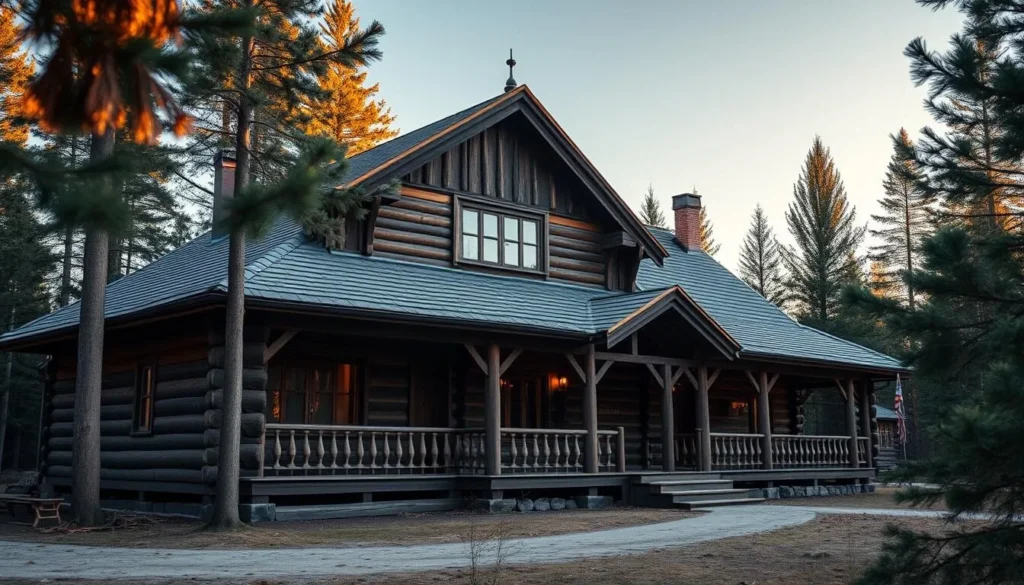
Accommodation options in and around Vodlozersky National Park range from basic to rustic, with most choices concentrated in the village of Kuganavolok and on islands within Lake Vodlozero. While luxury options are limited, the authentic local hospitality and pristine natural surroundings more than make up for it.
Park Guesthouses
The national park administration operates several guesthouses within the park boundaries, including on some of Lake Vodlozero’s islands. These rustic wooden cabins offer basic amenities including beds, heating stoves, and sometimes shared kitchen facilities. Most do not have electricity or running water, providing an authentic wilderness experience.
Price range: 1,500-3,000 RUB ($20-40 USD) per night
Village Homestays
In Kuganavolok and a few other small villages, local families offer rooms in their traditional wooden houses. These homestays often include home-cooked meals featuring local ingredients and provide insight into the traditional way of life in the Russian North. This option offers the most authentic cultural experience.
Price range: 1,000-2,500 RUB ($15-35 USD) per night
Camping
For outdoor enthusiasts, there are designated camping areas within the park. These basic sites require permits, which can be obtained from the park administration office in Kuganavolok. Bring all necessary camping equipment as rental options are extremely limited. Campfires are only permitted in designated areas.
Price range: 300-500 RUB ($4-7 USD) per night
Regardless of your accommodation choice, it’s essential to book well in advance, especially during the summer months (June-August). The park administration can assist with reservations for all types of accommodation within the park boundaries.
Dining & Local Cuisine

The culinary experience in Vodlozersky National Park reflects the rich traditions of northern Russian cuisine, characterized by hearty dishes that have sustained locals through harsh winters for centuries. Dining options are limited to homestays, the visitor center café in Kuganavolok, and self-catering if you’re staying in a cabin or camping.
Local Specialties to Try
- Ukha – A clear fish soup made with locally caught freshwater fish from Lake Vodlozero
- Kalitki – Traditional Karelian pastries with various fillings, typically potato or rice
- Wild Berries – The forests are rich in blueberries, lingonberries, cloudberries, and cranberries, which feature in many local dishes
- Freshwater Fish – Pike, perch, and whitefish from the lake, often smoked or salted
- Mushroom Dishes – Various wild mushrooms collected from the forest, prepared in soups or as side dishes
Dining Options
Most visitors to the park eat meals provided by their accommodation. Homestays typically offer half or full board options with home-cooked meals. The visitor center in Kuganavolok has a small café serving simple Russian dishes. For those staying in self-catering accommodations, basic groceries can be purchased in Kuganavolok, but selection is limited.
Traveler’s Tip: If you plan to explore remote areas of the park, bring non-perishable food supplies with you. For day trips, pack a lunch as there are no dining facilities away from the main village. Consider bringing a reusable water bottle with a filter, as you’ll be able to refill from the park’s clean lakes and streams.
Attractions, Sightseeing & Activities
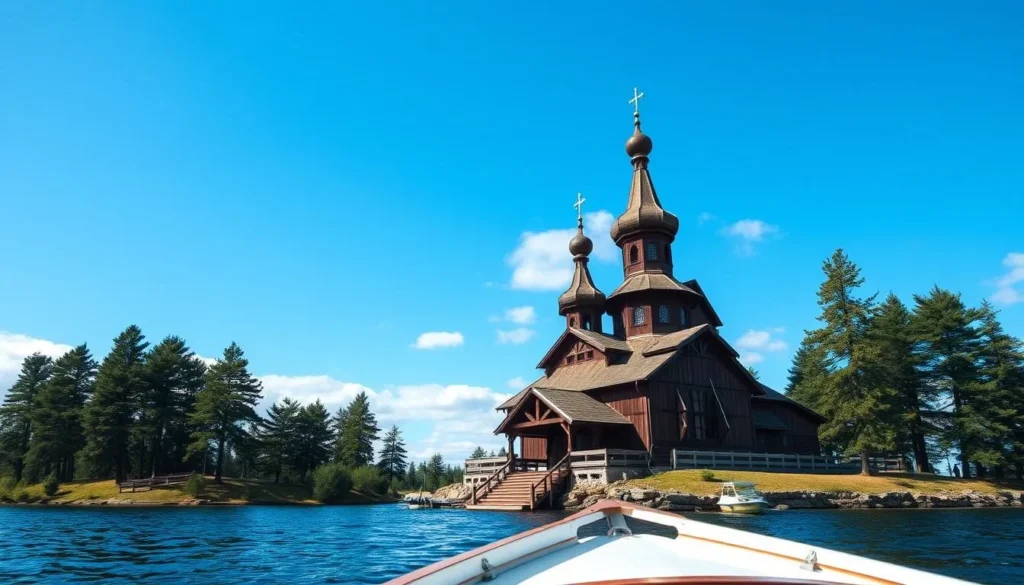
Vodlozersky National Park offers a perfect blend of natural wonders and cultural heritage. The park’s diverse attractions appeal to nature enthusiasts, history lovers, and those seeking spiritual connection alike.
Natural Attractions
Lake Vodlozero
The centerpiece of the park, this vast freshwater lake covers 322 square kilometers (124 square miles) and contains over 190 islands. The lake’s pristine waters are perfect for boating, fishing, and swimming in summer. The numerous islands create a labyrinthine waterscape that’s fascinating to explore by boat or kayak.
Ileksa River Valley
The Ileksa River is the main tributary feeding Lake Vodlozero and flows through the southern part of the park. The river valley features diverse ecosystems, including old-growth forests and extensive wetlands. Canoeing or kayaking along the river offers opportunities to spot wildlife and enjoy the tranquility of untouched nature.
Historical and Cultural Sites
Ilyinsky Pogost
Located on one of Lake Vodlozero’s islands, this historical complex features an 18th-century wooden church dedicated to the Prophet Elijah and a traditional bell tower. The church represents the distinctive wooden architecture of the Russian North and serves as a reminder of the area’s rich spiritual heritage.
Traditional Villages
Several small villages within the park boundaries, including Kuganavolok, preserve traditional ways of life. These settlements offer glimpses into the traditional culture of the Russian North, with wooden houses built in the distinctive regional style and locals who maintain traditional crafts and customs.
Wildlife Watching
The park is home to diverse wildlife including brown bears, wolves, lynx, elk, and numerous bird species. While large mammals are shy and rarely seen, signs of their presence can be found throughout the forest. Birdwatchers will be delighted by the variety of species, including the white-tailed eagle, osprey, black grouse, and various waterfowl.
Museums, Cultural Spots & Festivals
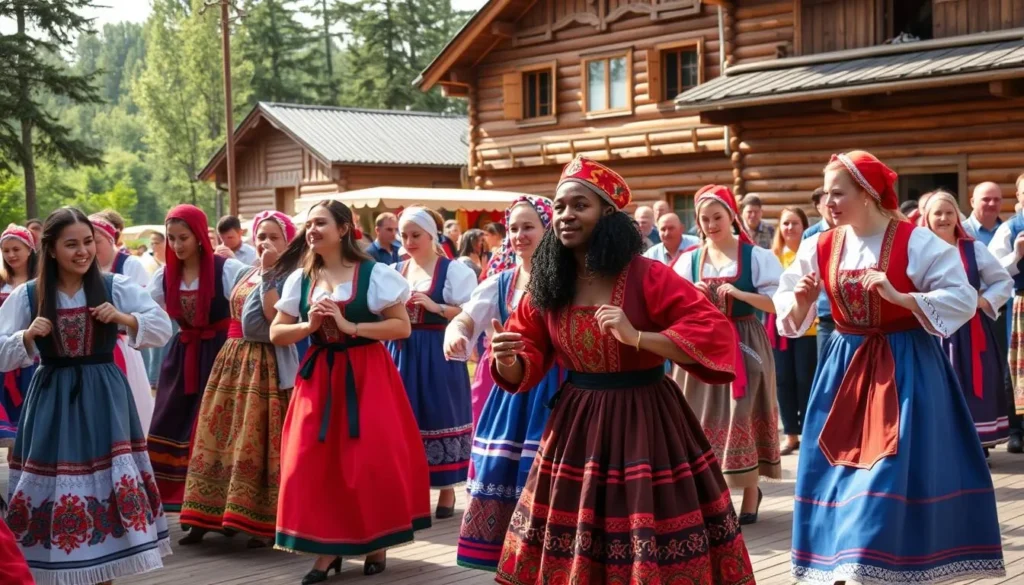
Beyond its natural beauty, Vodlozersky National Park serves as a living museum of Russian cultural heritage. The region’s rich history is preserved in several small museums and celebrated through traditional festivals throughout the year.
Museums and Exhibitions
- Vodlozersky National Park Visitor Center Museum – Located in Kuganavolok, this small but informative museum showcases the park’s ecology, wildlife, and cultural history through exhibits and interactive displays
- Ilyinsky Pogost Museum – Housed in the historic church complex, this museum displays religious artifacts, icons, and information about the spiritual history of the region
- Traditional Crafts Exhibition – A small exhibition in Kuganavolok featuring local handicrafts, including woodcarving, weaving, and birch bark items
Cultural Events and Festivals
| Festival | When | Description |
| Elijah’s Day Celebration | August 2 | Religious celebration at Ilyinsky Pogost honoring the Prophet Elijah, featuring church services, processions, and traditional folk performances |
| Midsummer Festival | Late June | Traditional celebration of the summer solstice with folk music, dance performances, and craft demonstrations |
| Berry Festival | August | Celebration of the berry harvest season with cooking demonstrations, tastings, and competitions |
| Winter Solstice Celebrations | December | Traditional winter festivities with sleigh rides, folk games, and warming foods |
Cultural Tip: When visiting churches and other religious sites, appropriate dress is required. Women should cover their heads and shoulders and wear skirts that cover the knees. Men should wear long pants and remove hats when entering religious buildings.
Sports, Nature & Outdoor Experiences
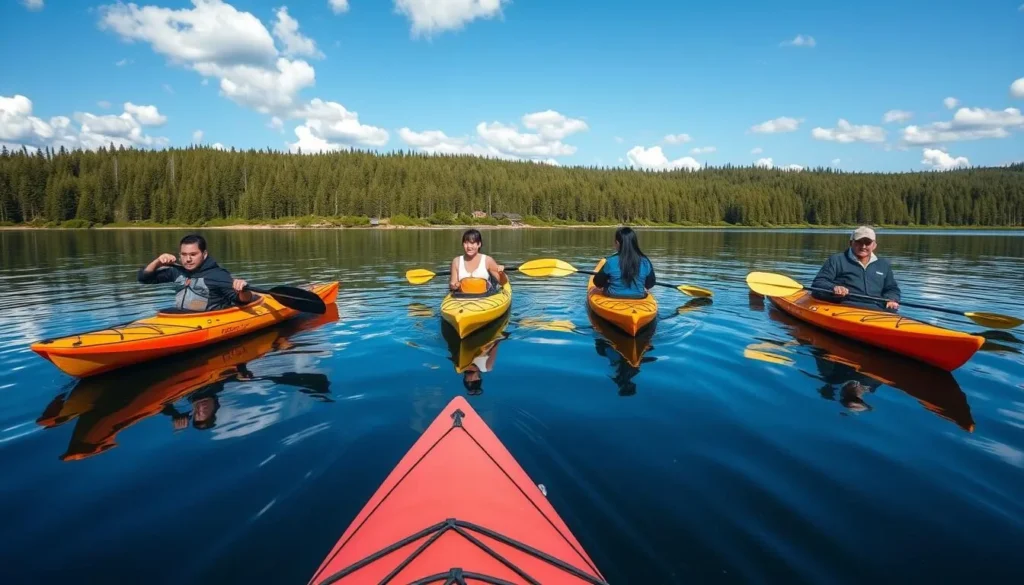
Vodlozersky National Park offers a wealth of outdoor activities throughout the year. The park’s diverse ecosystems, from dense forests to pristine lakes, provide the perfect backdrop for nature enthusiasts and adventure seekers.
Summer Activities
Water Activities
Lake Vodlozero and the Ileksa River are perfect for kayaking, canoeing, and fishing. The lake’s numerous islands create fascinating routes for multi-day paddling expeditions. Fishing is particularly popular, with pike, perch, and whitefish abundant in the waters. Fishing permits can be obtained at the park administration office.
Hiking
The park features several marked hiking trails of varying difficulty. Popular routes include the Ecological Trail (40 km/25 miles) that follows the Ileksa River, and shorter nature trails around Kuganavolok. Trail maps are available at the visitor center.
Winter Activities
- Cross-country Skiing – Several groomed trails wind through the snow-covered forests
- Snowshoeing – A peaceful way to explore the winter landscape
- Ice Fishing – A popular local pastime on the frozen Lake Vodlozero
- Winter Photography – The snow-covered landscapes and traditional wooden buildings create stunning photo opportunities
Guided Nature Experiences
The park administration organizes guided nature walks with local biologists during summer months. These provide fascinating insights into the park’s ecosystems and increase your chances of wildlife sightings. Specialized birdwatching tours are also available, focusing on the park’s diverse avian inhabitants, including the rare white-tailed eagle.
Eco-Tip: When exploring the park, follow Leave No Trace principles. Pack out all trash, stay on marked trails, and maintain a respectful distance from wildlife. The park’s pristine condition depends on visitors’ responsible behavior.
Safety, Etiquette & Local Customs
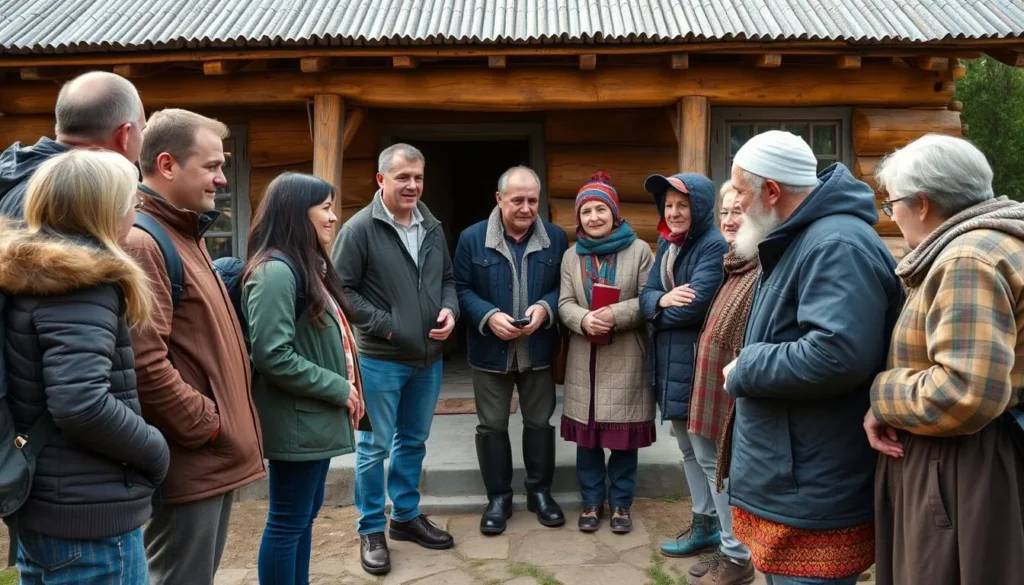
Visiting Vodlozersky National Park safely requires preparation and respect for both nature and local customs. Following these guidelines will help ensure a positive experience for you and minimal impact on this precious ecosystem.
Safety Considerations
- Weather Preparedness – Weather can change rapidly, especially in spring and autumn. Bring layers and rain gear even on sunny days
- Navigation – Cell service is limited in remote areas. Carry physical maps and consider hiring a local guide for extensive hikes
- Wildlife – While dangerous encounters are rare, the park is home to bears and wolves. Make noise while hiking and properly store food at campsites
- Water Safety – If boating or swimming, be aware that water temperatures can be cold even in summer, and weather conditions on lakes can change quickly
Cultural Etiquette
The Russian North region has preserved many traditional customs and values. Respecting these will enhance your experience and interactions with locals:
Religious Sites
When visiting churches and other religious buildings, dress modestly (shoulders and knees covered), and women should cover their heads. Photography may be restricted in some areas, particularly of religious ceremonies. Always ask permission before taking photos inside religious buildings.
Local Interactions
Russians may seem reserved at first but are generally hospitable. Learning a few basic Russian phrases will be greatly appreciated. If invited to a local home, bringing a small gift is customary. Remove your shoes when entering someone’s home unless told otherwise.
Environmental Responsibility
Help preserve this unique ecosystem by following these principles:
- Stay on marked trails to protect fragile vegetation
- Pack out all trash (waste facilities are limited)
- Do not pick flowers or plants
- Respect wildlife by observing from a distance
- Use biodegradable soap if washing in lakes or streams
Practical Travel Tips
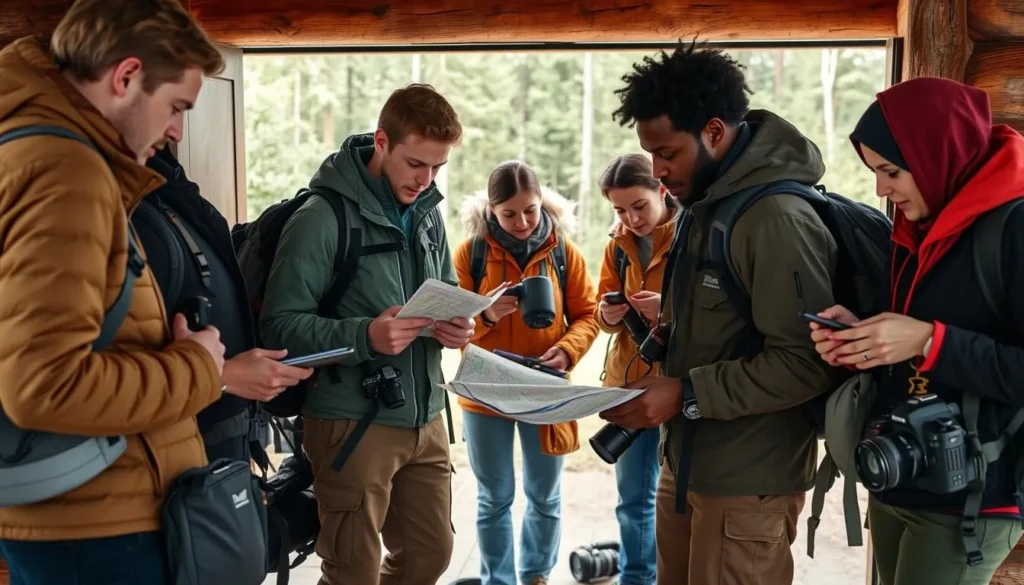
Essential Items to Bring
- Sturdy waterproof hiking boots
- Layered clothing (even in summer)
- Insect repellent (mosquitoes are abundant in summer)
- Waterproof jacket and pants
- Basic Russian phrasebook or translation app
- Cash (credit cards aren’t widely accepted)
- Power bank (electricity can be inconsistent)
- Water filter or purification tablets
Common Challenges
- Limited English signage and speakers
- Restricted cell phone coverage in remote areas
- Basic facilities in most parts of the park
- Limited public transportation options
- Seasonal closures (some attractions close in winter)
- Visa requirements for entering Russia
Language
While English is not widely spoken in the region, park staff at the main visitor center usually have basic English skills. Learning a few Russian phrases will greatly enhance your experience. Consider downloading an offline translation app before your trip.
Money Matters
The Russian ruble is the local currency. ATMs are available in larger towns like Pudozh but are scarce elsewhere. It’s advisable to bring enough cash for your entire stay. As of 2023, entrance fees to the park are approximately 100-200 RUB ($1.25-2.50 USD) per person, with additional fees for specific activities and guided tours.
Connectivity
Wi-Fi is available at the visitor center in Kuganavolok but may be slow. Mobile coverage is good near villages but patchy in remote areas of the park. Consider purchasing a local SIM card in Petrozavodsk or Arkhangelsk if connectivity is important.
The Timeless Wilderness Awaits
Vodlozersky National Park represents Russia at its most authentic—a harmonious blend of spiritual heritage, pristine wilderness, and traditional culture that has remained largely unchanged for centuries. Whether you’re paddling among the islands of Lake Vodlozero, hiking through ancient forests, or admiring the craftsmanship of traditional wooden architecture, you’ll experience a profound connection to both nature and history. This hidden gem of the Russian North offers a rare opportunity to step away from the well-trodden tourist path and discover a landscape and culture that few international travelers ever experience. The journey may require some extra planning, but those who make the effort will be rewarded with memories of extraordinary beauty and tranquility that will last a lifetime.
Related Posts
Saint Petersburg, Russia: Best Things to Do – Top Picks
Zabaykalsky Krai, Russia: Best Things to Do – Top Picks
Yamalo-Nenets Autonomous Okrug, Russia: Best Things to Do – Top Picks
Tver Oblast, Russia: Best Things to Do – Top Picks
Yaroslavl Oblast, Russia: Best Things to Do – Top Picks
Volgograd Oblast, Russia: Best Things to Do – Top Picks
Coming Soon: Clickable Maps
Visitor Comments About Vodlozersky National Park
“The pristine wilderness of Vodlozersky exceeded all my expectations. Kayaking among the islands of Lake Vodlozero was like entering another world – one where time has stood still. The highlight was definitely visiting the wooden church on Ilyinsky Island, where a local elder shared stories about the region’s history. The mosquitoes were fierce in July, but the untouched beauty made it worthwhile.”
A.S., Lafayette
“As a wildlife photographer, I found Vodlozersky National Park to be a hidden gem. I spent five days exploring the forests and wetlands, spotting numerous bird species including the majestic white-tailed eagle. The accommodations are basic but comfortable, and the home-cooked meals at my guesthouse were delicious. The park staff were incredibly knowledgeable and helped arrange a perfect itinerary.”
V.Y., Szombathely
“Our family visited Vodlozersky in early September, which turned out to be perfect timing – few insects, beautiful autumn colors beginning to show, and we had many trails entirely to ourselves. The traditional wooden architecture was fascinating, especially the church complex on the island. My advice: bring good hiking boots and plenty of layers, as evenings can be chilly even in early fall.”
H.R., Maputo