
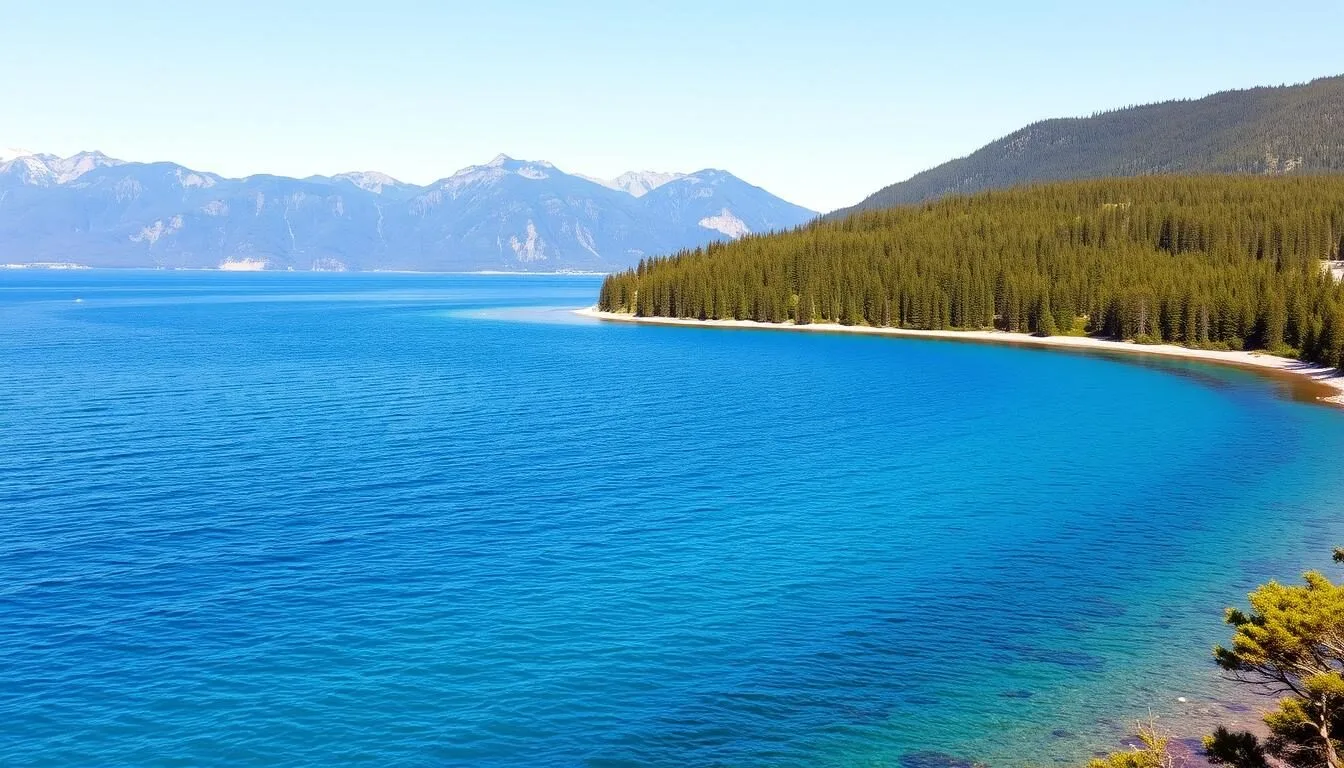
Did you know that Zabaykalsky National Park protects the eastern shores of Lake Baikal, the world’s deepest freshwater lake containing 20% of Earth’s unfrozen freshwater? This pristine Siberian wilderness spans approximately 2,690 square kilometers (1,040 square miles) of breathtaking landscapes where taiga forests meet crystal-clear waters. Established in 1986, this remarkable park offers visitors a rare glimpse into one of our planet’s most unique ecosystems, home to over 2,000 plant and animal species – with more than 40% found nowhere else on Earth.
Getting There & Planning Your Journey
The journey to Zabaykalsky National Park is part of the adventure. The nearest major city is Ulan-Ude, the capital of the Republic of Buryatia, located about 170 km (106 miles) from the park. International travelers typically arrive via Baikal International Airport (UUD) in Ulan-Ude, which receives flights from Moscow, Beijing, and other major Asian cities.
Transportation Options:
- By Bus: Regular buses run from Ulan-Ude to the village of Ust-Barguzin, the main gateway to the park. The journey takes approximately 4-5 hours.
- By Car: Renting a vehicle in Ulan-Ude gives you flexibility but be prepared for variable road conditions, especially in winter. The drive takes about 3-4 hours.
- By Tour: Many visitors opt for organized tours from Ulan-Ude or Irkutsk, which handle transportation logistics and often include guided excursions.
- By Boat: During summer months (June-September), hydrofoil boats and ferries connect various points along Lake Baikal, including access points to the park.
When planning your journey, allow at least 3-4 days to explore the park properly. Obtaining permits in advance is recommended, especially during peak season. These can be arranged through tour operators or at the park office in Ust-Barguzin.
Best Time to Visit & Weather Tips
Recommended Seasons:
Summer (June-August)
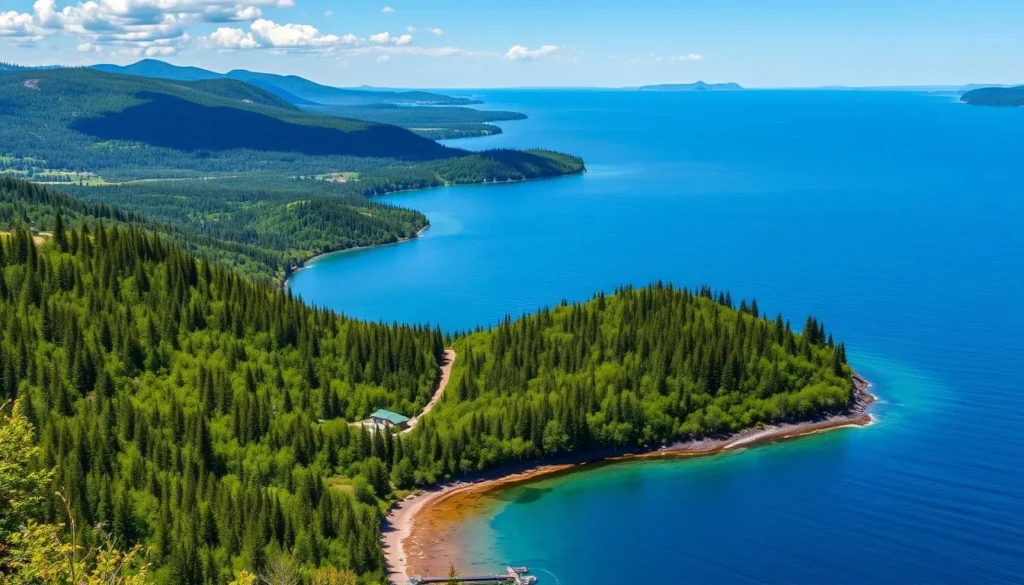
The most popular time to visit with daytime temperatures ranging from 15-25°C (59-77°F). Perfect for hiking, wildlife watching, and boat excursions on Lake Baikal. The park’s flora is in full bloom, and days are long with up to 16 hours of daylight. However, this is also peak tourist season, so popular areas may be busier.
Early Autumn (September)
A magical time when the forests transform into vibrant colors. Temperatures are mild, ranging from 8-15°C (46-59°F), and tourist numbers decrease significantly. Wildlife is more active as animals prepare for winter, making this an excellent time for nature photography and peaceful exploration.
Seasons to Consider:
Winter (December-February)
For adventurous travelers, winter offers a completely different experience. Lake Baikal freezes over, creating spectacular ice formations. Temperatures drop to -15 to -25°C (5 to -13°F), but clear skies and unique activities like ice fishing, dog sledding, and ice skating make it worthwhile for the well-prepared visitor.
Late Spring (May)
As the snow melts and nature awakens, May offers moderate temperatures around 10-18°C (50-64°F). While some trails may still be muddy, the park is less crowded, and you’ll witness the rebirth of the taiga ecosystem.
Seasons to Avoid:
Early spring (March-April) and late autumn (October-November) are generally considered less ideal for visiting. During these transitional periods, weather is unpredictable, many facilities are closed, and neither winter activities nor summer explorations are at their best. Additionally, ice conditions on Lake Baikal can be dangerous as it’s either forming or breaking up.
Weather Tip: Weather around Lake Baikal can change rapidly in any season. Always pack layers, including a waterproof jacket, even in summer. Winter visitors need serious cold-weather gear, including thermal layers, insulated boots, and face protection.
Getting Around Locally
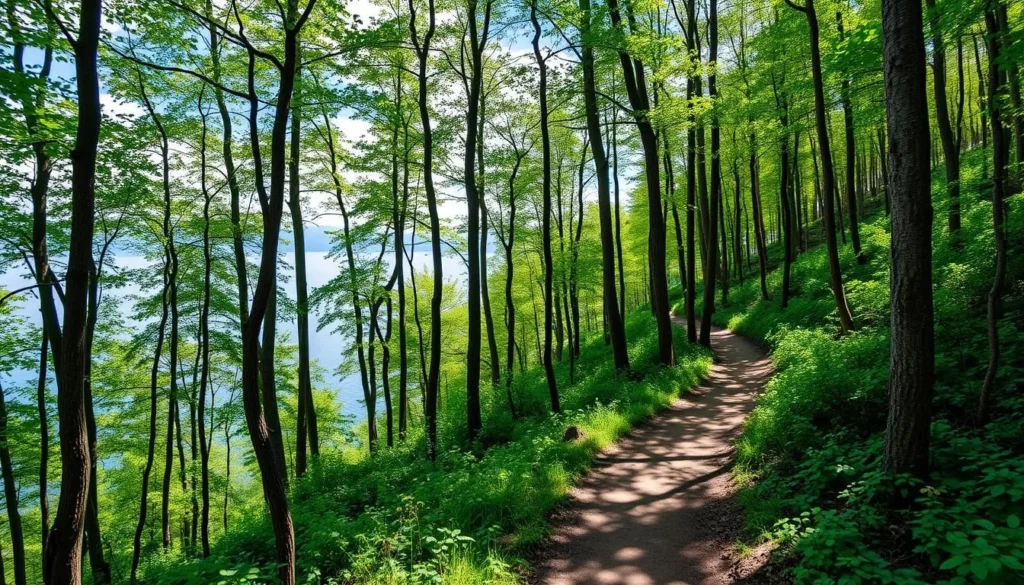
Navigating Zabaykalsky National Park requires some planning, as public transportation within the park is limited. The park’s vast wilderness is best explored through a combination of methods:
Transportation Within the Park:
- Hiking: The most immersive way to experience the park is on foot. Well-marked trails connect major attractions, ranging from easy walks to challenging multi-day treks.
- Boat Tours: During summer months, boat excursions offer access to remote beaches, caves, and viewpoints along Lake Baikal’s shoreline.
- Local Taxis: In villages like Ust-Barguzin and Monakhovo, local drivers offer taxi services to nearby trailheads and attractions.
- Guided Tours: Many visitors opt for guided excursions that include transportation to key sites within the park.
- Rental Vehicles: For those with appropriate experience, 4WD vehicles can be rented in larger towns, though many park roads require special permission.
The park’s main attractions are connected by a network of forest roads and trails. The primary road runs along the coastline, connecting the villages of Ust-Barguzin, Monakhovo, and Kurbulik. However, many of the most scenic areas require hiking or boat access.
Local Transport Tip: When planning day trips within the park, start early in the morning. Public transportation is infrequent, and the last return services often depart by mid-afternoon.
Where to Stay
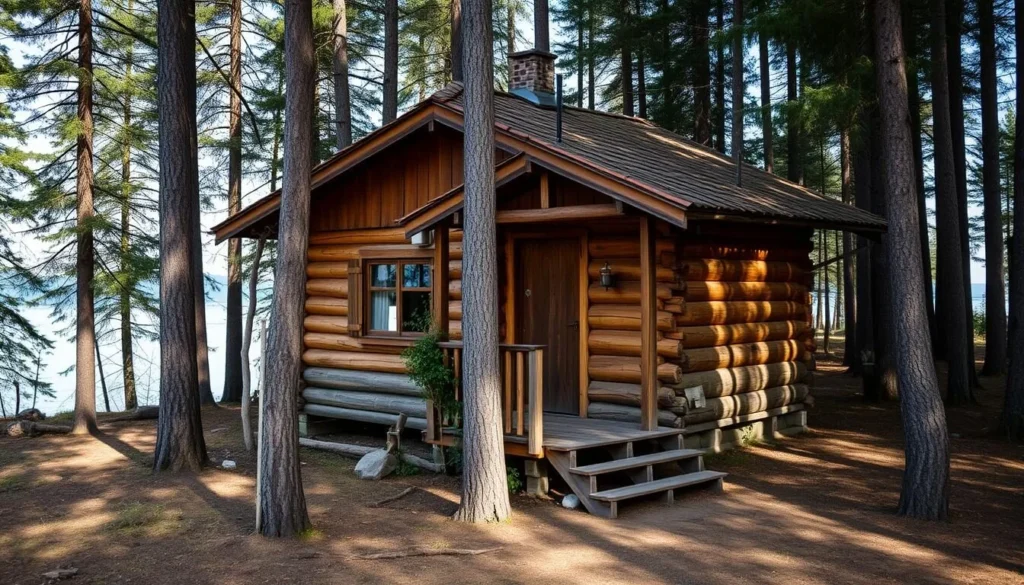
Accommodation options in and around Zabaykalsky National Park range from comfortable hotels to rustic cabins and camping sites. Most visitors base themselves in one of the gateway villages or at established tourist bases within the park.
Accommodation Options:
Tourist Bases
Several tourist bases (turisticheskiye bazy) operate within the park boundaries, offering a range of accommodations from simple cabins to more comfortable rooms. Most provide basic amenities, meals, and can arrange activities. Prices range from 2,000-5,000 rubles ($25-65) per night.
Guesthouses
In villages like Ust-Barguzin and Monakhovo, local families offer guesthouses with authentic Siberian hospitality. These provide a cultural experience along with comfortable lodging. Expect to pay around 1,500-3,000 rubles ($20-40) per night, often including home-cooked meals.
Camping
For the adventurous, camping is permitted in designated areas throughout the park. Some sites have basic facilities like fire pits and outhouses, while others are completely wild. A camping permit costs approximately 300-500 rubles ($4-7) per night.
Popular Accommodation Areas:
- Ust-Barguzin: The main gateway town offers the widest range of accommodations, from small hotels to homestays.
- Monakhovo: This village near the Svyatoy Nos Peninsula has several tourist bases and is ideally located for exploring the peninsula and Chivyrkuisky Bay.
- Zmeinaya Bay: Known for its hot springs, this area has several tourist bases with thermal pools.
- Kurbulik: A small village with limited but authentic accommodation options, perfect for those seeking a more remote experience.
Booking Tip: Accommodations fill quickly during the summer high season (July-August). Book at least 2-3 months in advance for this period. Many places have limited or no online presence, so booking through a local tour operator is often the most reliable method.
Dining & Local Cuisine

The culinary experience in Zabaykalsky National Park combines Russian, Siberian, and Buryat influences, with fresh local ingredients—particularly fish from Lake Baikal—featuring prominently on menus.
Must-Try Local Specialties:
- Omul: This endemic whitefish from Lake Baikal is the region’s culinary star. Typically smoked or salted, its delicate flavor is unlike any other freshwater fish.
- Sagudai: A local delicacy of raw omul marinated with oil, onions, and spices—similar to ceviche.
- Buryat Pozy (Buuzy): Large steamed dumplings filled with minced meat, similar to Mongolian buuz.
- Ukha: A clear fish soup made with freshly caught Baikal fish and simple seasonings.
- Cedar Nuts: Harvested from the Siberian pine, these nutritious nuts are used in many local dishes and are delicious on their own.
- Salamat: A traditional Buryat dish made from fried flour, butter, and sour cream.
Dining Options:
Tourist Base Restaurants
Most tourist bases operate their own restaurants serving hearty, home-style Russian and Buryat cuisine. Meals are often included in accommodation packages or available for purchase. These establishments typically offer set menus rather than à la carte options.
Village Cafes
In larger villages like Ust-Barguzin, you’ll find small cafes serving local specialties and Russian staples. These offer an authentic experience at reasonable prices, though hours may be limited, especially in the off-season.
Food Shopping:
For self-catering or picnic supplies, village markets and small grocery stores offer basics. In Ust-Barguzin, the local market is a great place to purchase smoked omul, local berries (in season), and other regional specialties. Larger supermarkets can be found in Ulan-Ude, so consider stocking up on specialized items before heading to the park.
Dining Tip: Outside of tourist bases and larger villages, dining options can be very limited. When hiking or exploring remote areas, bring sufficient water and food supplies. Many locals are happy to prepare home-cooked meals for visitors with advance notice—a delicious way to experience authentic regional cuisine.
Attractions, Sightseeing & Activities
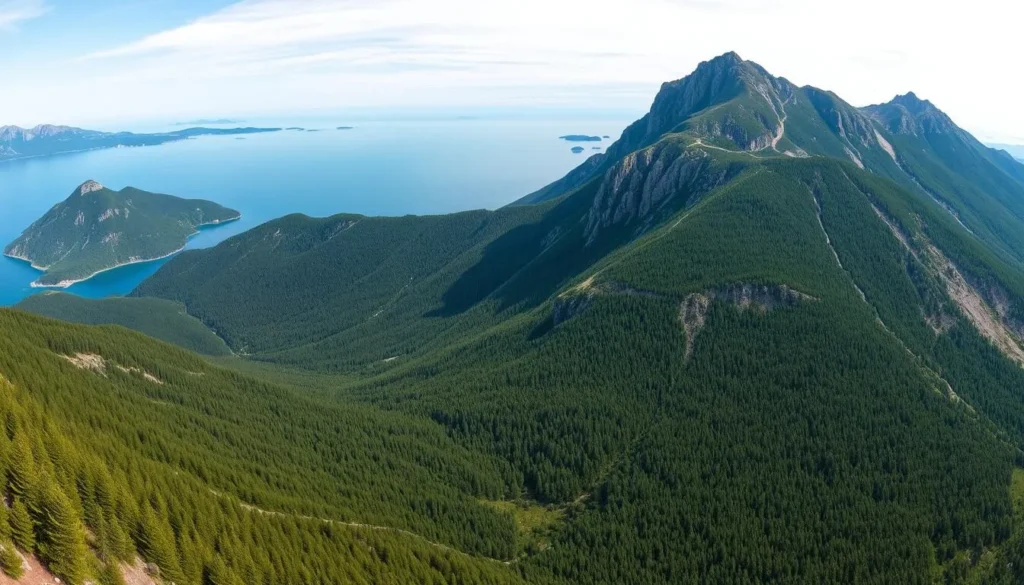
Zabaykalsky National Park offers a wealth of natural attractions that showcase the unique beauty and biodiversity of the Lake Baikal region. From dramatic peninsulas to hidden hot springs, the park’s diverse landscapes provide endless opportunities for exploration and discovery.
Natural Landmarks:
- Svyatoy Nos Peninsula: The largest peninsula on Lake Baikal, connected to the mainland by a sandy isthmus. Its highest point reaches 1,877 m (6,158 ft), offering breathtaking panoramic views of the lake.
- Chivyrkuisky Bay: A sheltered bay known for its warm waters (by Baikal standards), sandy beaches, and rich biodiversity. The shallow waters here warm up enough for swimming in summer.
- Zmeinaya Bay (Snake Bay): Famous for its natural hot springs where visitors can bathe in mineral-rich waters while enjoying views of Lake Baikal.
- Ushkany Islands: A small archipelago that serves as a habitat for the Baikal seal (nerpa), the world’s only freshwater seal species.
- Barguzin Valley: A picturesque valley with unique rock formations, ancient burial mounds, and spectacular mountain views.
Popular Activities:
Hiking
The park offers numerous hiking trails ranging from easy walks to challenging multi-day treks. The trail to the summit of Svyatoy Nos is particularly popular, offering unparalleled views of Lake Baikal from its 1,877 m (6,158 ft) peak.
Wildlife Watching
The park is home to diverse wildlife, including brown bears, elk, wild boar, and numerous bird species. The Ushkany Islands offer opportunities to observe Baikal seals in their natural habitat (boat tours available in summer).
Hot Springs
The thermal springs at Zmeinaya Bay provide a unique opportunity to relax in naturally heated mineral waters. These springs have been used for their therapeutic properties for centuries.
Boat Excursions
During the summer months, boat tours explore the coastline, bays, and islands of the park. These range from short trips around Chivyrkuisky Bay to full-day excursions to more remote areas.
Photography
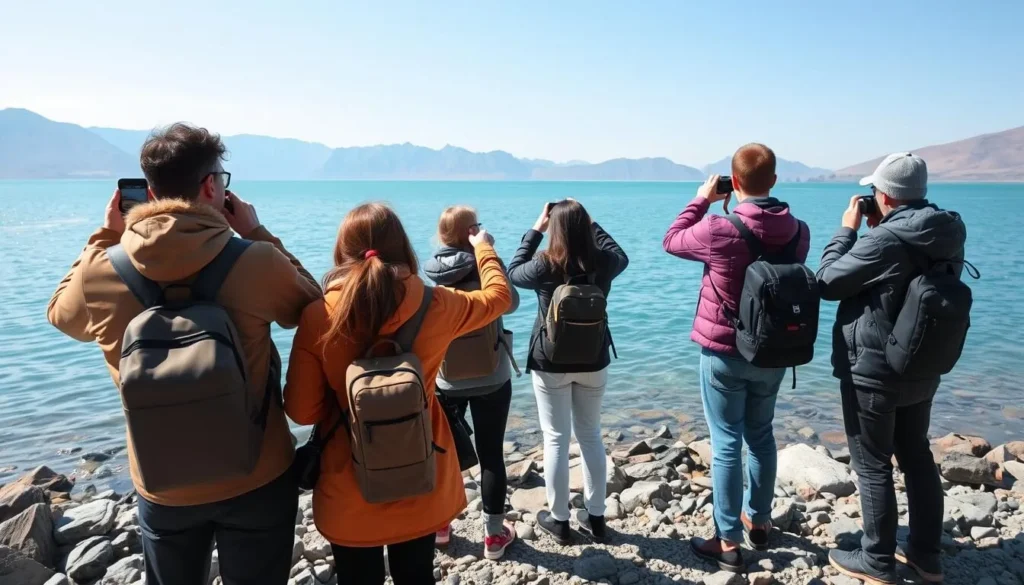
The park’s diverse landscapes, clear air, and unique light conditions make it a paradise for photographers. Dawn and dusk offer particularly magical lighting over Lake Baikal.
Activity Tip: Many of the park’s most special places require some effort to reach. Consider hiring a local guide who can lead you to hidden gems while sharing insights about the park’s ecology and cultural significance.
Museums, Cultural Spots & Festivals
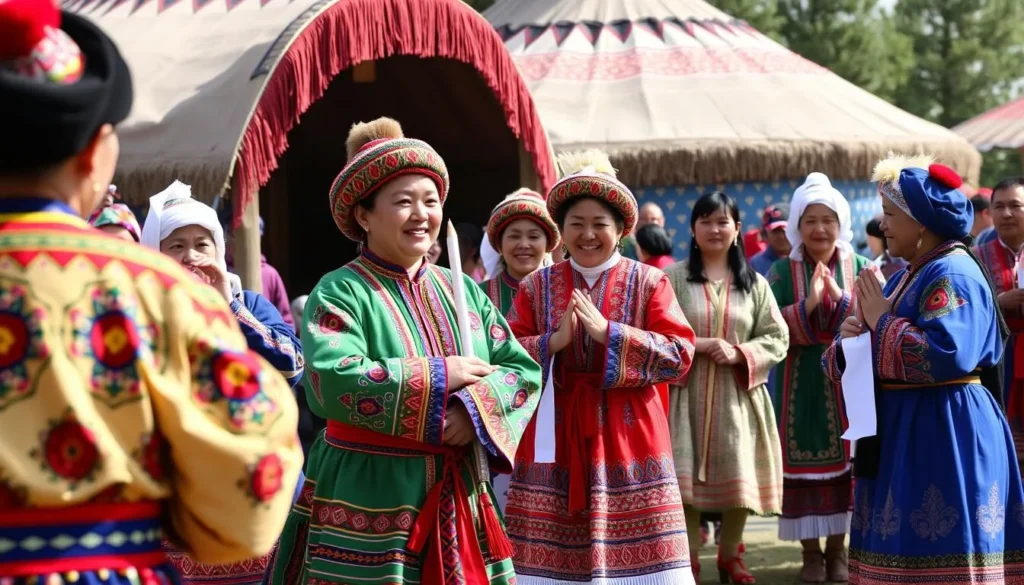
While Zabaykalsky National Park is primarily known for its natural wonders, the surrounding region offers rich cultural experiences that provide insight into the area’s unique heritage, blending Russian, Buryat, and Evenki traditions.
Museums & Cultural Centers:
- Zabaykalsky National Park Visitor Center: Located in Ust-Barguzin, this center offers exhibits on the park’s ecology, wildlife, and conservation efforts. Interactive displays help visitors understand the unique Baikal ecosystem.
- Barguzin History Museum: A small but informative museum in Barguzin village documenting the region’s history, including its period as a place of exile for political prisoners.
- Buryat Cultural Centers: Several villages around the park feature cultural centers showcasing traditional Buryat crafts, music, and lifestyle. These often offer demonstrations of traditional skills and performances.
Cultural Sites:
- Buddhist Datsans: The Buryat region is a center of Russian Buddhism. Several beautiful datsans (Buddhist temples) can be visited in the broader area, with the nearest significant ones in Barguzin and Kurumkan.
- Sacred Sites: Throughout the park and surrounding areas, you’ll find sacred places revered by local Buryat and Evenki peoples. These include special rock formations, springs, and trees marked with colorful prayer flags.
- Traditional Villages: Several villages around the park maintain traditional lifestyles. Visiting these communities offers glimpses into rural Siberian life that has changed little over generations.
Annual Festivals & Events:
Sagaalgan (February)
The Buryat New Year celebration follows the lunar calendar and typically falls in February. Festivities include traditional wrestling, archery, horse racing, and abundant feasting. Villages around the park hold local celebrations.
Surkharban (June/July)
A traditional Buryat summer festival featuring the “three games of men”: wrestling, archery, and horse racing. Cultural performances, traditional music, and food are also central to these colorful celebrations.
Day of Baikal (Second Sunday in September)
This eco-festival celebrates Lake Baikal with clean-up activities, educational events, and cultural performances. Local communities around the park participate with special programs for visitors.
Fisherman’s Day (July)
Celebrating the importance of fishing to local culture, this festival includes fishing competitions, boat races, and masterclasses in traditional fish preparation methods.
Cultural Tip: When visiting sacred sites or religious buildings, dress modestly (covering shoulders and knees) and ask permission before taking photographs. Small offerings of coins or blue silk scarves (khadak) are appreciated at many sacred sites.
Sports, Nature & Outdoor Experiences
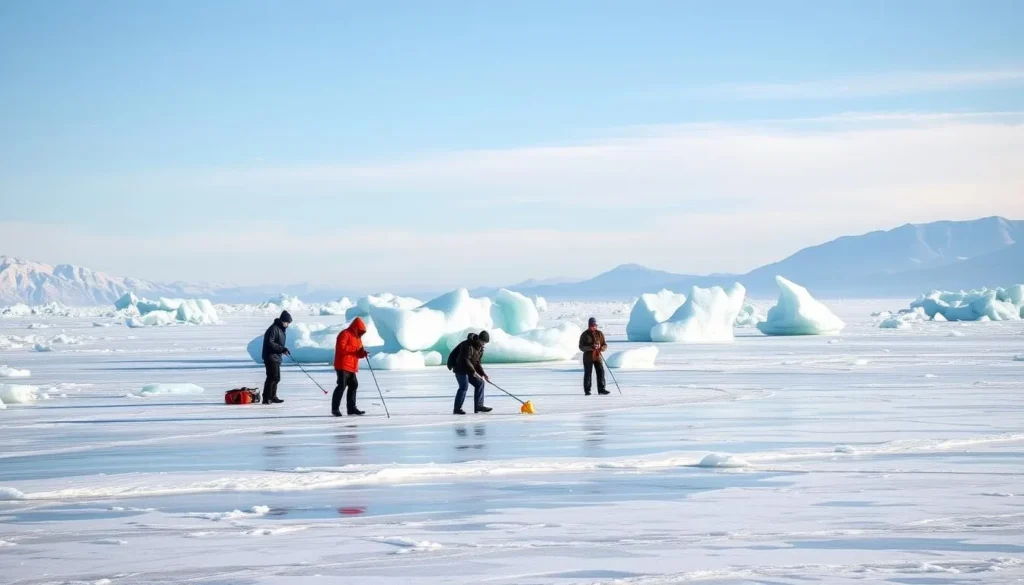
Zabaykalsky National Park offers exceptional outdoor experiences year-round, with each season presenting unique opportunities to connect with the pristine wilderness surrounding Lake Baikal.
Summer Activities (June-August):
Hiking & Trekking
The park features numerous trails ranging from easy day hikes to challenging multi-day treks. The most popular routes include the ascent of Svyatoy Nos Peninsula and coastal trails along Chivyrkuisky Bay. Trail maps are available at the visitor center in Ust-Barguzin.
Swimming & Beaches
While Lake Baikal is famously cold, the shallow waters of Chivyrkuisky Bay warm up enough for swimming in July and August. Several sandy beaches offer perfect spots for sunbathing and picnicking, with Monakhovo Beach being particularly popular.
Kayaking
Exploring the coastline by kayak offers a peaceful way to experience the park’s beauty. Guided kayak tours and rentals are available in Ust-Barguzin and Monakhovo, with options ranging from two-hour excursions to multi-day paddling adventures.
Winter Activities (December-March):
Ice Fishing
A beloved local tradition, ice fishing on Lake Baikal is a unique experience. The ice typically reaches 1-1.5 meters (3-5 feet) thick, creating a solid platform. Local guides can provide equipment and show you traditional techniques for catching omul and other Baikal fish species.
Ice Skating
When conditions are right, usually in February and early March, Lake Baikal offers natural skating rinks of unimaginable size. The transparent ice, sometimes called “Baikal crystal,” creates the surreal experience of skating above the deep waters.
Winter Hiking
Many summer trails transform into winter routes accessible with proper equipment. The frozen lake itself becomes a highway, with marked routes connecting villages and points of interest. Winter hiking offers opportunities to see unique ice formations and experience the profound silence of the frozen landscape.
Year-Round Activities:
Wildlife Watching
The park is home to diverse wildlife, including brown bears, wolves, elk, wild boar, and numerous bird species. The Ushkany Islands are famous for Baikal seal (nerpa) colonies. Guided wildlife tours increase your chances of spotting animals while ensuring safety and minimal disturbance.
Hot Springs
The thermal springs at Zmeinaya Bay offer a relaxing experience in any season. In winter, the contrast between the steaming mineral waters and the frozen surroundings is particularly magical. The springs are believed to have therapeutic properties for various ailments.
Safety Note: Weather conditions can change rapidly around Lake Baikal. Always check forecasts before outdoor activities and inform someone of your plans. In winter, never venture onto the ice without local guidance, as conditions can vary dramatically even within short distances.
Safety, Etiquette & Local Customs
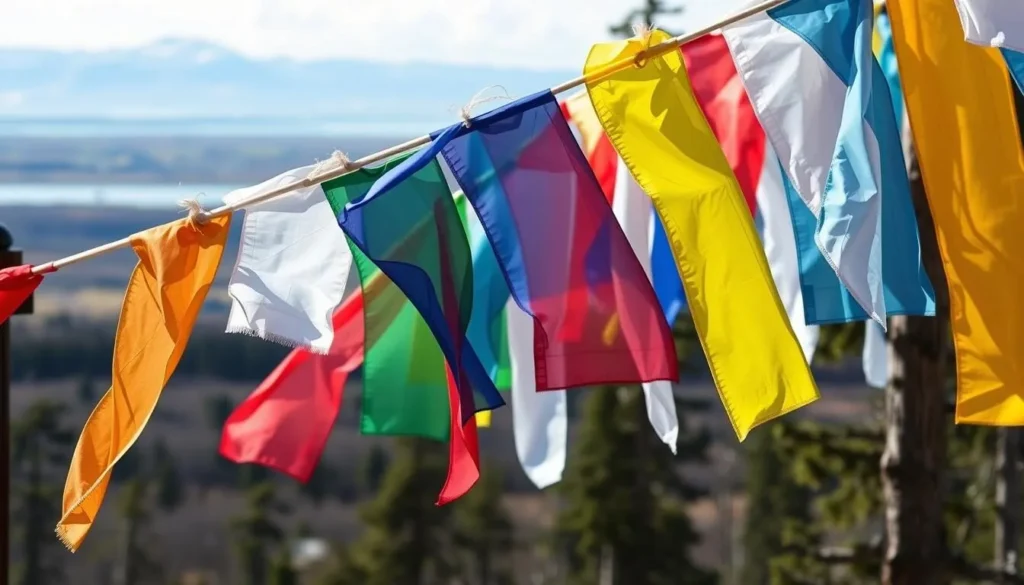
Visiting Zabaykalsky National Park safely and respectfully requires understanding both the natural challenges of this remote wilderness and the cultural traditions of the region. Following these guidelines will help ensure a positive experience for you and minimal impact on the park’s ecosystems and communities.
Safety Considerations:
- Weather Preparedness: Weather around Lake Baikal can change rapidly in any season. Pack layers, rain gear, and sun protection regardless of forecast. Winter visitors need serious cold-weather gear rated for extreme temperatures.
- Wildlife Safety: While encounters are rare, the park is home to brown bears. Make noise while hiking, store food properly, and never approach wildlife. Carrying bear spray is recommended for remote hikes.
- Water Safety: Lake Baikal is extremely cold year-round, with temperatures rarely exceeding 10°C (50°F) even in summer. Swim only in designated areas and be aware of sudden drop-offs.
- Ice Safety: In winter, ice thickness varies across the lake. Never venture onto the ice without local guidance, and be aware of pressure ridges and cracks that can appear suddenly.
- Remote Communication: Cell service is limited or nonexistent in much of the park. Consider renting a satellite phone for longer treks or remote explorations.
Park Regulations:
- Permits: All visitors need an entrance permit, available at the park office in Ust-Barguzin or through tour operators.
- Camping: Camping is allowed only in designated areas. Fires are permitted only in established fire rings when fire danger is low.
- Waste: Pack out all trash. The park has limited waste management facilities.
- Flora and Fauna: It is forbidden to collect plants, disturb wildlife, or remove any natural objects from the park.
- Fishing: Fishing requires a separate permit and must follow strict regulations regarding seasons, methods, and catch limits.
Cultural Etiquette:
Buryat Traditions
The region around the park is home to Buryat people with strong Buddhist and shamanistic traditions. Sacred sites are marked with colorful prayer flags or ribbons tied to trees. Show respect by walking clockwise around these sites and not removing or adding anything without guidance.
Local Interactions
When visiting villages or meeting locals, a few Russian or Buryat phrases are appreciated. Small gifts when visiting homes are customary (tea, sweets, or souvenirs from your country are appropriate). Remove shoes when entering private homes.
Cultural Tip: Many natural features in the park hold spiritual significance for local people. If you see offerings or prayer flags at a location, be respectful and quiet. Ask permission before photographing people, religious ceremonies, or sacred sites.
Visitor Comments About Zabaykalsky National Park
“The crystal-clear waters of Lake Baikal against the backdrop of the Svyatoy Nos mountains created the most breathtaking landscape I’ve ever photographed. Hiking to the peninsula’s summit was challenging but rewarded us with panoramic views that seemed to stretch forever. The local guides shared fascinating stories about Buryat legends associated with different landmarks, adding a cultural dimension to the natural beauty.”
“Winter in Zabaykalsky was a completely unique experience. Walking on the frozen lake with its incredible transparent ice and bizarre methane bubbles felt like being on another planet. We tried ice fishing with a local guide who showed us traditional techniques and then cooked our catch over a fire on the ice. The silence and vastness of the frozen landscape were profound. Just be prepared for serious cold—proper gear is absolutely essential!”
“We spent five days exploring the park’s coastline by kayak, camping on remote beaches each night. The water clarity was astonishing—you could see 20+ meters down in some places. The highlight was visiting the hot springs at Zmeinaya Bay, where we soaked in warm mineral waters while watching the sunset over Lake Baikal. The park feels wonderfully undeveloped compared to more famous destinations, though this means you need to be self-sufficient and plan carefully.”
Practical Travel Tips
Essential Planning:
- Visa Requirements: Most visitors to Russia need a visa. Apply well in advance and ensure your passport is valid for at least six months beyond your planned departure date.
- Language: Russian is the primary language, with Buryat also spoken in many communities. English is limited outside major tourist areas. Learning basic Russian phrases or downloading a translation app is highly recommended.
- Currency: The Russian ruble is the local currency. ATMs are available in Ulan-Ude and some larger villages, but carry some cash for smaller communities. Credit cards are accepted at larger tourist facilities but not universally.
- Electricity: Russia uses Type C and F sockets (230V/50Hz). Bring appropriate adapters if needed.
Packing Essentials:
Summer
Lightweight clothing with layers for cool evenings, rain jacket, sun protection (hat, sunglasses, sunscreen), insect repellent, sturdy hiking boots, water bottle, first aid kit, flashlight or headlamp.
Winter
Serious cold-weather gear including thermal base layers, insulated mid-layers, windproof/waterproof outer layers, insulated boots rated for extreme cold, warm hat, insulated gloves, face protection, ice grippers for boots, hand/foot warmers.
Health & Medical:
- Travel Insurance: Comprehensive travel insurance with evacuation coverage is essential due to the remote nature of the park.
- Medications: Bring all necessary prescription medications, as pharmacies are limited. A basic first aid kit is recommended for all visitors.
- Drinking Water: While Lake Baikal has famously pure water, it’s still advisable to treat any water taken directly from the lake. Bottled water is readily available in villages.
- Medical Facilities: Basic medical services are available in Ust-Barguzin, but serious issues require evacuation to Ulan-Ude or Irkutsk.
Communication:
Cell phone coverage is limited within the park, with service primarily available near larger villages. Consider purchasing a local SIM card in Ulan-Ude for better coverage. For remote areas, satellite phones can be rented in larger cities. Many accommodations offer Wi-Fi, though connections may be slow and unreliable.
Planning Tip: Consider working with a local tour operator for at least part of your visit. Their knowledge of current conditions, transportation logistics, and access to less-visited areas can significantly enhance your experience, especially for first-time visitors to the region.
The Pristine Wilderness of Siberia’s Sacred Sea
Zabaykalsky National Park represents one of the last great wilderness frontiers, where the ancient waters of Lake Baikal meet pristine taiga forests and rugged mountains. This remarkable destination offers travelers the rare opportunity to experience nature in its most unspoiled form—a place where crystal-clear waters stretch to the horizon, endemic species thrive in unique ecosystems, and local cultures maintain deep connections to the land. Whether you’re hiking along forested coastal trails in summer, witnessing the magical ice formations of winter, or soaking in mineral-rich hot springs while gazing across the sacred sea, Zabaykalsky creates memories that resonate long after your journey ends. The effort required to reach this remote paradise is richly rewarded with experiences available nowhere else on Earth—a true adventure for those seeking to connect with our planet’s most extraordinary natural wonders.
Related Posts
Saint Petersburg, Russia: Best Things to Do – Top Picks
Zabaykalsky Krai, Russia: Best Things to Do – Top Picks
Yamalo-Nenets Autonomous Okrug, Russia: Best Things to Do – Top Picks
Tver Oblast, Russia: Best Things to Do – Top Picks
Yaroslavl Oblast, Russia: Best Things to Do – Top Picks
Volgograd Oblast, Russia: Best Things to Do – Top Picks
Coming Soon: Clickable Maps