Hotels by Trip.com
Flights by Trip.com
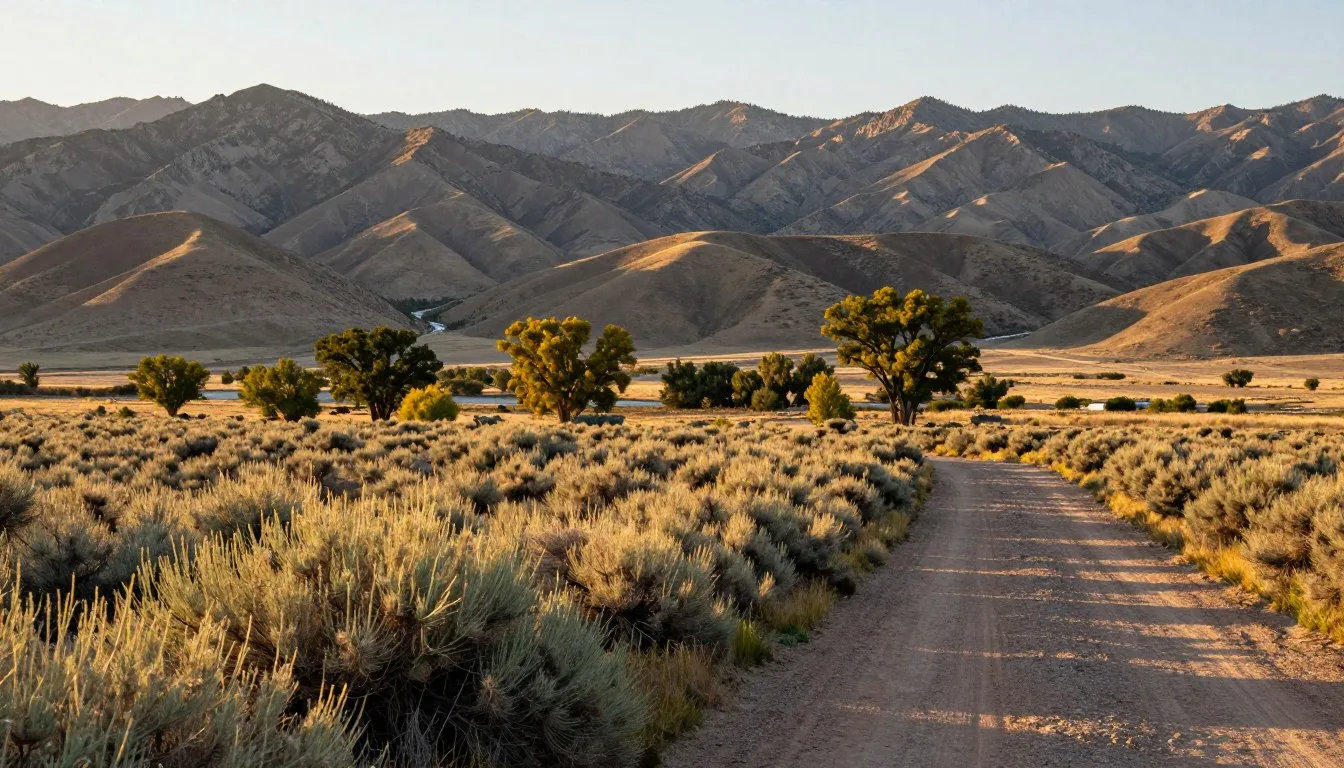
Did you know that Desert National Wildlife Refuge is twice the size of Rhode Island, spanning an incredible 1.6 million acres? As the largest wildlife refuge in the contiguous United States, this vast desert sanctuary just north of Las Vegas protects seven distinct life zones and is home to Nevada’s state mammal, the desert bighorn sheep. With over 500 plant species and hundreds of animal species, this remarkable refuge offers visitors a chance to experience the raw beauty of both the Mojave and Great Basin deserts in one spectacular location.
Getting There & Planning Your Journey
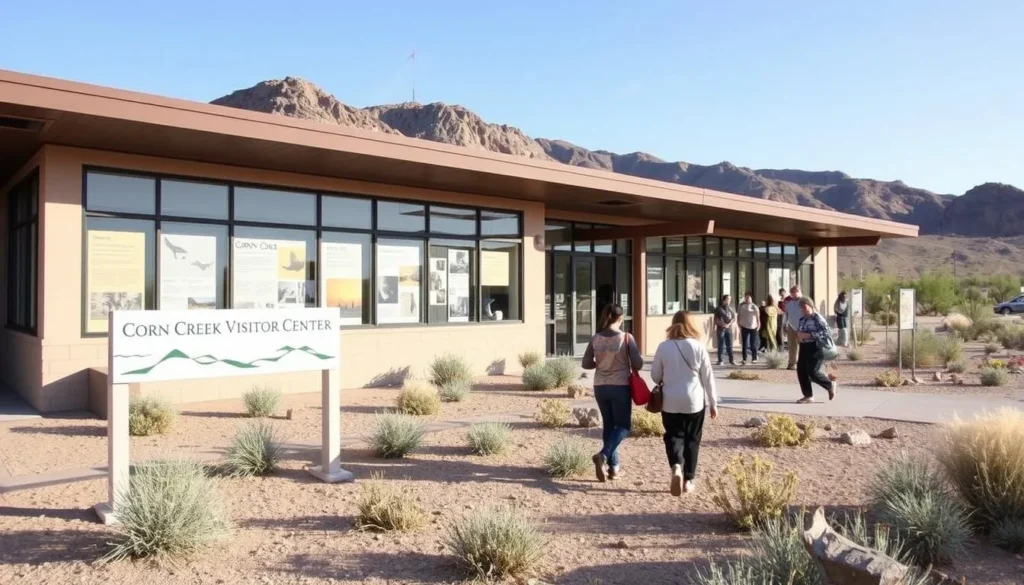
Desert National Wildlife Refuge is conveniently located just 30-45 minutes north of Las Vegas, making it an accessible day trip for visitors to the area. The main entrance and visitor center at Corn Creek can be reached by taking US-95 north from Las Vegas and following signs to the refuge.
Closest Airports:
- Harry Reid International Airport (Las Vegas) – 50 km (31 miles)
- North Las Vegas Airport – 35 km (22 miles)
- Henderson Executive Airport – 65 km (40 miles)
Most visitors rent a vehicle in Las Vegas and drive to the refuge. The journey offers beautiful views of the Nevada desert landscape, with the dramatic Spring Mountains to the west and the Las Vegas Range to the east. Remember that while the main road to Corn Creek Visitor Center is paved, many interior roads require high-clearance or 4×4 vehicles.

Best Time to Visit & Weather Tips
The desert climate of Desert National Wildlife Refuge means extreme temperature variations throughout the year. Planning your visit during the right season can make all the difference in your experience.
Recommended Seasons:
Spring (March-May)
Temperatures range from 18-29°C (65-85°F) with potential wildflower blooms after winter rains. Wildlife is more active, making this an ideal time for hiking and wildlife viewing.
Fall (September-November)
Similar to spring, with temperatures gradually cooling from 32°C to 18°C (90°F to 65°F). The landscape takes on golden hues, and the weather is perfect for exploring the refuge’s diverse habitats.
Winter (December-February)
Daytime temperatures average 10-16°C (50-60°F), dropping near freezing at night. Clear skies make for spectacular stargazing, though some mornings may be quite chilly.
Seasons to Avoid:
Summer (June-August) brings extreme heat with temperatures regularly exceeding 38°C (100°F), sometimes reaching 46°C (115°F). If you must visit during summer, plan activities for early morning hours and bring plenty of water.

Getting Around Locally
Desert National Wildlife Refuge requires personal transportation to explore effectively. The area is spread out with significant distances between attractions.
Transportation Options:
- Personal Vehicle: Essential for exploring the area. High-clearance vehicles are recommended for off-road areas, though the main road to Corn Creek is accessible with standard cars.
- 4×4 Vehicles: Necessary for exploring Mormon Well Road, Gass Peak Road, and Alamo Road, which offer some of the most spectacular views in the refuge.
Important: There is no public transportation serving the Desert National Wildlife Refuge. Ensure your vehicle has a full tank of gas before heading out, as there are no service stations within the refuge.
Check 30,000+ Local Sightseeing Tours Worldwide
✓ Numerous languages and currencies are available

Where to Stay
While Desert National Wildlife Refuge itself has limited accommodation options, there are several choices in nearby communities that make for convenient bases to explore the area.
Nearby Accommodations:
Desert Pass Campground
Located within the refuge, this primitive campground offers six established sites surrounded by ponderosa pines. At a higher elevation, it provides cooler temperatures during summer months. No reservations required; first-come, first-served basis.
Las Vegas
Just 30-45 minutes away, Las Vegas offers countless accommodation options at various price points, from luxury resorts to budget-friendly hotels.
Moapa Valley
About 30 minutes away, this area offers small motels and bed & breakfasts for a more local experience.
Camping Options
Beyond Desert Pass Campground, nearby Valley of Fire State Park (35 minutes away) offers developed campgrounds, while dispersed camping is permitted on adjacent Bureau of Land Management (BLM) land with proper permits.

Dining & Local Cuisine
Dining options within Desert National Wildlife Refuge itself are non-existent, so planning meals ahead is essential. There are no restaurants or food services at the Corn Creek Visitor Center or within the refuge boundaries.
Nearby Dining Options:
- North Las Vegas (30-45 minutes): Numerous restaurants offering everything from fast food to fine dining.
- Moapa Valley (30 minutes): Several family-owned restaurants serving American classics and some Southwestern specialties.
Visitor Tip: Pack plenty of water and food for your day trips to Desert National Wildlife Refuge. A small cooler with sandwiches, fruit, and snacks is ideal for a desert picnic with spectacular views.

Attractions, Sightseeing & Activities
Despite its remote location, Desert National Wildlife Refuge offers several unique attractions that make it worth the journey from Las Vegas or other nearby destinations.
Top Attractions:
Corn Creek Visitor Center
The heart of the refuge featuring interpretive exhibits, a gift shop with a bookstore, and information about the area’s flora and fauna. Five trails radiate from the visitor center, three of which are ADA accessible.
Railroad Tie Cabin
A historic cabin dating back to the 1920s, built with railroad ties from the abandoned Las Vegas and Tonopah Railroad. Accessible via a trail from the Corn Creek Visitor Center.
Hayford Peak
The highest point in the refuge at 9,912 feet (3,021 m) elevation. The 2.5-mile hike offers spectacular panoramic views of the surrounding desert landscape.
Popular Activities:
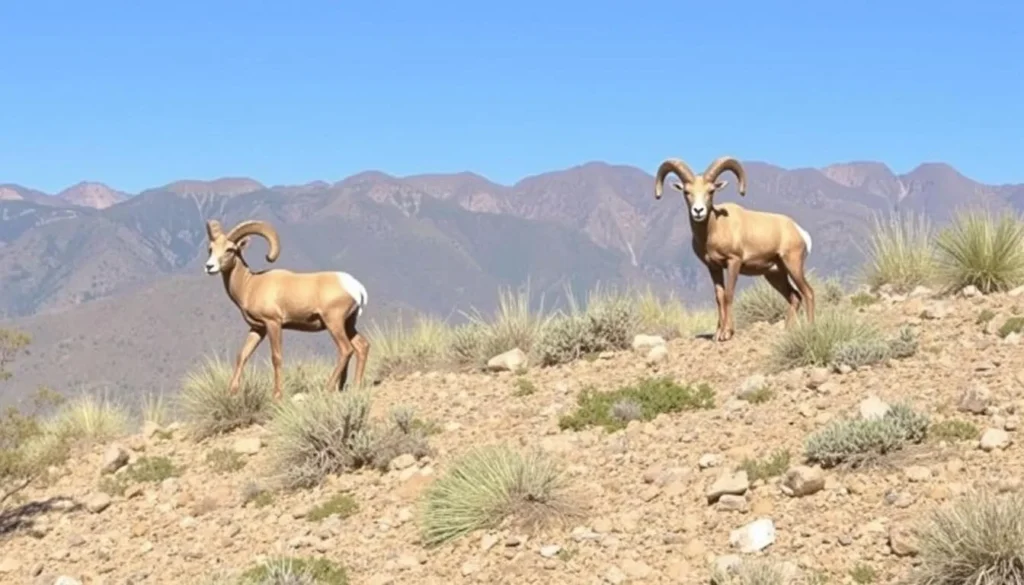
- Wildlife Viewing: The refuge is home to desert bighorn sheep, pronghorn, coyotes, and numerous bird species.
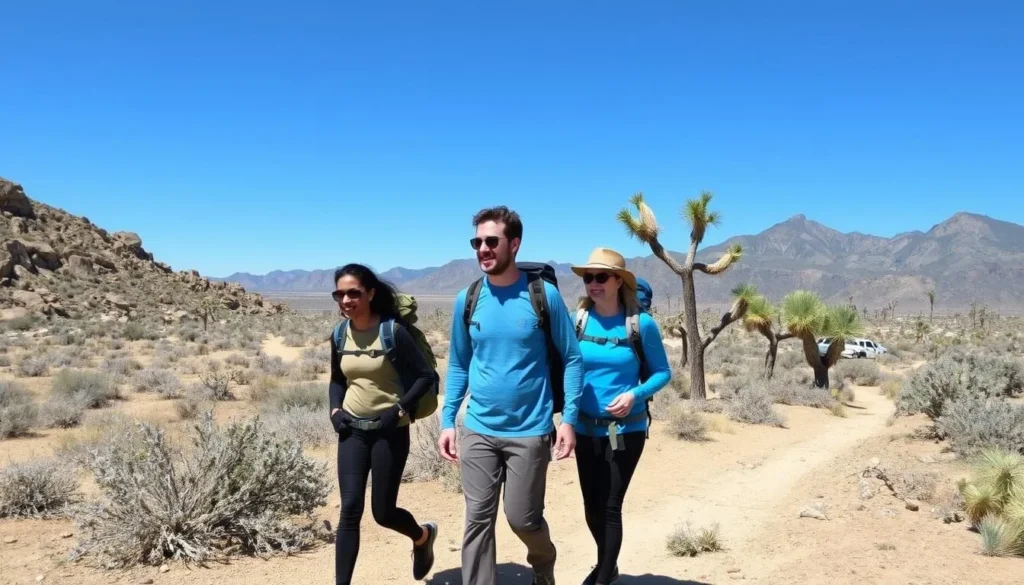
- Hiking: Several trails of varying difficulty levels, from easy walks around Corn Creek to challenging hikes to Hayford Peak.
- Photography: Stunning desert landscapes, unique flora, and diverse wildlife provide endless photography opportunities.
- Scenic Drives: Mormon Well Road, Gass Peak Road, and Alamo Road offer breathtaking views of the Nevada desert.
Museums, Cultural Spots & Festivals
While Desert National Wildlife Refuge itself has limited cultural attractions, the surrounding region offers several opportunities to explore the rich history and culture of southern Nevada.
Cultural Attractions Within the Refuge:
- Nuwuvi (Southern Paiute) Heritage: The refuge was home to the Nuwuvi people for thousands of years. Interpretive displays at the Corn Creek Visitor Center highlight their history and connection to the land.
- Historic Ranching Sites: Several historic ranch homesteads can be found throughout the refuge, offering glimpses into Nevada’s ranching past.
Nearby Cultural Attractions:
- Lost City Museum (Overton, 35 minutes): Showcases artifacts from ancient Puebloan cultures that once inhabited the region.
- Old Las Vegas Mormon Fort (Las Vegas, 45 minutes): The first permanent non-native settlement in the Las Vegas Valley, dating back to 1855.

Nature & Outdoor Experiences
The true appeal of Desert National Wildlife Refuge lies in its natural beauty and outdoor recreation opportunities. The stark desert landscape offers a surprising variety of activities for nature enthusiasts.
Hiking Trails:
Corn Creek Trails
Five trails of varying lengths radiate from the visitor center, offering easy walks through desert wetlands and surrounding desert habitat. Three trails are ADA accessible.
Hidden Forest Trail
A 16-km (10-mile) round-trip hike leading to another historic cabin nestled in a surprising forest of ponderosa pines at higher elevation.
Hayford Peak Trail
A challenging 4-km (2.5-mile) hike to the highest point in the refuge at 3,021 m (9,912 feet), offering panoramic views of the entire region.
Desert Pass Loop
A moderate 5-km (3-mile) loop near the Desert Pass Campground, winding through pinyon-juniper woodland with beautiful mountain views.
Wildlife Viewing:
The refuge is home to an impressive diversity of wildlife, including:
- Desert bighorn sheep (Nevada’s state mammal)
- 320 bird species, particularly abundant at Corn Creek’s wetlands
- 53 mammal species including pronghorn, coyotes, and kit foxes
- 35 reptile species including desert tortoises and various lizards
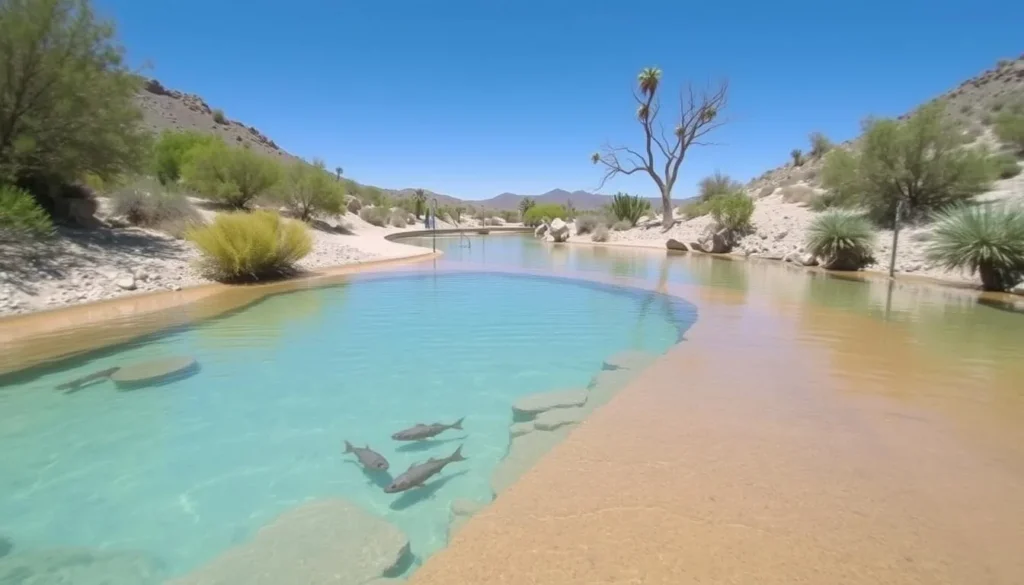
- Rare Pahrump poolfish at Corn Creek’s Caribbean-esque pools
Best Wildlife Viewing Times: Early morning and late afternoon offer the best opportunities to spot wildlife, especially during spring and fall when temperatures are moderate and animals are more active.
Safety, Etiquette & Local Customs
Visiting desert environments requires special preparation and awareness. Follow these guidelines to ensure a safe and respectful visit to Desert National Wildlife Refuge.
Desert Safety Tips:
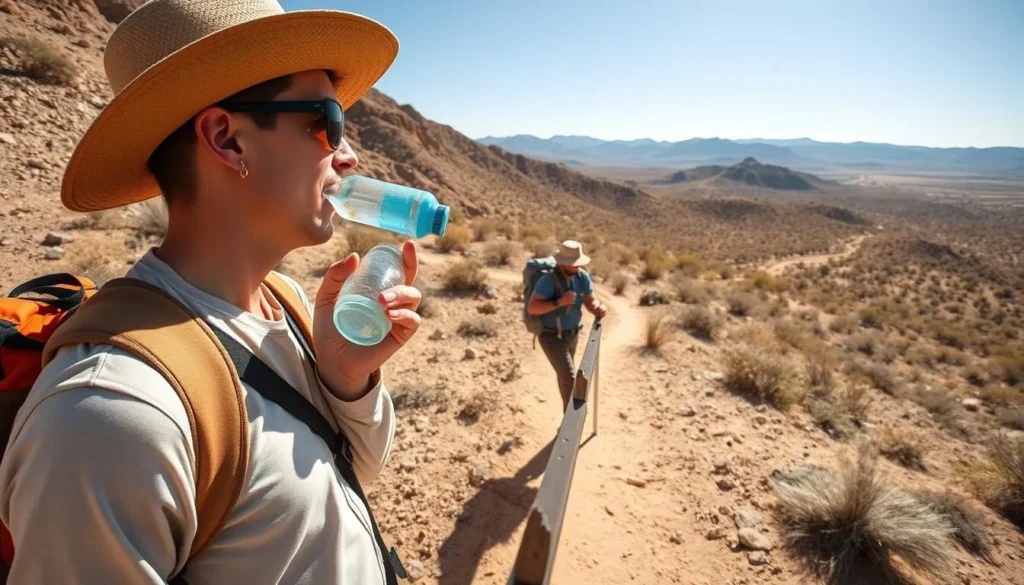
- Water: Bring at least 4 liters (1 gallon) of water per person per day, even in cooler months.
- Sun Protection: Wear a wide-brimmed hat, sunglasses, and apply sunscreen regularly. Long-sleeved, light-colored clothing provides the best protection.
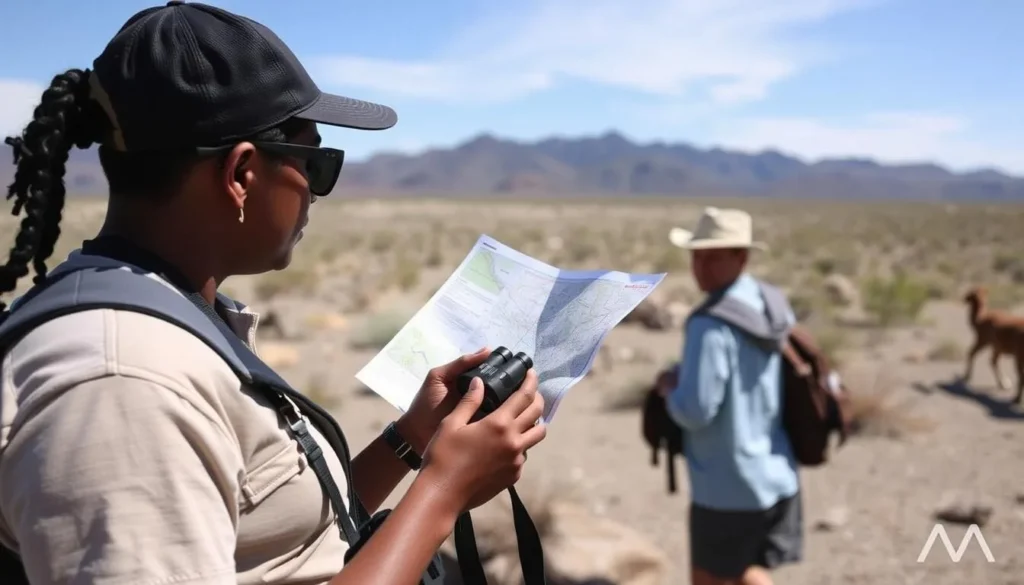
- Navigation: Cell service is limited or non-existent in many areas. Bring physical maps and consider a GPS device.
- Wildlife: Respect all wildlife from a distance. Watch for rattlesnakes, especially in warmer months.
- Vehicle Preparation: Ensure your vehicle is in good condition with a full tank of gas. Consider bringing basic emergency supplies.
Environmental Etiquette:
The desert ecosystem is fragile and slow to recover from damage. Practice these principles:
- Stay on established roads and trails to minimize impact on desert soils and plants.
- Pack out all trash and consider picking up any litter you find.
- Respect private property – much of the land surrounding public areas is privately owned.
- No collecting of rocks, plants, or artifacts – leave everything as you found it.
- Minimize noise to preserve the peaceful desert atmosphere and avoid disturbing wildlife.
Visitor Comments About Desert National Wildlife Refuge
“We discovered Desert National Wildlife Refuge while looking for alternatives to the crowded national parks. The Corn Creek area was a surprising oasis in the desert, with its pools and abundant birdlife. We spotted desert bighorn sheep on the hillsides near Mormon Well Road! Bring plenty of water and start early to avoid the heat.”
“As an avid photographer, Desert National Wildlife Refuge offered incredible opportunities. The light at sunrise and sunset creates magical colors on the mountains. The visitor center staff provided excellent tips on where to find wildlife. I spent three days exploring and barely scratched the surface of this vast wilderness.”
“We visited Desert National Wildlife Refuge as a day trip from Las Vegas and were amazed by the contrast. Just 45 minutes from the Strip, we found ourselves in pristine desert wilderness. The trails around Corn Creek were perfect for our family, and the kids loved spotting lizards and birds. A hidden gem that deserves more recognition!”
Additional Nearby Destinations
Desert National Wildlife Refuge makes an excellent base or stopping point for exploring other remarkable destinations in the region.
Valley of Fire State Park
Located about 35 minutes east, Nevada’s oldest and largest state park features spectacular red sandstone formations, ancient petroglyphs, and hiking trails. The vibrant red rock landscapes provide a stunning contrast to the Desert National Wildlife Refuge.
Lake Mead National Recreation Area
About 50 minutes southeast, this massive reservoir offers boating, fishing, swimming, and hiking opportunities. The bright blue waters against the desert backdrop create a stunning visual contrast to the refuge’s landscapes.
Pahranagat National Wildlife Refuge
Located about 30 minutes north, this 5,382-hectare (13,300-acre) wetland oasis in the desert provides habitat for migratory birds and offers hiking, photography, and bird watching opportunities in a completely different ecosystem.

Practical Travel Tips
Essential Packing List:
- Reusable water bottles and water containers (at least 4 liters/1 gallon per person per day)
- Sun protection (hat, sunglasses, sunscreen, lip balm)
- Lightweight, light-colored clothing with long sleeves
- Sturdy hiking boots or walking shoes
- Basic first aid kit including blister treatment
- Snacks and emergency food supplies
- Paper maps or offline digital maps
- Binoculars for wildlife viewing
- Camera with extra batteries
Practical Information:
- Visitor Center Hours: Thursday through Monday, 8:00 AM to 4:00 PM (closed Tuesdays and Wednesdays)
- Admission: Free
- Cell Service: Very limited throughout the refuge. Download maps and information before arriving.
- Fuel: No gas stations in the refuge. Fill up in Las Vegas or Moapa.
- Emergency Services: Limited in the immediate area. The nearest hospital is in North Las Vegas.
- Accessibility: The Corn Creek Visitor Center and three nearby trails are ADA accessible.
- Pets: Allowed but must be leashed at all times.
Embrace the Desert’s Quiet Majesty
Desert National Wildlife Refuge offers a rare glimpse into Nevada’s natural beauty away from the neon lights and crowds. Whether you’re hiking through hidden canyons, photographing desert bighorn sheep, or simply soaking in the vast desert silence under a star-filled sky, this destination rewards those willing to venture off the beaten path. As the largest wildlife refuge in the contiguous United States, it protects an incredible diversity of plants and animals that have adapted to thrive in this challenging environment. Make time to experience this desert sanctuary – a place where the modern world fades away and the timeless rhythm of the desert takes center stage.
Related Posts
Ruby Lake National Wildlife Refuge, Nevada: Best Things to Do – Top Picks

Ruby Lake, Nevada: Best Things to Do – Top Picks
Rubi Desert Great Basin, Nevada: Best Things to Do – Top Picks
Round Mountain Recreation Area, Nevada: Best Things to Do – Top Picks
Robinson Mountains, Nevada: Best Things to Do – Top Picks