Hotels by Trip.com
Flights by Trip.com
Did you know that Ruby Lake National Wildlife Refuge hosts over 220 bird species throughout the year, making it one of the most biodiverse wetland ecosystems in the Great Basin? This 15,498-hectare (38,287-acre) sanctuary in remote Ruby Valley represents a stunning oasis where marshlands meet sagebrush-covered mountains.
Tucked away in northeastern Nevada, this refuge offers visitors an authentic wilderness experience far from crowded tourist destinations. The area provides exceptional opportunities for waterfowl observation, world-class fishing, and regulated hunting seasons.
Whether you’re a serious birder tracking canvasback ducks, an angler seeking trophy trout, or a family looking for a peaceful nature retreat, Ruby Lake delivers experiences you won’t find in more commercialized wildlife areas. The refuge’s isolation becomes its greatest asset, offering solitude and unspoiled natural beauty.
Getting There & Planning Your Journey
Ruby Lake National Wildlife Refuge sits in remote northeastern Nevada, approximately 97 km (60 miles) southeast of Elko. The refuge’s isolation means careful planning enhances your visit significantly.
The closest commercial airport is Elko Regional Airport, located about 113 km (70 miles) northwest of the refuge. This small facility offers daily flights connecting through Salt Lake City. Salt Lake City International Airport, approximately 402 km (250 miles) northeast, provides more flight options and serves as the primary gateway for most visitors.
From Elko, travelers take State Route 229 south through Jiggs and continue to Ruby Valley. The final stretch includes gravel roads that require attention, especially after storms. Standard vehicles handle the route in good weather, but high-clearance vehicles provide more confidence on rougher sections.
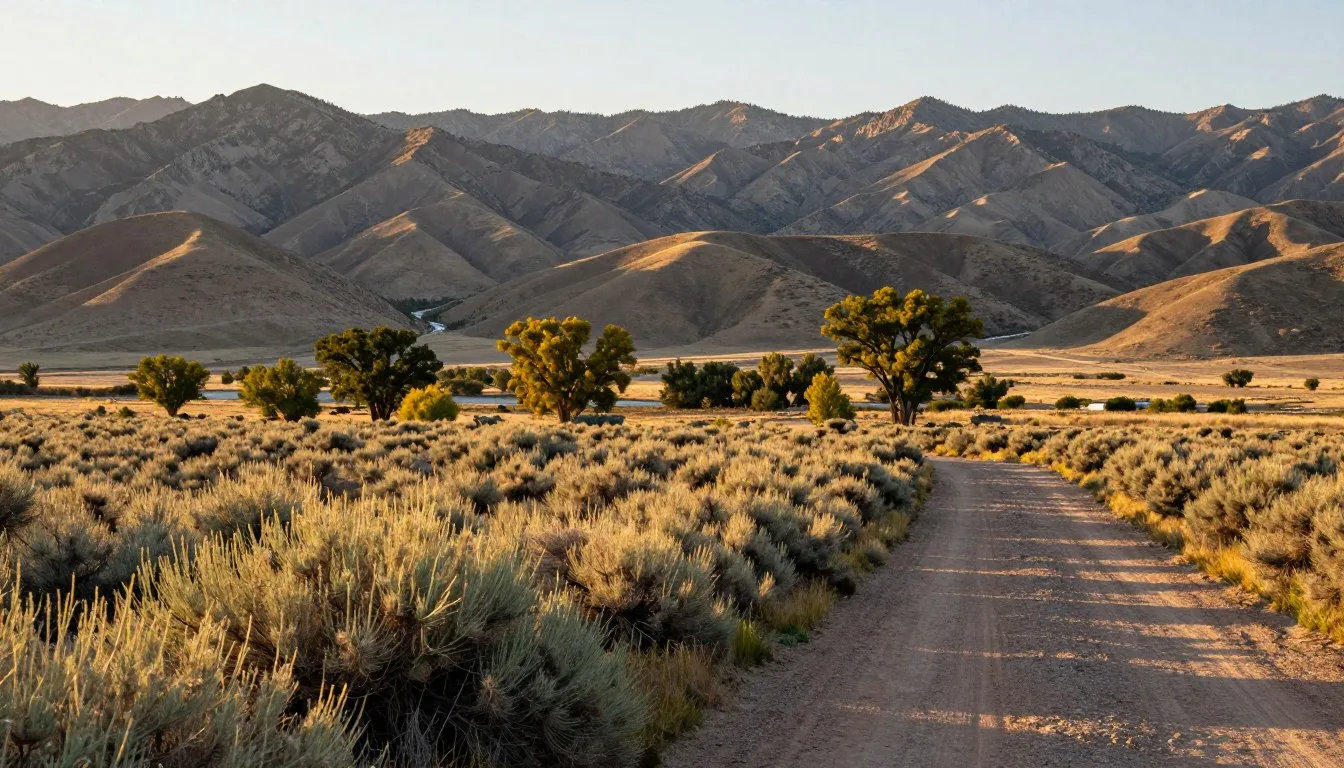
Refuge headquarters sits along the eastern shore, accessible via Harrison Pass Road from the Ruby Valley area. This scenic drive crosses sagebrush flats before reaching the wetlands. Cell phone service disappears in most of the refuge, so download maps and directions beforehand.
For planning assistance, contact the refuge office at 775-779-2237. Staff provide current road conditions, seasonal access information, and activity updates.
Best Time to Visit & Weather Tips
Ruby Lake National Wildlife Refuge experiences dramatic seasonal variations that significantly impact visitor experiences. Understanding these patterns helps you maximize your time at this remarkable destination.
Recommended Visiting Seasons
Spring migration season from mid-March through May brings extraordinary bird activity. Waterfowl numbers peak as thousands of ducks, geese, and swans use the refuge during northward journeys. Temperatures range from 7°C to 18°C (45°F to 65°F), creating comfortable conditions for wildlife observation.
Summer months from June through August offer the warmest weather, with daytime temperatures reaching 27°C to 32°C (80°F to 90°F). This period provides excellent fishing opportunities and accessible road conditions. Mosquitoes become active near water, so insect protection proves essential.
Fall migration from September through November creates another spectacular wildlife viewing window. Cooler temperatures between 10°C and 21°C (50°F and 70°F) accompany the southward waterfowl movement. Hunting season opens for designated species during this time.
Seasons to Avoid
Winter months from December through February bring harsh conditions to Ruby Valley. Temperatures frequently drop below -12°C (10°F), and heavy snow makes many roads impassable. The refuge office closes during winter, and visitor services become unavailable.
Late March occasionally presents challenging conditions as snowmelt creates muddy roads. Harrison Pass Road may remain closed until ground conditions improve.
Notable Annual Festivals
The refuge does not host formal festivals, but nearby Elko celebrates the National Cowboy Poetry Gathering each January. This renowned event showcases Western heritage through poetry, music, and storytelling. Contact organizers at 775-738-7508 for specific dates and programs.
Ruby Valley residents gather for informal community events during summer months. These small gatherings celebrate rural Nevada culture and provide opportunities to meet locals.
Getting Around Locally
Navigation within Ruby Lake National Wildlife Refuge requires different approaches than typical tourist destinations. The refuge covers extensive territory with limited infrastructure, making personal vehicles essential for access.
Most visitors explore via private vehicle along the refuge’s main gravel roads. The primary route follows the eastern shoreline, providing access to observation points and boat launches. This road remains suitable for standard passenger vehicles during dry conditions.
No public transportation serves the refuge or surrounding Ruby Valley area. Car rentals from Elko provide the most practical option for visitors flying into the region. Reserve vehicles in advance, as Elko’s rental fleet remains limited.
Boat access opens additional exploration opportunities. Canoes and kayaks work exceptionally well in the shallow marshes, allowing quiet approaches to wildlife areas. Small motorboats handle the deeper channels, though a 10-horsepower limit applies to protect the habitat.
Walking and hiking offer intimate refuge experiences. Several informal trails lead through sagebrush areas and along water edges. No marked hiking paths exist, so visitors create their own routes while respecting closed areas and nesting zones.
The refuge’s remote setting means the nearest fuel, food, and services lie in Ruby Valley, approximately 19 km (12 miles) north. Plan accordingly with full fuel tanks and adequate supplies before arriving.
Where to Stay
Accommodation options near Ruby Lake National Wildlife Refuge reflect the area’s remote character. Visitors choose between rustic on-site camping and lodging in distant communities.
Camping at the Refuge
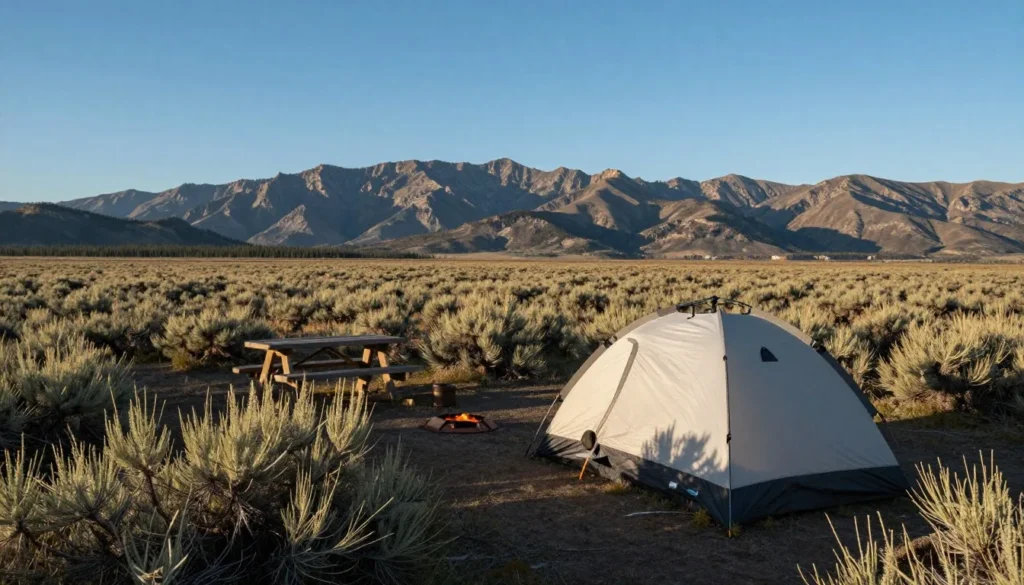
The refuge maintains a primitive campground near headquarters that operates seasonally from spring through fall. Sites provide basic amenities including vault toilets and fire rings, but no water, electricity, or shower facilities. This no-fee campground operates on a first-come basis.
Dispersed camping is permitted in designated areas. Visitors must follow Leave No Trace principles and camp only in approved zones. The refuge office provides current camping area maps and regulations.
Nearby Lodging Options
Elko, located 97 km (60 miles) northwest, offers the nearest hotel accommodations. This small city provides standard chain hotels, independent motels, and a few bed-and-breakfast establishments. Prices range from moderate to budget-friendly, with better availability on weekdays.
Several working ranches in Ruby Valley offer guest accommodations during certain seasons. These properties provide authentic ranch experiences with comfortable lodging and home-cooked meals. Advance reservations are essential for ranch stays.
RV travelers find limited hookup options in the immediate area. Full-service RV parks exist in Elko, while dry camping opportunities appear throughout public lands surrounding the refuge with proper permits.
Dining & Local Cuisine
Dining options near Ruby Lake National Wildlife Refuge remain limited, reflecting the refuge’s isolated location in rural Nevada. Visitors should prepare for self-sufficient meal planning during their stay.
The refuge itself contains no restaurants, cafes, or food services. All meals require advance preparation or travel to distant communities. Most visitors bring coolers stocked with groceries from Elko or other towns along their route.
Elko provides the nearest restaurant selection, featuring steakhouses specializing in Nevada beef, Basque family-style dining halls serving traditional multi-course meals, and standard American fare. The city’s Basque heritage creates unique culinary opportunities not found elsewhere in the region.
Small stores in Ruby Valley occasionally stock basic supplies, but selection varies significantly. Don’t rely on local stores for complete provisioning. Comprehensive grocery shopping in Elko before arriving at the refuge proves most practical.
Campfire cooking becomes a highlight for many refuge visitors. Bring portable grills or camp stoves, along with complete meal supplies. Fresh-caught fish from the lake makes memorable dinners when properly cleaned and prepared.
Water at the refuge comes from natural sources and requires treatment before drinking. Bring adequate bottled water or filtration systems for all cooking and drinking needs.
Attractions, Sightseeing & Activities
Ruby Lake National Wildlife Refuge centers around wildlife observation and outdoor recreation rather than built attractions. The refuge’s natural features create the primary draws for visitors seeking authentic wilderness experiences.
Wildlife Viewing Opportunities
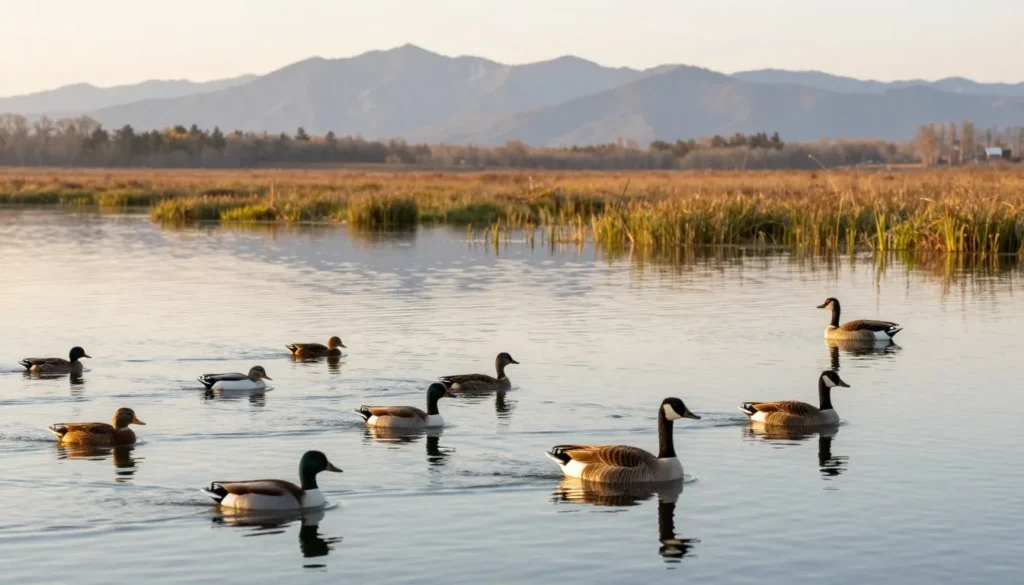
Bird watching represents the refuge’s premier activity. Over 220 species utilize the area throughout the year, with peak diversity during spring and fall migrations. Canvasback ducks, redhead ducks, tundra swans, and numerous other waterfowl congregate in impressive numbers.
The refuge supports one of the largest nesting populations of canvasback ducks in North America. These elegant diving ducks raise their young in the protected marshes each summer. Observation from designated areas allows close views without disturbing nesting activities.
Raptors including golden eagles, prairie falcons, and various hawk species hunt across the refuge. Patient observers spot these magnificent birds perched on fence posts or soaring above sagebrush flats.
Fishing Experiences
Ruby Lake produces excellent fishing for rainbow trout, brook trout, and other species. The Nevada Department of Wildlife stocks the lake regularly, maintaining healthy fish populations. Anglers catch trout ranging from 0.3 kg to 1.4 kg (0.7 to 3 pounds), with occasional trophy specimens exceeding 2.3 kg (5 pounds).
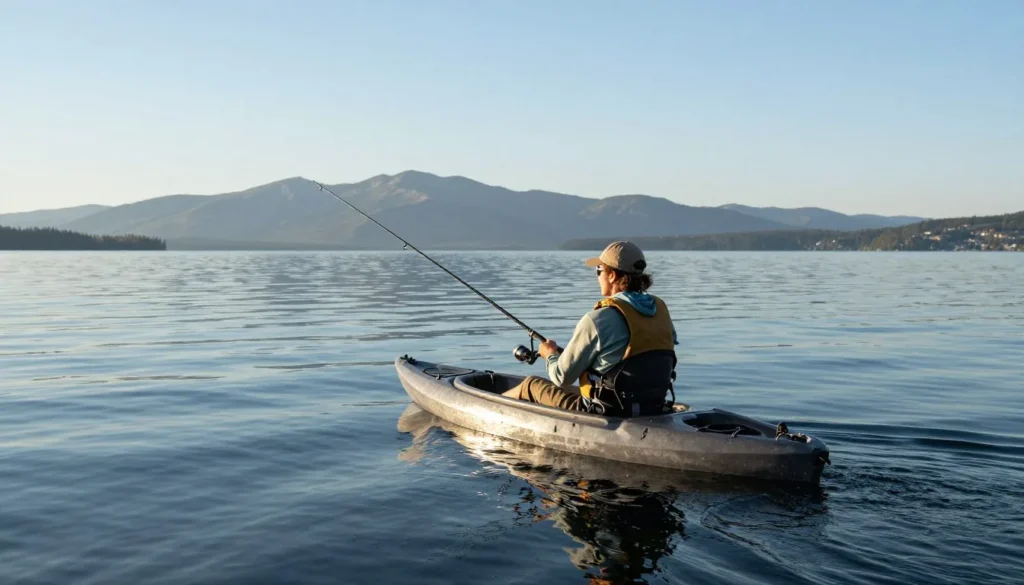
Float tubes, kayaks, and small boats provide the best fishing access. Shore fishing works in limited areas, but watercraft significantly expand your reach. The refuge’s shallow marshes create ideal fly-fishing conditions for those with appropriate equipment.
Nevada fishing licenses apply throughout the refuge. Purchase licenses before arrival through the Nevada Department of Wildlife website or from vendors in Elko. Special regulations may affect certain areas or seasons.
Hunting Programs
Regulated hunting occurs during designated seasons for waterfowl and other species. The refuge follows federal and state hunting regulations, with specific rules governing refuge hunts. Hunters must obtain appropriate permits and understand all applicable restrictions.
Waterfowl hunting attracts sportsmen from across the western United States. The abundant duck and goose populations provide quality hunting experiences in a spectacular natural setting. Hunting areas rotate to protect sensitive habitats and ensure sustainable harvests.
Contact the refuge office for current hunting regulations, season dates, and permit information. A hunting brochure detailing all refuge-specific rules is available from the U.S. Fish and Wildlife Service.
Museums, Cultural Spots & Festivals
The Ruby Lake area offers limited formal cultural attractions, but opportunities exist to explore northeastern Nevada’s ranching heritage and Native American history.
No museums operate within the refuge itself. The refuge office displays educational exhibits about local ecosystems, wildlife species, and conservation efforts when staff is present during operating seasons. These modest displays provide valuable context for understanding the refuge’s ecological importance.
Elko’s museums offer deeper cultural experiences within driving distance. The Northeastern Nevada Museum showcases regional history, including Native American artifacts, pioneer settlement stories, and mining heritage. The California Trail Interpretive Center, located west of Elko, chronicles the historic emigrant route that passed through this region.
Ruby Valley’s ranching culture represents living history. The valley has supported cattle operations for over a century. Visitors occasionally encounter working cowboys during their travels, offering glimpses of authentic Western ranch life that continues today.
Native American groups historically utilized the Ruby Lake area for seasonal hunting and gathering. While no formal interpretive sites exist at the refuge, understanding this heritage adds depth to your visit. The Western Shoshone people maintain cultural connections to this landscape.
Small community gatherings in Ruby Valley sometimes welcome respectful visitors. These informal events celebrate rural traditions and provide opportunities to interact with local residents who maintain ties to the land.
Nature & Outdoor Experiences
Ruby Lake National Wildlife Refuge exists specifically to protect and showcase exceptional natural environments. Outdoor experiences form the core of every visit to this remarkable wetland ecosystem.
Marsh Exploration
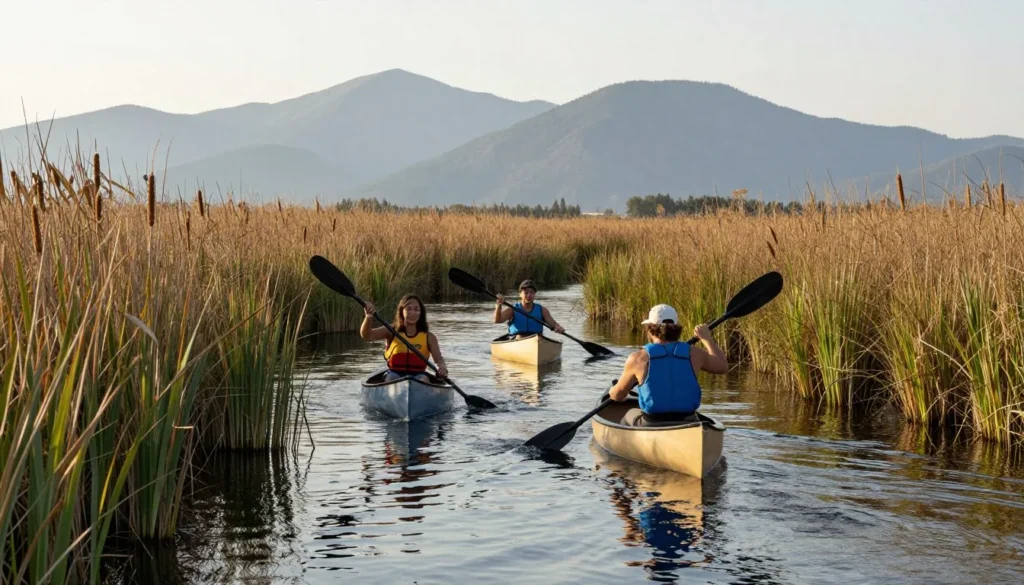
The refuge’s extensive marshlands create intricate waterways perfect for paddling exploration. Canoes and kayaks glide silently through channels lined with tall bulrush and cattails. This intimate perspective reveals secretive marsh birds, muskrats, and aquatic life invisible from shore.
Early morning paddles offer the best wildlife encounters. Birds actively feed during these hours, and calm water conditions make navigation easy. Bring waterproof bags for cameras and personal items, as shallow areas occasionally require portaging over vegetation mats.
Mountain Backdrop
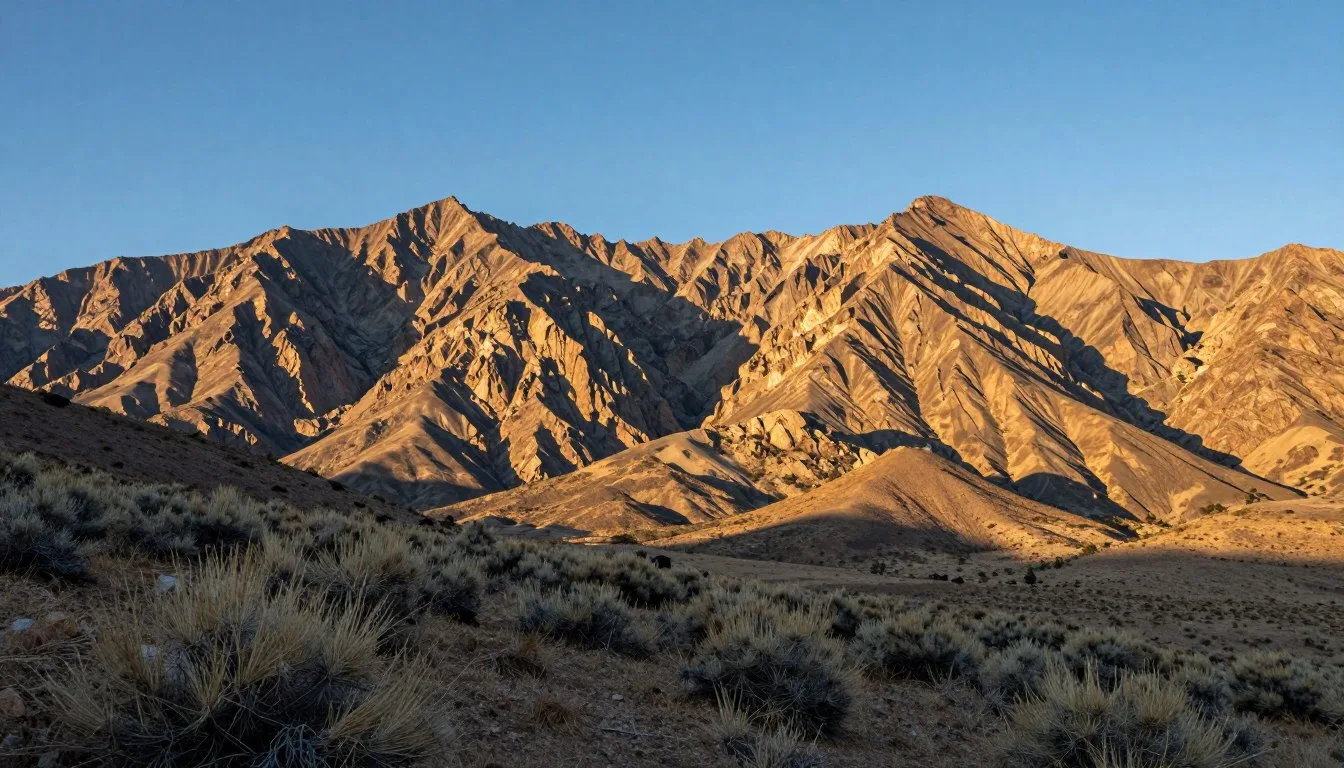
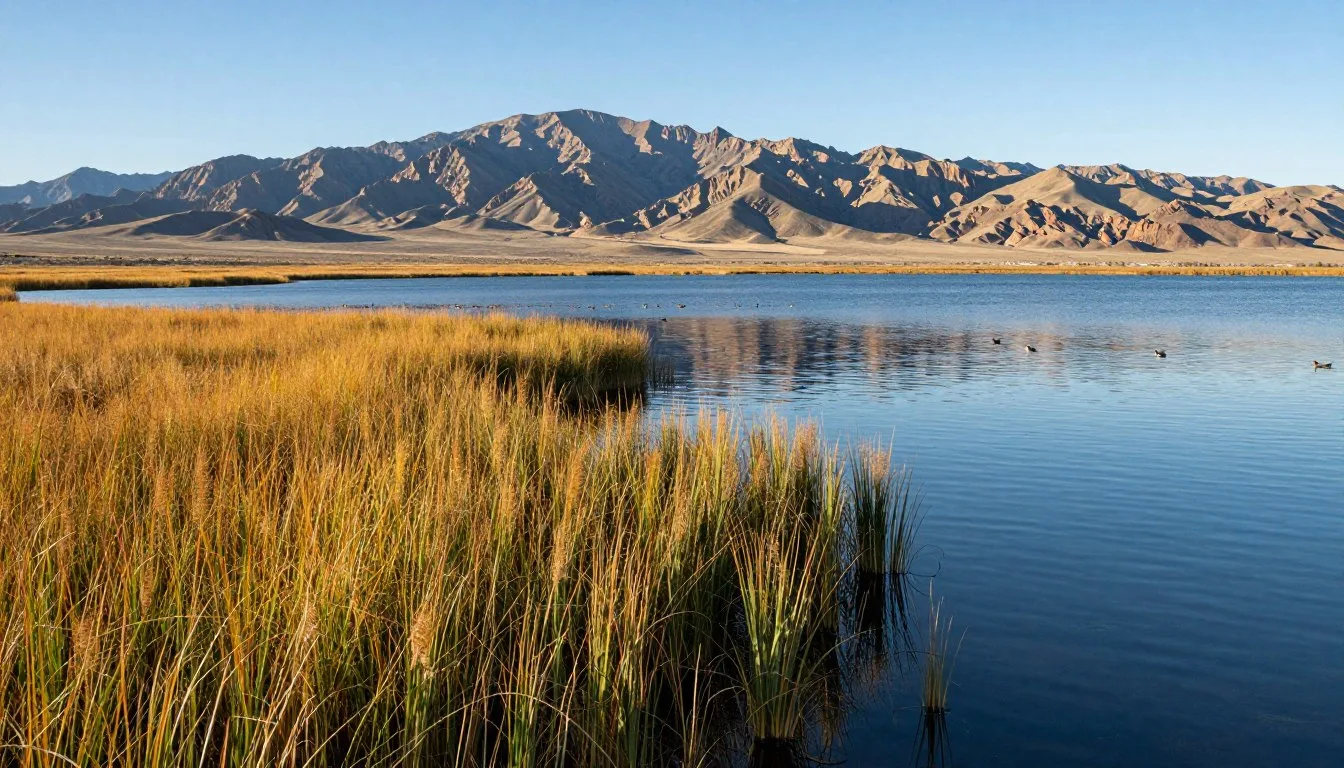
The Ruby Mountains rise dramatically east of the refuge, creating a stunning backdrop for all activities. These peaks reach elevations above 3,350 m (11,000 feet), often carrying snow into early summer. The contrast between lush wetlands and rugged mountains makes Ruby Lake visually spectacular.
Harrison Pass Road climbs into these mountains, offering adventurous drivers access to high-elevation scenery. This rough route requires high-clearance vehicles and dry conditions. The pass provides panoramic views across Ruby Valley and the refuge below.
Sagebrush Ecosystem
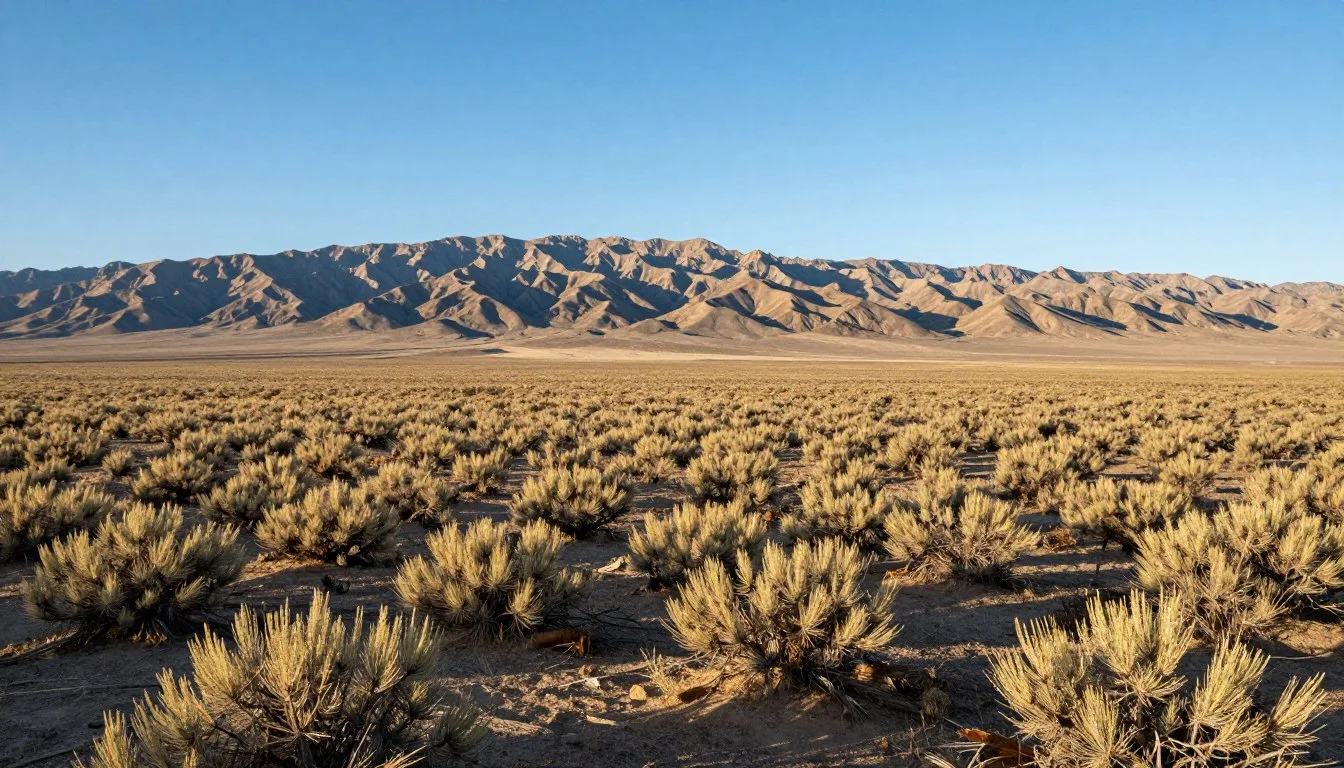
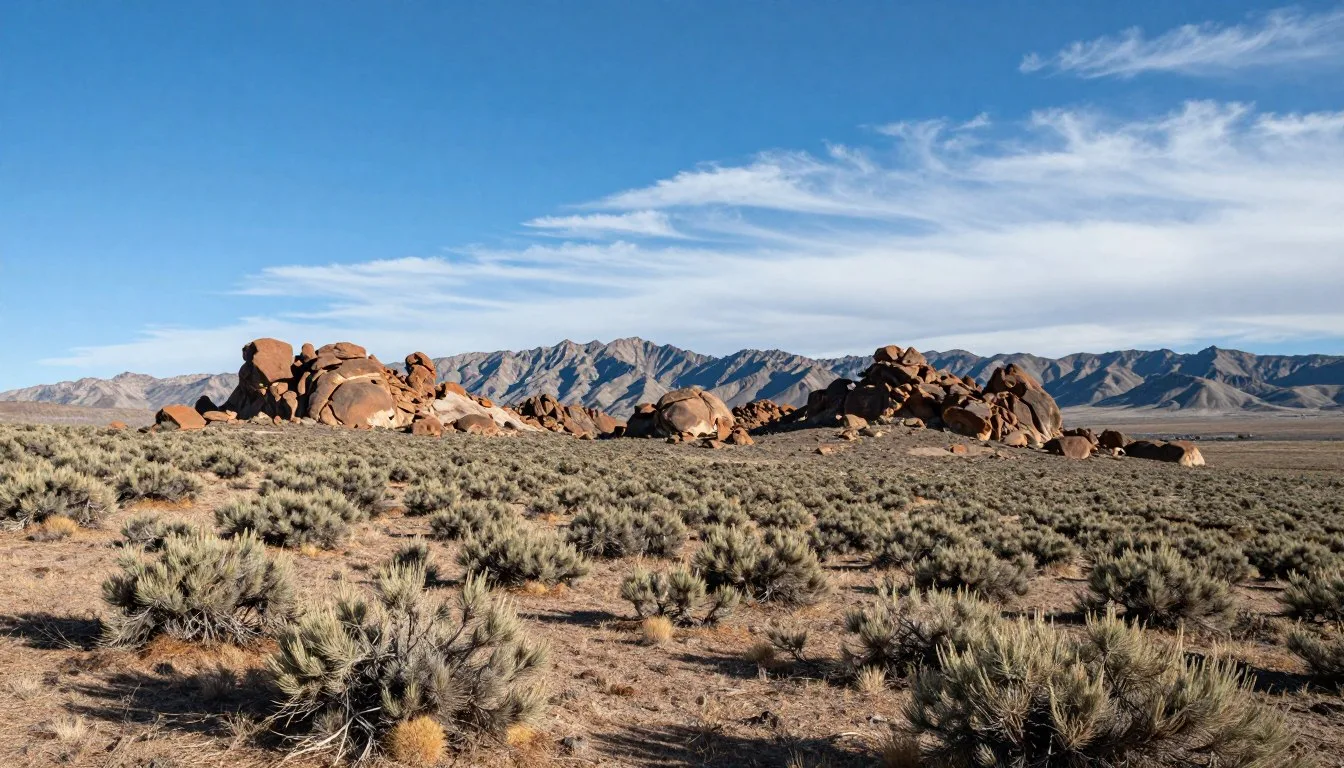
Lands surrounding the marsh showcase classic Great Basin sagebrush habitat. This ecosystem supports pronghorn antelope, mule deer, coyotes, and numerous bird species adapted to arid conditions. Walking through sagebrush areas reveals subtle beauty often overlooked by casual visitors.
Springtime brings wildflower displays across the uplands. Lupines, Indian paintbrush, and other native flowers create colorful carpets between sagebrush plants. These blooms attract butterflies and native bees, adding another layer of wildlife diversity.
Photography Opportunities
Ruby Lake provides exceptional photography subjects throughout the year. Wildlife photographers capture intimate portraits of birds and mammals. Landscape photographers find endless compositions combining water, mountains, and dramatic skies.
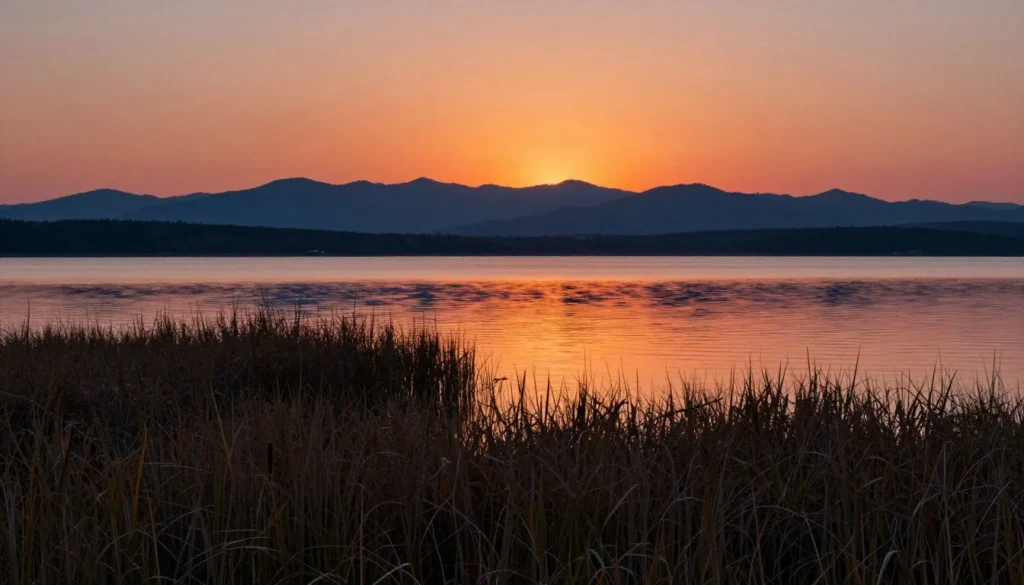
Sunrise and sunset light transforms the refuge into a photographer’s paradise. Golden hour illumination catches wetland grasses, creates mirror-like reflections, and backlights waterfowl in flight. Bring telephoto lenses for bird photography and wide-angle options for landscape work.
Travel With Children
Ruby Lake National Wildlife Refuge offers wonderful family experiences for children who enjoy nature and outdoor activities. The refuge’s educational value and wildlife encounters create lasting memories for young visitors.
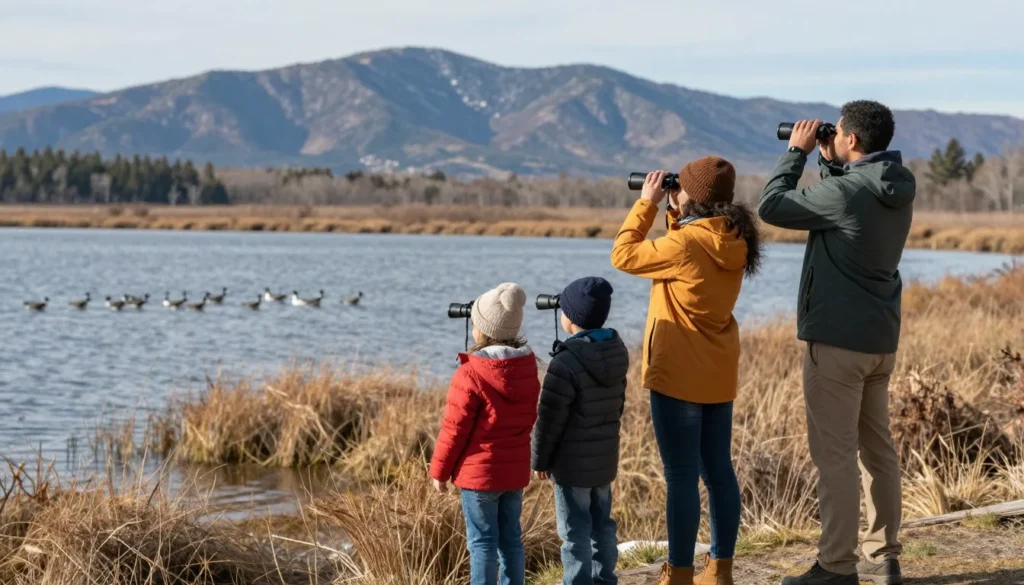
Bird watching captivates many children, especially when equipped with binoculars and simple field guides. Kids enjoy identifying different duck species, counting birds, and watching waterfowl behaviors. The refuge’s abundant wildlife provides constant action that holds children’s attention.
Fishing appeals to youngsters who appreciate hands-on activities. Teaching children to fish in Ruby Lake’s productive waters often results in success, building confidence and outdoor skills. Supervise young anglers carefully around water, and ensure everyone wears appropriate flotation devices when fishing from boats.
The primitive campground setting teaches children self-sufficiency and appreciation for simple living. Gathering firewood, cooking outdoors, and sleeping under stars creates adventures impossible in developed campgrounds. These experiences build character and family bonds.
Educational opportunities abound for curious children. Learning about wetland ecosystems, bird migration, and wildlife conservation provides valuable lessons. Parents can use the refuge environment to teach ecology, biology, and environmental stewardship through direct observation.
Safety considerations for families include sun protection, insect repellent, and adequate hydration. The refuge’s isolation means self-reliance becomes essential. Bring complete first-aid supplies and teach children basic safety rules for outdoor environments.
The refuge lacks playgrounds, visitor centers, or structured children’s programs. Families should plan their own activities and bring entertainment for downtime. This independence often leads to more creative, nature-focused play than programmed activities provide.
Money Saving Tips
Visiting Ruby Lake National Wildlife Refuge can be remarkably affordable with proper planning. The refuge’s remote location and lack of commercial development actually help visitors avoid many typical tourist expenses.
Refuge entrance is completely free. No admission fees, parking charges, or daily use costs apply. This differs significantly from many national parks and monuments that charge substantial entrance fees.
Camping at the refuge costs nothing. The primitive campground operates on a no-fee basis, saving families considerable money compared to developed campgrounds that charge nightly rates. Bring all necessary camping supplies to maximize these savings.
Fishing and wildlife viewing require only applicable licenses and permits. Nevada fishing licenses cost significantly less than guided fishing tours offered at commercial destinations. Self-guided exploration eliminates guide fees while providing authentic experiences.
Pack all food and beverages from home or purchase groceries in Elko before arriving. This strategy avoids restaurant costs and the premium prices charged at remote convenience stores. Coolers keep food fresh for multi-day visits.
Travel during shoulder seasons offers several advantages. Spring and fall provide excellent wildlife viewing with cooler temperatures that reduce water consumption and cooling costs. Fewer visitors during these periods mean better campsite selection.
Borrow or rent equipment rather than purchasing new gear. Kayaks, fishing tackle, binoculars, and camping equipment can often be rented in Elko for less than buying items you’ll use infrequently.
Fuel efficiency matters in remote Nevada. Plan your route carefully to minimize unnecessary driving. Group multiple errands and activities to reduce fuel consumption. Fill tanks in Elko where prices run lower than isolated rural stations.
Safety, Etiquette & Local Customs
Ruby Lake National Wildlife Refuge’s remote location requires visitors to prioritize safety and practice responsible outdoor behaviors. Understanding local expectations and potential hazards ensures positive experiences for everyone.
Essential Safety Practices
Cell phone service does not exist throughout most of the refuge. Inform someone of your plans before departing, including expected return times. Carry detailed maps and don’t rely solely on GPS devices, which may lose signal or battery power.
Weather changes rapidly in northeastern Nevada. Afternoon thunderstorms develop quickly during summer months, bringing lightning, high winds, and temperature drops. Monitor sky conditions and seek shelter when storms approach. Winter visitors face serious cold-weather hazards including hypothermia and frostbite.
Wildlife remains wild despite appearing habituated to human presence. Maintain safe distances from all animals, especially during nesting seasons when birds become protective of their young. Never feed wildlife, as this creates dangerous dependencies and alters natural behaviors.
Water safety requires attention, particularly when boating. Wear life jackets at all times while on water. Marsh environments contain hidden hazards including submerged vegetation, shallow areas, and mud that can trap boats or people.
The nearest medical facilities are located in Elko, approximately 97 km (60 miles) away. Carry comprehensive first-aid kits and know how to treat common outdoor injuries. For emergencies, contact authorities at 911 if cell service is available, or drive to areas with coverage.
Refuge Etiquette and Regulations
Respect closed areas marked with signs or indicated on refuge maps. These closures protect sensitive wildlife habitat, especially during nesting seasons. Violations can result in citations and harm vulnerable species.
Practice Leave No Trace principles throughout your visit. Pack out all trash, minimize campfire impacts, and leave natural objects undisturbed. The refuge’s pristine condition depends on visitor stewardship.
Quiet observation benefits both wildlife and other visitors. Loud voices, music, and excessive noise disturb animals and detract from the wilderness experience. Maintain peaceful environments that allow everyone to enjoy natural sounds.
Local Customs
Ruby Valley ranching families maintain strong community ties and Western traditions. Visitors should respect private property boundaries and always ask permission before crossing ranch lands. Wave to locals you encounter on rural roads, as this friendly gesture reflects regional customs.
The refuge operates under federal regulations managed by the U.S. Fish and Wildlife Service. Staff work to balance wildlife conservation with public recreation. Cooperate with refuge personnel and follow all posted rules to support their important conservation mission.
Visitor Comments About Ruby Lake
Travelers who discover Ruby Lake National Wildlife Refuge consistently praise its authentic wilderness character and exceptional wildlife viewing opportunities. Here are experiences shared by recent visitors:
“Ruby Lake exceeded every expectation we had for a wildlife refuge. The sheer number of birds during spring migration left us speechless. We spent three days photographing canvasbacks, redheads, and dozens of other species we’d never seen before. The primitive camping added to the adventure – no crowds, no noise, just us and the birds. This place feels truly wild.”
“As an avid angler, I’ve fished many western waters, but Ruby Lake stands out for its consistent trout action and stunning scenery. We caught limits of rainbow trout from our kayaks while eagles soared overhead. The solitude compared to popular fishing destinations was remarkable. Just be prepared – this isn’t a resort experience. Bring everything you need because there’s nothing out there except nature.”
“Visiting Ruby Lake from Brazil, I wanted to experience authentic American wilderness far from typical tourist attractions. This refuge delivered exactly that experience. The drive through Nevada’s remote valleys, the vast marshlands teeming with birds, the dramatic mountains rising from the desert – everything felt like stepping into a nature documentary. Our family learned so much about wetland ecosystems and Great Basin ecology. Absolutely worth the effort to reach this special place.”
Additional Nearby Destinations
Ruby Lake’s location in northeastern Nevada positions visitors to explore several other remarkable destinations within reasonable driving distances. These areas complement a refuge visit with different landscapes and experiences.
Ruby Mountains Wilderness
The Ruby Mountains rise directly east of the refuge, offering spectacular alpine scenery and hiking opportunities. Lamoille Canyon, located approximately 64 km (40 miles) north, features a paved scenic drive climbing into glacially-carved valleys. Wildflower displays, mountain lakes, and dramatic peaks create stunning contrasts to the refuge’s wetlands.
Great Basin National Park
Located approximately 257 km (160 miles) south, Great Basin National Park protects ancient bristlecone pine forests, limestone caves, and Wheeler Peak, Nevada’s second-highest mountain at 3,982 m (13,065 feet). The park offers developed campgrounds, ranger programs, and cave tours representing a different facet of Nevada’s natural diversity.
Jarbidge Wilderness
This remote wilderness area sits roughly 137 km (85 miles) north of Ruby Lake. Jarbidge represents one of the most isolated communities in the lower 48 states, surrounded by roadless wilderness. The area attracts serious backpackers and those seeking extreme solitude in rugged mountain terrain.
Elko and the California Trail
Elko serves as the regional hub but offers its own attractions worth exploring. The California Trail Interpretive Center tells the story of westward emigration along the historic route. Elko’s Basque culture, evident in its restaurants and annual festival, provides unique cultural experiences uncommon in the American West.
Spring Creek
This small community near Elko sits in scenic Spring Valley beneath the Ruby Mountains. The area offers additional lodging options, golf courses, and access to mountain recreation. Spring Creek provides a more developed base for exploring the broader region.
Practical Travel Tips
Successful Ruby Lake visits depend on thorough preparation and understanding the area’s unique characteristics. These practical insights help visitors avoid common challenges and maximize their refuge experiences.
Essential Items to Bring
Water supplies top the priority list. The refuge lacks potable water, so bring all drinking water or water treatment systems. Plan for at least 3.8 liters (1 gallon) per person daily, more in hot weather.
Insect repellent becomes essential from late spring through summer. Mosquitoes thrive in marsh environments, and protection makes outdoor activities much more enjoyable. Consider head nets for serious insect pressure periods.
Sun protection items including hats, sunglasses, and high-SPF sunscreen prevent discomfort in Nevada’s intense high-elevation sunshine. The refuge offers minimal shade, exposing visitors to direct sun throughout the day.
Communication Considerations
Download offline maps before arriving. Cell coverage is nonexistent across most of the refuge and surrounding Ruby Valley. GPS units with preloaded maps provide reliable navigation.
The refuge office maintains limited operating hours, typically during weekday business hours in spring through fall. Winter closures mean no on-site assistance from December through February. Plan accordingly and gather information before seasonal closures.
Vehicle Preparation
Ensure your vehicle carries a full spare tire and jack. Gravel roads can cause punctures, and no services exist nearby. Check tire pressure and condition before departing from Elko.
Fuel availability requires planning. Fill tanks in Elko before heading to the refuge. The nearest fuel in Ruby Valley may not always be accessible or operational.
Seasonal Timing
Road conditions change dramatically with weather. Spring runoff creates muddy roads that may become impassable. Call ahead to check current conditions before making the drive. The refuge office number is 775-779-2237.
Wildlife viewing peaks during migration periods. Spring migration runs from mid-March through May, while fall migration occurs September through November. Summer offers good fishing but intense heat. Winter closes the refuge to most access.
Respect for Resources
Follow all fishing and hunting regulations carefully. Nevada Department of Wildlife rules apply in addition to refuge-specific regulations. Violations can result in significant fines and harm conservation efforts.
Protect the refuge’s fragile wetland ecosystems by staying on designated routes when driving. Off-road travel damages vegetation and disturbs nesting birds. Respect all closure signs protecting sensitive areas.
Your Ruby Lake Adventure Awaits
Ruby Lake National Wildlife Refuge represents Nevada’s wild heart, where wetlands meet mountains in spectacular harmony. This sanctuary offers experiences increasingly rare in our developed world: authentic wilderness, abundant wildlife, and profound solitude.
Whether you’re drawn by the spectacle of spring migration, the challenge of trophy trout, or simply the peace of wild places, Ruby Lake delivers rewards proportional to your spirit of adventure. The refuge demands more from visitors than commercialized destinations, but it returns far more in authentic natural encounters.
Pack your vehicle, charge your cameras, and point toward Ruby Valley. The canvasbacks are waiting, the trout are rising, and the mountains stand eternal against endless Nevada skies. Your refuge adventure begins where the pavement ends and the real West still lives.
The above is subject to change.
Check back often to TRAVEL.COM for the latest travel tips and deals.