Hotels by Trip.com
Flights by Trip.com
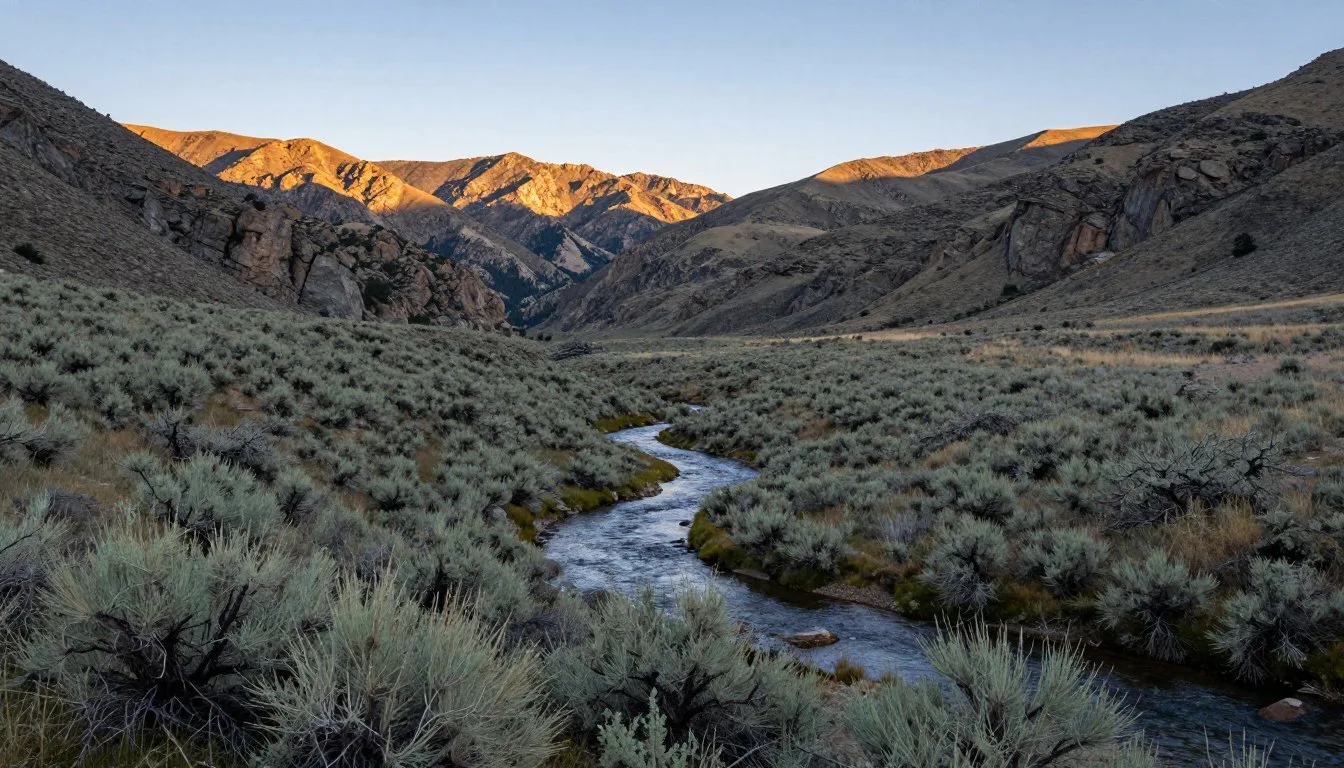
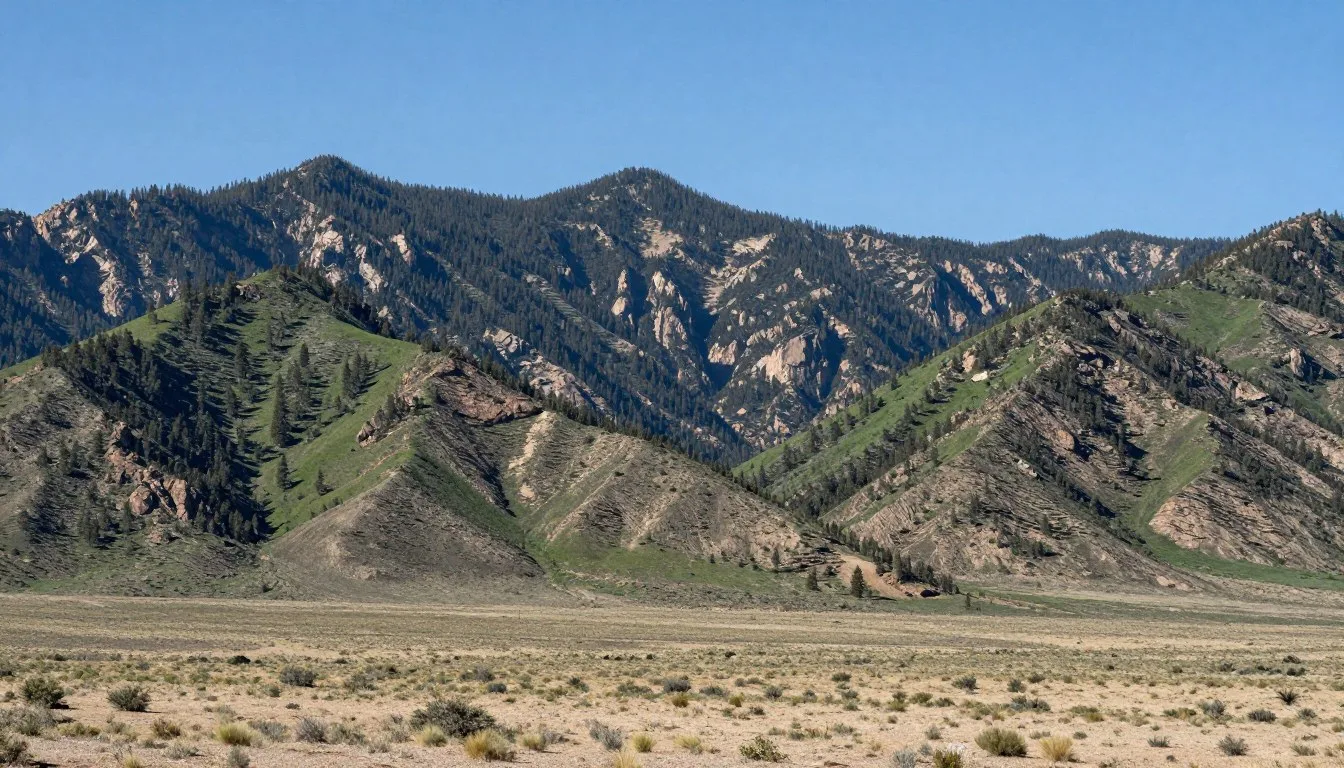
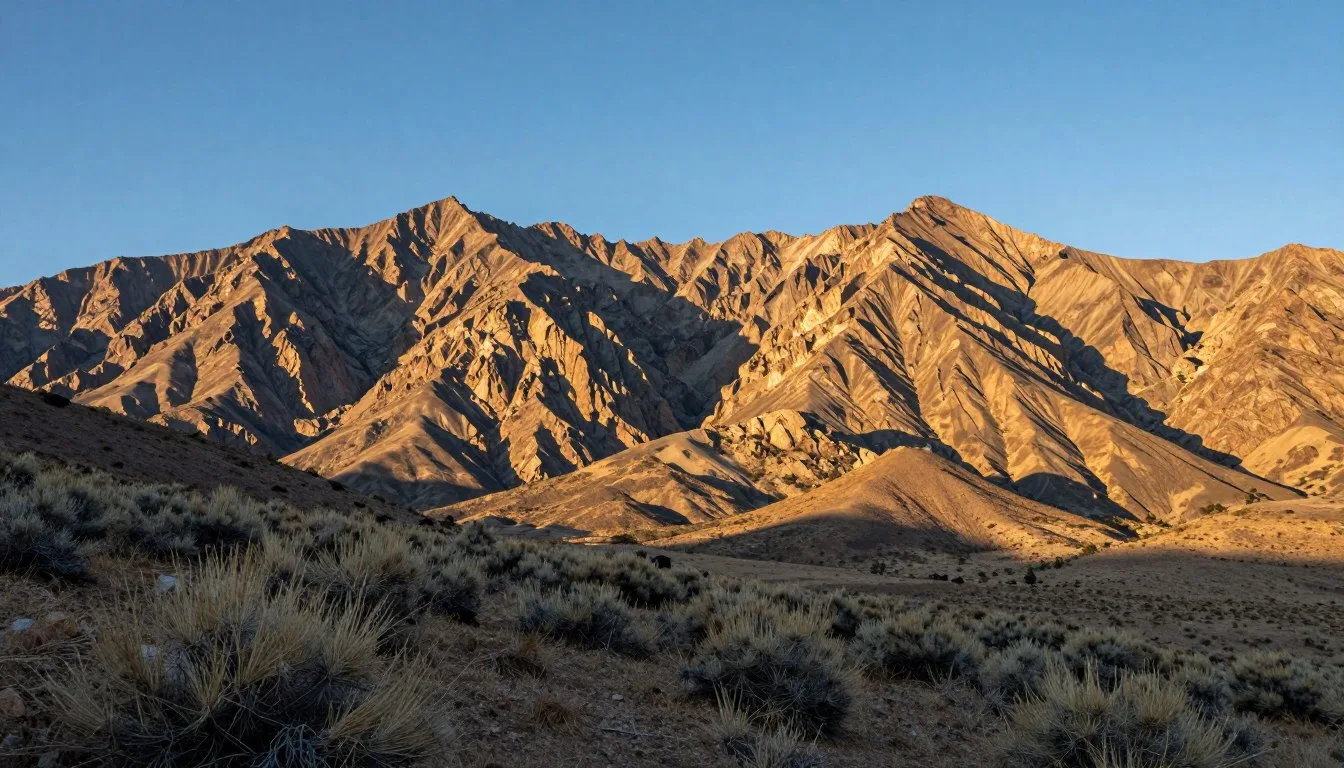
Fewer than 500 people visit the Robinson Mountains each year, making this remote Nevada range one of the least-explored mountain destinations in the American West. Tucked away in the Ruby Valley of eastern Nevada, these peaks rise dramatically from the high desert floor. They offer solitude that modern travelers rarely find.
The Robinson Mountains Nevada location sits between the more famous Ruby Mountains to the east and the Pequop Range to the west. This positioning creates unique weather patterns and ecosystems. Most visitors discover these mountains while exploring the wider region.
This comprehensive guide reveals everything you need to plan an unforgettable trip to this hidden gem. From reaching the trailheads to finding accommodations in nearby communities, we cover all essential details.
Getting There & Planning Your Journey
Reaching the Robinson Mountains requires careful planning. The nearest major airport is Elko Regional Airport (EKO), located approximately 95 km (59 miles) north of the mountain range. This small airport offers daily flights from Salt Lake City.
For more flight options, consider Salt Lake City International Airport (SLC) in Utah. This major hub sits 354 km (220 miles) northeast of the Robinson Mountains. The drive takes roughly four hours through scenic high desert terrain.
Reno-Tahoe International Airport (RNO) provides another alternative. Located 418 km (260 miles) west, it offers extensive domestic connections. The drive crosses spectacular Nevada landscapes but requires five hours.
From any airport, you will need a vehicle. Rental cars are available at all three locations. A high-clearance vehicle works best for accessing remote trailheads. Four-wheel drive becomes necessary during spring snowmelt or after summer thunderstorms.
Plan your route through the small town of Wells, Nevada. This community serves as the primary gateway. Stock up on supplies here before venturing into the mountains.
Best Time to Visit & Weather Tips
The Robinson Mountains experience dramatic seasonal changes. Timing your visit correctly makes the difference between an excellent trip and a challenging one.
Best Time to Visit Robinson Mountains Nevada
The optimal visiting window runs from late May through October. During these months, temperatures remain comfortable and most trails become accessible.
Late May and June offer wildflower displays across the lower elevations. Daytime temperatures range from 18°C to 24°C (65°F to 75°F). Some higher trails may still hold snow patches.
July and August bring the warmest conditions. Expect daytime highs of 27°C to 32°C (80°F to 90°F) in valleys. Mountain peaks stay considerably cooler. Afternoon thunderstorms occur frequently during this period.
September and early October provide ideal hiking conditions. Temperatures moderate to 15°C to 21°C (60°F to 70°F). Fall colors paint the mountainsides in gold and amber tones. Crowds remain minimal.
Months to Avoid
Winter months from November through April present significant challenges. Heavy snowfall closes most mountain roads. Temperatures plummet to -15°C to -7°C (5°F to 20°F) at night.
Early spring brings unpredictable conditions. Roads may remain impassable due to mud or lingering snow. Wait until late May for reliable access.
Weather Patterns
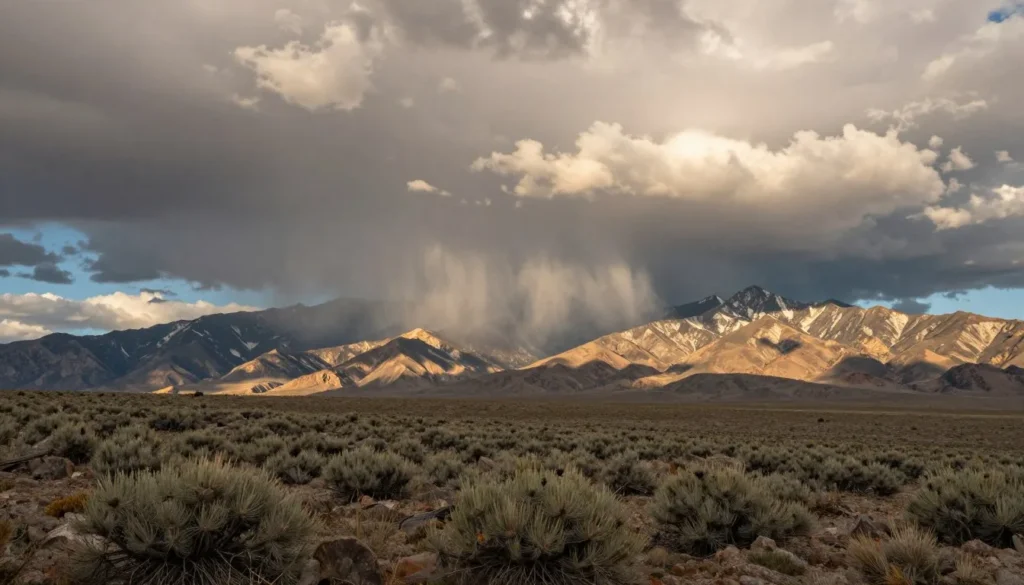
The Robinson Mountains create their own microclimates. Elevation changes of 914 m (3,000 feet) from valley to peak produce varied conditions within short distances.
Mornings typically start clear and calm. Clouds build throughout the day. Thunderstorms develop over peaks by mid-afternoon during summer months. Lightning poses real danger in exposed locations.
Wind speeds increase significantly on ridgelines. Bring layers even during summer visits. Temperature drops of 11°C (20°F) occur as you gain elevation.
Annual precipitation averages 304 mm (12 inches) in valleys. Higher elevations receive 508 mm (20 inches) or more. Most falls as winter snow.
Notable Annual Festivals
The Robinson Mountains area has limited festival activity due to its remote location and small population. However, nearby communities host several events worth timing your visit around.
The Wells Fun Run and Fireworks celebration occurs every Fourth of July in Wells, Nevada. This small-town festival features a morning fun run, parade, barbecue, and evening fireworks. Local ranching families and visitors gather for this traditional celebration.
Contact the Wells Chamber of Commerce for current year details and schedule. The event typically runs from morning through late evening.
The Elko County Fair takes place annually in August at the Elko County Fairgrounds. This four-day agricultural fair showcases regional ranching and farming. Rodeo events, livestock exhibitions, and local crafts fill the schedule.
Ruby Mountain Balloon Festival happens each January in nearby Spring Creek. While occurring during winter when mountain access is limited, this event draws visitors for spectacular hot air balloon launches against snowy mountain backdrops.
The National Cowboy Poetry Gathering in Elko takes place each January. This renowned festival celebrates Western culture through poetry, music, and storytelling. It attracts participants from across North America.
Getting Around Locally
Transportation options in the Robinson Mountains area remain limited. Personal vehicles provide the only practical way to explore the region.
No public transportation serves the mountain range itself. The nearest bus service operates in Elko, roughly 80 km (50 miles) away. Taxi and rideshare services do not extend to this remote location.
Paved highways connect major towns. Highway 93 runs north-south through Wells. Secondary roads accessing the mountains are mostly unpaved. Conditions vary from well-maintained gravel to rough two-track trails.
Cell phone coverage is unreliable or nonexistent throughout most of the range. Download offline maps before departing. Carry paper maps as backup. A GPS unit provides valuable navigation assistance.
Plan generous travel times. Roads that appear short on maps may require extended driving due to conditions. Expect speeds of 24 to 40 km/h (15 to 25 mph) on backcountry roads.
Fuel availability is limited. Fill your tank in Wells or Elko. The next gas stations may be 161 km (100 miles) away. Carry extra fuel for extended trips into the backcountry.
Where to Stay
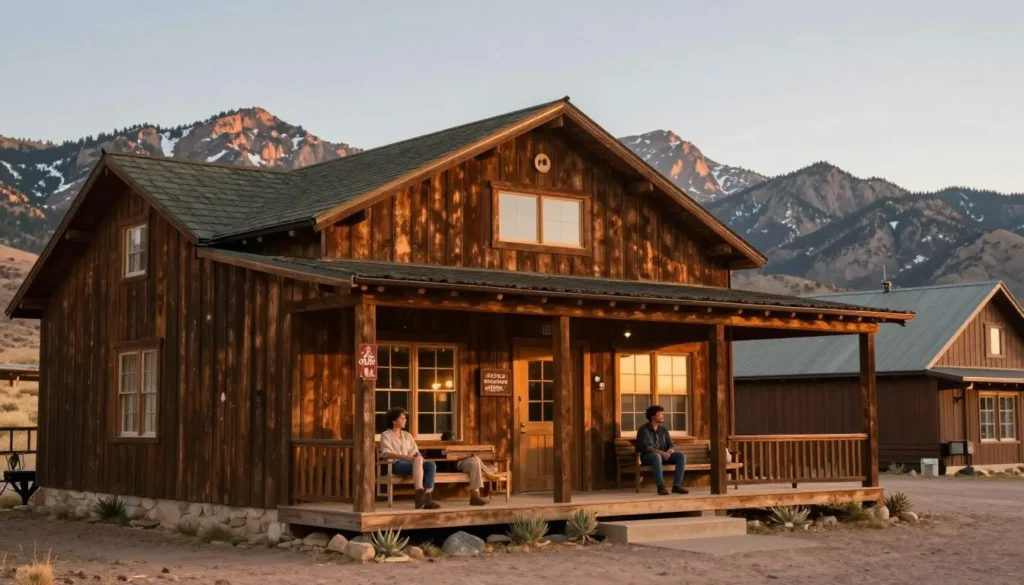
Accommodations near the Robinson Mountains range from basic motels to guest ranches. All options require advance booking during peak season.
Lodging in Wells
Wells offers the closest town accommodations. Several small motels provide clean, no-frills rooms. Expect basic amenities like wifi, parking, and continental breakfast.
The town sits 32 km (20 miles) from mountain access points. Prices range from $75 to $120 per night. Most properties operate as family-run businesses.
Elko Area Hotels
Elko provides more lodging choices. Chain hotels offer familiar comfort and amenities. Prices range from $95 to $180 per night depending on season and property type.
The drive from Elko to the mountains takes 75 to 90 minutes. This works well for travelers who prefer more dining and entertainment options.
Guest Ranches
Several working cattle ranches in Ruby Valley offer guest accommodations. These provide authentic Western experiences. Rates typically include meals and ranch activities.
Guest ranch stays cost $200 to $350 per person per night. Many require minimum stays of two or three nights. Book months ahead for summer visits.
Camping Options
Dispersed camping is permitted on Bureau of Land Management lands surrounding the mountains. No facilities exist. Practice Leave No Trace principles strictly.
Select established sites to minimize impact. Carry out all trash. Human waste must be buried 61 m (200 feet) from water sources. Campfires may be restricted during dry periods.
The nearest developed campground sits in the Ruby Mountains to the east. This provides picnic tables, vault toilets, and bear-proof food storage. Sites cost $10 to $15 per night.
Dining & Local Cuisine
Dining options near Robinson Mountains Nevada reflect the ranching heritage of this remote region. Expect hearty, no-nonsense meals focused on beef, potatoes, and traditional American fare.
Wells Restaurants
Wells features several small restaurants and diners. These establishments serve breakfast, lunch, and dinner with generous portions. Menus emphasize steaks, burgers, and homestyle cooking.
Bella’s Espresso and Bistro offers the best coffee in town. Their breakfast burritos fuel many morning adventures. Prices remain reasonable at $8 to $15 per meal.
The local casino restaurants stay open late. They provide reliable meals when other options close. Expect standard American menu items and friendly service.
Elko Dining Scene
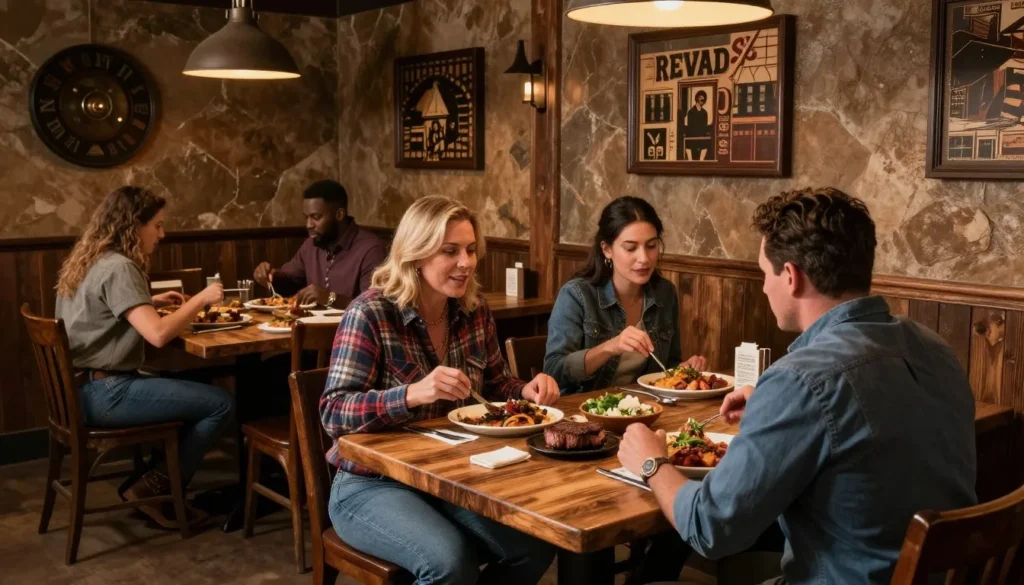
Elko offers more diverse dining. The downtown area features Basque restaurants showcasing the region’s immigrant heritage. Family-style meals include multiple courses at fixed prices.
The Star Hotel remains a local institution for Basque cuisine. Their family-style dinners cost $25 to $35 per person. Reservations are recommended for weekend visits.
Several Western steakhouses serve premium beef from nearby ranches. Expect to pay $30 to $50 for quality steaks. Many locals consider these special-occasion restaurants.
Grocery Stores and Supplies
Stock up on provisions before heading to the mountains. Wells has a small grocery store with basic supplies. Selection is limited but adequate for picnic lunches and camping meals.
Elko provides full-service supermarkets. These carry everything needed for extended camping trips. Purchase ice, propane, and other outdoor supplies here.
Bring plenty of water. Natural sources are scarce in the mountains. Plan for at least 4 liters per person per day for hiking activities.
Attractions, Sightseeing & Activities
The Robinson Mountains offer activities centered on outdoor recreation and natural exploration. This remote range rewards those seeking solitude and unspoiled landscapes.
Hiking and Backpacking
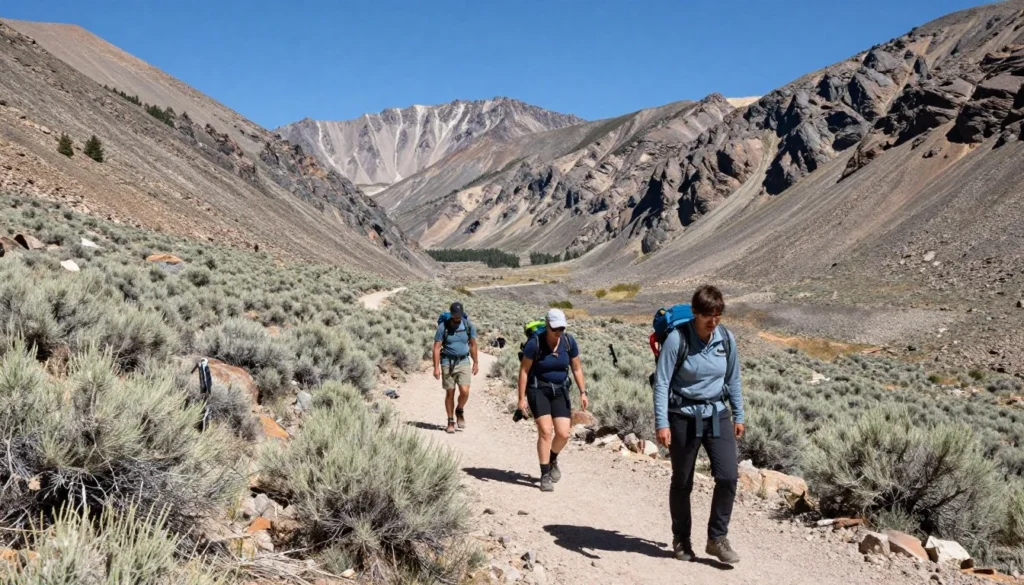
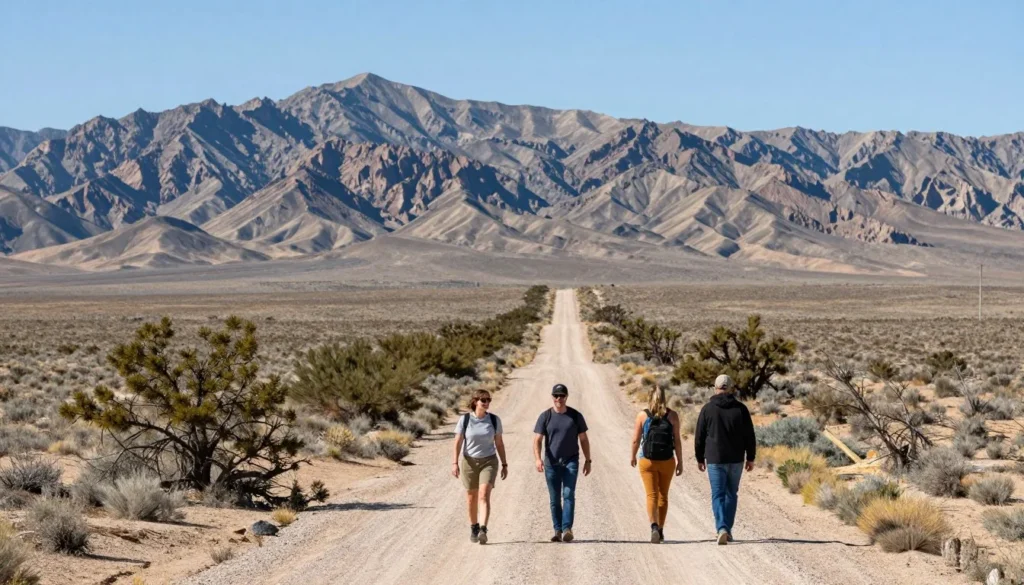
Few established trails exist in the Robinson Mountains. Most hiking follows old mining roads or cross-country routes. This appeals to adventurous hikers comfortable with navigation.
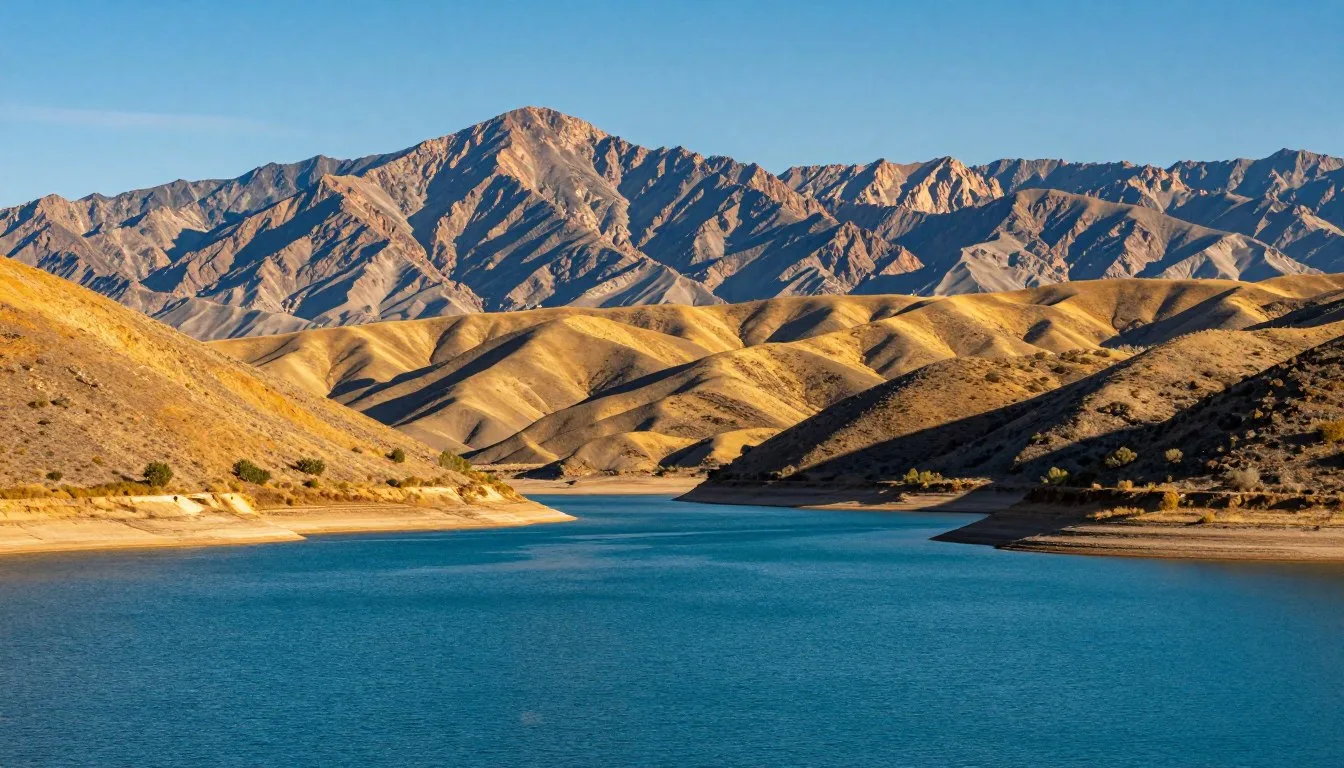
Robinson Lake sits in a high mountain basin accessible via rough four-wheel drive roads. The lake covers approximately 12 hectares (30 acres) when full. Hiking around its perimeter takes two hours.
Peak bagging opportunities abound. Several unnamed summits exceed 2,743 m (9,000 feet) elevation. Routes require scrambling over talus slopes. Views stretch across Nevada’s basin and range topography.
Carry topographic maps and compass. GPS devices provide backup navigation. Tell someone your planned route and expected return time before hiking.
Wildlife Watching
The Robinson Mountains support diverse wildlife populations. Mule deer browse throughout the range. Herds of pronghorn antelope inhabit the surrounding valleys.
Mountain lions and bobcats hunt these areas but remain rarely seen. Their tracks appear frequently on dusty trails. Dawn and dusk offer the best viewing opportunities.
Coyotes provide the soundtrack for evenings. Their yips and howls echo across canyons. These adaptable predators thrive throughout the region.
Bird species include golden eagles, red-tailed hawks, and prairie falcons. Raptors soar on thermals above ridgelines. Sage grouse perform elaborate mating displays in spring.
Photography
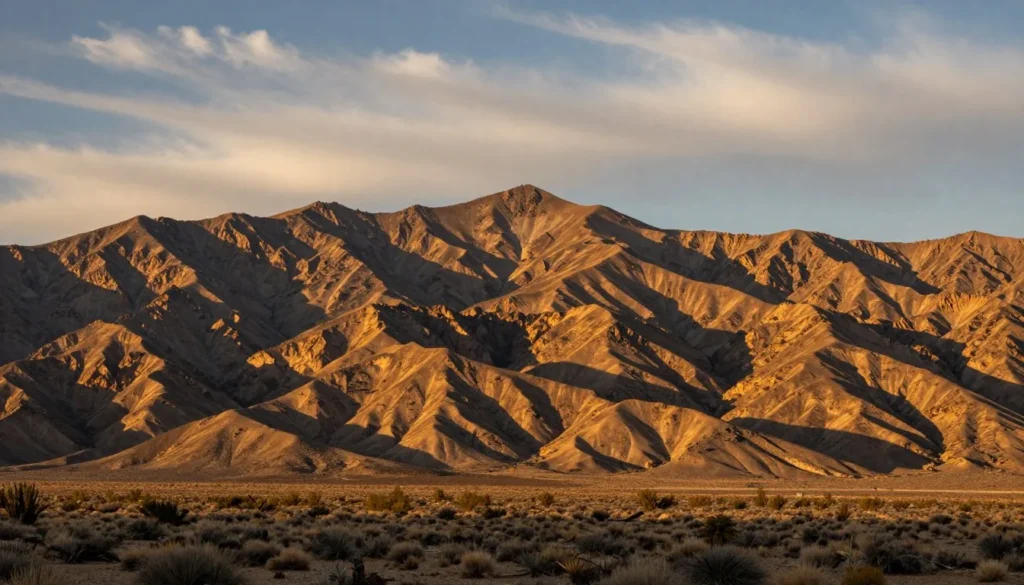
Landscape photographers find endless compositions in the Robinson Mountains. The play of light across ridges creates dramatic shadows. Storm clouds building over peaks offer spectacular photo opportunities.
Sunrise paints the eastern slopes in warm tones. Arrive at viewpoints 30 minutes before sunrise for best light. Sunset illuminates western faces with alpenglow.
Wildflower photography peaks in June. Lupines, Indian paintbrush, and desert marigolds carpet lower slopes. Macro lenses capture intricate details.
Fishing
Robinson Lake occasionally holds small trout populations. Water levels fluctuate dramatically between years. Some seasons the lake nearly dries up.
Nevada fishing licenses are required for anyone over 12 years old. Purchase licenses online or at sporting goods stores in Elko. Current regulations must be followed.
Better fishing exists in the Ruby Mountains to the east. Lamoille Creek and several alpine lakes provide reliable trout fishing. These waters require additional travel but reward the effort.
Rockhounding and Geology
The Robinson Mountains contain interesting geological formations. Ancient volcanic rocks mix with sedimentary layers. Amateur geologists enjoy identifying different rock types.
Mineral specimens can be collected on public lands following regulations. Limit collections to personal use. Commercial collecting requires permits.
The area has historical mining activity. Old prospects and equipment remnants dot the landscape. Never enter abandoned mines due to collapse danger.
Museums, Cultural Spots & Festivals
Cultural attractions near the Robinson Mountains focus on Western heritage and pioneer history. Nearby towns preserve the region’s ranching traditions.
Northeastern Nevada Museum
Located in Elko, this museum showcases regional history from prehistoric times through the modern era. Exhibits feature Native American artifacts, mining equipment, and pioneer life displays.
The museum houses an impressive wildlife collection. Mounted specimens represent animals found throughout northern Nevada. Photography displays capture the region’s landscapes.
Admission costs $5 for adults. Children under 12 enter free. The museum opens Tuesday through Saturday from 9:00 AM to 5:00 PM.
California Trail Interpretive Center
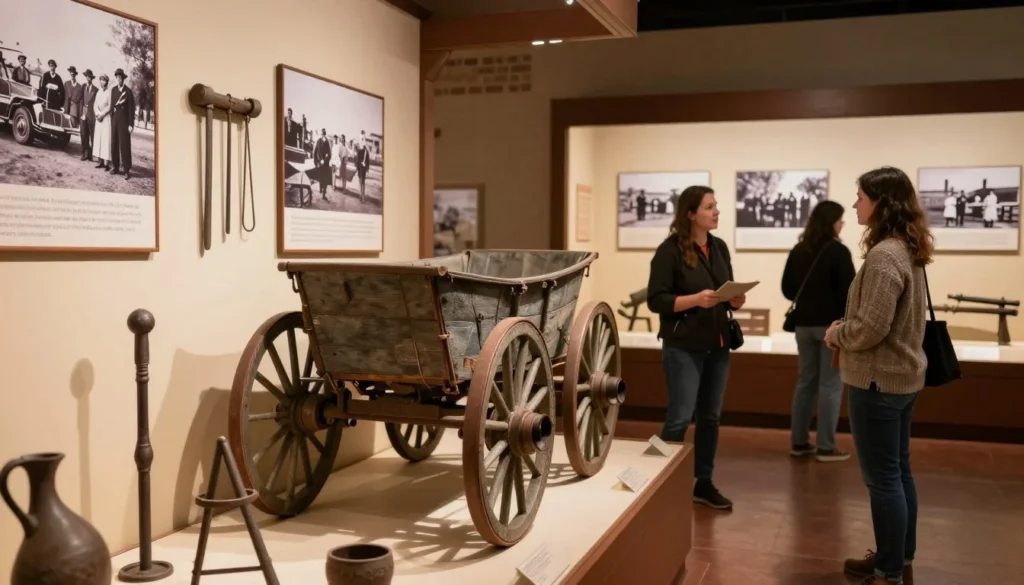
This Bureau of Land Management facility sits west of Elko near the historic California Trail. Interactive exhibits tell stories of westward migration. Wagon ruts from the 1840s remain visible outside.
Rangers lead interpretive programs during summer months. The center overlooks spectacular vistas of northern Nevada’s high desert. A bookstore sells regional history publications.
Entry is free. Summer hours run from 9:00 AM to 5:30 PM daily. Winter hours are reduced.
Historic Downtown Wells
Wells preserves several historic buildings from its railroad town origins. Walk the quiet streets to see early 20th century architecture. Information plaques describe building histories.
The old depot area shows where the transcontinental railroad once dominated town life. Though trains still pass through, the bustling depot activity has ceased.
Local Art Galleries
Elko supports several small art galleries featuring Western and wildlife art. Many artists draw inspiration from the surrounding landscapes. Paintings, sculptures, and photography capture the region’s character.
The Western Folklife Center in downtown Elko promotes cowboy culture through exhibits and programs. Their gallery rotates displays of Western art and crafts.
Nature & Outdoor Experiences
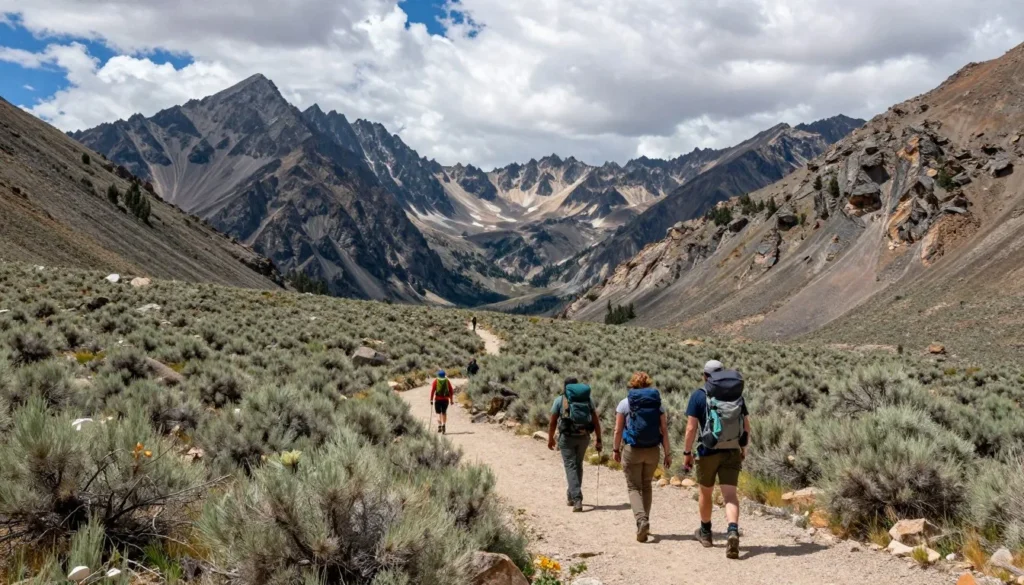
The Robinson Mountains provide outstanding opportunities for those seeking wild, undeveloped outdoor experiences. The region’s remote nature ensures solitude.
Wilderness Backpacking
Multi-day backpacking trips into the Robinson Mountains require self-sufficiency. No trails, services, or facilities exist. Experienced wilderness travelers find this appealing.
Water sources are extremely limited. Springs appear sporadically but cannot be relied upon. Carry all needed water or bring filtration for questionable sources. Plan for 4 to 6 liters per person daily.
Navigation skills are essential. Terrain features look similar across vast distances. Landmarks blend together in the endless sagebrush. Stay oriented using map and compass constantly.
Wildlife encounters are possible. Store food properly to avoid attracting animals. Hang food bags from trees where possible, or use bear canisters in areas lacking suitable trees.
Stargazing
Light pollution is virtually nonexistent in the Robinson Mountains. Night skies reveal thousands of stars invisible from urban areas. The Milky Way stretches dramatically overhead.
New moon periods offer the darkest skies. Summer positions the Milky Way perfectly for viewing. Meteor showers like the Perseids in August provide spectacular displays.
Bring a red flashlight to preserve night vision. Allow 30 minutes for eyes to fully adapt to darkness. Binoculars enhance viewing of star clusters and nebulae.
Mountain Biking
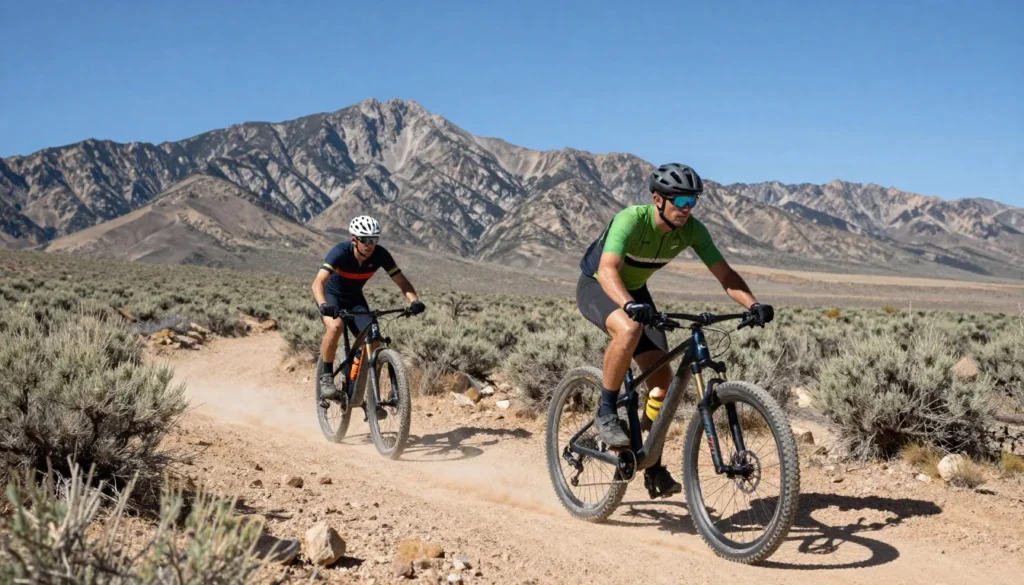
Old mining roads provide challenging mountain biking routes. Surfaces range from smooth dirt to rocky technical sections. Riders must be self-sufficient with repair skills and supplies.
Routes are not marked. Carry detailed maps showing roads and trails. Many paths lead to dead ends at abandoned mines. Be prepared to retrace your route.
Distances between water sources can exceed 32 km (20 miles). Carry ample hydration. Summer heat makes afternoon riding dangerous. Plan morning or evening rides instead.
Horseback Riding
Several guest ranches offer guided horseback trips into the mountains. These range from half-day excursions to multi-day pack trips. Experienced wranglers lead rides suited to various skill levels.
Horses handle the rugged terrain better than hikers in many areas. They carry gear and supplies for extended trips. This traditional method of mountain travel connects visitors to Western heritage.
Guest ranch packages typically include horses, tack, guides, meals, and camping equipment. Prices start around $250 per person per day. Book well in advance for peak season dates.
Winter Activities
Winter transforms the Robinson Mountains into a snowy wilderness. Snowshoeing and cross-country skiing are possible for hardy adventurers. Access becomes extremely challenging.
Avalanche danger exists on steep slopes after heavy snowfall. Proper training and safety equipment are mandatory. Most visitors avoid winter conditions entirely.
Travel With Children
The Robinson Mountains present challenges for families with young children. Remote conditions and lack of facilities require careful consideration.
Age Considerations
Older children and teenagers who enjoy camping and hiking will find adventure here. Kids accustomed to outdoor activities handle the rustic conditions well. Those requiring constant entertainment may struggle.
Very young children are difficult in this environment. Diaper changing and sanitation needs become complicated. The nearest emergency medical care is 32 km (20 miles) or more away.
Family-Friendly Activities
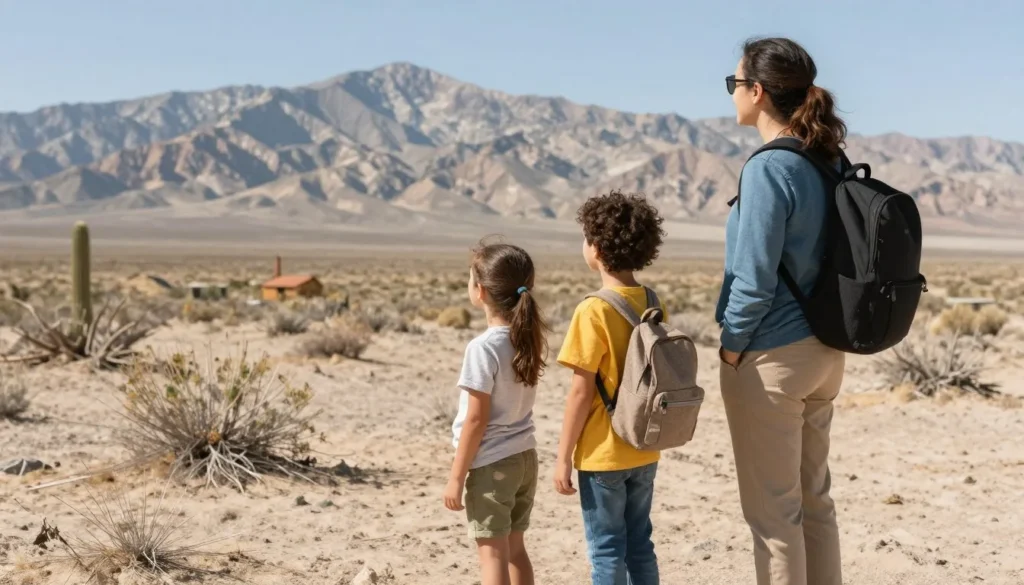
Exploring lower elevation areas works well for families. Short walks through sagebrush terrain teach children about desert ecosystems. Wildlife spotting keeps kids engaged.
Driving tours allow families to experience mountain scenery without strenuous hiking. Stop frequently at viewpoints. Let children explore safely within sight.
Robinson Lake makes a good destination for older kids. The rough access road creates adventure. Swimming is possible when water levels are adequate, though the water stays quite cold.
Safety Considerations
Supervise children constantly in this environment. Hazards include rough terrain, wildlife, extreme temperatures, and getting lost. Cell phones do not work for emergency calls.
Teach kids to stay close and within sight at all times. The vast landscape is disorienting. A child wandering out of view could become lost quickly.
Sun protection is critical. Apply sunscreen liberally every two hours. Provide hats with brims. Limit midday sun exposure during summer.
Carry a comprehensive first aid kit. Include treatments for cuts, sprains, insect bites, and sunburn. Know how to handle common outdoor injuries.
Educational Opportunities
Use the trip to teach children about geology, ecology, and Western history. Point out different rock types and plant species. Discuss how pioneers crossed similar terrain.
Night sky observation creates lasting memories. Help kids identify constellations and planets. Explain how darkness differs from city environments.
Junior ranger programs at nearby areas like Ruby Lake National Wildlife Refuge engage children with structured activities. These make learning fun through hands-on experiences.
Money Saving Tips
Visiting the Robinson Mountains can be affordable with smart planning. The remote location actually reduces some costs while increasing others.
Accommodation Savings
Camping on public land costs nothing. This eliminates the largest expense for most trips. Invest in quality camping gear that lasts for years.
When motels are necessary, book directly with properties. Small independent motels often offer discounts for cash payment or multi-night stays. Ask about rate reductions.
Visit during shoulder seasons in May or October. Prices drop compared to peak summer months. Weather remains decent and crowds are nonexistent.
Food Cost Reduction
Bring food from home rather than purchasing everything locally. Small town stores charge premium prices. Shop at supermarkets before leaving urban areas.
Prepare your own meals when camping. A camp stove and basic cooking equipment enable substantial savings over restaurant dining. Plan simple, nutritious meals.
Pack snacks and lunches for day trips. This eliminates returning to town for meals. Trail mix, energy bars, and sandwiches sustain all-day adventures.
Transportation Savings
Rent vehicles for the minimum necessary time. Use your personal car if suitable. Check clearance requirements before committing to expensive SUV rentals.
Combine this trip with visits to nearby attractions. The Ruby Mountains, Great Basin National Park, and Jarbidge Wilderness all sit within reasonable driving distance. Maximize your travel investment.
Drive efficiently to conserve fuel. Maintain steady speeds. Avoid unnecessary trips on rough roads that consume extra gasoline.
Free Activities
Virtually all outdoor recreation is free. Hiking, wildlife watching, photography, and stargazing cost nothing beyond basic equipment.
Many museum days in Elko offer free admission on certain days. Check websites before visiting. The California Trail Center charges no entry fee any time.
Explore historic sites and town walking tours at no cost. Information plaques provide context without paid tours.
Equipment Considerations
Borrow or rent specialized gear rather than purchasing items for one trip. Outdoor stores in larger cities offer rental programs for backpacking equipment.
Buy used gear from consignment shops. Quality outdoor equipment lasts decades. Inspect carefully for damage but expect significant savings.
Safety, Etiquette & Local Customs
Traveling safely in the Robinson Mountains requires preparation and awareness. Local customs reflect ranching traditions and Western values.
Wilderness Safety
Always tell someone your plans before heading into remote areas. Provide specific location details and expected return time. Check in upon returning.
Carry the ten essentials for any backcountry trip. These include navigation tools, sun protection, insulation, illumination, first aid supplies, fire starter, repair kit, nutrition, hydration, and emergency shelter.
Weather changes rapidly in mountains. Afternoon thunderstorms develop quickly during summer. Descend from exposed ridges before storms arrive. Lightning kills several people in Nevada each year.
Hypothermia poses danger even in summer. Wet clothing and wind combine dangerously. Carry rain gear and extra insulating layers. Know hypothermia symptoms and treatment.
Dehydration causes most backcountry problems. Drink water before feeling thirsty. Monitor urine color as a hydration indicator. Dark urine signals inadequate water intake.
Wildlife Safety
Mountain lions inhabit this range. Attacks are extremely rare but possible. Hike in groups when feasible. Make noise to avoid surprising animals. If you encounter a lion, maintain eye contact, appear large, and back away slowly. Never run.
Rattlesnakes are present at lower elevations. Watch where you place hands and feet. Wear boots that cover ankles. Most bites occur when people attempt to handle or kill snakes. Leave them alone and they will leave you alone.
Do not approach or feed any wildlife. Maintain distance for animal safety and yours. Use binoculars or telephoto lenses for close views.
Land Use Etiquette
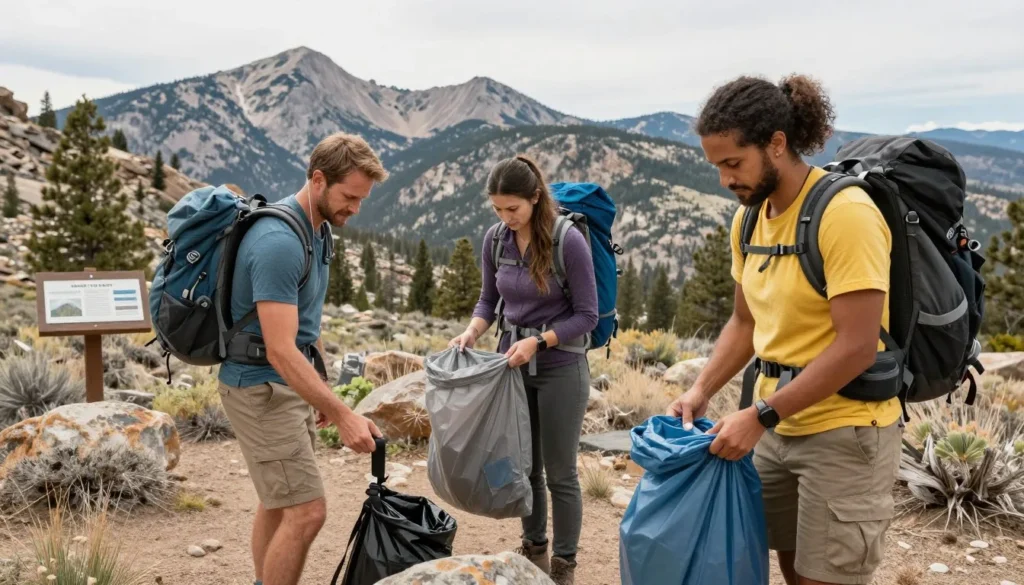
Most land surrounding the Robinson Mountains is public. Bureau of Land Management areas allow free access. Respect closures and restrictions posted at access points.
Some valleys contain private ranch property. Respect private land boundaries. Do not cross fences or enter without permission. Gates found closed should be left closed. Gates found open should be left open.
Leave No Trace principles are not just recommendations here. They are essential for preserving this fragile environment. Pack out all trash including toilet paper. Bury human waste 15 cm (6 inches) deep and 61 m (200 feet) from water.
Campfires may be prohibited during dry periods. Use camp stoves for cooking. If fires are allowed, use existing fire rings. Keep fires small and completely extinguish before leaving.
Local Customs
Rural Nevada residents value self-reliance and preparedness. They respect those who come properly equipped and informed. Asking for rescue due to poor planning is embarrassing.
Wave to people you pass on backroads. This simple courtesy acknowledges your shared presence in remote areas. Offer assistance if someone appears to have vehicle trouble.
Ranching is the economic backbone here. Show respect for working lands and livestock operations. Many ranchers hold grazing permits on public land. Cattle may be present.
Local businesses often operate on flexible schedules. Restaurant hours may vary from posted times. Small stores might close during slow periods. Call ahead when possible.
Visitor Comments About Robinson Mountains Nevada
“The solitude was incredible. We hiked for three days without seeing another person. The night skies were the darkest I have ever experienced. You truly feel like you have stepped back in time to when Nevada was completely wild.”
“This is not a destination for inexperienced hikers. We found the navigation challenging and water sources unreliable. That said, the sense of accomplishment from successfully completing our trek was tremendous. The landscape has a harsh beauty that grows on you.”
“Coming from a country with crowded mountains, the Robinson range amazed me with its emptiness. The scale of the American West is hard to comprehend until you experience it. I saw more wildlife in four days here than in years of hiking back home. Truly unforgettable.”
Additional Nearby Destinations
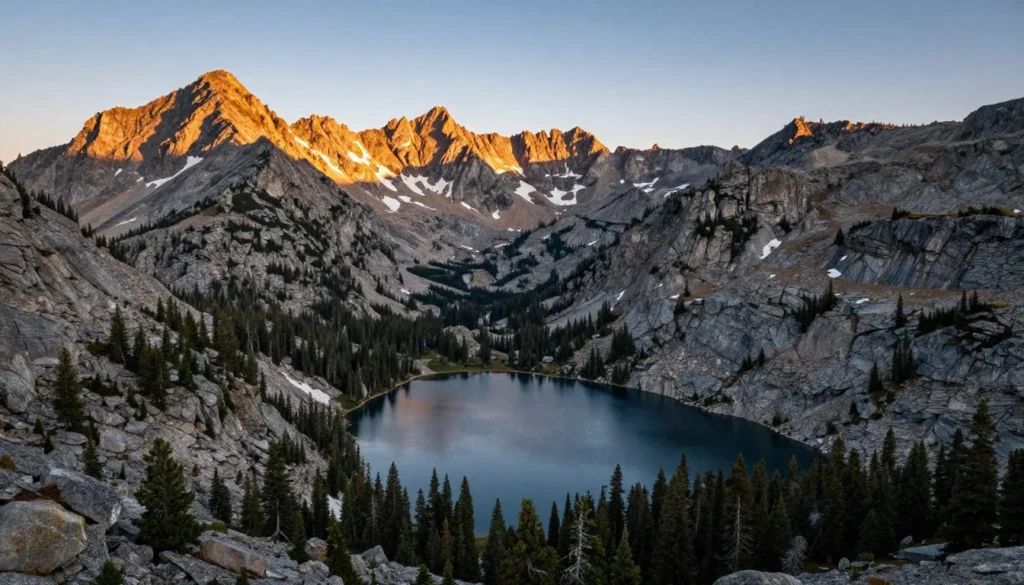
Several remarkable destinations sit within reasonable driving distance of the Robinson Mountains. Combining multiple locations creates a comprehensive Nevada wilderness experience.
Ruby Mountains
Just east of the Robinson Mountains, the Ruby Mountains rise to 3,471 m (11,387 feet). These peaks support glacial lakes and alpine tundra. The Lamoille Canyon Scenic Byway provides easy access to stunning views.
Hiking trails range from easy nature walks to challenging summit climbs. The Ruby Crest Trail ranks among Nevada’s premier backpacking routes. It traverses 64 km (40 miles) of high alpine terrain.
The drive from the Robinson Mountains takes roughly 90 minutes. This makes an excellent addition to your itinerary.
Jarbidge Wilderness
Located 130 km (80 miles) north, Jarbidge represents Nevada’s most remote town. The wilderness surrounding it offers exceptional backcountry experiences. Access requires driving rough gravel roads.
Jarbidge features a tiny historic downtown with a couple of restaurants and lodges. The authentic mining town atmosphere transports visitors to earlier eras.
Ruby Lake National Wildlife Refuge
This wetland oasis sits 64 km (40 miles) south of the Robinson Mountains. The refuge supports massive populations of migratory waterfowl. Over 200 bird species visit annually.
A 19 km (12 mile) auto tour route circles the marsh. Observation platforms provide excellent wildlife viewing. Spring and fall migrations offer spectacular birding opportunities.
Great Basin National Park
Located 209 km (130 miles) south, this national park protects Wheeler Peak and Lehman Caves. The 3,982 m (13,065 foot) mountain supports Nevada’s only glacier.
Cave tours run daily during summer. The Wheeler Peak Scenic Drive climbs to 3,048 m (10,000 feet) elevation. Ancient bristlecone pine forests grow near treeline.
Plan a full day or overnight for this side trip. Campgrounds and a lodge provide accommodations. The park offers a different ecosystem than the Robinson Mountains.
Wild Horse State Recreation Area
This reservoir west of Elko provides water recreation. Swimming, boating, and fishing attract visitors during hot summer months. Campgrounds offer developed facilities.
The lake covers 930 hectares (2,300 acres). Beaches provide relief from desert heat. This makes a good rest day between mountain adventures.
Practical Travel Tips
These final tips help ensure a smooth Robinson Mountains Nevada adventure. Small details often make the difference between good and great trips.
Communication
Cell service is unreliable throughout the region. Download offline maps before departing. Google Maps allows downloading map regions for offline use. Navigation apps like Gaia GPS provide topographic maps.
Satellite communicators provide emergency communication when phones fail. Devices like Garmin inReach enable two-way text messaging anywhere. They also trigger rescue coordination if needed.
Hotels in Wells and Elko offer wifi. Use these to check weather forecasts and communicate with family. Upload photos and trip reports while you have connectivity.
Money and Banking
ATMs are available in Wells and Elko. Small businesses may not accept credit cards. Carry adequate cash for purchases at local restaurants and stores.
Nevada has no state income tax. Sales tax adds roughly 7% to purchases. Tipping follows standard American practices of 15% to 20% for table service.
Health Considerations
The high elevation affects visitors from lower areas. The Robinson Mountains base starts around 1,829 m (6,000 feet). Peaks exceed 2,743 m (9,000 feet). Allow time to acclimatize before strenuous activities.
Symptoms of altitude sickness include headache, nausea, and fatigue. Descend if symptoms worsen. Drink extra water and avoid alcohol initially.
The nearest hospitals are in Elko. Emergency response times to remote locations can exceed two hours. Comprehensive travel insurance provides peace of mind.
Prescription medications should be brought in adequate supply. Pharmacies in Wells and Elko can fill prescriptions but selection is limited.
Photography Tips
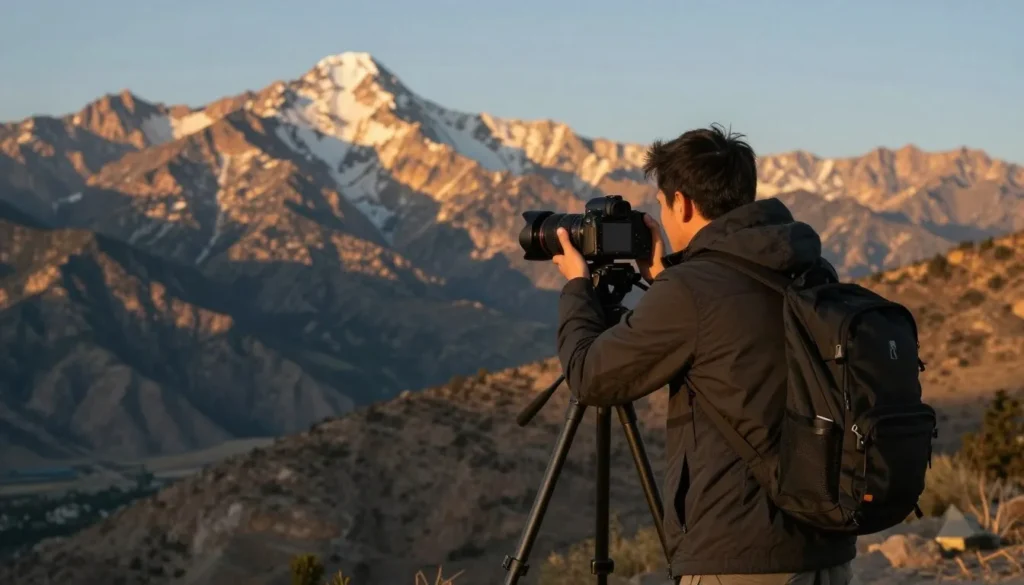
Wide angle lenses capture the expansive landscapes. Bring 16-35mm range for dramatic perspectives. Telephoto lenses are useful for wildlife and distant peaks.
Dust poses challenges for camera gear. Carry cleaning supplies and change lenses carefully. A lens cloth and air blower remove particles without scratching glass.
Extreme temperature swings affect batteries. Carry spares and keep them warm in cold conditions. Memory cards should be high quality and reliable.
Environmental Responsibility
This fragile desert environment recovers slowly from impacts. Stay on established roads and trails where they exist. Avoid creating new paths across vegetation.
Wildflowers should never be picked. They provide seeds for next year’s display. Photograph them in place for lasting memories.
Cultural and historical artifacts are protected by law. Observe but do not disturb old mining equipment, rock cairns, or archaeological sites. Report significant finds to land managers.
Seasonal Considerations
Spring brings muddy road conditions. Wait for roads to dry before attempting access. A stuck vehicle creates serious problems in remote areas.
Summer afternoon thunderstorms develop rapidly. Start hikes early to descend before storms arrive. Lightning danger is real on exposed ridges.
Fall offers stable weather but hunting seasons open. Wear bright colors during autumn visits. Orange vests make you visible to hunters.
Map Resources
Robinson Mountains location in northeastern Nevada
Your Robinson Mountains Nevada Adventure Awaits
The Robinson Mountains offer something increasingly rare in modern America—true wilderness solitude combined with accessible adventure. This remote Nevada range rewards those willing to venture beyond popular destinations.
From the dramatic peaks rising above the high desert to the star-filled night skies unmarred by light pollution, every element creates unforgettable memories. Whether you seek challenging backcountry routes or simple scenic drives, the Robinson Mountains deliver authentic Western wilderness experiences.
Plan carefully, respect the environment, and embrace the self-reliant spirit this region demands. Your effort will be rewarded with landscapes and solitude that few modern travelers ever experience. The Robinson Mountains await your discovery.