Hotels by Trip.com
Flights by Trip.com
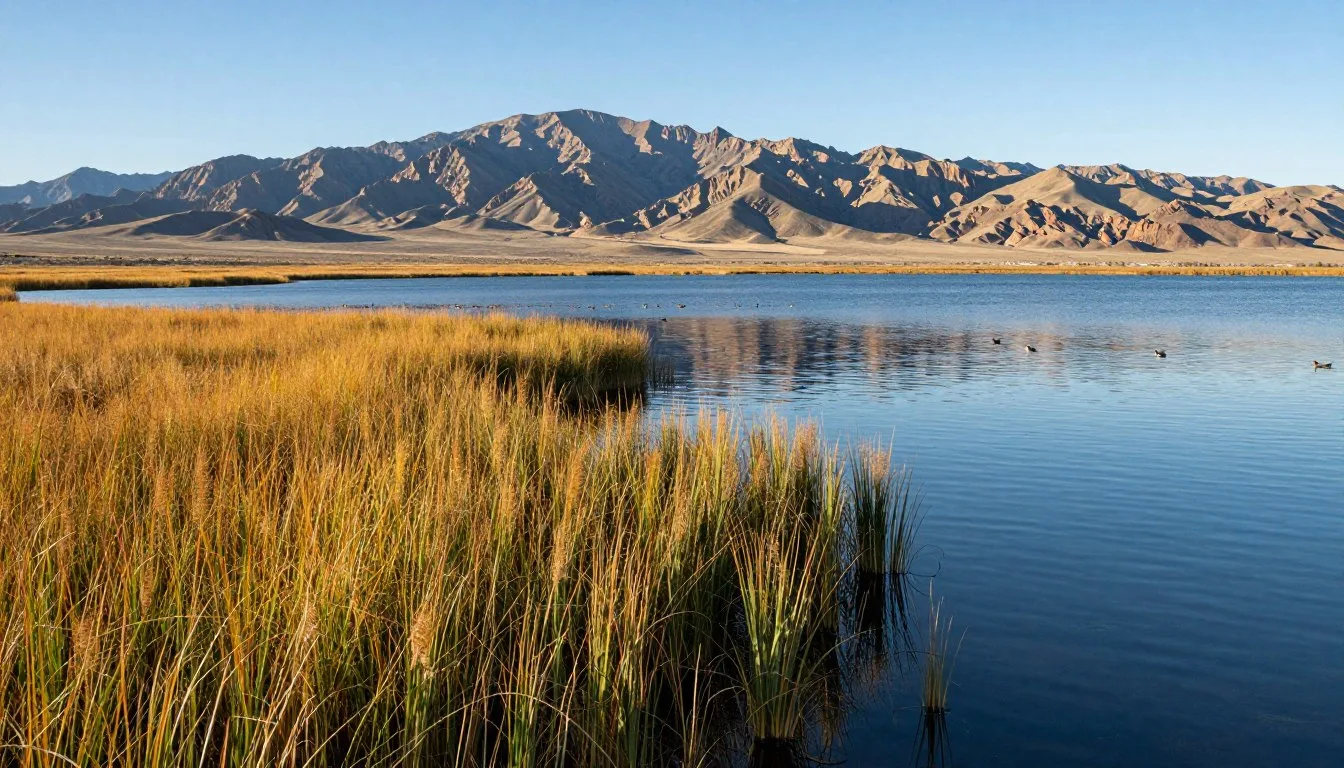
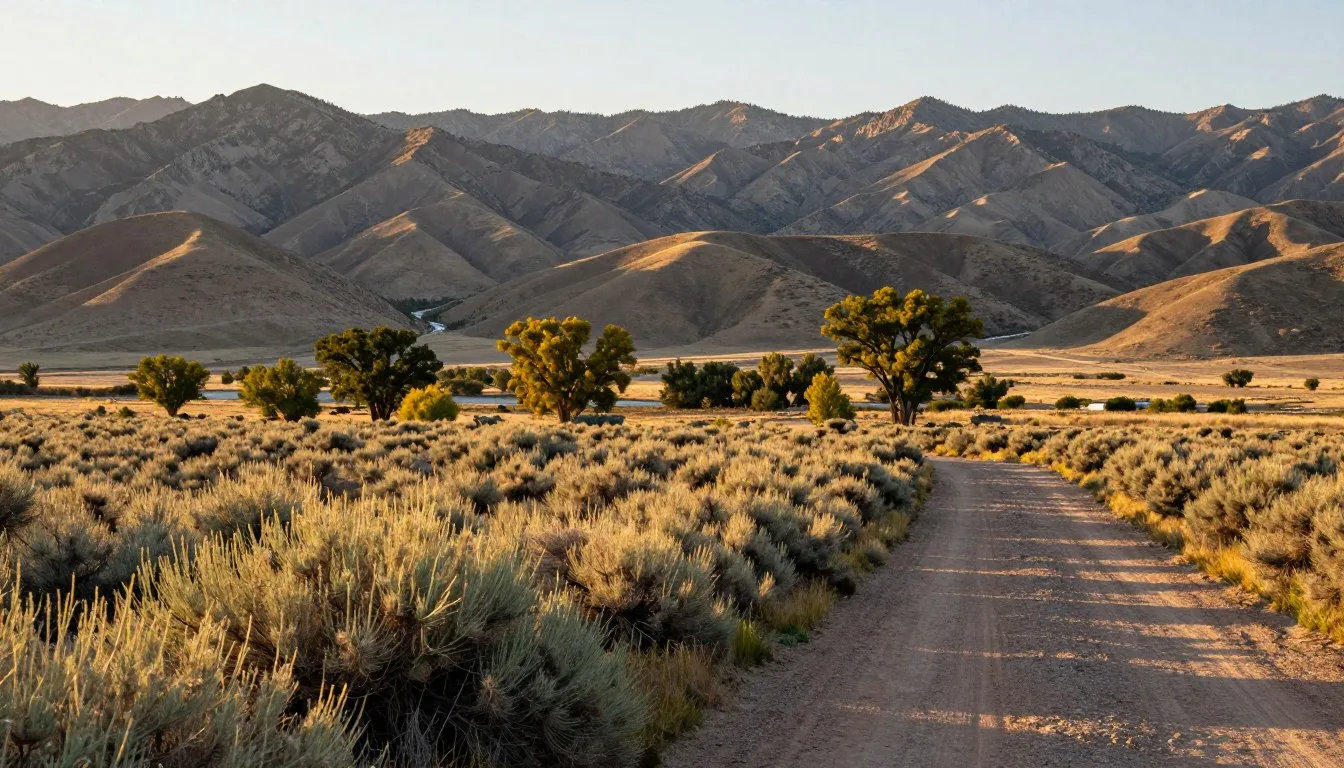
Did you know that Ruby Lake hosts over 220 species of birds throughout the year, making it one of Nevada’s most biodiverse wildlife viewing destinations? This remote marsh oasis sits at 1,829 m (6,000 feet) elevation in Ruby Valley, creating a unique wetland ecosystem surrounded by the dramatic Ruby Mountains.
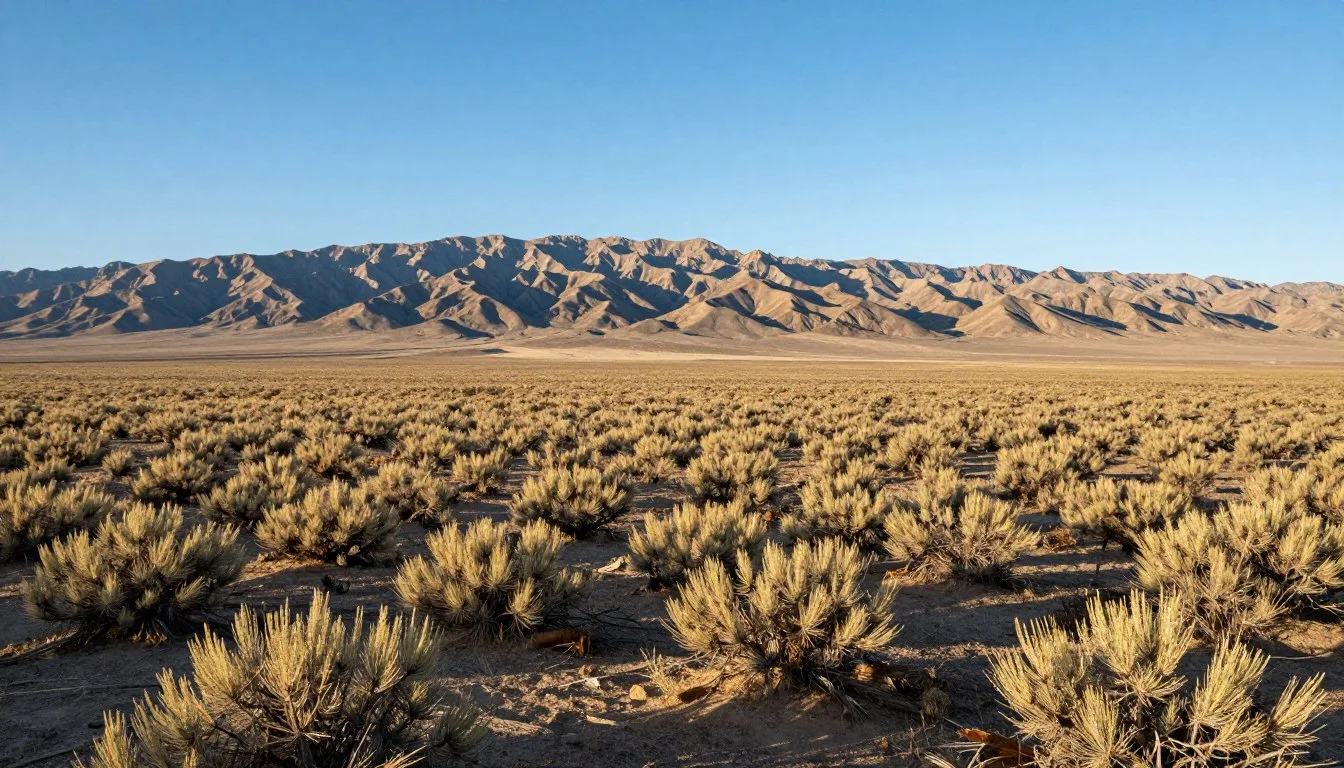
Ruby Lake National Wildlife Refuge spans 15,498 hectares (38,000 acres) of pristine marsh and upland habitat. The area attracts nature lovers, anglers, and photographers seeking solitude away from crowded tourist spots.
This comprehensive Ruby Lake Nevada travel guide covers everything you need to plan your trip. From wildlife viewing opportunities to fishing spots, camping locations to seasonal considerations, you’ll find practical information for an unforgettable visit.
Getting There and Planning Your Journey
The closest major airport is Elko Regional Airport (EKO), located 103 km (64 miles) north of Ruby Lake. This small facility offers daily flights from Salt Lake City. Most visitors fly into Reno-Tahoe International Airport (RNO), situated 483 km (300 miles) west, which provides more flight options and rental car availability.
From Elko, take State Route 228 south through Jiggs, then continue on Route 767 to reach the refuge headquarters. The route winds through scenic Ruby Valley with excellent mountain views along the way. Road conditions are generally good during summer months but can become challenging in winter.
Visitors should note that cell service is extremely limited throughout Ruby Valley and the Ruby Mountains area. Download maps and directions before departing from towns with reliable service. The nearest town with full services is Elko, where you can stock up on supplies, fuel, and food.
Plan for a full day of driving if coming from Reno. The route takes you through historic mining towns and offers opportunities to explore other Nevada attractions. Budget extra time for photo stops and wildlife viewing along the way.
Best Time to Visit and Weather Tips
Recommended Visiting Months
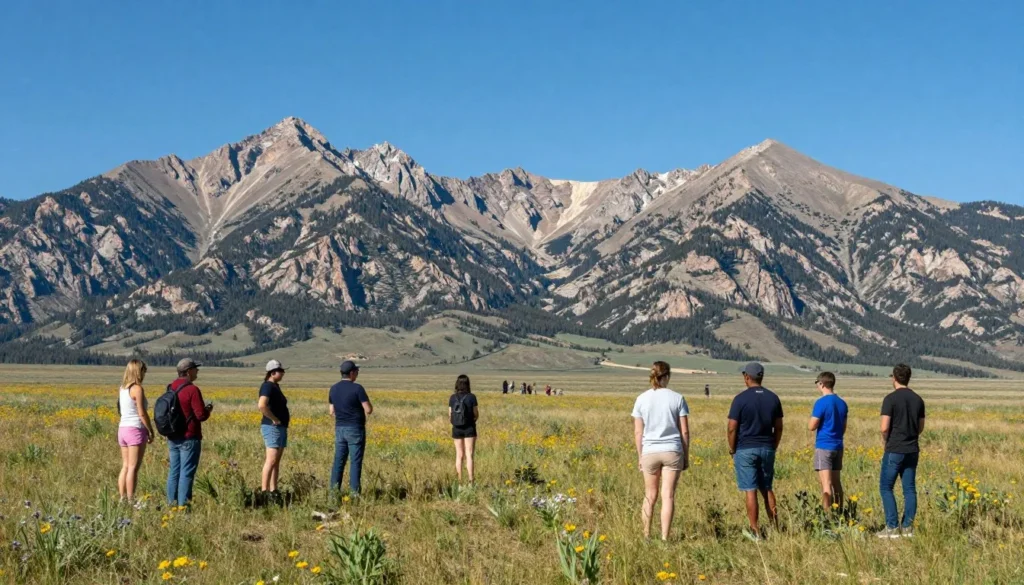
The best time to visit Ruby Lake depends on your interests. Spring (April through June) offers peak bird migration viewing with thousands of waterfowl and shorebirds. Summer months (July and August) provide comfortable weather for camping and fishing, with daytime temperatures around 26°C (80°F).
Fall (September through October) brings stunning foliage colors and excellent fishing conditions. Winter months (November through March) present challenging access due to snow and ice. The refuge receives significant snowfall, with accumulations often exceeding 1.5 m (5 feet) at higher elevations.
Spring Highlights
Prime season for bird migration and wildlife viewing activities throughout the area.
- Peak waterfowl migration in April
- Wildflower blooms in meadows
- Comfortable daytime temperatures
- Possible snow at higher elevations
Summer Advantages
Warmest weather with full access to all areas and activities across the location.
- All roads and trails accessible
- Best camping conditions
- Excellent fishing opportunities
- Longest daylight hours
Fall Benefits
Cooler temperatures and beautiful autumn colors make this time perfect for outdoor activities.
- Spectacular mountain colors
- Fewer visitors than summer
- Trophy fish activity increases
- Clear, crisp weather
Winter Considerations
Limited access due to weather but offers unique experiences for prepared visitors.
- Heavy snow limits access
- Ice fishing opportunities
- Solitude and pristine scenery
- 4WD vehicle essential
Months to Avoid
Winter months from December through February present significant challenges. Heavy snow closes many roads, and temperatures can drop below -18°C (0°F). The refuge headquarters may have limited hours during this period.
Early spring (March) can be unpredictable with sudden snowstorms and muddy conditions. Roads become impassable when wet, stranding visitors. Wait until mid-April for more reliable access and weather conditions.
Notable Annual Festivals
Ruby Valley hosts the Ruby Mountain Balloon Festival each January in nearby Elko. This three-day event features hot air balloons against the stunning Ruby Mountains backdrop. While not at Ruby Lake itself, it’s a popular way to experience the area during winter months.
The Elko National Cowboy Poetry Gathering takes place each January, celebrating Western heritage through poetry, music, and art. This week-long event attracts visitors from around the world and provides cultural context for the region.
Getting Around Locally
A personal vehicle is essential for visiting Ruby Lake. No public transportation serves the area, and the refuge is too remote for rideshare services. High-clearance vehicles are recommended, especially for exploring backcountry roads around the Ruby Mountains.
The main refuge road is a 19 km (12 mile) gravel route circling the marsh. This self-guided auto tour provides access to viewing areas, boat launches, and photography spots. Drive slowly to watch for wildlife and enjoy the scenery at each stop.
Four-wheel drive becomes necessary for accessing more remote areas of the Ruby Mountains. South Ruby and other mountain routes require capable vehicles and experienced drivers. Check current road conditions before attempting these trips.
Bicycles work well on the main refuge road during dry conditions. The flat terrain and light traffic make cycling an enjoyable way to observe birds and other wildlife. Bring plenty of water as no services exist within the refuge.
Where to Stay
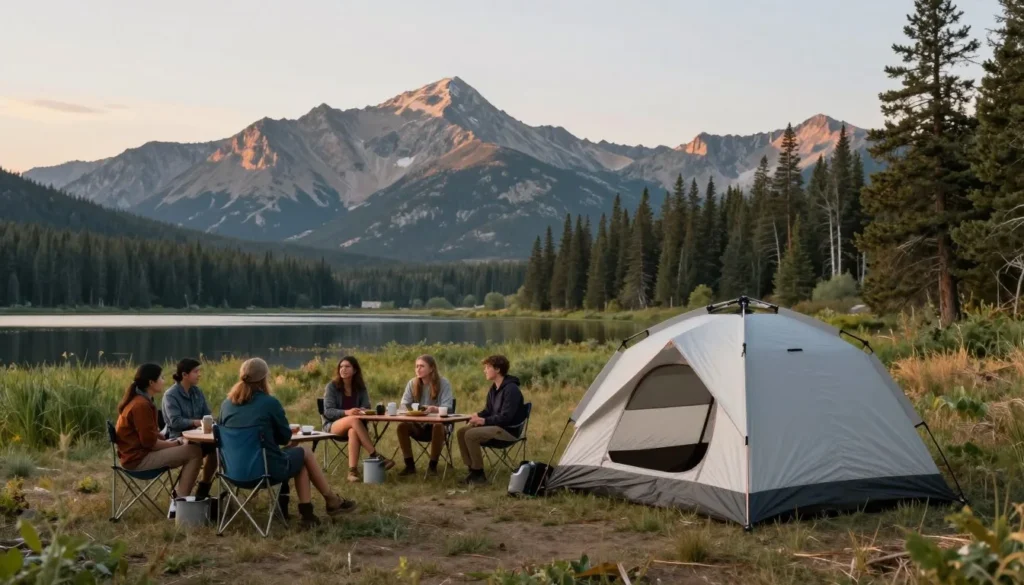
The Ruby Lake Recreation Area Campground offers the only developed camping within the refuge. This primitive facility provides 38 sites with picnic tables and fire rings. Sites operate on a first-come, first-served basis with no reservations accepted.
Vault toilets and drinking water are available from May through September. Camping fees are minimal at around $10 per night. The campground fills quickly on summer weekends and during peak migration periods.
Dispersed camping is permitted in surrounding Humboldt-Toiyabe National Forest lands. Choose established sites to minimize environmental impact. Practice Leave No Trace principles and pack out all trash. Cell service remains unavailable at most camping locations.
The nearest hotels are in Elko, 103 km (64 miles) north. This small city offers chain hotels, local motels, and some vacation rentals. Staying in Elko provides access to restaurants, supplies, and reliable cell service while making day trips to Ruby Lake.
Spring Creek, located 16 km (10 miles) south of Elko, offers additional lodging options including bed and breakfasts. This golf community provides a quieter alternative to staying in town while maintaining reasonable access to Ruby Lake.
Dining and Local Cuisine

No restaurants or food services exist at Ruby Lake or in Ruby Valley. Visitors must bring all food and drinks from Elko or other towns. Pack a cooler with perishables and bring non-perishable backup supplies.
Elko offers the nearest dining options with classic Nevada cuisine. Basque restaurants serve family-style meals featuring lamb, beef, and traditional dishes. These hearty portions reflect the area’s sheep ranching heritage and Basque immigrant history.
Local steakhouses specialize in Nevada beef, while several Mexican restaurants provide variety. Chain restaurants cluster near the interstate for familiar options. Stock up on groceries at supermarkets before heading to Ruby Lake.
Camp cooking becomes part of the Ruby Lake experience. Bring a portable stove, cooking gear, and ingredients for simple meals. Grilling fresh-caught fish over a campfire creates memorable dining moments under starry skies.
Attractions, Sightseeing and Activities
Wildlife Viewing
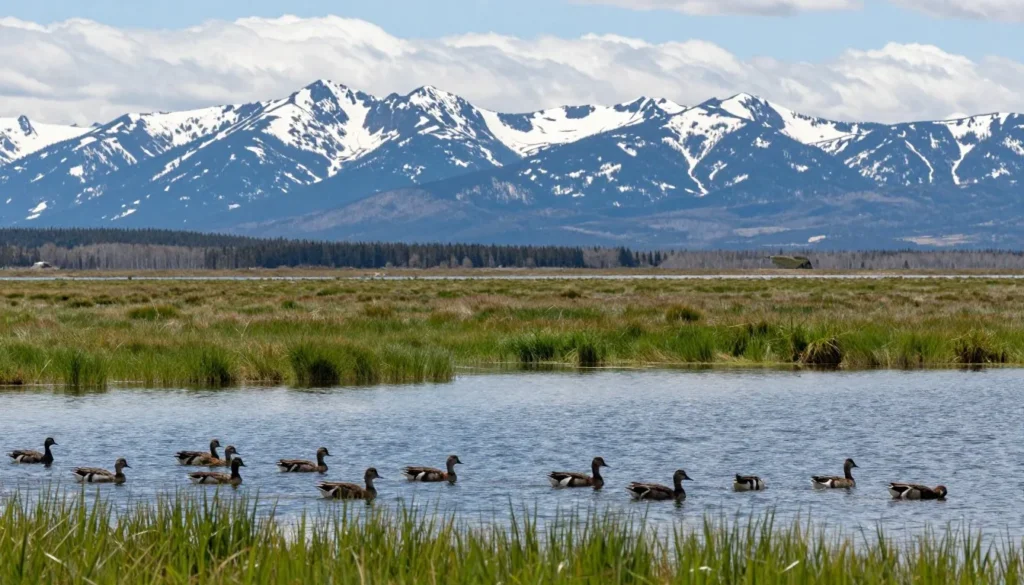
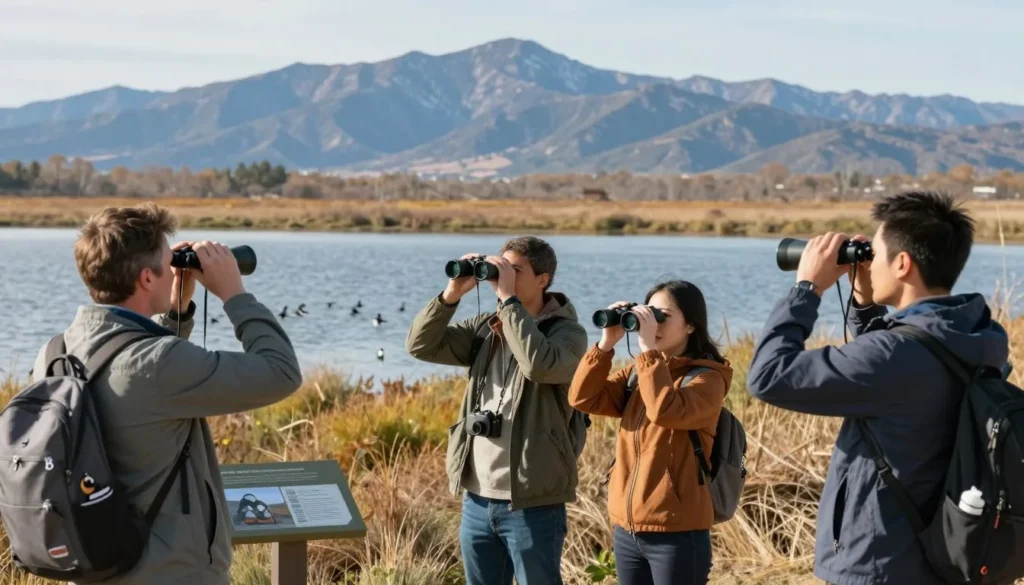
Ruby Lake National Wildlife Refuge was established in 1938 to protect nesting waterfowl. Over 220 bird species use the marsh throughout the year. Spring migration brings spectacular numbers of ducks, geese, swans, and shorebirds.
Canvasback ducks, redheads, and other diving ducks nest in the marsh. Trumpeter swans appear during migration periods. Sandhill cranes stop at Ruby Lake during their annual journeys, creating unforgettable viewing opportunities.
The observation platform near refuge headquarters provides excellent viewing with minimal walking. Early morning and late afternoon offer the best wildlife activity. Bring binoculars or a spotting scope to observe distant birds.
Mammals include mule deer, pronghorn antelope, and occasional coyotes. The marsh supports muskrats and beavers. Lucky visitors might spot bobcats or mountain lions in surrounding uplands, though sightings remain rare.
Fishing
Ruby Lake provides exceptional fishing for rainbow trout, brook trout, and largemouth bass. The marsh’s fertile waters produce trophy-sized fish that attract anglers from across the region. Nevada fishing licenses are required for anyone over age 12.
Float tubes and small boats access the best fishing areas. The refuge prohibits motorized boats, creating a peaceful fishing experience. Launch sites are located at several points along the auto tour route.
Spring and fall provide the most productive fishing conditions. Summer months can be slower due to warm water temperatures. Ice fishing is popular during winter months for those willing to brave cold conditions and challenging access.
Catch and release practices help maintain the quality fishery. Barbless hooks reduce fish injury. Check current Nevada regulations for specific limits and restrictions at the refuge.
Photography
Ruby Lake offers outstanding photography opportunities throughout the year. The combination of water, marsh grasses, and mountain backdrop creates dramatic compositions. Wildlife photographers find abundant subjects from birds to mammals.
Sunrise and sunset paint the Ruby Mountains in spectacular colors reflected in marsh waters. Spring and fall provide the best lighting conditions. Summer thunderstorms create dramatic skies worth capturing.
Telephoto lenses help photograph distant wildlife without disturbance. Wide-angle lenses capture sweeping landscape views. Bring weather protection for camera gear as conditions can change rapidly.
Museums, Cultural Spots and Festivals
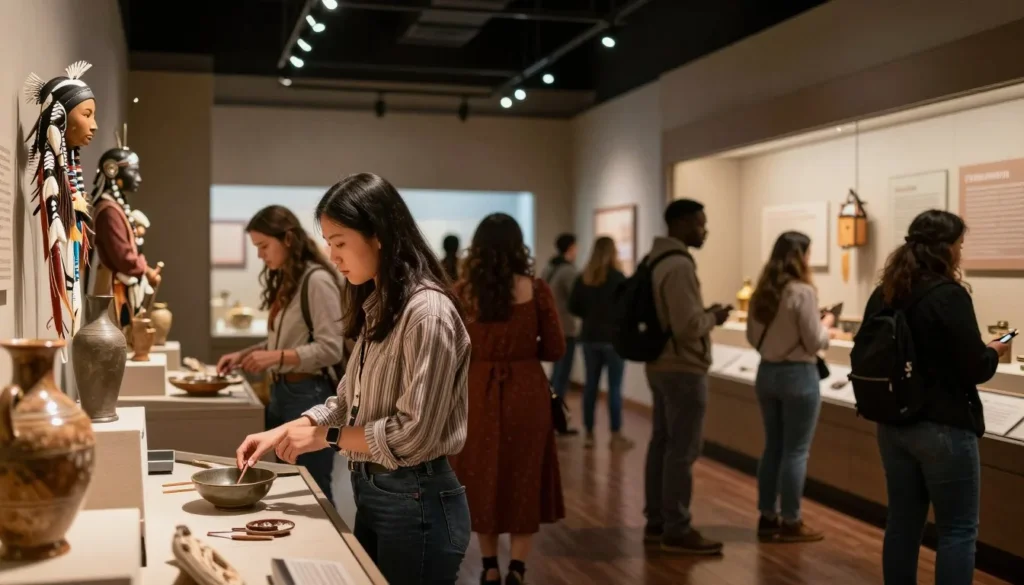
The Ruby Lake National Wildlife Refuge Visitor Center provides interpretive displays about marsh ecology and wildlife. Rangers offer information about current conditions and wildlife sightings. The center maintains limited hours, typically open weekdays during summer months.
Northeastern Nevada Museum in Elko showcases regional history including Native American heritage, mining history, and pioneer settlement. This small facility offers context for understanding Ruby Valley’s past. Basque cultural exhibits highlight immigrant contributions to Nevada ranching.
The California Trail Interpretive Center, located near Elko, tells the story of westward migration. This modern facility features interactive exhibits and theater presentations. Many California Trail emigrants passed through Ruby Valley on their journey west.
Western Folklife Center in Elko hosts year-round cultural programs celebrating cowboy heritage and rural traditions. The center’s building, a historic hotel, is worth seeing for its architecture and exhibits.
Nature and Outdoor Experiences
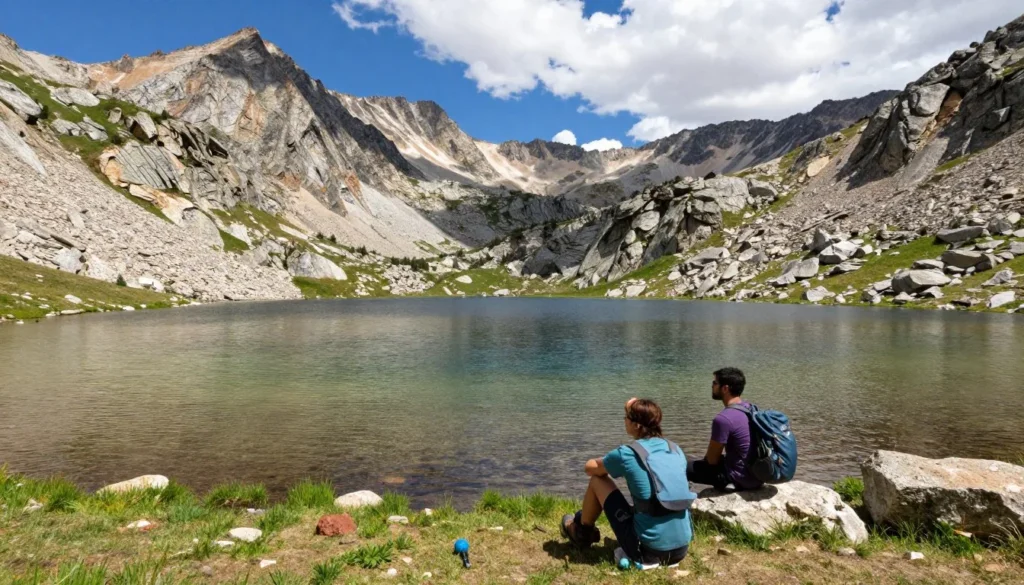
Hiking in the Ruby Mountains
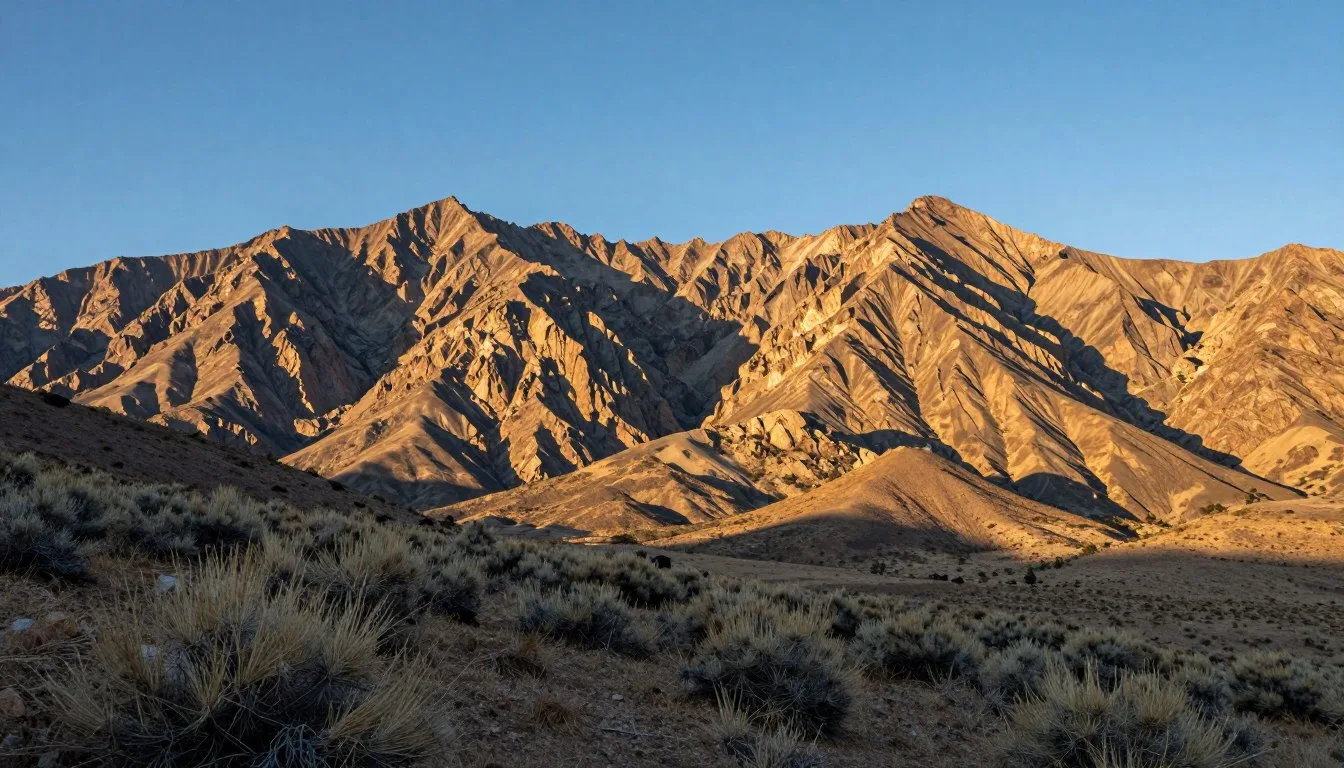
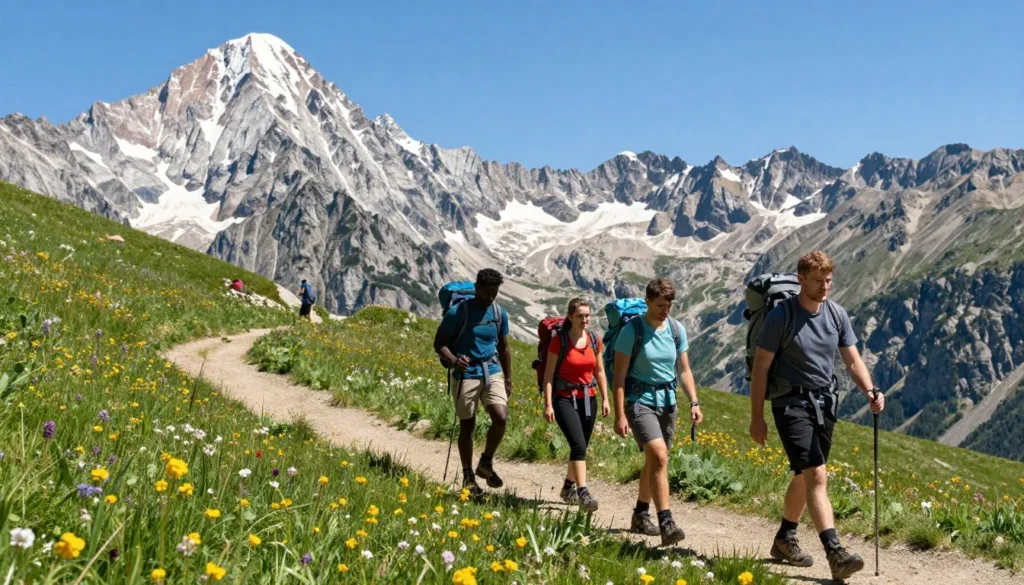
The Ruby Mountains rise dramatically east of Ruby Lake, offering exceptional hiking opportunities. These peaks reach elevations exceeding 3,353 m (11,000 feet). Glacially carved valleys create stunning alpine scenery rare in Nevada.
Lamoille Canyon provides the most accessible hiking with a paved scenic drive to the trailhead. This route leads into the heart of the Ruby Mountains. Popular trails range from easy walks to challenging climbs gaining significant elevation.
The Ruby Crest National Recreation Trail traverses 64 km (40 miles) of high country. This multi-day backpacking route passes alpine lakes, meadows, and mountain peaks. The trail requires wilderness skills and proper preparation for high elevation conditions.
Day hikes from Lamoille Canyon offer tastes of Ruby Mountains beauty without overnight commitments. Island Lake Trail and Dollar Lakes Trail are popular choices. Expect snow lingering into July at higher elevations.
Kayaking and Canoeing
Ruby Lake’s shallow marsh waters create ideal conditions for kayaking and canoeing. Paddlers glide through channels lined with bulrush and cattails. The quiet approach allows close wildlife observation without disturbing birds.
Launch your watercraft from designated areas along the auto tour route. No motorized boats are permitted, ensuring a peaceful experience. Life jackets are required and strongly recommended given the remote location.
Early morning paddles offer the best wildlife viewing opportunities. Bring waterproof binoculars and cameras. The marsh extends for miles, so plan your route carefully and note landmarks for navigation.
Winter Activities
Winter transforms Ruby Lake into a snow-covered wilderness. Cross-country skiing and snowshoeing become possible when snow depths allow. The flat marsh areas provide gentle terrain perfect for Nordic skiing.
Ice fishing attracts hardy anglers during winter months. The marsh freezes solid enough to support anglers by mid-winter. Check ice thickness carefully before venturing out. Minimum safe thickness is 10 cm (4 inches) for walking.
Winter access requires four-wheel drive and winter driving skills. The refuge road may not be plowed regularly. Carry emergency supplies including extra food, water, warm clothing, and communication devices.
Travel With Children
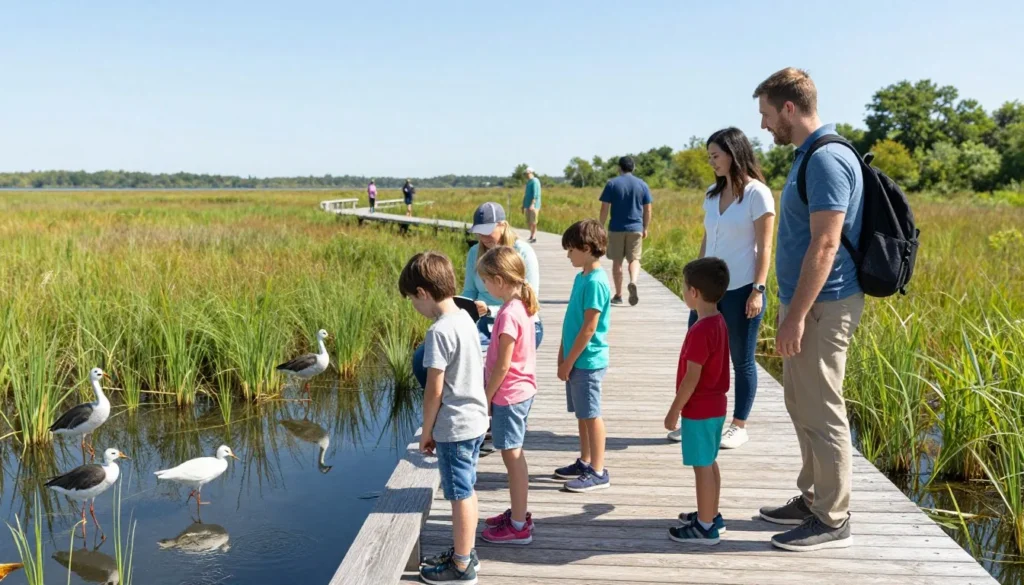
Ruby Lake offers wonderful family experiences for children interested in nature. The auto tour route allows wildlife viewing from vehicle comfort, perfect for younger kids. Frequent stops at viewing areas break up driving time.
The observation platform provides safe wildlife watching without hiking. Children enjoy spotting different bird species and checking them off in field guides. Bring binoculars sized for smaller hands.
Fishing from the shoreline engages children in outdoor activities. The marsh’s productivity means kids often catch fish, maintaining their interest. Teach catch and release principles as part of the experience.
The refuge’s remote location requires extra preparation when traveling with children. Pack plenty of snacks, drinks, and entertainment for drives. No cell service means bringing books, games, or downloaded content for downtime at camp.
Camping at Ruby Lake creates lasting family memories. Children enjoy campfires, stargazing, and sleeping in tents. The campground’s primitive nature teaches self-sufficiency and appreciation for simple pleasures.
Money Saving Tips
Ruby Lake ranks among Nevada’s most affordable destinations. The refuge charges no entrance fees, allowing unlimited visits at no cost. This represents significant savings compared to many national parks.
Camping costs remain minimal at around $10 per night. Dispersed camping on surrounding public lands is completely free. A week-long camping trip costs less than a single night in most hotels.
Pack all food from home or shop at grocery stores in Elko rather than eating at restaurants. Meal costs drop dramatically when cooking at camp. A camp stove and basic cookware pay for themselves quickly.
Nevada fishing licenses cost less when purchased online in advance. Annual licenses make sense for visitors planning multiple fishing days. Seniors and children receive discounted rates.
Visit during shoulder seasons (late spring or early fall) when camping fees may be reduced or waived. Fewer visitors mean better campsite selection. Weather remains pleasant during these periods.
Bring all recreational equipment from home. Kayak and canoe rentals aren’t available locally. Borrowing or buying used gear costs less than renting if available.
Safety, Etiquette and Local Customs
Wildlife Safety
Maintain safe distances from all wildlife. Use binoculars or telephoto lenses for close-up views. Never approach or feed animals. This protects both visitors and wildlife while preventing animals from becoming habituated to humans.
Rattlesnakes inhabit the area during warm months. Watch where you step and place your hands. Most snakes flee when they sense approaching humans. Give any snakes you encounter plenty of space to retreat.
Black bears occasionally wander through the area. Store all food, toiletries, and scented items in bear-resistant containers or vehicles. Keep a clean camp to avoid attracting wildlife. Never leave food unattended.
Environmental Considerations
The marsh ecosystem is fragile and requires visitor care. Stay on designated roads and trails. Walking through marsh vegetation damages habitat and disturbs nesting birds. Respect all closure areas during sensitive seasons.
Pack out all trash including fishing line and food waste. Leave No Trace principles apply throughout the refuge and surrounding public lands. What you carry in, you carry out.
Campfires are restricted to designated fire rings. Never build new fire rings. During dry periods, fire bans may prohibit all campfires. Check current regulations before your trip.
Remote Location Precautions
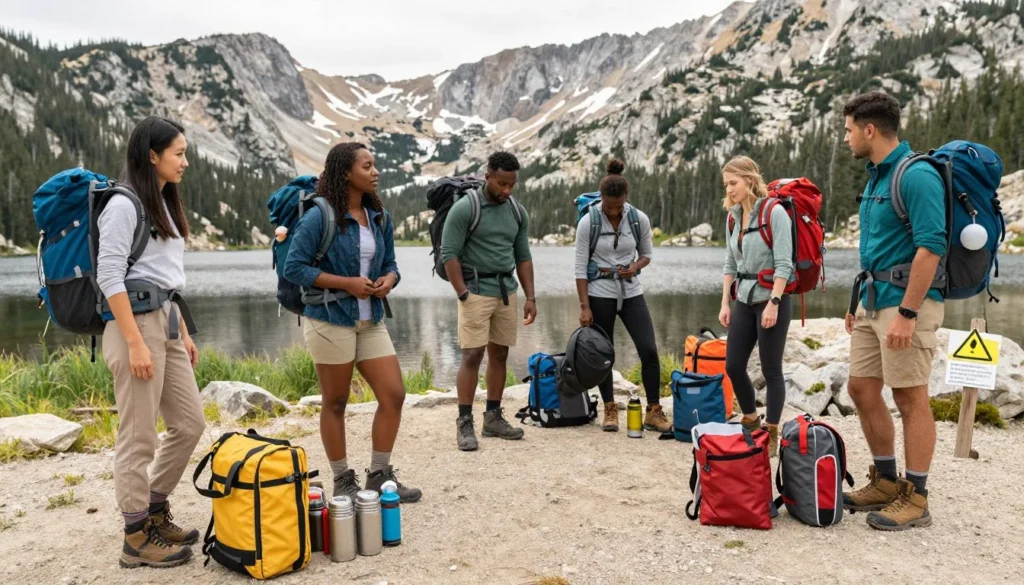
Cell service is unavailable throughout most of Ruby Valley and the Ruby Mountains. Download maps and information before leaving areas with service. Tell someone your itinerary and expected return time.
Carry emergency supplies year-round including extra food, water, warm clothing, and first aid kit. Weather can change rapidly in the mountains. Summer thunderstorms bring lightning, wind, and temperature drops.
The nearest medical facilities are in Elko, over an hour away. Carry comprehensive first aid supplies. Know how to treat common outdoor injuries. Prevention through caution is the best medicine in remote areas.
Flash flooding can occur during intense thunderstorms. Avoid camping in washes or low areas. If caught in a storm while hiking, seek higher ground immediately. Never attempt to cross flooded roads.
Visitor Comments About Ruby Lake
“Ruby Lake exceeded all expectations. The bird diversity amazed us during spring migration. We spotted over 40 species in one morning from the observation platform. The remote location means fewer crowds and authentic wilderness experiences. Camping under star-filled skies with mountain views created memories our family will treasure forever.”
“The fishing at Ruby Lake ranks among the best I’ve experienced. Trophy trout up to 20 inches are common. The peaceful marsh setting makes every cast enjoyable even when fish aren’t biting. Float tubing through the channels puts you right in the middle of nature. This place offers something special that’s hard to find anymore.”
“Photography opportunities at Ruby Lake are endless. Sunrise over the Ruby Mountains reflecting in marsh waters takes your breath away. Wildlife subjects appear constantly. The lack of development means compositions remain natural and pristine. I’ve returned three times and discover new perspectives each visit. A photographer’s paradise.”
Additional Nearby Destinations
Lamoille Canyon
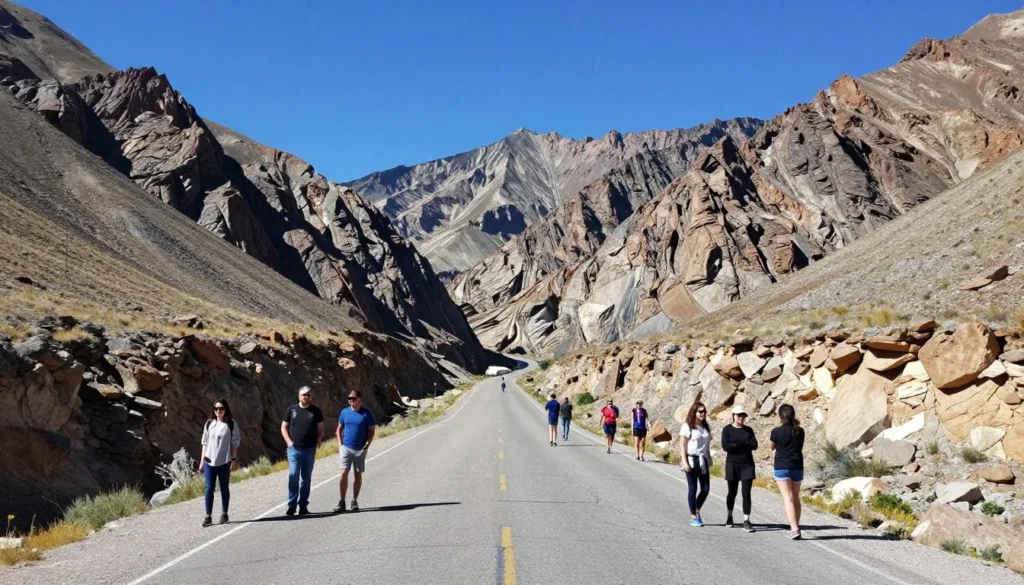
Lamoille Canyon lies 97 km (60 miles) northwest of Ruby Lake. This spectacular glacially carved canyon is often called the “Yosemite of Nevada.” A 19 km (12 mile) paved scenic drive climbs from valley floor to alpine terrain at 2,652 m (8,700 feet).
The canyon provides access to Ruby Mountains hiking trails, picnic areas, and campgrounds. Fall colors peak in late September when aspen groves turn golden. Winter closes the upper canyon road, but the lower section remains accessible.
Great Basin National Park
Great Basin National Park sits 241 km (150 miles) southeast of Ruby Lake. This underrated park features Lehman Caves, ancient bristlecone pines, and Wheeler Peak at 3,982 m (13,063 feet). The park receives far fewer visitors than Yellowstone or Yosemite, offering solitude.
Cave tours run year-round and require reservations during summer months. The scenic drive to Wheeler Peak rivals any in the West. Alpine lakes and high country hiking attract backpackers seeking wilderness experiences.
Jarbidge Wilderness
Jarbidge Wilderness Area lies 129 km (80 miles) north of Ruby Lake. This rugged mountain wilderness offers exceptional backcountry hiking and fishing. The tiny town of Jarbidge serves as the base for wilderness exploration.
Access requires driving rough gravel roads that may need high-clearance vehicles. The isolation and primitive conditions attract adventurous visitors seeking true wilderness. Fall colors in Jarbidge Canyon are spectacular.
South Ruby and Ruby Dome
South Ruby area and Ruby Dome peak lie in the southern Ruby Mountains. These peaks exceed 3,475 m (11,400 feet) and offer challenging climbing routes. The approach requires four-wheel drive and backcountry navigation skills.
Ruby Dome at 3,471 m (11,387 feet) is the range’s highest point. Summit attempts require excellent physical conditioning and mountain experience. Views from the summit extend across Nevada’s basin and range landscape.
Practical Travel Tips
What to Pack
Layered clothing handles Nevada’s variable weather. Mornings start cold even in summer, warming significantly by afternoon. Pack fleece or down jacket for cool evenings. Rain gear protects against sudden thunderstorms common during summer months.
Sun protection is essential at this elevation. Bring sunscreen, sunglasses, and wide-brimmed hat. The high desert sun burns quickly, especially when reflected off water. Lip balm prevents chapping in dry air.
Insect repellent helps during spring and early summer when mosquitoes emerge. The marsh habitat supports large mosquito populations. Evening and early morning hours see peak insect activity.
Communication and Navigation
Download offline maps before leaving areas with cell service. GPS devices work throughout the area but bring paper maps as backup. The refuge provides a basic map at headquarters showing roads and viewing areas.
Satellite communicators provide emergency contact capability in areas without cell service. These devices allow sending messages and SOS signals. They provide peace of mind for solo travelers and families.
Photography Equipment
Wildlife photographers need telephoto lenses of at least 300mm focal length. Birds remain distant even at viewing areas. Tripods or monopods steady long lenses for sharp images.
Landscape photographers should bring wide-angle lenses for sweeping vistas. Polarizing filters enhance sky and water. Early morning and late afternoon light creates the most dramatic images.
Fishing Gear
Float tubes and pontoon boats work best for accessing prime fishing areas. The marsh’s shallow water and abundant vegetation make regular boats impractical. Pack a hand pump or electric inflator.
Fly fishing gear catches trout effectively. Bring various fly patterns including nymphs, streamers, and dry flies. Spinning tackle also works well with small lures and live bait where permitted.
Vehicle Preparation
Check tire condition and air pressure before the trip. Carry a full-size spare tire and tools for changing it. Gravel roads can cause flats, especially in remote areas where help isn’t readily available.
Fill fuel tank in Elko before heading to Ruby Lake. No gas stations exist in Ruby Valley. Running out of fuel means a very long walk or expensive tow truck call from Elko.
Weather Monitoring
Check extended forecasts before departure. Mountain weather changes rapidly, turning sunny mornings into afternoon thunderstorms. Lightning presents serious danger in open areas and on water.
If thunderstorms approach while on the water, return to shore immediately. Seek shelter in vehicle or substantial building. Avoid tall trees and open areas during lightning activity.
Ruby Lake Location
Your Ruby Lake Adventure Awaits
Ruby Lake stands as one of Nevada’s hidden treasures, offering experiences that combine wildlife viewing, outdoor recreation, and pristine natural beauty. The refuge’s remote location preserves an authentic wilderness character increasingly rare in modern travel.
Whether you cast a line for trophy trout, photograph migrating birds against mountain backdrops, or simply absorb the peace of this marsh oasis, Ruby Lake delivers unforgettable moments. The surrounding Ruby Mountains add dramatic scenery and hiking opportunities that extend your adventure beyond the refuge boundaries.
This destination rewards those willing to venture off beaten paths. The lack of crowds, development, and commercial tourism means your visit feels like a genuine discovery. Start planning your Ruby Lake journey today, and prepare for an experience that reconnects you with wild Nevada.
The above is subject to change.
Check back often to TRAVEL.COM for the latest travel tips and deals.