Hotels by Trip.com
Flights by Trip.com
Did you know that Fort Churchill once protected the first transcontinental telegraph line and served as a crucial stop along the Pony Express route? Today, these remarkable ruins stand as Nevada’s best-preserved example of a pre-Civil War military fort, offering visitors a tangible connection to the American West’s most pivotal era.
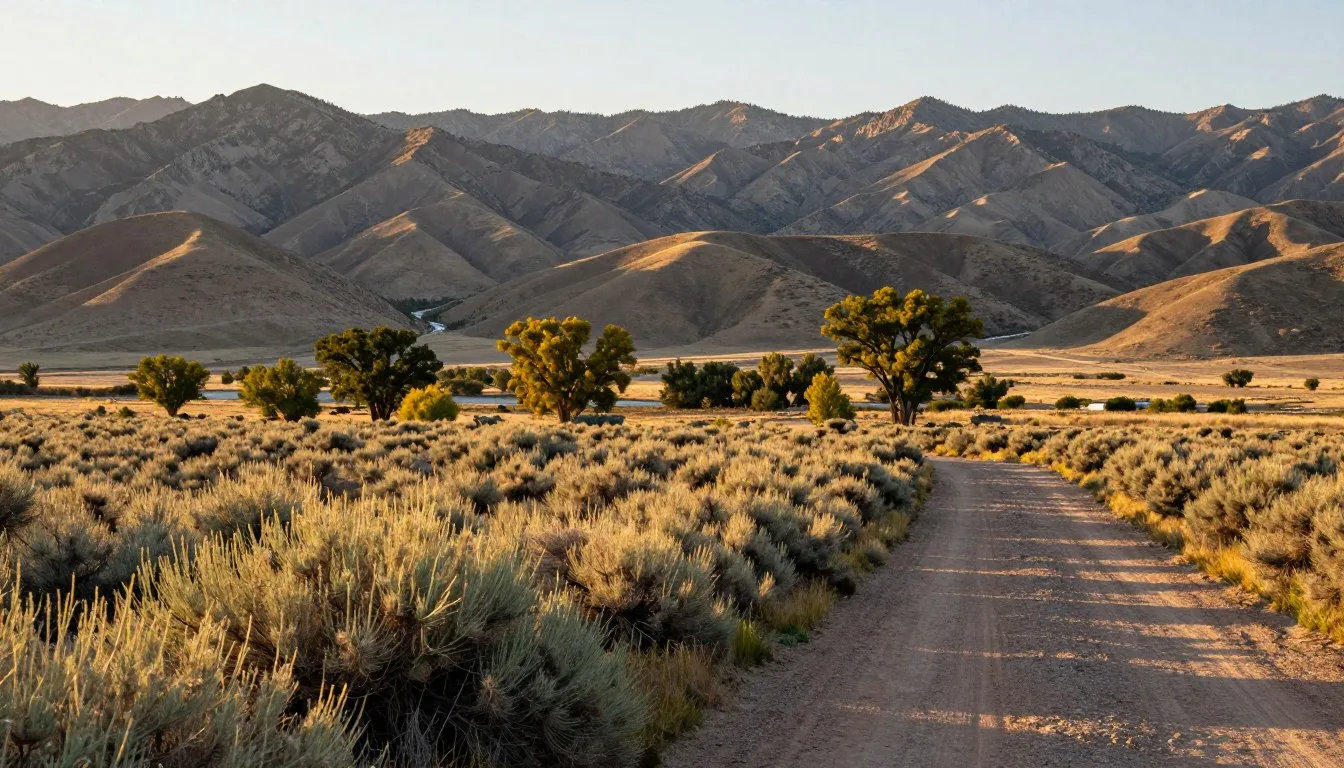
Fort Churchill State Historic Park sits along the Carson River in Silver Springs, Nevada. The site contains extensive adobe ruins from the 1860s military post. Visitors explore authentic Civil War-era buildings, walk scenic trails, and camp beside the river where early settlers once traveled.
This comprehensive guide reveals everything you need to plan your visit to Fort Churchill Ruins Nevada. You’ll discover the best times to explore the historic park, top activities from hiking to photography, and practical tips for making the most of this unique Nevada state park destination.
Getting There & Planning Your Journey
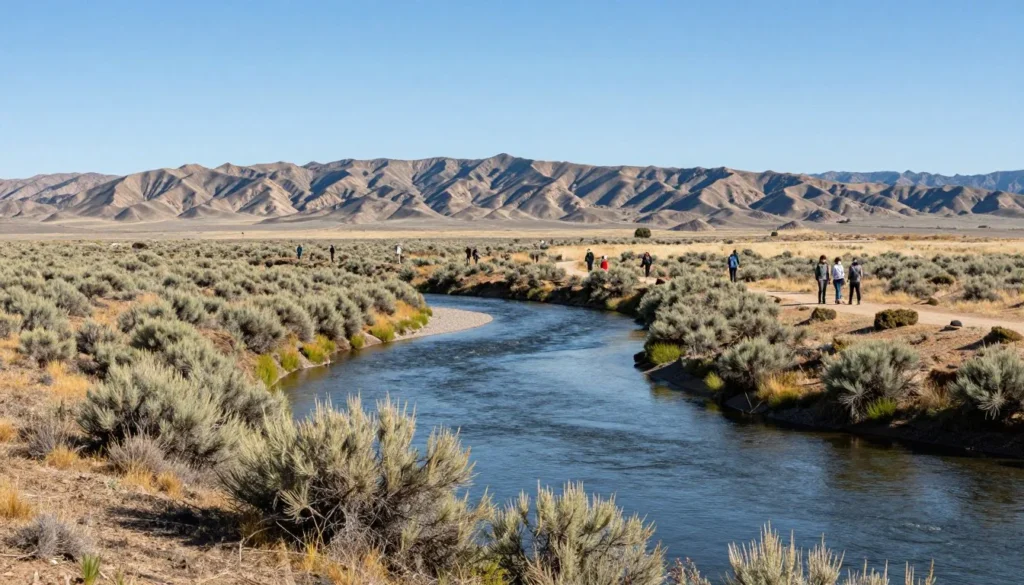
Fort Churchill State Historic Park is located in Silver Springs, Nevada, about 64 km (40 miles) east of Carson City. The park sits along the Carson River in Lyon County. Most visitors reach the area by car, as this provides the best access to explore the ruins and surrounding Nevada state parks.
The closest major airport is Reno-Tahoe International Airport, located approximately 80 km (50 miles) northwest of the park. From Reno, you’ll drive south on US-395, then east on US-50 (the historic Loneliest Road in America). The drive takes about an hour and offers scenic views of Nevada’s high desert landscape.
Another option is Carson City Airport, a smaller regional facility just 64 km (40 miles) west of Fort Churchill. While fewer commercial flights serve this airport, it’s convenient for private aircraft. From Carson City, take US-50 East directly to the park entrance.
Fort Churchill Visitor Center Information
Address: 1000 US-95 Alt, Silver Springs, NV 89429
Phone: (775) 577-2345
Hours: Daily 8:00 AM – 4:30 PM
The visitor center features historical exhibits, restrooms, and knowledgeable staff who can answer questions about the fort and area history.
If you’re driving from Las Vegas, the journey covers approximately 644 km (400 miles) and takes around six hours via US-95 North. This route passes through Tonopah and offers a true taste of Nevada’s expansive desert scenery.
Best Time to Visit & Weather Tips
Check 30,000+ Local Sightseeing Tours Worldwide
✓ Numerous languages and currencies are available
The best time to visit Fort Churchill State Historic Park is during spring (March through May) and fall (September through November). During these months, temperatures range from 15°C to 26°C (60°F to 80°F), creating ideal conditions for exploring the ruins and hiking trails along the Carson River.
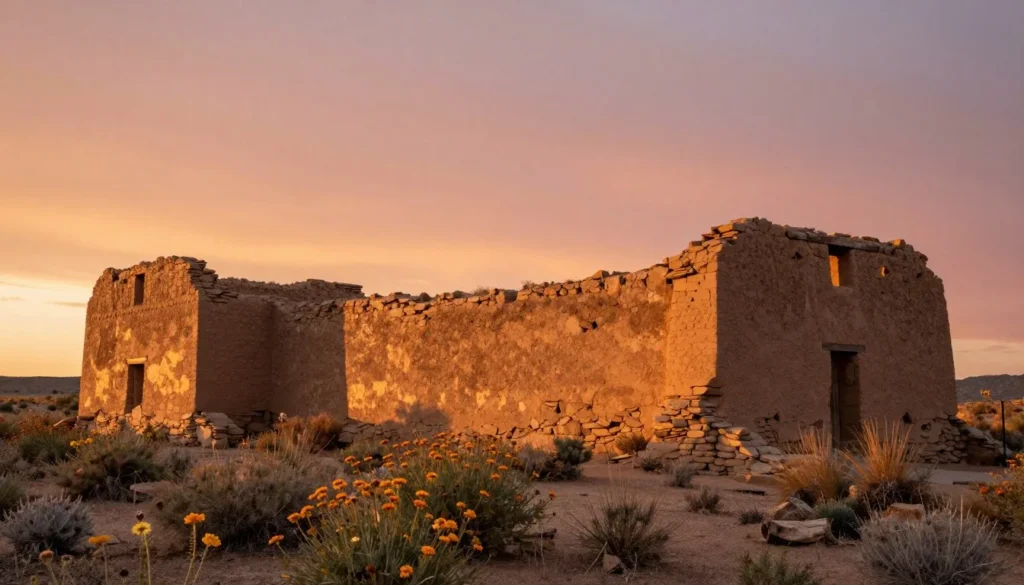
Spring brings wildflowers to the desert landscape. The area surrounding the fort blooms with colorful native plants. This season offers excellent photography opportunities. The Carson River flows with snowmelt, adding scenic beauty to your visit.
Fall provides comfortable weather and fewer crowds compared to summer. The cottonwood trees along Carson River turn golden yellow. September and October offer particularly pleasant conditions. You’ll find the park peaceful during weekdays in autumn.
Seasons to Avoid
Summer months (June through August) can be extremely hot, with temperatures regularly exceeding 38°C (100°F). The exposed ruins offer little shade. If you visit during summer, plan activities for early morning or late afternoon. Bring plenty of water and sun protection.
Winter (December through February) brings cold temperatures, sometimes dropping below freezing at night. Snow occasionally dusts the ruins, creating dramatic photo opportunities. However, some facilities may have reduced hours. The Civilian Conservation Corps-built structures and arrested decay preservation efforts remain visible year-round.
Weather Planning Tips
- Check weather forecasts before your visit, as desert conditions change rapidly
- Bring layers regardless of season – temperatures vary significantly between day and night
- Summer visitors should start exploring before 10:00 AM to avoid peak heat
- Spring and fall offer the most comfortable all-day exploration conditions
Getting Around Locally
Fort Churchill State Historic Park is best explored on foot. The ruins area covers a compact space that you can thoroughly walk in two to three hours. Most visitors park near the visitor center and walk to the various buildings and interpretive sites.
The main parking area accommodates standard vehicles, RVs, and vehicles pulling trailers. Parking is free with your park admission. From the lot, paved and dirt paths lead to the historic structures. The terrain is relatively flat, though uneven in places around the ruins.
Walking trails connect the major points of interest. The self-guided tour takes you past the fort’s original buildings, now preserved in a state of arrested decay by Nevada State Parks. Interpretive signs provide historical context at each stop. The entire loop is approximately 1.6 km (one mile).
For visitors with mobility concerns, the visitor center and some viewing areas near the parking lot are accessible. However, the historic ruins themselves sit on uneven terrain with loose gravel and sand. Sturdy walking shoes are essential for all visitors exploring the fort.
If you plan to explore beyond the immediate fort area, your personal vehicle provides access to nearby trails along the Carson River and connections to other state parks. No public transportation serves the area, so having your own vehicle is necessary.
Where to Stay

Fort Churchill State Historic Park offers on-site camping, making it convenient to experience the ruins at sunrise and sunset. The campground features 20 sites with picnic tables and fire rings. Sites accommodate tents and RVs up to 12 m (40 feet). The campground sits along the Carson River beneath mature cottonwood trees.
Camping reservations are strongly recommended, especially during spring and fall weekends. Sites include access to restrooms with showers. The nightly camping fee is separate from the day-use entrance fee. Group camping areas are available for larger parties with advance reservation through Nevada State Parks.
Silver Springs, the nearest town, sits about 10 km (six miles) from the park. This small community offers limited lodging options, primarily budget motels. For more extensive accommodation choices, consider staying in Fernley, approximately 24 km (15 miles) northwest, which has several chain hotels.
Nearby Lodging Options
Carson City, located 64 km (40 miles) west, provides the widest selection of hotels, motels, and vacation rentals. This historic Nevada capital offers accommodations ranging from budget-friendly chains to boutique hotels. The drive to Fort Churchill takes about 45 minutes, making it feasible for day visits.
Fallon, situated 48 km (30 miles) east of Fort Churchill, is another option. This agricultural community has several chain hotels and local motels. Fallon also serves as a gateway to other Nevada attractions, including the Sand Mountain Recreation Area.
For a unique experience, consider staying at nearby historic properties. Buckland Station, once a Pony Express stop, sits close to the park. While it’s now primarily a historic site rather than lodging, the area around it includes ranch properties that occasionally offer accommodations.
Camping Reservations
Reserve campsites through Nevada State Parks. Contact the visitor center at (775) 577-2345 for availability and group camping arrangements. Reservations open several months in advance and fill quickly during peak seasons.
Dining & Local Cuisine

Fort Churchill State Historic Park does not have restaurants or food services on-site. Visitors should bring their own food and beverages for the day. The park provides picnic areas with tables under shade trees along the Carson River. These spots offer pleasant settings for lunch with views of the historic area.
If you’re camping at the park, you can prepare meals at your campsite. Each site includes a fire ring and picnic table. Remember to bring all necessary cooking equipment and supplies. The nearest grocery stores are in Silver Springs and Fernley.
Silver Springs, about 10 km (six miles) away, has convenience stores and a few casual dining options. Don’t expect fine dining here – think roadside diners and fast food. Stock up on supplies before arriving if you’re spending multiple days exploring the area.
Dining in Nearby Towns
Fernley offers more restaurant variety, including chain restaurants and local eateries. You’ll find American comfort food, Mexican cuisine, and fast-food options. The town sits along I-80, making it a convenient stop when traveling to Fort Churchill from Reno.
For the best dining experiences, plan meals in Carson City before or after your fort visit. Nevada’s capital has diverse restaurants, from casual cafes to upscale establishments. You’ll find farm-to-table options, authentic ethnic cuisine, and classic steakhouses.
Many visitors pack coolers with sandwiches, snacks, and plenty of water for their Fort Churchill visit. This approach lets you maximize time exploring the ruins and trails without leaving the park. The picnic areas near the Carson River provide excellent spots to relax and refuel.
Food and Water Essentials
- Bring at least 2 liters of water per person, especially during warm months
- Pack snacks and lunch to avoid leaving the park during your visit
- No food or drink vendors operate within the park boundaries
- Nearest restaurants are 10 km (six miles) away in Silver Springs
Attractions, Sightseeing & Activities

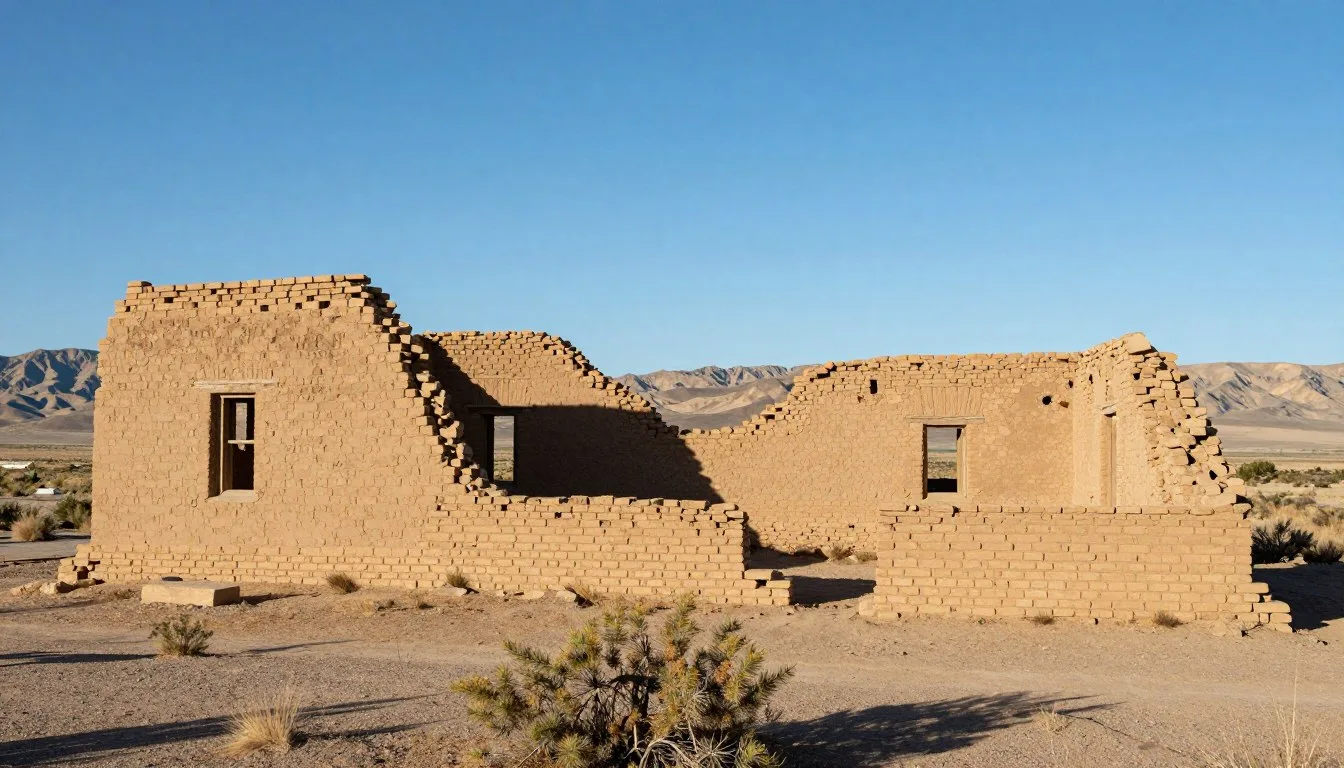
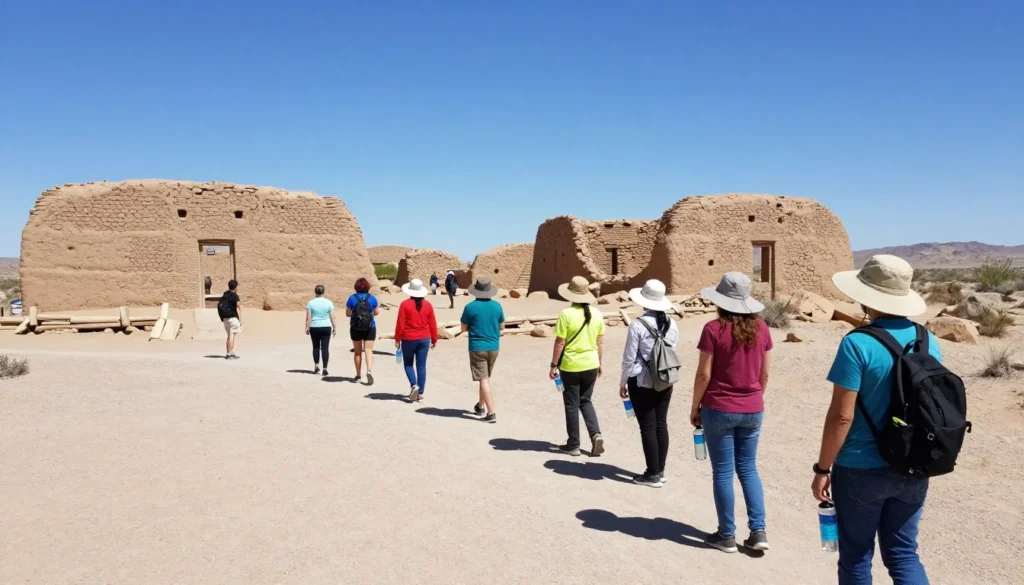
The main attraction at Fort Churchill State Historic Park is the extensive collection of adobe ruins from the original military fort. Built in 1860, Fort Churchill served as a United States Army post during the Civil War era. Today, visitors walk among buildings preserved in a state of arrested decay, maintained by Nevada State Parks to prevent further deterioration while keeping their authentic appearance.
The fort originally had over 50 buildings, including barracks, officers’ quarters, a hospital, warehouse, and stables. Many walls remain standing, some reaching their original height. The Civilian Conservation Corps stabilized these structures in the 1930s, ensuring their survival for future generations.
Self-Guided Historical Tour
Start your visit at the visitor center to get oriented. Pick up a map showing the layout of the fort and locations of key buildings. Interpretive signs throughout the site explain each structure’s purpose and share stories about military life during the 1860s.
The hospital building is among the best-preserved structures. Its thick adobe walls and multiple rooms give a clear sense of medical facilities during the Civil War period. Officers’ quarters show where commanding officers lived with their families on this remote frontier post.

The enlisted men’s barracks housed soldiers who guarded the area and protected travelers on the nearby routes. Standing inside these rooms helps you imagine the challenging conditions faced by troops stationed in Nevada’s harsh desert environment.
Buckland Station Connection
Just outside the park, Buckland Station represents another significant historical site. Samuel Buckland established this Pony Express and stagecoach station in 1859, one year before Fort Churchill was built. The station provided services to travelers along the Carson River route between California and Utah.
Buckland Station operated as a ranch and way station for decades. Today, the site features historic buildings that visitors can view from the exterior. This connection to the Pony Express adds another dimension to understanding the region’s role in westward expansion and communication across the frontier.
Photography Opportunities
Fort Churchill offers exceptional photography throughout the day. Early morning and late afternoon provide the best light for capturing the adobe ruins. Long shadows emphasize the textures of weathered walls and create dramatic compositions.
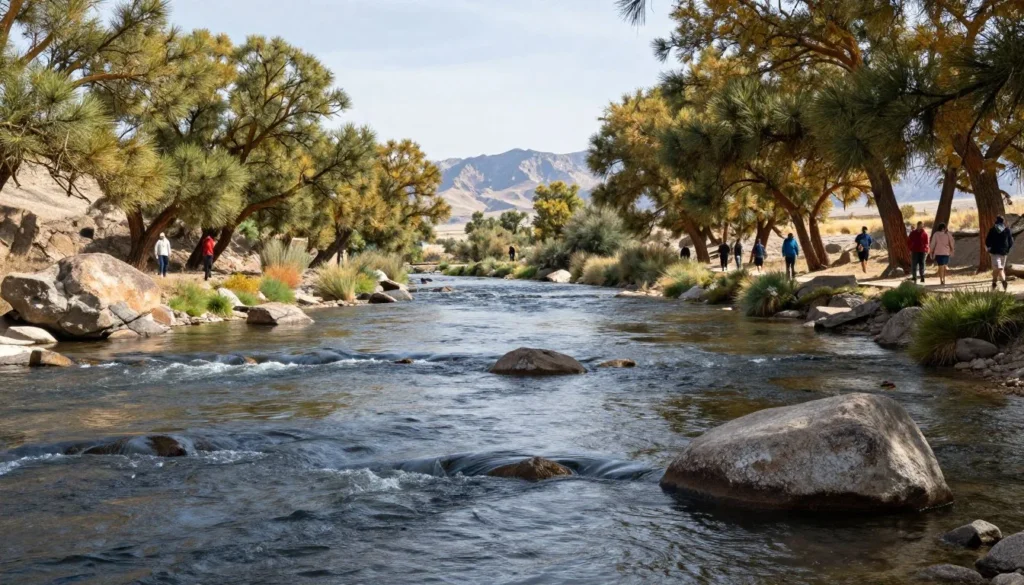
The contrast between the man-made structures and surrounding natural desert landscape makes for compelling images. Spring wildflowers add color to foreground compositions. The Carson River provides reflection opportunities when water levels are adequate.
Museums, Cultural Spots & Festivals
The Fort Churchill Visitor Center serves as the park’s primary museum and cultural hub. Inside, you’ll find exhibits detailing the fort’s history from its construction in 1860 through its abandonment in 1869. Displays include period artifacts, photographs, and information about daily life at this frontier military post.
Interpretive exhibits explain Fort Churchill’s role during the Civil War. While far from eastern battlefields, the fort protected communication lines and supply routes crucial to the Union. The transcontinental telegraph passed through this area, making the fort strategically important despite its remote location.
The visitor center also tells stories of the Pony Express, which operated briefly from 1860 to 1861. Riders changed horses at nearby Buckland Station before continuing their dangerous journeys carrying mail across the western United States. This connection to the legendary service adds romantic appeal to the historical narrative.
Living History Events
Nevada State Parks occasionally hosts special events at Fort Churchill. These programs might include ranger-led talks, historical demonstrations, or educational programs for school groups. The park works to bring history alive through interpretive programming that helps visitors understand the site’s significance.
Check with the visitor center about upcoming programs during your visit. Staff members are knowledgeable about fort history and can answer questions. They also provide insights into the preservation work that maintains these buildings in their current state of arrested decay.
Educational Programs
School groups and organizations can arrange special programs and guided tours. Contact the visitor center at (775) 577-2345 to inquire about group educational opportunities and ranger-led activities.
While Fort Churchill doesn’t host large festivals, the historic site participates in Nevada’s broader heritage celebrations. Nevada Day, celebrated each October, often includes programming at state parks highlighting Nevada’s territorial and early statehood history.
Nature & Outdoor Experiences
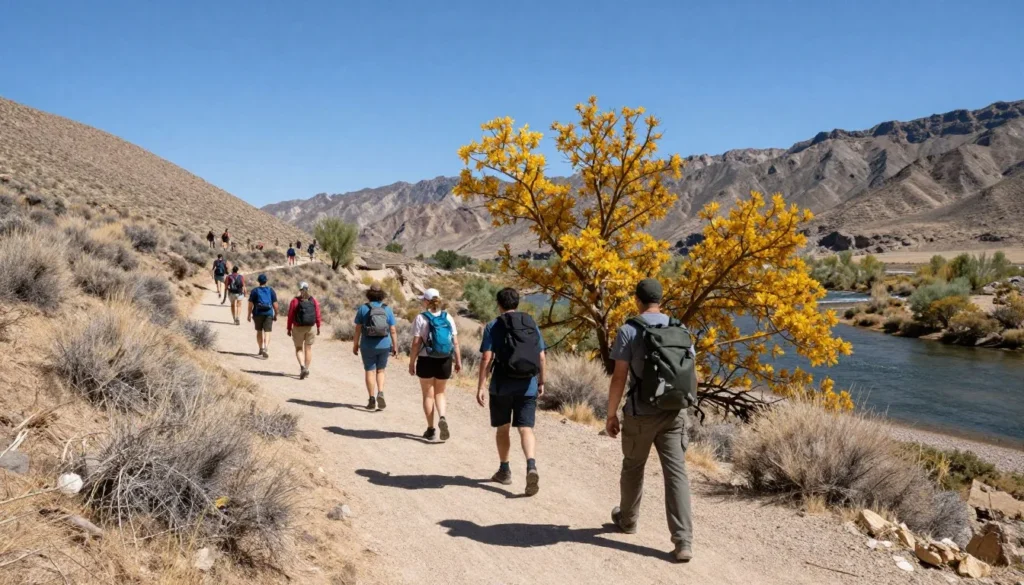
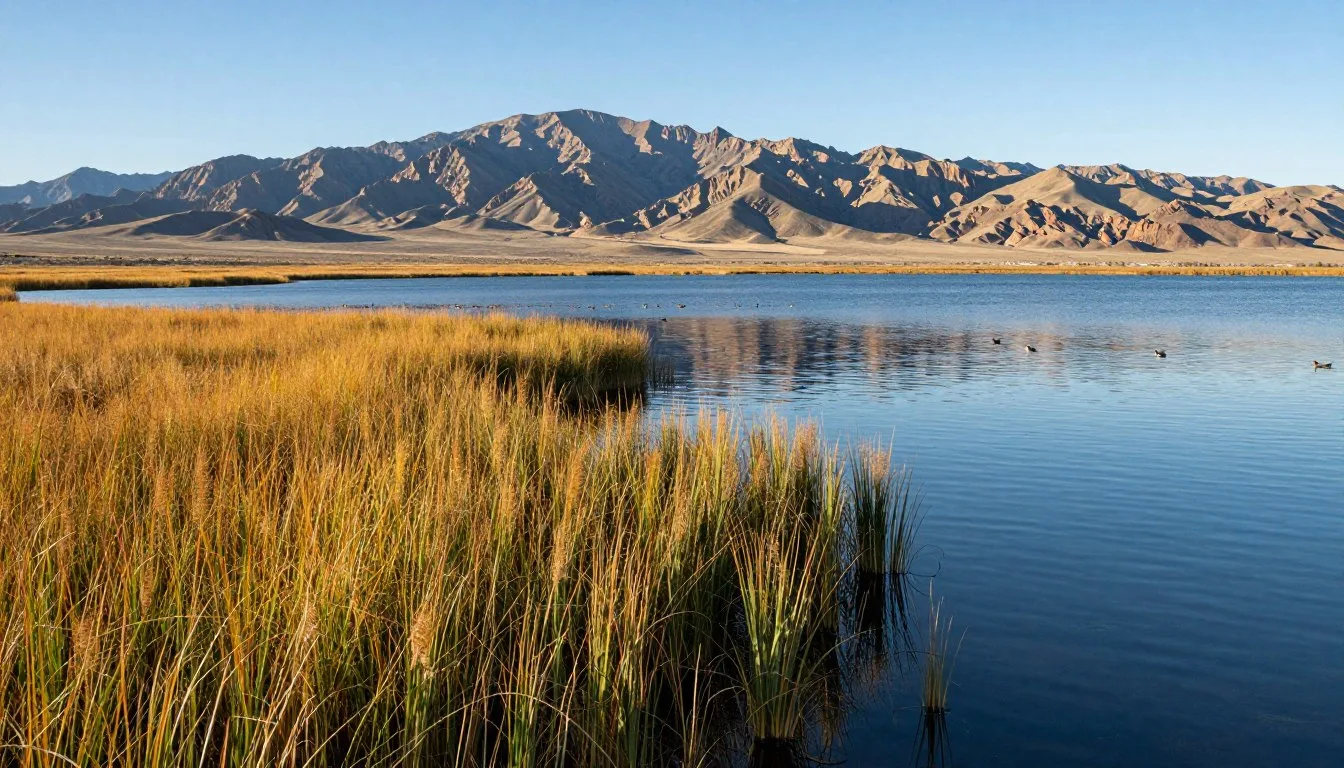
Beyond the historic ruins, Fort Churchill State Historic Park offers excellent opportunities for outdoor recreation. The park’s location along the Carson River creates a green corridor through the desert, supporting diverse wildlife and plant communities. This riparian habitat contrasts beautifully with the surrounding arid landscape.
Several trails wind through the park, offering different perspectives on both natural and cultural resources. The main trail system connects the ruins with river access points. These paths are relatively easy, suitable for most fitness levels, though surfaces are uneven in places.
Hiking and Walking Trails
The fort loop trail takes you around the entire complex of buildings, covering approximately 1.6 km (one mile). This self-guided walk includes interpretive stops at major structures. Allow 45 minutes to an hour to complete the loop at a leisurely pace with time to read signs and take photographs.
River trails extend along the Carson River, providing opportunities for longer walks. These paths follow the waterway through cottonwood groves and willow thickets. Birds are abundant in these areas, making the trails popular with birdwatchers. You might spot herons, hawks, and numerous songbird species.

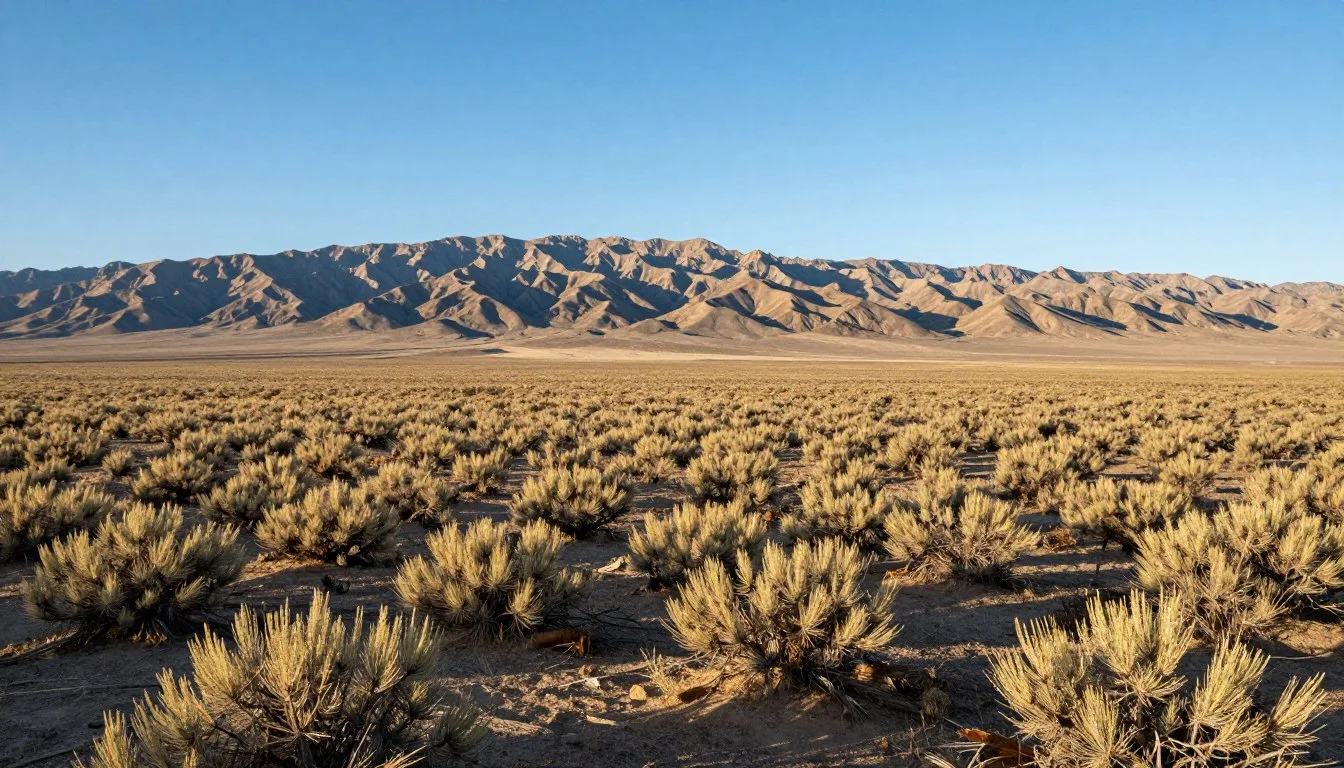
For those wanting extended hiking, connections to surrounding public lands allow for longer treks. The area around Fort Churchill includes Bureau of Land Management territory where you can explore further. Always carry adequate water and sun protection for desert hiking.
Wildlife Watching
The Carson River corridor attracts considerable wildlife. Mule deer frequently appear near the campground and along trails, especially during morning and evening hours. Early settlers depended on game animals for food, and wildlife remains abundant today.
Birdwatching is particularly rewarding along the river. The mix of water, trees, and open desert creates habitat for diverse species. Bring binoculars to spot birds in the cottonwoods. Spring and fall migrations bring additional species passing through the area.
Small mammals like rabbits and ground squirrels are common throughout the park. Coyotes occasionally pass through, typically remaining wary of humans. Reptiles including lizards and occasionally snakes inhabit the desert portions of the park.
Fishing and River Activities
The Carson River offers fishing opportunities, though success varies with water levels and seasons. The river supports several fish species. Nevada fishing regulations apply, and appropriate licenses are required. Check current conditions and regulations before fishing.
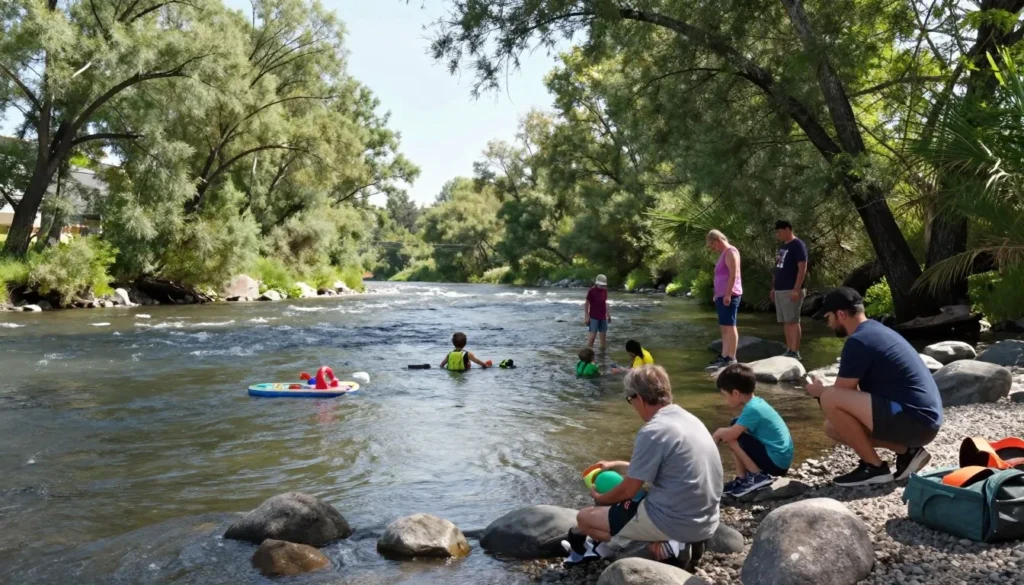
The river is generally shallow with moderate current. Swimming is possible in some areas, though no lifeguards are present and water temperatures can be cold even in summer. Exercise caution and supervise children closely near the water. The Carson River’s flow varies seasonally, being higher during spring snowmelt.
Some visitors bring kayaks or canoes to float sections of the river. Water levels must be adequate for these activities. Always scout conditions before launching. The river includes some shallow rocky areas that can challenge navigation.
Safety, Etiquette & Local Customs
Fort Churchill State Historic Park is a safe destination when visitors follow basic precautions. The primary concerns relate to desert conditions rather than crime or other security issues. Understanding the environment and respecting the historic resources ensures an enjoyable visit for everyone.
Desert Safety Essentials
Heat is the most significant safety concern, especially between May and September. Temperatures regularly exceed 38°C (100°F) in summer. Bring more water than you think you’ll need – at least 2 liters per person. Start your visit early in the day during hot months.
Sun protection is critical in Nevada’s high desert. Wear a wide-brimmed hat, sunglasses, and sunscreen with high SPF. The sun’s intensity at this elevation burns skin quickly. Lightweight, long-sleeved clothing provides additional protection while remaining comfortable.
Watch for uneven ground around the ruins. Adobe structures may have loose stones or unstable areas. Stay on designated paths and avoid climbing on walls. These historic buildings are irreplaceable, and climbing damages the structures while risking injury.
Wildlife Precautions
Most wildlife poses minimal threat to visitors. Watch where you place hands and feet when walking off-trail. Rattlesnakes inhabit the area, though encounters are uncommon. They typically avoid humans if given the opportunity. Make noise while hiking and stay on trails.
Don’t feed wildlife, including ground squirrels and birds. Human food harms animals and creates problematic behavior. Store food properly while camping. Secure trash in designated receptacles to prevent attracting animals to campsites and picnic areas.
Respecting Historic Resources
Fort Churchill is protected by state and federal historic preservation laws. Never remove artifacts, even small items like bricks or pottery shards. These objects hold archaeological and historical information. Taking artifacts is illegal and damages our collective heritage.
Visitor Etiquette Guidelines
- Stay on designated trails to protect both natural and cultural resources
- Do not climb, sit, or lean on historic adobe walls
- Take only photographs, leave only footprints – remove all trash
- Keep pets leashed at all times and clean up after them
- Respect quiet hours in the campground (10:00 PM to 6:00 AM)
Photography is welcome throughout the park, but use tripods carefully to avoid damaging resources. Drones are prohibited without special permits from Nevada State Parks. These regulations protect visitor experience and prevent disturbance to wildlife.
The park operates on honor principles in some areas. Pay day-use fees at the entrance station even if unstaffed. This system works because visitors respect the rules. Your fees support maintenance and preservation of these important historic buildings and natural areas.
Visitor Comments About Fort Churchill Ruins Nevada
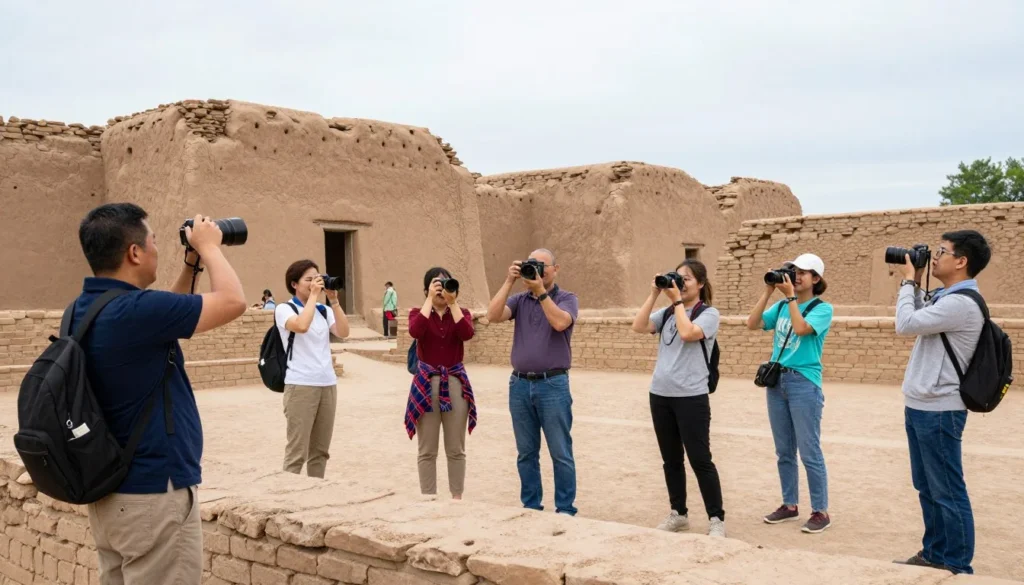
“Fort Churchill exceeded our expectations completely. The ruins are remarkably well-preserved, and walking among the buildings gave us a real sense of frontier military life. We spent the entire afternoon exploring and still felt like we could have stayed longer. The setting along the Carson River is beautiful, and our kids loved imagining what life was like for soldiers stationed here. This is a must-visit for anyone interested in Western history.”
Check 30,000+ Local Sightseeing Tours Worldwide
✓ Numerous languages and currencies are available
“We camped at Fort Churchill State Historic Park for three nights and enjoyed every minute. The campground sits right along the river with mature trees providing shade. Facilities were clean and well-maintained. Having the ruins practically to ourselves at sunrise was magical – the soft morning light on the adobe walls created incredible photos. The visitor center staff was knowledgeable and friendly, answering all our questions about the fort’s history and the Pony Express connection.”
“Fort Churchill is an underrated Nevada gem. We stopped on our way across the state and ended up spending half a day exploring. The self-guided tour is excellent, with informative signs explaining each building’s purpose. I appreciated learning about the Civilian Conservation Corps work that preserved these structures. The trails along the Carson River offered a nice break from the historic area. This park deserves more recognition – it’s an outstanding example of Nevada’s territorial history preserved for future generations.”
Additional Nearby Destinations
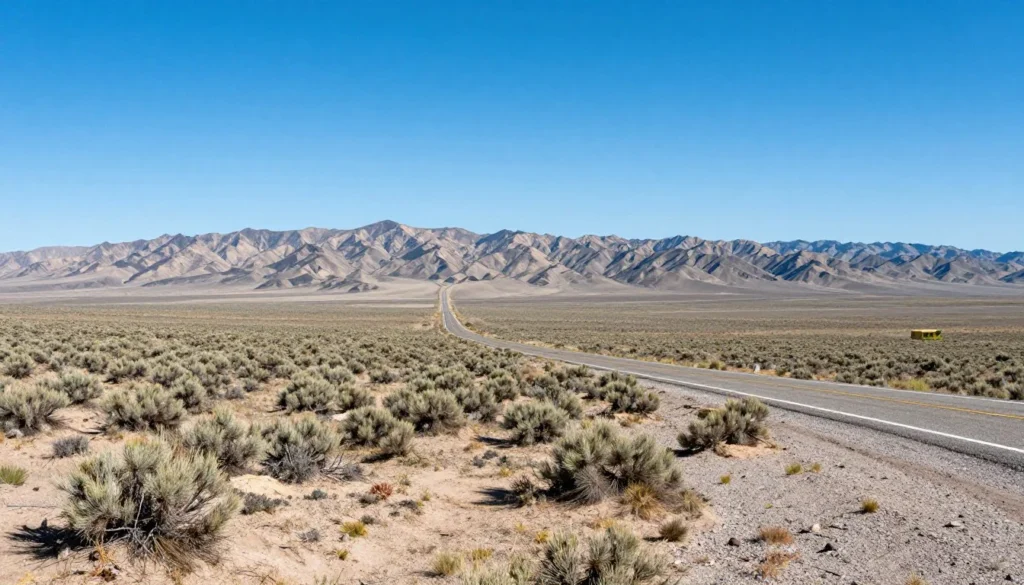
Fort Churchill’s location in western Nevada puts you within easy reach of several other worthwhile destinations. Combining the fort with nearby attractions creates a fuller Nevada experience. Plan a multi-day itinerary to explore this region’s diverse offerings.
Virginia City
Virginia City, located about 72 km (45 miles) northwest of Fort Churchill, is one of the West’s most famous mining towns. This National Historic Landmark preserves its 1860s silver boom era character. Walk boardwalks past historic saloons, visit underground mine tours, and ride the Virginia & Truckee Railroad.
The town’s connection to Nevada’s Comstock Lode silver discovery made it essential to the state’s early economy. Many structures date from the Civil War period, contemporary with Fort Churchill. Plan at least half a day to explore Virginia City’s museums, shops, and historic buildings.
Carson City
Nevada’s capital city offers museums, historic sites, and outdoor recreation. The Nevada State Museum houses excellent exhibits on state history, including the Comstock mining era. The Nevada State Railroad Museum displays historic trains and equipment. Walking tours of the historic district showcase Victorian architecture.
Carson City also provides convenient access to Lake Tahoe, just 48 km (30 miles) to the west. This makes the capital a useful base for combining desert historic sites with mountain lake recreation.
Fallon Area Attractions
Fallon, east of Fort Churchill, serves as the gateway to several unique destinations. Sand Mountain Recreation Area offers massive sand dunes popular with off-road vehicle enthusiasts. Grimes Point Archaeological Area preserves ancient petroglyphs carved by indigenous peoples thousands of years ago.
The Fallon area also includes wildlife refuges that protect important wetland habitats. Stillwater National Wildlife Refuge provides birdwatching opportunities, especially during migration seasons. These wetlands contrast dramatically with the surrounding desert environment.
North and West
- Reno – Major city with casinos, museums, and dining (80 km/50 miles)
- Lake Tahoe – Alpine lake with year-round recreation (120 km/75 miles)
- Virginia City – Historic mining town (72 km/45 miles)
- Carson City – State capital with museums (64 km/40 miles)
East and South
- Fallon – Agricultural community and recreation hub (48 km/30 miles)
- Sand Mountain – Massive sand dunes (110 km/68 miles)
- Grimes Point – Ancient petroglyphs (56 km/35 miles)
- Austin – Remote mining town on Loneliest Road (193 km/120 miles)
US-50, known as the Loneliest Road in America, passes near Fort Churchill. This historic highway crosses Nevada from west to east, passing through fascinating small towns and vast open spaces. The route offers a quintessential Nevada road trip experience for adventurous travelers.
Practical Travel Tips
Successful Fort Churchill visits require some planning due to the park’s remote location and desert environment. These practical tips help you prepare properly and make the most of your time exploring Fort Churchill State Historic Park and the surrounding area.
Entry Fees and Passes
Fort Churchill charges a day-use fee per vehicle. Nevada residents receive a discount compared to out-of-state visitors. Annual Nevada State Parks passes provide unlimited access to all state parks and offer good value if you plan multiple visits. Purchase passes at the visitor center or online before your visit.
Camping fees are separate from day-use admission. Reserve campsites in advance, especially for weekend visits during spring and fall. Group areas require advance reservations regardless of season. Senior and disabled visitor discounts may be available – inquire when making reservations.
What to Bring
Water is your most important supply. Bring more than you think necessary, especially in warm weather. A minimum of 2 liters per person is recommended, but 3-4 liters is better for all-day visits in summer. No water is available along trails or at the ruins.
Essential Items
- Wide-brimmed sun hat and quality sunglasses
- High-SPF sunscreen and lip balm
- Sturdy closed-toe walking shoes or hiking boots
- Layered clothing for temperature changes
- Plenty of water – 2-4 liters per person
- Snacks and lunch if staying all day
Recommended Items
- Camera with extra batteries and memory cards
- Binoculars for birdwatching and distance viewing
- Small first-aid kit with basic supplies
- Insect repellent for river areas
- Portable phone charger or power bank
- Field guides for birds, plants, or history
Cell Phone Service
Cell phone coverage at Fort Churchill is limited and unreliable. Some carriers provide service while others do not. Don’t depend on your phone for navigation or communication. Download maps and information before arriving. Tell someone your plans before visiting remote areas.
This limited connectivity can be refreshing, allowing you to disconnect and focus on history and nature. However, it requires advance planning. Have printed directions, download park information, and prepare for self-sufficiency during your visit.
Vehicle Considerations
Roads to Fort Churchill are paved and suitable for all vehicles including RVs. However, gas stations are limited in the immediate area. Fill your tank in Fernley, Silver Springs, or Carson City before arriving. The nearest gas may be 10-15 km away from the park entrance.
If exploring beyond the main park on dirt roads, check conditions first. Desert roads can become impassable after rain. Standard passenger vehicles are fine for the park itself, but backcountry exploration may require higher clearance vehicles.
Time Planning
Most visitors spend 2-4 hours at Fort Churchill. This allows time to walk through the ruins, visit the visitor center, and explore riverside trails. Photographers and history enthusiasts may want a full day. Campers obviously spend more time, with opportunities for sunrise and sunset photography.
Start your visit at the visitor center to orient yourself and get current information. Rangers can advise on conditions, wildlife sightings, and any closures or special programs. The center’s exhibits provide valuable context before exploring the ruins.
Contact Information Summary
Fort Churchill State Historic Park
1000 US-95 Alt, Silver Springs, NV 89429
Phone: (775) 577-2345
Hours: Daily 8:00 AM – 4:30 PM
Part of Nevada State Parks system
Your Fort Churchill Adventure Awaits
Fort Churchill State Historic Park stands as a remarkable window into Nevada’s territorial past. These adobe ruins along the Carson River tell stories of military life, westward expansion, and the challenges faced by early settlers in this unforgiving desert landscape.
Whether you’re fascinated by Civil War history, passionate about preservation efforts like those undertaken by the Civilian Conservation Corps, or simply seeking a unique Nevada experience away from casino crowds, Fort Churchill delivers. The combination of well-preserved historic buildings, beautiful river scenery, and opportunities for camping and outdoor recreation creates a destination that rewards visitors with interests ranging from history to nature photography.
The fort represents more than crumbling walls in arrested decay. It embodies an era when communication lines, military protection, and way stations like Buckland Station made transcontinental travel possible. Walking these grounds connects you to Pony Express riders, telegraph operators, and soldiers who served far from home during the nation’s most tumultuous period.
Start planning your visit to Fort Churchill State Historic Park today. Whether you spend a few hours or camp for several days, you’ll leave with a deeper appreciation for Nevada’s rich heritage and the ongoing efforts to preserve these irreplaceable historic resources for future generations to explore and enjoy.