Hotels by Trip.com
Flights by Trip.com
Few people know that Gold Butte National Monument protects over 300,000 acres of pristine Mojave Desert wilderness. This area contains thousands of ancient petroglyphs spanning hundreds of years of human history.
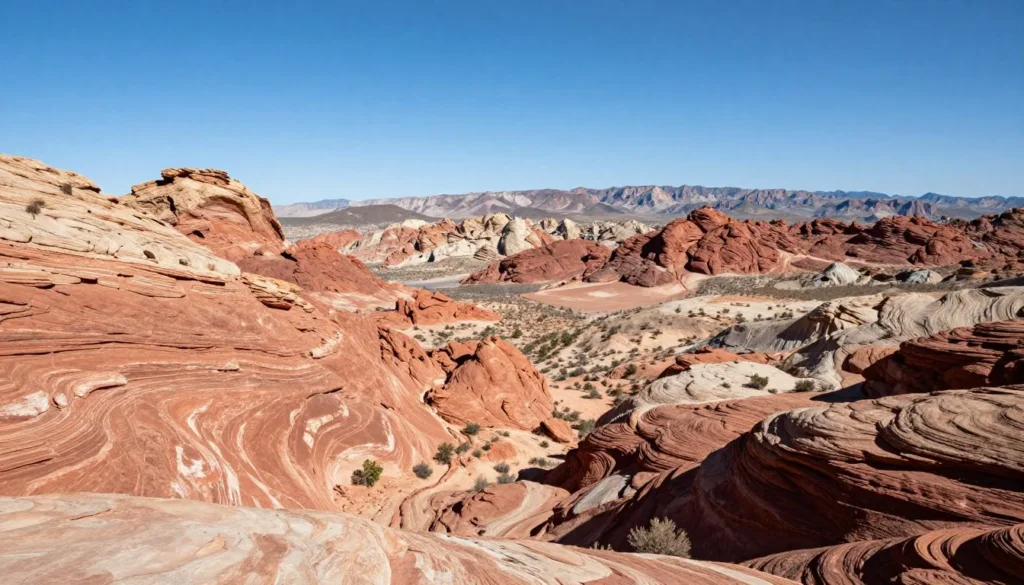
The Gold Butte back country byway offers visitors a rare glimpse into Nevada’s untouched desert landscapes. This remote region features stunning red sandstone formations that rival more famous southwestern destinations.
Located just 90 minutes from Las Vegas, this hidden gem remains one of Nevada’s best-kept secrets. The area provides unmatched opportunities for adventure seekers and history enthusiasts alike.
Getting There & Planning Your Journey
Harry Reid International Airport in Las Vegas serves as the closest major airport to Gold Butte. The facility sits approximately 145 km (90 miles) from the monument entrance.
St. George Regional Airport in Utah offers another option 113 km (70 miles) away. This smaller airport provides convenient access from the northeast.
From Las Vegas, take Interstate 15 north to the Mesquite exit. Follow State Route 170 west toward Bunkerville and Riverside. The byway begins near the town of Mesquite.
Important: The Gold Butte area requires a high-clearance 4WD vehicle. Standard passenger cars cannot safely navigate the rough desert road conditions throughout the monument.
Most visitors access Gold Butte from the Whitney Pockets entrance near Mesquite. This route provides the most direct path into the monument. Plan for slow travel speeds of 24-32 km/h (15-20 mph) on unpaved roads.
Cell phone service becomes unreliable beyond Mesquite. Download offline maps before departing and inform someone of your travel plans.
Best Time to Visit & Weather Tips
Recommended Seasons
Spring months from March through May offer ideal visiting conditions. Temperatures range between 18-27°C (65-80°F) during this time. Wildflowers bloom across the desert landscape in good rainfall years.
Fall season from October through November provides comfortable weather. Daytime temperatures hover around 21-26°C (70-80°F). These months see fewer visitors compared to spring.
Winter visits from December through February remain pleasant. Daytime highs reach 10-16°C (50-60°F). Nights can drop below freezing in the desert.
Check 30,000+ Local Sightseeing Tours Worldwide
✓ Numerous languages and currencies are available
Seasons to Avoid
Summer months from June through September bring extreme heat. Temperatures frequently exceed 38-43°C (100-110°F) in the exposed desert. Heat-related emergencies become serious risks during these months.
The area receives minimal rainfall throughout the year. However, summer monsoon storms from July through September can create dangerous flash flood conditions. These storms make roads impassable.
Late summer heat persists well into September. Plan visits during cooler months for safety and comfort.
Weather Tip: Desert temperatures swing dramatically between day and night. Bring layers even during warm months. Temperature drops of 11-17°C (20-30°F) occur regularly after sunset.
Getting Around Locally
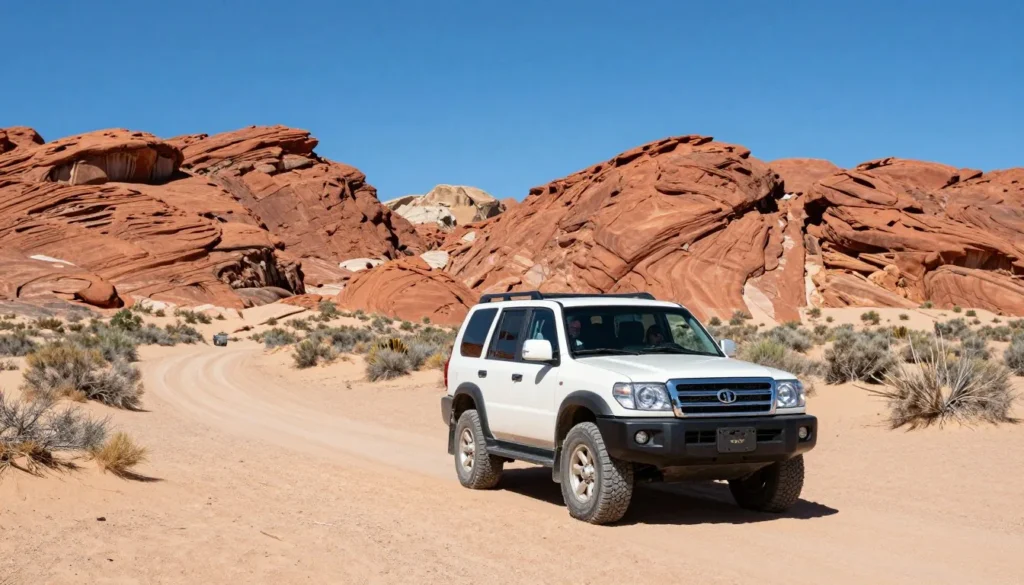
Gold Butte National Monument has no paved roads beyond the entrance area. The entire byway system consists of maintained and primitive dirt roads. A capable 4WD vehicle with high ground clearance becomes essential.
The main byway route extends approximately 35 km (22 miles) from Whitney Pockets to Devils Throat. This road requires 4WD capability but remains passable for experienced drivers with proper vehicles.
Numerous side routes branch off the main byway. These trails range from moderate to extremely difficult. Some routes require technical off-road driving skills and equipment.
What Works Well
- Full-size 4WD trucks and SUVs handle terrain easily
- UTVs and ATVs access remote areas
- Multiple routes allow varied exploration
- GPS tracks available for download
Challenges to Expect
- No fuel services within the monument
- Sand traps can strand vehicles
- Sharp rocks cause tire punctures
- Navigation requires offline maps
Carry two spare tires for extended trips. The rocky terrain punctures tires frequently. Many visitors experience at least one flat during their visit.
Fill fuel tanks completely in Mesquite before entering. The nearest gas stations sit over 40 km (25 miles) from interior sites.
Where to Stay
Gold Butte National Monument offers primitive camping only. No developed campgrounds exist within the monument boundaries. Visitors must practice dispersed camping on public lands.
Mesquite provides the nearest hotel accommodations. This small city offers several chain hotels and casinos with lodging. Most properties sit within 5-8 km (3-5 miles) of Interstate 15.
Camping Options
Whitney Pockets area allows dispersed camping among stunning sandstone formations. This popular spot fills quickly during peak season. Arrive early to secure preferred sites.
Devils Throat vicinity offers remote camping locations. These sites provide solitude but require longer drives on rough roads.
Little Finland area permits camping near unique rock formations. This destination ranks among the most photographed spots in Gold Butte.
Camping Requirements: Pack out all trash and human waste. No facilities exist anywhere in the monument. Bring sufficient water for drinking, cooking, and cleaning.
Town Accommodations
Mesquite hotels provide comfortable base camps for day trips. The 40 km (25-mile) drive allows visitors to explore Gold Butte while enjoying modern amenities.
Overton sits 32 km (20 miles) from the monument’s southern access. This smaller town offers limited lodging options but closer proximity.
Both towns feature restaurants, grocery stores, and fuel stations. Stock up on supplies before heading into the wilderness.
RV camping works well for Gold Butte visits. Self-contained units provide comfort in remote locations. Ensure adequate ground clearance for rough access roads.
Dining & Local Cuisine

No dining facilities operate within Gold Butte National Monument. Visitors must bring all food and water for their trips. The nearest restaurants operate in Mesquite, approximately 40 km (25 miles) from interior sites.
Mesquite casinos serve buffets, steakhouses, and casual dining options. These establishments remain open 24 hours. Menu prices range from moderate to expensive.
Local restaurants in Mesquite offer American, Mexican, and Asian cuisines. Several fast-food chains provide quick meal options near Interstate 15.
Water Requirements: Bring at least 4 liters (1 gallon) of water per person per day. Desert conditions cause rapid dehydration. Double this amount for summer visits.
Pack non-perishable foods for desert trips. Coolers work but ice melts quickly in summer heat. Dried fruits, nuts, and energy bars travel well.
Overton provides additional dining choices. This agricultural town features local cafes and a grocery store. Options remain limited compared to larger Mesquite.
Attractions, Sightseeing & Activities
Gold Butte National Monument encompasses diverse attractions spanning thousands of years. The area protects significant archaeological sites alongside stunning geological features.
Whitney Pockets
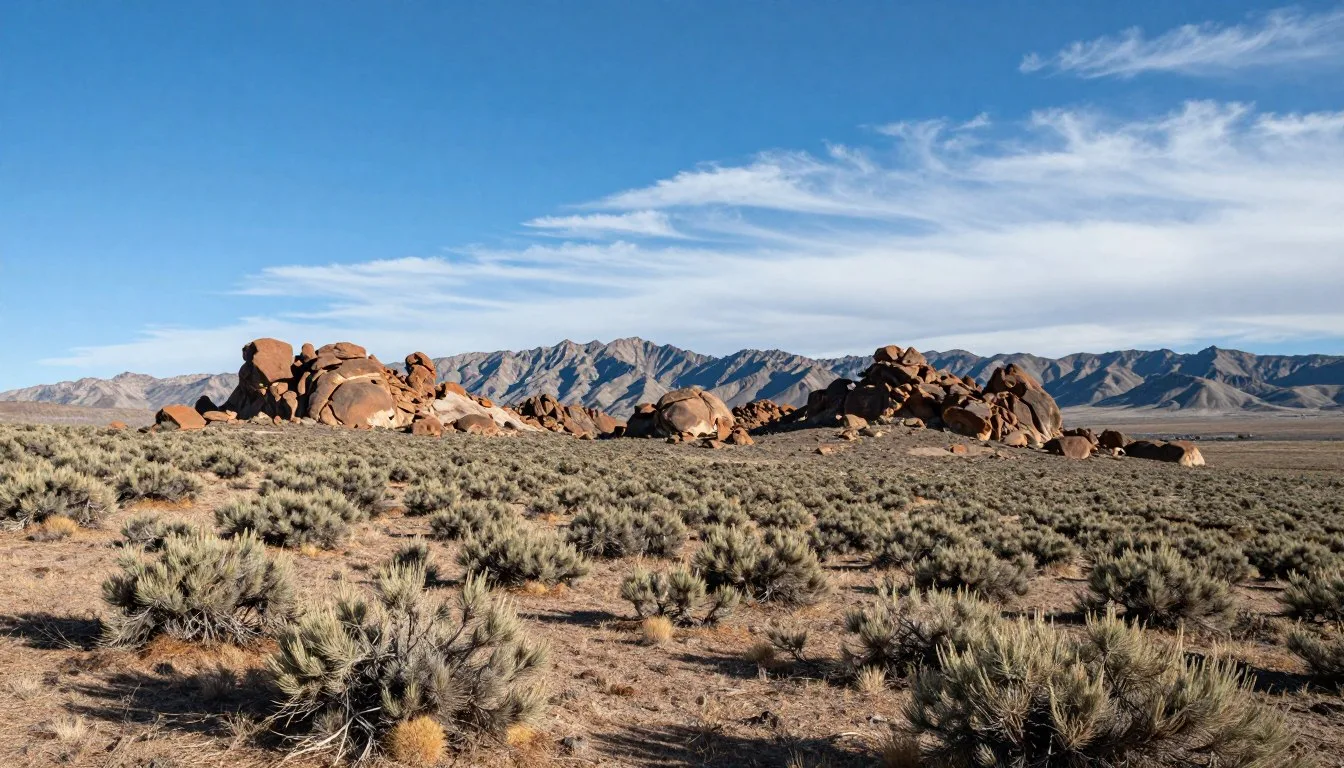
Whitney Pockets showcases spectacular red sandstone formations. These wind-carved rocks create natural sculptures throughout the area. The site sits approximately 19 km (12 miles) from the byway entrance.
Multiple hiking trails wind through the formations. Routes range from easy walks to challenging scrambles. Most visitors spend 2-4 hours exploring this area.
Little Finland
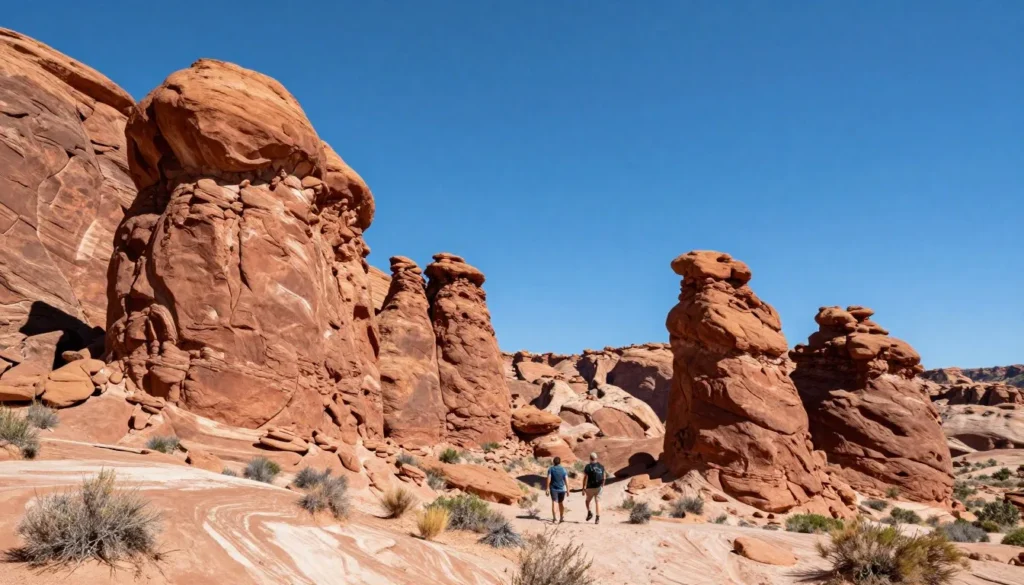
Little Finland features otherworldly sandstone fins and hoodoos. This geological wonder resembles landscapes found in Finland’s rock formations. The site requires a 3.2 km (2-mile) hike from the parking area.
Photographers flock to Little Finland for sunrise and sunset. The warm light illuminates the red sandstone dramatically. Weekday visits avoid crowds.
Devils Throat
Devils Throat presents a massive sinkhole in the desert floor. This natural crater measures approximately 120 m (400 feet) across. The formation resulted from collapsed limestone caverns.
Visitors can peer into the depths from the rim. Exercise extreme caution near edges. No barriers exist around this natural hazard.
Falling Man Petroglyph Site
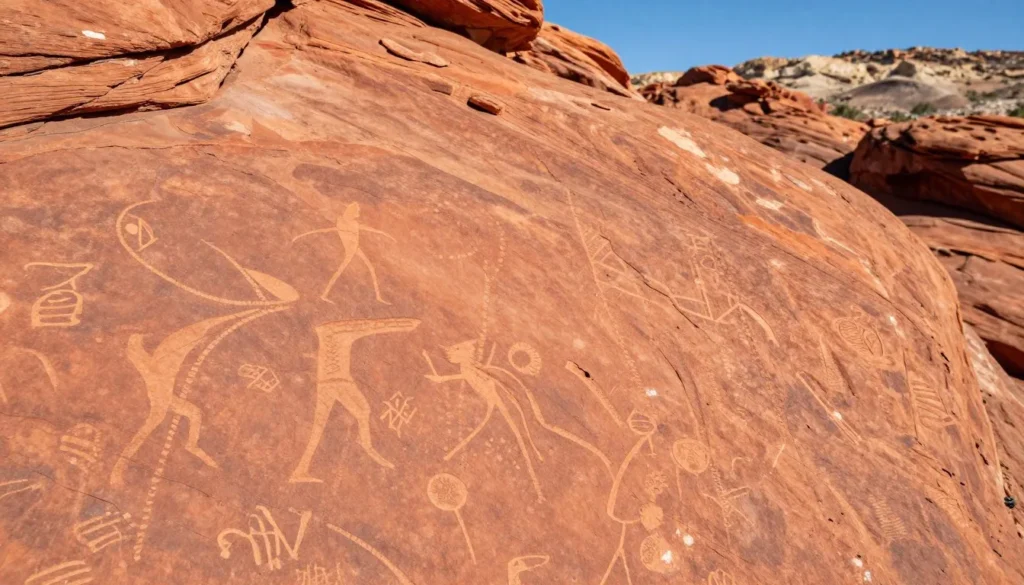
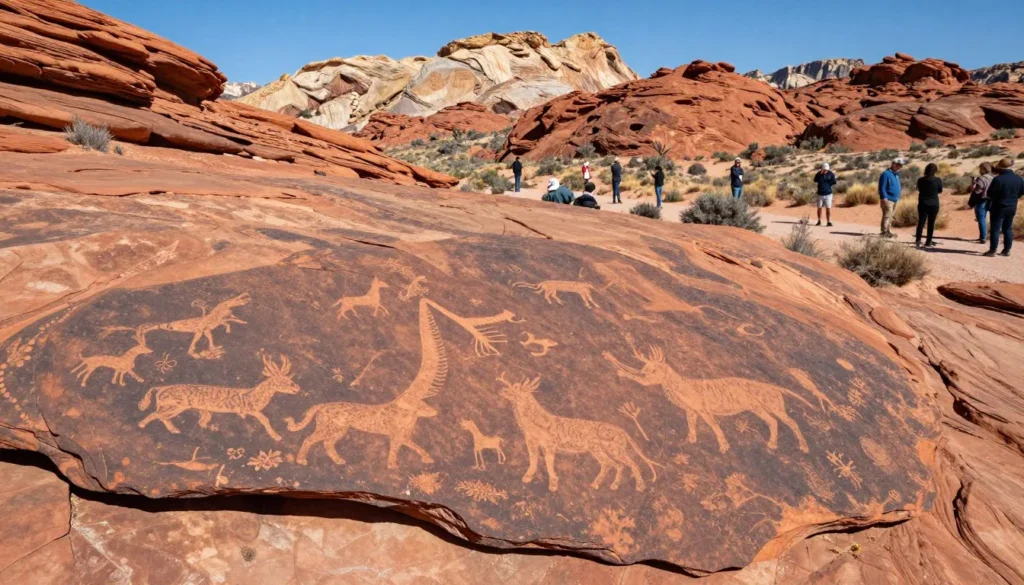
Ancient petroglyphs cover rock faces throughout Gold Butte. The Falling Man site contains particularly impressive examples. These rock art panels date back hundreds of years.
Multiple panels showcase geometric designs and human figures. The Bureau of Land Management protects these irreplaceable cultural resources. Never touch or deface petroglyphs.
Museums, Cultural Spots & Festivals
The Lost City Museum in Overton interprets the region’s ancient Puebloan culture. This facility displays artifacts from nearby archaeological sites. The museum sits 32 km (20 miles) from Gold Butte.
Exhibits showcase pottery, tools, and architectural elements from ancestral communities. Reconstructed pueblo structures help visitors understand ancient lifestyles. Admission costs $5 for adults.
The museum opens Thursday through Monday from 8:30 AM to 4:30 PM. Plan 1-2 hours for a complete visit. Staff provide knowledgeable answers about regional history.
No formal festivals occur within Gold Butte National Monument. The remote location and lack of facilities prevent organized events. Mesquite hosts occasional community celebrations throughout the year.
Cultural heritage sites throughout Gold Butte require respectful treatment. Federal laws protect all archaeological resources. Removing or damaging artifacts carries severe penalties.
The area contains both Native American and historic pioneer sites. Ranching operations existed here for over 100 years before monument designation. Old ranch structures still stand in various locations.
Nature & Outdoor Experiences

Gold Butte National Monument provides outstanding opportunities for desert recreation. The vast wilderness supports numerous outdoor activities across its 121,406 hectares (300,000 acres).
Hiking Trails
No maintained hiking trails exist within the monument. Visitors explore cross-country through open desert terrain. This freedom allows unlimited route options but requires navigation skills.
Popular hiking destinations include Whitney Pockets, Little Finland, and various petroglyph sites. Most hikes cover 3-8 km (2-5 miles) round trip. Terrain varies from easy desert walking to technical rock scrambling.
Always carry GPS devices or detailed maps. The sparse desert landscape offers few landmarks for orientation. Many areas look similar, making navigation challenging.
Off-Highway Vehicle Recreation
The Gold Butte back country byway system attracts OHV enthusiasts. UTVs and ATVs access remote areas unreachable by full-size vehicles. Hundreds of miles of routes wind through the monument.
Stay on designated routes to protect fragile desert resources. Creating new trails damages vegetation and causes erosion. Respect all closure signs and barriers.

Rock Climbing
Sandstone formations throughout Gold Butte offer climbing opportunities. Most routes remain undeveloped and require traditional gear. The soft sandstone demands careful technique and judgement.
Climbing concentrations exist near Whitney Pockets and other formation areas. Grades range from beginner to expert. Bring complete rack and rope for safe climbing.
Wildlife Watching
Desert bighorn sheep inhabit the monument’s rocky terrain. These elusive animals appear most often during early morning hours. Bring binoculars for distant viewing.
Numerous bird species call Gold Butte home. Raptors including golden eagles patrol the skies. Smaller birds congregate near rare water sources.
Desert tortoises live throughout the area. These threatened reptiles receive federal protection. Never touch or disturb tortoises encountered on roads or trails.
Spring Wildflowers
March through May brings spectacular desert blooms. Good winter rainfall triggers massive wildflower displays. Brittlebush, desert marigold, and various cacti produce vibrant flowers.
Peak bloom typically occurs in late March. Timing varies based on weather patterns. Wet winters produce the best displays.
Photography Opportunities
Gold Butte ranks among Nevada’s premier photography destinations. Red sandstone formations glow during golden hour light. Unique rock shapes create endless compositional possibilities.
Milky Way photography excels in this dark sky area. Light pollution remains minimal. Clear desert air provides excellent visibility for night photography.
Safety, Etiquette & Local Customs

Check 30,000+ Local Sightseeing Tours Worldwide
✓ Numerous languages and currencies are available
Remote desert conditions demand serious preparation and caution. Gold Butte’s isolation means help sits far away during emergencies. Self-sufficiency becomes critical for safe visits.
Essential Safety Precautions
Emergency Contact: Dial 911 for emergencies. However, cell service remains unavailable throughout most of the monument. Consider satellite communication devices for remote travel.
Carry abundant water supplies for all activities. Dehydration occurs rapidly in dry desert air. Drink water regularly before feeling thirsty. Heat exhaustion and heatstroke pose serious risks during warm months.
Inform others of your specific plans and expected return time. The vast area makes search operations difficult without location information. Leave detailed trip plans with reliable contacts.
Vehicle breakdowns create dangerous situations in extreme heat. Carry emergency supplies including extra food, water, and shelter. Stay with your vehicle if stranded. Walking for help often proves fatal in summer heat.
Desert Hazards
- Rattlesnakes inhabit rocky areas throughout Gold Butte. Watch where you place hands and feet. Most bites occur when people reach blindly into crevices.
- Flash floods strike with little warning during storms. Never camp in washes or low areas. Water can arrive from storms miles away.
- Abandoned mines dot the landscape. Never enter old mine shafts or structures. Collapses and bad air create deadly conditions.
- Sharp rocks puncture tires and cut skin easily. Wear sturdy footwear and gloves when handling equipment.
Leave No Trace Principles
The monument’s pristine condition depends on visitor responsibility. Pack out all trash including toilet paper. Bury human waste at least 15 cm (6 inches) deep and 61 m (200 feet) from water sources.
Campfires require special consideration in desert environments. Wood remains scarce and fire scars last for years. Use camp stoves for cooking instead.
Stay on existing roads and trails to prevent erosion. Desert soils and vegetation recover very slowly from damage. Tire tracks can remain visible for decades.
Cultural Site Etiquette: Never touch petroglyphs or archaeological features. Oils from skin cause irreversible damage. Photograph sites from respectful distances. Report any vandalism to authorities.
Local Regulations
Dispersed camping limits stay to 14 days in any 28-day period. This prevents long-term occupation of public lands. Move camps at least 40 km (25 miles) between stays.
Firearms discharge is prohibited within the monument except during legal hunting seasons. Check current regulations before bringing weapons.
Drones require special permits for commercial use. Recreational drone use must avoid disturbing wildlife or other visitors. Respect privacy and natural quiet.
Visitor Comments About Gold Butte
“Gold Butte exceeded every expectation we had. The red sandstone formations rival anything we’ve seen in Utah parks, but we encountered maybe five other people during our entire three-day trip. Little Finland absolutely took our breath away. The solitude and beauty made this one of our most memorable desert adventures. Just be prepared for rough roads and bring way more water than you think you’ll need.”
“This place feels like Nevada’s best-kept secret. We spent two days exploring the byway in our 4×4, visiting petroglyphs, hiking through Whitney Pockets, and camping under incredible stars. The ancient rock art sites gave us goosebumps thinking about the people who created them hundreds of years ago. Fair warning though, our GPS was essential and we went through both spare tires on the sharp rocks. Worth every challenge.”
“Absolutely stunning desert landscape that most people have never heard of. We drove out from Las Vegas for a day trip and wished we had planned more time. Devils Throat was fascinating and the colors in the sandstone formations changed throughout the day. The remoteness is part of the appeal, but definitely come prepared with a capable vehicle, offline maps, and plenty of supplies. No cell service means you’re truly on your own out there.”
Additional Nearby Destinations
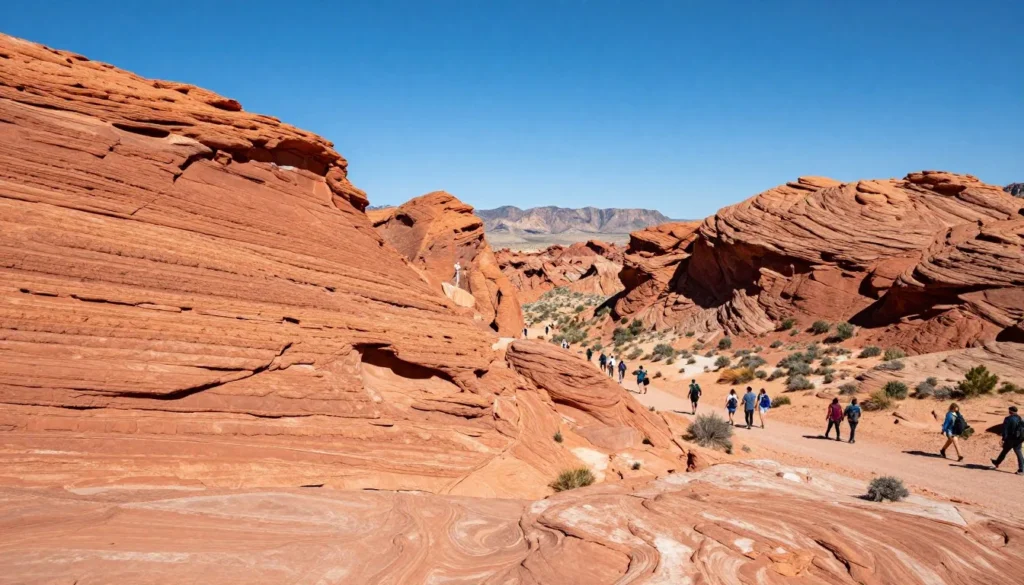
Several exceptional destinations surround Gold Butte National Monument. These areas combine well for extended Nevada adventures.
Valley of Fire State Park
Located 64 km (40 miles) southwest of Gold Butte, Valley of Fire showcases similar red sandstone scenery with developed facilities. Paved roads access major attractions. The park covers 18,667 hectares (46,000 acres).
Camping, hiking trails, and visitor center provide amenities absent from Gold Butte. Entrance fees apply. The park receives heavy visitation compared to the monument.
Lake Mead National Recreation Area
Lake Mead sits 56 km (35 miles) south of Gold Butte. This massive reservoir offers water-based recreation opportunities. Boating, fishing, and swimming provide contrast to desert exploration.
The lake spans 64,750 hectares (160,000 acres) when full. Water levels fluctuate significantly based on Colorado River flows. Multiple marinas provide boat access and rentals.
Beaver Dam Wash
This wilderness area borders Gold Butte to the northeast. Rugged canyons and Joshua tree forests characterize the landscape. Access requires even more capable vehicles than Gold Butte.
Fewer visitors explore Beaver Dam Wash due to extreme remoteness. The area protects important desert tortoise habitat. Spring wildflower displays rival Gold Butte’s best years.
Cathedral Gorge State Park
Located 193 km (120 miles) north near Panaca, this park features unique erosional formations. Narrow slot canyons cut through soft bentonite clay. The formations differ dramatically from sandstone landscapes.
Developed campground and trails make this accessible destination. Entrance fees remain modest. Plan 2-3 hours for exploration.
Red Rock Canyon
Just 40 km (25 miles) from Las Vegas, Red Rock provides convenient desert scenery. A 21 km (13-mile) scenic drive accesses multiple trailheads. Rock climbing opportunities abound.
This popular area sees heavy use, especially on weekends. Arrive early for parking. The site contrasts with Gold Butte’s solitude.
Practical Travel Tips
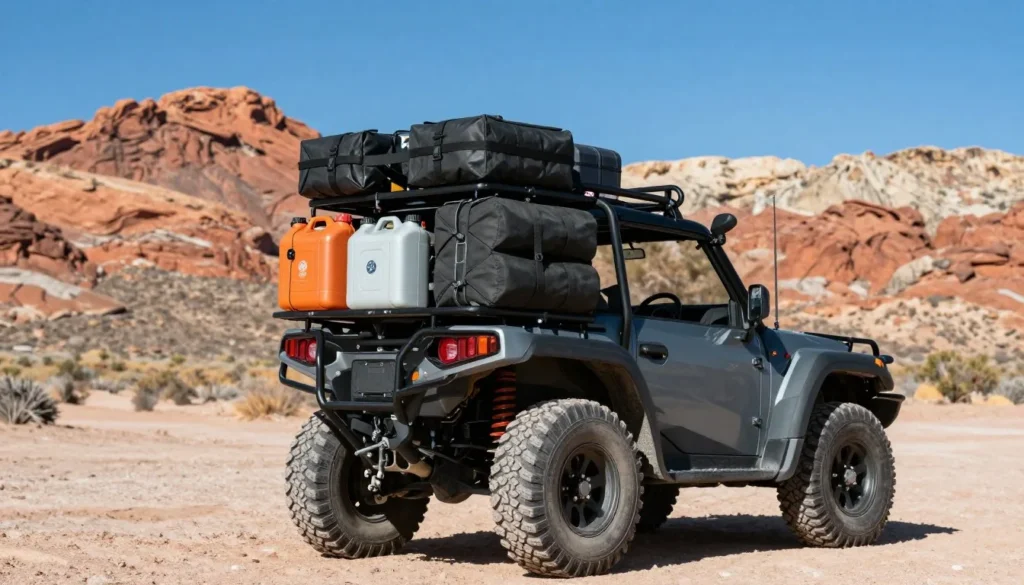
Successful Gold Butte visits require thorough planning and proper equipment. The remote desert environment punishes poor preparation.
Vehicle Preparation
- Verify 4WD system functions properly before departure. Test low-range gears and differential locks if equipped.
- Check tire pressure and tread depth. Consider slight deflation for sand driving. Bring air compressor for reinflation.
- Carry two full-size spare tires. Small compact spares prove inadequate for rough terrain.
- Pack recovery equipment including tow straps, shovel, and traction mats. Self-recovery capability prevents long waits for help.
- Bring extra fuel. Many routes use more gas than anticipated due to low speeds and 4WD operation.
Navigation Tools
Download offline maps before losing cell service. Popular apps include Gaia GPS, OnX Offroad, and AllTrails. Verify map accuracy through multiple sources.
Physical maps provide backup when electronics fail. The Bureau of Land Management publishes detailed Gold Butte maps. Purchase these at Mesquite visitor center.
GPS coordinates for key sites include:
- Whitney Pockets: 36.4742° N, 114.2158° W
- Little Finland: 36.4347° N, 114.1539° W
- Devils Throat: 36.3892° N, 114.1428° W
Supply Checklist
Essential Supplies
- Minimum 8 liters (2 gallons) water per person daily
- Three days of non-perishable food
- First aid kit with desert-specific items
- Sun protection: hat, sunscreen, sunglasses
- Emergency shelter and warm layers
- Headlamp with extra batteries
Recommended Gear
- Satellite communicator or SPOT device
- Portable air compressor
- Paper maps and compass
- Camera with extra batteries
- Binoculars for wildlife viewing
- Camp chair and shade structure
Permits and Regulations
No entry permits are required for Gold Butte National Monument. Access remains free for all visitors. However, follow all posted regulations and closures.
Group size limits apply in some areas. Contact the Bureau of Land Management for current restrictions. Commercial activities require special permits.
Photography Tips
Golden hour lighting produces stunning photographs. Shoot within two hours of sunrise or sunset for best results. Midday sun creates harsh shadows and washed-out colors.
Polarizing filters enhance desert skies and reduce glare from rocks. Tripods allow longer exposures for detail in shadowed areas. Bring lens cleaning supplies for dust.
Respect archaeological sites when photographing. Never stage photos that show people touching or climbing on petroglyphs. Help protect these irreplaceable resources.
Best Resources
The BLM Southern Nevada website provides current conditions and closure information. Check this resource before each visit for updates.
Local off-road forums share recent trip reports and route conditions. These community resources offer valuable real-world information. Popular forums include Expedition Portal and Nevada 4×4.
Weather forecasts require monitoring from multiple sources. Desert microclimate variations mean conditions change dramatically across short distances. The National Weather Service provides detailed forecasts.
Your Desert Adventure Awaits
Gold Butte National Scenic Byway Nevada stands as one of the American Southwest’s last great wilderness secrets. The monument’s 121,406 hectares (300,000 acres) protect ancient rock art, spectacular sandstone formations, and pristine desert ecosystems.
From the towering red walls of Whitney Pockets to the mysterious petroglyphs marking hundreds of years of human presence, every route through Gold Butte reveals new wonders. The challenging roads and remote location ensure solitude impossible to find in more famous parks.
Whether you seek technical four-wheel driving, quiet desert camping under star-filled skies, or connection with ancient cultures through their rock art, this special place delivers authentic wilderness experiences. The way these red sandstone formations glow in morning light creates memories lasting far beyond any single trip.
Start planning your Gold Butte adventure today. This remarkable desert landscape awaits those willing to venture beyond the pavement into Nevada’s wild heart.