Hotels by Trip.com
Flights by Trip.com
The Mojave Desert holds a startling secret that few visitors know. This vast wilderness spanning across Nevada contains over 2,000 plant species, many found nowhere else on Earth. More than 200 of these plants exist only within this desert ecosystem. What appears barren at first glance reveals itself as one of North America’s most biodiverse arid regions.
This expansive desert covers approximately 57,000 square kilometers across Nevada and neighboring states. The area offers experiences ranging from serene nature walks to thrilling ATV adventures. Whether you seek outdoor excitement or cultural exploration, this Mojave Desert Nevada travel guide reveals the top attractions and hidden gems.
From the neon lights of Las Vegas on the desert’s edge to the ancient Joshua trees dotting the landscape, Nevada’s portion of the Mojave presents contrasts that captivate travelers. The region combines natural wonders with modern amenities, making it accessible for various travel styles.
Getting There & Planning Your Journey
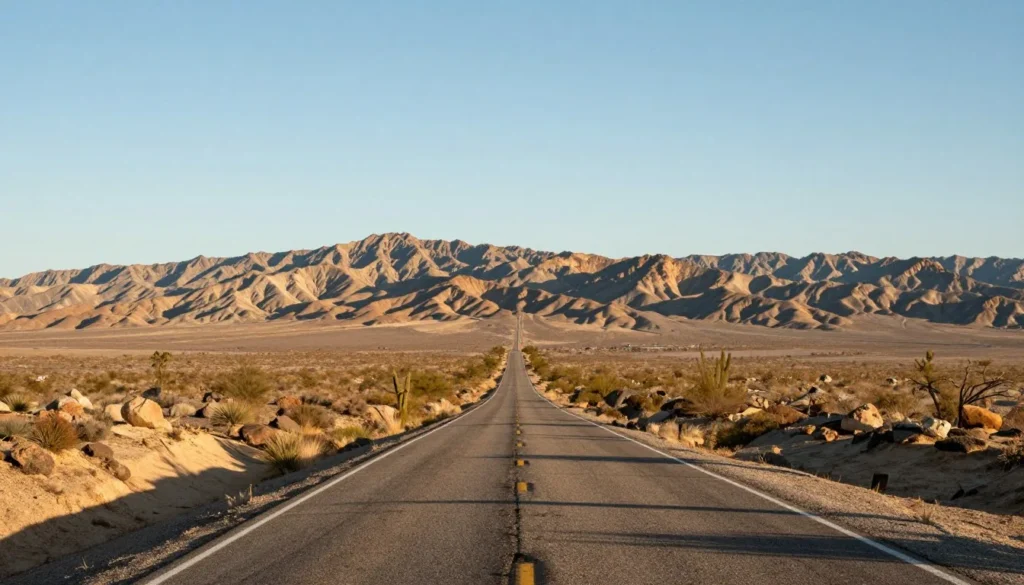
Reaching the Mojave Desert in Nevada proves straightforward with several airport options. Most visitors fly into major hubs that provide easy access to desert destinations.
Major Airports Serving the Region
Harry Reid International Airport in Las Vegas serves as the primary gateway. Located just 8 kilometers from downtown Las Vegas, this airport connects to desert areas within 30 to 90 minutes of driving. The facility handles domestic and international flights, making it convenient for travelers worldwide.
Reno-Tahoe International Airport offers an alternative entry point in northern Nevada. This airport sits approximately 710 kilometers from central Mojave locations. It works well for visitors combining desert exploration with northern Nevada attractions.
For those approaching from California, Ontario International Airport and Hollywood Burbank Airport provide access points. These sit roughly 320 kilometers from Nevada’s Mojave Desert area, offering rental car options for the scenic drive east.
Ground Transportation Options
Renting a vehicle provides the most flexibility for exploring the Mojave Desert. Major rental agencies operate at all mentioned airports. A standard sedan works for paved roads, while an SUV or truck suits those planning extensive backcountry exploration.
Private shuttle services connect Las Vegas to popular Mojave destinations. These cost-effective options work well for groups or those preferring not to drive. Some tour operators include transportation in their packages for experiences like the ATV tour Las Vegas area offers.
Best Time to Visit & Weather Tips
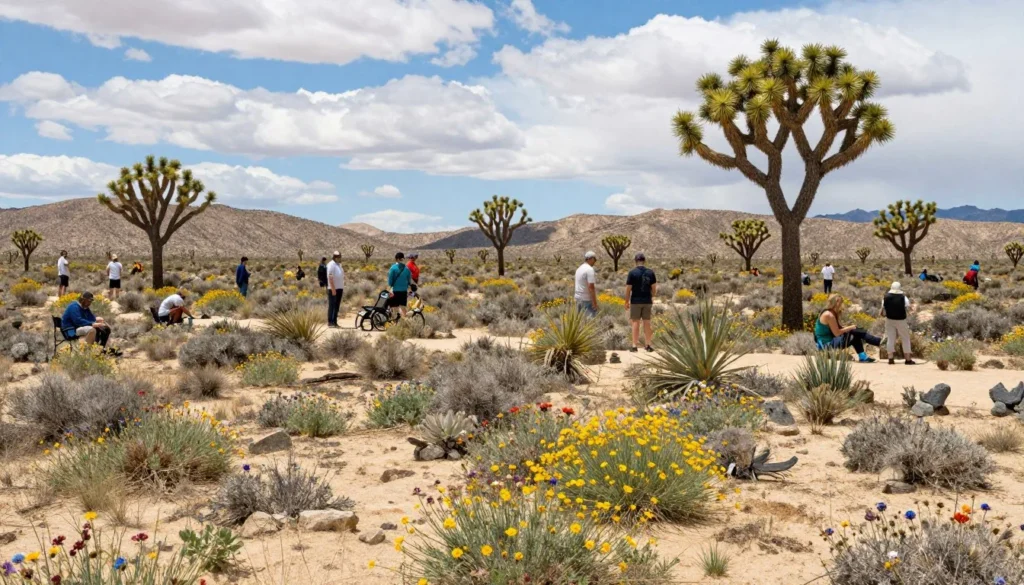
Timing your visit to the Mojave Desert significantly impacts your experience. Temperature extremes define this region, making seasonal planning essential.
Recommended Visiting Seasons
March through May offers ideal conditions for Mojave Desert travel. During these months, daytime temperatures range from 18°C to 27°C (65°F to 80°F). Spring brings wildflower blooms that transform the landscape with vibrant colors. This period provides comfortable weather for hiking, photography, and outdoor activities.
September through November presents another excellent window. Fall temperatures mirror spring conditions, ranging from 21°C to 29°C (70°F to 85°F) in early autumn. The crowds thin after summer, creating a more peaceful experience. Clear skies dominate, perfect for stargazing and exploring national parks.
Winter months from December through February offer cool to mild days with temperatures between 10°C and 18°C (50°F to 65°F). Nights can drop near freezing. This season attracts those seeking solitude and crisp desert air. Some higher elevation areas may experience occasional snow.
Seasons to Avoid
June through August brings extreme heat to the Mojave Desert. Daytime temperatures regularly exceed 38°C (100°F), often reaching 43°C to 49°C (110°F to 120°F). These conditions create safety concerns and limit outdoor activity hours. If visiting during summer, plan activities for early morning or evening.
Notable Annual Festivals
The Mojave Desert area hosts several celebrations throughout the year that showcase local culture and community.
Spring Events
The Laughlin Desert Challenge takes place each March. This off-road racing event attracts motorsport enthusiasts from across the country. The competition showcases the desert’s rugged terrain through various racing categories.
Contact: (702) 298-3321
Fall Celebrations
The Beatty Days Festival occurs each October in the small desert town of Beatty. This community event features a parade, live music, arts and crafts vendors, and local food. It celebrates the area’s mining heritage and desert lifestyle.
Contact: (775) 553-2424
Weather Preparation Tips
Desert weather changes rapidly. Morning temperatures might start at 15°C (59°F) and climb to 32°C (90°F) by afternoon. Layer clothing to adjust throughout the day. Bring a light jacket for cool mornings and evenings, even in warmer months.
Afternoon thunderstorms occasionally develop during summer monsoon season from July through September. These brief but intense storms can create flash flood conditions in canyon areas. Check weather forecasts before heading into remote regions.
Getting Around Locally
Navigating the Mojave Desert requires planning due to the vast distances between attractions. Understanding transportation options helps maximize your time and ensures safe travel.
Personal Vehicle Navigation
A personal vehicle provides the greatest freedom for Mojave Desert exploration. Major highways including Interstate 15 and US Route 95 connect primary destinations with well-maintained roads. GPS navigation works reliably along main routes, though cell service becomes spotty in remote areas.
Download offline maps before departing populated areas. Applications like Google Maps and specialized GPS units allow map downloads for offline use. This precaution proves essential when exploring backcountry regions without cellular coverage.
Fuel availability requires attention in desert travel. Gas stations appear infrequently along desert highways. Fill your tank when reaching half capacity, especially before venturing into remote areas. Some stretches exceed 160 kilometers between fuel stops.
Guided Tours and Shuttles
Organized tours eliminate navigation concerns while providing expert knowledge. Companies offering ATV tour Las Vegas packages include transportation from hotels to desert locations. These guided experiences range from two-hour adventures to full-day excursions across sand dunes and rocky terrain.
Tour operators also run trips to popular sites like Red Rock Canyon National Conservation Area and Valley of Fire State Park. These packages typically include round-trip transportation from Las Vegas, allowing visitors to enjoy scenic drives without driving themselves.
Road Conditions and Safety
Paved roads serve major attractions and remain accessible year-round. However, unpaved roads leading to remote sites require high-clearance vehicles. Some tracks become impassable after rain, even with four-wheel drive capability.
Check road conditions with visitor centers before attempting unpaved routes. Rangers provide current information about accessibility and any closures. This simple step prevents getting stranded in challenging terrain.
Where to Stay
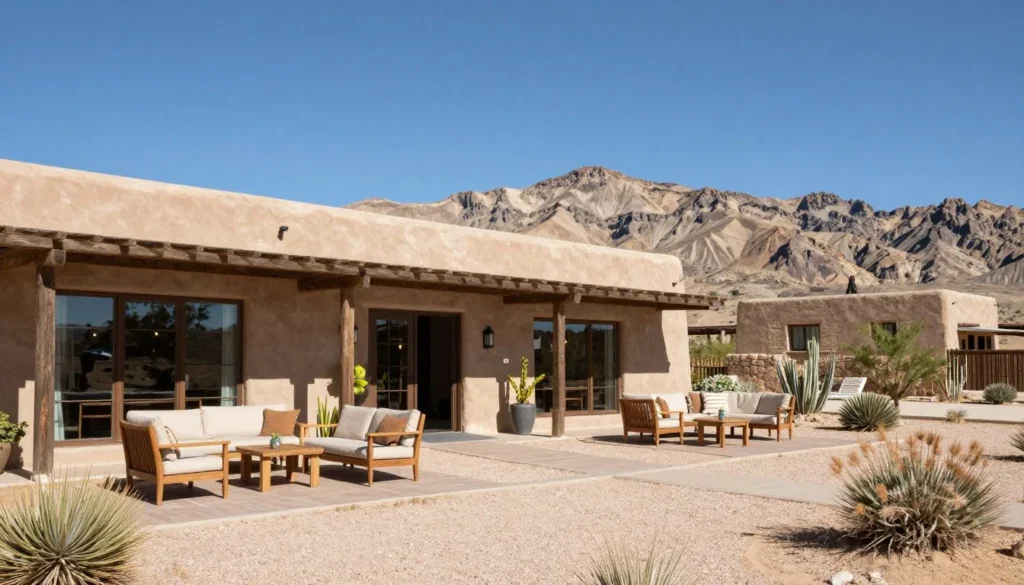
Accommodation options in and around the Mojave Desert range from luxury resorts to rustic camping. Your choice depends on desired comfort level and proximity to specific attractions.
Las Vegas Hotels
Las Vegas serves as a comfortable base for Mojave Desert exploration. The city offers thousands of hotel rooms at various price points. Major resorts along the Strip provide full amenities including pools, restaurants, and entertainment. Many visitors appreciate returning to air-conditioned comfort after daytime desert adventures.
Distance from Las Vegas to key Mojave Desert attractions ranges from 24 to 160 kilometers. Red Rock Canyon sits just 24 kilometers west, while Valley of Fire State Park lies 80 kilometers northeast. This central location makes Las Vegas practical for day trips across the region.
Desert Town Lodging
Small desert communities offer more intimate accommodations closer to natural attractions. Towns like Beatty, Pahrump, and Mesquite feature motels, bed-and-breakfasts, and small hotels. These provide authentic desert town experiences away from Las Vegas crowds.
Beatty, positioned near the Nevada-California border, serves visitors exploring both states’ desert regions. The town provides basic amenities and serves as a gateway to Death Valley National Park, just 13 kilometers west.
Camping and RV Parks
Camping immerses visitors directly in the desert environment. Developed campgrounds at Red Rock Canyon and Valley of Fire offer established sites with basic facilities. These fill quickly during peak season, requiring advance reservations.
Dispersed camping on public lands allows free camping in designated areas. Bureau of Land Management manages vast tracts permitting this camping style. Campers must follow Leave No Trace principles and pack out all waste. No facilities exist at dispersed sites, requiring complete self-sufficiency.
RV parks in Las Vegas and surrounding towns accommodate motorhomes and trailers. These facilities provide hookups for electricity, water, and sewage. Many include amenities like showers, laundry, and Wi-Fi, combining camping with conveniences.
Vacation Rentals
Vacation rentals have expanded across the Mojave Desert area. Entire homes and condos rent by the night in Las Vegas suburbs and desert communities. These work well for families or groups preferring kitchen facilities and separate living spaces.
Some unique properties offer distinctive desert experiences. Remote cabins and ranch-style homes provide seclusion and direct access to outdoor activities. These vacation rentals often include outdoor spaces perfect for stargazing and enjoying desert sunsets.
Dining & Local Cuisine
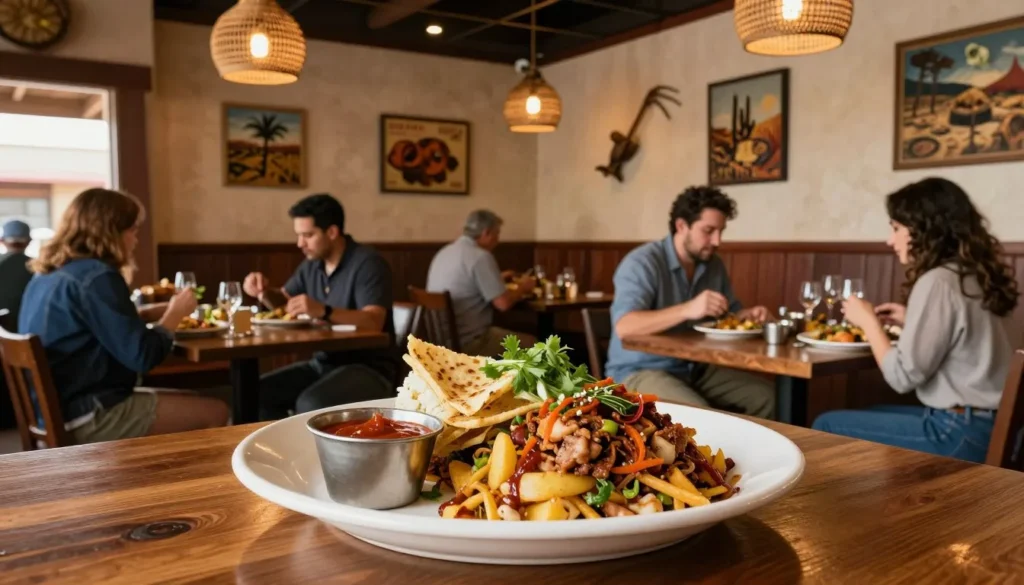
Dining options in the Mojave Desert area reflect the region’s diverse influences. From upscale Las Vegas restaurants to authentic local eateries, food experiences complement desert exploration.
Las Vegas Culinary Scene
Las Vegas restaurants span every cuisine imaginable. Celebrity chef establishments serve innovative dishes alongside classic steakhouses and international options. The city provides dining choices at all price levels, from food courts to Michelin-starred venues.
Many visitors balance fancy Las Vegas dining with casual meals. After spending the day on an ATV tour Las Vegas adventure, simple comfort food often appeals most. Numerous casual restaurants serve burgers, barbecue, and American classics in relaxed settings.
Regional Specialties
Southwestern cuisine dominates local menus throughout the region. Dishes feature influences from Mexican, Native American, and ranching traditions. Expect to find chile peppers, beans, corn, and grilled meats prominently featured.
Local favorites include carne asada tacos, green chile stew, and mesquite-grilled steaks. Many restaurants incorporate regional ingredients when available. Prickly pear cactus appears in drinks, syrups, and desserts, offering a taste unique to desert regions.
Desert Town Dining
Small communities across the Mojave Desert maintain local diners and cafes. These establishments serve straightforward meals with generous portions. Breakfast typically features hearty options fueling outdoor activities, while dinner menus focus on comfort foods.
Family-owned restaurants in towns like Beatty and Mesquite provide glimpses into local culture. Conversations with owners and regular customers often yield recommendations for hidden attractions or current desert conditions. These casual interactions enhance the overall travel experience.
Practical Dining Considerations
Restaurant availability decreases dramatically outside Las Vegas and major towns. When exploring remote areas, pack snacks and meals. Coolers stocked with sandwiches, fruits, and plenty of water prove essential for all-day desert excursions.
Small desert towns operate on limited hours. Some restaurants close by early evening, while others don’t open on certain weekdays. Call ahead or check online for current hours to avoid disappointment.
Attractions, Sightseeing & Activities
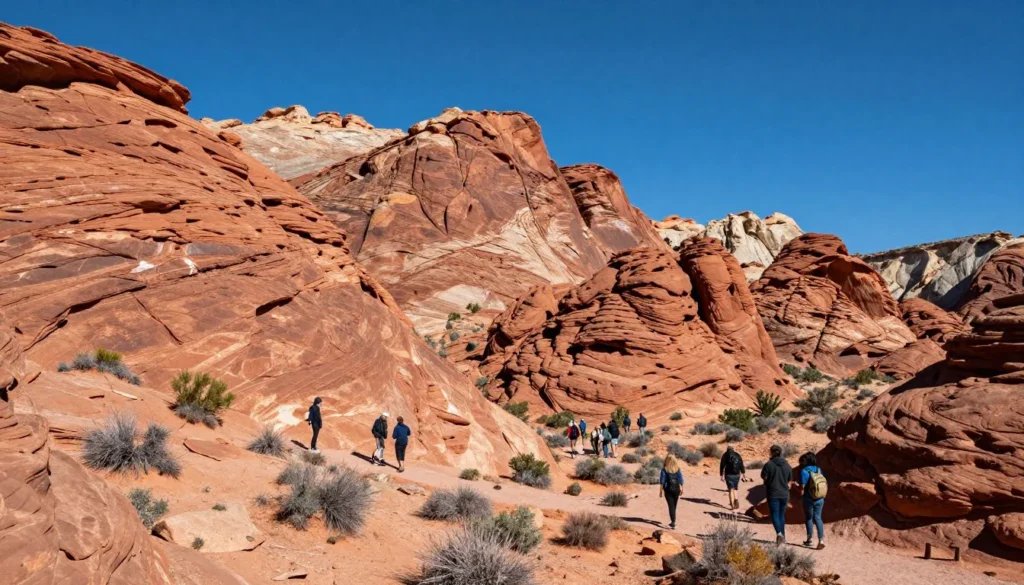
The Mojave Desert in Nevada presents diverse attractions blending natural wonders with human-made marvels. Each destination offers unique perspectives on this remarkable landscape.
Red Rock Canyon National Conservation Area
Red Rock Canyon stands as one of Nevada’s most accessible natural treasures. Located just 24 kilometers west of Las Vegas, this conservation area showcases dramatic red sandstone cliffs rising 910 meters above the desert floor. The 21-kilometer scenic drive provides panoramic views with numerous pullouts for photography.
Hiking trails range from easy nature walks to challenging scrambles. The Calico Tanks Trail covers 3.9 kilometers round trip, leading to natural water tanks with views across Las Vegas Valley. More adventurous hikers tackle the Ice Box Canyon trail, which winds 4.2 kilometers through a shaded slot canyon.
Rock climbing draws enthusiasts worldwide to Red Rock Canyon. Over 2,000 climbing routes scale the sandstone faces, from beginner-friendly climbs to expert-level challenges. The area’s proximity to Las Vegas makes it a premier destination for the climbing community.
Valley of Fire State Park
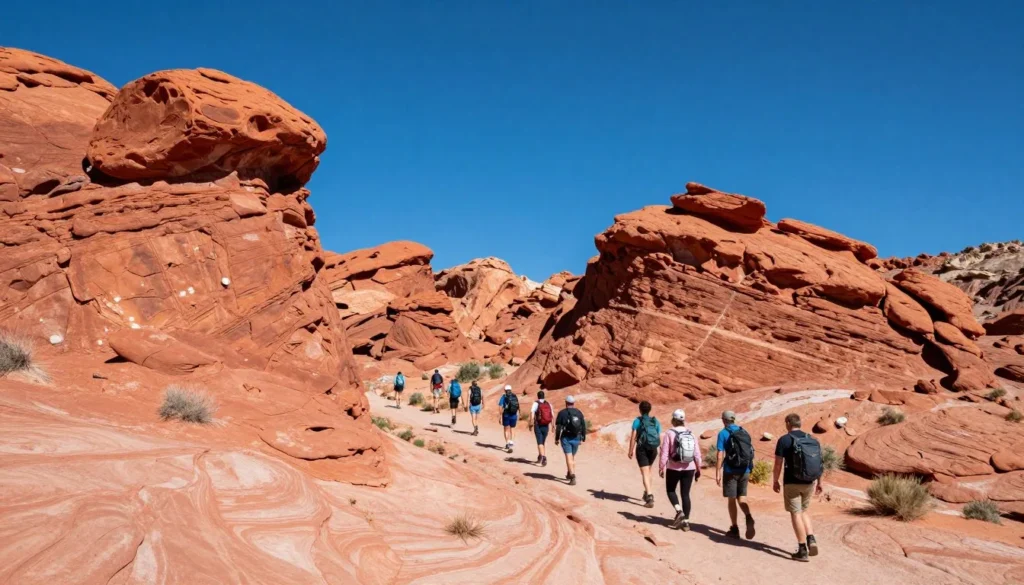
Valley of Fire earned its name from the brilliant red Aztec sandstone formations dominating the landscape. This state park covers 18,600 hectares of stunning desert terrain. Ancient petrified trees and 3,000-year-old petroglyphs add historical significance to natural beauty.
The Fire Wave ranks among the park’s most photographed features. This undulating sandstone formation displays swirling patterns in red, pink, and white. The 2.4-kilometer hike to reach it crosses open desert, requiring early morning starts during warm months.
Mouse’s Tank trail provides easier access to prehistoric rock art. This 1.3-kilometer path follows a sandy wash to a natural basin where ancient peoples carved petroglyphs into canyon walls. Interpretive signs explain the significance of these cultural treasures.
Lake Mead National Recreation Area
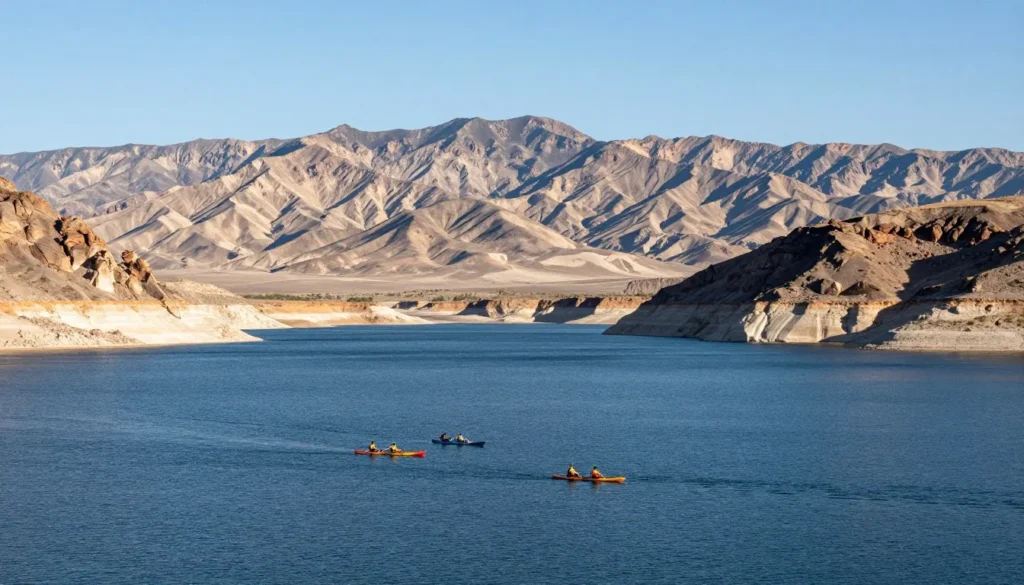
Lake Mead offers water-based recreation in the heart of the Mojave Desert. This massive reservoir covers 63,900 hectares when full, created by Hoover Dam on the Colorado River. The lake provides relief from desert heat through swimming, boating, and fishing opportunities.
Hoover Dam itself stands as an engineering marvel worth visiting. Tours explore the dam’s interior, explaining its construction during the Great Depression. The visitor center presents exhibits on the dam’s history and ongoing operations. Views from the dam span across the reservoir and surrounding desert mountains.
Water levels at Lake Mead have dropped significantly in recent years due to prolonged drought. This has exposed previously submerged features, including old marina structures and geological formations. The changing lake creates evolving landscapes to explore.
Las Vegas Attractions
While not desert wilderness, Las Vegas serves as the Mojave Desert’s most famous city. The Strip’s themed resorts create entertainment destinations unto themselves. Free attractions include the Bellagio Fountains, Mirage Volcano, and Fall of Atlantis show at Caesars Palace.
Beyond the Strip, downtown Las Vegas offers the Fremont Street Experience. This pedestrian mall features a LED canopy displaying light shows nightly. Street performers, outdoor bars, and vintage casino facades create a different atmosphere from the Strip’s modern mega-resorts.
The Neon Museum preserves Las Vegas’s iconic signs in an outdoor exhibition space. Guided tours share stories behind the vintage neon displays. This unique museum documents the city’s evolution through its most recognizable symbols.
Museums, Cultural Spots & Festivals
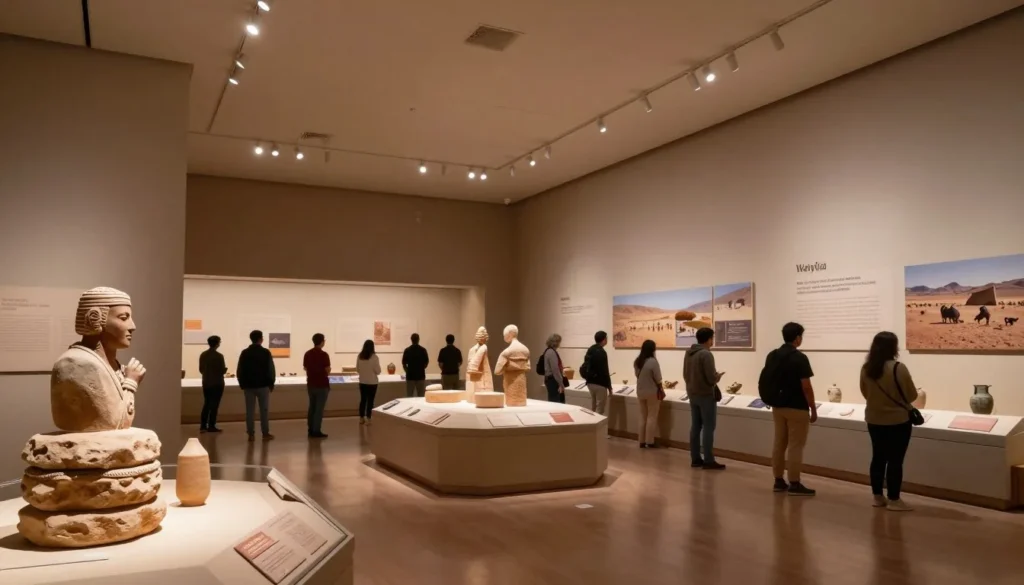
Cultural attractions throughout the Mojave Desert region preserve history and celebrate the area’s unique heritage. These venues provide context for understanding the desert’s human story.
Nevada State Museum, Las Vegas
The Nevada State Museum in Las Vegas explores the state’s natural and cultural history. Exhibits cover topics from ancient marine fossils to modern development. The Mojave Desert ecosystem receives detailed attention through displays on native plants, animals, and geological processes.
Interactive exhibits engage visitors of all ages. Children particularly enjoy the hands-on discovery room where they can touch specimens and conduct simple experiments. The museum also hosts rotating special exhibitions highlighting specific aspects of Nevada heritage.
Clark County Museum
Located in Henderson, the Clark County Museum presents Southern Nevada’s timeline through restored buildings and artifacts. An outdoor heritage street features relocated historic structures from across the region. Visitors walk through authentic buildings representing different eras of settlement and development.
The museum’s indoor galleries display mining equipment, vintage photographs, and personal items from early residents. Exhibits explain how people adapted to desert life before modern conveniences. The collection provides insights into challenges faced by those who made this harsh environment home.
Lost City Museum
The Lost City Museum in Overton preserves artifacts from the Ancestral Puebloan people who inhabited the region over 1,000 years ago. These ancient communities thrived along the Muddy River before mysteriously abandoning their settlements around 1150 CE.
Reconstructed pueblos on the museum grounds show traditional building methods and daily life arrangements. Indoor exhibits display pottery, tools, and other artifacts excavated from nearby archaeological sites. The museum helps visitors understand the Mojave Desert’s deep human history extending back millennia.
Spring Mountain Ranch State Park
Spring Mountain Ranch State Park combines natural beauty with ranching history. This oasis at the base of the Spring Mountains served various owners since the 1860s. Preserved buildings include the main ranch house and blacksmith shop.
Living history demonstrations occur during special events, showing ranching techniques and pioneer skills. The park also hosts outdoor theater performances during summer months. These productions take advantage of the stunning natural amphitheater formed by surrounding red cliffs.
Nature & Outdoor Experiences
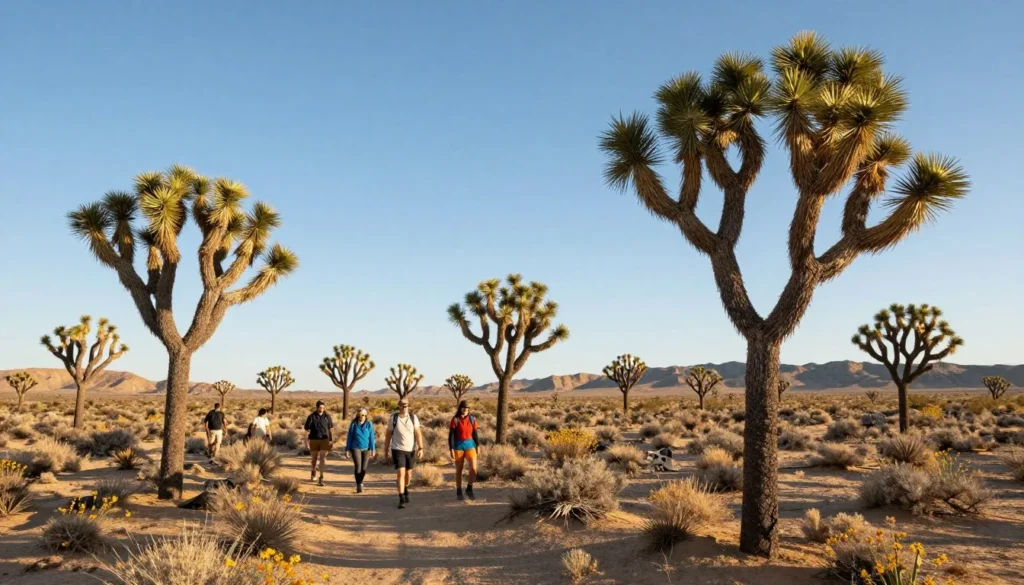
The Mojave Desert’s natural environments provide endless opportunities for outdoor recreation. From gentle nature walks to extreme adventures, activities suit every fitness level and interest.
Joshua Tree Exploration
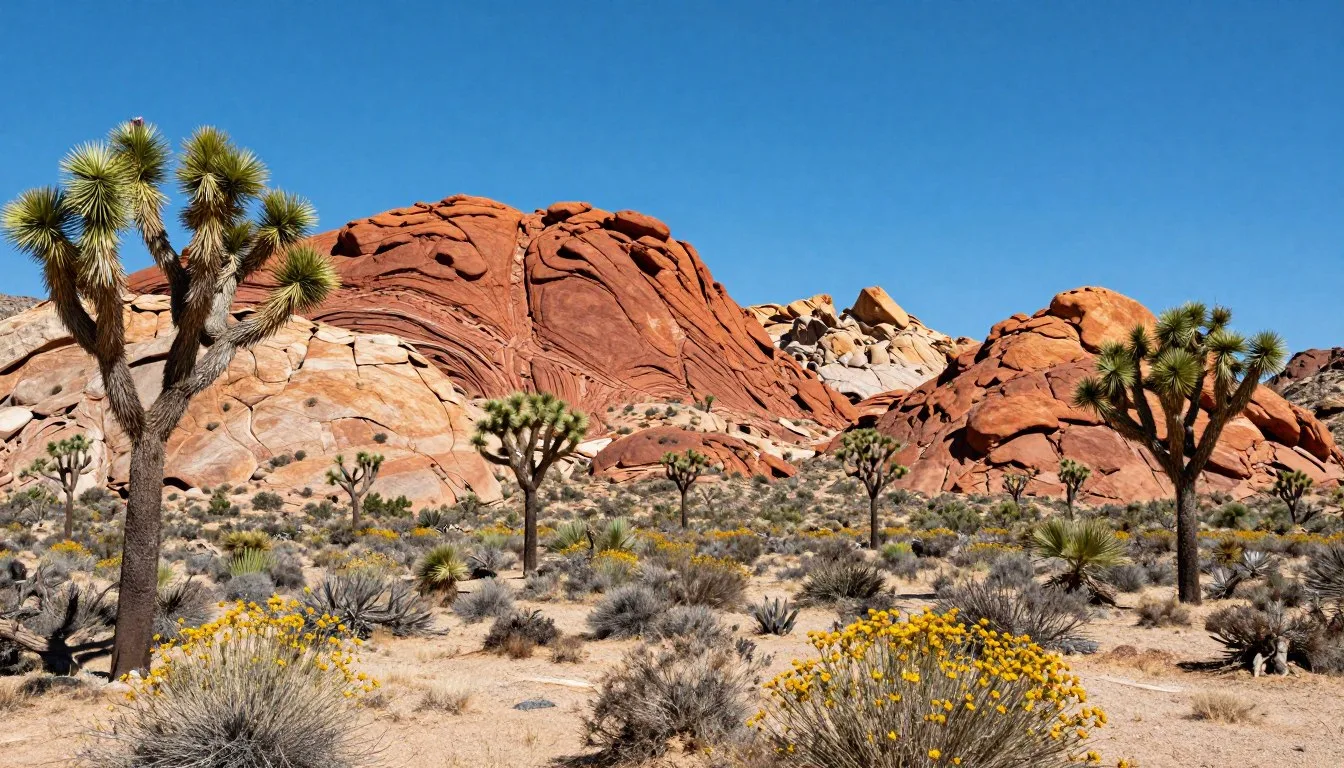
Joshua trees define the Mojave Desert’s iconic landscape. These unique plants, actually tree-sized yuccas, grow only in this desert region. Their twisted branches and spiky leaves create the quintessential desert silhouette.
While Joshua Tree National Park lies primarily in California, Nevada’s Mojave Desert home includes substantial Joshua tree populations. Areas around Coyote Springs and Gold Butte National Monument feature dense stands. The best time for Joshua tree viewing runs from February through April when some plants bloom with creamy white flower clusters.
Desert ATV Adventures
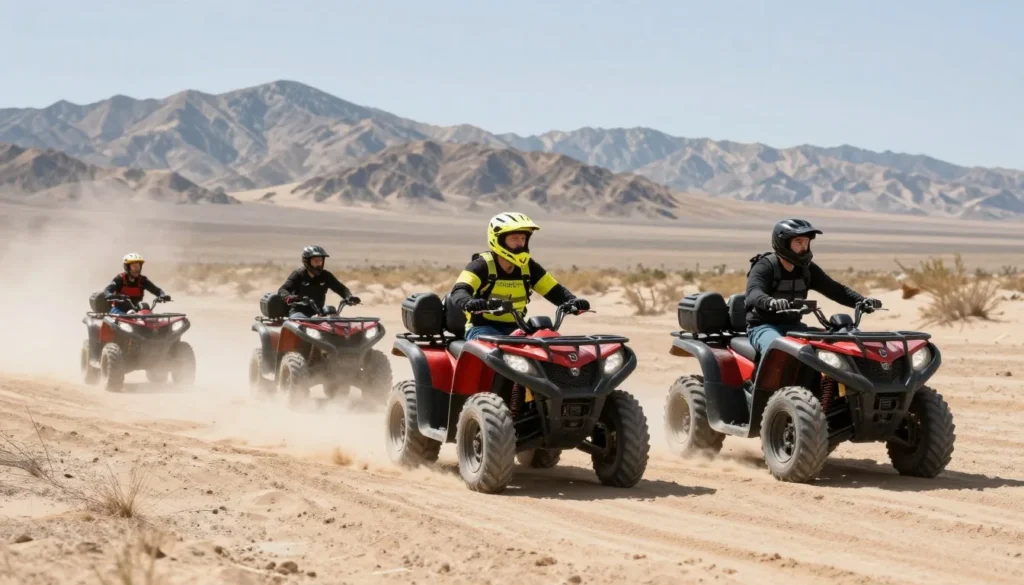
ATV tours provide thrilling ways to cover desert terrain quickly. The desert ATV experience lets riders navigate sand dunes, rocky washes, and desert trails impossible to reach by regular vehicle. Most tours last two to four hours, covering 48 to 96 kilometers of varied landscape.
Popular ATV tour Las Vegas companies operate in areas south and west of the city. Routes cross Bureau of Land Management lands where off-road vehicles can legally operate. Guided tours include safety briefings and all necessary equipment. No previous ATV experience is required for most beginner and intermediate level tours.
The desert atv experience showcases the landscape’s raw beauty from a unique perspective. Riders climb ridges offering panoramic views across valleys and distant mountain ranges. Many tours pause at scenic overlooks for photographs and water breaks.
Hiking and Backpacking
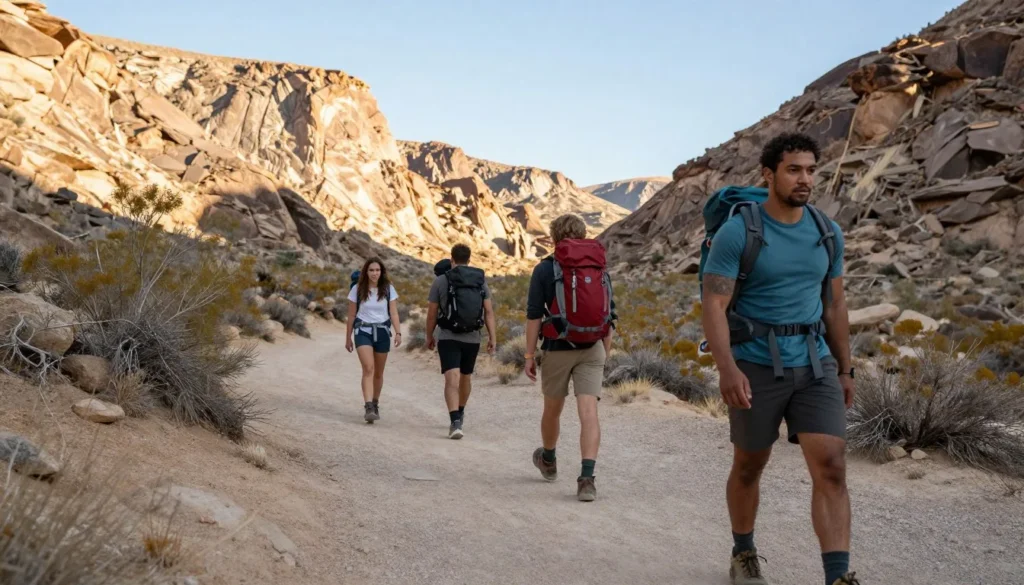
Hiking trails throughout the Mojave Desert range from short nature walks to multi-day backpacking routes. Red Rock Canyon and Valley of Fire offer well-maintained trails with clear markers and regular ranger patrols. These provide excellent introductions to desert hiking.
More remote areas like Gold Butte National Monument and the Muddy Mountains offer wilderness hiking experiences. These regions see fewer visitors, providing solitude for those seeking it. However, minimal trail maintenance and scarce water sources demand advanced outdoor skills and thorough preparation.
Desert hiking requires different approaches than mountain or forest trails. Start early to avoid afternoon heat. Carry twice as much water as you think necessary. The general recommendation suggests one liter per hour of activity in warm conditions. Wear sun protection including hat, sunglasses, and sunscreen.
Rock Climbing
The Mojave Desert’s sandstone and limestone formations attract rock climbers year-round. Red Rock Canyon hosts the most developed climbing areas, with routes documented in guidebooks and online databases. Climbing seasons peak in spring and fall when temperatures remain moderate.
Beginners can hire guides for instruction and equipment. Several Las Vegas-based companies offer intro climbing courses at Red Rock Canyon. These half-day or full-day sessions teach basic techniques in safe, controlled settings.
Stargazing
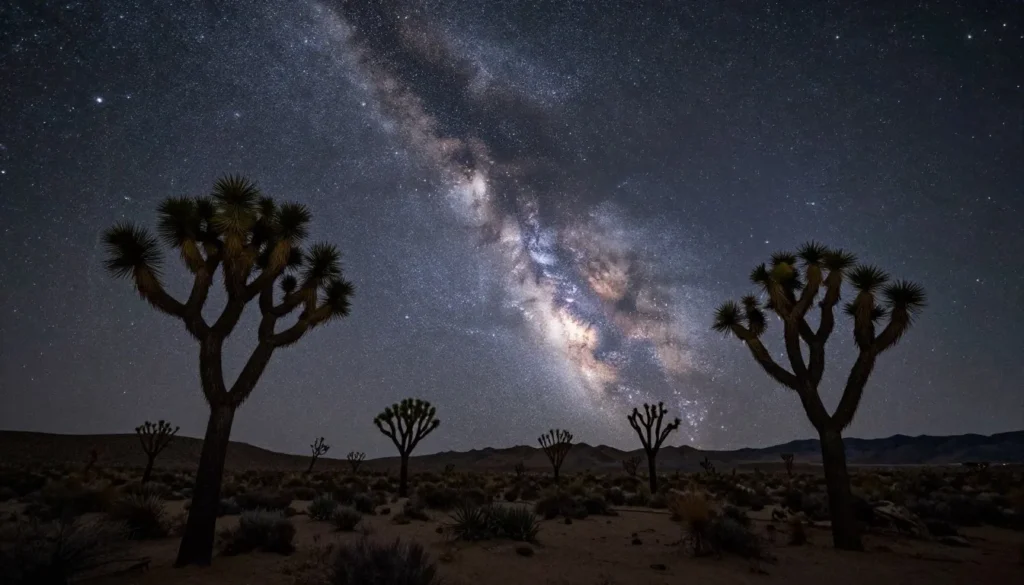
Dark skies far from city lights make the Mojave Desert exceptional for stargazing. The dry air and high altitude create crystal-clear viewing conditions. On moonless nights, the Milky Way appears as a bright band across the sky, visible to the naked eye.
Several areas offer particularly good stargazing spots. Valley of Fire State Park’s campgrounds provide dark sky access with basic amenities nearby. More remote Bureau of Land Management areas offer complete darkness for astrophotography and telescope observation.
The best stargazing occurs during new moon phases when moonlight doesn’t wash out dimmer stars. Winter months offer the longest dark periods, though cold temperatures require warm clothing. Spring and fall provide comfortable temperatures with excellent viewing conditions.
Wildlife Watching
Despite appearing barren, the Mojave Desert supports diverse wildlife. Patient observers spot desert bighorn sheep on rocky slopes, especially near water sources during dry months. These magnificent animals navigate steep terrain with remarkable agility.
Birdwatching attracts enthusiasts year-round. Resident species include roadrunners, cactus wrens, and various raptor species. Migration seasons bring additional species passing through the desert. Early morning and late afternoon provide the best viewing times when animals are most active.
Reptiles including desert tortoises, various lizard species, and snakes emerge during warmer months. Spring offers the best chance to observe these creatures before summer heat drives them to shelter. Always observe wildlife from a distance, never approaching or feeding wild animals.
Safety, Etiquette & Local Customs
Desert environments present unique challenges requiring specific safety awareness. Understanding and following basic precautions ensures enjoyable, incident-free visits.
Heat and Sun Protection
Summer temperatures exceeding 43°C (110°F) create serious health risks. Heat exhaustion and heat stroke can develop rapidly without proper precautions. Recognize early symptoms including excessive sweating, weakness, nausea, and headache. Immediately move to shade, drink water, and cool the body if these appear.
Sun protection goes beyond sunscreen, though SPF 30 or higher should be applied every two hours. Wide-brimmed hats shade face and neck, while lightweight long-sleeved shirts protect arms. Sunglasses with UV protection prevent eye damage from intense desert sun.
Plan strenuous activities for cooler morning hours. By 10 AM in summer, temperatures often exceed safe ranges for vigorous exercise. Save afternoons for indoor activities or relaxation in air conditioning. Return to hiking or exploring once temperatures drop after 5 PM.
Water and Hydration
Dehydration ranks as the most common desert health issue. The dry air causes moisture loss through breathing and skin even without obvious sweating. Drink water consistently throughout the day rather than waiting until feeling thirsty. Thirst indicates dehydration has already begun.
Carry more water than you expect to need. For desert hiking, plan on consuming at least one liter per hour of activity. Longer trips require water caches or knowledge of reliable water sources. Never depend on finding water in the desert. Many springs and streams marked on maps run dry seasonally.
Electrolyte replacement becomes important during extended outdoor time. Sports drinks or electrolyte tablets help maintain proper mineral balance. Plain water alone may not suffice during intense activity or extreme heat.
Wildlife Precautions
Venomous creatures including rattlesnakes, scorpions, and black widow spiders inhabit the Mojave Desert. These animals avoid humans when possible but will defend themselves if threatened. Watch where you place hands and feet when hiking. Never reach into crevices or under rocks without looking first.
Rattlesnakes become most active during spring and fall when temperatures moderate. They seek shade during hot summer days, often under bushes or rock overhangs. If you encounter a snake, give it space to retreat. Back away slowly without sudden movements.
Check shoes and clothing before dressing if items were left outside overnight. Scorpions seek shelter in dark spaces. Shake out boots and sleeping bags before use. Scorpion stings cause pain but rarely prove life-threatening to healthy adults.
Navigation and Communication
Cell phone coverage disappears quickly outside populated areas. Download offline maps before entering remote regions. Carry a compass and know how to use it. GPS devices work well but carry backup navigation tools in case batteries fail.
Inform someone of your plans before heading into backcountry areas. Provide specific locations and expected return times. This simple step aids search and rescue if problems arise. Satellite communicators or emergency beacons provide communication options where cell phones don’t work.
Leave No Trace Principles
Desert ecosystems recover slowly from disturbance. Tire tracks and footprints can remain visible for years in some areas. Stay on established roads and trails to minimize impact. Avoid creating new paths across fragile desert soils and biological soil crusts.
Pack out all trash including organic waste like fruit peels and food scraps. Desert animals aren’t adapted to human food, which can harm them. Bury human waste at least 15 centimeters deep and 60 meters from water sources or campsites.
Respect archaeological sites and rock art. Federal laws protect these cultural resources. Never touch petroglyphs or pictographs, as skin oils degrade the art. Don’t remove artifacts or disturb structures. Photograph and appreciate these treasures but leave them undisturbed.
Local Customs and Etiquette
Desert communities value self-reliance and preparedness. Locals respect visitors who come properly equipped and informed. Ask questions at visitor centers and ranger stations. Staff appreciate genuine interest and provide valuable current information.
Many Mojave Desert areas contain active mining claims and private property. Respect posted signs and closures. Trespassing creates legal issues and damages relationships between public land users and private landowners.
In small desert towns, acknowledge other visitors and residents with a friendly greeting. These communities maintain traditional Western hospitality. A simple wave or “hello” fits local customs and often leads to helpful conversations.
Visitor Comments About Mojave Desert
The vastness of the Mojave Desert took my breath away. We spent three days exploring different areas and barely scratched the surface. The sunrise at Red Rock Canyon alone was worth the entire trip. The colors were absolutely stunning.
Our ATV tour through the desert was the highlight of our Las Vegas vacation. The guide was knowledgeable and took us to places we never would have found on our own. The landscape is so different from anything back home. Truly an unforgettable experience.
I was surprised by how much there was to see and do. We visited Valley of Fire and were amazed by the rock formations. The hiking trails were well-maintained and offered spectacular views. Planning to return next year to explore more of the region.
Additional Nearby Destinations
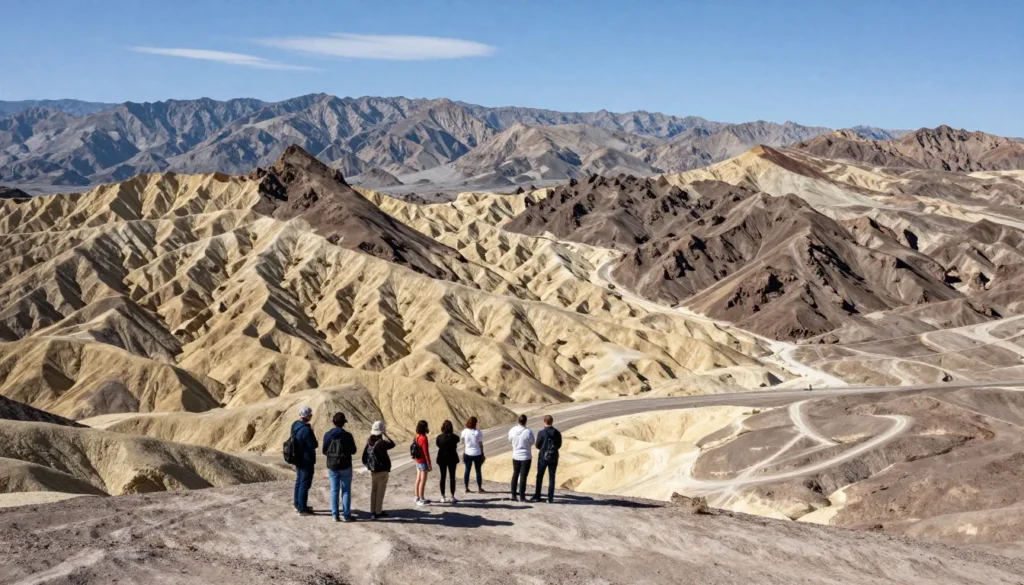
The Mojave Desert’s Nevada section sits within easy reach of several other remarkable destinations. Extending your trip to include these areas provides broader perspectives on the desert Southwest.
Death Valley National Park
Death Valley National Park lies just across the California border, approximately 200 kilometers west of Las Vegas. This park contains North America’s lowest point at Badwater Basin, sitting 86 meters below sea level. The valley holds the record for Earth’s highest reliably recorded air temperature at 56.7°C (134°F).
Despite the harsh name, Death Valley National Park showcases stunning landscapes. Sand dunes at Mesquite Flat climb to 30 meters high. The multicolored rocks of Artist’s Palette create natural paintings across hillsides. Spring wildflower blooms occasionally transform the valley floor into a carpet of color.
Grand Canyon West
Grand Canyon West sits 200 kilometers east of Las Vegas on the Hualapai Reservation. While not part of Grand Canyon National Park, this area offers spectacular canyon views from a different perspective. The famous Skywalk extends 21 meters beyond the canyon rim with a glass floor allowing views 1,200 meters straight down.
The drive to Grand Canyon West passes through diverse desert landscapes. Plan a full day for the round trip and time exploring the overlooks. The area receives fewer visitors than Grand Canyon National Park, providing a more intimate experience.
Lake Havasu City
Lake Havasu City in Arizona sits approximately 240 kilometers south of Las Vegas. This Colorado River town offers water recreation and an unusual attraction: London Bridge. The historic bridge was purchased and reconstructed here in 1971, now spanning a channel leading to the lake.
Lake Havasu provides year-round water activities. The reservoir covers 7,770 hectares with over 724 kilometers of shoreline. Boating, fishing, and swimming offer relief from desert heat. The town maintains a relaxed vacation atmosphere with waterfront dining and shopping.
Zion and Bryce Canyon National Parks
Utah’s Zion and Bryce Canyon National Parks lie 256 and 400 kilometers northeast of Las Vegas respectively. These parks transition from Mojave Desert environments to high plateau ecosystems. Zion’s towering sandstone cliffs and Bryce Canyon’s distinctive hoodoo formations create landscapes dramatically different from the low desert.
A road trip connecting Las Vegas with these Utah national parks showcases the desert Southwest’s incredible diversity. The journey passes through varying elevation zones, each supporting different plant and animal communities. Spring and fall offer ideal conditions for this multi-park adventure.
Area 51 and Extraterrestrial Highway
Nevada State Route 375, officially designated the Extraterrestrial Highway, runs through remote desert north of Las Vegas. The route passes near Area 51, the secretive military installation that has sparked decades of UFO speculation. While you can’t access the base, viewpoints and quirky roadside attractions embrace the alien theme.
The small town of Rachel, population roughly 50, serves as the Extraterrestrial Highway’s unofficial capital. The Little A’Le’Inn offers food, lodging, and alien-themed souvenirs. The drive itself showcases remote Mojave Desert landscapes with wide-open vistas and minimal traffic.
Practical Travel Tips
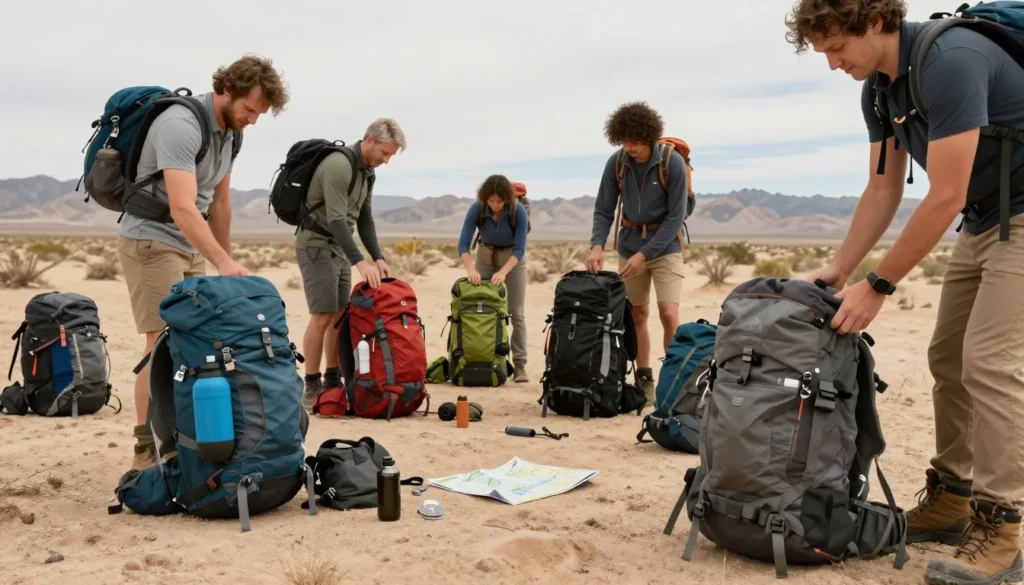
Successful desert travel depends on proper planning and preparation. These practical tips address common questions and help avoid typical mistakes.
What to Pack
Desert packing differs significantly from other destinations. Essential items include:
- Multiple water bottles or hydration reservoirs with total capacity of at least 3 liters per person
- Broad-spectrum sunscreen SPF 30 or higher, reapplied every two hours
- Wide-brimmed hat providing shade for face, ears, and neck
- Lightweight, long-sleeved shirts and pants in light colors
- Sturdy hiking boots with ankle support and good tread
- Layered clothing for temperature changes from morning to afternoon
- First aid kit including blister treatment and any personal medications
- Headlamp or flashlight with extra batteries
- Detailed maps and compass or GPS device
- Emergency supplies including extra food, space blanket, and fire starter
Money and Costs
Las Vegas offers ATMs everywhere, but they disappear quickly in desert areas. Withdraw sufficient cash before departing for remote regions. Small desert towns may have limited ATM access or charge high fees.
Credit cards work at major attractions, hotels, and restaurants. However, some small businesses and campgrounds operate cash-only. Keep small bills for parking fees, tips, and purchases at roadside stands.
Budget planning should account for higher fuel costs due to distances between destinations. Gas prices in remote desert towns typically exceed Las Vegas rates by 20 to 40 percent. Fill up in larger towns when possible.
Internet and Phone Service
Cellular coverage in Las Vegas and along major highways works reliably. However, service drops to nothing quickly when leaving main routes. Don’t rely on phones for navigation or emergencies in backcountry areas.
Download needed information before departing connected areas. Save offline maps, trail guides, and weather forecasts. Screenshot important details like campground locations or reservation confirmations.
Some hotels and coffee shops in small desert towns offer Wi-Fi, but speeds may be slow. Visitor centers sometimes provide internet access during business hours. Plan to be disconnected during much of your desert exploration.
Photography Tips
The desert’s intense light creates both opportunities and challenges for photography. Harsh midday sun washes out colors and creates extreme contrasts. Golden hours around sunrise and sunset provide the most dramatic lighting for landscape photography.
Protect camera equipment from dust and sand. Blowing sand can damage lenses and electronic components. Keep gear in sealed bags when not in use. Change lenses in sheltered locations to prevent dust entering the camera body.
Battery life decreases in extreme temperatures. Carry spares and keep them warm in cold weather or cool in heat. Memory cards occasionally fail, so bring extras and back up images regularly if possible.
Permits and Regulations
Many Mojave Desert areas require entrance fees or permits. Red Rock Canyon charges USD 15 per vehicle for a day pass. Annual America the Beautiful passes cost USD 80 and cover entrance fees at all federal recreation sites.
Backcountry camping often requires free permits available at visitor centers or ranger stations. These help land managers track usage and provide safety information. Some popular areas limit permits, requiring advance reservations.
Off-road vehicle use is restricted to designated routes on public lands. Check current regulations before planning ATV or motorcycle trips. Fines for illegal off-road travel can exceed USD 5,000 plus vehicle impoundment.
Medical Considerations
The nearest hospital to remote desert areas may be hours away. Carry comprehensive first aid supplies and know how to use them. Wilderness first aid courses provide valuable skills for self-rescue situations.
Common desert health issues include dehydration, heat exhaustion, sunburn, and blisters. All these are preventable with proper precautions. Pack medications for headache, allergies, and stomach upset as pharmacies may be distant.
Anyone with serious medical conditions should consult physicians before desert travel. Heart conditions, respiratory issues, and diabetes require special considerations in extreme heat and remote locations.
Best Time for Different Activities
Different activities suit different seasons in the Mojave Desert. Spring from March through May offers ideal conditions for hiking, rock climbing, and general sightseeing. Wildflower blooms peak in March and April depending on winter rainfall.
Summer suits water activities at Lake Mead and early morning or evening desert drives. The heat limits midday outdoor activities but creates opportunities for photography during dramatic summer thunderstorms.
Fall from September through November provides excellent weather for all activities. Crowds thin after summer while temperatures remain comfortable. This shoulder season offers good value and availability at accommodations.
Winter brings cool to cold temperatures perfect for vigorous hiking. Snow occasionally dusts higher elevations, creating unique photographic opportunities. Holiday periods see increased visitation around Las Vegas but quiet elsewhere.
Mojave Desert, Nevada Location
Interactive map showing the Mojave Desert region in Nevada and surrounding areas
Your Mojave Desert Adventure Awaits
The Mojave Desert in Nevada reveals itself as far more than empty wasteland. This landscape of extremes shelters surprising biodiversity, preserves ancient human history, and offers adventures ranging from serene to adrenaline-filled. Red rock canyons, towering Joshua trees, and endless star-filled skies create memories that linger long after desert dust shakes from your boots.
Whether you spend a single day exploring Red Rock Canyon or a full week traversing the region, the Mojave Desert delivers experiences found nowhere else. The contrast between Las Vegas glamour and raw desert wilderness provides unique juxtaposition. You can enjoy world-class dining and entertainment, then watch sunrise over ancient geological formations the next morning.
The desert teaches patience and awareness. It rewards those who take time to look closely, revealing beauty in subtle details. A closer inspection shows that the seemingly barren landscape teems with life adapted to thrive where others cannot. This resilience and adaptation mirror qualities that make the Mojave Desert such a compelling destination.
Your Mojave Desert journey begins with a single step onto sun-warmed sand. Whether hiking a canyon trail, accelerating across dunes on an ATV, or simply watching the sunset paint cliffs in shades of red and gold, the desert offers transformative experiences. The vast silence and ancient landscapes provide perspective that refreshes the soul and ignites the imagination. Start planning your adventure today, and discover why this remarkable desert captivates all who venture into its extraordinary realm.
The above is subject to change.
Check back often to TRAVEL.COM for the latest travel tips and deals.