Hotels by Trip.com
Flights by Trip.com
Did you know that Pilot Peak stands as one of the most historically significant landmarks in the American West? This towering mountain guided thousands of pioneers along the California Trail during the 1800s. Rising 3,267 meters (10,716 feet) above sea level, the peak served as a beacon of hope for exhausted wagon trains crossing the brutal salt flats below.
Today, this remote desert mountain offers adventurous travelers a chance to walk in the footsteps of history. The journey to Pilot Peak combines rugged hiking, stunning desert vistas, and a true wilderness experience far from crowded tourist destinations.
Whether you’re an experienced mountaineer seeking challenging talus scrambles or a history enthusiast drawn to pioneer routes, Pilot Peak delivers unforgettable memories. This comprehensive guide covers everything you need to plan your adventure to one of Nevada’s most spectacular yet under-visited natural treasures.
Getting There & Planning Your Journey

Reaching Pilot Peak requires careful planning and preparation. The mountain sits in one of the most remote areas of the United States, straddling the Nevada-Utah border approximately 160 kilometers (100 miles) west of Salt Lake City.
Closest Airports
Salt Lake City International Airport (SLC) serves as the primary gateway. Located 177 kilometers (110 miles) from the trailhead, this major hub offers numerous daily flights and rental car services. From the airport, expect a three-hour drive through spectacular desert terrain.
Elko Regional Airport (EKO) provides an alternative option roughly 209 kilometers (130 miles) northwest of Pilot Peak. While smaller with fewer flight options, Elko offers a different scenic route through Nevada’s high desert country.
Road Access
The journey to Pilot Peak follows remote desert roads that require high-clearance vehicles. From Interstate 80, take exit 4 at Wendover, then follow Leppy Pass Road north. The final miles travel across Bureau of Land Management land on unmaintained dirt tracks.
Road conditions change dramatically with weather. Spring snowmelt and summer thunderstorms can render sections impassable. Always check current conditions before departing.
Four-wheel drive vehicles with high clearance handle the rough terrain best. Standard passenger cars cannot safely navigate the final approach roads. Plan for extremely limited cell phone coverage once you leave the highway.
Best Time to Visit & Weather Tips

Optimal Visiting Seasons
Late spring through early fall provides the best weather window for climbing Pilot Peak. May through June offers moderate temperatures and usually snow-free routes. September and October deliver crisp autumn conditions with excellent visibility across the desert basin.
Summer months from July through August bring intense heat to the lower elevations. Temperatures regularly exceed 35°C (95°F) in the desert approaches. Early morning starts become essential during peak summer to avoid dangerous afternoon heat.
Seasons to Avoid
Winter conditions from November through April make Pilot Peak extremely challenging. Heavy snow blankets the upper mountain, while ice forms on exposed rock sections. Winter attempts require mountaineering skills and specialized equipment.
Spring storms in March and April create unpredictable conditions. Sudden weather changes can trap unprepared hikers in dangerous situations. The mountain sees its heaviest precipitation during these transition months.
Weather Patterns
Desert weather changes rapidly. Morning sunshine can give way to afternoon thunderstorms with little warning. Lightning poses a serious threat on exposed ridges and the summit area. Monitor weather forecasts closely and start climbs early.
The Great Basin climate produces extreme temperature swings. Nighttime temperatures may drop 22°C (40°F) below daytime highs. Pack layers to handle these dramatic fluctuations throughout your trip.
Strong winds frequently rake the summit and ridge sections. Wind speeds above 64 kilometers per hour (40 miles per hour) are common, especially during spring months. These conditions make the final summit push exhausting and potentially dangerous.
Notable Annual Festivals
The nearby town of Wendover hosts the Wendover Air Show each September. This event celebrates the area’s military aviation history with vintage aircraft displays and aerobatic performances. The festival attracts aviation enthusiasts from across the region.
Bonneville Speed Week takes place each August on the famous salt flats near Pilot Peak. Racing enthusiasts gather to watch land speed record attempts on the vast white expanse that stretches below the mountain.
Getting Around Locally

Transportation options near Pilot Peak remain extremely limited due to the remote location. No public transit serves the area, and ride-sharing services don’t operate this far from populated centers.
Your personal vehicle serves as your primary means of transportation. The nearest town with services, Wendover, sits 48 kilometers (30 miles) south of the trailhead. This border community straddles Nevada and Utah, offering the last chance for supplies and fuel.
Most visitors base themselves in Wendover and make day trips to Pilot Peak. The drive requires attention to navigation as road signs appear infrequently. GPS devices and detailed maps prove essential for finding correct routes through the maze of dirt tracks.
Plan your fuel carefully. Gas stations in Wendover represent your last refueling opportunity. The rough desert roads consume more fuel than highway driving, and no services exist near the mountain itself.
Where to Stay
Accommodation choices near Pilot Peak split between Wendover’s casino hotels and primitive camping. The stark contrast reflects the area’s unique character as both a gaming destination and wilderness gateway.
Wendover Hotels
Several casino hotels line the Nevada side of Wendover. These establishments provide comfortable rooms, restaurants, and entertainment options. The Peppermill Wendover and Montego Bay Casino Resort offer the most amenities, including pools and multiple dining venues.
Rates remain reasonable compared to major cities, typically ranging from $60 to $120 per night. Midweek stays often cost less than weekend visits when crowds arrive from Salt Lake City.
Camping Options
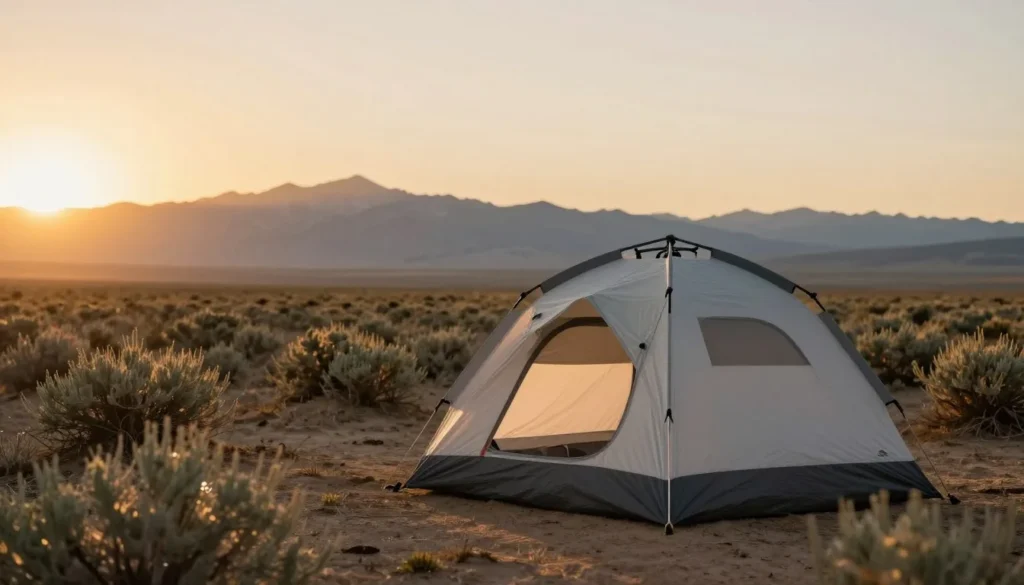
Dispersed camping on Bureau of Land Management land allows you to stay closer to the trailhead. No developed campgrounds exist near Pilot Peak, but the open desert provides numerous spots for tent camping.
Primitive camping requires complete self-sufficiency. Bring all water, food, and supplies. The nearest facilities remain in Wendover, an hour’s drive away. Leave no trace principles apply strictly in this fragile desert environment.
Strong winds and lack of shade make camping challenging. Secure tents thoroughly and prepare for temperature extremes. The remote setting delivers incredible stargazing opportunities under dark desert skies.
Dining & Local Cuisine
Dining options near Pilot Peak concentrate in Wendover’s casino hotels. The remote location means limited choices, but several restaurants serve decent meals for hungry hikers.
Wendover Restaurants
Casino buffets offer the most variety, with all-you-can-eat spreads featuring American comfort food. The Peppermill’s Sterling Buffet serves breakfast, lunch, and dinner with rotating menu items throughout the week.
Smaller café-style restaurants provide quicker service. The Coffee Shop at Montego Bay operates 24 hours, convenient for early-morning departures to the trailhead. Standard American fare dominates menus, including burgers, sandwiches, and breakfast items.
Several fast-food chains have locations in Wendover for budget-conscious visitors. Stock up on packaged snacks and drinks for trail food before heading to the mountain.
Trail Food Planning
No food or water sources exist along Pilot Peak routes. Every ounce must be carried from your vehicle. Plan high-calorie, lightweight meals that require minimal preparation.
Grocery shopping should happen before reaching Wendover. The small convenience stores in town offer limited selections at higher prices. Salt Lake City provides far better options for stocking up on supplies.
Attractions, Sightseeing & Activities
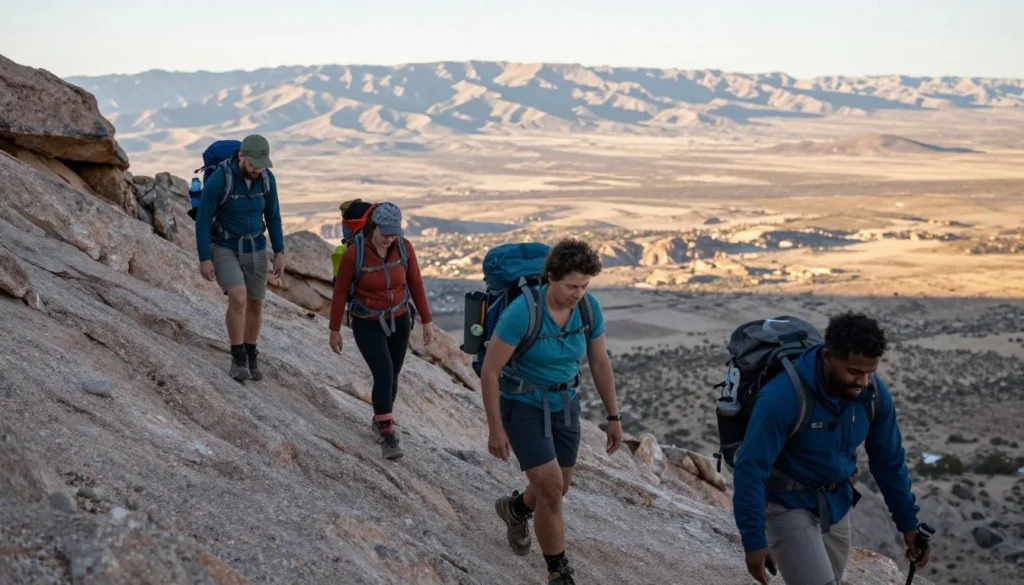
Pilot Peak’s primary attraction remains the mountain itself. The challenging hike to the summit rewards adventurers with unparalleled views and a profound sense of accomplishment.
Summit Hiking
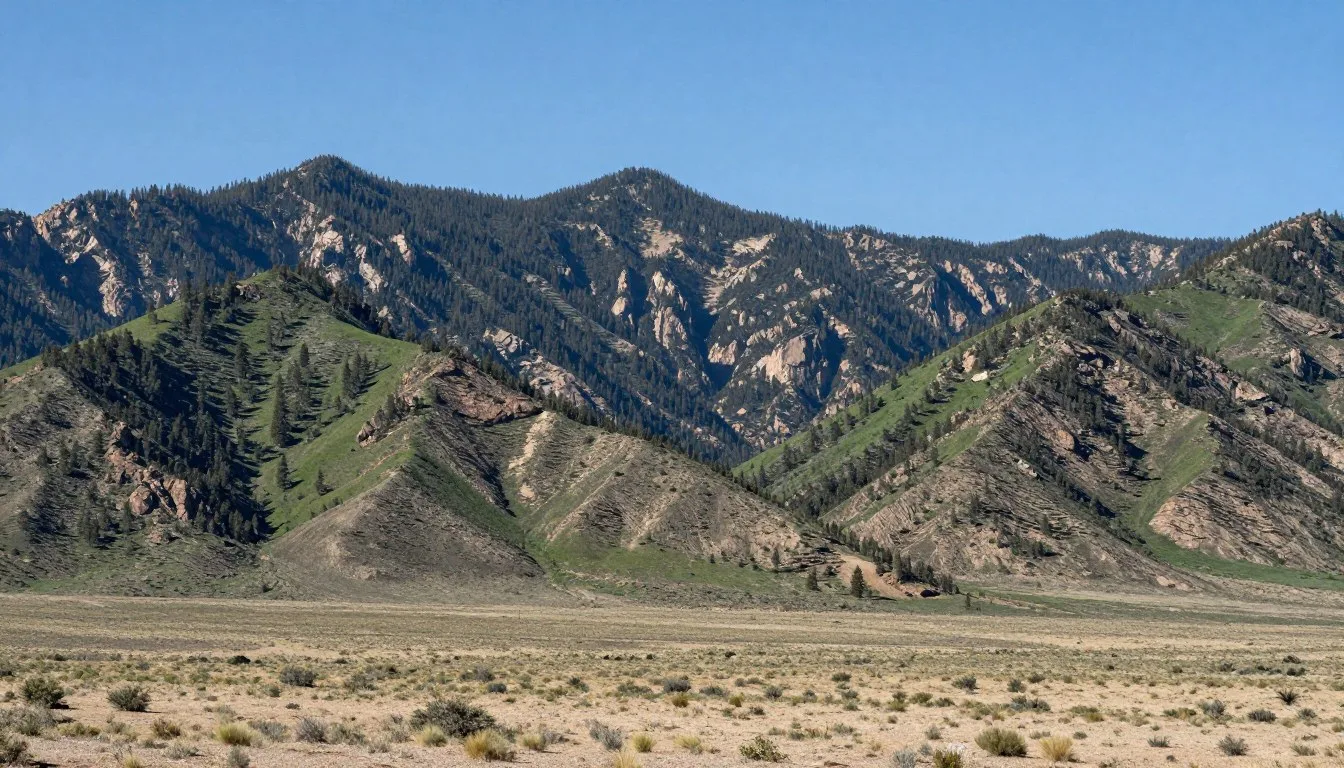
The standard route ascends via Miner Canyon on the peak’s east side. This approach covers approximately 13 kilometers (8 miles) round trip with 1,829 meters (6,000 feet) of elevation gain. The trail demands excellent physical conditioning and scrambling ability.
Plan eight to twelve hours for the complete climb. The route begins on gentle slopes but steepens dramatically in the upper sections. Loose talus covers much of the mountain, requiring careful foot placement with every step.
The final summit ridge presents the most technical challenge. Exposed scrambling over large boulders tests both nerve and skill. Some sections require using hands for balance and security on steep rock faces.
Historical Sites
The California Trail passed directly below Pilot Peak’s southern flanks. Wagon ruts remain visible in areas where the desert has preserved these historic traces. Emigrants viewed the mountain as a crucial landmark guiding them toward California’s promise.
The Donner Party famously used Pilot Peak as a navigation point during their ill-fated 1846 journey. Standing at the base, you can imagine the hope this landmark inspired in weary travelers after crossing the salt desert.
Photography Opportunities
Pilot Peak offers exceptional photography at all times of day. Sunrise lights the peak’s eastern face with warm golden tones. Sunset paints the western slopes in rich oranges and purples against the darkening sky.
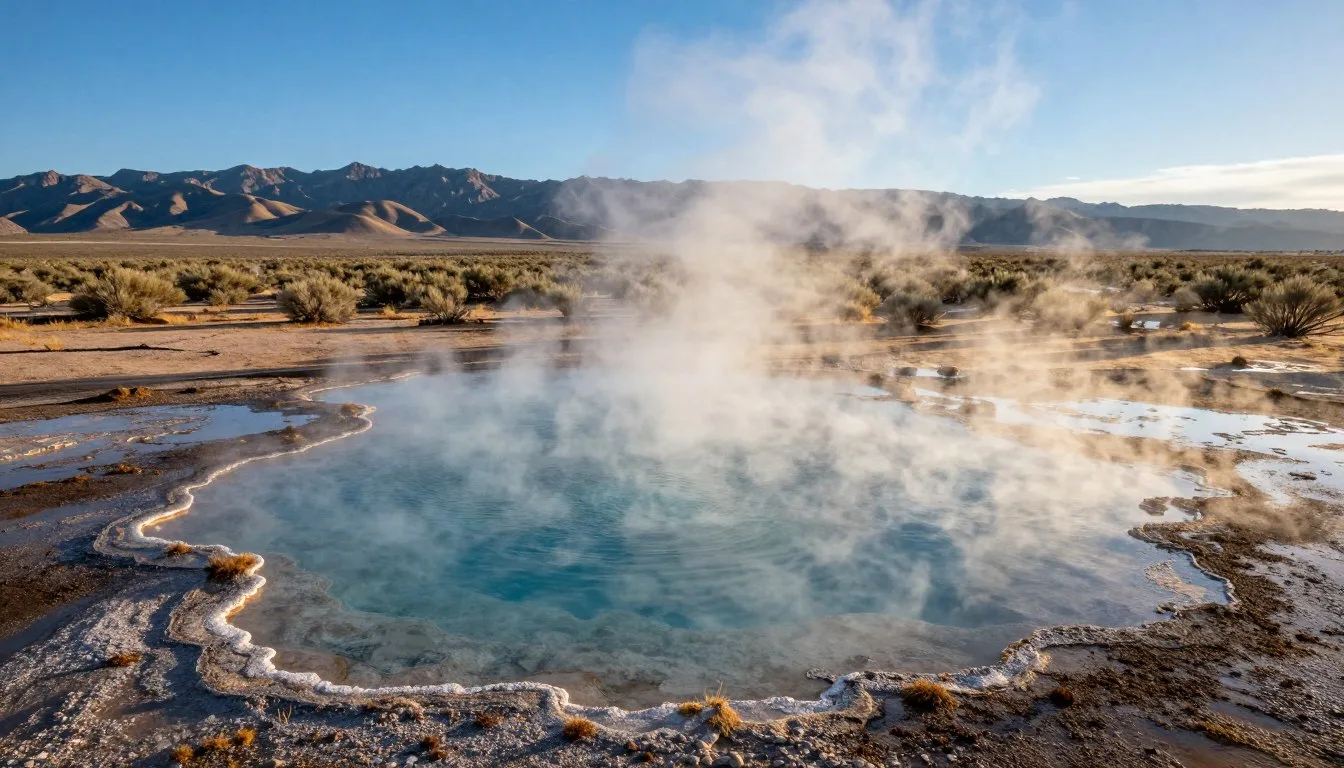
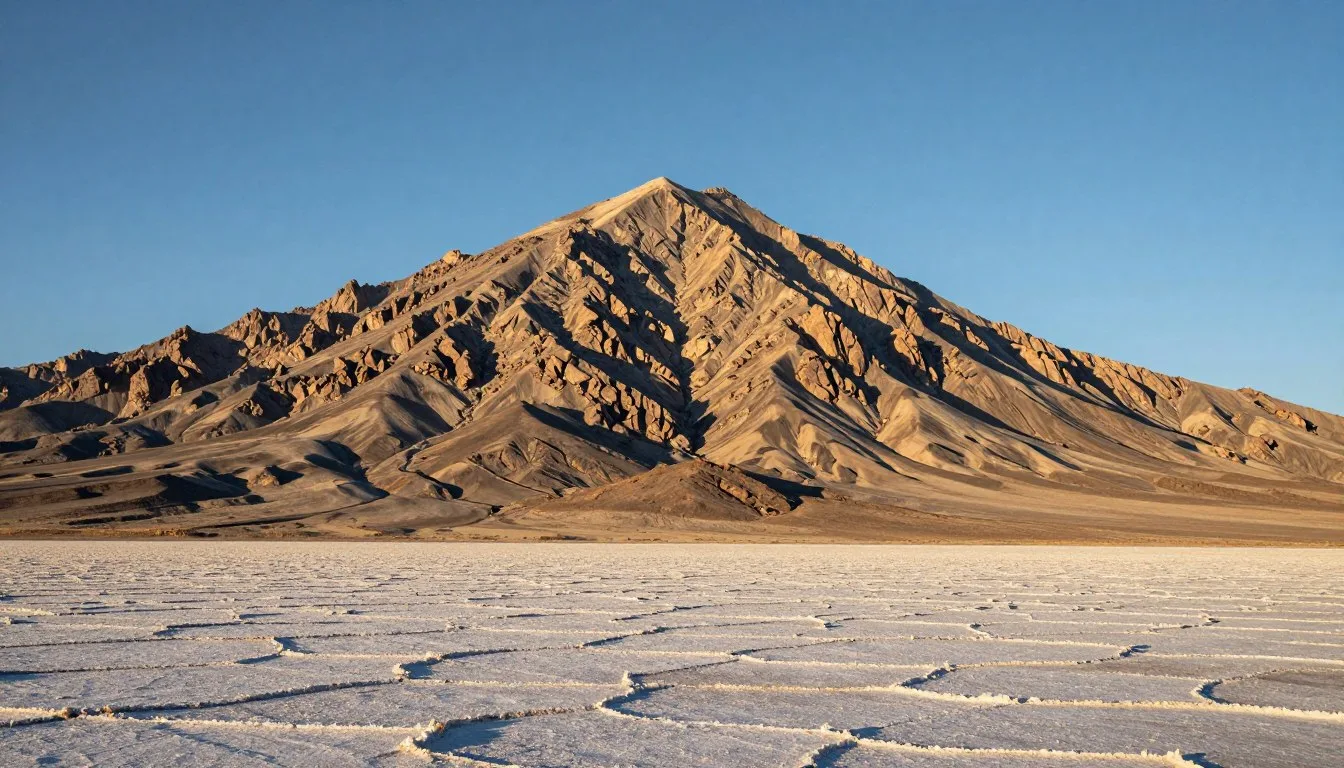
The surrounding salt flats create unique foreground interest for wide-angle compositions. The contrast between white salt, tan desert, and blue mountain shadows produces striking images that capture the basin’s stark beauty.

Museums, Cultural Spots & Festivals
The Pilot Peak area lacks traditional museums and cultural venues due to its remote wilderness character. However, the region’s rich pioneer history creates outdoor cultural experiences.
Wendover Airfield Museum
Located in Wendover, this museum preserves the area’s World War II aviation heritage. The base trained B-29 bomber crews, including the Enola Gay crew. Historic hangars and aircraft displays tell the story of this important military facility.
The museum operates seasonally with limited hours. Call ahead to confirm opening times before planning your visit. Admission helps fund ongoing restoration of historic buildings.
Bonneville Salt Flats
The famous racing venue sits just south of Pilot Peak. While not a museum, the salt flats represent an iconic cultural landmark. Visitors can walk onto the brilliant white surface when races aren’t scheduled.
The vast expanse creates surreal landscapes unlike anywhere else on earth. The perfectly flat surface stretches for miles in every direction, creating optical illusions and stunning photographic compositions.
Nature & Outdoor Experiences

The natural environment around Pilot Peak showcases the Great Basin ecosystem in pristine condition. The remote location protects wildlife and preserves desert landscapes largely unchanged since pioneer times.
Desert Flora
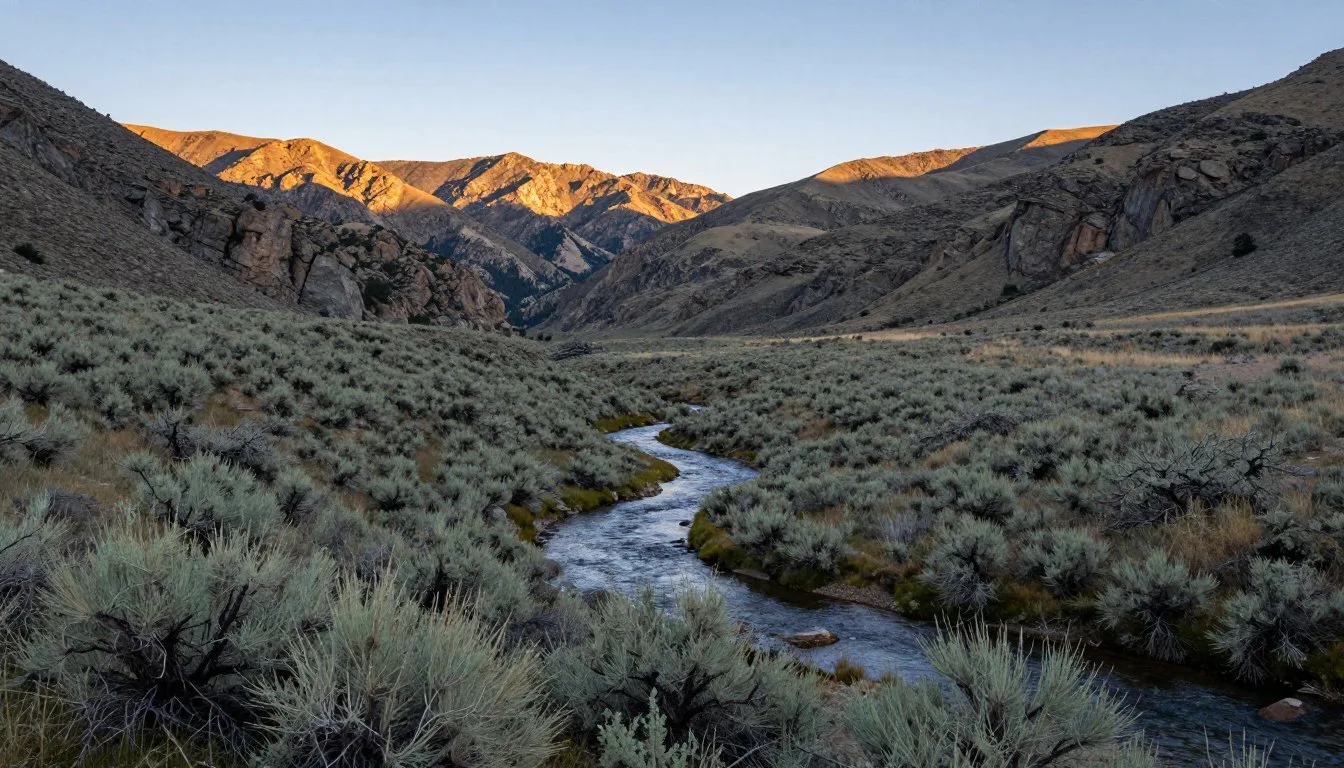
Sagebrush dominates the lower elevations, spreading across the basin in silver-green waves. Spring rains trigger spectacular wildflower displays in good years. Lupine, Indian paintbrush, and desert globemallow add color to the usually muted palette.
As elevation increases, vegetation changes character. Pinyon pine and juniper appear in scattered groves. The highest slopes support hardy grasses and small shrubs adapted to harsh mountain conditions.
Wildlife Watching
Mule deer frequent the mountain’s slopes, especially near water sources. These large mammals often appear at dawn and dusk. Golden eagles soar on thermals above the ridges, scanning for prey below.
Smaller desert creatures include jackrabbits, ground squirrels, and various lizard species. Rattlesnakes inhabit rocky areas throughout the region. Watch carefully where you place hands and feet while scrambling.
The desert harbors remarkable bird diversity. Red-tailed hawks, prairie falcons, and numerous songbird species make their homes in this seemingly harsh environment. Early morning hours offer the best wildlife observation opportunities.
Stargazing
Pilot Peak’s remote location creates world-class dark sky conditions. The Milky Way arcs brilliantly overhead on moonless nights. Meteor showers appear spectacular without light pollution interference.
The dry desert air produces exceptional viewing conditions most nights. Billions of stars become visible to the naked eye. Bring binoculars or a telescope to enhance your astronomical observations.

Safety, Etiquette & Local Customs
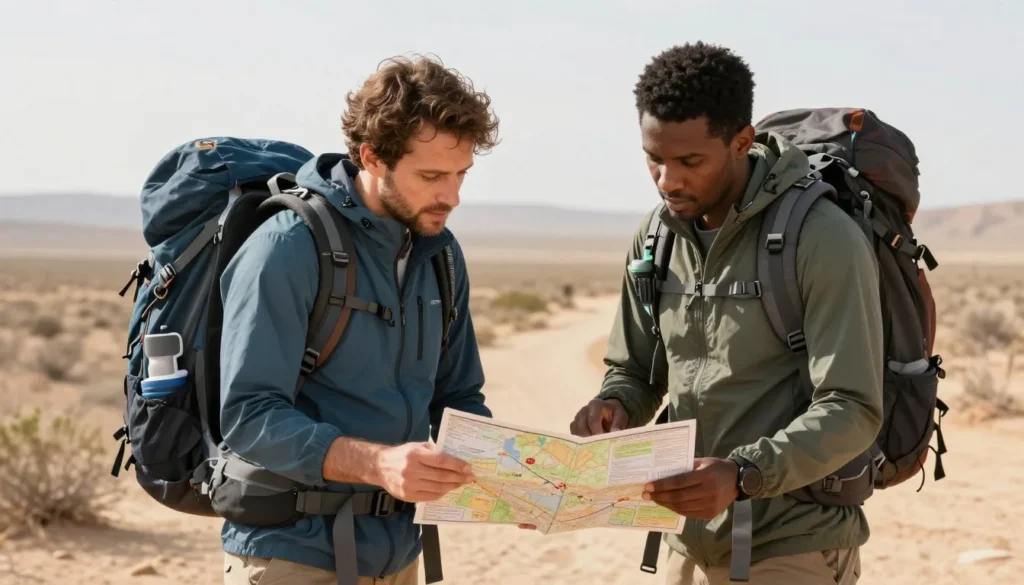
Safety considerations dominate any Pilot Peak adventure. The remote location and harsh desert environment demand respect and thorough preparation.
Essential Safety Measures
Water remains the most critical resource. Carry at least 4 liters (1 gallon) per person for the summit climb. The desert heat and high elevation increase water needs dramatically. Dehydration poses a serious risk on this exposed mountain.
Navigation skills prove essential. The route follows cairns and use trails rather than maintained paths. GPS devices with downloaded maps provide backup navigation. Cell phone coverage disappears entirely once you leave the highway.
Tell someone your plans before departing. Leave detailed information about your route and expected return time. The remoteness means rescue takes many hours even after someone reports you missing.
Weather Hazards
Lightning kills multiple people in Nevada mountains each year. Afternoon thunderstorms develop rapidly during summer months. Start early and descend immediately if storms approach. Avoid ridge crests and summit areas during electrical activity.
Temperature extremes create multiple dangers. Heat exhaustion strikes quickly in summer desert conditions. Hypothermia threatens when cold winds combine with elevation at any time of year. Dress in layers and adjust clothing as conditions change.
Wildlife Precautions
Rattlesnakes deserve careful attention. Watch where you place hands while scrambling over rocks. Make noise while hiking through tall grass to avoid surprising snakes. Most snake encounters end peacefully if you give them space to retreat.
No dangerous large predators inhabit the area. Mountain lions exist in the region but rarely approach humans. Make noise while hiking to avoid surprising wildlife of all types.
Leave No Trace Principles
The pristine desert environment requires special care. Pack out everything you pack in, including all trash and waste. Human waste should be buried at least 15 centimeters (6 inches) deep and 61 meters (200 feet) from water sources.
Avoid creating new trails or shortcuts. Stick to established routes to minimize erosion and vegetation damage. The desert recovers very slowly from disturbance.
Camp on durable surfaces like rock or gravel rather than fragile vegetation. Move camp at least 61 meters (200 feet) from water sources to protect wildlife access and water quality.
Visitor Comments About Pilot Peak
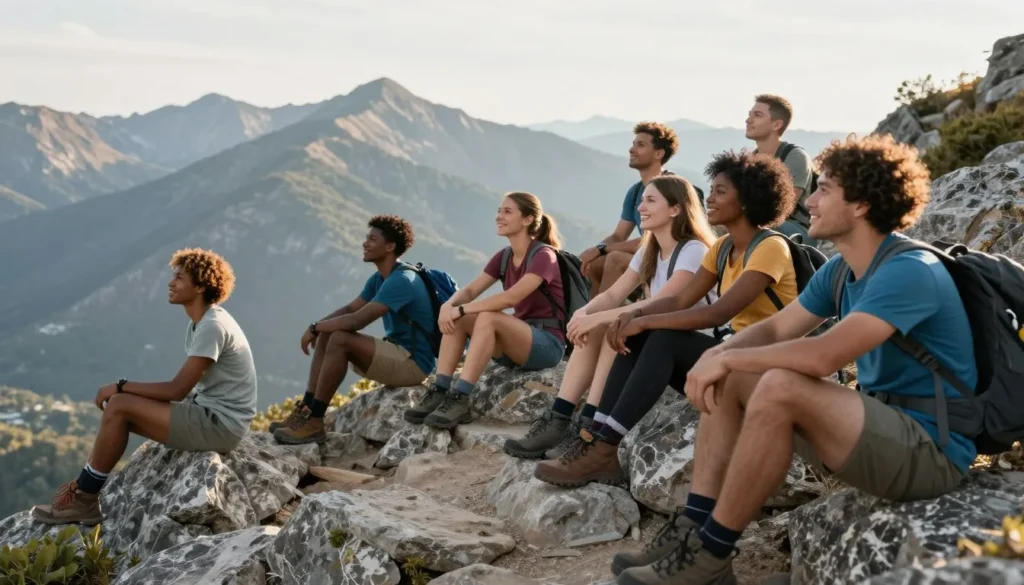
“The climb challenged every bit of my fitness, but reaching that summit made everything worthwhile. The views across the salt flats left me speechless. This mountain delivers a true wilderness experience that’s increasingly rare in our modern world.”
“Pilot Peak exceeded all my expectations. The route demands respect with lots of loose talus and exposed scrambling near the top. I appreciated how few people visit this mountain. We saw no one else during our entire climb. The solitude felt precious.”
“Standing on top of Pilot Peak, I understood why pioneers used this mountain as their guide. The peak dominates the landscape for miles in every direction. The history combined with natural beauty creates something special. I’ll definitely return to explore more areas around the base.”
Additional Nearby Destinations
Several other attractions within reasonable driving distance from Pilot Peak extend your desert adventure beyond the mountain itself.
Bonneville Speedway
The world-famous racing venue sits approximately 48 kilometers (30 miles) south of Pilot Peak. The blindingly white salt surface creates otherworldly landscapes. Visit during Speed Week in August to watch land speed record attempts, or explore the empty flats during off-season months.
Great Basin National Park
Located 209 kilometers (130 miles) south in eastern Nevada, this national park protects Wheeler Peak and ancient bristlecone pine forests. The park offers developed campgrounds, ranger programs, and the spectacular Lehman Caves. Plan at least a full day to explore this diverse mountain environment.
Wendover Will
This giant neon cowboy welcomes visitors to Wendover. Standing 20 meters (63 feet) tall, the iconic sign represents classic American roadside attraction kitsch. Stop for photos before or after your mountain adventure.
Silver Island Mountains
This small range north of Pilot Peak offers additional hiking opportunities. The terrain features similar desert mountain character with fewer visitors. Several peaks provide moderate climbs with excellent views across the salt flats.

Practical Travel Tips
Successful Pilot Peak trips require attention to numerous practical details. These tips help ensure your adventure goes smoothly from start to finish.
Packing Essentials
- High-clearance or four-wheel drive vehicle
- Detailed maps and GPS device with downloaded routes
- Extra water beyond what you plan to drink
- Sun protection including hat, sunscreen, and sunglasses
- Layered clothing for extreme temperature swings
- Sturdy hiking boots with ankle support for talus scrambling
- First aid kit with blister treatment supplies
- Emergency communication device or satellite messenger
- Headlamp with extra batteries for unexpected delays
- Emergency shelter and fire-starting materials
Physical Preparation
The Pilot Peak climb demands excellent fitness. Train for several months before attempting the summit. Include both cardiovascular conditioning and leg strength work. Practice hiking with a loaded pack on steep terrain.
Altitude affects many visitors not accustomed to mountain elevations. The summit tops out at 3,267 meters (10,716 feet). Consider spending time at elevation before your climb to aid acclimatization.
Timing Your Visit
Start summit attempts before dawn to avoid afternoon heat and thunderstorms. Many successful climbers begin hiking by 5:00 AM during summer months. The early start provides time to descend before weather deteriorates.
Allow flexibility in your schedule. Weather may force delays or cancellation of summit attempts. Plan extra days if possible so you can wait for better conditions rather than attempting dangerous climbs.
Permits and Regulations
No permits are currently required for day hiking on Pilot Peak. The mountain sits on Bureau of Land Management land with generally open access. Regulations prohibit motorized travel off designated roads.
Hunting seasons bring additional visitors to the area in fall. Wear bright colors during these periods for visibility and safety. Check with BLM offices for current hunting season dates.
Money Matters
Bring cash for emergencies. Credit cards work in Wendover businesses, but cellular networks fail in remote areas, preventing electronic payments. No ATMs exist between Wendover and the mountain.
Budget for vehicle fuel, which costs more in Wendover than in larger cities. Plan expenses for lodging, meals, and any equipment rentals or purchases needed for your trip.
Communication
Cell phone service ends shortly after leaving Interstate 80. Don’t rely on smartphones for navigation or emergency communication once you enter the desert. Consider renting or purchasing a satellite communication device for true emergencies.
Let multiple people know your detailed plans. Provide information about your vehicle, route, and expected return time. Establish check-in times and procedures so someone knows to initiate rescue if you fail to report as planned.
Pilot Peak Location Map
Your Desert Mountain Adventure Awaits
Pilot Peak stands as a testament to the wild spirit of Nevada’s desert mountains. This towering landmark that guided pioneers now calls to modern adventurers seeking challenge and solitude far from crowded trails.
The journey demands preparation, respect, and determination. In return, you’ll experience wilderness in its purest form. The summit views, the historical significance, and the satisfaction of completing this challenging climb create memories that last a lifetime.
Start planning your Pilot Peak adventure today. Research conditions, prepare your gear, and build your fitness. When you finally stand atop that summit, gazing across the endless desert basin, you’ll understand why this mountain continues to inspire everyone who accepts its challenge.
The desert awaits your arrival.