Hotels by Trip.com
Flights by Trip.com
Did you know the Pony Express riders covered approximately 161 kilometers (100 miles) of Nevada territory in just 24 hours, changing horses every 16 to 24 kilometers (10 to 15 miles) while carrying crucial mail across some of America’s most unforgiving terrain? This astonishing feat of endurance and determination lasted only 18 months, yet it forever changed communication in the United States and left an indelible mark across Nevada’s stunning landscape.
The Pony Express National Historic Trail in Nevada offers modern travelers a chance to trace this legendary mail service route through breathtaking desert valleys, historic stations, and rugged mountain passes. This comprehensive guide reveals the best experiences waiting along this remarkable trail.
Whether you’re a history enthusiast, outdoor adventurer, or family seeking an educational journey, Nevada’s portion of the Pony Express Trail delivers unforgettable experiences. From exploring preserved station ruins to traversing the same challenging routes those brave riders conquered over 160 years ago, you’ll discover why this trail remains one of America’s most captivating historic destinations.
Getting There & Planning Your Journey
Reaching the Pony Express National Historic Trail in Nevada requires some advance planning. The trail spans across remote areas of the state, offering a true adventure into less-traveled territory.
The closest major airport is Reno-Tahoe International Airport, located about 97 kilometers (60 miles) northwest of the western trailhead. This facility serves numerous domestic carriers and provides convenient rental car services. Salt Lake City International Airport in Utah, approximately 644 kilometers (400 miles) east, serves as another gateway for visitors exploring the eastern portions of the Nevada trail.
For those approaching from southern Nevada, Las Vegas McCarran International Airport sits about 563 kilometers (350 miles) from the central trail sections. From any of these airports, renting a four-wheel-drive vehicle is strongly recommended, as portions of the historic route traverse unpaved roads.
The trail crosses Nevada from west to east, entering near Carson City and extending through the Great Basin to the Utah border. Major access points include Highway 50, often called “The Loneliest Road in America,” which parallels much of the Pony Express route. This highway provides excellent access to historic sites and modern amenities.
Planning your journey requires understanding the remote nature of this trail. Cell phone service becomes sparse outside major towns. Download offline maps before departing. Carry physical maps as backup navigation tools.
Important Planning Tip: Stock your vehicle with extra water, food, spare tire, and emergency supplies before venturing onto remote trail sections. The nearest services may be over 161 kilometers (100 miles) away in some areas.
Most visitors allocate three to five days to properly explore Nevada’s portion of the trail. This timeframe allows adequate time for historical site visits, photography, and appreciating the landscape that challenged those early mail riders.
Best Time to Visit & Weather Tips
Timing your visit to the Pony Express National Historic Trail Nevada significantly impacts your experience. The Great Basin climate presents distinct seasonal variations that affect trail accessibility and comfort.
Recommended Months
Late April through early June offers ideal conditions for exploring the trail. Temperatures range from 15°C to 24°C (59°F to 75°F), providing comfortable hiking and driving weather. Spring wildflowers bloom across the desert valleys during this period, adding vibrant colors to your photographs.
September and October represent another excellent window. Fall temperatures mirror spring conditions, ranging from 13°C to 23°C (55°F to 73°F). The autumn air brings exceptional clarity for viewing distant mountain ranges and historic sites. These shoulder seasons also mean fewer visitors at popular stops.
Months to Avoid
December through March presents challenging conditions. Winter snow closes high-elevation passes and makes dirt roads impassable. Temperatures frequently drop below -7°C (20°F) at night. Many remote sections become inaccessible during these months.
July and August bring intense desert heat. Afternoon temperatures often exceed 38°C (100°F) in valley areas. Heat exhaustion becomes a serious risk during midday hours. If visiting during summer, plan outdoor activities for early morning or evening hours.
Weather Patterns
Nevada’s desert environment produces dramatic temperature swings. Even during pleasant spring days, overnight temperatures can plummet to 2°C (35°F). Pack layered clothing regardless of season. Afternoon thunderstorms develop quickly during summer months, creating flash flood dangers in canyon areas.
Wind represents another weather factor. Spring breezes often gust to 48 kilometers per hour (30 mph), raising dust and making outdoor activities less pleasant. The trail’s exposed nature offers little wind protection.
Notable Annual Festivals
Nevada celebrates its Pony Express heritage through several annual events that bring history to life along the trail. These festivals offer unique opportunities to experience the spirit of the mail service era.
Pony Express Re-Ride
Each June, the Pony Express Re-Ride recreates the original mail route. Modern riders carry commemorative mail pouches across Nevada, following the historic trail as closely as possible. The event typically occurs during the second week of June, with riders passing through multiple Nevada communities over several days.
Spectators can watch riders exchange mail at historic station sites. Many communities along the route host celebrations when riders arrive. Contact the National Pony Express Association for specific dates and locations: +1 785-562-3611.
Nevada Day Celebration
Carson City hosts Nevada Day festivities each October, celebrating statehood with parades, historical reenactments, and Pony Express demonstrations. The event occurs the last weekend of October. Many activities focus on Nevada’s pioneer heritage, including the role of the Pony Express in connecting the territory to the rest of the nation.
For detailed festival schedules, contact Nevada Day Inc. at +1 775-882-2600.
Silver State Stampede
This annual equestrian event in Elko each May includes Pony Express tribute rides and historical presentations. The festival celebrates Nevada’s ranching and riding traditions. Visitors can watch period-authentic riding demonstrations and learn about the challenges faced by express riders.
Contact Elko Convention & Visitors Authority for current year dates: +1 775-738-4091.
Getting Around Locally
Navigating the Pony Express National Historic Trail in Nevada requires self-reliance and proper preparation. The remote nature of this historic route demands careful transportation planning.
A personal vehicle represents the only practical way to explore most trail sections. No public transportation serves the remote areas where historic stations and trail markers exist. Rental cars from Reno or Salt Lake City airports work well for paved highway portions.
Four-wheel-drive vehicles become essential for authentic trail exploration. Many historic station sites sit several kilometers off paved roads, accessible only via dirt tracks. During wet conditions, these roads become treacherous even for experienced drivers.
Highway 50 serves as the primary paved route paralleling the Pony Express Trail across Nevada. This two-lane road connects small towns spaced 97 to 161 kilometers (60 to 100 miles) apart. Gas stations and services cluster in these communities. Fill your fuel tank at every opportunity.
Gravel and dirt roads branch from Highway 50 toward historic sites. These routes vary from well-maintained county roads to primitive two-track trails. Check road conditions at Bureau of Land Management offices before venturing onto unfamiliar routes.
GPS navigation proves unreliable in remote areas. Satellite signals may be available, but digital maps often lack detail for unmarked trail sections. Carry paper maps from the Bureau of Land Management showing historic sites and road networks.
Essential Vehicle Supplies
Proper preparation ensures safe travels across Nevada’s remote terrain along the historic trail route.
- Full-size spare tire and jack
- Extra fuel in approved containers
- Water – minimum 15 liters (4 gallons)
- Emergency food supplies
- First aid kit
- Tool kit for basic repairs
Navigation Tools
Multiple navigation methods provide backup systems when technology fails in backcountry areas.
- Detailed paper maps of trail areas
- Compass with known declination
- GPS device with downloaded maps
- Smartphone with offline map apps
- Written directions to major sites
- Emergency satellite communicator
Safety Equipment
Remote travel requires comprehensive safety gear beyond standard roadside emergency kits.
- Satellite phone or emergency beacon
- Flashlights with extra batteries
- Blankets or sleeping bags
- Fire starter materials
- Recovery straps and shovel
- Reflective emergency markers
Communication Plans
Establishing check-in procedures helps ensure rescue services can locate you if problems arise.
- Share itinerary with family or friends
- Note last known cell service locations
- Establish check-in time schedules
- Record emergency contact numbers
- Know nearest hospital locations
- Understand rescue service protocols
Travel speeds on dirt roads rarely exceed 40 kilometers per hour (25 mph). Factor this reduced pace into time estimates. A site appearing 32 kilometers (20 miles) away might require an hour to reach safely.
Where to Stay
Lodging along the Pony Express National Historic Trail in Nevada ranges from basic motels to authentic backcountry camping experiences. The remote nature of the trail means accommodations cluster in small towns along Highway 50.
Towns with Lodging
Carson City, at the western end of Nevada’s trail section, offers the most accommodation variety. Chain hotels, independent motels, and bed-and-breakfast establishments provide comfortable bases for exploring nearby Pony Express sites. This town also serves as an excellent place to purchase supplies before heading into more remote areas.
Fallon, positioned 97 kilometers (60 miles) east, provides several motel options. This agricultural community represents the last substantial town before entering truly remote Great Basin territory. Stock up on provisions here.
Austin sits at the trail’s midpoint across Nevada. This historic mining town maintains several small motels and a historic hotel built during Nevada’s silver boom. The accommodations offer basic comforts with authentic Old West character.
Ely, near the eastern edge of Nevada’s trail section, provides modern chain hotels and local motels. This larger town serves as a resupply point and comfortable rest stop after days exploring remote trail sections.
Camping Options
Bureau of Land Management areas allow dispersed camping throughout much of the trail corridor. No fees apply, but facilities are nonexistent. Practice Leave No Trace principles. These sites offer unmatched solitude and star-filled night skies.
Established campgrounds exist near some communities. These facilities provide picnic tables, fire rings, and vault toilets. Fees typically range from $10 to $20 per night. Reservations generally aren’t required except during major festivals.
Several historic station sites permit camping nearby. These locations offer the unique experience of sleeping where Pony Express riders once rested between their grueling rides. No facilities exist at most sites.
Backcountry Camping Tip: When camping in remote areas, set up at least 61 meters (200 feet) from water sources and historic sites. This protects both natural resources and archaeological features along the trail.
RV travelers find limited services along remote trail sections. Some towns offer basic RV parks with hookups. Many historic sites have parking areas large enough for RVs, though overnight parking policies vary by location.

Dining & Local Cuisine
Dining along the Pony Express National Historic Trail Nevada reflects the region’s frontier heritage and ranching culture. Options range from classic American fare to Basque family-style feasts.
Small towns along Highway 50 serve hearty meals suited to hungry travelers. Family-owned restaurants and cafes provide the primary dining venues. These establishments often double as community gathering places where locals share trail knowledge and recommendations.
Regional Specialties
Basque cuisine represents Nevada’s unique culinary contribution. During the late 1800s, Basque sheepherders arrived in Nevada, establishing a food tradition that persists today. Ely and Elko host excellent Basque restaurants serving family-style meals with multiple courses.
Expect meals featuring lamb, chorizo sausage, beef tongue, oxtail stew, and beans. Side dishes include fried potatoes, green salad, pickled tongue, and fresh bread. These substantial meals fuel full days of trail exploration.
Beef naturally dominates menus throughout this ranching region. Local steakhouses prepare cuts from Nevada-raised cattle. The quality rivals anywhere in the American West.
Wild game appears on some menus, including elk, venison, and rabbit. These dishes connect modern diners to the food sources that sustained Pony Express riders and frontier settlers.
Practical Dining Considerations
Restaurant hours often run limited in small towns. Many establishments close by 8:00 PM. Sunday closures are common. Plan meal times accordingly when traveling remote sections.
Some towns feature only one or two dining options. During summer tourist season, these restaurants may fill quickly. Arriving for dinner before 6:00 PM ensures seating availability.
Groceries stores in trail towns stock supplies for preparing your own meals. This option provides flexibility for those camping or preferring picnic lunches at historic sites. Selection varies widely between towns. Major restocking should occur in larger communities.
Water quality in remote areas requires attention. While town water systems meet safety standards, backcountry water sources need filtration or purification before consumption. Carry adequate drinking water when exploring trail sections.

Attractions, Sightseeing & Activities
The Pony Express National Historic Trail across Nevada offers remarkable attractions that bring 1860s history vividly to life. Exploring these sites provides insight into the incredible challenges those young mail riders faced.
Fort Churchill State Historic Park
Located 64 kilometers (40 miles) east of Carson City, Fort Churchill represents the best-preserved military post along Nevada’s Pony Express route. This fort protected mail stations and settlers during the Civil War era. Adobe ruins stand as testament to frontier military life.
Walking trails wind through the fort grounds, allowing close examination of officer quarters, barracks, and other structures. Interpretive signs explain daily life for soldiers stationed in this remote location. The visitor center displays artifacts and explains the fort’s connection to the Pony Express mail service.
The Pony Express trail passed directly by this fort. Riders often stopped briefly for fresh horses or to deliver military dispatches. Standing among these ruins, you can almost hear hoofbeats of horses thundering past on urgent missions.
Sand Springs Station
This station, located in the Carson Sink area, survives as one of Nevada’s most intact Pony Express structures. The stone building served as both station and living quarters for station keepers who maintained fresh horses. The isolated location demonstrates the loneliness these men endured.
Reaching Sand Springs requires driving unpaved roads suitable only for high-clearance vehicles. The journey itself recreates the isolation Pony Express employees experienced. Desert silence surrounds the site, broken only by wind and occasional bird calls.
Visitors can walk around the exterior and peer through window openings. Imagine waiting here for days between rider arrivals, knowing the next human contact might be a week away. The harsh environment explains why station keepers earned higher pay than many riders.
Cold Springs Station
Another well-preserved stone station building stands at Cold Springs, northeast of Fallon. This site witnessed a tragic attack in May 1860 when Native Americans killed several station employees. The violent incident highlighted tensions surrounding the mail route through traditional indigenous territories.
The stone walls still show repair work from that confrontation. Historical markers explain events leading to the attack and its aftermath. This site reminds visitors that the Pony Express operated during turbulent times as the United States expanded westward.
Simpson Park Station
Located near Austin, Simpson Park Station ruins sit in a scenic mountain valley. The location offered reliable water and grazing for horses, making it an important stop along the route. Stone foundations outline where buildings once stood.
A short hiking trail leads from the parking area to the ruins, passing through sagebrush and wildflowers. Spring visitors often spot wildlife including deer, rabbits, and various bird species. The peaceful setting contrasts with the frantic pace riders maintained passing through.

Ruby Valley Pony Express Station
In eastern Nevada’s Ruby Mountains area, this station site offers spectacular mountain scenery. The ruby garnets found in nearby hillsides gave the valley its name. The station location provided a welcome rest stop before riders tackled mountain passes.
Today, the area attracts photographers for its stunning landscapes. Snow-capped peaks rise dramatically from valley floors. Wildflowers carpet meadows during late spring. The natural beauty explains why this became a favored station location despite its remoteness.
Trail Markers and Monuments
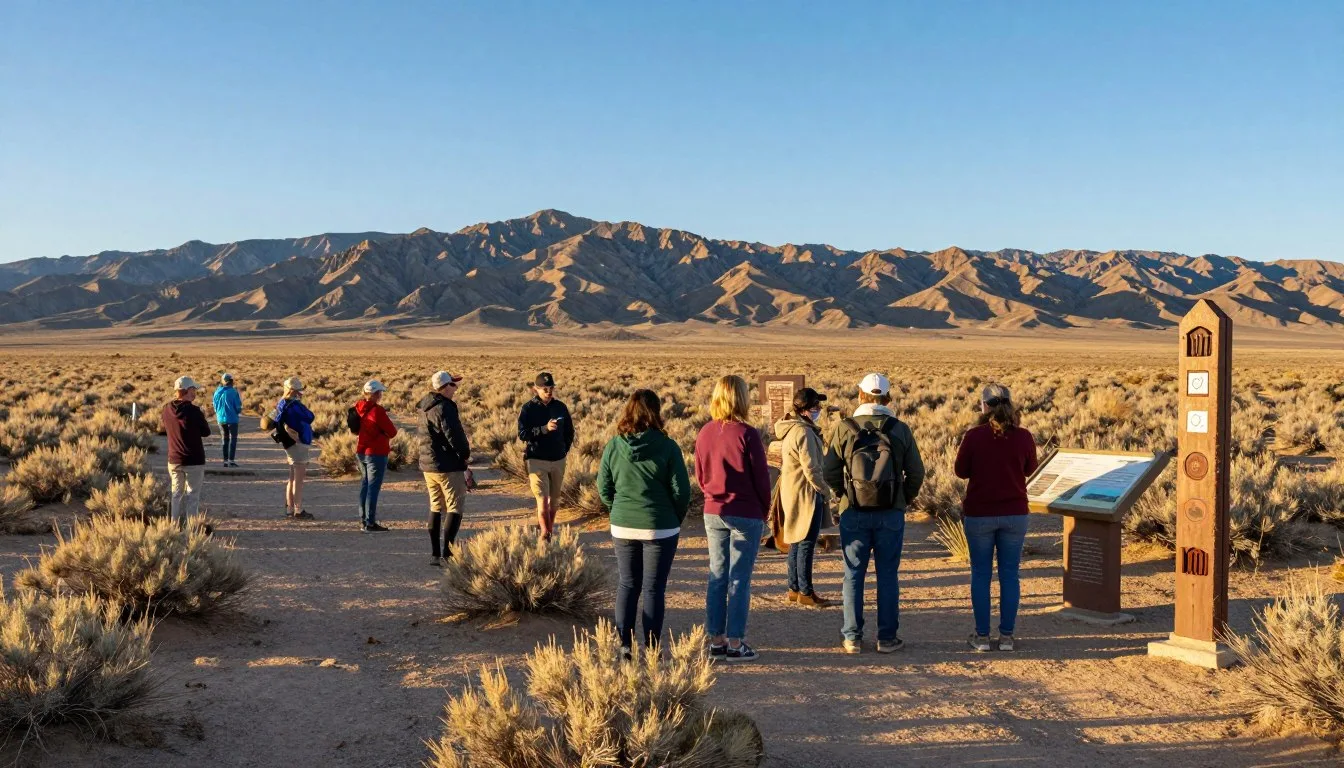
Throughout Nevada, markers indicate the Pony Express route. Some consist of simple wooden posts. Others feature detailed bronze plaques explaining local trail history. Following these markers creates a treasure hunt atmosphere as you trace the historic path.
Many markers stand in locations where trails cross modern highways. Pull-offs allow safe stopping to read information and take photographs. These brief stops add up to comprehensive understanding of the entire route across Nevada.
Museums, Cultural Spots & Festivals
Nevada’s museums and cultural centers preserve and interpret Pony Express history, offering indoor exploration options that complement outdoor trail experiences.
Nevada State Museum, Carson City
This museum houses excellent Pony Express exhibits within its broader Nevada history collections. Original mail pouches, rider equipment, and station artifacts bring the story to life. Interactive displays let visitors experience the weight of mail bags riders carried.
The museum building itself occupies the historic Carson City Mint, adding another layer of frontier history. Plan two to three hours to properly explore both Pony Express materials and other Nevada historical exhibits.
Churchill County Museum, Fallon
This regional museum features local Pony Express history, including detailed information about nearby station sites. Photographs show stations as they appeared during operation and their current condition. Maps trace the route through Churchill County.
The museum also preserves broader pioneer history, including Native American artifacts and ranching heritage. Admission fees remain modest, typically under $5 for adults. The knowledgeable staff often provides recommendations for visiting nearby trail sites.
White Pine Public Museum, Ely
Eastern Nevada’s trail history comes alive at this museum through photographs, equipment, and personal accounts from riders who worked this section. The collection includes letters carried by the Pony Express, some still bearing wax seals and period postmarks.
Special exhibits rotate throughout the year, sometimes featuring visiting collections from other Pony Express museums along the route. The museum also houses extensive mining history exhibits reflecting Ely’s heritage.

Historic Downtown Austin
Austin’s entire downtown district functions as a living museum of frontier life. Buildings from the 1860s line the main street, many constructed during the same years Pony Express riders galloped past. Walking these boardwalks provides authentic atmosphere that modern reconstructions cannot match.
Several buildings feature historical markers explaining their Pony Express era significance. The town’s position at the trail midpoint made it important for resupply and communication. Today’s visitors enjoy browsing antique shops housed in these historic structures.
Bureau of Land Management Interpretive Sites
The BLM maintains several interpretive sites along the trail featuring information kiosks, trail markers, and sometimes replica station buildings. These outdoor “museums” sit at actual historic locations, providing context that indoor facilities cannot match.
Particularly well-developed sites include interpretive panels explaining daily life at stations, riding schedules, and the business operations behind the mail service. QR codes at some sites link to additional digital content for those with cell service.
Nature & Outdoor Experiences
Beyond its historic significance, the Pony Express National Historic Trail in Nevada traverses some of the American West’s most spectacular and varied natural landscapes. The Great Basin ecosystem offers unique outdoor experiences.
Desert Landscape Exploration
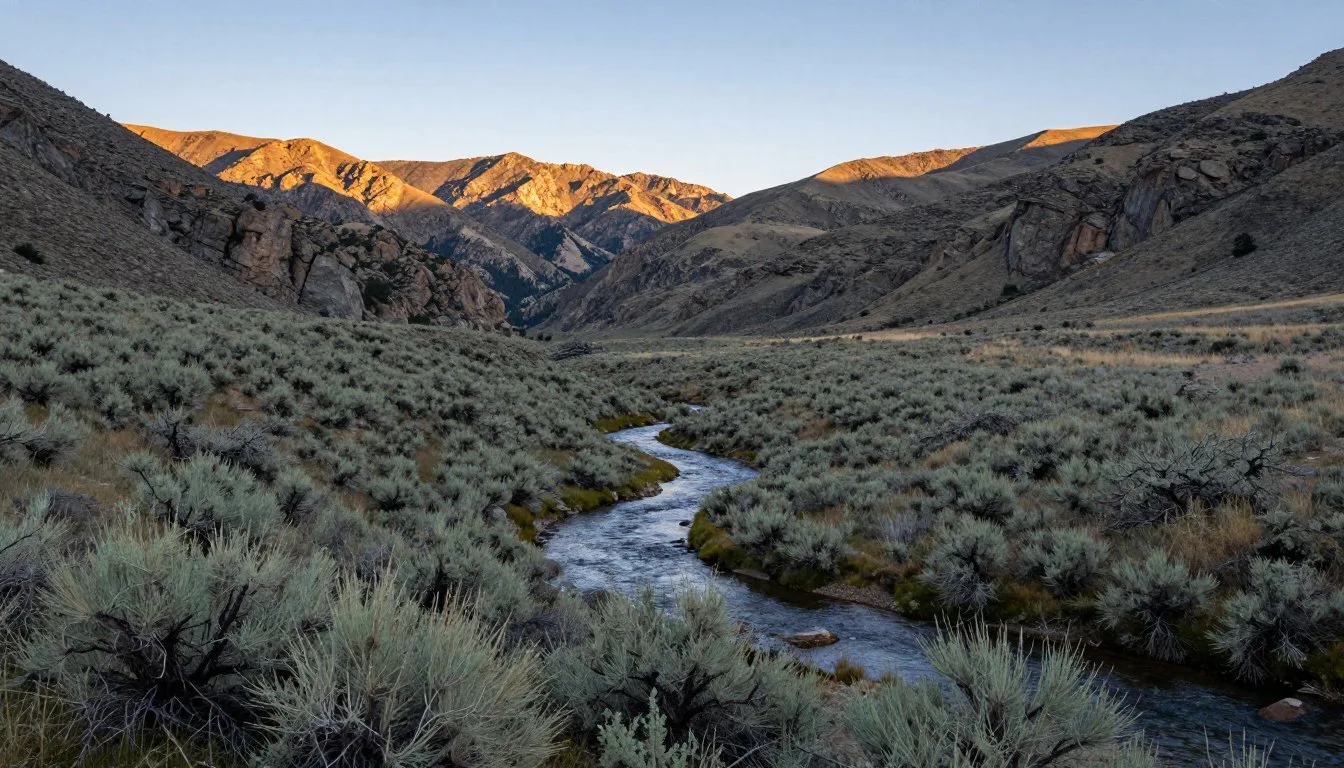
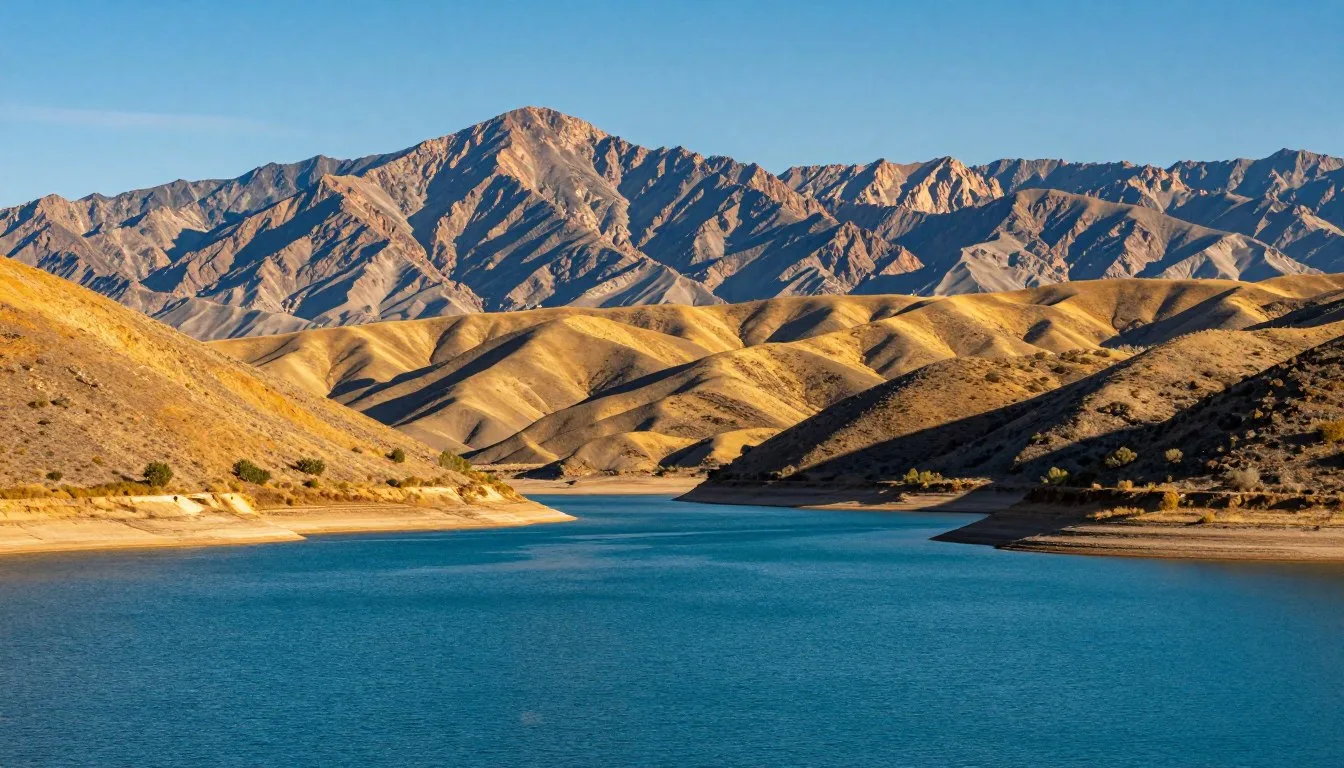
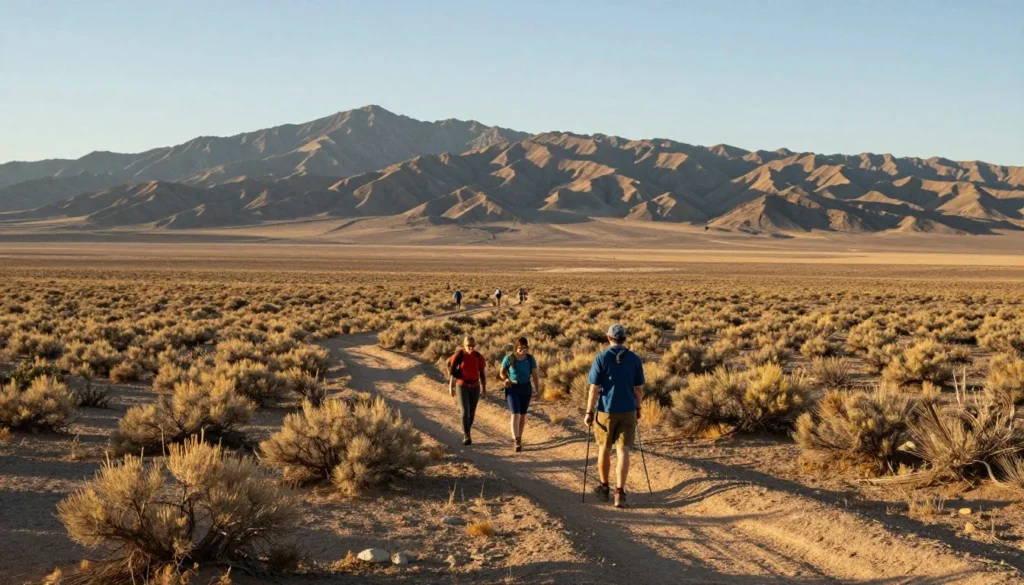
Nevada’s portion of the trail crosses classic Great Basin desert. Sagebrush-covered valleys stretch to distant mountain ranges, creating the vast open spaces that defined the Pony Express experience. The landscape appears unchanged since riders thundered across it over 160 years ago.
Hiking opportunities abound along trail sections. No established trails exist at many sites, allowing genuine exploration. Always carry adequate water, sun protection, and navigation tools when venturing away from vehicles.
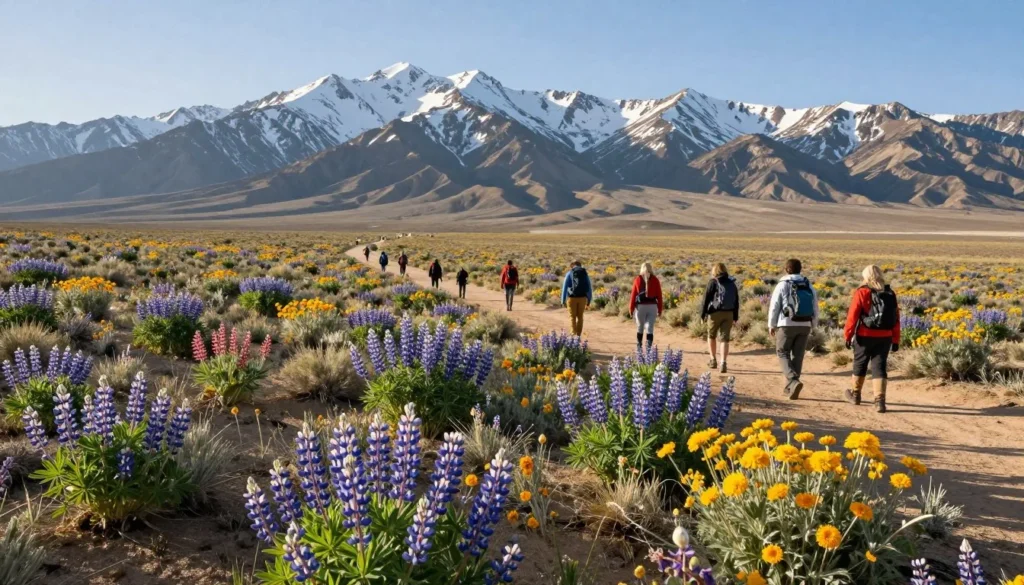
Spring wildflower displays transform gray-green desert into carpets of color. Lupine, desert marigold, Indian paintbrush, and globe mallow bloom from late April through June. These displays attract photographers from across the region.
Mountain Crossings
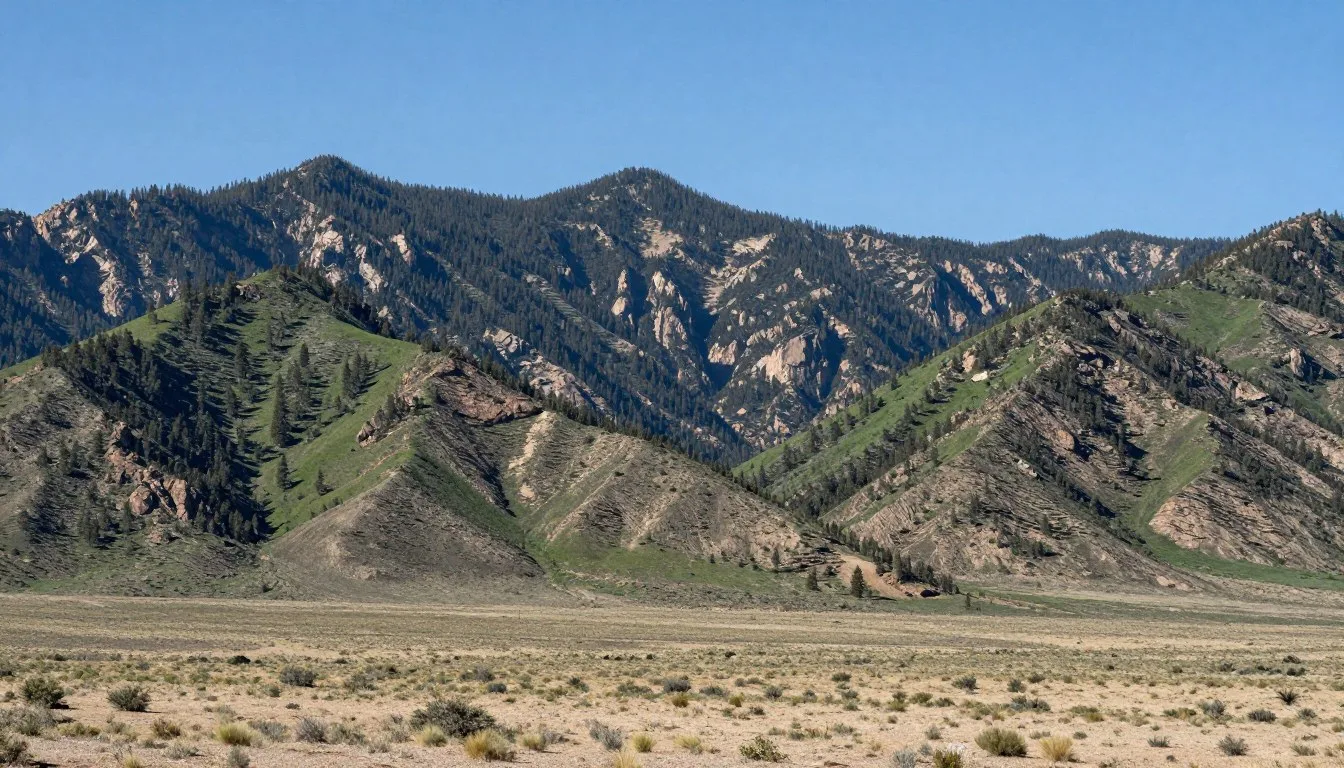
The trail climbs through several Nevada mountain ranges, offering dramatic elevation changes and ecosystem transitions. Simpson Pass in the Desatoya Mountains reaches approximately 2,134 meters (7,000 feet), providing sweeping views across surrounding valleys.
These mountain sections support different vegetation than desert valleys. Pinyon pine and juniper trees dot hillsides. In higher elevations, aspen groves provide fall color displays. Wildlife viewing improves in these transitional zones between desert and mountains.
Wildlife Watching
The varied habitats along the trail support diverse wildlife. Pronghorn antelope, the continent’s fastest land animal, inhabit open valleys. These graceful animals can reach speeds exceeding 88 kilometers per hour (55 mph), making them faster than the swiftest Pony Express horse.
Mule deer browse in areas with mixed vegetation. Coyotes and kit foxes hunt across desert sections. Bird enthusiasts spot golden eagles, prairie falcons, and numerous songbird species. Early morning and evening hours offer best wildlife viewing opportunities.
Wild horses roam some areas near the trail, descendants of domestic horses released or escaped over generations. Viewing these animals provides connection to the equine heritage that made the Pony Express possible. Maintain respectful distances from all wildlife.
Stargazing Opportunities
Remote trail locations far from city lights create exceptional dark sky conditions. The Milky Way appears as a luminous river across the night sky. Meteor showers, visible planets, and countless stars emerge after sunset.
Camping at historic station sites provides the same night sky views Pony Express riders experienced. The profound darkness and celestial display remind modern visitors of the courage required to navigate this route using only stars and landmarks.
Photography Locations
Landscape photographers find endless opportunities along the trail. Sunrise and sunset create dramatic lighting on mountain ranges. Historic ruins photograph beautifully with desert backdrops. The changing seasons alter light quality and landscape colors.
Weather events add drama to photographs. Storm clouds gathering over desert valleys, rainbow arcs after brief showers, and snow dusting mountain peaks all create memorable images. The dynamic Great Basin climate ensures no two visits look identical.

Off-Road Vehicle Routes
Portions of the original Pony Express trail remain passable by off-road vehicles. Four-wheelers and dirt bikes can follow historic routes across BLM lands. These technical rating routes vary from easy dirt roads to challenging two-track trails requiring experienced drivers.
Responsible riding practices protect the trail for future generations. Stay on established routes, avoid creating new tracks, and respect private property boundaries. Some sections cross private ranch land where access requires permission.
Travel With Children
Exploring the Pony Express National Historic Trail Nevada with children creates memorable family adventures while teaching American history through hands-on experiences. Proper planning ensures everyone enjoys the journey.
Age-Appropriate Activities
Younger children enjoy the treasure hunt aspect of finding trail markers and station ruins. Create a simple checklist of sites to discover, adding game elements to historical exploration. Many kids find station ruins fascinating, imagining life in these remote outposts.
Elementary-age children can understand the basic Pony Express story. Reading age-appropriate books about riders before visiting helps them appreciate what they see. The Nevada State Museum in Carson City offers interactive exhibits that engage this age group effectively.
Teenagers often appreciate the adventure aspects of exploring remote areas. Involving them in navigation and route planning builds skills while keeping them engaged. Photography challenges encourage teens to observe landscape details and historical features.
Educational Opportunities
The trail provides living history lessons impossible to replicate in classrooms. Calculating distances riders covered helps children understand math applications. Discussing why the mail service lasted only 18 months introduces economic and technological change concepts.
Many Nevada schools teach Pony Express history as part of state curriculum. Visiting actual sites reinforces classroom learning powerfully. Teachers and parents can download educational materials from National Park Service websites before visiting.
Safety Considerations
Remote trail sections require extra safety attention when traveling with children. Ensure adequate water supplies exceed minimum recommendations. Desert heat affects children faster than adults. Schedule outdoor activities during cooler morning hours.
Keep children within sight at station ruins and trail sites. Old wells, unstable walls, and desert wildlife present potential hazards. Establish clear boundaries for exploring around vehicle stops.
Cell phone service disappears in remote areas. Establish meeting points if family members separate. Younger children should carry whistles for emergencies. Teaching basic outdoor safety before the trip prevents problems.
Family Travel Tip: Pack activity bags with trail-themed items like compasses, journals for trip notes, colored pencils for sketching historic sites, and binoculars for wildlife watching. These items keep children engaged during long drives between sites.
Selecting Appropriate Sites
Not all trail locations suit family visits equally. Fort Churchill State Historic Park offers facilities including restrooms and picnic areas, making it ideal for families. The visitor center provides climate-controlled rest stops appreciated after desert travel.
Easily accessible station ruins work better for families than sites requiring long hikes or difficult roads. Sand Springs Station, while fascinating, involves rough road access that challenges some families. Cold Springs Station offers better accessibility with similar historical value.
Accommodations for Families
Towns along Highway 50 offer family-friendly lodging. Chain hotels in Carson City and Ely provide familiar amenities including swimming pools and continental breakfasts. These comfortable bases allow day trips to trail sites while returning to reliable facilities each evening.
Camping appeals to many families but requires appropriate equipment for desert conditions. Temperatures swing dramatically between day and night. Proper sleeping bags, adequate tent capacity, and camping experience ensure positive experiences rather than miserable nights.
Money Saving Tips
Exploring the Pony Express National Historic Trail Nevada can fit reasonable budgets with smart planning. These strategies help minimize costs while maximizing experiences.
Free Historic Sites
Most Pony Express station ruins and trail markers sit on public land with no entrance fees. Bureau of Land Management areas allow free access for exploration and camping. These sites provide the authentic trail experience without admission charges.
Fort Churchill State Historic Park charges modest day-use fees, typically around $7 per vehicle. Nevada residents often receive discounts. The comprehensive interpretive information justifies this small cost compared to value received.
Camping vs. Hotels
Dispersed camping on BLM land costs nothing. Established campgrounds charge $10 to $20 nightly, far less than hotel rooms ranging from $80 to $150 in trail towns. Five nights camping instead of hotels saves $350 to $650 for a family.
Camping also reduces restaurant expenses. Preparing meals over campfires or portable stoves costs significantly less than eating all meals in restaurants. Stock groceries in larger towns where selection and prices compare favorably to small community stores.
Fuel Efficiency
Gas prices in remote Nevada towns often exceed urban areas by $0.30 to $0.50 per liter. Fill tanks in larger communities before heading into backcountry. Planning routes efficiently minimizes unnecessary driving on rough roads where fuel consumption increases.
Sharing rides with other trail enthusiasts reduces per-person costs. Online forums and social media groups connect people planning similar trips. Splitting fuel costs and sharing supplies benefits everyone involved.
Seasonal Savings
Visiting during shoulder seasons provides better lodging rates. May, early June, September, and October offer pleasant weather with lower accommodation prices than peak summer months. Some hotels reduce rates by 20 to 30 percent outside July and August.
Camping becomes more comfortable during these periods too. Milder temperatures mean less expensive gear works adequately. Extreme summer heat requires better quality equipment for safety and comfort.
Self-Guided Exploration
Commercial Pony Express tours exist but carry substantial costs. Self-guided exploration using free maps and information from BLM offices and visitor centers costs nothing beyond fuel and time. The freedom to explore at your own pace often provides better experiences than scheduled tours.
Download free trail maps and historical information before leaving areas with internet access. Print important pages to avoid cellular data charges in areas with limited coverage. Many educational resources exist online without fees.
Low-Cost Supplies
Smart shopping reduces trip expenses without sacrificing safety or comfort on the trail.
- Buy groceries in larger towns with competitive prices
- Purchase camping supplies during off-season sales
- Bring reusable water bottles rather than buying disposable
- Pack lunches for remote day trips
Free Resources
Numerous no-cost information sources enhance trail experiences without adding expenses.
- BLM office maps and trail information
- National Park Service online materials
- Library books about Pony Express history
- Free museum days in some communities
Budget Activities
The most meaningful trail experiences often cost nothing beyond transportation to reach them.
- Hiking to station ruins
- Wildlife watching in desert valleys
- Stargazing from remote campsites
- Photography at historic sites
Equipment Sharing
Borrowing or renting specialized gear prevents purchasing items used only occasionally.
- Borrow camping equipment from friends
- Rent rather than buy GPS devices
- Share binoculars and spotting scopes
- Pool resources with travel companions
Safety, Etiquette & Local Customs
Visiting the Pony Express National Historic Trail Nevada safely and respectfully ensures positive experiences while preserving resources for future generations.
Desert Safety Essentials
Water represents the critical safety concern in Nevada’s desert environment. Carry more than you think necessary. Minimum recommendations suggest 3.8 liters (1 gallon) per person per day, but desert heat increases needs significantly. Dehydration symptoms include headache, dizziness, and fatigue.
Sun exposure poses serious risks. Apply sunscreen with SPF 30 or higher every two hours. Wear wide-brimmed hats and long-sleeved shirts when possible. Sunglasses protect eyes from intense desert glare. Even winter sun reflects powerfully off sand and snow.
Tell someone your travel plans before departing into remote areas. Provide specific information about intended routes and expected return times. This simple precaution enables rescue services if problems arise.
Vehicle Preparedness
Mechanical problems in remote locations create dangerous situations. Ensure your vehicle receives proper maintenance before the trip. Check tire condition, fluid levels, and emergency equipment functionality. Carry tools appropriate for basic roadside repairs.
Getting stuck on dirt roads happens even to experienced drivers. Carry recovery equipment including tow straps, a shovel, and traction aids. Know how to use this equipment before you need it. Many remote trail roads see minimal traffic. Self-rescue capability proves essential.
Wildlife Precautions
Nevada’s desert wildlife generally avoids humans but encounters occur. Rattlesnakes inhabit rocky areas near station ruins. Watch where you place hands and feet when exploring. Wear boots rather than sandals when hiking. Most snake bites result from accidentally stepping on or near the animal.
Scorpions hide under rocks and debris. Shake out boots and clothing before dressing if items sat outside overnight. Their stings cause pain but rarely serious complications for healthy adults.
Mountain lions inhabit some trail areas, though sightings remain rare. If you encounter one, make yourself appear large, maintain eye contact, and back away slowly. Never run from large predators.
Archaeological Site Protection
Pony Express stations and trail markers constitute protected archaeological resources. Federal and state laws prohibit disturbing, removing, or damaging these sites. Penalties include substantial fines and potential jail time.
Look but don’t touch remains the guiding principle. Photograph sites extensively but leave artifacts untouched. Even seemingly insignificant items like old bottles or rusty nails provide important information to archaeologists.
Some sites include Native American cultural resources predating the Pony Express. These hold special significance to indigenous communities. Treat all archaeological features with respect regardless of their origin.
Important Archaeological Notice: Removing artifacts from public lands constitutes a federal crime under the Archaeological Resources Protection Act. Violators face fines up to $20,000 and imprisonment. Please preserve these irreplaceable resources for future generations.
Leave No Trace Principles
Pack out everything you pack in. Trash facilities don’t exist at remote sites. Carry garbage bags and remove all waste, including organic materials like orange peels which decompose slowly in dry desert conditions.
Human waste requires proper handling in areas without facilities. Bury waste 15 to 20 centimeters (6 to 8 inches) deep at least 61 meters (200 feet) from water sources, trails, and campsites. Pack out used toilet paper in sealed bags.
Campfires impact fragile desert soils. Use established fire rings where available. Better yet, cook on portable stoves which leave no trace. If building fires, use only dead wood from the ground, never break branches from living trees.
Private Property Respect
Portions of the historic trail cross private ranch land. Respect “No Trespassing” signs. Nevada ranchers generally welcome history enthusiasts but appreciate advance contact requesting permission. Some operators grant access, others decline due to liability concerns or operational needs.
Close all gates you open, whether entering or exiting properties. Leave gates as you found them. Open gates allow livestock to wander, creating serious problems for ranchers.
Local Customs
Small Nevada towns maintain frontier traditions of self-reliance and neighborliness. Locals willingly share information about trail sites and road conditions if approached respectfully. Many residents descend from pioneer families with personal connections to Pony Express history.
Dress codes remain casual throughout the region. Western wear appears common but isn’t required. Practical clothing suited to outdoor activities fits in everywhere.
Tipping practices follow standard American customs in restaurants and hotels. Service station attendants in remote areas who provide extra help fixing problems appreciate tips, though it’s not mandatory.
Visitor Comments About Pony Express National Historic Trail Nevada
“We spent five days tracing the Pony Express route across Nevada and it exceeded every expectation. Standing at Sand Springs Station, surrounded by absolute silence and vast desert, brought history alive in ways museums never could. The remote stations, spring wildflowers, and incredible night skies created unforgettable family memories. Our kids still talk about camping where those brave riders once stopped to change horses.”
— T.W., Austin
“As a European visitor, I found Nevada’s Pony Express Trail fascinating and beautifully preserved. The immense distances and harsh conditions those riders faced impressed me deeply. Cold Springs Station particularly moved me with its tragic history. The BLM interpretive sites provided excellent context. I recommend allowing more time than you think necessary – we extended our trip by three days because each site deserved proper exploration.”
— F.H., Sankt Pölten
“Our October visit hit perfect weather for exploring the trail. Cool mornings, comfortable afternoons, and stunning fall colors in mountain areas made every day enjoyable. Fort Churchill offered excellent facilities for our RV, and we used it as base camp for daily excursions. The Basque restaurants in Ely served the best meals we ate during our entire Western trip. The combination of authentic history, beautiful landscapes, and genuine Western hospitality made this our favorite Nevada experience.”
— A.Y., Goodyear
Additional Nearby Destinations
The Pony Express National Historic Trail Nevada connects to numerous other attractions, allowing extended exploration of the region’s rich history and natural beauty.
Great Basin National Park
Located near the eastern end of Nevada’s Pony Express Trail, this national park protects 31,075 hectares (76,800 acres) of diverse landscapes. The park features ancient bristlecone pine forests, Lehman Caves, and Wheeler Peak rising to 3,982 meters (13,065 feet).
The scenic drive to the peak provides spectacular views across the same Great Basin landscape Pony Express riders crossed. Cave tours explore marble caverns decorated with intricate formations. The park sits approximately 97 kilometers (60 miles) from Ely, making it an excellent addition to Pony Express exploration.
Virginia City
This remarkably preserved mining town thrived during Nevada’s silver boom, which occurred simultaneous with Pony Express operations. Walking Virginia City’s wooden boardwalks transports visitors to the 1860s. Many buildings from that era still stand, housing museums, shops, and restaurants.
The town sits 40 kilometers (25 miles) south of the Pony Express route near Carson City. Historic mines offer underground tours. The entire town functions as a living museum of frontier mining life. Plan a full day to properly explore this National Historic Landmark.
Lake Tahoe
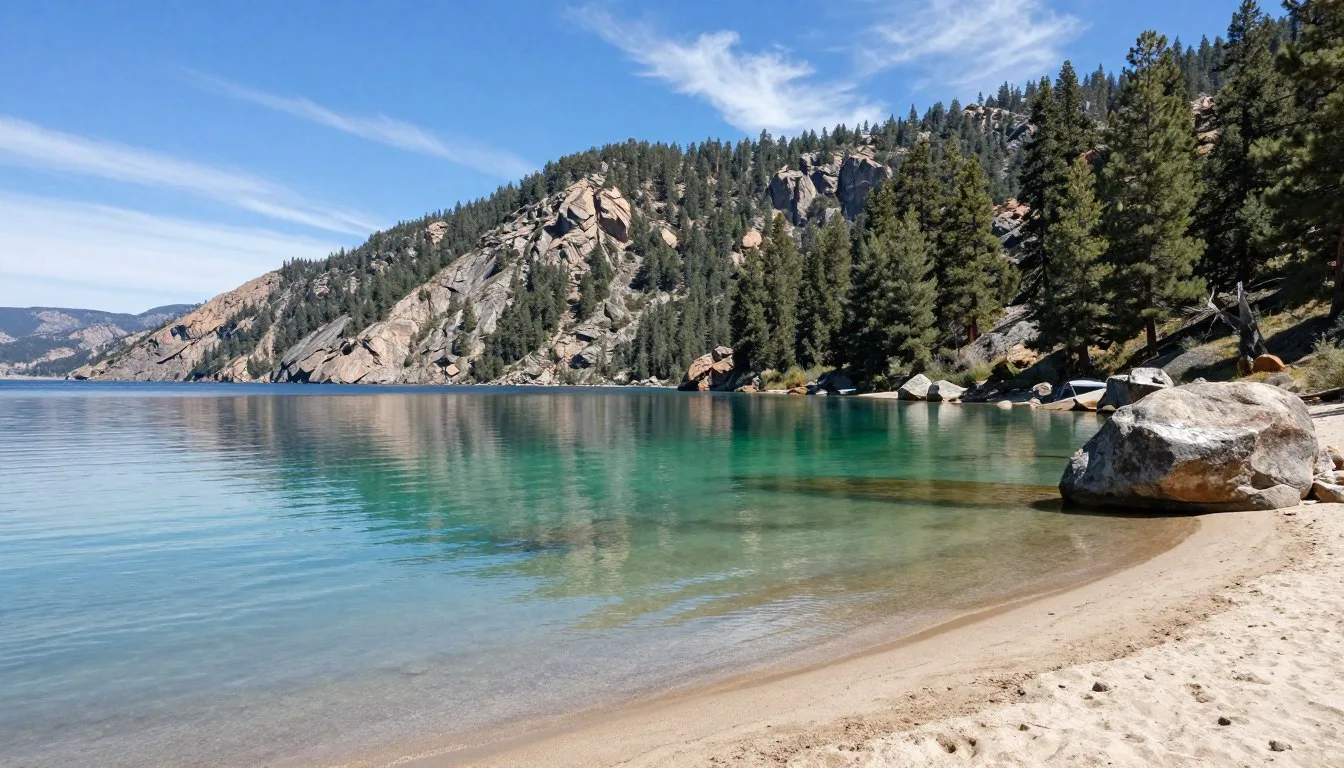
America’s largest alpine lake sits approximately 48 kilometers (30 miles) southwest of Carson City. The lake covers 49,305 hectares (121,834 acres) straddling the Nevada-California border. Crystal-clear waters and surrounding Sierra Nevada peaks create stunning scenery.
Summer visitors enjoy beaches, boating, and hiking. Winter brings world-class skiing. The lake’s proximity to the Pony Express Trail’s western terminus makes it convenient for visitors wanting to mix historic exploration with outdoor recreation.

Fly Geyser
This otherworldly geothermal feature sits in the Black Rock Desert north of the Pony Express route. Mineral deposits created colorful cone formations that continuously spray water. The vivid greens, reds, and oranges make it one of Nevada’s most photographed sites.
Access requires advance reservations through the property owner. Limited visitor numbers protect this fragile feature. The unusual geology provides interesting contrast to historic trail sites.
Cathedral Gorge State Park
Erosion carved dramatic spires and slot canyons into soft bentonite clay near Panaca. The formations create cathedral-like spaces explaining the park’s name. Hiking trails wind through narrow passages and around tall pillars.
The park lies approximately 113 kilometers (70 miles) south of the Pony Express Trail near Ely. The unique geology and good facilities make it worth the detour. Camping options allow overnight stays.
Berlin-Ichthyosaur State Park
This unusual park combines a ghost town from Nevada’s silver mining era with fossils of ancient marine reptiles. The ichthyosaur remains, Nevada’s state fossil, date back 225 million years when this desert was ocean floor.
The park sits near Austin, roughly at the trail’s midpoint. The combination of ghost town buildings and fossil shelter creates an eclectic stop. The remote location means few crowds even during peak season.
Practical Travel Tips
These final practical considerations help ensure smooth travels along the Pony Express National Historic Trail Nevada.
Communication and Connectivity
Cell phone coverage remains spotty throughout remote trail sections. Major carriers provide service in towns along Highway 50, but signals disappear between communities. Download maps, directions, and reference materials before losing connectivity.
Satellite phones or emergency beacons provide safety backup in areas without cell coverage. Personal Locator Beacons send distress signals to rescue services if emergencies arise. These devices rent from outdoor retailers if purchasing doesn’t make sense for occasional use.
Medical Services
Hospitals exist in larger trail towns including Carson City and Ely. Smaller communities may have only basic urgent care clinics with limited hours. Know hospital locations along your route. Carry comprehensive first aid supplies for treating minor injuries independently.
Prescription medications should be filled before departing. Remote pharmacies maintain limited inventories. Bring adequate supplies of any critical medications plus extras in case travel extends unexpectedly.
Money and Banking
ATMs exist in most trail towns but may charge higher fees than urban machines. Carry adequate cash for purchases in small communities where credit card acceptance isn’t universal. Some historic sites and campgrounds operate on cash-only basis.
Gas stations generally accept major credit cards. However, pumps in very remote locations sometimes malfunction. Cash provides backup payment options.
Permits and Regulations
Most Pony Express sites on public land require no special permits for day use. Camping on BLM land is generally free but check current regulations as policies occasionally change. State parks charge day-use and camping fees payable at entrance stations or self-registration kiosks.
Backcountry camping permits may be required in some wilderness areas adjacent to the trail. Check with land management agencies for current requirements in specific areas you plan to visit.
Weather Monitoring
Weather changes rapidly in Nevada’s mountains and deserts. Monitor forecasts before and during your trip. NOAA weather radio provides updates in most areas. Afternoon thunderstorms develop quickly during summer months, creating flash flood dangers in normally dry washes.
Winter travelers should check road conditions daily. Snow closes mountain passes with little warning. Many dirt roads become impassable when wet, remaining muddy for days after storms end.
Trip Planning Resources: Contact Bureau of Land Management offices along the route for current road conditions, site information, and free maps. Nevada BLM offices in Carson City (+1 775-885-6000), Battle Mountain (+1 775-635-4000), and Ely (+1 775-289-1800) provide valuable local knowledge.
Photography Considerations
Dust permeates Nevada’s desert environment. Protect camera equipment when not actively shooting. Bring cleaning supplies including lens cloths and air blowers. Change lenses only when necessary to prevent dust entering camera bodies.
Extreme temperature ranges affect battery performance. Cold overnight temperatures drain batteries quickly. Carry extras and keep them warm. Heat also degrades performance and can damage equipment left in closed vehicles.
Responsible Travel
Support local businesses when possible. Small town economies depend heavily on visitor spending. Eating at family restaurants, staying in locally-owned hotels, and shopping at community stores helps sustain the towns that preserve trail access and history.
Share knowledge gained during your visit. Writing online reviews for trail sites, posting responsible photographs on social media, and recommending the trail to other history enthusiasts helps build awareness while encouraging preservation of these irreplaceable resources.
Location
Your Historic Adventure Awaits
The Pony Express National Historic Trail across Nevada stands as a testament to American courage, innovation, and determination. Walking among station ruins where young riders once changed horses in frantic two-minute stops, you’ll connect with a pivotal moment when communication technology transformed a growing nation.
The vast desert landscapes, preserved historic sites, and authentic Western towns create experiences that modern attractions cannot replicate. Each mile along this trail reveals stories of the people who risked everything to deliver mail across hostile territory in just ten days.
Whether you spend a weekend exploring sites near Carson City or invest a full week tracing the entire Nevada route, the Pony Express Trail offers adventures matching any interest. History enthusiasts find well-preserved sites and excellent museums. Outdoor lovers discover stunning landscapes and solitude. Families create educational experiences children remember for years.
Start planning your journey along this legendary route. The stations, trails, and stories await your discovery. The same stars that guided riders through dark Nevada nights still shine brilliantly above the route. The same mountains that tested their endurance still stand majestically across desert valleys. And the same spirit of adventure that drove the Pony Express still beckons modern travelers to explore this remarkable trail.