Hotels by Trip.com
Flights by Trip.com
Deep beneath the Mojave Desert floor lies a network of volcanic tubes where ancient lava once flowed at temperatures exceeding 1,093°C (2,000°F). These underground tunnels remained hidden for millennia until miners stumbled upon their dark passages while searching for precious metals.
Today, the Pygmy Forest Lava Tubes Great Basin Nevada offers adventurers a rare glimpse into geological history. The cave system stretches through rugged desert terrain, creating natural underground rooms and tunnels carved by molten rock thousands of years ago.
This comprehensive guide reveals everything you need to explore this remarkable natural wonder safely and memorably.
Getting There & Planning Your Journey
The journey to Pygmy Forest Lava Tubes begins in Las Vegas, the nearest major city. The drive takes you deep into the Mojave Desert, where civilization gives way to dramatic landscapes.
From Las Vegas, head north approximately 161 km (100 miles) along Interstate 15. Exit onto State Route 169 and continue for about 32 km (20 miles) until you reach the intersection with Aiken Mine Road.

Closest Airports
McCarran International Airport in Las Vegas serves as the primary gateway. The airport sits 169 km (105 miles) south of the lava tubes area.
Cedar City Regional Airport in Utah provides an alternative option, located 193 km (120 miles) northeast. This smaller facility offers fewer flights but can be convenient for travelers from certain regions.
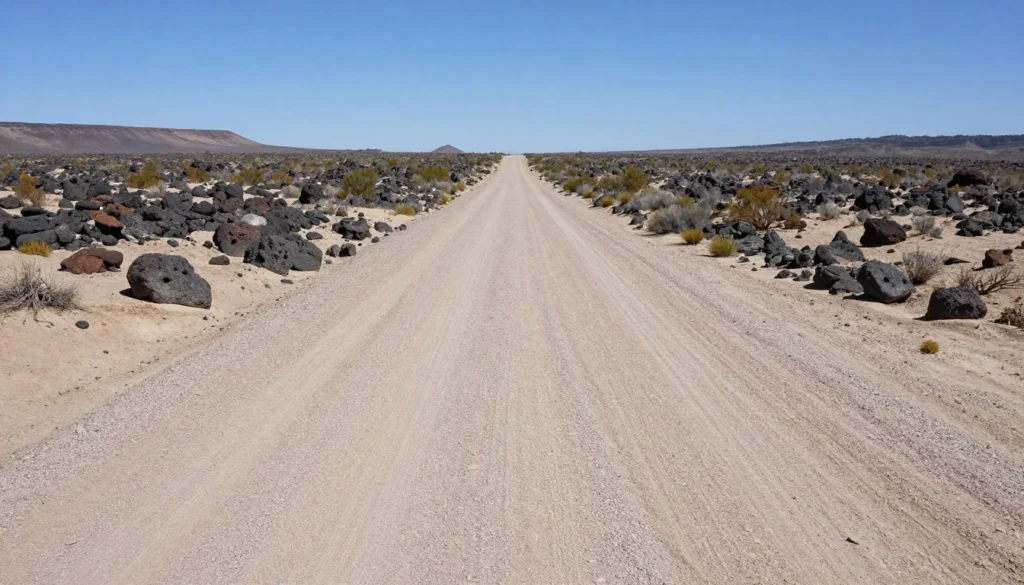
Important Access Information: The final 11 km (7 miles) requires navigating an unpaved road. Standard vehicles can manage this route during dry conditions, but high clearance vehicles are recommended. Four-wheel drive becomes essential after rain or during winter months.
Road Conditions and Navigation
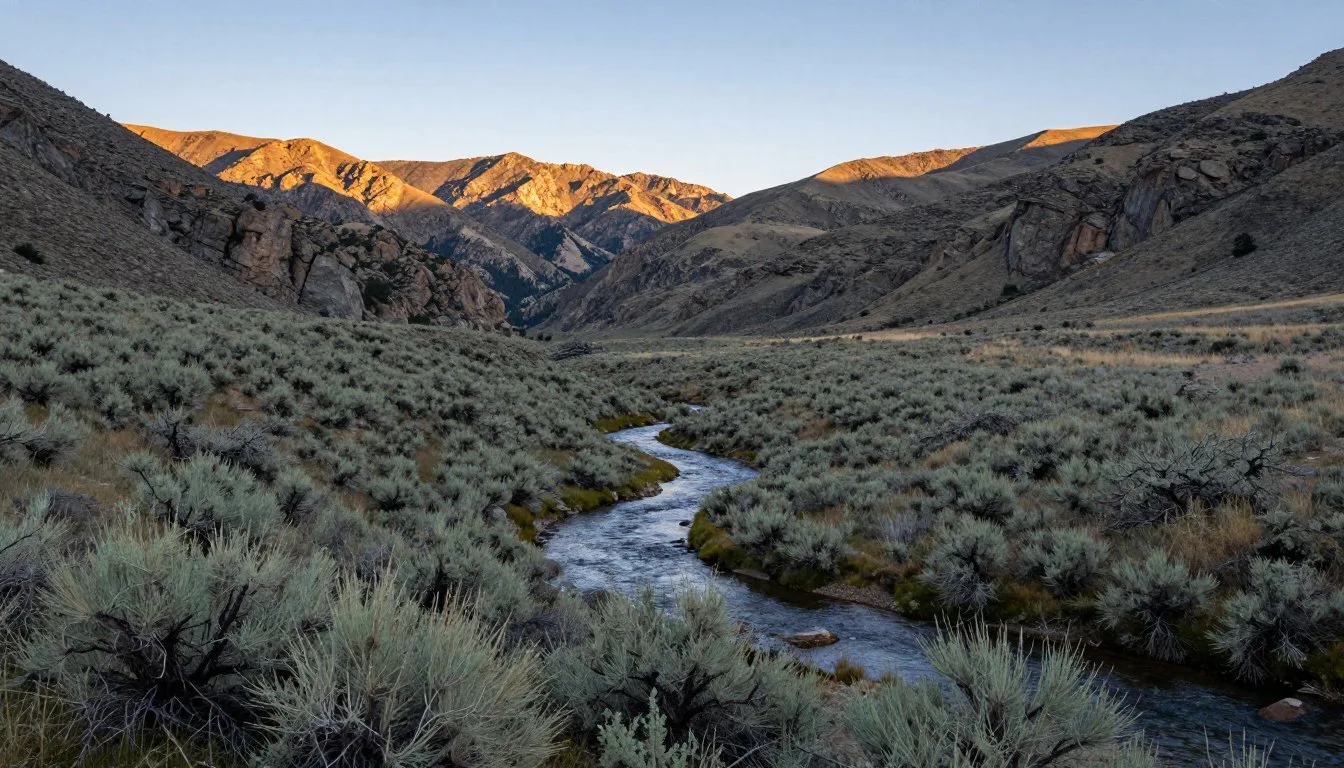
Aiken Mine Road serves as your primary route to the lava tube location. This dirt road crosses open desert terrain with minimal markers. Cell phone coverage disappears completely once you leave the paved highway.
The unpaved road surface consists of packed dirt and gravel. Washboard sections can develop after heavy use. Drive slowly to avoid damaging your vehicle’s undercarriage.
A GPS device or downloaded offline maps proves essential. Physical landmarks include distinctive rock formations and the occasional mining remnant from decades past.
Best Time to Visit & Weather Tips
Timing your visit to the Pygmy Forest Lava Tubes determines whether you experience comfortable exploration or challenging conditions. The desert climate creates dramatic temperature swings between seasons.
Recommended Months
Spring months from March through May offer ideal conditions. Temperatures range from 18°C to 27°C (65°F to 80°F) during the day. The desert comes alive with wildflowers after winter rains.
Fall season from September through November provides another excellent window. Daytime temperatures hover around 21°C to 29°C (70°F to 85°F). The summer heat has passed, making hiking comfortable.
Early morning visits during these seasons reveal the desert at its finest. Light filters through the lava tube openings, creating dramatic shadows and highlighting rock textures.
Months to Avoid
Summer months from June through August bring extreme heat. Temperatures regularly exceed 38°C (100°F) in the shade. The black volcanic rocks absorb heat, making the area dangerously hot.
Winter months from December through February can surprise visitors with cold conditions. Overnight temperatures drop below freezing. Snow occasionally dusts the higher elevations, making the unpaved road impassable.
Desert Weather Caution: Weather changes rapidly in this region. Afternoon thunderstorms can develop with little warning during summer monsoon season. Flash flooding can occur in low-lying areas and make roads dangerous within minutes.
Notable Annual Festivals
The remote location means few organized festivals occur near the lava tubes themselves. However, Las Vegas hosts numerous events that bookend desert adventures.
The National Park Service celebrates National Public Lands Day each September. Volunteers gather for conservation projects throughout Nevada. Contact the Bureau of Land Management Las Vegas Field Office at (702) 515-5000 for participation details.
Nevada Mining Days takes place each May in various communities. These celebrations honor the state’s mining heritage with demonstrations and historical exhibits. Call the Nevada Department of Tourism at (775) 687-4322 for current year schedules.

Getting Around Locally
The Pygmy Forest Lava Tubes area lacks public transportation infrastructure. Your personal vehicle serves as the only practical way to reach and explore the site.
Parking exists in a small cleared area near the main tube entrance. This informal parking area accommodates roughly six to eight vehicles. Arrive early during peak spring weekends to secure a spot.
The short hike from the parking area to the tube entrance covers approximately 0.4 km (0.25 miles). The path crosses rocky terrain with loose rocks underfoot. Sturdy hiking boots provide necessary ankle support and traction.
Trail Navigation
No official marked trail system exists in this remote area. Visitors follow use trails created by previous explorers. These paths meander between rock formations and desert shrubs.
The main lava tube entrance sits roughly 183 m (600 feet) from the parking area. Multiple smaller openings dot the surrounding landscape. Some holes drop vertically into darkness, requiring extreme caution.
Cairns mark certain sections of the route. These stacked rock piles help maintain the path. Never disturb existing cairns or create new ones, as this damages the natural environment.

Where to Stay
Accommodation options cluster in Las Vegas, the nearest city with full hotel services. The 161 km (100-mile) distance means most visitors plan day trips rather than overnight stays near the tubes.
Las Vegas Lodging
Downtown Las Vegas offers budget-friendly options. The Golden Nugget and Fremont Hotel provide comfortable rooms at moderate prices. These locations give you quick highway access for early morning departures.
The Strip features resort hotels with every amenity imaginable. Caesars Palace and the Bellagio cater to luxury seekers. MGM Grand and Luxor serve budget-conscious travelers with reliable accommodations.
Extended stay hotels near Interstate 15 work well for adventure-focused visitors. Hampton Inn and TownePlace Suites offer free breakfast and parking. Their locations provide easy freeway access without Strip congestion.
Camping Options
Dispersed camping is permitted on Bureau of Land Management property surrounding the lava tubes. No developed campgrounds exist in the immediate area. This means no water, restrooms, or other facilities.
Experienced campers can establish primitive sites along Aiken Mine Road. Choose locations at least 61 m (200 feet) from the road and any water sources. Pack out all trash and practice Leave No Trace principles.
Valley of Fire State Park, located 80 km (50 miles) south, offers developed campsites with restrooms and water. The park’s campground makes an excellent base for exploring multiple desert attractions. Reservations are recommended during spring months.
Camping Tip: Desert nights can be surprisingly cold, even in summer. Temperatures may drop 17°C (30°F) or more after sunset. Bring appropriate sleeping gear rated for temperatures well below the expected daytime high.

Dining & Local Cuisine
The remote location of Pygmy Forest Lava Tubes means you must bring all food and water. No restaurants, stores, or services exist within 48 km (30 miles) of the site.
Food Preparation Essentials
Pack a substantial lunch and plenty of snacks before leaving Las Vegas. Sandwiches, trail mix, and fresh fruit travel well in coolers. Avoid foods that spoil quickly in heat.
Water requirements exceed normal expectations. The dry desert air and physical activity of exploring caves demands at least 3 liters (0.8 gallons) per person for a half-day visit. Bring extra in case of delays or emergencies.
The nearest gas station with convenience items sits in Overton, about 56 km (35 miles) from the tubes. Stock up on ice, drinks, and last-minute supplies there.
Las Vegas Dining
Las Vegas offers every dining option imaginable. Pre-trip meals and post-adventure celebrations happen in the city.
Local favorites include Lotus of Siam for authentic Thai cuisine. The restaurant has earned national recognition for its menu and wine selection. Carson Kitchen serves innovative American fare in a casual downtown setting.
For quick meals before early departures, The Egg & I opens at 6 AM with hearty breakfast plates. Hash House A Go Go serves massive portions that fuel all-day adventures.

Attractions, Sightseeing & Activities
The lava tube system itself stands as the primary attraction. These volcanic formations create a unique underground world worth careful exploration.
Main Lava Tube Exploration
The largest tube entrance opens into a chamber roughly 6 m (20 feet) wide and 3 m (10 feet) tall. Cool air flows from the opening, even on hot summer days. The temperature inside remains around 13°C (55°F) year-round.
A metal ladder descends 3 m (10 feet) into the first chamber. The rungs show wear from thousands of visitors over the years. Test each step before putting full weight on it.
Once inside, the passage extends for approximately 91 m (300 feet). The tunnel narrows and widens in sections. Some areas require crouching or crawling. Others open into rooms where you can stand upright.
Bring multiple light sources. A powerful flashlight or headlamp serves as your primary illumination. Pack backup batteries and a spare light. The darkness inside is absolute without artificial lighting.

Pygmy Forest Area
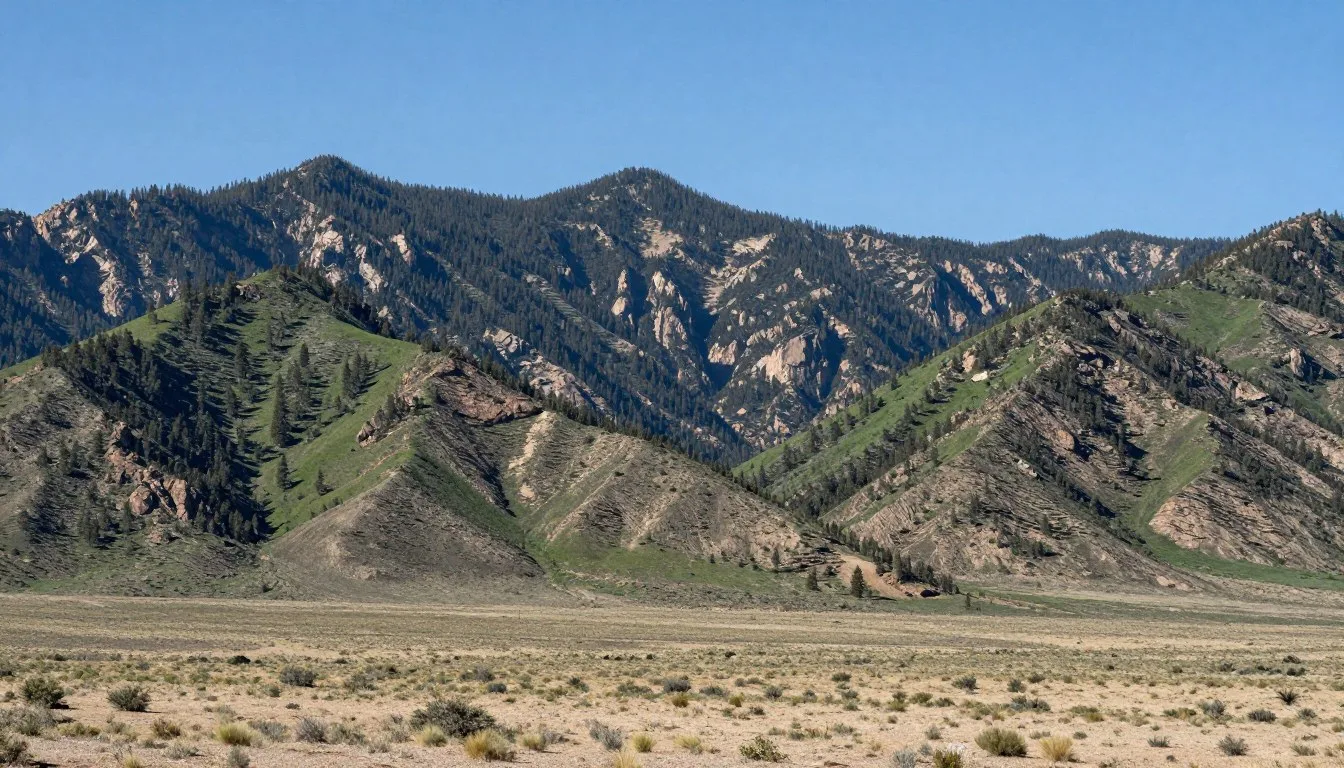
The “pygmy forest” refers to the stunted pinyon pine and juniper trees growing in this harsh environment. These trees rarely exceed 3 m (10 feet) in height despite being decades old.
The rocky soil and limited water force the trees to grow slowly. Their twisted trunks and branches create sculptural shapes against the sky. Photographers find endless compositions among these hardy survivors.
Walk carefully around the trees. Their shallow root systems are easily damaged. The biological soil crust covering much of the ground takes years to regenerate when disturbed.
Surrounding Volcanic Features
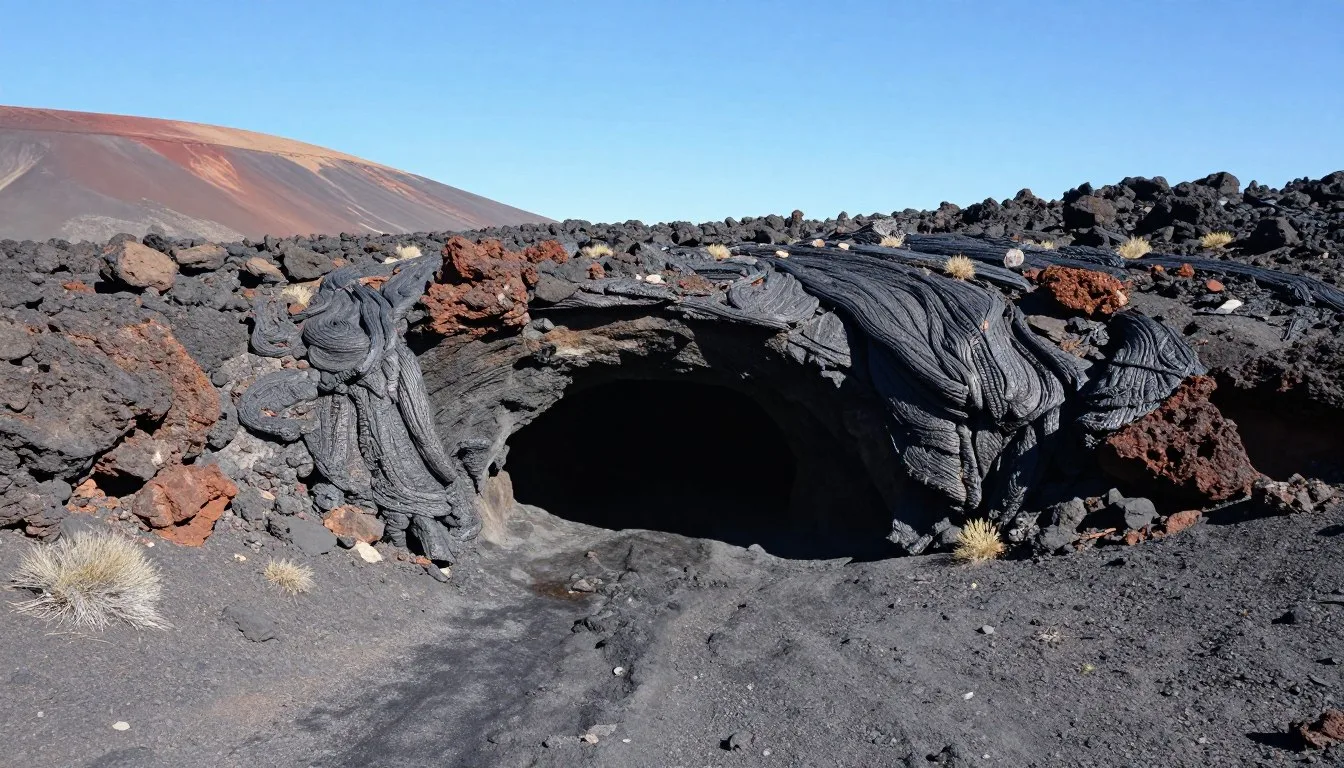
The landscape surrounding the main tube reveals evidence of ancient volcanic activity. Black basalt rocks cover the desert floor in certain areas. These chunks of solidified lava vary from pebble size to boulder dimensions.
Smaller holes and collapse features dot the terrain. These represent sections where the tube ceiling has given way over millennia. Approach all holes with extreme caution, as edges can be unstable.
The area showcases different types of volcanic rock. Vesicular basalt contains holes where gas bubbles were trapped as the lava cooled. Smooth pahoehoe lava flows create ropy textures frozen in time.

Museums, Cultural Spots & Festivals
The remote wilderness setting lacks formal museums or cultural centers. However, the region’s mining history and geological significance provide cultural context.
Mining Heritage
Old mining claims and remnants dot the landscape near Aiken Mine Road. Rusted equipment and collapsed shafts serve as reminders of Nevada’s mining boom. Never enter old mine shafts, as they are extremely dangerous.
The Lost City Museum in Overton preserves artifacts from the ancient Pueblo people who inhabited this region. The museum sits 56 km (35 miles) from the lava tubes. Exhibits showcase pottery, tools, and reconstructed pueblo structures.
Contact the museum at (702) 397-2193 for current hours and admission fees. The facility offers educational programs about the area’s human and natural history.
Geological Education
The lava tubes themselves function as outdoor geology classrooms. Visitors witness firsthand how volcanic processes shape landscapes. The black basalt rock formed when molten lava erupted from underground fissures.
As the surface of flowing lava cooled and hardened, the still-molten interior continued moving. Eventually, the lava drained away, leaving hollow tubes behind. This process created the caves you can explore today.
Informational resources from the Bureau of Land Management provide geological context. Download educational materials before your visit, as cell coverage is non-existent on site.

Nature & Outdoor Experiences
The Mojave Desert ecosystem surrounding the lava tubes offers diverse outdoor activities beyond cave exploration. The stark landscape reveals its beauty to observant visitors.
Desert Wildlife Watching
Early morning and evening hours bring desert animals out of hiding. Jackrabbits bound across open spaces on powerful hind legs. Lizards bask on sun-warmed rocks, their scales glinting in the light.
Birds adapt remarkably to this harsh environment. Ravens soar overhead, their calls echoing across the landscape. Sparrows and wrens flit between desert shrubs searching for seeds and insects.
Watch for snakes during warmer months. Sidewinders leave distinctive J-shaped tracks in sandy areas. Gopher snakes and king snakes hunt for rodents among the rocks. Give all snakes wide berth and never attempt to handle them.

Hiking and Trail Exploration
The area around the tubes offers unlimited hiking opportunities. No marked trails means you can explore in any direction. This freedom comes with responsibility for your own navigation and safety.
A short hike of 1.6 km (1 mile) takes you to additional collapse features and smaller tube openings. The terrain varies from relatively flat areas to sections requiring scrambling over rock formations.
Longer explorations can extend 5 to 8 km (3 to 5 miles) into surrounding desert. These routes pass through different vegetation zones and geological features. Always mark your path mentally and physically to ensure you can return to your vehicle.
Photography Opportunities
The volcanic landscape provides dramatic photographic subjects. Black rocks contrast sharply with blue skies and white clouds. Twisted trees create natural sculptures worth multiple exposures.
Inside the tubes, light plays across textured rock surfaces. Bring a tripod for long exposures that capture subtle details. The complete darkness allows creative light painting techniques.
Sunrise and sunset transform the desert. Low-angle light emphasizes textures and creates long shadows. The rocks glow in warm tones during golden hour. Spring wildflowers add color splashes when conditions are right.

Travel With Children
Families can successfully visit the Pygmy Forest Lava Tubes with proper planning and realistic expectations. The adventure appeals to curious kids but requires adult supervision at every moment.
Age Considerations
Children aged 8 and older typically handle the short hike and cave exploration well. Younger children may struggle with the uneven terrain and dark cave environment. Each family knows their children’s capabilities best.
The metal ladder into the main tube presents a physical challenge. Children must be tall enough and strong enough to climb down and back up safely. Consider practicing ladder skills before your trip.
Teenagers often find the adventure thrilling. The remote location and cave exploration satisfy their desire for independence while remaining safely supervised.
Safety Measures for Kids
Equip each child with their own flashlight and helmet. This gives them independence while ensuring safety. Test all equipment before entering the cave.
Establish clear boundaries about where children can explore. The numerous holes and drop-offs around the area pose serious dangers. Maintain visual contact with children at all times.
Bring more water and snacks than you think necessary. Kids use energy quickly in the desert heat. Frequent water breaks prevent dehydration.
Family Adventure Tip: Turn the visit into an educational experience. Discuss how lava tubes form, what adaptations desert plants need, and why the ecosystem is fragile. Kids remember hands-on learning in spectacular settings.

Money Saving Tips
Visiting the Pygmy Forest Lava Tubes costs nothing for entry. The Bureau of Land Management maintains the area as free public land. Smart planning keeps other expenses minimal.
Free Access and Activities
No entrance fees, parking charges, or permits are required. Simply drive to the location and explore at will. This makes the tubes an excellent budget-friendly adventure.
All activities on site are free. Hiking, cave exploration, wildlife watching, and photography cost nothing beyond your time and effort.
Reducing Travel Costs
Fuel represents your largest expense. Carpooling with friends splits gas costs among multiple people. The 322 km (200-mile) round trip from Las Vegas consumes roughly 30 liters (8 gallons) of fuel.
Pack your own food and drinks rather than purchasing them en route. Las Vegas grocery stores offer better prices than gas station convenience stores. A cooler full of homemade sandwiches and snacks saves considerable money.
Visit during shoulder seasons when Las Vegas hotel rates drop. Mid-week stays cost significantly less than weekends. Booking directly with hotels often yields better rates than third-party sites.
Equipment Economics
Borrow or rent specialized gear rather than purchasing it. Many outdoor stores rent headlamps and helmets for minimal fees. This makes sense for one-time visitors.
Basic equipment like water bottles and backpacks may already be in your possession. A simple LED flashlight works fine if you lack a fancy headlamp.
Download free maps and GPS coordinates before leaving. This eliminates the need to purchase paper maps or navigation devices.
Safety, Etiquette & Local Customs
The remote, rugged environment demands respect and caution. Following safety protocols and environmental ethics ensures everyone enjoys the area for years to come.
Essential Safety Practices
Never explore the caves alone. Always bring at least one companion. Cell phone coverage does not exist, making self-rescue your only option in emergencies.
Inform someone of your plans before departing. Provide specific details about your destination and expected return time. This enables rescue efforts if you fail to return as scheduled.
Carry a first aid kit with supplies for treating cuts, scrapes, and minor injuries. The sharp volcanic rock causes frequent minor wounds. Desert temperatures can quickly turn small problems into medical emergencies.
Cave Safety Warning: Never jump or slide into cave openings. Always use the installed ladder when present. Some holes drop 6 m (20 feet) or more onto hard rock surfaces. Falls can result in serious injury or death in this remote location.
Environmental Ethics
Leave No Trace principles apply rigorously in this fragile desert environment. Pack out everything you bring in, including trash, food waste, and toilet paper.
Stay on established paths when they exist. Cutting new trails damages the biological soil crust that takes decades to recover. This living soil prevents erosion and supports plant growth.
Never remove rocks, plants, or artifacts. Federal law protects cultural and natural resources on public lands. Violations carry hefty fines.
Graffiti and vandalism destroy the natural beauty for future visitors. The volcanic rock inside the tubes has remained unchanged for thousands of years. Keep it pristine.
Desert Survival Awareness
Carry sufficient water for your entire visit plus emergency reserves. Dehydration sets in quickly under desert conditions. Symptoms include headache, dizziness, and confusion.
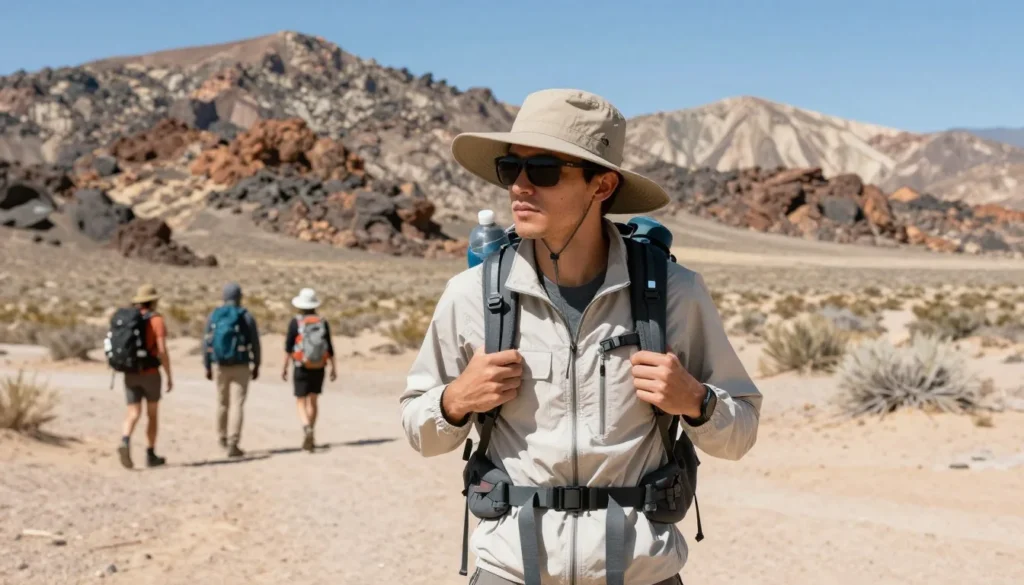
Wear sun protection including hat, sunglasses, and sunscreen. The high-altitude sun burns exposed skin rapidly. The black rocks reflect additional heat and UV radiation.
Watch for signs of heat exhaustion. Move to shade immediately if you feel overheated. Cool down gradually and drink water slowly. Seek medical attention for severe symptoms.
Visitor Comments About Pygmy Forest Lava Tubes Great Basin Nevada
Real experiences from travelers who have explored this unique desert destination provide valuable insights and perspectives.
“The lava tubes exceeded every expectation. We spent three hours exploring different passages and marveling at the volcanic formations. The complete darkness inside creates an otherworldly experience. Bring multiple light sources and wear sturdy boots. The rough volcanic rock tears up inadequate footwear quickly. This ranks among the best free attractions we’ve found in Nevada.”
“We visited during early April and enjoyed perfect weather. The wildflowers were blooming, adding unexpected color to the dark volcanic landscape. Our kids aged 10 and 12 loved the adventure aspect. They talked about becoming explorers for weeks afterward. The remote location means you have the place mostly to yourself. We saw only two other groups during our entire visit.”
“As a photographer, I found endless compositions in this landscape. The contrast between the black volcanic rocks and the bright desert sky creates dramatic images. Inside the tubes, I experimented with light painting and long exposures. My only regret was not allocating more time. I could have spent an entire day just photographing the area around the main entrance. Plan for a full day if you want to truly explore the surrounding desert.”
Additional Nearby Destinations
The Pygmy Forest Lava Tubes location serves as a gateway to other remarkable Nevada attractions. Combining multiple sites creates a comprehensive desert adventure.
Valley of Fire State Park
Located 80 km (50 miles) south, this park showcases vibrant red sandstone formations. The rock layers glow orange and crimson during sunrise and sunset. Ancient petroglyphs carved by early inhabitants appear on numerous rock faces.
The park offers developed trails ranging from easy walks to challenging hikes. Visitor facilities include restrooms, picnic areas, and a visitor center. Camping facilities provide a base for multi-day explorations.

Lake Mead National Recreation Area
The massive reservoir sits 64 km (40 miles) from the lava tubes. Lake Mead covers 67,340 hectares (166,000 acres) when full. The lake offers swimming, boating, and fishing opportunities.
Dramatic desert canyons surround the water. Hiking trails provide access to viewpoints overlooking the lake and surrounding mountains. Historic sites include Hoover Dam, an engineering marvel worth visiting.
Great Basin National Park
This more distant destination lies 483 km (300 miles) northeast. The park protects ancient bristlecone pine forests and extensive cave systems. Lehman Caves offers guided tours through decorated limestone passages.
Wheeler Peak rises to 3,982 m (13,065 feet), creating an alpine environment amid desert surroundings. The park receives far fewer visitors than famous western parks, offering solitude and pristine landscapes.
Practical Travel Tips
Successful exploration of the Pygmy Forest Lava Tubes requires proper preparation. These practical considerations ensure safe, enjoyable visits.
Essential Gear Checklist
- Powerful headlamp or flashlight with extra batteries
- Helmet for protection inside the cave
- Sturdy hiking boots with ankle support
- Long pants to protect against sharp rocks
- Multiple water bottles totaling at least 3 liters per person
- First aid kit with basic supplies
- GPS device or smartphone with downloaded offline maps
- Sun protection including hat, sunglasses, and sunscreen
Communication and Emergency Planning
Cell phone service disappears once you leave paved highways. Download maps and information before departing civilization. GPS functions work without cell coverage if you have downloaded maps beforehand.
Emergency services cannot respond quickly to this remote area. Self-sufficiency is essential. Bring tools for basic vehicle repairs including spare tire, jack, and tire repair kit.
The nearest hospital operates in Mesquite, 72 km (45 miles) away. Serious medical emergencies require helicopter evacuation, which takes time to arrange and arrive.
Best Practices for Cave Exploration
Test the metal ladder before descending. Ensure rungs are secure and can support your weight. Climb down facing the ladder, maintaining three points of contact.
Move slowly inside the tube. Your eyes need time to adjust to the darkness. Allow several minutes before proceeding deeper into the cave.
Watch your head constantly. Low ceilings appear suddenly in the dark. Many visitors bump their heads at least once. This is why helmets are essential.
Stay together as a group. The maze-like passages can disorient even experienced cavers. Maintain verbal contact with companions at all times.
Photography Inside the Tubes: Camera settings require adjustment for the extreme darkness. Use your highest ISO setting, widest aperture, and longest shutter speed your hands can hold steady. A tripod enables much better results with longer exposures that capture subtle rock textures.
Respecting Private Property
Some land surrounding the tubes remains under private mining claims. Respect posted signs and boundaries. Stick to established access routes along Aiken Mine Road.
Active mining operations occasionally occur in the broader area. Never enter fenced areas or approach industrial equipment.
Your Desert Adventure Awaits
The Pygmy Forest Lava Tubes Great Basin Nevada offers an authentic wilderness experience increasingly rare in our modern world. Here, ancient volcanic forces shaped a landscape that remains largely unchanged by human hands.
Every visit reveals something new. Light plays differently across the rocks each hour of the day. Desert seasons bring subtle changes in vegetation and wildlife activity. The lava tubes themselves hold mysteries in their dark passages, waiting for curious explorers.
This remarkable destination costs nothing yet rewards visitors with memories worth far more than any admission price. The adventure begins the moment you leave the paved road behind and point your vehicle toward the distant volcanic landscape.
Pack your sense of wonder along with your water bottles and flashlights. The desert and its hidden tubes are calling.