Hotels by Trip.com
Flights by Trip.com
Did you know that Quinn River, Nevada once had a population exceeding 500 residents during its mining boom, but today the entire area is virtually uninhabited? This remote corner of Humboldt County represents one of Nevada’s most authentic wilderness experiences. The vast desert landscape stretches for miles without a single permanent resident.
The Quinn River area offers something truly special for adventurous travelers. You will find pristine desert wilderness, abandoned mining sites, and mountain ranges that few people ever explore. This guide reveals everything you need to know about visiting this remarkable location.
Whether you seek solitude in nature, fascination with ghost towns, or outdoor adventures far from crowds, Quinn River delivers an unforgettable experience. Let us show you how to make the most of your trip to this hidden Nevada treasure.
Getting There & Planning Your Journey
Reaching Quinn River requires careful planning due to its remote location. The area sits in northwestern Nevada, roughly 95 miles north of Winnemucca. Most visitors arrive by car, as no public transportation services this region.
Closest Airports
Your nearest airport options include:
- Reno-Tahoe International Airport – 209 km (130 miles) southwest, approximately 2.5 hours drive
- Boise Airport, Idaho – 338 km (210 miles) northeast, approximately 3.5 hours drive
- Elko Regional Airport – 241 km (150 miles) east, approximately 3 hours drive
Most travelers fly into Reno and rent a vehicle for the journey. The drive takes you through scenic Nevada desert terrain and historic mining country. You will need a reliable vehicle with good ground clearance.
Driving Routes and Road Conditions
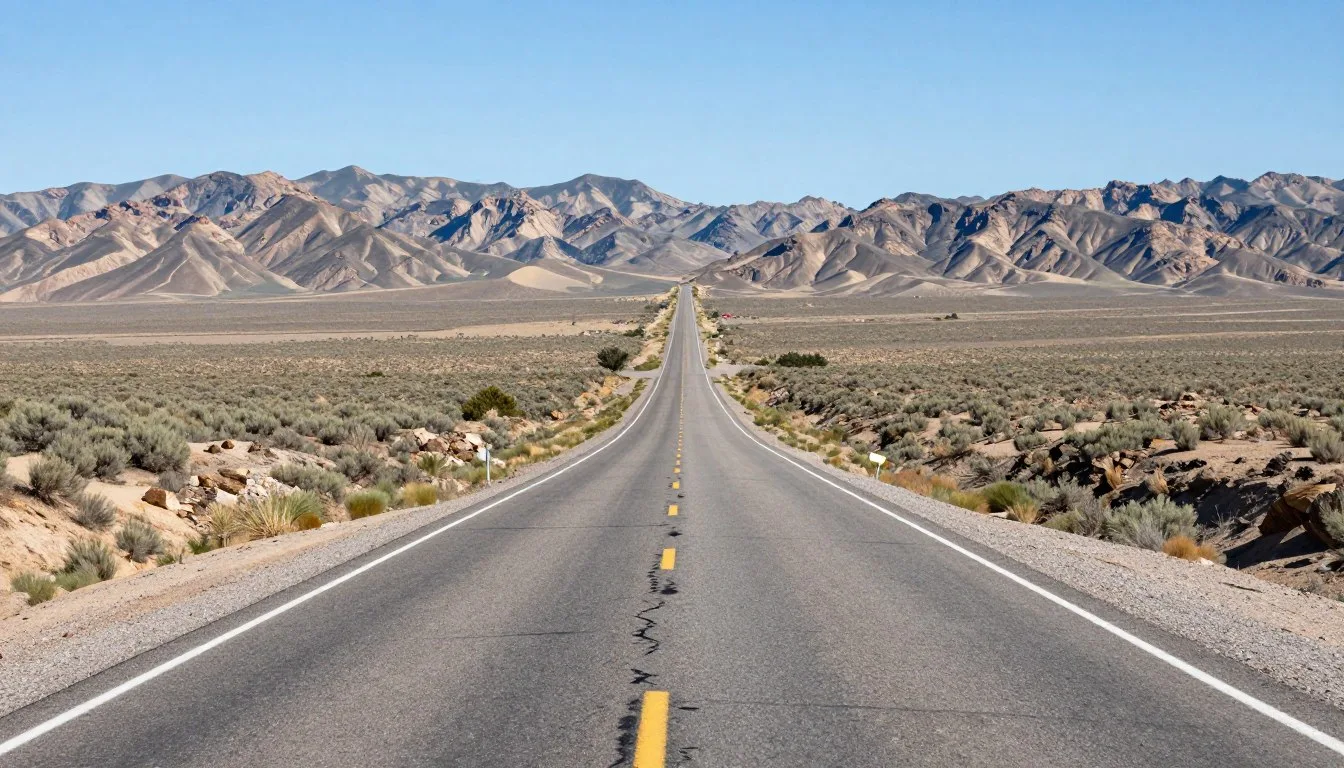
From Winnemucca, take State Route 140 north toward Oregon. The Quinn River area lies along this route and nearby dirt roads. The highway provides paved access, but many interesting sites require travel on unpaved roads.
Check road conditions before departing. Weather can make dirt roads impassable. Spring rains and winter snow create challenging conditions. Summer and fall typically offer the best road access.
Cell phone service does not exist in most of the area. Download offline maps before your trip. Carry a physical map as backup. GPS navigation may not function reliably in this remote region.
Best Time to Visit & Weather Tips

Best Time to Visit Quinn River
The optimal visiting season runs from May through October. During these months, weather conditions remain pleasant and roads stay accessible. Each season brings distinct advantages for different activities.
May and June offer mild temperatures and occasional wildflower blooms in good rain years. Daytime temperatures reach 21-27°C (70-80°F), perfect for hiking and exploration.
July and August bring hot desert conditions. Temperatures often exceed 32°C (90°F) during the day. These months suit visitors who enjoy heat and want guaranteed dry conditions.
September and October provide ideal weather for most travelers. Temperatures moderate to 18-24°C (65-75°F). Clear skies and comfortable conditions make this the prime season.
Months to Avoid
Winter months from November through March present significant challenges. Snow closes many roads. Temperatures frequently drop below freezing at night. Services in nearby towns operate on limited schedules.
April can be unpredictable with spring storms. Rain turns dirt roads into mud. If you must visit during shoulder seasons, confirm road conditions first.
Weather Patterns and Preparation
The Quinn River region experiences extreme temperature swings. Summer days may reach 38°C (100°F), while nights cool to 10°C (50°F). Pack layers to adapt throughout the day.
Rain remains scarce, averaging less than 25 cm (10 inches) annually. When rain does fall, it often comes as intense thunderstorms. These can create flash flood conditions in washes and low areas.
Wind frequently sweeps across the open desert. Bring windproof clothing and secure camping equipment well. Dust storms occasionally reduce visibility on roads.
Essential Weather Tip: Always carry extra water, even for short trips. The dry desert air and high elevation increase dehydration risk significantly.
Notable Annual Festivals
The Quinn River area itself hosts no annual festivals due to its unpopulated nature. However, nearby communities celebrate events that draw visitors to the region.
Winnemucca Basque Festival takes place each June in Winnemucca, 95 miles south. This celebration honors the area’s Basque heritage with music, dancing, and traditional food. For information, contact the Winnemucca Convention Center at +1 775-623-5071.
Silver State Stampede occurs in Winnemucca during late May. This rodeo event features professional cowboys and traditional western entertainment. Information available through +1 775-623-2225.
The small town of McDermitt, near the Oregon border north of Quinn River, hosts occasional community events. Check with McDermitt Community Center at +1 775-532-8801 for current schedules.
Getting Around Locally
Transportation in the Quinn River area requires self-sufficiency. No taxi services, ride-sharing, or public transit operate in this remote region. Your personal vehicle serves as your only transportation option.
Vehicle Requirements
A high-clearance vehicle is strongly recommended. Many interesting sites lie along dirt roads with rocks and ruts. While a four-wheel-drive system is not always necessary in dry conditions, it provides important security.
Check your vehicle thoroughly before leaving paved roads. Ensure you have a full-size spare tire, not just an emergency donut. Carry basic tools, a jack, and tire repair supplies.
Navigation Considerations
Download offline maps to your phone before arriving. The phone application Gaia GPS or similar offline mapping tools prove invaluable. Traditional paper maps from the Bureau of Land Management provide excellent backup navigation.
Mark your starting point coordinates before exploring dirt roads. This helps if you need to retrace your route. Take photos of trail junctions to remember your path.
Fuel Planning
Fill your fuel tank in Winnemucca before heading north. No gas stations exist in the Quinn River area. The nearest fuel after Winnemucca sits approximately 95 miles away.
Calculate your fuel needs conservatively. Dirt road travel consumes more fuel than highway driving. Always maintain at least half a tank for safety.
Where to Stay

Accommodation options in the Quinn River area are extremely limited due to the remote location. Most visitors camp or stay in nearby towns. Planning your lodging strategy is essential.
Camping Options
Dispersed camping on Bureau of Land Management property provides the most authentic experience. You can camp almost anywhere on public land, following Leave No Trace principles. The area offers countless scenic spots for setting up camp.
Choose camping locations carefully. Avoid washes and low areas where flash floods could occur. Set up at least 61 m (200 feet) from any water source to protect riparian areas.
No developed campgrounds exist directly in the Quinn River area. The nearest established campground lies approximately 48 km (30 miles) away in the Santa Rosa Mountains.
Nearby Town Accommodations
Winnemucca, 153 km (95 miles) south, offers the closest hotel options. Several chain hotels and local motels provide comfortable rooms. Book ahead during summer months and special events.
Winners Hotel & Casino in Winnemucca provides full-service accommodations. Contact them at +1 775-623-2511 for reservations and current rates.
Red Lion Hotel & Casino offers another solid option in Winnemucca. Reach their reservation desk at +1 775-623-2565.
McDermitt, roughly 80 km (50 miles) north of Quinn River, has basic motel rooms. The McDermitt Hotel provides simple accommodations. Call +1 775-532-8082 for availability.
Camping Preparation
Bring all camping supplies from home or purchase them in Reno or Winnemucca. No stores operate near Quinn River. Your packing list should include:
- Tent and ground tarp suitable for wind
- Sleeping bag rated for cold desert nights
- Sufficient water for drinking and cooking
- Portable stove and fuel
- First aid kit and emergency supplies
- Headlamp or flashlight with extra batteries
Dining & Local Cuisine
Food service does not exist in the Quinn River area itself. This remote location requires visitors to bring their own provisions or dine in distant towns. Plan your food supply carefully.
Bringing Your Own Food
Stock up on supplies before leaving Winnemucca. The town has several grocery stores with good selections. Buy enough food for your entire trip plus emergency extras.
Pack non-perishable items that do not require refrigeration. Canned goods, dried foods, energy bars, and trail mix travel well. Bring a cooler with ice if you want fresh food items.
Water is even more critical than food. Carry at least 4 liters per person per day. Bring extra for cooking and washing. Natural water sources in the area are unreliable.
Dining in Winnemucca
Winnemucca offers diverse dining options for meals before or after your Quinn River adventure. The town’s Basque heritage influences local cuisine significantly.
Martin Hotel serves traditional Basque family-style dinners. Large portions of soup, salad, beans, vegetables, and meat create a memorable feast. Reservations recommended at +1 775-623-3197.
Ormachea Dinner House provides another excellent Basque dining experience. Their steak and lamb dishes showcase authentic recipes. Call +1 775-623-3455 for hours.
Several casual restaurants serve American food including burgers, sandwiches, and breakfast items. These provide quick, affordable meals.
Cooking in Camp
A portable camping stove allows hot meals in the wilderness. Propane or white gas stoves work reliably. Never build fires on public land without checking current restrictions.
Simple meals like pasta, rice dishes, or soup satisfy after a day of exploration. Pre-planning meals saves time and ensures you have necessary ingredients.
Attractions, Sightseeing & Activities

The Quinn River area captivates visitors with its mining history, ghost town sites, and untouched desert landscapes. Activities focus on exploration, photography, and experiencing authentic Nevada wilderness.
Ghost Town Exploration
Several abandoned mining communities dot the Quinn River region. These ghost town sites offer fascinating glimpses into Nevada’s gold and silver mining era.
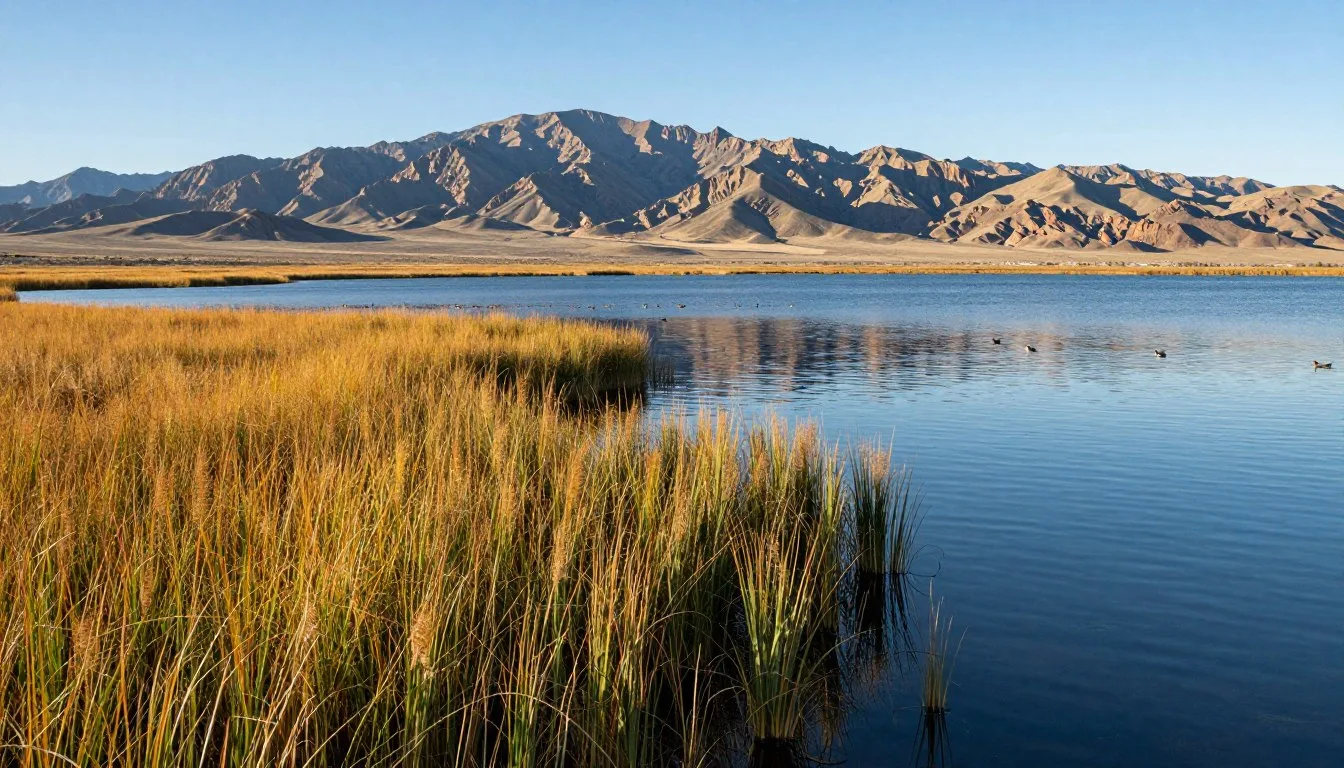
Quinn River Crossing once served as an important station on historic routes. Little remains today except building foundations and scattered artifacts. The site sits along the Quinn River itself, providing one of the area’s few reliable water sources.
Ruins should be observed but never disturbed. Take only photographs and leave historical sites exactly as you find them. Nevada law protects these cultural resources.
Other small mining camps scattered throughout the region offer similar exploration opportunities. Many sites appear on historical maps but require off-road travel to reach.
Mining Site Observation
Old mining operations left their mark across the landscape. Prospect holes, tailings piles, and occasional equipment pieces tell stories of earlier residents.
Gold and silver deposits attracted miners to this remote region during the late 1800s and early 1900s. Most operations proved small-scale and short-lived.
Never enter old mines or shafts. These structures are extremely dangerous with unstable walls, hidden drops, and bad air. Observe mining heritage from safe distances only.
Desert Photography
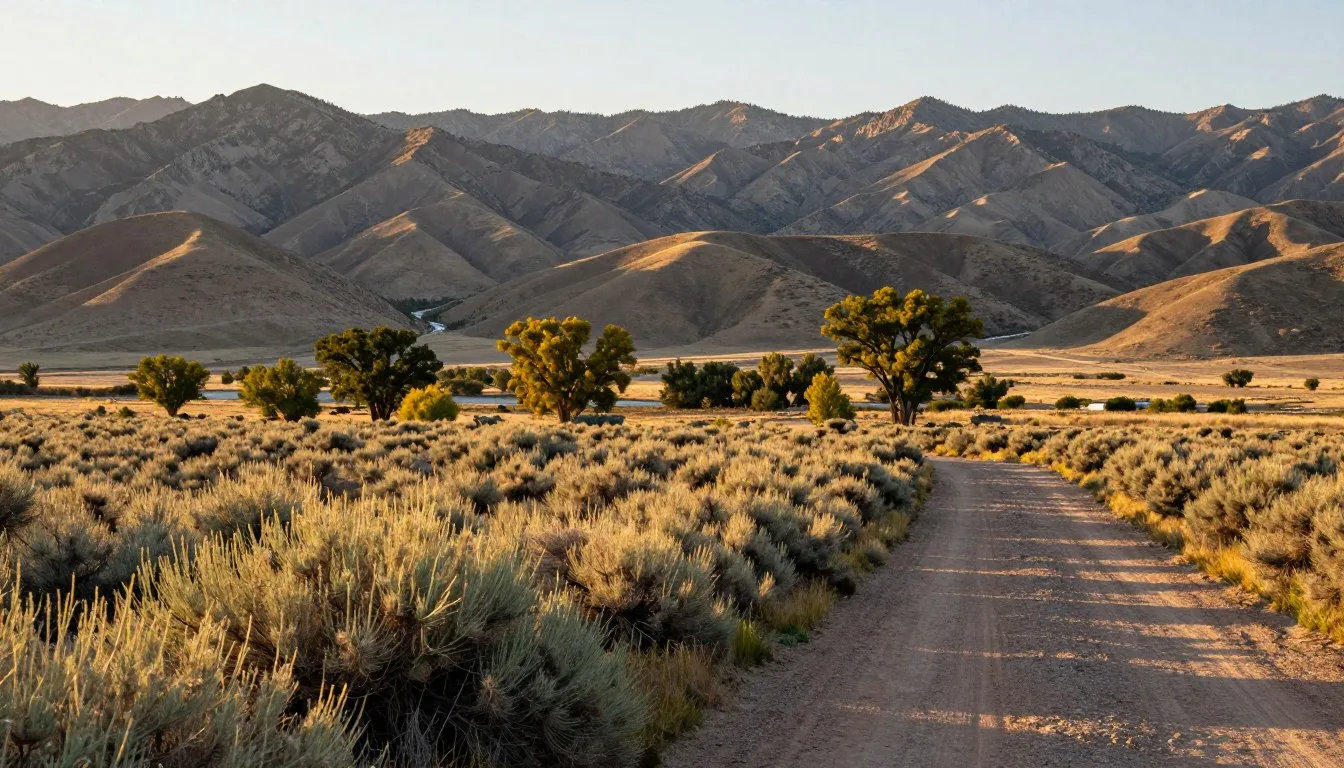
The stark beauty of Quinn River provides excellent photography subjects. Wide-open landscapes, dramatic mountain ranges, and interesting desert vegetation create compelling images.
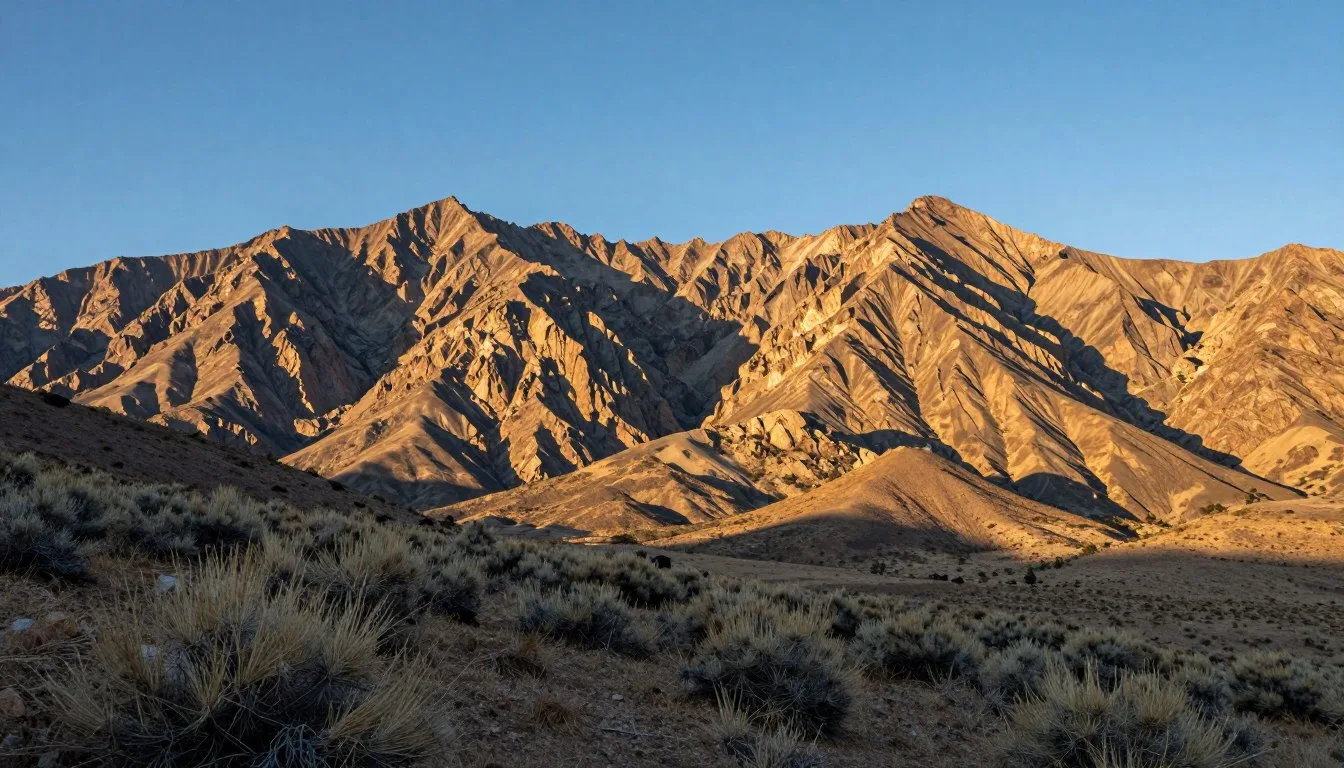
Golden hour light at sunrise and sunset illuminates the desert beautifully. The low angle creates long shadows and rich colors across the terrain.
Star photography thrives in this dark-sky location. Minimal light pollution allows brilliant night sky views. The Milky Way appears clearly during summer months.
Wildlife Observation
Desert wildlife inhabits the region despite harsh conditions. Early morning and evening offer the best viewing opportunities when animals are most active.
Pronghorn antelope roam the open desert. These graceful animals often travel in small groups. Wild horses also range through the area.
Numerous bird species make their homes here. Raptors including hawks and eagles patrol the skies. Smaller birds frequent the limited water sources.
Museums, Cultural Spots & Festivals
Cultural attractions do not exist within the Quinn River area itself. However, nearby communities preserve and share regional history through museums and cultural sites.
Humboldt County Museums
Humboldt Museum in Winnemucca displays extensive exhibits about regional history. Collections include mining artifacts, Native American items, and pioneer-era objects. The museum provides context for Quinn River area history. Contact them at +1 775-623-2912.
Exhibits showcase the boom-and-bust cycles that defined Nevada mining communities. Period photographs reveal what life looked like when these remote sites thrived.
Basque Cultural Heritage
Winnemucca’s strong Basque community maintains cultural traditions dating back to the 1800s. Basque sheepherders worked throughout northern Nevada, including the Quinn River region.
The town’s Basque restaurants and annual festival celebrate this unique heritage. Traditional dancing, music, and food preserve customs brought from the Pyrenees Mountains.
Native American History
The Northern Paiute people lived in this region for thousands of years before European settlement. The desert and mountains provided resources through seasonal movements.
Evidence of their presence appears throughout the area. Rock art, tool-making sites, and other archaeological remains connect to this ancient heritage. All such sites receive legal protection.
Nature & Outdoor Experiences

Outdoor adventures define the Quinn River experience. The remote location and vast public lands create exceptional opportunities for nature immersion and solitude.
Hiking and Backpacking
No official hiking trails exist in the Quinn River area. Instead, the entire landscape offers open exploration across public land. This freedom allows you to create your own routes.
Popular destinations include mountain ridges for panoramic views, canyon explorations, and walks along the Quinn River corridor. Choose objectives based on your fitness and experience level.
Always carry navigation tools and tell someone your plans. Getting lost in this remote country creates serious safety concerns. Start with shorter walks to familiarize yourself with desert travel.
Mountain Range Exploration
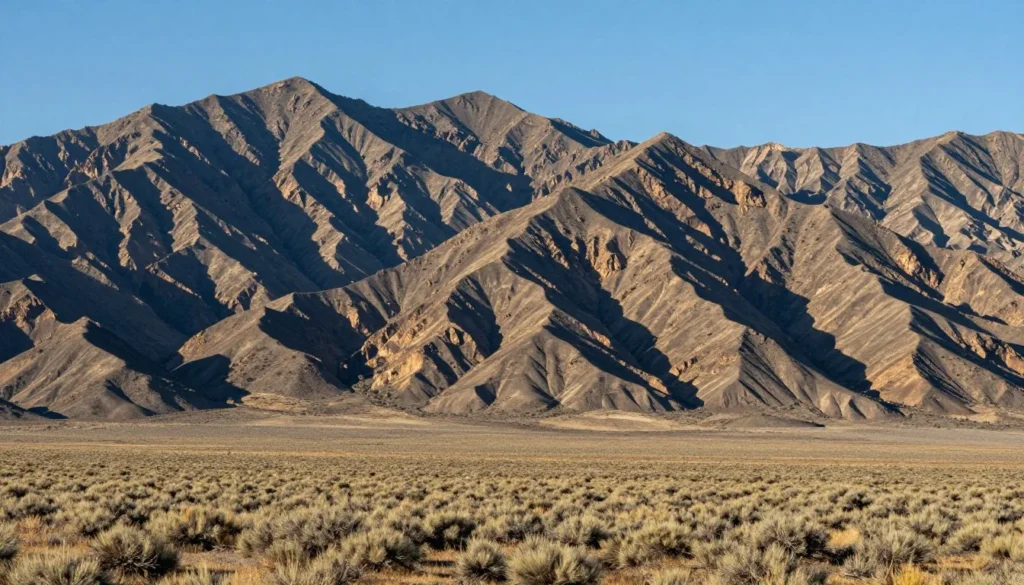
The Quinn Canyon Mountain Range rises east of the river valley. These mountains reach elevations exceeding 2,438 m (8,000 feet) above sea level. The range offers cooler temperatures and different vegetation.
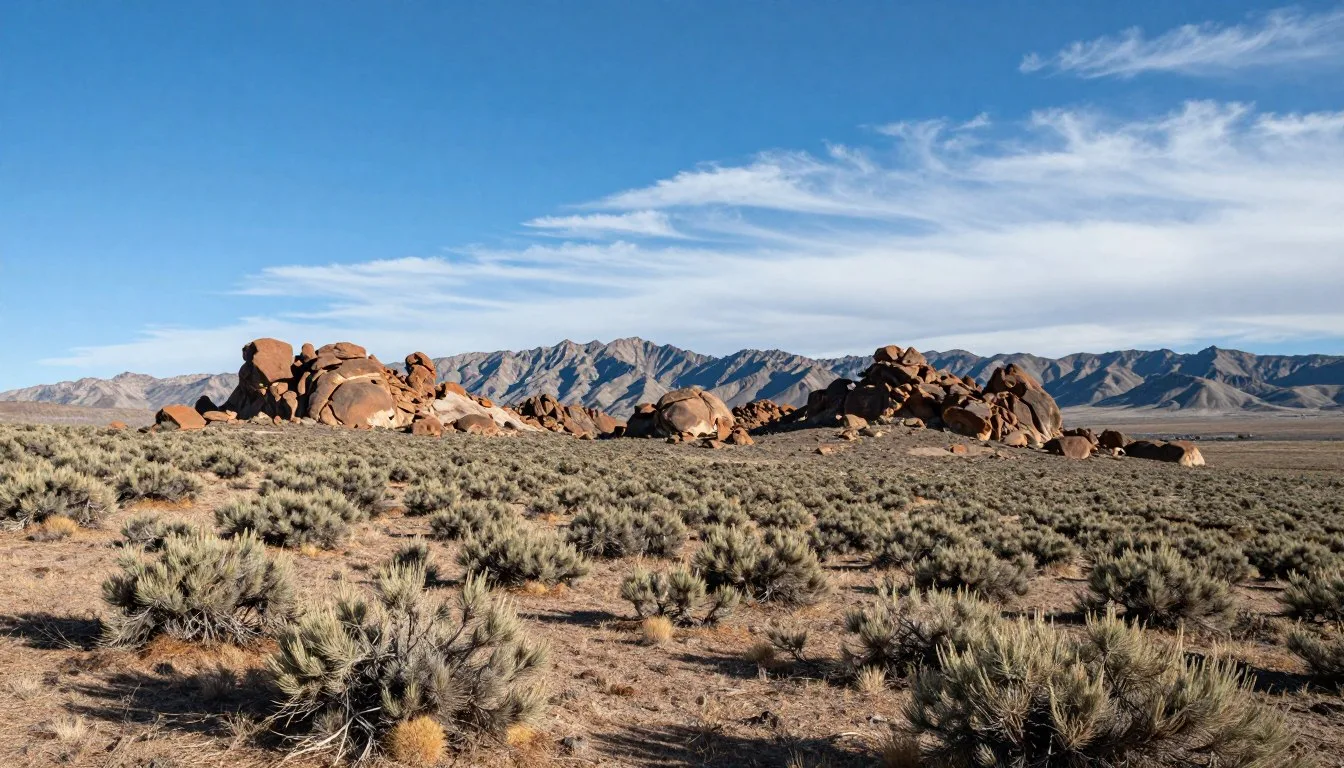
Jackson Peak stands as the highest point in the range. Mountain slopes support juniper and mountain mahogany. Rock formations provide interesting geological features.
Access to these mountains requires rugged dirt roads. Four-wheel-drive vehicles handle the route better. Check conditions before attempting mountain access.
Desert Ecology
The Quinn River area showcases high desert ecosystems. Understanding these environments enhances your appreciation.
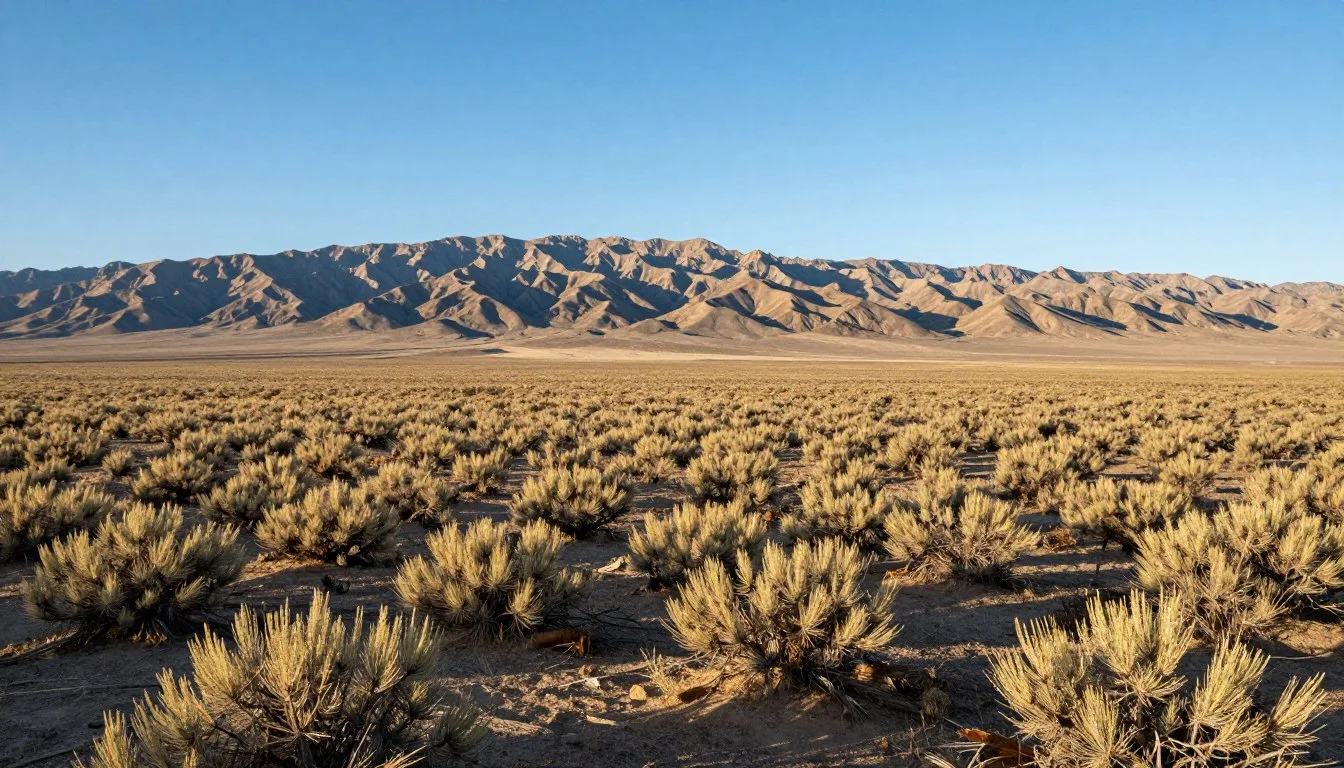
- Sagebrush dominates the landscape
- Greasewood grows in alkaline soils
- Wildflowers bloom in favorable springs
- Adapted wildlife thrives in harsh conditions
Geological Features
Ancient geological processes shaped this dramatic terrain. The landscape tells stories millions of years old.
- Basin and range topography creates valleys
- Volcanic rock appears throughout the region
- Fossil-bearing formations exist in some areas
- Hot springs emerge at certain locations
Bird Watching
Desert bird species provide year-round interest. Spring and fall migrations bring additional variety as birds pass through the region.
Sage grouse populations live in suitable habitat. These ground-dwelling birds perform elaborate mating displays in spring. Other common species include ravens, horned larks, and various sparrows.
Stargazing

Dark skies free from light pollution make Quinn River excellent for astronomy. On clear moonless nights, thousands of stars appear brilliantly.
The Milky Way galaxy stretches prominently across the summer sky. Planets, star clusters, and nebulae reveal themselves to patient observers. Bring binoculars or a telescope for enhanced viewing.
Meteor showers become spectacular events in this dark-sky location. Annual showers like the Perseids in August produce numerous visible meteors.
Travel With Children

Visiting Quinn River with children requires extra planning but offers unique educational opportunities. The remote nature creates memorable family adventures.
Age Considerations
Older children generally handle the Quinn River experience better. Kids aged eight and above typically possess the stamina and maturity for this type of trip.
Younger children can visit successfully with proper preparation. Keep trips short and ensure you can return to civilization quickly if needed.
Safety Priorities
Safety becomes even more critical when traveling with kids. The remote location means help sits far away. Take extra precautions to prevent problems.
- Keep children within sight at all times
- Establish clear boundaries for exploration
- Ensure kids carry water during any walking
- Teach recognition of hazards like mines and cliffs
- Prepare for extreme temperature changes
Educational Opportunities
The Quinn River area provides hands-on learning experiences. History, geology, ecology, and navigation skills all come alive here.
Teach kids about desert adaptations in plants and animals. Explain how miners lived and worked in this harsh environment. Show them how to read maps and use compasses.
Ghost town ruins spark imagination. Help children envision what daily life looked like when these sites bustled with activity. Historical context makes exploration more meaningful.
Practical Family Tips
Plan shorter days with flexible schedules. Children tire more quickly in heat and rough terrain. Build rest time into your itinerary.
Bring entertainment for downtime. Books, games, and art supplies occupy kids during camp time. Evening hours around the campsite can feel long without activities.
Pack familiar foods kids will eat. Now is not the time for experimental meals. Hungry children make poor travelers.
Money Saving Tips
Quinn River trips can be remarkably affordable with smart planning. The remote location eliminates many typical tourist expenses.
Free Activities
Nearly everything in the Quinn River area is free. No entrance fees, parking charges, or activity costs exist. Public land access costs nothing.
Ghost town exploration, hiking, wildlife watching, and photography all come at zero cost. The main expenses involve getting there and basic supplies.
Camping Versus Hotels
Dispersed camping on public land saves significant money. Hotel rooms in Winnemucca cost between seventy and one hundred twenty dollars per night. Camping costs nothing.
If you already own camping equipment, your accommodation expense drops to zero. Even purchasing basic camping gear proves cheaper than multiple hotel nights.
Food Costs
Cooking your own meals saves substantial money compared to restaurant dining. A grocery shopping trip in Winnemucca costs far less than eating out.
Simple camp meals like pasta, rice dishes, and sandwiches keep costs minimal. Bring food from home to save even more.
Fuel Planning
Fuel represents your largest unavoidable expense. Minimize driving by planning efficient routes. Combine multiple stops into single trips.
Fill your tank in Winnemucca where prices compete. Isolated stations charge premium rates when available.
Group Travel
Traveling with others splits fuel costs significantly. Carpool whenever possible. Shared expenses make remote trips more affordable.
Group camping also reduces equipment needs. Share cooking gear, tools, and camping supplies among participants.
Safety, Etiquette & Local Customs
Remote desert travel demands serious attention to safety. The Quinn River area’s isolation means small problems can become major emergencies.
Emergency Preparedness
Cell phones will not work in most locations. Satellite communication devices provide the only reliable emergency contact option. Consider renting or purchasing one for serious trips.
Tell someone your detailed plans before departing. Provide your route, camping locations, and expected return date. Check in when you return to civilization.
Carry a comprehensive first aid kit. Include supplies for treating cuts, burns, sprains, and other common injuries. Know how to use everything in your kit.
Water and Dehydration
Dehydration represents the most common serious problem in desert environments. The dry air and heat accelerate water loss even when you feel comfortable.
Drink water regularly whether you feel thirsty or not. By the time you experience thirst, dehydration has already begun. Monitor urine color as a hydration indicator.
Natural water sources may carry harmful organisms. Treat all water before drinking unless you brought it yourself. Bring filtration or purification supplies.
Weather Hazards
Summer heat creates serious risks. Stay out of direct sun during the hottest hours when possible. Wear light-colored, loose clothing and a wide-brimmed hat.
Thunderstorms develop quickly in summer afternoons. Lightning poses real danger in open terrain. Seek shelter in vehicles if storms approach. Never stand under isolated trees.
Flash floods can occur with little warning. Never camp in washes or low drainage areas. Heavy rain miles away can send water rushing down normally dry channels.
Wildlife Safety
Rattlesnakes inhabit the region during warmer months. Watch where you place hands and feet. Make noise while walking to alert snakes to your presence.
Wild horses deserve respect and distance. These animals can be unpredictable. Never approach or attempt to feed them.
Land Use Etiquette
Practice Leave No Trace principles throughout your visit. Pack out all trash and waste. Leave sites cleaner than you found them.
- Camp on durable surfaces away from water sources
- Minimize campfire impacts or avoid fires entirely
- Respect wildlife and observe from distances
- Leave natural and historical objects undisturbed
- Be considerate of other visitors seeking solitude
Stay on established roads when driving. Creating new tracks damages desert vegetation that takes decades to recover. Stick to existing routes always.
Cultural Respect
Archaeological and historical sites deserve protection. Federal law prohibits disturbing artifacts or structures. Look but never touch or take anything.
Rock art and other Native American sites hold cultural significance. Treat these places with reverence. Photograph respectfully without touching surfaces.
Visitor Comments About Quinn River
“Quinn River exceeded all expectations for our family trip. The absolute solitude and untouched desert landscape gave us a break from everyday life we desperately needed. Seeing the old mining sites and ghost town ruins felt like stepping back in time. Our teenagers initially complained about no cell service but ended up loving the disconnection. The night skies were unbelievable with stars everywhere. We spent three days exploring and still barely scratched the surface of the area.”
“As a photographer, Quinn River delivered everything I hoped for. The desert light creates incredible colors especially at sunrise and sunset. Old wooden structures at mining sites make perfect subjects against mountain backdrops. I captured shots I could never get in more developed areas. The lack of people means no crowds in your compositions. Just be prepared for rough roads and bring plenty of supplies. This is not a place for spontaneous trips. Planning and preparation made our visit successful.”
“Quinn River represents authentic Nevada wilderness. My wife and I drove up from Winnemucca and spent two nights camping under the stars. The silence was profound after years of city noise. We hiked to several old mining spots and found fascinating artifacts to photograph. The desert plants and wildlife were more diverse than expected. Watching pronghorn antelope through binoculars became a highlight. Yes, the area is remote and requires self-sufficiency, but that isolation is exactly what makes it special. Highly recommend for adventurous travelers.”
Additional Nearby Destinations
Several interesting destinations lie within reasonable distance of Quinn River. These locations combine well for extended trips through northern Nevada.
Black Rock Desert
The famous Black Rock Desert sits approximately 97 km (60 miles) southwest of Quinn River. This vast dry lakebed hosts the annual Burning Man festival.
Outside of event periods, the playa offers unique landscapes and extreme solitude. The flat surface stretches for miles in every direction. Hot springs dot the surrounding mountains.
Santa Rosa Range
These mountains rise south of Quinn River along Highway 140. Several peaks exceed 2,743 m (9,000 feet) elevation. The range supports different vegetation including aspen groves at higher elevations.
A developed campground provides amenities rare in this region. Hiking trails access mountain lakes and ridges. The area attracts fewer visitors than more famous Nevada ranges.
Sheldon National Wildlife Refuge
This large refuge protects high desert habitat in Nevada’s northwest corner. The distance from Quinn River is roughly 113 km (70 miles) northwest.
Pronghorn antelope, bighorn sheep, and numerous bird species live within refuge boundaries. Scenic drives and primitive camping are permitted. The refuge maintains several reservoirs and springs.
Historic Mining Towns
Numerous small ghost towns and mining sites scatter across northern Nevada. Paradise Valley, Unionville, and other locations offer similar historical interest to Quinn River sites.
Each community tells unique stories of boom and bust. Some retain small populations while others stand completely abandoned. Exploring multiple sites reveals common patterns in Nevada’s mining history.
Winnemucca Points of Interest
Beyond serving as a supply stop, Winnemucca itself merits exploration. The historic downtown includes buildings from the railroad and mining eras.
The Humboldt Museum provides excellent historical context before or after Quinn River visits. Local restaurants serve distinctive Basque cuisine unique to this region.
Practical Travel Tips
Success in the Quinn River area depends on thorough preparation and realistic expectations. These final tips help ensure your trip goes smoothly.
Communication and Connectivity
Accept that you will be completely off the grid. Cell phone service does not exist. This disconnection can feel liberating or concerning depending on your perspective.
Download all necessary information before leaving town. Maps, weather forecasts, and reference materials should be saved offline. Do not rely on internet access.
Vehicle Maintenance
Have your vehicle serviced before the trip. Check tires, fluids, belts, and hoses. Remote breakdowns create serious problems.
Carry tools and spare parts appropriate to your vehicle. A basic tool kit, spare belts, extra coolant, and motor oil provide security. Know how to perform simple repairs.
Photography Gear
Dust presents challenges for camera equipment. Bring cleaning supplies and protective bags. Change lenses carefully in sheltered locations.
Extra batteries and memory cards are essential. No stores exist for emergency purchases. Cold desert nights drain batteries faster than normal.
Seasonal Considerations
Each season demands different preparation. Summer trips require heat management strategies. Spring and fall visits need flexibility for weather changes.
Always check current conditions before departing. Road closures, weather warnings, and fire restrictions can affect travel plans significantly.
Permits and Regulations
No permits are required for day use or dispersed camping on BLM land in this area. However, regulations do apply to protect resources and ensure safety.
Fire restrictions often prohibit campfires during dry summer months. Check current rules before lighting any fires. Portable stoves remain permitted during most restrictions.
Internet Research
The Bureau of Land Management website provides valuable information about the region. Maps, regulations, and safety information appear on their Nevada page.
Historical societies and local museums maintain online resources about mining history. Reading background information enhances your understanding of what you will see.
Physical Preparation
Desert hiking demands good physical condition. Start shorter and build up to longer outings. Understand your limits honestly.
Practice with your gear before the trip. Set up your tent at home. Test your stove and cooking system. Familiarity prevents frustration in the field.
Map and Compass Skills
Technology fails sometimes, especially in remote areas. Know how to navigate with traditional tools. Practice map and compass navigation before depending on these skills.
Mark key waypoints and coordinates. Write down important information on waterproof paper. Redundant navigation systems provide critical backup.
Final Reminder: The Quinn River area rewards preparation and punishes carelessness. Take safety seriously, plan thoroughly, and respect the harsh desert environment. Done right, your trip will create lasting memories of authentic Nevada wilderness.
Quinn River Location Map
Quinn River area location in Humboldt County, northwestern Nevada
Your Nevada Adventure Awaits
Quinn River stands apart from typical Nevada destinations. No casinos, no crowds, no commercial development. Just raw desert beauty, fascinating history, and the kind of solitude that has become increasingly rare.
This remote corner of Nevada challenges visitors while rewarding them with authentic wilderness experiences. The ghost towns whisper stories of ambition and hardship. The vast landscapes inspire both humility and wonder. Dark night skies reconnect us with the cosmos.
Your trip to Quinn River will differ completely from resort vacations or theme park visits. This journey demands more from you but gives back immeasurably more. The silence, the stars, the sense of true exploration create memories that crowded tourist spots never can.
Pack carefully, plan thoroughly, and approach this adventure with respect for the harsh environment. When you stand alone in the Quinn River valley watching sunset paint the mountains gold, you will understand why some travelers seek these remote places. The experience changes you in ways both subtle and profound.
Start planning your Quinn River adventure today. The desert awaits.
The above is subject to change.
Check back often to TRAVEL.COM for the latest travel tips and deals.