Hotels by Trip.com
Flights by Trip.com
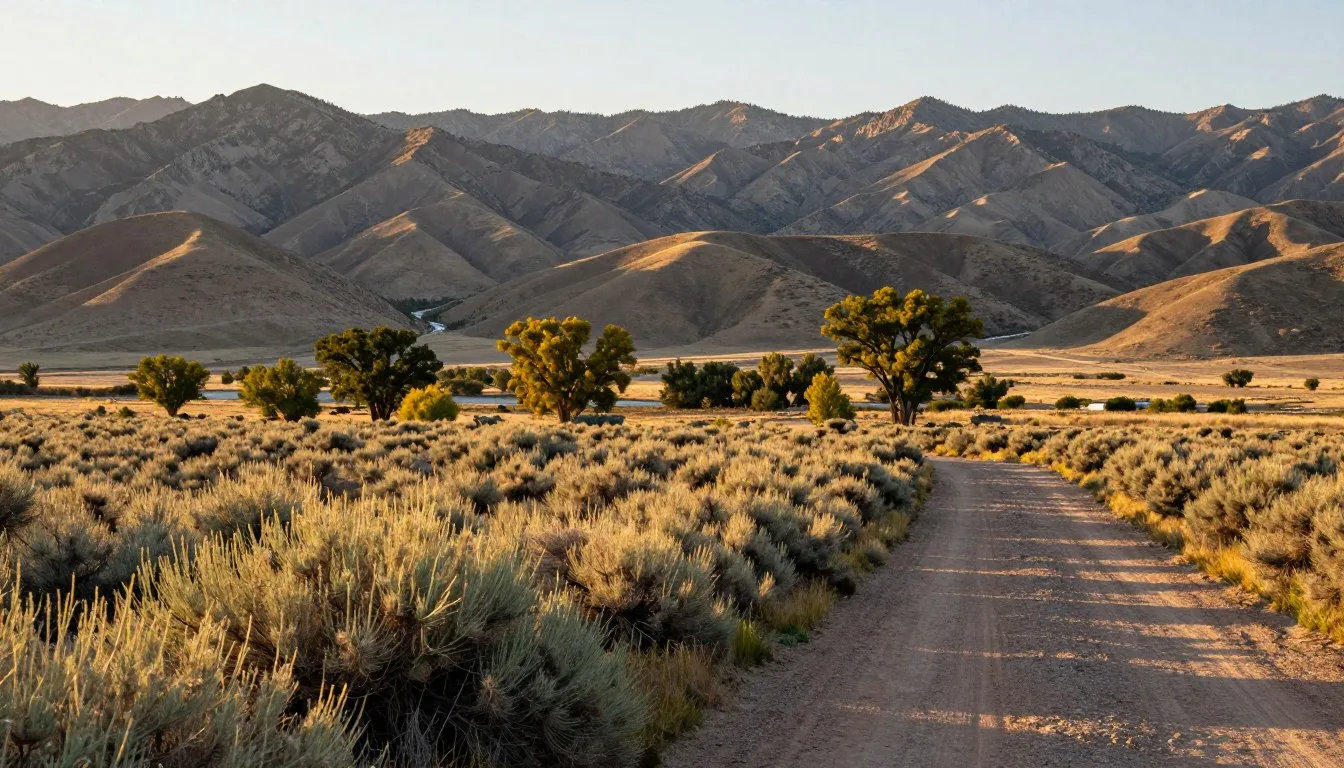
Did you know that Railroad Valley produces more than two million barrels of oil each year, making this remote Nevada valley one of the most productive geological formations in the Great Basin? Yet despite this industrial significance, Railroad Valley Desert remains one of Nevada’s most pristine and least-visited wilderness areas.
This hidden gem stretches across central Nevada in Nye County. It offers travelers a rare glimpse into untouched desert beauty.
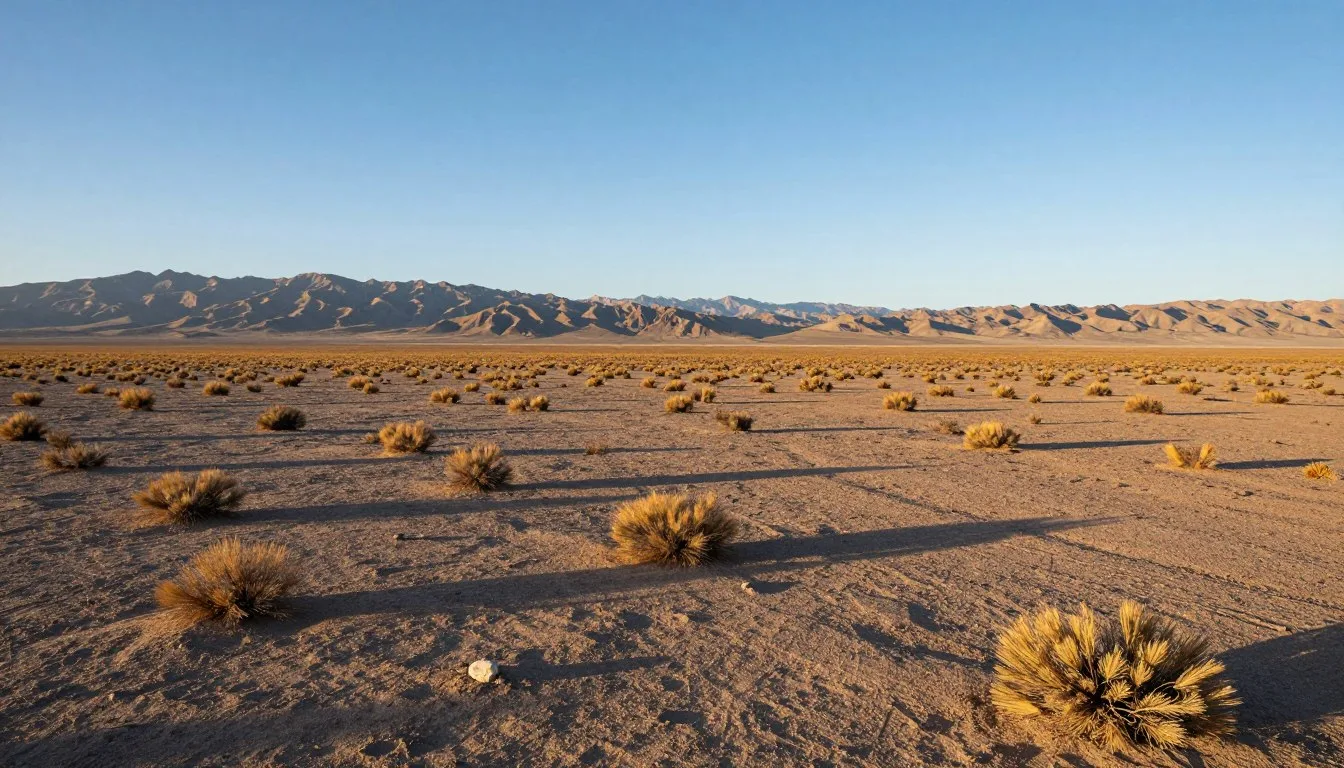
The valley spans over 80 km (50 miles) in length. Ancient playas, natural hot springs, and wildlife corridors fill this landscape.
Whether you seek solitude in vast open spaces or adventure in remote terrain, Railroad Valley Desert delivers experiences unlike anywhere else in Nevada.
Getting There & Planning Your Journey
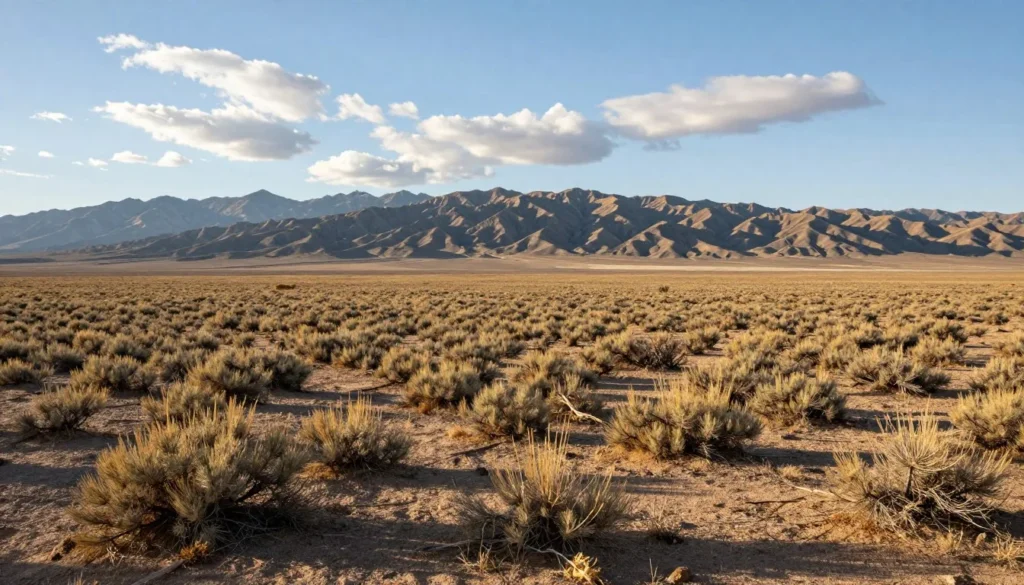
Railroad Valley Desert sits in one of Nevada’s most remote regions. Getting here requires careful planning and preparation.
The valley lies approximately 320 km (200 miles) north of Las Vegas. It sits about 240 km (150 miles) south of Elko.
Closest Airports
Your journey to Railroad Valley typically begins at one of these airports:
- Las Vegas McCarran International Airport – 320 km (200 miles) south
- Reno-Tahoe International Airport – 400 km (250 miles) northwest
- Elko Regional Airport – 240 km (150 miles) north
From any airport, you’ll need a reliable vehicle. Four-wheel drive is strongly recommended for exploring areas beyond main routes.
Route Planning
US Highway 6 runs along the eastern edge of Railroad Valley. This provides the primary access corridor.
The small community of Currant marks the northern gateway. Warm Springs sits at the southern approach.
Important: Cell phone coverage is extremely limited throughout Railroad Valley. Download offline maps before your trip. Inform someone of your travel plans and expected return time.
Fuel stations are scarce in this region. Fill your tank in Ely (to the north) or Tonopah (to the south) before heading into the valley.
Best Time to Visit Railroad Valley Desert Nevada & Weather Tips

Best Time to Visit Railroad Valley Desert Nevada
The ideal seasons for exploring Railroad Valley are spring and fall. These periods offer comfortable temperatures and accessible conditions.
Recommended months: April through May and September through October deliver the best weather. Daytime temperatures range from 18°C to 26°C (65°F to 80°F).
Spring brings desert wildflowers to the valley floor. Purple lupines, yellow brittlebush, and scarlet paintbrush create colorful displays across the basin.
Fall offers crystal-clear skies and excellent visibility. The air becomes crisp, making it perfect for photography and stargazing.
Months to avoid: December through February bring freezing temperatures and occasional snow. Summer months (June through August) see extreme heat, with temperatures exceeding 38°C (100°F).
Weather Patterns
Railroad Valley sits at an elevation of approximately 1,400 meters (4,600 feet). This creates a high desert climate with distinct seasonal variations.
Summer days can reach 40°C (104°F), while winter nights plunge below -10°C (14°F). Temperature swings of 20°C (36°F) between day and night are common year-round.
Annual rainfall averages just 15 cm (6 inches). Most precipitation occurs during spring and late summer thunderstorms. Always check weather forecasts before venturing into remote areas of the valley.
Notable Annual Festivals
Railroad Valley’s remote location means organized festivals are rare. However, nearby communities host several events worth planning around.
The White Pine County Fair in Ely occurs each August. This traditional agricultural fair showcases regional culture and history.
Contact: White Pine County Events Office at 775-289-3720 for current festival schedules.
Tonopah hosts the Jim Butler Days celebration each May. This festival commemorates the town’s mining heritage with parades, competitions, and historical demonstrations.
Getting Around Locally
Transportation in Railroad Valley Desert requires self-sufficiency. No public transit serves this remote area.
A personal vehicle is essential. Four-wheel drive vehicles handle dirt roads and primitive tracks better than standard cars.
Road Conditions
US Highway 6 provides paved access along the valley’s eastern edge. This well-maintained route connects to exploration points.
Dirt roads branch westward into the valley from Highway 6. These range from well-graded to primitive two-track trails.
Roads near Grant Canyon and Eagle Springs oil fields see regular maintenance. Private roads serving Bureau of Land Management sites may have restrictions.
Flash floods can make roads impassable during summer thunderstorms. Never attempt to cross flowing water. Wait for conditions to improve or find alternate routes.
Navigation Tips
GPS coordinates work better than street addresses in Railroad Valley. Mark waypoints for your starting location, destinations, and return routes.
Paper maps serve as essential backup. The Bureau of Land Management publishes detailed topographic maps covering Nye County and central Nevada.
Bring extra supplies including water, food, and emergency gear. The nearest services may be hours away on unpaved roads.
Where to Stay
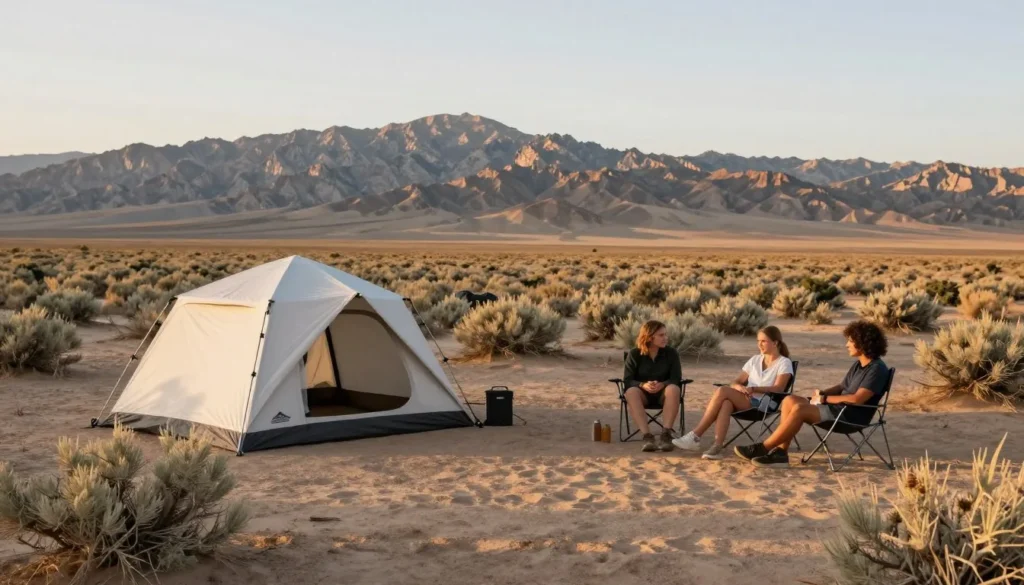
Lodging options within Railroad Valley itself are extremely limited. Most visitors base themselves in nearby towns or bring camping equipment.
Nearby Towns
Ely offers the most comprehensive lodging selection about 120 km (75 miles) north. Hotels, motels, and bed-and-breakfast establishments provide comfortable accommodations.
The Hotel Nevada in Ely opened in 1929. This historic property offers vintage charm with modern amenities.
Tonopah sits roughly 145 km (90 miles) southwest of Railroad Valley. The Mizpah Hotel combines historic character with renovated rooms.
Camping Options
Dispersed camping on Bureau of Land Management lands provides the most immersive Railroad Valley experience. This free camping requires self-sufficiency.
Campers must follow Leave No Trace principles. Pack out all waste, minimize campfire impacts, and camp at least 60 meters (200 feet) from water sources.
Camping Essentials
- Sturdy tent rated for wind
- Sleeping bag for temperature extremes
- Minimum 4 liters (1 gallon) water per person daily
- Portable stove (campfires may be restricted)
Safety Considerations
- First aid kit with snake bite supplies
- Emergency shelter and warmth layers
- Satellite communication device
- Vehicle recovery equipment
Some areas near active oil operations may have access restrictions. Respect all posted signs and stay clear of industrial facilities.
Dining & Local Cuisine
Railroad Valley has no restaurants or food services within its boundaries. Visitors must plan accordingly.
The nearest dining options exist in small communities along Highway 6. These include basic convenience stores with limited supplies.
Preparing for Your Visit
Stock up on food before entering Railroad Valley. Ely and Tonopah offer full-service grocery stores, restaurants, and specialty food shops.
Pack shelf-stable foods that don’t require refrigeration. Dried fruits, nuts, jerky, and energy bars provide compact nutrition.
Bring a cooler with ice if you plan multi-day trips. Perishable items need proper temperature control in the desert heat.
Water is your most critical supply. Bring at least 4 liters (1 gallon) per person per day, plus extra for cooking and emergencies. Natural water sources in Railroad Valley are scarce and may not be potable.
Regional Specialties in Nearby Towns
When you return to civilization, try authentic Basque cuisine in Ely. The Basque people settled in Nevada during mining booms. Their family-style restaurants serve hearty portions.
Tonopah’s historic Mizpah Hotel restaurant offers classic American fare in a 1907 setting. Their menu features Nevada-raised beef and regional ingredients.
Attractions, Sightseeing & Activities

Oil Heritage Sites
Railroad Valley produces more than two million barrels of oil annually. The Grant Canyon oil field represents one of Nevada’s most productive petroleum sites.
Eagle Springs and Trap Spring oil fields also operate within the valley. These installations demonstrate petroleum extraction in remote desert environments.
Viewing is possible from public roads only. Never enter active oil field areas without authorization.
Playa Exploration
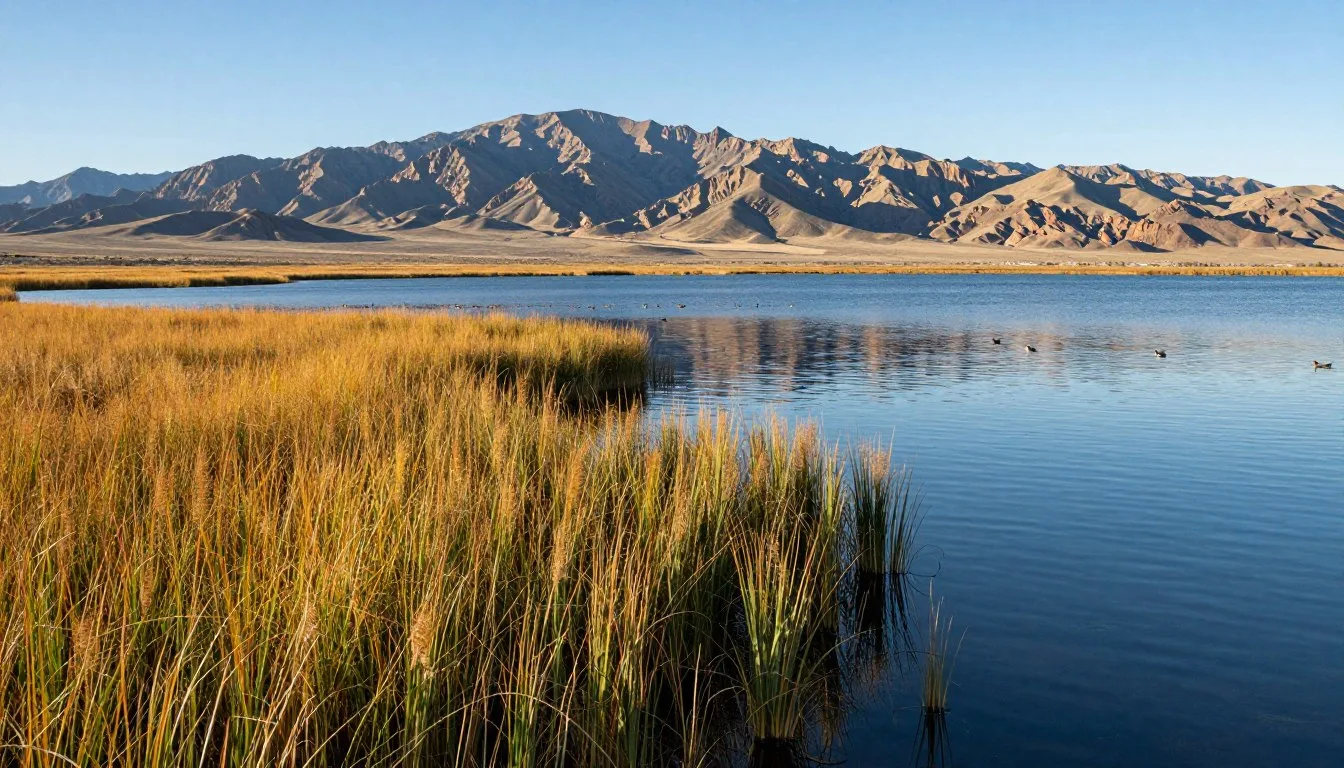
Ancient lakebeds create vast playas across Railroad Valley’s basin. These flat expanses dried thousands of years ago.
The playas reveal fascinating salt crystal formations and desert varnish patterns. Spring rains sometimes create temporary shallow lakes.
Walk carefully on playa surfaces. Wet conditions make them extremely muddy and impassable.
Quinn Canyon Wilderness
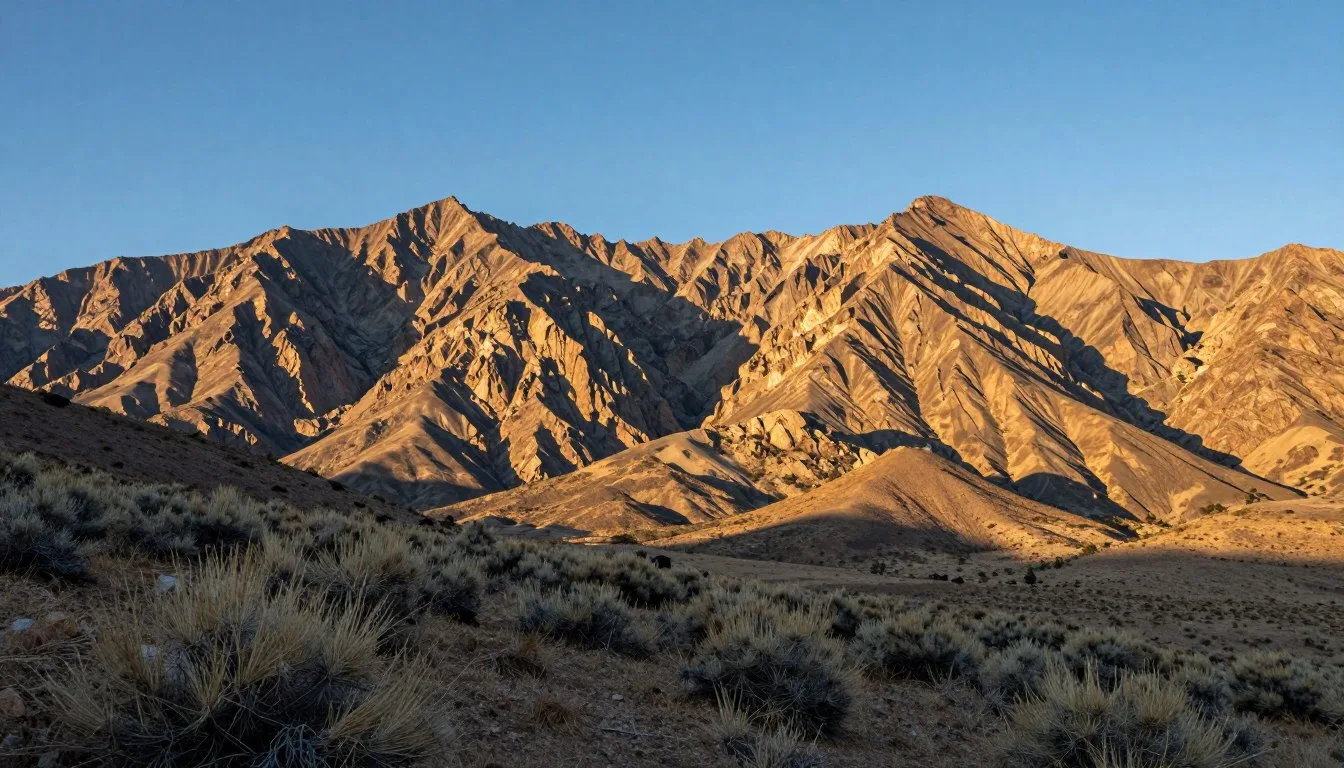
The Quinn Canyon Range rises along Railroad Valley’s western edge. This wilderness area offers rugged hiking and spectacular views.
Peaks in the Quinn Canyon Range exceed 2,900 meters (9,500 feet). These mountains create dramatic contrasts with the valley floor below.
Bureau of Land Management oversees the Quinn Canyon Wilderness. Contact their Ely District Office at 775-289-1800 for trail conditions and regulations.
Museums, Cultural Spots & Festivals

Railroad Valley itself lacks formal museums or cultural centers. Its isolation preserves natural rather than built heritage.
Regional Cultural Resources
The White Pine Public Museum in Ely showcases central Nevada history. Exhibits cover mining, railroads, and pioneer settlement.
Hours: Tuesday through Saturday, 10:00 AM to 4:00 PM. Contact: 775-289-4710 for special exhibits and programs.
Tonopah’s Central Nevada Museum interprets the region’s mining boom era. The Shell Oil Company once maintained significant operations in this area during the 1990s.
Archaeological Sites
Native American artifacts appear throughout Railroad Valley. The Western Shoshone people historically used this area for seasonal hunting and gathering.
Federal law protects all archaeological resources. Never disturb, collect, or remove artifacts. Photograph sites and report significant finds to the Bureau of Land Management.
Satellite Calibration Site
Railroad Valley hosts an important satellite calibration site used by NASA and other agencies. This facility helps validate satellite instrument accuracy.
The site takes advantage of the valley’s clear skies and minimal light pollution. Ground-based sensors provide reference measurements for orbiting satellites.
Nature & Outdoor Experiences
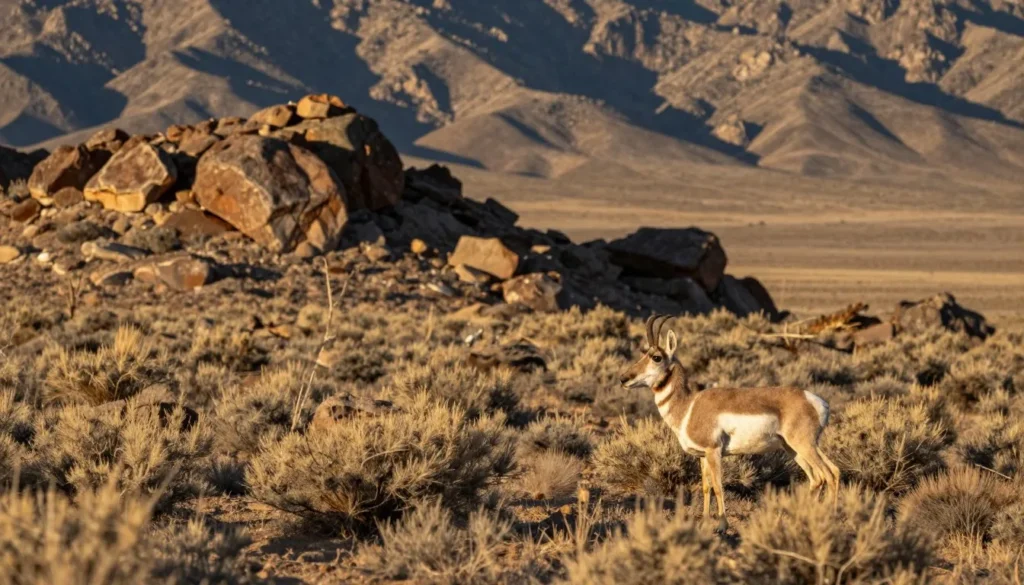
Wildlife Watching
Railroad Valley supports diverse desert wildlife despite its harsh environment. Pronghorn antelope graze across the basin during cooler hours.
Desert bighorn sheep inhabit the Quinn Canyon and Grant Canyon ranges. These sure-footed animals navigate steep terrain with remarkable agility.
Coyotes, kit foxes, and bobcats hunt throughout the valley. You’ll more likely hear coyotes howling at dusk than see them during daylight.
Bird species include golden eagles, prairie falcons, and sage grouse. Spring brings migratory songbirds passing through the Great Basin.
Stargazing Excellence
Railroad Valley’s remote location eliminates light pollution. The night sky reveals thousands of stars invisible in urban areas.
The Milky Way arches brilliantly overhead on moonless nights. Meteor showers like the Perseids in August offer spectacular displays.

Bring a star chart or astronomy app. The clear, dry air provides exceptional viewing conditions for celestial observations.
Hot Springs
Big Warm Springs and other geothermal features emerge in Railroad Valley. These natural hot springs offer relaxing soaks in remote settings.
Water temperatures vary by spring and season. Test before entering, as some springs exceed safe bathing temperatures.
Practice good hot spring etiquette. Pack out all trash and avoid using soaps or shampoos that contaminate the water.
Hiking and Exploration
Unmarked routes throughout Railroad Valley invite exploration. The basin’s open terrain allows cross-country travel in most areas.
Always carry navigation tools. GPS devices, compass, and paper maps prevent disorientation in featureless terrain.
Easy Terrain
- Playa walking on dry lakebeds
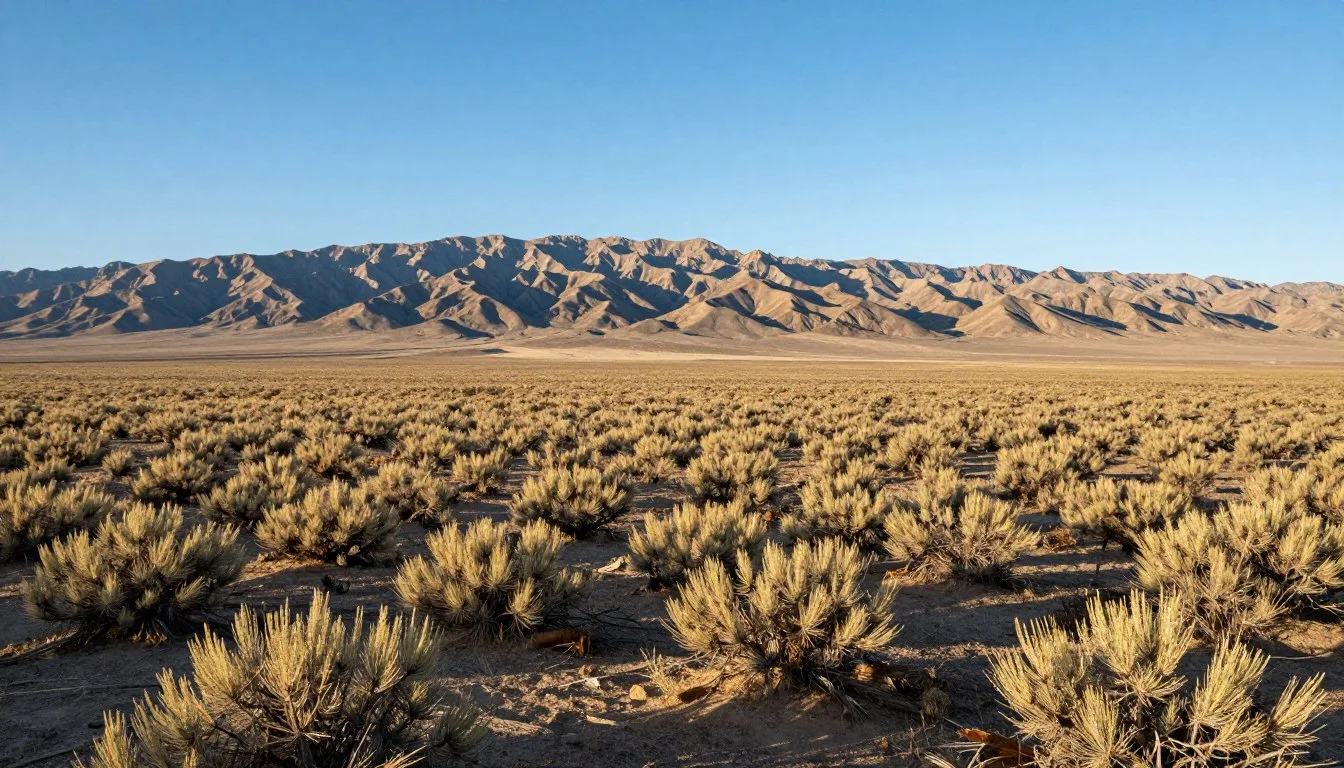
- Valley floor exploration through sagebrush
- Springs area short hikes
Challenging Routes
- Quinn Canyon Range ascents
- Grant Canyon backcountry
- Multi-day wilderness traverses
Travel With Children

Railroad Valley presents unique challenges for family travel. The remote location and limited services require extra preparation when bringing children.
Safety First
Young children need constant supervision in desert environments. Heat exposure, dehydration, and getting lost pose serious risks.
Dress children in sun-protective clothing including wide-brimmed hats. Apply and reapply sunscreen with SPF 50 or higher every two hours.
Children dehydrate faster than adults. Offer water frequently, even if they don’t feel thirsty.
Educational Opportunities
Railroad Valley offers outstanding outdoor education. Children can learn about desert ecology, geology, and adaptation to harsh environments.
Stargazing introduces astronomy concepts. The brilliant night sky makes constellations easy to identify and remember.
Wildlife tracking teaches observation skills. Finding animal prints and signs helps children connect with nature.
Keep activities age-appropriate. Shorter excursions work better for young children. Teenagers might enjoy more challenging hikes and longer exploration days.
Entertainment Ideas
Bring nature journals for children to document discoveries. Drawing landscapes, pressing flowers, and recording observations create lasting memories.
Geocaching apps work in some areas with GPS signal. This treasure-hunting activity adds adventure to exploration.
Photography projects engage older children. Challenge them to capture the valley’s diverse landscapes and natural features.
Money Saving Tips
Visiting Railroad Valley Desert Nevada can be surprisingly economical with smart planning. The valley charges no entrance fees or permits for basic access.
Free Camping
Bureau of Land Management lands allow free dispersed camping. This eliminates lodging costs entirely for properly equipped visitors.
Camping regulations require stays of 14 days or less in one location. Move your campsite if extending your visit beyond two weeks.
Fuel Efficiency
Plan efficient routes to minimize driving. Gasoline costs add up quickly when traveling hundreds of miles on desert highways.
Combine multiple destinations in one trip. Visit Railroad Valley while exploring other central Nevada attractions like Great Basin National Park.
Fill your tank in towns with competitive fuel prices. Remote gas stations along Highway 6 charge premium prices reflecting their isolation.
Food Preparation
Bring food from home rather than buying supplies in remote areas. Convenience stores near Railroad Valley stock limited selections at higher prices.
Pack camping meals that require minimal cooking. This reduces fuel consumption for camp stoves.
Timing Your Visit
Spring and fall shoulder seasons offer pleasant weather without summer’s extreme heat. This reduces cooling costs and water consumption.
Weekday visits avoid any potential crowding at nearby attractions in Ely or Tonopah. Many hotels offer better rates Sunday through Thursday.
Safety, Etiquette & Local Customs

Desert Safety Essentials
Heat exposure causes most desert emergencies. Start activities early in the day before temperatures peak.
Drink water continuously throughout the day. By the time you feel thirsty, dehydration has already begun.
Symptoms of heat exhaustion include dizziness, nausea, and excessive sweating. Move to shade immediately and cool the body with water.
Heat stroke is life-threatening. Confusion, lack of sweating despite heat, and loss of consciousness require immediate emergency response.
Wildlife Precautions
Rattlesnakes inhabit Railroad Valley. Watch where you step and place your hands when scrambling over rocks.
Most snakes flee from human approach. Give them space and never attempt to handle or provoke them.
Scorpions hide under rocks and debris. Shake out shoes and clothing before dressing each morning when camping.
Respecting Private Property
Oil field operations occupy portions of Railroad Valley. These are private industrial sites with safety hazards.
Never enter fenced areas or pass “No Trespassing” signs. Active drilling sites, tank batteries, and well pads pose dangers to unauthorized visitors.
Some mining claims remain active throughout the valley. Respect posted boundaries and avoid disturbing equipment or structures.
Unexploded ordnance may exist in some Nevada areas from historical military activities. If you encounter anything that looks like ammunition or military hardware, do not touch it. Note the location and report findings to authorities.
Leave No Trace Principles
Pack out everything you bring in. No trash collection services exist in Railroad Valley’s wilderness areas.
Bury human waste in cat holes 15 to 20 cm (6 to 8 inches) deep and at least 60 meters (200 feet) from water sources.
Minimize campfire impacts or use portable stoves instead. Desert vegetation recovers very slowly from fire damage.
Emergency Preparedness
Cell phones rarely work in Railroad Valley. Consider renting or buying a satellite communication device for emergencies.
Tell someone your itinerary before departing. Provide specific locations, expected return times, and vehicle description.
If your vehicle breaks down, stay with it. Your car provides shelter and makes you easier to locate than wandering on foot.
Visitor Comments About Railroad Valley Desert Nevada
“Railroad Valley exceeded every expectation. The silence and vastness create a meditation space unlike anywhere I’ve experienced. Watching sunrise paint the Quinn Canyon Range while completely alone felt profoundly special. Prepare thoroughly and this valley rewards you with memories that last forever.”
“Coming from a city of millions, Railroad Valley’s emptiness seemed intimidating at first. Within hours, that space became liberating. The star-filled nights and absolute quiet offered restoration I didn’t know I needed. This isn’t a comfortable vacation spot, but it delivers something much more valuable for those willing to venture beyond convenience.”
“Railroad Valley challenges you to be self-reliant and fully present. No distractions exist except the land itself. We spent three days exploring the basin, photographing wildlife, and soaking in natural hot springs. The experience stripped away modern complexity and reconnected our family with essential things: water, shelter, the rhythms of day and night.”
Additional Nearby Destinations

Great Basin National Park
Located 160 km (100 miles) northeast of Railroad Valley, Great Basin National Park protects ancient bristlecone pines and Lehman Caves.
Wheeler Peak rises to 3,982 meters (13,065 feet), offering alpine hiking just hours from Railroad Valley’s desert floor.
Park information: 775-234-7331. The park charges modest entrance fees and offers campgrounds with more developed facilities than dispersed camping.
Tonopah Historic Mining District
This authentic mining town preserves early 20th-century Nevada history. Historic buildings line Main Street, and mining ruins dot surrounding hills.
The Tonopah Historic Mining Park offers guided tours through actual mine workings. Contact: 775-482-9274 for tour schedules.
Cathedral Gorge State Park
Dramatic erosion formations create cathedral-like spires in this unique park 145 km (90 miles) east of Railroad Valley.
Hiking trails wind through narrow slot canyons. The park offers developed camping with shade structures and water access.
Basin and Range National Monument
This vast protected area encompasses parts of White Pine and Nye counties. Sharp Howerton and other remote valleys offer wilderness experiences similar to Railroad Valley.
The monument protects sensitive archaeological sites and pristine desert ecosystems. Bureau of Land Management oversees access and regulations.
Practical Travel Tips
Essential Gear Checklist
- Reliable 4WD vehicle with full-size spare tire
- Minimum 20 liters (5 gallons) water per person
- Detailed topographic maps and GPS device
- Satellite communicator or emergency beacon
- First aid kit with snake bite supplies
- Sun protection: hat, sunglasses, SPF 50 sunscreen
- Layers for temperature extremes
- Vehicle recovery equipment: shovel, tow strap
Important Contacts
- Bureau of Land Management Ely Office: 775-289-1800
- Nye County Sheriff non-emergency: 775-751-7000
- White Pine County Events: 775-289-3720
- Road conditions: 511 (Nevada Travel Info)
- Weather: NOAA Weather Radio 162.400 MHz
Quick Facts
- Elevation: approximately 1,400 m (4,600 ft)
- Length: over 80 km (50 miles)
- Annual rainfall: 15 cm (6 inches)
- Time zone: Pacific
Photography Tips
Golden hour provides the best lighting for Railroad Valley landscapes. Plan sunrise and sunset shoots when shadows add dimension to the flat basin.
Protect camera equipment from dust. Changing lenses in windy conditions invites dust onto sensors. Use sealed camera bags between locations.
Wide-angle lenses capture the valley’s expansive scale. Telephoto lenses work well for wildlife and distant mountain details.
Bring extra batteries and memory cards. The nearest camera shops are hours away in Ely or Tonopah. Cold desert nights drain batteries faster than normal.
Environmental Responsibility
Desert ecosystems are fragile. Biological soil crusts take decades to form and seconds to destroy. Stay on established tracks and durable surfaces.
Never collect rocks, plants, or artifacts. Federal laws protect natural and cultural resources on public lands. Violations carry substantial fines.
Wildlife observation requires distance. Use binoculars or telephoto lenses instead of approaching animals. Harassment of wildlife is illegal.
Location Map
Your Railroad Valley Adventure Awaits
Railroad Valley Desert Nevada stands apart from typical tourist destinations. This remote basin rewards those who venture beyond comfort zones with experiences impossible to replicate elsewhere.
The valley’s isolation becomes its greatest gift. Here, modern distractions fade away, replaced by fundamental connections to land, sky, and self.
Whether you seek solitude beneath star-filled skies, adventure across trackless desert, or simply escape from crowded places, Railroad Valley delivers. Proper preparation transforms this challenging environment into an unforgettable journey.
Pack your sense of adventure along with adequate water and supplies. Railroad Valley’s vast emptiness and untouched beauty await your discovery.
The above is subject to change.
Check back often to TRAVEL.COM for the latest travel tips and deals.