Hotels by Trip.com
Flights by Trip.com
More than two million visitors explore Red Rock Canyon National Conservation Area each year, yet most never venture beyond the scenic drive. This stunning desert landscape just 27 kilometers (17 miles) west of Las Vegas offers some of Nevada’s most spectacular hiking opportunities. Ancient rock formations tower over pristine trails where you can escape the crowds and discover hidden waterfalls.
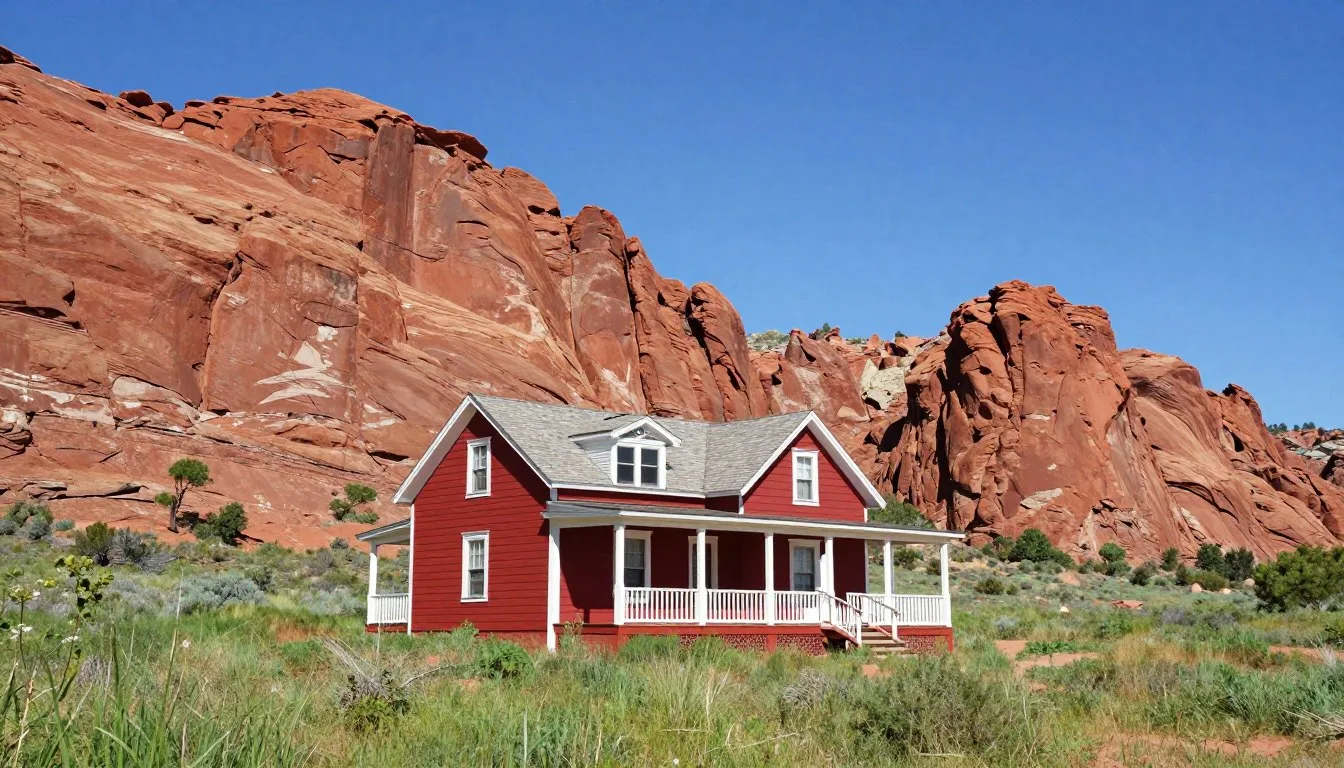
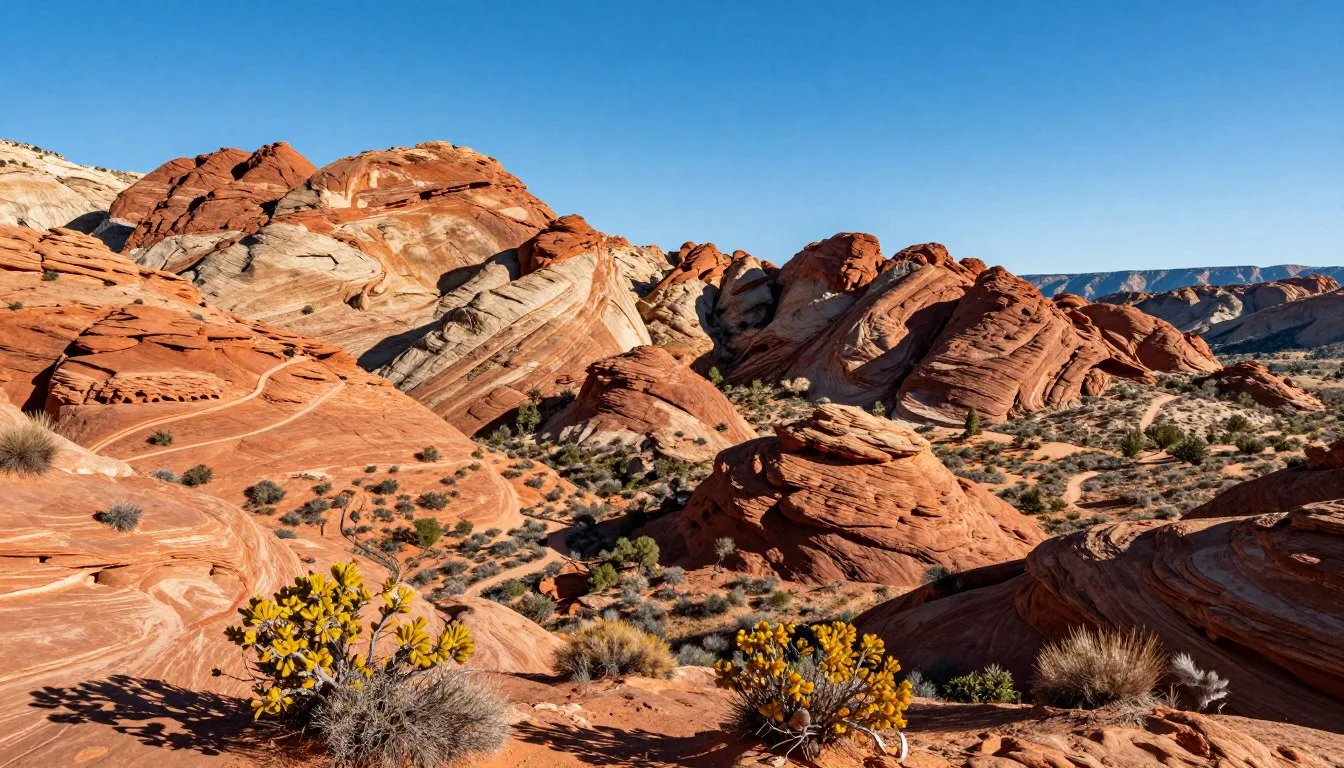
The conservation area protects over 78,000 hectares (195,819 acres) of breathtaking desert terrain. Colorful sandstone peaks rise dramatically from the Mojave Desert floor. These formations took 180 million years to create through geological processes.
Whether you seek challenging summit climbs or gentle nature walks, Red Rock Canyon delivers unforgettable outdoor experiences. This comprehensive guide helps you plan the perfect desert hiking adventure.
Getting There & Planning Your Journey
Red Rock Canyon sits conveniently close to Las Vegas, making it an ideal day trip destination. Most visitors arrive by car from the city. The main entrance lies along State Route 159, also known as the Red Rock Canyon Scenic Byway.
Harry Reid International Airport serves as the closest major airport, located approximately 32 kilometers (20 miles) from the conservation area. Many rental car companies operate from the airport. The drive typically takes 35 to 45 minutes depending on traffic conditions.
A second option is the Las Vegas Municipal Airport, though it handles fewer commercial flights. From downtown Las Vegas, head west on Charleston Boulevard. The road becomes State Route 159 as you approach the canyon area.
Important Planning Note: The Scenic Drive operates on a timed entry reservation system during peak season. Book your entry time in advance through the official reservation portal to guarantee access.
Public transportation options are limited. Some tour companies offer shuttle services from Las Vegas hotels. These organized tours include transportation and guided hiking experiences.
The Visitor Center opens daily except during major holidays. Staff members provide current trail conditions, weather updates, and safety information. Arrive early during peak season as parking fills quickly by mid-morning.
Best Time to Visit & Weather Tips

Timing your visit properly makes the difference between an enjoyable hike and a challenging ordeal. Red Rock Canyon experiences extreme temperature variations throughout the year. Understanding seasonal patterns helps you plan accordingly.
Recommended Months
Spring arrives as the prime hiking season from March through May. Temperatures range from 18°C to 27°C (65°F to 80°F) during these months. Wildflowers carpet the desert floor in brilliant colors. Trails remain comfortable for all skill levels.
Fall provides equally excellent conditions from September through November. The summer heat fades while pleasant weather returns. Temperatures mirror spring conditions, ranging from 21°C to 29°C (70°F to 85°F). Crowds thin out after Labor Day weekend.
Winter offers mild days perfect for hiking from December through February. Daytime temperatures average 10°C to 16°C (50°F to 60°F). Some trails may see occasional snow at higher elevations. Pack layers for cooler morning starts.
Months to Avoid
Summer heat from June through August creates dangerous hiking conditions. Temperatures regularly exceed 38°C (100°F) and can reach 43°C (110°F). The National Park Service restricts some trails during extreme heat. If you must visit in summer, hike only before 10 AM.
Heat Safety Warning: Desert temperatures rise rapidly after sunrise. Always check the weather forecast before your hike. Carry twice as much water as you think you need during warm months.
Weather Patterns
The Mojave Desert climate brings little rainfall throughout the year. Average annual precipitation measures just 15 centimeters (6 inches). Most rain falls during winter months. Flash floods can occur during intense storms.
Monsoon season affects the area from July through September. Afternoon thunderstorms develop quickly. Lightning poses serious danger on exposed ridges and peaks. Monitor sky conditions constantly during this period.
Wind increases during spring months. Gusts can reach 48 kilometers per hour (30 mph) or higher. Dust storms occasionally reduce visibility. Check wind forecasts before attempting exposed ridge hikes.
Notable Annual Festivals
Red Rock Canyon hosts several annual events celebrating the natural environment and outdoor recreation. These gatherings bring together conservation enthusiasts and outdoor lovers.
The Red Rock Rendezvous takes place each March. This climbing festival attracts rock climbers from across the country. Clinics, competitions, and social events fill the weekend schedule. The event supports local conservation efforts through fundraising activities.
National Public Lands Day occurs each September. Free admission and volunteer opportunities mark this nationwide celebration. Participants help with trail maintenance and habitat restoration projects. The conservation area staff leads guided nature walks.
The annual Earth Day celebration in April features educational programs and family activities. Rangers present special programs about desert ecology. Children can participate in Junior Ranger activities throughout the day.
Getting Around Locally

The 21-kilometer (13-mile) Scenic Drive provides the main route through Red Rock Canyon. This one-way loop road offers access to most trailheads and viewpoints. Personal vehicles must follow the designated direction. The entrance fee includes Scenic Drive access.
Most visitors drive their own cars through the conservation area. This offers maximum flexibility for exploring multiple trails. Parking lots at popular trailheads fill quickly on weekends. Arrive before 9 AM to secure parking spots at your preferred trail.
Bicycles are welcome on the Scenic Drive. Many cyclists enjoy the loop as a scenic ride. The route includes moderate elevation changes. Start early to avoid afternoon heat and vehicle traffic. Bike rentals are available in Las Vegas but not within the conservation area.
Some hiking trails connect directly from the Visitor Center area. These routes allow exploration without entering the Scenic Drive. The Moenkopi Loop and Grand Canyon Trail start near the main facility.
Tour companies operate guided excursions that include transportation. These trips range from half-day hiking tours to full-day climbing adventures. Guides provide equipment, knowledge, and transportation from Las Vegas hotels.
Transportation Tip: The Scenic Drive typically takes 30 to 60 minutes without stops. Plan additional time for photography, short walks, and trail hiking. Most visitors spend three to five hours in the conservation area.
Where to Stay
Red Rock Canyon itself offers only a primitive campground with limited facilities. Most visitors stay in Las Vegas and make day trips to the hiking areas. The city provides accommodation options for every budget and preference.
Nearby Camping
The Red Rock Canyon Campground operates on a first-come, first-served basis. This facility offers 71 sites suitable for tents and small RVs. Each site includes a picnic table and fire ring. Restrooms provide running water but no showers. Sites fill early during peak season.
Several Bureau of Land Management areas near the conservation area allow dispersed camping. These free sites lack facilities but offer solitude. Ensure you follow Leave No Trace principles and obtain required permits.
Las Vegas Hotels
The western side of Las Vegas sits closest to Red Rock Canyon. Hotels near Summerlin and the western suburbs reduce drive time. Many properties offer outdoor enthusiast amenities like gear storage and early breakfast options.
Budget travelers find numerous chain hotels along the main corridors. These properties provide clean, comfortable rooms at reasonable rates. Mid-range options include suite hotels with kitchenettes for preparing trail snacks.
Luxury resorts on the Las Vegas Strip sit farther from the canyon but offer premium amenities. These properties work well if you plan to combine hiking with evening entertainment. The additional 20-minute drive is manageable.
Camping Considerations
- No reservations accepted for campground
- Limited facilities and no hookups
- Popular during spring and fall weekends
- Maximum stay of 14 consecutive days
- Campfire restrictions during dry periods
Hotel Benefits
- Full amenities and services available
- Climate-controlled comfortable rooms
- Restaurant and dining options nearby
- Flexibility for weather changes
- Evening entertainment options in Las Vegas
Dining & Local Cuisine
No dining facilities operate within Red Rock Canyon National Conservation Area. Visitors must pack all food and snacks for their hiking day. The nearest restaurants sit in western Las Vegas, approximately 16 kilometers (10 miles) from the entrance.
Plan to bring a cooler with lunch, snacks, and plenty of water. Most trailheads lack shade structures for meal breaks. Consider foods that withstand desert heat without refrigeration. Trail mix, energy bars, fresh fruit, and sandwiches work well.
The Visitor Center operates a small gift shop selling limited snacks and bottled water. Prices exceed typical retail rates. Stock up on supplies before leaving Las Vegas. Numerous grocery stores and convenience stores line Charleston Boulevard on your route to the canyon.
Nearby Dining Options
The Summerlin area of Las Vegas offers diverse dining choices within 20 minutes of Red Rock Canyon. Fast food chains, casual restaurants, and upscale dining establishments serve the neighborhood. Many restaurants open early for breakfast before hiking trips.
Several cafes near the canyon specialize in quick breakfast and coffee service. These spots cater to outdoor enthusiasts heading to the trails. Grab-and-go options let you fuel up without delays.
Las Vegas restaurants represent cuisines from around the world. After a day of hiking, you can enjoy everything from classic American steakhouses to authentic international flavors. The Strip resorts host celebrity chef restaurants for special occasions.
Hydration Reminder: Desert hiking demands significantly more water than typical trail conditions. Bring at least 2 liters (64 ounces) per person for short hikes. Longer trails require 3 to 4 liters (100 to 135 ounces) per person.
Attractions, Sightseeing & Activities
Red Rock Canyon offers far more than just hiking trails. The conservation area attracts visitors for various outdoor pursuits and natural attractions. Each activity showcases the unique desert landscape from different perspectives.
Scenic Drive Viewpoints
Thirteen designated pullouts along the Scenic Drive offer spectacular photography opportunities. Each viewpoint provides different angles of the Keystone Thrust Fault and surrounding formations. Interpretive signs explain the geological features visible from each stop.
The High Point Overlook sits at the highest elevation along the route. From here, you can see the entire Las Vegas Valley spread below. Visit during sunset for stunning color displays across the rock formations.
Rock Climbing
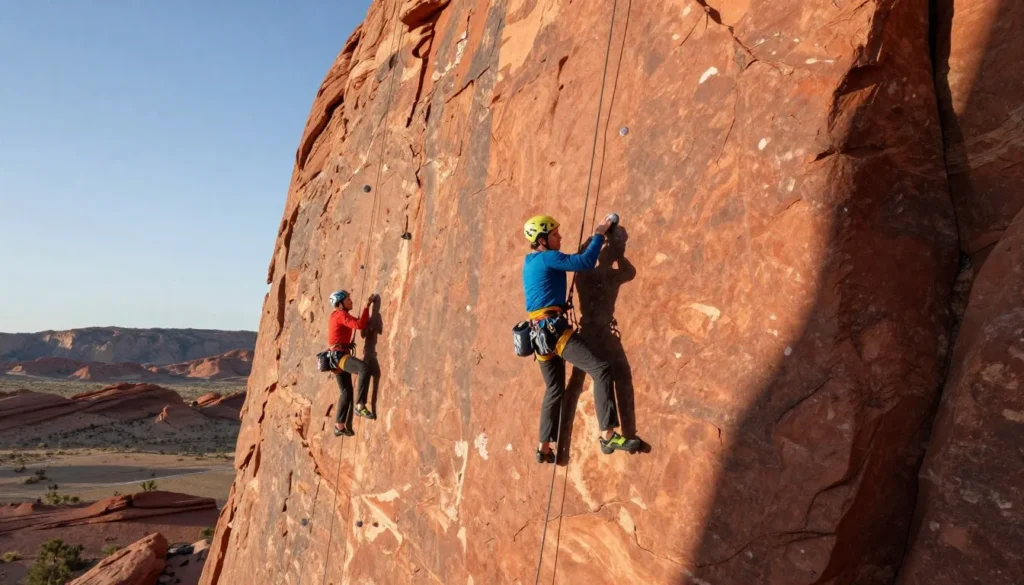
Red Rock Canyon ranks among America’s premier rock climbing destinations. Over 2,000 established routes challenge climbers of all abilities. The sandstone provides excellent friction and varied features. Many routes require traditional gear placement rather than fixed bolts.
Popular climbing areas include Calico Hills, Black Velvet Canyon, and the Sandstone Quarry. Routes range from beginner-friendly slabs to advanced multi-pitch adventures. The Red Rock climbing guidebook provides comprehensive route information.
Several guide services offer instruction and guided climbing trips. These professionals know the best routes for various skill levels. They provide all necessary equipment and safety training.
Wildlife Watching
The conservation area protects diverse desert wildlife. Early morning and late afternoon offer the best chances for animal sightings. Bring binoculars to spot distant creatures without disturbing them.
Bighorn sheep live among the rocky terrain. These magnificent animals often appear near water sources. Patient observers may spot them traversing steep cliff faces. Desert tortoises inhabit lower elevations, though sightings remain rare.
Over 100 bird species visit or reside in the area throughout the year. Red-tailed hawks soar on thermal currents above the cliffs. Roadrunners dash across open terrain. Ravens and crows frequent popular areas.
Photography Opportunities
Photographers find endless subjects throughout Red Rock Canyon. The colorful rock formations provide dramatic backdrops. Sunrise and sunset paint the cliffs in brilliant oranges and reds. Wildflower blooms in spring add vibrant foreground elements.
Popular photography locations include Calico Hills, Red Rock Overlook, and the Sandstone Quarry. Each site offers unique compositions and lighting conditions. Consider visiting the same location at different times to capture varying light quality.
Museums, Cultural Spots & Festivals
The Red Rock Canyon Visitor Center serves as the primary cultural and educational facility. Interactive exhibits explain the area’s geology, ecology, and human history. A short orientation film introduces first-time visitors to the conservation area.
Displays showcase the indigenous peoples who inhabited this region for thousands of years. The Southern Paiute people left petroglyphs and artifacts throughout the canyons. Several rock art sites remain accessible, though exact locations are protected.
Rangers present regular interpretive programs covering various topics. These free talks discuss desert ecology, wildlife, geology, and cultural history. Check the visitor center schedule for current program times. Evening programs occur during summer months when temperatures become more comfortable.
The Spring Mountain Ranch State Park sits adjacent to Red Rock Canyon. This historic ranch preserves structures from the 1860s through the 20th century. Guided tours explain the ranch’s role in regional history. The site hosts outdoor theater performances during summer months.
Cultural Note: Many areas within Red Rock Canyon hold cultural significance to indigenous peoples. Respect all archaeological sites and rock art. Never touch or remove artifacts. Report any disturbances to ranger staff.
Nature & Outdoor Experiences
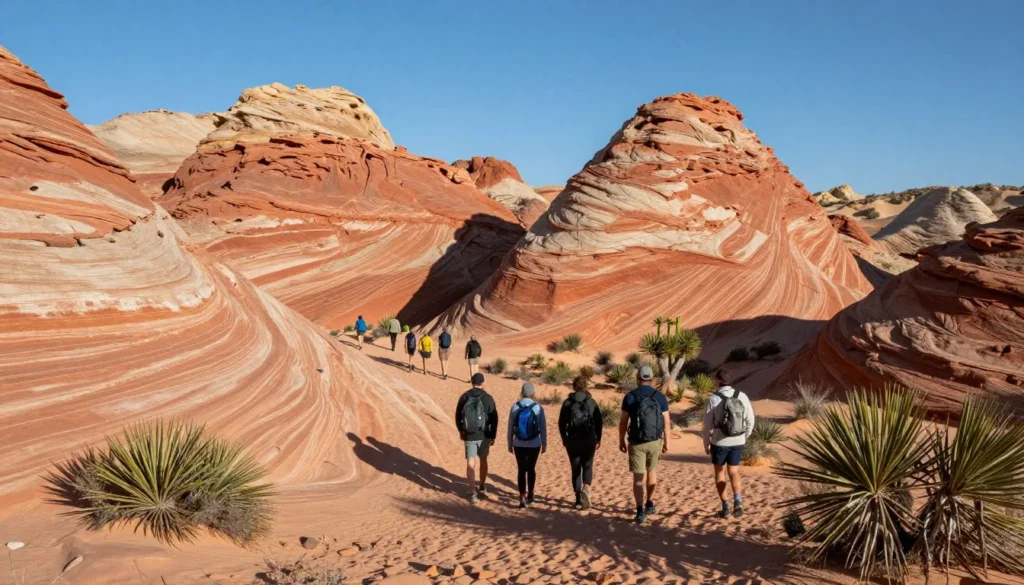
Hiking remains the most popular activity at Red Rock Canyon National Conservation Area. Over 30 marked trails explore the diverse landscape. Routes range from easy nature walks to strenuous mountain climbs. Each trail reveals different aspects of the desert environment.
Easy Trails
The Moenkopi Loop measures 3.5 kilometers (2.2 miles) with minimal elevation change. This trail starts from the Visitor Center and circles through typical Mojave Desert habitat. Interpretive signs identify common plants and geological features. The route takes about one hour to complete.
Lost Creek Canyon offers a gentle 1.2-kilometer (0.75-mile) walk to a seasonal waterfall. The trail follows a sandy wash before entering a narrow canyon. Water flows only after significant rainfall. Even when dry, the canyon walls provide dramatic scenery.
Moderate Trails
Calico Tanks ranks among the most popular moderate hikes. This 4-kilometer (2.5-mile) round trip climbs through colorful sandstone formations. The trail includes some scrambling over rock sections. Natural water-collecting tanks near the end sometimes hold water. The route takes two to three hours and offers excellent views of Las Vegas.
Ice Box Canyon features a 4.2-kilometer (2.6-mile) round trip into a cool, shaded canyon. The trail follows the canyon floor between towering walls. A seasonal waterfall marks the end of the maintained path. This hike provides welcome relief during warmer months. Allow two to three hours for the round trip.
Challenging Trails
Turtlehead Peak presents a strenuous 8-kilometer (5-mile) round trip with 610 meters (2,000 feet) of elevation gain. This demanding climb rewards hikers with panoramic summit views. The route follows a steep, exposed ridgeline. Strong physical fitness and proper acclimatization are essential. Plan four to five hours for this hike.
The Bridge Mountain Loop covers 21 kilometers (13 miles) with significant elevation changes. This full-day adventure explores remote terrain beyond the popular areas. The loop passes through varied environments from desert floor to pine-covered slopes. Only experienced desert hikers should attempt this route.
Valley of Fire Connection
Though not directly connected to Red Rock Canyon, Valley of Fire State Park lies 88 kilometers (55 miles) northeast. This park showcases even more dramatic red sandstone formations. The area takes its name from the brilliant red rock that appears to be on fire when reflecting sunlight. Multiple trails explore petroglyphs, arches, and unique geological features.
Popular Day Hikes
- Calico Tanks – colorful rock formations
- Ice Box Canyon – shaded canyon walk
- Pine Creek Canyon – seasonal waterfall
- White Rock Loop – panoramic views
- First Creek Canyon – varied terrain
- Oak Creek Canyon – spring wildflowers
Trail Difficulty Factors
- Temperature and sun exposure
- Elevation gain and loss
- Trail surface conditions
- Route-finding requirements
- Water availability (usually none)
- Physical fitness required

Seasonal Highlights
Spring brings the most dramatic changes to the desert landscape. Wildflowers bloom throughout the conservation area from late February through April. The timing depends on winter rainfall patterns. Lupines, desert marigolds, and Indian paintbrush create colorful displays.
Summer monsoon storms transform dry washes into temporary streams. These brief water flows support unique desert life. However, flash flood danger makes canyon exploration risky during storm periods. Always check weather forecasts before entering narrow canyons.
Fall migration brings various bird species through the area. Cooler temperatures make wildlife more active during daylight hours. The comfortable weather conditions attract more visitors, so arrive early for parking.
Winter occasionally brings snow to higher elevations. The contrast of white snow against red rock creates stunning photography opportunities. Trails may become icy in shaded areas. Bring appropriate footwear for changing conditions.
Travel With Children

Red Rock Canyon welcomes families with children of all ages. The area offers numerous opportunities for introducing young people to desert environments. Proper planning ensures a safe and enjoyable experience for the entire family.
Family-Friendly Trails
The Moenkopi Loop provides an excellent introduction for young hikers. The flat, well-marked path presents minimal challenges. Children can complete the route in about one hour with stops for exploration. The trail passes interesting rock formations and desert plants.
Lost Creek Canyon attracts families with its canyon setting. The short distance makes it manageable for smaller legs. Children enjoy exploring the narrow canyon walls. Scrambling over small rocks adds adventure without serious difficulty.
The Children’s Discovery Trail at the Visitor Center offers an easy option for very young children. This short path features kid-friendly signs and interactive elements. The quarter-mile loop takes about 20 minutes and helps children learn about desert ecology.
Junior Ranger Program
The Red Rock Canyon Junior Ranger program engages children in learning about the conservation area. Kids complete activity booklets while exploring trails and exhibits. Rangers review finished booklets and award official Junior Ranger badges. The program is free and appropriate for ages five through twelve.
Safety Considerations
Children require extra attention in the desert environment. The combination of heat, sun exposure, and rough terrain creates challenges. Pack extra water beyond what adults typically need. Children dehydrate more quickly than adults.
Sun protection becomes critical for young skin. Apply high-SPF sunscreen frequently throughout the day. Wide-brimmed hats and UV-protective clothing provide additional defense. Seek shade during rest breaks.
Watch children carefully near cliff edges and steep drop-offs. Many trails include exposure to significant heights. Hold young children’s hands in dangerous areas. Explain hazards clearly to older kids.
Family Safety Tip: Choose trails appropriate for your least capable family member. Turn back before children become overtired. Desert rescue situations are extremely serious. Better to complete a short hike successfully than push too far.
Educational Opportunities
The desert environment provides countless teaching moments. Help children identify different rock types and formations. Point out animal tracks in sandy areas. Discuss how plants and animals survive in harsh conditions.
Bring a simple field guide to desert plants and animals. Children enjoy looking up species they encounter. This activity keeps them engaged during rest stops. Photography with smartphones or cameras documents discoveries.
The night sky at Red Rock Canyon displays incredible stars away from city lights. Evening programs at the campground sometimes include astronomy talks. Stargazing creates memorable family experiences.
Money Saving Tips
Red Rock Canyon offers relatively affordable outdoor recreation compared to many national parks. With planning, families can enjoy a full day of hiking for minimal cost. These strategies help stretch your travel budget.
Entrance Fees
The per-vehicle entrance fee costs $15 and remains valid for seven consecutive days. This price covers everyone in a personal vehicle. Motorcycles pay $10. Individual pedestrians or cyclists pay $5 each. An annual pass for Red Rock Canyon costs $30 and makes sense for multiple visits.
Federal recreation passes provide additional savings for eligible visitors. The America the Beautiful Annual Pass costs $80 and grants access to all federal recreation sites nationwide. Senior passes for U.S. citizens age 62 and older cost only $20 for a lifetime pass. Military members receive free annual passes.
Free Activities
Hiking requires no fees beyond the entrance charge. All trails remain free to explore. The Visitor Center exhibits and orientation film cost nothing extra. Ranger programs and guided walks are complimentary.
Bring your own lunch and snacks rather than purchasing them at marked-up prices. A cooler packed with food and drinks saves money. Refill water bottles at the Visitor Center instead of buying bottled water.
Camping Savings
The campground charges $15 per night, significantly less than hotel rates. This option works well for multi-day visits. The fee covers your camping spot and entrance to the conservation area. Bring your own camping equipment to avoid rental fees.
Dispersed camping on nearby Bureau of Land Management lands costs nothing. These primitive sites lack facilities but offer free overnight options. Obtain current information about legal dispersed camping areas from the Visitor Center.
Las Vegas Deals
If staying in Las Vegas, compare hotel rates carefully. Midweek rates often run significantly lower than weekend prices. Hotels frequently offer package deals including parking and breakfast. Book directly with hotels for best rate guarantees.
Grocery stores in Las Vegas sell supplies at regular retail prices. Stock up before heading to the canyon. Bring reusable water bottles rather than buying disposable bottles repeatedly. A gallon jug of water costs less than multiple small bottles.
Free or Low-Cost Options
- All hiking trails included with entry
- Visitor Center exhibits and programs
- Scenic Drive photography stops
- Junior Ranger program activities
- Wildlife watching opportunities
- Self-guided exploration
Cost-Saving Strategies
- Purchase annual pass for multiple visits
- Pack food and refill water bottles
- Camp instead of hotel stays
- Visit during shoulder season
- Bring own hiking equipment
- Share rides with other travelers
Safety, Etiquette & Local Customs

Desert hiking presents unique challenges requiring specific safety knowledge. Understanding local etiquette protects both visitors and the fragile environment. Following these guidelines ensures everyone enjoys a safe experience.
Essential Safety Practices
Water remains your most critical safety item. The desert heat and low humidity cause rapid dehydration. Carry at least one liter per hour of hiking during warm months. Drink before you feel thirsty to maintain proper hydration.
Weather changes occur rapidly in the desert. Morning sunshine can give way to afternoon thunderstorms. Lightning strikes present serious danger on exposed ridges. Descend immediately if you hear thunder or see lightning. Avoid narrow canyons during monsoon season due to flash flood risk.
Navigation skills prove essential on less-traveled routes. Many trails show minimal marking in rocky terrain. Download offline maps before your visit since cell service is unreliable. Carry a paper map and compass as backup navigation tools.
Inform someone of your hiking plans before departing. Provide specific trail names and expected return times. This information helps rescue teams if you fail to return as planned. Leave a note on your dashboard with your destination and timeline.
Emergency Contact: In case of emergency, dial 911. Cell service is limited but available in some areas. The nearest emergency services respond from Las Vegas.
Red Rock Canyon Emergency Ranger Contact
Wildlife Safety
Rattlesnakes inhabit the entire area and become active during warmer months. Watch where you place hands and feet, especially around rocks and vegetation. Give snakes space if you encounter them. They strike only when threatened or cornered.
Other desert wildlife generally avoids humans. Mountain lions live in the area but sightings are extremely rare. Never approach or feed any wild animals. Store food properly to avoid attracting creatures to campsites.
Leave No Trace Principles
The fragile desert environment requires careful protection. Pack out everything you pack in, including trash and toilet paper. Bury human waste at least 60 meters (200 feet) from water sources and trails. Use existing trails rather than creating new paths.
Resist the temptation to collect rocks, plants, or artifacts. Federal law protects all natural and cultural resources. Leave flowers for others to enjoy. Take only photographs and memories.
Cryptobiotic soil forms the dark, crusty patches across the desert floor. This living soil crust takes decades to develop but crushes easily under foot traffic. Walk on rocks, established trails, or sandy washes to preserve this fragile resource.
Trail Etiquette
Uphill hikers have the right of way on narrow trails. Step aside to let faster hikers pass when safe to do so. Keep noise levels reasonable to preserve the natural quiet. Avoid playing music that disturbs others or wildlife.
Dogs are allowed on trails but must remain on leashes at all times. Bring bags to pack out pet waste. Consider whether your dog can handle the heat and rough terrain before bringing them along.
Climbing areas follow specific etiquette rules. Climbers currently on routes have priority. Inspect fixed anchors before use. Pack out all climbing tape and trash. Join the local climbing community’s conservation efforts.
Cultural Respect
Archaeological sites throughout the area represent thousands of years of human history. Never touch rock art or remove artifacts. Photography is permitted but respect the sacred nature of these locations. Report vandalism or disturbances to ranger staff.
Some areas hold spiritual significance to indigenous peoples. Treat all locations with appropriate respect. Follow posted closures that protect sensitive sites. Your consideration helps preserve cultural heritage for future generations.
Visitor Comments About Red Rock Canyon
“The hiking trails exceeded all our expectations. We completed Calico Tanks in the morning before the heat set in. The views from the top were absolutely spectacular. The colorful rock formations photograph beautifully during morning light. Our family will definitely return to explore more trails next time.”
“Ice Box Canyon provided welcome shade during our spring visit. The narrow canyon walls create a completely different environment from the open desert. We saw multiple lizard species and several bird varieties. The seasonal waterfall wasn’t flowing but the canyon scenery made the hike worthwhile. Definitely arrive early for parking.”
“Our teenagers loved the challenging summit hike to Turtlehead Peak. The elevation gain tested our fitness but the panoramic views made every step worthwhile. We could see all of Las Vegas spread below us. The Visitor Center staff provided excellent advice about current trail conditions. Bring plenty of water for this demanding route.”
Additional Nearby Destinations

Red Rock Canyon’s location provides easy access to other remarkable desert attractions. These nearby destinations complement your hiking adventure with different experiences. Most sites lie within a two-hour drive.
Valley of Fire State Park
Located 88 kilometers (55 miles) northeast, Valley of Fire showcases brilliant red Aztec sandstone formations. The park name comes from the intense color that appears to glow like fire. Multiple trails explore arches, petroglyphs, and unique geological features. The drive takes approximately one hour from Red Rock Canyon.
Popular attractions include Fire Wave, White Domes, and Atlatl Rock petroglyphs. The park offers camping facilities and a visitor center. Entrance fees are separate from Red Rock Canyon admission. Plan a full day to explore the highlights.
Spring Mountain Ranch State Park
This historic ranch sits adjacent to Red Rock Canyon. The property preserves structures and landscapes from Nevada’s ranching history. Guided tours explain the site’s evolution from the 1860s through the 20th century. Shaded picnic areas provide relief from desert heat.
The ranch hosts outdoor theater performances during summer months. These Super Summer Theatre productions take place against dramatic red rock backdrops. Combine a morning hike at Red Rock with an evening show at the ranch.
Death Valley National Park
America’s largest national park lies 193 kilometers (120 miles) west of Red Rock Canyon. Death Valley contains the lowest elevation in North America at Badwater Basin. The extreme landscape includes salt flats, sand dunes, and colorful badlands. Winter and spring provide the best visiting conditions.
The drive to Death Valley takes approximately two and a half hours. Plan at least a full day or overnight visit to explore the park adequately. Summer temperatures regularly exceed 49°C (120°F), making summer visits dangerous.
Lake Mead National Recreation Area
Lake Mead sits 48 kilometers (30 miles) east of Red Rock Canyon. The reservoir formed behind Hoover Dam provides water recreation opportunities. Boating, swimming, and fishing attract visitors year-round. Several trails explore the desert landscape surrounding the lake.
Hoover Dam tours offer engineering and history lessons. The dam stands as an impressive feat of Depression-era construction. Visitor centers on both the Nevada and Arizona sides provide exhibits and guided tours.
Mount Charleston
The Spring Mountains rise northwest of Red Rock Canyon. Mount Charleston’s elevation creates a dramatically different environment. Pine and aspen forests cover the mountain slopes. Summer temperatures remain 15°C to 20°C (30°F to 35°F) cooler than the Las Vegas valley.
Multiple trails explore alpine environments rarely found in Nevada. The area offers skiing and snowboarding during winter months. The scenic drive to Mount Charleston takes 75 minutes from Red Rock Canyon.
Day Trip Options
- Valley of Fire State Park petroglyphs
- Spring Mountain Ranch historic tours
- Lake Mead water recreation
- Hoover Dam engineering marvel
- Mount Charleston alpine hiking
- Las Vegas Strip entertainment
Overnight Adventures
- Death Valley unique landscapes
- Grand Canyon North Rim scenery
- Zion National Park slot canyons
- Great Basin National Park caves
- Joshua Tree National Park desert
- Bryce Canyon hoodoo formations
Practical Travel Tips
These final practical considerations help ensure your Red Rock Canyon visit goes smoothly. Small details make significant differences in desert environments. Advance preparation prevents common problems.
Packing Essentials
Every hiker should carry the Ten Essentials regardless of trail length. These items include navigation tools, sun protection, insulation layers, illumination, first aid supplies, fire starter, repair kit, nutrition, hydration, and emergency shelter. Desert conditions make these items even more critical than in other environments.
A day pack should hold all your essentials comfortably. Choose a pack with a hip belt to transfer weight from your shoulders. Side pockets allow easy access to water bottles. Many hikers use hydration bladders for hands-free drinking.
Footwear makes or breaks your hiking experience. Sturdy hiking boots provide ankle support on rocky terrain. Trail runners work well for fit hikers on moderate trails. Break in new footwear before your trip to prevent blisters. Bring moleskin or blister treatment supplies.
Best Photography Times
The hour after sunrise and before sunset provide ideal lighting for photography. The low sun angle creates dramatic shadows across rock formations. Colors appear more saturated during these golden hours. Arrive at viewpoints early to set up before optimal light.
Midday harsh light washes out colors and creates unflattering shadows. Use this time for hiking rather than photography. Consider carrying a polarizing filter to reduce glare and enhance colors. A basic camera or smartphone captures excellent images with proper lighting.
Cell Service and Communication
Cell phone coverage remains spotty throughout most of the conservation area. The Visitor Center and Scenic Drive have limited service from some carriers. Trails deeper into the canyons typically have no signal. Download maps and information before arrival.
Emergency communication devices provide peace of mind in backcountry areas. Personal locator beacons and satellite messengers work anywhere. These devices cost more but ensure you can call for help if needed.
Seasonal Crowds
Spring weekends attract the largest crowds to Red Rock Canyon. Parking lots fill completely by mid-morning. Arrive before 8 AM or wait until after 2 PM for better parking availability. Fall weekends see similar congestion though slightly lighter than spring.
Weekdays offer more solitude even during peak season. You’ll encounter fewer people on trails and have easier parking. Summer visits guarantee small crowds but dangerous heat. Winter weekdays provide the most peaceful experience.
Accessibility Information
The Visitor Center features full wheelchair accessibility. Accessible parking spaces sit near the entrance. Interior exhibits accommodate mobility devices. Accessible restrooms serve visitors with disabilities.
Limited trail accessibility exists within the conservation area. The Moenkopi Loop includes a short accessible section near the Visitor Center. Most trails feature rough, uneven terrain unsuitable for wheelchairs. Contact the Visitor Center for current accessibility information.
Final Planning Tip: Check the official conservation area website or call the Visitor Center before your trip. Current conditions, temporary closures, and weather updates help you plan appropriately. Staff members answer questions and provide personalized advice.
Red Rock Canyon Visitor Center – Current Conditions & Information
Your Red Rock Adventure Awaits
Red Rock Canyon National Conservation Area stands as one of Nevada’s most accessible yet spectacular natural treasures. The dramatic sandstone formations, diverse hiking trails, and unique desert ecosystem create unforgettable experiences just minutes from Las Vegas. Whether you seek challenging summit climbs or peaceful nature walks, these colorful canyons deliver adventure for every ability level.
The conservation area welcomes over two million visitors annually, yet vast sections remain quiet and pristine. Early morning starts reward you with solitude among the towering cliffs. Proper preparation transforms a simple day hike into a safe, memorable journey through ancient geological wonders.
Pack your water, lace your boots, and discover why Red Rock Canyon captivates everyone who explores its trails. The desert landscape awaits your footsteps.