Hotels by Trip.com
Flights by Trip.com
Did you know Red Rock Canyon’s stunning red and orange sandstone formations are over 180 million years old, predating even the dinosaurs? This natural wonder sits just 27 km (17 miles) west of the Las Vegas Strip, yet feels worlds away from the city’s neon lights.
The Red Rock Canyon National Conservation Area spans 78,934 hectares (195,000 acres) of Mojave Desert wilderness. Each year, more than two million people drive the scenic loop to witness towering cliffs that reach heights of 914 m (3,000 ft).
This complete travel guide reveals everything you need to know about visiting Red Rock Canyon Scenic Drive Nevada. You’ll discover the best viewpoints, hidden hiking trails, and practical tips that make your journey unforgettable.
Getting There & Planning Your Journey
Red Rock Canyon sits conveniently close to Las Vegas, making it accessible for both day trips and extended desert explorations. The main entrance lies on State Route 159, also known as Charleston Boulevard.
The closest major airport is Harry Reid International Airport in Las Vegas, located approximately 32 km (20 miles) from the conservation area. Most visitors rent a car at the airport for the easiest access to Red Rock Canyon.
From downtown Las Vegas, drive west on Charleston Boulevard for about 30-40 minutes. The road transitions from urban sprawl to stunning desert landscape. You’ll pass through the community of Blue Diamond before reaching the Red Rock Canyon Visitor Center.
Important: Red Rock Canyon requires a timed entry reservation system. The conservation area uses a permit system to manage visitor numbers and protect the desert environment.
The scenic drive entrance requires an entry fee. Currently, the cost is $15 per vehicle or $10 per motorcycle. Annual passes are available for frequent visitors. These fees support conservation efforts and facility maintenance throughout the area.
Plan to arrive early, especially during peak season from October through May. The parking areas fill quickly at popular trailheads. Morning light also provides the best conditions for photography and cooler temperatures for hiking.
Red Rock Canyon Visitor Center
Red Rock Canyon National Conservation Area Location
Best Time to Visit & Weather Tips
Best Time to Visit Red Rock Canyon
The ideal months for visiting Red Rock Canyon run from October through May. During these cooler months, daytime temperatures range from 15°C to 24°C (59°F to 75°F), perfect for hiking and outdoor activities.
Spring (March through May) brings wildflower blooms that paint the desert landscape with vibrant colors. The red rock formations create stunning contrasts against yellow brittlebush and purple lupine flowers.
Fall (October through November) offers comfortable temperatures and clear skies. The lower visitor numbers compared to spring make this season ideal for those seeking a quieter experience.
Avoid Summer Months: June through August brings extreme heat with temperatures exceeding 38°C (100°F). The desert floor becomes dangerous for hiking during midday hours. If you must visit in summer, plan all outdoor activities before 10 AM.
Winter (December through February) can be surprisingly cold, especially during early morning hours. Temperatures may drop to near freezing at night. However, sunny winter days provide excellent conditions for the scenic drive and shorter hikes.
The Mojave Desert climate means low humidity year-round. Sudden weather changes can occur, including rare thunderstorms that create temporary waterfalls on the rock faces. Always check weather forecasts before your visit.

Notable Annual Festivals
The Red Rock Canyon area hosts several events throughout the year that celebrate the natural environment and outdoor recreation.
Red Rock Rendezvous (March): This climbing festival brings together rock climbing enthusiasts from around the world. The event features clinics, competitions, and guided climbs suitable for various skill levels. Contact the Southern Nevada Climbers Coalition for details.
Red Rock Rendezvous Information
First Fridays Conservation Lectures (Monthly): The Red Rock Canyon Interpretive Association hosts educational programs about desert ecology, geology, and wildlife. These free evening presentations take place at the visitor center.
Astronomy Nights (Various Dates): The conservation area’s dark skies make it perfect for stargazing events. Rangers and astronomy clubs set up telescopes for public viewing sessions. These typically occur during new moon phases.
Getting Around Locally
The main attraction is the 21 km (13-mile) one-way scenic drive loop. This paved road winds through the most spectacular rock formations. The drive takes approximately 30-45 minutes without stops, but plan for 2-3 hours to fully appreciate the viewpoints.
Personal vehicles are the primary transportation method. No public transportation serves the conservation area directly. Some Las Vegas tour companies offer shuttle services, but having your own vehicle provides the most flexibility.
Bicycles are welcome on the scenic drive road. Many cyclists enjoy the loop during early morning hours before vehicle traffic increases. The road includes some elevation changes but remains manageable for recreational riders.
The scenic drive operates on a one-way traffic system. This design improves safety and allows easier access to pullouts and parking areas. Several designated overlooks provide safe stopping points with parking spaces.
Electric vehicle charging stations are not available within the conservation area. Visitors with electric cars should charge fully before arriving. The nearest charging stations are in the Las Vegas metropolitan area.
All hiking trails begin from parking areas along the scenic drive or near the visitor center. Trail distances vary from short 0.8 km (0.5 mile) nature walks to challenging 11 km (7 mile) backcountry routes.
Where to Stay
Red Rock Canyon National Conservation Area offers limited camping but no hotels or lodges within its boundaries. Most visitors stay in Las Vegas and make day trips to the canyon.
Camping Options
Red Rock Canyon Campground sits at the base of the canyon near the scenic drive entrance. This facility offers 71 campsites suitable for tents and RVs up to 12 m (40 ft) long.
Campground amenities include restrooms, drinking water, and picnic tables. Each site has a fire ring and grill. The campground operates on a first-come, first-served basis from October through May. Advance reservations are available during peak season.

Nightly camping fees are $15 per site. Group sites accommodate larger parties. The maximum stay is 14 consecutive days. The campground tends to fill early on weekends, especially during pleasant weather from March through May.
Nearby Accommodations
The town of Blue Diamond, located 8 km (5 miles) from the visitor center, offers limited lodging. This small community provides a quiet alternative to Las Vegas hotels.
Las Vegas Strip hotels sit approximately 32 km (20 miles) from Red Rock Canyon. The city offers countless accommodation options ranging from budget motels to luxury resorts. The western suburbs of Summerlin and Spring Valley provide closer access with shorter drive times.
Several all-suite hotels near Red Rock Resort Casino in Summerlin cater specifically to outdoor enthusiasts visiting the canyon. These properties are located about 16 km (10 miles) from the conservation area entrance.
Dining & Local Cuisine
No restaurants or food services operate within Red Rock Canyon National Conservation Area. Visitors must bring their own food and water or dine in nearby communities.
The visitor center has vending machines offering limited snacks and beverages. A small bookstore sells trail mix, energy bars, and bottled water. These supplies often sell out during busy periods, so come prepared.
Important: Bring plenty of water for your visit. The desert environment causes rapid dehydration. Plan for at least 1 liter per person per hour of outdoor activity. No water sources exist along trails or the scenic drive.
Blue Diamond village, the nearest community, has one restaurant and a general store. The restaurant serves American fare including burgers, sandwiches, and breakfast items. The small market stocks basic groceries and picnic supplies.
Las Vegas offers every dining option imaginable, from food courts to celebrity chef restaurants. Many visitors pack picnic lunches from Las Vegas grocery stores before heading to Red Rock Canyon.
Picnic areas with tables and shade structures are located near the visitor center and at Willow Spring. These designated areas provide the only approved locations for eating within the conservation area. All trash must be packed out to preserve the pristine environment.
Several Las Vegas establishments near the west side of the city serve hearty breakfasts perfect for fueling up before a day at Red Rock Canyon. The Summerlin area has numerous cafes and restaurants within 20 minutes of the scenic drive entrance.
Attractions, Sightseeing & Activities
Red Rock Canyon offers diverse activities for every interest level, from casual sightseers to serious adventurers. The combination of accessible viewpoints and challenging terrain accommodates all visitor types.
The Scenic Drive
The 21 km (13-mile) scenic drive loop serves as the main attraction. This paved route provides access to major viewpoints, trailheads, and picnic areas. Numerous pullouts allow safe stopping for photographs and wildlife observation.
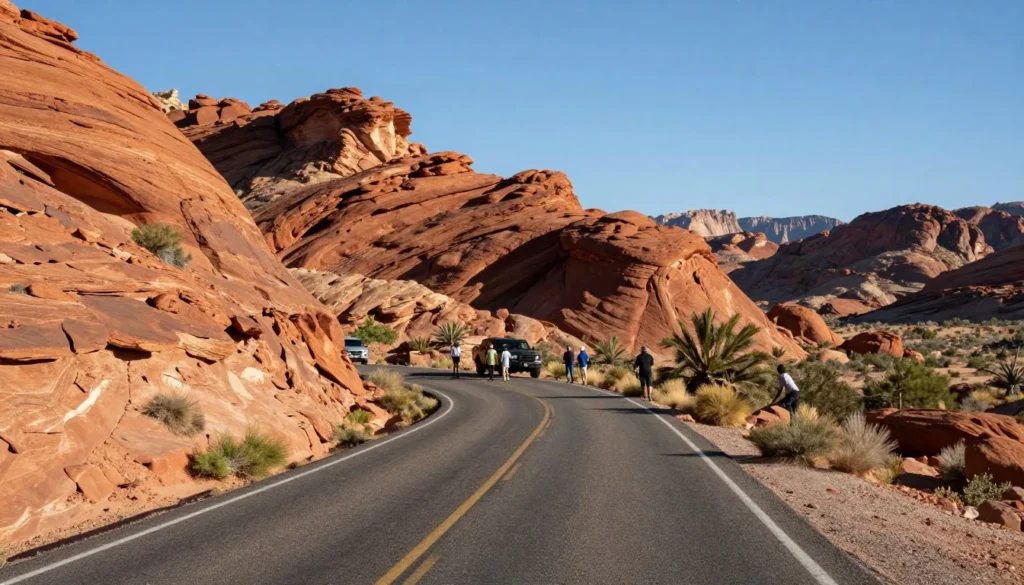
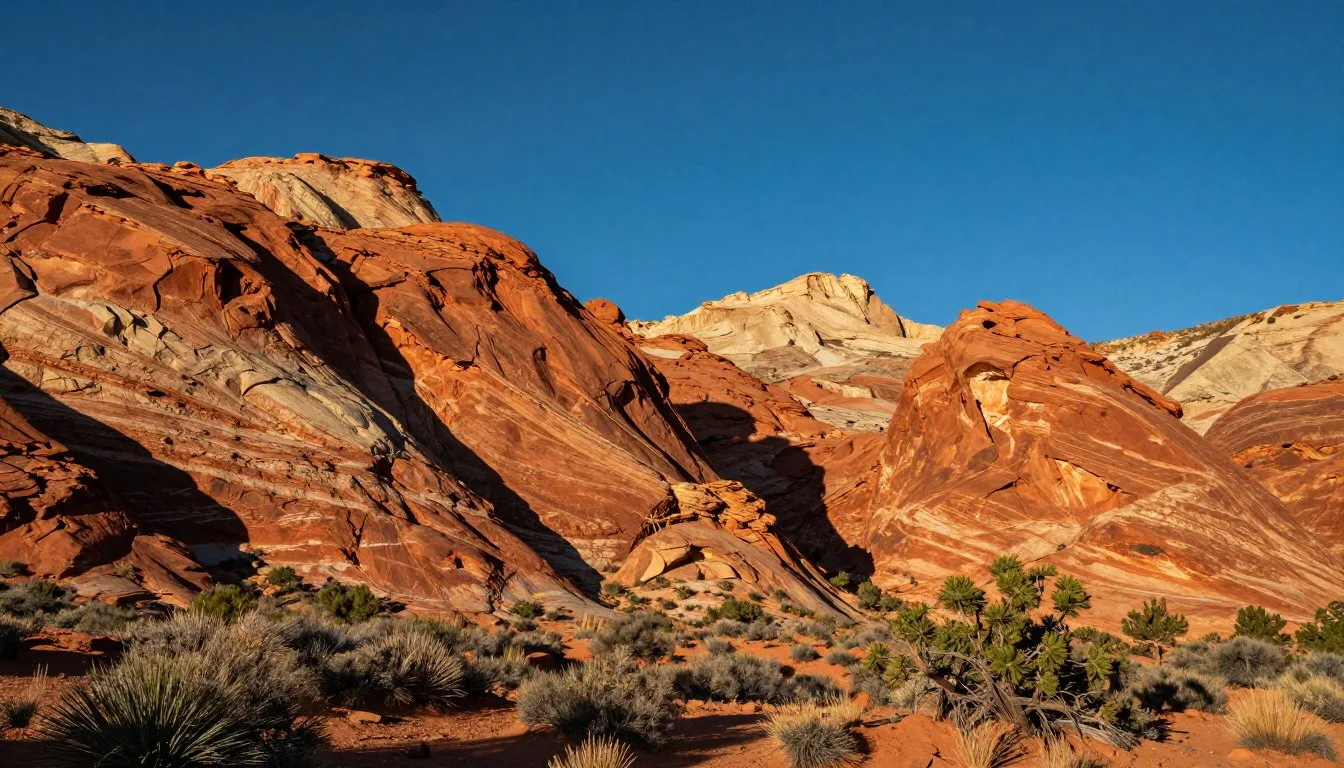
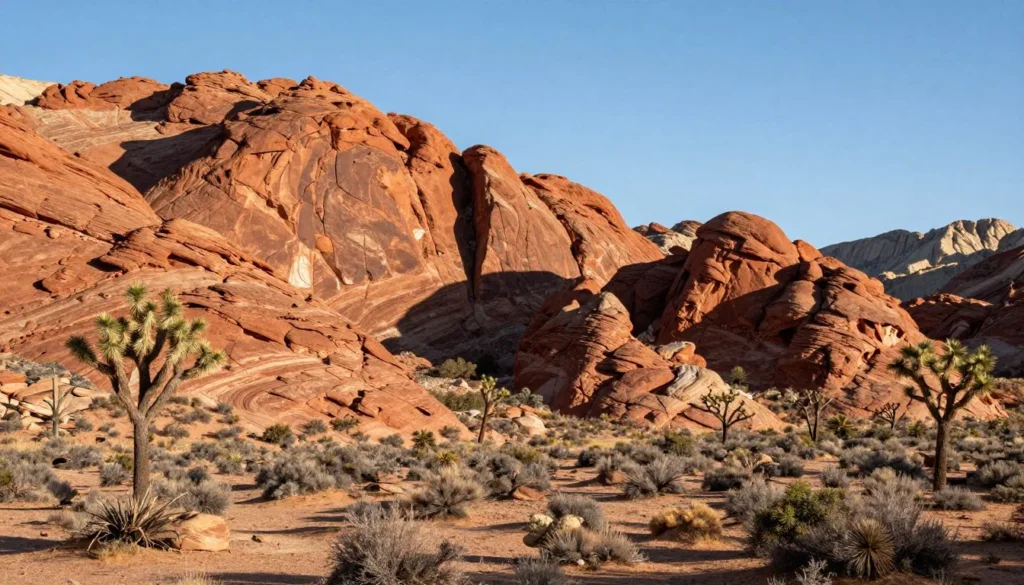
Key stops along the scenic drive include Calico Hills, known for their swirling patterns of red, orange, and cream-colored rock. The distinctive zebra-striped appearance results from iron oxide and calcium carbonate deposits.
High Point Overlook provides panoramic views across the entire conservation area. On clear days, visibility extends to the Spring Mountains and Las Vegas Valley. This viewpoint sits at the highest elevation along the drive.
Rock Climbing
Red Rock Canyon ranks among North America’s premier rock climbing destinations. Over 2,000 documented climbing routes challenge everyone from beginners to world-class athletes. The Calico Hills area offers excellent beginner-friendly sport climbing.
Traditional climbing routes on the main escarpment attract experienced climbers seeking multi-pitch adventures. Routes like Olive Oil, Crimson Chrysalis, and Dream of Wild Turkeys have become classics in the climbing world.
Climbing requires proper equipment, training, and permits. Day-use climbing does not need special authorization, but overnight climbing camps require backcountry permits. Always check current regulations at the visitor center.
Wildlife Watching
The conservation area supports diverse wildlife adapted to desert conditions. Desert bighorn sheep live throughout the canyon and are often spotted on rocky slopes during early morning and late afternoon hours.
Burros, descendants of animals used by miners, roam freely through the area. These wild burros are protected but should never be fed or approached. Maintain a distance of at least 15 m (50 ft) from all wildlife.
Over 100 bird species inhabit or migrate through Red Rock Canyon. Raptors including golden eagles and red-tailed hawks soar above the cliffs. Spring migration brings colorful songbirds to the desert vegetation.

Museums, Cultural Spots & Festivals
Red Rock Canyon Visitor Center
The modern visitor center opened in 2010 and serves as the gateway to the conservation area. Its striking architecture incorporates sustainable design principles and blends with the surrounding landscape.
Inside, interactive exhibits explain the geology, ecology, and human history of Red Rock Canyon. Touch screens provide detailed information about hiking trails, rock climbing routes, and wildlife viewing opportunities.
A short interpretive trail near the visitor center demonstrates desert plant adaptations. Labeled specimens help visitors identify common species they’ll encounter throughout the conservation area.
The bookstore operated by the Red Rock Canyon Interpretive Association sells field guides, maps, and educational materials. Proceeds support conservation programs and educational initiatives within the national conservation area.
Archaeological and Historical Sites
Native American peoples inhabited the Red Rock Canyon area for thousands of years. Petroglyphs and pictographs mark sacred sites and seasonal camps. Willow Spring preserves one of the most significant cultural sites with rock art visible along the trail.
All archaeological sites are protected by federal law. Never touch, mark, or remove any cultural artifacts. Take only photographs and stay on designated trails near sensitive areas.
During the late 1800s and early 1900s, miners and ranchers used the canyon. Remnants of their activities including old roads, stone walls, and artifact scatters provide glimpses into frontier life in the Mojave Desert.
The Sandstone Quarry area once supplied building materials for early Las Vegas construction. Today, the former quarry serves as a popular climbing area with hundreds of sport climbing routes.
Nature & Outdoor Experiences
Hiking Trails
Red Rock Canyon features over 48 km (30 miles) of hiking trails ranging from easy nature walks to strenuous mountain ascents. Each trail offers unique perspectives on the canyon’s geology and ecology.
Calico Tanks Trail: This moderate 4 km (2.5 mile) round-trip hike leads to natural water tanks nestled in the rocks. The trail gains 137 m (450 ft) in elevation and requires some scrambling over boulders. Views from the tanks overlook the Las Vegas Valley.

Ice Box Canyon Trail: A 4.2 km (2.6 mile) round-trip moderate hike follows a seasonal stream into a narrow canyon. Towering walls create a shaded microclimate that keeps temperatures noticeably cooler. The trail ends at a seasonal waterfall.
First Creek Canyon Trail: This moderate to strenuous 4.8 km (3 mile) one-way hike explores a remote canyon with spring-fed streams and riparian vegetation. Permits are required for this less-traveled route.
Turtlehead Peak Trail: Advanced hikers tackle this strenuous 8 km (5 mile) round-trip climb to a 1,958 m (6,323 ft) summit. The trail gains 610 m (2,000 ft) of elevation and rewards with 360-degree views.
All trails require proper footwear with good traction. Rocky terrain makes ankle support important. Bring sufficient water, sun protection, and a trail map. Cell phone service is unreliable throughout the conservation area.
Photography Opportunities
Red Rock Canyon attracts photographers year-round seeking dramatic landscapes. The changing light throughout the day creates different moods and colors on the sandstone formations.
Golden hour, the period shortly after sunrise and before sunset, bathes the red rocks in warm, glowing light. Morning light from the east illuminates the main escarpment beautifully. Evening light enhances the western-facing Calico Hills.
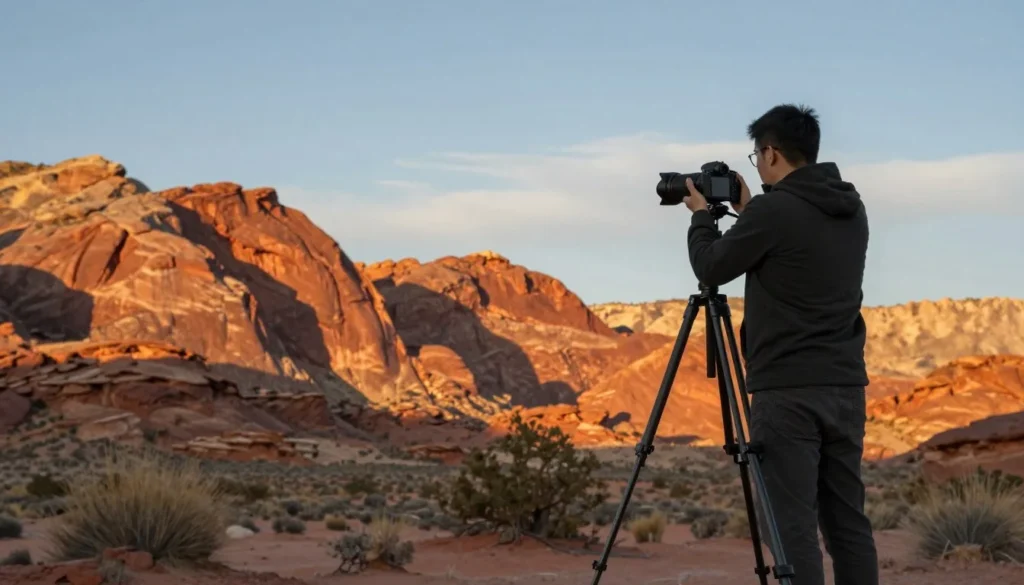
The spring wildflower bloom from March through May adds colorful foreground elements to landscape compositions. Desert marigold, globemallow, and penstemon create natural color contrasts against the red rocks.
Storm photography presents rare but spectacular opportunities. Dark clouds gathering over the red formations create dramatic contrasts. Always prioritize safety during changing weather conditions.
Mountain Biking
While bicycles are permitted on the scenic drive, mountain biking on trails is prohibited to protect the fragile desert environment and separate user groups for safety.
Serious mountain bikers can explore trails in nearby Spring Mountain Ranch State Park and the greater Red Rock area outside the national conservation area boundaries. These areas offer designated mountain bike routes.
Travel With Children
Red Rock Canyon offers excellent opportunities for introducing children to nature and outdoor recreation. The scenic drive provides easy access to spectacular views without requiring lengthy hikes.
The visitor center features kid-friendly interactive exhibits about desert animals and geology. Touch screens and hands-on displays engage young minds. Rangers often conduct family programs during peak visitation periods.

The Children’s Discovery Trail near the visitor center covers 1.2 km (0.75 miles) on flat terrain. Interpretive signs along the way encourage kids to observe plants, rocks, and animal tracks. This easy loop takes about 30-45 minutes.
Lost Creek Children’s Discovery Trail offers another family-friendly option. The 1.1 km (0.7 mile) route leads to a seasonal waterfall. Kids enjoy exploring the creek bed and looking for wildlife.
Safety Tips for Families
- Keep children hydrated with frequent water breaks
- Apply and reapply sunscreen regularly
- Stay on marked trails to avoid cactus encounters
- Never leave children unattended near cliff edges
- Teach kids to give wildlife plenty of space
- Carry a basic first aid kit for minor scrapes
Family Activity Ideas
- Junior Ranger program worksheets available at visitor center
- Nature scavenger hunts for common plants and animals
- Rock identification using field guides
- Photography contests among family members
- Picnic lunches at designated areas
- Stargazing during evening visits
Plan shorter visits during summer months when heat poses greater risks to young children. Mornings before 10 AM provide the safest conditions. Always have backup plans in case children tire more quickly than expected.
Money Saving Tips
Visiting Red Rock Canyon can fit any budget with smart planning. The area’s proximity to Las Vegas provides opportunities to combine affordable outdoor adventure with entertainment options.
Free and Low-Cost Options
- Annual pass costs $30 and pays for itself after three visits
- Federal recreation passes (America the Beautiful) cover entry fees
- Hiking trails are free after paying the scenic drive entrance fee
- Visitor center exhibits and programs cost nothing
- Camping rates are significantly cheaper than Las Vegas hotels
Pack your own food and drinks rather than purchasing overpriced items at tourist areas. Las Vegas grocery stores offer competitive prices. A cooler stocked with snacks, sandwiches, and beverages saves money compared to restaurant meals.
Visit during shoulder season (October-November or March-April) when Las Vegas hotel rates drop significantly. Midweek stays cost less than weekends. Package deals combining hotel and car rental often provide better value.
Free parking at Red Rock Canyon means no additional costs beyond the entrance fee. Some Las Vegas hotels charge daily parking fees that add up quickly. Consider this when comparing accommodation options.
The conservation area offers excellent value compared to many national parks. One entrance fee provides access to numerous trails, viewpoints, and activities for an entire day. Many families spend 4-6 hours exploring without additional costs.
Download trail maps and information from the Bureau of Land Management website before your visit. This eliminates the need to purchase printed maps at the visitor center bookstore.
Gas prices in Las Vegas vary significantly. Use price comparison apps to find the cheapest stations. Fill your tank before leaving the city, as options near Red Rock Canyon are limited and more expensive.
Safety, Etiquette & Local Customs
Desert Safety
The Mojave Desert environment presents unique hazards that require awareness and preparation. Extreme temperatures, intense sun, and isolation demand respect and proper planning.
Dehydration occurs rapidly in the dry climate. Drink water before feeling thirsty. Hikers should consume at least 1 liter per hour during physical activity. Early symptoms include headache, fatigue, and dark urine.
Emergency Contact: In case of emergency, call 911. However, cell phone coverage is limited throughout Red Rock Canyon. The visitor center can radio for help during operating hours. Always inform someone of your hiking plans before venturing onto trails.
Emergency Services
Flash floods pose serious danger during thunderstorms, even when storms are miles away. Never enter narrow canyons when rain threatens. Water can rush through dry washes with little warning. Check weather forecasts before hiking.
Wildlife hazards include venomous rattlesnakes, scorpions, and spiders. Watch where you place hands and feet. Shake out boots before putting them on. Most encounters can be avoided by staying alert and respecting animal space.

Leave No Trace Principles
Red Rock Canyon’s pristine environment depends on visitor stewardship. Follow Leave No Trace principles to minimize your impact on this fragile ecosystem.
Pack out all trash, including small items like fruit peels and cigarette butts. Nothing biodegrades quickly in the desert. Even organic waste should leave with you.
Stay on designated trails to prevent erosion and protect cryptobiotic soil crusts. These living soil surfaces take decades to form and support entire desert ecosystems. Footprints cause lasting damage.
Do not build cairns or move rocks. Existing rock piles may mark trails or archaeological sites. Disturbing natural features or cultural artifacts is illegal and disrespectful.
Climbing Etiquette
Rock climbing at Red Rock Canyon follows specific customs that promote safety and environmental protection. Climbers should use established trails to approach routes. Creating new trails damages vegetation and causes erosion.
Fixed anchors and bolts are community resources. Never remove or alter existing hardware without proper authorization from the climbing community and land managers.
Chalk use should be minimal and color-matched to rock. Excessive chalk marks detract from the natural appearance and affect other visitors’ experiences.
Visitor Comments About Red Rock Canyon
“The scenic drive exceeded every expectation. We stopped at every pullout and hiked the Calico Tanks trail. The rock formations are absolutely stunning, and seeing bighorn sheep in their natural habitat was unforgettable. This place offers a completely different side of Nevada that people don’t expect.”
“We brought our kids ages 8 and 11, and they loved it. The visitor center kept them engaged, and the Children’s Discovery Trail was perfect for their energy level. Being so close to Las Vegas made it an easy day trip. We’ll definitely return to explore more trails. The desert landscape was more beautiful than we imagined.”
“As a photographer, Red Rock Canyon is paradise. I visited three times during my Las Vegas trip to capture different light conditions. Sunrise at the Calico Hills and sunset at High Point Overlook both delivered incredible shots. The geology here is world-class, and the accessibility makes it perfect for serious photography without extreme hiking.”
Additional Nearby Destinations
Red Rock Canyon’s location in southern Nevada places it near several other remarkable natural and cultural attractions worth exploring during your trip.
Spring Mountain Ranch State Park
Located just 8 km (5 miles) south of Red Rock Canyon, this historic ranch offers a different perspective on desert living. The park preserves buildings dating to the 1860s set amid natural springs and meadows. Peacocks roam the grounds freely.
The park hosts outdoor theater performances during summer months. Shaded picnic areas and short walking trails provide pleasant afternoon activities. Entrance fees are separate from Red Rock Canyon.

Valley of Fire State Park
Nevada’s oldest state park sits 88 km (55 miles) northeast of Red Rock Canyon. Valley of Fire features even more dramatic red sandstone formations including arches, balanced rocks, and extensive petroglyphs.
The park offers camping facilities, visitor center, and numerous hiking trails. Plan a full day to explore this 18,695-hectare (46,000-acre) wonderland. The vivid red Aztec sandstone appears to be on fire when reflecting the sun.
Mount Charleston
The Spring Mountains, including 3,632 m (11,916 ft) Mount Charleston, rise dramatically northwest of Red Rock Canyon. These sky islands support completely different ecosystems including pine forests and alpine meadows.
Summer visitors escape Las Vegas heat by driving 56 km (35 miles) to mountain temperatures 15-20°C (27-36°F) cooler. Winter brings snow sports opportunities. Multiple hiking trails range from easy nature walks to strenuous peak climbs.
Lake Mead National Recreation Area
This massive reservoir formed by Hoover Dam sits 64 km (40 miles) southeast of Red Rock Canyon. Lake Mead offers water-based recreation including boating, swimming, and fishing. The lake covers 65,044 hectares (160,000 acres) when full.
Hoover Dam tours provide fascinating insights into Depression-era engineering. The recreation area includes desert hiking trails and historic sites. Multiple marinas serve boaters and water sports enthusiasts.
Las Vegas
The Entertainment Capital of the World needs no introduction. After experiencing Red Rock Canyon’s natural beauty, the contrast with Las Vegas Boulevard’s neon and crowds creates interesting juxtaposition.
World-class shows, celebrity chef restaurants, and endless entertainment options make Las Vegas the perfect complement to outdoor adventures. Many visitors appreciate balancing nature experiences with urban excitement.
Practical Travel Tips
Timed Entry Reservations
Red Rock Canyon implemented a timed entry permit system to manage visitor numbers and protect natural resources. Reservations can be made online through the Recreation.gov website up to two weeks in advance.
Entry times are available in two-hour windows. Arriving during your reserved time window ensures access even during busy periods. The system has significantly reduced congestion and improved visitor experiences.
Limited same-day permits may be available at the visitor center if the day’s reservation quota has not been reached. However, relying on same-day availability risks disappointment, especially on weekends and holidays.
Reservation Tip: Book your timed entry reservation as early as possible, especially for weekend visits from March through May. These prime months fill quickly. Weekday visits offer more availability and fewer crowds.
What to Bring
Essential Items
- Plenty of water (1 liter per person per hour outdoors)
- Broad-spectrum sunscreen (SPF 30 or higher)
- Wide-brimmed hat and sunglasses
- Sturdy closed-toe shoes with good traction
- Trail map and compass or GPS device
- First aid kit with bandages and medications
- High-energy snacks
- Layered clothing for temperature changes
Optional But Helpful
- Camera or smartphone for photography
- Binoculars for wildlife viewing
- Field guides for plants and animals
- Trekking poles for stability on trails
- Backpack to carry supplies
- Portable phone charger
- Picnic supplies for meals
- Insect repellent (minimal need but occasionally useful)
Visitor Center Hours and Services
The Red Rock Canyon Visitor Center typically opens at 8:00 AM. Closing times vary seasonally, with summer hours extending to 5:00 PM and winter hours ending at 4:30 PM. Always verify current hours before visiting, as they may change.
Rangers staff the information desk to answer questions and provide trail recommendations based on your fitness level and interests. Free trail maps are available, though more detailed topographic maps can be purchased.
Restroom facilities at the visitor center are the only ones available within the conservation area. Additional vault toilets exist at some trailheads along the scenic drive. Plan accordingly.
Visitor Center Information
Accessibility
The visitor center meets ADA accessibility standards with ramped entries, accessible restrooms, and exhibit areas. Paved paths around the building allow wheelchair access to outdoor exhibits.
The scenic drive is fully paved and accessible by vehicle. Several pullouts and overlooks have accessible parking spaces and viewing areas. However, most hiking trails involve uneven terrain, rocks, and elevation changes that make them difficult for wheelchairs or mobility devices.
Visitors with mobility limitations can still experience Red Rock Canyon’s beauty through the scenic drive and visitor center programs. Rangers can suggest the most accessible viewpoints for photography and sightseeing.
Internet and Cell Service
Cell phone coverage throughout Red Rock Canyon is unreliable. Some carriers may have limited service near the visitor center and along portions of the scenic drive. However, most areas have no signal.
Plan accordingly by downloading maps, trail information, and any other needed resources before leaving areas with reliable service. Inform friends or family of your hiking plans since you may be unreachable during your visit.
The visitor center has no public Wi-Fi. Embrace the digital detox opportunity and focus on connecting with nature instead of devices.
Your Red Rock Canyon Adventure Awaits
Red Rock Canyon Scenic Drive offers one of America’s most accessible and spectacular natural landscapes. Just minutes from Las Vegas, this conservation area transports visitors into a world of ancient geology, diverse wildlife, and endless outdoor adventure.
Whether you’re photographing sunrise over the Calico Hills, challenging yourself on a technical climbing route, or simply enjoying a leisurely drive through the stunning rock formations, Red Rock Canyon delivers unforgettable experiences. The combination of easy accessibility and pristine wilderness makes it perfect for every traveler.
Plan your visit during the cooler months from October through May. Book your timed entry reservation early. Bring plenty of water and sun protection. Then prepare to discover why millions of visitors return year after year to this remarkable corner of the Mojave Desert.
The red rocks are calling. Your Nevada adventure starts here.
The above is subject to change.
Check back often to TRAVEL.COM for the latest travel tips and deals.