Hotels by Trip.com
Flights by Trip.com
More than 150 years ago, a silver discovery along the Reese River sparked one of Nevada’s greatest mining rushes, drawing over 10,000 fortune seekers to this remote valley in a single year. Today, this quiet corner of central Nevada holds a completely different treasure for travelers seeking authentic Western experiences far from crowded tourist corridors.
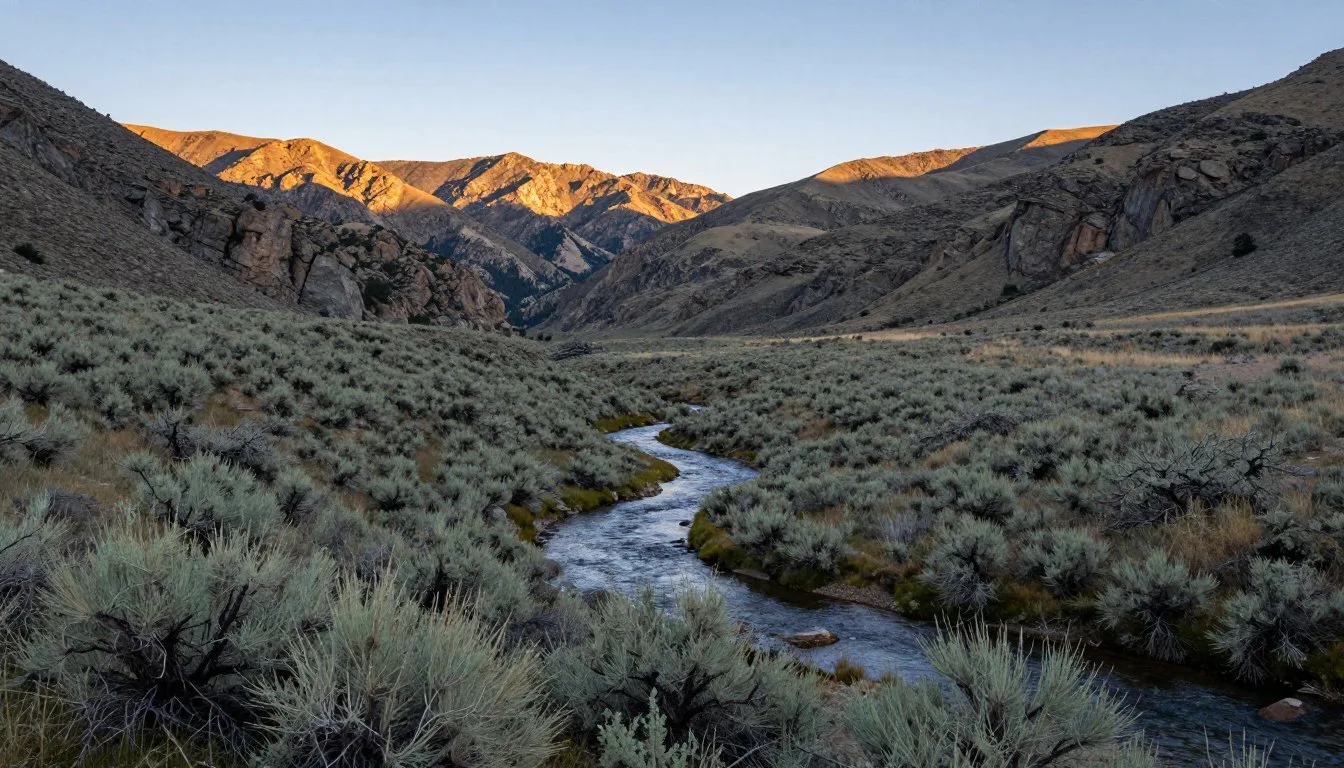
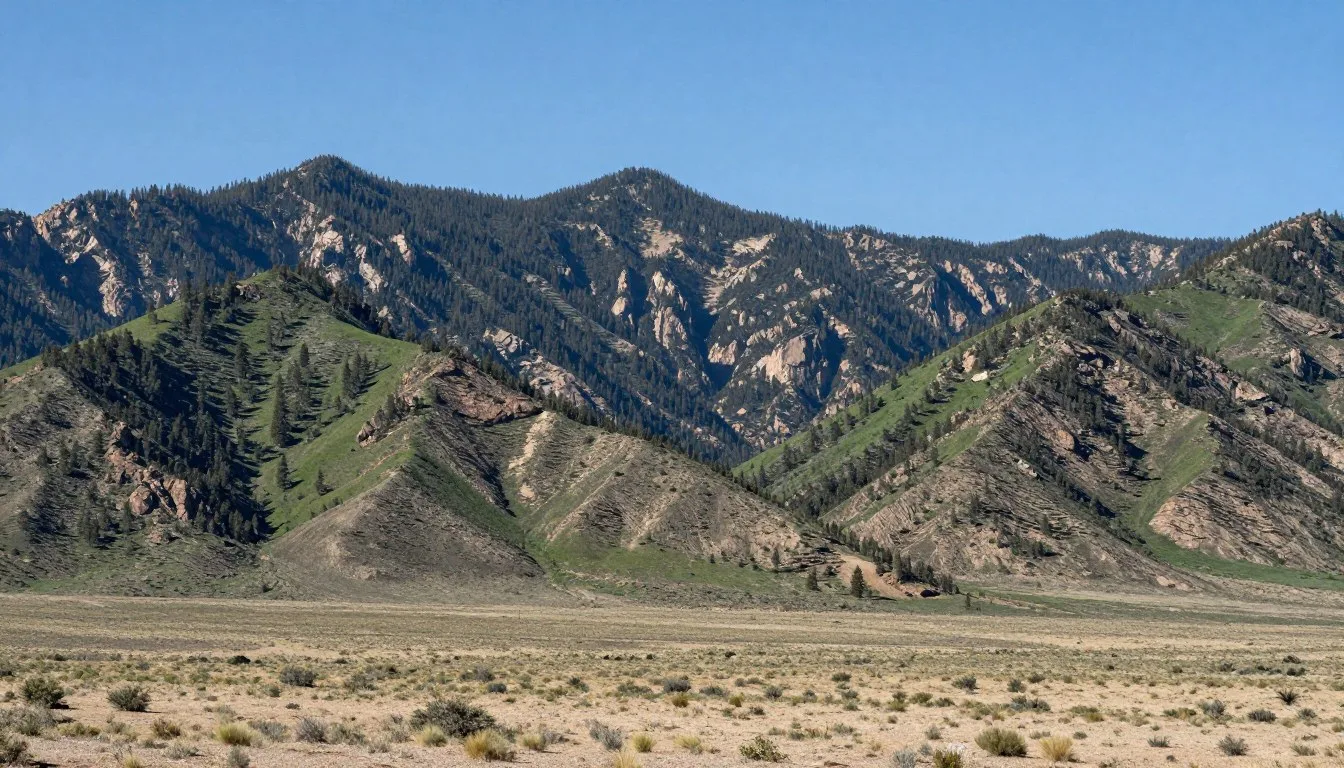
The Reese River Valley stretches through the heart of Nevada, flanked by the towering Toiyabe Range to the west and the rugged Shoshone Mountains to the east. This remote area offers visitors a rare glimpse into authentic frontier history.
Ghost towns stand frozen in time along dusty roads. Historic Pony Express stations mark the route where riders once thundered through with mail. Mountain ranges tower above sagebrush valleys, creating landscapes that haven’t changed since pioneers first crossed this territory.
This comprehensive Reese River Nevada travel guide covers everything you need to plan your journey to one of the state’s most historically significant and beautifully remote destinations.
Getting There & Planning Your Journey

Reaching the Reese River Valley requires some planning, as this area sits well off major highways in central Nevada. The remoteness is part of the appeal for travelers seeking authentic backcountry experiences.
Closest Airports
The nearest commercial airports to the Reese River area include:
- Reno-Tahoe International Airport (RNO) – approximately 241 km (150 miles) northwest, offering the most flight options and rental car services
- Elko Regional Airport (EKO) – approximately 209 km (130 miles) northeast, with limited but convenient regional connections
- Ely Airport (ELY) – approximately 193 km (120 miles) southeast, serving as an alternative with seasonal service
From any of these airports, you’ll need a rental vehicle to access the Reese River Valley. The drive takes three to four hours depending on your starting point and chosen route.
Driving Routes
The primary access route follows Highway 305 south from Interstate 80 near Battle Mountain. This road connects to Nevada State Route 844, which runs through the heart of the Reese River Valley.
An alternative approach uses Highway 376 from the east, connecting to Highway 844 near the historic town site of Ione. This route offers excellent views of the Toiyabe Mountains.
Both routes feature well-maintained gravel and paved sections. A standard passenger vehicle can handle these roads in good weather, though a high-clearance vehicle provides extra confidence on side roads leading to ghost town sites.
Important Planning Note: Cell phone coverage is extremely limited throughout the Reese River Valley. Download offline maps before your trip and inform someone of your travel plans. Carry extra water, food, and fuel, as services are sparse between towns.
For current road conditions and visitor information:
Best Time to Visit & Weather Tips

Timing your visit to the Reese River area significantly impacts your experience. The high desert climate brings dramatic seasonal variations in temperature and weather conditions.
✓ Check 30,000+ Local Sightseeing Tours Worldwide
Best Months to Visit
The ideal time to explore the Reese River Valley runs from late April through early June, and again from September through October. During these periods, daytime temperatures typically range from 18°C to 26°C (65°F to 80°F), creating comfortable conditions for outdoor exploration.
Spring months bring wildflowers to the valley floor and green growth to the mountain ranges. The area comes alive with color after winter precipitation. Fall offers crisp, clear days with excellent visibility for photography and sightseeing.
Months to Avoid
Summer heat from July through August can be intense, with temperatures frequently exceeding 35°C (95°F) in the valley. The combination of heat and remoteness makes this period challenging for extensive outdoor activities.
Winter months from December through March bring cold temperatures, occasional snow, and potential road closures at higher elevations. Many side roads become impassable, limiting access to certain ghost town sites and mountain areas.
Weather Considerations
The high desert environment means dramatic temperature swings between day and night. Even in summer, nighttime temperatures can drop by 20°C (35°F) or more from daytime highs.
Afternoon thunderstorms are common from July through September. These brief but intense storms can make dirt roads temporarily impassable and create flash flood hazards in low-lying areas.
Spring Weather
March through May brings mild days and cool nights. Expect daytime highs of 15°C to 24°C (60°F to 75°F). Occasional rain showers support wildflower blooms. Pack layers for changing conditions throughout the day.
Fall Weather
September through November offers the most stable weather patterns. Daytime temperatures range from 18°C to 28°C (65°F to 82°F) in early fall, gradually cooling as winter approaches. Clear skies and low humidity create excellent conditions for stargazing and photography.
Weather Tip: Always carry extra layers regardless of season. The elevation changes between valley floor (approximately 1,524 m / 5,000 feet) and mountain passes (over 2,286 m / 7,500 feet) create significant temperature variations along your route.
Notable Annual Festivals

While the Reese River Valley itself hosts limited formal events due to its remote location, the surrounding area offers several festivals that celebrate the region’s rich mining and frontier heritage.
Austin Historic Days
The nearby town of Austin, located at the northern end of the Reese River Valley, hosts its annual Historic Days celebration each July. This event features guided tours of historic sites, living history demonstrations, and presentations on mining era life.
The festival typically runs over a weekend in mid-July. Activities include historic building tours, period costume displays, and talks by local historians about the Reese River mining district.
For current festival dates and details:
Pony Express Re-Ride
Each June, the National Pony Express Association coordinates a commemorative re-ride along the historic Pony Express route. Riders on horseback carry mail across Nevada, including sections through the Reese River area.
The annual event attracts history enthusiasts who gather at various stations along the route to witness riders passing through. Several Pony Express station sites in the Reese River Valley serve as stopping points during the multi-day ride.
For Pony Express Re-Ride information:
National Pony Express Association Nevada Division: +1 (775) 447-2377
Nevada Day Celebrations
The last Friday of October marks Nevada Day, the state’s admission to the Union. Communities across central Nevada, including those near the Reese River area, host celebrations featuring parades, historical exhibits, and community gatherings.
While not specifically focused on the Reese River Valley, these regional celebrations provide opportunities to experience local culture and meet residents who maintain strong connections to the area’s frontier heritage.
Getting Around Locally

Transportation in the Reese River Valley requires a personal vehicle. No public transportation, taxi services, or ride-sharing options operate in this remote area.
Road Conditions and Vehicle Requirements
The main route through the area, Nevada State Highway 844, features a combination of paved and well-maintained gravel sections. This road handles regular passenger vehicles in good weather conditions.
Side roads leading to ghost towns and historic sites vary significantly in condition. Routes to Austin, Jacobsville, and other sites may include rough gravel, washboard surfaces, and occasional rocky sections. A high-clearance vehicle or SUV provides better access to these locations.
Four-wheel drive becomes necessary only for the most remote sites or after storms. Most visitors can explore the primary attractions with a standard rental vehicle driven carefully.
Navigation and Route Planning
Download offline maps before entering the area. Cell service is unreliable to nonexistent throughout most of the Reese River Valley. GPS devices work better than phone-based navigation in this region.
Carry detailed paper maps as backup. The Nevada State Highway Map, available free from tourism offices, shows major routes. More detailed topographic maps from the U.S. Geological Survey help with locating specific ghost town sites.
Distance between points of interest can be deceiving. What appears close on a map may require 30 to 60 minutes of driving on winding mountain roads. Plan extra time for travel between sites.
Fuel and Services
Fuel availability is extremely limited in the Reese River Valley. Fill your tank before leaving the last major town on your route. The distance between gas stations can exceed 161 km (100 miles) in some directions.
Austin serves as the primary service point for the northern Reese River area. This small town offers one gas station, basic supplies, and limited automotive services. Plan to arrive during business hours, as services may have restricted schedules.
Critical Safety Note: Never attempt to explore the Reese River backcountry without a full tank of fuel, extra water, food supplies, and basic emergency equipment. The remoteness and limited cell coverage mean help may be hours away in an emergency.
Where to Stay

Lodging options in the Reese River Valley are limited due to the area’s remote location and small population. Most visitors base themselves in nearby Austin or choose camping options for maximum flexibility.
Hotels and Motels
Austin, at the northern end of the Reese River area, provides the closest hotel accommodations. The town maintains several small inns and motels offering basic but comfortable rooms.
The International Hotel, a historic property dating to the 1860s, provides rooms with period character in the heart of Austin. This multi-story building offers a genuine Old West experience with modern amenities.
Pony Canyon Motel offers standard motel accommodations with convenient parking and reasonable rates. The property serves travelers exploring the Reese River Valley and surrounding historic sites.
Camping Options
Berlin-Ichthyosaur State Park, located southwest of the main Reese River Valley, operates a developed campground with 14 sites. Facilities include restrooms, picnic tables, and fire rings.
The campground sits at an elevation of approximately 2,134 m (7,000 feet) near the ghost town of Berlin. This location provides excellent access to fossil exhibits and historic mining structures.
Dispersed camping on Bureau of Land Management lands offers additional options for self-sufficient visitors. The valley contains numerous suitable sites where camping is permitted on public lands.
Practice Leave No Trace principles when dispersed camping. Select previously used sites when possible, camp at least 61 m (200 feet) from water sources, and pack out all trash and waste.
Alternative Lodging
For visitors seeking more amenities, the town of Fallon, approximately 113 km (70 miles) northwest, offers a fuller range of hotels, restaurants, and services. This distance makes Fallon less convenient for daily Reese River Valley exploration but provides a comfortable base for multi-day trips.
Some visitors choose to make the Reese River area a day trip from Reno, though the 4-5 hour drive each way makes this a very long day. Overnight stays allow for a more relaxed exploration pace and opportunities to experience the area at different times of day.
Dining & Local Cuisine

Dining options in the Reese River Valley reflect the area’s remote character and small population. Visitors should plan accordingly and carry food supplies for extended explorations.
Restaurant Options
Austin maintains several small restaurants and cafes serving basic American fare. These establishments offer hearty meals suited to travelers spending days exploring the backcountry.
Family-run cafes typically serve breakfast and lunch, with limited dinner hours. Menu items focus on comfort foods like burgers, sandwiches, homemade soups, and daily specials. Don’t expect extensive menus or gourmet options.
The International Hotel in Austin operates a dining room offering more substantial meals in a historic setting. The restaurant serves dinner several evenings per week, though schedules vary seasonally.
Local Specialties
While the Reese River area doesn’t have distinctive regional cuisine, local establishments often feature Nevada beef, reflecting the state’s ranching heritage. Steaks, burgers, and beef-based dishes appear prominently on menus.
Home-baked pies and desserts are common in small-town cafes. These made-from-scratch treats often represent family recipes passed down through generations of Nevada cooks.
Self-Catering Considerations
Smart travelers carry substantial food supplies when exploring the Reese River Valley. A well-stocked cooler with lunch items, snacks, and plenty of water makes day-long explorations comfortable and safe.
Small general stores in Austin offer basic groceries, canned goods, and supplies. Selection is limited compared to supermarkets, so plan to arrive with most provisions already packed.
For extended camping stays, bring all necessary cooking equipment and food from larger towns. Resupply options within the valley are minimal.
Dining Tip: Restaurant hours can be unpredictable in small Nevada towns. Call ahead when possible, arrive during posted hours, and have backup meal plans. Many establishments close one or two days per week.
Attractions, Sightseeing & Activities

The Reese River Valley offers numerous attractions focused on frontier history, ghost towns, and scenic drives through spectacular mountain terrain.
Reese River Valley Scenic Drive
The primary attraction is the drive itself. Nevada State Highway 844 winds through 129 km (80 miles) of spectacular valley terrain flanked by the Toiyabe Range to the west and Shoshone Mountains to the east.
The route follows the approximate path of the Reese River, though the waterway appears only intermittently. Sagebrush-covered valley floor contrasts with rugged peaks rising to over 3,353 m (11,000 feet).
Plan three to five hours for the complete drive with stops at historic sites. The route passes through former mining districts, ghost towns, and abandoned ranches that tell the story of Nevada’s settlement era.
Historic Ghost Towns
Several ghost town sites dot the Reese River Valley, each offering unique insights into Nevada’s mining boom and subsequent decline.
Austin
Austin serves as the best-preserved town in the area. Founded in 1862 after silver discoveries, the community once boasted 10,000 residents. Today’s population of around 200 maintains numerous historic buildings.
Visitors can walk the main street to see intact 19th-century commercial buildings, churches, and residences. The town’s three-story International Hotel and distinctive church towers create a skyline that has changed little in 150 years.

Jacobsville
Jacobsville, located south of Austin along the route, represents a smaller mining camp. A few structures remain at the site, including stone foundations and partial walls of former businesses and residences.
The site marks an important Pony Express station along the route between Carson City and Salt Lake City. Historical markers identify the station location and explain its role in frontier communications.
Ione
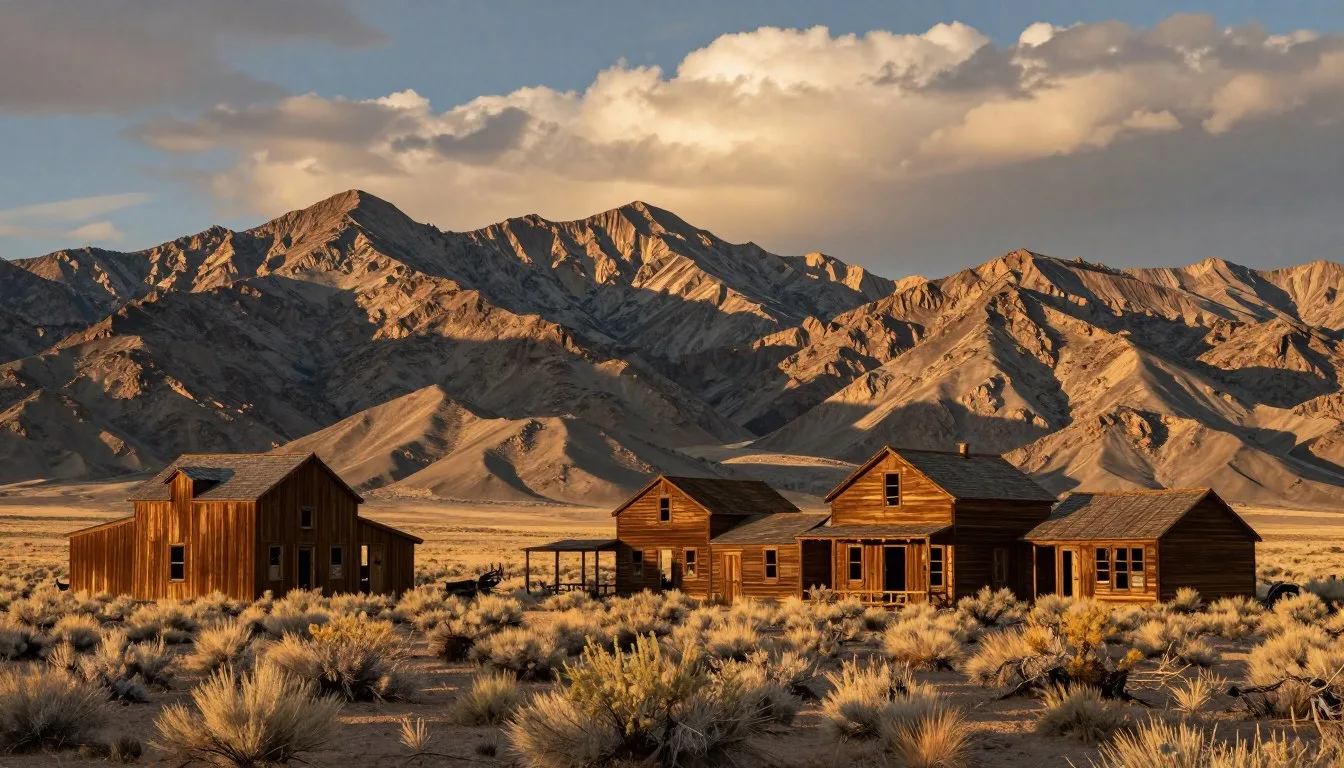
Ione sits at the southern end of the Reese River Valley where Highway 844 intersects Highway 376. This ghost town features several standing wooden structures including an old schoolhouse and mining office buildings.
Photography enthusiasts find Ione particularly appealing. The weathered wooden buildings against the mountain backdrop create classic Old West imagery. Visit during golden hour for spectacular lighting conditions.
Pony Express Stations
Several Pony Express station sites mark the historic mail route through the Reese River area. These stations provided horse changes and rest stops for riders carrying mail across the continent in 1860-1861.
Most station sites feature only foundations or historical markers. The locations themselves evoke the demanding conditions faced by Pony Express riders crossing this remote terrain.
Interpretive signs at station sites explain the Pony Express system and the specific role each station played in the operation. The stations were typically spaced ten to fifteen miles apart, representing a hard ride for both horse and rider.
Museums, Cultural Spots & Festivals

Cultural attractions in the Reese River area focus primarily on mining era history and the challenges of frontier life in one of Nevada’s most remote regions.
Austin Historical Museum
The Austin area maintains a small historical museum featuring artifacts, photographs, and exhibits documenting the region’s mining boom and subsequent development.
Collections include mining equipment, household items from the 1860s-1900s, and extensive photographic archives showing the town and surrounding area during its peak population years.
The museum operates with volunteer staff, so hours can be irregular. Contact ahead to confirm opening times and arrange for guided tours during your visit.
Stokes Castle
This unusual three-story stone tower stands just outside Austin on the road toward Berlin-Ichthyosaur State Park. Built in 1897 by mining magnate Anson Phelps Stokes, the structure mimics an Italian tower house.
The castle served as a summer home for only a brief period before abandonment. Today it stands as an architectural curiosity and popular photography subject.
Visitors can view the exterior and surrounding grounds. The interior is closed for safety reasons, but the building’s external stonework and setting provide excellent photo opportunities.
Berlin Ghost Town and Mill
Part of Berlin-Ichthyosaur State Park, the Berlin ghost town preserves an early 20th-century mining camp. Unlike many Nevada ghost towns, Berlin’s buildings remain stabilized but unrestored, maintaining their authentic weathered appearance.
✓ Check 30,000+ Local Sightseeing Tours Worldwide
Guided tours lead visitors through the mill complex, explaining ore processing methods. Original machinery remains in place, providing rare insight into small-scale mining operations.
The mine superintendent’s house, assay office, machine shop, and stage station can all be explored. Interpretive signs explain the function of each building and the daily routines of Berlin’s residents.
Cultural Insights
The Reese River Valley represents the reality of Nevada settlement—the stories of small camps, hard work, isolation, and the boom-and-bust cycle that characterized Western mining.
Unlike Nevada’s more famous ghost towns that have become tourist attractions, the Reese River sites maintain an authentic, largely unaltered character. This authenticity appeals to history enthusiasts seeking genuine frontier experiences.
Nature & Outdoor Experiences
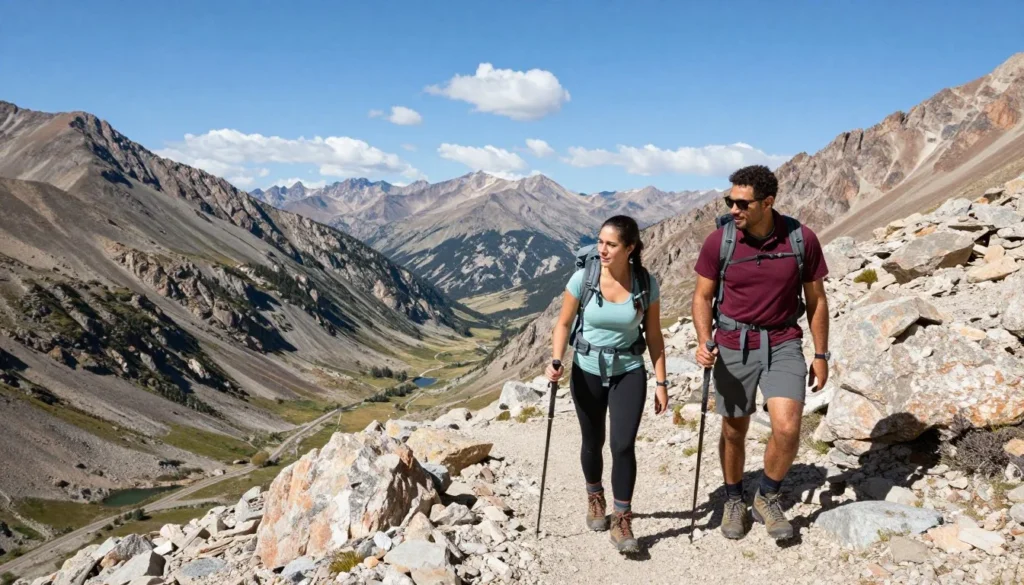
The natural environment surrounding the Reese River Valley offers outstanding opportunities for hiking, wildlife viewing, and experiencing Nevada’s high desert ecosystems.
Berlin-Ichthyosaur State Park
This state park protects both a historic ghost town and one of North America’s most significant fossil sites. The park sits in the Shoshone Mountains west of the main Reese River Valley.
The fossil shelter houses the remains of several ichthyosaurs, massive marine reptiles that lived 225 million years ago. These fossil marine creatures found in Nevada’s mountains demonstrate that the area once lay beneath a shallow sea.
Guided tours of the fossil house run several times daily during the summer season. Rangers explain the fossil discovery, excavation process, and the geological history that preserved these remarkable specimens.
The park offers hiking trails ranging from easy walks around the ghost town to more challenging routes into the surrounding mountains. The 2.4 km (1.5 mile) trail to the fossil shelter gains approximately 91 m (300 feet) in elevation.
Hiking in the Toiyabe Range
The Toiyabe Mountains form a dramatic western boundary to the Reese River Valley. These peaks, including several summits exceeding 3,353 m (11,000 feet), offer backcountry hiking opportunities for experienced mountain travelers.
Arc Dome rises to 3,588 m (11,773 feet) as the highest peak in the Toiyabe Range. Reaching the summit requires a strenuous 19 km (12 mile) round-trip hike gaining 1,219 m (4,000 feet) in elevation.
Most trails in the Toiyabe Range lack formal maintenance and signage. Hikers need strong navigation skills, topographic maps, and backcountry experience. Water sources are limited along routes.

Wildlife Viewing
The Reese River area supports diverse wildlife adapted to the high desert environment. Early morning and evening hours offer the best viewing opportunities when animals are most active.
Mule deer inhabit the valley and mountain foothills. These large mammals can often be spotted grazing in sagebrush areas near dawn and dusk.
Pronghorn antelope range across the open valley floor. These remarkably fast animals represent North America’s fastest land mammal, capable of sustained speeds exceeding 88 km/h (55 mph).
Bird species include golden eagles, red-tailed hawks, sage grouse, and various songbirds. The variety of elevations and habitats supports diverse bird populations.
Visitors should observe wildlife from a distance. Never approach, feed, or attempt to interact with wild animals. Carry binoculars for better viewing without disturbance.
Stargazing
The Reese River Valley’s remoteness and lack of light pollution create exceptional conditions for stargazing. On clear nights, the Milky Way appears as a bright band across the sky.
New moon periods offer the darkest skies and best viewing conditions. The high elevation and dry desert air provide exceptional atmospheric clarity.
Popular meteor showers like the Perseids in August become spectacular events when viewed from the Reese River backcountry. The lack of artificial light reveals meteors too faint to see from populated areas.
Travel With Children

The Reese River Valley offers unique educational opportunities for families, though the remote location requires special planning when traveling with children.
Age Considerations
Children old enough to appreciate history and tolerate several hours in a vehicle will enjoy the Reese River experience most. The area works best for families with kids aged eight and above who can engage with historical sites and handle moderate hiking.
Younger children may find the long drives and limited activity options challenging. Plan frequent stops and bring entertainment for vehicle time.
Educational Opportunities
The ghost towns provide tangible connections to history lessons about Western expansion, mining, and frontier life. Children can see firsthand how people lived without modern conveniences.
Berlin-Ichthyosaur State Park offers particularly strong educational value. The fossil exhibits fascinate children interested in dinosaurs and prehistoric life. Rangers provide engaging explanations suited to young audiences.
The Pony Express stations spark imagination about the young riders who carried mail across dangerous terrain. Share stories about the riders, many of whom were teenagers themselves.
Safety Considerations
Supervise children closely at ghost town sites. Old buildings may have unstable floors, exposed nails, and other hazards. Many structures are dangerous to enter.
Teach children to stay on established paths and respect historic sites. Removing artifacts or disturbing structures damages these irreplaceable resources.
Desert safety becomes critical with children. Ensure kids drink water regularly, wear sun protection, and stay close to adults. The remote location means medical help is far away.
Watch for abandoned mine shafts and prospect holes, which may be inadequately marked or fenced. These extremely dangerous openings appear throughout old mining districts.
Keeping Children Engaged
Create scavenger hunts for ghost town visits. Challenge kids to find specific architectural features, historical markers, or natural elements along your route.
Encourage photography. Giving children cameras or phones to document the trip keeps them engaged and creates lasting memories of the experience.
Plan shorter explorations with children. Rather than attempting to see everything, focus on two or three highlights with ample time at each location.
Money Saving Tips

Exploring the Reese River Valley can be remarkably affordable with proper planning. The area’s free attractions and minimal commercial development help keep costs low.
Accommodation Savings
Camping represents the most economical lodging option. Berlin-Ichthyosaur State Park charges modest camping fees of approximately $14 per night for developed sites with basic facilities.
Dispersed camping on Bureau of Land Management lands costs nothing. Millions of acres of public land surrounding the Reese River Valley permit free camping in most areas. Follow regulations and practice Leave No Trace principles.
If preferring indoor lodging, book rooms on weekdays when rates are typically lower. Small-town Nevada hotels rarely fill during midweek periods outside major holidays.
Free Attractions
Most Reese River Valley attractions require no admission fees. Ghost towns, scenic drives, historic markers, and Pony Express station sites are all freely accessible to the public.
Stokes Castle, the Reese River Valley scenic drive, and most hiking areas have no entrance fees. You can spend several days exploring without paying for attractions.
Berlin-Ichthyosaur State Park charges a modest day-use fee of $7 per vehicle. Nevada residents aged 65 and older enter free. The park pass covers access to both the fossil shelter tours and ghost town area.
Food and Fuel Savings
Bring food supplies from larger towns where grocery stores offer better selection and lower prices. Packing a cooler for several days eliminates restaurant expenses.
Fill fuel tanks in larger communities before entering the Reese River area. Remote gas stations charge premium prices when available at all. Planning fuel stops saves money.
Carry reusable water containers and filter or treat water from natural sources for drinking. This reduces the need to purchase bottled water in small stores.
Budget Tip: A multi-day Reese River Valley trip can cost under $50 per person beyond fuel expenses. Free camping, packed meals, and no-cost attractions make this one of Nevada’s most affordable destinations for budget-conscious travelers.
Trip Planning Savings
Visit during shoulder seasons (May or September) when weather remains excellent but the few accommodations that exist may offer lower rates. Peak summer rates are minimal anyway in this uncrowded area.
Download free maps and information before your trip rather than purchasing guidebooks. The Nevada Tourism website provides excellent free resources about the Reese River area.
Travel with others to split fuel costs. The long drives make carpooling particularly beneficial. Solo travelers might connect with others through Nevada history or ghost town forums.
Safety, Etiquette & Local Customs
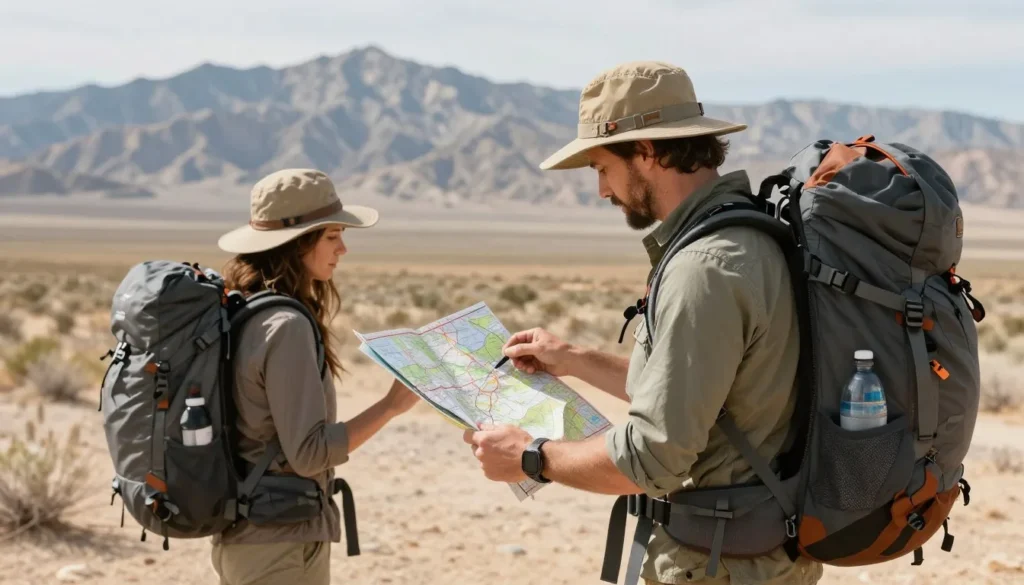
Visiting the Reese River Valley safely requires preparation, self-sufficiency, and respect for the environment and historical resources.
Essential Safety Precautions
Always inform someone of your travel plans, route, and expected return time. The limited cell coverage means you cannot rely on calling for help if problems arise.
Carry extra water beyond what you think you need. Desert environments accelerate dehydration. Plan on at least 3.8 liters (one gallon) per person per day, more during summer months.
Keep your vehicle in good condition with a full spare tire, jack, and basic tools. The nearest towing service may be 161 km (100 miles) away. Ensure your spare tire is properly inflated before departure.
Pack emergency supplies including first aid kit, flashlight with extra batteries, fire starter, emergency blanket, and extra food. These items could be lifesaving if you become stranded.
Never enter old mine shafts, tunnels, or unstable buildings. These structures pose serious collapse hazards. Abandoned mines may contain toxic gases or hidden vertical shafts.
Critical Safety Warning: Summer temperatures can reach dangerous levels. If your vehicle breaks down, stay with it rather than walking for help. Your vehicle provides shelter and makes you easier to locate. Emergency services will eventually find a missing vehicle, but a person on foot may never be found in time.
Ghost Town Etiquette
Observe ghost towns from outside structures. Do not enter buildings unless clearly marked as safe for public access. Many historic structures remain unsafe despite appearing solid.
Never remove artifacts, wood, or any items from ghost town sites. These objects constitute irreplaceable historical resources protected by federal and state law. Penalties for removing artifacts include substantial fines.
Leave everything as you found it. The ethos “take only photographs, leave only footprints” applies especially to historical sites. Future visitors deserve the same experience you enjoyed.
Avoid climbing on structures or carving names into historic buildings. These actions damage fragile sites that have survived for over a century.
Environmental Considerations
Pack out all trash and waste. Remote areas lack trash services, and carelessly discarded waste damages the landscape and harms wildlife.
Stay on established roads and trails. Desert soils compact easily, and tire tracks can remain visible for decades. Off-road driving is generally prohibited on public lands in this area.
Respect wildlife by observing from a distance. Never feed animals, which creates dangerous behavior changes and dependency on human food sources.
Camp in previously used sites when possible to minimize impact. Select durable surfaces and avoid camping directly next to water sources.
Local Customs
The small communities in the Reese River area value independence, self-reliance, and respect for the land. Visitors who demonstrate these qualities are warmly welcomed.
If you encounter ranch gates along roads, leave them as you found them—open if they were open, closed if they were closed. Gates control livestock movement, and changing gate positions can create problems for ranchers.
Respect private property. Some ghost town sites and historical locations sit on private land. Observe “No Trespassing” signs and seek permission before entering private property.
✓ Check 30,000+ Local Sightseeing Tours Worldwide
Support small local businesses when you visit. The few restaurants, gas stations, and stores in the area depend heavily on visitor support. Your patronage helps keep these services available.
Visitor Comments About Reese River, Nevada

Travelers who have explored the Reese River Valley share their experiences and insights about this remarkable destination.
“The Reese River Valley exceeded every expectation. We spent three days exploring ghost towns, hiking in Berlin-Ichthyosaur State Park, and simply soaking in the absolute quiet of the desert. The authenticity of the historic sites really impressed us—these aren’t reconstructed tourist attractions but genuine places where people lived and worked 150 years ago. The remoteness initially concerned me, but proper planning made it a safe and unforgettable adventure. The stargazing alone was worth the trip. We’ve traveled extensively through the American West, and this ranks among our most memorable experiences.”
“I’m a history teacher and took my family to the Reese River area specifically for the educational value. My teenage children were skeptical at first—ghost towns seemed boring compared to their usual preferences. By the second day, they were completely engaged. Walking through Austin and Berlin brought our history lessons to life in ways textbooks never could. The kids asked endless questions about how people survived in such harsh conditions without modern technology. The fossil exhibits at Berlin-Ichthyosaur State Park fascinated everyone. We’re already planning a return trip to explore areas we missed. This is authentic American history, not a theme park version.”
“As a photographer, I’ve been seeking unspoiled Western landscapes away from crowds. The Reese River Valley delivered exactly that. I spent five days photographing ghost town structures, mountain vistas, and the play of light across the desert. The access is remarkably good—I reached all major sites with my standard SUV. The freedom to explore without entrance fees, timed tickets, or tour groups felt liberating. I shot during golden hour without another person in sight. The weathered buildings against those dramatic mountain ranges create images that could have been captured a century ago. Other photographers serious about Western landscape work should absolutely visit this area.”
Additional Nearby Destinations
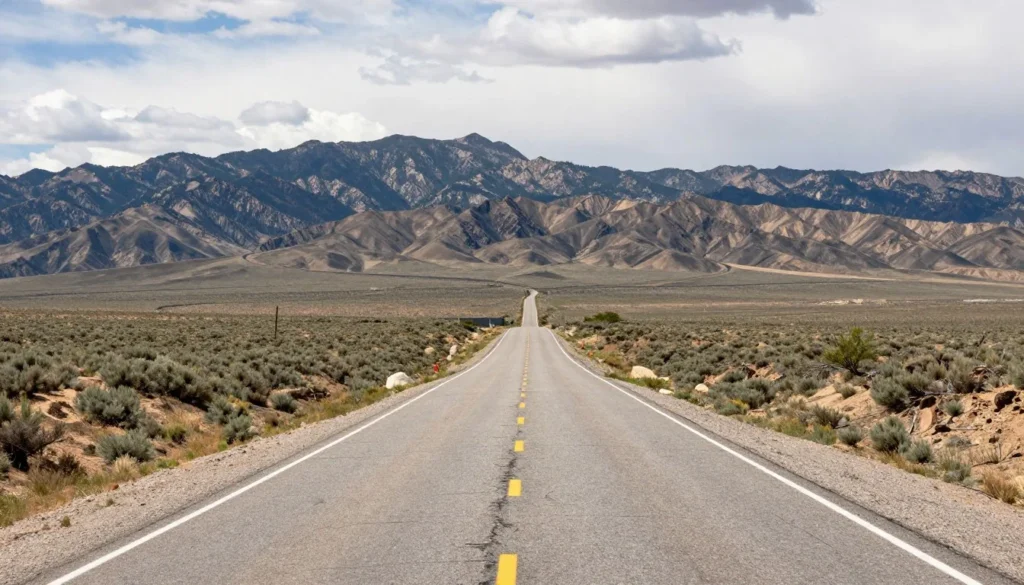
The Reese River Valley’s central Nevada location makes it an excellent base for exploring other remote and historically significant destinations in the region.
Great Basin National Park
Located approximately 209 km (130 miles) east of the Reese River area, Great Basin National Park protects a remarkable mountain wilderness. Wheeler Peak rises to 3,982 m (13,065 feet), creating alpine environments dramatically different from the surrounding desert.
The park offers ancient bristlecone pine groves, limestone caves, and excellent hiking trails. Plan a full day or overnight visit to experience this diverse landscape.
Sand Mountain Recreation Area
This distinctive sand dune system sits approximately 113 km (70 miles) northwest of the Reese River Valley. The 183 m (600-foot) tall singing sand dune creates musical tones when sand cascades down its slopes.
The area attracts off-road vehicle enthusiasts, but visitors can also hike the dunes and explore the unique desert environment. The contrast with the Reese River’s mountain-valley terrain makes for an interesting comparison.
Austin and Surrounding Areas
Beyond serving as a base for Reese River Valley exploration, Austin itself warrants additional time. The town maintains several museums, historic buildings, and local artisan shops worth visiting.
The surrounding Toiyabe Mountains offer additional ghost town sites, hiking opportunities, and scenic drives beyond the main Reese River route.
Spencer Hot Springs
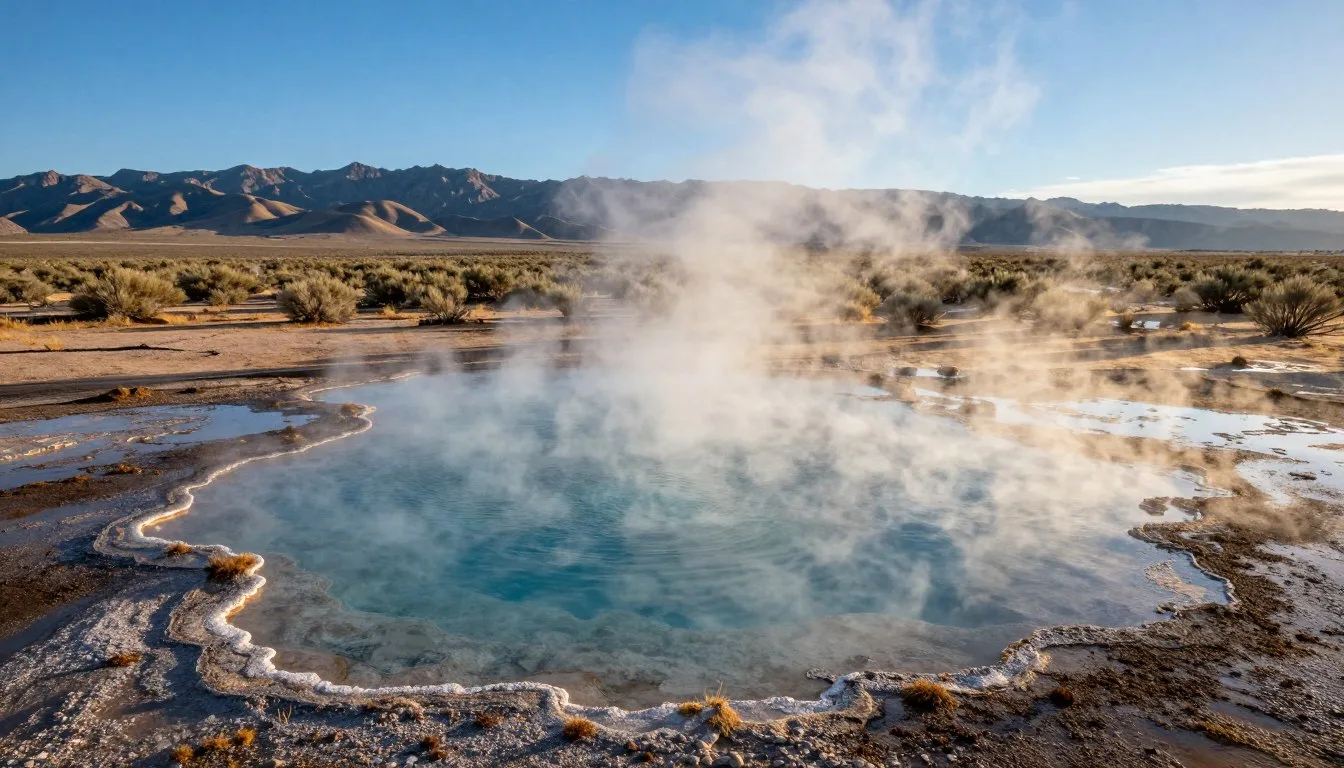
Natural hot springs approximately 35 km (22 miles) east of Austin provide a relaxing soak after days of exploring dusty ghost towns and hiking mountain trails.
Several primitive pools offer different temperatures. The springs sit on public land with free access. Visit during weekdays for fewer crowds.
Highway 50 – “The Loneliest Road in America”
U.S. Highway 50 passes through Austin and connects numerous central Nevada attractions. This route earned its nickname from a 1986 magazine article describing the empty stretches between towns.
The highway now embraces this designation, with towns along the route offering “Survival Guides” and stamps for travelers completing the journey across Nevada. The drive provides quintessential Western wide-open spaces.
Combining Destinations
A week-long trip could combine the Reese River Valley with several nearby destinations. Consider this itinerary: two days in the Reese River area, one day exploring Great Basin National Park, and two days traveling Highway 50 with stops at various towns and attractions.
This combination provides varied experiences—ghost towns, mountain wilderness, unique geological features, and small-town Nevada culture—all within a manageable driving distance from a central base.
Practical Travel Tips

These practical considerations will help ensure a smooth and enjoyable visit to the Reese River Valley.
What to Pack
Layered clothing handles the dramatic temperature swings between day and night. Bring both warm and cool weather options regardless of season.
Sun protection is essential year-round. Pack sunscreen with high SPF rating, a wide-brimmed hat, and sunglasses. The high elevation intensifies UV exposure.
Sturdy closed-toe shoes are necessary for exploring ghost towns and hiking. Avoid sandals or flip-flops around old structures with exposed nails and uneven surfaces.
A quality camera or smartphone captures the spectacular scenery and historic structures. Bring extra batteries or charging solutions since electricity is limited.
Communication and Connectivity
Do not expect cell phone service throughout most of the Reese River Valley. Download maps, guides, and any needed information before leaving connected areas.
Consider a satellite communication device for true emergencies. Services like Garmin InReach allow two-way messaging when cellular networks are unavailable.
Inform friends or family of your detailed itinerary including expected return time. Establish check-in protocols for longer stays in the backcountry.
Photography Tips
Golden hour (the hour after sunrise and before sunset) provides the most dramatic lighting for photographing ghost towns and mountain landscapes.
Overcast days work well for architectural details of historic structures. The soft light reduces harsh shadows that obscure textures and details.
Bring lens-cleaning supplies. Dust is pervasive in the desert environment and will coat camera equipment quickly.
Respect private property and established rules when photographing. Some sites prohibit commercial photography without permits.
Best Photography Locations
Stokes Castle provides excellent photo opportunities throughout the day. The stone structure against mountain backdrops creates dramatic compositions.
Berlin ghost town offers numerous photogenic structures. The mill complex and surrounding buildings work well as individual subjects or in wider compositions showing the entire townsite.
The drive along Highway 844 includes countless scenic pullouts with unobstructed views of the valley and mountain ranges. Stop frequently for landscape photography.
Trip Duration
Plan a minimum of two full days to see primary attractions without rushing. Three to four days allows more thorough exploration and time for hiking or photography.
Serious ghost town enthusiasts and photographers may want a week to explore thoroughly and visit multiple times under different lighting conditions.
Altitude Considerations
The Reese River Valley floor sits at approximately 1,524 m (5,000 feet) elevation. Surrounding mountains reach well over 3,048 m (10,000 feet).
Visitors from sea level may experience mild altitude effects including slight breathlessness during exertion and faster dehydration. Allow time to acclimate before strenuous hiking.
Drink extra water at altitude. The dry desert air combined with elevation increases water needs beyond normal consumption levels.
Seasonal Considerations
Spring wildflowers typically peak in May following wet winters. The display varies significantly from year to year based on precipitation.
Fall foliage in the higher elevations occurs in late September through early October. Aspen groves in mountain canyons show golden color.
Winter snow can make areas inaccessible from December through March. Berlin-Ichthyosaur State Park closes seasonally due to snow conditions.
Your Reese River Adventure Awaits
The Reese River Valley stands as one of Nevada’s most authentic and unspoiled destinations. Here, history isn’t recreated or sanitized for tourists—it simply exists in its weathered, wind-swept reality.
The ghost towns hold stories of ambition, hardship, and perseverance. The mountain ranges showcase nature’s raw power. The empty roads and vast silences offer something increasingly rare in our connected world—true solitude and space for reflection.
This is Nevada as it was and largely remains: remote, rugged, and remarkably beautiful for those willing to venture beyond the familiar tourist paths. Your journey through the Reese River Valley will reward you with experiences and images that stay with you long after you return to the everyday world.
Pack carefully, plan thoroughly, and prepare for adventure. The Reese River awaits your discovery.