Hotels by Trip.com
Flights by Trip.com
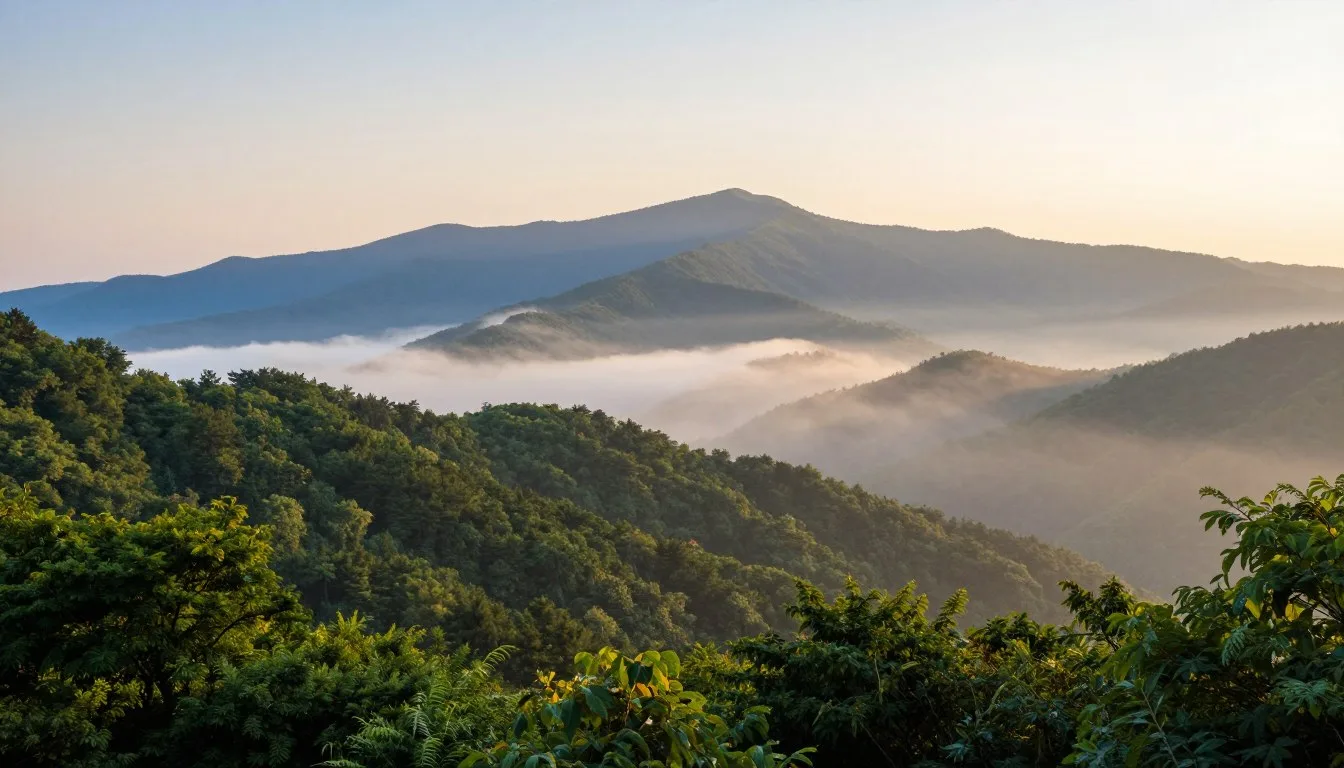
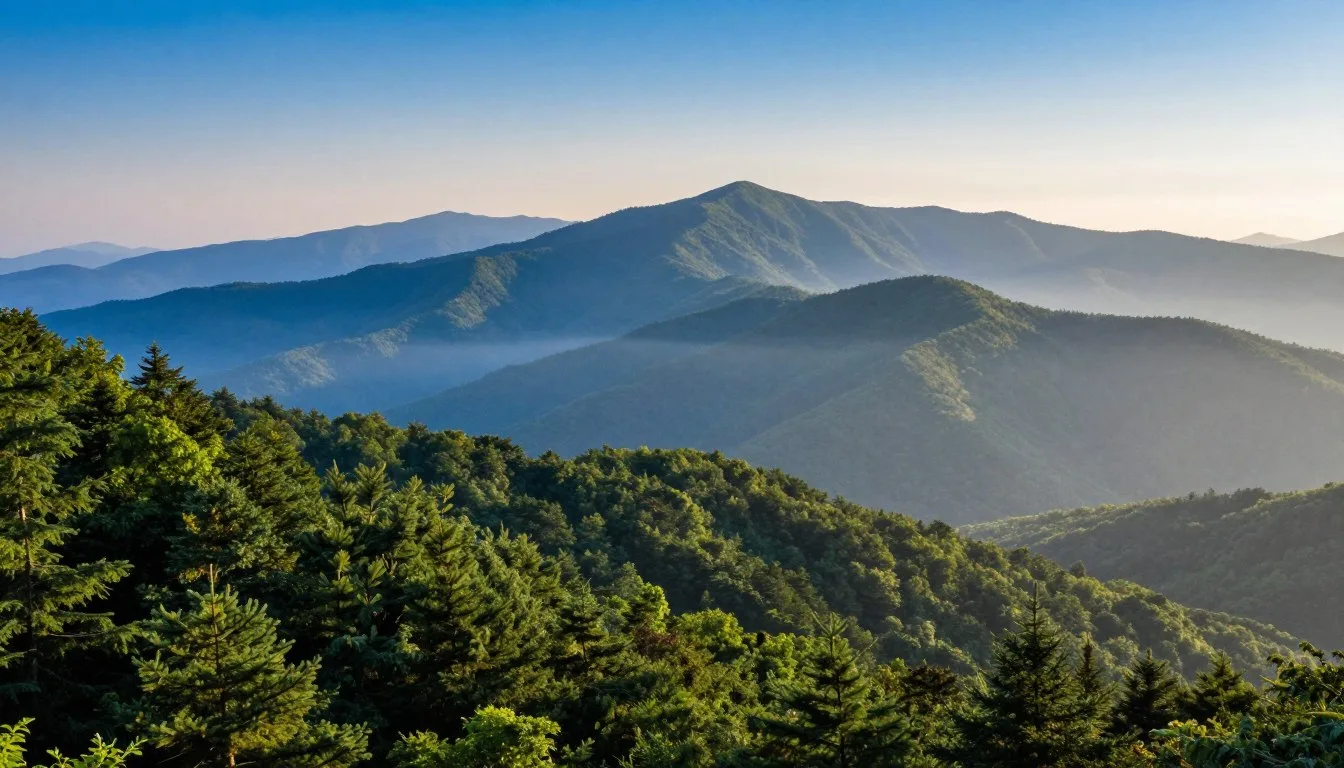
Over 15 million visitors explore the Blue Ridge each year, making it one of America’s most beloved mountain destinations. The name “Blue Ridge” comes from the distinctive blue haze that blankets these ancient peaks, created by organic compounds released from the dense forests.
These mountains form the eastern edge of the Appalachian range. They stretch across western North Carolina with breathtaking beauty. The region offers something special in every season.
From cascading waterfalls to charming small towns, this guide reveals the top experiences. You will discover practical tips for planning your perfect mountain escape. The beauty here draws people back year after year.
Getting There and Planning Your Journey
Three major airports serve the Blue Ridge region. Asheville Regional Airport sits closest to many attractions, just 21 km (13 miles) south of downtown. Charlotte Douglas International Airport lies 193 km (120 miles) southeast and offers more flight options.
Greenville-Spartanburg International Airport in South Carolina provides another gateway. It sits 105 km (65 miles) from Asheville. Most visitors rent cars at the airport for maximum flexibility.
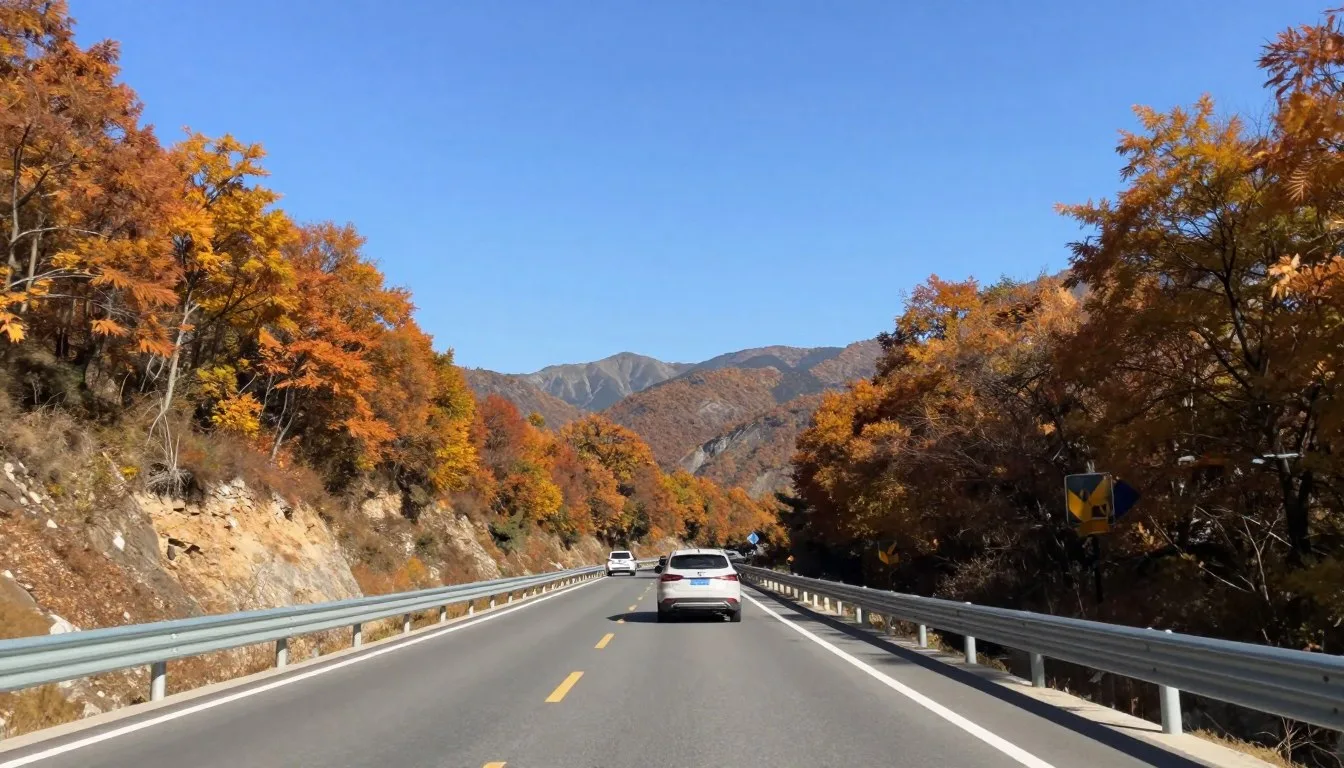
The Blue Ridge Parkway connects most major destinations. This scenic highway runs 755 km (469 miles) through the mountains. Plan extra travel time because mountain roads wind and curve.
Peak season runs from late September through October. Book accommodations three to six months ahead for autumn visits. Summer weekends also fill quickly in popular towns like Asheville and Boone.
Best Time to Visit and Weather Tips
Recommended Months
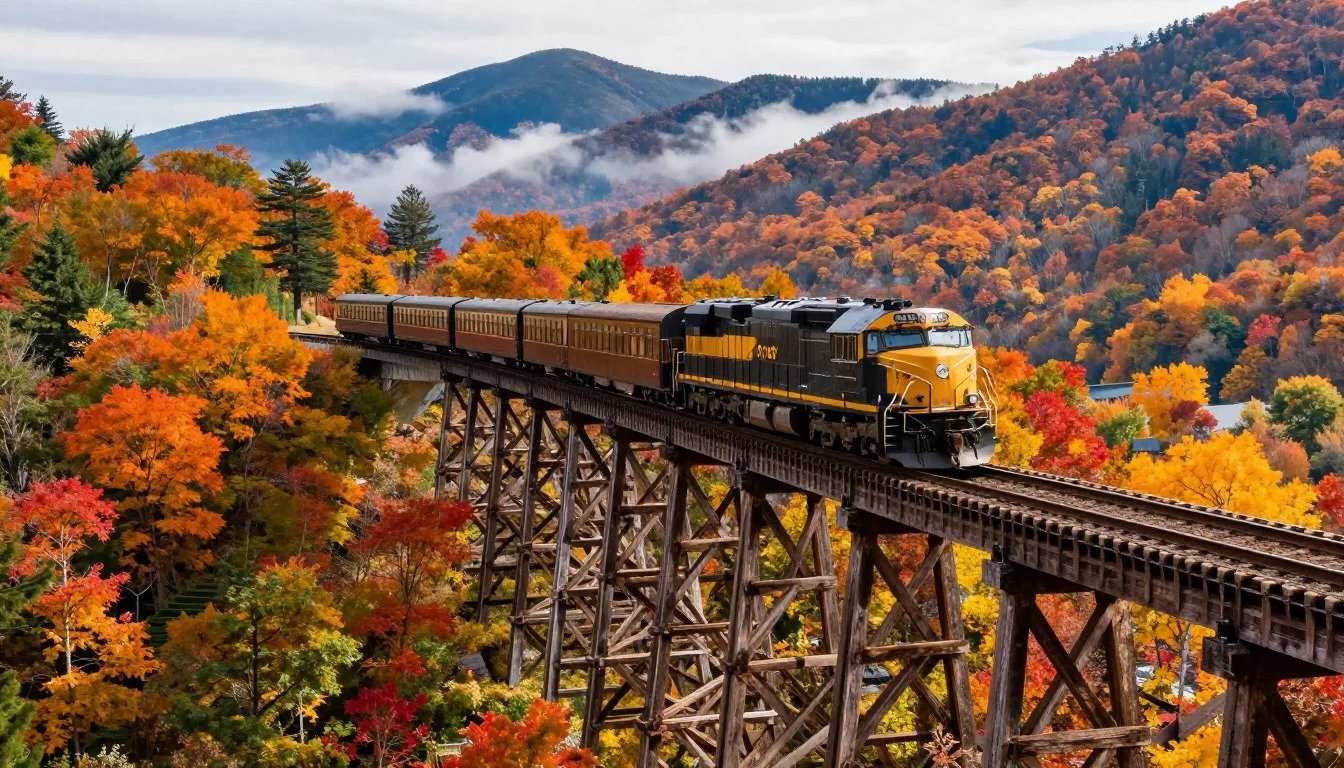
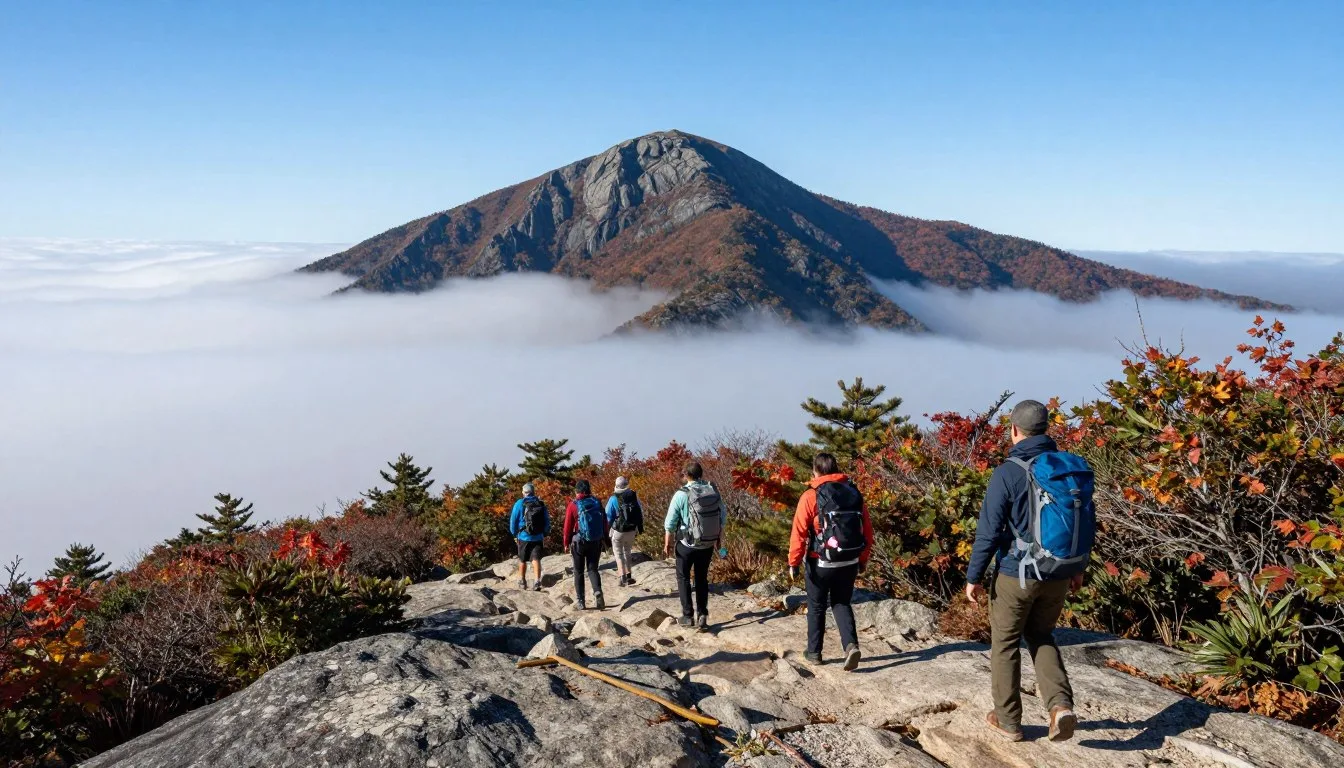
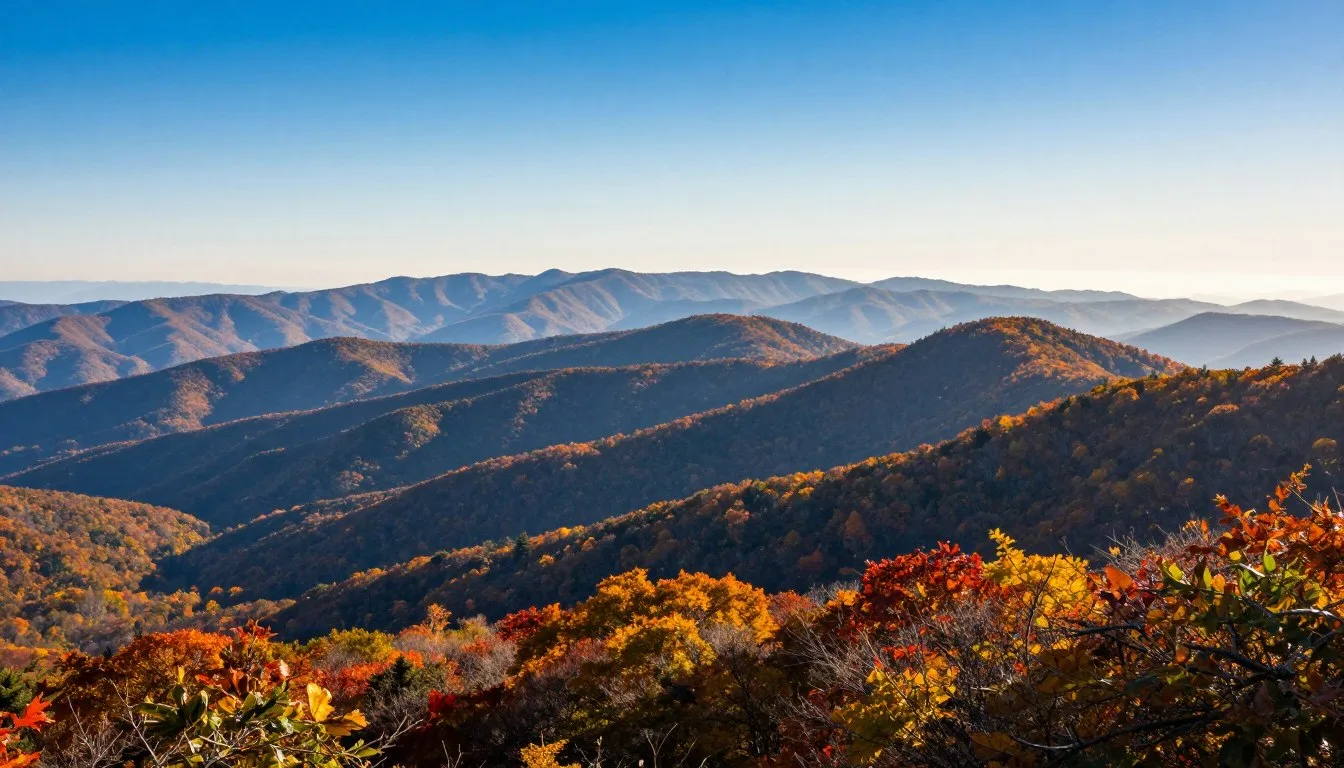
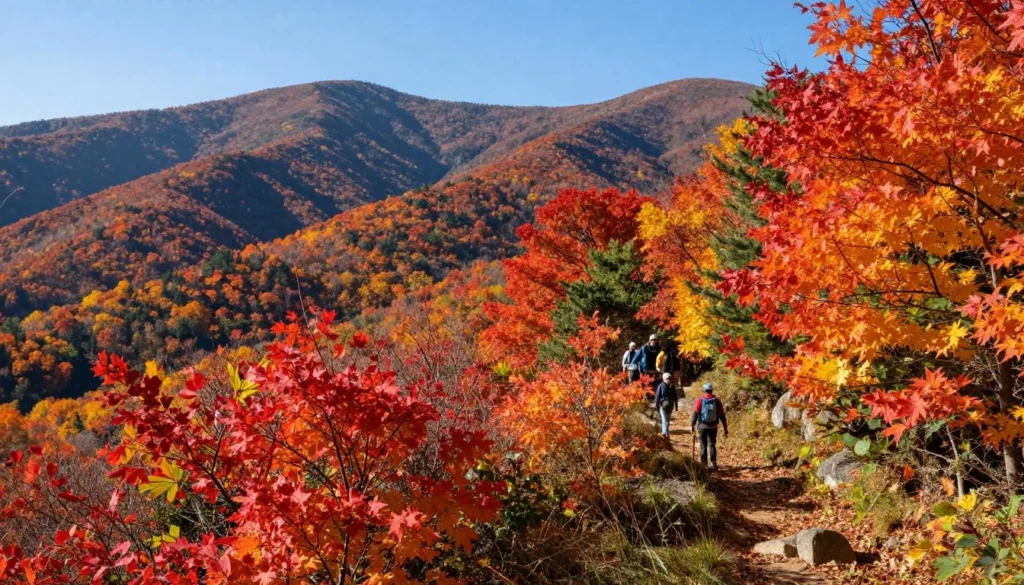
October brings the most spectacular leaf displays. The Great Smoky Mountains National Park becomes a canvas of red, orange, and gold. Temperatures range from 10°C to 21°C (50°F to 70°F).
May and June offer mild weather perfect for hiking. Wildflowers bloom across mountain meadows. The waterfalls run strong from spring rains. Temperatures climb from 15°C to 26°C (60°F to 80°F).
September provides a sweet spot before peak crowds arrive. The weather stays pleasant with less humidity than summer. Early fall colors begin appearing at higher elevations.
Months to Avoid
January through March brings cold temperatures and occasional ice. Many mountain roads close during winter storms. The Blue Ridge Parkway often closes sections due to weather.
July and August see the highest temperatures reaching 29°C (85°F). Afternoon thunderstorms develop frequently. Popular trails become crowded on summer weekends.
Notable Annual Festivals

The Bele Chere Festival celebrates Asheville culture each July. Street performers, craft breweries, and local food vendors fill downtown. Contact organizers at +1 (828) 259-5800 for current dates.
Grandfather Mountain Highland Games occur each July in Linville. Scottish heritage comes alive through music, dancing, and athletic competitions. More information: +1 (828) 733-1333.
The North Carolina Apple Festival happens in Hendersonville each September. Apple orchards open for picking and cider tastings. Festival details: +1 (828) 697-4557.
Woolly Worm Festival in Banner Elk predicts winter weather each October. This quirky tradition includes worm races and mountain crafts. Contact: +1 (828) 898-5605.
Getting Around Locally
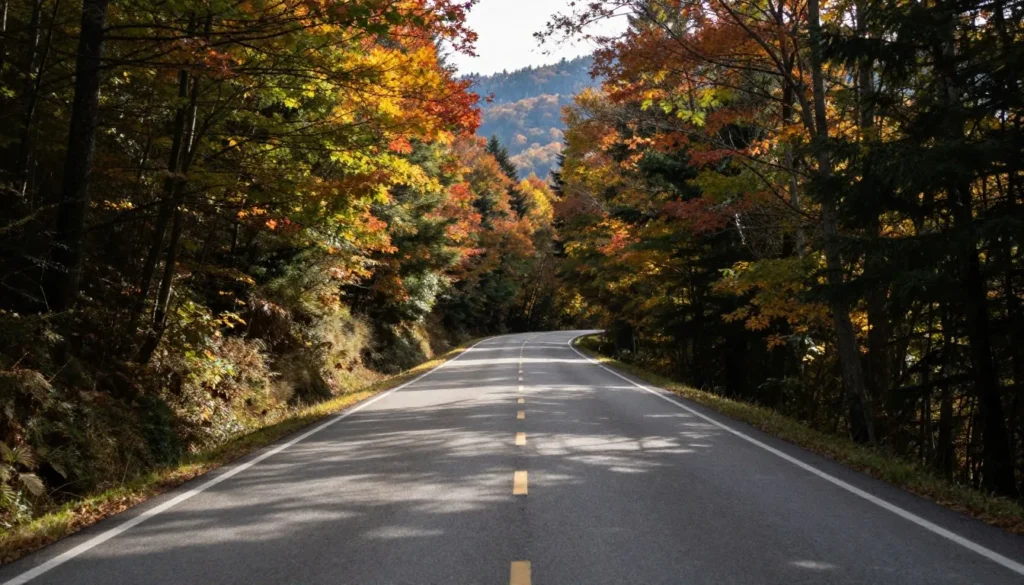
A personal vehicle provides the most flexibility for exploring. The Blue Ridge Parkway requires a car to access overlooks and trailheads. Most small towns lack public transportation.
Asheville offers the only substantial public transit system. The ART buses connect downtown with surrounding neighborhoods. Rideshare services operate in larger towns like Boone and Brevard.
Mountain roads demand careful driving. Sharp curves and steep grades require reduced speeds. Watch for cyclists on the Blue Ridge Parkway during warmer months.
Parking fills early at popular trailheads on weekends. Arrive before 9 AM or after 3 PM for better spots. Some areas now require parking reservations during peak season.
Where to Stay
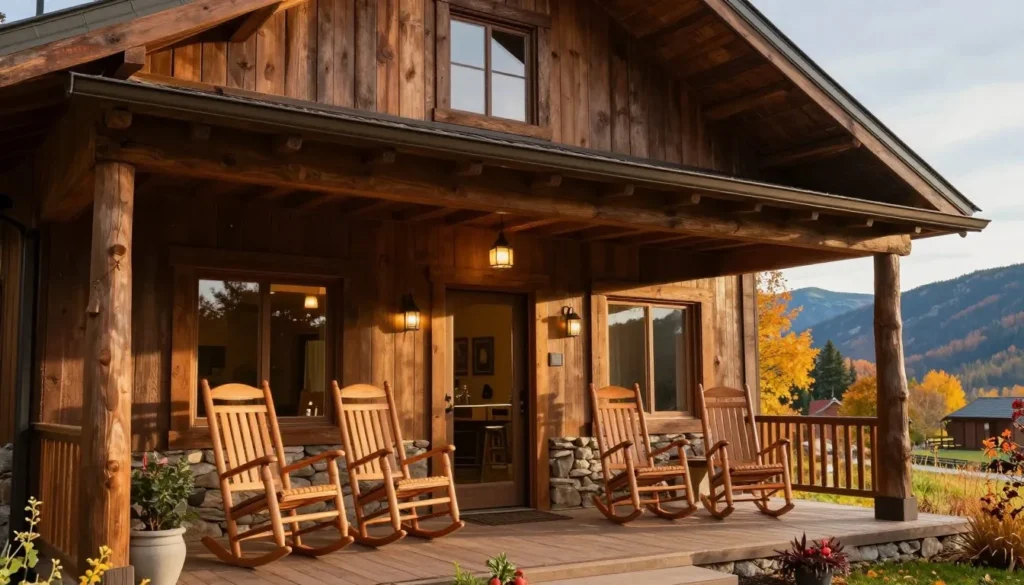
The region offers diverse lodging from luxury resorts to rustic cabins. Asheville provides the most options with boutique hotels downtown. Historic inns line the streets near Pack Square.
Cabin rentals dot the mountainsides throughout the region. These provide full kitchens and privacy for families. Many feature hot tubs with mountain views. Book through local rental agencies for best selection.
The Great Smoky Mountains National Park area includes numerous lodges. Bryson City serves as a convenient base for park exploration. The town maintains a quieter atmosphere than Gatlinburg across the border.
Camping options range from developed campgrounds to backcountry sites. The national forest lands allow dispersed camping in designated areas. Reservations open six months ahead for popular campgrounds.
Budget travelers find chain hotels along major highways. Small towns like Blowing Rock and Highlands offer bed and breakfasts. These provide personal touches and local insider tips.
Dining and Local Cuisine

Asheville has earned recognition as a premier food destination. Over 25 craft breweries operate within city limits. Farm-to-table restaurants showcase local ingredients throughout the region.
Traditional Appalachian cuisine includes dishes like country ham and biscuits. Many restaurants serve trout caught from nearby streams. Apple butter and preserves feature apples from local orchards.
Bryson City offers down-home cooking at family restaurants. The small towns maintain authentic mountain food traditions. Expect generous portions and reasonable prices outside tourist centers.
Barbecue styles shift between eastern and western North Carolina preparations. The mountains favor a tomato-based sauce with pulled pork. Local competitions happen throughout summer months.
Vegetarian and vegan options flourish in Asheville and Boone. College towns typically offer diverse international cuisines. Farmers markets operate from spring through fall in most communities.
Attractions, Sightseeing and Activities

Biltmore Estate
This 178,926-square-meter (1,926,000-square-foot) mansion remains America’s largest home. George Vanderbilt built the estate in 1895. The property includes formal gardens, a winery, and multiple restaurants.
Tours showcase original furnishings and art collections. The estate requires a full day to explore properly. Peak season tickets sell out weeks ahead.
Blue Ridge Parkway
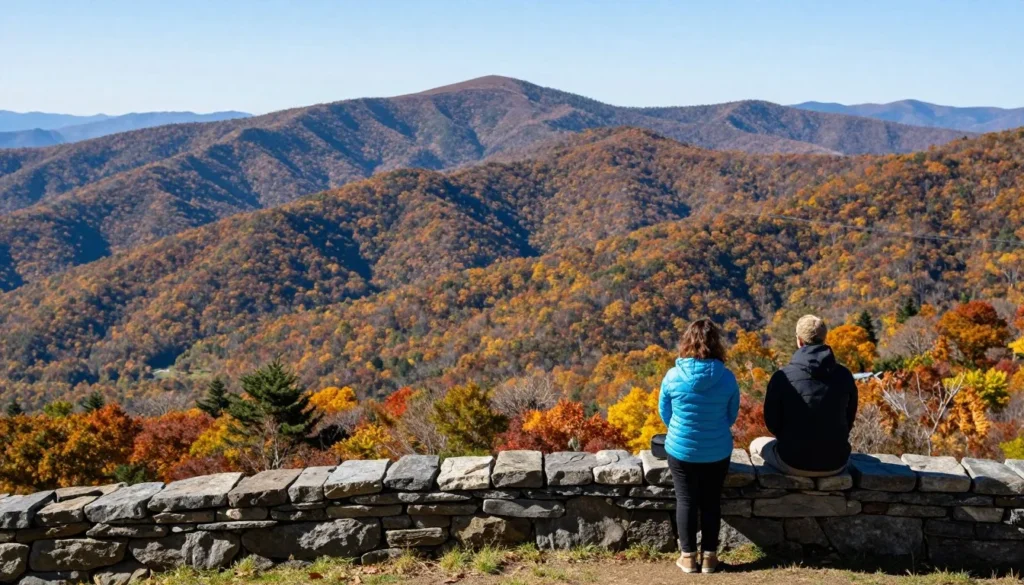
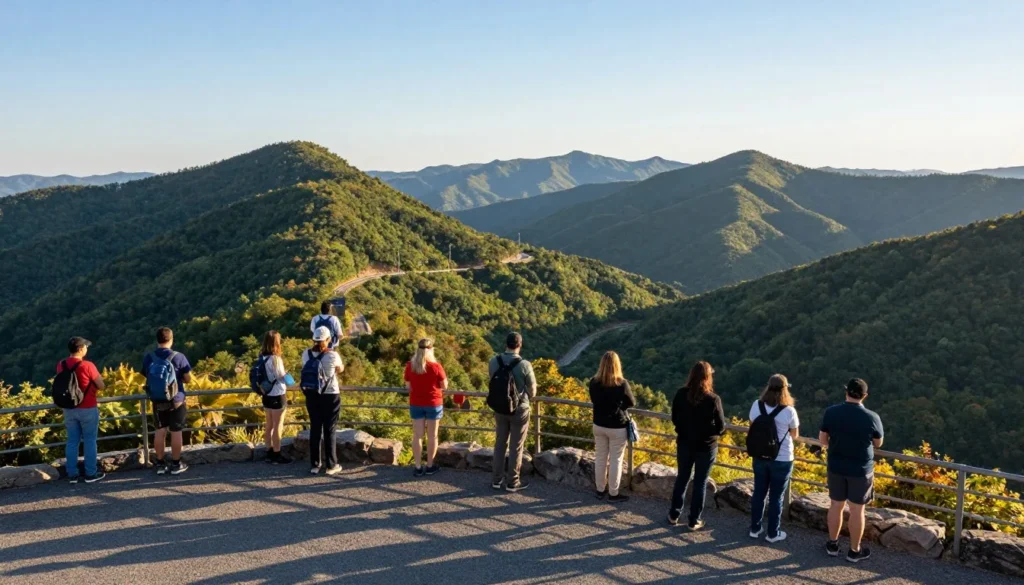
This scenic highway connects Great Smoky Mountains National Park with Shenandoah National Park. The parkway features 469 miles of continuous mountain beauty. Over 300 overlooks provide photo opportunities.
Milepost markers help locate specific sites. Popular stops include Craggy Gardens and Linville Falls. The highest point reaches 1,845 m (6,053 feet) at Richland Balsam.
Great Smoky Mountains National Park
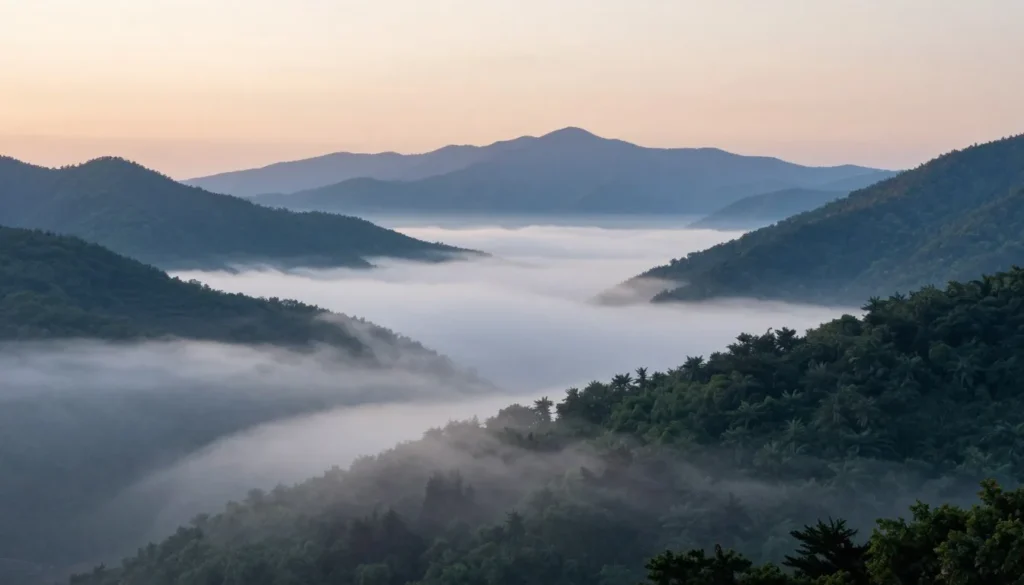
This park straddles the North Carolina-Tennessee border. It receives more visitors than any other national park. Over 1,287 km (800 miles) of trails wind through old-growth forests.
Clingmans Dome offers the highest peak at 2,025 m (6,643 feet). A paved trail leads to an observation tower. On clear days, views extend over 161 km (100 miles).
Cades Cove provides an 18 km (11-mile) loop road through historic valley. Preserved buildings show early settler life. Wildlife viewing opportunities include black bears and white-tailed deer.
Grandfather Mountain
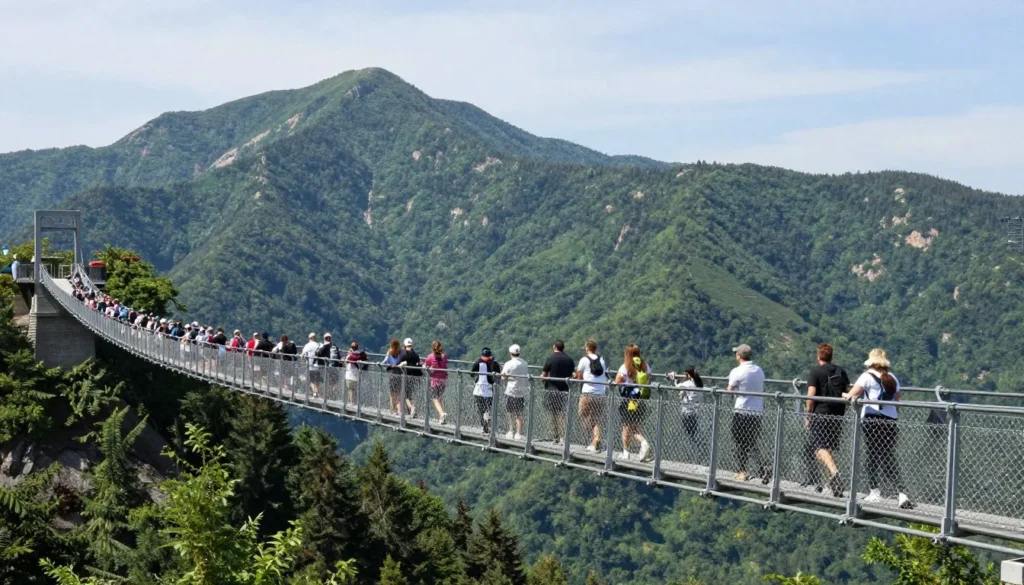
The Mile High Swinging Bridge spans 69 m (228 feet) across a rocky chasm. It sits at 1,646 m (5,280 feet) elevation. The bridge provides stunning 360-degree views.
The nature museum explains mountain ecology and wildlife. Hiking trails range from easy walks to challenging scrambles. The park protects unique high-elevation habitats.
Museums, Cultural Spots and Festivals

The Folk Art Center on the Blue Ridge Parkway showcases Appalachian crafts. Demonstrations of traditional skills happen throughout the week. The gallery features works from Southern Highland Craft Guild members.
Asheville’s River Arts District occupies former industrial buildings. Over 200 artists maintain working studios open to visitors. The district hosts studio tours twice yearly.
The Museum of North Carolina Minerals explains regional geology. Interactive exhibits demonstrate how mountains formed. The facility sits at Milepost 331 on the parkway.
Penland School of Craft offers workshops in various media. The gallery displays student and instructor works. Classes attract artists from around the world.
Cherokee culture remains strong in the Qualla Boundary. The Museum of the Cherokee Indian preserves tribal history. The Oconaluftee Indian Village recreates 18th-century Cherokee life.
Nature and Outdoor Experiences
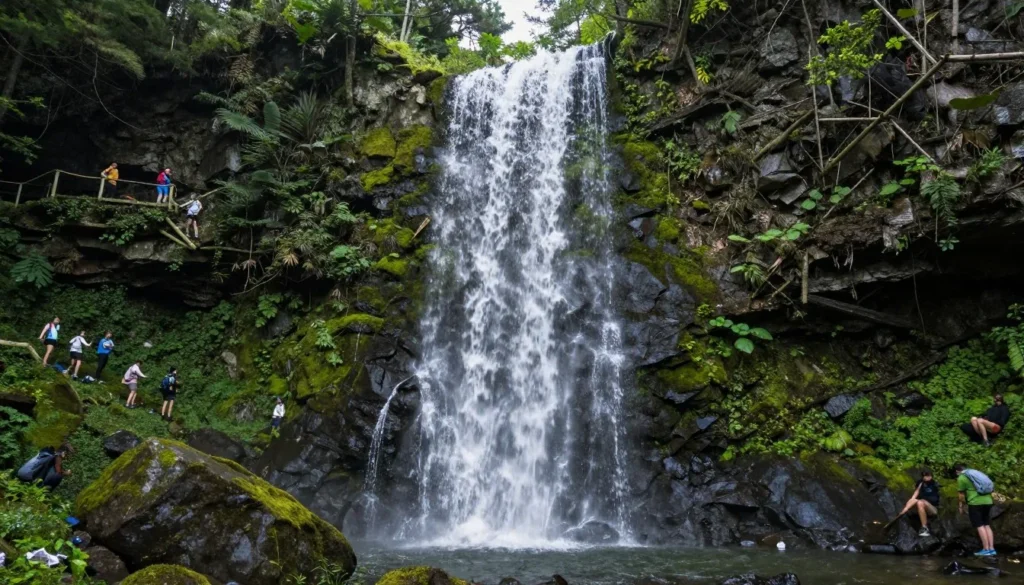
Waterfall Exploration
The Blue Ridge region claims over 250 waterfalls. Whitewater Falls drops 125 m (411 feet) in two cascades. It ranks among the highest waterfalls east of the Rockies.
Sliding Rock near Brevard offers a natural water slide. The smooth rock face extends 18 m (60 feet). Summer visitors slide into a pool below.
Linville Falls provides easy viewing platforms accessible to most visitors. The falls plunge into Linville Gorge. Multiple overlooks show different perspectives of the 27 m (90-foot) cascade.

Hiking Trails
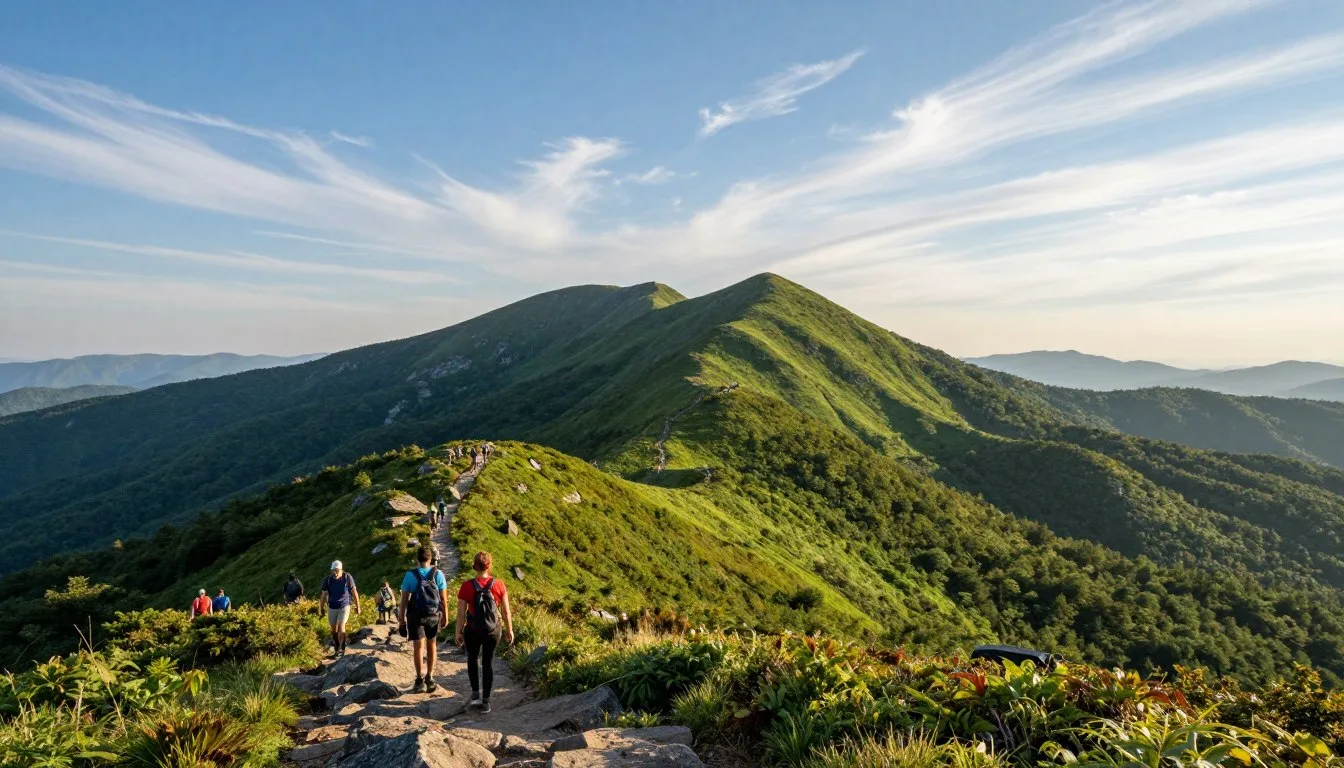
The Appalachian Trail crosses through the region for over 483 km (300 miles). Day hikers access sections from multiple trailheads. Overnight shelters space every 13 to 16 km (8 to 10 miles).
Pisgah National Forest contains over 644 km (400 miles) of hiking trails. Options range from gentle nature walks to strenuous climbs. The forest encompasses 207,393 hectares (512,502 acres).
Mount Mitchell State Park protects the East’s highest peak at 2,037 m (6,684 feet). A short trail leads from the parking area to the summit. Weather can change rapidly at this elevation.
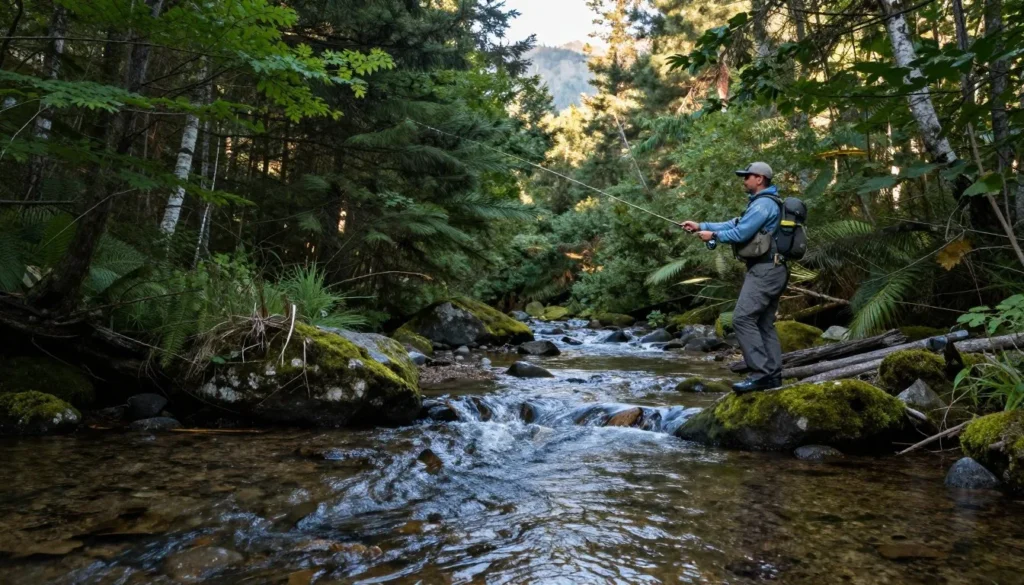
Water Activities
The French Broad River flows through Asheville offering calm sections for kayaking. Outfitters provide rentals and guided trips. The river journey showcases the city from a unique perspective.
Nantahala River attracts whitewater enthusiasts with Class II and III rapids. The 13 km (8-mile) run takes three to four hours. Multiple outfitters operate from Bryson City.
Mountain lakes provide fishing opportunities for trout and bass. Fontana Lake covers 4,442 hectares (10,980 acres) along the park boundary. Boat rentals operate from multiple marinas.
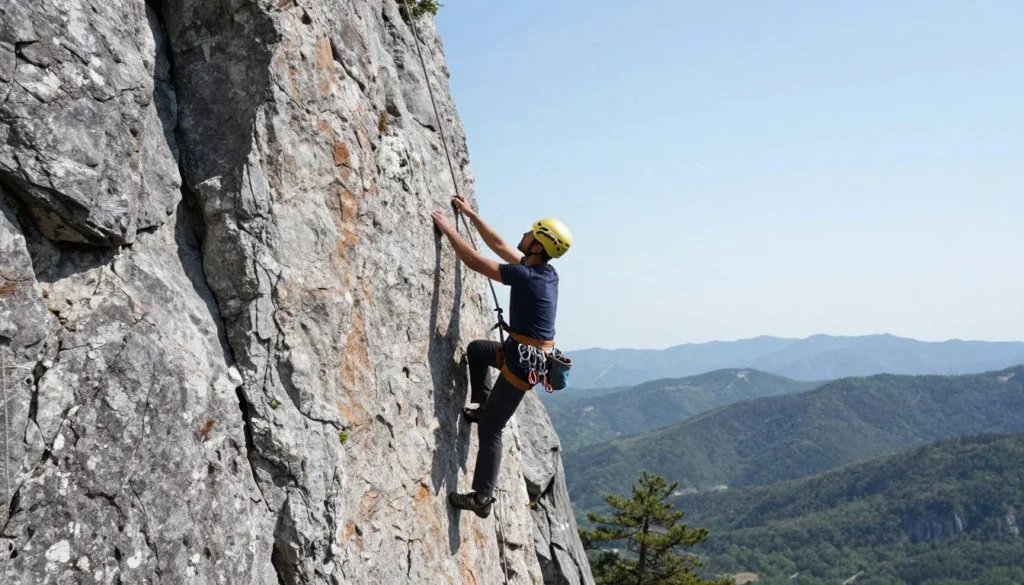
Adventure Activities
Linville Gorge offers challenging rock climbing routes. The wilderness area features some of the Southeast’s most technical climbs. Permits limit overnight visitors to protect the environment.
Zipline canopy tours operate near several towns. The courses range from family-friendly to extreme adventures. Some extend over 305 m (1,000 feet) with views of the surrounding peaks.
Mountain biking trails wind through national forests. Bent Creek near Asheville provides over 48 km (30 miles) of trails. Skill levels range from beginner-friendly to expert-only.
Travel With Children

Looking Glass Rock Trail offers kid-friendly hiking near Brevard. The moderate 9.6 km (6-mile) round trip rewards effort with summit views. Pack plenty of water and snacks for young hikers.
Sliding Rock provides natural entertainment children love. Lifeguards monitor the area during summer season. The water stays cold year-round at around 10°C (50°F).
The Western North Carolina Nature Center in Asheville showcases regional animals. Red wolves, river otters, and black bears live in natural habitats. The facility focuses on education and conservation.
Cataloochee Valley in the Great Smoky Mountains offers easy wildlife viewing. Elk reintroduced to the area often graze in open meadows. Early morning or evening visits provide best sightings.
Many towns feature gem mining attractions. Children sift through ore buckets to find precious stones. The experience combines education with treasure-hunting excitement.
Money Saving Tips
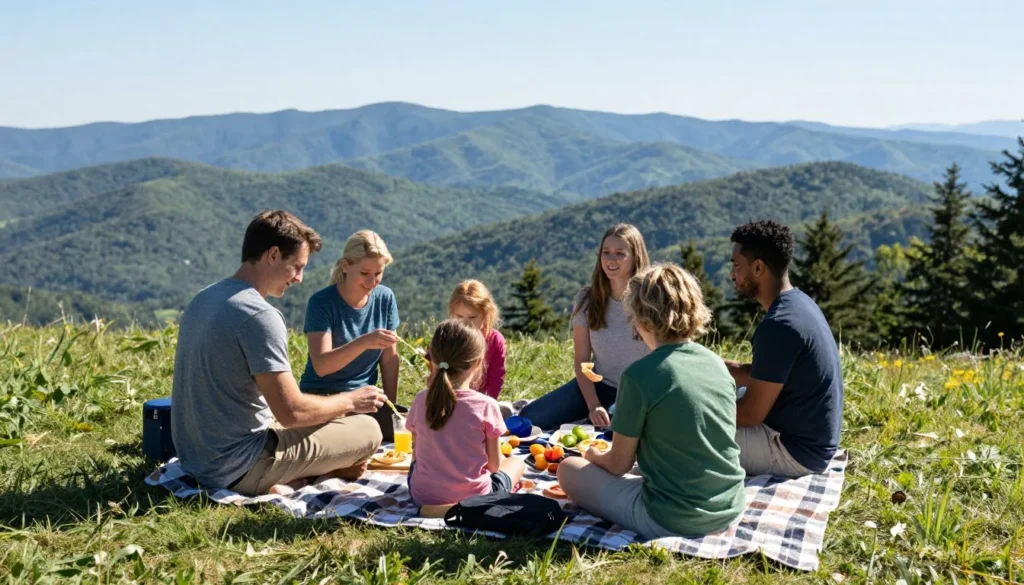
Visit during shoulder seasons in May or September for lower accommodation rates. Prices drop significantly compared to October peak season. The weather remains pleasant and crowds thin.
Pack picnic lunches to save on dining expenses. The region offers countless scenic spots for outdoor meals. Local grocery stores provide better value than tourist area restaurants.
Many attractions in the Great Smoky Mountains National Park remain free. No entrance fee applies unlike most national parks. Hiking, wildlife viewing, and scenic drives cost nothing.
Purchase combination tickets when visiting multiple paid attractions. Some passes include Biltmore Estate and nearby sites. Check tourism board websites for current deals.
Camp instead of booking hotels to reduce lodging costs dramatically. National forest campgrounds charge modest fees. Many provide basic amenities at a fraction of hotel prices.
Fill gas tanks in larger towns before heading into mountains. Prices increase at remote stations. Plan fuel stops in Asheville or other cities.
Safety and Local Customs
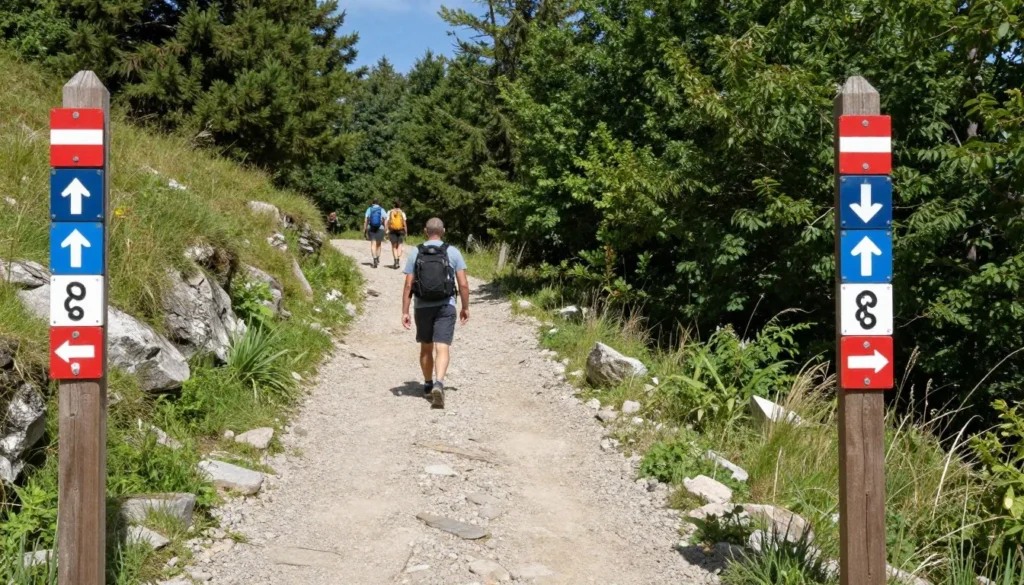
Black bears inhabit the Blue Ridge forests throughout the region. Never approach or feed wildlife. Store food properly when camping to avoid attracting animals.
Weather changes rapidly at higher elevations. Temperature drops about 3°C (5°F) for every 305 m (1,000 feet) gained. Pack layers even during summer trips.
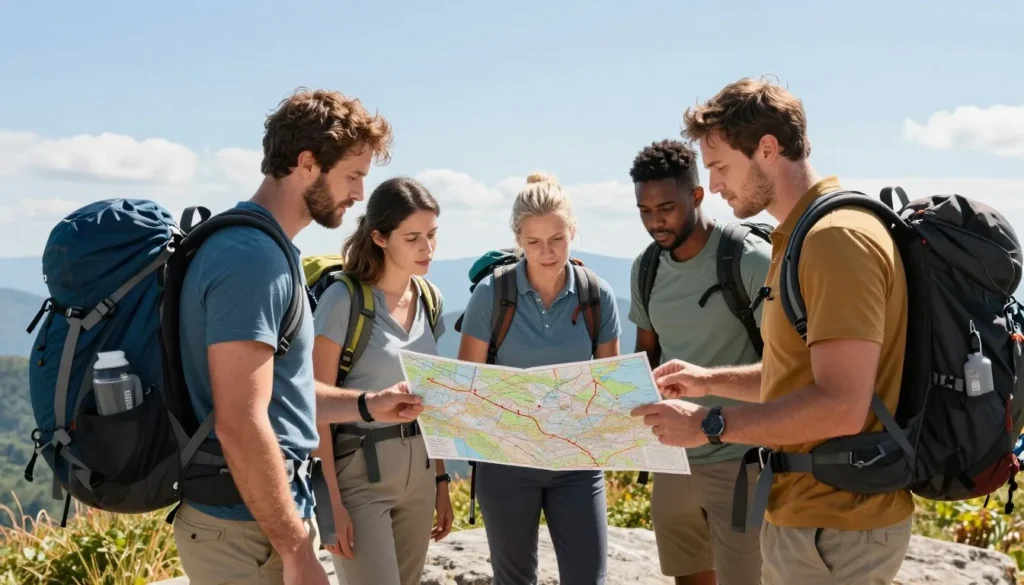
Cell phone coverage remains spotty in remote areas. Download offline maps before heading into the mountains. Inform someone of your hiking plans and expected return time.
Waterfall viewing requires caution on wet rocks. Many accidents occur when visitors leave designated viewing areas. Stay behind guardrails and follow posted warnings.
Ticks become active from spring through fall in wooded areas. Check for ticks after hiking and wear insect repellent. Lyme disease exists in the region though cases remain relatively rare.
Mountain communities value politeness and friendly greetings. Wave to passing drivers on narrow mountain roads. Local residents appreciate visitors who respect their home.
Visitor Comments About Blue Ridge Mountains
“The fall colors exceeded every expectation. We drove the Blue Ridge Parkway over three days and stopped at countless overlooks. Each view seemed more spectacular than the last. The small towns offered genuine mountain hospitality.”
“Our family spent a week exploring waterfalls and hiking trails. The kids loved Sliding Rock and we all enjoyed the easy walks to viewing platforms. Bryson City provided a perfect base without the crowds of larger towns.”
“Asheville’s food scene impressed us as much as the mountain scenery. We discovered craft breweries, farm-to-table restaurants, and incredible local produce at the farmers market. The combination of nature and culture makes this region special.”
Additional Nearby Destinations
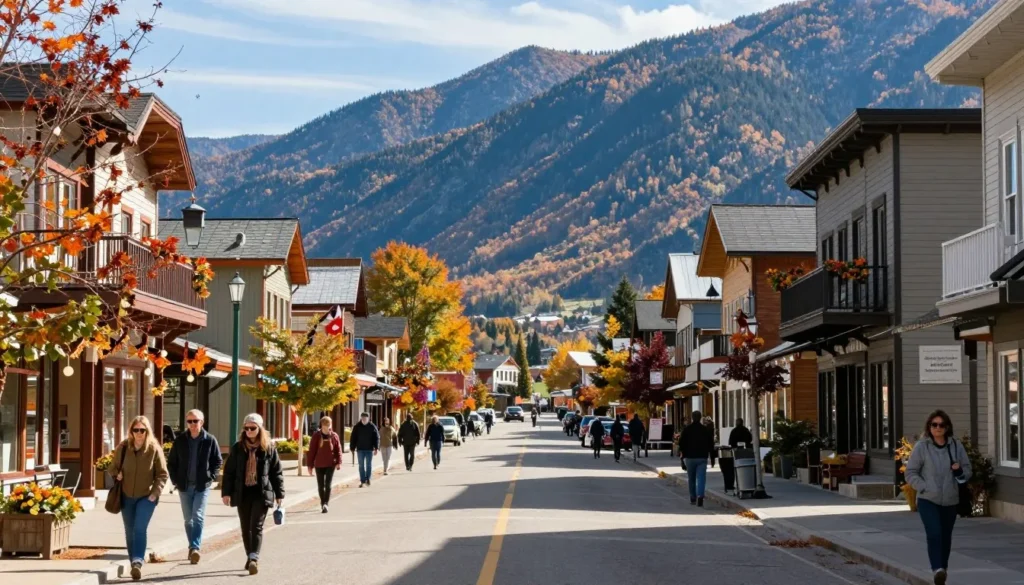
Blowing Rock offers upscale shopping and dining 145 km (90 miles) northeast of Asheville. The namesake rock formation provides views across three states. The town maintains a refined mountain resort atmosphere.
Highlands sits in the southwest corner at 1,220 m (4,000 feet) elevation. Waterfalls surround this upscale village. Boutiques and galleries line the streets downtown.
Hot Springs straddles the Appalachian Trail 64 km (40 miles) north of Asheville. Natural hot springs feed spa facilities along the French Broad River. The small town caters to through-hikers and day visitors.
Gatlinburg, Tennessee provides more commercial attractions across the border. The town serves as the main gateway to the Great Smoky Mountains National Park. Expect larger crowds but more entertainment options.
Boone combines college town energy with mountain recreation. Appalachian State University brings cultural events and dining diversity. The town sits near several ski resorts.
Practical Travel Tips
Download National Park Service apps before visiting Great Smoky Mountains. The apps work offline and provide trail information. They include current road conditions and wildlife sighting reports.
Many overlooks along the Blue Ridge Parkway lack facilities. Plan restroom stops in towns or at visitor centers. Facilities close during winter months when sections shut down.
Mountain roads close periodically for weather or maintenance. Check road conditions before starting your trip. The Blue Ridge Parkway website updates closures regularly.
Credit cards work in most locations but carry cash for roadside produce stands. Small family operations sometimes accept cash only. ATMs exist in all towns but not at trailheads.
Prescription medications should be brought in sufficient quantities. Pharmacies exist in larger towns but not in remote areas. Medical facilities operate in Asheville, Boone, and Bryson City.
Sunrise and sunset times shift significantly with elevation changes. Higher elevations receive first light earlier. Plan photography accordingly for best lighting conditions.
Parking lots at popular trailheads fill by mid-morning on weekends. Arrive before 8 AM or consider weekday visits. Some locations now require advance parking reservations.
Restaurant reservations become essential during October. Popular Asheville restaurants book weeks ahead. Small town diners typically accept walk-ins year-round.
Blue Ridge Mountains Location Map
Your Blue Ridge Adventure Awaits
The Blue Ridge Mountains offer endless possibilities for discovery and adventure. From the stunning vistas along the Blue Ridge Parkway to hidden waterfalls deep in the forest, every day brings new wonders. The small towns welcome visitors with genuine warmth while providing excellent dining and lodging.
Whether you seek challenging hikes on the Appalachian Trail or peaceful moments watching autumn colors spread across the valleys, these mountains deliver. Plan your trip during the recommended seasons for the best experience. Remember that the beauty changes with each visit.
Pack your sense of adventure and prepare to create lasting memories. The Blue Ridge Mountains have inspired visitors for generations. Now it is your turn to discover why these peaks draw people back year after year.