Hotels by Trip.com
Flights by Trip.com
Hidden within the rugged mountains of North Carolina lies a 2,428-acre natural treasure that fewer than 5,000 visitors discover each year. This remarkable preservation showcases ecosystems untouched for centuries. Bobs Creek State Natural Area protects some of the most pristine mountain landscapes in the southeastern United States.
The area takes its name from Bobs Creek, a pristine waterway that flows through the property. Local historians believe the creek was named after an early settler named Bob who established a homestead along its banks in the 1800s. Today, this protected corridor remains much as it was during those frontier days.
This comprehensive guide reveals everything you need to plan an unforgettable visit. Whether you seek challenging trails or peaceful nature observation, this state natural area delivers authentic wilderness experiences. The following sections provide practical details to help you explore this remarkable destination.
Getting There & Planning Your Journey
Reaching Bobs Creek State Natural Area requires careful planning. The natural area sits in McDowell County in western North Carolina. Most visitors arrive by car since public transportation options are limited in this rural mountain region.
The closest major airport is Asheville Regional Airport (AVL), located approximately 64 km (40 miles) southwest of the natural area. This airport offers daily flights from major southeastern cities. Charlotte Douglas International Airport (CLT) provides more flight options but sits 161 km (100 miles) southeast, requiring a longer drive through mountainous terrain.
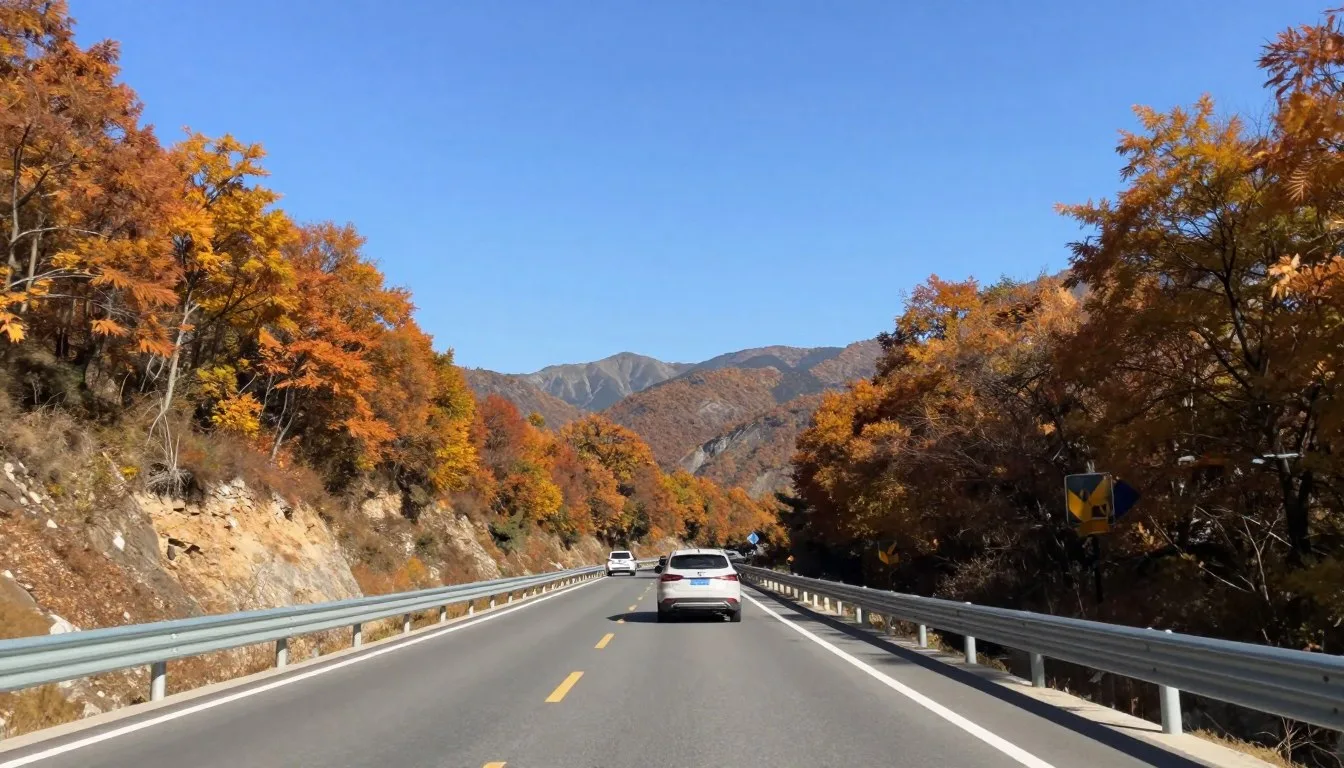
From Asheville, take Interstate 40 East toward Marion. Exit onto Highway 221 North and follow signs toward the natural area. The drive takes about one hour under normal conditions. Road conditions can change rapidly in mountain weather, so check forecasts before departure.
Essential Planning Information
- Reserve at least half a day for your visit
- Download offline maps before arrival as cell service is unreliable
- Bring all necessary supplies – no facilities exist within the natural area
- Inform someone of your hiking plans before entering
Best Time to Visit & Weather Tips
Best Time to Visit Bobs Creek State Natural Area
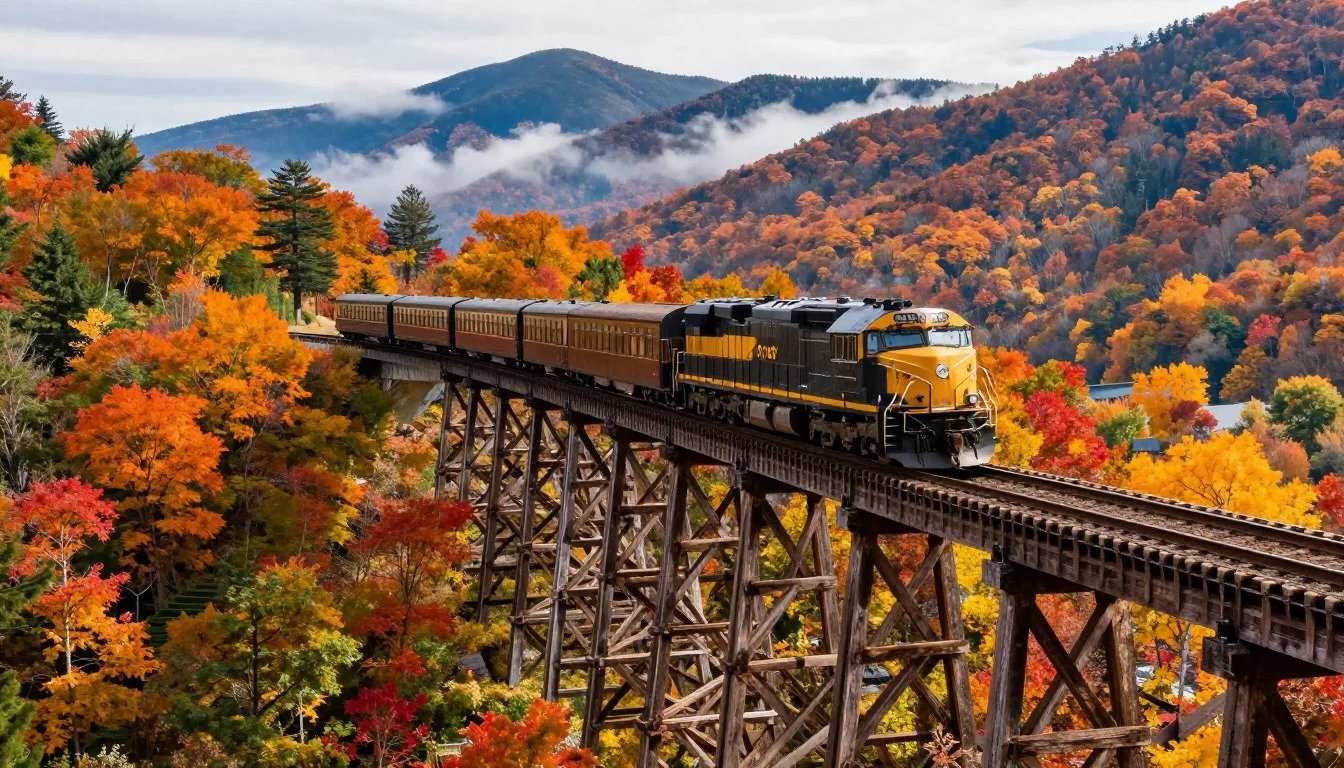
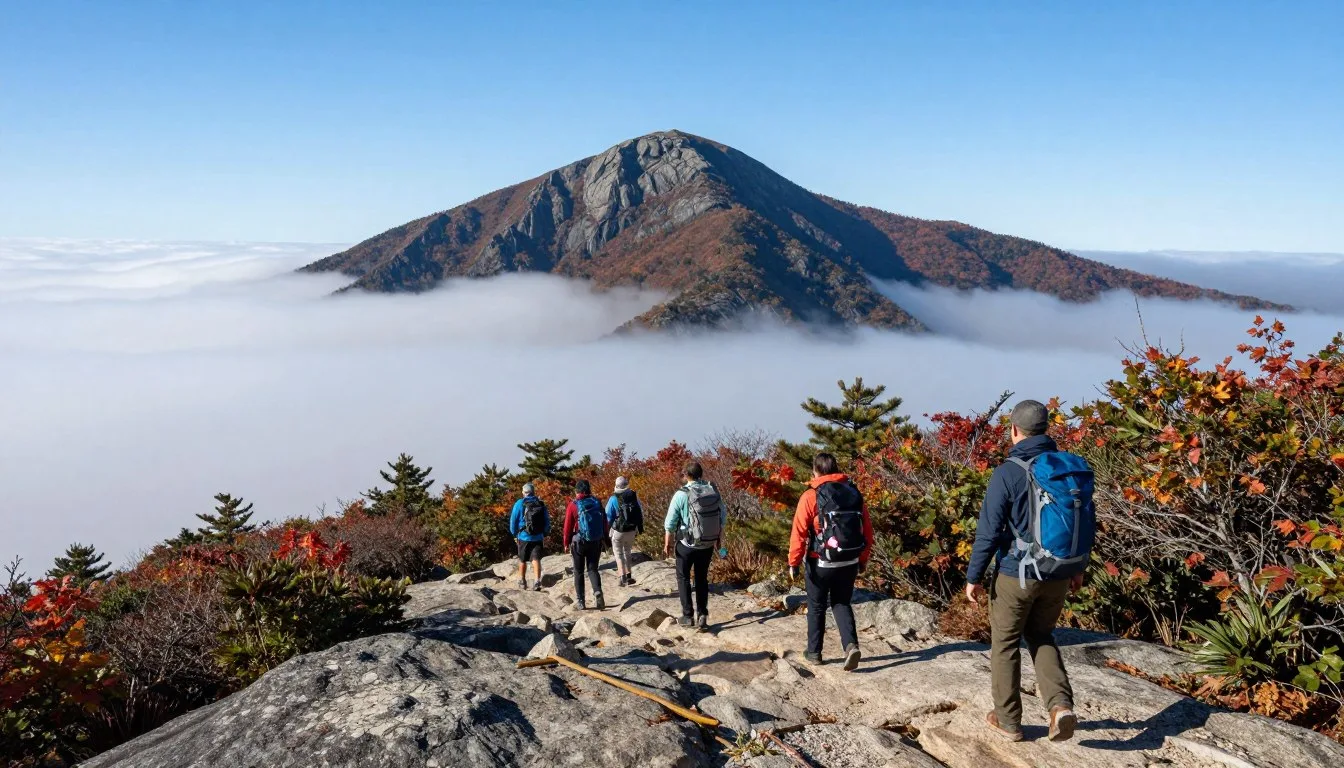
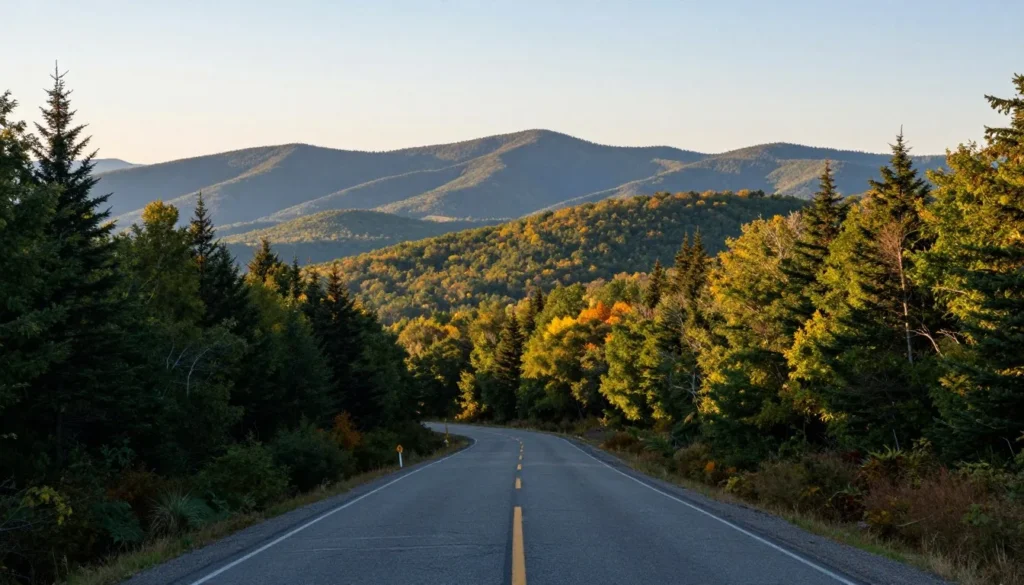
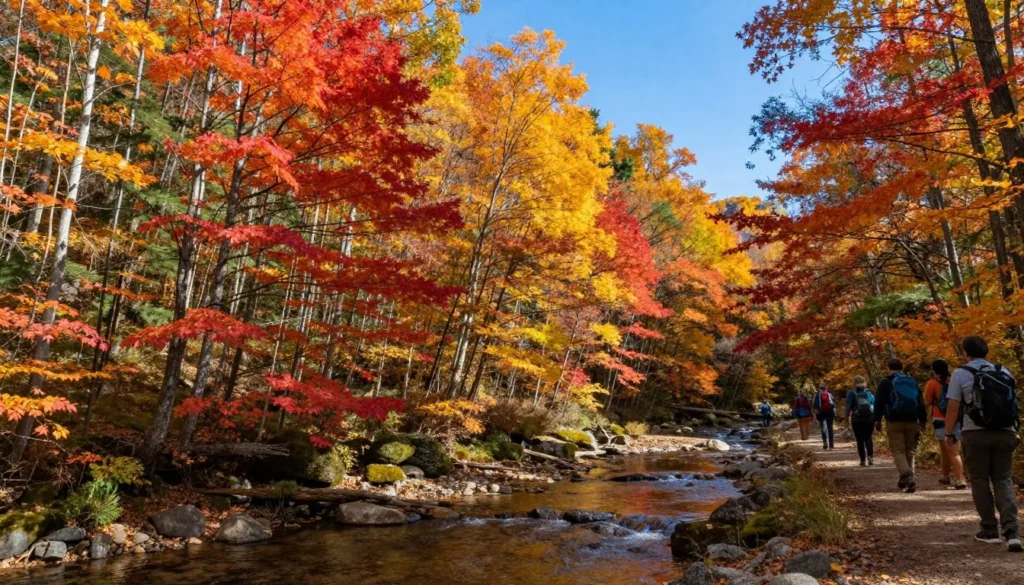
Spring and fall offer the most comfortable conditions for exploring this state natural area. April through May brings wildflower blooms and moderate temperatures. September through October delivers spectacular fall foliage and crisp hiking weather. These seasons attract the most visitors to the natural area.
Summer months from June through August feature warm temperatures averaging 27°C (81°F). Afternoon thunderstorms occur frequently during summer. These storms can arrive quickly in mountain terrain. Winter visits from December through February require preparation for cold conditions and possible snow. Temperatures can drop below freezing, and some trails become hazardous.
Recommended Months
- April – May: Wildflower season, mild temperatures
- September – October: Fall colors, comfortable hiking
- Early November: Fewer crowds, still accessible
Months to Approach with Caution
- July – August: High heat, afternoon storms
- December – February: Snow, ice, limited access
- March: Unpredictable weather patterns
Weather in this mountain region changes rapidly. Temperature variations of 11°C (20°F) between morning and afternoon are common. Elevation differences within the natural area create microclimates. Always pack layers regardless of season.
Notable Annual Festivals
The surrounding region hosts several festivals celebrating mountain culture and natural heritage. These events provide excellent opportunities to experience local traditions. Many visitors combine festival attendance with exploration of state parks and natural areas in the region.
The annual Mountain Glory Festival takes place in Marion each October. This celebration features local crafts, traditional music, and regional cuisine. The festival coincides with peak fall foliage season. Visitors can explore the state natural area in the morning and attend festival activities in the afternoon.
Regional Festival Contacts
McDowell County Tourism Development Authority:
Contact them for current festival schedules, event details, and regional activities information.
Spring brings the Old Fort Heritage Festival in nearby Old Fort, typically held in May. This event celebrates Appalachian history and mountain culture. Local artisans demonstrate traditional crafts including blacksmithing, weaving, and woodworking. The festival runs for one weekend and attracts visitors from across North Carolina.

Getting Around Locally
Personal vehicles provide the only practical transportation to and within Bobs Creek State Natural Area. The natural area has limited parking at designated trailheads. Arrive early during peak seasons as parking fills quickly on beautiful weekends.
The nearest town of Marion sits approximately 16 km (10 miles) from the natural area entrance. Marion offers basic services including gas stations, grocery stores, and restaurants. Stock up on supplies in Marion before heading into the natural area. No services exist within the protected property.
Road conditions vary seasonally. Forest service roads providing access are maintained but remain unpaved in sections. High-clearance vehicles perform better on these roads, though standard cars can navigate carefully during dry conditions. Winter weather can make roads impassable without four-wheel drive.
GPS devices and smartphone navigation apps sometimes provide inaccurate directions in this rural mountain area. Download detailed maps before your trip. Paper maps remain available at the McDowell County visitor center in Marion. Rangers recommend carrying physical maps as backup navigation tools.
Where to Stay
Accommodations near Bobs Creek State Natural Area range from rustic camping to comfortable hotels. The natural area itself offers no overnight facilities. Visitors must stay in surrounding communities. Most lodging options are located in Marion or along the Interstate 40 corridor.
Nearby Lodging Options
Budget Accommodations
Several chain motels operate in Marion offering basic amenities. These properties provide clean rooms at reasonable rates. Expect to pay between $65-$85 per night. Most include continental breakfast and free parking.
Mid-Range Hotels
Marion and nearby communities host mid-range hotels with more amenities. These properties feature pools, fitness centers, and complimentary breakfast. Rates typically range from $90-$130 per night during peak season.
Cabin Rentals
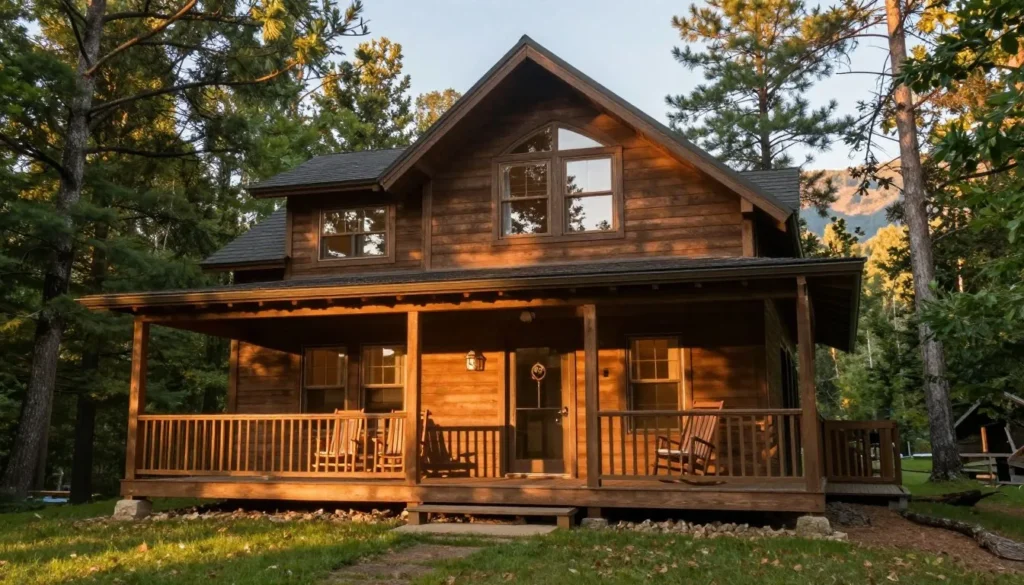
Private cabin rentals dot the mountain areas surrounding the natural area. These properties offer more space and kitchen facilities. Rates vary widely based on size and amenities, ranging from $100-$250 per night.
Camping enthusiasts find several options in the region. Lake James State Park, located 32 km (20 miles) north, provides developed campsites with facilities. These sites include picnic tables, fire rings, and access to restrooms with showers. Reservations are recommended for weekend visits.
Dispersed camping is not permitted within Bobs Creek State Natural Area. The North Carolina Division of Parks and Recreation maintains this policy to protect the sensitive ecosystems. Visitors seeking primitive camping experiences should explore nearby Pisgah National Forest areas where dispersed camping is allowed under forest service regulations.
Dining & Local Cuisine
Local dining options reflect traditional mountain cuisine and southern cooking. Marion serves as the primary dining destination for visitors to the natural area. The town offers a mix of restaurants ranging from casual diners to regional barbecue establishments.
Southern comfort food dominates local menus. Expect to find fried chicken, country ham, and biscuits with gravy at most establishments. Vegetarian options remain limited but are becoming more available. Several restaurants prepare trout from local mountain streams. This fresh fish represents a regional specialty worth trying.
Pack your own food for days spent exploring the natural area. No dining facilities exist within the protected land. Trail-ready snacks and plenty of water are essential. Plan substantial meals for before and after your outdoor activities.
Regional Specialties to Try
- Appalachian trout prepared with local herbs
- Country ham with red-eye gravy
- Apple stack cake, a traditional mountain dessert
- Locally sourced honey and preserves
- Craft beverages from regional producers
Dining Considerations
Most local restaurants close early by urban standards. Dinner service often ends by 8:00 PM on weekdays. Weekend hours may extend slightly. Call ahead to confirm hours during your visit.
Small-town restaurants may have limited staff. Service can be slower during busy times. Plan accordingly and embrace the relaxed mountain pace. The friendly atmosphere compensates for any wait.

Attractions, Sightseeing & Activities
Bobs Creek State Natural Area protects exceptional natural features rather than developed attractions. The primary activity involves exploring pristine mountain ecosystems. Visitors seeking traditional tourist attractions should look to nearby communities. The natural area itself offers passive recreation opportunities.
Wildlife observation provides rewarding experiences within the natural area. White-tailed deer, wild turkey, and various songbirds inhabit the property. Patient observers may spot less common species. Black bears also live in the area, though sightings are relatively rare. Always maintain safe distances from all wildlife.
Photography Opportunities
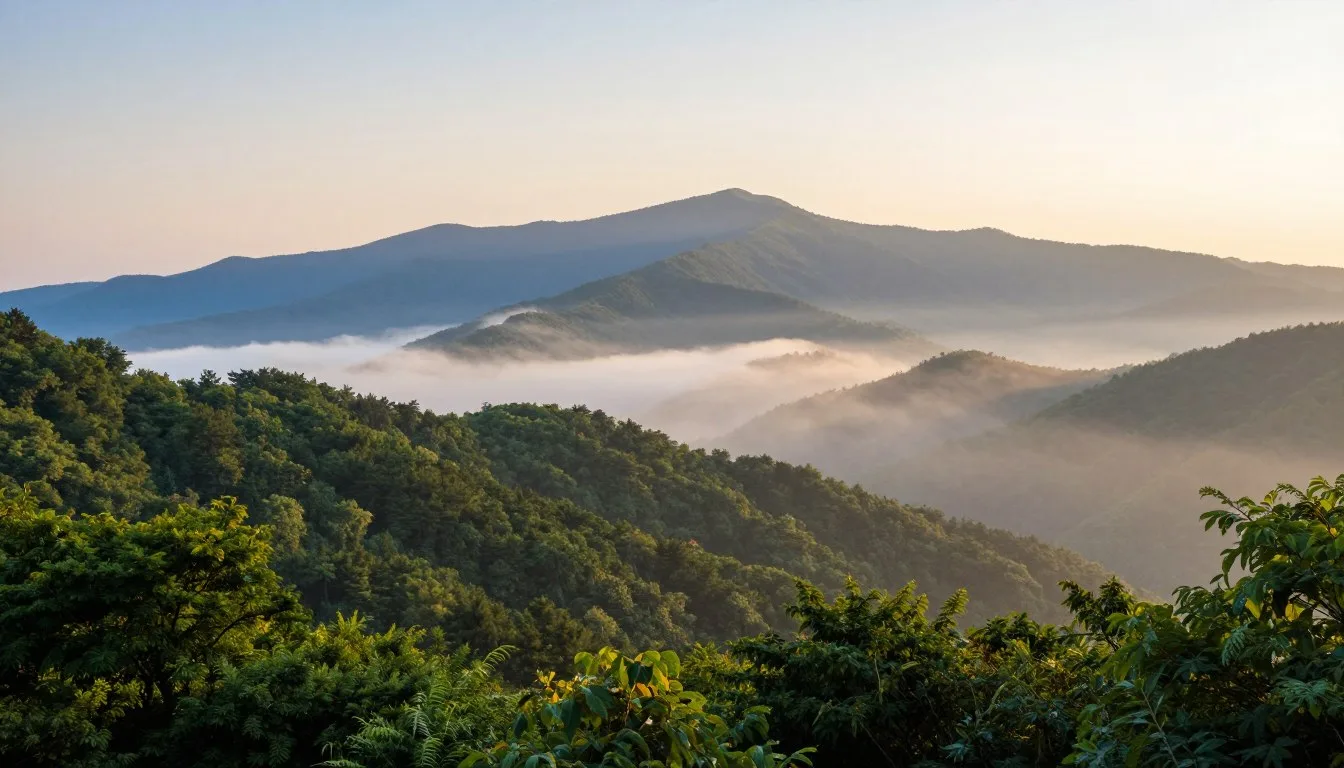
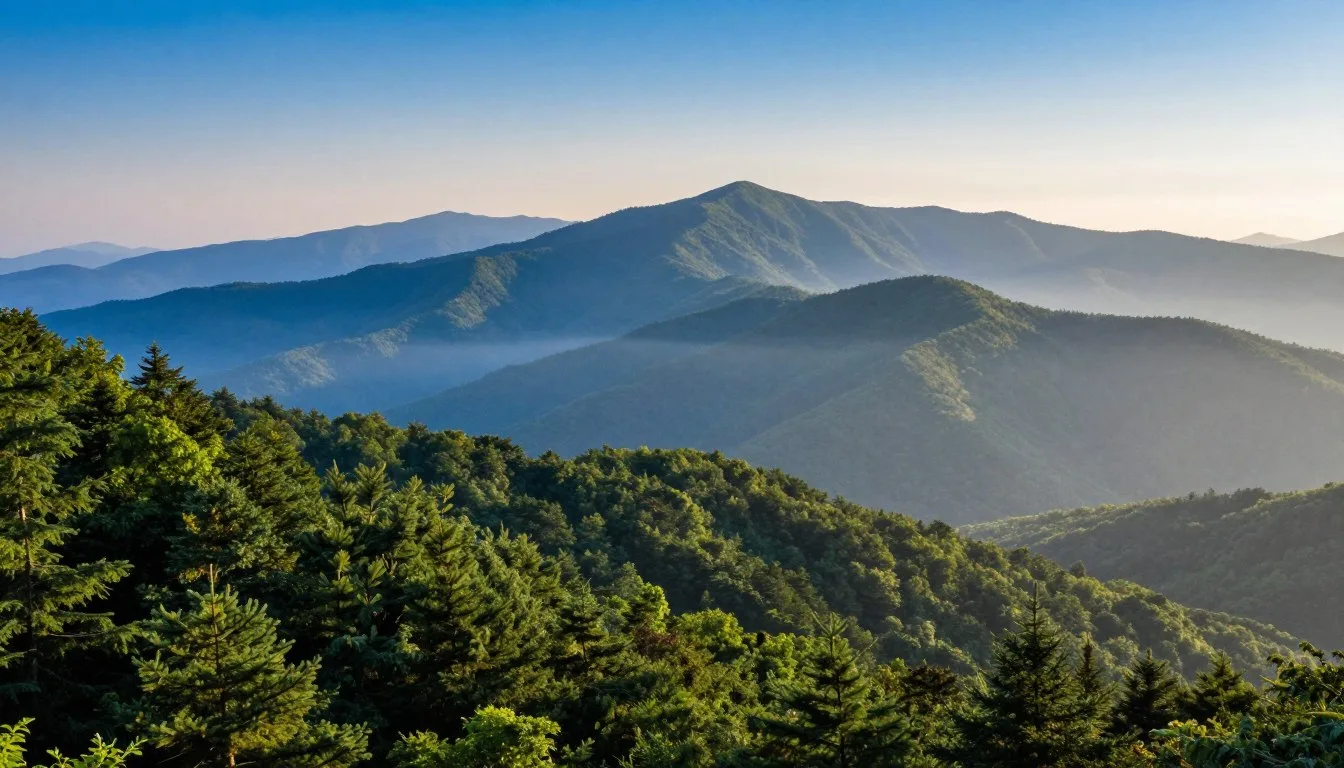
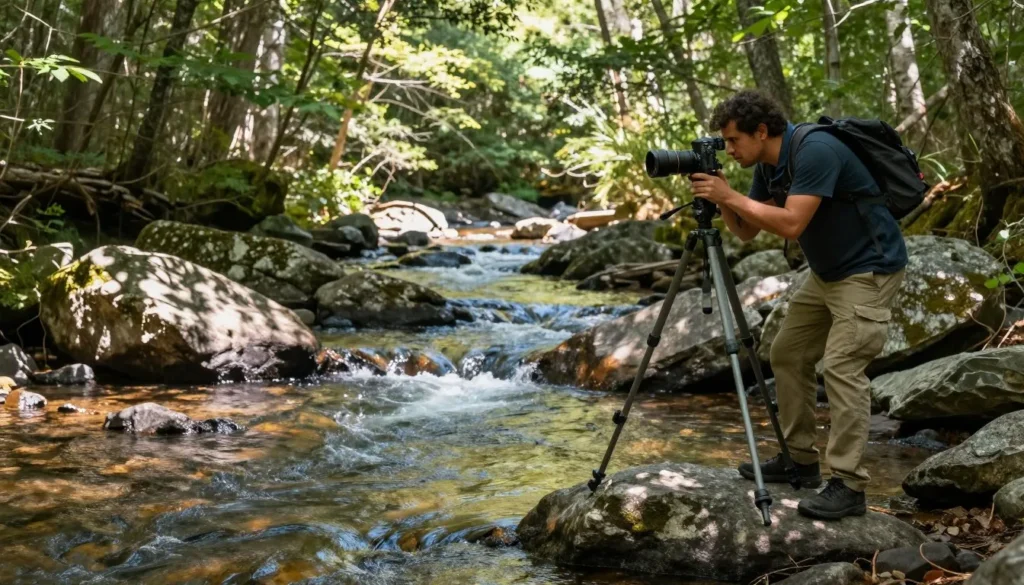
Photographers find endless subjects throughout the natural area. Seasonal changes create dramatically different landscapes. Spring wildflowers carpet forest floors. Summer showcases lush green canopies. Fall foliage transforms the mountains into brilliant color displays. Winter reveals landscape structures hidden by foliage.
Bobs Creek itself provides beautiful water features. Small cascades and quiet pools reflect surrounding forests. Morning light creates particularly stunning conditions for photography. The protected status of this state natural area ensures landscapes remain unspoiled by development.
Seasonal variations affect available activities. Spring offers wildflower identification walks. Summer provides comfortable conditions for extended exploration. Fall attracts leaf-peepers seeking spectacular color. Winter allows for stark beauty appreciation when trails remain accessible.
Museums, Cultural Spots & Festivals
The region surrounding Bobs Creek State Natural Area preserves rich Appalachian cultural heritage. Several museums and cultural centers in nearby communities interpret mountain history and traditions. These facilities provide context for understanding the landscape and its significance.
The McDowell County Historical Society Museum in Marion displays artifacts from the region’s past. Exhibits cover Native American history, early European settlement, and industrial development. The museum occupies a historic building downtown. Admission remains modest, and knowledgeable volunteers share local stories.
Old Fort, located east of the natural area, hosts the Mountain Gateway Museum. This facility focuses on the region’s role as an entry point to western North Carolina. Interactive displays engage visitors of all ages. The museum grounds include historic structures relocated from throughout the county.
Cultural Learning Opportunities
The surrounding communities maintain strong ties to Appalachian traditions. Local craft cooperatives sell handmade items created using time-honored techniques. These organizations help preserve traditional skills while supporting local artisans.
Blue Ridge National Heritage Area designates this region for its cultural significance. The heritage area includes portions of 25 North Carolina counties. Programs and events throughout the year celebrate mountain music, crafts, and foodways.

Nature & Outdoor Experiences
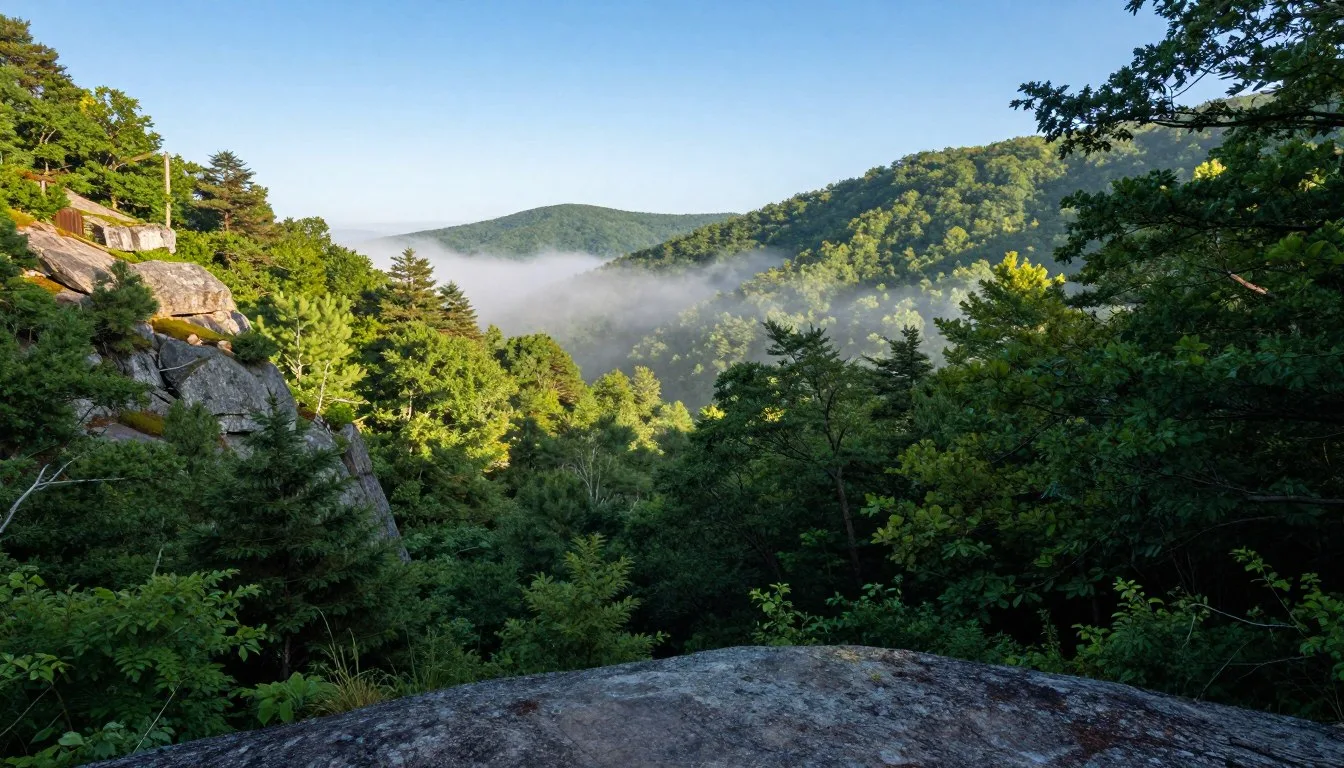
Outdoor enthusiasts discover exceptional experiences within Bobs Creek State Natural Area. The 2,428 acres encompass diverse mountain habitats. Elevations range from approximately 701 m (2,300 feet) to 1,097 m (3,600 feet) above sea level. This variation creates distinct ecological zones within relatively compact area.
Hiking Trails and Access
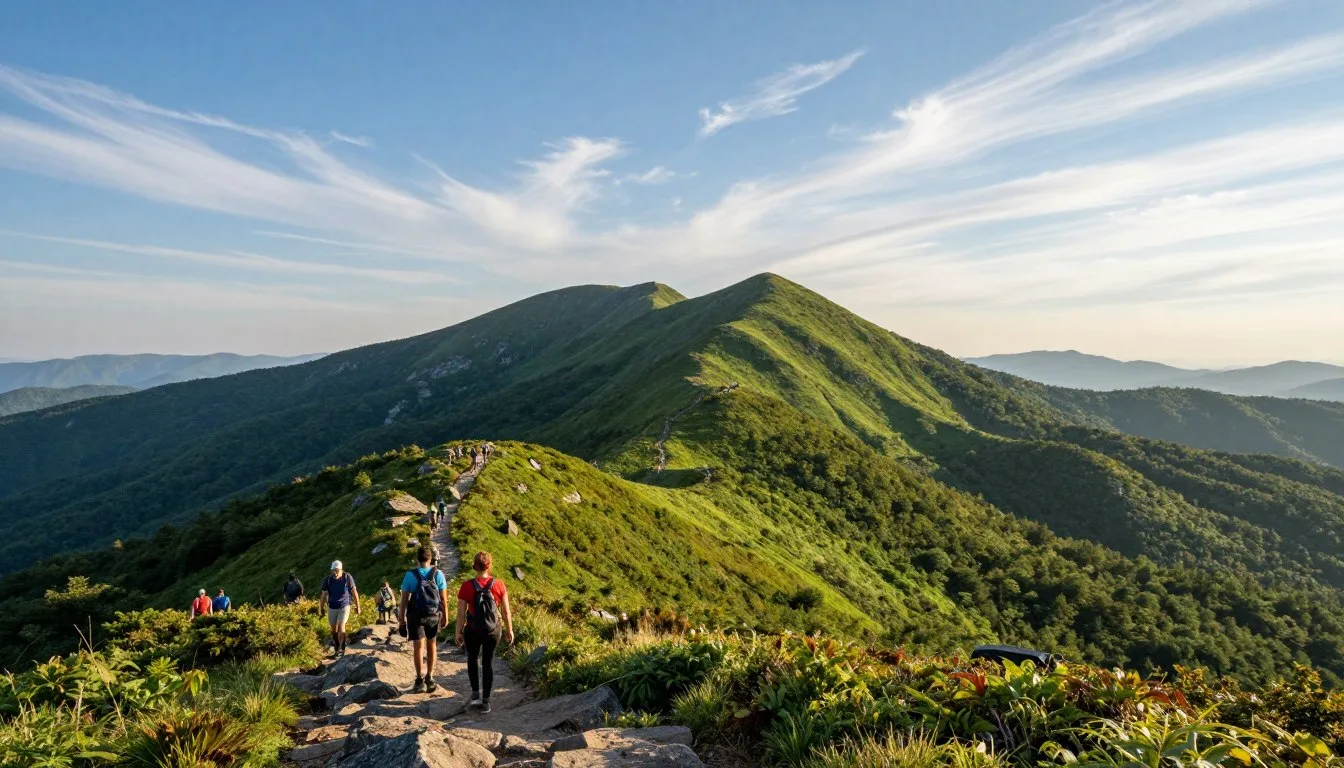
Trail systems within the natural area remain primitive by design. The North Carolina Division of Parks and Recreation maintains minimal development to protect natural resources. Hikers should possess navigation skills and physical conditioning. Trails are not marked as clearly as those in developed state parks.
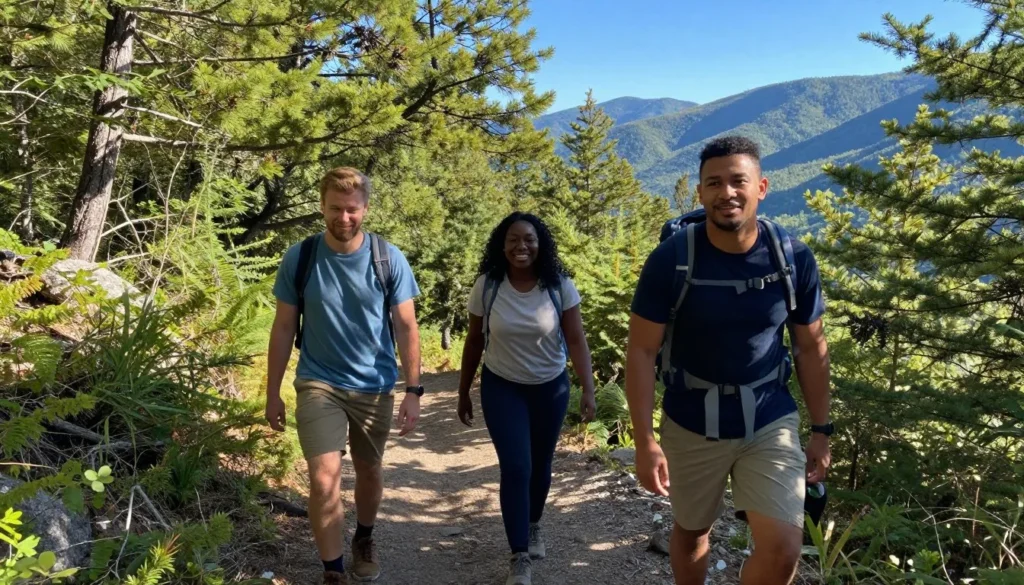
The main trail extends approximately 8 km (5 miles) one way through the property. This pathway follows Bobs Creek for much of its length. Expect moderate to difficult terrain with stream crossings. Elevation changes total about 305 m (1,000 feet) over the trail length. Allow 4-6 hours for a complete out-and-back hike.
Forest Ecosystems
Old-growth forest characteristics appear in portions of the natural area. Large trees exceeding 200 years in age survive in protected coves. These ancient specimens provide habitat for numerous species. Forest composition includes oak, hickory, tulip poplar, and various understory plants.
The ecological significance of this state natural area extends beyond tree size. Natural disturbance patterns remain intact. Fallen logs decompose naturally, enriching soil and providing wildlife habitat. This contrasts sharply with managed forests where dead trees are removed.
Flora Highlights
- Mountain laurel blooms in late spring
- Rhododendron creates dense thickets
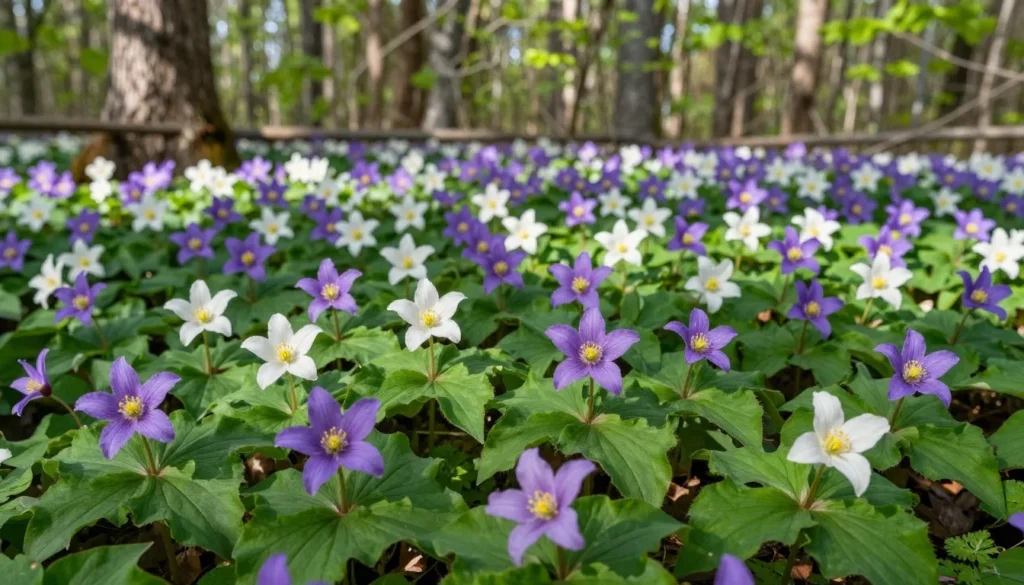
- Spring wildflowers include trillium and bloodroot
- Rare plant species receive special protection
Fauna Observations
- Salamanders thrive in moist environments
- Bird species include wood thrushes and tanagers
- Brook trout swim in cold mountain streams
- Black bears occasionally traverse the area
Water Features
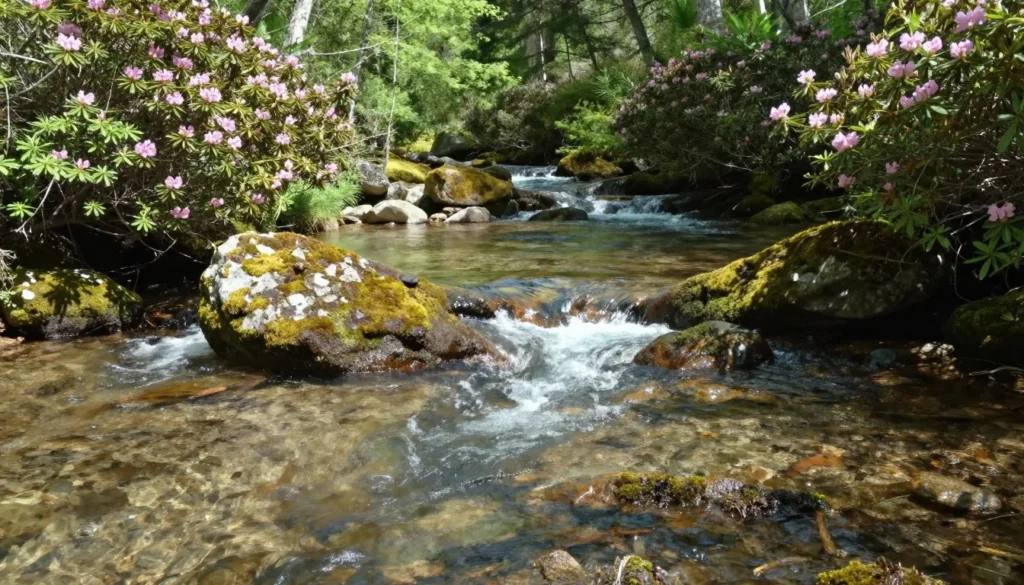
Bobs Creek provides the focal point for the natural area. This pristine waterway maintains excellent water quality. The creek supports healthy populations of native brook trout. Fishing is permitted with appropriate North Carolina licenses, though catch-and-release is encouraged.
Several tributaries flow into Bobs Creek within the protected boundary. These smaller streams create intimate natural settings. Cool, clear water flows year-round, fed by mountain springs. Stream banks host moisture-loving plants creating lush riparian zones.
Seasonal Natural Events
Each season brings distinct natural phenomena to observe. Spring arrives later at higher elevations, creating an extended wildflower season. Summer showcases the full diversity of forest life. Autumn transforms the landscape with brilliant foliage displays. Winter reveals landscape bones and provides opportunities to observe animal tracks in snow.
Geoconservation Value
The land protected within this state natural area holds geological significance. Rock formations reveal millions of years of Earth history. Ancient metamorphic rocks form the foundation of these mountains. Understanding geological processes helps visitors appreciate landscape formation.
The North Carolina state parks system includes Bobs Creek State Natural Area within its network of protected lands. This classification emphasizes conservation over recreation development. While visitors are welcome, preservation of natural resources takes priority in management decisions.
Travel With Children
Families with children can enjoy Bobs Creek State Natural Area with proper planning. The primitive nature of trails requires realistic assessment of children’s abilities. Younger children may find the distances and terrain challenging. Families with older children and teenagers discover excellent outdoor education opportunities.
No designated playgrounds or child-specific facilities exist within the natural area. This environment serves children interested in nature exploration rather than those seeking recreational equipment. Teaching moments abound for families emphasizing environmental education and outdoor skills.
Family Hiking Tips
- Choose shorter sections of trail for young hikers
- Bring plenty of snacks and water
- Make frequent rest stops at scenic locations
- Engage children with nature scavenger hunts
- Teach Leave No Trace principles through practice
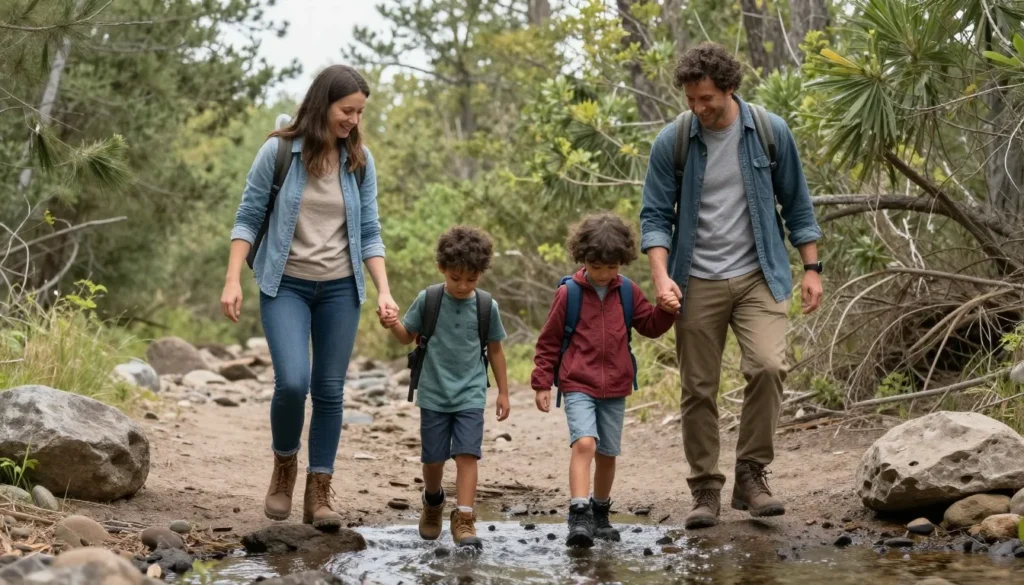
Safety considerations increase when hiking with children in natural areas. Stream crossings require adult assistance. Steep sections of trail need close supervision. Wildlife encounters, while exciting, demand that children understand proper behavior around wild animals.
Educational value makes visiting state natural areas worthwhile for families. Children learn about ecosystems, wildlife, and conservation. These experiences create lasting memories and foster environmental stewardship. Many families return year after year, creating traditions around visiting protected natural areas.
Money Saving Tips
Visiting Bobs Creek State Natural Area costs little since no entrance fees apply. The North Carolina state parks system provides free access to state natural areas. This makes the destination extremely budget-friendly compared to many outdoor recreation areas.
Major expenses for visiting include transportation, lodging, and meals. Strategic planning reduces these costs significantly. Camping costs less than hotel stays. Preparing your own meals saves substantially over restaurant dining. Many budget-conscious visitors pack coolers with food for entire visits.
Budget Strategies
- Visit during shoulder seasons for lower lodging rates
- Book accommodations well in advance for best prices
- Prepare trail lunches rather than returning to town
- Fill water bottles from municipal sources before entering natural area
- Combine visits to multiple state parks and natural areas on single trip
- Purchase annual North Carolina state parks pass if visiting multiple properties
Free Activities
- All hiking is free with no permit required
- Wildlife observation costs nothing
- Photography opportunities are unlimited
- Self-guided nature study uses free resources
Regional tourism information centers provide free maps and guides. These resources help plan activities without purchasing commercial guidebooks. Many digital resources offer free trail information and planning tools. Download these materials before your trip to avoid roaming charges.
Safety & Local Customs
Wilderness safety awareness is essential when visiting Bobs Creek State Natural Area. The primitive nature and limited development mean visitors must be self-reliant. Cell phone coverage is unreliable throughout most of the property. Inform someone of your plans before entering the natural area.
Essential Safety Practices
Weather conditions change rapidly in mountain environments. Afternoon thunderstorms develop quickly during summer months. Lightning poses serious danger on exposed ridges. Monitor weather forecasts and start hikes early to avoid afternoon storms. Turn back if threatening weather approaches.
Important Safety Reminders
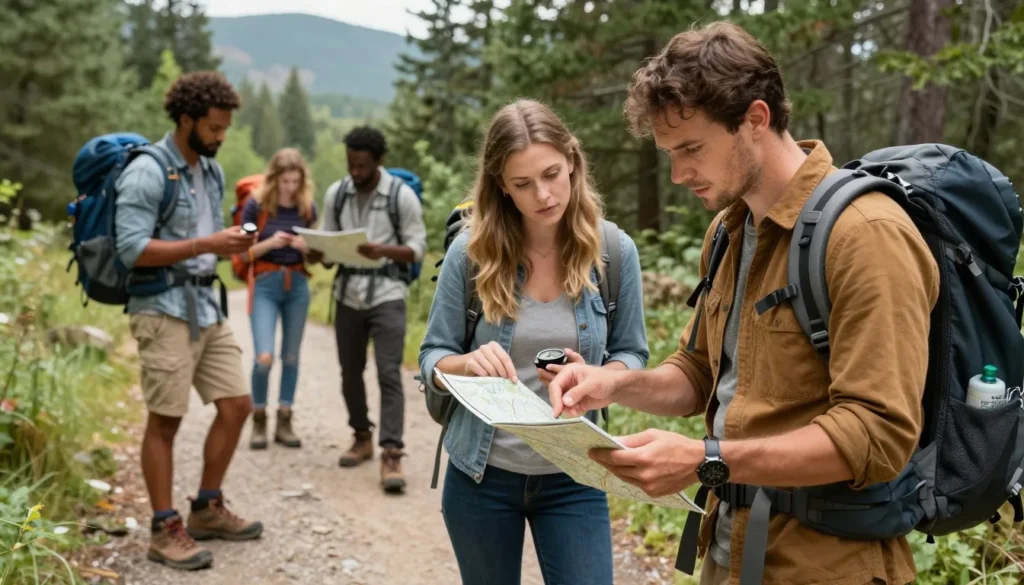
- Carry detailed maps and compass or GPS device
- Bring first aid supplies and know basic wilderness medicine
- Pack more water than you think necessary
- Wear appropriate footwear for rugged terrain
- Tell someone your plans and expected return time
Wildlife encounters require proper responses. Black bears inhabit the area though sightings remain uncommon. Store food properly and never approach bears. Make noise while hiking to avoid surprising wildlife. Venomous snakes including copperheads and timber rattlesnakes also live in this ecosystem. Watch where you place hands and feet.
Local Etiquette
Mountain communities value courtesy and friendliness. Locals appreciate visitors who respect their home. Small-town pace differs from urban environments. Patience and friendly greetings go far in building positive interactions.
Land protection remains paramount in state natural areas. The North Carolina Division of Parks and Recreation manages these properties primarily for preservation. Recreational use remains secondary to conservation goals. Visitors must minimize their impact on natural resources.
Leave No Trace Principles
- Pack out everything you pack in
- Stay on established trails to prevent erosion
- Do not remove plants, rocks, or natural objects
- Keep noise levels low to preserve wilderness character
- Respect other visitors’ experiences
Visitor Comments About Bobs Creek State Natural Area
Real experiences from visitors provide valuable perspectives on what to expect. The following comments come from travelers who explored Bobs Creek State Natural Area and wanted to share their impressions.
The pristine quality of this natural area exceeded our expectations. We hiked the main trail and encountered maybe three other people all day. The old-growth forest sections felt like stepping back centuries. Bobs Creek sparkled with clarity. This is what North Carolina mountains looked like before development. Absolutely worth the drive from the coast.
As an international visitor, I wanted to experience authentic American wilderness. Bobs Creek State Natural Area delivered perfectly. The landscapes reminded me of documentaries about ancient forests. Wildlife was abundant but appropriately cautious. Trails challenged me physically while rewarding with constant beauty. The lack of facilities meant carrying everything, but that enhanced the wilderness feeling. I highly recommend for serious nature enthusiasts.
Our family visits North Carolina state parks regularly. Bobs Creek State Natural Area stands out for its undeveloped character. My teenage children appreciated the genuine wilderness experience after visiting more developed parks. The stream crossings added adventure. We saw a wild turkey with chicks, numerous wildflowers, and perfect forest solitude. The primitive nature means proper preparation is essential. Pack accordingly and you’ll have an incredible time.
Additional Nearby Destinations
The region surrounding Bobs Creek State Natural Area offers numerous additional attractions. Visitors often combine multiple destinations for comprehensive mountain experiences. The following locations lie within easy driving distance and complement a natural area visit.
Lake James State Park
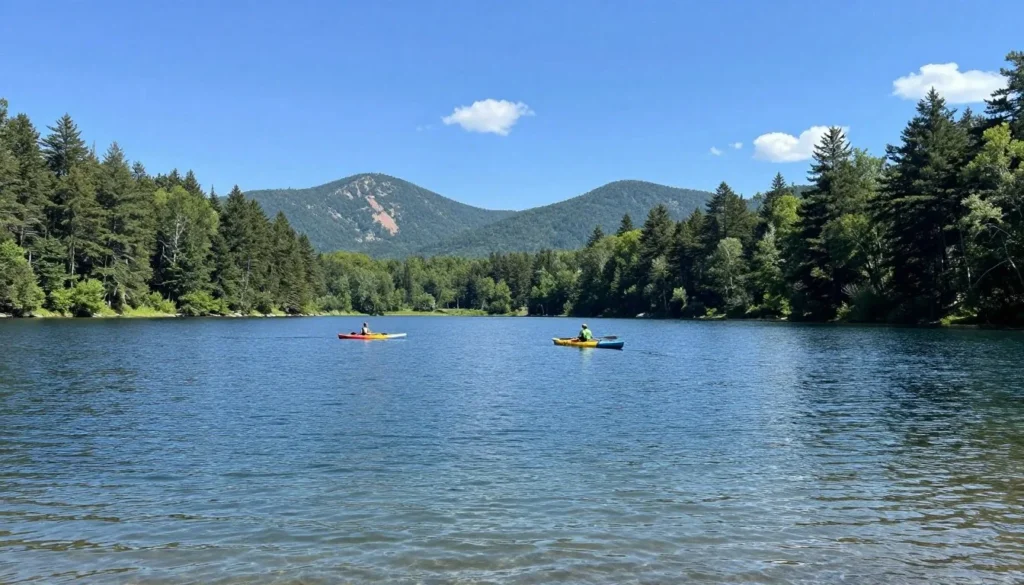
Located 32 km (20 miles) north, Lake James State Park features a 2,683-hectare (6,630-acre) mountain reservoir. The park provides swimming, fishing, and boating opportunities. Developed facilities include campgrounds, picnic areas, and marked trails. The contrast between this recreational park and Bobs Creek’s natural area illustrates the diversity within North Carolina’s state parks system.
Linville Gorge Wilderness
Adventure seekers find exceptional experiences at Linville Gorge Wilderness, located about 48 km (30 miles) northwest. This rugged area protects 4,856 hectares (12,000 acres) of challenging terrain. The gorge, often called the “Grand Canyon of the East,” features dramatic cliffs and remote backcountry. Permits are required for weekend camping during peak seasons.
Blue Ridge Parkway
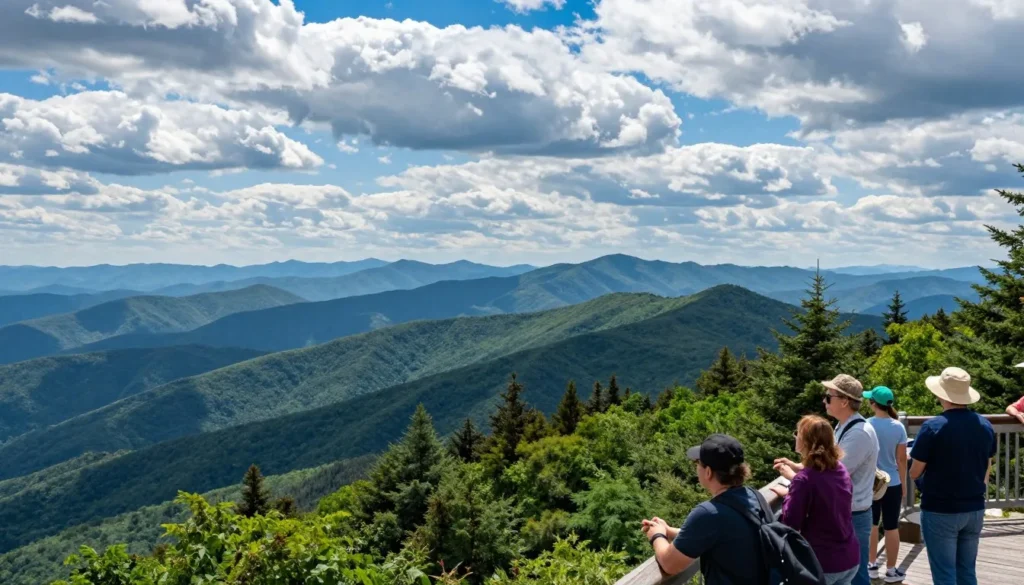
The famous Blue Ridge Parkway runs through the region, with access points within 32 km (20 miles) of the natural area. This scenic highway stretches 755 km (469 miles) through Virginia and North Carolina. Numerous overlooks provide stunning mountain vistas. The parkway offers gentle hiking trails suitable for all ability levels.
Old Fort
This small mountain town sits along the historic route across the mountains. The downtown area preserves historic buildings and hosts the Mountain Gateway Museum. Several restaurants serve regional cuisine. Old Fort provides convenient services for natural area visitors.
Pisgah National Forest
Vast sections of Pisgah National Forest surround the region. This federal land offers countless recreation opportunities. Popular destinations include numerous waterfalls, extensive trail systems, and designated wilderness areas. Multiple access points exist within an hour’s drive.
Historic Morganton
The larger town of Morganton lies southeast and offers full services. Historic downtown features local shops and diverse dining. The community hosts seasonal events and farmers markets. Morganton serves as a good base for exploring multiple regional attractions.
Practical Travel Tips
Successful visits to Bobs Creek State Natural Area require attention to practical details. The primitive nature of this protected property means self-sufficiency is essential. The following tips help ensure smooth and enjoyable experiences.
What to Bring
Essential Gear
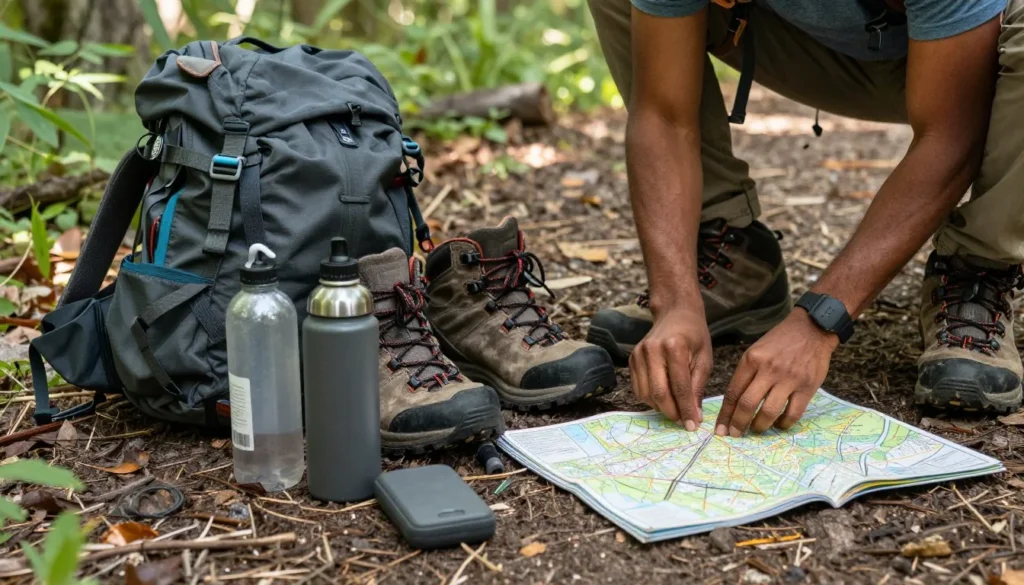
- Sturdy hiking boots with ankle support
- Daypack with sufficient capacity
- Water bottles or hydration system (3 liters minimum)
- Trail snacks and lunch
- Detailed maps and navigation tools
- First aid kit
- Headlamp or flashlight with extra batteries
- Weather-appropriate clothing layers
Recommended Items
- Camera for capturing natural beauty
- Binoculars for wildlife observation
- Field guides for plant and animal identification
- Trekking poles for stability on uneven terrain
- Insect repellent during warmer months
- Sunscreen and sun hat
- Emergency whistle
- Portable phone charger
Health and Fitness Considerations
Trails within Bobs Creek State Natural Area demand moderate to advanced fitness levels. Elevation changes and uneven terrain challenge even experienced hikers. Build conditioning before your visit if you’ve been inactive. Start with shorter trail sections to assess your capabilities.
Hydration becomes critical during physical exertion, especially in warm weather. Dehydration symptoms include headache, dizziness, and fatigue. Drink water regularly throughout your hike rather than waiting until thirsty. Natural water sources in the area should be treated before drinking.
Communication and Connectivity
Cell phone service is unreliable throughout most of the natural area. Download offline maps and trail information before arrival. Inform family or friends of your specific plans and expected return time. Consider carrying a personal locator beacon for true emergencies in remote areas.
Permits and Regulations
No permits are required for day hiking at Bobs Creek State Natural Area. Fishing requires valid North Carolina fishing licenses available at sporting goods stores and online. Hunting is not permitted within the natural area boundaries. Dogs are allowed but must remain leashed at all times.
General regulations apply throughout North Carolina state parks system properties. Alcohol consumption is prohibited. Campfires are not allowed. Collecting plants, rocks, or other natural objects is forbidden. These rules protect the resources that make these areas special.
Photography Guidelines
Photographers should respect natural area regulations while pursuing images. Drones are prohibited without special permits from the North Carolina Division of Parks and Recreation. Stay on established trails even when seeking unique angles. Never disturb wildlife or damage vegetation for photographs.
Location and Directions
Bobs Creek State Natural Area is located in McDowell County in western North Carolina. The natural area lies within the Blue Ridge Mountains, part of the broader Appalachian Mountain chain. Precise coordinates help ensure you reach the correct location in this rural mountain region.
Bobs Creek State Natural Area, McDowell County, North Carolina
Your Wilderness Adventure Awaits
Bobs Creek State Natural Area stands as testament to North Carolina’s commitment to preserving exceptional natural landscapes. This 2,428-acre sanctuary protects mountain ecosystems that have survived largely unchanged for centuries. The natural area offers modern visitors glimpses of wilderness that once covered vast regions.
Whether you seek challenging trails, wildlife observation, photography opportunities, or simple forest solitude, this state natural area delivers authentic experiences. The primitive character requires preparation and self-reliance, but rewards with genuine wilderness immersion. Few places in the eastern United States maintain such pristine natural conditions so accessible to visitors.
Plan your journey carefully, respect the land, and prepare to discover why North Carolina’s state parks system protects this remarkable natural area. The mountains, forests, and streams of Bobs Creek await your exploration. Each season brings different beauty and unique opportunities. Your adventure into this preserved wilderness begins with the first step onto the trail.