Hotels by Trip.com
Flights by Trip.com
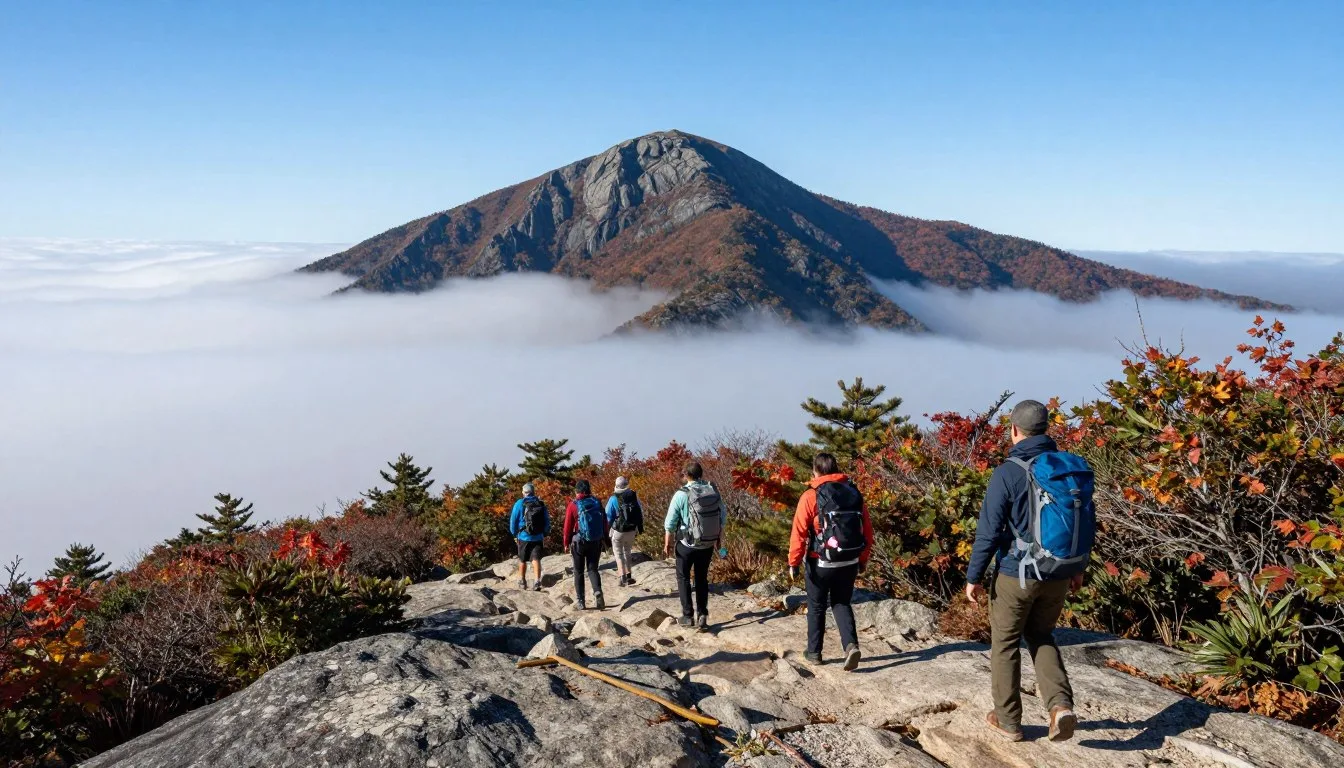
Hidden within the Blue Ridge Mountains lies a remarkable secret: Bullhead Mountain State Natural Area protects some of the oldest rock formations in North America, with geological features dating back over 1 billion years. This protected wilderness area earns its distinctive name from the mountain’s profile, which early settlers thought resembled the head of a bull when viewed from certain angles along the Blue Ridge Parkway.
Spanning across pristine mountain terrain, this natural area offers visitors an authentic escape into untouched wilderness. The park forms part of North Carolina’s remarkable network of protected forests and streams.
Getting There and Planning Your Journey
Reaching Bullhead Mountain State Natural Area requires some planning, but the journey through the Blue Ridge region rewards travelers with spectacular scenery. The area sits approximately 1,372 m (4,500′) in elevation, offering cooler temperatures and fresher air than surrounding lowlands.
Closest Airports
Several airports provide convenient access to the Bullhead Mountain area:
- Asheville Regional Airport (AVL) – 48 km (30 miles) away, offering the closest commercial flights
- Charlotte Douglas International Airport (CLT) – 177 km (110 miles) west, providing more flight options
- Greenville-Spartanburg International Airport (GSP) – 113 km (70 miles) south in South Carolina
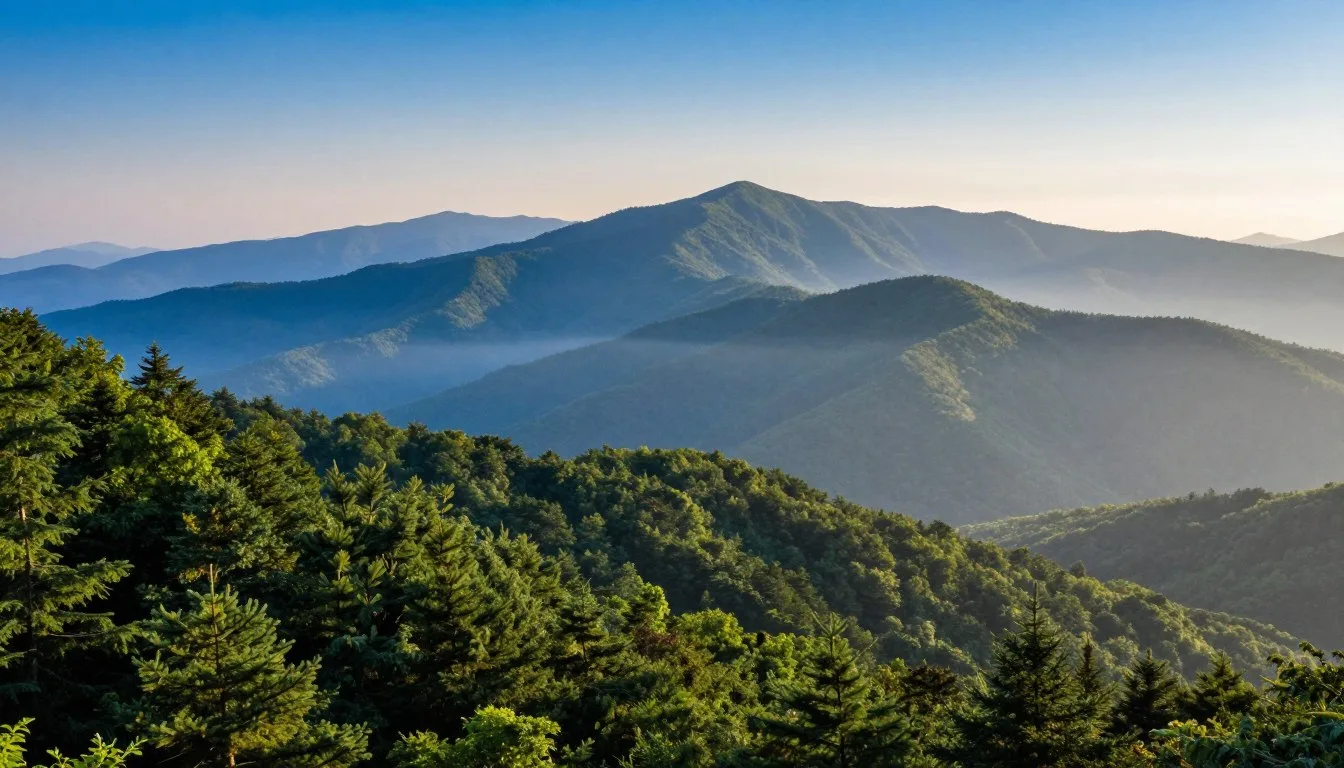
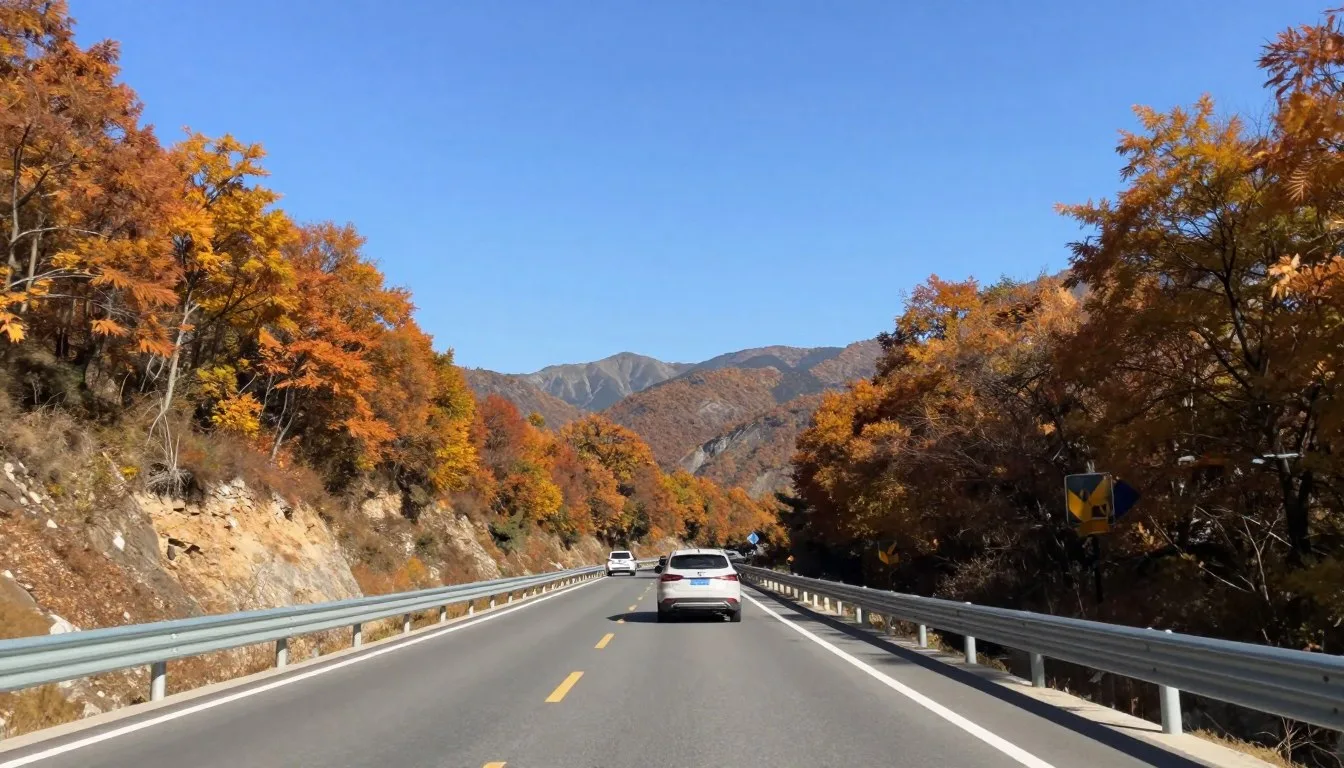
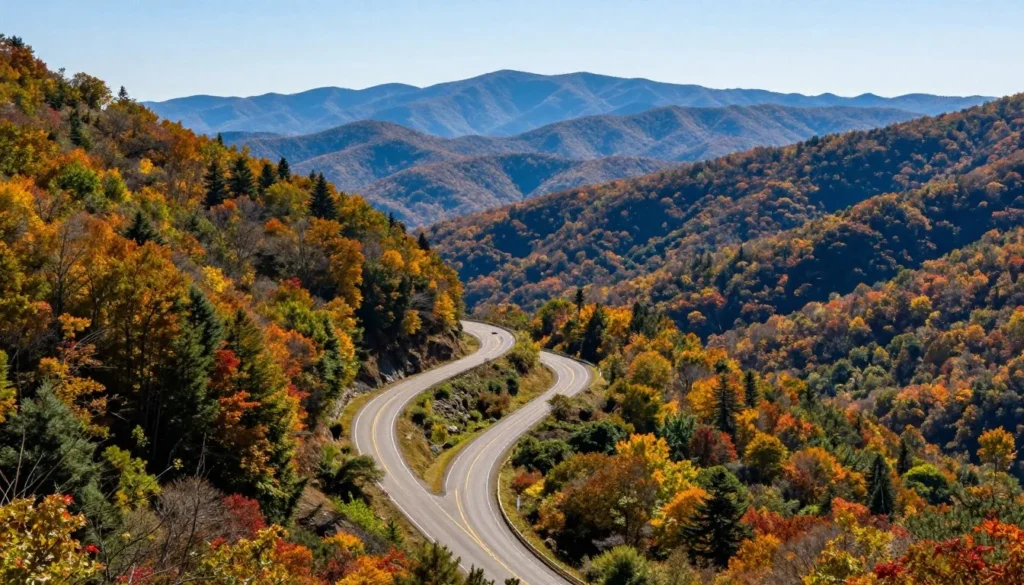
From any airport, rental cars offer the most flexibility for exploring the mountain state park and surrounding areas. The drive along the Blue Ridge Parkway toward the natural area showcases stunning mountain overlook views that make the journey part of the adventure.
Driving Directions
Most visitors access the area via the Blue Ridge Parkway, one of America’s most scenic drives. From Asheville, head north on the parkway for approximately 32 km (20 miles). Watch for the Graybeard Mountain Overlook, which serves as a primary trailhead for accessing Bullhead Mountain trails.
GPS coordinates help pinpoint parking areas, though cell service becomes limited in mountain sections. Download offline maps before your journey.
Best Time to Visit and Weather Tips
Recommended Visiting Seasons
Spring and fall offer the most comfortable conditions for exploring Bullhead Mountain State Natural Area. Each season brings distinct advantages for visitors seeking different experiences.
Best months to visit:
- April through May – Wildflowers bloom across mountain slopes, streams run full from snowmelt
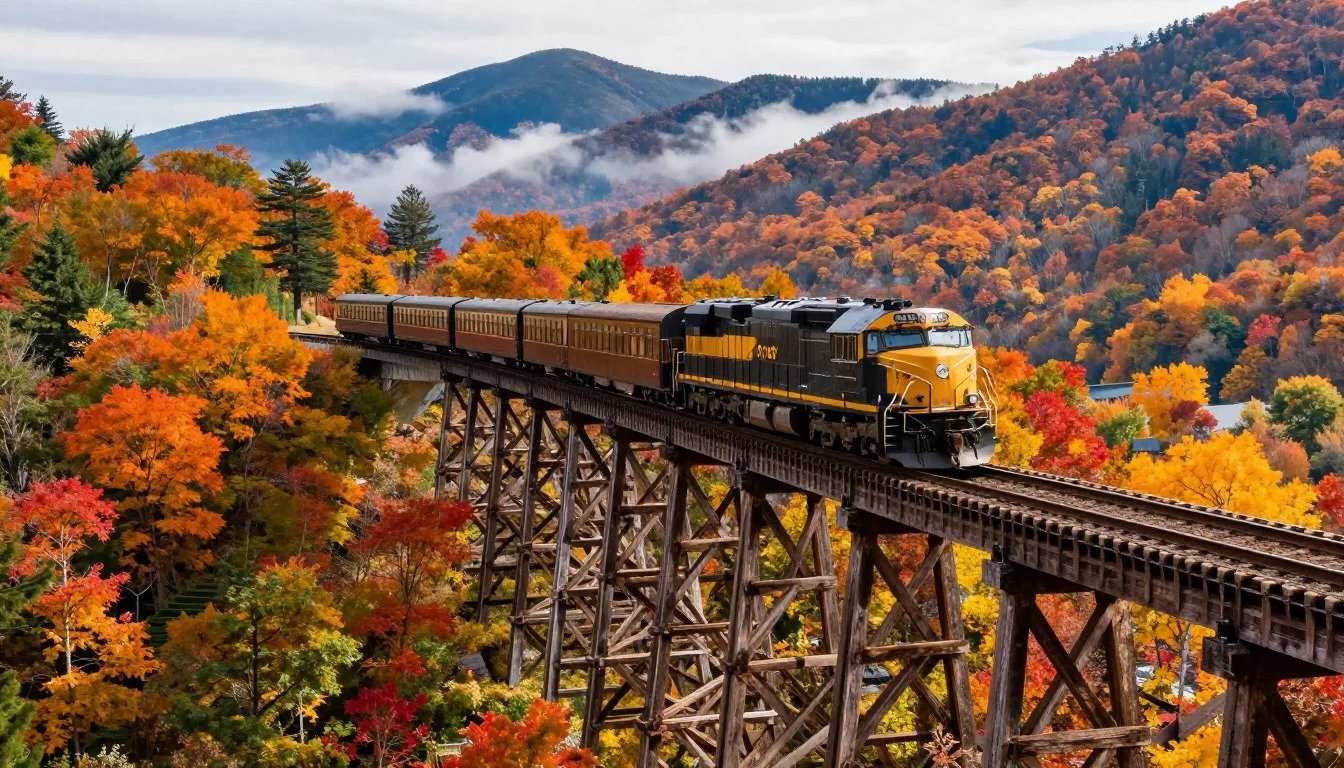
- September through October – Fall foliage creates spectacular color displays, comfortable hiking weather
- June – Pleasant temperatures before summer heat, fewer crowds than peak season
Months to avoid or plan carefully:
- January through March – Snow and ice make trails treacherous, some access roads close
- July and August – Afternoon thunderstorms common, higher elevation brings cooler relief
- November – Weather unpredictable, early winter storms possible
Weather Patterns and Conditions
Mountain weather changes rapidly throughout the day. Temperatures at higher elevation points run 5-8°C (10-15°F) cooler than nearby valleys. Summer highs reach 24°C (75°F), while winter temperatures can drop to -7°C (20°F) or below.
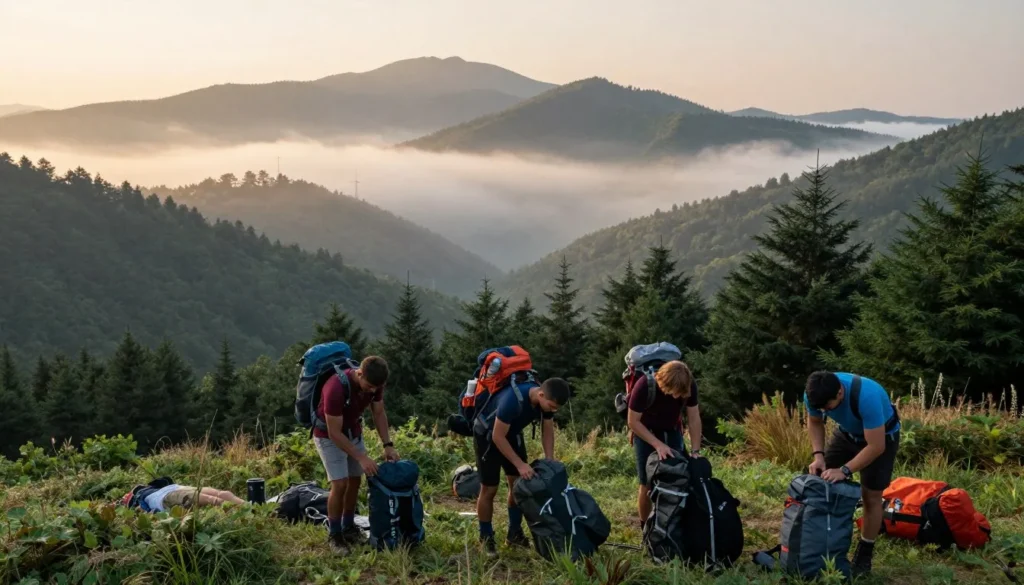
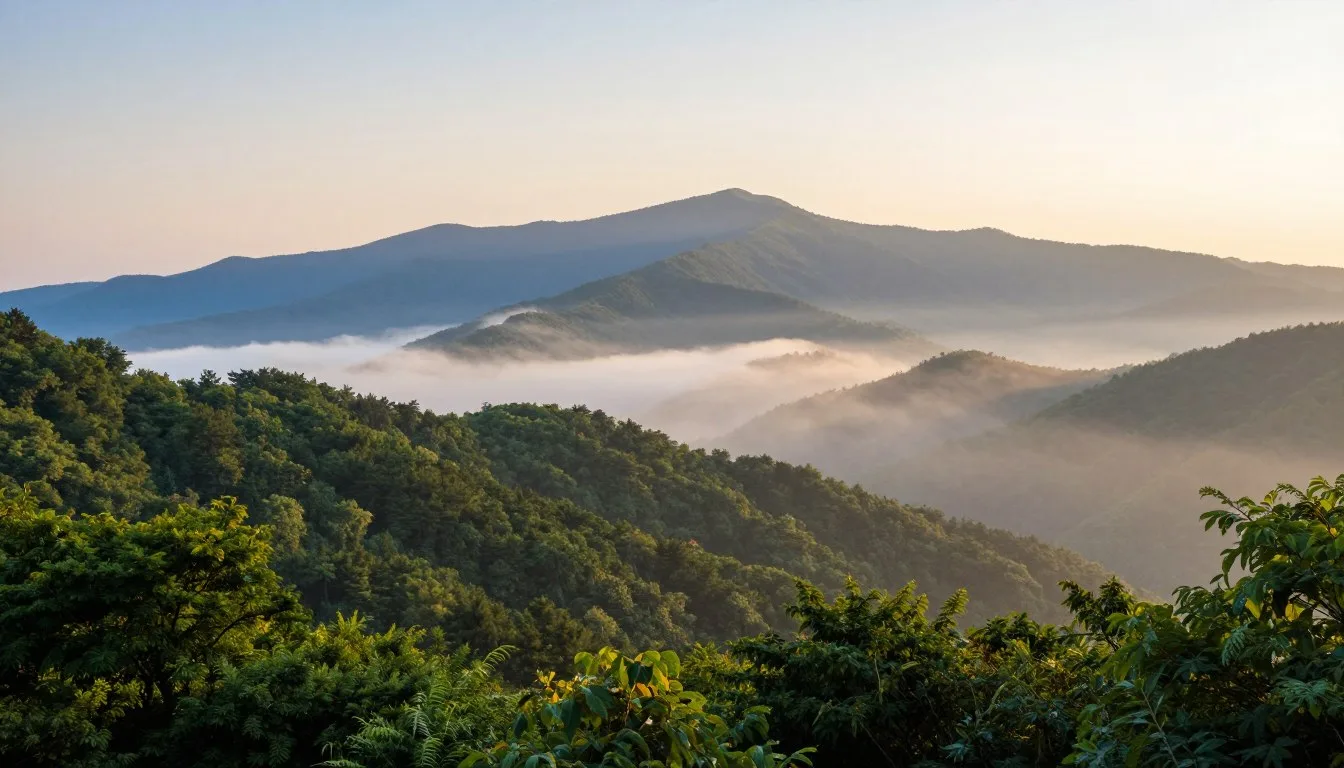
Pack layers regardless of season. Weather conditions shift as you gain elevation along hiking trails. Morning mist often blankets valleys, clearing by midday to reveal stunning views from mountain overlook points.
Check conditions before heading out. The local ranger office provides current trail status and weather forecasts specific to higher elevation areas.
Notable Annual Festivals
While Bullhead Mountain State Natural Area itself maintains a wilderness character without organized events, nearby communities host festivals celebrating Blue Ridge heritage:
- Mountain Heritage Day (September) – Celebrates Appalachian culture with music, crafts, and traditional demonstrations
- Fall Color Festival (October) – Multiple communities celebrate peak foliage season
- Spring Wildflower Pilgrimage (April) – Guided walks focusing on native plant species
Contact local visitor centers for specific festival dates and details, as schedules vary by year.
Getting Around Locally
Exploring the Bullhead Mountain area requires personal transportation. No public transit serves this remote mountain state natural area. Most visitors rely on private vehicles to navigate between trailheads, overlooks, and nearby towns.
The Blue Ridge Parkway connects major access points. This scenic route has a maximum speed limit of 72 km/h (45 mph), allowing travelers to safely enjoy mountain views while watching for wildlife crossing roads.
Parking and Trail Access
Several parking areas serve as trail starting points. The Graybeard Mountain Overlook provides the main parking for accessing Bullhead Mountain trails. Spaces fill quickly on weekends during peak seasons, so arrive early morning for best availability.
Parking areas can accommodate standard vehicles. Some forest service roads leading to remote trailheads may require high-clearance vehicles, particularly after storms or during spring thaw.
Where to Stay
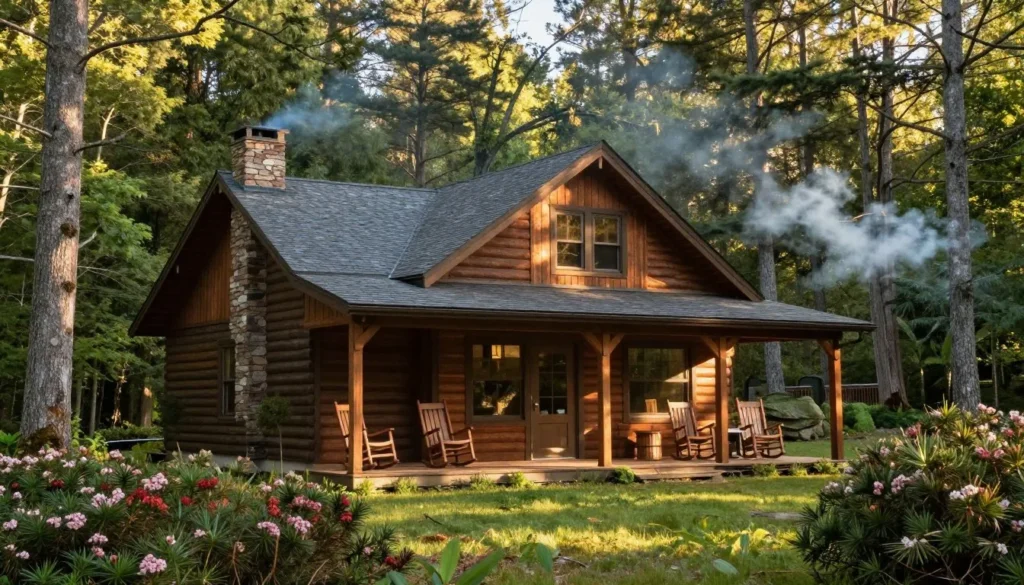
Accommodation options near Bullhead Mountain State Natural Area range from rustic camping to comfortable mountain lodges. Most visitors base themselves in nearby communities, as the natural area itself focuses on day-use recreation.
Camping Options
Primitive camping opportunities exist within parts of the broader forest system, though regulations require permits in certain zones. Backcountry camping appeals to hikers seeking multi-day adventures along connecting trails.
Established campgrounds in nearby state park facilities offer amenities like restrooms, water sources, and designated picnic areas. These sites typically operate from April through October, closing during winter months when conditions become challenging.
Hotels and Mountain Lodges
Towns within 32 km (20 miles) of the area provide various lodging styles:
- Mountain bed and breakfast inns offer personalized service and local insights
- Chain hotels in larger towns provide familiar amenities and reliable booking
- Vacation cabin rentals give families and groups private spaces with full kitchens
- Historic lodges along the Blue Ridge Parkway combine rustic charm with modern comfort
Book accommodations well ahead for fall foliage season, when the entire Blue Ridge region experiences peak visitor numbers.
Dining and Local Cuisine
The natural area itself contains no dining facilities, reflecting its wilderness character. Visitors should pack food and plenty of water for day trips. The nearest restaurants and grocery stores operate in surrounding mountain communities.
Local cuisine reflects Appalachian heritage. Traditional mountain cooking emphasizes hearty portions, locally sourced ingredients, and recipes passed through generations. Farm-to-table restaurants showcase seasonal produce from valley farms.
Regional Specialties
Several dishes define Blue Ridge mountain cooking:
- Apple butter and preserves made from mountain orchards
- Rainbow trout from cold mountain streams
- Wild ramp dishes in spring months
- Blackberry cobblers and fruit pies
- Country ham and biscuits for hearty breakfasts
Small-town diners and family restaurants provide authentic experiences. Many establishments close early evening, so plan dinner timing accordingly.
Attractions, Sightseeing, and Activities
Bullhead Mountain State Natural Area focuses primarily on wilderness experiences rather than developed attractions. The area protects ecosystems and provides habitat for wildlife while offering trails and overlook points for respectful human enjoyment.
Hiking Trails
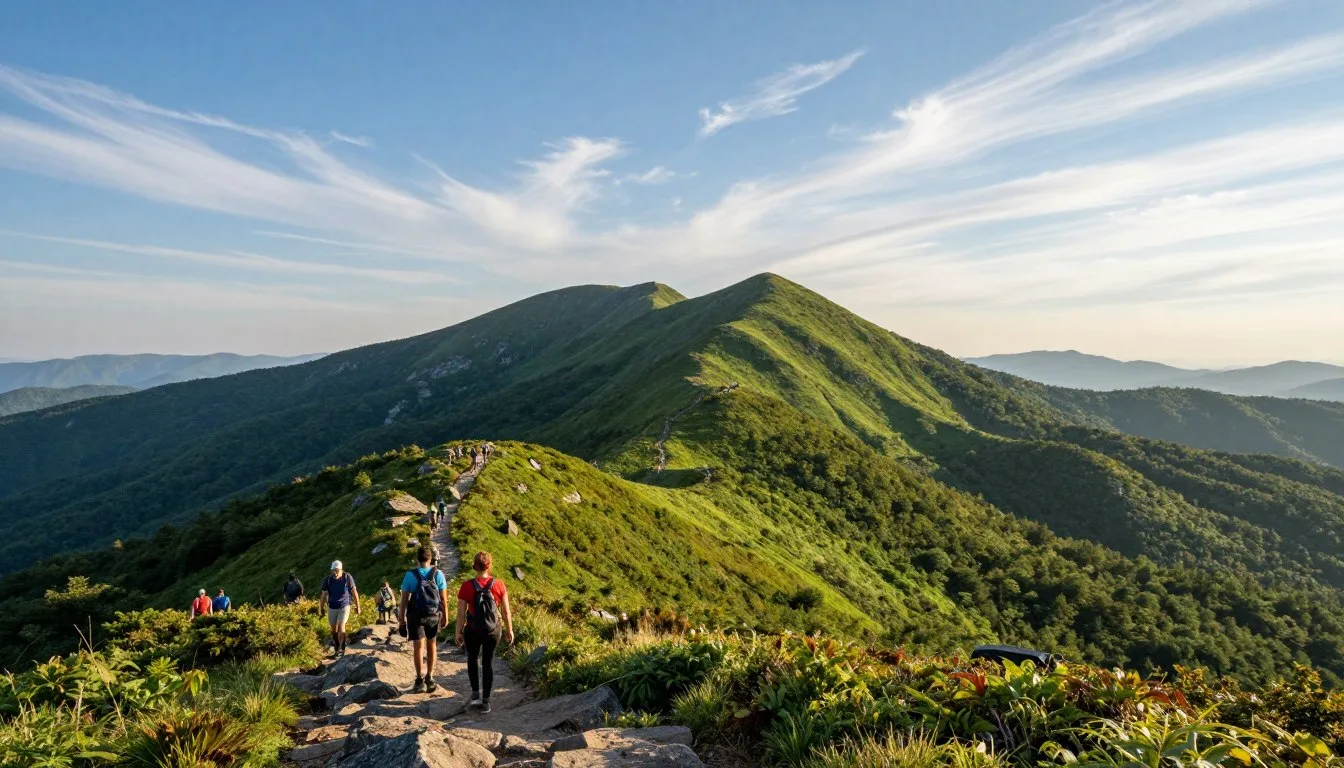
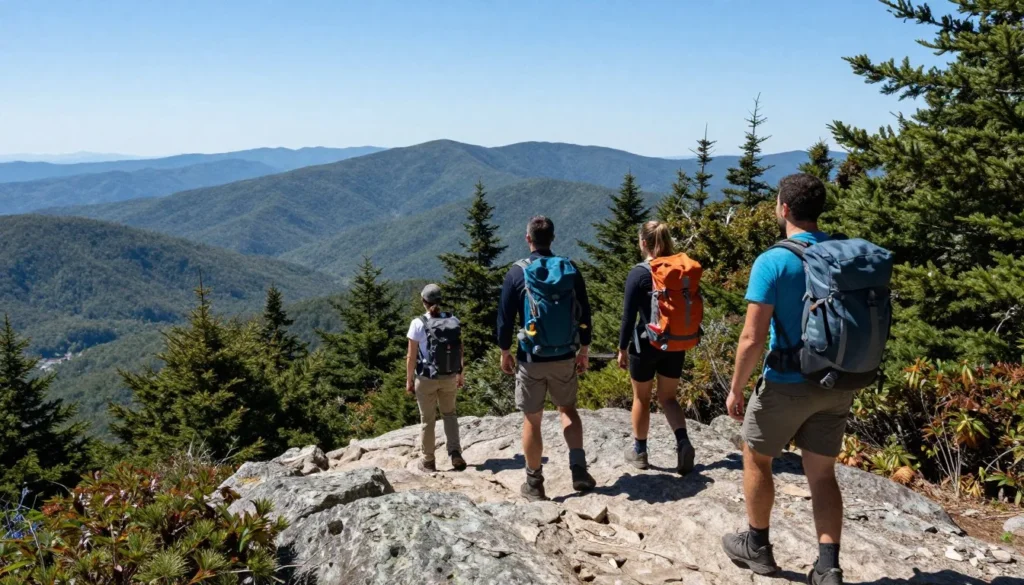
The trail system connecting to Bullhead Mountain offers varying difficulty levels. Most routes gain significant elevation, climbing through different forest zones as altitude increases. Total trail distances range from 3 km (2 miles) for shorter walks to 16 km (10 miles) for complete circuit hikes.
Popular trails include:
- Bullhead Mountain Trail – Moderate to strenuous climb gaining 305 m (1,000′) elevation
- Connecting ridge trails offering loop options for experienced hikers
- Lower elevation forest walks suitable for families with children
Trail conditions vary seasonally. Spring brings muddy sections from snowmelt. Fall offers the most stable footing with spectacular leaf colors creating natural canopies overhead.
Rock Formations and Geology
Ancient rock outcroppings tell billion-year stories. The exposed stone along ridgelines represents some of Earth’s oldest surface features. Climbing these rock formations requires caution and proper footwear, as surfaces become slippery when wet.
Interpretive information at some overlook points explains geological history. The slow mountain-building processes that created this landscape continue at imperceptible rates today.
Wildlife Viewing
The protected natural area supports diverse wildlife populations. Black bears, white-tailed deer, wild turkeys, and numerous smaller mammals inhabit these forests. More than 100 bird species use the area during different seasons.
Early morning and evening hours offer best chances for wildlife sightings. Maintain respectful distances and never approach or feed animals. Carry binoculars for safe viewing from appropriate ranges.
Museums, Cultural Spots, and Festivals
While Bullhead Mountain State Natural Area emphasizes natural rather than cultural attractions, surrounding communities preserve Blue Ridge heritage through various institutions.
Regional museums document settlement history, traditional crafts, and mountain culture. Many feature working demonstrations of heritage skills like blacksmithing, weaving, and woodworking. These living history presentations help visitors understand how earlier generations adapted to mountain life.
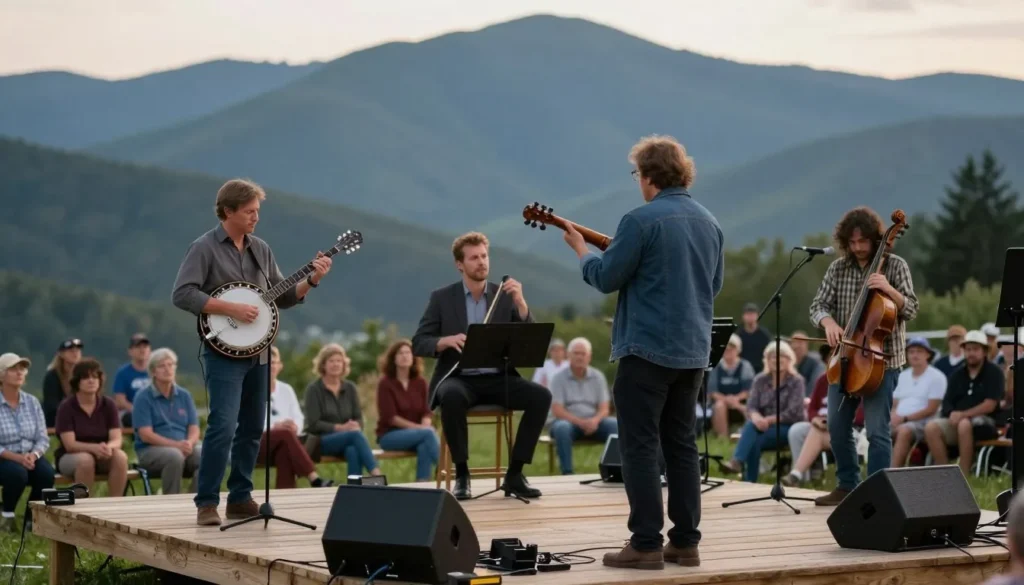
Local music traditions remain vibrant in the Blue Ridge area. Bluegrass and old-time mountain music echo through community gatherings and festivals. Many restaurants and community centers host regular music sessions open to visitors.
Nature and Outdoor Experiences
The natural area exists to protect mountain ecosystems while providing opportunities for low-impact recreation. Every visit offers chances to connect with nature through various activities that respect the wilderness character.
Forest Ecosystems
Multiple forest types layer across elevation zones. Lower slopes support mixed hardwoods including oak, hickory, and poplar trees. Higher elevations transition to northern hardwood forests with birch and cherry. The highest ridges sometimes show stunted trees shaped by persistent winds.
These forests provide critical habitat for countless species. Fallen logs support fungi, insects, salamanders, and small mammals. Standing dead trees offer nesting sites for woodpeckers and cavity-dwelling birds.
Streams and Water Features
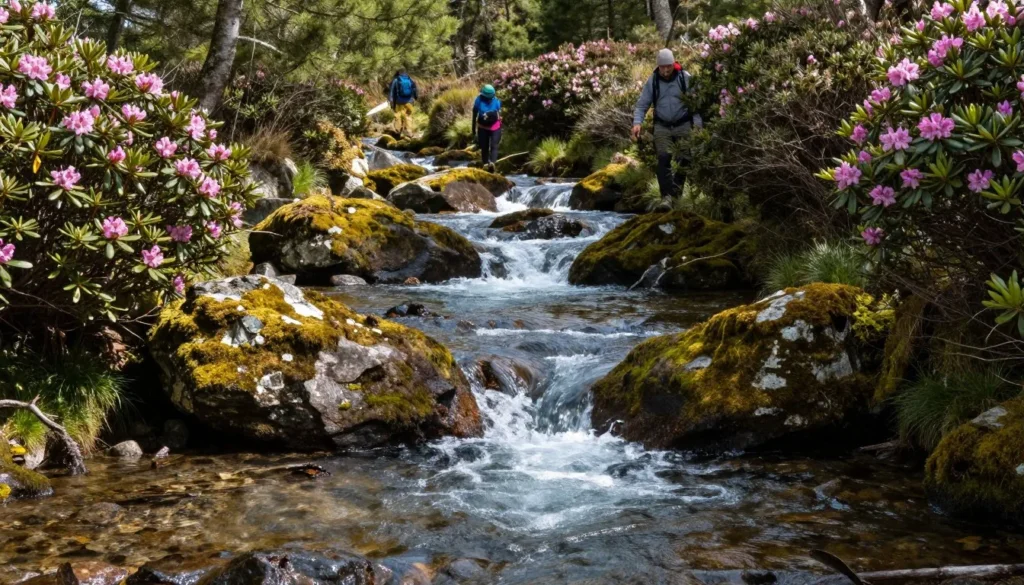
Cold mountain streams carve through valleys, creating pools and small cascades. These waterways support native brook trout and aquatic insects. Water quality remains excellent due to protected watershed status.
Crossing streams along trails requires care, especially during high water. Stepping stones become slippery. Some hikers carry trekking poles for added stability when crossing flowing water.
Seasonal Natural Events
Nature’s calendar brings changing attractions throughout the year:
- Spring wildflower blooms peak in April and May
- Summer brings lush greenery and active wildlife
- Fall foliage typically peaks in mid-October
- Winter reveals landscape structure beneath bare branches
Each season rewards visitors with unique perspectives on the mountain state ecosystem.
Photography Opportunities
Photographers find endless subjects throughout the natural area. Mountain overlook viewpoints offer dramatic landscape compositions. Macro photography captures intricate details of wildflowers, insects, and fungi. Wildlife photography requires patience and long lenses.
Morning mist and golden hour light create especially beautiful conditions. Overcast days work well for forest photography, eliminating harsh shadows under tree canopies.
Travel With Children
Families discover that Bullhead Mountain State Natural Area provides excellent opportunities for introducing children to wilderness experiences. The key involves choosing appropriate trails and setting realistic expectations for young hikers.

Child-Friendly Activities
Several activities engage young visitors:
- Nature scavenger hunts for different leaf shapes and tree types
- Stream exploration looking for salamanders and aquatic insects
- Junior ranger programs teaching Leave No Trace principles
- Wildlife tracking, identifying animal footprints in mud
- Rock collecting from trail surfaces (not from formations)
Pack plenty of snacks and water. Children burn energy quickly on uphill climbs. Plan hiking distances conservatively, remembering that kids tire faster than adults on challenging terrain.
Safety Considerations
Keep children within sight on trails. Mountain terrain includes dropoffs, slippery rocks, and other hazards. Brightly colored clothing helps kids remain visible in forest settings.
Teach children to stay on marked trails. Wandering off-trail damages sensitive vegetation and increases getting-lost risks. Make hiking fun while emphasizing safety rules.
Money Saving Tips
Visiting Bullhead Mountain State Natural Area offers excellent value since access to the natural area itself costs nothing. The state maintains these protected lands for public enjoyment without entrance fees.
Budget-Friendly Strategies
- Pack picnic lunches rather than eating at restaurants for every meal
- Visit during shoulder seasons (May or September) when accommodation rates drop
- Fill water bottles from mountain streams after proper filtering or treatment
- Camp instead of staying in hotels to reduce lodging costs significantly
- Share rental car expenses with other travelers heading the same direction
- Buy groceries in larger towns before reaching mountain communities where prices run higher
Free activities dominate the area. Hiking trails, wildlife viewing, photography, and nature observation cost nothing beyond transportation to trailheads. The natural beauty provides entertainment without admission charges.
Equipment Considerations
Rent specialized gear rather than purchasing equipment for a single trip. Many outdoor shops near the Blue Ridge Parkway rent hiking poles, backpacks, and camping gear at reasonable daily rates.
Borrow guidebooks from libraries instead of buying them. Download free trail maps from forest service websites before your trip to avoid purchasing printed versions.
Safety and Local Customs
Mountain wilderness requires respect and preparation. Understanding potential hazards and local expectations helps ensure enjoyable, safe visits to Bullhead Mountain State Natural Area.
Wilderness Safety Essentials
Always inform someone of your hiking plans, including expected return time. Cell phone coverage remains unreliable throughout much of the natural area. Carry a paper map and compass as backup navigation tools.
Weather changes rapidly at higher elevation. Afternoon thunderstorms develop quickly during summer months. Lightning poses serious danger on exposed ridges. Descend immediately when storms approach.
Black bears inhabit these forests. Store food properly and maintain clean campsites. Never approach wildlife for photographs. Give animals space and observe from safe distances.
Leave No Trace Principles
Visitors share responsibility for protecting the natural area:
- Pack out all trash, leaving no waste behind
- Stay on established trails to prevent erosion
- Avoid picking wildflowers or disturbing plants
- Keep voices moderate to preserve wilderness quiet
- Camp only in designated areas where permitted
These protected areas depend on visitor cooperation. Everyone plays a role in maintaining natural conditions for future generations.
Local Etiquette
Mountain communities value courtesy and friendliness. Greet fellow hikers with a simple hello on trails. Uphill hikers have right-of-way on narrow sections.
Many locals maintain deep connections to these lands. Show respect for local knowledge and traditional uses of mountain areas. Small-town pace runs slower than urban areas. Patience and friendly attitudes go far in community interactions.
Visitor Comments About Bullhead Mountain State Natural Area
I.P., Naperville: “The trails challenged us more than expected, but reaching the summit overlook made every uphill step worthwhile. Views stretched for miles across ridge after ridge of blue mountains. We spotted a black bear from a safe distance, which thrilled the whole family. This natural area protects something truly special.”
I.S., Burnaby: “As someone who hikes regularly in British Columbia, I found Bullhead Mountain’s ancient forests fascinating. The rock formations tell such an old story. We visited in October and the fall colors exceeded our expectations. The Blue Ridge region has earned its reputation for autumn beauty.”
R.H., Fukuoka: “Coming from Japan, I appreciated how North Carolina protects these mountain ecosystems. The trails felt wild yet remained safe with clear markers. Our children loved exploring streams and identifying different trees. We plan to return and explore more of the Blue Ridge Parkway area during a longer visit.”
Additional Nearby Destinations
Bullhead Mountain State Natural Area forms part of a larger network of protected lands and attractions throughout the Blue Ridge region. Visitors often combine multiple destinations into extended mountain explorations.
Other Protected Natural Areas
Several mountain state parks and natural areas lie within easy driving distance:
- Mount Mitchell State Park – Highest peak east of the Mississippi River
- Linville Gorge Wilderness – Dramatic canyon with challenging trails
- Grandfather Mountain – Famous for its swinging bridge and alpine habitat
- Stone Mountain State Park – Features waterfalls and rock climbing
Each area offers distinct character while sharing the Blue Ridge ecosystem. Multi-day trips allow visitors to experience the region’s diversity.
Cultural Attractions
Historic sites and cultural centers complement natural attractions:
- Blue Ridge Parkway Visitor Centers – Interpretive programs and exhibits
- Folk Art Center – Traditional mountain crafts and demonstrations
- Historic villages preserving Appalachian heritage
- Local farmers markets featuring mountain products
Balancing outdoor activities with cultural experiences provides well-rounded understanding of the Blue Ridge region and its people.
Practical Travel Tips
Successful visits to Bullhead Mountain State Natural Area depend on thorough preparation. These final practical details help ensure smooth, enjoyable mountain experiences.
What to Pack
- Sturdy hiking boots with ankle support for rocky trails
- Layered clothing suitable for changing weather conditions
- Rain gear regardless of forecast
- Sun protection including hat, sunglasses, and sunscreen
- Insect repellent for summer visits
- First aid kit with blister treatment
- Plenty of water – at least 2 liters per person for day hikes
- High-energy snacks like trail mix and energy bars
- Paper map and compass for navigation backup
- Headlamp or flashlight for emergencies
- Whistle for signaling if separated from group
Contact Information
The local forest service office provides current conditions, trail status, and permit information for backcountry camping. Plan to contact them several days before your visit to confirm access and any seasonal closures.
Map Location
Final Preparation Tips
Download offline maps before losing cell signal. Fill gas tanks in towns before heading into mountain areas where services become sparse. Bring cash for small purchases, as some rural businesses don’t accept credit cards.
Check vehicle condition before mountain driving. Brakes work harder on steep descents. Ensure tires have adequate tread for occasionally rough roads accessing remote parking areas.
Start hikes early to avoid afternoon storms and secure parking at popular trailheads. Allow more time than estimated for hikes, as mountain terrain slows pace compared to flat walking.
Your Blue Ridge Adventure Awaits
Bullhead Mountain State Natural Area stands ready to share its billion-year-old stories with those willing to walk its trails and explore its forests. Each visit reveals something new, whether dramatic mountain overlook views stretching across endless ridges, or quiet moments discovering wildflowers beside cold mountain streams.
The protected natural area offers more than just scenic beauty. It provides space to disconnect from daily routines and reconnect with nature’s rhythms. Every hiker who climbs these trails, every family that picnics beside rushing streams, and every photographer who captures misty mountain mornings becomes part of the ongoing story of this special place.
Pack your hiking boots, grab your camera, and head to the Blue Ridge Mountains. Bullhead Mountain awaits with ancient rocks, diverse wildlife, and peaceful forests that have sheltered countless visitors before you. Your mountain adventure starts now.