Hotels by Trip.com
Flights by Trip.com
Every year, over 200,000 visitors journey to Cape Lookout National Seashore to witness one of the most distinctive lighthouses along the Atlantic coast. This remote barrier island sanctuary offers an experience unlike any other lighthouse destination in North Carolina.
Cape Lookout takes its name from the distinctive geographic feature where the land juts dramatically into the Atlantic Ocean. Early mariners recognized this treacherous point as a critical navigation landmark along the North Carolina coast.
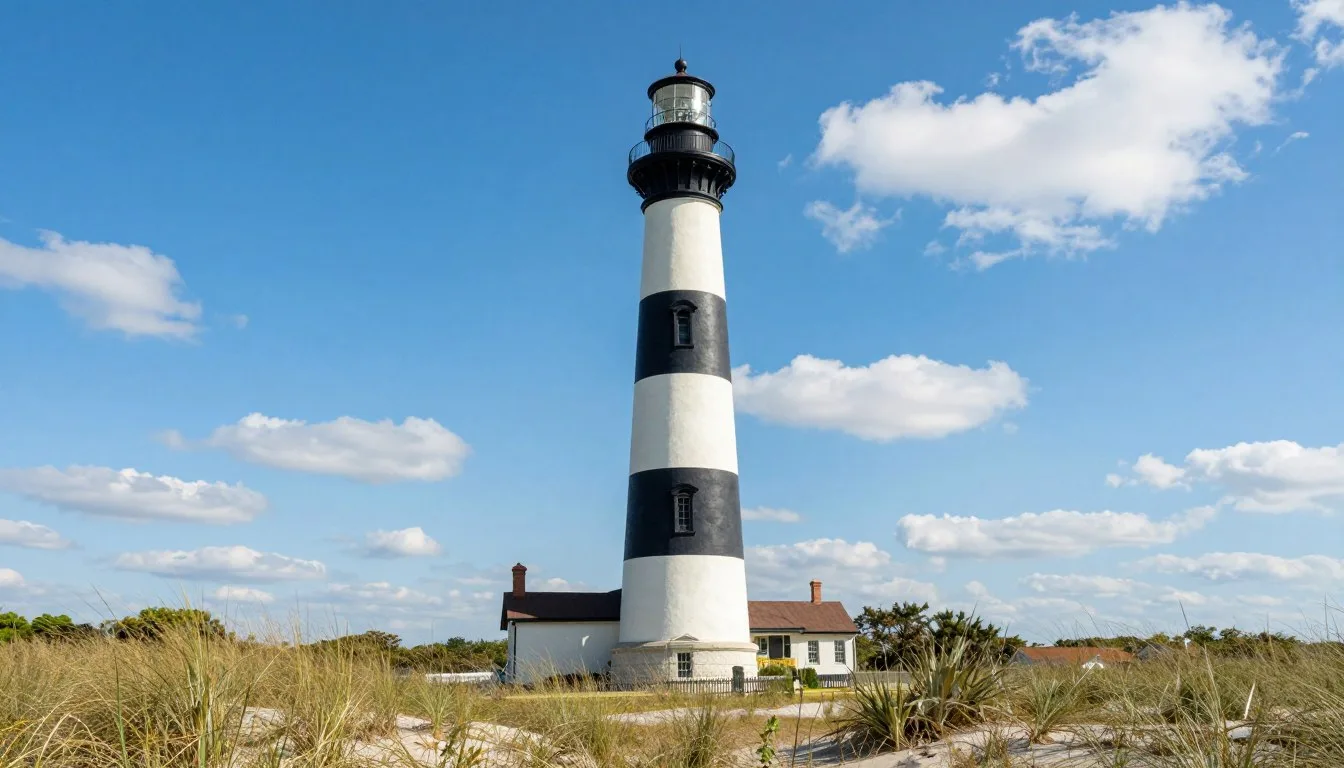
The lighthouse itself stands 49 m (163 feet) tall with its remarkable black and white diamond pattern visible for miles across the water. Unlike typical black and white striped lighthouses, this unique design makes Cape Lookout instantly recognizable among coastal landmarks.
Part of Cape Lookout National Seashore, this destination encompasses over 22,662 hectares (56,000 acres) of pristine barrier islands. The lighthouse remains the centerpiece of a vast coastal wilderness where wild horses roam free and pristine beaches stretch for miles without development.
Getting there requires planning, as no roads connect to the island. Passenger ferry services from several mainland points provide the only access, adding to the sense of adventure and isolation that makes this destination so special.
Getting There & Planning Your Journey
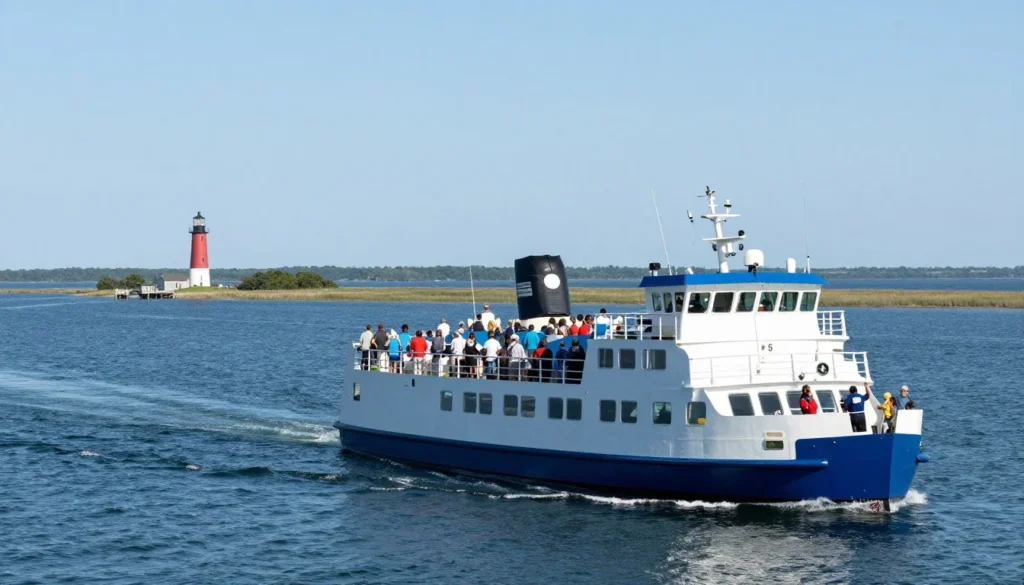
Reaching Cape Lookout Lighthouse requires careful planning since the barrier islands remain completely undeveloped. The adventure begins long before you set foot on the island, with ferry transportation being your only option for access.
Closest Airports
Several airports serve as gateways to Cape Lookout National Seashore:
- Coastal Carolina Regional Airport (EWN) in New Bern – 64 km (40 miles) from Harkers Island ferry terminal
- Albert J. Ellis Airport (OAJ) in Jacksonville – 97 km (60 miles) from ferry departure points
- Wilmington International Airport (ILM) – 177 km (110 miles) south of the area
- Raleigh-Durham International Airport (RDU) – 241 km (150 miles) northwest, offering most flight options
Most visitors rent vehicles at these airports for the drive to ferry departure points. Coastal Carolina Regional Airport provides the most convenient access to Harkers Island, the primary departure location for Cape Lookout.
Ferry Access Points
Three main departure locations offer passenger ferry service to Cape Lookout:
Harkers Island provides the most popular and frequent ferry service. Island Express Ferry Service operates daily trips during peak season from late March through November. The crossing takes approximately 20 minutes across Core Sound.
Davis offers another departure point with Morris Marina providing ferry transportation. This route appeals to visitors seeking a quieter experience with smaller group sizes.
Beaufort serves as a third option, with several operators running trips to the Shackleford Banks area of Cape Lookout National Seashore. This route takes longer but provides excellent views of the Rachel Carson Reserve along the way.
Ferry Schedules and Costs
Ferry schedules vary significantly by season. Peak summer months see departures every hour or two, while spring and fall offer reduced schedules. Winter service becomes limited or unavailable depending on weather conditions.
✓ Check 30,000+ Local Sightseeing Tours Worldwide
Round-trip ferry tickets typically cost between thirty and forty-five dollars per adult. Children under twelve usually receive discounted rates. Some operators offer family packages that reduce per-person costs.
Advance reservations become essential during summer weekends and holidays. Ferry capacity remains limited, and popular departure times fill quickly. Most operators accept reservations online or by phone several weeks in advance.
What to Bring
Cape Lookout National Seashore maintains no facilities beyond basic restrooms. Your ferry ride limits what you can carry, so pack strategically:
- Plenty of water – at least two liters per person for day visits
- Sun protection including hat, sunglasses, and high-SPF sunscreen
- Insect repellent for mosquitoes and biting flies, especially in warmer months
- Snacks and lunch in a cooler, as no food services exist on the island
- Beach towels and swimming gear if you plan to enjoy the ocean
- Comfortable walking shoes for exploring beyond the lighthouse area
- Camera equipment for capturing the distinctive diamond pattern lighthouse
Ferry operators allow reasonable amounts of gear, but space remains limited. Wheeled coolers work better than carrying heavy bags across the beach from the dock.
Best Time to Visit & Weather Tips
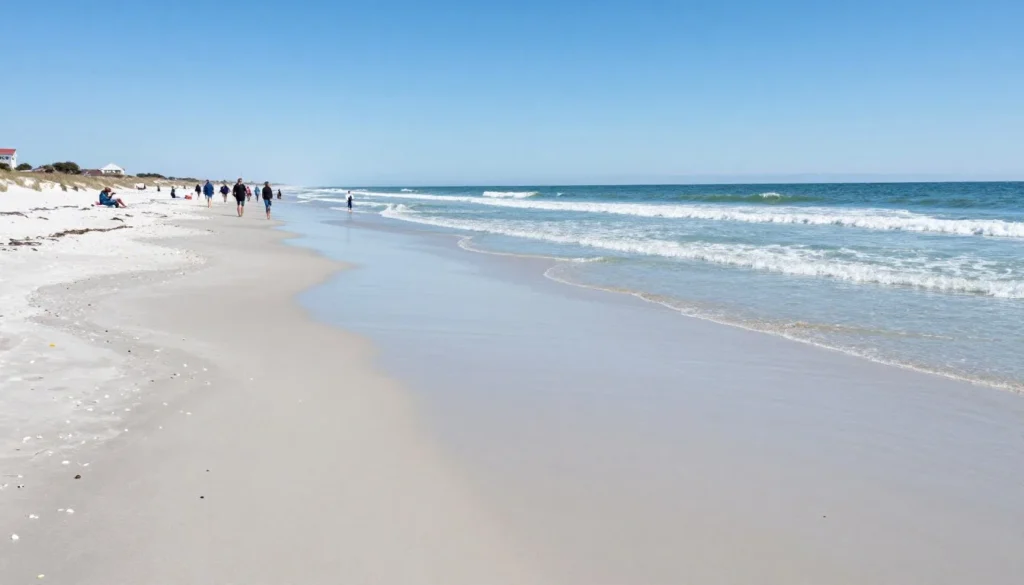
Best Time to Visit Cape Lookout National Seashore
The optimal visiting window spans from mid-April through early June and September through October. These shoulder season months offer the best combination of pleasant weather, manageable crowds, and reliable ferry service.
Spring (April-May) brings comfortable temperatures averaging 18-24°C (65-75°F). Wildflowers bloom across the maritime forest, and bird migration peaks during this period. Mosquitoes remain minimal compared to summer months.
Fall (September-October) provides excellent conditions with temperatures similar to spring. Water temperatures stay warm enough for swimming through September. Hurricane season continues through November, requiring weather monitoring.
Summer (June-August) sees peak visitation with temperatures reaching 29-32°C (85-90°F). High humidity makes the heat feel more intense. Ferry services run most frequently, but expect crowds at the lighthouse and limited shaded areas.
Winter (November-March) offers solitude but challenges. Many ferry services reduce schedules or close entirely. Temperatures range from 7-15°C (45-60°F), with strong winds making it feel colder. The lighthouse typically remains open for climbers when ferry service operates.
Months to Avoid
- July and August – extreme heat, highest humidity, peak crowds, and aggressive biting insects
- Late August through September – hurricane season peak with potential for tropical storms
- December through February – limited ferry service, cold winds, and unpredictable weather
Weather Patterns and Preparation
Cape Lookout National Seashore experiences typical Atlantic coastal weather with some unique considerations. The barrier island location means weather can change rapidly, and conditions often differ from the mainland.
Wind remains constant throughout the year, with summer breezes providing relief from heat. Spring and fall bring moderate winds averaging 16-24 km/h (10-15 mph). Winter storms can generate sustained winds exceeding 48 km/h (30 mph).
Afternoon thunderstorms occur frequently during summer months. These storms typically develop between 2 PM and 5 PM, lasting thirty to sixty minutes. Monitor weather forecasts before departure, as ferry operators cancel trips during severe weather.
Water temperatures vary from 13°C (55°F) in March to 27°C (80°F) in August. Swimming becomes comfortable from late May through September. Strong currents and rip tides pose hazards year-round, with no lifeguards on duty.
Seasonal Considerations
Each season offers distinct advantages for different visitor interests:
Spring Benefits
- Migrating birds including warblers and shorebirds
- Comfortable temperatures for climbing the 207 steps
- Wildflower displays in protected areas
- Lower ferry prices before peak season
Fall Advantages
- Warm ocean temperatures extending into September
- Excellent fishing conditions as species migrate south
- Smaller crowds after school starts
- Spectacular sunrises and sunsets with autumn light
Regardless of season, always bring layers. Morning ferry rides across the water feel much cooler than temperatures on land. The lighthouse interior remains significantly warmer than outside conditions after climbing.
Notable Annual Festivals
The Cape Lookout area hosts several annual events celebrating coastal heritage and natural beauty. These festivals occur primarily on the mainland in nearby communities, as the national seashore itself prohibits large organized events.
North Carolina Seafood Festival
Held annually in early October in Morehead City, this festival attracts over 150,000 visitors celebrating coastal cuisine. The event features fresh seafood vendors, cooking demonstrations, and live entertainment across the waterfront.
Local restaurants compete in various seafood preparation categories. Visitors sample everything from traditional fish dishes to innovative coastal fusion cuisine. The festival spans three days with continuous music performances.
Beaufort Pirate Invasion
This family-friendly event transforms Beaufort’s historic waterfront into an 18th-century pirate haven each June. Costumed performers reenact the town’s pirate history, including tales of Blackbeard who frequented these waters.
Activities include mock sea battles, period encampments, and interactive demonstrations of colonial-era crafts. Children particularly enjoy treasure hunts and opportunities to meet costumed pirates. The event runs for one weekend with activities throughout downtown Beaufort.
Core Sound Waterfowl Museum Heritage Days
Taking place each December on Harkers Island, this celebration honors the traditional boat-building and decoy-carving heritage of Down East communities. Master craftsmen demonstrate techniques passed through generations.
The museum, located near the Cape Lookout ferry terminal, showcases the unique culture of families who have lived on these barrier islands for centuries. Holiday-themed activities include traditional music, storytelling, and local food specialties.
Shackleford Banks Wild Horse Viewing Tours
While not a festival, special guided tours run year-round focusing on the famous wild horses that roam Shackleford Banks, part of Cape Lookout National Seashore. These tours peak during spring and fall when weather makes extended beach walks most comfortable.
National Park Service rangers lead some tours, providing insights into these descendants of colonial Spanish horses. The horses live completely wild, and viewing them in their natural habitat offers an unforgettable experience.
Getting Around Locally
Transportation within Cape Lookout National Seashore differs dramatically from typical destinations. The barrier islands offer no roads, no vehicles for rent, and no public transportation. Your feet provide the primary means of exploration.
On the Island
After arriving by ferry, most visitors explore on foot. The walk from the ferry dock to Cape Lookout Lighthouse covers approximately 0.8 km (0.5 miles) across sandy terrain. The path remains unmarked but obvious, following the beach or cutting through low dunes.
Some visitors bring bicycles on the ferry for easier island exploration. The sandy conditions make this challenging, but fat-tire bikes work reasonably well. Check with your ferry operator about bicycle transportation policies and any associated fees.
The national park service occasionally permits authorized vehicles for research or maintenance, but no public vehicle access exists. This isolation preserves the wilderness character that makes Cape Lookout special.
Exploring Beyond the Lighthouse
Cape Lookout National Seashore extends for 90 km (56 miles) along three barrier islands. Most visitors focus on the lighthouse area, but adventurous travelers can explore further:
- Shackleford Banks offers 13 km (8 miles) of pristine beach for hiking and wild horse watching
- Core Banks extends north from the lighthouse with completely undeveloped shoreline
- Primitive camping allows multi-day explorations for properly equipped visitors
Extended exploration requires serious preparation. No facilities, shade, or fresh water exist beyond the immediate lighthouse area. Strong hikers can cover several kilometers of beach, but the soft sand makes progress slower than normal walking.
Mainland Transportation
Getting to ferry departure points requires personal vehicles or rental cars. Limited taxi service exists in Beaufort and Morehead City, but these areas lack ride-sharing services common in larger cities.
The mainland communities of Harkers Island, Davis, and Beaufort remain small and navigable. Most lodging, dining, and services cluster near the waterfront areas where ferries depart. Walking works well once you reach these communities, though summer heat makes driving more comfortable.
Parking at ferry terminals stays free but fills quickly during peak summer weekends. Arrive at least thirty minutes before your scheduled departure to secure parking and check in for your crossing.
Where to Stay
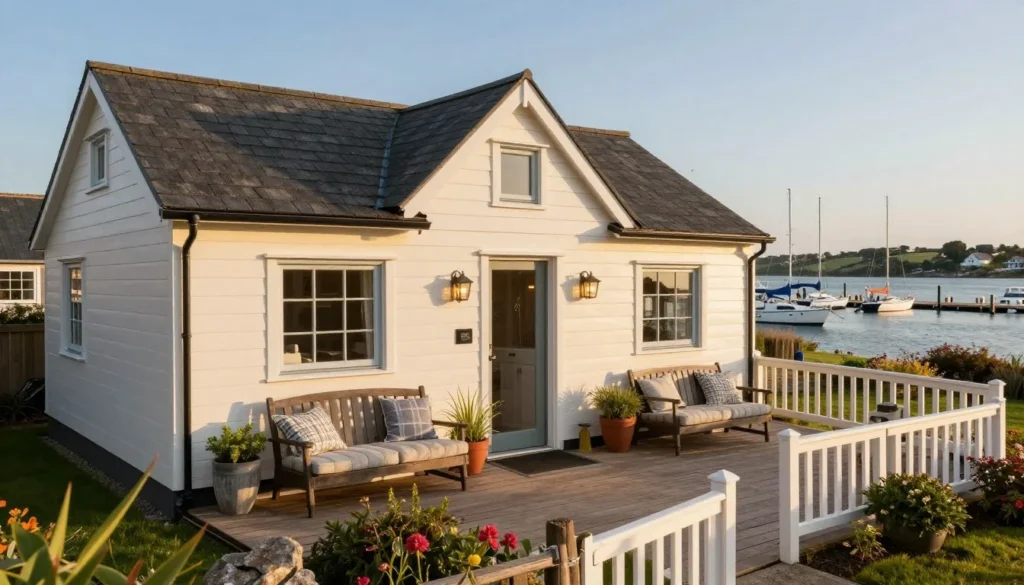
Cape Lookout National Seashore offers no overnight accommodations on the island itself, except for primitive camping. All lodging exists on the mainland in communities surrounding the national seashore.
Harkers Island
This small island community provides the closest lodging to Cape Lookout ferry services. Accommodations remain limited but authentic, with several vacation rental cottages and one small inn.
Harkers Island Fishing Center offers basic motel-style rooms near the ferry terminal. The no-frills accommodations suit budget-conscious travelers who prioritize location over amenities. Rooms provide clean comfort with water views.
Vacation rental houses dominate the lodging landscape here. Properties range from simple two-bedroom cottages to larger homes accommodating extended families. Most rentals offer water views, boat docks, and easy ferry access.
Beaufort
This historic waterfront town offers the widest variety of accommodations, from charming bed-and-breakfasts to modern hotels. Located about 16 km (10 miles) from Harkers Island, Beaufort combines lodging options with excellent dining and shopping.
Historic district inns occupy restored 18th and 19th-century homes. These properties offer character and hospitality with modern comforts. Rates typically range higher than chain hotels but include breakfast and personalized service.
Several national hotel chains maintain properties along the waterfront, providing reliable comfort with amenities like pools and fitness centers. These hotels work well for families seeking familiar accommodations.
Morehead City
Adjacent to Beaufort, Morehead City provides additional lodging options with slightly lower prices. The town sits across the bridge from Beaufort, about 19 km (12 miles) from Harkers Island ferry terminal.
Waterfront hotels along the Morehead City causeway offer convenient access to Cape Lookout and other coastal attractions. Many properties provide boat slips for guests arriving by private vessel.
Budget chains line the highway approaches to Morehead City, offering economical accommodations for visitors spending minimal time at lodging. These properties suit travelers focused on daytime adventures.
Camping Options
Primitive camping on Cape Lookout National Seashore attracts adventurous visitors seeking complete immersion in coastal wilderness. The national park service permits camping anywhere on the islands beyond designated restricted areas.
No facilities exist at camping areas. Visitors must bring everything needed, including water, food, shade structures, and waste disposal bags. The park service requires all trash be carried off the island.
Coastal winds make sturdy tent stakes essential. Sand anchors work better than standard stakes in the beach environment. Summer camping faces challenges from heat, humidity, and insects. Spring and fall provide more comfortable conditions.
Several mainland campgrounds offer developed facilities for those preferring amenities:
- Cape Lookout National Seashore Visitor Center area has no camping, but nearby private campgrounds exist
- Harkers Island Campground provides basic sites near the ferry terminal
- Cedar Island National Wildlife Refuge offers primitive camping further north
Booking Considerations
Summer reservations become essential, particularly for weekends and holidays. Book accommodations at least two to three months ahead for July and August visits. Spring and fall shoulder seasons offer more availability but popular weekends still fill early.
Consider staying multiple nights to avoid rushing your Cape Lookout experience. Weather cancellations of ferry service occur occasionally, and having flexible dates prevents disappointment. Extra time allows exploration of mainland communities and their attractions.
Dining & Local Cuisine
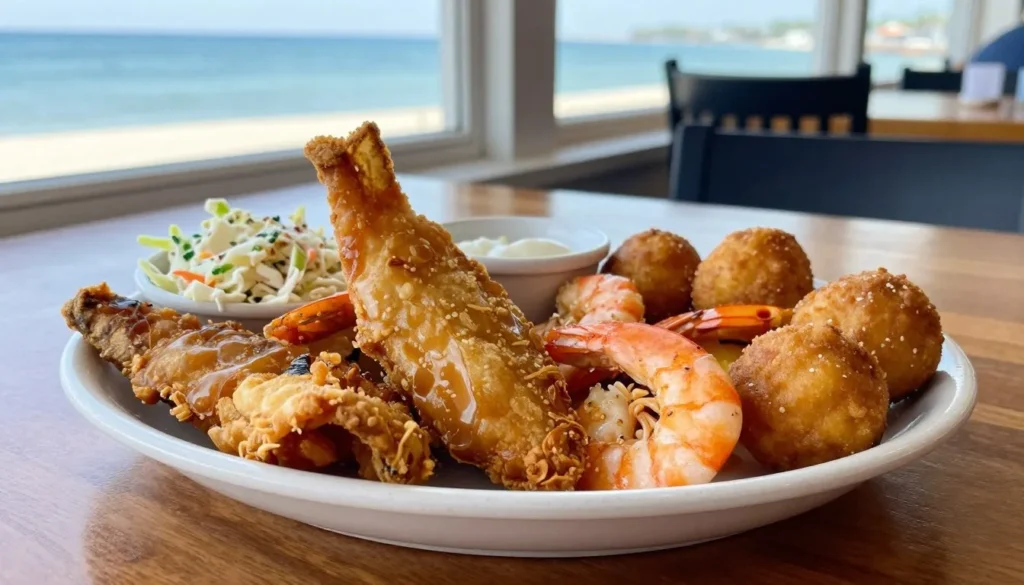
No dining facilities exist on Cape Lookout itself, making packed lunches essential for island visits. The mainland communities surrounding the national seashore offer excellent seafood restaurants showcasing local catches and traditional coastal cuisine.
What to Eat
Down East North Carolina’s culinary traditions focus heavily on fresh seafood prepared simply to highlight natural flavors. Several dishes define the local food culture:
Steamed Blue Crabs reign as the region’s signature dish. Local watermen harvest these crabs from nearby sounds and estuaries. Restaurants serve them by the dozen, steamed with Old Bay seasoning. Picking crabs remains a social activity requiring patience and technique.
Calabash-Style Seafood describes lightly battered and fried fish and shellfish. This preparation originated in nearby Calabash and became the standard throughout coastal North Carolina. Expect generous portions served with hush puppies and coleslaw.
She-Crab Soup showcases female blue crabs with their roe in a rich, creamy soup. This regional specialty appears on most seafood restaurant menus during crab season from March through November.
Oysters harvested from local waters arrive at restaurants within hours. They’re served raw, steamed, or roasted. Core Sound oysters develop distinct flavor from the brackish water where they grow.
Grouper and Mahi appear frequently as daily specials when local boats bring in fresh catches. Grilled, blackened, or fried preparations let the fish quality shine through simple seasonings.
Beaufort Restaurants
Beaufort’s historic waterfront hosts the area’s best dining concentration. Front Street restaurants offer water views alongside excellent food.
Clawson’s 1905 Restaurant occupies a restored general store building and serves upscale coastal cuisine. The menu emphasizes local seafood with creative preparations that respect traditional flavors.
Beaufort Grocery Company, despite its name, operates as a fine dining establishment. The chef sources ingredients locally and changes the menu seasonally. Reservations become essential for dinner service.
Front Street Grill at Stillwater specializes in fresh catches and provides outdoor seating overlooking Taylor’s Creek. The casual atmosphere welcomes families while maintaining food quality.
Morehead City Options
Morehead City offers several excellent seafood houses along the waterfront. These restaurants tend toward larger portions and more casual atmospheres than Beaufort establishments.
Sanitary Fish Market has served fried seafood since 1938. The name comes from a time when seafood safety was less regulated. Despite the odd name, the restaurant maintains excellent standards and serves enormous portions.
The Ruddy Duck Tavern provides creative preparations of local seafood in a relaxed setting. The duck-themed decor and water views create a fun atmosphere.
Harkers Island
Dining options on Harkers Island remain limited. The Harkers Island Fishing Center offers a small restaurant serving breakfast and lunch, convenient before or after ferry trips.
Most visitors either eat before heading to the island or bring picnic supplies. A small convenience store sells basic provisions but lacks fresh food options.
Local Markets
Several seafood markets sell fresh catches for those with kitchen access:
- Bell’s Seafood on Beaufort waterfront offers fresh fish, shrimp, and crabs
- Clamdigger Seafood Market on Harkers Island provides local catches to residents and visitors
- Multiple fish houses in Morehead City sell directly to the public at wholesale prices
Packing Lunch for Cape Lookout
Since no food services exist on the island, most visitors pack coolers with lunch and snacks. Consider these tips:
- Bring more water than you think necessary, at least two liters per person
- Pack ice or freeze water bottles to keep food cool in summer heat
- Choose foods that hold up well in heat, avoiding mayonnaise-based items
- Include salty snacks to replace electrolytes lost to heat and humidity
- Bring trash bags to pack out all waste from the island
Several mainland delis and grocery stores will prepare sandwich orders for island trips. This convenience saves time and ensures fresh food without packing supplies.
Attractions, Sightseeing & Activities
Cape Lookout Lighthouse
The lighthouse itself serves as the primary attraction within Cape Lookout National Seashore. Built in 1859, this light station has guided mariners past dangerous Diamond Shoals for over 160 years.
The distinctive black and white diamond pattern makes this lighthouse unique among Atlantic coast beacons. Most lighthouses feature horizontal stripes, but Cape Lookout’s diagonal diamonds create an unmistakable daymark visible from miles at sea.
✓ Check 30,000+ Local Sightseeing Tours Worldwide
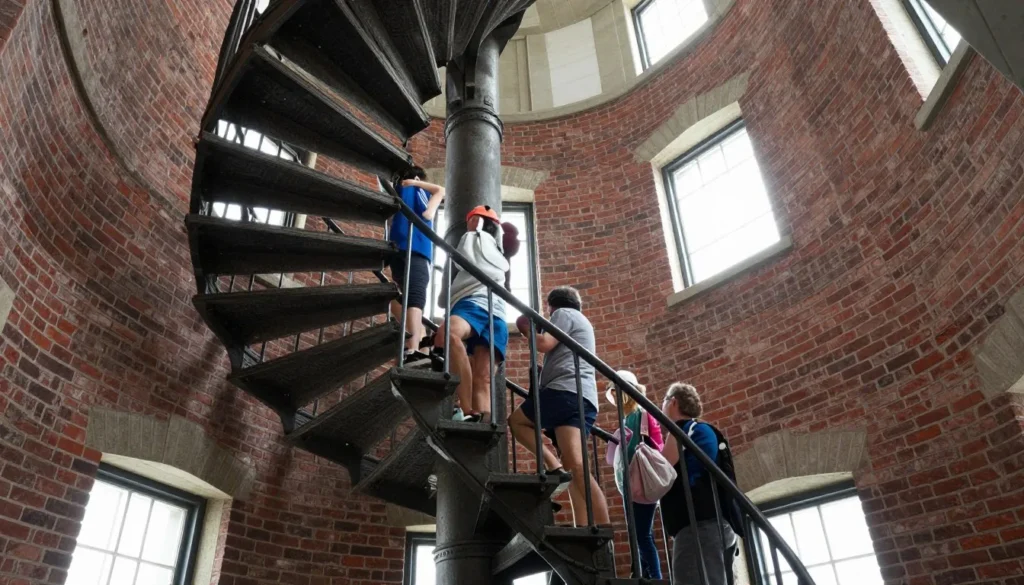
Climbing the lighthouse requires moderate fitness. The 207 steps wind upward through the 49-meter (163-foot) tower in a tight spiral. The cast iron staircase allows glimpses of the tower’s brick interior construction as you ascend.
The view from the gallery at the top rewards the climb. You can see across Core Sound to the mainland, down the length of Core Banks, and out across the Atlantic. On clear days, the view extends for over 30 km (19 miles).
Lighthouse climbs are available during the summer season from mid-May through mid-September. National Park Service staff limit the number of climbers inside the tower at once for safety. During peak times, expect to wait thirty minutes or more for your turn.
Light Station Historic Buildings
Several restored structures surround the lighthouse, offering glimpses into the lives of lighthouse keepers and their families:
- The Keeper’s Quarters Museum displays period furnishings and exhibits about lighthouse operation
- Oil storage buildings show where the lighthouse’s fuel was safely stored away from the tower
- The privy and other outbuildings illustrate the isolation and self-sufficiency required of keepers
These buildings operated as a remote light station from 1859 until automation in the 1950s. Keeper families lived here year-round, with supplies arriving by boat and children attending small island schools.
Beach Activities
Cape Lookout National Seashore protects 90 km (56 miles) of pristine beach. Swimming, sunbathing, and beachcombing occupy most visitors during warmer months.
Swimming conditions vary with weather and tide. No lifeguards patrol any beaches within the national seashore. Rip currents pose serious hazards, particularly during rough surf. Strong swimmers should stay close to shore and never swim alone.
Shell collecting rewards patient beachcombers. The beaches accumulate impressive varieties of shells, particularly after storms. Look for whelks, sand dollars, and colorful scallop shells. Remember that collecting living shells or coral remains prohibited.
Surf fishing attracts anglers year-round. Red drum, flounder, Spanish mackerel, and bluefish all inhabit waters off Cape Lookout. North Carolina fishing licenses are required for anyone over sixteen years old.
Shelling and Beach Exploration
The isolated nature of these barrier islands creates exceptional shelling opportunities. Long stretches of beach see few visitors, allowing shells to accumulate undisturbed.
Early morning after high tide provides the best shelling conditions. The receding water reveals fresh deposits along the tide line. Storms improve shelling dramatically, bringing up specimens from deeper water.
Respect regulations protecting living creatures and artifacts. Taking live shells, sand dollars, or starfish violates park regulations. Historical artifacts including old bottles or ship remains must stay where found.
Photography Opportunities
Cape Lookout offers exceptional photography across varied subjects:
Best Photo Locations
- Beach approach to lighthouse captures iconic diamond pattern
- Sunset from western beach photographs lighthouse silhouette
- Keeper’s quarters with lighthouse in background shows context
- Wild horses on Shackleford Banks in natural habitat
Photography Tips
- Morning light provides soft illumination on the lighthouse
- Bring lens cleaning supplies for salt spray and sand
- Wide-angle lenses capture lighthouse and landscape together
- Telephoto lenses work for distant wildlife shots
Bird Watching
Cape Lookout National Seashore provides critical habitat for shorebirds and seabirds. The barrier islands serve as nesting grounds and migration stopover sites.
Summer nesting season from April through August sees least terns, piping plovers, and American oystercatchers raising young. The national park service closes certain beach areas to protect these threatened species during nesting.
Migration periods in spring and fall bring impressive diversity. Warblers, tanagers, and other songbirds rest on the islands during long coastal journeys. Shorebirds including sandpipers and plovers feed along the beaches.
Bring binoculars and field guides to maximize bird watching opportunities. Respect closed areas and maintain distance from nesting birds to avoid disturbing them.
Museums, Cultural Spots & Festivals
Core Sound Waterfowl Museum & Heritage Center
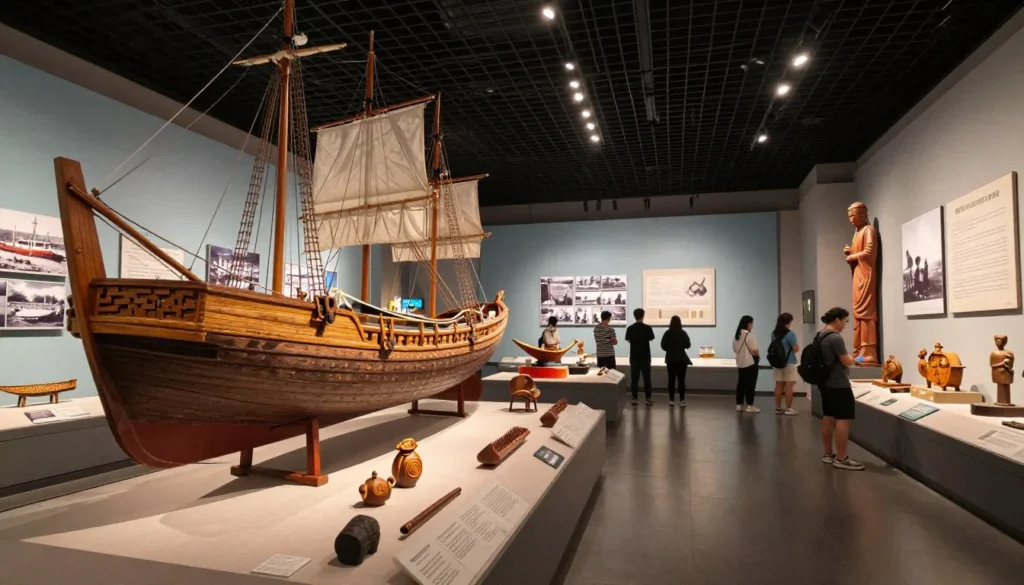
Located on Harkers Island near the Cape Lookout ferry terminal, this museum preserves the unique culture of Down East communities. The collection focuses on traditional boat building, decoy carving, and the maritime heritage of families who lived on barrier islands.
Exhibits showcase the skills required to survive and thrive in this coastal environment. Traditional Core Sound boats on display represent designs developed specifically for shallow sound waters. Master carvers’ decoys demonstrate artistry that served practical hunting purposes.
The museum regularly hosts demonstrations where craftspeople show traditional techniques. These programs allow visitors to watch boat building, net making, and decoy carving as practiced for generations.
Oral history recordings capture stories from people who grew up on Portsmouth Island and other barrier island communities. These personal accounts provide context for understanding the lighthouse keepers’ isolated existence.
North Carolina Maritime Museum
Three locations of the North Carolina Maritime Museum serve the coast. The Beaufort campus houses the largest collection and sits convenient to Cape Lookout visitors.
The museum focuses on North Carolina’s maritime history from Native American watercraft through modern times. Exhibits cover coastal ecology, boat building, fishing industries, and shipwrecks along the Outer Banks.
A highlight includes artifacts from the Queen Anne’s Revenge, Blackbeard’s flagship discovered near Beaufort Inlet. Archaeological work continues on this wreck, with new artifacts regularly added to exhibits.
Educational programs include boat-building classes, sailing instruction, and marine science workshops. These hands-on opportunities let visitors develop skills related to coastal life.
Historic Beaufort
Beaufort’s historic district preserves over 100 structures from the 18th and 19th centuries. Walking tours explore architecture and history of this colonial port town.
The Beaufort Historic Site maintains several restored buildings open for tours. The 1732 Joseph Bell House represents the oldest documented structure. The courthouse, apothecary shop, and old jail illustrate daily life in different eras.
Costumed interpreters lead tours during summer months, explaining how people lived, worked, and socialized in this coastal community. The Beaufort Historical Association offers both guided and self-guided walking tour options.
Portsmouth Village
This ghost town on the northern end of Core Banks represents a unique day trip destination. Portsmouth Village thrived as a shipping port in the 1800s before declining and finally being abandoned in 1971.
The national park service maintains several buildings in this former community. The church, post office, and homes stand as they were when the last residents departed. Walking through the village creates an eerie sense of stepping back in time.
Reaching Portsmouth requires either your own boat or special charter ferry service. The village sits about 32 km (20 miles) north of Cape Lookout Lighthouse. Most visitors combine Portsmouth exploration with primitive camping.
Coastal Studies Institute
Located in Wanchese on Roanoke Island, this research and education center operates under East Carolina University. While not close to Cape Lookout, visitors interested in coastal science find the institute worthwhile during extended trips.
Public programs explain current research on coastal processes, fisheries, and climate change impacts. The facility offers tours showcasing sustainable building design adapted for coastal environments.
The Sound Side Learning Lab provides interactive exhibits about coastal ecosystems. Children especially enjoy hands-on activities exploring sound biology and barrier island formation.
Nature & Outdoor Experiences
Wild Horse Viewing on Shackleford Banks
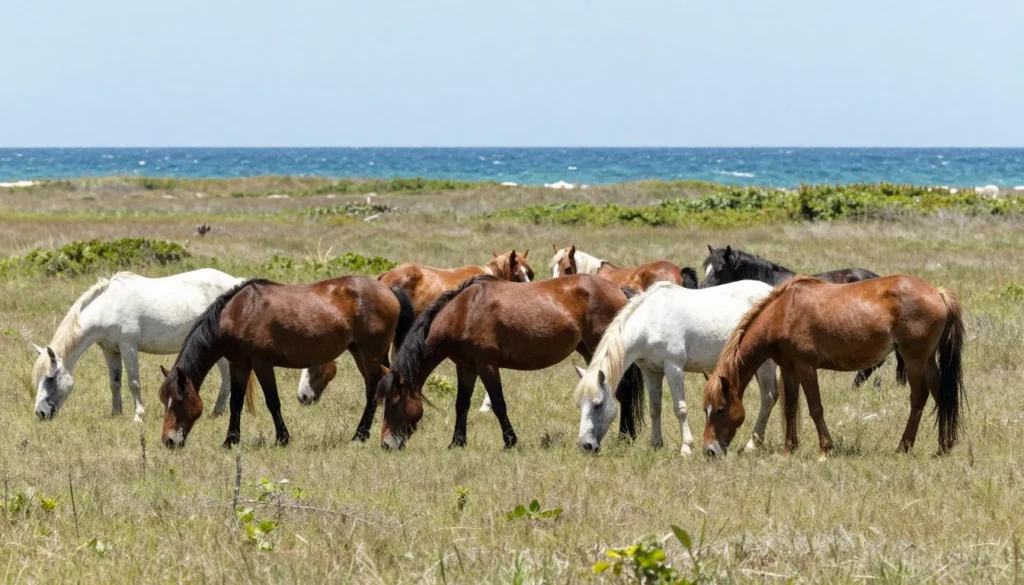
Approximately 100 wild horses roam freely across Shackleford Banks, a barrier island within Cape Lookout National Seashore. These horses descend from colonial Spanish stock brought to the area in the 1500s.
Genetic testing confirms these horses’ unique heritage as some of the last remaining Colonial Spanish horses in existence. Their small stature and distinctive characteristics distinguish them from modern domestic breeds.
The horses live completely wild without human intervention. They graze on marsh grasses and shelter in maritime forests. Viewing them requires patience and respectful distance.
National park service regulations require maintaining at least 15 meters (50 feet) from horses. Getting too close stresses the animals and creates dangerous situations. These wild animals can bite, kick, and charge if they feel threatened.
The best wild horse viewing occurs during early morning or late afternoon when horses move to feed. Mid-day heat drives them into shaded areas where they’re harder to spot. Bring binoculars for safe, close-up views.
Kayaking and Paddling
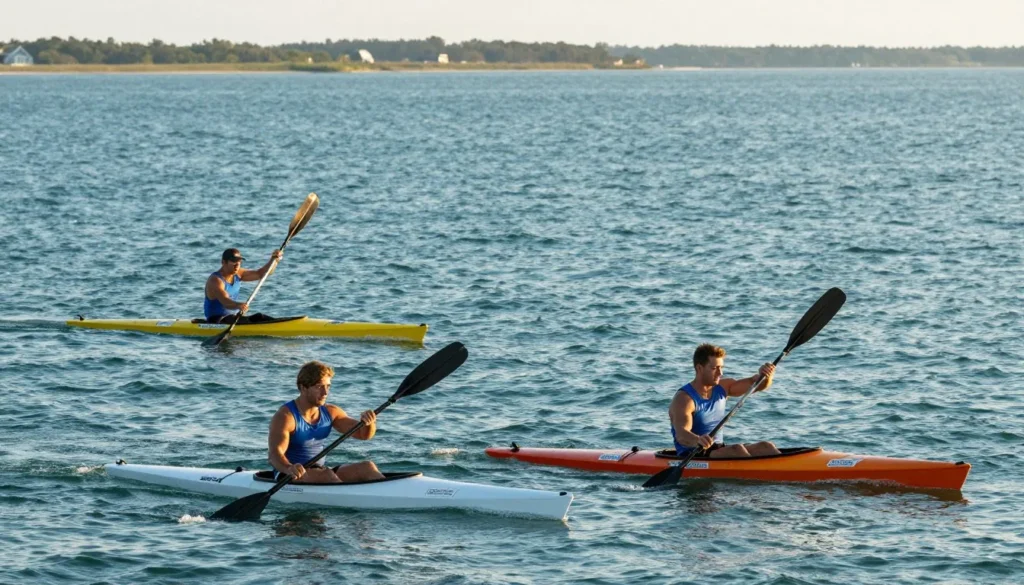
Core Sound and the waters around Cape Lookout provide excellent paddling opportunities for experienced kayakers. The sound waters remain calmer than the Atlantic, though wind can create challenging conditions.
Launching kayaks from mainland locations allows exploration of salt marshes and small islands. The shallow sound waters support rich marine life visible from kayaks. Dolphins frequently swim nearby, and birds forage along marsh edges.
Several outfitters in Beaufort and Morehead City offer guided kayak tours. These tours teach paddling techniques while exploring prime wildlife areas. Half-day and full-day options accommodate different skill levels.
Paddling to Cape Lookout from mainland launch sites covers about 5-8 km (3-5 miles) depending on departure point. Only experienced paddlers should attempt this crossing. Wind, currents, and boat traffic create hazards requiring good skills and judgment.
Fishing
Cape Lookout National Seashore offers some of North Carolina’s best fishing opportunities. Surf fishing from the beaches produces red drum, flounder, and bluefish seasonally.
Spring and fall bring the most productive surf fishing. Red drum run in large schools during autumn, creating exciting fishing when the bite is on. Flounder move through the area spring and fall during their migrations.
Fishing requires a North Carolina saltwater fishing license for anyone sixteen years or older. Licenses can be purchased online or at bait shops on the mainland. Regulations on size limits and catch limits change regularly.
Sound-side fishing from kayaks or small boats targets speckled trout, flounder, and puppy drum. The grass flats in Core Sound hold fish year-round, though summer provides the most consistent action.
Charter boats operating from Beaufort and Morehead City offer offshore fishing trips. The Gulf Stream lies just 64 km (40 miles) from Cape Lookout, bringing billfish, tuna, and dolphin within range.
Shelling and Beachcombing
The undeveloped beaches of Cape Lookout National Seashore accumulate shells rarely found on more visited beaches. Serious shell collectors consider this area among the best on the Atlantic coast.
Common finds include:
- Lettered olive shells with distinctive markings
- Scotch bonnet shells, North Carolina’s state shell
- Sand dollars in various sizes
- Whelks including lightning whelks and knobbed whelks
- Colorful scallop shells in multiple species
The best shelling happens after storms or during spring tides when unusual shells wash ashore. Walk the tide line where shells accumulate. Bring a small mesh bag to collect your finds while keeping hands free.
Wildlife Observation
Beyond wild horses and birds, Cape Lookout National Seashore supports diverse wildlife. Patient observers encounter various species adapted to barrier island life.
Loggerhead sea turtles nest on beaches from May through August. Female turtles crawl ashore at night to dig nests and lay eggs. The national park service monitors nests and protects them from disturbance.
Ghost crabs scuttle across the beach at dawn and dusk. These pale crabs dig burrows in the sand above the high tide line. Children enjoy watching these quick creatures dart between burrows.
Dolphins regularly swim just beyond the breakers, feeding on fish schools. The best dolphin viewing occurs during summer months when baitfish congregate near shore.
River otters occasionally appear in sound waters, fishing in the shallows. These playful mammals remain uncommon but provide exciting viewing when encountered.
Sunrise and Sunset Viewing
Cape Lookout’s east-facing beaches provide spectacular sunrise viewing. The sun rises directly from the Atlantic, creating golden light across the water and beach.
Sunset viewing requires positioning on the sound side where the sun sets over mainland North Carolina. The lighthouse silhouettes beautifully against colorful western skies during the hour before dark.
Photographers should arrive at least thirty minutes before sunrise or stay thirty minutes after sunset. The best light and color occur during these periods rather than at the exact moment of sunrise or sunset.
Travel With Children

Cape Lookout National Seashore provides excellent family experiences, though the lack of facilities requires extra planning when traveling with children. The wilderness setting offers education and adventure unavailable at developed beaches.
Age Considerations
Children of all ages can enjoy Cape Lookout, but different activities suit different developmental stages. Very young children need constant supervision near the water and careful sun protection.
The lighthouse climb has age and height restrictions. Children must be at least 44 inches (112 cm) tall to climb, roughly corresponding to age seven or eight for most children. The 207 steps challenge younger climbers, though most make it with encouragement.
Preteens and teenagers often find the wilderness setting more appealing than younger children. They can explore independently while parents relax, handle longer beach hikes, and appreciate the isolation.
Family-Friendly Activities
Several activities work particularly well for families with children:
Beach Play remains the primary activity for most families. The gentle slope and generally calm waves create safer swimming conditions than many ocean beaches. Children spend hours playing in the surf, building sandcastles, and exploring tide pools.
✓ Check 30,000+ Local Sightseeing Tours Worldwide
Shell Collecting fascinates children of all ages. Turn shelling into a scavenger hunt by listing specific shells to find. Children can bring small buckets to collect their favorites.
Junior Ranger Programs offered by the national park service engage children through activity booklets. Kids complete activities during their visit, then receive official Junior Ranger badges from park staff.
Wildlife Spotting becomes an adventure when approached as a game. Create a checklist of birds, ghost crabs, dolphins, and other animals to find during the day.
Photography allows older children to document their adventure. Even basic cameras or smartphones let kids capture their unique perspective of the lighthouse and beach.
Practical Tips for Families
Successful family visits to Cape Lookout require advance planning:
- Pack double the water you think necessary for each child
- Bring shade equipment like beach umbrellas or pop-up tents, as no natural shade exists
- Apply sunscreen before the ferry ride and reapply every two hours
- Pack familiar snacks to avoid hunger meltdowns
- Bring toys and beach equipment to keep children entertained
- Consider morning ferry times when children have more energy
- Plan bathroom breaks before leaving the mainland, as island facilities remain minimal
Safety Considerations
The isolation that makes Cape Lookout special also creates challenges for families. No lifeguards patrol the beaches, and help remains far away in emergencies.
Constant supervision near water remains essential. Even children who swim well can get into trouble with rip currents or unexpected waves. Establish clear boundaries about how far into the water children can go.
Heat exhaustion and dehydration pose real risks during summer visits. Watch for warning signs including excessive complaining, red faces, and decreased energy. Make children drink water regularly even when they’re not thirsty.
Insect bites bother children more than adults. Bring child-safe insect repellent and apply it generously. The no-see-ums particularly torment children in the late afternoon.
Educational Opportunities
Cape Lookout provides hands-on learning opportunities across multiple subjects:
History Lessons
- Lighthouse technology and navigation history
- Life of lighthouse keeper families
- Coastal shipping and commerce
- Role of lighthouses in maritime safety
Science Learning
- Barrier island formation and geology
- Coastal ecosystems and food webs
- Bird migration and adaptation
- Marine biology in tide pools and shallows
The visitor center on Harkers Island offers exhibits suitable for children. Interactive displays explain barrier island ecology and lighthouse operation in accessible ways.
Rainy Day Alternatives
Weather occasionally prevents Cape Lookout trips. The mainland communities offer several family-friendly backup activities:
- North Carolina Maritime Museum in Beaufort has interactive exhibits and touch tanks
- Core Sound Waterfowl Museum shows traditional boat building and crafts
- Fort Macon State Park near Atlantic Beach offers historic fort exploration
- Indoor swimming pools at several hotels provide climate-controlled fun
Money Saving Tips
Cape Lookout trips can become expensive when accounting for ferry costs, lodging, and meals. Strategic planning significantly reduces expenses while maintaining the quality of your experience.
Ferry Cost Strategies
Ferry tickets represent a fixed cost, but several approaches minimize the per-person expense:
Travel during shoulder seasons when some operators offer discounted rates. Mid-April through May and September through October see lower prices than peak summer months.
Family packages reduce costs when traveling with multiple children. Most ferry operators offer family rates that beat purchasing individual tickets.
Group travel spreads the cost among more people. Organizing a group of 10-15 people sometimes qualifies for charter rates that cost less per person than standard tickets.
Accommodation Savings
Lodging costs vary dramatically based on location and timing:
Weekday stays cost significantly less than weekends during summer. Visit Tuesday through Thursday to find rates 30-40 percent below weekend prices.
Vacation rental homes become economical for larger groups. A house sleeping eight people often costs less per person than hotel rooms for the same group.
Camping on Cape Lookout eliminates accommodation costs entirely. While this requires more gear and planning, primitive camping is completely free.
Morehead City accommodations typically cost less than comparable properties in Beaufort. The extra 5 km (3 miles) drive saves considerable money.
Food and Dining
Restaurant meals add up quickly, especially for families:
Prepare picnic lunches for island days rather than eating out. Grocery store ingredients cost a fraction of restaurant prices.
Choose accommodations with kitchens to cook some meals. Preparing breakfast and dinner at your rental saves the cost of two restaurant meals daily.
Eat at local seafood markets that offer steamed seafood to go. These meals cost less than sit-down restaurants while providing equally fresh food.
Take advantage of early bird specials at restaurants. Many establishments offer discounted prices for dinner served before 6 PM.
Free Activities
Many Cape Lookout experiences cost nothing beyond ferry transportation:
- Beach time, swimming, and sunbathing are completely free
- Shell collecting costs nothing and provides hours of entertainment
- Wildlife observation requires only binoculars borrowed or owned
- Hiking the beaches offers exercise and exploration without fees
- Sunset and sunrise viewing create memorable experiences at no cost
The lighthouse climb costs a small fee of about five dollars per person, one of the only paid activities on the island.
Money-Saving Timing
Visit timing dramatically affects total trip costs:
September offers the best value combination of good weather, warm water, and lower prices. Schools have started, reducing crowds and allowing off-season rates.
Avoid July 4th week and the entire month of August when prices peak. These periods see the highest demand and least negotiable pricing.
Midweek visits in May provide excellent conditions with early summer weather but pre-season pricing.
What Not to Spend Money On
Avoid these common expenses:
- Expensive waterproof cameras when phone cases work fine
- Designer beach gear when basics function equally well
- Guided tours for attractions you can explore independently
- Rental cars larger than needed for your group
- Souvenir shopping at tourist-oriented stores with inflated prices
Annual Pass Benefits
The National Park Service America the Beautiful Annual Pass costs eighty dollars and covers entrance fees to all national parks. For Cape Lookout specifically, this pass doesn’t save much since the lighthouse climb fee remains minimal.
However, if you plan to visit multiple national parks during the year, the pass pays for itself quickly. Consider whether your travel plans justify the purchase.
Safety & Local Customs
Cape Lookout National Seashore’s wilderness character requires visitors to take responsibility for their own safety. No lifeguards, no emergency services on the island, and no cell phone coverage create an environment where preparation and good judgment become essential.
Water Safety
Ocean swimming poses the greatest safety risk at Cape Lookout. Rip currents occur regularly along these beaches, pulling swimmers away from shore in strong channels.
If caught in a rip current, swim parallel to the beach rather than fighting to swim directly to shore. Rip currents are narrow, and swimming parallel escapes the current’s pull. Once free, angle back toward the beach.
Never swim alone. Always maintain visual contact with your swimming partner. The isolation means help won’t arrive quickly in emergencies.
Check weather and surf forecasts before your visit. Avoid swimming during high surf or when warnings are posted. The National Weather Service issues rip current risk forecasts that indicate dangerous conditions.
Sun and Heat Protection
The combination of sun, heat, and humidity creates serious health risks during summer months. No shade exists beyond the small area near lighthouse buildings.
Heat exhaustion symptoms include excessive sweating, dizziness, nausea, and weakness. Move to shade immediately, drink water, and cool down with wet towels.
Heat stroke represents a medical emergency requiring evacuation. Symptoms include hot dry skin, confusion, and loss of consciousness. Call for help immediately and work to cool the person.
Prevent heat-related illness by:
- Drinking water constantly throughout your visit
- Taking breaks in shaded areas you create with umbrellas or tents
- Wearing light-colored, loose-fitting clothing
- Applying sunscreen with SPF 50 or higher every two hours
- Wearing wide-brimmed hats and UV-protective sunglasses
Wildlife Safety
While wildlife encounters enhance visits, maintaining safe distances protects both you and the animals.
Wild horses kick and bite when people approach too closely. Never attempt to feed or touch horses. The minimum safe distance is 15 meters (50 feet), though 30 meters (100 feet) is better.
Stingray encounters occur in shallow water. Shuffle your feet when wading rather than taking normal steps. This warns stingrays of your approach and prevents stepping directly on them.
Jellyfish wash ashore regularly, especially after storms. Most species cause painful but not dangerous stings. Avoid touching jellyfish even when they appear dead on the beach.
Ferry Safety
Follow all ferry operator instructions regarding life jackets and safety procedures. Remain seated during crossings unless permitted to move about.
Pack valuables in waterproof bags as spray occasionally washes over the ferry. Secure loose items that could blow overboard in the wind.
Emergency Procedures
Cell phone coverage is non-existent on Cape Lookout. Plan for communication difficulties in emergencies.
Ferry operators monitor marine radios and can summon help if necessary. In serious emergencies, Coast Guard helicopters can evacuate patients to mainland hospitals.
Minor medical issues require first aid supplies you bring. Pack a comprehensive kit including bandages, pain relievers, antihistamines for allergic reactions, and any personal medications.
Local Customs and Etiquette
Down East communities maintain traditional values and expect visitors to show respect:
Speak to locals you encounter. A simple greeting acknowledges their presence and shows respect. The friendly culture expects basic pleasantries.
Respect private property boundaries. Some areas on Harkers Island and other communities remain privately owned. Stay on public roads and beaches unless invited onto private land.
Support local businesses rather than bringing everything from home. The communities depend on tourism but struggle economically. Buying meals and supplies locally helps the people who maintain ferry services.
Leave No Trace principles apply strictly at Cape Lookout. Pack out all trash, respect wildlife, and leave shells and natural items for others to enjoy. The national park service enforces regulations protecting resources.
Weather Awareness
Weather changes quickly on barrier islands. Monitor conditions throughout your visit and be prepared to leave if conditions deteriorate.
Lightning storms develop rapidly during summer afternoons. If you see lightning or hear thunder, leave the beach and seek shelter in the lighthouse keeper’s quarters or ferry terminal buildings.
Ferry operators cancel service when conditions become unsafe. This can strand you on the island or prevent departure from the mainland. Build flexibility into your schedule to accommodate weather delays.
Visitor Comments About Cape Lookout Lighthouse
J.V., Mississauga: “The ferry ride added to the adventure, and seeing the diamond pattern lighthouse for the first time from the boat was unforgettable. We spent an entire day exploring the beach and climbing to the top. The view from the gallery made every one of those 207 steps worthwhile. Our children loved searching for shells and watching the wild horses on Shackleford Banks.”
E.F., Ulaanbaatar: “Cape Lookout felt like stepping back in time to experience America’s coastal heritage. The isolation surprised us compared to other North Carolina beaches we visited. No shops, no restaurants, just pristine nature and that magnificent lighthouse standing watch over the Atlantic. We camped overnight and had the beach almost entirely to ourselves at sunrise.”
O.N., Asheville: “As a North Carolina resident, I’m embarrassed it took me so long to visit Cape Lookout. The barrier islands offer something completely different from the mountains I usually explore. The ferry operators were helpful with planning our day trip, and the national park staff answered all our history questions. Plan to spend more time than you think needed because there’s so much to see.”
Additional Nearby Destinations
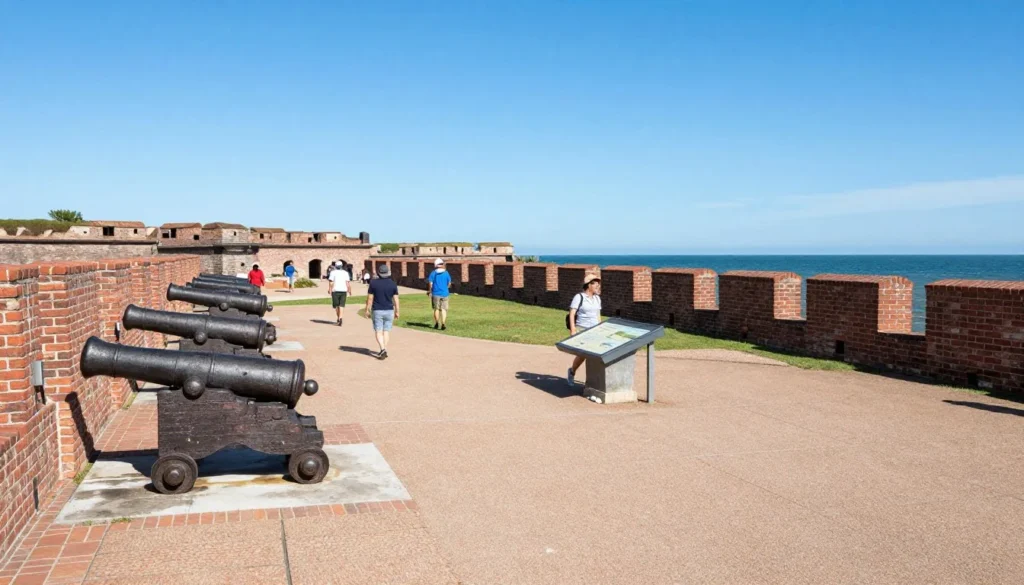
Cape Lookout’s location along the southern Outer Banks provides access to numerous other coastal attractions. Visitors extending their trip can explore diverse destinations within easy driving distance.
Fort Macon State Park
Located 40 km (25 miles) west near Atlantic Beach, Fort Macon preserves a pre-Civil War coastal fortification. The pentagonal brick fort offers self-guided tours through restored rooms and defensive positions.
The fort played roles in both the Civil War and World War II. Exhibits explain military history and coastal defense strategies. Living history programs occur regularly during summer months.
The state park includes an excellent swimming beach with bathhouse facilities and lifeguards. The beach provides a developed alternative to Cape Lookout’s wilderness setting.
Rachel Carson Reserve
This 931-hectare (2,300-acre) estuarine reserve protects salt marsh and tidal flat habitats. The reserve comprises several small islands accessible only by boat from Beaufort.
Bird watching attracts most visitors, with the marshes supporting incredible diversity. The reserve serves as an important stopover for migratory shorebirds.
Several tour operators offer guided kayak trips through the reserve. These tours provide education about estuarine ecology while paddling through scenic waterways.
Bogue Banks Beaches
The developed barrier island stretching from Atlantic Beach through Emerald Isle offers family-friendly beach towns. These communities provide restaurants, accommodations, and activities for visitors wanting more amenities than Cape Lookout offers.
Atlantic Beach’s boardwalk features traditional beach attractions. Pine Knoll Shores maintains quieter residential character. Emerald Isle’s 19 km (12 miles) of beach provide ample space even during busy periods.
The North Carolina Aquarium at Pine Knoll Shores showcases regional marine life. Touch tanks, feeding demonstrations, and educational programs appeal to families and children.
✓ Check 30,000+ Local Sightseeing Tours Worldwide
Cedar Island National Wildlife Refuge
Situated 48 km (30 miles) north of Harkers Island, this 57,000-hectare (14,480-acre) refuge protects vast expanses of salt marsh and maritime forest.
Wildlife observation opportunities include black bears, alligators, and numerous bird species. The refuge remains undeveloped with limited visitor facilities.
Cedar Island serves as the departure point for ferries to Ocracoke Island. This free state ferry crosses Pamlico Sound, providing access to the northern Outer Banks.
Ocracoke Island
This remote island 97 km (60 miles) north requires a ferry ride but rewards visitors with pristine beaches and a charming village. Ocracoke maintains a laid-back atmosphere distinct from developed Outer Banks areas.
The Ocracoke Lighthouse, built in 1823, remains the oldest operating lighthouse in North Carolina. The village offers restaurants, shops, and lodging with more character than typical beach towns.
Wild ponies descended from colonial horses graze in a pasture near the village. While not completely wild like Shackleford Banks horses, they represent similar heritage.
Crystal Coast Attractions
The Crystal Coast region encompasses numerous small towns and attractions:
- Swansboro’s historic waterfront with restaurants and shops
- Hammocks Beach State Park featuring Bear Island wilderness camping
- Croatan National Forest providing freshwater recreation inland from the coast
- Multiple marinas offering fishing charters and boat rentals
New Bern
The historic city of New Bern sits 64 km (40 miles) inland via scenic highways. Founded in 1710, New Bern served as North Carolina’s colonial capital.
Tryon Palace, the reconstructed colonial governor’s residence, offers guided tours through period rooms and formal gardens. The complex includes multiple historic buildings illustrating 18th-century life.
Downtown New Bern preserves numerous historic structures now housing restaurants, galleries, and shops. The waterfront along the Neuse and Trent Rivers provides scenic views.
Cape Lookout Lighthouse location within the Cape Lookout National Seashore, North Carolina
Practical Travel Tips
Successfully experiencing Cape Lookout National Seashore requires preparation beyond typical beach vacations. The wilderness setting and limited services demand careful planning.
What to Pack
Create a comprehensive packing list well before your departure:
Essential Items
- Two liters of water per person minimum
- High-SPF sunscreen and lip balm with SPF
- Wide-brimmed sun hat and UV sunglasses
- Insect repellent containing DEET or picaridin
- Beach umbrella or pop-up shade tent
- Cooler with ice for food and drinks
- First aid kit including blister treatment
- Trash bags for packing out waste
Recommended Items
- Binoculars for wildlife observation
- Field guides for birds, shells, and marine life
- Waterproof phone case or camera
- Beach toys for children
- Lightweight long-sleeve shirt for sun protection
- Sandals that can get wet
- Small backpack for carrying supplies
- Portable phone charger
Cell Phone and Internet
No cell phone coverage exists on Cape Lookout. Plan to be completely disconnected during your island visit. This isolation offers freedom from constant connectivity but requires planning.
Download any necessary information before leaving the mainland. Take photos or screenshots of ferry schedules, maps, and reservation confirmations.
Let family or friends know your plans since you can’t communicate from the island. Provide your ferry schedule and expected return time.
Restroom Facilities
Vault toilets exist near the lighthouse keeper’s quarters. These basic facilities have no running water or hand washing stations. Bring hand sanitizer and toilet paper as supplies sometimes run out.
No restrooms exist elsewhere on the island. Plan bathroom breaks accordingly, especially when traveling with children.
Drinking Water
No potable water is available on Cape Lookout. Bring every drop of water you’ll need for drinking, hand washing, and first aid.
Calculate water needs generously, especially during hot weather. Adults require at least two liters for a day visit. Children need proportional amounts based on size and activity level.
Freeze water bottles overnight before your trip. They serve double duty keeping food cold in your cooler while providing drinking water as they melt.
Trash and Leave No Trace
Cape Lookout operates on a pack-it-in, pack-it-out policy. No trash receptacles exist on the island. Bring sturdy bags to collect all waste including food scraps, packaging, and personal items.
Leave shells, rocks, and natural items where you find them. Collecting living shells or disturbing wildlife violates national park regulations and damages the ecosystem.
Stay on established paths near the lighthouse to prevent dune erosion. Avoid walking through vegetation which helps stabilize sand and provides wildlife habitat.
Ferry Booking
Reserve ferry tickets as far in advance as possible for summer visits. Popular departure times sell out weeks ahead during peak season.
Confirm your reservation the day before departure. Weather cancellations occur occasionally, and operators contact passengers with rebooking options.
Arrive at the ferry terminal at least thirty minutes before departure. This allows time for parking, checking in, and loading.
Seasonal Considerations
Summer visits require the most preparation due to heat, humidity, and sun exposure. Plan shorter visits during the hottest months or schedule early morning departures to maximize cooler hours.
Spring and fall provide the most comfortable conditions with fewer preparation demands. Temperatures remain moderate, though water feels cooler than summer months.
Winter visits face challenges from cold wind and limited ferry service. Dress in layers and check ferry schedules carefully before planning winter trips.
Photography Tips
Cape Lookout offers spectacular photography opportunities with some technical considerations:
- Bring lens cleaning supplies for salt spray and blowing sand
- Store cameras in sealed bags when not actively shooting
- Use lens hoods to reduce glare from intense coastal light
- Shoot during golden hour (early morning and late afternoon) for best light
- Protect equipment from water during ferry crossings
Accessibility
Cape Lookout presents significant accessibility challenges. The wilderness setting lacks paved paths, ramps, or accessible facilities.
The lighthouse climb requires ability to manage 207 steps in a tight spiral staircase. No elevator or alternative access exists to the top.
Beach access from ferry docks crosses soft sand difficult for wheelchairs or mobility devices. Some visitors with limited mobility enjoy the ferry ride and views from the dock area without attempting island exploration.
Your Cape Lookout Adventure Awaits
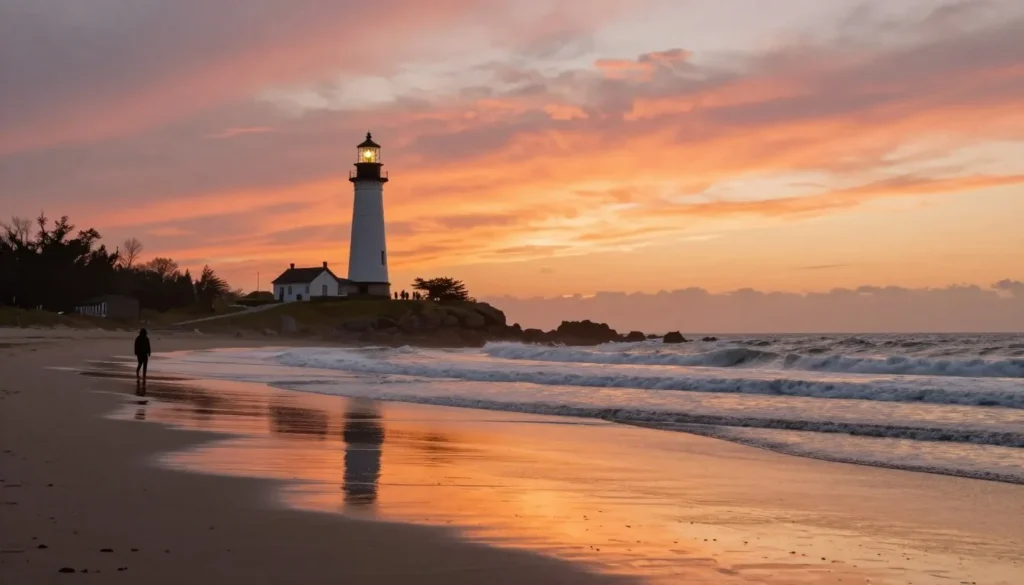
Cape Lookout Lighthouse stands as a testament to maritime heritage and natural preservation. The journey to this remote barrier island rewards you with experiences impossible at developed beach destinations.
The distinctive black and white diamond pattern lighthouse rises above pristine beaches where wild horses roam and shells accumulate untouched. Every climb to the gallery, every shell discovered, and every sunset witnessed becomes part of your connection to North Carolina’s coastal legacy.
Part of Cape Lookout National Seashore, this destination protects not just a historic lighthouse but an entire ecosystem of barrier islands, salt marshes, and maritime forests. Your visit supports preservation efforts that maintain these landscapes for future generations.
Whether you’re watching dolphins swim beyond the breakers, photographing the lighthouse against Carolina blue skies, or simply enjoying the isolation of undeveloped beaches, Cape Lookout offers something increasingly rare in modern travel. The absence of crowds, commerce, and connectivity creates space for authentic experiences in one of America’s most beautiful coastal settings.
Start planning your Cape Lookout Lighthouse adventure today. The lighthouse has guided mariners for over 160 years. Now it’s your turn to discover why this remarkable destination captures the hearts of everyone who makes the journey across Core Sound to stand beneath its distinctive diamond pattern.