Hotels by Trip.com
Flights by Trip.com
More than 10,000 books line the shelves of this mountain home where one of America’s greatest poets wrote his Pulitzer Prize-winning biography. The Carl Sandburg Home National Historic Site preserves not just a house but an entire way of life that shaped American literature.
This site honors Carl Sandburg, the celebrated poet, writer, and biographer who spent his final 22 years at Connemara Farm. He moved here in 1945 with his family and continued writing until his death in 1967.
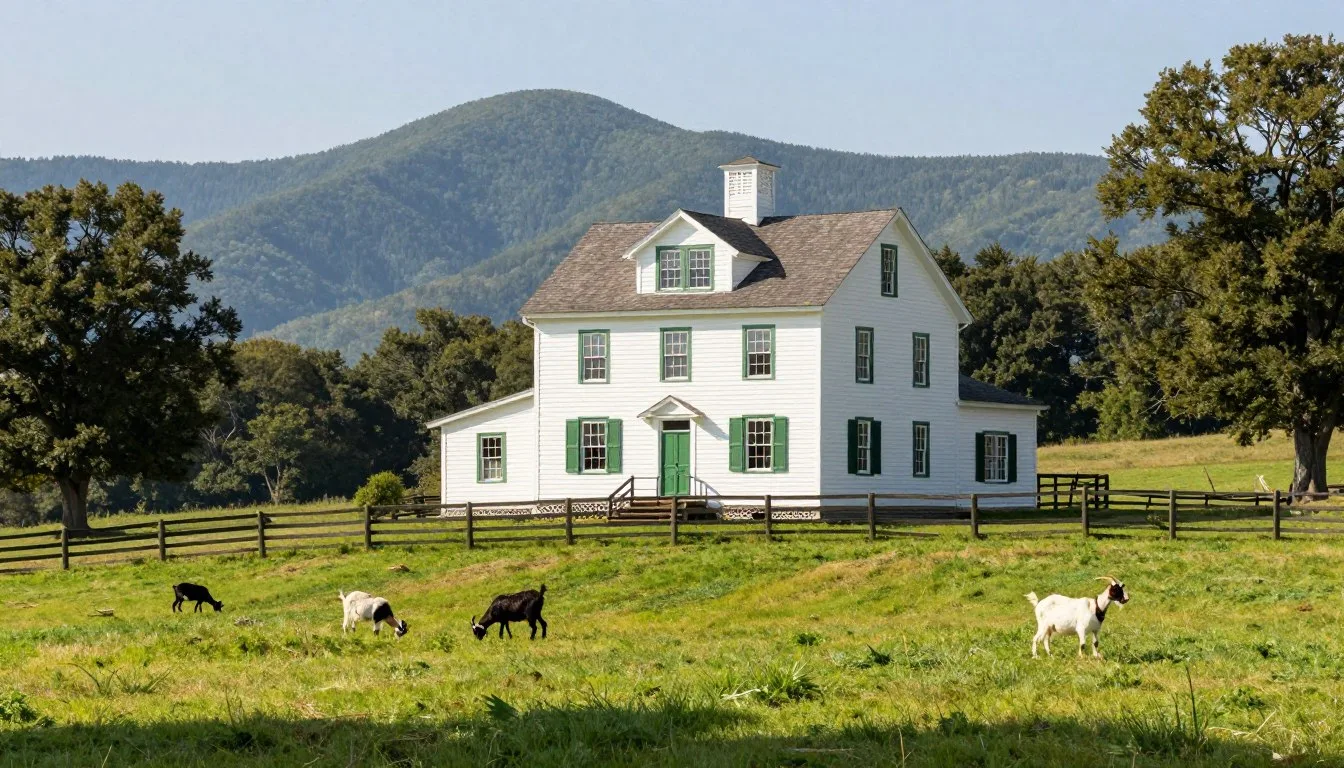
Nestled in the scenic mountains near Flat Rock, North Carolina, this 264-acre estate offers visitors a unique glimpse into the daily life of the Sandburg family. Mrs. Sandburg raised champion dairy goats while the poet crafted his literary works.
The home national historic site welcomes guests year-round with ranger-led tours, hiking trails, and farm demonstrations. Whether you’re a literature enthusiast or nature lover, this national park service site delivers an enriching experience.
Getting There and Planning Your Journey
Reaching the Carl Sandburg home begins with choosing your arrival airport. The closest major airport is Asheville Regional Airport, located just 40 km (25 miles) north of the site.
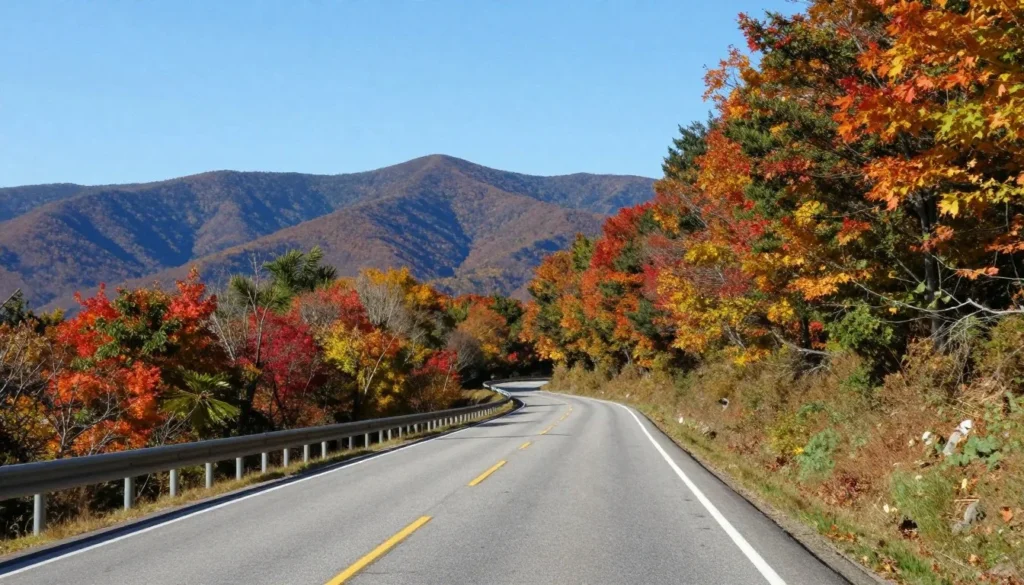
Flights connect through major hubs like Atlanta, Charlotte, and Chicago. From the airport, the drive takes about 35 minutes along scenic mountain roads.
Greenville-Spartanburg International Airport in South Carolina offers another option. This facility sits 64 km (40 miles) south and provides competitive flight prices.
Charlotte Douglas International Airport, approximately 177 km (110 miles) east, serves as a third choice. This larger hub offers more flight options but requires a longer drive.
Car rental services operate at all three airports. Reserve your vehicle in advance during peak summer and fall months when availability tightens.
The national historic site sits at 81 Carl Sandburg Lane in Flat Rock. GPS coordinates work reliably in this area. Clear signage along Little River Road guides visitors to the parking area.
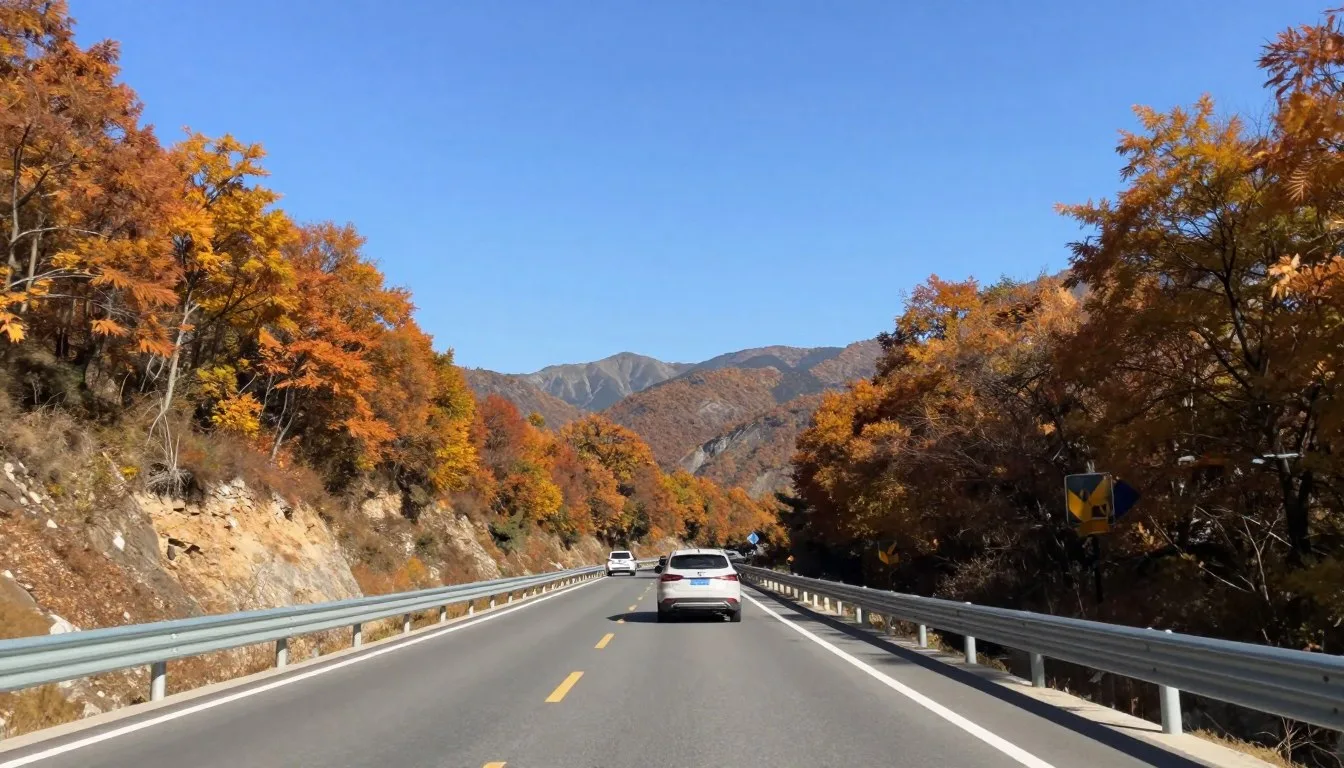
Interstate 26 provides the primary route from most directions. Exit onto US-25 South, then follow signs to Flat Rock and the historic site.
Public transportation options remain limited in this rural area. Asheville’s public transit system doesn’t extend to Flat Rock. Ride-sharing services operate but may have longer wait times than in urban areas.
Best Time to Visit and Weather Tips
Best Time to Visit Carl Sandburg Home National Historic Site
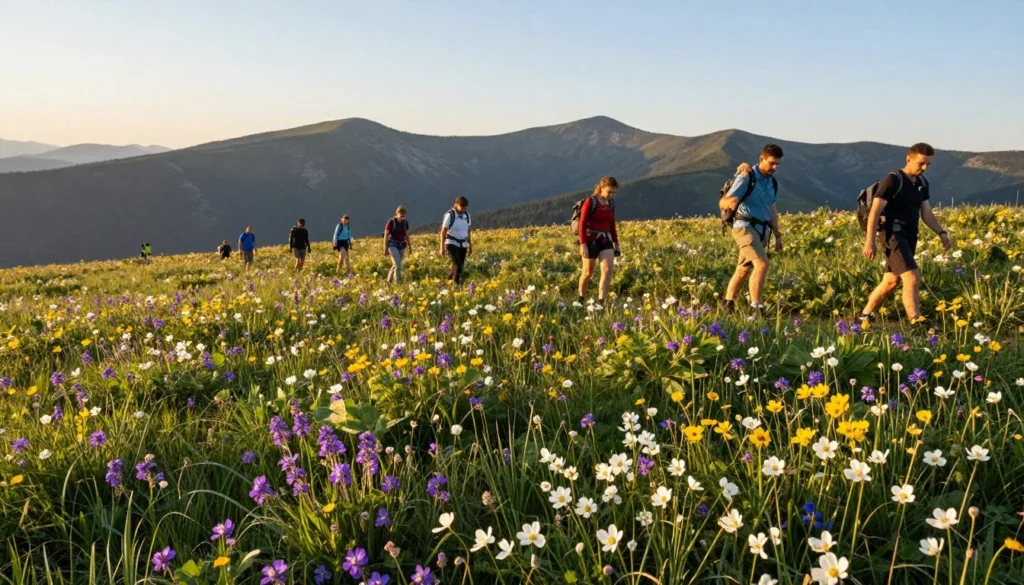
April through June represents the ideal visiting window. Spring temperatures range from 13°C to 24°C (55°F to 75°F). Wildflowers carpet the hillsides and baby goats frolic in the pastures.
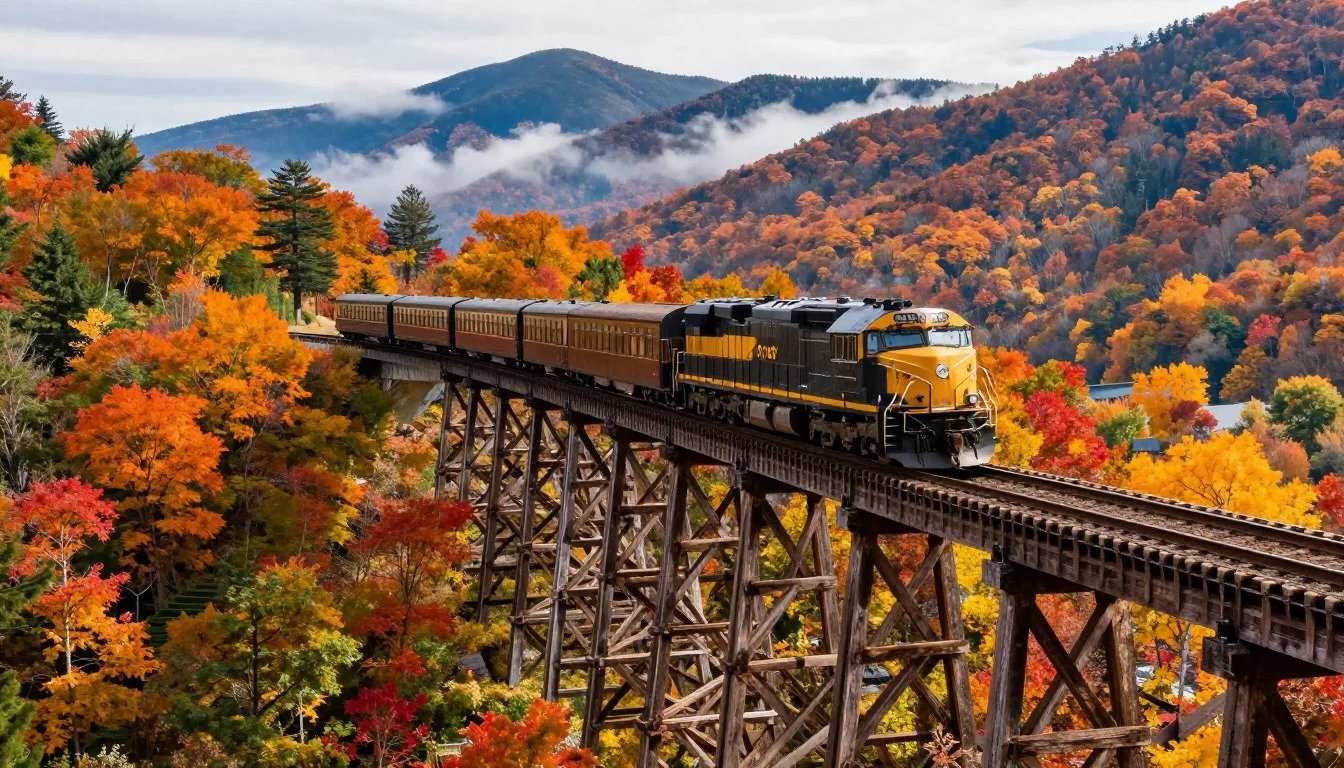
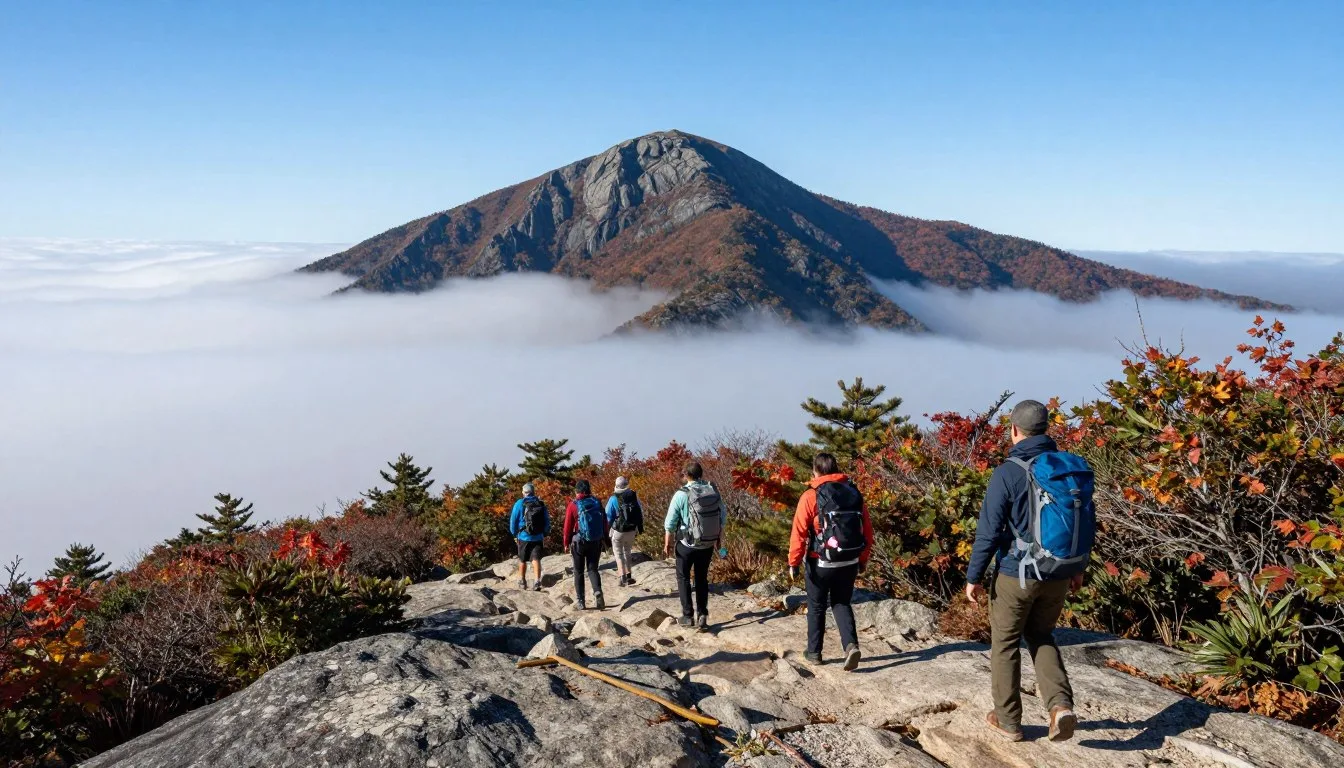
September through November delivers spectacular fall foliage. The surrounding Henderson County mountains blaze with red, orange, and gold. Temperatures hover between 10°C and 21°C (50°F to 70°F).
Summer months from July through August see the highest visitor numbers. Temperatures climb to 27°C to 32°C (80°F to 90°F). The mountain elevation provides some relief from the heat.
Winter visits from December through February offer solitude and mountain views. Temperatures drop to 2°C to 10°C (35°F to 50°F). Occasional snow dusts the landscape but rarely closes the site.
Avoid visiting during major holidays when tour capacity reaches limits. The site closes on Thanksgiving, Christmas Day, and New Year’s Day.
Weather Patterns Throughout the Year
Mountain weather changes quickly. Pack layers regardless of season. Morning fog often blankets the valleys before burning off by mid-morning.
Spring brings unpredictable conditions. Sunny mornings can shift to afternoon showers. Waterproof jackets prove essential for trail exploration.
Summer afternoon thunderstorms develop frequently. Plan house tours for mornings. The site suspends outdoor activities during lightning.
Fall offers the most stable weather patterns. Crisp mornings warm to pleasant afternoons. This consistency makes planning easier.
Winter weather varies from mild to occasionally harsh. Ice on trails creates hazards. Call ahead to confirm trail conditions during cold snaps.
Notable Annual Festivals

The Carl Sandburg home hosts several annual events celebrating literature, music, and mountain heritage. These festivals connect visitors to the cultural traditions the Sandburg family cherished.
Rootabaga Stories Festival (Mid-June): This children’s literature celebration brings Sandburg’s fairy tales to life. Storytellers, musicians, and craftspeople create interactive experiences. Families enjoy goat walks and puppet shows. Contact organizers at (828) 693-4178.
Sandburg Folk Music Festival (September): Traditional Appalachian music fills the hillsides during this two-day event. Local musicians perform bluegrass, folk, and mountain ballads. The festival honors Sandburg’s passion for collecting American folk songs. Reach organizers at (828) 693-4178.
Poetry in the Garden (Various dates): Monthly poetry readings take place in the formal garden from April through October. Local poets share works inspired by the mountain landscape. These intimate gatherings welcome participation. Information available at (828) 693-4178.
Living History Days (Multiple weekends): Interpreters in period clothing demonstrate 1940s farm life. Visitors learn about dairy goat husbandry, gardening, and household tasks from the Sandburg era. These programs run spring through fall.
Festival attendance requires no additional fee beyond standard admission. Parking fills quickly during events. Arrive early or use overflow parking with shuttle service.
Getting Around Locally
The national historic site operates primarily as a walking destination. Parking areas accommodate approximately 50 vehicles near the visitor center.
Overflow parking opens during peak season and special events. A short shuttle transports visitors from overflow lots. This service runs on busy weekends from April through October.
The main parking lot sits about 180 meters (200 yards) from the house. A paved walkway with gentle grade provides accessible access. Visitors with mobility concerns can request drop-off closer to the entrance.
Exploring the broader Flat Rock area requires personal transportation. The village centers on US Highway 25, less than 3 km (2 miles) from the site.
Bicycle riders find limited infrastructure but scenic roads. Mountain terrain challenges casual cyclists. Experienced riders enjoy the winding routes through Henderson County.
Walking between the Sandburg home and Flat Rock village proves impractical. No sidewalks exist along the connecting roads. Traffic moves quickly on these rural highways.
Ride-sharing services operate in the area but response times vary. Schedule return trips in advance rather than waiting on-site. Cell phone coverage works reliably near the parking areas.
Where to Stay Near the Carl Sandburg Home
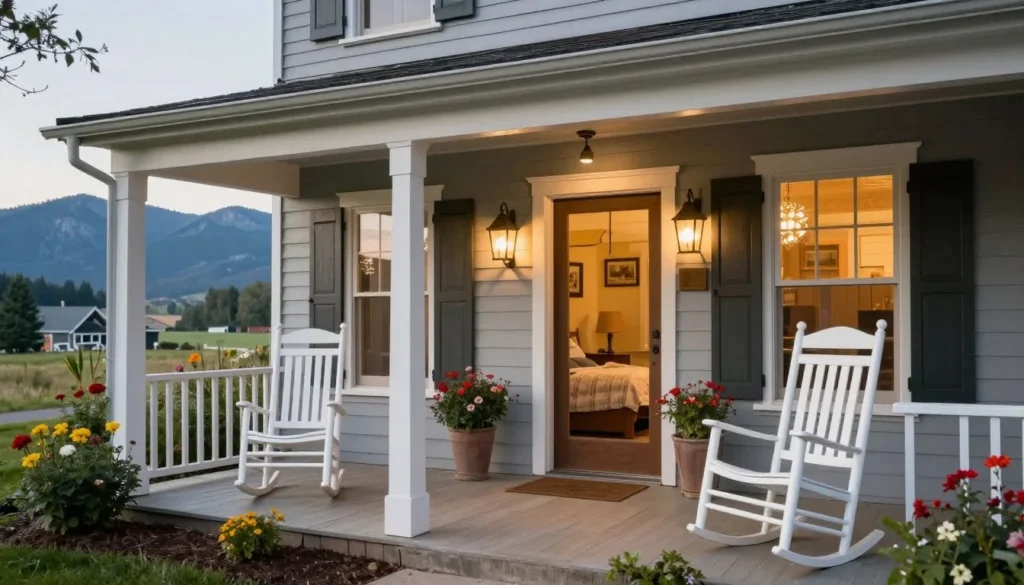
Flat Rock and surrounding communities offer diverse accommodation options. Most properties sit within a 16 km (10 mile) radius of the national historic site.
Historic Inns and Bed & Breakfasts
The Highland Lake Inn provides rustic mountain charm. This property features cottages and cabins scattered across wooded grounds. Guests enjoy lake access and hiking trails.
Flat Rock’s downtown area hosts several Victorian-era bed and breakfasts. These historic properties offer personalized service and homemade breakfasts. Many occupy homes from the same era as Connemara.
The Woodfield Inn dates to 1852. This antebellum structure combines historic character with modern amenities. Its location places visitors within 5 km (3 miles) of the Sandburg home.
Hotels and Modern Accommodations
Hendersonville, 11 km (7 miles) north, concentrates most chain hotels. Options span budget to upscale categories. This small city provides dining and shopping conveniences.
Asheville’s downtown district, 40 km (25 miles) away, delivers the widest selection. Visitors willing to drive find boutique hotels, large chains, and luxury resorts. The city’s attractions justify the extended stay radius.
Vacation Rentals and Cabins
Mountain cabins dot the hillsides around Flat Rock. These private rentals range from cozy studios to large family homes. Many feature panoramic views and full kitchens.
Vacation rental platforms list properties throughout Henderson County. Book several months ahead for fall foliage season. Spring and summer require less advance planning.
Camping Options
Commercial campgrounds operate near Lake Lure and Chimney Rock. These facilities offer RV hookups and tent sites. Distances range from 24 to 32 km (15 to 20 miles) from the Sandburg home.
Pisgah National Forest provides primitive camping for adventurous travelers. Backcountry sites require permits and hiking to access. This option suits experienced outdoor enthusiasts.
Dining and Local Cuisine

The Carl Sandburg home national historic site doesn’t operate food services. Visitors should plan meals in nearby communities or pack picnic supplies.
Flat Rock Dining
Flat Rock village centers on a compact downtown with several dining options. The Flat Rock Village Bakery serves breakfast pastries, sandwiches, and coffee. This casual spot attracts locals and visitors alike.
Hubba Hubba Smokehouse delivers authentic barbecue. Pulled pork, brisket, and ribs highlight the menu. Outdoor seating overlooks the village streets.
Seasons at Highland Lake offers upscale dining in a historic setting. The menu emphasizes seasonal ingredients from regional farms. Lake views enhance the dining experience.
Hendersonville’s Food Scene
Hendersonville’s downtown historic district concentrates diverse restaurants. Main Street features farm-to-table establishments, ethnic cuisine, and classic Southern cooking.
Mike’s on Main serves contemporary American fare with creative twists. The rotating menu reflects seasonal availability. Local craft beers complement the food.
Black Rose Pub provides a casual atmosphere with British-inspired food. Fish and chips, shepherd’s pie, and burgers satisfy hearty appetites. The outdoor patio welcomes families.
Regional Specialties
Western North Carolina cuisine blends traditional Southern cooking with mountain influences. Expect dishes featuring locally raised trout, heritage pork, and seasonal produce.
Apple orchards blanket Henderson County. Fall harvest brings fresh cider, apple butter, and countless apple-based desserts. Farm stands line the highways from August through November.
Craft breweries have expanded throughout the region. Tasting rooms in Hendersonville and nearby communities pour mountain-inspired beers. Many source ingredients from local farms.
Picnicking at the Site
The national park service allows picnicking on the grounds. Designated areas near the parking lot provide tables. Visitors may also spread blankets on open lawns away from historic buildings.
No food or drink enters the historic house. Consume refreshments before or after tours. Water bottles remain acceptable during trail hiking.
Grocery stores in Hendersonville stock picnic supplies. Ingles Market and Publix offer deli sandwiches, snacks, and beverages. Local markets sell regional specialties and prepared foods.
Attractions, Sightseeing, and Activities at the Carl Sandburg Home

The centerpiece of any visit remains the house tour. Rangers guide visitors through rooms preserved as the Sandburg family left them. Books overflow shelves in every room.
House Tours
Tours depart regularly throughout the day from the visitor center. Groups remain small to preserve the intimate atmosphere. Rangers share stories about Sandburg’s writing process and family life.
The first floor reveals living spaces where the family entertained guests. Sandburg’s guitar rests near his chair. Original furniture and personal items create authentic period settings.
The upstairs workspace shows where Sandburg wrote his biography of Abraham Lincoln. His typewriter sits on the desk surrounded by reference books. Morning light floods through windows facing the mountains.
Photography inside the house follows specific rules. Flash photography damages artifacts. Rangers provide guidelines at tour start. Respect these boundaries to preserve collections.
Grounds and Buildings
The farm buildings surrounding the main house operated as Mrs. Sandburg’s dairy goat business. She bred champion Chikaming goats that won national awards.
Descendants of the original herd still graze the pastures. Visitors observe these animals during self-guided exploration. Park staff provide feeding demonstrations on weekends.
The barn houses exhibits about goat husbandry and Mrs. Sandburg’s agricultural achievements. Interactive displays teach about sustainable farming practices from the 1940s through 1960s.
Gardens surrounding the house bloom spring through fall. Mrs. Sandburg designed these spaces combining ornamental flowers with practical herbs. Interpretive signs identify plantings.
Visitor Center Exhibits
Start your visit at the center to watch the orientation film. This 15-minute presentation introduces Sandburg’s literary contributions and family life at Connemara.
Museum exhibits display Sandburg’s guitars, first editions, and personal correspondence. Rotating displays highlight different aspects of his career as poet, biographer, and folk music collector.
The bookstore stocks Sandburg’s works plus regional history and nature guides. Proceeds support park programs and preservation efforts.
Museums, Cultural Spots, and Local Heritage

The Carl Sandburg home national historic site anchors a region rich in cultural attractions. Flat Rock’s heritage as an artist colony continues today.
Flat Rock Playhouse
This professional theater operates year-round just minutes from the Sandburg home. The Playhouse stages Broadway musicals, classic dramas, and contemporary works. The State Theatre of North Carolina designation reflects its quality productions.
The summer season runs May through October with multiple shows weekly. Holiday productions draw families during December. Tickets require advance purchase for popular shows.
Historic Johnson Farm
This working farm preserves agricultural traditions from the 1880s. Heritage breeds of livestock and heirloom crops demonstrate sustainable farming. The property sits adjacent to the Sandburg home within walking distance.
Seasonal programs include blacksmithing demonstrations, heritage cooking, and traditional crafts. School groups frequently visit for educational programs.
Hendersonville Museums
The Henderson County Heritage Museum occupies a restored 1904 courthouse. Exhibits trace regional history from Cherokee settlements through industrial development. Apple industry displays reflect the county’s agricultural importance.
The Mineral & Lapidary Museum showcases North Carolina’s geological diversity. Fluorescent mineral displays glow under ultraviolet light. Educational programs teach rock identification and lapidary arts.
Regional Art Galleries
Flat Rock’s artistic legacy attracts contemporary artists and craftspeople. Several galleries line the village streets displaying pottery, paintings, and handcrafted jewelry.
The Woodlands at Flat Rock Art Gallery occupies a historic building. Regional artists exhibit paintings inspired by mountain landscapes. First Friday receptions welcome visitors to meet artists.
Nature and Outdoor Experiences
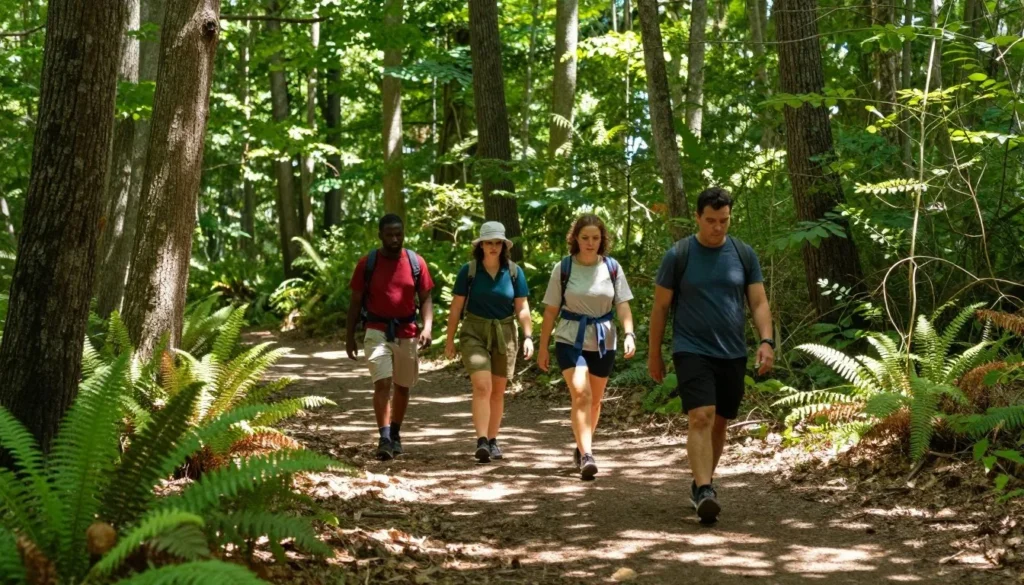
The national historic site encompasses 264 acres of forests, meadows, and trails. Hiking paths wind through the landscape Sandburg walked daily.
Trail System
Five trails ranging from easy to moderate difficulty explore different habitats. Trail maps available at the visitor center show distances and elevation changes.
The Front Yard Trail creates a 0.8 km (0.5 mile) loop suitable for all abilities. Paved sections accommodate wheelchairs and strollers. This path passes the main house and goat pastures.
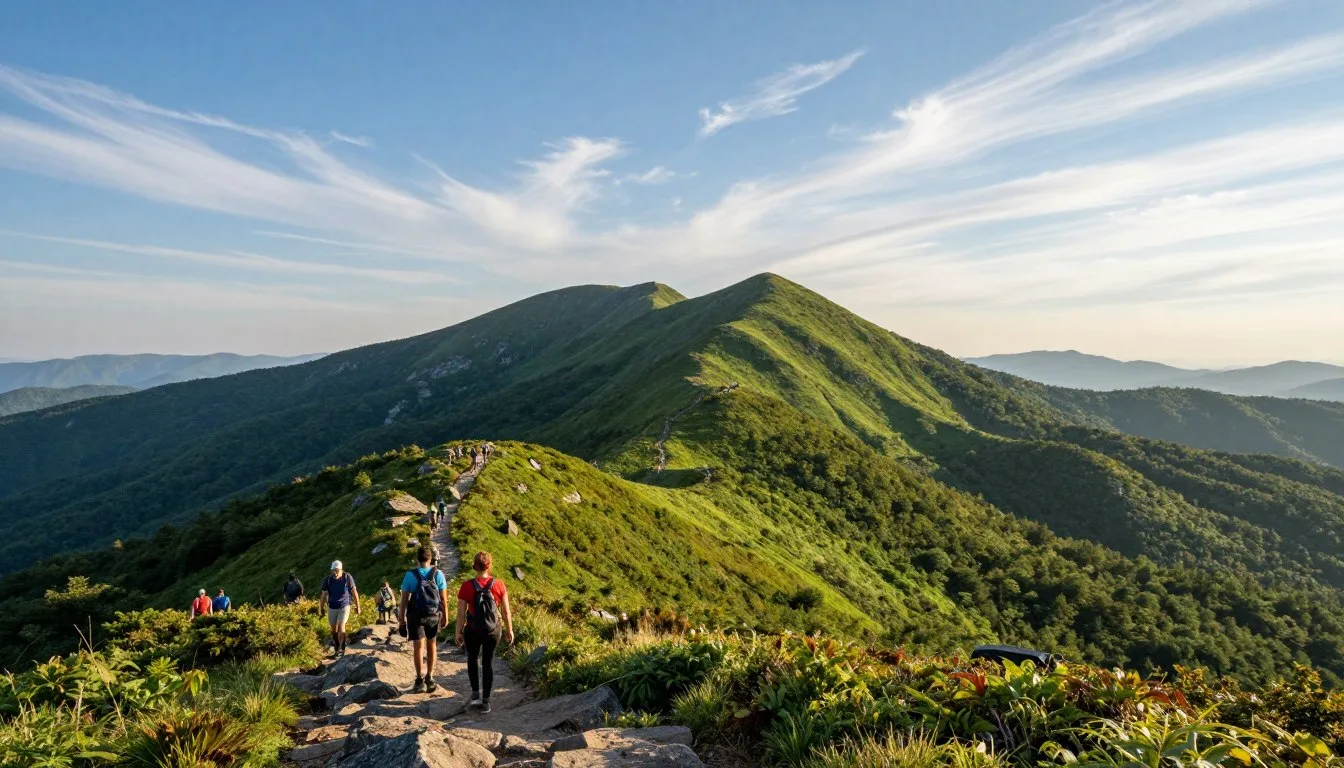
The Big Glassy Trail climbs 2.4 km (1.5 miles) to an overlook. Rocky sections require sturdy footwear. Views span the surrounding mountains and valleys.
The Little Glassy Trail extends 3.2 km (2 miles) through hardwood forests. Spring wildflowers carpet the forest floor. Fall foliage creates spectacular color displays.
Mertens Trail follows an old farm road for 1.6 km (1 mile). This relatively flat path suits families with young children. Interpretive signs describe forest ecology.
Trail conditions vary seasonally. Spring rains create muddy sections. Summer heat makes afternoon hiking uncomfortable. Fall and winter offer ideal hiking weather.
Wildlife Watching
White-tailed deer browse meadows at dawn and dusk. Wild turkeys scratch beneath oak trees searching for acorns. Patient observers spot these animals from trails.
Songbirds migrate through the property spring and fall. Warblers, thrushes, and tanagers pause during their journeys. Bring binoculars to identify species.
Eastern box turtles cross paths during summer months. Black rat snakes and garter snakes sun themselves on rocks. These harmless reptiles play important ecological roles.
Photography Opportunities
The house and surrounding landscape provide endless photographic subjects. Morning light illuminates the white farmhouse against mountain backdrops.
The goats create charming subjects especially during kidding season. Spring babies frolic across hillsides. Request permission before entering pastures for closer shots.
Seasonal changes transform the scenery. Spring wildflowers, summer green mountains, fall foliage, and winter snow each offer distinct moods.
Nearby Natural Areas
DuPont State Recreational Forest lies 16 km (10 miles) southwest. Four spectacular waterfalls cascade over granite cliffs. Hiking trails range from easy walks to challenging climbs.
Chimney Rock State Park showcases dramatic rock formations. The namesake chimney towers 96 meters (315 feet) above the valley. An elevator provides access to the top for stunning 121 km (75 mile) views.
Pisgah National Forest surrounds the area with hundreds of thousands of acres of protected wilderness. Hiking, camping, and fishing opportunities extend throughout this massive preserve.
Travel With Children

The Carl Sandburg home welcomes families with activities engaging children. Young visitors connect with history through animals, nature, and hands-on experiences.
Kid-Friendly Activities
The goats capture children’s attention immediately. Friendly animals approach fence lines for interaction. Weekend feeding demonstrations allow supervised participation.
Junior Ranger programs provide activity booklets for ages 5 through 12. Children complete tasks throughout their visit then receive badges. Park rangers administer brief oath ceremonies.
Shorter trails accommodate small legs. The Front Yard Trail takes 20 minutes at a child’s pace. Frequent rest stops allow energy release and snack breaks.
The visitor center features a children’s corner with books and puzzles. This quiet space helps younger kids decompress after active exploration.
House Tour Considerations
Standard house tours last 30 minutes. This duration challenges very young children’s attention spans. Consider child readiness before joining tours.
Rangers welcome questions from curious kids. They adjust presentations for family groups. Children who show interest in books or writing particularly enjoy the tours.
Strollers cannot enter the historic house. The visitor center provides parking for strollers during tours. Baby carriers work better for families with infants.
Practical Family Tips
Restroom facilities exist at the visitor center only. Plan bathroom breaks before trail hikes. The parking area to house distance allows quick returns if needed.
Picnic areas provide spaces for family meals. Open lawns accommodate active play away from historic structures. Pack outdoor games and balls for extended visits.
Weather changes quickly in mountains. Bring layers even during summer visits. Sudden rain showers require rain gear for comfort.
Water fountains operate seasonally at the visitor center. Carry water bottles for trail hiking. Dehydration affects children quickly during warm weather.
Educational Value
Children learn about 1940s farm life through authentic settings. Seeing Sandburg’s typewriter and books connects writing to tangible objects.
The sustainable farming practices Mrs. Sandburg employed introduce environmental concepts. Goat dairy operations demonstrate agriculture beyond industrial farming.
Literary connections appeal to older children. Sandburg’s Rootabaga Stories specifically targeted young readers. These whimsical tales remain available in the bookstore.
Money Saving Tips
The national park service maintains reasonable admission fees. Current pricing allows free entry for children under 16. Adults pay modest fees supporting site preservation.
Annual national park passes provide excellent value for frequent visitors. The America the Beautiful pass covers entrance fees at all national park service sites nationwide. Purchase at any park or online.
Free admission days occur several times yearly. Martin Luther King Jr. Day, National Park Week in April, and Veterans Day waive entrance fees. Check the official calendar before planning visits.
Self-guided trail exploration costs nothing beyond admission. Hiking trails remain open during all operating hours. Bring packed lunches to avoid restaurant expenses.
The Flat Rock area offers free parking at most attractions. Street parking in the village doesn’t require meters. This eliminates parking fees common in larger cities.
Accommodation costs decrease outside peak fall foliage season. Spring and winter rates drop 30 to 40 percent below autumn pricing. Midweek stays cost less than weekends.
Vacation rentals with kitchens reduce dining expenses. Grocery shopping in Hendersonville provides ingredients for home cooking. Local farmers markets offer fresh produce at reasonable prices.
Henderson County produces the most apples in North Carolina. Fall brings direct farm sales at prices below grocery stores. U-pick orchards charge only for harvested fruit.
Free concerts and festivals occur throughout summer. Hendersonville’s downtown hosts Thursday evening music. These community events welcome visitors without admission charges.
State and national forest recreation remains inexpensive. Day use fees at DuPont State Forest cost minimal amounts. Hiking, picnicking, and waterfall viewing provide affordable entertainment.
Safety and Local Customs
The Carl Sandburg home national historic site maintains high safety standards. Rangers patrol regularly and assist visitors with concerns.
Trail Safety
Hiking trails present typical mountain terrain challenges. Rocky sections can cause twisted ankles. Wear appropriate footwear with good traction and ankle support.
Trail conditions change after heavy rain. Slippery rocks and mud create hazards. Ask rangers about current conditions before starting hikes.
Poison ivy grows along some trail edges. Learn to identify this three-leafed plant. Stay on marked paths to avoid contact.
Ticks inhabit wooded areas spring through fall. Wear long pants and check for ticks after hiking. The site doesn’t have significant deer tick populations but precautions remain wise.
Black bears roam the mountains but rarely appear on site grounds. Make noise while hiking to avoid surprising wildlife. Never approach or feed any wild animals.
Weather Precautions
Summer thunderstorms develop quickly. Lightning poses serious danger on exposed trails. Return to buildings or vehicles when storms threaten.
Mountain temperatures drop as elevation increases. Carry extra layers even on warm valley days. Hypothermia can develop when wet and cold combine.
Sun exposure increases at higher elevations. Apply sunscreen before outdoor activities. Reapply every two hours during extended time outside.
Historic Site Etiquette
Respect boundaries around historic buildings. Ropes and signs indicate off-limit areas. These restrictions protect fragile structures and landscapes.
Touch artifacts only when rangers give explicit permission. Oils from hands damage historic objects. Photography follows specific guidelines provided during tours.
Keep voices low inside the historic house. The intimate spaces amplify noise. Other visitors deserve peaceful experiences exploring the home.
Children remain welcome but require supervision. Parents must ensure kids don’t touch artifacts or run through buildings. Active play belongs outside on lawns.
Local Driving Customs
Mountain roads wind with sharp curves and limited visibility. Drive below posted speed limits when unfamiliar with routes. Pull into overlooks to allow faster traffic to pass.
Wildlife crosses roads unexpectedly. Deer cause frequent accidents at dawn and dusk. Remain alert and reduce speed in wooded areas.
Regional Courtesy
Southern hospitality extends throughout the area. Locals greet strangers warmly. Return friendliness with smiles and polite responses.
Tipping customs follow American standards. Restaurant servers expect 15 to 20 percent. Leave tips for housekeeping at accommodations.
Visitor Comments About Carl Sandburg Home National Historic Site

“The house tour exceeded expectations with its preserved authenticity. Seeing Sandburg’s actual workspace where he wrote his Lincoln biography created a powerful connection to American literary history. The rangers shared fascinating anecdotes about the family’s daily life. Our children loved the goats and hiking trails. We spent an entire afternoon exploring the property.”
“What a peaceful mountain retreat this site offers! The trails wind through beautiful forests with stunning views. Mrs. Sandburg’s goat farming story impressed us as much as Carl’s writing career. The property feels frozen in time yet well maintained. We visited during fall foliage and the colors were spectacular. Highly recommend combining this with other area attractions.”
“As a literature teacher, I found this destination incredibly meaningful. The preservation of Sandburg’s personal library and writing space provides authentic insight into his creative process. Park rangers demonstrated deep knowledge and genuine passion for sharing this story. The surrounding Flat Rock community offers charming dining and shopping. Worth the drive from anywhere in the Southeast.”
Additional Nearby Destinations
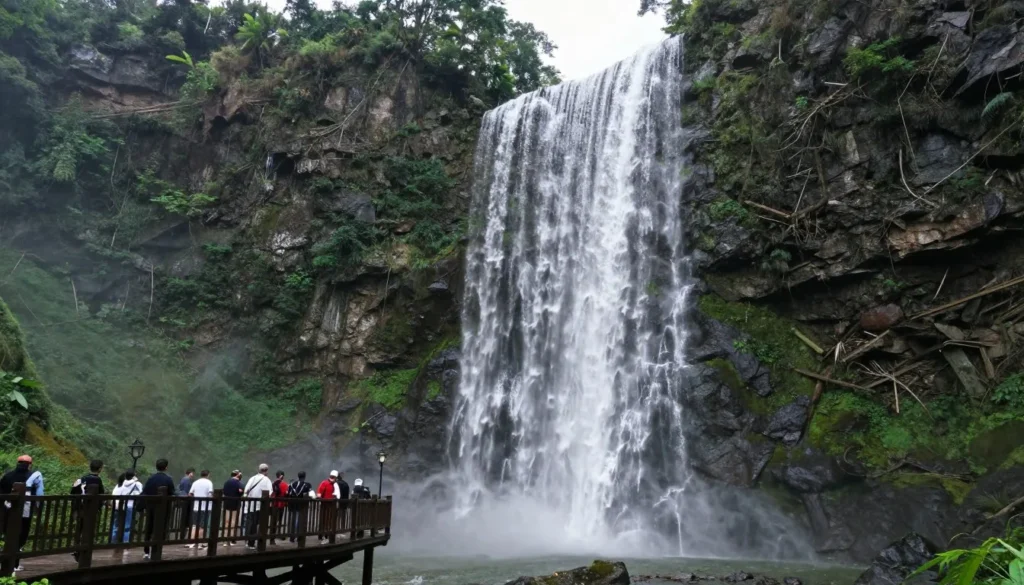
The Carl Sandburg home sits at the heart of Western North Carolina’s tourism corridor. Numerous attractions lie within easy driving distance.
Biltmore Estate
America’s largest private residence stands 40 km (25 miles) north in Asheville. This Gilded Age mansion contains 250 rooms filled with art and antiques. Extensive gardens and a working winery occupy the 3,237 hectare (8,000 acre) estate.
Plan full day visits to explore the house, grounds, and winery. Advanced tickets required year-round. The estate remains operational as the Vanderbilt family descendants continue managing it.
Chimney Rock State Park
This dramatic rock formation towers above the Rocky Broad River valley. An elevator carries visitors 82 meters (269 feet) up through solid rock. Hiking trails explore surrounding cliffs and forest.
The park sits 24 km (15 miles) from the Sandburg home. Hickory Nut Falls plunges 123 meters (404 feet) making it one of the tallest waterfalls in the eastern United States.
Downtown Asheville
This vibrant mountain city blends art galleries, craft breweries, and farm-to-table restaurants. The downtown Art Deco architecture creates distinctive character. Street performers entertain along pedestrian-friendly blocks.
The River Arts District occupies former industrial buildings. Working artists maintain studios open to visitors. Local craft beers have earned Asheville recognition as “Beer City USA.”
Blue Ridge Parkway
This scenic highway winds 755 km (469 miles) through Appalachian Mountains. Multiple access points exist near Flat Rock. The parkway offers overlooks, hiking trails, and visitor centers.
Fall foliage season brings spectacular color displays. Spring wildflowers carpet roadside meadows. Summer weekends see heavy traffic requiring patience.
DuPont State Recreational Forest
Four major waterfalls reward hikers in this 4,249 hectare (10,500 acre) forest. Triple Falls, High Falls, Hooker Falls, and Bridal Veil Falls each offer unique characteristics.
Well-maintained trails accommodate varying skill levels. Swimming holes below some falls provide summer refreshment. The forest sits 16 km (10 miles) from Flat Rock.
Hendersonville Historic Downtown
This classic Main Street features antique shops, galleries, and restaurants. The Apple Festival held each Labor Day weekend attracts over 200,000 visitors celebrating Henderson County’s apple heritage.
Weekly farmers markets operate May through October. Local produce, crafts, and prepared foods fill vendor tents. Live music enhances the market atmosphere.
Practical Travel Tips
The Carl Sandburg home national historic site operates year-round with seasonal hour adjustments. Standard hours run 9:00 AM to 5:00 PM daily. Extended summer hours accommodate visitor demand.
Site closure occurs on Thanksgiving, Christmas Day, and New Year’s Day. Verify hours before traveling during other federal holidays. Weather events occasionally force temporary closures.
Cell phone coverage works reliably at the parking area and visitor center. Signal strength decreases on remote trails. Download maps before hiking if relying on GPS navigation.
The visitor center provides restrooms, water fountains, and climate-controlled comfort. No facilities exist along trails. Plan accordingly for extended outdoor exploration.
Accessibility features include paved paths to the house and front yard areas. Wheelchairs and mobility devices navigate these routes successfully. The historic house presents limitations due to preservation requirements.
Pet policies prohibit animals inside buildings and on house tours. Leashed dogs may walk grounds and trails. Service animals receive full access following federal regulations.
Credit cards and debit cards process admission payments. The bookstore accepts cards for purchases. No ATM exists on site but nearby communities provide banking services.
Pack light layers regardless of season. Mountain weather shifts unpredictably. Rain gear proves valuable even during sunny forecasts.
Comfortable walking shoes matter more than fashion. Trails include uneven surfaces and moderate grades. Sneakers or hiking boots provide appropriate footwear.
Bring water bottles for hydration during warm months. The visitor center refills bottles at water fountains. Dehydration occurs quickly at elevation during physical activity.
Photography inside the house follows specific restrictions. No flash photography protects light-sensitive artifacts. Rangers explain rules at tour start.
Commercial filming requires advance permits. Contact park headquarters to arrange professional photography and videography. Amateur photos for personal use need no special permission.
Reservation systems don’t apply for general admission. Arrive during operating hours and purchase tickets at the visitor center. Group tours over 15 people should contact staff in advance.
Average visits last two to four hours. This timeframe includes house tour, exhibit viewing, and moderate trail hiking. Literary enthusiasts and serious hikers often spend entire days.
The bookstore stocks works by and about Carl Sandburg plus regional interest titles. Purchasing here supports national park service educational programs and preservation efforts.
Your Mountain Literary Adventure Awaits

The Carl Sandburg home national historic site preserves more than buildings and books. This mountain retreat captures the spirit of creative life balanced with agricultural simplicity.
Walking the same trails Sandburg wandered connects visitors to American literary heritage. The poet found inspiration in these mountains while completing his most significant works.
Mrs. Sandburg’s pioneering goat dairy demonstrates how innovation flourished alongside artistic pursuits. Together, the Sandburg family created a self-sufficient mountain homestead that sustained their dreams.
Whether you seek literary pilgrimage, mountain beauty, or family-friendly exploration, this national park service site delivers memorable experiences. The preserved home reveals authentic glimpses into mid-century American life.
Plan your visit to coincide with festivals celebrating the cultural traditions Sandburg cherished. Or choose quiet seasons when trails belong to you and mountain views stretch unobstructed.
The surrounding Western North Carolina region extends your adventure with waterfalls, historic estates, and vibrant mountain communities. Each destination adds layers to your understanding of this remarkable landscape.
Pack your curiosity along with hiking boots. Bring questions for knowledgeable rangers who share their passion generously. Leave with renewed appreciation for the creative life and the mountain home that nurtured it.