Hotels by Trip.com
Flights by Trip.com
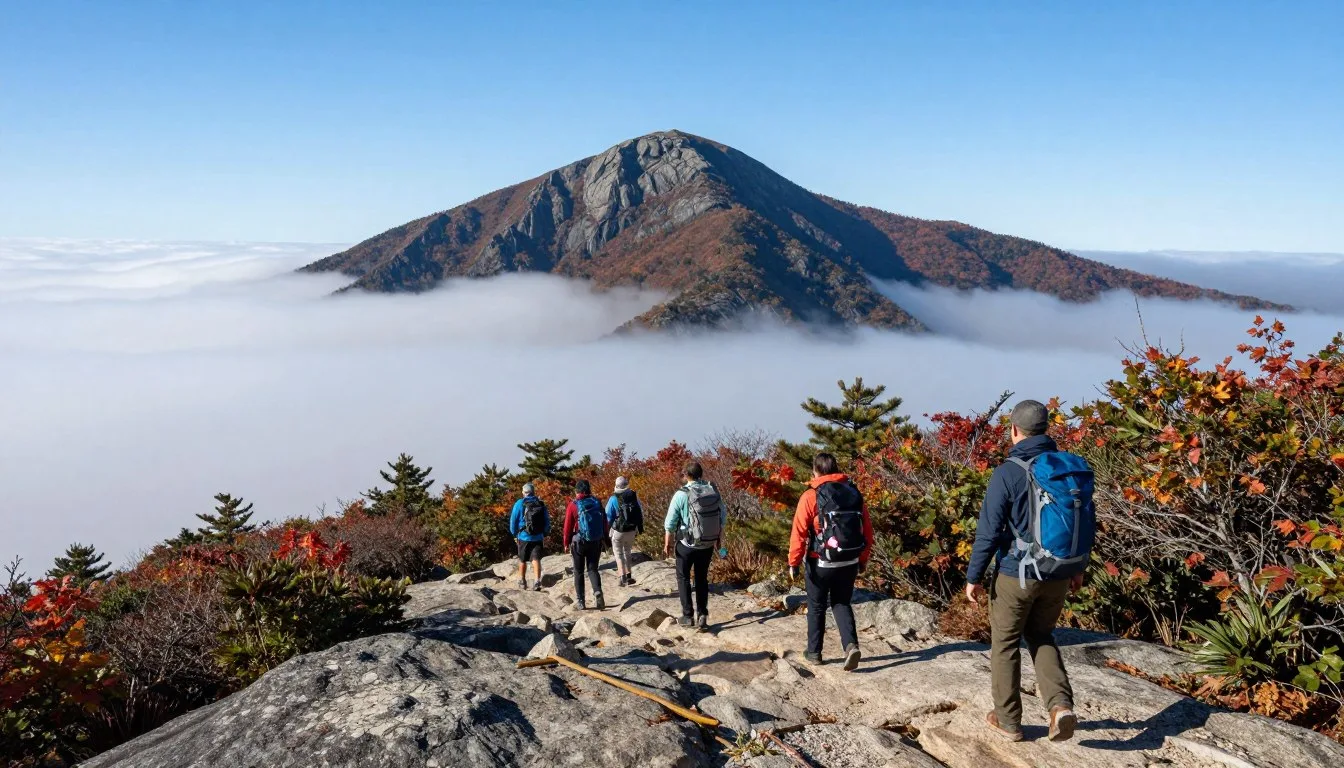
Standing at 2,025 meters (6,643 feet), Clingmans Dome receives more than 500,000 visitors each year, making it one of the most visited high-elevation sites in the Great Smoky Mountains. This remarkable peak offers sweeping views spanning up to 160 kilometers (100 miles) on clear days. Yet most visitors never discover the hidden trails and secret viewpoints that make this area truly extraordinary.
The location was named after Thomas Lanier Clingman, a U.S. Senator and Civil War general who explored and measured many peaks in the Great Smoky Mountains during the 1850s, eventually proving this summit to be the highest point in Tennessee.
Whether you’re seeking challenging hikes along the Appalachian Trail, family-friendly scenic drives, or simply want to stand at the highest point in the Great Smoky Mountains, this comprehensive guide reveals everything you need to plan an unforgettable visit to Clingmans Peak.
Getting There and Planning Your Journey
Reaching Clingmans Dome requires careful planning since the area sits deep within Great Smoky Mountains National Park. The nearest major airports provide convenient access points for travelers from across the country.
Closest Airports
McGhee Tyson Airport in Knoxville, Tennessee sits just 80 kilometers (50 miles) from the park entrance. This airport offers the most direct route to Clingmans Dome. Asheville Regional Airport in North Carolina lies 105 kilometers (65 miles) away and provides another excellent option with beautiful scenic drives through the mountains.
Charlotte Douglas International Airport, located 290 kilometers (180 miles) from the park, serves as a third alternative for travelers seeking more flight options and competitive pricing.
Driving to Clingmans Peak
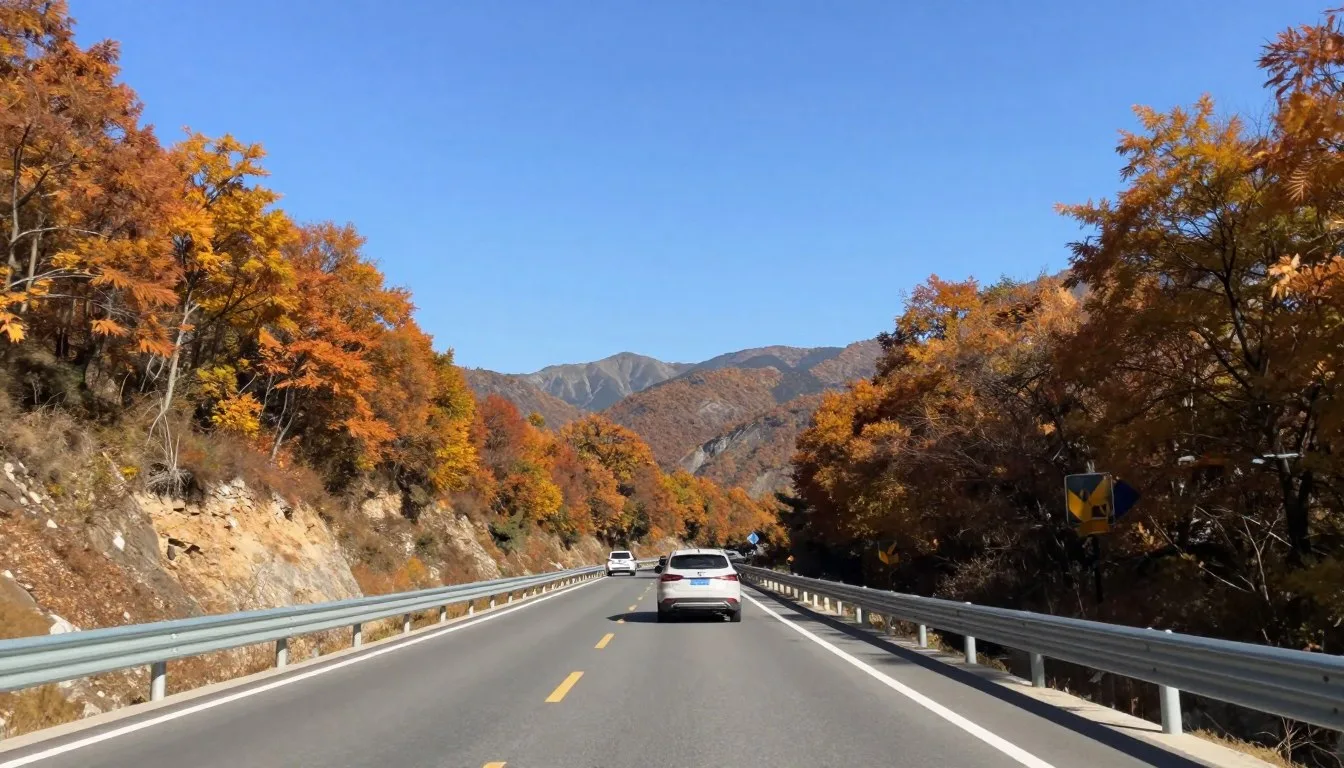
From Gatlinburg, Tennessee, the drive takes approximately one hour via Newfound Gap Road. This scenic route climbs steadily through the mountains, offering spectacular views along the way. From Cherokee, North Carolina, expect a similar 90-minute journey through equally stunning mountain terrain.
The final 11 kilometers (7 miles) follow Clingmans Dome Road, a winding mountain drive that branches off from Newfound Gap Road. This narrow road demands careful driving but rewards travelers with increasingly dramatic views as elevation increases.
Important Road Information: Clingmans Dome Road closes annually from December 1st through March 31st due to weather conditions. Always check current road status before your trip, as weather can cause unexpected closures even during open months.
For current park conditions and road status information, contact the Great Smoky Mountains National Park Visitor Center.
Park Entry and Fees
Great Smoky Mountains National Park maintains its distinction as one of the few major national parks with no entrance fee. However, parking at popular sites including Clingmans Dome fills quickly during peak seasons. Arrive before 10:00 AM or after 4:00 PM to secure a parking spot at the Clingmans Dome parking area.
The parking lot provides restrooms and a small information kiosk. During summer months, ranger-led programs often start from this location.
Best Time to Visit and Weather Tips
Best Time to Visit Clingmans Peak
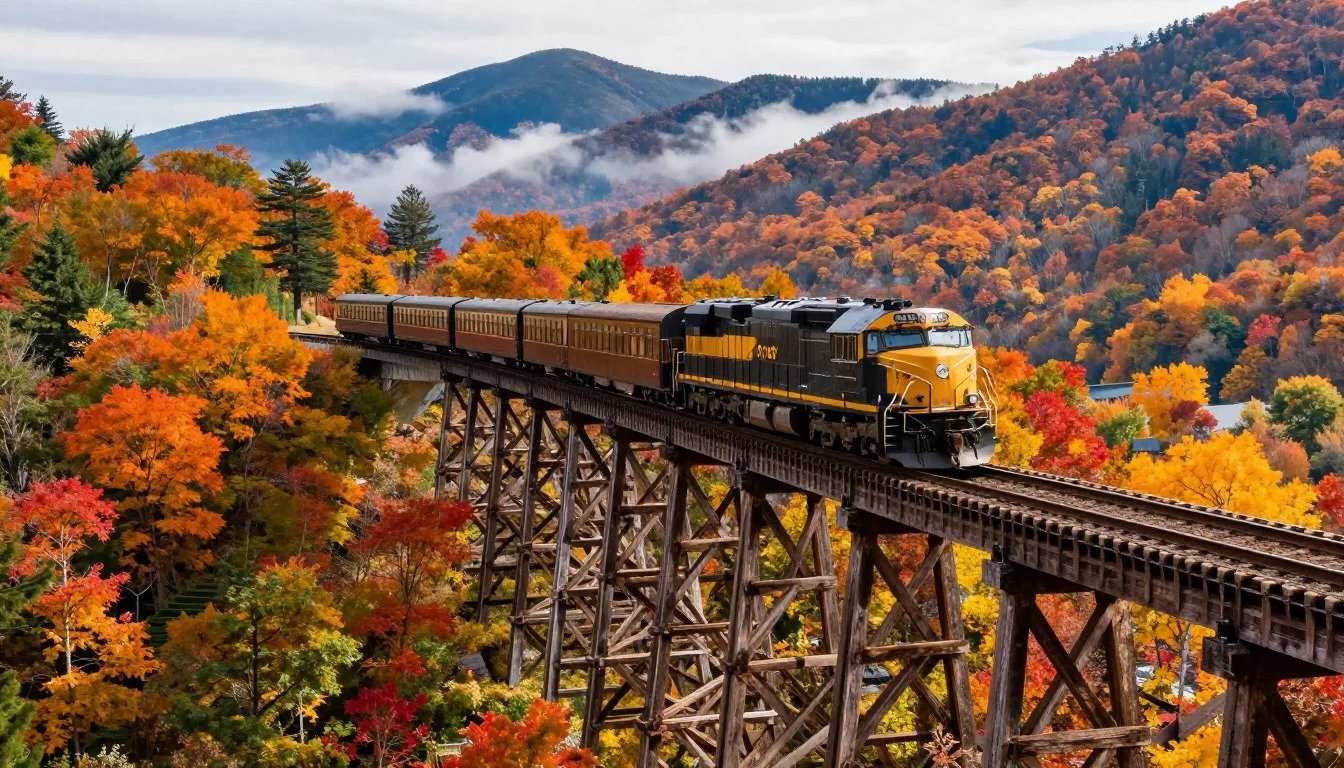
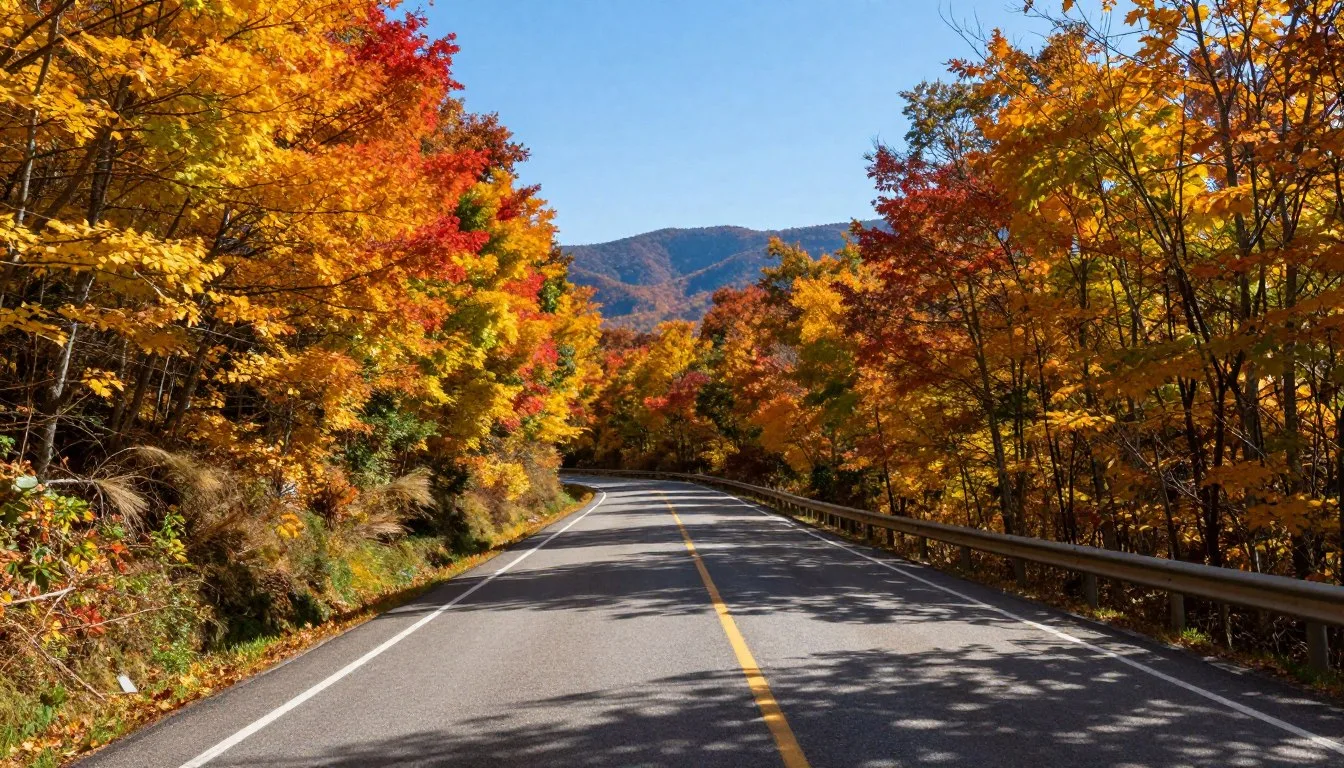
October stands out as the prime month for visiting Clingmans Dome. Fall foliage reaches peak beauty, temperatures stay comfortable, and weather forecast models show more stable conditions compared to summer months. The stunning autumn colors create unforgettable photo opportunities across the mountain landscape.
June through August brings warm weather and clear skies, but also heavy crowds and frequent afternoon thunderstorms. April and May offer spring wildflowers and moderate temperatures, though fog and rain occur more frequently.
Months to Avoid
December through March sees road closures and harsh winter weather. Even experienced winter hikers find limited access challenging during these months. July and August bring oppressive crowds that fill parking lots by 9:00 AM and create congestion along trails.
Weather Patterns and What to Expect
Clingmans Dome weather differs dramatically from surrounding lowland areas. Temperatures at the summit average 10-15°C (18-27°F) cooler than Gatlinburg or Cherokee. Even summer days rarely exceed 18°C (65°F) at the peak.
The area receives approximately 220 centimeters (86 inches) of precipitation annually, making it one of the wettest locations in the continental United States. Fog and clouds obscure views on roughly 60% of days throughout the year.
Weather Alert: Mountain weather changes rapidly. Morning sunshine can transform into afternoon thunderstorms within an hour. Always pack layers, rain gear, and warm clothing regardless of weather forecast predictions.
Checking Clingmans Dome Weather
Before your visit, check the official park website for current Clingmans Dome weather conditions. Weather stations near the summit provide real-time data on temperature, visibility, and precipitation. Many visitors call the ranger station for personalized weather advice before making the drive.
Notable Annual Festivals
The Gatlinburg area hosts several festivals worth timing your visit around. The Smoky Mountain Harvest Festival runs throughout October, celebrating mountain culture and fall harvest traditions.
Spring Wildflower Pilgrimage takes place each April, offering guided walks and expert-led programs focusing on the incredible biodiversity of Great Smoky Mountains National Park.
For festival schedules and registration information, contact the Gatlinburg Convention and Visitors Bureau.
Winter Magic runs from November through February in Gatlinburg, featuring millions of lights and holiday celebrations, though Clingmans Dome Road remains closed during this period.
Getting Around Locally
Transportation within Great Smoky Mountains National Park requires personal vehicles, as no public transit serves the area. The park road system connects major attractions, but parking fills quickly at popular sites.
Driving Considerations
Newfound Gap Road, the main route through the park, stays open year-round except during severe weather events. This two-lane road winds through mountain terrain with numerous pullouts for scenic views. Speed limits rarely exceed 45 mph, and wildlife crossings require constant attention.
Clingmans Dome Road branches from Newfound Gap at an elevation of 1,540 meters (5,046 feet). The narrow road climbs steadily for 11 kilometers (7 miles) to reach the parking area. No guardrails protect the steep drop-offs on the side of the road, making careful driving essential.
Parking at Clingmans Dome
The Clingmans Dome parking lot accommodates approximately 100 vehicles, but demand far exceeds capacity during peak season. Overflow parking along the roadside is strictly prohibited. Rangers actively ticket and tow vehicles parked illegally.
The parking area includes designated accessible parking spaces near the trailhead. Restrooms are located at the lot’s eastern end.
Alternative Transportation Options
Some visitors choose to bike up Clingmans Dome Road early in the morning before the gate opens to vehicles. This challenging 11-kilometer climb gains over 450 meters (1,500 feet) of elevation but offers a peaceful way to experience the area.
Guided tour companies from Gatlinburg and Cherokee offer transportation to Clingmans Dome as part of full-day park tours. These tours eliminate parking concerns and provide expert commentary about the Great Smoky Mountains.
Where to Stay

No lodging exists within the park near Clingmans Dome. The closest accommodations sit in Gatlinburg, Tennessee, or Cherokee, North Carolina, both roughly one hour from the summit. These gateway communities offer diverse lodging options for every budget.
Gatlinburg Accommodations
LeConte Lodge provides the only true backcountry lodging in the Smokies, though it sits several miles from Clingmans Dome via the Appalachian Trail. This rustic lodge requires a challenging hike to reach but offers an unforgettable mountain experience.
The Historic Gatlinburg Inn sits in downtown Gatlinburg within walking distance of restaurants and shops. This family-owned property has welcomed guests since 1937 and maintains charming mountain character.
Cherokee Lodging Options
Harrah’s Cherokee Casino Resort offers upscale accommodations on the North Carolina side. The resort includes restaurants, entertainment, and easy access to the park’s southern entrance.
Camping Near Clingmans Dome
Cades Cove Campground and Elkmont Campground provide developed camping within the park, though both sit 45-60 minutes from Clingmans Dome. These popular campgrounds require advance reservations through the national recreation reservation system.
For a truly remote experience, backcountry camping is permitted throughout the park with a free permit. Several backcountry shelters along the Appalachian Trail near Clingmans Dome operate on a first-come basis.
Budget-Friendly Stays
Numerous cabin rental companies operate around Gatlinburg and Pigeon Forge, offering everything from basic one-bedroom units to luxury multi-bedroom properties. Many cabins include full kitchens, which help reduce dining costs during your stay.
Chain hotels in Pigeon Forge, located 20 kilometers (12 miles) from the park entrance, typically offer lower rates than properties in Gatlinburg while still providing convenient access to the Smoky Mountains.
Dining and Local Cuisine
No restaurants or concessions operate within Great Smoky Mountains National Park. Visitors must bring their own food or dine in nearby gateway communities before or after visiting Clingmans Dome.
What to Bring for Your Visit
Pack a substantial lunch, snacks, and plenty of water for your Clingmans Dome trip. The high elevation and physical activity increase water needs significantly. No water sources exist along the paved trail to the observation tower.
Many visitors enjoy picnicking at the parking area before or after their hike. Covered picnic tables provide shelter from sun and occasional rain.
Gatlinburg Dining
The Peddler Steakhouse in Gatlinburg specializes in hand-cut steaks and sits along a picturesque river. This local favorite has served mountain visitors for over 50 years.
Crockett’s Breakfast Camp offers hearty morning meals perfect for fueling a day of mountain exploration. Expect creative takes on traditional Southern breakfast dishes.
Wild Plum Tea Room serves lunch in a historic building and focuses on fresh, locally sourced ingredients. Their made-from-scratch breads and desserts have earned regional acclaim.
Cherokee Dining Options
Granny’s Kitchen offers traditional Southern comfort food in a family-friendly atmosphere. The restaurant sits near the park entrance and provides quick service for hungry hikers.
Brio Tuscan Grille at Harrah’s Casino delivers upscale Italian cuisine with an extensive wine selection. This option suits visitors seeking a refined dining experience after a day in the mountains.
Local Specialties to Try
Mountain cuisine in the Smokies reflects Appalachian heritage. Look for rainbow trout, sourced from local streams and fish farms. Country ham, biscuits and gravy, and apple butter represent traditional flavors of the region.
Local honey, produced from mountain wildflowers, makes an excellent souvenir. Several shops in Gatlinburg and Cherokee sell honey from nearby apiaries.
Moonshine has become a tourist attraction in recent years. Legal distilleries in Gatlinburg offer tastings of this once-illicit spirit made from corn.
Attractions, Sightseeing and Activities
Clingmans Dome Observation Tower
The iconic Clingmans Dome observation tower stands as the crown jewel of any visit. This unique spiral concrete ramp climbs 13 meters (45 feet) above the summit, providing 360-degree views of the surrounding Great Smoky Mountains.
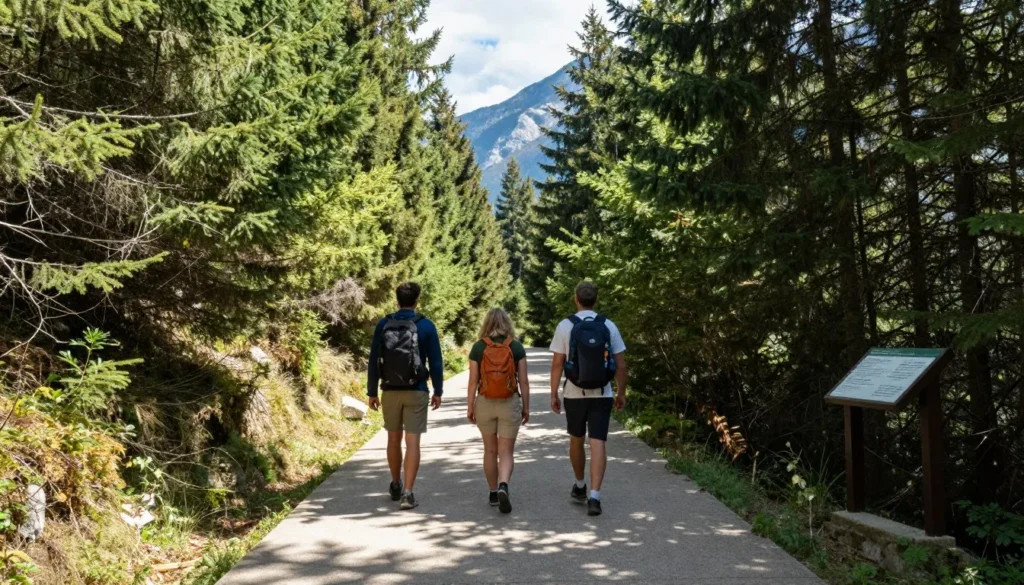
The paved trail from the parking lot to the observation tower measures 800 meters (0.5 miles) but gains 100 meters (330 feet) in elevation. This steep grade challenges many visitors, but the views from the top justify every step. Benches along the way provide rest spots.
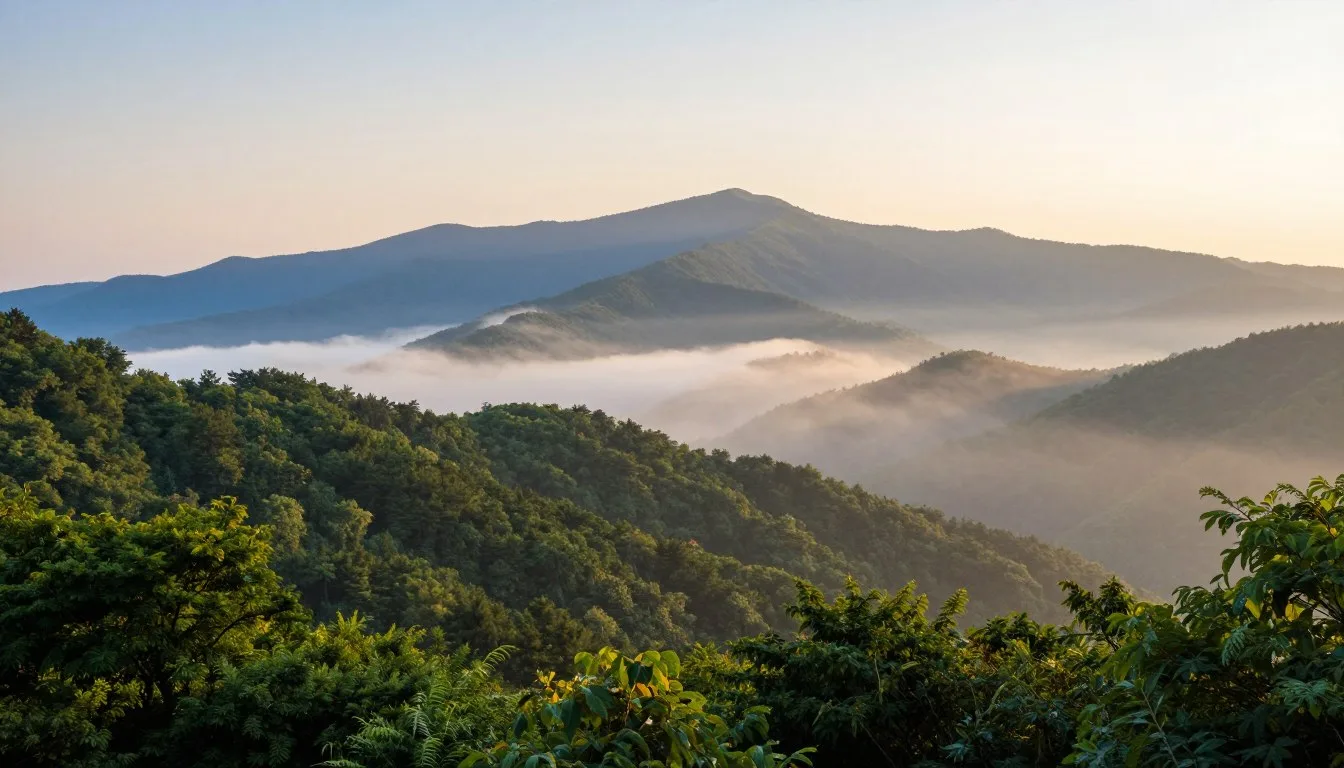
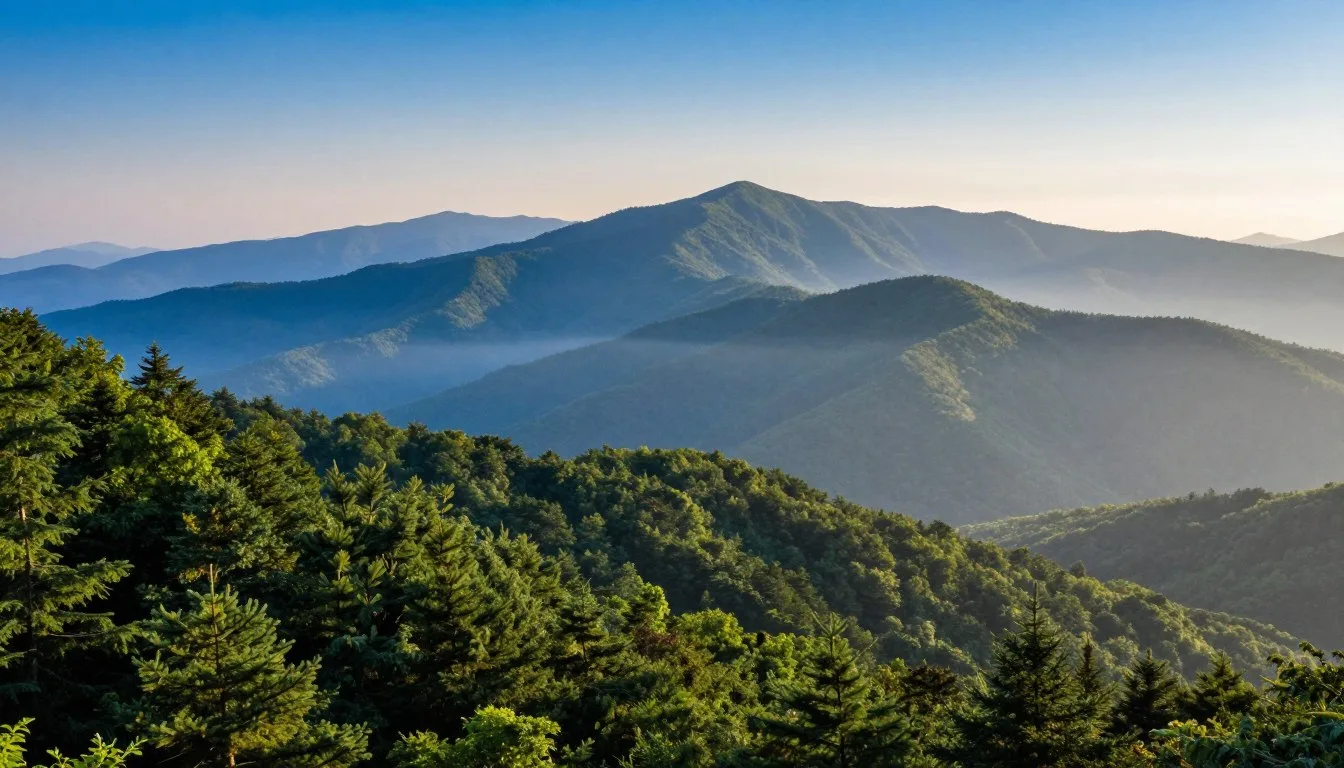
On exceptionally clear days, visibility extends to seven states from the tower. More commonly, layers of misty mountain ridges create an ethereal landscape that photographers find irresistible.
Appalachian Trail Access
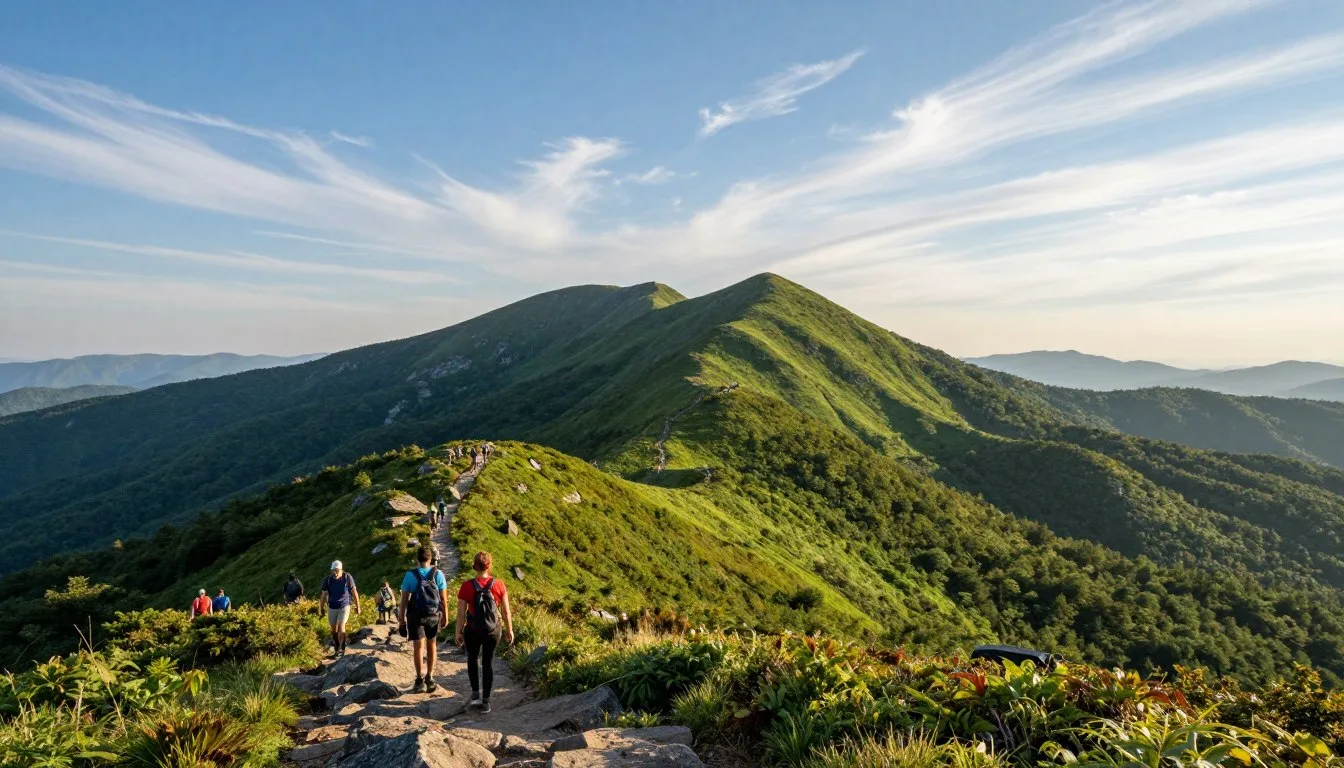
Clingmans Dome sits directly on the Appalachian Trail, the legendary 3,524-kilometer (2,190-mile) footpath stretching from Georgia to Maine. Serious hikers can access remote sections of this iconic trail from the summit area.
Heading north, the trail reaches Mount Collins in 4 kilometers (2.5 miles). This section offers solitude and old-growth forest away from the crowds at the observation tower. Heading south, the trail crosses the highest sections of the Smokies, staying above 1,800 meters (6,000 feet) for several kilometers.
Andrews Bald Trail
Andrews Bald, located 2.9 kilometers (1.8 miles) from the Clingmans Dome parking area, showcases one of the few remaining grassy balds in the Great Smoky Mountains. This moderately challenging hike descends through spruce-fir forest before emerging onto the open meadow.
The bald offers spectacular wildflower displays in June and July, with flame azaleas creating brilliant orange carpets across the hillside. Views from the bald rival those from the observation tower without the crowds.
Forney Ridge Trail
Serious hikers appreciate Forney Ridge Trail, which descends the mountain’s western side toward Fontana Lake. The trail loses over 1,200 meters (4,000 feet) in elevation over its 18-kilometer (11-mile) length, passing through multiple forest zones.
Most visitors hike just the first few kilometers to experience the transition from high-elevation spruce-fir forest to diverse hardwood forest. This section reveals the incredible ecological diversity of the Great Smoky Mountains.
Museums, Cultural Spots and Festivals
While Clingmans Dome itself offers natural rather than cultural attractions, the surrounding gateway communities preserve mountain heritage through excellent museums and cultural centers.
Mountain Farm Museum
Mountain Farm Museum, located near the Oconaluftee Visitor Center in Cherokee, showcases historic log buildings relocated from throughout the Smokies. The open-air museum demonstrates how mountain families lived in the late 1800s.
Interpreters often demonstrate traditional crafts including blacksmithing, woodworking, and textile production. The working farm includes heritage breed livestock and heirloom gardens.
Museum of the Cherokee Indian
The Museum of the Cherokee Indian in Cherokee presents 11,000 years of Cherokee history through interactive exhibits and authentic artifacts. The museum tells the story of the Cherokee people from ancient times through the Trail of Tears and into the present day.
High-quality exhibits use multimedia presentations to bring Cherokee history to life. Plan at least two hours to properly experience the collections.
Mingus Mill
Mingus Mill, a working grist mill built in 1886, demonstrates traditional grain grinding using water power. Located on Newfound Gap Road near Cherokee, the mill operates seasonally with interpreters explaining the milling process.
Fresh-ground cornmeal is available for purchase, making a practical and authentic souvenir from your Smoky Mountain visit.
Cultural Events
The Cherokee Fall Fair each October celebrates Cherokee culture with traditional dances, craft demonstrations, and authentic foods. This community event welcomes visitors to experience living Cherokee traditions.
Townsend hosts the Townsend Spring Festival each April, featuring over 150 artisans demonstrating Appalachian crafts. The festival includes live mountain music and storytelling.
Nature and Outdoor Experiences
High-Elevation Ecosystem
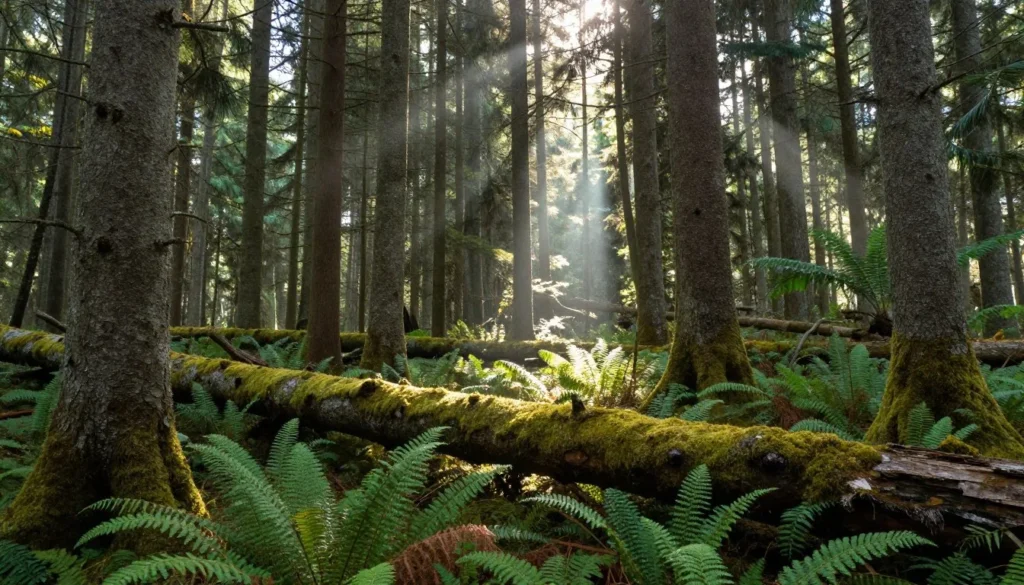
Clingmans Dome protects one of the largest remaining examples of southern spruce-fir forest. This unique ecosystem resembles forests found 1,600 kilometers (1,000 miles) north in Canada, persisting in the Smokies due to high elevation and cool temperatures.
Fraser firs and red spruces dominate the canopy. Unfortunately, the invasive balsam woolly adelgid has killed many mature Fraser firs, leaving gray ghost forests visible from the observation tower. Park managers work constantly to protect remaining healthy trees.
Wildlife Watching
The high elevations around Clingmans Dome support specialized wildlife adapted to harsh mountain conditions. Northern flying squirrels, found nowhere else in the southern Appalachians, glide through the forest canopy at night.
Black bears roam throughout the area, feeding on berries and foraging for insects. Give bears wide berth and never approach them. Carry bear spray and know proper bear safety protocols.
Over 200 bird species inhabit Great Smoky Mountains National Park. At high elevations, watch for ravens soaring on updrafts, red-breasted nuthatches working tree bark for insects, and occasionally golden eagles passing through during migration.
Wildflower Viewing
Spring brings extraordinary wildflower displays to the Smokies. Lower elevations bloom in April, with peak wildflower season reaching Clingmans Dome in late May and early June.
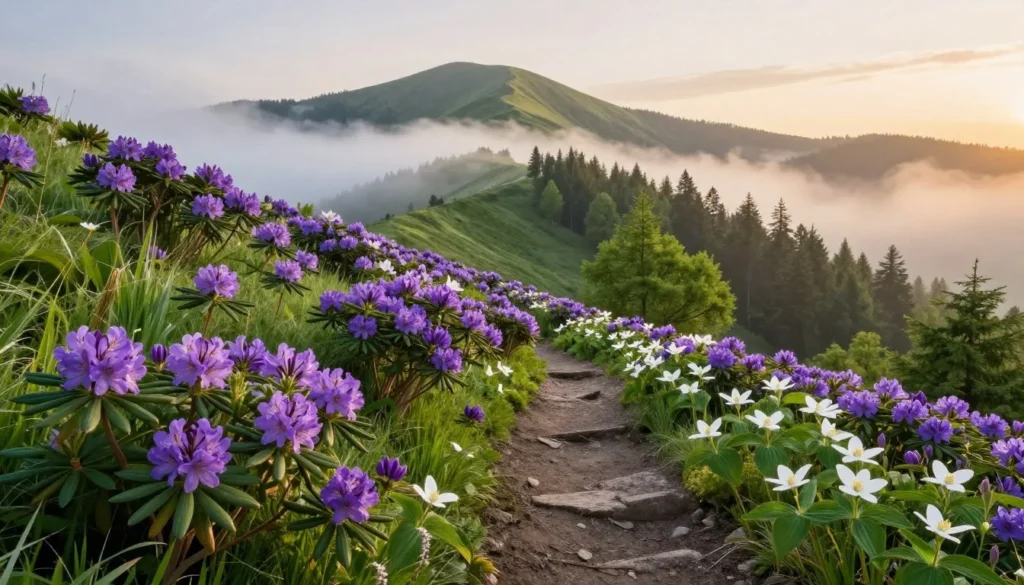
Catawba rhododendron blooms cover mountainsides in purple flowers throughout June. The display along Clingmans Dome Road attracts photographers from across the country.
Andrews Bald showcases rare mountain wildflowers including Gray’s lily, a species found only in the southern Appalachians.
Scenic Drives
Newfound Gap Road ranks among America’s most beautiful mountain drives. The 50-kilometer (31-mile) route crosses the Smokies, climbing from 460 meters (1,500 feet) elevation to 1,540 meters (5,046 feet) at Newfound Gap.
Numerous pullouts along the way offer opportunities to stop and appreciate the views. Morton Overlook provides spectacular sunrise vistas, while Clingmans Dome Road itself offers constantly changing perspectives on the high peaks.
Photography Tip: Fog and clouds that obscure distant views often create stunning atmospheric effects in photographs. Don’t dismiss a visit just because weather forecast predictions call for clouds.
Backcountry Exploration
Experienced backpackers find endless opportunities for multi-day trips through the high country around Clingmans Dome. The Appalachian Trail offers backcountry shelters spaced at reasonable intervals.
Permits are required for all overnight backcountry camping. Reservations open five months in advance and fill quickly for popular shelters near Clingmans Dome.
Travel With Children

Clingmans Dome offers a manageable adventure for families with children, though the steep trail requires preparation. The paved path to the observation tower makes the site accessible for most ages and abilities.
Making the Hike Easier for Kids
Break the 800-meter (0.5-mile) climb into segments with rest stops at the benches. Turn the hike into a game by counting benches or looking for specific trees and plants.
Start early in the day when temperatures stay cooler and children have more energy. Afternoon heat and fatigue make the steep climb much harder for young hikers.
Bring plenty of snacks and water. The combination of elevation and exertion increases appetite and thirst. Small frequent snack breaks help maintain energy levels.
Age-Appropriate Activities
The Junior Ranger program, available at visitor centers throughout the park, engages children with age-appropriate activities. Kids complete activity booklets focusing on nature, history, and conservation, then earn an official Junior Ranger badge.
Nature scavenger hunts keep children engaged during the drive and hike. Create a list of things to spot including different tree types, birds, wildflowers, and other hikers from various states.
Safety Considerations
The observation tower’s spiral ramp has railings but includes open spaces between bars. Supervise young children carefully, especially on windy days when the exposed summit can be intimidating.
Cold temperatures catch many families unprepared. Even on warm valley days, the summit can be chilly. Pack fleece jackets or sweatshirts for everyone.
Nearby Family-Friendly Attractions
After visiting Clingmans Dome, many families enjoy easier activities in the park. Cades Cove offers an 18-kilometer (11-mile) loop road through a historic valley with wildlife viewing opportunities and preserved homesteads.
Laurel Falls Trail, one of the park’s most popular easy hikes, reaches a beautiful waterfall in just 2.1 kilometers (1.3 miles). The paved trail suits most ages and abilities.
Money Saving Tips
Visiting Clingmans Dome and Great Smoky Mountains National Park offers exceptional value compared to many vacation destinations. The park’s no-fee policy eliminates a major expense found at other national parks.
Free Park Entry
Unlike most major national parks, Great Smoky Mountains charges no entrance fee. This policy saves families significant money, especially when visiting for multiple days. Take full advantage by spending several days exploring different areas of the park.
Accommodation Savings
Book lodging well in advance, particularly for October visits when fall foliage attracts peak crowds. Early reservations often provide better rates and more options.
Consider staying in Pigeon Forge rather than Gatlinburg. Hotels in Pigeon Forge typically cost 20-30% less while sitting only 20 minutes farther from park entrances.
Vacation rental cabins with full kitchens allow meal preparation, dramatically reducing food costs compared to restaurant dining for every meal.
Free Activities
Almost all activities in Great Smoky Mountains National Park are free. Ranger-led programs, available at various locations throughout the park, provide expert-led nature walks, evening talks, and educational programs at no charge.
Self-guided nature trails, historic sites, and scenic drives cost nothing beyond your time and vehicle fuel. A week-long visit could include dozens of activities without spending money on admissions or tours.
Bring Your Own Food
Pack lunches, snacks, and drinks for days spent in the park. Restaurants near park entrances charge tourist-area prices. A cooler stocked with picnic supplies saves substantial money over a multi-day visit.
Avoid Peak Season
Visit during shoulder seasons in April, May, September, or November. Accommodation rates drop significantly compared to peak summer and October rates. Roads stay open, weather remains pleasant, and popular sites like Clingmans Dome see fewer crowds.
Skip Unnecessary Purchases
Gatlinburg and Pigeon Forge thrive on tourist shopping, but most items sold in gift shops offer little lasting value. Skip the tourist traps and focus spending on experiences rather than souvenirs.
Free park brochures, maps, and Junior Ranger booklets provide meaningful keepsakes without cost. Photos capture memories more effectively than most purchased souvenirs.
Safety and Local Customs
Altitude and Physical Demands
The 2,025-meter (6,643-foot) elevation at Clingmans Dome affects many visitors, even those in good physical condition. Symptoms of mild altitude sickness include headache, fatigue, and shortness of breath.
The steep trail from the parking lot to the observation tower challenges visitors. Take your time, use the benches, and don’t hesitate to turn back if the hike proves too difficult.
Weather Hazards
Lightning poses serious danger at high elevations. If thunderstorms approach, descend immediately to your vehicle. Never shelter under trees or remain at the exposed observation tower during electrical storms.
Hypothermia can occur even in summer months. Wet clothing, wind, and cool temperatures create dangerous conditions. Always carry extra layers and rain gear.
Emergency Contact: Cell phone coverage is limited or non-existent throughout much of Great Smoky Mountains National Park. In emergencies, call 911 if you have signal, or contact a park ranger immediately.
Wildlife Safety
Black bears inhabit the entire park, including areas around Clingmans Dome. Never approach bears regardless of their size or apparent friendliness. Maintain at least 46 meters (150 feet) distance at all times.
Store all food, trash, and scented items properly in your vehicle. Bears have learned to associate cars with food and will damage vehicles to access items inside.
If you encounter a bear while hiking, remain calm, speak softly, and slowly back away. Never run from a bear, as this may trigger a chase response.
Trail Safety
Stay on designated trails at all times. Vegetation on either side of trails is fragile and easily damaged. Shortcuts create erosion and harm plant communities.
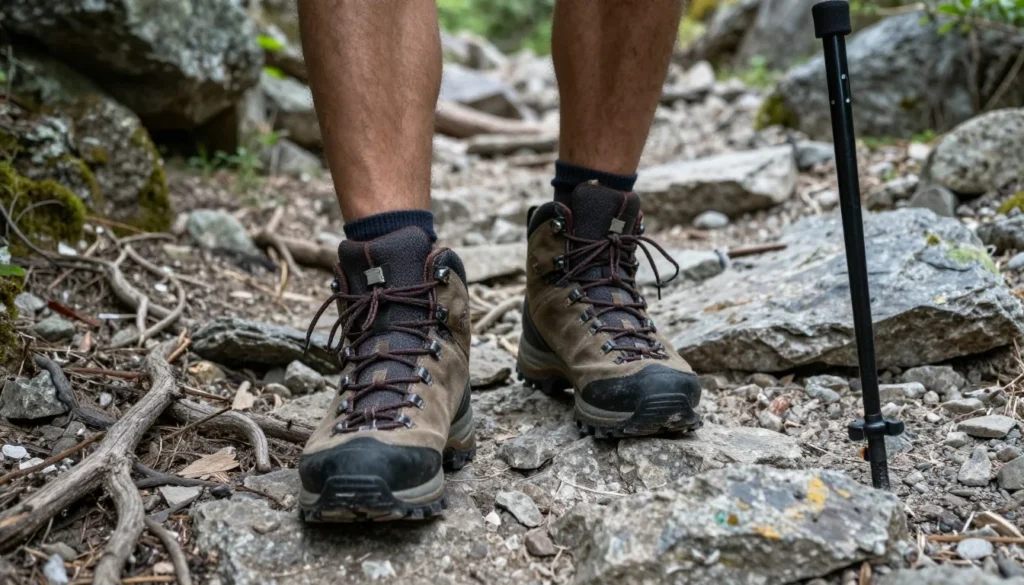
Proper footwear is essential. The paved trail to the observation tower can be manageable in athletic shoes, but any venture onto dirt trails requires sturdy hiking boots with good traction.
Tell someone your plans before hiking, especially if venturing onto backcountry trails. Check in when you return.
Leave No Trace
Pack out everything you pack in. No trash facilities exist along trails. Carry a bag for your trash and dispose of it properly at the parking lot.
Stay on designated trails and never pick wildflowers or disturb natural features. The park exists for future generations to enjoy in its natural state.
Local Customs and Etiquette
Southern Appalachian culture values courtesy and friendliness. Greeting fellow hikers on trails with a simple “hello” or “good morning” is customary and expected.
Uphill hikers have right-of-way on narrow trails. Step aside and let them pass without stopping their momentum.
The Smokies draw visitors from around the world. Be patient with people speaking different languages or less familiar with mountain environments. A friendly attitude helps everyone enjoy the park.
Visitor Comments About Clingmans Peak
“The view from Clingmans Dome exceeded every expectation. We arrived at sunrise and watched fog fill the valleys below while mountain peaks rose like islands through the mist. The steep trail was absolutely worth the effort. This ranks among the most spectacular places I’ve visited anywhere in the world.”
“We brought our three kids to Clingmans Dome and worried the hike would be too challenging. Taking frequent breaks and turning it into an adventure made all the difference. Our seven-year-old made it all the way to the top and felt so proud. The observation tower fascinated the children, and they still talk about standing at the highest point in the Great Smoky Mountains months later.”
“I visited Clingmans Dome three times during my week in the Smokies, each time experiencing completely different weather and views. The first day, clouds obscured everything beyond 30 meters. The second visit revealed partially clear conditions with dramatic cloud formations. The third day offered crystal-clear skies with visibility extending to distant mountain ranges. Each experience was unique and memorable in its own way.”
Additional Nearby Destinations
Cades Cove
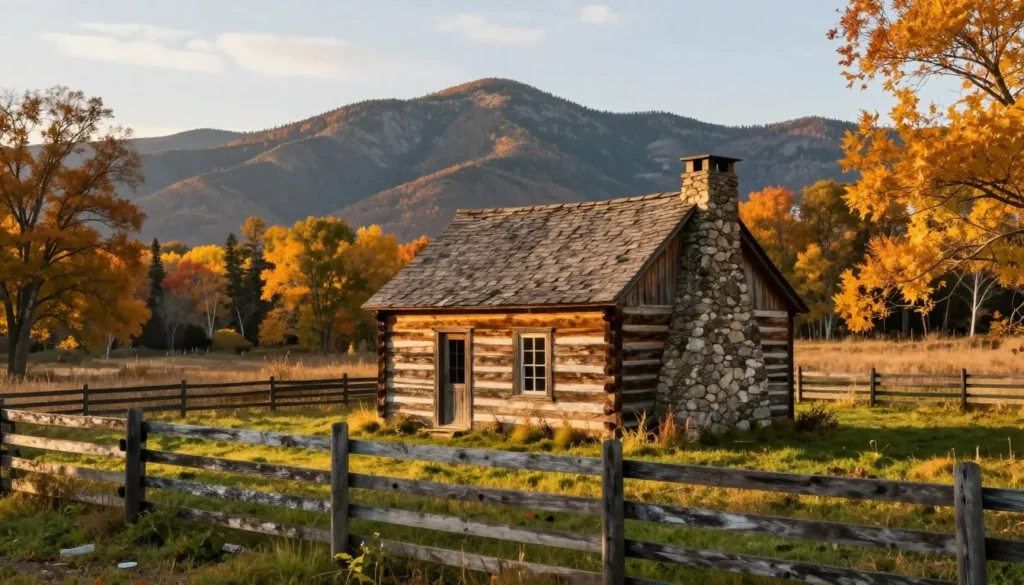
Cades Cove, located on the Tennessee side of the park, preserves a historic mountain community. The scenic 18-kilometer (11-mile) loop road passes preserved homesteads, churches, and mills dating from the 1800s.
Wildlife viewing opportunities in Cades Cove excel, with white-tailed deer, black bears, and wild turkeys commonly spotted. The open valley provides better visibility than the dense forests around Clingmans Dome.
Newfound Gap
Newfound Gap, where Clingmans Dome Road branches from the main park road, sits at 1,540 meters (5,046 feet) elevation. This spot marks the Tennessee-North Carolina state line and offers another excellent viewpoint accessible directly from your vehicle.
The Rockefeller Memorial at Newfound Gap commemorates a substantial donation that helped establish the national park. The Appalachian Trail crosses the road here, making it another access point for serious hikers.
Cataloochee Valley
Cataloochee Valley, in the park’s remote North Carolina section, offers a quieter alternative to busier areas. Historic buildings, excellent wildlife viewing, and the park’s elk herd make this valley worth the longer drive on gravel roads.
Fall brings elk bugling season, when male elk produce distinctive calls to attract mates. Dawn and dusk offer the best opportunities to observe and photograph elk.
Gatlinburg and Cherokee
Both gateway towns offer tourist attractions beyond the national park. Gatlinburg features aquariums, aerial tramways, and numerous craft shops. Cherokee includes Harrah’s Casino and the Oconaluftee Indian Village, which demonstrates traditional Cherokee life.
Blue Ridge Parkway
The Blue Ridge Parkway begins near Cherokee and runs 755 kilometers (469 miles) through the Appalachian Mountains to Virginia. This scenic drive offers countless overlooks, hiking trails, and opportunities to experience mountain beauty beyond the national park boundaries.
Asheville
Asheville, North Carolina, located 105 kilometers (65 miles) from Cherokee, combines mountain scenery with urban amenities. The city’s thriving craft brewery scene, farm-to-table restaurants, and the historic Biltmore Estate make it an excellent base for exploring the region.
Practical Travel Tips
What to Pack
- Layered clothing suitable for temperatures 10-15°C (18-27°F) cooler than valley areas
- Rain jacket and pants regardless of weather forecast
- Sturdy footwear with good traction
- Sun protection including hat, sunglasses, and sunscreen
- Plenty of water and snacks
- Camera with fully charged batteries
- Binoculars for wildlife viewing and distant mountain vistas
- Park map and guidebooks
Photography Tips
Early morning and late afternoon provide the best light for mountain photography. Midday sun creates harsh shadows and washes out distant views.
Fog and clouds add atmosphere to images. Don’t put your camera away just because weather isn’t perfect. Some of the most striking mountain photographs feature dramatic weather conditions.
Bring a wide-angle lens to capture expansive views from the observation tower. A telephoto lens helps photograph wildlife and distant mountain ridges.
Cell Phone and Internet
Cell phone coverage is limited or non-existent throughout most of Great Smoky Mountains National Park. Download maps, directions, and any needed information before entering the park.
The parking area at Clingmans Dome has no cell service. Don’t rely on your phone for navigation or emergencies while in the backcountry.
Accessibility Information
The paved trail to the observation tower makes Clingmans Dome partially accessible, but the steep grade challenges many mobility-impaired visitors. Accessible parking spaces are available near the trailhead.
Wheelchairs and other mobility devices can use the paved trail, though the steep grade requires assistance for most users. Power wheelchairs handle the climb better than manual chairs.
Contact the park accessibility coordinator for specific information about your needs.
Restroom Facilities
Restrooms are located at the Clingmans Dome parking lot. These are vault toilets, not flush facilities. No restrooms exist along the trail or at the observation tower.
Restrooms at the parking area can have long lines during peak visitation hours. Plan accordingly.
Best Resources
The official National Park Service website provides current road conditions, weather updates, and detailed trail information. Check this resource before your visit and review it regularly during your trip.
Visitor centers at Sugarlands (near Gatlinburg) and Oconaluftee (near Cherokee) stock excellent books, maps, and guides. Rangers answer questions and provide up-to-date trail conditions.
Location Map
Your Journey to the Roof of the Smokies Awaits
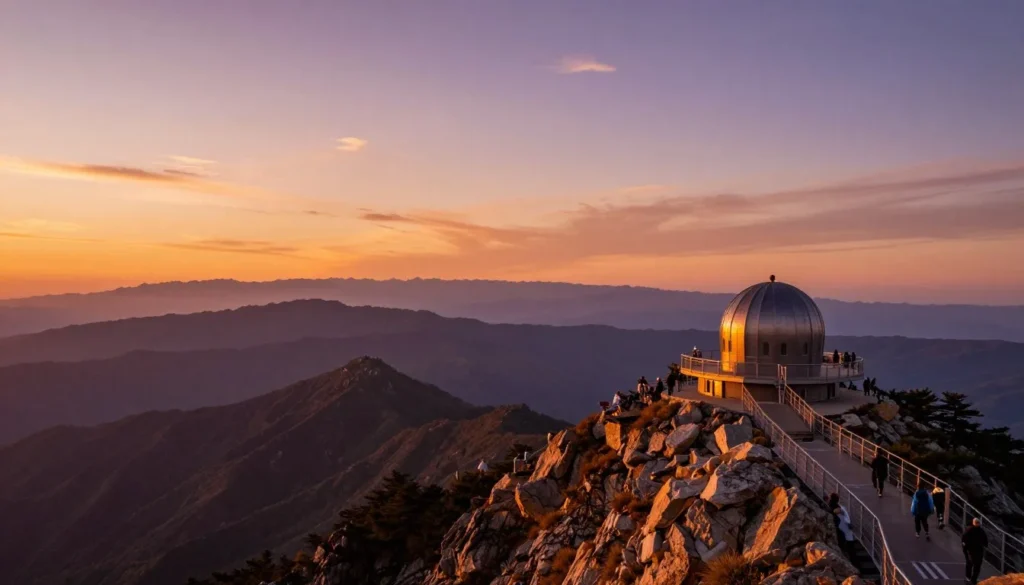
Standing atop Clingmans Dome, breathing mountain air while gazing across the ancient peaks of the Great Smoky Mountains, creates memories that last a lifetime. This highest point in the Smokies offers far more than just elevation. It provides connection to wilderness, appreciation for natural beauty, and a chance to step away from everyday life into something timeless and profound.
Whether you’re watching sunrise paint the mountains in golden light, hiking through ancient forests along the Appalachian Trail, or simply enjoying the view from the observation tower with your family, Clingmans Peak delivers experiences that transform a simple vacation into a meaningful journey. The mountains are calling, and your adventure to the summit begins with that first step onto the trail.