Hotels by Trip.com
Flights by Trip.com
The Great Dismal Swamp spans over 45,325 hectares (112,000 acres) across North Carolina and Virginia, making it one of the largest remaining forested wetlands on the East Coast. This mysterious wilderness once covered more than 404,686 hectares (one million acres) before European settlement. Despite its ominous name, the swamp state park offers visitors a surprisingly beautiful ecosystem teeming with life.
The name “Dismal Swamp” comes from the old English word “dismal,” meaning unlucky or gloomy. Early colonist William Byrd II coined the term in 1728 during a surveying expedition. However, visitors today find the area anything but dismal.
This comprehensive guide explores everything you need to know about visiting Dismal Swamp State Park in North Carolina. You will discover the best trails to explore, the wildlife you might encounter, and the rich history that makes this place truly special.
Getting There & Planning Your Journey
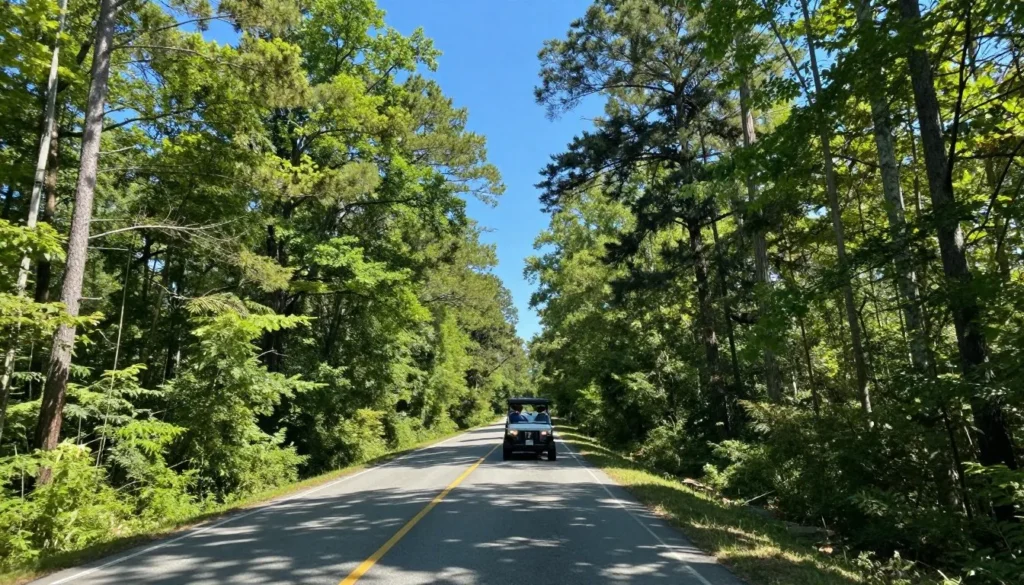
The Dismal Swamp State Park sits in South Mills, North Carolina, near the Virginia border. The park provides easy access for people traveling from multiple directions across the region.
Closest Airports
Several airports serve visitors heading to the swamp state park. Norfolk International Airport (ORF) sits just 40 kilometers (25 miles) north and offers the closest major hub. This airport connects to numerous domestic destinations across the country.
Newport News/Williamsburg International Airport (PHF) lies 72 kilometers (45 miles) northwest. Raleigh-Durham International Airport (RDU) provides another option at 241 kilometers (150 miles) southwest. These airports give visitors plenty of choices when planning their trip to the area.
From any airport, rental cars provide the most convenient way to reach the park. The drive from Norfolk takes approximately 45 minutes via US-17 South. The journey showcases the transition from urban areas to the peaceful wilderness surrounding the swamp.
Driving Directions
From the north, take US-17 South from Virginia. From the south, follow US-17 North from Elizabeth City. The park entrance sits on US-17, making navigation straightforward for most visitors.
The Dismal Swamp Canal runs alongside the park and offers a scenic route for boaters. This historic waterway connects Chesapeake Bay to Albemarle Sound. Many people combine a canal journey with a park visit for a complete experience.
GPS coordinates for the park entrance are 36.5297° N, 76.3150° W. Cell phone service can be spotty in some areas of the swamp, so download maps before arrival.
Best Time to Visit & Weather Tips
Best Time to Visit Dismal Swamp State Park
Spring and fall offer the best conditions for exploring the swamp state park. March through May brings mild temperatures ranging from 13°C to 24°C (55°F to 75°F). The trees burst with new growth during this time. Wildflowers bloom throughout the forest floor, creating stunning natural displays.
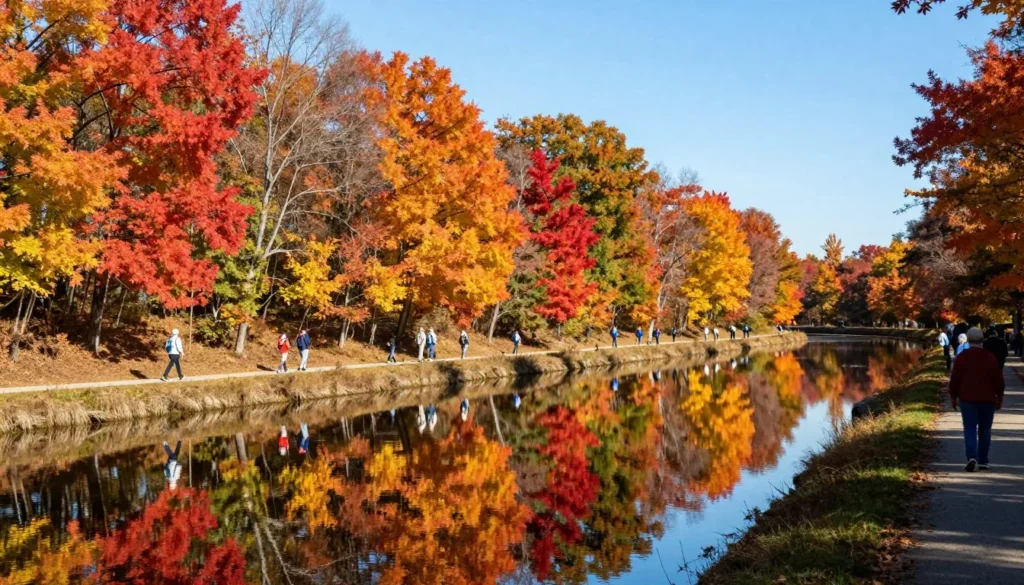
Fall months from September through November provide equally pleasant conditions. Temperatures range from 15°C to 26°C (59°F to 79°F). The swamp transforms as leaves change color. Wildlife becomes more active as animals prepare for winter.
Summer visits are possible but challenging. June through August brings heat and humidity. Temperatures often exceed 32°C (90°F) with high humidity levels. Mosquitoes and biting insects become very active during these months. If you visit in summer, plan activities for early morning or late afternoon.
Winter visits work well for hardy outdoor enthusiasts. December through February sees temperatures between 2°C and 13°C (35°F and 55°F). The bare trees allow better wildlife viewing. Fewer crowds mean a more peaceful experience. However, some trails may close due to flooding during this season.
Notable Annual Festivals
The Dismal Swamp Canal Welcome Center hosts several events throughout the year. The Great Dismal Swamp Festival typically occurs in June, celebrating the natural and cultural history of the region. Contact the visitor center at (252) 771-8333 for current festival dates and details.
The Underground Railroad History Month events take place each February. These programs highlight the swamp’s role in American history. Ranger-led programs and special exhibits educate visitors about this important part of the past.
Birdwatching festivals occur during spring and fall migration periods. These events attract nature enthusiasts from across the country. Expert guides lead groups through prime viewing areas within the park.
Getting Around Locally
A personal vehicle provides the best way to explore the Dismal Swamp State Park area. The park itself requires driving between trailheads and key points of interest. Limited public transportation serves this rural region.
Within the park, visitors travel primarily on foot or by bicycle. The trail system connects various parts of the swamp state. Most paths remain flat and accessible for people of different fitness levels.
The Dismal Swamp Canal Trail runs for 27 kilometers (17 miles) through the park. This multi-use path accommodates hikers, cyclists, and equestrians. The flat terrain makes cycling a popular way to cover more ground.
Parking areas sit near major trailheads and the visitor center. These lots provide convenient access to different parts of the park. Arrive early during peak seasons to secure a spot.
No internal shuttle service operates within the park. Plan your route before arrival and carry plenty of water. Cell service remains unreliable in many areas, so download offline maps beforehand.
Where to Stay
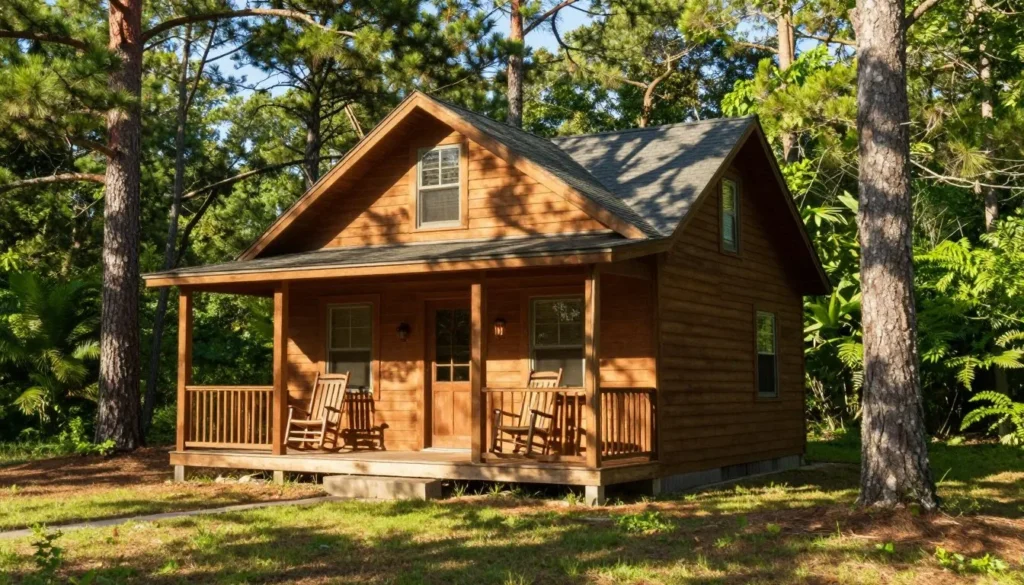
The Dismal Swamp State Park does not offer camping facilities within its boundaries. However, numerous lodging options exist in nearby communities. These accommodations range from budget-friendly motels to comfortable bed and breakfasts.
Nearby Towns
South Mills provides the closest services to the park entrance. Several small motels offer basic but clean accommodations. These options work well for budget-conscious travelers who plan to spend most time outdoors.
Elizabeth City sits 24 kilometers (15 miles) south and offers more variety. This historic waterfront town features chain hotels, boutique inns, and vacation rentals. The downtown area provides restaurants and shops for evening activities.
Norfolk, Virginia lies 40 kilometers (25 miles) north. This larger city offers the widest selection of hotels. From budget chains to upscale properties, visitors find every price range represented. Norfolk also provides entertainment and dining options for those seeking urban amenities.
Lodging Types
Bed and breakfast inns scatter throughout the region. These properties offer personalized service and local insights. Many feature historic buildings with period charm and modern comfort.
Vacation rental homes provide options for families or groups. These properties offer full kitchens and multiple bedrooms. The extra space and amenities can make longer stays more comfortable.
Chain hotels in Elizabeth City and Norfolk ensure predictable quality. These properties include familiar brands with standard amenities. Free breakfast, WiFi, and parking typically come included.
For those seeking a unique experience, historic inns near the Outer Banks offer coastal charm. These properties sit within an hour’s drive and provide access to both the swamp and beaches.
Dining & Local Cuisine
The Dismal Swamp State Park area reflects traditional North Carolina coastal cuisine. Local restaurants serve fresh seafood, barbecue, and Southern comfort food. These establishments range from casual diners to family-owned restaurants with generations of recipes.
Local Specialties
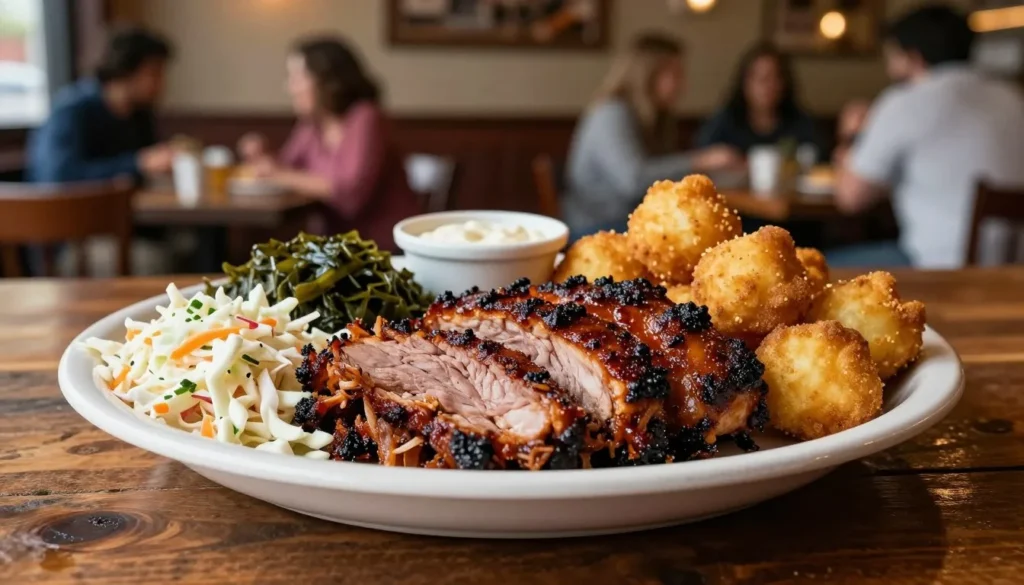
Eastern North Carolina barbecue dominates the local food scene. This style features whole-hog cooking with a vinegar-based sauce. The tangy, slightly spicy flavor differs from other regional barbecue styles.
Fresh seafood arrives daily from nearby waters. Restaurants serve crab, shrimp, and fish prepared in traditional Southern ways. Fried seafood platters remain popular, though grilled options appear on most menus.
Collard greens, sweet potato casserole, and hushpuppies accompany many meals. These classic Southern sides reflect the agricultural heritage of the region. Farm-to-table restaurants increasingly source ingredients from local producers.
Dining Options
South Mills offers limited dining choices. A few local diners serve breakfast and lunch. Pack snacks and drinks for your day at the park, as no food services operate within the boundaries.
Elizabeth City provides more variety. Downtown restaurants serve everything from pizza to upscale Southern cuisine. Several waterfront establishments offer views of the Pasquotank River along with their meals.
Fast food chains line the highways near major intersections. These options work for quick meals during travel. However, local independent restaurants offer better food and authentic regional flavor.
Visitors should try local seafood markets. These establishments sell fresh catch and often prepare food to order. The quality exceeds most restaurants at lower prices.
Attractions, Sightseeing & Activities
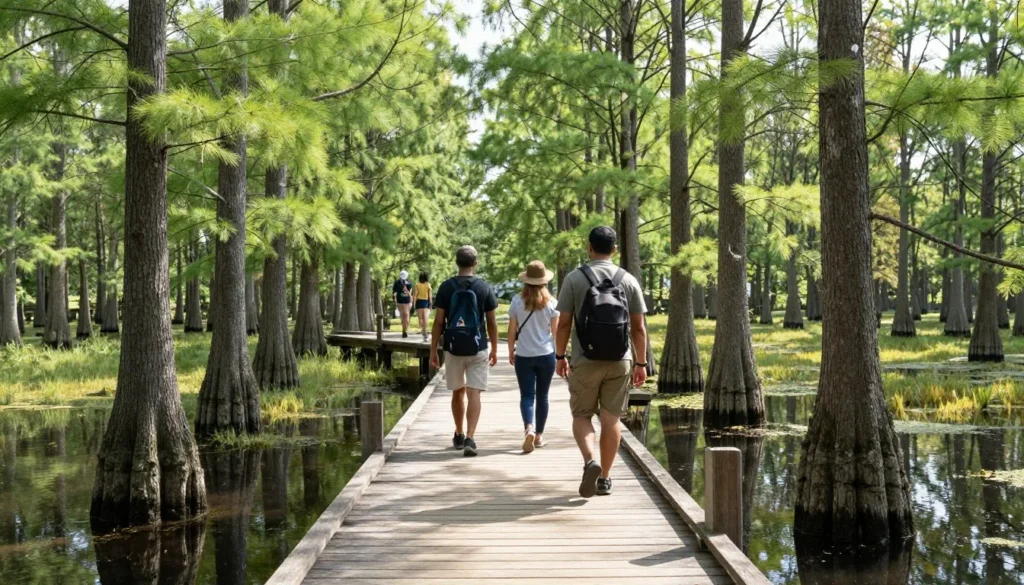
The Dismal Swamp State Park offers numerous ways to experience this unique ecosystem. Activities range from easy walks to challenging bike rides. Each season brings different opportunities for exploration and discovery.
Visitor Center
The Dismal Swamp State Park Visitor Center serves as the starting point for most trips. This facility provides maps, trail information, and interpretive exhibits. Staff members answer questions and suggest activities based on current conditions.
Exhibits inside the visitor center explain the ecology of the swamp. Displays showcase the plants, animals, and natural processes that shape this environment. Historical information details the human connection to this wilderness area.
The center maintains restrooms and water fountains. A small gift shop sells field guides, snacks, and souvenirs. Contact the visitor center at (252) 771-8333 for hours and current trail conditions.
The Dismal Swamp Canal
The Dismal Swamp Canal represents one of the oldest continuously operating artificial waterways in North America. Construction began in 1793 under the leadership of George Washington, who owned land in the area. The canal opened in 1805 and continues to serve recreational boaters today.
The canal stretches 35 kilometers (22 miles) through the heart of the swamp. This engineering marvel once transported goods between Virginia and North Carolina. Today it forms part of the Atlantic Intracoastal Waterway.
Visitors can walk or bike along the canal trail. The path follows the waterway and provides excellent wildlife viewing. The still water creates perfect reflections of the surrounding forest.
Biking Trails
The Dismal Swamp Canal Trail serves as the primary biking route. This flat, well-maintained path suits cyclists of all abilities. The 27-kilometer (17-mile) trail can be ridden as an out-and-back or one-way trip with shuttle.
Bikes must stay on designated trails within the park. The flat terrain and lack of traffic make this area perfect for family biking. Several loops of different lengths accommodate various schedules and fitness levels.
No bike rentals operate at the park. Bring your own bicycle or rent from shops in Norfolk or Elizabeth City. Mountain bikes work best for the gravel and dirt sections.
Museums, Cultural Spots & Festivals
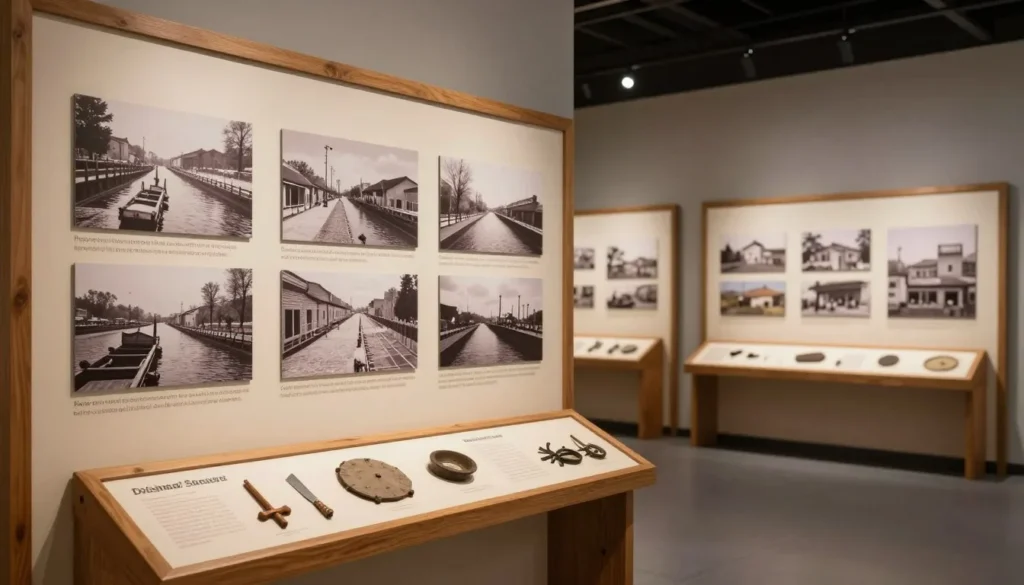
The Great Dismal Swamp holds significant historical and cultural importance. This area played roles in colonial development, the Underground Railroad, and early American industry. Several sites and programs help visitors understand this rich heritage.
Underground Railroad History
The Great Dismal Swamp provided refuge for freedom seekers escaping slavery. The dense wilderness offered hiding places and resources for people making their way north. Some individuals lived in the swamp for years, creating communities hidden from the outside world.
Interpretive programs at the visitor center explain this history. Rangers lead special walks during Black History Month focusing on these stories. The programs honor the courage of those who sought freedom through this challenging landscape.
The swamp state park preserves this important part of American history. Educational materials help visitors understand the experiences of freedom seekers. This aspect of the park’s story resonates with people learning about the struggle for justice.
Canal History
George Washington saw economic potential in connecting the waters of Virginia and North Carolina. His company purchased land and began planning the canal in the 1780s. The massive project took years to complete using hand tools and enslaved labor.
Exhibits at the visitor center show the construction process. Historic photographs and artifacts tell the story of this engineering achievement. The canal’s evolution from commercial waterway to recreational resource reflects changing times.
Museum of the Albemarle
This regional museum sits 24 kilometers (15 miles) south in Elizabeth City. Collections cover the human and natural history of northeastern North Carolina. Exhibits include Native American artifacts, colonial settlements, and maritime heritage.
The museum offers free admission. Hours vary by season, so call ahead to confirm. The facility provides context for understanding the broader region around the Dismal Swamp State Park.
Nature & Outdoor Experiences
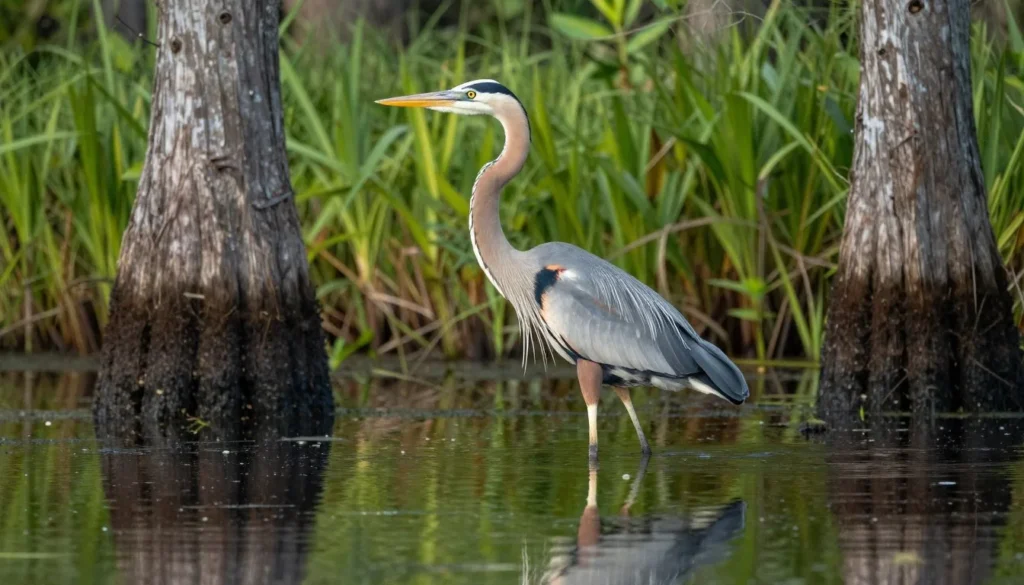
The Great Dismal Swamp ecosystem supports incredible biodiversity. This wilderness area provides habitat for species found nowhere else in the region. Experiencing the natural world here creates lasting memories for visitors of all ages.
Wildlife Watching
Over 200 bird species visit or reside in the swamp state park. Spring and fall migrations bring waves of warblers, thrushes, and other songbirds. The trees and water provide essential stopover habitat during these long journeys.
Black bears inhabit the swamp, though sightings remain rare. These animals avoid people and typically move through quietly. Other mammals include white-tailed deer, river otters, and bobcats.
Reptiles thrive in the wetland environment. Cottonmouth snakes, though venomous, generally avoid confrontation. Turtles sun themselves on logs throughout the swamp. Several frog species fill the air with calls during breeding season.
Early morning offers the best wildlife viewing opportunities. Animals become most active during cooler hours. Bring binoculars and move quietly for the best experience.
Plant Life
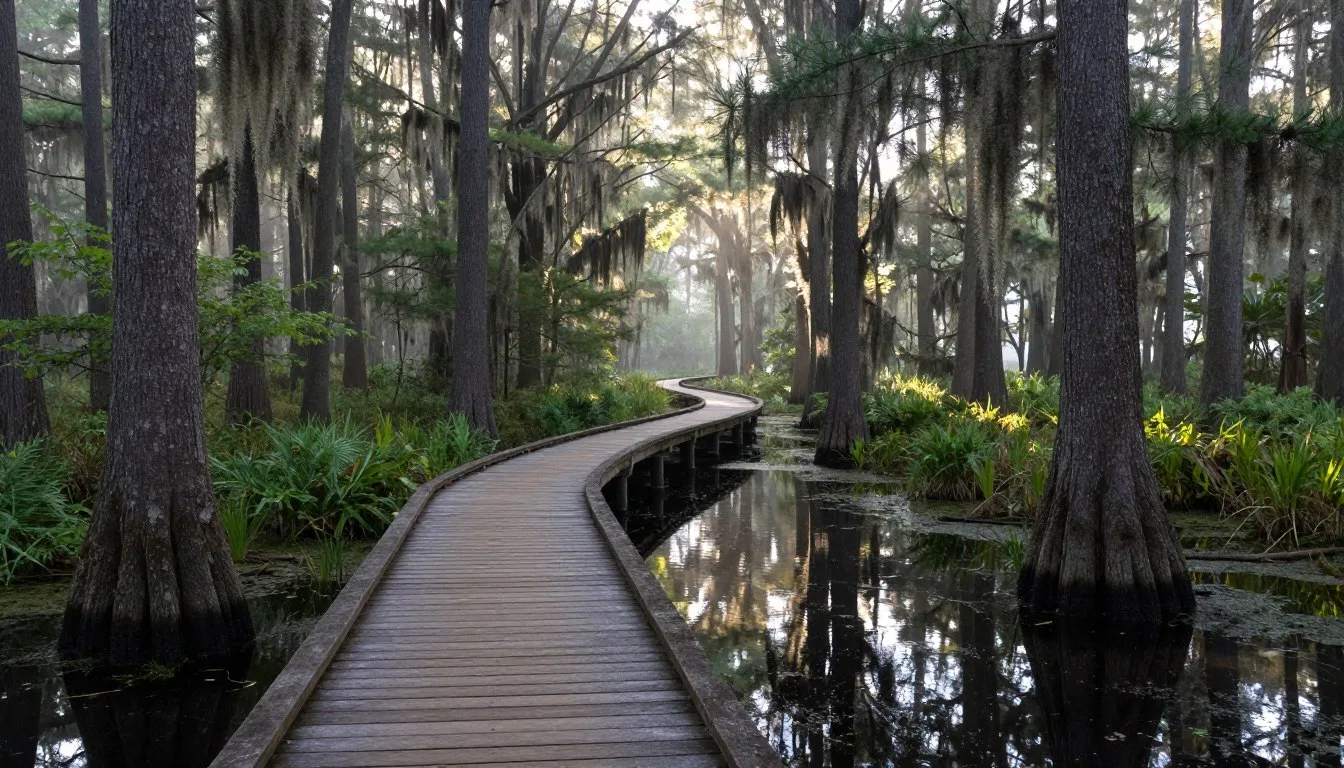
The Great Dismal Swamp supports a unique plant community. Bald cypress trees tower over the landscape, their distinctive knees protruding from the water. These ancient trees create the cathedral-like atmosphere that defines the swamp.
Atlantic white cedar once dominated parts of the swamp. Logging reduced these populations dramatically. Recovery efforts aim to restore this important tree species to its former range.
Understory plants include ferns, wildflowers, and shrubs adapted to wet conditions. Insectivorous plants like sundews capture insects in the nutrient-poor soil. These fascinating species show nature’s creative solutions to environmental challenges.
Lake Drummond
Lake Drummond sits at the heart of the Great Dismal Swamp. This natural lake covers approximately 1,214 hectares (3,000 acres). The shallow water rarely exceeds 2 meters (6 feet) in depth.
The lake formed thousands of years ago through a process still debated by scientists. Its dark, tea-colored water results from tannins leaching from decaying vegetation. Despite its appearance, the water supports fish and other aquatic life.
Access to Lake Drummond requires traveling through the Virginia portion of the swamp. The lake sits outside the North Carolina state park boundaries. However, understanding its place in the ecosystem enhances appreciation of the entire swamp.
Hiking Trails
Several trails wind through different parts of the swamp state park. These paths range from easy boardwalk strolls to longer wilderness routes. Each trail offers different perspectives on the swamp ecosystem.
The Dismal Swamp Canal Trail provides the easiest walking. This flat path follows the historic waterway for 27 kilometers (17 miles). Shorter sections work well for casual walkers or families with young children.
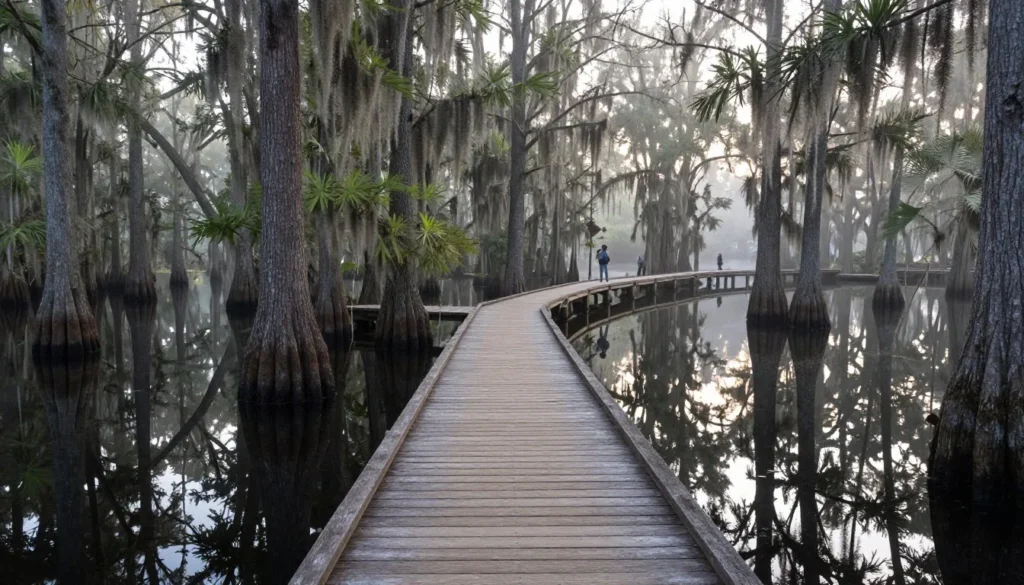
Boardwalk trails extend into wetter areas. These elevated paths protect fragile wetland soils while allowing close observation. The boards can become slippery when wet, so watch your footing.
Trail maps available at the visitor center show current conditions. Some paths may close seasonally due to flooding. Always check before heading out to avoid disappointment.
Travel With Children

The Dismal Swamp State Park offers excellent opportunities for introducing children to nature. The flat terrain and well-maintained trails make exploration accessible for young visitors. Educational programs help kids learn about ecology and history in engaging ways.
Family-Friendly Activities
The visitor center provides a great starting point for families. Interactive exhibits engage children while teaching about swamp ecology. Staff members can suggest age-appropriate activities and trails.
Short walks along the canal trail work well for younger children. The flat path allows strollers and small bikes. Kids enjoy looking for turtles, birds, and other wildlife along the water.
Junior Ranger programs run during peak seasons. These activities teach children about nature through hands-on experiences. Completing the program earns kids an official badge and certificate.
Scavenger hunts help children focus their attention while exploring. The visitor center provides lists of things to find. This activity turns a simple walk into an adventure that holds kids’ interest.
Safety Tips for Families
Stay on marked trails at all times. The swamp contains areas of deep water and soft mud. Children should remain within sight of adults throughout the visit.
Apply insect repellent before starting your exploration. Mosquitoes and biting flies can be numerous, especially during warmer months. Reapply repellent as directed on the product label.
Bring plenty of water and snacks. No food services operate within the park. Children need regular breaks and hydration during outdoor activities.
Teach children to respect wildlife from a distance. Never attempt to touch or feed wild animals. Snakes, though rarely aggressive, deserve a wide berth.
Money Saving Tips
Visiting the Dismal Swamp State Park can be remarkably affordable with proper planning. The park itself charges no entrance fees. This makes it an excellent destination for budget-conscious travelers seeking outdoor experiences.
Free Activities
All trails remain free to use year-round. Hiking, biking, and wildlife watching cost nothing beyond transportation. The visitor center provides free maps and information.
Ranger-led programs occur regularly during peak seasons. These educational walks and talks add value without additional cost. Check the visitor center for current schedules.
Picnic areas allow visitors to bring their own food. Pack lunches instead of eating at restaurants. This approach saves money while providing flexibility in scheduling.
Lodging Savings
Booking accommodations in South Mills or Elizabeth City costs less than staying in Norfolk. The slightly longer drive saves significant money on hotels. Compare prices across multiple platforms before booking.
Visiting during weekdays typically offers lower lodging rates. Many hotels reduce prices Sunday through Thursday. Extended stays may qualify for weekly discounts.
Vacation rentals can provide value for families or groups. Splitting costs among multiple people reduces per-person expenses. Having a kitchen allows preparing some meals at the accommodation.
Transportation Savings
Gas stations in smaller towns generally charge less than those near highways. Fill up in South Mills or Elizabeth City rather than at interstate exits.
Carpooling with other visitors reduces fuel costs. Online forums and social media groups connect travelers heading to the same destination. Sharing rides benefits everyone involved.
Safety & Local Customs
Understanding safety considerations and local customs enhances your Dismal Swamp State Park experience. This rural area maintains traditional Southern hospitality. Visitors who respect the environment and local culture will have the best experience.
Wildlife Safety
Venomous snakes inhabit the swamp, including cottonmouths and copperheads. These reptiles avoid confrontation when possible. Watch where you step and never reach into areas you cannot see clearly.
Black bears rarely encounter humans in the swamp. If you see a bear, back away slowly and give it space. Never approach or attempt to feed any wild animal.
Ticks carry diseases like Lyme disease. Check yourself thoroughly after hiking. Wear long pants and use insect repellent containing DEET for protection.
Poison ivy grows abundantly throughout the swamp state. Learn to identify this plant’s distinctive three-leaf pattern. The phrase “leaves of three, let it be” helps people remember to avoid it.
Environmental Safety
The swamp contains areas of deep water and soft mud. Stay on designated trails at all times. Wandering off established paths can lead to dangerous situations.
Cell phone service remains unreliable in many parts of the park. Download offline maps before arrival. Tell someone your plans and expected return time.
Summer heat and humidity can cause heat exhaustion. Drink plenty of water even when you don’t feel thirsty. Take breaks in shade and watch for signs of overheating.
Sudden weather changes can occur. Check forecasts before heading out. Lightning poses serious danger in this flat landscape with tall trees.
Local Customs
Southern hospitality remains strong in this region. People often greet strangers with friendly conversation. A simple “good morning” or wave acknowledges others on the trail.
Respect for nature runs deep in outdoor communities. Pack out all trash and leave no trace of your visit. This practice preserves the wilderness for future generations.
Sunday closures affect some businesses in smaller towns. Plan accordingly if visiting over a weekend. Restaurants and shops in Elizabeth City maintain more regular hours.
Visitor Comments About Dismal Swamp State Park
A.N., Vienna: “The Dismal Swamp State Park exceeded all expectations. The visitor center staff provided excellent trail recommendations based on our interests. We spent hours walking the canal trail and spotted more birds than we could count. The cypress trees created such a peaceful atmosphere. This place deserves more recognition as a natural treasure. We will definitely return during a different season to experience the changes.”
V.P., Overland Park: “Our family discovered an unexpected gem at the swamp state park. The flat trails made hiking easy for our children. They loved looking for wildlife and learned so much about wetland ecology. The exhibits at the visitor center engaged even our youngest. We appreciated that the park charged no entrance fee. This made our trip more affordable. The history of the Underground Railroad added meaningful context to our outdoor experience.”
S.S., Newton Abbot: “Visiting from abroad, I wanted to experience American wilderness. The Great Dismal Swamp provided exactly what I sought. The unique ecosystem differs from anything in Europe. Biking along the canal trail allowed me to cover significant distance. I encountered such diverse wildlife in just one day. The historical significance of both the canal and Underground Railroad impressed me greatly. Every nature enthusiast should include this park in their travel plans.”
Additional Nearby Destinations
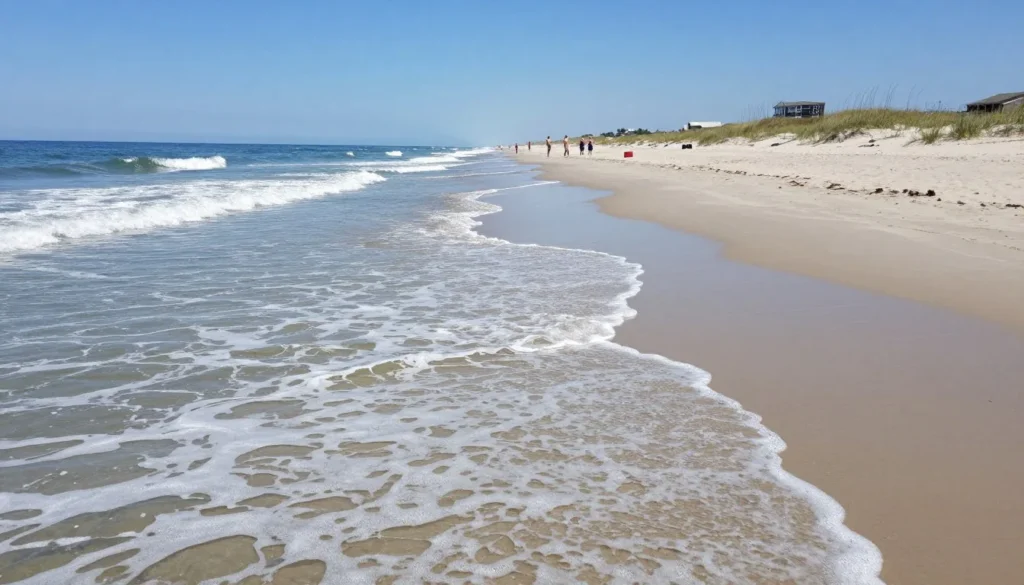
The Dismal Swamp State Park sits within reach of several other attractions. Combining destinations creates a richer travel experience. The region offers diverse landscapes from swamps to beaches within a short drive.
Outer Banks
The famous Outer Banks beaches lie 97 kilometers (60 miles) east. These barrier islands feature miles of sandy coastline. Historic lighthouses, wild horses, and water sports attract millions of visitors annually.
The drive from the swamp state park to the Outer Banks takes about 90 minutes. This makes an easy day trip or overnight excursion. The contrast between swamp wilderness and ocean beaches provides variety in your vacation.
Merchants Millpond State Park
This smaller state park sits 40 kilometers (25 miles) southwest. Ancient cypress trees tower over the dark waters of the millpond. Canoe and kayak rentals allow exploration of this scenic waterway.
Camping facilities at Merchants Millpond provide overnight options not available at the Dismal Swamp. The two parks complement each other well for those seeking multiple swamp experiences.
Historic Elizabeth City
This waterfront town offers a pleasant downtown area. Historic buildings house shops, restaurants, and galleries. The town serves as a good base for exploring the region.
Walking tours highlight Victorian architecture and maritime history. The waterfront park provides relaxation after time in the wilderness. Local museums add cultural experiences to nature-focused trips.
Norfolk, Virginia
Virginia’s second-largest city offers urban amenities. World-class museums include the Chrysler Museum of Art and Nauticus maritime center. The Norfolk Botanical Garden showcases plants from around the world.
Naval Station Norfolk, the world’s largest naval base, offers tours. The city’s waterfront district features restaurants and entertainment. Norfolk provides a complete contrast to the peaceful swamp.
Practical Travel Tips
What to Bring
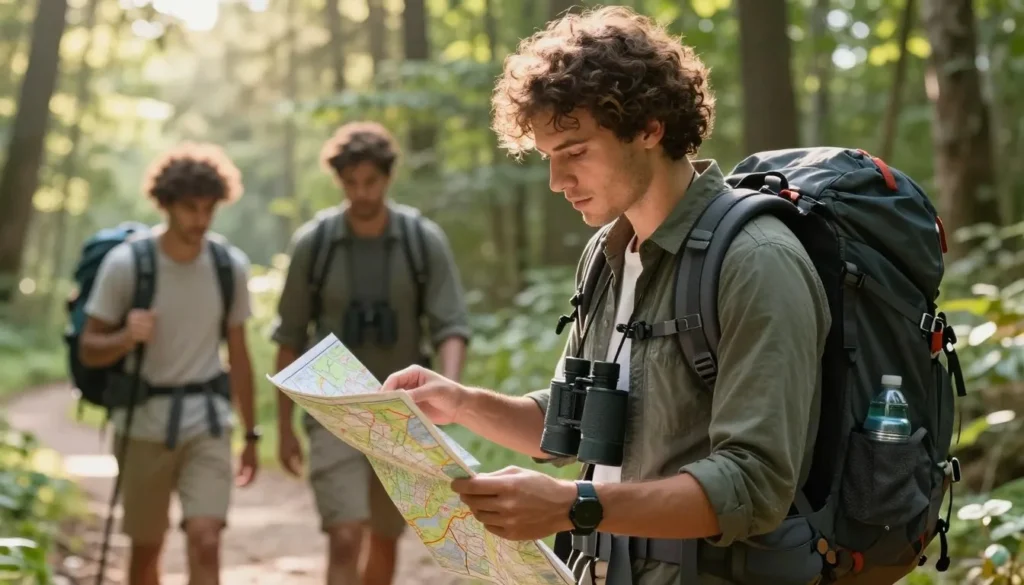
Comfortable walking shoes provide essential support on trails. Waterproof boots work best during wet seasons. Sneakers suffice for canal trail walks during dry weather.
Bring more water than you think necessary. The humidity and exertion increase fluid needs. A reusable water bottle reduces waste in the park.
Insect repellent ranks as a must-have item. Products containing DEET offer the best protection. Reapply according to package directions.
Binoculars enhance wildlife watching considerably. Even inexpensive models help spot birds and distant animals. Bring a field guide to identify species you encounter.
Sun protection includes hat, sunscreen, and sunglasses. Even under tree cover, reflected light from water can cause sunburn. Reapply sunscreen every few hours.
Photography Tips
The dark water and dense canopy create challenging lighting conditions. A camera with good low-light performance captures better images. Early morning offers the softest natural light.
Reflections in the canal water create stunning compositions. Look for still water and interesting subjects. A polarizing filter can reduce glare when desired.
Wildlife photography requires patience and quiet movement. Telephoto lenses allow shooting from respectful distances. Birds become most active during early morning hours.
Accessibility
The visitor center meets ADA accessibility standards. Restrooms and exhibits accommodate wheelchair users. Staff can advise on accessible trail options.
The canal trail provides the most accessible walking route. The flat, wide path accommodates wheelchairs and mobility devices. Surface conditions vary, with some sections smoother than others.
Boardwalk sections offer accessible swamp viewing. These elevated paths provide close encounters with the wetland environment. Railings assist those with balance concerns.
Environmental Responsibility
The “Leave No Trace” principles apply throughout the park. Pack out everything you bring in. Even organic waste like apple cores should leave with you.
Stay on marked trails to protect fragile wetland soils. Shortcutting or wandering off path damages vegetation. Your footsteps can impact the ecosystem for years.
Never feed wildlife for any reason. Human food harms animals and changes their natural behavior. Observe creatures from a respectful distance.
Respect quiet hours and other visitors’ experiences. Loud music or shouting disturbs both wildlife and people. The swamp offers a peaceful retreat from noisy modern life.
Embark on Your Swamp Adventure
The Dismal Swamp State Park stands ready to reveal its secrets to those willing to explore. This remarkable wilderness offers far more than its ominous name suggests. Ancient cypress trees, diverse wildlife, and compelling history combine to create an unforgettable destination.
Whether you seek peaceful solitude on forest trails, exciting wildlife encounters, or connections to American history, this place delivers. The swamp state park welcomes visitors year-round, each season painting the landscape in different colors and moods.
Your journey into this extraordinary ecosystem awaits. The dark waters of the canal reflect not just trees and sky, but centuries of stories. Every step along these trails connects you to something larger than yourself. Pack your bags, grab your binoculars, and discover why the Great Dismal Swamp continues to captivate all who venture into its mysterious beauty. The wilderness calls—will you answer?