Hotels by Trip.com
Flights by Trip.com
Hidden within Raleigh’s bustling Research Triangle area lies a remarkable secret: Durant Nature Preserve attracts over 50,000 visitors annually who discover that 237 bird species call this urban oasis home. The preserve was named after Durant Road, which historically connected rural farming communities in Wake County before the area transformed into one of North Carolina’s fastest-growing regions.
This comprehensive guide reveals everything you need to know about exploring Durant Nature Preserve. From tranquil woodland trails to a peaceful 12-acre lake, you’ll discover why locals consider this preserve their favorite escape.
Whether you’re planning a family weekend adventure or seeking solitude in nature, this guide provides practical information to make your visit memorable. Let’s explore what makes this Raleigh preserve truly special.
Getting There & Planning Your Journey

Durant Nature Preserve sits at 8305 Camp Durant Road in North Raleigh. The preserve offers convenient access for both local residents and visitors traveling from across North Carolina.
Closest Airports
Raleigh-Durham International Airport (RDU) serves as your primary gateway. Located just 19 kilometers (12 miles) from the preserve, the airport welcomes domestic and international flights daily.
The airport connects to major hubs including Atlanta, Charlotte, and Washington D.C. Rental cars, rideshare services, and taxis provide transportation from the terminal to Durant Nature Preserve.
Driving Directions
From downtown Raleigh, take Six Forks Road north for approximately 11 kilometers (7 miles). Turn right onto Durant Road and follow signs to the north parking lot at 8305 Camp Durant Road.
The preserve maintains two parking areas. The north parking lot near Camp Durant Road provides the main access point. A second lot offers alternative parking during busy weekend periods.
Contact the park office at the number above for current parking information and accessibility details. Staff members answer questions about trail conditions and special programs.
Public Transportation Options
GoRaleigh bus system serves the general area, though direct routes to the preserve remain limited. Route 25 stops within 2 kilometers (1.2 miles) of the entrance.
Most visitors find personal vehicles or rideshare services more convenient for reaching the preserve. The area lacks extensive public transit infrastructure typical of urban centers.
Best Time to Visit & Weather Tips

Best Time to Visit Durant Nature Preserve
Spring months from March through May offer exceptional conditions for exploring Durant Nature Preserve. Temperatures range from 15°C to 24°C (59°F to 75°F), creating comfortable hiking weather.
Wildflowers bloom throughout the preserve during April and May. The butterfly garden near the training lodge displays peak activity as native plants attract numerous species.
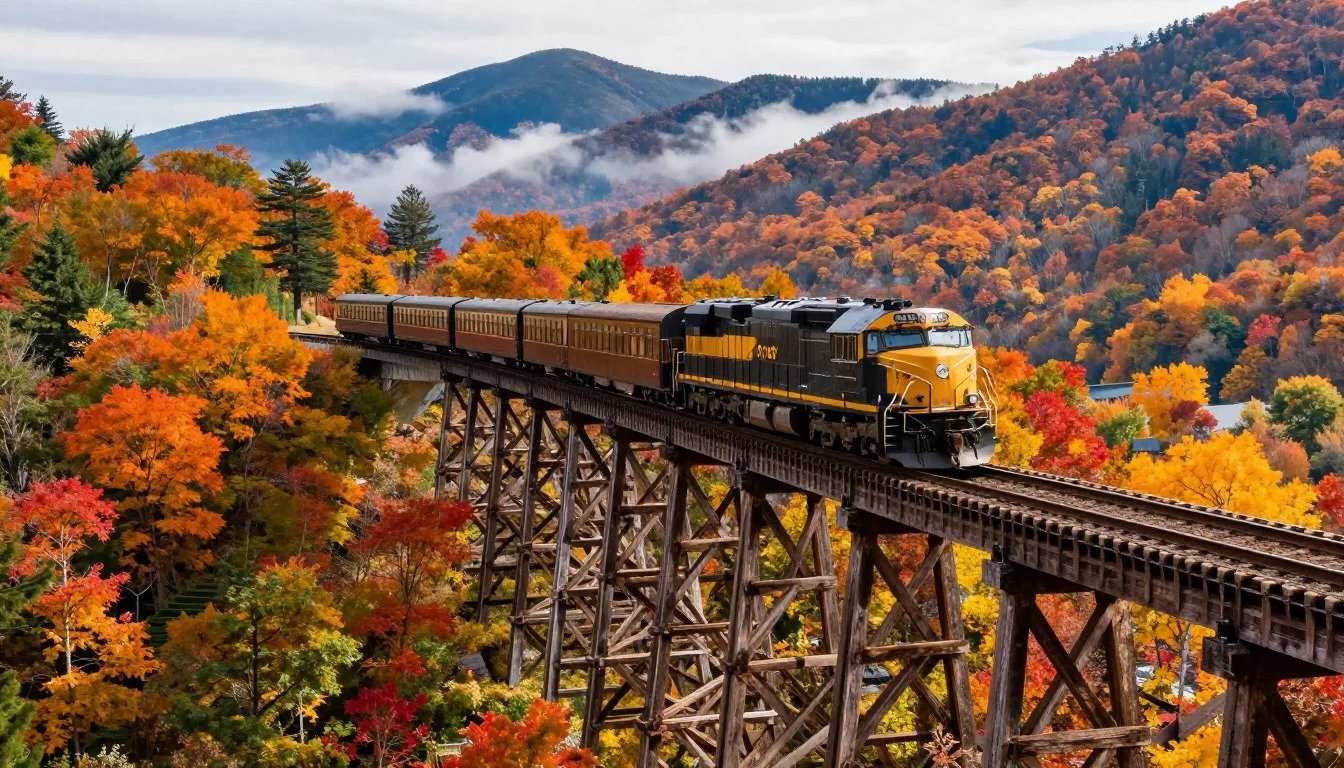
Fall presents another ideal visiting window. September through November brings cooler temperatures between 13°C and 23°C (55°F to 73°F). The hardwood forest transforms into brilliant autumn colors.
Winter visits from December through February work well for bird watching. Many species become more visible without leaf cover. Temperatures typically range from 2°C to 12°C (36°F to 54°F).
Seasons to Approach with Caution
Summer months bring heat and humidity to the area. June through August temperatures often exceed 32°C (90°F) with high humidity levels.
Early morning visits during summer provide the most comfortable conditions. Trails open at sunrise, allowing you to complete hikes before peak afternoon heat.
Late July and August bring increased mosquito activity near the lake and wetland areas. Insect repellent becomes essential during these months.
Notable Annual Festivals
The preserve hosts seasonal nature programs throughout the year. Spring Bird Walks occur every Saturday morning in April and May, introducing participants to resident and migratory bird species.
Summer Nature Camps run weekly from June through August for children ages 6-12. These programs explore local ecosystems and wildlife.
Contact the park office for current program schedules and registration information. Staff updates seasonal offerings based on weather and wildlife activity.
The Annual Monarch Butterfly Count takes place in late September. Volunteers document butterfly populations during their fall migration through North Carolina.
Getting Around Locally
Durant Nature Preserve offers straightforward navigation once you arrive. The trail system connects through well-marked paths that accommodate various skill levels.
Trail Network Navigation
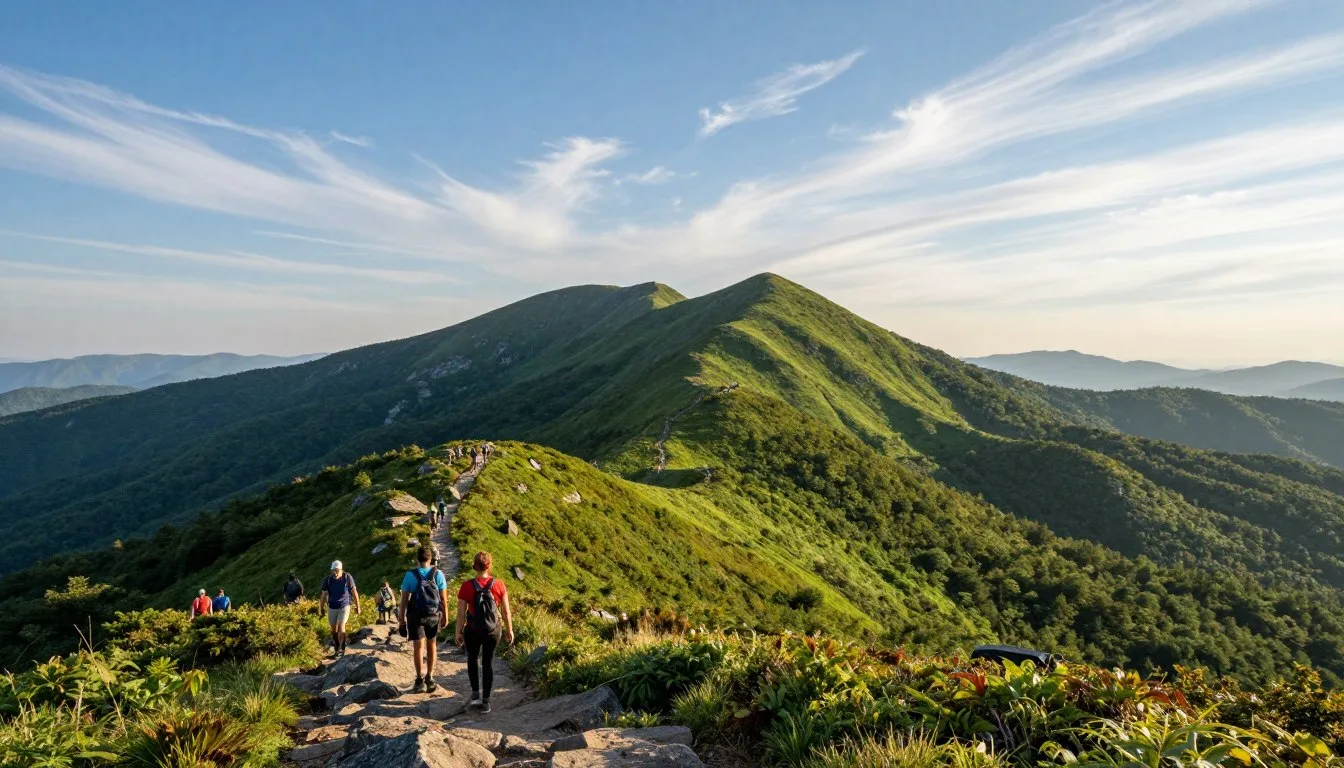
The preserve maintains approximately 8 kilometers (5 miles) of interconnected trails. Color-coded markers guide hikers through different route options.
The Border Trail creates a 3.2-kilometer (2-mile) loop around the preserve perimeter. This moderate trail takes roughly 90 minutes to complete at a leisurely pace.
Shorter connector trails branch from main routes, allowing you to customize hike length. Trail maps appear at major intersections and the parking area.
Accessibility Features
The preserve includes accessible parking spaces in the north parking lot. Paved pathways extend from parking areas to restrooms and the information kiosk.
Most trails feature natural surfaces with varying terrain. The area near the training lodge offers relatively flat, packed-earth paths suitable for mobility aids.
Seasonal Considerations
Winter weather occasionally impacts trail conditions. Ice and snow can make some paths challenging during January and February.
Spring rains may create muddy sections along low-lying trails near the lake. Waterproof hiking boots improve comfort during wet periods.
The park office posts current trail condition updates. Check before visiting during winter months or after heavy rainfall.
Where to Stay

North Raleigh provides diverse accommodation options within a short drive of Durant Nature Preserve. Most hotels sit 5 to 10 kilometers (3 to 6 miles) from the preserve entrance.
Hotels and Motels
Mid-range chain hotels cluster along Six Forks Road and Capital Boulevard. These properties offer standard amenities including pools, fitness centers, and complimentary breakfast.
Rates typically range from $85 to $150 per night depending on season and booking timing. Summer and fall weekends command higher prices.
North Hills area features upscale hotels with premium services. These properties charge $180 to $280 per night but include enhanced dining options and spa facilities.
Vacation Rentals
Residential neighborhoods near the preserve offer vacation rental homes through major booking platforms. These accommodations suit families or groups seeking more space.
Rental homes typically sleep 4 to 8 guests with full kitchens and outdoor spaces. Prices range from $120 to $300 per night depending on size and amenities.
Extended Stay Options
Several extended-stay properties operate in North Raleigh. These hotels feature kitchenettes and separate living areas, perfect for week-long visits.
Weekly rates often provide better value than nightly bookings. Expect to pay $500 to $800 per week for studio or one-bedroom suites.
Camping Alternatives
Durant Nature Preserve does not permit camping on site. However, William B. Umstead State Park lies 16 kilometers (10 miles) southwest of the preserve.
Umstead State Park offers developed campsites with restrooms and shower facilities. Campsites cost $15 to $25 per night for tent camping.
Dining & Local Cuisine

North Raleigh dining options range from casual cafes to upscale restaurants. The area reflects North Carolina’s culinary traditions while embracing modern food trends.
Nearby Restaurants
Six Forks Road hosts numerous dining establishments within 10 minutes of the preserve. Family-friendly chains and independent restaurants line this main thoroughfare.
North Hills shopping district offers diverse cuisine including Italian, Asian fusion, and contemporary American. Restaurants in this area charge $15 to $35 per person for dinner.
Falls Village shopping center provides quick-service options perfect for post-hike meals. Sandwiches, salads, and pizza shops cluster around this convenient location.
Local Food Specialties
North Carolina barbecue defines regional cuisine. Eastern-style vinegar-based sauces characterize local preparations, distinguishing them from western Carolina’s tomato-based versions.
Several barbecue restaurants operate within 8 kilometers (5 miles) of the preserve. These establishments serve pulled pork, chicken, and traditional sides including coleslaw and hush puppies.
Farm-to-table restaurants emphasize North Carolina produce and meats. Spring menus feature local strawberries and asparagus, while fall brings sweet potatoes and apples.
Picnic Planning
The preserve welcomes visitors bringing packed meals. Picnic tables appear near the north parking lot and training lodge area.
Harris Teeter and Whole Foods Market operate stores along Six Forks Road. These supermarkets offer prepared foods, fresh produce, and picnic supplies.
Local bakeries provide sandwich options and pastries perfect for trail snacks. Stop at these shops before heading to the preserve for fresh-made meals.
Attractions, Sightseeing & Activities
Durant Nature Preserve offers varied activities that showcase the area’s natural beauty. The 12-acre lake serves as the preserve’s centerpiece, surrounded by extensive trail networks.
Trail Exploration
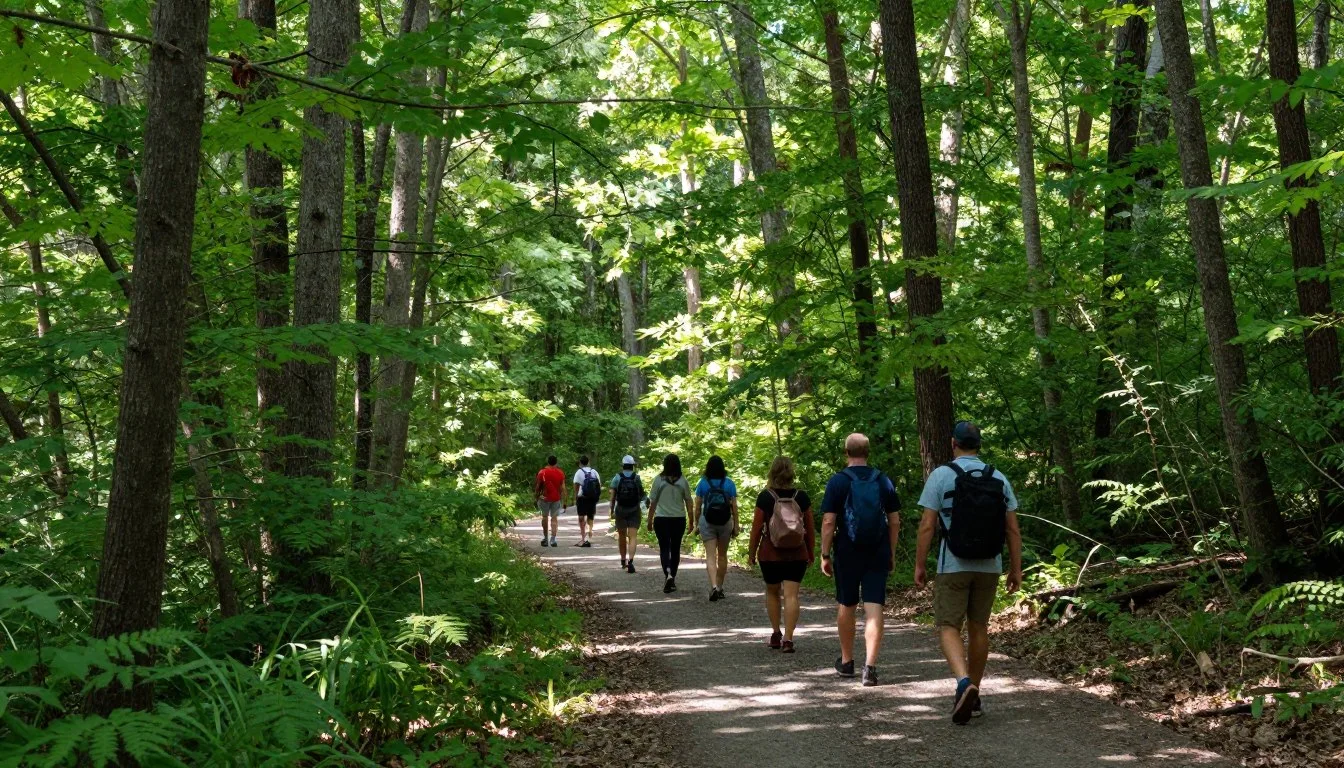
Eight distinct trails wind through the preserve, each offering unique perspectives on local ecosystems. Trail difficulty ranges from easy lakeside paths to moderate woodland routes.
The Lake Trail provides easy access to water views. This 1.6-kilometer (1-mile) path circles portions of the lake with minimal elevation change.
Border Trail challenges hikers with moderate terrain through dense hardwood forest. This route reveals the preserve’s most secluded areas away from main access points.
Spring wildflower displays appear along many trail sections. Trillium, bloodroot, and wild ginger bloom in shaded areas during April and early May.
Wildlife Observation
The preserve supports diverse wildlife populations. White-tailed deer, gray foxes, and various small mammals inhabit the wooded areas.
Early morning and late afternoon provide optimal times for mammal sightings. Animals remain most active during these cooler periods.
Reptiles and amphibians thrive in wetland areas near the lake. Spring peeper frogs create distinctive choruses during March and April evenings.
Butterfly Garden
The butterfly garden near the training lodge attracts numerous species throughout warm months. Native plants provide nectar sources and host plants for caterpillars.
Peak butterfly activity occurs from May through September. Monarch butterflies pass through during fall migration in late August and September.
Swallowtails, fritillaries, and skippers regularly visit the garden. Information panels identify common species and their preferred plants.
Educational Programs
The preserve hosts guided nature walks on weekend mornings during spring and fall. These programs explore seasonal changes and wildlife behavior.
Children’s programs introduce young visitors to ecology concepts through hands-on activities. Summer camps focus on different themes each week.
Call the park office for current program schedules and registration details. Many programs require advance registration due to limited participant capacity.
Museums, Cultural Spots & Festivals
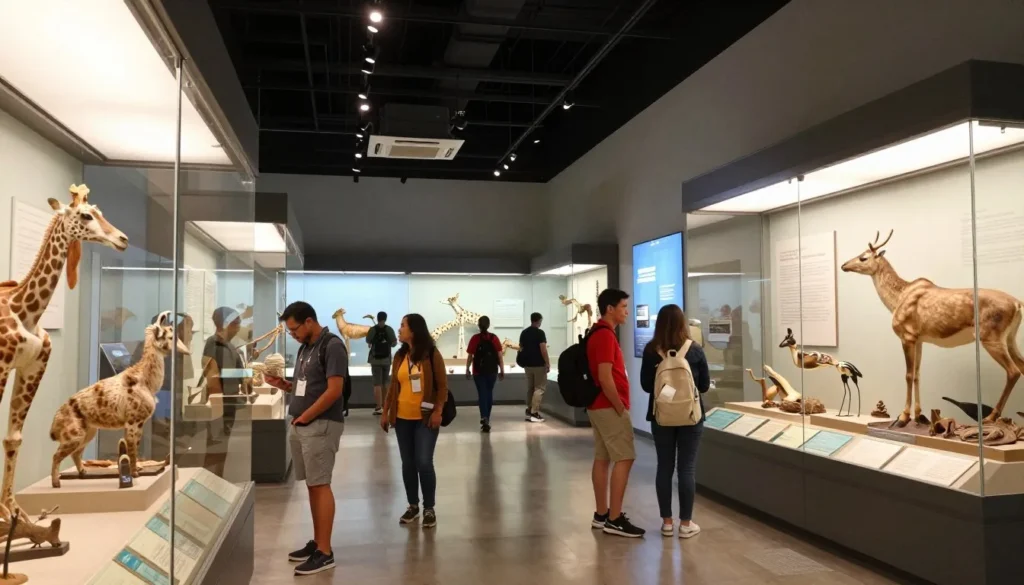
While Durant Nature Preserve focuses on outdoor experiences, nearby Raleigh offers extensive cultural attractions. Museums and performance venues operate within 20 kilometers (12 miles) of the preserve.
Natural Science Museums
North Carolina Museum of Natural Sciences occupies downtown Raleigh. This facility explores state ecosystems, paleontology, and wildlife conservation through interactive exhibits.
Admission remains free, making it an excellent complement to your preserve visit. The museum opens Tuesday through Sunday with extended hours on weekends.
Exhibits highlight Coastal Plain, Piedmont, and Mountain region environments. Live animal displays feature native species including snakes, turtles, and amphibians.
Art and History Museums
North Carolina Museum of Art displays collections spanning 5,000 years. European paintings, contemporary works, and African art represent major holdings.
The museum grounds include a sculpture park with walking trails. This outdoor space combines art appreciation with nature walks.
Historic sites downtown include the North Carolina State Capitol and several preserved 19th-century buildings. Self-guided tours explore Raleigh’s role in state history.
Cultural Events
Downtown Raleigh hosts First Friday celebrations monthly. Art galleries, restaurants, and shops extend hours for evening cultural programming.
The North Carolina State Fairgrounds presents events year-round. The State Fair runs for 11 days in mid-October, attracting over 1 million visitors.
Performing arts venues including Duke Energy Center and Red Hat Amphitheater schedule concerts, theater productions, and dance performances throughout the year.
Nature & Outdoor Experiences
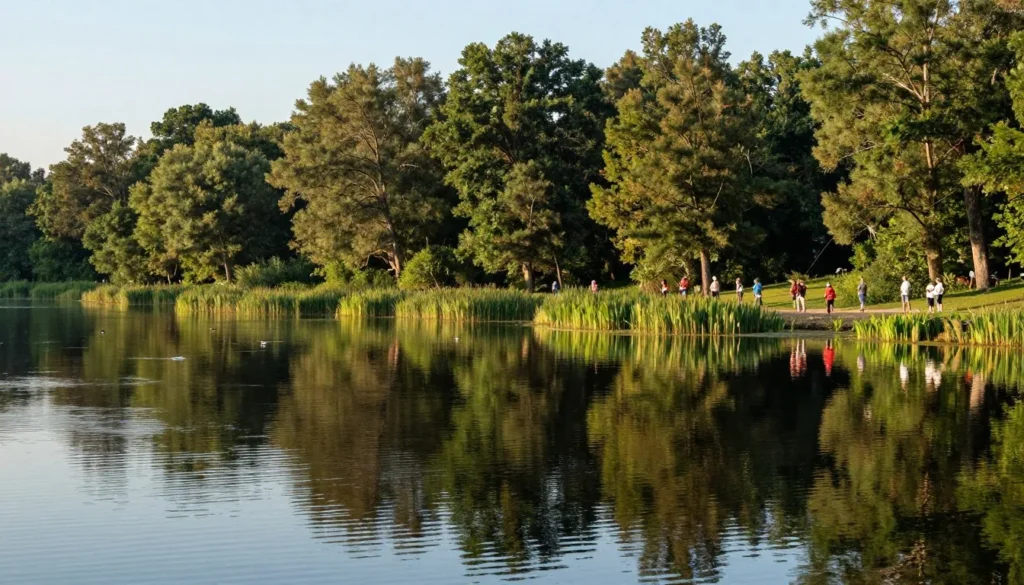
Durant Nature Preserve excels at providing immersive nature experiences. The preserve’s diverse habitats support activities from casual nature watching to serious bird study.
The 12-Acre Lake
The preserve’s lake spans approximately 4.9 hectares (12 acres) and serves as habitat for aquatic birds and wildlife. No boating or swimming occurs on the water, preserving its natural state.
Several viewing platforms extend over the water. These structures provide optimal vantage points for observing waterfowl and shoreline activity.
Fishing is not permitted in the lake. This policy maintains the preserve’s focus on wildlife observation rather than recreational fishing.
Bird Watching Opportunities
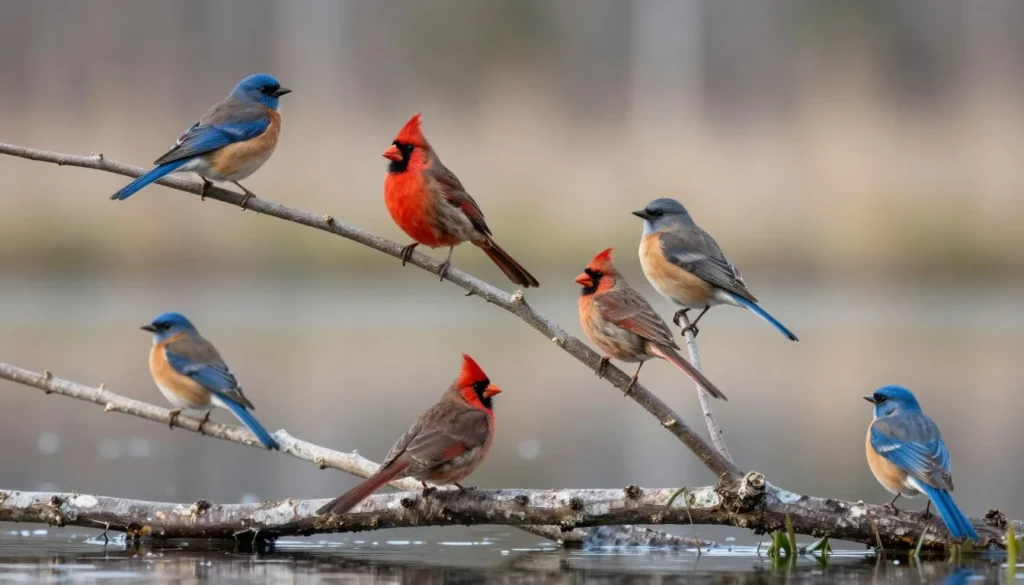
Durant Nature Preserve ranks among North Carolina’s premier urban birding sites. Over 237 documented species include both residents and migrants.
Wood ducks, great blue herons, and belted kingfishers frequent the lake year-round. These species provide reliable viewing opportunities for visitors.
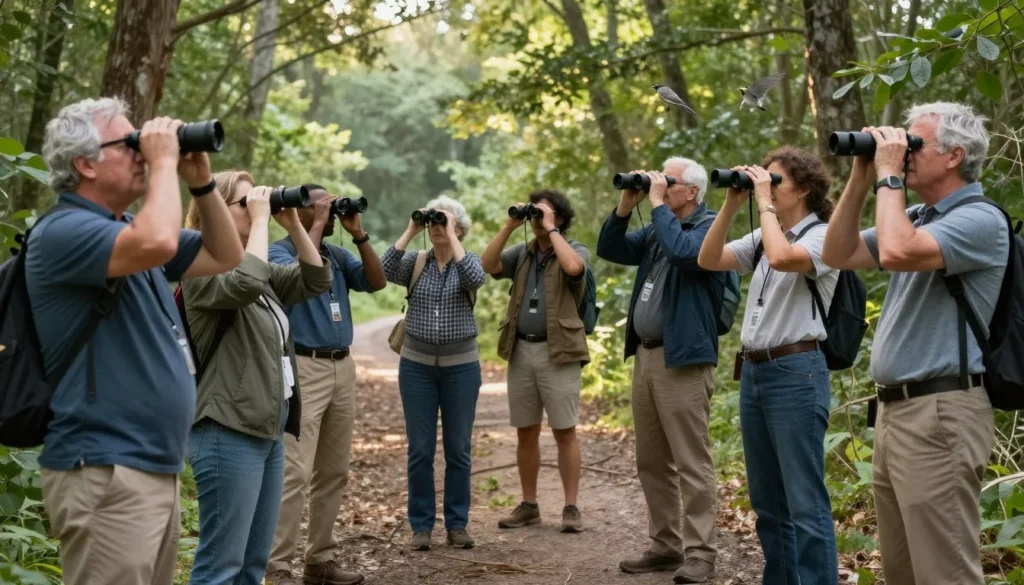
Spring migration from late March through May brings warblers, vireos, and thrushes. These colorful songbirds pass through during their northern journey.
Winter months attract waterfowl species including ring-necked ducks and hooded mergansers. Cold weather concentrates birds on the ice-free lake surface.
Photography Opportunities
The preserve welcomes photographers documenting wildlife and landscapes. Morning light provides optimal conditions for nature photography.
Lake reflections create stunning compositions during calm weather. Fall foliage season offers particularly dramatic color displays.
Wildlife photographers should maintain respectful distances from animals. Telephoto lenses allow close-up shots without disturbing subjects.
Seasonal Nature Changes
Each season transforms the preserve’s appearance. Spring brings flowering dogwoods and redbuds that blanket the forest understory.
Summer’s dense canopy creates shaded trail conditions. Humidity encourages lush plant growth throughout the woodland areas.
Fall color peaks in late October and early November. Oak, hickory, and maple trees display brilliant reds, oranges, and yellows.
Winter reveals the forest structure. Bare branches expose bird nests and wildlife activity previously hidden by leaves.
Travel With Children
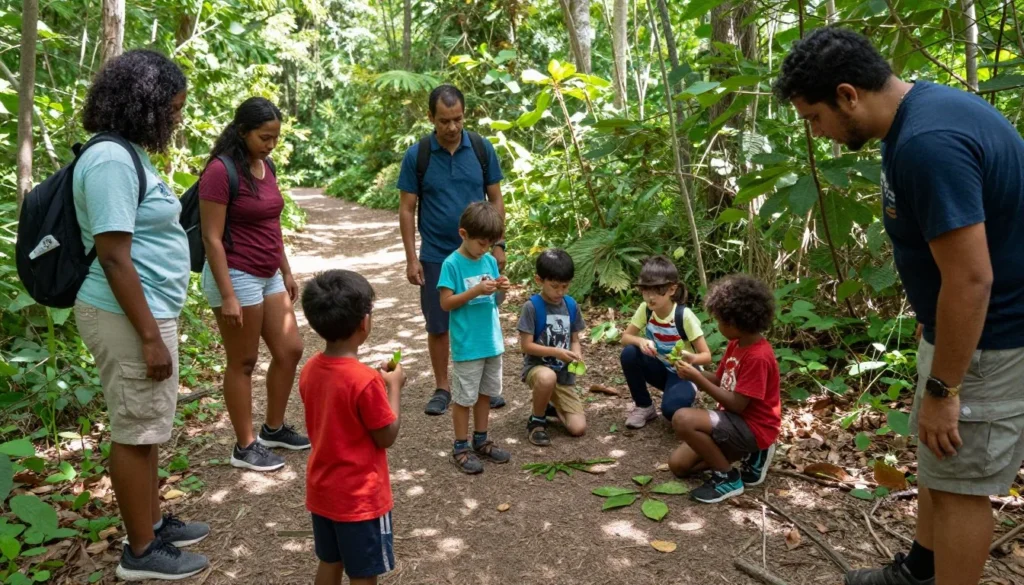
Durant Nature Preserve welcomes families with children and provides age-appropriate outdoor experiences. The preserve’s varied terrain accommodates different ability levels.
Family-Friendly Trails
Shorter loop trails work well for young hikers. The half-kilometer trail near the playground allows children to experience nature without extensive walking.
Strollers navigate paved sections near parking areas and the training lodge. Natural surface trails present challenges for wheeled equipment.
Rest areas along main trails provide stopping points for tired children. Benches appear regularly for breaks and snack time.
Playground Facilities
A playground near the north parking lot offers children active recreation. This area includes age-appropriate equipment for various developmental stages.
Picnic tables adjacent to the playground allow parents to supervise while children play. Restrooms sit nearby for convenience.
Educational Activities
Children enjoy searching for wildlife signs along trails. Animal tracks, seed pods, and bird feathers create natural scavenger hunt opportunities.
The butterfly garden provides close-up insect observation. Children safely watch butterflies feeding on flowers without handling delicate creatures.
Junior Naturalist programs run during summer months. These activities introduce environmental concepts through games and exploration.
Safety Considerations
Poison ivy grows throughout wooded areas. Teach children to recognize and avoid the three-leafed plant.
The lake presents drowning hazards. Supervise children closely near water and establish clear boundaries about water access.
Ticks become active during warm months. Check children thoroughly after hikes and remove any attached ticks promptly.
Money Saving Tips
Durant Nature Preserve offers free admission, making it an excellent budget-friendly destination. Additional cost-saving strategies enhance your visit value.
Free Admission and Parking
No entrance fees apply to the preserve. Parking remains free in both the north parking lot and secondary parking area.
This accessibility makes Durant Nature Preserve ideal for frequent visits. Local residents enjoy regular nature experiences without ongoing costs.
Pack Your Own Meals
Bringing picnic lunches eliminates restaurant expenses. Grocery stores near the preserve offer supplies at lower costs than dining out.
Reusable water bottles reduce beverage costs. Fill bottles at home or use preserve restroom facilities for refills.
Snacks for trail energy cost less when purchased at supermarkets rather than convenience stores. Plan ahead for better prices.
Free Programs and Activities
Many preserve programs require no registration fees. Guided nature walks, bird surveys, and seasonal events welcome participants at no charge.
Self-guided exploration costs nothing beyond transportation to the preserve. Trail maps available at kiosks provide navigation assistance.
Accommodation Savings
Booking hotels during weekdays typically costs less than weekend rates. Monday through Thursday nights offer lower prices in North Raleigh.
Extended stays qualify for weekly rates at many properties. Week-long visits cost less per night than shorter stays.
Hotels farther from the preserve often charge lower rates. Adding 5 to 10 minutes driving time can reduce accommodation costs by 20 to 40 percent.
Transportation Efficiency
Combining preserve visits with other Raleigh attractions maximizes trip value. Plan multiple activities in one day to reduce overall travel costs.
Carpooling with family or friends splits fuel expenses. The preserve’s free parking makes group visits economically attractive.
Safety & Local Customs

Durant Nature Preserve maintains high safety standards while preserving natural environments. Understanding basic precautions ensures enjoyable visits.
Trail Safety
Stay on marked trails to prevent erosion and protect sensitive plant communities. Shortcuts damage vegetation and create unsafe conditions.
Inform someone of your hiking plans and expected return time. Cell phone coverage remains generally reliable throughout the preserve.
Carry basic first aid supplies including bandages, antiseptic, and any personal medications. Minor scrapes and insect bites occur during outdoor activities.
Weather Preparedness
Summer thunderstorms develop rapidly in North Carolina. Monitor weather forecasts and seek shelter if storms approach during your visit.
Lightning poses serious risks in open areas. Move away from the lake and tall trees when thunderstorms threaten.
Winter ice can make trails treacherous. Check current conditions before visiting during cold weather periods.
Wildlife Interactions
Observe wildlife from safe distances. Never approach, feed, or attempt to touch wild animals.
Venomous snakes including copperheads inhabit the preserve. Watch trail surfaces and avoid reaching into areas you cannot see clearly.
Tick checks after hikes prevent disease transmission. Remove ticks promptly using proper techniques with fine-tipped tweezers.
Preserve Etiquette
The preserve operates as a quiet nature area. Minimize noise to preserve peaceful atmosphere for wildlife and other visitors.
Dogs must remain leashed at all times. Clean up after pets and dispose of waste properly.
Carry out all trash including food waste and packaging. Leave No Trace principles protect preserve beauty for future visitors.
Operating Hours
The preserve opens from sunrise to sunset daily. Arrive early during summer months to complete hikes before afternoon heat.
Park office hours vary seasonally. Call ahead if you need staff assistance with specific questions or program registration.
Restrooms near the parking areas maintain regular cleaning schedules. Facilities remain open during preserve operating hours.
Visitor Comments About Durant Nature Preserve
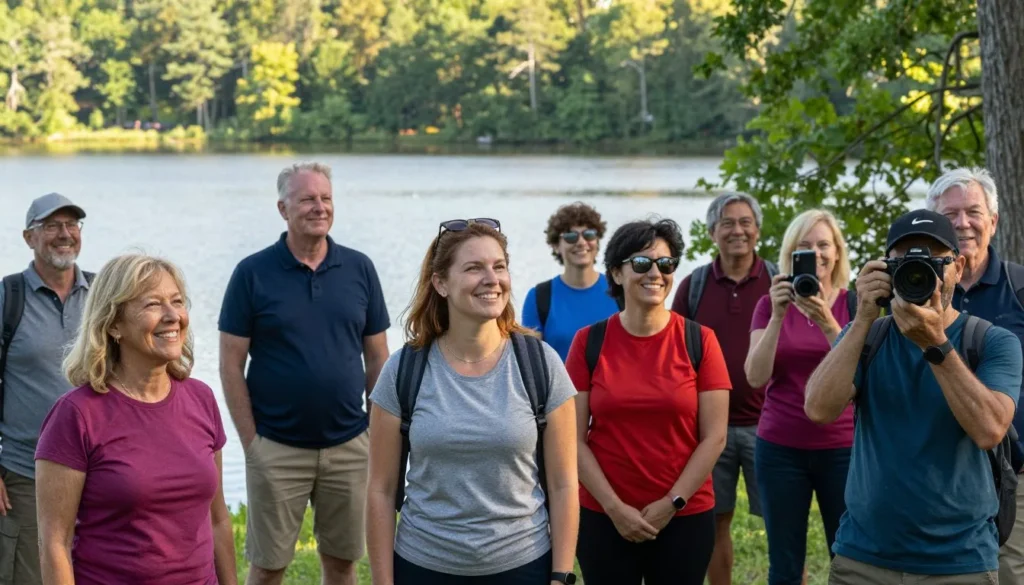
“We discovered Durant Nature Preserve during our Raleigh weekend and fell in love immediately. The trails offered perfect difficulty for our family with young children. The lake views were stunning, especially during fall when leaves reflected in the water. We spotted several bird species we’d never seen before. The preserve felt peaceful despite being so close to the city. We’re already planning our return visit to explore trails we missed.”
“As an international visitor, I wanted authentic North Carolina nature experiences. Durant Nature Preserve exceeded my expectations completely. The trail system was well-maintained and clearly marked. I appreciated the free admission and excellent facilities. The preserve’s bird diversity amazed me – I photographed over 20 species during my morning visit. The butterfly garden near the training lodge was particularly beautiful. This preserve rivals many national parks I’ve visited.”
“Durant Nature Preserve became my favorite local escape. I visit twice monthly for bird watching and peaceful walks. The seasonal changes keep each visit interesting – spring wildflowers, summer butterflies, fall colors, and winter waterfowl. The preserve’s proximity to North Raleigh makes regular visits convenient. Park staff are knowledgeable and helpful with wildlife identification questions. I’ve recommended this place to countless friends and family members.”
Additional Nearby Destinations
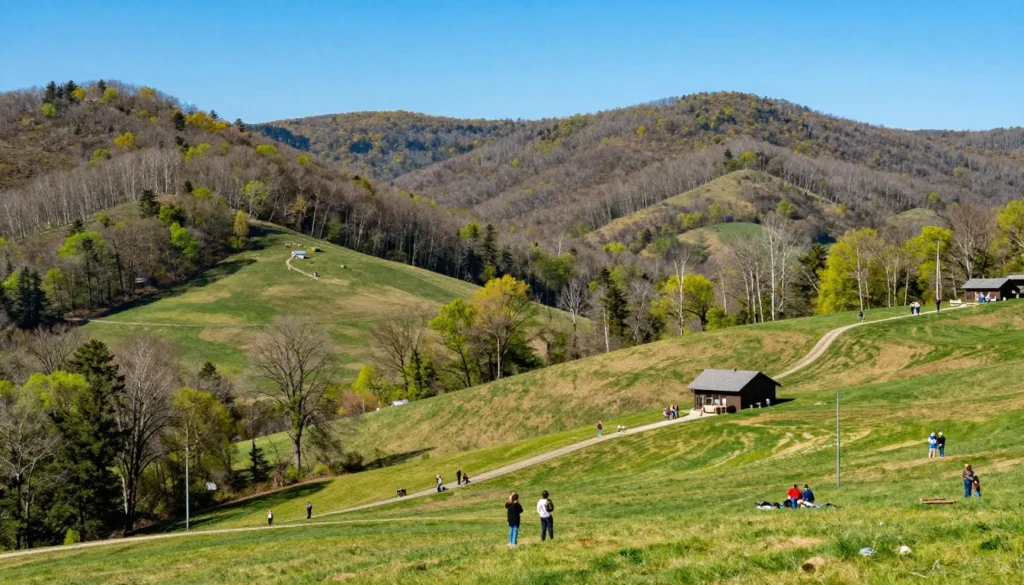
Durant Nature Preserve serves as an excellent base for exploring greater Raleigh attractions. Several destinations complement your preserve visit within short driving distances.
William B. Umstead State Park
This 2,226-hectare (5,500-acre) state park sits 16 kilometers (10 miles) southwest of Durant. The park offers more extensive trail networks, camping facilities, and three lakes.
Hiking trails range from easy lakeside paths to challenging 10-kilometer (6-mile) routes. Mountain biking trails provide single-track adventures through hardwood forests.
The park entrance fee costs $5 per vehicle on weekends and holidays. Weekday visits remain free for North Carolina residents.
Lake Crabtree County Park
Located 19 kilometers (12 miles) southwest, Lake Crabtree offers 85 hectares (210 acres) of parkland. A 8.2-kilometer (5.1-mile) paved trail circles the lake.
The park permits small watercraft including kayaks and canoes. A boat rental facility operates seasonally from April through October.
Fishing docks provide accessible angling opportunities. The lake contains bass, catfish, and sunfish populations.
North Carolina Museum of Art Park
The museum’s outdoor park combines art and nature 24 kilometers (15 miles) south of Durant. Large-scale sculptures dot wooded trails throughout the grounds.
Walking paths wind through 66 hectares (164 acres) of maintained landscapes. The park remains open daily from sunrise to sunset with free admission.
Historic Oakwood
This downtown Raleigh neighborhood preserves Victorian-era architecture. Self-guided walking tours explore streets lined with restored 19th-century homes.
The annual Oakwood Candlelight Tour occurs in December. This event opens private homes decorated for the holidays.
Falls Lake State Recreation Area
Falls Lake spans 4,856 hectares (12,000 acres) approximately 29 kilometers (18 miles) north of the preserve. The recreation area offers swimming beaches, camping, and boating.
Multiple access points surround the lake. Each area provides different amenities from primitive camping to full-service marinas.
Practical Travel Tips
What to Bring
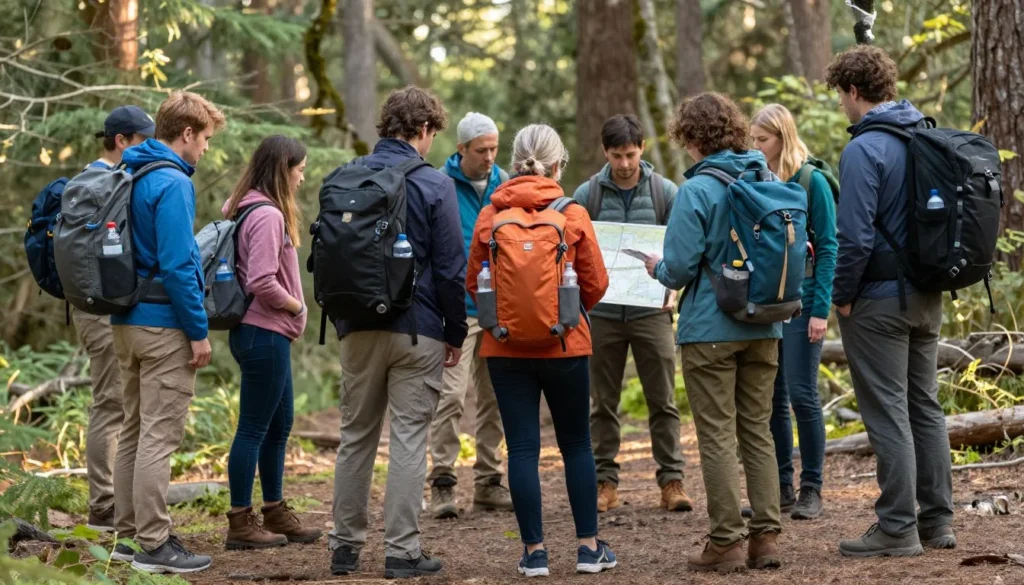
Comfortable walking shoes or hiking boots suit the preserve’s varied terrain. Trails include both paved sections and natural surfaces.
Water bottles maintain hydration during warm weather. No water fountains exist along trails, so carry adequate supplies.
Insect repellent reduces mosquito and tick encounters. Apply before starting hikes, especially during summer months.
Binoculars enhance wildlife observation. Compact models work well for bird watching along trails and near the lake.
Camera equipment captures nature memories. Smartphones provide adequate photography for most visitors, while serious photographers prefer dedicated cameras with telephoto lenses.
Clothing Recommendations
Layer clothing to adapt to changing temperatures. Morning and evening temperatures can differ significantly from midday conditions.
Long pants protect against poison ivy and insect bites. Lightweight fabrics maintain comfort during warm weather.
Sun protection including hats and sunscreen prevents overexposure. Tree cover provides shade on many trails, but open areas require protection.
Technology and Communication
Cell phone reception remains generally reliable throughout the preserve. Major carriers provide adequate coverage for emergency calls.
Portable chargers ensure phone functionality for maps and emergency communication. Battery drain increases when using GPS features.
Trail apps supplement printed maps. Download information before arriving in case of connectivity issues.
Accessibility Information
Accessible parking spaces exist in the north parking lot. Paved pathways connect parking to restroom facilities and information areas.
The training lodge area includes relatively flat terrain. This section accommodates visitors with mobility limitations better than remote trail areas.
Contact the park office for specific accessibility questions. Staff members provide current information about accessible routes and facilities.
Emergency Preparedness
Preserve staff maintain regular presence during operating hours. Park office personnel respond to visitor needs and emergencies.
Emergency services including fire and medical responders access the preserve quickly. Clearly communicate your location when calling for assistance.
Basic first aid knowledge proves valuable during outdoor activities. Minor injuries including scratches, blisters, and insect stings occur occasionally.
Seasonal Gear Adjustments
Winter visits require warmer clothing layers. Temperatures can drop significantly compared to summer conditions.
Rain gear becomes essential during wet seasons. Quick-drying materials maintain comfort if caught in unexpected showers.
Summer heat necessitates sun protection and extra water. Plan shorter hikes during hottest periods or visit during early morning hours.
Your Durant Nature Preserve Adventure Awaits

Durant Nature Preserve stands ready to welcome you into its peaceful embrace. From the moment you step onto trails surrounded by towering hardwoods, you’ll understand why this urban oasis captures hearts.
The preserve’s 237 bird species, butterfly-filled gardens, and tranquil 12-acre lake create countless opportunities for discovery. Each season brings fresh perspectives on this remarkable landscape.
Whether you’re seeking solitary reflection beside calm waters, family adventures along accessible trails, or serious wildlife observation, Durant Nature Preserve delivers authentic North Carolina nature experiences. The preserve’s free admission and convenient Raleigh location remove barriers between you and outdoor exploration.
Pack your walking shoes, grab your binoculars, and prepare for memorable encounters with nature. Your Durant Nature Preserve adventure begins the moment you arrive.