Hotels by Trip.com
Flights by Trip.com
Did you know that hidden within North Carolina’s Outer Banks lies a 10-acre time capsule that transports visitors back to the 16th century? The Elizabethan Gardens welcomes over 50,000 visitors each year who seek refuge in its meticulously maintained renaissance-era landscapes. This living tribute to England’s Golden Age offers an unexpected sanctuary where history, horticulture, and coastal beauty converge in remarkable harmony.
Named in honor of Queen Elizabeth I and established to commemorate the lost colonists of Sir Walter Raleigh’s 1587 settlement, the gardens stand as North Carolina’s enduring connection to its English colonial roots. The site serves as both a botanical masterpiece and a historical monument on Roanoke Island.
Whether you’re a garden enthusiast, history buff, or simply seeking peaceful beauty during your beach vacation, the Elizabethan Gardens offers experiences that satisfy diverse interests. From the dramatic Great Lawn overlooking Roanoke Sound to intimate garden rooms bursting with seasonal blooms, every corner reveals new discoveries.
Getting There & Planning Your Journey
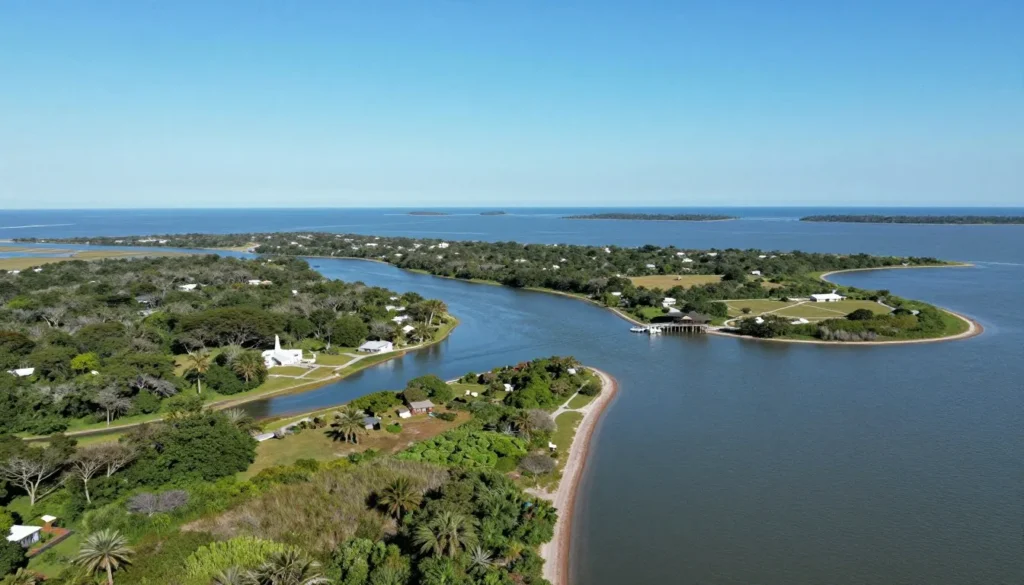
Reaching the Elizabethan Gardens North Carolina requires some planning, but the journey rewards visitors with stunning coastal scenery. The gardens sit on Roanoke Island, positioned between mainland North Carolina and the barrier islands of the Outer Banks.
Closest Airports
The nearest major airport is Norfolk International Airport (ORF) in Virginia, located approximately 137 km (85 miles) north of the gardens. This airport offers the most flight options and competitive pricing. From Norfolk, visitors can rent a car and enjoy a scenic 90-minute drive south through coastal Virginia and into North Carolina.
Raleigh-Durham International Airport (RDU) provides another option, situated about 282 km (175 miles) west. This route takes roughly three hours by car but serves travelers coming from North Carolina’s major cities. Some visitors prefer this route for better rental car rates or convenient connections.
Coastal Carolina Regional Airport (EWN) in New Berne offers a smaller alternative about 161 km (100 miles) away. While flight options are limited, this airport can work well for private planes or specific regional connections.
Driving Directions
From Norfolk International Airport, take US-64 East toward the Outer Banks. This scenic highway crosses several waterways before reaching Roanoke Island. Once on the island, follow signs to Manteo, where the gardens are located at 1101 National Park Drive.
Visitors driving from Raleigh should take US-64 East all the way to the coast. This direct route passes through small North Carolina towns and farmland before transitioning to coastal landscapes. The drive becomes increasingly scenic as you approach the water.
GPS coordinates for the Elizabethan Gardens are 35.9089° N, 75.7047° W. Most navigation systems recognize “Elizabethan Gardens” or “Fort Raleigh National Historic Site” as the destination.
Garden Contact Information:
The Elizabethan Gardens maintains visitor services year-round. For current hours and admission information, contact the gardens directly.
Best Time to Visit & Weather Tips
Timing your visit to the Elizabethan Gardens dramatically affects your experience. Each season transforms the landscape, offering distinct botanical displays and weather conditions. Understanding these patterns helps visitors maximize their enjoyment while avoiding potential challenges.

Best Time to Visit Elizabethan Gardens
Spring reigns as the most spectacular season to visit. March through May showcases nature’s awakening with thousands of flowering bulbs, azaleas, and dogwoods creating waves of color throughout the garden. Temperatures range from 15°C to 24°C (59°F to 75°F), providing comfortable conditions for extended walks. The famous camellia collection reaches peak bloom in early spring, while hydrangeas begin their show in late May.
Fall offers a second excellent window from September through November. Cooler temperatures between 18°C and 26°C (64°F and 79°F) make outdoor exploration pleasant. Autumn brings rich foliage colors to the ancient live oak trees and surrounding forest. The gardens feature fall-blooming flowers including chrysanthemums and late-season roses. Fewer crowds characterize this period compared to spring and summer peaks.
Summer attracts families and beach vacationers from June through August. While temperatures can reach 29°C to 32°C (85°F to 90°F) with high humidity, the gardens provide shaded retreats under massive oak canopies. Summer blooms include roses, daylilies, and tropical plants that thrive in coastal heat. Morning visits before 10:00 AM offer the most comfortable conditions.
Winter months from December through February present a quieter experience. Temperatures average 7°C to 13°C (45°F to 55°F), requiring warm layers for outdoor exploration. Many plants enter dormancy, but evergreen camellias, winter jasmine, and structural garden elements maintain visual interest. The reduced foliage reveals garden architecture and water views typically obscured during growing seasons.
Seasons to Consider Avoiding
Hurricane season peaks from August through October, bringing potential tropical storms to the Outer Banks. While major hurricanes rarely strike Roanoke Island directly, weather can become unpredictable with heavy rain and strong winds. The garden club may close temporarily during severe weather events.
Late July and early August represent the hottest, most humid period. Heat indices frequently exceed 38°C (100°F), making outdoor activities uncomfortable for heat-sensitive visitors. Afternoon thunderstorms occur regularly during this time, often disrupting garden tours.
Weather Preparation Tips
Coastal weather changes rapidly on Roanoke Island. Morning sunshine can transform into afternoon showers within hours. Smart visitors pack light rain jackets regardless of forecasts. The gardens remain beautiful in light rain, and covered areas provide shelter during heavier downpours.
Sun protection proves essential during warmer months. Wide-brimmed hats, sunglasses, and sunscreen prevent discomfort during extended garden exploration. While mature trees offer substantial shade, many garden areas receive full sun exposure throughout the day.
Layered clothing works best for shoulder seasons when morning temperatures feel cool but afternoons warm considerably. Comfortable walking shoes with good traction handle brick pathways and occasional wet surfaces safely.
Notable Annual Festivals
The Elizabethan Gardens and surrounding Roanoke Island host several annual festivals that enhance visitor experiences. These events celebrate history, horticulture, and local culture throughout the year.

Spring Garden Festival
The Spring Garden Festival typically occurs in late April when flowers reach peak bloom. This celebration features guided garden tours, plant sales, and horticultural demonstrations. Garden club members share expertise about cultivation techniques suitable for coastal environments. Local artisans display garden-themed crafts and artwork throughout the grounds.
Visitors can purchase rare plant varieties and native species during this event. Master gardeners offer consultation services about home landscaping challenges. The festival atmosphere combines education with celebration, attracting both serious gardeners and casual flower enthusiasts.
Virginia Dare Birthday Celebration
Each August, the gardens participate in commemorating Virginia Dare’s birthday on August 18th. Born in 1587, Virginia Dare was the first English child born in the Americas among the lost colonists. Events typically include historical reenactments, period music, and educational programs about early colonial life.
Fort Raleigh National Historic Site, located adjacent to the gardens, coordinates many activities during this celebration. The outdoor drama “The Lost Colony” performs nightly during summer months, with special performances surrounding the birthday weekend.
Lost Colony Production Information:
Holiday Open House
December brings festive transformation to the gardens during the Holiday Open House. Decorators adorn the historic gatehouse and garden structures with seasonal greenery and lights. This free community event allows locals and tourists to experience the gardens in winter splendor.
The gift shop extends hours during this period, offering unique holiday shopping opportunities. Refreshments and live music create a welcoming atmosphere for families. Many visitors incorporate this tradition into annual beach vacation customs.
Outer Banks Events
The broader Outer Banks region hosts numerous festivals throughout the year. The Duck Jazz Festival in October draws music lovers to a nearby beach community. The Outer Banks Seafood Festival in October celebrates local maritime culture with fresh seafood, cooking demonstrations, and music.
Beach music enthusiasts enjoy several shag dancing festivals during summer months at various Outer Banks locations. These events showcase regional music traditions and provide entertainment beyond garden visits.
Getting Around Locally
Navigating Roanoke Island and the surrounding Outer Banks requires understanding local geography and transportation options. The region’s linear layout along barrier islands creates unique travel patterns unlike typical coastal areas.
Personal Vehicle
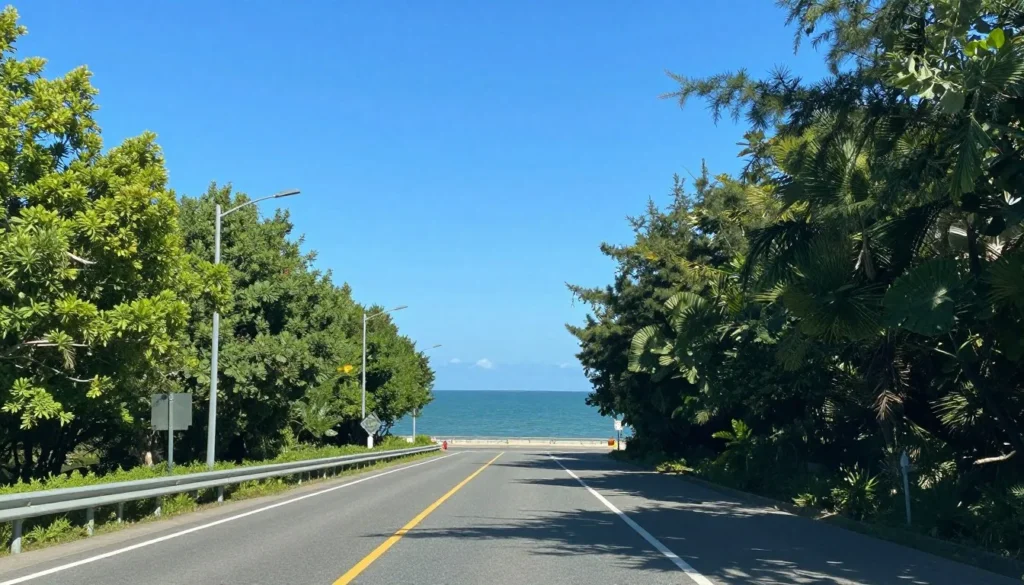
Renting a car provides the most flexibility for exploring the Elizabethan Gardens and surrounding attractions. Parking at the gardens is free and adequate for visitor volumes except during peak summer weekends. The compact size of Roanoke Island makes driving simple, with most destinations within 10 minutes of each other.
Exploring the broader Outer Banks by car allows access to beaches, lighthouses, and restaurants spread across 160 km (100 miles) of barrier islands. US Highway 12 serves as the main north-south route connecting communities from Corolla to Ocracoke.
Biking Options
Manteo’s compact downtown and the gardens’ proximity to Fort Raleigh National Historic Site make cycling an appealing option. Several local shops rent bicycles by the day or week. The relatively flat terrain and scenic waterfront roads create pleasant cycling conditions.
Bike paths connect many Outer Banks communities, though cyclists should exercise caution on busier sections of Highway 12 during summer months. Many visitors bring bikes or rent them for the duration of their beach vacation.
Walking
Within the gardens themselves, walking remains the only way to explore. The 10-acre site requires approximately 60 to 90 minutes for thorough exploration. Brick and stone pathways accommodate most mobility levels, though some areas feature steps or uneven surfaces.
Downtown Manteo sits about 1.6 km (1 mile) from the gardens, making walking feasible for active visitors. The waterfront boardwalk and shopping district offer dining and browsing opportunities within easy walking distance of lodging.
Limited Public Transportation
Public transportation options remain extremely limited throughout the Outer Banks. No regular bus service connects communities or attractions. Visitors without personal vehicles should arrange for rental cars or use ride-sharing services when available.
Some hotels offer shuttle services to popular attractions, but this varies by property. Confirming transportation options before booking accommodations prevents mobility challenges during your stay.
Where to Stay
Lodging options near the Elizabethan Gardens range from historic inns to modern beach resorts. Your choice depends on budget, desired amenities, and whether you prefer staying on Roanoke Island or venturing to nearby beach communities.
Roanoke Island Options
Staying on Roanoke Island places visitors closest to the gardens and Fort Raleigh National Historic Site. The Tranquil House Inn overlooks Shallowbag Bay in downtown Manteo, offering upscale accommodations with water views. This boutique property features period decor reflecting the area’s maritime heritage.
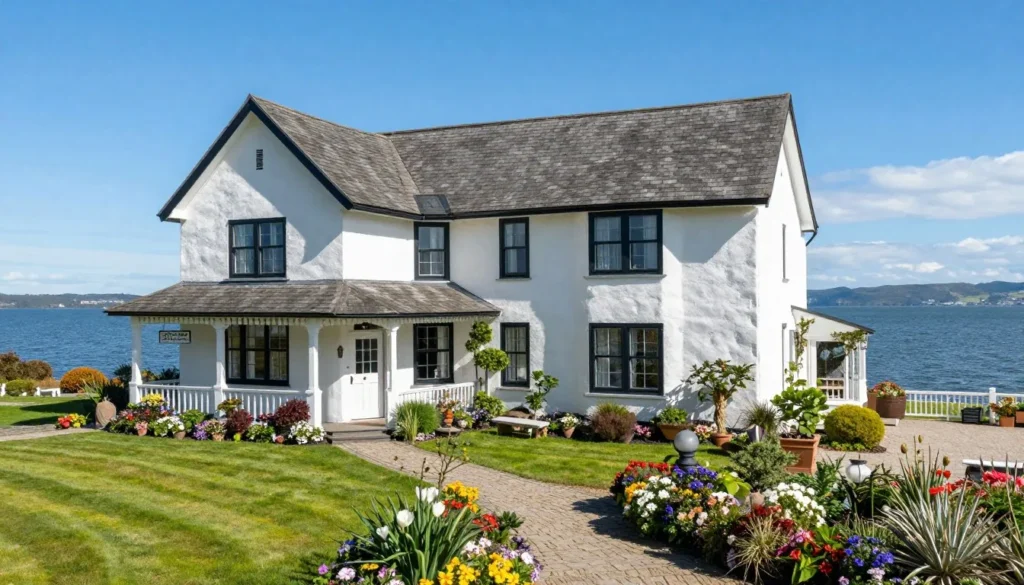
The White Doe Inn provides bed-and-breakfast charm in a restored 1910 home. This adults-only property serves gourmet breakfasts and afternoon refreshments. Its downtown location allows easy walking to restaurants and shops.
Budget-conscious travelers find value at chain hotels along US-64 near the Manteo bypass. These properties offer standard amenities without waterfront premiums. Most sit within 10 minutes of the gardens by car.
Outer Banks Beach Communities
Nags Head, about 16 km (10 miles) east of the gardens, provides extensive lodging options along the oceanfront. Large resort hotels offer pools, restaurants, and direct beach access. Family-friendly properties dominate this area, with amenities designed for extended stays.
Kill Devil Hills features mid-range hotels and vacation rental properties. This central Outer Banks location balances beach access with proximity to attractions like the Wright Brothers National Memorial. Many properties offer weekly rental rates during summer season.
Hatteras Island appeals to visitors seeking quieter beaches and fishing opportunities. The longer drive to the gardens (45 to 60 minutes) trades convenience for tranquility and often lower prices. Vacation rental homes predominate on Hatteras, with fewer traditional hotels.
Vacation Rentals
Weekly vacation home rentals represent the most popular lodging choice for families and groups. Properties range from modest beach cottages to luxury oceanfront estates. Most rentals require Saturday-to-Saturday bookings during peak summer season.
Rental homes typically include full kitchens, multiple bedrooms, and outdoor spaces with decks or porches. Many feature private pools or hot tubs. This option works well for extended stays and provides better value for larger groups compared to hotel rooms.
Camping
Cape Hatteras National Seashore operates several campgrounds along the Outer Banks. These facilities offer basic amenities with unbeatable beach access at budget prices. Campgrounds fill quickly during summer, requiring advance reservations.
Private campgrounds near Manteo provide more amenities including hookups for RVs, shower facilities, and camp stores. Several properties offer cabin rentals for visitors wanting camping experiences without tent requirements.
Dining & Local Cuisine
The Outer Banks culinary scene celebrates fresh seafood, regional specialties, and casual coastal dining. From waterfront restaurants to family fish houses, the area offers diverse options for every meal and budget.
Local Seafood Specialties
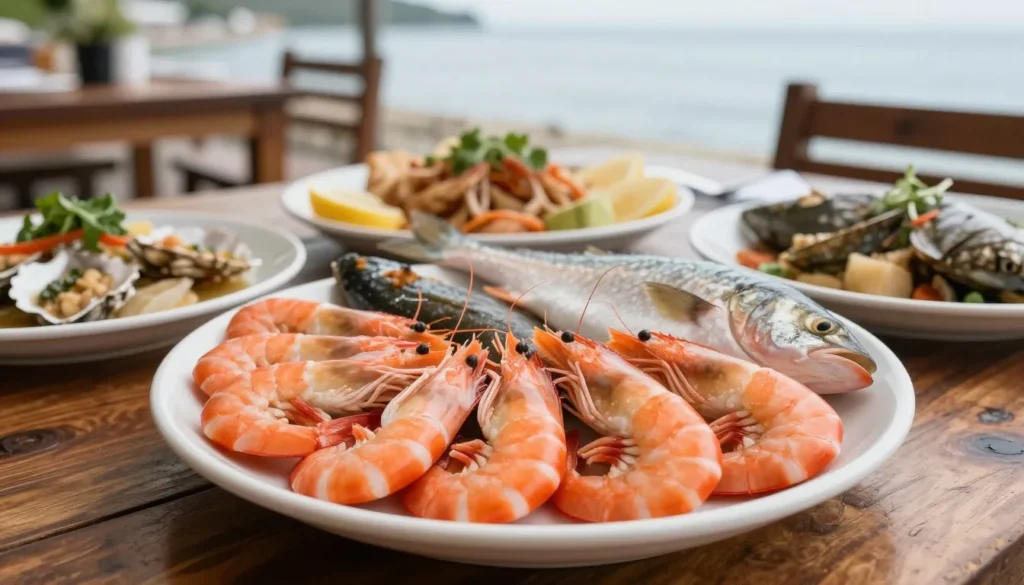
Fresh-caught fish dominates local menus, with daily specials reflecting what fishing boats bring to docks each morning. Mahi-mahi, tuna, wahoo, and various snappers appear regularly during warmer months. Flounder remains a year-round favorite, often prepared grilled, fried, or stuffed.
Blue crabs harvested from Roanoke Sound and surrounding waters star in crab cakes, she-crab soup, and steamed crab feasts. Local recipes typically feature minimal breading and generous portions of lump crabmeat. Soft-shell crabs appear seasonally from May through September.
Oysters from nearby sounds offer brinier flavor profiles than their northern counterparts. Raw bars serve them on the half shell, while kitchens prepare them fried, roasted, or in traditional oyster stew. Scallops, shrimp, and clams round out shellfish offerings at most seafood restaurants.
Manteo Dining
Downtown Manteo concentrates several excellent restaurants within walking distance of waterfront lodging. Full Moon Cafe serves creative coastal cuisine with Asian influences in an intimate setting. Their menu changes seasonally, emphasizing local ingredients and fresh seafood preparations.
1587 Restaurant overlooks Shallowbag Bay, offering upscale dining with sunset views. The menu features locally sourced ingredients transformed into contemporary Southern dishes. Reservations are recommended, especially during summer season.
Avenue Grille provides casual waterfront dining with outdoor seating. Their diverse menu accommodates various preferences beyond seafood, including steaks, pasta, and vegetarian options. The lunch menu offers lighter fare and sandwiches at lower price points.
Casual Dining and Quick Bites
Poor Richard’s Sandwich Shop serves breakfast and lunch in downtown Manteo. This local favorite offers generous portions at reasonable prices. Their breakfast biscuits and deli sandwiches fuel many visitors before garden tours.
The nearby beach communities feature numerous casual seafood houses where fried fish baskets, hush puppies, and coleslaw come in paper-lined baskets. These family-friendly spots offer the most affordable seafood options, often with kids’ menus and quick service.
Food trucks and seasonal stands dot the Outer Banks during warmer months. These vendors sell everything from fish tacos to barbecue, ice cream to smoothie bowls. Many parks and beach access areas feature rotating food truck schedules.
Regional Specialties
Hush puppies accompany nearly every seafood meal. These deep-fried cornmeal balls vary by recipe, with some versions including onions, jalapeños, or sweet corn. Locals debate whose hush puppies reign supreme across the Outer Banks.
Clam chowder appears in both Manhattan (tomato-based) and New England (cream-based) styles. Some restaurants offer unique Outer Banks versions combining elements of both traditions. Chowder often features locally harvested clams with vegetables and potatoes.
Sweet potato dishes honor North Carolina’s agricultural heritage. Expect to find sweet potato biscuits, fries, casseroles, and pies on many menus. The vegetable’s natural sweetness pairs well with savory seafood and barbecue dishes.
Attractions, Sightseeing & Activities
The Elizabethan Gardens serves as the centerpiece attraction, but exploring its many distinct areas requires understanding the layout and special features. Beyond the gardens, Roanoke Island and the Outer Banks offer numerous complementary attractions worth visiting.
Garden Highlights
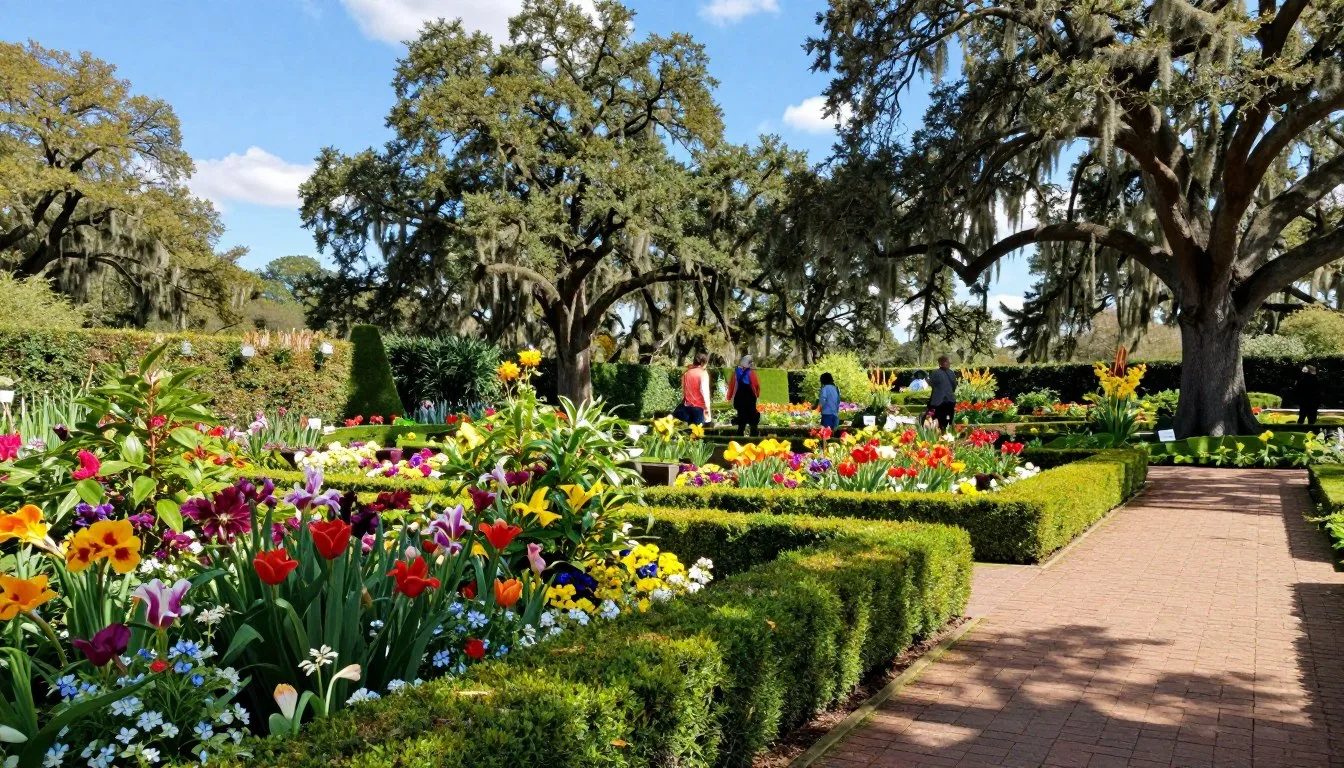
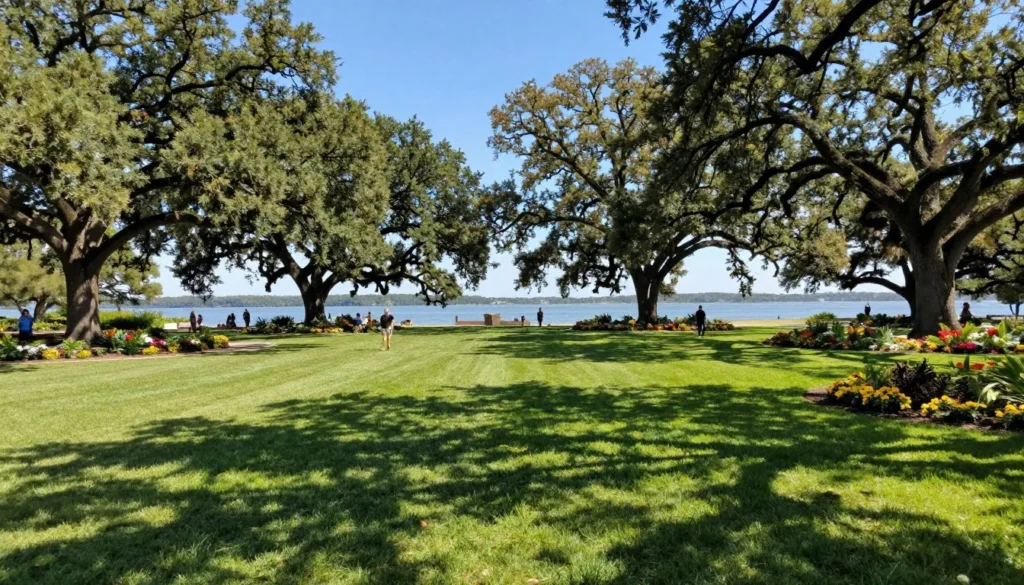
The Great Lawn dominates the gardens’ eastern section, offering panoramic views across Roanoke Sound. This massive green space, framed by ancient live oak trees draped in Spanish moss, provides the most photographed vista within the gardens. Visitors often spread blankets here for quiet contemplation while watching sailboats pass on the sound.
The Queen’s Rose Garden showcases over 50 rose varieties in formal beds surrounding a central fountain. Peak bloom occurs from May through October, with roses producing multiple flushes throughout the growing season. The geometric layout reflects 16th-century English garden design principles.
Shakespeare’s Herb Garden recreates plantings mentioned in the playwright’s works. Interpretive signs identify each plant and reference specific plays or sonnets. This intimate space engages literature enthusiasts and demonstrates historical plant uses for medicine, cooking, and household purposes.
The Sunken Garden provides a sheltered microclimate where tender plants thrive. Stone steps descend into this formal space featuring symmetrical beds and a central pool. Seasonal displays rotate through the years, with spring bulbs giving way to summer annuals and fall chrysanthemums.
Architectural Features
The ornate gatehouse greets visitors at the garden entrance, setting expectations for the refined experience within. This structure houses administrative offices and serves as a visual anchor establishing the gardens’ English heritage. Period-appropriate details include leaded glass windows and carved stonework.
Garden structures include gazebos, arbors, and pergolas positioned throughout the landscape. These architectural elements provide shaded seating areas while supporting climbing roses, wisteria, and other vining plants. Many visitors pause at these spots to rest during their exploration.
A historic statue of Virginia Dare stands near the woodland area, commemorating the first English child born in the Americas. This memorial connects the gardens to the broader historical narrative of the lost colonists and Sir Walter Raleigh’s attempted settlement.
Fort Raleigh National Historic Site
Adjacent to the gardens, Fort Raleigh National Historic Site preserves the earthwork remains of England’s first New World settlement. The park includes a small museum, walking trails, and the Waterside Theatre where “The Lost Colony” outdoor drama performs during summer months.
A short trail connects the gardens to the fort site, allowing visitors to explore both attractions during a single outing. The National Park Service maintains the historic site and offers ranger-led programs during peak season. Admission to Fort Raleigh is free, making it an excellent value-added experience.
Roanoke Island Festival Park
This living history museum sits on the Manteo waterfront, featuring a replica 16th-century sailing ship, Elizabeth II. Costumed interpreters demonstrate period skills and answer questions about colonial life. The settlement site recreates typical structures from the time of Sir Walter Raleigh’s expeditions.
Interactive exhibits inside the museum building explore Native American life, European exploration, and the mystery surrounding the lost colonists. Children particularly enjoy hands-on activities and the opportunity to explore the ship’s deck and cabins.
Wright Brothers National Memorial
Located in Kill Devil Hills about 19 km (12 miles) from the gardens, this memorial commemorates human flight’s birthplace. The site preserves the location where Orville and Wilbur Wright achieved powered, controlled flight in 1903. Reconstructed buildings, markers showing flight distances, and an impressive monument atop Kill Devil Hill make this a must-visit attraction.
The visitor center houses replicas of the 1903 Wright Flyer and displays explaining the physics of flight. Ranger programs occur daily during summer, with special events on the anniversary of the first flight each December 17th.
Museums, Cultural Spots & Festivals
Beyond garden walls, Roanoke Island offers cultural enrichment through museums, galleries, and performance venues. These attractions provide context for the area’s complex history and vibrant artistic community.

Roanoke Island Maritime Museum
This small but engaging museum celebrates the Outer Banks’ maritime heritage. Exhibits cover boat building traditions, commercial fishing, Coast Guard operations, and recreational boating. The working boat shop demonstrates traditional wooden boat construction techniques passed through generations.
The museum maintains several historic vessels, including shad boats native to Roanoke Sound. Volunteers conduct restoration projects visible to visitors, offering insights into preservation craftsmanship. Educational programs for children teach maritime skills and environmental stewardship.
Island Farm
This living history farm recreates 1850s agricultural life on Roanoke Island. Period buildings include a farmhouse, outbuildings, and animal pens housing heritage breed livestock. Costumed interpreters demonstrate cooking, textile work, and farming techniques from the mid-19th century.
Gardens at Island Farm grow heirloom vegetable varieties and herbs typical of the period. Visitors can observe seasonal activities like planting, harvesting, and food preservation. Special events throughout the year include harvest celebrations and traditional craft demonstrations.
Local Art Galleries
Downtown Manteo hosts several art galleries featuring regional artists. Photography, paintings, and crafts reflect coastal themes and natural beauty. Many galleries represent multiple artists, offering diverse styles and price points.
The Dare County Arts Council operates a gallery space promoting local talent through rotating exhibitions. Opening receptions for new shows create opportunities to meet artists and learn about creative processes. Classes and workshops occur regularly for aspiring artists.
Performing Arts
“The Lost Colony” outdoor drama has performed summers since 1937, making it America’s longest-running outdoor theatrical production. The show dramatizes the story of Sir Walter Raleigh’s colonists and the birth of Virginia Dare. Professional actors combine with local performers in this evening spectacle featuring music, dance, and special effects.
The Waterside Theatre’s natural setting enhances the production, with Roanoke Sound visible beyond the stage. Performances run Monday through Saturday evenings from late May through mid-August. Pre-show entertainment includes Native American dancing and colonial-era music.
Theater of Dare presents various productions throughout the year in an intimate Manteo venue. Community theater productions range from musicals to dramas, showcasing local talent. Ticket prices remain affordable compared to professional touring shows.
Nature & Outdoor Experiences
The Outer Banks natural environment extends far beyond cultivated gardens. Water sports, wildlife viewing, and beach activities complement cultural attractions, offering active alternatives for outdoor enthusiasts.
Water Sports
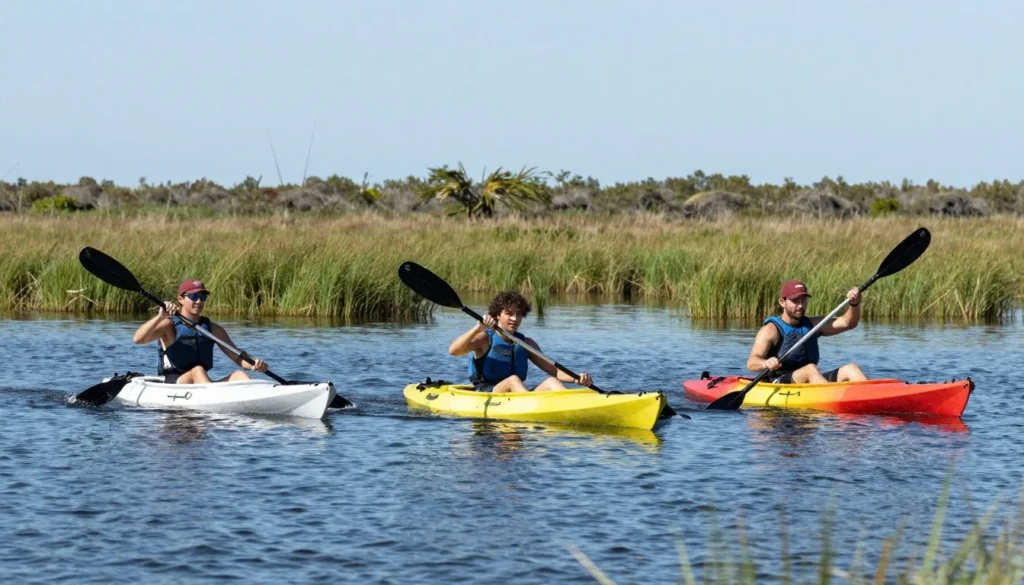
Roanoke Sound’s calm waters provide ideal conditions for kayaking, paddleboarding, and sailing. Several outfitters rent equipment and offer guided tours through marshes and along the shoreline. Shallow depths and minimal boat traffic make this area suitable for beginners.
Kayak tours often include wildlife observation opportunities. Herons, egrets, and osprey frequent the marshes, while dolphins occasionally visit the sound. Sunset paddles offer particularly memorable experiences as the sky transforms over the water.
Kiteboarding and windsurfing attract enthusiasts to specific Outer Banks locations where consistent winds and proper depths align. While not immediately adjacent to the gardens, these activities are available within 30 minutes’ drive for visitors seeking athletic challenges.
Fishing Opportunities
Both sound-side and ocean-side fishing attract anglers to the Outer Banks. Inshore species including red drum, speckled trout, and flounder inhabit Roanoke Sound and surrounding waters. Fishing piers extend into the ocean along the barrier islands, offering access without requiring boats.
Charter boats depart daily during warmer months for offshore fishing expeditions. Gulf Stream proximity brings marlin, tuna, dolphin (mahi-mahi), and wahoo within reach. Half-day and full-day charters accommodate various budgets and experience levels.
North Carolina fishing licenses are required for most fishing activities. Visitors can purchase short-term licenses online or from local tackle shops. Some charter boats include licenses in their package prices.
Beach Access
While Roanoke Island lacks ocean beaches, nearby barrier islands offer extensive sandy shoreline. Nags Head and Kill Devil Hills provide the closest beach access, with public parking areas and facilities scattered along Highway 12.
Cape Hatteras National Seashore protects over 112 km (70 miles) of undeveloped beaches. These areas offer solitude and natural beauty without commercial development. Swimming, shell collecting, and beach walking attract visitors seeking quieter experiences than resort beaches provide.
Beach driving is permitted in designated areas of the National Seashore, allowing 4×4 vehicles to access remote stretches. This activity requires permits and adherence to wildlife protection regulations, particularly during sea turtle and bird nesting seasons.
Wildlife Viewing
The Outer Banks serves as critical habitat for numerous bird species. Shorebirds, wading birds, and waterfowl concentrate in marshes and along shorelines. The area attracts serious birders, especially during spring and fall migrations when species diversity peaks.
Wild horses roam the northern Outer Banks in Corolla. These Spanish Mustangs descended from colonial-era livestock, adapting to barrier island life over centuries. Tours to view the horses operate from Corolla, requiring 4×4 vehicles to access their beach habitat.
Sea turtles nest on Outer Banks beaches from May through August. Several species including loggerheads deposit eggs in sandy nests. Volunteer programs monitor nests and protect hatchlings during their journey to the ocean. Some beaches offer turtle walks where visitors can observe this process under controlled conditions.
Hiking and Biking Trails
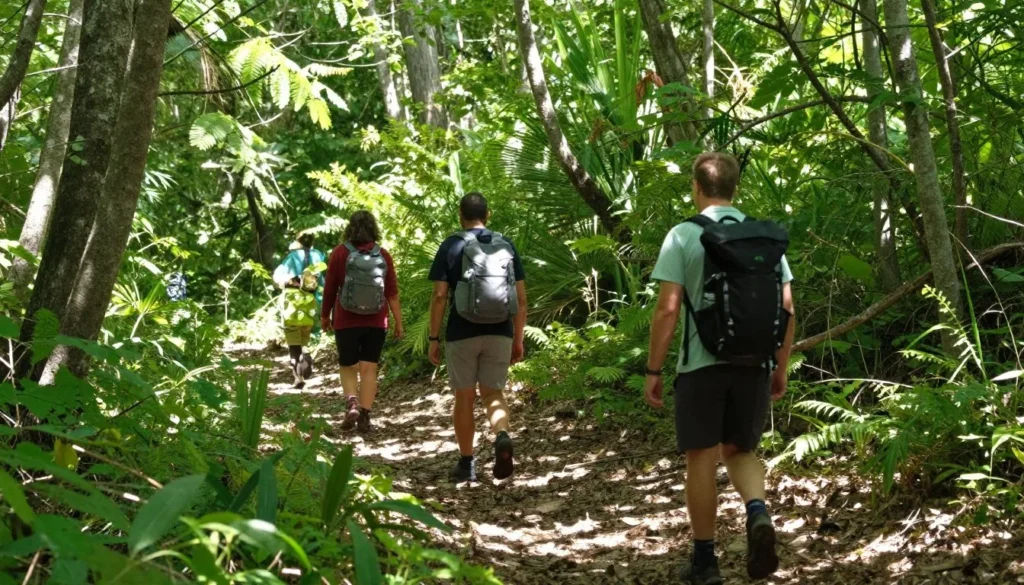
Nags Head Woods Preserve protects a rare maritime forest ecosystem. Over 9.7 km (6 miles) of trails wind through this diverse habitat featuring ancient dunes now covered with mature hardwood forests. The preserve offers dramatic contrast to beach environments just minutes away.
Trail difficulty ranges from easy boardwalk sections to more challenging routes with elevation changes. Spring wildflowers and fall colors make seasonal visits particularly rewarding. The preserve remains open daily from dawn to dusk with free admission.
Travel With Children
The Elizabethan Gardens and surrounding Outer Banks offer numerous family-friendly activities. Planning ahead ensures children stay engaged while adults enjoy cultural and natural attractions.

Garden Activities for Kids
While the Elizabethan Gardens primarily appeals to adults, several features engage younger visitors. The Great Lawn provides open space where children can move freely without disrupting more formal garden areas. Many families bring picnic supplies to enjoy lunch on the lawn overlooking Roanoke Sound.
Scavenger hunt activities help children focus on garden details. Creating lists of items to find—specific flowers, garden structures, or wildlife—transforms passive walking into active exploration. The garden’s compact size prevents children from becoming exhausted before completing their visit.
The gift shop near the entrance sells small items appealing to children, including books about plants, seeds, and nature-themed toys. These souvenirs extend the garden experience beyond the visit itself.
Child-Friendly Attractions
The North Carolina Aquarium on Roanoke Island provides excellent rainy-day entertainment. Exhibits showcase local marine life through interactive displays and touch tanks. Daily programs include feeding demonstrations and educational presentations designed for various age groups.
Roanoke Island Festival Park’s hands-on activities engage children with history through interactive experiences. Climbing aboard the Elizabeth II ship, trying on period clothing, and watching costumed interpreters demonstrate colonial skills make history tangible for young learners.
Jockey’s Ridge State Park contains the East Coast’s tallest natural sand dunes. Children love climbing and running down these massive dunes. The park offers hang gliding lessons for older children and teenagers seeking adventurous activities. Kite flying on the dunes has become a cherished family tradition for many visitors.
Beach Time
Most families balance cultural visits with beach days. Ocean beaches provide endless entertainment through swimming, sandcastle building, and wave jumping. Many children prefer beach time over indoor attractions, making it wise to schedule garden visits for cooler morning hours.
Beach equipment rentals including umbrellas, chairs, and boogie boards are available from numerous vendors along the Outer Banks. These services eliminate the need to transport bulky items, especially convenient for flying visitors.
Dining With Children
Most Outer Banks restaurants welcome families, with many offering specific kids’ menus. Casual seafood houses provide the most relaxed atmosphere for dining with children. High chairs and booster seats are standard at family-oriented establishments.
Ice cream shops dot every beach community, offering sweet treats that help cool children down after beach play. Many shops feature creative flavors and generous portions that satisfy all ages.
Money Saving Tips
Visiting the Elizabethan Gardens and Outer Banks need not strain vacation budgets. Strategic planning and insider knowledge help families maximize experiences while minimizing costs.
Admission and Timing
Garden club members receive free admission to the Elizabethan Gardens along with reciprocal privileges at hundreds of gardens nationwide. If you visit multiple botanical gardens annually, membership often pays for itself quickly while supporting horticultural education.
Visiting during shoulder seasons (April-May or September-October) reduces lodging costs substantially compared to peak summer rates. Many hotels discount rates by 30-50% outside July and August while weather remains pleasant for outdoor activities.
Fort Raleigh National Historic Site charges no admission, offering excellent value adjacent to the gardens. Combining both attractions in a single outing maximizes your visit to this area of Roanoke Island.
Lodging Strategies
Booking vacation rentals far in advance secures better rates and property selection. Many property management companies offer early booking discounts for reservations made 6-12 months ahead. Off-season rates drop significantly, with some properties costing less than half their summer prices.
Roanoke Island lodging typically costs less than oceanfront properties while maintaining close proximity to the gardens and other attractions. The short drive to beaches becomes worthwhile when comparing nightly rates.
Consider mid-week rentals during shoulder season when many properties offer flexible booking periods. Tuesday through Thursday stays sometimes receive additional discounts as owners try to fill gaps between weekend bookings.
Dining Economics
Vacation rentals with full kitchens allow families to prepare some meals at home. Local grocery stores stock fresh seafood at prices far below restaurant menus. Preparing breakfasts and lunches while splurging on dinner out balances budgets effectively.
Many restaurants offer early bird specials before 6:00 PM, discounting popular menu items. Lunch portions at dinner-focused restaurants often match dinner sizes at lower prices. Take-out options save on beverage costs and tips while still allowing you to enjoy restaurant food.
Farmers markets operate throughout the Outer Banks during growing seasons. Fresh produce, local honey, and homemade baked goods cost less than grocery stores while supporting regional agriculture.
Activity Savings
Many outdoor activities including beach time, hiking, and wildlife viewing are completely free. Cape Hatteras National Seashore charges no entrance fees, protecting your budget while providing memorable experiences.
Equipment rental companies often discount multi-day rates. Renting bikes or beach gear for an entire week costs significantly less per day than single-day rentals. Some properties include basic beach equipment in rental agreements.
Group rates apply to various attractions and activities. If traveling with extended family or friends, inquire about group discounts that reduce per-person costs.
Budget-Friendly Itinerary: Visit free Fort Raleigh Historic Site in the morning, tour Elizabethan Gardens before lunch, picnic on the Great Lawn, explore downtown Manteo’s free waterfront in the afternoon, and watch the sunset from a sound-side beach access. Total cost: garden admission only.
Safety & Local Customs
The Outer Banks maintains a safe, welcoming environment for visitors. Understanding local conditions and customs ensures smooth, enjoyable experiences while respecting the community and environment.

Sun and Heat Safety
Coastal sun intensity exceeds expectations, even on partly cloudy days. Sunscreen with SPF 30 or higher prevents painful burns that can ruin vacations. Reapply every two hours and after swimming, regardless of product claims about water resistance.
Heat exhaustion poses real risks during summer months. Symptoms include dizziness, nausea, and excessive sweating. Drink water regularly throughout the day, even before feeling thirsty. The gardens provide shaded areas and benches for rest breaks when needed.
Children and elderly visitors face higher risks from sun and heat exposure. Monitor vulnerable family members closely, limiting outdoor time during peak heat hours between 11:00 AM and 3:00 PM.
Water Safety
Ocean swimming requires understanding rip currents, which cause most beach drownings. These powerful channels of water flow from shore toward open ocean. If caught in a rip current, swim parallel to shore until free from its pull, then swim back to beach.
Beach flags indicate swimming conditions. Red flags warn of dangerous conditions and prohibit swimming. Yellow flags indicate moderate hazards requiring caution. Green flags signal calm, safe conditions. Always check posted flags before entering water.
Sound-side waters appear deceptively calm but still require vigilance. Strong winds can create challenging conditions quickly. Life jackets are essential for children and weak swimmers regardless of water type.
Weather Awareness
Lightning poses serious threats during summer thunderstorms. If you hear thunder, seek indoor shelter immediately. Avoid open fields, beaches, and water until storms pass completely. Garden staff will notify visitors of approaching severe weather.
Hurricane season extends from June through November, peaking in August and September. Monitor weather forecasts if visiting during this period. Local authorities issue evacuation orders when necessary, which visitors must obey. Most storms provide several days’ warning, allowing vacation adjustments.
Wildlife Considerations
Ticks inhabit wooded and grassy areas throughout the Outer Banks. Wear long pants tucked into socks when hiking through vegetation. Check for ticks after outdoor activities, removing any found promptly to prevent disease transmission.
Venomous snakes including copperheads and water moccasins inhabit the region but rarely pose threats. Stay on maintained trails and watch where you step. Most snake encounters result from surprising the animal; give snakes space to retreat.
Jellyfish wash ashore seasonally, particularly after storms. Beach walking requires watching for stranded jellyfish, which can still sting. Portuguese man-of-war sightings occasionally prompt beach closures due to their potent venom.
Local Etiquette
Outer Banks residents appreciate visitors but expect respect for property and environment. Never trespass on private property or dunes, which provide critical erosion protection. Stay on designated paths and beach access points.
The “Leave No Trace” ethic applies throughout the area. Pack out all trash, avoid disturbing wildlife, and respect natural habitats. Beach visitors should remove all personal items daily, including equipment and shade structures.
Traffic congestion during summer weekends tests patience. Allow extra travel time and practice courtesy toward other drivers. Many roads accommodate only single lanes in each direction, making passing difficult.
Restaurant servers and service workers depend heavily on tourism income. Standard tipping of 15-20% applies throughout the Outer Banks. Many restaurants add automatic gratuities for groups of six or more.
Visitor Comments About Elizabethan Gardens
Travelers from around the world share their experiences at the Elizabethan Gardens, offering insights into what makes this destination memorable. These authentic perspectives help future visitors set appropriate expectations and discover aspects they might otherwise overlook.

“We stumbled upon the Elizabethan Gardens during our beach vacation and were absolutely enchanted. The contrast between the crowded beaches and this peaceful sanctuary was remarkable. My wife, an avid gardener, spent hours photographing the hydrangeas and roses while I enjoyed the shade under those magnificent live oak trees. The view from the Great Lawn over Roanoke Sound provided the perfect spot for our picnic lunch. We’ve visited many gardens across North America, but this one holds special charm with its unique combination of English design and Southern coastal plants. Worth every minute we spent there.”
“I visited the gardens during my spring trip to the Outer Banks and found it to be one of the most serene places I’ve experienced in the United States. Coming from a tropical climate, I was particularly impressed by the variety of plants thriving in this coastal environment. The seasonal blooms were at their peak, creating an explosion of color everywhere I looked. The garden staff were incredibly knowledgeable, answering my questions about plant care and North Carolina’s unique growing conditions. I appreciated learning about the connection to Queen Elizabeth and the lost colonists, which added historical depth to the natural beauty. The gift shop had lovely items, and I purchased several plant guides to bring home. A must-visit for anyone who appreciates thoughtfully designed landscapes.”
“My family and I included the Elizabethan Gardens in our historical tour of the Outer Banks. While my teenage children were initially skeptical about visiting a garden, they ended up genuinely enjoying the experience. The connection to Fort Raleigh and the outdoor drama we attended that evening made the gardens feel like an important piece of a larger story. The grounds are immaculately maintained, and we loved discovering different garden rooms as we wandered the paths. The ancient oak trees particularly impressed us—they’ve witnessed centuries of history. My daughter, who loves photography, took hundreds of pictures. We all agreed it was a highlight of our trip, offering a peaceful break from the busy beach scene. The admission price felt very reasonable for the quality of the experience. Plan to spend at least 90 minutes to see everything properly.”
Additional Nearby Destinations
The Elizabethan Gardens serves as an excellent base for exploring numerous attractions throughout the Outer Banks. Each nearby destination offers unique experiences that complement a garden visit.
Manteo Waterfront
Downtown Manteo sits just 1.6 km (1 mile) from the gardens. The waterfront area features shops, restaurants, and the Roanoke Island Maritime Museum. A scenic boardwalk extends along Shallowbag Bay, perfect for evening strolls after garden visits. Free parking and accessible walkways make this an easy addition to any itinerary.
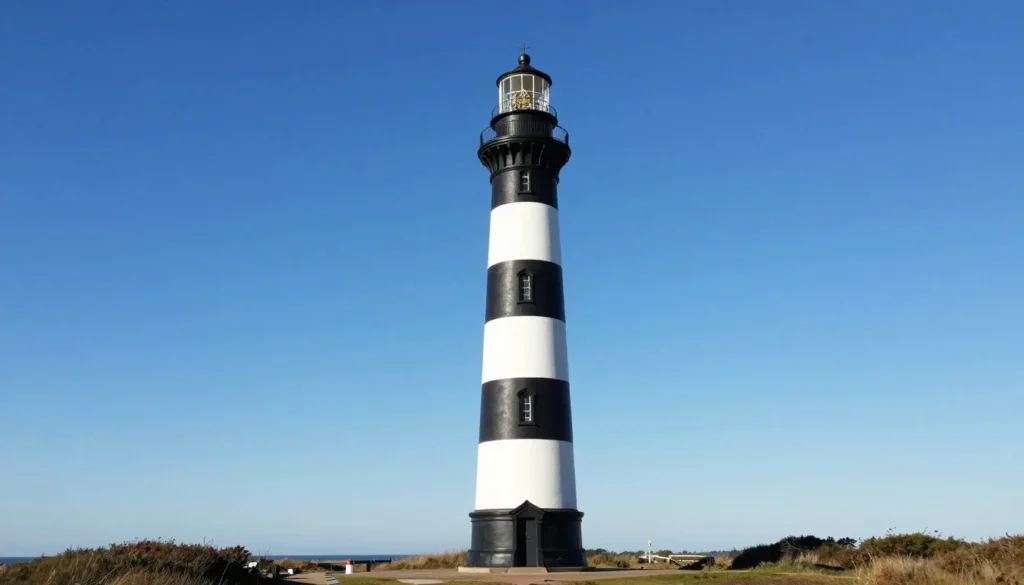
Bodie Island Lighthouse
Located 24 km (15 miles) south, this distinctive black-and-white striped lighthouse has guided mariners since 1872. Visitors can climb 156 steps to the top for spectacular views across Cape Hatteras National Seashore. The surrounding area offers nature trails through marsh habitats where numerous bird species nest and feed.
Jennette’s Pier
This research and educational facility extends 305 meters (1,000 feet) into the Atlantic Ocean at Nags Head. The pier combines recreational fishing with educational programs about marine ecosystems. An interactive aquarium room beneath the pier allows visitors to observe sea life in its natural habitat. Admission provides all-day access to the pier and facilities.
Jockey’s Ridge State Park
The East Coast’s tallest sand dune system rises 27 meters (90 feet) above sea level at Nags Head. This free park offers hang gliding, kite flying, hiking, and spectacular sunset views. The unique ecosystem shifts constantly as winds reshape the dunes. Visitor center exhibits explain dune ecology and the area’s natural history.
Cape Hatteras Lighthouse
America’s tallest brick lighthouse stands 64 meters (210 feet) tall in Buxton, about 64 km (40 miles) south. The distinctive black-and-white spiral pattern makes it one of the nation’s most photographed lighthouses. Climbing the 257 steps to the top requires good physical condition but rewards climbers with breathtaking views. The surrounding village offers shops, restaurants, and beach access.
Pea Island National Wildlife Refuge
This 21.9-square-kilometer (5,413-acre) refuge protects critical habitat for migratory birds along the Atlantic Flyway. Two nature trails provide access to observation platforms overlooking marshes and ponds. Over 365 bird species have been documented here. The refuge attracts serious birders, especially during spring and fall migrations. No admission fee applies.
Ocracoke Island
Accessible only by ferry, Ocracoke offers a more remote Outer Banks experience. The village maintains traditional character with local shops, restaurants, and the historic Ocracoke Lighthouse. Beaches here see fewer crowds than northern Outer Banks locations. The ferry ride from Hatteras takes 60 minutes and provides scenic passage through Pamlico Sound.
Currituck Beach Lighthouse
In Corolla, 64 km (40 miles) north, this unpainted brick lighthouse dates to 1875. The distinctive red brick exterior makes it unique among Outer Banks lighthouses. Visitors can climb to the top for views over the northern beaches where wild horses roam. The surrounding historic district includes the Whalehead Club, an art nouveau mansion offering tours.
Practical Travel Tips
Successful Outer Banks visits require understanding practical details that affect daily logistics. These tips address common questions and situations visitors encounter.

What to Pack
Comfortable walking shoes prove essential for garden exploration. Brick and stone pathways can become uneven in spots. Avoid flip-flops or sandals without back straps, which provide insufficient support and increase tripping risks.
Layered clothing accommodates temperature fluctuations between shaded and sunny areas. Lightweight, breathable fabrics work best in warm weather. A light jacket serves well during cooler months and in air-conditioned spaces.
Reusable water bottles reduce waste while keeping you hydrated. Most public facilities offer water fountain access for refills. Staying hydrated becomes critical during warm weather exploration.
Small backpacks or crossbody bags carry essentials while keeping hands free. Garden photography benefits from having both hands available for camera operation and steadying shots.
Cell Phone and Internet
Cell phone coverage remains generally reliable throughout the Outer Banks, though some remote areas experience weak signals. Major carriers provide adequate service in populated areas including Manteo and nearby beach towns.
Most hotels, restaurants, and attractions offer free WiFi. Connection quality varies, with newer establishments typically providing better service. Vacation rentals usually include internet access, though bandwidth may be limited during peak usage times.
Banking and Currency
ATMs appear throughout the Outer Banks in grocery stores, banks, and some gas stations. Fees for non-network ATMs typically range from $2.50 to $3.50 per transaction. Larger banks in Manteo offer the best access without additional fees for their customers.
Credit cards are widely accepted at most businesses. Some small vendors and food trucks operate cash-only, so carrying some cash proves practical. No currency exchange services exist on the Outer Banks; international visitors should exchange money at airports or major cities before arrival.
Language and Communication
English remains the primary language throughout the region. Staff at major attractions and hotels typically speak clearly and accommodate questions patiently. Regional accents may be noticeable but rarely hinder communication.
International visitors generally find locals friendly and willing to provide directions or recommendations. Tourism represents the region’s primary industry, creating a welcoming atmosphere for guests from around the world.
Accessibility Considerations
The Elizabethan Gardens provides accessible parking near the entrance. Main pathways accommodate wheelchairs and walkers, though some areas feature steps or narrow passages that limit access. Garden staff can provide information about fully accessible routes through the property.
Most Outer Banks attractions offer accessible facilities and accommodations. Modern hotels meet ADA requirements, while older properties may have limitations. Confirming accessibility features when booking prevents disappointment upon arrival.
Beach wheelchair rentals enable visitors with mobility challenges to access sand and water. Several organizations provide this service free or for nominal fees. Advance reservations ensure availability during peak season.
Photography Guidelines
Photography for personal use is welcome throughout the gardens. Professional photography requiring special equipment or models needs advance permission from garden administration. Respect other visitors when taking photos, avoiding blocking paths or disrupting quiet enjoyment.
Drone photography requires permission and may be restricted due to proximity to Fort Raleigh National Historic Site. Federal regulations govern drone use near national park units. Contact gardens administration well in advance if planning drone photography.
Gift Shop and Souvenirs
The garden gift shop near the entrance offers plants, books, garden tools, and decorative items. Plant purchases must comply with agricultural regulations if transporting across state lines. Staff can advise on any restrictions affecting your purchases.
Local artisan crafts make meaningful souvenirs while supporting regional artists. Many items reflect coastal and garden themes unique to this area. Prices range from small tokens to substantial art pieces.
Seasonal Considerations
Summer crowds peak in July and August when schools are out. Expect longer lines at popular attractions and restaurants. Morning visits to the gardens avoid both crowds and afternoon heat.
Winter visitors find exceptional value and solitude but face limited services. Some restaurants and attractions operate reduced hours or close entirely from November through March. Calling ahead confirms operating status before traveling significant distances.
Spring and fall shoulder seasons offer optimal conditions—pleasant weather, reasonable crowds, and full service availability. These periods provide the best overall experience for most visitors.
Your Gateway to Coastal Garden Paradise
The Elizabethan Gardens stands as North Carolina’s hidden treasure, where English heritage blooms alongside Southern coastal charm. Whether you’re drawn by the Queen Rose Garden’s fragrant displays, the Great Lawn’s sweeping sound views, or the peaceful shade beneath ancient live oak trees, this 10-acre sanctuary offers respite from everyday life.
Your visit connects you to centuries of history, from Sir Walter Raleigh’s lost colonists to the Garden Club of North Carolina’s vision that transformed this landscape. Every pathway leads to new discoveries—seasonal blooms that paint the landscape, architectural details that echo Renaissance elegance, and quiet corners perfect for contemplation.
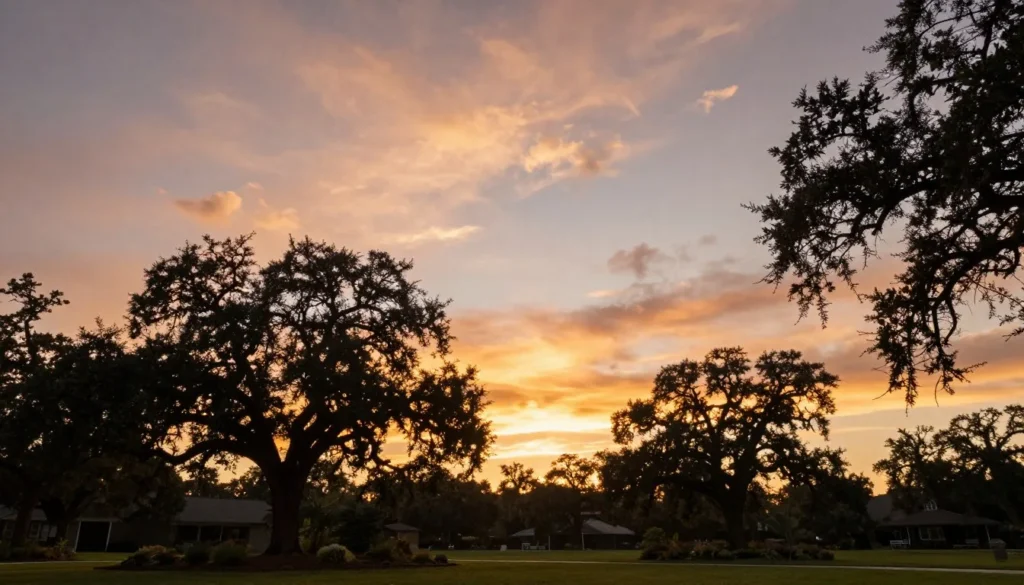
The surrounding Outer Banks extends your adventure beyond garden walls. Historic sites bring colonial stories to life, pristine beaches stretch for miles, and fresh seafood awaits at waterfront restaurants. From Wright Brothers history to wild horses, lighthouses to nature preserves, each day presents new opportunities for exploration and wonder.
Pack your comfortable shoes, bring your camera, and prepare to be enchanted. The Elizabethan Gardens invites you to slow down, breathe deeply, and rediscover the simple pleasure of walking through beautiful landscapes. Whether you spend an afternoon or make it the centerpiece of your Outer Banks journey, these gardens promise memories that endure long after your visit ends.
The seasons will change, flowers will bloom and fade, but the essential magic of this place remains constant—a testament to human creativity harmonizing with nature’s beauty. Your perfect garden moment awaits on Roanoke Island, where history grows alongside hydrangeas and every visit writes a new chapter in this living story.