Hotels by Trip.com
Flights by Trip.com
Standing at 1,708 meters (5,604 feet), Elk Knob represents the fourth-highest peak in the Appalachian State region, yet fewer than 15 percent of visitors to North Carolina state parks have explored this hidden mountain gem. The park derives its name from the majestic elk that once roamed these Blue Ridge highlands before disappearing from the area in the late 1700s.
This comprehensive guide reveals everything you need to know about visiting Elk Knob State Park. You will discover the best trails, scenic viewpoints, and practical planning details that transform a simple day trip into an unforgettable mountain adventure.
The park opened as one of the newest additions to the North Carolina State Parks system in 2003. It protects critical headwaters of the North Fork New River while offering visitors access to pristine wilderness just minutes from modern conveniences.
Getting There and Planning Your Journey
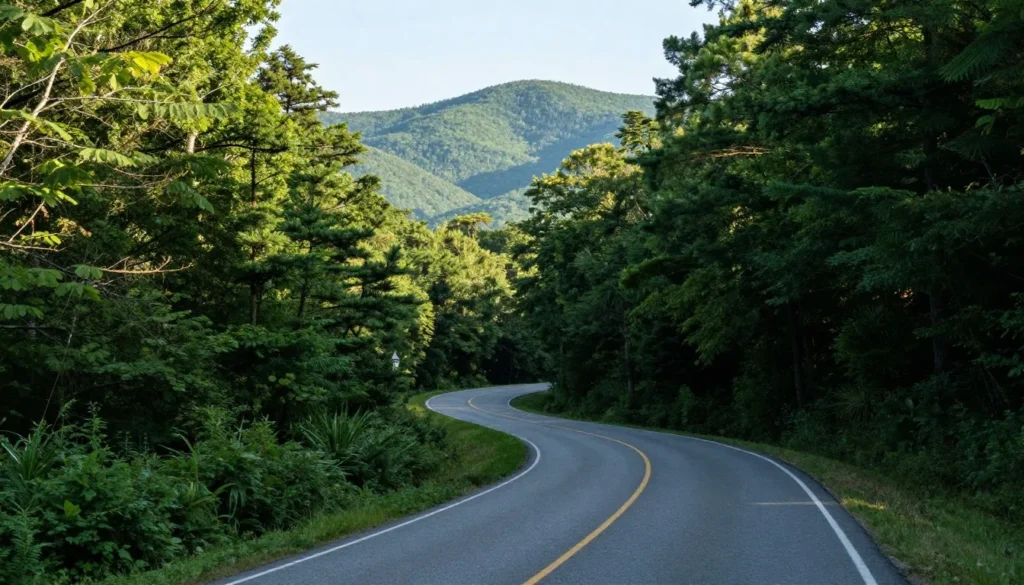
Reaching Elk Knob State Park requires planning your route through the scenic Blue Ridge Mountains. The park sits in the northwestern corner of North Carolina, near the small community of Meat Camp.
Closest Airports
Three regional airports provide convenient access to the park area. Tri Cities Airport in Tennessee lies 97 kilometers (60 miles) northwest and offers the shortest drive time. Charlotte Douglas International Airport sits 177 kilometers (110 miles) southeast, providing more flight options. Piedmont Triad International Airport in Greensboro positions 161 kilometers (100 miles) east.
From any airport, you will need a rental car. Public transportation does not service this rural mountain region. The drive from each airport takes between 90 minutes and three hours depending on weather and traffic conditions.
Driving Directions
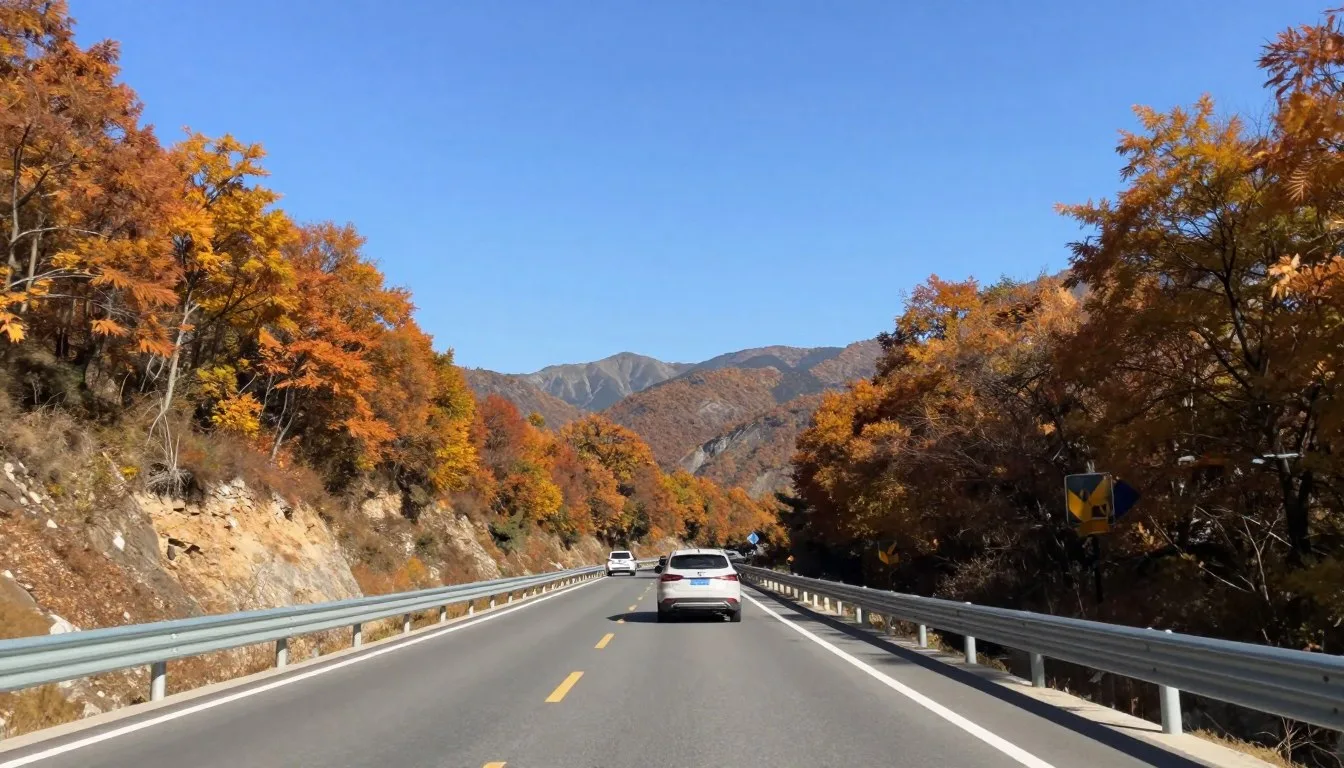
From Boone, take Highway 194 North for approximately 19 kilometers (12 miles). Turn left onto Meat Camp Road and follow signs for 5 kilometers (3 miles) to reach the park office. The final approach involves winding mountain roads that demand cautious driving, especially during winter months.
GPS coordinates for the main park entrance are 36.2892° N, 81.6431° W. Cell phone service becomes spotty in this area, so download offline maps before your journey.
Best Time to Visit and Weather Tips
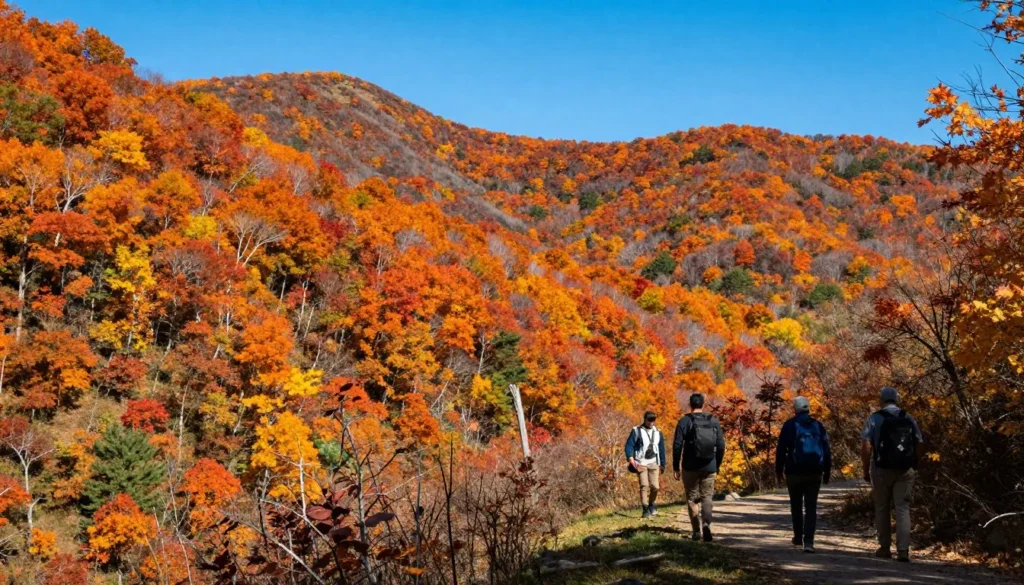
Best Time to Visit Elk Knob State Park
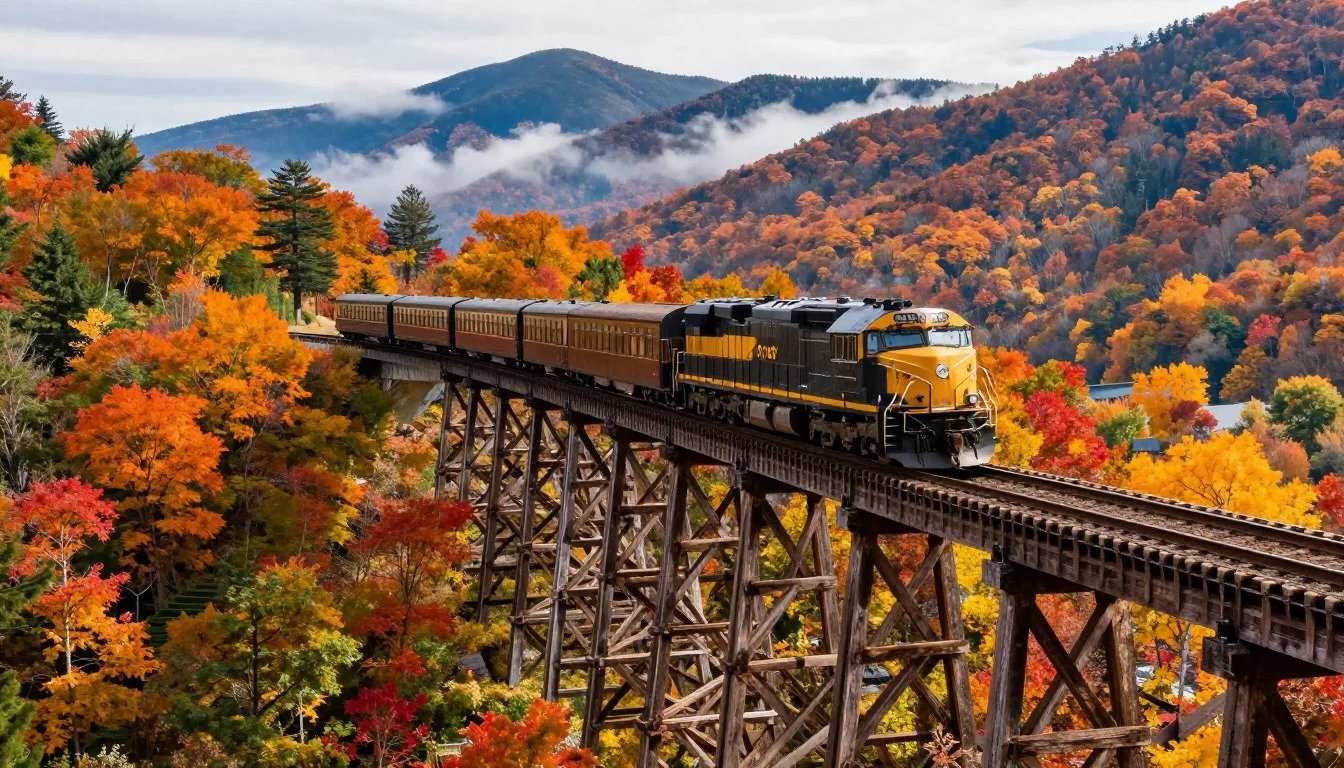
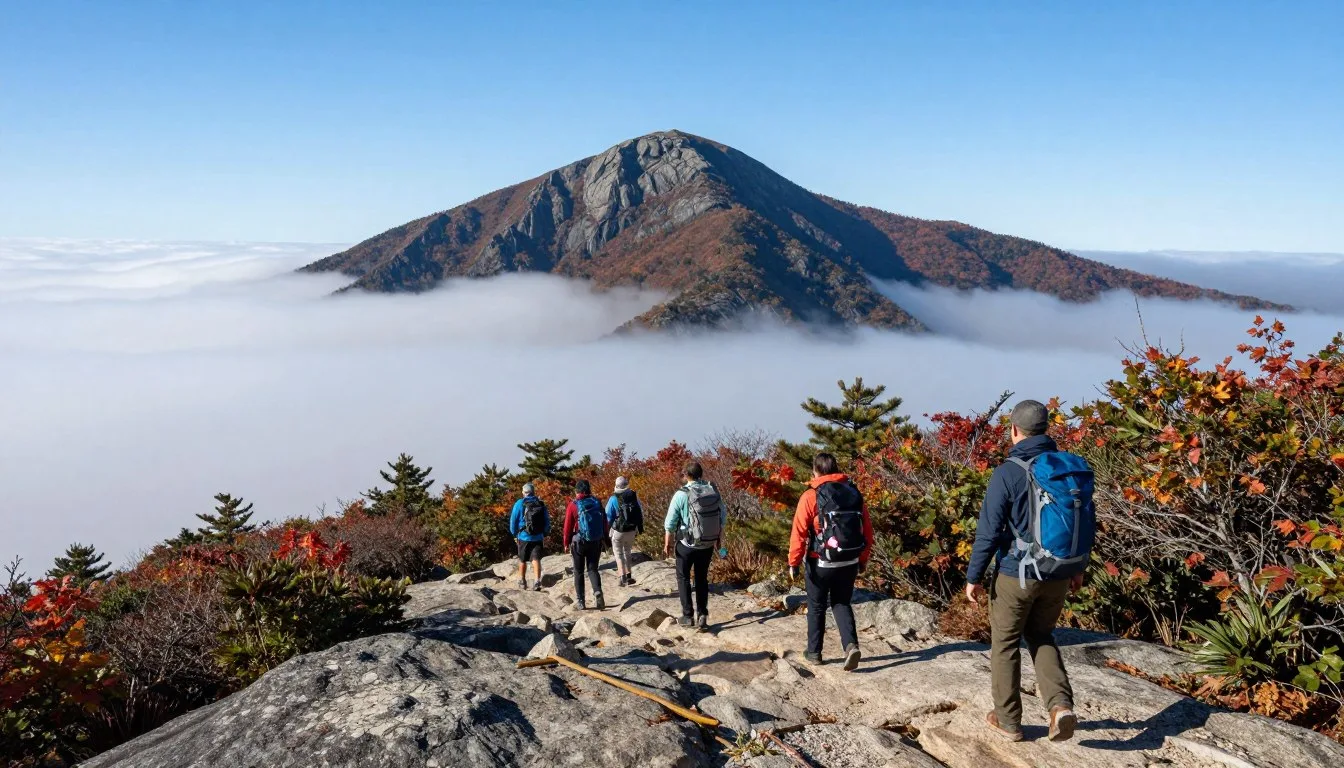
September through early November delivers the most spectacular conditions. Fall foliage transforms the mountain into a canvas of brilliant reds, oranges, and golds. Temperatures range from 10°C to 18°C (50°F to 65°F), creating perfect hiking weather.
Late April through June offers another excellent window. Wildflowers carpet the forest floor while moderate temperatures between 13°C and 21°C (55°F to 70°F) make trail exploration comfortable. Spring also brings rushing streams fed by winter snowmelt.
Avoid visiting during January and February. Winter storms frequently close trails and roads. Summit temperatures plunge below -12°C (10°F) with dangerous wind chill. March and early April bring unpredictable weather mixing snow, ice, and rain.
Weather Patterns
The high elevation creates weather distinct from surrounding lowlands. Expect temperatures 8°C to 11°C (15°F to 20°F) cooler than nearby towns. Summer highs rarely exceed 24°C (75°F) at the summit, while winter lows can drop to -18°C (-1°F).
Afternoon thunderstorms develop frequently from June through August. Plan summit hikes for morning hours. Lightning poses serious risks on exposed ridgelines. Descend immediately if you hear thunder or see darkening clouds.
Winter brings average snowfall of 91 centimeters (36 inches) annually. The park closes trails when conditions become hazardous. Always check current conditions before winter visits.
Notable Annual Festivals
The Valle Crucis Community Park hosts the Watauga County Farmers Market from May through October each Saturday. Contact organizers at (828) 265-8090 for seasonal dates and vendor information.
Boone celebrates the Appalachian Summer Festival from late June through early August. This outdoor performance series features music, theater, and dance. Festival box office: (828) 262-4046.
October brings the Valle Country Fair to nearby Valle Crucis. Local artisans, food vendors, and mountain crafts fill this traditional celebration. Information line: (828) 963-4568.
Getting Around Locally

Personal vehicles provide the only practical transportation within and around the park. No public transit, rideshare services, or taxi companies operate in this remote area. Plan to drive your own car or rental vehicle.
The park access road remains unpaved for the final 3 kilometers (2 miles). Standard passenger cars handle this gravel road during dry conditions. Heavy rain creates rutted, muddy sections where higher clearance vehicles perform better.
Parking Areas
The main trailhead parking lot accommodates approximately 30 vehicles. Spaces fill quickly on fall weekends and holiday periods. Arrive before 9:00 AM during peak season to secure parking. No overflow lots exist, so late arrivals may need to return another day.
The park prohibits roadside parking along the access road. Rangers enforce this strictly for safety reasons on the narrow mountain route.
Trail Navigation
Well-marked trails eliminate the need for guides on established routes. Trail maps available at the park office show all official paths. Blazes mark trees every 30 meters (100 feet) along maintained trails.
Backcountry areas require stronger navigation skills. Download GPS tracks or carry topographic maps if you plan to explore beyond marked trails. The rugged terrain can disorient even experienced hikers.
Where to Stay
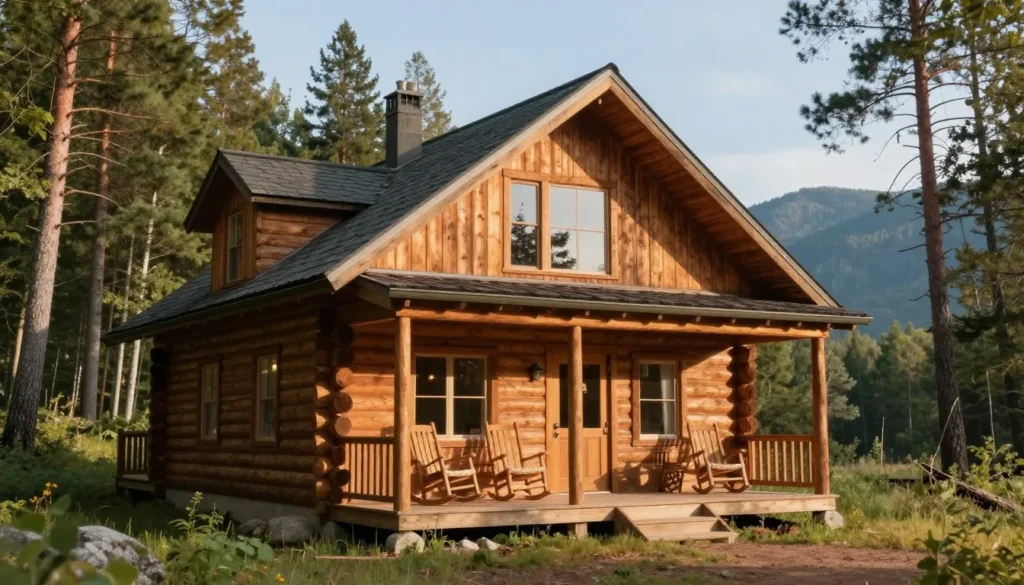
Elk Knob State Park currently offers no overnight camping facilities. Development plans include future campsites, but no opening date has been announced. Visitors must find lodging in surrounding communities.
Nearby Accommodations
Boone provides the widest selection of hotels, motels, and vacation rentals. This college town sits 24 kilometers (15 miles) from the park entrance. Options range from budget chains to boutique mountain inns. Book reservations months ahead for October weekends when fall foliage and Appalachian State University football games create high demand.
Valle Crucis offers charming bed and breakfast properties in a quieter mountain village setting. Located just 16 kilometers (10 miles) from the park, these smaller establishments provide personalized service. Most require two-night minimum stays during peak season.
Banner Elk presents another alternative 21 kilometers (13 miles) northeast. This mountain resort town caters to skiers in winter and golfers in summer. Prices typically run higher than Boone but include more upscale amenities.
Camping Alternatives
Rocky Bluff Campground in nearby Todd accepts tent and RV campers. This private campground sits along the New River approximately 11 kilometers (7 miles) from Elk Knob. Facilities include electric hookups, hot showers, and picnic tables.
Julian Price Memorial Park, part of the Blue Ridge Parkway system, maintains a large campground 29 kilometers (18 miles) southeast. This popular destination fills early during summer and fall. Reservations open six months in advance through the national recreation system.
Dining and Local Cuisine

The area surrounding Elk Knob State Park lacks restaurants within the immediate park vicinity. Visitors should pack meals and snacks for their day trips. The nearest dining options sit in communities 16 to 24 kilometers (10 to 15 miles) away.
Boone Dining Scene
Boone offers diverse restaurants serving everything from classic Southern cooking to international cuisines. Local favorites emphasize Appalachian traditions using regional ingredients. Trout caught from mountain streams appears on many menus, prepared fried, grilled, or smoked.
Farm-to-table establishments source vegetables, meats, and dairy from nearby High Country farms. Summer menus feature heirloom tomatoes, fresh corn, and tender greens. Fall brings apple dishes, pumpkin preparations, and hearty root vegetables.
Biscuits represent the quintessential local breakfast. Mountain restaurants serve them with country ham, sausage gravy, or local honey. Many bakeries open early for hikers seeking substantial morning fuel before hitting the trails.
Regional Specialties
Barbecue styles in this region favor vinegar-based sauces rather than the tomato-based versions found in other parts of North Carolina. Pulled pork sandwiches topped with tangy coleslaw make popular trail lunch preparations.
Apple cider, both fresh and hard varieties, flows abundantly each autumn. Local orchards press fruit from heritage apple varieties unique to these mountains. Many restaurants feature cider on their beverage menus year-round.
Craft breweries have flourished throughout the High Country. Several Boone establishments produce ales, lagers, and stouts using mountain spring water. Tasting rooms welcome visitors after long days exploring the park.
Picnic Provisions
Grocery stores in Boone and Banner Elk stock supplies for trail lunches. Local markets sell ready-made sandwiches, fresh fruit, and hiking snacks. Purchase ice at these stores to keep perishables cold in your cooler.
The park provides picnic tables near the parking area. These shaded spots offer pleasant lunch settings without requiring a hike. Pack out all trash, as the park maintains a carry-in, carry-out waste policy.
Attractions, Sightseeing and Activities
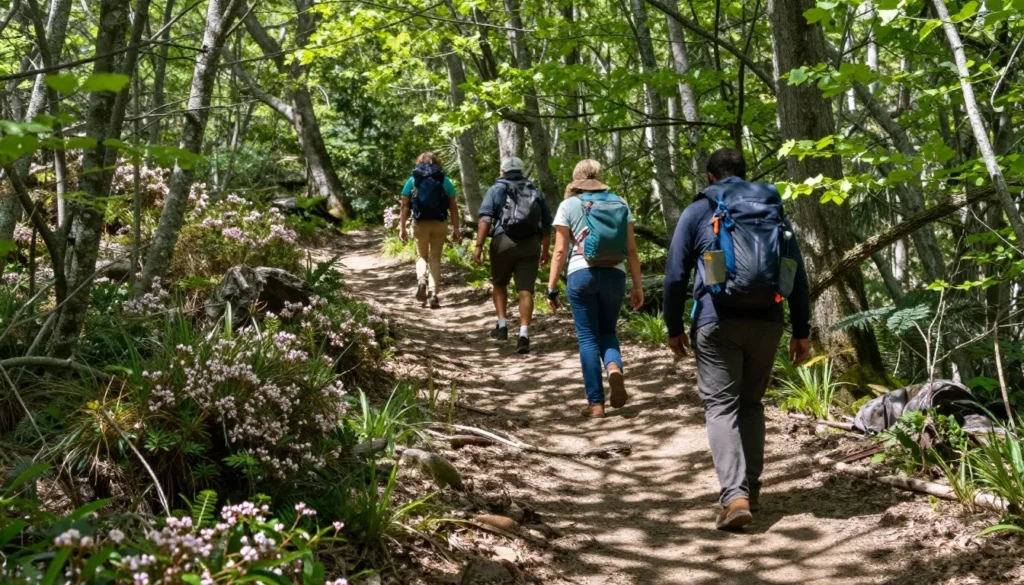
Summit Trail
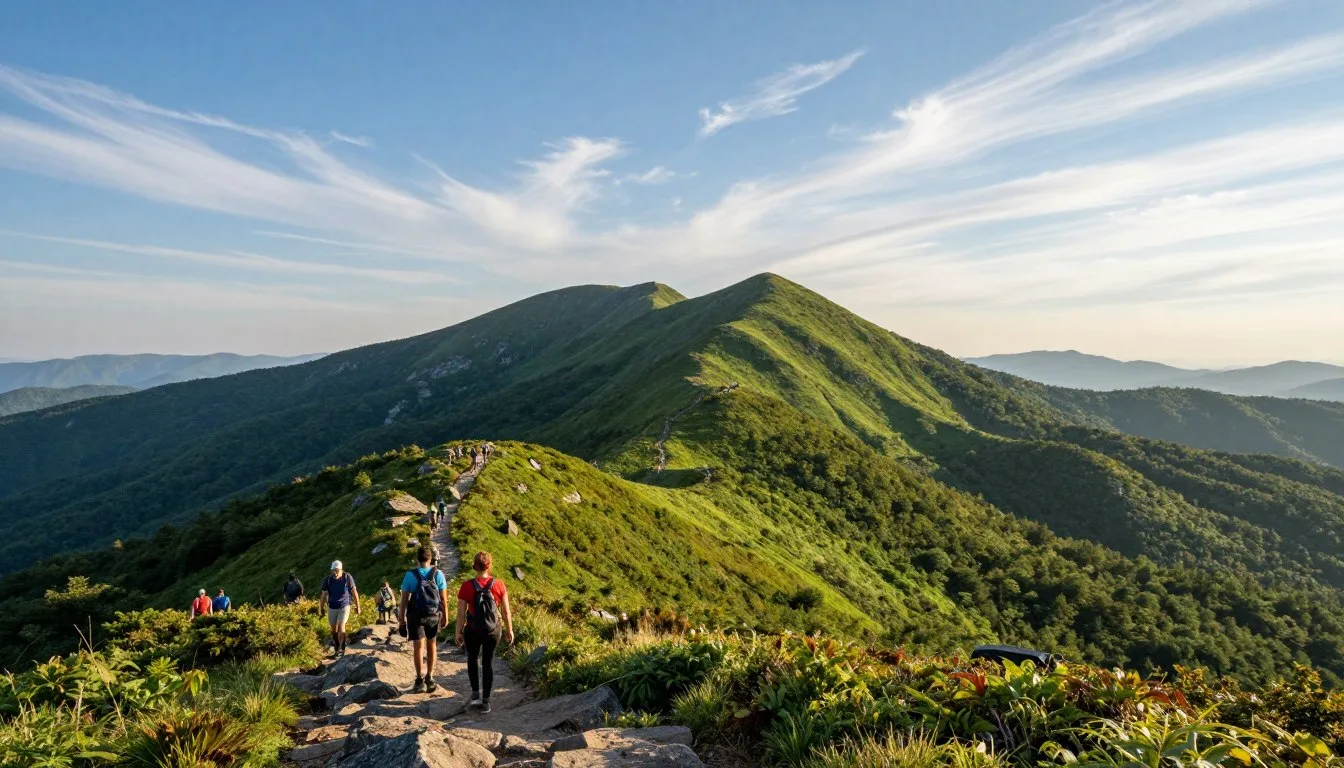
The Summit Trail represents the park’s signature hiking experience. This 3.5-kilometer (2.2-mile) path climbs from the main parking area to the Elk Knob peak. The route gains 546 meters (1,790 feet) in elevation, creating a challenging but achievable hike for moderately fit visitors.
Plan two to three hours for the round trip journey. The trail follows an old road for much of the route, creating a steady uphill grade rather than steep switchbacks. Stone steps and gravel surfacing improve traction on steeper sections.
Forest composition changes dramatically as you ascend. Lower elevations feature mixed hardwoods including oak, hickory, and tulip poplar. Higher reaches transition to northern hardwoods with yellow birch and American beech. Near the summit, a spruce-fir forest creates a boreal environment rare this far south.
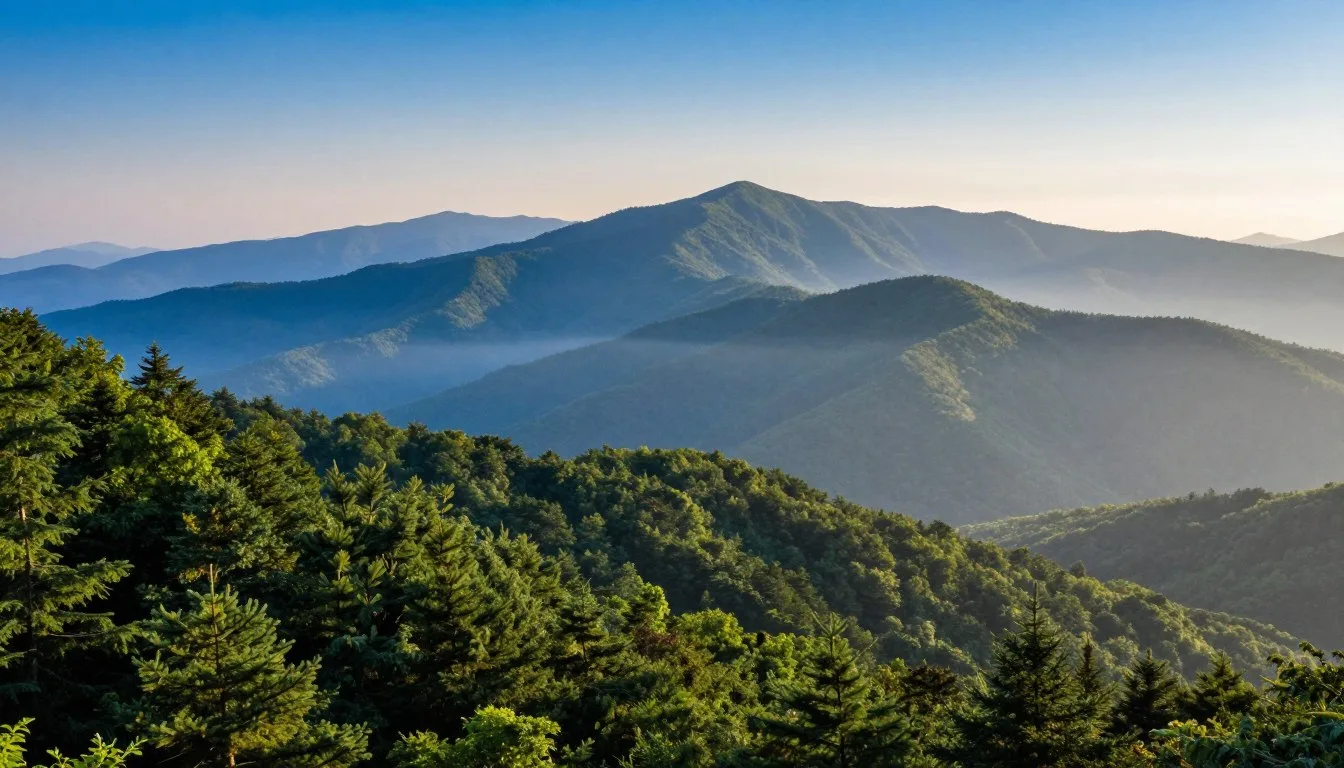
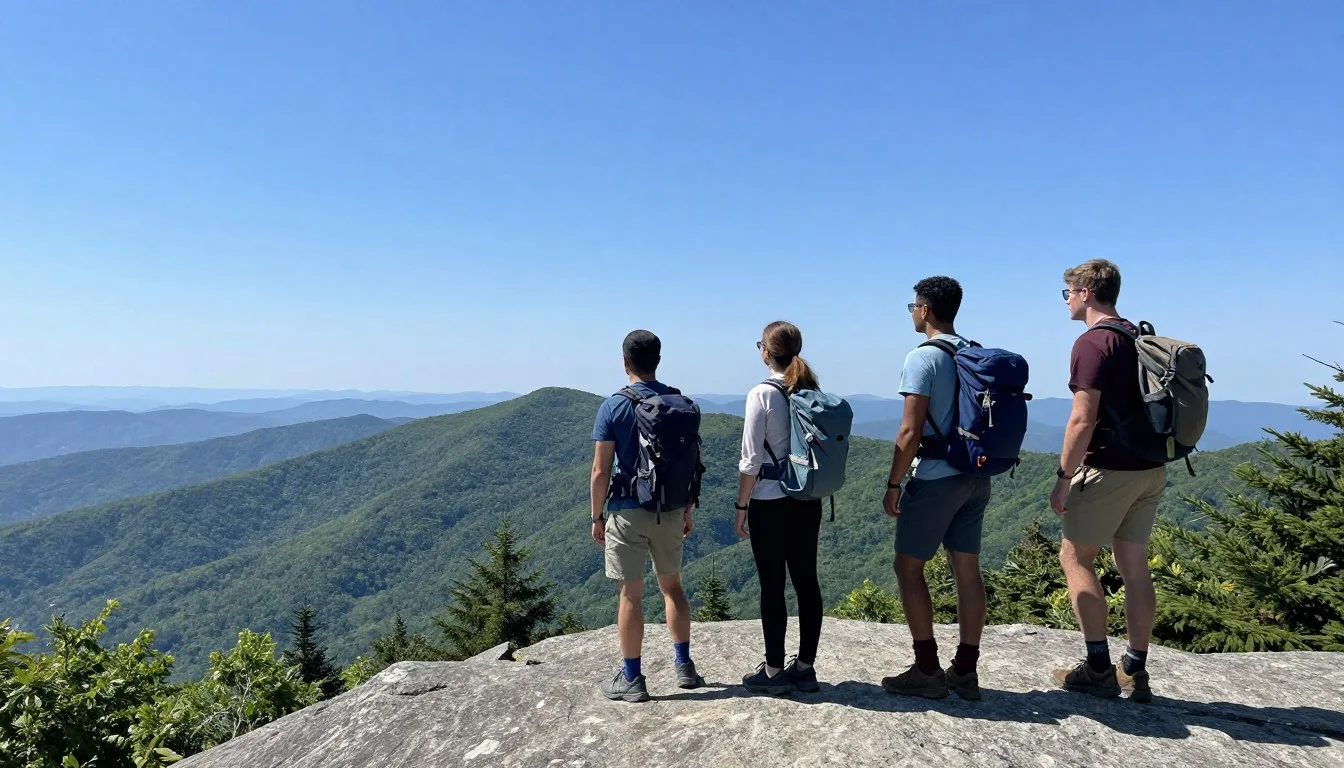
The summit clearing provides 360-degree views spanning three states. On clear days, visibility extends 80 kilometers (50 miles) or more. Grandfather Mountain dominates the eastern skyline while the Tennessee highlands roll westward. Interpretive signs help identify distant peaks and landmarks.
Wildlife Watching
White-tailed deer browse throughout the park, especially near forest edges during dawn and dusk hours. Black bears inhabit the area but typically avoid human contact. Store all food in vehicles and never approach bears if encountered.
Bird diversity peaks during spring migration when warblers, thrushes, and other neotropical migrants pass through. Summer residents include scarlet tanagers, rose-breasted grosbeaks, and various woodpecker species. Winter brings pine siskins, red-breasted nuthatches, and occasionally northern saw-whet owls.
Salamanders thrive in the park’s cool, moist environment. Turn over logs and rocks near streams to discover these amphibians, but always return cover objects to their original positions. The park protects several species found nowhere else.
Photography Opportunities
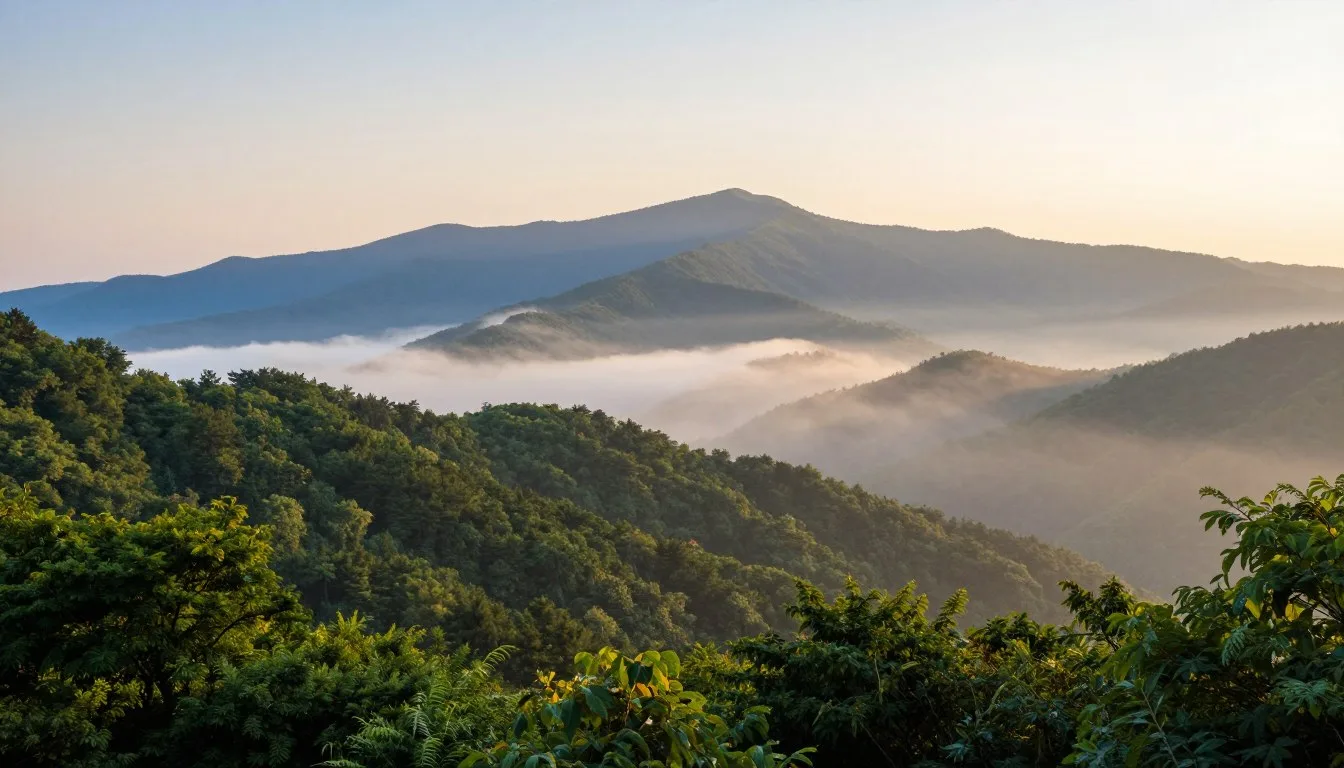
Sunrise from the summit creates spectacular lighting conditions. The eastern view provides unobstructed horizons perfect for capturing the sun breaking over distant ridges. Arrive 30 minutes before sunrise to set up equipment and compose shots.
Fall foliage photography reaches its peak from mid-October through early November. Side lighting during late afternoon hours makes colors glow with exceptional intensity. Overcast days eliminate harsh shadows and create even illumination across the landscape.
Macro photography subjects abound along trails. Wildflowers, mushrooms, lichens, and insects offer endless close-up opportunities. Morning dew adds sparkle to spider webs and leaf surfaces. Bring a tripod for sharp images in low forest light.
Winter Activities
Snow and ice transform the park into a winter wonderland when conditions permit safe access. Cross-country skiing and snowshoeing become possible after significant snowfall. The Summit Trail creates an excellent winter route for experienced cold-weather adventurers.
Ice formations develop along rock faces and stream banks. These frozen waterfalls and icicle curtains create ethereal beauty. Exercise extreme caution around icy areas where falls could cause serious injury.
Check trail conditions before winter visits. The park office maintains recorded messages updating weather closures and trail status. Never attempt summit hikes during ice storms or when temperatures drop below -12°C (10°F).
Museums, Cultural Spots and Festivals

While Elk Knob State Park itself focuses on natural rather than cultural attractions, the surrounding region offers rich heritage sites. These destinations provide context for understanding the human history that shaped these mountains.
Nearby Cultural Attractions
The Hickory Ridge Living History Museum in Boone recreates 18th-century mountain life through restored log structures and period demonstrations. Costumed interpreters demonstrate traditional crafts including blacksmithing, weaving, and candle making. The museum operates May through October with varying seasonal hours.
Appalachian State University maintains the Turchin Center for Visual Arts. This contemporary gallery showcases regional artists alongside traveling exhibitions. Admission remains free year-round. The center also hosts lectures, workshops, and community art events.
The Jones House Community Center in Boone preserves a historic home while serving as a cultural venue. The building hosts concerts, art shows, and educational programs celebrating mountain traditions. Check their seasonal calendar for current events.
Traditional Music
Bluegrass and old-time mountain music echo through the High Country. Several venues present live performances weekly. Local musicians gather for informal jam sessions at various locations, welcoming respectful listeners.
The Blowing Rock Brew Pub schedules acoustic performances most weekends. The intimate setting allows close interaction between musicians and audience. No cover charge applies, though donations support performers.
Summer brings outdoor concert series to multiple area parks. Bring lawn chairs or blankets for these family-friendly events. Music styles range from traditional Appalachian ballads to contemporary bluegrass fusion.
Heritage Crafts
Mountain artisans maintain centuries-old craft traditions. Pottery studios, weaving shops, and woodworking galleries dot the region. Many artists welcome visitors to watch their creative processes.
The Appalachian Craft Center in Meat Camp displays and sells works by local craftspeople. Hand-woven baskets, carved wooden bowls, and traditional pottery fill the gallery. Artists often demonstrate their techniques during summer months.
Blacksmith shops operate in several nearby communities. These working forges produce both functional items and decorative pieces using traditional methods. The ring of hammer on anvil connects today’s visitors with mountain heritage.
Nature and Outdoor Experiences
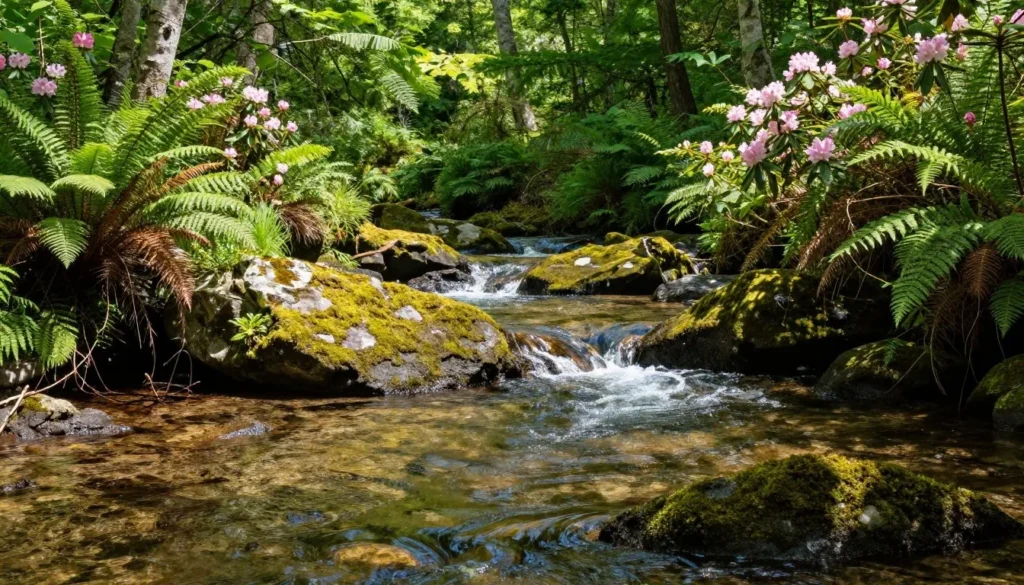
Trail System
Beyond the Summit Trail, the park maintains several shorter paths exploring different ecosystems. The Backcountry Trail creates a 1.6-kilometer (1-mile) loop through dense forest. This easier walk suits families and visitors seeking a gentler introduction to the area.
Trail conditions vary seasonally. Spring mud can make paths slippery and challenging. Summer growth sometimes encroaches on trail edges. Fall provides the best trail conditions with firm footing and clear sight lines. Winter ice creates hazardous conditions requiring microspikes or other traction devices.
Blazing follows standard trail marking systems. Blue blazes indicate the Summit Trail. White blazes mark secondary paths. Double blazes warn of upcoming turns or junctions. Pay attention to blazing in areas where the trail becomes less obvious.
Forest Ecosystems
Elk Knob protects some of the southernmost spruce-fir forest in the Appalachian chain. These high-elevation communities more closely resemble Canadian forests than typical Southern woodlands. Fraser fir and red spruce dominate near the summit, creating a distinctive evergreen canopy.
The park serves as a crucial refuge for northern plant species surviving at the southern limit of their range. Yellow birch, mountain ash, and mountain maple grow alongside rare wildflowers found in few other locations. These isolated populations represent remnants from the last ice age.
Rhododendron thickets form nearly impenetrable barriers in many areas. Mountain laurel joins rhododendron to create spectacular floral displays during late May and early June. Pink and white blooms carpet hillsides in a show rivaling any formal garden.
Watershed Protection
The park encompasses critical headwaters feeding the North Fork New River. Springs emerging from the mountain gather into streams that eventually flow into one of the world’s oldest river systems. Water quality here remains exceptionally pure due to minimal human development upstream.
These headwaters support brook trout populations including rare native southern strain fish. The park prohibits fishing to protect these vulnerable populations. Visitors can observe trout in clear pools but must not disturb them.
Wetland areas near the summit capture and filter water while supporting specialized plant communities. Sphagnum moss, sedges, and other moisture-loving plants thrive in these bogs. Boardwalks protect these fragile zones while allowing visitors to observe them.
Rock Formations
Exposed rock outcrops near the summit reveal the mountain’s geological story. These formations consist primarily of metamorphic rocks including gneiss and schist. Folded and twisted layers show the intense pressures that built the Appalachian chain over 300 million years ago.
Boulder fields scattered across slopes create habitat for small mammals and reptiles. Chipmunks, flying squirrels, and various salamander species shelter in crevices between rocks. Five-lined skinks sun themselves on warm rock surfaces during summer months.
Lichen colonies paint rocks in shades of orange, green, and gray. These pioneer organisms slowly break down stone surfaces, creating soil for future plant generations. Some lichen colonies may be centuries old despite their small size.
Seasonal Natural Events
Spring ephemeral wildflowers carpet the forest floor from late March through May. Trillium, bloodroot, and spring beauty bloom before tree leaves block sunlight. These flowers complete their entire annual cycle within a few short weeks.
Summer brings butterfly activity to mountain meadows and forest clearings. Swallowtails, fritillaries, and numerous other species visit wildflowers. The high elevation creates ideal conditions for species that struggle in warmer lowlands.
Fall migration transforms the park into a highway for southbound birds. Hawk watching from the summit can produce impressive flights of broad-winged hawks, sharp-shinned hawks, and other raptors. September days sometimes see hundreds of birds passing overhead.
Winter transforms the landscape into stark beauty. Bare hardwood branches reveal vistas hidden by summer leaves. Evergreen forests contrast sharply with deciduous areas. Animal tracks in snow tell stories of nighttime activities.
Travel With Children

Elk Knob State Park welcomes families but presents challenges for very young children. The Summit Trail’s length and elevation gain exceed the capabilities of most children under eight years old. Plan carefully to ensure positive experiences for the entire family.
Age-Appropriate Activities
The picnic area near the parking lot provides safe exploration for toddlers and preschoolers. Short walks on level ground around this zone let small children stretch their legs without tackling difficult trails. Picnic tables offer convenient rest stops and snack locations.
Children aged six to twelve often enjoy the lower portions of the Summit Trail. Consider hiking the first kilometer as an out-and-back adventure rather than attempting the full summit. This introduces kids to mountain hiking without overwhelming them.
Teenagers with reasonable fitness levels can typically complete the full Summit Trail. The achievement of reaching the peak builds confidence and creates lasting memories. Encourage teens to set their own pace and take breaks as needed.
Safety Considerations
Keep children within sight at all times. The rugged terrain includes steep drop-offs and hazards invisible to young eyes. Hold hands with small children on narrow trail sections or near cliffs.
Bears occasionally appear in the park. Teach children to never approach wildlife and to back away slowly if animals are spotted. Make noise while hiking to avoid surprising bears. Sing songs or have conversations to alert wildlife to your presence.
Weather changes rapidly in the mountains. Pack extra layers even on warm days. Hypothermia can develop quickly when children become wet and cold. Turn back if conditions deteriorate rather than pushing on to the summit.
Educational Opportunities
Transform hikes into learning experiences. Challenge children to identify tree species using simple field guides. Many kids enjoy collecting interesting leaves, rocks, or seed pods to examine later. Remember the rule of leaving natural objects in place after observation.
Nature journals let children document discoveries through drawings and notes. Pack lightweight notebooks and pencils for trail sketching. Recording observations helps children engage more deeply with their surroundings.
Scavenger hunts add excitement to family hikes. Create lists of common items to spot such as specific wildflowers, animal tracks, or bird species. Small prizes for completed lists motivate reluctant young hikers.
Practical Tips
Bring substantially more snacks than you expect to need. Children burn calories rapidly while hiking and become cranky when hungry. Trail mix, granola bars, and fresh fruit provide quick energy boosts.
Each child should carry their own small daypack with water and a jacket. This teaches responsibility while distributing weight among all hikers. Let children choose their packs to increase enthusiasm for carrying them.
Plan generous time allowances. Children hike much slower than adults and stop frequently to investigate interesting discoveries. The journey matters more than the destination when hiking with kids.
Money Saving Tips
Visiting Elk Knob State Park costs nothing. North Carolina state parks do not charge entrance fees, making this an exceptional value for outdoor recreation. Smart planning can keep your entire trip surprisingly affordable.
Free Park Access
No admission charges apply at any time of year. Parking remains free at all park facilities. This contrasts sharply with many national parks where entry fees can exceed thirty dollars per vehicle. The state park system’s free access policy removes financial barriers to nature experiences.
All trails open to the public without permits or reservation fees. Hike as often and as long as you wish without additional costs. This allows budget-conscious visitors to spend multiple days exploring without worrying about accumulating charges.
Accommodation Savings
Book lodging well in advance to secure the best rates. Last-minute reservations during peak season often cost significantly more. Many hotels offer lower midweek rates compared to weekend pricing. Consider visiting Monday through Thursday for substantial savings.
Vacation rental properties often provide better value for groups or families. Splitting costs among multiple parties reduces per-person expenses. Full kitchens allow you to prepare meals rather than eating all meals at restaurants.
Camping at nearby campgrounds costs a fraction of hotel rates. Rocky Bluff Campground charges approximately twenty dollars per night for tent sites. This provides comfortable overnight accommodation at minimal expense.
Food Cost Reduction
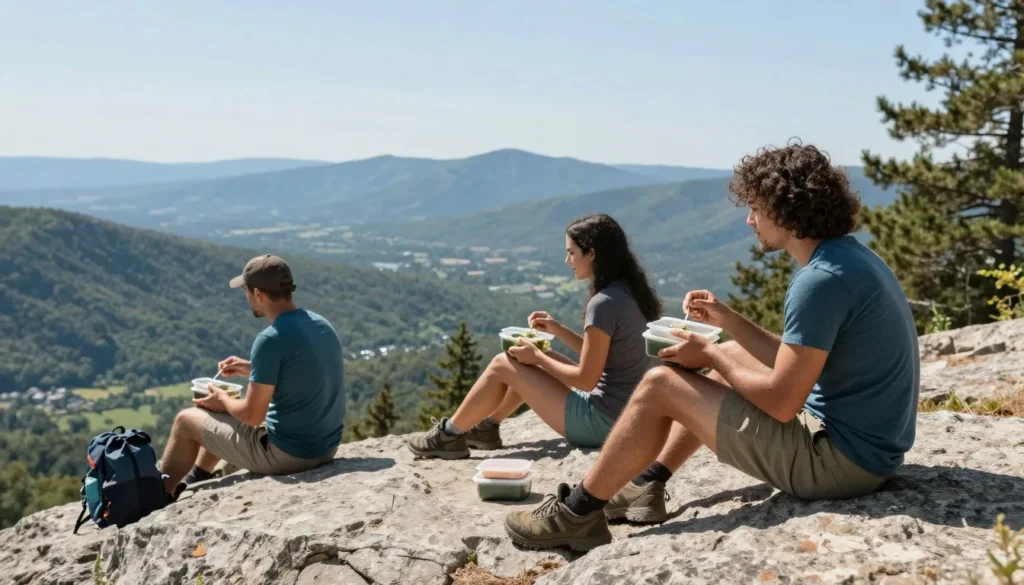
Pack all meals and snacks rather than relying on restaurants. Grocery stores offer far better value than dining establishments. Prepare sandwiches, cut fresh vegetables, and portion trail mix at your lodging before heading to the park.
Bring reusable water bottles and refill them from safe water sources. The park office provides potable water at no charge. Purchasing bottled water from convenience stores wastes money while creating unnecessary plastic waste.
Local farmers markets sell fresh produce, baked goods, and prepared foods at reasonable prices. Shopping these markets supports area farmers while providing high-quality ingredients for picnic meals. Arrive early for the best selection.
Transportation Economy
Carpooling reduces fuel costs when traveling with others. Coordinate with friends or family to share one vehicle rather than driving separately. This also helps with parking during busy periods when lot spaces become scarce.
Maintain moderate speeds on mountain roads to maximize fuel efficiency. Aggressive acceleration and hard braking waste gas. The scenic route deserves leisurely driving that both saves money and increases safety.
Consolidate errands and side trips to minimize total driving distance. Plan your route to visit multiple destinations without backtracking. This reduces both fuel costs and time spent behind the wheel.
Equipment Costs
Borrow rather than buy specialized gear for your first visits. Many outdoor shops and recreation programs loan hiking equipment. This lets you try activities without investing in equipment you might not use regularly.
Purchase quality used gear from consignment shops or online marketplaces. Hiking boots, daypacks, and outdoor clothing remain functional for years with proper care. Gently used items cost half the price of new products while performing identically.
Resist unnecessary gear purchases marketed to beginners. Basic hiking requires only sturdy shoes, weather-appropriate clothing, water, and food. Elaborate equipment adds cost without improving most day-hike experiences.
Safety and Local Customs

Trail Safety Essentials
Never hike alone if possible. Solo hiking increases risks if you become injured or lost. At minimum, inform someone of your plans including expected return time. Check in upon safe return.
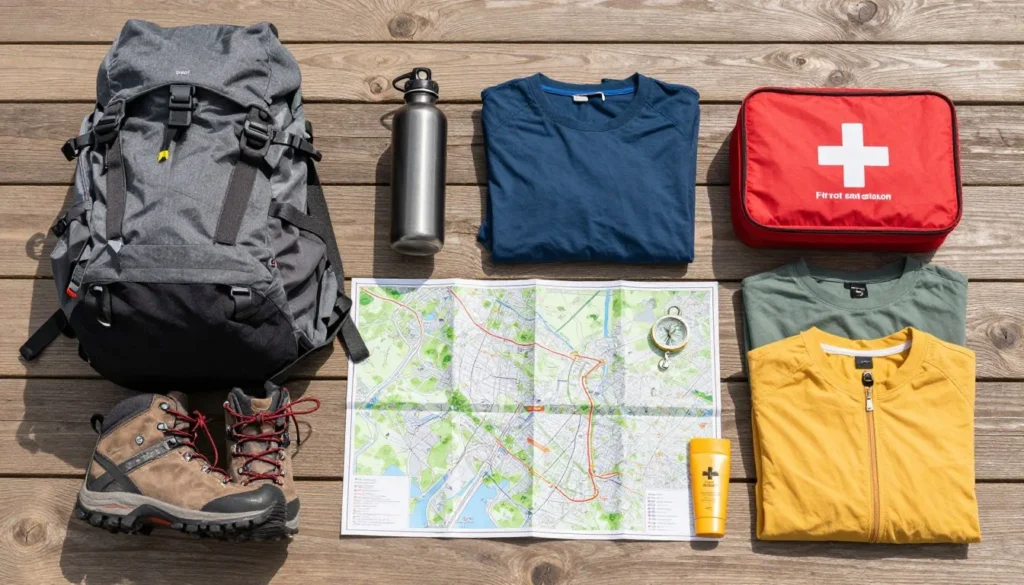
Carry the ten essentials on every hike regardless of trail length. These include navigation tools, sun protection, insulation, illumination, first aid supplies, fire starter, repair kit, nutrition, hydration, and emergency shelter. Compact versions of these items fit easily in a daypack.
Stay on marked trails at all times. Wandering off-trail damages fragile vegetation and increases the chance of becoming disoriented. The rugged terrain makes cross-country travel difficult and potentially dangerous.
Turn around if conditions exceed your abilities. Summit fever causes many accidents when hikers push beyond safe limits. The mountain will be there for future attempts. Retreating shows wisdom, not weakness.
Wildlife Encounters
Black bears inhabit the park and surrounding forests. Store all scented items including food, toiletries, and trash in vehicles. Never leave packs unattended on trails. If you encounter a bear, make yourself appear large, speak firmly, and back away slowly. Never run from bears.
Venomous snakes including timber rattlesnakes and copperheads live in the area. Watch where you place hands and feet when scrambling over rocks or logs. Snakes generally avoid humans and only strike when threatened. Give any snake a wide berth and continue on your way.
Ticks become active from spring through fall. Perform thorough tick checks after every hike. Remove attached ticks promptly using fine-tipped tweezers. Monitor the bite site for several weeks watching for signs of Lyme disease or other tick-borne illnesses.
Weather Hazards
Lightning kills several people in North Carolina mountains annually. Leave high exposed areas immediately when thunderstorms approach. Avoid seeking shelter under isolated trees. Crouch low to the ground if caught in the open during electrical activity.
Hypothermia develops even in summer when wet clothes combine with wind and temperatures below 10°C (50°F). Carry rain gear and extra insulating layers on every hike. Change into dry clothes immediately if you become wet.
Heat exhaustion threatens hikers during summer climbs. Start early to avoid afternoon heat. Take frequent breaks in shade. Drink water before feeling thirsty. Headache, nausea, or dizziness signal dangerous overheating requiring immediate rest and cooling.
Local Etiquette
Mountain residents value courtesy, respect, and traditional hospitality. Return greetings when locals acknowledge you. Simple hellos and friendly waves foster positive interactions with the community.
Respect private property boundaries. Much land surrounding the park remains privately owned. Do not trespass even if areas appear unused. Many mountain families have owned their land for generations and protect it zealously.
Support local businesses when purchasing supplies or services. Small mountain communities depend on visitor spending. Choose independent shops and restaurants over national chains when options exist.
Drive cautiously on narrow mountain roads. Pull over to let faster traffic pass. Wave thanks when other drivers yield the right of way. Patient, courteous driving reflects well on all park visitors.
Environmental Responsibility
Practice Leave No Trace principles religiously. Pack out everything you pack in. Leave natural objects undisturbed for others to enjoy. Avoid creating new trails or campsites. Your goal should be leaving no evidence of your passage.
Stay on durable surfaces during rest breaks. Avoid trampling vegetation in fragile areas. One person’s shortcut can destroy plants that took years to establish. Stick to established trails and rock surfaces.
Keep voices at moderate levels. Excessive noise disturbs wildlife and ruins the experience for other visitors seeking nature’s quiet. Save loud conversations for the parking lot.
Observe but do not feed wildlife. Human food harms animals while creating dependency and aggressive behavior. Admire wild creatures from distance without attempting interaction.
Visitor Comments About Elk Knob State Park
V.R., Kailua
The summit trail challenged our group but rewarded us with absolutely stunning views. We hiked in October when fall colors were at their peak. The changing forest from bottom to top fascinated us. Plan for a real workout though. This is not a casual stroll. Bring plenty of water and snacks. The sense of accomplishment reaching the top made every steep section worthwhile.
E.P., Bari
I visited during a quiet weekday in May and had the entire trail almost to myself. The wildflowers were incredible. Mountain laurel bloomed everywhere creating natural gardens. Birds sang constantly from the forest canopy. This park offers a true wilderness experience just minutes from civilization. I appreciated the well-maintained trail and clear blazing. Perfect for anyone seeking solitude in nature.
V.H., Corpus Christi
Our family tackled this hike with kids aged nine and twelve. They did great and felt so proud reaching the summit. We took frequent breaks and turned it into a nature lesson. The park ranger at the office gave us excellent advice before we started. Pack extra snacks because kids get hungry fast on uphill climbs. The views made it totally worth the effort. Already planning our return visit.
Additional Nearby Destinations
Blue Ridge Parkway
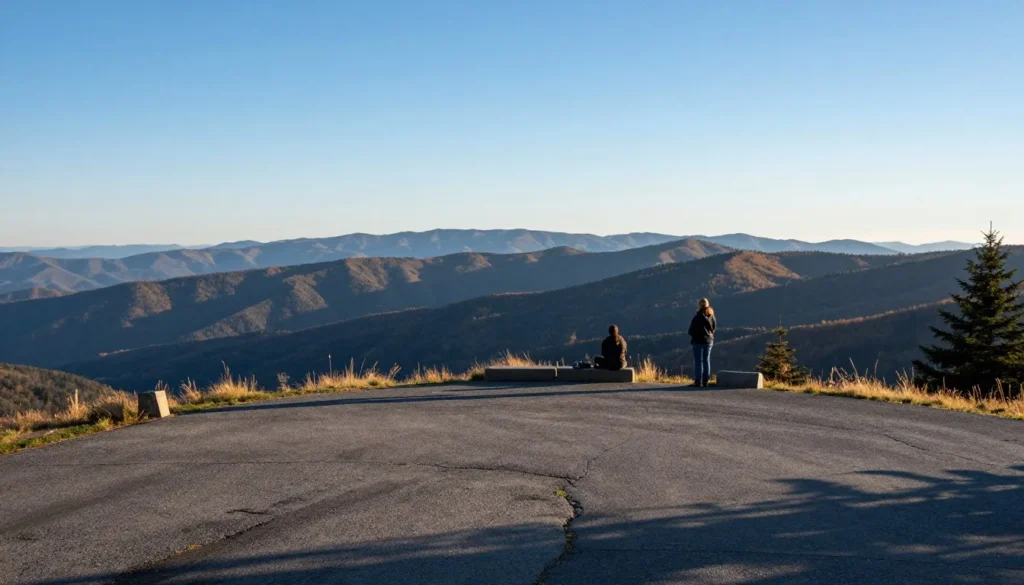
This scenic highway winds through the mountains just 32 kilometers (20 miles) from Elk Knob. The parkway offers dozens of overlooks, hiking trails, and visitor centers. No entrance fee applies to this national park unit. Plan at least half a day to explore a section of this 755-kilometer (469-mile) scenic route.
Popular nearby parkway destinations include Julian Price Memorial Park, Linn Cove Viaduct, and Moses Cone Manor. Each site provides unique perspectives on mountain beauty. Autumn transforms the parkway into the most visited fall foliage destination in America.
Grandfather Mountain
This iconic peak rises 1,812 meters (5,946 feet) above sea level approximately 40 kilometers (25 miles) from Elk Knob. The famous Mile High Swinging Bridge spans a chasm between peaks. Nature museum exhibits explain mountain ecology and wildlife. Admission fees apply to this privately operated attraction.
Advanced hikers can tackle the challenging trail to the actual summit. This rugged route requires scrambling over rock faces using cables and ladders. Less adventurous visitors enjoy gentler nature trails exploring lower elevations.
Linville Falls and Gorge
Dramatic waterfalls cascade into one of the deepest gorges in eastern America located 48 kilometers (30 miles) southeast. Multiple overlooks provide different perspectives on the falls and canyon. Trails range from easy paved paths to strenuous wilderness routes.
The Linville River drops over multiple cascades before entering the 400-meter (1,200-foot) deep gorge. Towering cliffs create habitat for rare plants found nowhere else. Rock climbers challenge themselves on the famous Table Rock and other formations.
Valle Crucis
This charming mountain village sits just 19 kilometers (12 miles) from the park. The historic Mast General Store has served the community since 1883. Browse old-fashioned candy, outdoor gear, and regional crafts in this authentic country store. The village also offers galleries, cafes, and riverside walking trails.
New River State Park
One of the world’s oldest river systems flows through this park 29 kilometers (18 miles) northwest of Elk Knob. Canoe and kayak rentals allow paddlers to explore calm water sections. Fishing for smallmouth bass and other species attracts anglers year-round. Riverside camping provides overnight options.
The New River’s ancient course predates the Appalachian Mountains themselves. Unlike most rivers, it flows north toward the Ohio River system. Multiple access points accommodate different skill levels from beginners to experienced paddlers.
Boone
This college town combines mountain charm with cultural amenities. Appalachian State University brings arts, music, and academic events to the community. Downtown shops sell mountain crafts, outdoor equipment, and local foods. Restaurants range from traditional Southern cooking to international cuisines.
Summer outdoor drama Horn in the West recreates frontier history through live performances. The show runs nightly except Mondays from late June through mid-August. Arrive early to explore the adjacent Hickory Ridge Living History Museum before evening performances.
Practical Travel Tips
Cell Phone Service
Coverage becomes unreliable throughout much of the park and surrounding area. Download offline maps before leaving areas with reliable signal. Inform contacts that you will be unreachable during your visit. Do not depend on phones for emergency communication or navigation.
Some carriers provide better coverage than others in mountain regions. Verizon generally offers the most extensive local network. AT&T and T-Mobile service remains spotty in remote areas. Check your carrier’s coverage maps before assuming you will have service.
What to Pack
Sturdy hiking boots with ankle support and aggressive tread prove essential on rocky, steep trails. Break in new boots before your trip to prevent blisters. Bring moleskin or athletic tape to protect hot spots before blisters develop.
Layer clothing rather than relying on a single heavy jacket. Base layers wick moisture while mid-layers insulate. Outer shells block wind and rain. This system adapts to changing conditions throughout your hike. Remove or add layers as your body temperature fluctuates.
Trekking poles significantly reduce stress on knees during descents. Collapsible poles pack easily when not needed. Proper pole use improves balance and distributes effort across your whole body rather than just legs.
Headlamps or flashlights ensure you can navigate if hikes take longer than expected. LED models provide bright light using minimal battery power. Keep fresh batteries in your pack even for day hikes.
Park Office Information
The ranger office opens Thursday through Monday from 8:00 AM to 5:00 PM during summer months. Winter hours may vary or the office may close entirely. Call ahead to confirm hours before visiting. Rangers provide trail maps, current condition reports, and answer questions about the park.
Restroom facilities exist near the main parking area. These vault toilets operate year-round but lack running water. Bring hand sanitizer for hygiene. No other facilities exist within the park beyond these basic restrooms and picnic tables.
Fitness Preparation
Begin conditioning several weeks before your visit if you lead a sedentary lifestyle. Walk or hike regularly with gradually increasing distances and elevation gain. Arrive at Elk Knob prepared rather than using the summit hike as your fitness test.
The high elevation means thinner air with less oxygen. Visitors from sea level may notice decreased endurance and increased breathing effort. Allow extra time and take more frequent breaks than you would at lower elevations.
Best Practices
Start hikes early in the morning, especially during summer. Early starts avoid afternoon heat and thunderstorms. You will also encounter fewer other hikers on trails. Parking lots fill quickly after 10:00 AM on weekends during peak season.
Estimate one hour per 3.2 kilometers (2 miles) plus an additional hour for every 305 meters (1,000 feet) of elevation gain. This conservative formula prevents underestimating required time. Better to finish early than face darkness unprepared.
Sign trail registers when provided. These logs help rangers track usage and locate missing hikers in emergencies. Record your planned route and expected return time accurately.
Carry twice as much water as you think you will need. Dehydration causes fatigue, headaches, and poor decision-making. Most adults require at least two liters for the summit hike. Hot weather demands even more.
Your Mountain Adventure Awaits
Elk Knob State Park stands ready to share its wild beauty with those who make the journey. From the summit’s sweeping vistas to the quiet forest paths, every trail reveals something extraordinary. The park protects irreplaceable ecosystems while welcoming visitors to experience nature at its finest.
Whether you seek challenging hikes, peaceful forest walks, or simply a quiet place to reconnect with the natural world, Elk Knob delivers. Pack your boots, grab your water bottle, and discover why this mountain gem captivates everyone who reaches its summit. The trail calls, and adventure waits just around the next bend.