Hotels by Trip.com
Flights by Trip.com
Fontana Lake holds an astonishing 10,640 acres of water stretching across the North Carolina mountains, making it one of the deepest lakes east of the Rocky Mountains at 440 feet. This massive body of water was created in the 1940s when the Tennessee Valley Authority built Fontana Dam, the tallest dam in the eastern United States.
The lake took its name from the tiny village of Fontana that once existed in the valley before the dam construction flooded the area. Today, Fontana Lake serves as a gateway to outdoor adventure in the Great Smoky Mountains National Park.
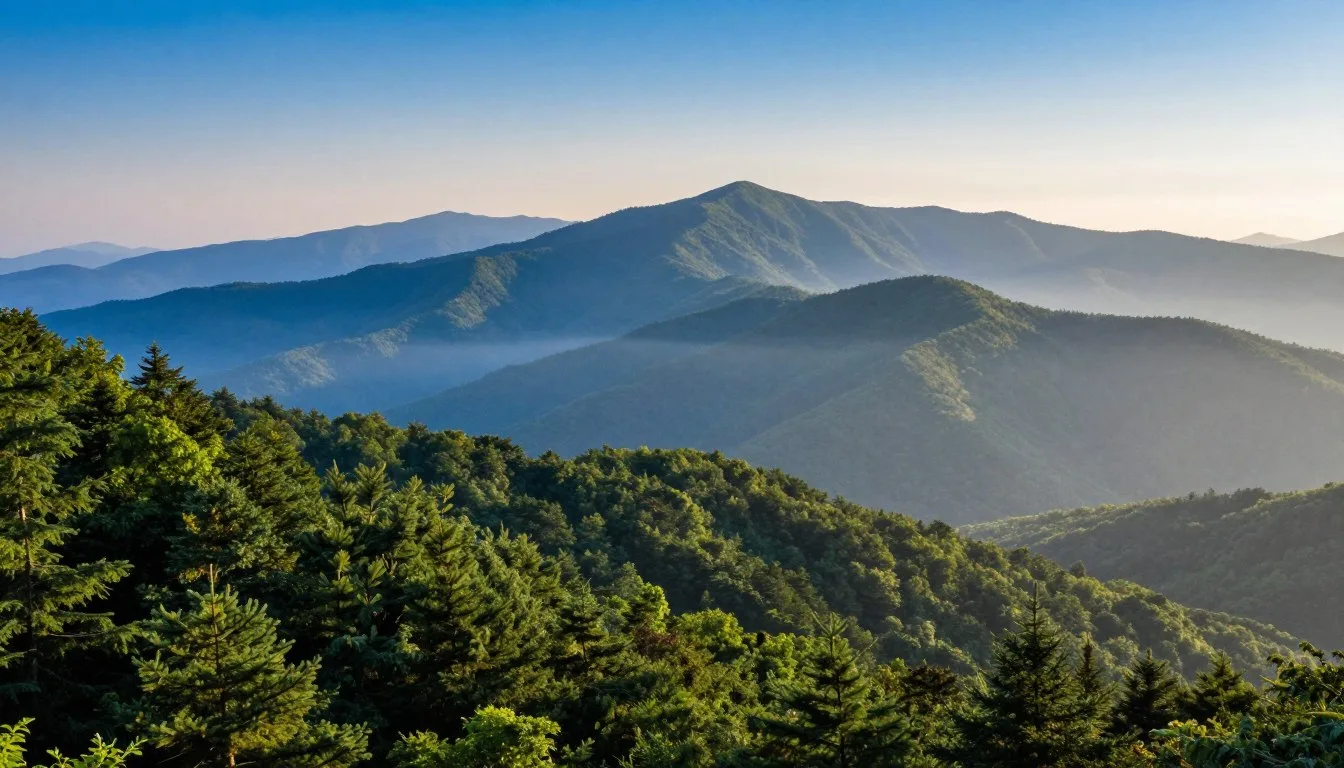
Surrounded by the Nantahala National Forest and bordering the southern edge of Great Smoky Mountains National Park, Fontana Lake offers visitors a unique blend of water recreation and mountain wilderness. The pristine waters and protected shoreline create an unforgettable destination for nature lovers and adventure seekers alike.
Getting There & Planning Your Journey

Reaching Fontana Lake requires planning, as the area sits in a remote mountain region. The closest major airports include Knoxville, Tennessee, located approximately 97 km (60 miles) northwest of the lake. McGhee Tyson Airport serves this area with multiple daily flights from major cities.
Asheville Regional Airport in North Carolina sits about 113 km (70 miles) east of Fontana Lake. This airport offers convenient access for travelers coming from the eastern United States. Both airports provide rental car services, which are essential for reaching the lake area.
From Knoxville, travelers take Highway 129 south through scenic mountain roads. The journey typically takes 90 minutes and offers spectacular views of the Great Smoky Mountains. From Asheville, visitors drive west on Interstate 40, then south on Highway 74 before connecting to Highway 28 north.
The town of Bryson City serves as the primary gateway community to Fontana Lake, situated just 18 km (11 miles) from Fontana Dam. This charming mountain town provides services, dining options, and a welcoming atmosphere for visitors heading to the lake.
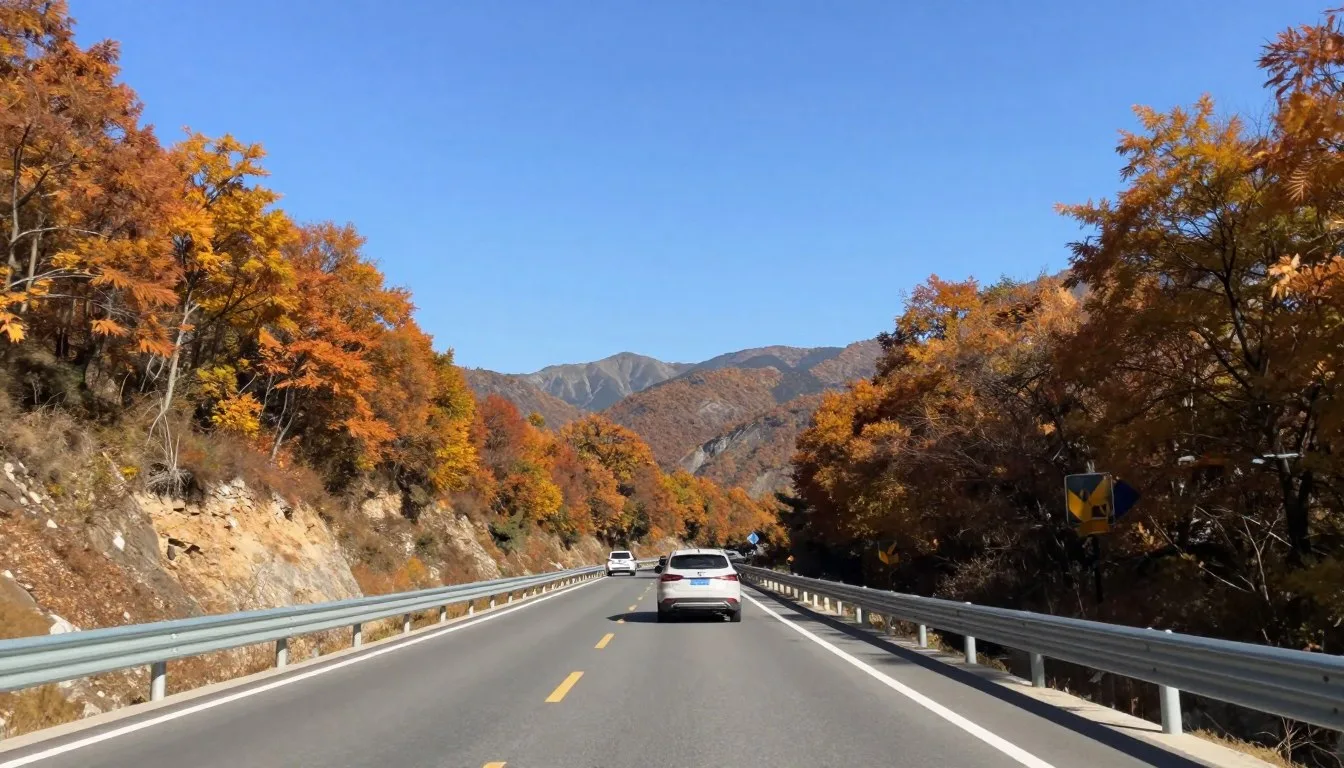
Driving your own vehicle offers the most flexibility for exploring the area. The mountain roads are well-maintained but feature curves and elevation changes. Allow extra travel time, especially during peak tourist seasons when traffic increases through the Great Smoky Mountains National Park.
Best Time to Visit & Weather Tips

Best Time to Visit Fontana Lake
Late April through October represents the ideal period for visiting Fontana Lake. During these months, temperatures remain comfortable and all facilities operate at full capacity. The water warms sufficiently for swimming by late May, reaching pleasant temperatures through September.
May and June offer spectacular conditions with mild weather and fewer crowds than peak summer. Temperatures average 21°C to 26°C (70°F to 80°F) during the day. The spring season brings blooming mountain laurel and rhododendrons along the shoreline, creating beautiful natural displays.
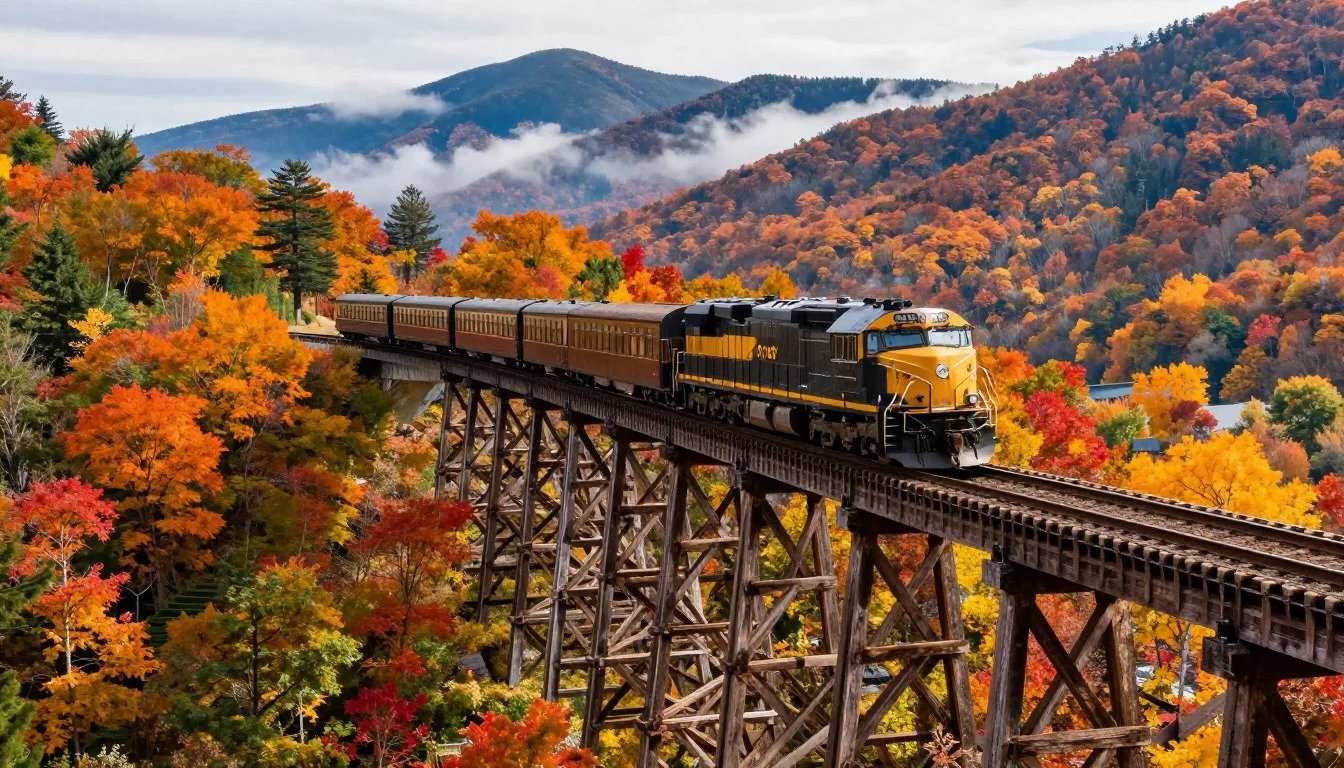
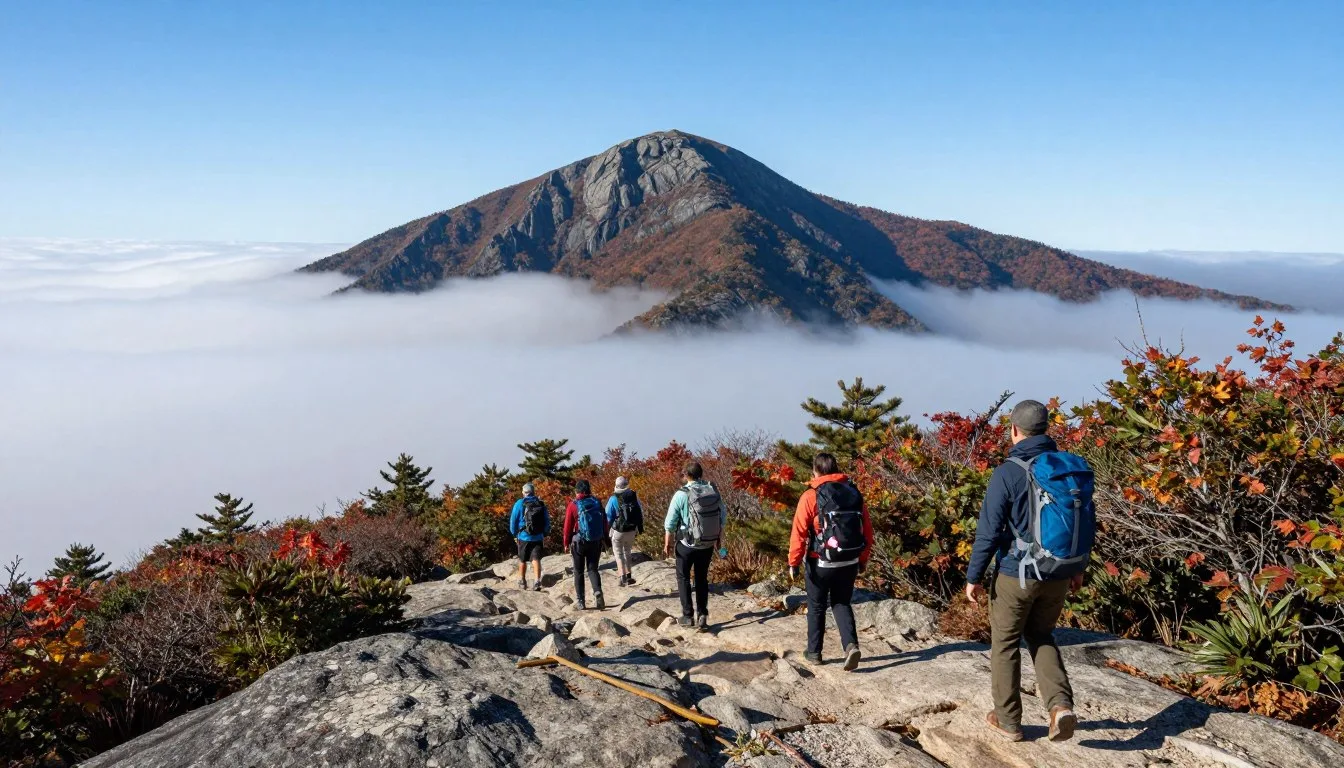
September and October provide outstanding fall foliage viewing opportunities. The surrounding mountains transform into vibrant displays of red, orange, and gold. Weather remains pleasant with cooler temperatures averaging 18°C to 24°C (65°F to 75°F), perfect for hiking and water activities.
July and August bring peak tourist season with warmer temperatures reaching 27°C to 32°C (80°F to 90°F). The lake sees maximum activity during these months, with families enjoying summer vacations. Booking accommodations well in advance becomes essential during this busy period.
Winter months from November through March see reduced services and cold temperatures. Many marinas and rental facilities close for the season. However, the area offers peaceful solitude for those seeking quiet mountain retreats. Temperatures drop to 4°C to 10°C (40°F to 50°F) during winter days.
✓ Check 30,000+ Local Sightseeing Tours Worldwide
Weather Patterns and Seasonal Considerations
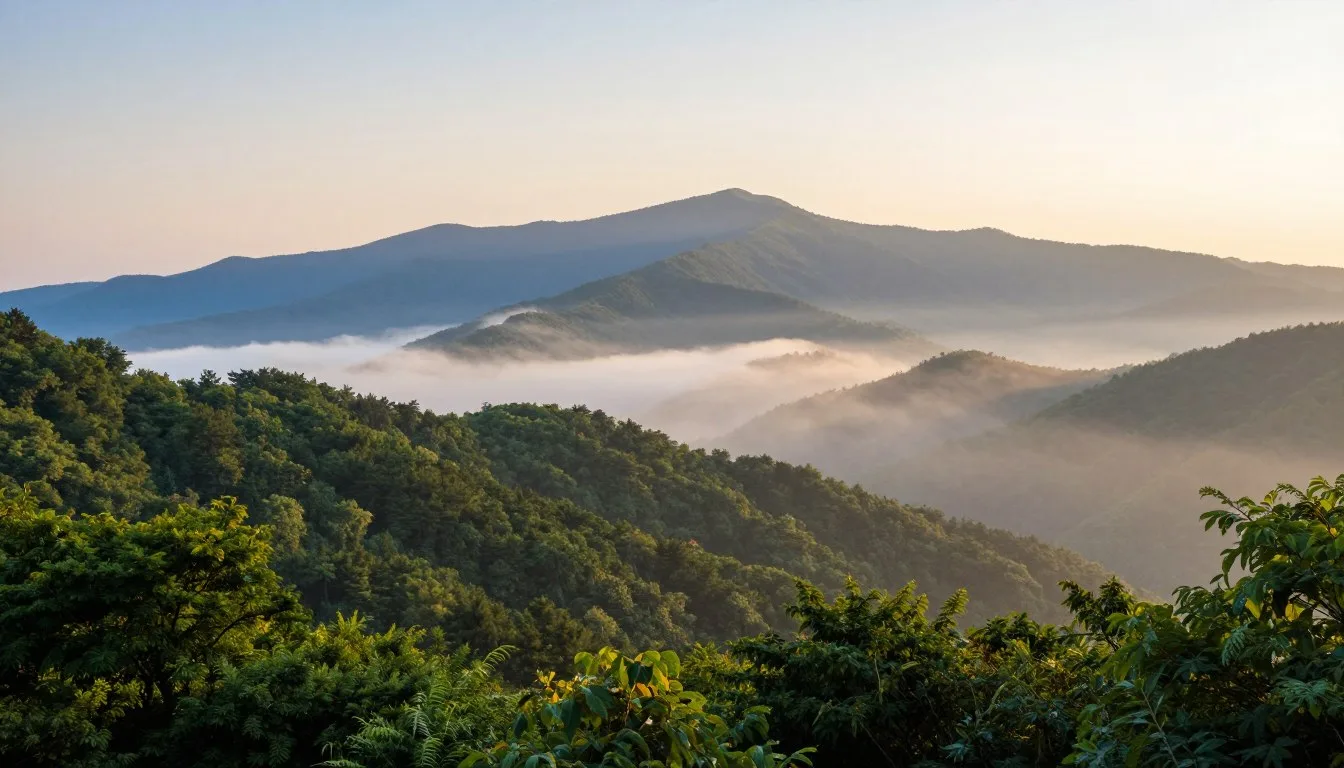
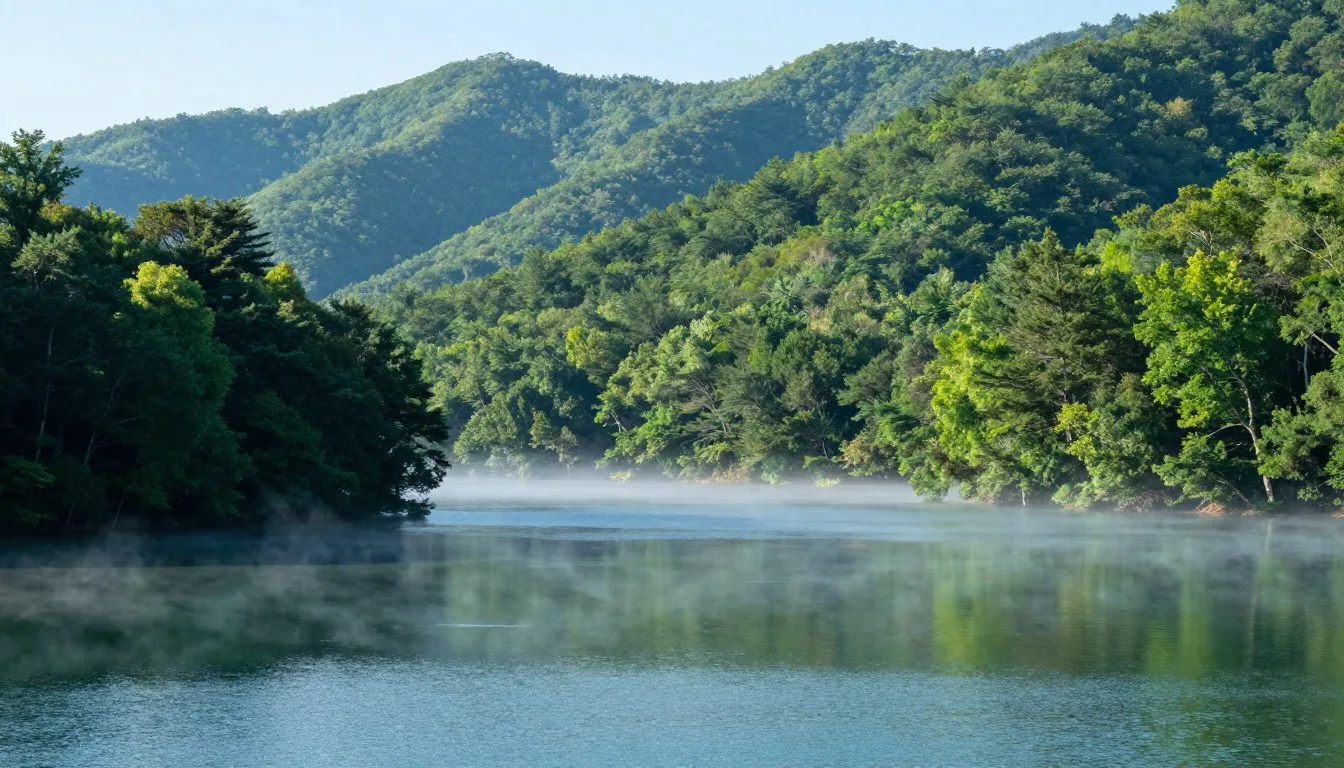
Mountain weather can change rapidly in the Great Smoky Mountains area. Morning fog frequently blankets the lake, burning off by mid-morning to reveal spectacular views. Afternoon thunderstorms develop regularly during summer months, typically arriving between 2 PM and 5 PM.
Pack layers regardless of season, as temperatures vary significantly between water level and higher elevations. Evenings cool down even during summer, with temperatures dropping 8°C to 11°C (15°F to 20°F) after sunset. A light jacket proves useful year-round for evening activities.
Spring brings variable conditions with occasional cool snaps and frequent rain showers. Rainfall peaks in March and April, averaging 13 cm (5 inches) monthly. Waterproof gear and flexible plans help visitors make the most of spring visits despite changeable weather patterns.
Notable Annual Festivals
The Fontana Lake area and nearby communities host several annual events celebrating mountain culture and outdoor recreation. These festivals provide excellent opportunities to experience local traditions while enjoying the natural beauty of the region.
The Great Smoky Mountains National Park hosts multiple ranger-led programs throughout summer months. These free educational events cover topics from wildlife watching to mountain history. Contact the Fontana Dam Visitor Center for current schedules and program times.
Bryson City hosts the annual Smoky Mountain Trains and Toy Show each November, celebrating the area’s railroad heritage. This family-friendly event features model trains, vintage toys, and railway history exhibits. The Swain County Chamber of Commerce provides information at their office.
The Fontana Dam area celebrates Independence Day each July 4th with special activities and festivities. Visitors enjoy guided dam tours, educational programs, and evening celebrations. The Tennessee Valley Authority maintains information about special event dates and activities at the dam visitor center.
Spring brings wildflower pilgrimages throughout the Great Smoky Mountains National Park, typically occurring from mid-April through May. Expert botanists lead guided walks identifying native plants and flowers. These popular programs fill quickly and require advance registration through the National Park Service.
Getting Around Locally

Personal vehicles provide the most practical way to explore the Fontana Lake area. Public transportation options remain extremely limited in this remote mountain region. The winding roads and scattered attractions make having your own vehicle essential for maximizing your visit.
Boat transportation offers the primary method for accessing many parts of Fontana Lake. The lake features 378 km (238 miles) of shoreline, with much of it accessible only by water. Several marinas rent various watercraft for exploring the expansive waters and hidden coves.
The road across Fontana Dam provides vehicle access to the north shore and Great Smoky Mountains National Park. This scenic route, known as Fontana Dam Road, connects to Lakeview Drive and eventually to the famous Tail of the Dragon on Highway 129, a favorite among motorcycle and sports car enthusiasts.
Parking areas exist at major access points including Fontana Village Marina, the dam visitor center, and various boat launch facilities around the lake. Most parking remains free, though some marina facilities charge nominal fees for overnight parking or boat trailer storage.
Bicycles work well for exploring Fontana Village Resort area and nearby paved roads, but steep mountain terrain makes cycling challenging for casual riders. The Lakeshore Trail offers mountain biking opportunities for experienced riders seeking off-road adventures along the abandoned road corridor.
Where to Stay
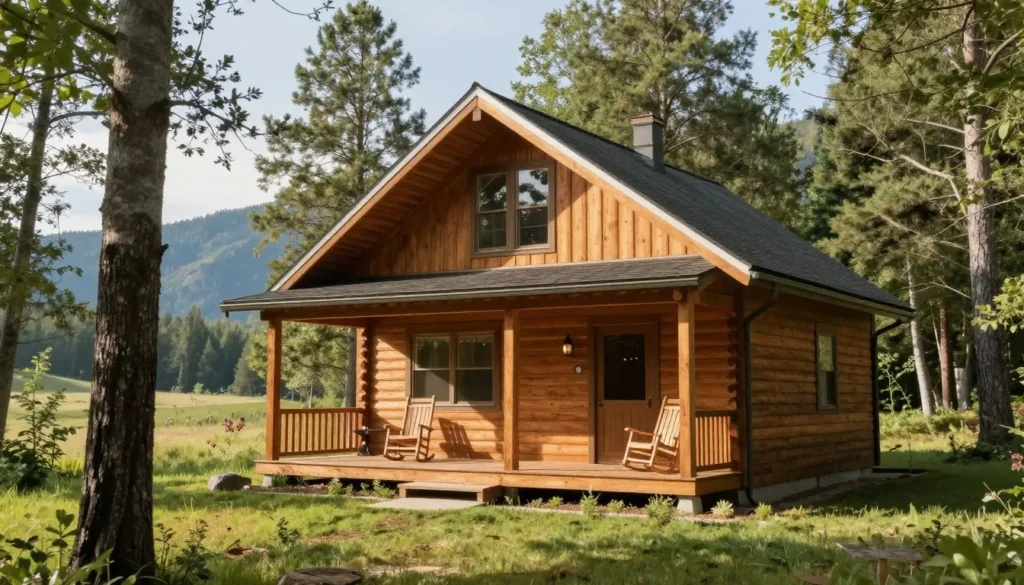
Fontana Village Resort serves as the primary accommodation hub directly on the lake. This full-service resort offers a range of lodging options from hotel rooms to cabins and cottages. The village provides restaurants, a general store, and recreational facilities all within walking distance of the marina.
Cabin rentals scattered throughout the area provide private, secluded options for families and groups. These properties range from basic one-bedroom units to luxurious multi-bedroom homes with full kitchens and lake views. Many feature boat slips or easy water access for guests bringing watercraft.
Bryson City offers numerous hotels, motels, and bed-and-breakfast establishments approximately 18 km (11 miles) from the lake. This historic mountain town provides more diverse dining and shopping options while maintaining convenient access to Fontana Lake and Great Smoky Mountains National Park.
Camping enthusiasts find excellent options at Cable Cove Campground, located near the dam on the north shore. This National Park Service facility offers tent and RV sites with basic amenities. The campground operates seasonally from April through October, providing affordable lodging in a beautiful forest setting.
Numerous vacation rental properties exist throughout the surrounding mountains, offering privacy and scenic views. These homes often feature amenities like hot tubs, game rooms, and multiple decks for enjoying mountain vistas. Booking several months in advance proves essential during peak fall foliage and summer vacation periods.
Budget-conscious travelers find affordable motel accommodations in Robbinsville, located about 24 km (15 miles) west of the lake. While requiring a longer drive to the water, these options provide clean, comfortable rooms at lower prices than lakeside properties.
Dining & Local Cuisine
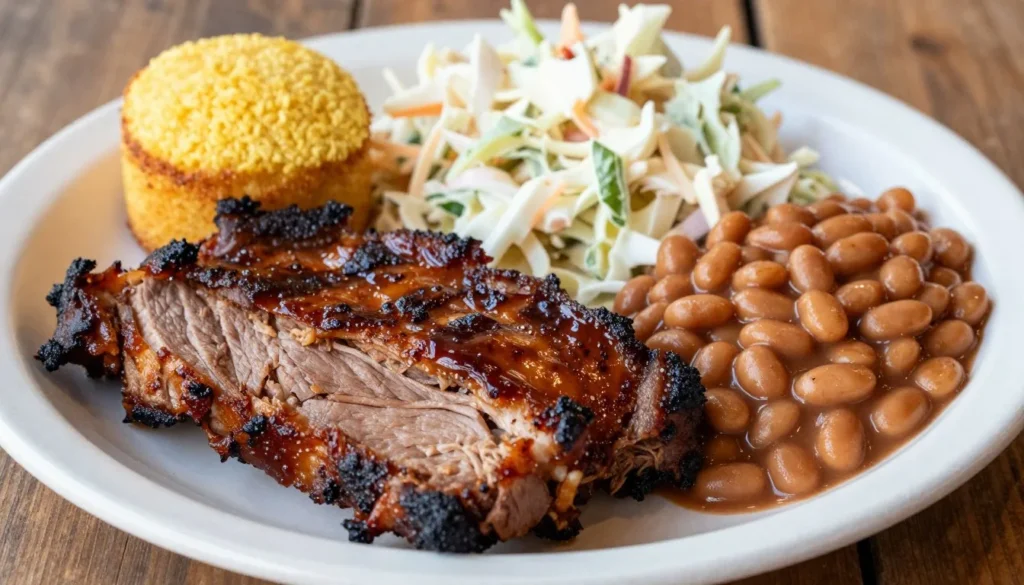
The Fontana Village Resort houses several dining options serving breakfast, lunch, and dinner during peak season. The Wildwood Grill offers casual American cuisine with mountain views, while the Peppertree Fontana Grill specializes in barbecue and regional favorites. These restaurants provide convenient on-site dining for resort guests and day visitors.
Mountain trout features prominently on local menus throughout the region. This delicate freshwater fish comes from nearby streams and fish farms, prepared in traditional mountain styles including pan-fried, smoked, or grilled with simple seasonings that highlight the natural flavor.
Bryson City provides the widest variety of dining choices near Fontana Lake. The town hosts family-owned restaurants serving Southern comfort food, barbecue joints smoking meats over hickory wood, and casual cafes offering sandwiches and homemade desserts. The Everett Street corridor features most dining establishments within easy walking distance.
Country cooking traditions shine through local specialties including biscuits and gravy, fried chicken, green beans cooked with pork, and cornbread. Many restaurants serve these hearty dishes family-style, with generous portions reflecting mountain hospitality traditions. Sweet tea remains the beverage of choice throughout the region.
Grocery stores in Bryson City allow visitors to stock rental cabins or prepare picnic meals for lake days. The Fontana Village General Store carries basic provisions, snacks, and camping supplies, though selection remains limited compared to town stores. Planning meals and shopping before arriving at the lake makes sense for extended stays.
Barbecue styles in western North Carolina emphasize pork with a tangy vinegar-based sauce. Local pitmasters smoke meat low and slow, creating tender, flavorful results. Side dishes typically include coleslaw, hush puppies, and baked beans. Several highly-rated barbecue restaurants operate within a 30-minute drive of Fontana Lake.
Attractions, Sightseeing & Activities
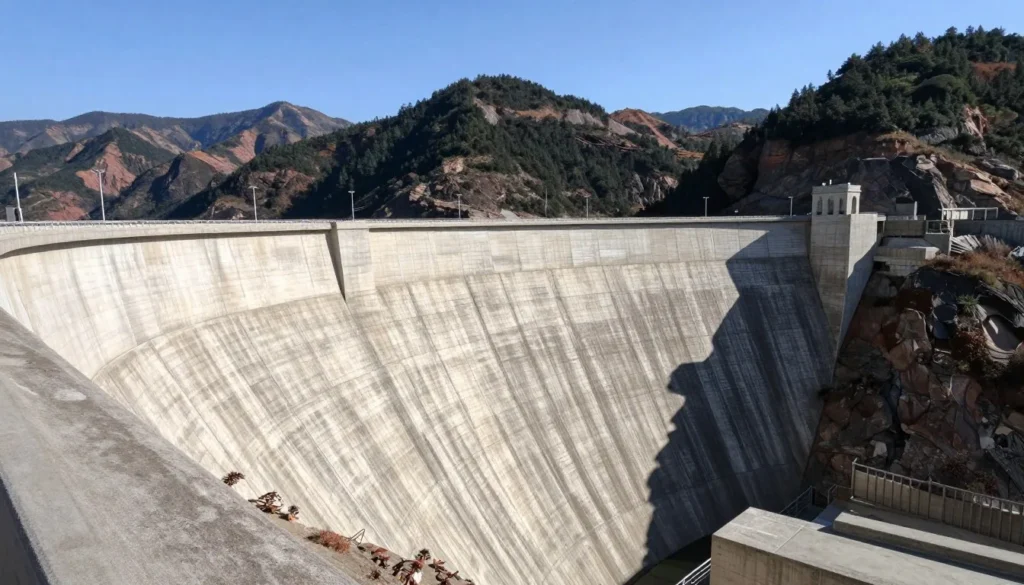
Fontana Dam
Fontana Dam stands as the tallest concrete dam east of the Rockies, rising 146 m (480 feet) above the Little Tennessee River. The Tennessee Valley Authority completed construction in 1944 during World War II, creating the massive reservoir that became Fontana Lake. This engineering marvel generated electricity for the secret Manhattan Project facilities in nearby Oak Ridge, Tennessee.
The dam visitor center offers free admission and features exhibits explaining the dam construction, its role in regional development, and the Tennessee Valley Authority’s mission. Interactive displays engage visitors of all ages with hydroelectric power generation concepts. Rangers provide guided tours of the dam structure during summer months.
Walking across the dam provides spectacular views of the lake on one side and the deep gorge on the other. The 0.8 km (0.5 mile) span offers photo opportunities and impressive perspectives on the structure’s massive scale. Strong winds sometimes sweep across the dam, so secure hats and loose items before venturing out.
The area around Fontana Dam features picnic facilities, restrooms, and a small parking area. Visitors can access the Appalachian Trail from the dam’s north side, as this famous long-distance hiking path crosses directly over the structure. The dam area sees steady traffic throughout the day during peak season.
Boat Tours and Water Exploration
Guided boat tours depart from Fontana Village Marina during summer months, providing narrated trips exploring the lake’s history and ecology. These tours last approximately 90 minutes and cover major points of interest including submerged historical sites, wildlife habitats, and scenic coves. Reservations are recommended during busy summer weekends.
Pontoon boat rentals allow groups to explore the lake at their own pace. These stable, spacious craft accommodate families comfortably and require minimal boating experience. Marina staff provide safety briefings and navigation tips before departure, ensuring even first-time boaters feel confident on the water.
The lake’s clear waters and varied depth create excellent conditions for exploring by kayak or canoe. Paddlers discover quiet coves, observe wildlife along the shoreline, and access areas impossible to reach by larger boats. The North Shore area offers particularly scenic paddling routes through protected national park waters.
Lakeshore Trail
The Lakeshore Trail follows an abandoned road bed along Fontana Lake’s northern shoreline within Great Smoky Mountains National Park. This relatively flat trail extends for 68 km (42 miles), though most visitors explore shorter sections. The path passes through beautiful hardwood forests and offers frequent lake views through the trees.
Numerous old homesites and cemeteries line the Lakeshore Trail, remnants of communities displaced by the dam construction. Interpretive signs at several locations explain the history of settlements that once thrived in this valley. These sites provide poignant reminders of the human cost behind the lake’s creation.
Several boat-in camping spots exist along the Lakeshore Trail, creating opportunities for multi-day adventures combining paddling and hiking. These primitive sites offer scenic locations but require backcountry permits from the National Park Service. Hikers should pack all supplies, as no facilities exist along this remote trail section.
Museums, Cultural Spots & Festivals

The Fontana Dam Visitor Center serves as the primary cultural and educational facility in the immediate area. Operated by the Tennessee Valley Authority, this center tells the story of the dam construction through photographs, artifacts, and video presentations. Visitors learn about the thousands of workers who built this massive structure under wartime urgency.
Mountain Farm Museum at the Great Smoky Mountains National Park, located approximately 64 km (40 miles) from Fontana Lake, preserves historic log buildings demonstrating traditional Appalachian farm life. This collection of authentic structures includes a cabin, barn, springhouse, and other outbuildings relocated from throughout the park. Seasonal demonstrations show traditional crafts and farming techniques.
Bryson City’s Swain County Heritage Museum occupies the historic courthouse building in the town center. Exhibits focus on local history, including Cherokee heritage, logging industry legacy, and railroad development. The museum operates limited hours, typically Wednesday through Saturday during summer months, so checking ahead prevents disappointment.
The nearby Cherokee Indian Reservation, about 32 km (20 miles) from Fontana Lake, offers extensive cultural experiences at the Museum of the Cherokee Indian. This modern facility presents Cherokee history from ancient times through contemporary life using artifacts, interactive exhibits, and multimedia presentations. The outdoor drama “Unto These Hills” performs during summer evenings.
The Great Smoky Mountains Railroad operates vintage trains from Bryson City on scenic excursions through mountain valleys. While primarily a tourist attraction, these trips provide living history experiences aboard restored coaches. Special themed rides throughout the year celebrate holidays and seasonal events.
Nature & Outdoor Experiences
Fishing Opportunities
Fontana Lake provides excellent fishing opportunities year-round, with diverse species thriving in the deep, cool waters. Largemouth and smallmouth bass populate rocky shorelines and creek mouths. Walleye fishing peaks during spring and fall when these predators move into shallower water to feed actively.
Muskie, also known as muskellunge, represent the ultimate sportfish challenge in Fontana Lake. These powerful predators grow to substantial sizes in the lake’s clean waters. Serious anglers target muskie using large lures and specialized tackle, with catch-and-release practices helping maintain healthy populations.
Crappie fishing draws many anglers, particularly during spring spawning season. These panfish gather around submerged brush piles and creek channels. Local knowledge helps locate productive spots, and marina staff often share current fishing reports with visiting anglers seeking guidance.
North Carolina and Tennessee fishing licenses are both valid on Fontana Lake, as state boundaries run through the water. Visitors should obtain appropriate licenses before fishing and familiarize themselves with regulations regarding size limits and catch restrictions. Licenses can be purchased online or at local sporting goods stores.
Hiking and Trail Systems
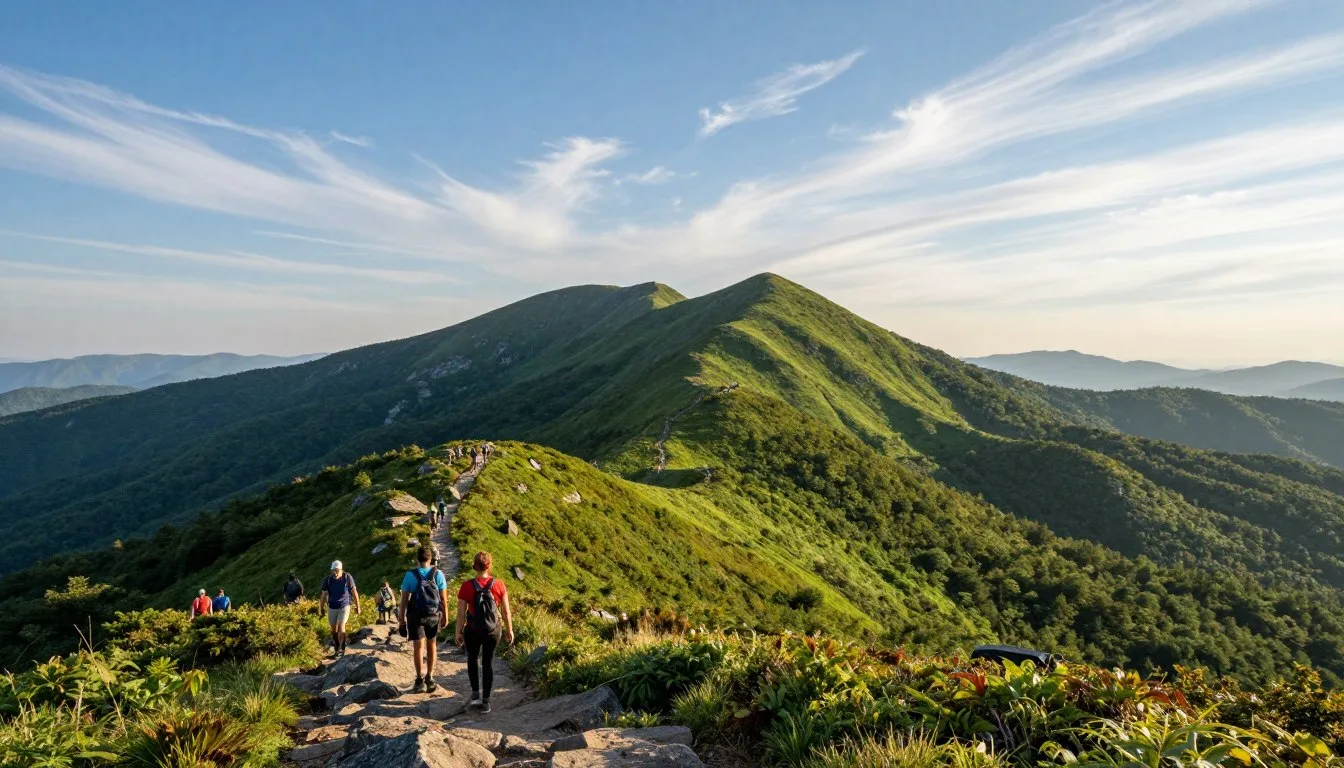
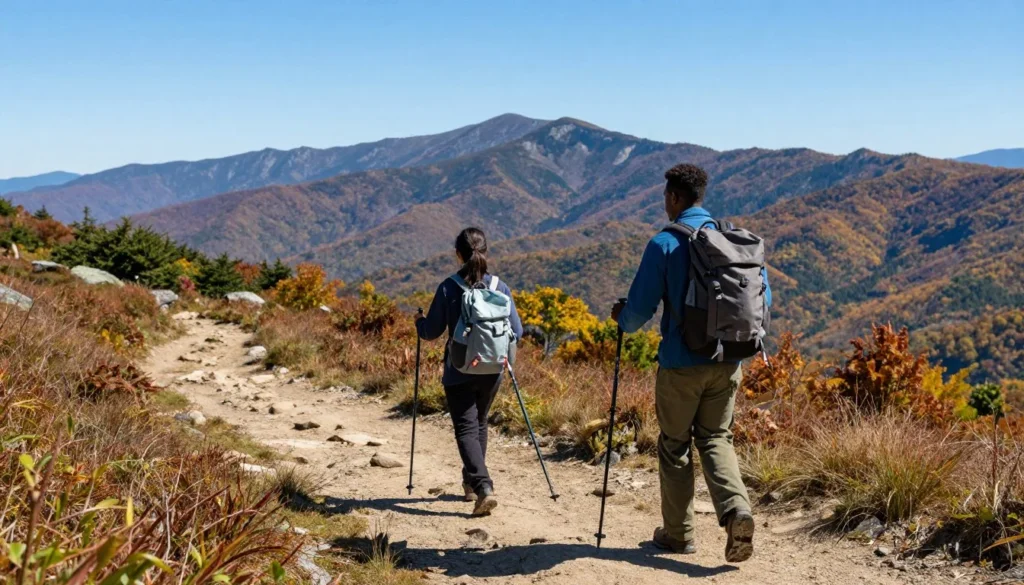
Trails surrounding Fontana Lake range from easy lakeside walks to challenging mountain ascents. The Appalachian Trail crosses Fontana Dam and continues north into Great Smoky Mountains National Park, offering hikers access to one of America’s most famous long-distance paths. Day hikers enjoy short sections without committing to extended backpacking trips.
The Hazel Creek Trail system on the lake’s north shore features multiple routes through old-growth forests. These paths follow former logging roads and settlement roads, passing waterfalls, historical sites, and spectacular viewpoints. Most Hazel Creek trailheads require boat access, adding adventure to the hiking experience.
Twentymile Trail begins near the lake’s western end and climbs steadily into the mountains. This moderately difficult trail leads to Shuckstack Fire Tower, where hikers enjoy 360-degree views encompassing Fontana Lake, the dam, and surrounding mountain ranges. The round-trip distance covers approximately 18 km (11 miles) with significant elevation gain.
Spring wildflower displays attract nature photographers and botanists to trails throughout the Fontana area. Trillium, lady slippers, and countless other species carpet the forest floor during April and May. Fall foliage transforms the landscape again from late September through October, creating different but equally spectacular hiking conditions.
Wildlife Watching
White-tailed deer frequently appear along the shoreline during early morning and evening hours. These graceful animals come to the water’s edge to drink and feed on vegetation. Boaters often spot deer swimming between islands or crossing narrow lake channels.
Bald eagles nest in tall trees around Fontana Lake, with winter months bringing increased numbers as birds migrate south. These magnificent raptors soar over the water hunting fish, providing memorable wildlife viewing opportunities. Binoculars enhance sightings, as eagles perch in distant trees surveying their territory.
Black bears inhabit the forests surrounding the lake, though sightings remain unpredictable. These omnivores avoid humans when possible, but hikers should understand proper bear safety protocols. Store food properly, make noise while hiking, and never approach bears for photographs regardless of how docile they appear.
The diverse bird population includes wood ducks, herons, ospreys, and numerous songbird species. Spring migration brings waves of warblers and other neotropical migrants passing through the mountains. Local birding guides available at the visitor center help identify species commonly seen around the lake.
Water Sports and Swimming
Swimming opportunities exist at several designated areas around Fontana Lake, though the water remains quite cold even during summer months. The lake’s depth and mountain water sources keep temperatures cool, typically ranging from 18°C to 22°C (65°F to 72°F) during peak summer. Swimmers should assess their comfort level with cooler water temperatures.
Kayaking adventures range from peaceful paddles along protected shorelines to challenging crossings of the lake’s main body. Beginners should stay near shore and check weather forecasts, as winds can create challenging conditions on open water. Rental facilities provide appropriate safety equipment including life jackets for all paddlers.
Stand-up paddleboarding has grown popular on Fontana Lake’s calm waters. The activity provides excellent exercise while allowing riders to explore coves and creek mouths at a leisurely pace. Most first-timers master basic paddleboard skills within an hour, making this an accessible activity for various fitness levels.
Water skiing and tubing attract families seeking faster-paced water fun. The lake’s size provides ample room for these activities, though operators must observe no-wake zones near shorelines and marinas. Morning hours typically offer the smoothest water conditions before afternoon winds develop.
Travel With Children
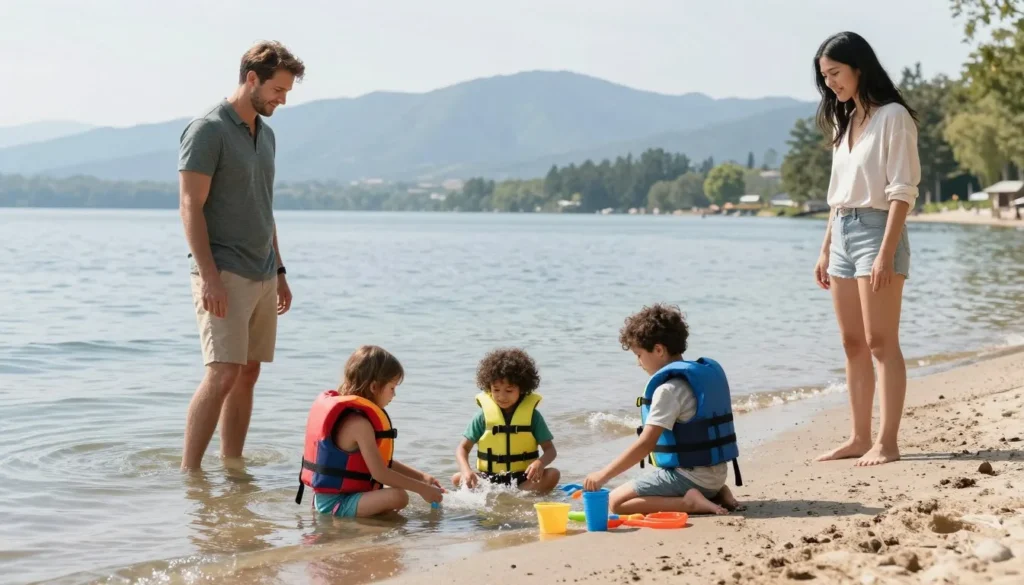
Fontana Lake offers numerous family-friendly activities that engage children of different ages. The calm waters near marinas provide safe areas for youngsters to experience boating, while supervised swimming spots allow kids to cool off during warm summer days. Life jackets in children’s sizes are available at rental facilities.
Junior Ranger programs through Great Smoky Mountains National Park engage children in educational activities about nature and conservation. Kids complete activity booklets exploring different topics and earn badges upon completion. These programs operate free of charge and provide structured learning experiences during park visits.
Shorter hiking trails suit families with young children better than extended mountain treks. The walk across Fontana Dam fascinates kids with its engineering scale and impressive views. Paved paths and wide trails accommodate strollers for families with infants and toddlers.
Fishing appeals to children learning patience and outdoor skills. Panfish species like bluegill and crappie bite readily, providing action that keeps young anglers engaged. Many kids catch their first fish at Fontana Lake, creating lifelong memories and potentially sparking a passion for fishing.
Playgrounds exist at Fontana Village Resort, offering familiar equipment where children can burn energy between outdoor adventures. The resort also features a swimming pool, game room, and organized activities during peak season. These amenities help when mountain weather interrupts outdoor plans.
Wildlife spotting excites children and teaches observation skills. Deer, birds, and turtles appear regularly around the lake, providing opportunities for youngsters to see animals in natural habitats. Bringing field guides helps children identify species and learn about local ecology.
Picnic areas around the lake provide family gathering spots with tables, grills, and restroom facilities. Packing lunches saves money while allowing flexible meal timing around children’s needs. Several picnic grounds offer shade, important for keeping kids comfortable during warm weather.
Money Saving Tips

Visiting during shoulder seasons in May, early June, or September offers significantly lower accommodation rates while weather remains pleasant. Cabin rentals and hotel rooms cost 20 to 30 percent less than peak summer prices. These months also feature fewer crowds, enhancing the overall experience with easier marina access and quieter trails.
Purchasing groceries in Bryson City or other towns before reaching the lake saves substantially compared to resort store prices. Stocking rental cabins with breakfast items, sandwich fixings, and snacks eliminates expensive restaurant meals. Cooking dinner while enjoying sunset views becomes part of the vacation experience rather than a budget compromise.
Bringing personal kayaks or canoes eliminates daily rental fees that quickly add up during extended stays. Roof racks or trailers allow transporting watercraft, and free boat launches exist at several locations around the lake. This approach particularly benefits families planning multiple days on the water.
Free activities abound throughout the Fontana area, from hiking national park trails to walking across the dam to wildlife watching from shore. The visitor center provides complimentary exhibits and information. Ranger-led programs offer educational entertainment without admission charges during summer months.
Fishing from shore rather than renting boats saves money while still providing good chances at catching dinner. Bank fishing spots exist around the dam area and at various access points. A fishing license costs far less than boat rental fees, and catching fresh fish reduces grocery expenses.
Camping at Cable Cove or other campgrounds dramatically reduces lodging costs compared to hotels or cabin rentals. National Park Service campgrounds maintain reasonable quality facilities while charging modest nightly fees. Many families combine camping with occasional restaurant meals for balanced budget management.
Group travel splits costs across multiple families or couples sharing cabin rentals and boat rentals. Large cabins with multiple bedrooms cost much less per person than individual hotel rooms. Pooling resources for pontoon boat rentals makes this popular activity affordable for everyone involved.
✓ Check 30,000+ Local Sightseeing Tours Worldwide
Weekday visits typically feature lower rates than weekend stays at most accommodations. Visitors with flexible schedules save money by arriving Monday through Thursday. Marinas and other services remain fully operational on weekdays with less competition for reservations and launch times.
Safety & Local Customs
Water safety requires serious attention on Fontana Lake due to cold temperatures and significant depth. Always wear properly fitted life jackets while boating, regardless of swimming ability. The cold water can quickly exhaust even strong swimmers who fall overboard unexpectedly. Children must wear Coast Guard-approved flotation devices at all times on boats.
Weather changes rapidly in mountain environments, with afternoon thunderstorms developing frequently during summer months. Monitor weather forecasts before heading out and return to shore at first signs of approaching storms. Lightning poses deadly danger on open water, making early return essential when storms threaten.
Black bear encounters remain possible throughout the Fontana area, particularly near hiking trails and campgrounds. Store all food, toiletries, and scented items in bear-proof containers or vehicles. Never approach bears for photographs, and teach children to recognize bears and respond appropriately by backing away slowly while making noise.
Cell phone coverage remains spotty throughout much of the Fontana Lake area. Inform someone of your plans before heading out on extended hikes or boat trips. Carry maps and compass as backup navigation tools, since GPS devices and smartphones may not function reliably in remote areas.
Mountain roads feature curves, steep grades, and occasional wildlife crossings. Drive cautiously, especially after dark when deer move actively near roadways. Use lower gears on steep descents to prevent brake overheating. Motorcyclists particularly appreciate the famous curves but should ride within their skill level on unfamiliar roads.
Southern hospitality characterizes local interactions throughout western North Carolina. Friendly greetings and polite conversation are customary, even among strangers. Acknowledging fellow hikers on trails with a simple hello or nod shows respect for local customs and outdoor etiquette.
Tipping practices follow standard American customs, with 15 to 20 percent expected for restaurant service. Marina staff and fishing guides also appreciate tips for exceptional service. Small gestures of appreciation go far in these mountain communities where tourism supports local livelihoods.
Leave No Trace principles apply throughout the national forest and national park lands surrounding Fontana Lake. Pack out all trash, stay on designated trails, and avoid disturbing wildlife or natural features. These conservation practices protect the pristine environment for future visitors while respecting the wilderness setting.
Visitor Comments About Fontana Lake
“Fontana Lake exceeded every expectation we had for a mountain getaway. The crystal-clear water and surrounding peaks created the most beautiful scenery we’ve ever experienced. We spent four days exploring by pontoon boat, discovering hidden coves and watching wildlife along the shoreline. Our children still talk about the bald eagle we spotted fishing near Hazel Creek. The combination of water activities and hiking opportunities kept our entire family engaged throughout the trip.”
“Visiting Fontana Lake in early October proved to be perfect timing. The fall colors surrounding the lake were absolutely spectacular, and we enjoyed cooler temperatures for hiking. The Lakeshore Trail offered beautiful views and interesting historical sites from the old communities. We stayed in a cabin with a dock and spent mornings fishing while watching mist rise off the water. The peaceful atmosphere and natural beauty provided exactly the escape we needed from busy city life.”
“The Fontana Dam itself is worth the drive just to witness this impressive engineering achievement. Walking across the top and looking down into the gorge was both thrilling and humbling. We took a ranger-led tour that explained the construction history and the dam’s importance during World War II. Fishing on the lake produced some nice bass, and the rental pontoon boat made it easy for our group to spend full days on the water. The area offers so many activities that a week barely scratched the surface of possibilities.”
Additional Nearby Destinations

Great Smoky Mountains National Park
The north shore of Fontana Lake borders Great Smoky Mountains National Park, America’s most visited national park. Cades Cove, located about 72 km (45 miles) from Fontana Dam, features an 11-mile loop road through a historic valley with preserved cabins, churches, and mountain scenery. Wildlife viewing opportunities abound, with deer, black bears, and turkeys frequently spotted.
Clingmans Dome, the highest point in Tennessee at 2,025 m (6,643 feet), sits approximately 80 km (50 miles) from Fontana Lake. The observation tower at the summit provides 360-degree views across the Smokies when weather permits. The half-mile paved trail to the tower gains 101 m (330 feet) elevation, challenging but manageable for most visitors.
Bryson City
This charming mountain town serves as the gateway to Fontana Lake while offering attractions of its own. The downtown area features local shops, restaurants, and the historic Swain County Courthouse. The Great Smoky Mountains Railroad departs from Bryson City depot on scenic excursions through the Nantahala Gorge.
Deep Creek, located just outside Bryson City, provides tubing, swimming, and waterfall hikes. Three beautiful waterfalls are accessible via moderate trails within a few miles of the parking area. This spot proves popular with families seeking water-based recreation beyond Fontana Lake itself.
Nantahala Outdoor Center
Located approximately 29 km (18 miles) southwest of Fontana Lake, this outdoor recreation hub offers whitewater rafting on the Nantahala River. Guided trips accommodate beginners through experienced rafters, with Class II and III rapids providing excitement without extreme danger. The center also features zip lines, mountain biking trails, and a climbing wall.
Joyce Kilmer Memorial Forest
This old-growth forest preserve, about 40 km (25 miles) from Fontana Lake, protects massive trees that escaped logging. Some poplars exceed 30 m (100 feet) in height and measure over 6 m (20 feet) in circumference. The two-mile figure-eight trail winds through cathedral-like groves, creating an awe-inspiring experience among ancient giants.
Tail of the Dragon
Highway 129, famous among motorcyclists and sports car enthusiasts as the Tail of the Dragon, features 318 curves in 11 miles. This challenging road runs along Fontana Lake’s southern shore before climbing into the mountains. The route offers spectacular views but demands full attention from drivers navigating constant switchbacks.
Practical Travel Tips
Essential Items to Pack
- Layered clothing for variable mountain weather
- Rain jacket or poncho for sudden storms
- Sun protection including hat, sunscreen, and sunglasses
- Insect repellent for mosquitoes and ticks
- Sturdy hiking shoes with good traction
- Reusable water bottles for staying hydrated
- First aid kit with basic supplies
- Flashlight or headlamp with extra batteries
Local Services and Facilities
- Limited cell service in remote areas around lake
- ATMs available in Bryson City and Robbinsville
- Gas stations in nearby towns, not at the lake
- Medical facilities in Bryson City for emergencies
- Grocery stores in Bryson City and Robbinsville
- Marina facilities at Fontana Village
- Visitor center at Fontana Dam for information
- Public restrooms at major access points
Making reservations well ahead of your visit proves essential during peak season from June through October. Popular cabin rentals book months in advance, particularly for fall foliage weeks. Campgrounds fill early on summer weekends, so reserving sites through the National Park Service website prevents disappointment.
Fuel availability requires planning, as no gas stations exist at Fontana Lake itself. Fill your vehicle tank in Bryson City or Robbinsville before heading to the lake. Boats can refuel at Fontana Village Marina during operating hours, but prices run higher than land-based stations.
Photography opportunities abound throughout the Fontana area, with optimal lighting occurring during early morning and late afternoon hours. The golden hour before sunset creates particularly dramatic lighting on the mountains and lake. Protect camera equipment from moisture during boat trips and sudden mountain showers.
Fishing regulations vary between North Carolina and Tennessee waters, though both states recognize each other’s licenses on Fontana Lake. Review current creel limits and size restrictions before keeping fish. Regulations change periodically, so checking updated rules prevents unintentional violations.
Boat launch ramps exist at multiple locations around Fontana Lake, with the most developed facility at Fontana Village Marina. Other launches offer basic ramps without services. Launch fees apply at some locations, typically ranging from five to ten dollars for day use.
Drinking water should be carried from town or filtered from natural sources if needed on extended hikes. While mountain streams look pristine, they may contain harmful microorganisms. Water filtration systems or purification tablets provide safe drinking water when exploring remote areas.
Trash receptacles exist at developed areas including marinas and campgrounds, but backcountry locations require packing out all waste. Bringing extra bags for trash helps maintain pristine conditions while adhering to Leave No Trace principles. Never leave food waste that attracts bears and other wildlife.
Your Mountain Lake Adventure Awaits
Fontana Lake stands ready to deliver unforgettable experiences in one of America’s most beautiful mountain settings. The combination of pristine waters, surrounding wilderness, and diverse recreational opportunities creates a destination unlike any other in the Smoky Mountains region.
Whether you seek peaceful days fishing from a pontoon boat, challenging hikes through old-growth forests, or family adventures exploring hidden coves, Fontana Lake accommodates every vision of a mountain escape. The dramatic scenery, abundant wildlife, and rich history add depth to every visit.
Start planning your journey to this remarkable destination where the Great Smoky Mountains meet crystal-clear waters. The memories you create beside Fontana Lake will call you back year after year to this special corner of North Carolina’s mountain country.