Hotels by Trip.com
Flights by Trip.com
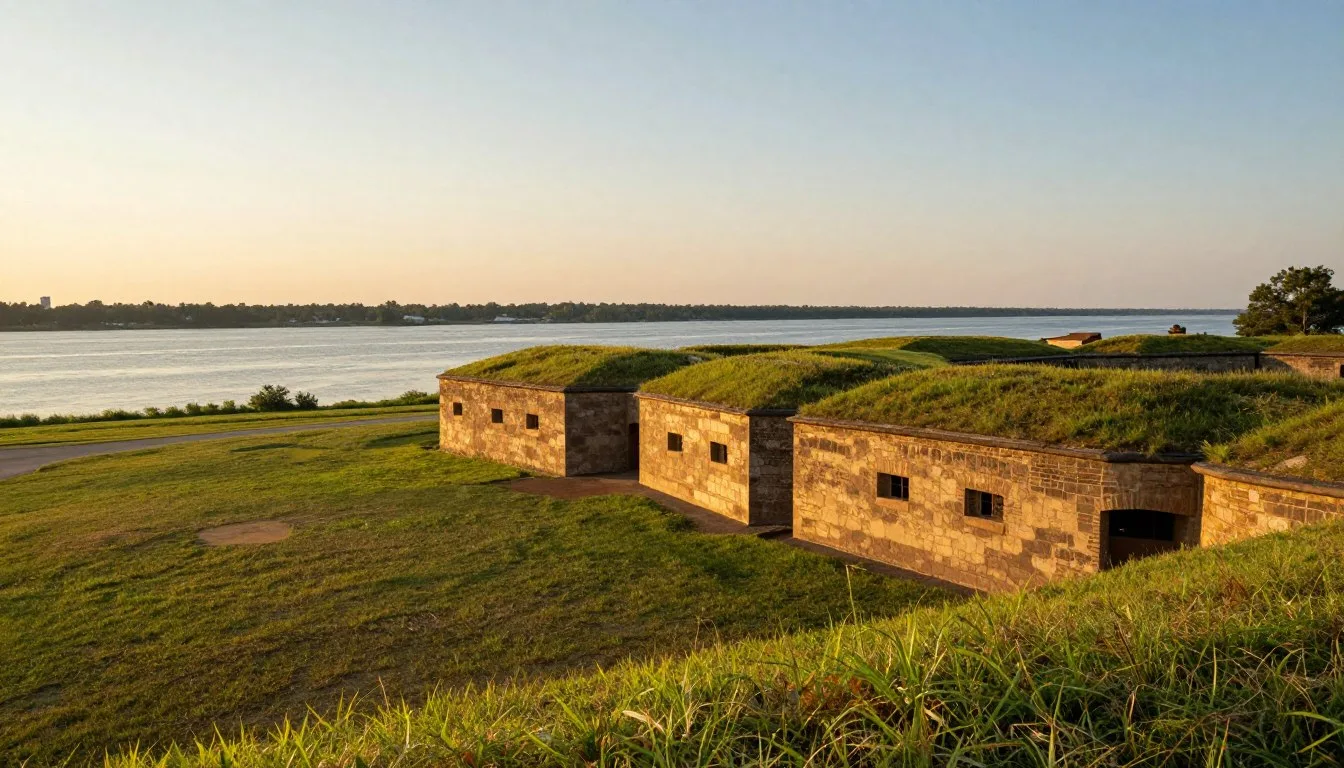
Over 250 years of history rest along the Cape Fear River at Fort Anderson, where a Revolutionary War port town and Civil War fortifications tell stories of conflict and survival. This historic site near Wilmington preserves Brunswick Town, razed by British troops in 1776 and never rebuilt, upon which Confederate forces constructed the fort that defended the fear river defenses during the Civil War. Named after Colonel George Burgwyn Anderson, a Confederate officer from North Carolina, this dual-layered historic site offers visitors a unique glimpse into two pivotal American conflicts within a single location.
Visitor Information
Brunswick Town Fort Anderson State Historic Site welcomes visitors year-round. For current hours, admission details, and special event information, contact the visitor center.
Getting There & Planning Your Journey
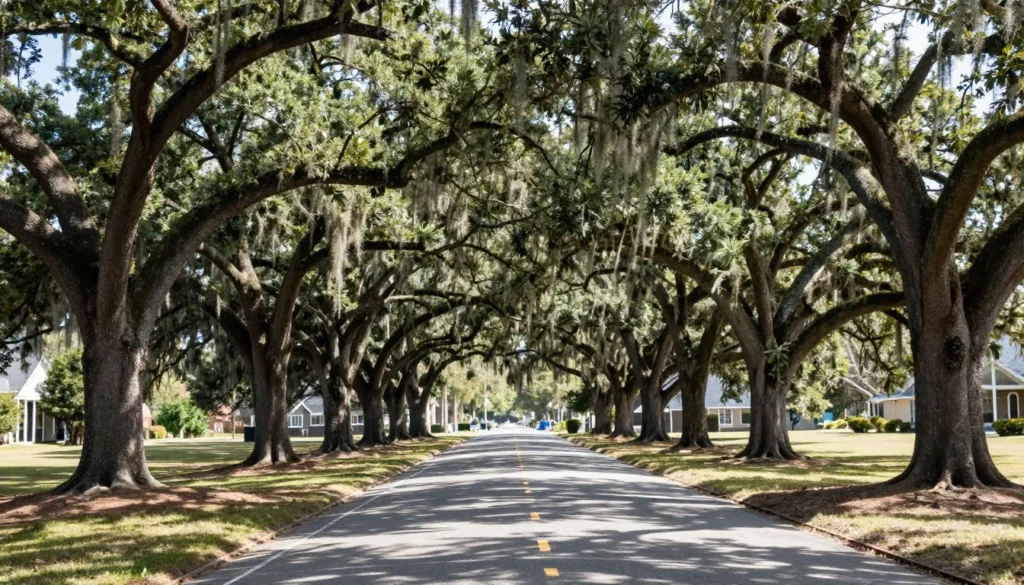
Fort Anderson sits approximately 27 kilometers (17 miles) south of Wilmington, North Carolina, making it an accessible day trip from the coastal city. The site is located at 8884 St. Philips Road SE in Winnabow.
The closest major airport is Wilmington International Airport (ILM), just 32 kilometers (20 miles) north of the historic site. This regional airport offers connections through major hubs and provides rental car services.
For travelers coming from farther distances, Raleigh-Durham International Airport (RDU) is located 195 kilometers (121 miles) northwest. This larger hub offers more flight options and competitive rates, though the drive takes approximately two hours via Interstate 40.
Driving remains the most practical way to reach Brunswick Town Fort Anderson. From Wilmington, take Highway 133 south to Winnabow. The route follows the scenic Cape Fear River corridor through coastal forests and historic communities. Clear directional signage guides visitors along the final stretch to the historic site entrance.
Best Time to Visit & Weather Tips

Best Time to Visit Fort Anderson
Spring (March through May) and fall (September through November) offer the most comfortable conditions for exploring the outdoor historic site. Temperatures during these seasons range from 15-24°C (59-75°F), with lower humidity and minimal rainfall.
Summer months (June through August) bring heat and humidity typical of coastal North Carolina. Temperatures often climb above 32°C (90°F), and afternoon thunderstorms are common. If visiting during summer, plan your arrival for early morning hours when temperatures remain manageable.
Winter (December through February) provides mild weather compared to northern states, with daytime highs around 12-16°C (54-61°F). The site remains open, and reduced crowds make winter an appealing option for history enthusiasts who prefer solitude.
Notable Annual Festivals
Living history events occur throughout the year at Brunswick Town Fort Anderson. The site hosts Civil War reenactments, typically in February and November, where uniformed interpreters demonstrate period military life and engage in tactical demonstrations.
Colonial Day, usually held in October, celebrates the Revolutionary War era history of Brunswick Town. Costumed interpreters recreate 18th-century life through demonstrations of cooking, crafts, and military drills.
Ready to Plan Your Visit?
Contact the Brunswick Town Fort Anderson visitor center for personalized recommendations, current site conditions, and upcoming special events.
Getting Around Locally
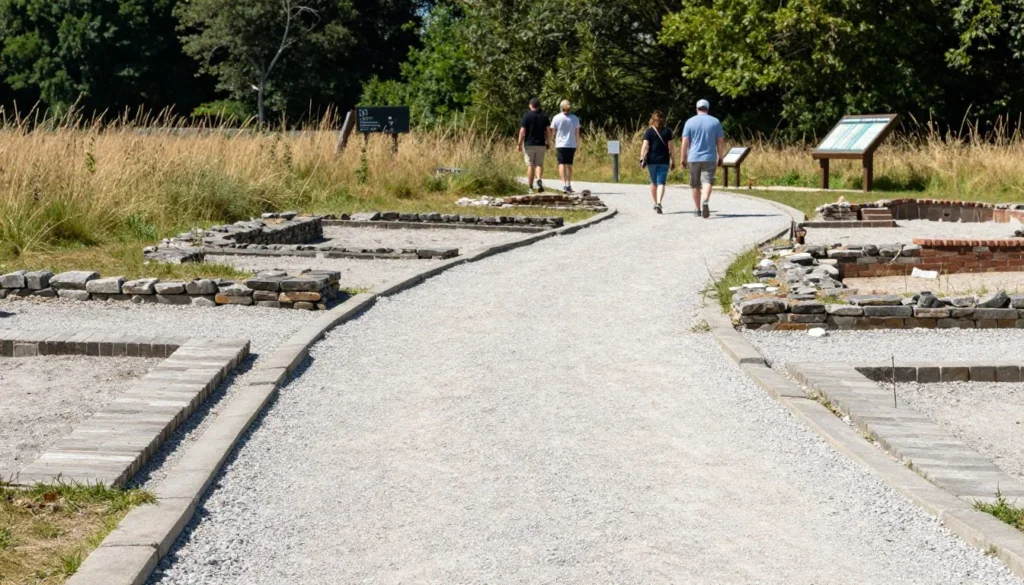
The historic site encompasses a walkable area with well-maintained trails. The primary loop trail measures approximately 1.6 kilometers (1 mile) and connects the visitor center, fort earthworks, town ruins, and St. Philips Church remains.
Visitors explore the site on foot at their own pace. The flat terrain makes walking accessible for most fitness levels, though portions of the trail traverse uneven ground and grass surfaces. Comfortable walking shoes are essential.
Parking is available adjacent to the visitor center at no charge. The lot accommodates standard vehicles, RVs, and tour buses. No internal vehicle access exists beyond the parking area, preserving the historic landscape.
For visitors staying in Wilmington, rental cars offer the most flexibility for exploring Brunswick Town Fort Anderson and nearby coastal attractions. Public transportation does not serve the rural location directly.
Where to Stay

Most visitors base themselves in Wilmington, where accommodation options range from budget motels to upscale waterfront hotels. The historic downtown district offers bed and breakfast establishments in restored Victorian homes, providing authentic coastal Carolina atmosphere.
Chain hotels cluster along Market Street and near the airport, offering familiar amenities at moderate prices. These properties typically include complimentary breakfast, parking, and swimming pools.
For a unique experience, consider booking at one of Wilmington’s riverfront inns. These properties overlook the Cape Fear River and place guests within walking distance of downtown restaurants and attractions.
Beach communities like Carolina Beach and Kure Beach, located 32 kilometers (20 miles) southeast, provide coastal vacation rental options. These areas work well for visitors combining historic site exploration with beach relaxation.
For accommodation assistance and local lodging recommendations, contact the Wilmington and Beaches Convention & Visitors Bureau at +1 (910) 341-4030.
Dining & Local Cuisine

The immediate area around Fort Anderson offers limited dining, but nearby Southport and Wilmington provide extensive restaurant selections. Fresh seafood dominates local menus, reflecting the region’s coastal heritage.
Calabash-style seafood, featuring lightly breaded and fried fish and shellfish, originated along this stretch of coast. Many restaurants serve this regional specialty, pairing it with hush puppies, coleslaw, and sweet tea.
Southport, 16 kilometers (10 miles) south, presents a charming waterfront dining scene. Family-owned restaurants serve locally caught grouper, flounder, and shrimp. The town’s historic district contains cafes and bakeries perfect for lunch between site visits.
Wilmington’s downtown riverfront district showcases upscale dining alongside casual eateries. Farm-to-table restaurants emphasize North Carolina ingredients, including local produce, pork, and seafood. Several breweries and distilleries offer tours and tastings.
Pack a picnic to enjoy at Brunswick Town Fort Anderson. Designated picnic areas overlook the Cape Fear River, providing scenic spots for outdoor meals. No food service operates within the historic site.
Attractions, Sightseeing & Activities
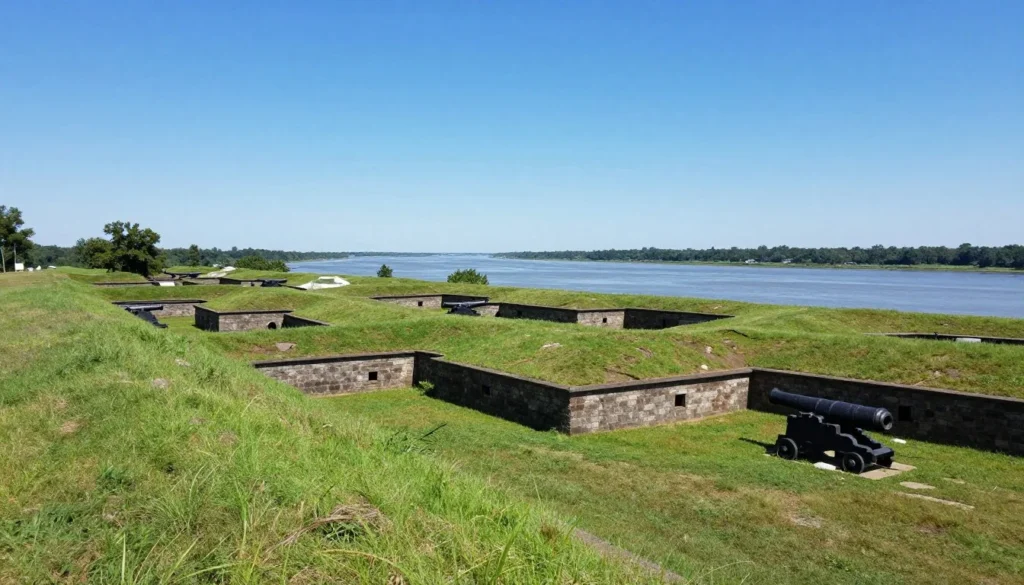
The fort anderson state historic site preserves both town fort anderson remains and Civil War fortifications. Start your visit at the modern visitor center, where exhibits explain the dual history and display archaeological artifacts recovered from the old village site.
Walking the trail loop takes visitors through reconstructed earthworks where Confederate forces defended the Cape Fear River approach to Wilmington. Massive earthen fortifications remain remarkably preserved, offering perspective on Civil War defensive engineering.
Archaeological ruins of Brunswick Town reveal foundation outlines of colonial structures. Interpretive signs throughout the site identify building locations and explain the port town’s role in colonial commerce and Revolutionary War history.
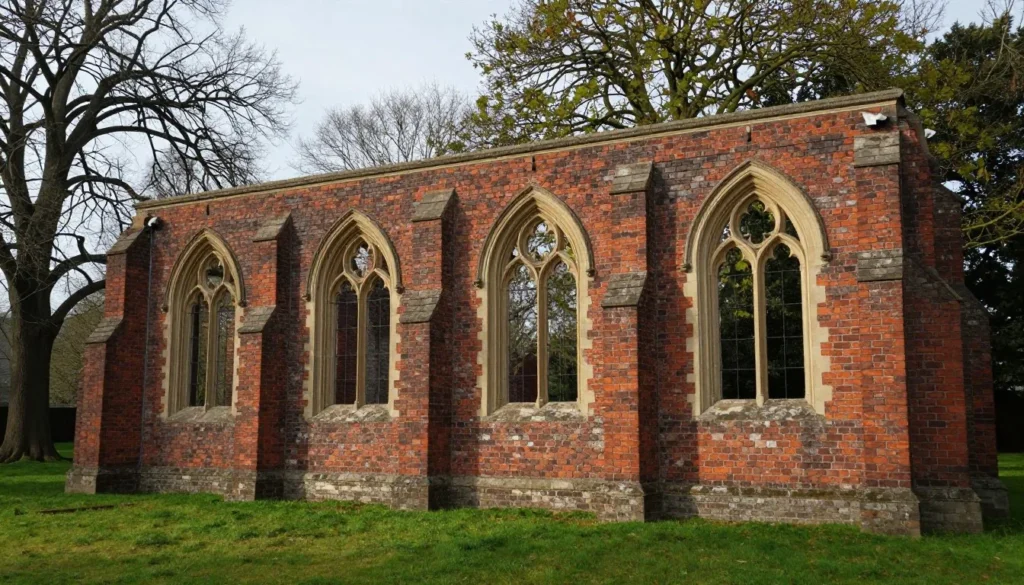
St. Philips Church stands as the site’s most photographed feature. Built in the 1760s, the brick walls of this Anglican church survived when brunswick razed british troops destroyed surrounding structures. Today, the roofless ruins create a dramatic silhouette against coastal skies.
The Cape Fear River shoreline forms the eastern boundary of the historic site. Visitors can walk to the river’s edge, where Confederate artillery once commanded water approaches. The wide river remains an active commercial waterway, with cargo ships occasionally passing.
Museums, Cultural Spots & Festivals

The on-site visitor center functions as the primary museum for Brunswick Town Fort Anderson. Permanent exhibits trace the area’s history from Native American inhabitants through colonial settlement, Revolutionary War destruction, and Civil War fortification.
Archaeological displays showcase pottery fragments, glassware, buttons, and other artifacts excavated from the old village site. These recovered items provide tangible connections to daily life in 18th-century Brunswick Town.
Military history receives substantial attention through exhibits explaining fort anderson constructed defensive strategy and the role of fear river defenses in protecting Wilmington. Original Civil War photographs and period weapons help visitors understand the 1865 battle that eventually captured the fort.
Living history programs bring the past alive throughout the year. Costumed interpreters portray soldiers, settlers, and historic figures, offering demonstrations and answering questions. These programs operate primarily on weekends during spring and fall.
The annual commemoration of the Battle of Fort Anderson, held each February, represents the site’s largest special event. Reenactors recreate military camps, conduct tactical demonstrations, and fire artillery pieces (with appropriate safety measures).
Nature & Outdoor Experiences
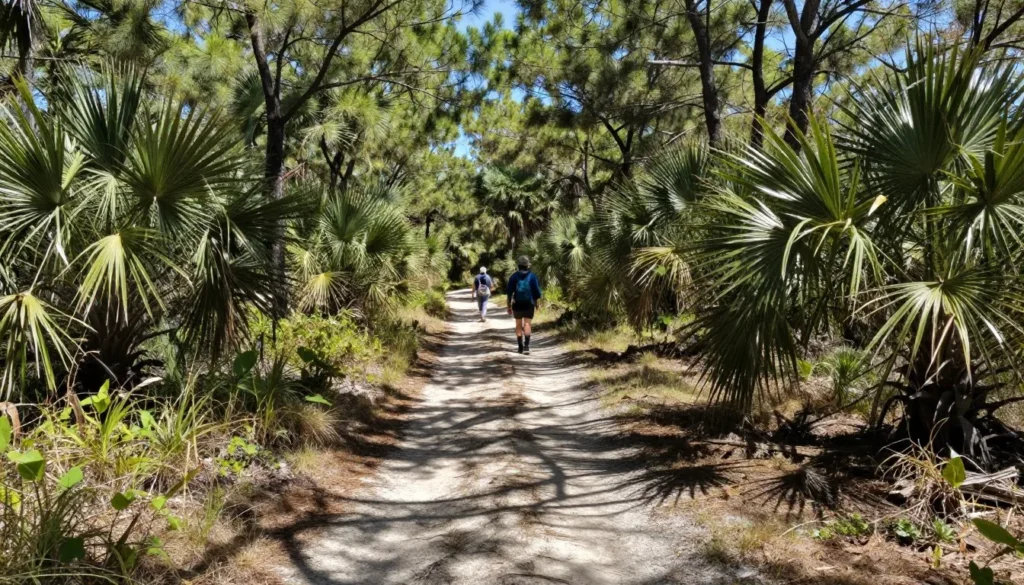
Beyond historic structures, Brunswick Town Fort Anderson protects coastal ecosystems. Maritime forest covers much of the site, with live oaks, longleaf pines, and palmetto creating habitat for wildlife.
Birdwatching appeals to nature enthusiasts year-round. The Cape Fear River corridor serves as a migration route, bringing seasonal visitors like warblers and waterfowl. Resident species include woodpeckers, herons, and bald eagles.
The trail system offers peaceful walking through varied landscapes. Portions pass through dense forest shade, while others cross open grassy areas with expansive river views. Spring wildflowers add seasonal color to the historic grounds.

Kayaking the Cape Fear River provides a unique perspective on Fort Anderson. Several outfitters in Wilmington and Southport offer rentals and guided paddles. Approach the historic site from the water as supply ships once did during the Civil War.
Nearby Carolina Beach State Park and Fort Fisher State Recreation Area expand outdoor opportunities. These protected areas feature additional trails, primitive camping, and beach access. Fort Fisher State Recreation Area lies just 24 kilometers (15 miles) south, offering coastal hiking and swimming.
Travel With Children
Fort Anderson welcomes families and provides engaging experiences for children interested in history. The combination of outdoor exploration and historic storytelling keeps young visitors entertained while learning.
Kids enjoy imagining life in the old village site and exploring the massive earthwork fortifications. Climbing the fort berms (where permitted) and searching for river views creates adventure within the historic context.
The visitor center offers a junior ranger-style activity booklet. Children complete activities throughout the site, learning about history, archaeology, and nature. Finishing the booklet earns them a commemorative item.
Picnic facilities make Brunswick Town Fort Anderson ideal for family outings. Pack lunch and spend several hours exploring without time pressure. The flat trail loop works well for children of elementary age and older.
Nearby attractions complement a historic site visit. The North Carolina Aquarium at Fort Fisher, 24 kilometers (15 miles) south, captivates children with marine life exhibits. Carolina Beach’s boardwalk and amusement rides provide balance to educational activities.
Money Saving Tips

Admission to Brunswick Town Fort Anderson remains free for all visitors. North Carolina state historic sites do not charge entrance fees, making this an excellent budget-friendly attraction.
Pack water and snacks. No food or beverage sales operate on-site, so bringing your own supplies saves money while allowing flexible visit timing. Picnic areas provide pleasant spots for self-catered meals.
Visit multiple state historic sites during your trip. Several other North Carolina historic sites cluster around Wilmington, including Fort Fisher State Historic Site at nearby Fort Fisher State Recreation Area. All offer free admission.
Time your visit to coincide with living history events. These special programs, included with free admission, provide enhanced experiences with costumed interpreters and demonstrations at no additional cost.
Consider lodging in Wilmington rather than beachfront properties. Downtown and inland hotels typically cost less than oceanfront accommodations, yet place you within easy driving distance of both Brunswick Town Fort Anderson and beach areas.
Explore free downtown Wilmington attractions. The Historic District Riverwalk, downtown parks, and historic architecture provide no-cost sightseeing opportunities. Self-guided walking tours download free from visitor bureau websites.
Safety & Local Customs
Brunswick Town Fort Anderson presents minimal safety concerns. The site maintains well-marked trails and clear boundaries. Stay on designated paths to protect archaeological resources and avoid uneven terrain.
North Carolina’s coastal climate brings specific considerations. Summer heat and humidity require sun protection, hats, and adequate hydration. Thunderstorms develop quickly during warm months—seek shelter if lightning threatens.
Insect repellent proves useful, particularly during warmer months. Mosquitoes inhabit shaded forest areas, and ticks occasionally occur in tall grass. Check clothing and exposed skin after your visit.
The site sits in a rural area with limited cell service. Download any needed information or maps before arrival. The visitor center provides assistance during operating hours.
Respect the historic nature of the area. Never remove artifacts, climb on ruins, or disturb archaeological features. These protections preserve history for future generations and comply with state and federal laws.
Southern hospitality characterizes interactions throughout coastal North Carolina. Friendly greetings and polite conversation are customary. Site staff and volunteers enjoy sharing knowledge with genuinely interested visitors.
Visitor Comments About Fort Anderson
“Walking through Brunswick Town Fort Anderson felt like stepping back through layers of American history. The church ruins are hauntingly beautiful, and standing on the fort earthworks overlooking the Cape Fear River really helps you understand why this location held such strategic importance.”
“We spent a wonderful morning exploring the site with our two children. The combination of walking trails, historic ruins, and river views kept everyone engaged. The free admission and excellent interpretive signs made it outstanding value. This is exactly the kind of educational experience families need.”
“Brunswick Town Fort Anderson exceeded expectations as a less crowded alternative to more famous Civil War sites. The preservation quality is remarkable, and the natural setting along the river creates a peaceful atmosphere for reflection. I appreciated how the site tells both Revolutionary War and Civil War stories in one location.”
Additional Nearby Destinations
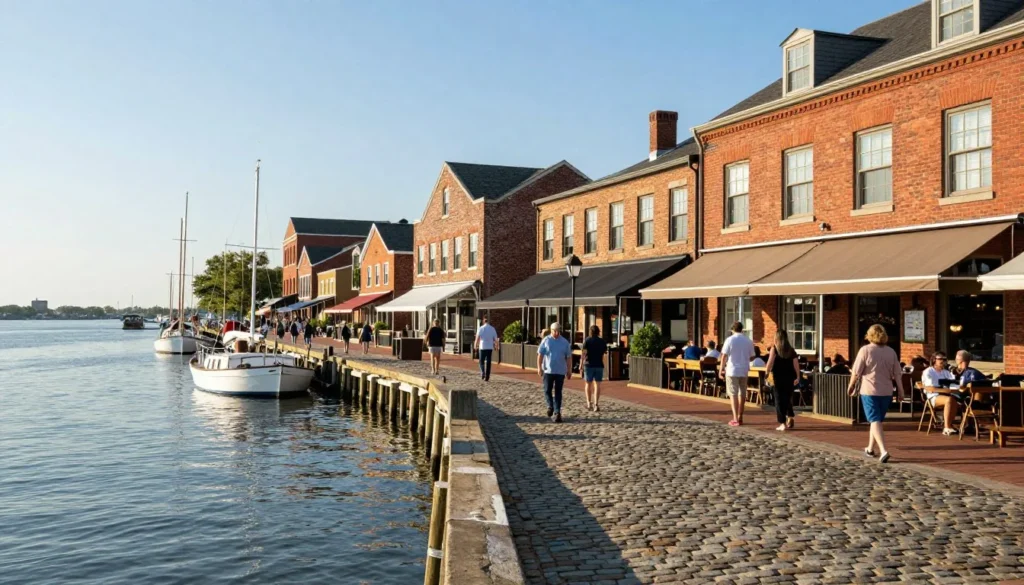
Wilmington’s historic downtown district ranks among North Carolina’s most charming urban areas. The Riverwalk stretches along the Cape Fear River waterfront, lined with restaurants, shops, and museums. Historic architecture spans Victorian, antebellum, and 20th-century periods.
Battleship North Carolina, permanently moored across the river from downtown, offers self-guided tours through this World War II veteran. The massive warship participated in major Pacific campaigns and now serves as a memorial museum.
Fort Fisher State Historic Site preserves the Confederacy’s largest earthwork fortification. Located at Fort Fisher State Recreation Area, this site complements Brunswick Town Fort Anderson by presenting later Civil War coastal defense. An excellent museum explains the fort’s role and the massive amphibious assault that captured it.
Southport maintains its fishing village character while welcoming visitors. This charming town offers waterfront dining, maritime museums, and access to Bald Head Island. The North Carolina Maritime Museum at Southport explores regional maritime history.
Carolina Beach and Kure Beach provide traditional beach town experiences. Carolina Beach Boardwalk features amusement rides and arcade entertainment, while Kure Beach offers quieter family beach access. The North Carolina Aquarium at Fort Fisher sits between these communities.
Airlie Gardens, 29 kilometers (18 miles) north, showcases formal gardens and coastal landscapes. The 27-hectare (67-acre) property features seasonal blooms, ancient live oaks, and walking trails along Bradley Creek.
Practical Travel Tips
Brunswick Town Fort Anderson operates year-round, Tuesday through Saturday from 9:00 AM to 5:00 PM. The site closes on Sundays, Mondays, and major holidays. Always verify current hours before traveling, as schedules occasionally change for special events or weather.
Allow two to three hours for a thorough visit. This timing includes visitor center exhibits, the complete trail loop, and time to explore ruins and fortifications at a relaxed pace.
Wear comfortable walking shoes with good traction. Trails include paved sections near the visitor center, but most paths traverse grass, gravel, or packed earth. Uneven ground around archaeological features requires attention.
Bring water, especially during warm months. No water fountains or beverage sales exist along the trail system. The visitor center provides restrooms and water during operating hours.
Photography enthusiasts should plan for morning or late afternoon visits. Angled sunlight enhances the dramatic ruins and landscapes. Golden hour particularly beautifies St. Philips Church and the Cape Fear River views.
Brunswick Town Fort Anderson State Historic Site location near Wilmington, North Carolina
Download the official North Carolina Historic Sites app before your visit. This free mobile application provides additional information, historical photographs, and self-guided tour content for Brunswick Town Fort Anderson and other state historic sites.
Service animals are welcome throughout the site. Pets on leashes are permitted on trails but not inside the visitor center building. Waste disposal stations are provided in the parking area.
Additional Travel Assistance
For questions about Brunswick Town Fort Anderson, trail conditions, or special programs, contact the historic site directly:
Your Journey Through Coastal Carolina History Awaits
Fort Anderson offers more than preserved earthworks and colonial ruins. This remarkable site connects visitors to pivotal moments in American history while immersing them in coastal Carolina’s natural beauty. From walking the same grounds where Revolutionary War colonists built their port town to standing atop Civil War fortifications that once commanded the Cape Fear River, every step reveals layers of stories waiting to be discovered.
Whether you’re a dedicated history enthusiast, a family seeking educational outdoor experiences, or a traveler exploring North Carolina’s coastal region, Brunswick Town Fort Anderson delivers authentic encounters with the past. The combination of free admission, well-preserved features, and peaceful natural setting creates an experience that resonates long after your visit ends. Start planning your journey to this hidden gem where the Cape Fear River witnessed centuries of American history unfold.