Hotels by Trip.com
Flights by Trip.com
More than 400 years ago, 117 English colonists vanished without a trace from Roanoke Island. This chilling mystery remains unsolved today. Fort Raleigh National Historic Site preserves the location where America’s first English settlement disappeared into history.
The site takes its name from Sir Walter Raleigh. He sponsored the ill-fated colonial expeditions to Roanoke Island between 1584 and 1587. These ventures laid groundwork for future English colonization attempts in North America.
Today, this national historic site offers visitors a chance to walk through living history. The property spans 513 acres of pristine coastal landscape. Earthwork fortifications still mark where colonists built their settlement centuries ago.
Getting There and Planning Your Journey
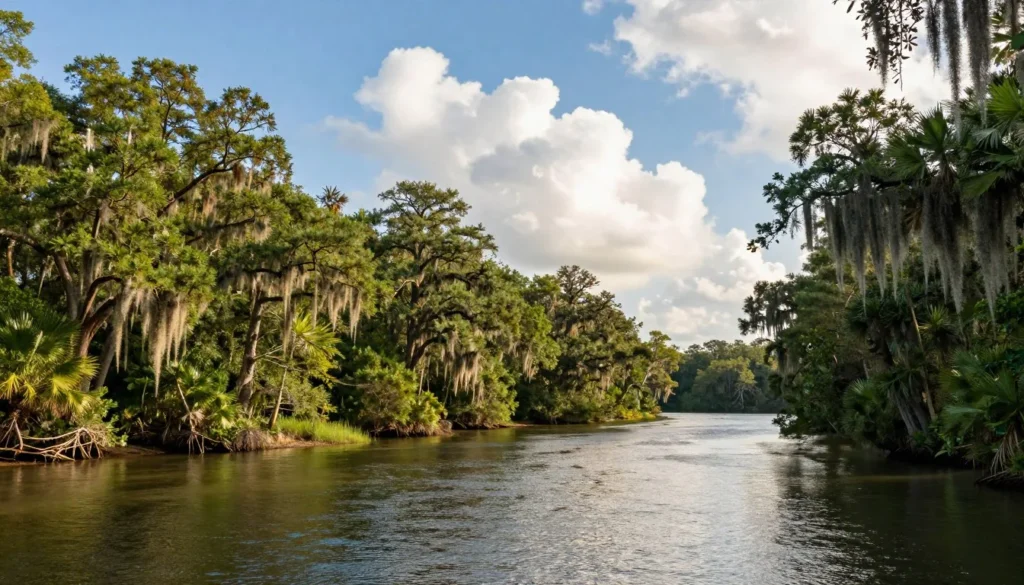
Fort Raleigh National Historic Site sits on the northern end of Roanoke Island. The location is part of North Carolina’s famous Outer Banks barrier island chain. Getting to this historic property requires some planning but rewards visitors with an unforgettable experience.
Nearest Airports
Norfolk International Airport in Virginia serves as the closest major airport. It sits approximately 113 km (70 miles) north of the site. The facility offers numerous daily flights from major US cities.
Raleigh-Durham International Airport provides another option. This hub lies roughly 282 km (175 miles) west of Fort Raleigh. Many visitors prefer this route despite the longer distance. The airport connects to more destinations nationwide.
Coastal Carolina Regional Airport in New Bern offers a smaller alternative. It operates about 105 km (65 miles) from the historic site. Limited commercial service makes this option less popular.
Driving Routes
From Norfolk, take US-64 East across the Chesapeake Bay. The scenic drive crosses several bridges and offers stunning water views. Plan for about 90 minutes of travel time.
Visitors coming from Raleigh-Durham should follow US-64 East all the way to the coast. This route takes approximately three and a half hours. The journey passes through charming small towns and agricultural land.
No public transportation serves Fort Raleigh directly. Rental cars provide the most practical option for visitors flying into the area. The site address is 1401 National Park Drive, Manteo, North Carolina, 27954.
Best Time to Visit Fort Raleigh National Historic Site and Weather Tips
Optimal Visiting Seasons
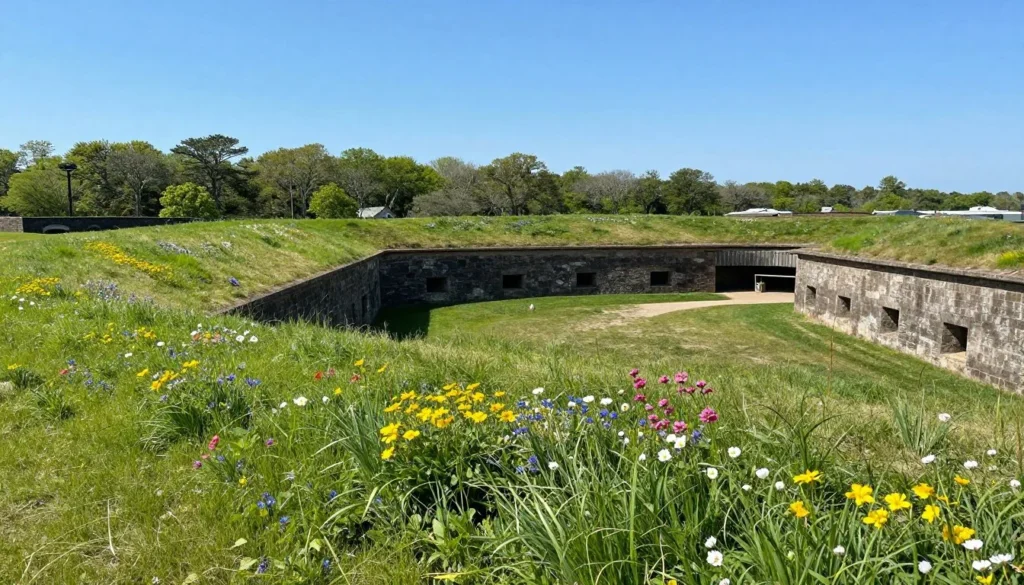
Spring emerges as the ideal time to explore Fort Raleigh National Historic Site. March through May brings comfortable temperatures between 15°C and 24°C (59°F and 75°F). Wildflowers bloom throughout the property during these months.
Fall offers another excellent window for visits. September through November features similar pleasant weather conditions. The site experiences fewer crowds after summer vacation season ends. Autumn colors enhance the natural beauty of the maritime forest.
Early summer works well for many visitors. June typically provides warm days around 27°C (80°F) with manageable humidity levels. This timing coincides with The Lost Colony outdoor drama performances.
Seasons to Approach With Caution
Peak summer months of July and August bring intense heat and humidity. Temperatures often exceed 32°C (90°F) with high humidity. Afternoon thunderstorms occur frequently during this period. Mosquitoes become particularly aggressive in summer months.
Hurricane season runs from June through November. September represents the peak month for tropical storm activity. Visitors should monitor weather forecasts carefully during these months. The Outer Banks location makes the area vulnerable to coastal storms.
Winter months see the coldest temperatures. December through February averages between 4°C and 13°C (40°F and 55°F). Strong winds off the Atlantic Ocean make conditions feel colder. Many local attractions reduce their operating hours during winter.
Weather Preparation Tips
Sunscreen remains essential year-round at Fort Raleigh. The coastal location intensifies sun exposure even on cloudy days. Insect repellent helps combat mosquitoes and biting flies.
Layered clothing works best for visiting the historic site. Morning temperatures often feel cool while afternoons warm considerably. Light, breathable fabrics suit the humid climate better than heavy materials.
Rain gear proves useful regardless of season. Brief showers can develop quickly near the coast. Waterproof jackets pack easily and provide protection without adding bulk.
Notable Annual Festivals
Fort Raleigh and the surrounding Outer Banks region host several annual events. These festivals celebrate the area’s rich history and cultural heritage. Planning your visit around these occasions adds extra dimension to your trip.
The Lost Colony Outdoor Drama
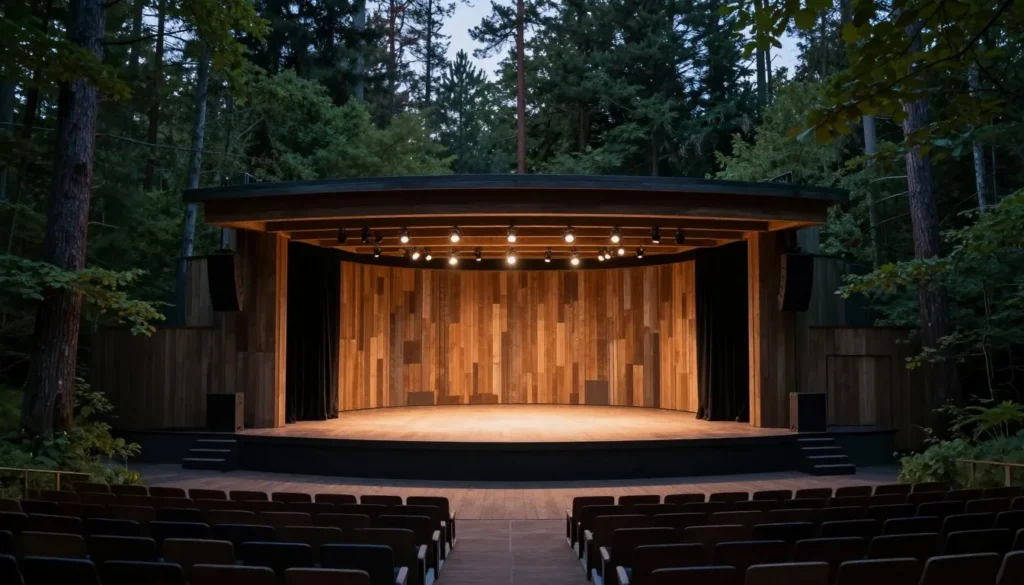
This legendary production runs from late May through mid-August each year. The show takes place at Waterside Theatre adjacent to Fort Raleigh National Historic Site. Performances occur nightly except Sundays during the season.
The drama tells the story of the vanished colonists through music and theater. It premiered in 1937 and holds the distinction of being America’s longest-running outdoor symphonic drama. The production employs local actors alongside professional performers.
For tickets and current schedule information, contact The Lost Colony at 252-473-2127. Shows typically begin at dusk. Arriving early allows time to explore the grounds before curtain.
Virginia Dare Birthday Celebration
This event honors Virginia Dare every August 18th. She was the first English child born in the Americas. The celebration takes place at Fort Raleigh with special programs and presentations.
Activities include historical demonstrations and educational programs. National Park Service rangers lead special tours focusing on the colony’s story. The free event welcomes families and history enthusiasts.
Call the Fort Raleigh Visitor Center at 252-473-2111 for specific program details. Times and activities vary slightly from year to year.
Elizabethan Gardens Events
The adjacent Elizabethan Gardens host seasonal festivals throughout the year. Spring brings the Azalea Festival in April. Summer features outdoor concerts in the garden setting.
December transforms the gardens with the Garden of Lights display. Thousands of twinkling lights illuminate the historic landscape. This event runs from late November through early January.
Contact the Elizabethan Gardens at 252-473-3234 for event schedules and admission information. Special events may require separate tickets from general admission.
Getting Around Locally
Roanoke Island and the surrounding Outer Banks require personal transportation. The area lacks comprehensive public transit systems. Most visitors rely on personal vehicles or bicycles to explore the region.
Driving on Roanoke Island
Fort Raleigh sits just north of downtown Manteo. The small size of Roanoke Island makes driving straightforward. Traffic rarely becomes congested except during peak summer weekends.
Parking at Fort Raleigh National Historic Site is free and plentiful. The main lot accommodates cars and recreational vehicles. Overflow parking becomes available during special events.
Speed limits throughout the island remain low. Many roads wind through residential areas and natural habitats. Watch for pedestrians and cyclists, especially near popular attractions.
Bicycle Transportation
Cycling offers an enjoyable way to explore Roanoke Island. Relatively flat terrain makes biking accessible for most fitness levels. Several rental shops operate in downtown Manteo.
The island features designated bike lanes on major roads. Quieter back streets provide pleasant routes for casual riders. Fort Raleigh welcomes cyclists with bike racks near the visitor center.
Distance from downtown Manteo to Fort Raleigh measures approximately 5 km (3 miles). The ride takes about 20 minutes at a leisurely pace. Bring water and sun protection for cycling excursions.
Exploring the Wider Outer Banks
Visiting beaches and attractions beyond Roanoke Island requires a vehicle. The barrier islands stretch for miles along the coast. Distances between towns are significant.
Highway 12 serves as the main north-south route through the Outer Banks. This scenic road connects most major destinations. Summer traffic can slow travel times considerably.
Gas stations appear regularly but plan fuel stops on longer trips. Some remote stretches have limited services. Fill up before heading to isolated beach areas.
Where to Stay
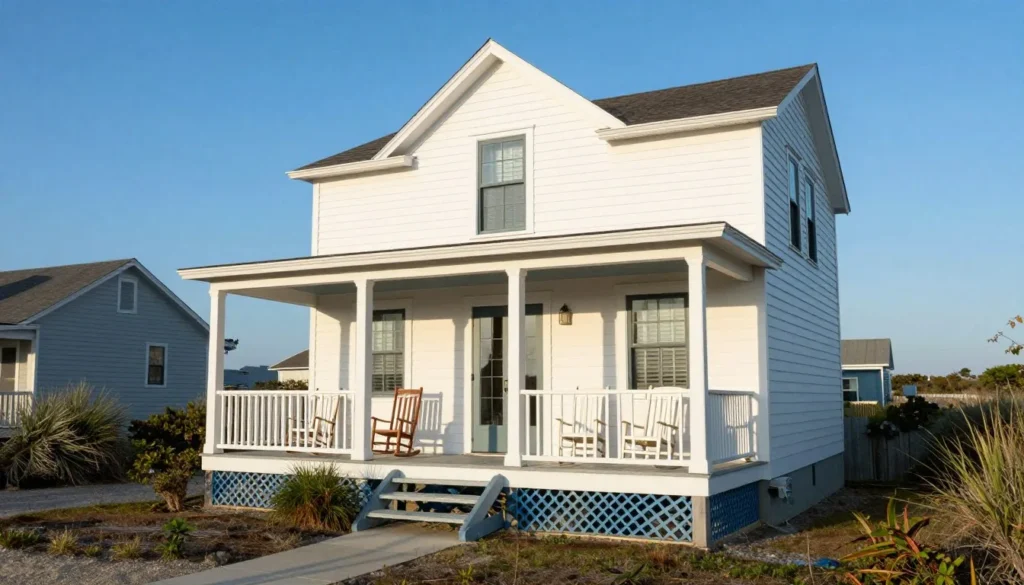
Accommodation options near Fort Raleigh National Historic Site range from budget motels to luxury resorts. Most lodging concentrates in Manteo or along the barrier beach islands. Booking well in advance becomes essential during summer peak season.
Manteo Area Hotels
Manteo offers several hotels within 3 km (2 miles) of Fort Raleigh. These properties provide convenient access to the historic site and downtown attractions. Most feature standard amenities like pools and complimentary breakfast.
The Elizabethan Inn sits closest to Fort Raleigh. This waterfront property offers bay views and classic Outer Banks atmosphere. Rooms include modern conveniences while maintaining coastal charm.
Budget-conscious travelers find value at chain hotels near the Manteo bypass. These options provide clean, comfortable rooms at lower price points. They sacrifice waterfront location for affordability.
Vacation Rentals
Rental homes dominate lodging options throughout the Outer Banks. Properties range from small cottages to large multi-bedroom estates. Weekly rentals typically run Saturday to Saturday during summer.
Roanoke Island rentals offer proximity to Fort Raleigh and calmer sound-side waters. Beach lovers prefer rentals on the barrier islands despite longer drives to the historic site. Nags Head and Kill Devil Hills provide numerous rental options.
Vacation rentals include full kitchens and living spaces. This arrangement works well for families and extended stays. Many properties welcome pets with additional fees.
Bed and Breakfast Inns
Historic bed and breakfast inns add character to an Outer Banks visit. Manteo features several charming properties in restored historic buildings. These intimate lodgings typically include gourmet breakfast and personalized service.
The Roanoke Island Inn occupies a historic home near the waterfront. Original architectural details blend with modern comfort. Innkeepers provide local knowledge and dining recommendations.
Camping Options
No camping facilities exist at Fort Raleigh itself. Nearby campgrounds provide alternatives for outdoor enthusiasts. Sites accommodate tents, campers, and recreational vehicles.
Cape Hatteras National Seashore operates several campgrounds south of Roanoke Island. These oceanfront locations offer primitive camping experiences. Facilities remain basic but settings are spectacular.
Private campgrounds near Manteo and on the beach provide more amenities. Full hookups, showers, and camp stores serve RV travelers. Reservations become crucial during summer months.
Dining and Local Cuisine
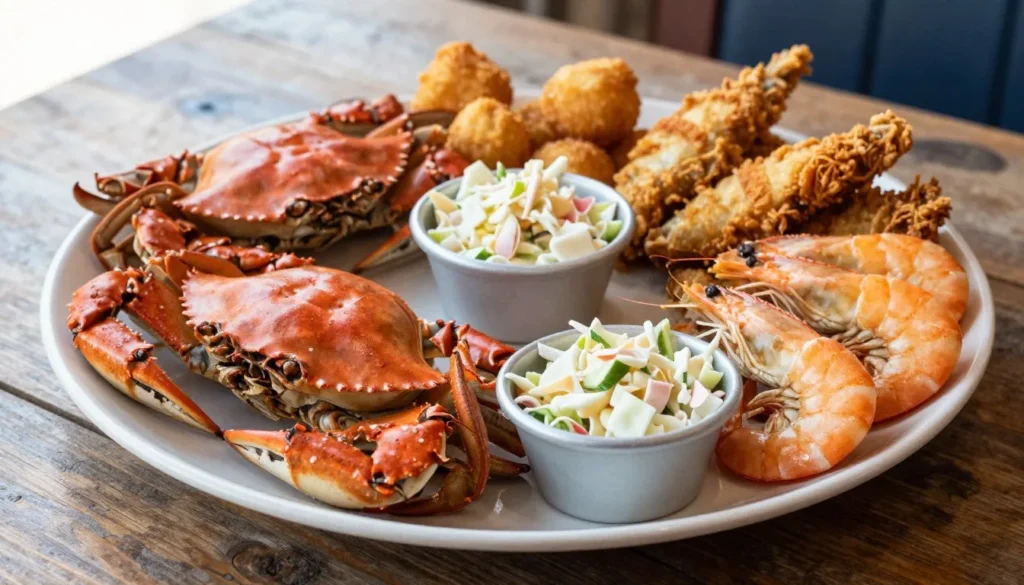
Outer Banks cuisine centers on fresh seafood caught in local waters. Restaurants near Fort Raleigh serve everything from casual fish shacks to upscale dining. The food scene reflects the area’s maritime heritage and Southern traditions.
Local Seafood Specialties
Blue crabs reign as the signature seafood of North Carolina’s coastal waters. Restaurants serve them steamed, in crab cakes, or as soft-shell preparations. Peak crab season runs from April through November.
Fresh-caught fish appears on nearly every menu. Popular local varieties include flounder, mahi-mahi, and tuna. Many establishments feature daily catches prepared simply to highlight natural flavors.
Shrimp from nearby waters arrive at restaurants within hours of harvest. Preparations range from classic fried baskets to elegant scampi dishes. Sweet local shrimp taste noticeably different from imported varieties.
Manteo Dining Options
Downtown Manteo concentrates numerous restaurants within walking distance. The waterfront dining district offers views alongside meals. Reservations help secure tables during busy summer evenings.
1587 Restaurant provides upscale dining in a historic setting. The menu emphasizes local ingredients and coastal cuisine. The restaurant occupies a tranquil location near the waterfront.
Casual options abound throughout Manteo. Family-friendly seafood restaurants serve fried platters and steamed catches. Many establishments feature outdoor seating with water views.
Traditional Outer Banks Foods
Hushpuppies accompany most seafood meals in the region. These fried cornmeal balls originated as a way to use leftover fish fry batter. Each restaurant guards its own recipe variation.
Clam chowder appears in two distinct styles locally. Some restaurants serve creamy New England-style while others prefer clear North Carolina-style. Both versions feature fresh local clams.
Barbecue represents another important regional tradition. North Carolina-style pulled pork comes with vinegar-based sauce. Several restaurants near Fort Raleigh specialize in this Southern staple.
Markets and Grocery Options
Fresh seafood markets let visitors purchase catches for home preparation. Wanchese, a fishing village south of Manteo, hosts commercial fishing operations and retail markets. Fishermen sell directly from their boats at certain docks.
Grocery stores in Manteo stock essentials for vacation rental guests. Full-service supermarkets carry standard items plus local specialties. Prices tend slightly higher than mainland locations due to transportation costs.
Attractions, Sightseeing, and Activities
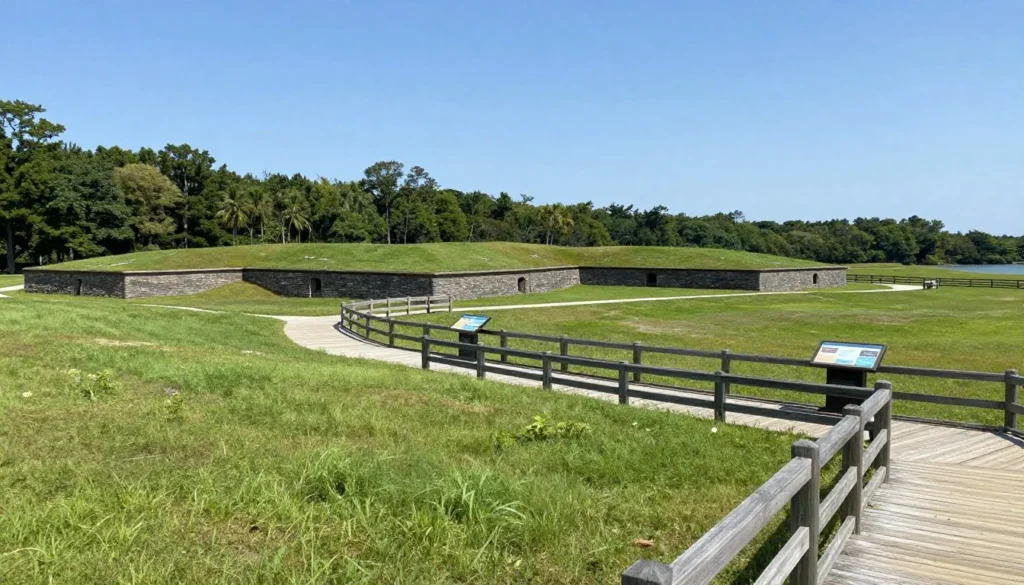
Fort Raleigh National Historic Site preserves multiple layers of American history. The property tells stories spanning from the Lost Colony to the Civil War era. Visitors discover compelling narratives at every turn.
The Lost Colony Story
The earthwork fortifications mark where English colonists established their settlement in 1585. Sir Walter Raleigh sponsored the expedition hoping to claim North American territory for England. The venture ultimately failed but set precedents for future colonization.
A second colony arrived in 1587 under Governor John White. This group included families seeking permanent settlement. Virginia Dare’s birth that August marked the first English child born in the Americas.
Governor White returned to England for supplies. War with Spain delayed his return for three years. When White finally reached Roanoke Island in 1590, the colonists had vanished completely. Only the word “CROATOAN” carved into a post offered any clue.
The disappearance remains one of history’s greatest mysteries. Theories range from integration with local tribes to relocation attempts. No definitive evidence has ever resolved the colonists’ fate.
Fort Raleigh Earthworks
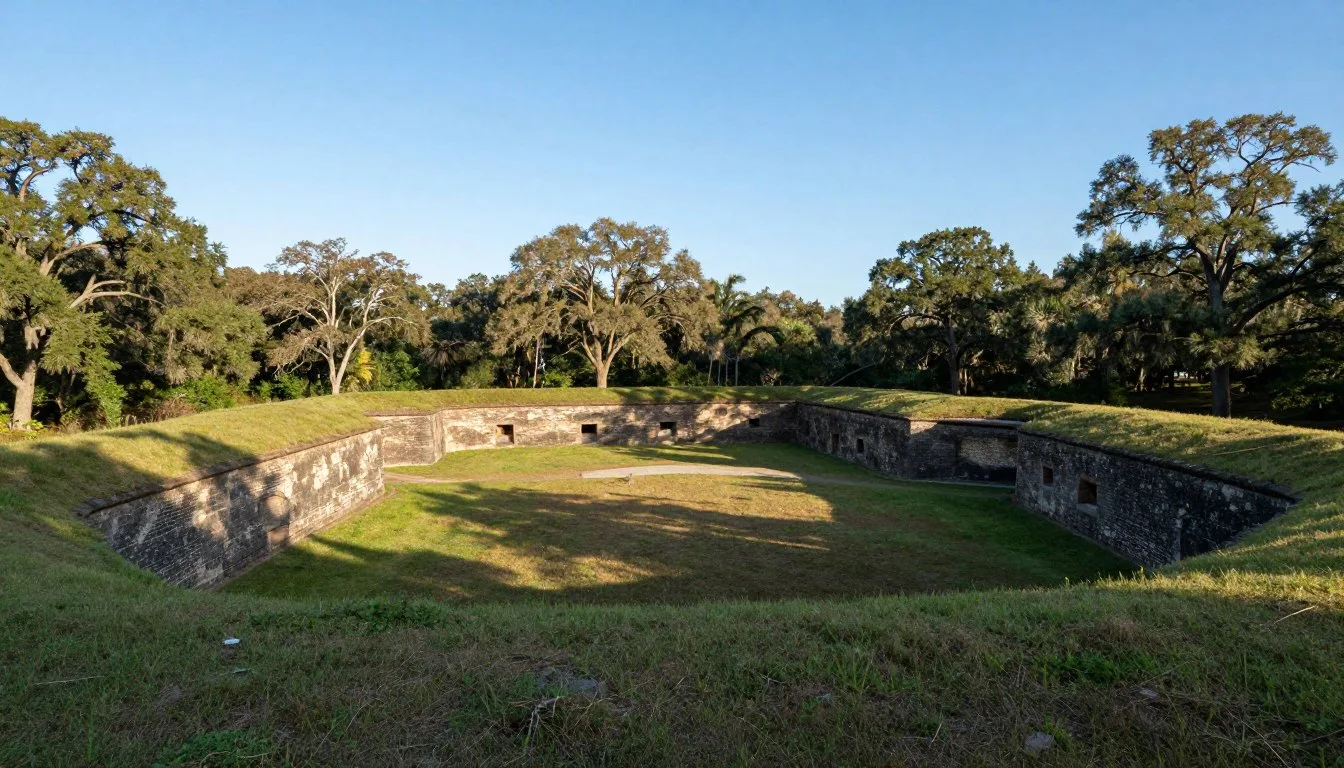
The star-shaped earthwork fortification remains visible today. Archaeological work revealed the fort’s outline in the 1940s. Grass-covered earthen walls show where defenders constructed protective barriers.
Walking paths circle the earthworks allowing close examination. Interpretive markers explain the fort’s construction and military significance. The modest size surprises many visitors expecting more substantial ruins.
The earthworks’ location proved strategic for monitoring waterways. Colonists could observe ship traffic while maintaining defensive positions. Modern visitors enjoy the same vantage points the settlers used.
Visitor Center Exhibits
The Lindsay Warren Visitor Center provides comprehensive orientation to Fort Raleigh. Interactive exhibits explore the Lost Colony mystery through artifacts and multimedia presentations. A 17-minute orientation film sets historical context.
Displays examine daily life in the 16th-century colony. Reproductions show tools, weapons, and household items colonists would have used. Archaeological findings from the site appear alongside interpretive information.
Rangers staff the center during operating hours. They answer questions and provide directions to various site features. Free brochures and trail maps are available at the information desk.
The visitor center operates daily except December 25. Hours run from 9:00 AM to 5:00 PM most of the year. Extended hours may apply during peak summer season. Admission to Fort Raleigh National Historic Site remains free.
Walking Trails
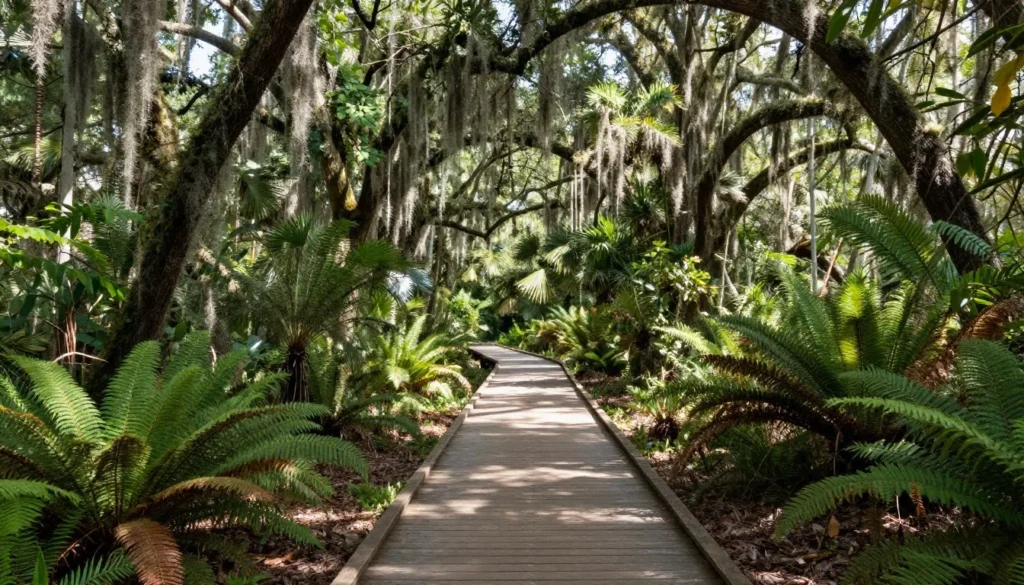
Several trails wind through the Fort Raleigh property. The Thomas Hariot Nature Trail forms a 1.6 km (1 mile) loop through maritime forest. Interpretive signs identify native plants and discuss their uses by colonists and indigenous peoples.
This easy path takes about 30 minutes at a relaxed pace. The forest canopy provides shade even during summer heat. Benches along the route offer rest spots and bird-watching opportunities.
A shorter trail leads from the visitor center to the earthwork fortifications. This paved path accommodates wheelchairs and strollers. The walk covers approximately 400 m (quarter mile) round trip.
Museums, Cultural Spots, and Festivals

Elizabethan Gardens
Adjacent to Fort Raleigh, the Elizabethan Gardens honor the first English colonists. This 4-hectare (10-acre) botanical garden opened in 1960. The Garden Club of North Carolina created and maintains this living memorial.
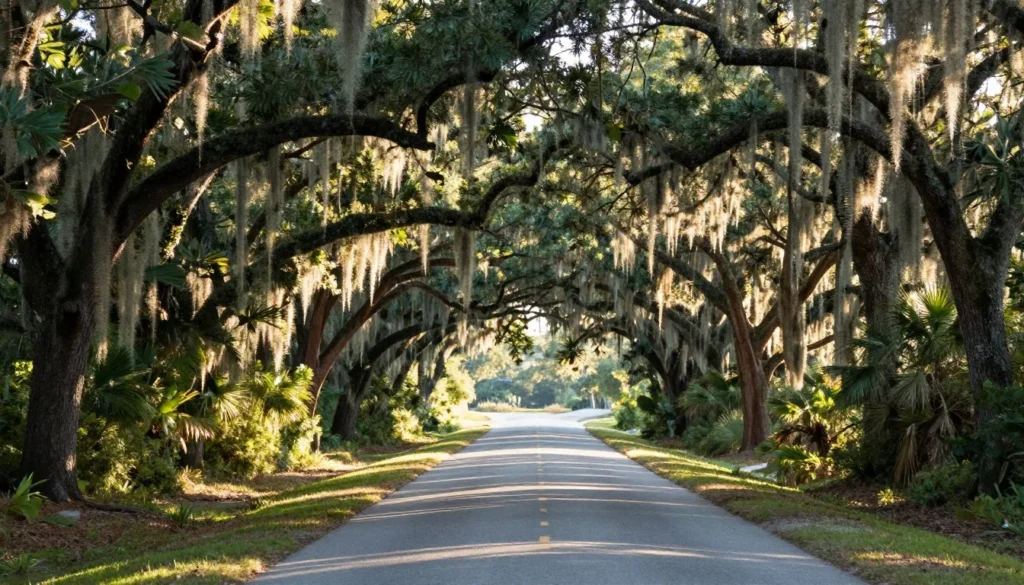
Period-appropriate plants fill themed garden rooms. A Great Lawn provides space for events and relaxation. Ancient live oak trees draped with Spanish moss create natural architecture throughout the grounds.
The centerpiece fountain sits within a formal sunken garden. Seasonal plantings ensure color year-round. Spring brings masses of azaleas and camellias into bloom.
A separate admission fee applies for the Elizabethan Gardens. Hours vary seasonally. Call 252-473-3234 for current rates and operating schedule.
Roanoke Island Festival Park
This interactive history site sits on the Manteo waterfront. The park recreates elements of 16th-century colonial life. A full-scale replica of a 1585 sailing vessel anchors at the dock.
Visitors can board the Elizabeth II and explore below decks. Costumed interpreters explain navigation techniques and shipboard life. The vessel represents the type that carried colonists across the Atlantic.
The Settlement Site features reconstructed buildings showing colonial architecture. Demonstrations of period crafts occur daily during operating season. Blacksmithing, woodworking, and cooking activities bring history to life.
The American Indian Town recreates an Algonquian village. Structures and exhibits honor the indigenous peoples who inhabited Roanoke Island before European contact. Programs explore their culture and lifestyle.
Admission fees support the park’s educational mission. Combined tickets with Fort Raleigh attractions may offer savings. Contact 252-475-1500 for admission information and program schedules.
North Carolina Aquarium
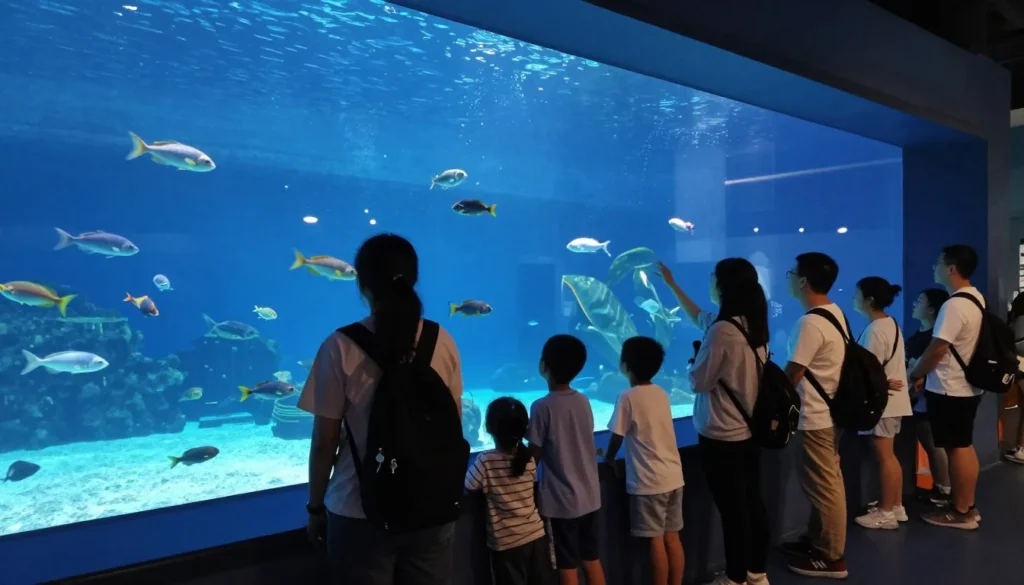
The North Carolina Aquarium on Roanoke Island explores coastal marine environments. Located just minutes from Fort Raleigh, this facility showcases native aquatic life. A 285,000-liter (75,000-gallon) ocean tank houses sharks, sea turtles, and fish.
Touch tanks let visitors interact with rays and horseshoe crabs. Outdoor habitats feature river otters and alligators. Educational programs run throughout the day.
The aquarium focuses on North Carolina coastal ecosystems. Exhibits explain barrier island formation, sound habitats, and ocean environments. Conservation messages appear throughout displays.
Admission tickets can be purchased online or at the door. The facility operates daily except Thanksgiving and Christmas. Call 252-475-2300 for current hours and special program information.
Nature and Outdoor Experiences
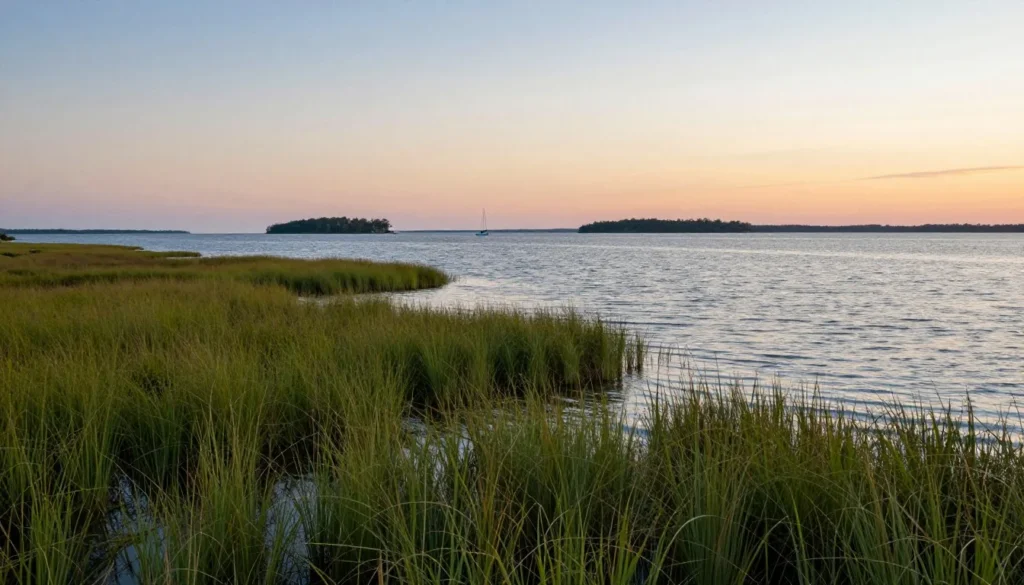
The Outer Banks location of Fort Raleigh provides access to diverse natural environments. Coastal forests, sounds, and ocean beaches create opportunities for outdoor recreation. Nature enthusiasts find abundant wildlife and scenic landscapes.
Wildlife Watching
The maritime forest surrounding Fort Raleigh hosts numerous bird species. Spring and fall migration brings warblers, thrushes, and other songbirds through the area. Patient observers may spot painted buntings during summer months.
White-tailed deer browse through the forest regularly. They often appear near dawn and dusk along trail edges. Visitors should observe from a respectful distance without approaching.
Roanoke Sound attracts wading birds and waterfowl. Great blue herons stalk the shallow waters hunting fish. Ospreys nest in tall trees and hunt over the sound during warmer months.
Water Activities
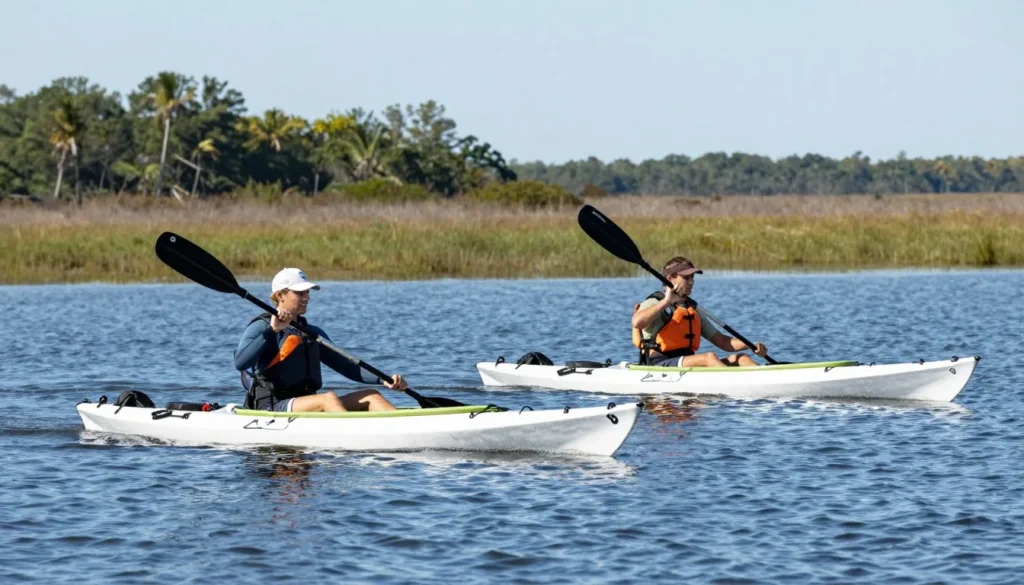
Roanoke Sound provides calm waters ideal for kayaking and paddleboarding. The sound’s protected location shelters paddlers from ocean waves and wind. Several launch points exist around Roanoke Island.
Kayak rentals operate from downtown Manteo waterfront. Guided tours explore marshes and wildlife areas. Sunset paddles offer particularly beautiful experiences on calm evenings.
Fishing opportunities abound in local waters. The sound produces flounder, speckled trout, and striped bass. No fishing occurs within Fort Raleigh itself but nearby public access points welcome anglers.
Beach Access
Ocean beaches lie short drives from Fort Raleigh National Historic Site. The barrier islands east of Roanoke Island feature miles of sandy shoreline. Multiple public access points provide parking and facilities.
Nags Head beaches sit approximately 16 km (10 miles) from Fort Raleigh. Wide sandy beaches attract swimmers and sunbathers. Lifeguards patrol designated areas during summer season.
Coquina Beach in Cape Hatteras National Seashore offers a more natural beach experience. This location sees fewer crowds than commercial beach towns. The park provides basic facilities and ample parking.
Jockey’s Ridge State Park
This park protects the tallest natural sand dune system on the Atlantic coast. Jockey’s Ridge reaches heights of 27-30 m (90-100 feet) depending on wind patterns. The dune’s height fluctuates as sand shifts.
Climbing the dune provides panoramic views of ocean and sound. The strenuous walk up soft sand rewards visitors with spectacular vistas. Sunset viewing from the summit ranks among Outer Banks highlights.
Hang gliding lessons and flights launch from Jockey’s Ridge. The dune’s height and wind patterns create ideal conditions for this sport. The park sits about 13 km (8 miles) from Fort Raleigh.

Travel With Children
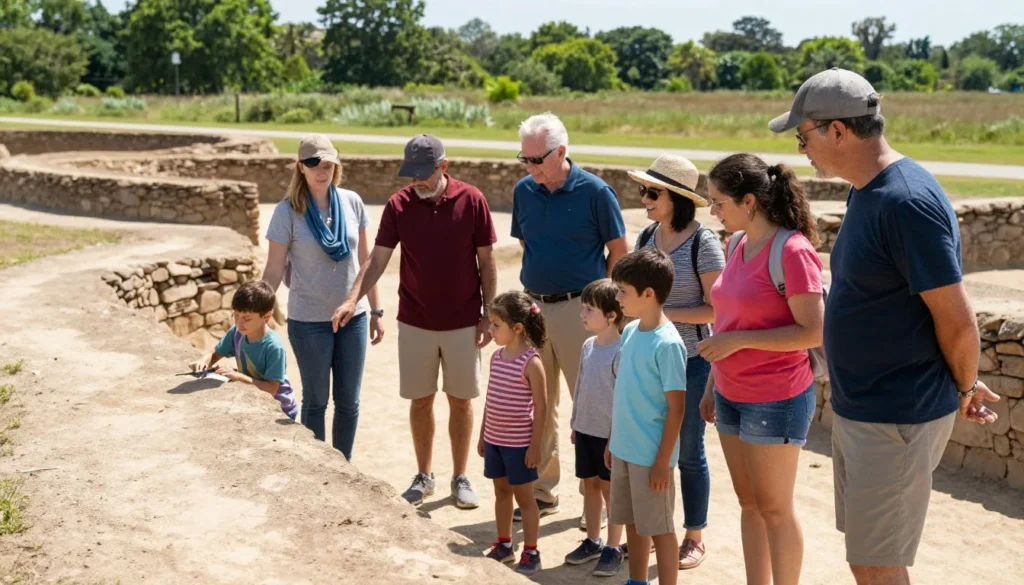
Fort Raleigh National Historic Site welcomes families with children of all ages. The combination of history, nature, and hands-on experiences appeals to young visitors. Several strategies help families maximize enjoyment.
Age-Appropriate Activities
The visitor center film provides good introduction for children over six. Younger children may find the presentation too long. Interactive exhibits throughout the center engage tactile learners.
Walking the earthwork fortifications takes minimal time and effort. Most children handle the short distance easily. The open space around the fort allows running and exploring under supervision.
The nature trail through maritime forest offers discovery opportunities. Children enjoy spotting wildlife and identifying plants. Scavenger hunt sheets available at the visitor center add game elements to the walk.
The Lost Colony Performance
The outdoor drama captivates many children with its action and music. Sword fights and dramatic scenes hold attention better than pure dialogue. The show runs over two hours including intermission.
Children under five attend free but may struggle sitting through the entire performance. Evening start times can conflict with young children’s bedtimes. Consider your child’s stamina before purchasing tickets.
The open-air theater allows families to step out if needed. No one sits trapped in enclosed spaces. Summer evening temperatures remain comfortable for outdoor viewing.
Nearby Family Attractions
The North Carolina Aquarium provides excellent family entertainment. Children love the touch tanks and viewing feeding times. Educational programs teach about marine life through engaging presentations.
Roanoke Island Festival Park offers hands-on history. Children can board the ship replica and try period games. Costumed interpreters answer questions in accessible language.
Beach days provide essential balance to historic site visits. Children burn energy playing in sand and surf. Numerous family-friendly beaches operate within easy drives.
Practical Family Tips
Restrooms at the Fort Raleigh visitor center include changing facilities. Vending machines provide snacks and drinks. Picnic areas near the parking lot work for family lunches.
Stroller-accessible paths connect major site features. The paved routes accommodate even large strollers. Shaded areas along paths provide relief from sun.
Bug spray becomes essential for children’s comfort. Mosquitoes bite aggressively in wooded areas. Apply repellent before starting nature trail walks.
Money Saving Tips
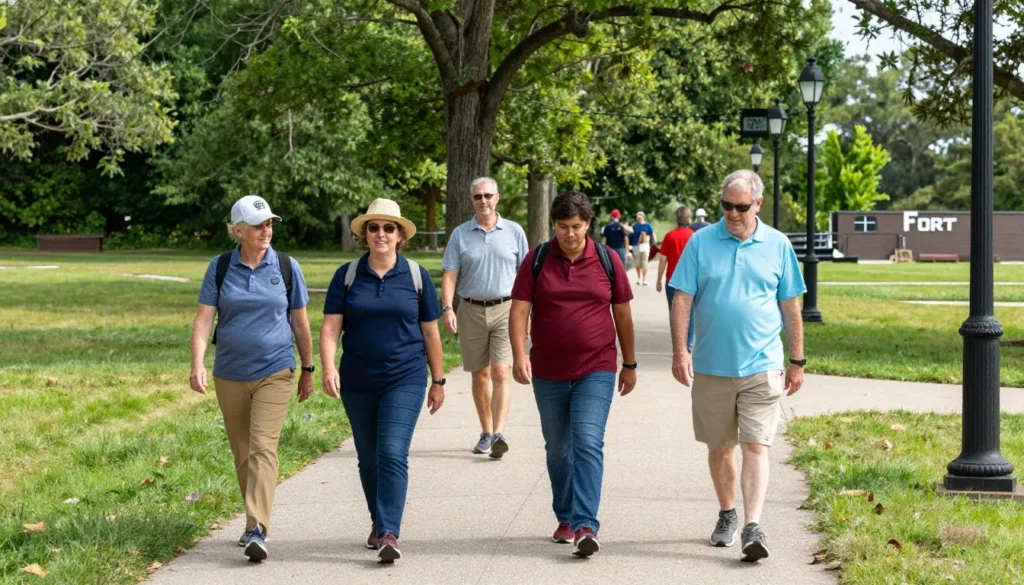
Visiting Fort Raleigh and the Outer Banks need not strain your budget. Strategic planning reduces expenses while maintaining quality experiences. Several opportunities exist for significant savings.
Free Attractions
Fort Raleigh National Historic Site charges no admission fee. The visitor center, trails, and earthwork fortifications are completely free to explore. This represents one of the area’s best values.
All national park service sites in the region maintain free admission. Cape Hatteras National Seashore beaches never charge entrance fees. Wright Brothers National Memorial offers free entrance during certain months.
The Manteo waterfront provides free entertainment. Watch boats, enjoy sunset views, and explore shops without spending money. Free concerts occasionally occur at the waterfront gazebo during summer.
Accommodation Savings
Shoulder season rates drop dramatically compared to peak summer. May and September offer pleasant weather at reduced prices. Some properties charge half their July rates during these months.
Vacation rentals save money for groups and families. Shared costs between multiple people reduce per-person expenses. Full kitchens allow meal preparation instead of restaurant dining.
Camping provides the most economical lodging option. National seashore campgrounds charge minimal fees for ocean-front locations. RV sites include basic hookups at reasonable rates.
Dining Economics
Lunch specials at restaurants often feature identical food to dinner menus. Prices typically run thirty to forty percent lower. Many establishments serve generous portions suitable for splitting.
Seafood markets sell fresh catches at wholesale prices. Preparing your own seafood dinner costs far less than restaurant meals. Simple preparation methods work beautifully with quality fresh fish.
Grocery shopping before arrival saves money over island prices. Stock up on basics and beverages at mainland stores. Transportation costs offset some savings but quantities matter.
Activity Discounts
Combination tickets reduce costs for multiple attractions. Several sites offer joint admission packages. Roanoke Island Festival Park sometimes bundles with other venues.
Early bird tickets for The Lost Colony drama cost less than regular admission. Purchasing advance tickets online may include discounts. Senior and military discounts apply at most paid attractions.
Free ranger programs occur regularly at Fort Raleigh. These educational presentations provide quality experiences without cost. Check the schedule at the visitor center for current offerings.
Safety and Local Customs
Fort Raleigh National Historic Site maintains excellent safety standards. The small, well-maintained property presents minimal hazards. Following basic precautions ensures comfortable, worry-free visits.
Weather Safety
Summer heat and humidity require attention to hydration. Bring adequate water for trail walks even on short visits. Shade opportunities exist but portions of paths receive full sun exposure.
Lightning storms develop quickly along the coast. Seek shelter immediately when thunder sounds. The visitor center provides safe haven during severe weather.
Hurricane season demands awareness of weather forecasts. Monitor tropical storm developments if visiting between June and November. Local authorities issue evacuation orders when necessary.
Wildlife Precautions
Mosquitoes and biting flies inhabit wooded areas. Apply insect repellent before walking nature trails. Peak bug activity occurs at dawn and dusk.
Ticks live in tall grass and brush. Stay on maintained trails to minimize exposure. Check for ticks after spending time in natural areas.
Venomous snakes including copperheads inhabit the region. They avoid humans but watch your step on trails. Never reach into areas you cannot clearly see.
Ocean and Water Safety
Strong currents and rip tides affect Outer Banks beaches. Swim only at guarded beaches and follow lifeguard instructions. Never swim alone or during rough conditions.
Jellyfish occasionally wash into swimming areas. Portuguese man-of-war stings require medical attention. Alert lifeguards immediately if stung by any marine creature.
Kayakers should wear life jackets regardless of swimming ability. Weather conditions change rapidly on coastal waters. File float plans for longer paddling trips.
Local Customs and Etiquette
Southern hospitality defines Outer Banks culture. Friendly greetings and small talk represent normal interaction. Locals appreciate visitors who reciprocate warmth and courtesy.
Respect for historic sites runs deep in the community. Visitors should never disturb earthwork fortifications or remove artifacts. Stay on designated paths to protect archaeological resources.
Tipping follows standard American practices. Restaurant servers expect fifteen to twenty percent of the bill. Housekeeping staff appreciate two to five dollars per day for hotel rooms.
Beach communities maintain casual dress codes. However, shirts and shoes are required in restaurants and shops. Cover beach attire when entering establishments.
Visitor Comments About Fort Raleigh National Historic Site
“The mystery of the Lost Colony came alive during our visit to Fort Raleigh. Walking the same ground where colonists vanished centuries ago sent chills down my spine. The visitor center exhibits provided fascinating context we hadn’t expected. My children asked questions all day about what might have happened to Virginia Dare and the others.”
“As a European visitor, I found Fort Raleigh incredibly important for understanding American colonial history. The National Park Service does excellent work preserving and interpreting this site. The nature trail through the maritime forest was unexpectedly beautiful. We spent much longer than planned simply enjoying the peaceful surroundings and learning about native plants.”
“Fort Raleigh exceeded my expectations completely. The earthwork fortifications may appear modest but their historical significance is enormous. Rangers provided enthusiastic explanations that made the past feel present. Combining our visit with The Lost Colony drama created a perfect day. The Outer Banks region offers so much more than just beaches.”
Additional Nearby Destinations
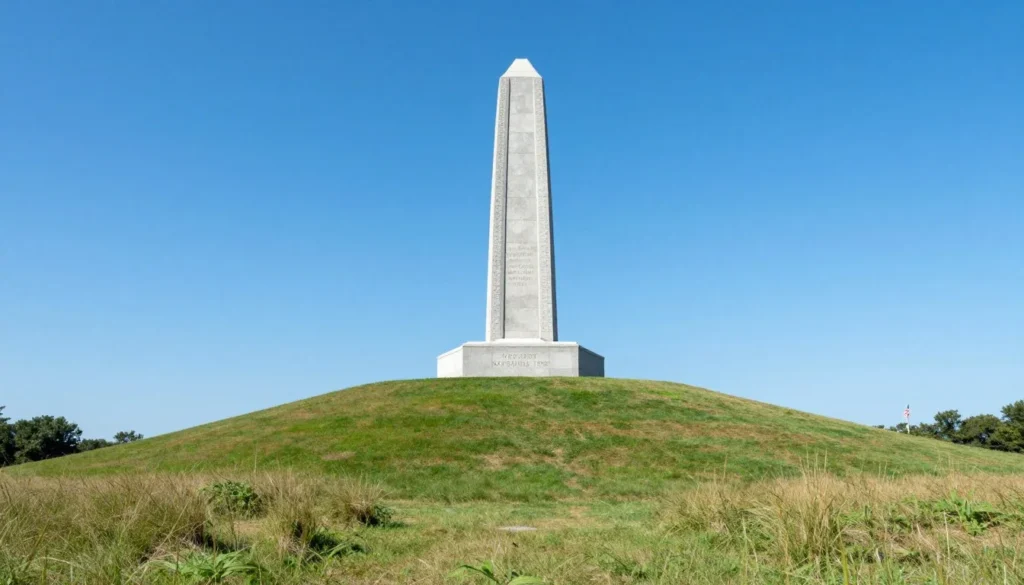
Fort Raleigh sits amid numerous other compelling attractions. The Outer Banks region rewards extended stays with diverse experiences. History, nature, and recreation combine throughout the area.
Wright Brothers National Memorial
The site of humanity’s first powered flight lies just 16 km (10 miles) from Fort Raleigh. Kill Devil Hills preserves where Orville and Wilbur Wright achieved aviation history in 1903. A 18 m (60-foot) granite monument tops the dune where the brothers conducted glider experiments.
The visitor center contains full-scale reproductions of the 1902 glider and 1903 flyer. Interactive exhibits explain the physics of flight and the brothers’ methodical approach. Markers on the field show the distance of each of the four flights on December 17, 1903.
The memorial operates year-round with seasonal hours. Admission fees apply. Call 252-473-2111 for current information and special program schedules.
Cape Hatteras Lighthouse
America’s tallest brick lighthouse stands 64 km (40 miles) south of Fort Raleigh. The black and white spiral striped tower reaches 64 m (210 feet) in height. Climbing the 257 steps rewards visitors with panoramic ocean and sound views.
The lighthouse moved 884 m (2,900 feet) inland in 1999 to escape beach erosion. This engineering feat saved the historic structure from ocean waves. The relocation story adds another layer to the site’s fascinating history.
Climbs operate seasonally depending on weather and maintenance schedules. Tickets sell quickly during peak summer season. The surrounding beach and grounds remain accessible year-round at no charge.
Ocracoke Island
This remote barrier island accessible only by ferry or private boat preserves traditional maritime culture. Ocracoke Village retains small-town character rare along modern coastlines. The free ferry from Hatteras Island provides scenic passage across Hatteras Inlet.
Ocracoke’s lighthouse, built in 1823, remains the oldest operating lighthouse in North Carolina. The whitewashed tower stands just 23 m (75 feet) tall. Though not open for climbing, the lighthouse offers excellent photo opportunities.
The island’s beaches rank among the most pristine on the Atlantic coast. Ocracoke village features locally owned shops and restaurants. Consider this destination for day trips or overnight escapes.
Currituck Beach Lighthouse
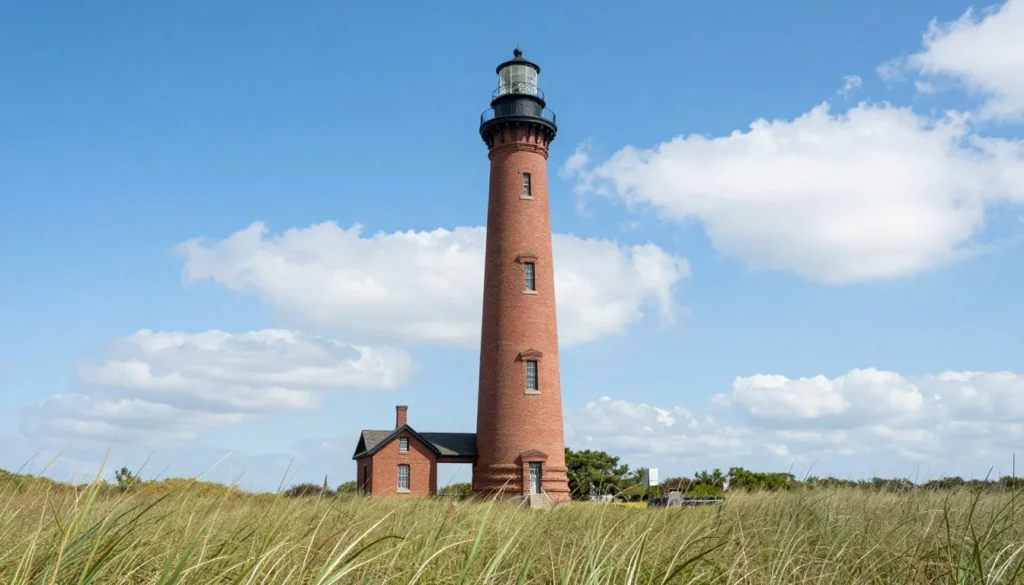
The northernmost Outer Banks lighthouse sits in Corolla, about 64 km (40 miles) north of Fort Raleigh. This unpainted red brick tower contrasts with other striped lighthouses along the coast. The 162-step climb provides views of ocean, sound, and coastal development.
The lighthouse grounds include the restored keeper’s house. Period furnishings show how lighthouse families lived in the late 1800s. Beautiful gardens surround the structures.
Wild horses roam the beaches north of Corolla. These descendants of Spanish mustangs have inhabited the Outer Banks for centuries. Organized tours provide the best chances for viewing these magnificent animals.
Practical Travel Tips

What to Pack
Comfortable walking shoes prove essential for exploring Fort Raleigh. Trails include both paved and natural surfaces. Avoid sandals or flip-flops for nature trail walks.
Sun protection deserves priority in coastal environments. Bring wide-brimmed hats, sunglasses, and reef-safe sunscreen. UV radiation reflects off water and sand intensifying exposure.
Layered clothing handles variable coastal weather. Mornings start cool while afternoons warm considerably. A light jacket or long-sleeved shirt provides versatility.
Binoculars enhance wildlife watching and historical site viewing. Compact models work well for travel. Bird identification guides help name species encountered on nature trails.
Communication and Connectivity
Cell phone service covers Fort Raleigh and most of Roanoke Island reliably. Major carriers maintain good signal strength. Some remote beach areas experience weaker coverage.
Free WiFi operates at the Fort Raleigh visitor center. Connection speeds support basic browsing and email. Many restaurants and hotels throughout the area offer internet access.
Download maps and directions before departures. GPS sometimes struggles in remote areas. Paper backup maps provide insurance against technology failures.
Accessibility Information
Fort Raleigh National Historic Site maintains accessible facilities. Paved paths connect the parking area to the visitor center and earthwork fortifications. Ramps provide step-free access to buildings.
Wheelchair-accessible restrooms serve visitors in the main facility. Designated parking spaces sit close to entrances. Service animals are welcome throughout the site.
The nature trail includes unpaved surfaces that may challenge wheeled mobility devices. However, the paved paths still offer quality experiences of the historic site. Ask rangers about accessibility for specific interests.
Photography Guidelines
Photography is encouraged throughout Fort Raleigh National Historic Site. No permits required for personal use. Tripods and professional equipment are welcome during normal visiting hours.
Early morning and late afternoon provide the best natural lighting. The golden hour before sunset creates particularly beautiful conditions. Overcast days work well for forest photography.
Respect other visitors when photographing popular areas. Ask permission before photographing people. Commercial photography may require special permits from the National Park Service.
Contact Information
Fort Raleigh National Historic Site Visitor Center can be reached at 252-473-2111. Rangers answer questions about programs, hours, and site conditions. The main address is 1401 National Park Drive, Manteo, NC 27954.
Dare County Tourist Bureau provides regional information at 252-473-2138. Staff offer accommodation assistance and event information. Their office operates year-round in downtown Manteo.
Emergency services throughout the Outer Banks can be reached by dialing 911. The nearest hospital, Outer Banks Hospital, is located in Nags Head approximately 13 km (8 miles) from Fort Raleigh.
Where History Whispers and Adventure Calls
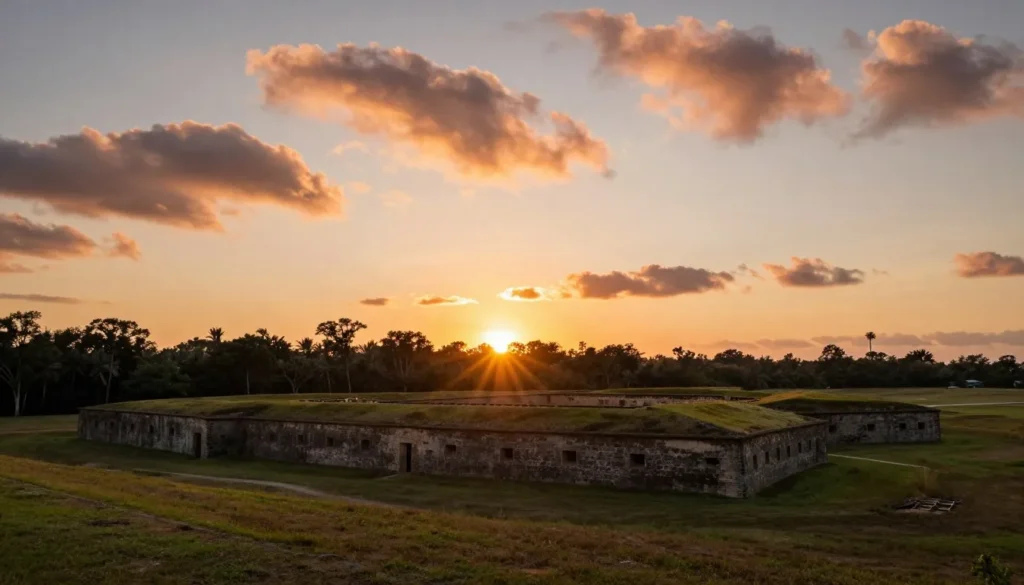
Fort Raleigh National Historic Site stands as more than a collection of earthen walls and forest trails. This place holds the echoes of English colonists who dared cross an ocean for uncertain futures. Their courage, struggles, and mysterious disappearance continue captivating imaginations four centuries later.
The Lost Colony mystery may never find resolution. Yet that unanswered question draws visitors into deeper engagement with early American history. Standing where Virginia Dare took her first breath, you connect with the fragile beginnings of English settlement in North America.
Beyond historical significance, Fort Raleigh offers peaceful immersion in coastal nature. Maritime forests shelter songbirds and wildlife. Walking trails provide meditation and discovery. The unhurried pace encourages reflection rare in modern travel.
Your visit to Fort Raleigh becomes part of ongoing story. Each person who explores these grounds adds another chapter to the site’s living narrative. The colonists vanished, but their legacy endures through our continued fascination and remembrance.
The Outer Banks await your exploration with open arms and countless stories. Fort Raleigh serves as your gateway into this remarkable region where history, nature, and coastal beauty intertwine. Pack your curiosity alongside your sunscreen. Adventure and mystery call from Roanoke Island.