Hotels by Trip.com
Flights by Trip.com
Hidden along the northern shore of the Pamlico River, Goose Creek State Park protects over 810 hectares (2,000 acres) of pristine coastal wilderness. Yet fewer than 50,000 people discover this coastal gem each year. That’s remarkable considering the park features some of North Carolina’s most accessible old-growth forest and offers visitors a rare chance to paddle through waters where dolphins occasionally swim alongside kayakers.
The park takes its name from Goose Creek, a tidal waterway that meanders through the property before emptying into the vast Pamlico River estuary. This land once served as hunting grounds for Native American tribes before European settlers arrived in Beaufort County.
Whether you seek quiet camping beneath towering trees, miles of hiking trails through diverse ecosystems, or simply a peaceful spot to watch ospreys dive for fish, Goose Creek State Park delivers an authentic coastal North Carolina experience. This guide reveals everything you need to plan your perfect visit to this underrated natural treasure.
Getting There & Planning Your Journey
Goose Creek State Park sits approximately 24 kilometers (15 miles) east of Washington, North Carolina, in Beaufort County. The park’s remote location contributes to its peaceful atmosphere. Most visitors arrive by personal vehicle, as public transportation options are limited in this rural coastal area.
Closest Airports
The nearest major airports provide several options for reaching Goose Creek State:
- Coastal Carolina Regional Airport (EWN) in New Bern – 56 kilometers (35 miles) south, approximately 45-minute drive
- Pitt-Greenville Airport (PGV) – 64 kilometers (40 miles) west, approximately 50-minute drive
- Norfolk International Airport (ORF) in Virginia – 201 kilometers (125 miles) north, approximately 2.5-hour drive
- Raleigh-Durham International Airport (RDU) – 193 kilometers (120 miles) west, approximately 2.5-hour drive
From any airport, renting a vehicle is essential for reaching the park and exploring the surrounding Beaufort County area. The drive from New Bern follows US-264 West to NC-33 North, then NC-1334 East directly to the park entrance.
Driving Directions
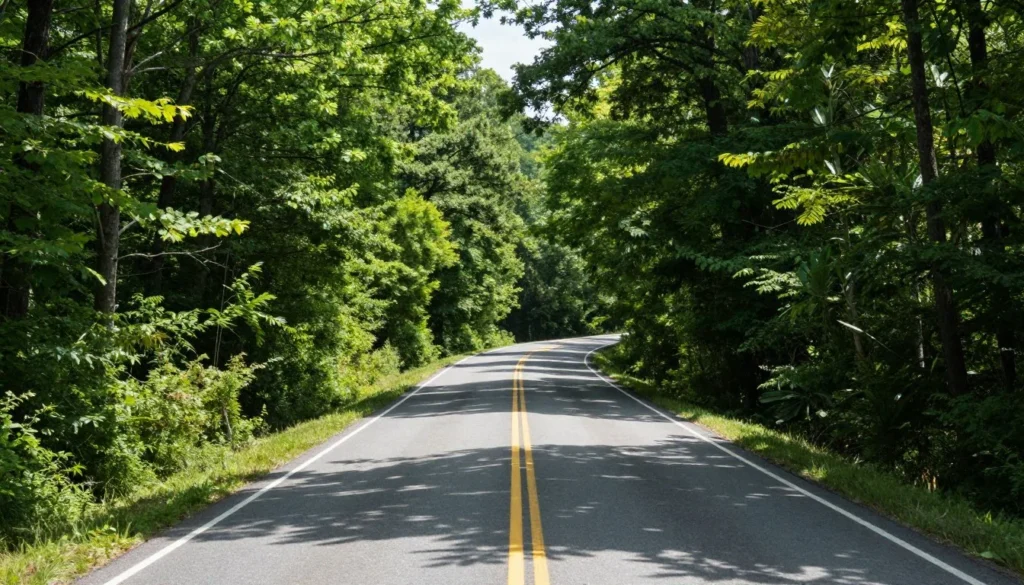
From Washington, North Carolina, take US-264 East for about 16 kilometers (10 miles). Turn left onto Camp Leach Road (SR-1334) and continue for approximately 8 kilometers (5 miles) until you reach the park entrance. The final stretch follows a winding country road through farmland and forest.
The park address is 2190 Camp Leach Road, Washington, NC 27889. GPS coordinates are 35.4631° N, 76.9094° W for those using navigation apps.
Best Time to Visit & Weather Tips
Timing your visit to Goose Creek State Park significantly impacts your experience. The coastal North Carolina climate offers distinct seasonal advantages, though the park welcomes visitors year-round.
Best Time to Visit Goose Creek State Park
Spring (March through May) ranks as the ideal visiting season. Temperatures range from 15°C to 24°C (60°F to 75°F), creating comfortable conditions for hiking and camping. Wildflowers bloom throughout the forest, and migratory birds fill the trees with song. Water levels in Goose Creek remain high enough for excellent kayaking.
✓ Check 30,000+ Local Sightseeing Tours Worldwide
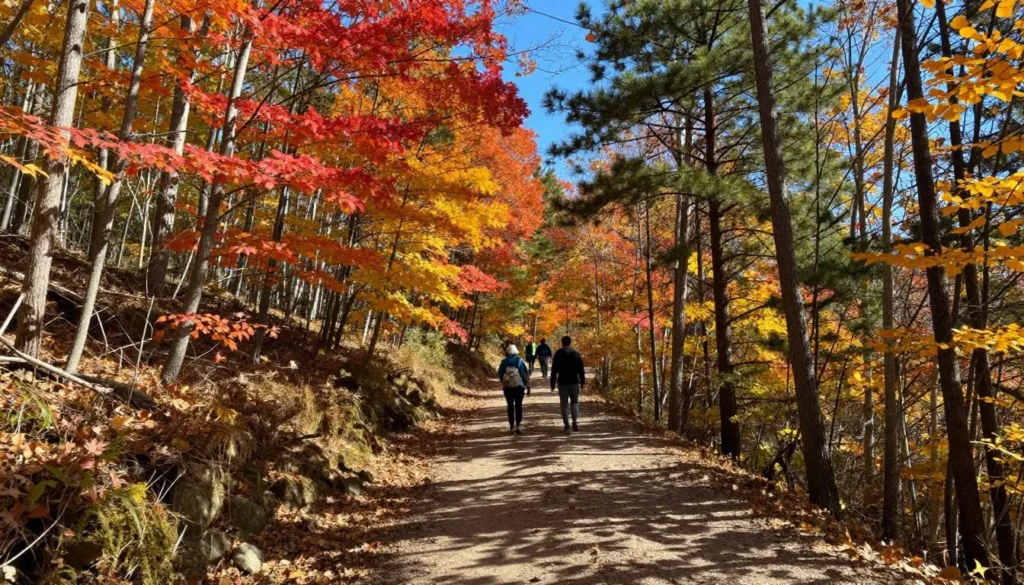
Fall (September through November) offers equally pleasant conditions. Temperatures mirror spring, ranging from 16°C to 25°C (61°F to 77°F). The autumn foliage transforms the hardwood forests into a spectacular display of reds, oranges, and yellows. Mosquito populations decline significantly compared to summer months.
Summer (June through August) brings hot, humid weather with temperatures frequently exceeding 32°C (90°F). High humidity makes midday hiking challenging. However, summer offers the longest daylight hours and warmest water temperatures for swimming. Early morning and evening activities work best during this season.
Winter (December through February) provides the quietest experience. Temperatures range from 4°C to 13°C (40°F to 55°F). While some camping amenities close, the park remains open for day use. Winter offers excellent wildlife viewing as bare trees reveal more of the landscape and animals become easier to spot.
Seasons to Avoid
Late July through early September coincides with peak hurricane season. While direct hits are rare, tropical storms can bring heavy rainfall and strong winds. The park may close temporarily during severe weather events.
Late May through June sees the highest mosquito activity. The combination of warm temperatures and spring rainfall creates ideal breeding conditions. Insect repellent becomes essential during this period.
Monthly Weather Overview
Spring & Summer
- March: 10-18°C (50-65°F), moderate rainfall
- April: 14-23°C (57-73°F), lower rainfall
- May: 18-27°C (65-81°F), increasing humidity
- June: 22-31°C (72-88°F), frequent afternoon showers
- July: 24-32°C (75-90°F), high humidity
- August: 24-32°C (75-90°F), hurricane risk increases
Fall & Winter
- September: 21-29°C (70-84°F), hurricane season peak
- October: 15-24°C (59-75°F), beautiful foliage
- November: 10-19°C (50-66°F), cooler evenings
- December: 6-14°C (43-57°F), occasional frost
- January: 4-12°C (39-54°F), coldest month
- February: 5-14°C (41-57°F), early spring signs
Notable Annual Festivals
While Goose Creek State Park itself maintains a quiet, nature-focused atmosphere, nearby Washington and Beaufort County host several annual events that enhance your visit. These festivals celebrate the region’s rich maritime heritage and agricultural traditions.
The Washington Summer Festival takes place each June in downtown Washington, just 24 kilometers (15 miles) from the park. This three-day event features live music, local arts and crafts vendors, food trucks, and children’s activities. The festival typically draws thousands of visitors to the historic waterfront area.
Washington Summer Festival information:
The North Carolina Estuarium in Washington hosts the River Run each September. This family-friendly 5K and 10K run follows scenic routes along the Pamlico River waterfront. Proceeds support environmental education programs focused on North Carolina’s coastal ecosystems.
Bath hosts the annual Bath Heritage Day each October. As North Carolina’s oldest town, Bath offers historic home tours, traditional crafts demonstrations, and storytelling events. The festival location sits approximately 32 kilometers (20 miles) from Goose Creek State.
The Beaufort County Agricultural Fair runs for one week each October in Washington. Traditional agricultural exhibits, carnival rides, live entertainment, and regional food vendors attract families from throughout eastern North Carolina. Fair admission is typically under $10 per person.
Getting Around Locally
Goose Creek State Park spans 810 hectares (2,000 acres), making personal transportation essential. The park’s road system consists of a main paved entrance road leading to the primary facilities and campground. Several unpaved service roads connect to various trail heads and water access points.

Walking and cycling provide excellent options for exploring the developed areas around the campground and visitor facilities. The main park road sees minimal vehicle traffic, creating safe conditions for pedestrians and cyclists. Several families bring bicycles for children to ride around the camping area.
Trail access requires walking. The eight marked hiking trails range from short nature walks to longer backcountry routes. Trail surfaces vary from boardwalks to packed earth. No motorized vehicles are permitted on hiking trails.
Water access dominates recreation at Goose Creek State. The park maintains a boat ramp on Goose Creek providing access to the creek and Pamlico River. Visitors commonly launch kayaks, canoes, and small motorboats from this ramp. A paddling trail winds through the tidal creek system.
No public transportation serves the park area. The nearest taxi and ride-sharing services operate from Washington, though availability can be limited. Planning for self-sufficient transportation is crucial for your visit.
Parking areas accommodate standard vehicles, RVs, and trailers. The main parking lot near the park office and swimming area provides space for approximately 30 vehicles. Additional parking exists at the campground and boat ramp. Parking remains free for all visitors.
Where to Stay
Accommodation options at and near Goose Creek State Park range from primitive camping to comfortable hotels in nearby towns. Your lodging choice significantly impacts your park experience and daily logistics.
Camping at Goose Creek State Park
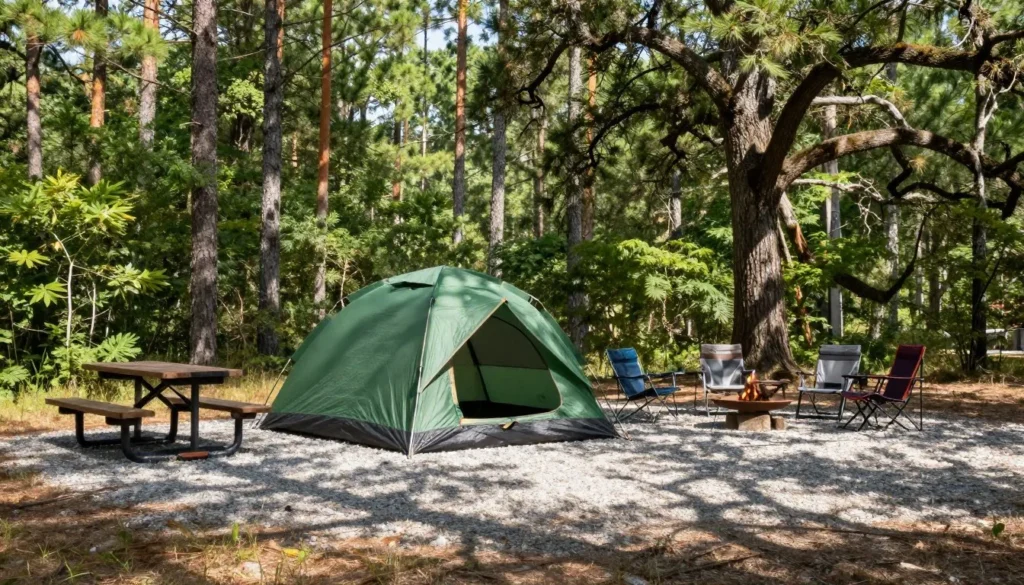
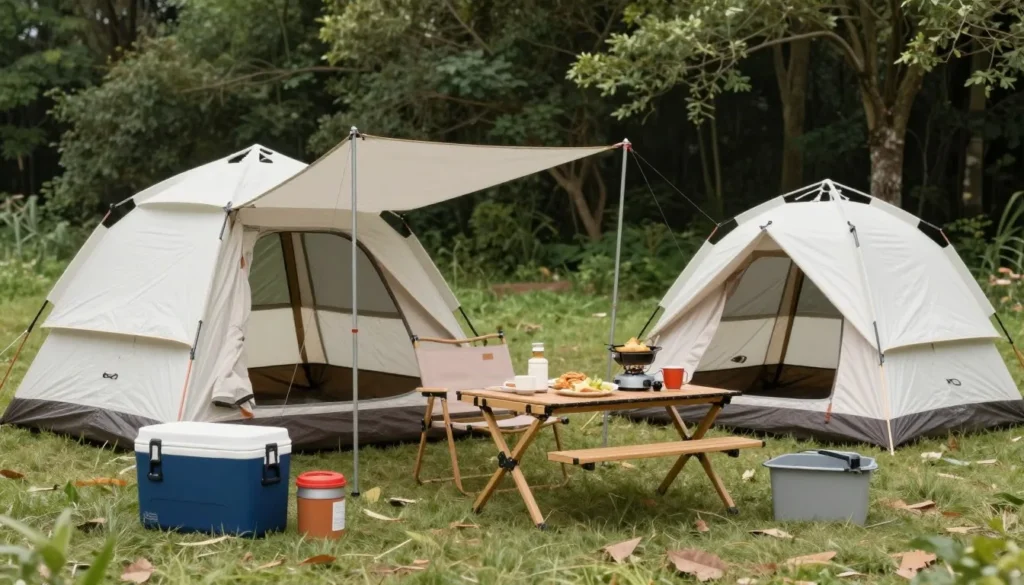
The park campground offers the most immersive experience. Twelve developed campsites accommodate tents and RVs. Each site includes a picnic table, grill, and tent pad. Sites cost approximately $15-20 per night. Seven sites provide electrical hookups for an additional fee.
The campground sits within walking distance of the swimming beach, boat ramp, and several trail heads. Mature trees shade most sites, though spacing between sites varies. Sites 4, 7, and 11 offer the most privacy. The campground operates on a first-come, first-served basis during winter months. Spring through fall, advance reservations are strongly recommended.
Modern bathhouses with hot showers and flush toilets serve the camping area. These facilities undergo regular cleaning and maintenance. A dump station accommodates RV waste disposal. The campground lacks a camp store, so visitors must bring all necessary supplies.
Two primitive camping areas allow backcountry overnight stays. These sites require hiking in with gear. No facilities exist at primitive sites. Groups must obtain permits from the park office before using primitive camping areas.
Nearby Accommodations
Washington, North Carolina, located 24 kilometers (15 miles) west, provides the closest hotels and motels. This small city offers approximately 10 lodging options ranging from budget motels to mid-range hotels. Expect to pay $75-150 per night depending on season and amenities. Most Washington hotels include free parking and breakfast.
Several bed and breakfast inns operate in the historic district of Washington. These Victorian-era homes typically feature 3-5 guest rooms with period furnishings. Rates range from $120-200 per night and include full breakfast. B&Bs provide a more intimate experience compared to chain hotels.
Bath, the oldest town in North Carolina, offers limited but charming lodging options approximately 32 kilometers (20 miles) from the park. Two historic inns welcome overnight guests in this preserved colonial village. Staying in Bath adds a historical dimension to your Goose Creek State visit.
Vacation rental homes have increased throughout Beaufort County. Properties near the park typically offer 2-4 bedrooms and full kitchens. Weekly rentals often provide better value than nightly hotel rates for families or groups. Most vacation rentals require advance booking, especially during summer and fall.

Dining & Local Cuisine
Goose Creek State Park contains no restaurants or food concessions. Visitors must pack meals or travel to nearby communities for dining options. The park’s picnic areas and campground grills encourage outdoor cooking, which many visitors find enhances their nature experience.
Washington provides the nearest restaurant variety. This small city features approximately 30 dining establishments ranging from fast food to upscale seafood restaurants. The downtown waterfront district concentrates several locally-owned restaurants specializing in coastal North Carolina cuisine.
Regional Specialties
Eastern North Carolina’s coastal location heavily influences local cuisine. Fresh seafood dominates many restaurant menus. Shrimp, blue crabs, oysters, and various fish species come directly from local waters. Summer months offer peak seafood availability and freshness.
Barbecue holds sacred status in this region. Eastern North Carolina-style barbecue features whole hog cooked over wood coals and chopped rather than pulled. A thin, vinegar-based sauce with pepper provides the only seasoning. Several Washington restaurants serve authentic regional barbecue alongside traditional sides like coleslaw and hush puppies.
Sweet potatoes grow extensively in Beaufort County’s rich soil. Local restaurants incorporate sweet potatoes into various dishes from fries to pies. Fall harvest season brings fresh sweet potato availability to farmers markets and roadside stands.

Dining Recommendations
Plan meals carefully when visiting Goose Creek State. The nearest convenience store sits approximately 8 kilometers (5 miles) from the park entrance. Washington’s grocery stores provide full shopping options for campground cooking. Most visitors stock up on supplies before arriving at the park.
Pack coolers with ice for perishable foods. The campground lacks refrigeration facilities. Many experienced campers prepare some meals at home and freeze them for easy campground reheating. This strategy reduces food preparation time and allows more time for activities.
Consider the weather when planning meals. Summer heat makes cold salads and sandwiches appealing. Spring and fall evenings invite campfire cooking and grilled foods. Winter camping pairs well with hot soups and stews prepared on camp stoves.
Water from park facilities is potable, but many visitors prefer bringing bottled water. The humid coastal climate increases hydration needs, especially during active days hiking or paddling. Plan for at least 3-4 liters of water per person per day during warm weather.
Attractions, Sightseeing & Activities
Goose Creek State Park offers diverse recreational opportunities centered on its unique coastal ecosystem. The park’s relatively undeveloped character preserves natural experiences increasingly rare along North Carolina’s developed coastline.
Swimming Beach
The designated swimming area on the Pamlico River provides the park’s most popular summer attraction. A sandy beach stretches approximately 61 meters (200 feet) along the shoreline. The gradual depth increase makes this spot suitable for families with children. Lifeguards do not staff the beach, so swimmers accept responsibility for their own safety.
The water remains relatively shallow for 15-18 meters (50-60 feet) from shore. Bottom composition consists of sand and mud. Water clarity varies with weather, wind, and tidal conditions. Following heavy rains, the river carries more sediment and reduces visibility.
The beach area includes picnic tables, grills, and a bathhouse with changing rooms and outdoor showers. Ample shade from mature trees surrounds the beach. Most visitors arrive between 10 AM and 4 PM during summer weekends. Early morning and late afternoon offer quieter swimming times.
Paddling Adventures
Goose Creek’s tidal waterways create exceptional paddling opportunities. The designated water trail winds approximately 5 kilometers (3 miles) through diverse habitats from freshwater creek to brackish marsh to the open Pamlico River. This variety provides constantly changing scenery and wildlife viewing.
Launch from the park’s boat ramp or carry watercraft down to the creek from the parking area. The tidal nature of Goose Creek requires planning around water levels. High tide offers deeper water and easier navigation. Low tide exposes mudflats and may limit access to some creek channels.
Kayakers and canoeists frequently spot river otters, great blue herons, ospreys, and occasionally dolphins in the Pamlico River. Early morning paddling sessions typically provide the best wildlife viewing. The calm water before afternoon winds develop also creates easier paddling conditions.

No kayak rentals operate within the park. Visitors must bring personal watercraft or rent from outfitters in Washington. Several outdoor stores in Washington provide kayak rentals and basic paddling instruction. Advance reservations are recommended during busy seasons.
Fishing Opportunities
Anglers enjoy productive fishing in both Goose Creek and the Pamlico River. Species commonly caught include largemouth bass, catfish, white perch, and various sunfish in freshwater areas. The brackish mixing zone near the creek mouth attracts striped bass, flounder, and red drum.
Fish from the shore, the fishing pier, or by boat. The pier extends into Goose Creek, providing access to deeper water. Bank fishing works well along the campground waterfront. Boat anglers explore the expansive Pamlico River for larger game fish.
A valid North Carolina fishing license is required for anyone 16 years or older. Licenses can be purchased online or from retailers in Washington. Both freshwater and coastal recreational fishing licenses cover the park’s mixed water conditions. Observe all size limits and creel limits posted at the park office.
Hiking Trail System
Eight hiking trails totaling approximately 8 kilometers (5 miles) explore different sections of the park. Trail difficulty ranges from easy nature walks suitable for young children to moderate routes requiring some physical fitness. All trails follow clearly marked paths.
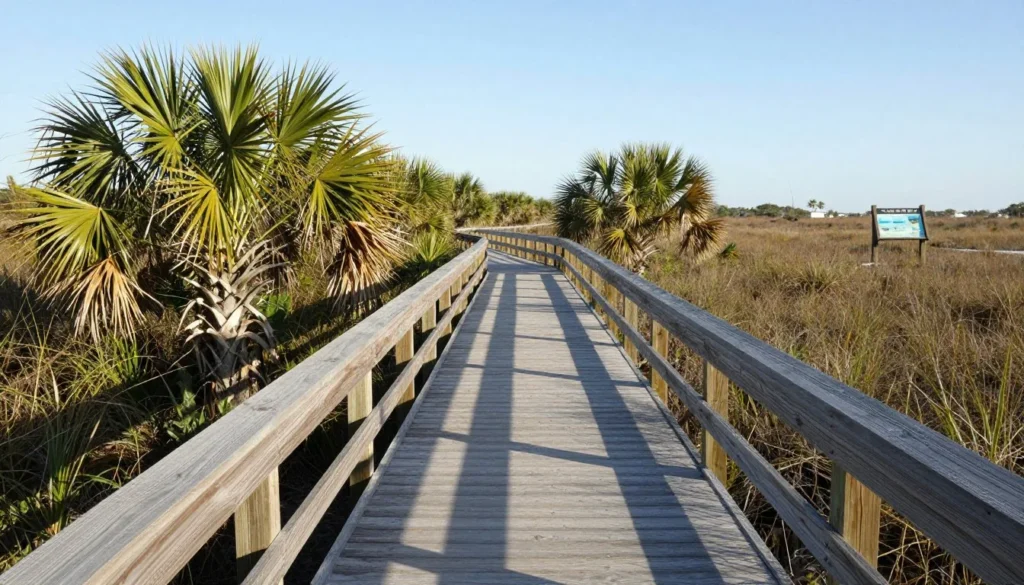
The Palmetto Boardwalk Trail ranks as the most accessible option. This 0.8-kilometer (0.5-mile) elevated boardwalk loops through coastal marsh habitat. Interpretive signs explain the unique plants and animals living in this transitional zone between land and water. The entirely flat, even surface accommodates strollers and wheelchairs.
The Live Oak Trail, measuring 1.3 kilometers (0.8 miles), showcases magnificent old-growth live oak trees. Some specimens exceed 300 years old. These gnarled, sprawling trees create a cathedral-like canopy over the trail. Spring wildflowers add seasonal color beneath the oaks.
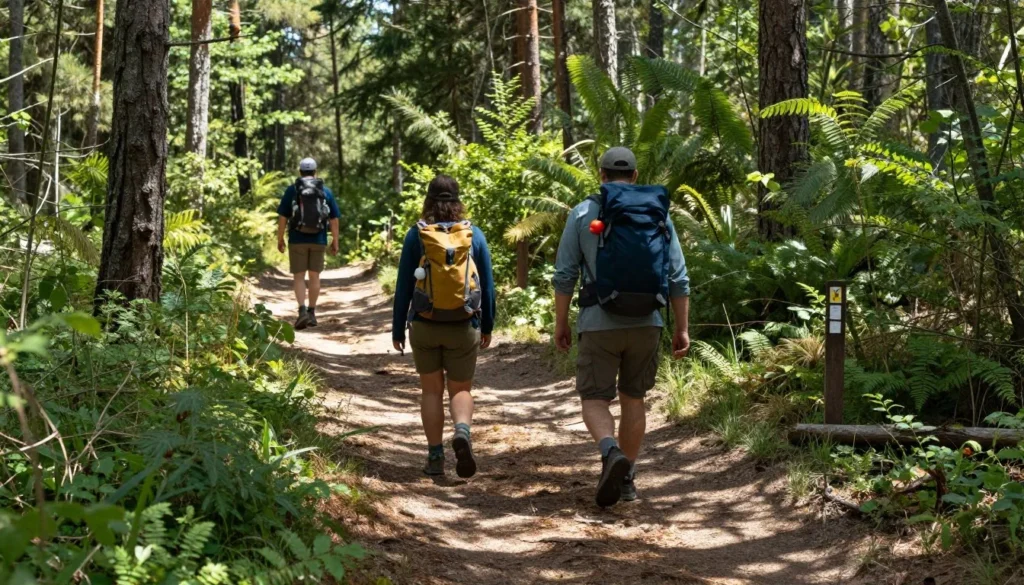
The Goose Creek Trail extends 2.4 kilometers (1.5 miles) along the creek shoreline. This path offers numerous water views and wildlife watching opportunities. Benches placed at scenic overlooks invite pausing to observe the environment. The trail surface varies from packed earth to sandy sections.
Trail maps are available at the park office and posted at major trailheads. Trail conditions remain good year-round, though some low sections may flood after heavy rain. Boardwalks and bridges cross wet areas on most trails. Proper footwear and insect repellent enhance hiking comfort.
Museums, Cultural Spots & Festivals
While Goose Creek State Park itself focuses on natural rather than cultural attractions, the surrounding Beaufort County area preserves significant historical sites. These nearby destinations complement a park visit by providing context about the region’s human history.
Historic Bath
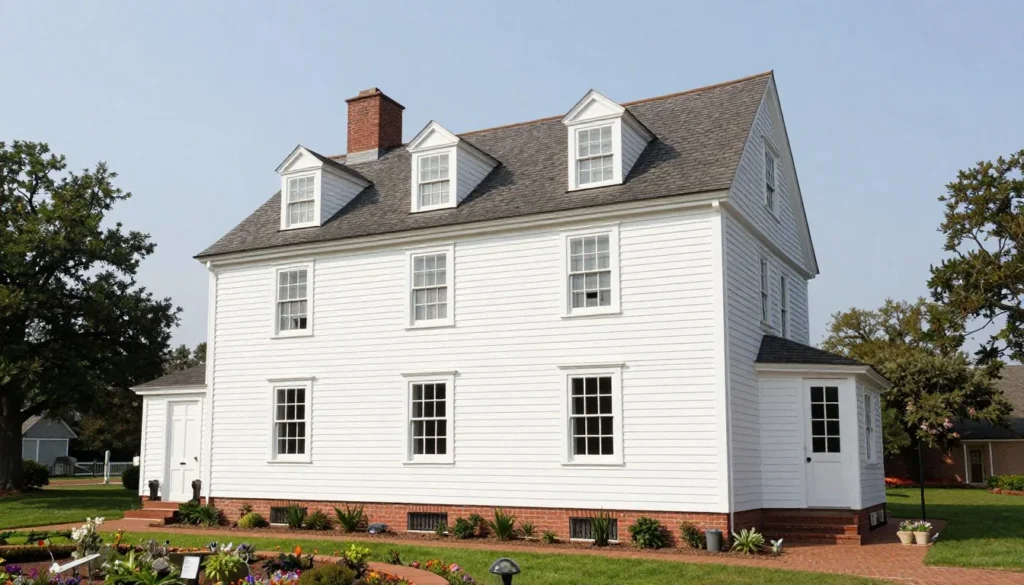
Bath, established in 1705, holds the distinction of North Carolina’s oldest town. Located 32 kilometers (20 miles) from Goose Creek State, this preserved colonial village transports visitors to the 18th century. Several original buildings remain standing and now function as museums.
The Palmer-Marsh House, built around 1744, represents typical colonial architecture. Period furnishings illustrate how prosperous colonial families lived. The St. Thomas Episcopal Church, constructed in 1734, serves as the state’s oldest church building. Tours reveal fascinating details about colonial religious life and cemetery traditions.
The Historic Bath Visitor Center provides orientation and houses exhibits about the town’s development. Legend associates Bath with the pirate Blackbeard, who allegedly married his 14th wife here. While historians debate some Blackbeard stories, the pirate connection adds intrigue to Bath’s narrative.
Walking tours of Bath take approximately 90 minutes. Most historic sites cluster within a small area easily explored on foot. Admission fees typically run under $10 per person. Bath makes an excellent half-day excursion from Goose Creek State Park.
North Carolina Estuarium
This science museum in Washington focuses on the Tar-Pamlico River estuary ecosystem. Interactive exhibits explain how freshwater rivers mix with ocean saltwater to create unique brackish environments. Displays showcase the plants, animals, and ecological processes that make estuaries among Earth’s most productive habitats.
A 200-gallon aquarium contains living specimens from local waters. Children particularly enjoy the touch tank featuring hermit crabs, sea stars, and other safe-to-handle creatures. Educational programs run throughout the year, offering guided nature walks and water quality monitoring demonstrations.
The Estuarium sits on Washington’s waterfront, providing river views from its windows. Admission costs approximately $3-5 per person. The facility operates Tuesday through Saturday. Combined with a Goose Creek State visit, the Estuarium helps visitors understand the coastal ecosystem in greater depth.
Cultural Events
Washington’s Turnage Theatre, built in 1913, hosts performing arts events year-round. This restored historic venue presents concerts, theater productions, and film screenings. The intimate 300-seat auditorium maintains beautiful period architecture and excellent acoustics.
The Washington Waterfront hosts free concerts during summer months. These outdoor events take place on Friday evenings and feature various musical genres from bluegrass to rock. Bring lawn chairs or blankets and enjoy live music alongside the Pamlico River.
✓ Check 30,000+ Local Sightseeing Tours Worldwide
Nature & Outdoor Experiences
Goose Creek State Park’s greatest assets are its diverse natural habitats and abundant wildlife. The park protects a rare combination of ecosystems that make this area ecologically significant beyond its recreational value.

Wildlife Viewing
Over 200 bird species have been recorded at Goose Creek State. This high diversity results from the park’s location along the Atlantic Flyway migration route and its variety of habitats. Spring and fall migrations bring the greatest species numbers as birds travel between breeding and wintering grounds.
Ospreys nest throughout the park during spring and summer. These fish-eating raptors dive spectacularly into the water to catch prey. Watch for their large stick nests in dead trees near the water. Bald eagles occasionally visit, especially during winter months when they hunt waterfowl.
Wading birds frequent the marshes and shallow creek waters. Great blue herons stand motionless waiting for fish. White ibis probe the mud with curved beaks. Green herons, much smaller than their great blue relatives, hunt from low branches overhanging the water.
Mammals prove more elusive but share the park with human visitors. White-tailed deer commonly appear near dawn and dusk, especially in campground areas. River otters play in Goose Creek, though their shy nature makes sightings uncommon. Gray squirrels chatter from tree branches, and raccoons occasionally visit campsites at night.
Unique Ecosystems
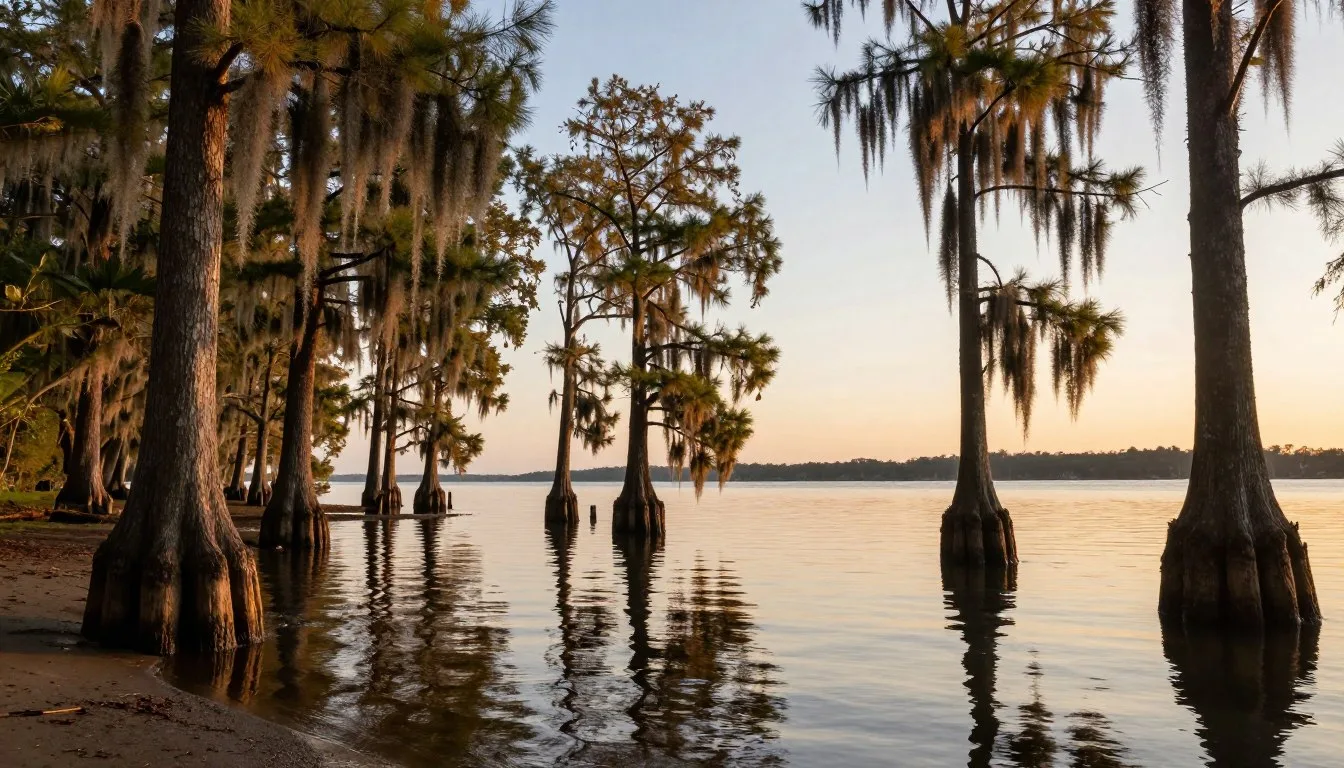
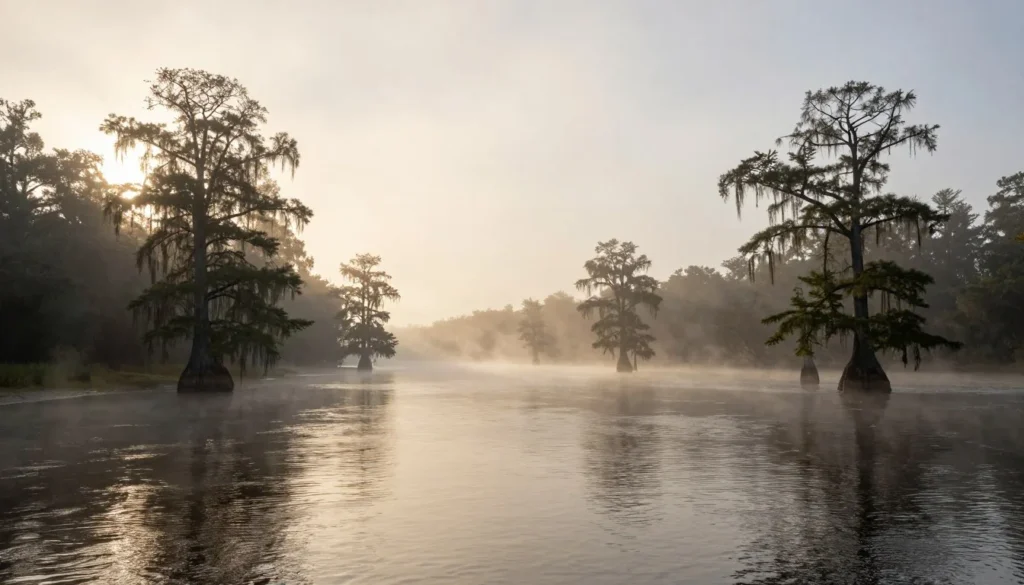
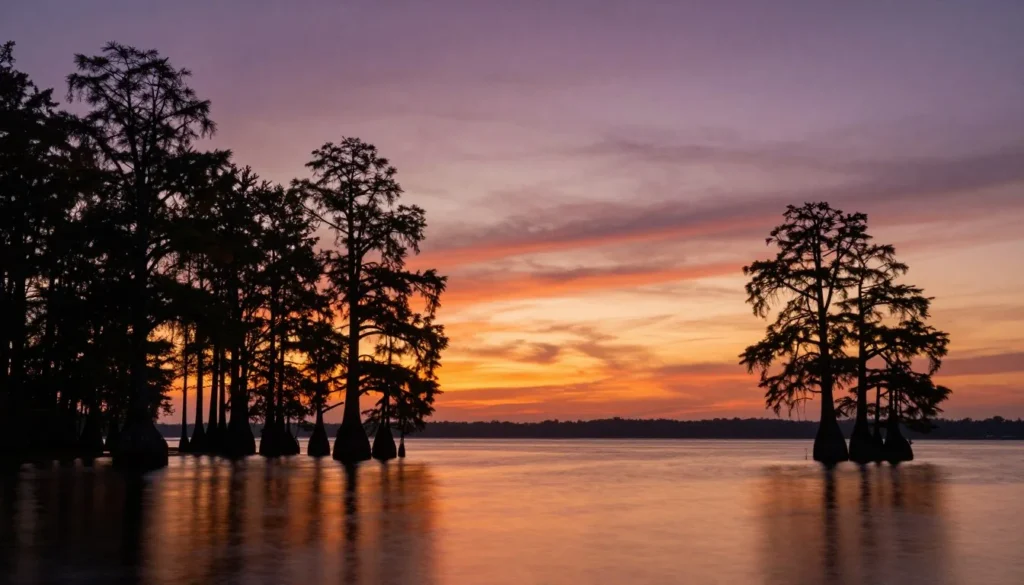
The park preserves one of North Carolina’s finest examples of coastal swamp forest. Ancient bald cypress trees, some exceeding 300 years old, grow directly in water along Goose Creek. These remarkable trees develop characteristic “knees” – woody projections rising from their roots that help anchor them in soft, saturated soil.
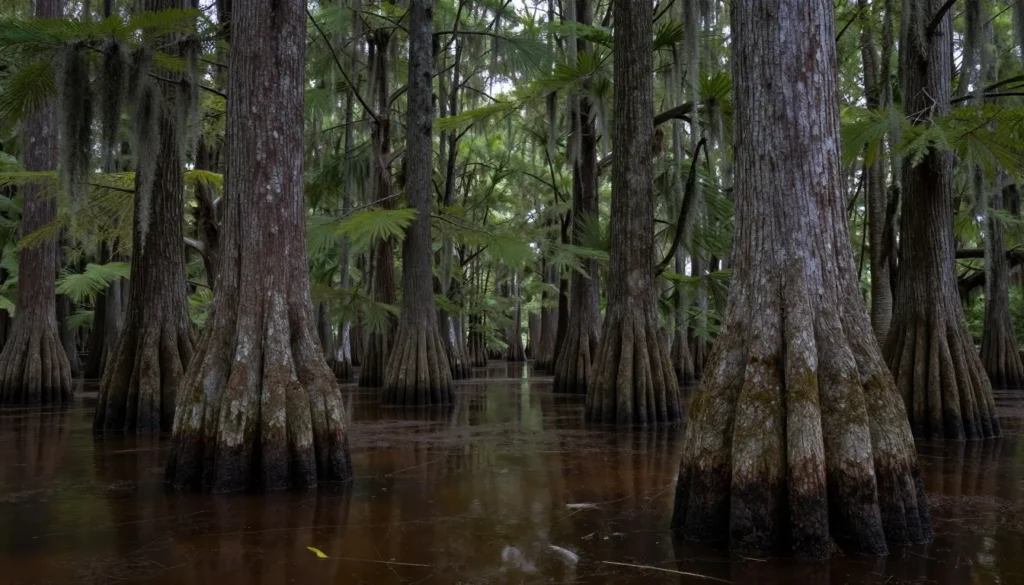
Spanish moss drapes from tree branches throughout the park, creating an iconic southern atmosphere. This epiphytic plant is not actually moss but a relative of pineapples. It absorbs moisture and nutrients directly from the air rather than harming its host tree.
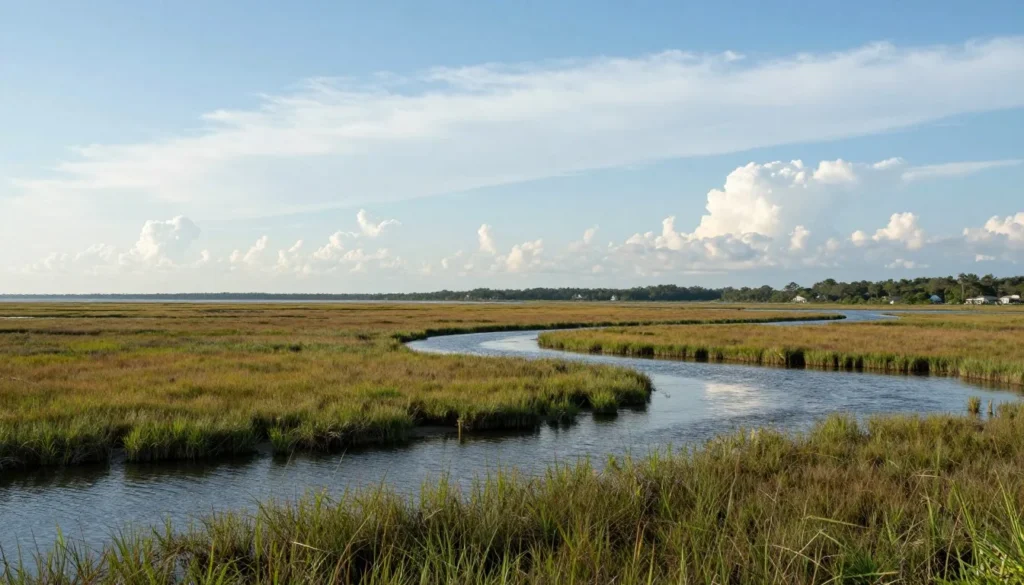
The transition from freshwater to saltwater creates brackish marsh habitat supporting unique plant communities. Salt-tolerant grasses dominate these areas. Fiddler crabs dig burrows in the marsh mud. At high tide, fish move into the marsh to feed on abundant small creatures.
Maritime forest occupies the highest ground. Live oaks, loblolly pines, and various hardwoods create a dense canopy. The forest floor supports diverse understory plants from palmetto palms to flowering dogwoods. This habitat type once covered much of North Carolina’s coast before development removed most examples.
Seasonal Natural Events
Spring wildflower blooms transform the forest understory from March through May. Pink lady’s slippers, dwarf crested iris, and native azaleas add splashes of color. The brief window before trees fully leaf out provides ideal conditions for these shade-intolerant flowers.
Summer thunderstorms roll across the Pamlico River most afternoons. These dramatic weather events provide impressive displays but also potential danger. Monitor weather forecasts and head to shelter when storms approach. The storms typically pass quickly, leaving refreshed, cooler air.
Fall brings monarch butterfly migrations. These insects stop at Goose Creek State during their incredible journey to Mexican wintering grounds. Watch for orange-and-black butterflies feeding on wildflowers throughout September and October.
Winter’s bare trees reveal nests and overall forest structure invisible during leafy seasons. Wood ducks gather in flooded forest areas. American woodcocks perform elaborate courtship flights at dusk. The cooler temperatures make hiking particularly pleasant.
Travel With Children
Goose Creek State Park offers excellent family camping and nature exploration opportunities. The safe, uncrowded environment allows children to experience outdoor adventures with age-appropriate activities throughout the park.
The swimming beach attracts families seeking water recreation. The gradual depth increase and sandy bottom create safer conditions compared to ocean beaches. Parents can supervise easily since the swimming area remains compact. Many children spend entire afternoons building sand creations and wading in the calm river water.

The Palmetto Boardwalk Trail provides an easy introduction to hiking for young children. The flat, elevated walkway eliminates tripping hazards. Interpretive signs offer learning opportunities about marsh ecology. Most families complete this trail in 20-30 minutes, perfect for shorter attention spans.
Fishing from the pier engages children while teaching patience and outdoor skills. Catching small sunfish and catfish excites young anglers. The pier’s railing provides safety, though adult supervision remains essential. Bring simple equipment – basic spinning rods with bobbers work well for beginners.
Educational Opportunities
Park rangers occasionally offer interpretive programs focusing on local wildlife and ecosystems. These presentations typically occur during summer months and holiday weekends. Check with the park office about scheduled programs during your visit. Programs adapt content for children’s understanding while keeping parents engaged.
The diversity of creatures inhabiting the park creates natural scavenger hunt opportunities. Challenge children to spot specific birds, identify different tree types, or find animal tracks along trails. This activity keeps children engaged while developing observation skills.
Night sounds around the campground fascinate children unaccustomed to natural darkness and wildlife. Owls hoot, frogs chorus, and night herons call overhead. These experiences create lasting memories and often spark interest in nature that extends beyond the trip.
Practical Considerations
Pack extra clothing for children. Creek exploration, beach play, and general outdoor activity typically result in wet, muddy clothes. Having dry changes prevents discomfort and extends activity time.
Insect repellent and sunscreen are essential, especially during warm months. Apply both products regularly throughout the day. The mosquito population can be intense during summer evenings. Long sleeves and pants provide additional protection.
Bring activities for campground downtime. Bikes allow children to ride around the campground loop. Simple outdoor toys like frisbees or balls work well in open areas near campsites. Books and games provide entertainment during afternoon rest periods or evening hours.
The campground restrooms feature flush toilets and hot showers, making camping more comfortable for families new to the experience. Having these facilities nearby reduces the intimidation factor for children worried about “roughing it.”
Money Saving Tips
Visiting Goose Creek State Park naturally costs less than many tourist destinations. Strategic planning further reduces expenses while maintaining an enjoyable experience.
Camping Cost Advantages
Camping at the park’s developed sites costs approximately $15-20 per night. This compares favorably to hotel rates in Washington starting around $75 nightly. A family of four saves $50-100 per night by camping. Extended stays multiply these savings significantly.
Pack food from home rather than eating at restaurants. Campground cooking eliminates meal costs that quickly add up. Simple meals like hot dogs, hamburgers, and pasta work well over camp stoves or grills. Breakfast costs especially decrease when prepared at your campsite rather than restaurants.
Visit during shoulder seasons – late April to early May or late September through October. Campground rates sometimes decrease outside peak summer months. More importantly, advance reservations become less critical, allowing flexibility in trip timing and potentially finding last-minute availability.
Free and Low-Cost Activities
All hiking trails and day-use areas charge no additional fees beyond basic park admission. Swimming, hiking, and wildlife watching provide full days of entertainment without extra costs. The swimming beach, in particular, offers the same refreshment as paid water parks.
Bring personal kayaks or canoes rather than renting. Launching at the park boat ramp costs nothing for registered campers. If you don’t own watercraft, consider borrowing from friends or family rather than paying rental fees of $40-60 per day.
The nearby Historic Bath charges modest admission under $10 per person. This represents excellent value for several hours of touring and learning. Some historic sites offer free admission on certain days – check ahead for potential savings.
Strategic Planning
Visit during weekdays when possible. While Goose Creek State rarely experiences severe crowding, weekday visits guarantee campsite availability without advance reservations. This flexibility can save reservation fees and allows spontaneous trip timing.
Combine your Goose Creek State visit with other nearby North Carolina state parks using a single trip. Pettigrew State Park and Lake Mattamuskeet National Wildlife Refuge lie within reasonable driving distance. This approach maximizes the value of your travel time and fuel costs.
Purchase an annual North Carolina State Parks pass if planning multiple park visits throughout the year. The pass costs approximately $100 and covers entrance fees at all state parks. For frequent visitors or those touring multiple parks, this investment saves money compared to individual admission fees.
Safety & Local Customs
Goose Creek State Park presents minimal safety concerns compared to many outdoor destinations. Understanding a few key precautions ensures a safe, comfortable visit while respecting local expectations.
Wildlife Safety
Venomous snakes inhabit the park, including copperheads and cottonmouths. These snakes avoid humans when possible but may defend themselves if surprised or cornered. Watch where you step and sit, especially near water or in tall grass. Snakes often sun themselves on trails or logs.
Keep a safe distance from all wildlife. While deer and most birds pose no threat, feeding wild animals is prohibited and harmful. Animals that become habituated to human food lose natural wariness and may become aggressive. This particularly applies to raccoons, which frequently visit campsites seeking easy meals.
Alligators rarely appear this far north in North Carolina, but occasional sightings occur in coastal waterways. If you spot an alligator, maintain at least 18 meters (60 feet) distance and never approach or feed it. Report sightings to park rangers.
Water Safety
No lifeguards staff the swimming beach. Assess your swimming ability honestly before entering the water. The Pamlico River’s size and tidal currents create potential hazards for weak swimmers. Children require constant adult supervision near water.
Wear life jackets while paddling, regardless of swimming ability. Unexpected capsizing can disorient even strong swimmers. The park loan program provides life jackets in various sizes at no charge. Check at the park office for availability.
Check weather forecasts before paddling excursions. Afternoon thunderstorms develop quickly during summer months. Lightning poses serious danger on open water. Return to shore at the first sign of approaching storms – darkening skies, increasing wind, or distant thunder.
Tidal changes affect water levels in Goose Creek. Consult tide charts before paddling. Getting stranded on mud flats during low tide creates uncomfortable situations. Local knowledge from park staff helps plan water activities around tidal cycles.
Environmental Considerations
Poison ivy grows abundantly throughout the park. Learn to identify this three-leaved plant and avoid contact. The oils cause severe itching rashes on most people. Wearing long pants while hiking reduces exposure risk. If contact occurs, wash the affected area with soap and cool water as soon as possible.
Ticks live in wooded and grassy areas year-round, though they’re most active during warm months. Wear light-colored clothing to spot ticks easily. Use insect repellent containing DEET or picaridin. Check yourself thoroughly after outdoor activities, paying special attention to hairlines, behind ears, and other warm areas.
Mosquitoes can be intense, especially around dawn and dusk. Insect repellent becomes essential during warm months. Long sleeves and pants provide additional protection. Campsite selection affects mosquito exposure – breezier sites near the water often have fewer mosquitoes than sheltered forest sites.
Emergency Preparedness
Cell phone coverage at Goose Creek State can be spotty. Some areas receive signals while others don’t. Don’t rely solely on mobile phones for emergency communication. The park office maintains a landline phone for emergencies.
The nearest hospital is Vidant Beaufort Hospital in Washington, approximately 24 kilometers (15 miles) away. For serious emergencies, call 911. Provide dispatchers with your location within the park as specifically as possible.
For non-emergency park assistance:
Basic first aid knowledge proves valuable for minor injuries. Pack a well-stocked first aid kit including bandages, antibiotic ointment, pain relievers, and any personal medications. Many camping injuries involve minor cuts, scrapes, and insect stings easily treated with basic supplies.
Local Customs and Etiquette
Eastern North Carolina residents tend toward friendly, relaxed attitudes. Greet fellow campers and hikers you encounter. Brief conversations about fishing success, trail conditions, or wildlife sightings are common and welcomed.
Respect quiet hours in the campground, typically 10 PM to 7 AM. Sound carries in the quiet natural environment. Keep music volume low and voices moderate, especially after dark. Many visitors specifically seek the tranquil atmosphere at Goose Creek State.
Practice Leave No Trace principles. Pack out all trash, even biodegradable items like apple cores and banana peels. Stay on marked trails to prevent erosion and protect sensitive plants. Leave natural objects and historical artifacts undisturbed for others to enjoy.
Visitor Comments About Goose Creek State Park
Travelers who discover Goose Creek State Park consistently praise its peaceful atmosphere and natural beauty. These authentic visitor perspectives provide insights into what makes this spot special.

“We spent three nights camping at Goose Creek State and absolutely loved the quiet, natural setting. The hiking trails offered enough variety to keep us interested, and we saw more wildlife than expected. The Palmetto Boardwalk was especially beautiful in the early morning. Our kids enjoyed swimming at the beach area every afternoon. This park feels genuinely undiscovered compared to busier North Carolina destinations.”
“Kayaking through Goose Creek provided some of the best paddling I’ve experienced on the North Carolina coast. The combination of creek channels and open river access created perfect conditions. We spotted several river otters and countless birds. The campground sites are well-maintained and adequately spaced. My only recommendation would be bringing plenty of insect repellent during summer months.”
“As someone who highly recommends finding off-the-beaten-path destinations, Goose Creek State deserves more attention. The ancient cypress swamp is genuinely impressive, and the overall natural character of the park stands out. We visited during October and enjoyed perfect weather, beautiful fall colors, and almost no crowds. The fishing from the pier kept our family entertained for hours. This spot offers excellent value for families seeking authentic outdoor experiences.”
✓ Check 30,000+ Local Sightseeing Tours Worldwide
Additional Nearby Destinations
Goose Creek State Park serves as an ideal base for exploring eastern North Carolina’s coastal plain. Several worthwhile destinations lie within easy driving distance, allowing visitors to experience the region’s natural and cultural diversity.
Pettigrew State Park
Located 64 kilometers (40 miles) north, Pettigrew State Park protects the shoreline of Lake Phelps. This massive natural lake covers 6,475 hectares (16,000 acres) yet averages only 1.4 meters (4.5 feet) deep. The mysterious lake contains no visible inlet or outlet streams, maintaining its level through groundwater and rainfall.
Ancient dugout canoes discovered in the lake date back 4,400 years, revealing Native American presence. The park interprets this archaeological significance through exhibits and programs. Fishing, boating, and paddling attract modern visitors. The surrounding forest contains old-growth cypress and tupelo trees.
Pocosin Lakes National Wildlife Refuge
This 45,324-hectare (112,000-acre) refuge protects unique pocosin wetland habitats approximately 80 kilometers (50 miles) north of Goose Creek State. “Pocosin” comes from an Algonquian word meaning “swamp on a hill.” These shrubby wetlands support specialized plant communities adapted to acidic, nutrient-poor conditions.
The refuge provides critical habitat for black bears, red wolves, and numerous bird species. Winter brings tens of thousands of migratory waterfowl. Several wildlife viewing platforms and short trails allow visitors to experience these remote wetlands. The visitor center offers educational exhibits about pocosin ecology.
Lake Mattamuskeet
North Carolina’s largest natural lake lies 88 kilometers (55 miles) northeast of Goose Creek State Park. This shallow 16,187-hectare (40,000-acre) lake rarely exceeds 0.6 meters (2 feet) deep. The Lake Mattamuskeet National Wildlife Refuge protects important wintering habitat for tundra swans and other waterfold.
Peak swan numbers occur from December through February when over 50,000 birds gather on the lake. The sight and sound of this many large waterfowl creates an unforgettable wildlife spectacle. Photography opportunities abound during this season. The refuge maintains several wildlife viewing areas along the causeway crossing the lake.
Aurora Fossil Museum
This free museum in Aurora, 40 kilometers (25 miles) southeast, showcases fossils from the nearby phosphate mine. Ancient marine fossils dating from the Miocene epoch 20 million years ago erode from the mine walls. Shark teeth, whale bones, and shells reveal when this area lay beneath a warm ocean.
The museum allows visitors to take home fossils from special piles outside the building. Children particularly enjoy this fossil hunting experience. The museum itself contains impressive specimens including complete shark jaws and fossilized whale vertebrae. Aurora makes an interesting half-day excursion from Goose Creek State.
Belhaven Waterfront
The small fishing village of Belhaven sits 29 kilometers (18 miles) southeast on the Pungo River. This authentic working waterfront maintains traditional character largely unchanged by tourism. Several seafood restaurants serve fresh catches. The town dock provides a peaceful spot to watch fishing boats come and go.
The River Forest Manor, a historic inn, offers upscale dining and lodging. Downtown Belhaven features several antique shops worth browsing. The annual Water Festival in May celebrates the community’s maritime heritage with boat races and seafood cooking.
Practical Travel Tips
These final suggestions help ensure smooth logistics and maximize your enjoyment at Goose Creek State Park. Small details often make significant differences in overall trip satisfaction.
Best Times for Activities
Early morning hours from dawn until 9 AM offer the best wildlife viewing. Animals remain active during cooler temperatures before heat drives them to shade. Birds sing most vigorously at dawn. The calm morning air makes paddling easier on Goose Creek and the Pamlico River.
Late afternoon from 4 PM until dusk provides the second-best activity window. Temperatures moderate as the day cools. Many animals emerge from midday rest periods. The angled sunlight creates beautiful photography conditions. This timing works especially well during summer when midday heat becomes oppressive.
Plan indoor activities or rest periods during midday hours in summer. Use this time for meal preparation, reading, or simply relaxing in shade. The combination of heat and humidity between 11 AM and 3 PM makes strenuous outdoor activity uncomfortable for many visitors.
What to Pack
Insect repellent ranks as the single most important item beyond basic camping gear. Products containing 20-30% DEET provide effective protection. Apply repellent to exposed skin and clothing. Reapply every few hours, especially after swimming or heavy sweating.
Binoculars enhance wildlife viewing tremendously. Even inexpensive models reveal details invisible to naked eyes. Watching birds, identifying distant animals, and observing behavior patterns becomes much more engaging with optical assistance.
Rain gear should accompany every trip regardless of forecast. Afternoon thunderstorms develop quickly during warm months. A lightweight rain jacket packs easily and provides protection when caught away from shelter. Waterproof bags protect electronics and other moisture-sensitive items.
Bring more water than seems necessary. The humid coastal climate and physical activity increase hydration needs. Pack at least 3-4 liters per person per day during warm weather. Consider bringing a water filter if planning extended backcountry excursions.
Technology and Connectivity
Cellular service at Goose Creek State Park varies by location and provider. Some areas receive reliable signals while others have no coverage. Don’t depend on constant connectivity. Download maps, trail information, and other useful resources before arriving at the park.
The park office provides basic information and assistance during business hours. Staff can answer questions about current conditions, recent wildlife sightings, and trail recommendations. Stop at the office upon arrival to collect maps and get oriented.
Park office hours and information:
Photography Tips
The diverse landscapes at Goose Creek State Park create excellent photography opportunities. The ancient cypress swamp along the creek offers particularly photogenic scenes. Morning light filtering through Spanish moss creates ethereal conditions.
Wildlife photography requires patience and quiet observation. Birds and mammals won’t approach if they detect threats. Telephoto lenses allow capturing detailed images from respectful distances. Early morning and late afternoon provide the best natural lighting for wildlife subjects.
Protect camera equipment from moisture and humidity. Store gear in waterproof bags when paddling or during humid conditions. Silica gel packets absorb moisture inside camera bags. Clean equipment thoroughly after exposure to salt air near the Pamlico River.
Seasonal Considerations
Spring visits benefit from comfortable temperatures and blooming wildflowers. Pack layers as morning temperatures can be cool while afternoons warm significantly. The highly recommend time for wildflower photography falls between mid-March and early May.
Summer requires planning around heat and humidity. Schedule strenuous activities during cooler morning and evening hours. The swimming beach becomes the main afternoon attraction. Expect and prepare for afternoon thunderstorms – they typically pass within 30-60 minutes.
Fall offers arguably the best overall visiting conditions. Comfortable temperatures, lower humidity, beautiful foliage, and reduced mosquito populations combine to create ideal circumstances. Book camping sites well in advance for October weekends.
Winter camping appeals to hardy visitors seeking solitude. Bring appropriate cold-weather gear including warm sleeping bags rated for expected temperatures. Frost occurs on many nights December through February. The campground bathhouse provides heated restrooms and hot showers even during winter.
Leave No Trace
Follow Leave No Trace principles to preserve Goose Creek State Park’s natural character. Pack out all trash including food scraps and biodegradable items. Animals that learn to associate humans with food become problematic for future visitors.
Stay on designated trails to prevent erosion and protect vegetation. Shortcuts damage sensitive plants and create new erosion channels. Trails follow routes chosen to minimize environmental impact while providing access to interesting features.
Respect wildlife by observing from distance. Never feed animals or attempt to touch them. Flash photography disturbs nocturnal animals and nesting birds. Keep noise levels moderate to avoid stressing wildlife and disturbing other visitors seeking peaceful nature experiences.
Your Goose Creek State Adventure Awaits
Goose Creek State Park offers something increasingly rare – authentic natural experiences in relatively untouched coastal wilderness. The ancient cypress swamps, productive fishing waters, diverse wildlife, and miles of peaceful trails create opportunities for genuine connection with North Carolina’s natural heritage.
Whether you spend a single afternoon exploring the Palmetto Boardwalk or a full week camping beneath the stars, this underappreciated gem provides the natural beauty and recreational variety to match any coastal destination. The park’s relative obscurity becomes part of its charm. You’ll discover a place where nature still dominates and crowds rarely intrude.
Pack your tent, grab your paddle, and head to this special corner of Beaufort County. The cypresses have stood for centuries, waiting to share their shade. The Pamlico River’s tidal waters continue their eternal rhythm. Your adventure at Goose Creek State Park promises memories that will last long after you return home.