Hotels by Trip.com
Flights by Trip.com
Over 14 million people visit the Great Smoky Mountains National Park each year, making it America’s most visited national park. The Appalachian Mountains in Tennessee draw visitors from around the world to experience ancient peaks, diverse wildlife, and rich cultural heritage. These mountains formed over 480 million years ago during a collision of continental plates.
The name “Appalachian” comes from the Apalachee people, a Native American tribe that lived in what is now Florida. Spanish explorers applied this name to the mountain range stretching from Georgia to Maine.
Tennessee’s section of the Appalachian Mountains offers something special for every traveler. You can hike challenging trails, explore charming mountain towns, or simply relax in nature’s beauty. This guide covers everything you need to plan your perfect mountain getaway.
Getting There and Planning Your Journey

Getting to the Appalachian Mountains Tennessee region is straightforward with several airport options. McGhee Tyson Airport in Knoxville serves as the closest major airport. It sits just 40 km (25 miles) from the mountains.
Asheville Regional Airport in North Carolina offers another convenient option. This airport is 72 km (45 miles) from the Tennessee border. Nashville International Airport provides more flight options but requires a longer drive of about 322 km (200 miles).
Most visitors rent a car for maximum flexibility exploring the region. The mountain roads wind through beautiful scenery but require careful driving. Plan extra time for your journey as mountain roads have lower speed limits.
Spring and fall bring the heaviest tourist traffic. Book your accommodations at least two months in advance during these peak seasons. Summer weekends also fill up quickly in popular areas.
Best Time to Visit and Weather Tips
Best Time to Visit Appalachian Mountains Tennessee
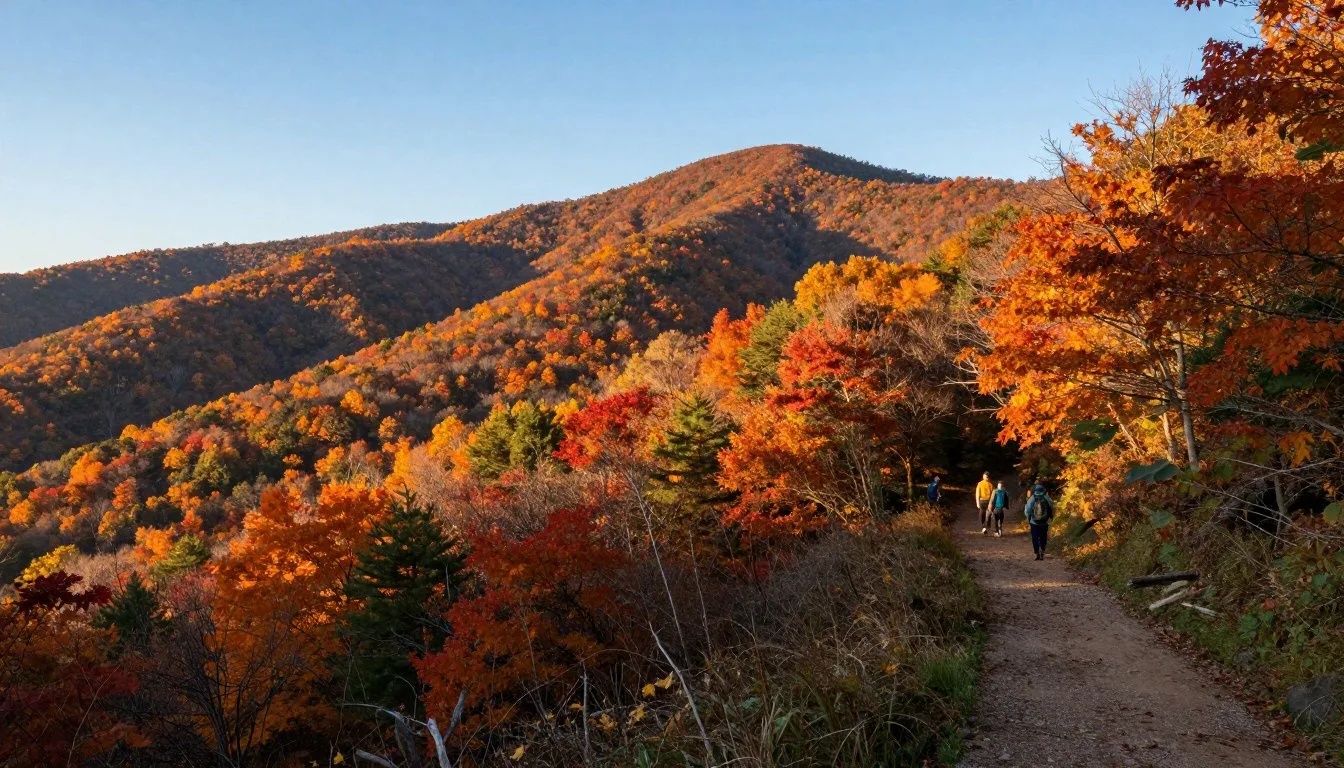
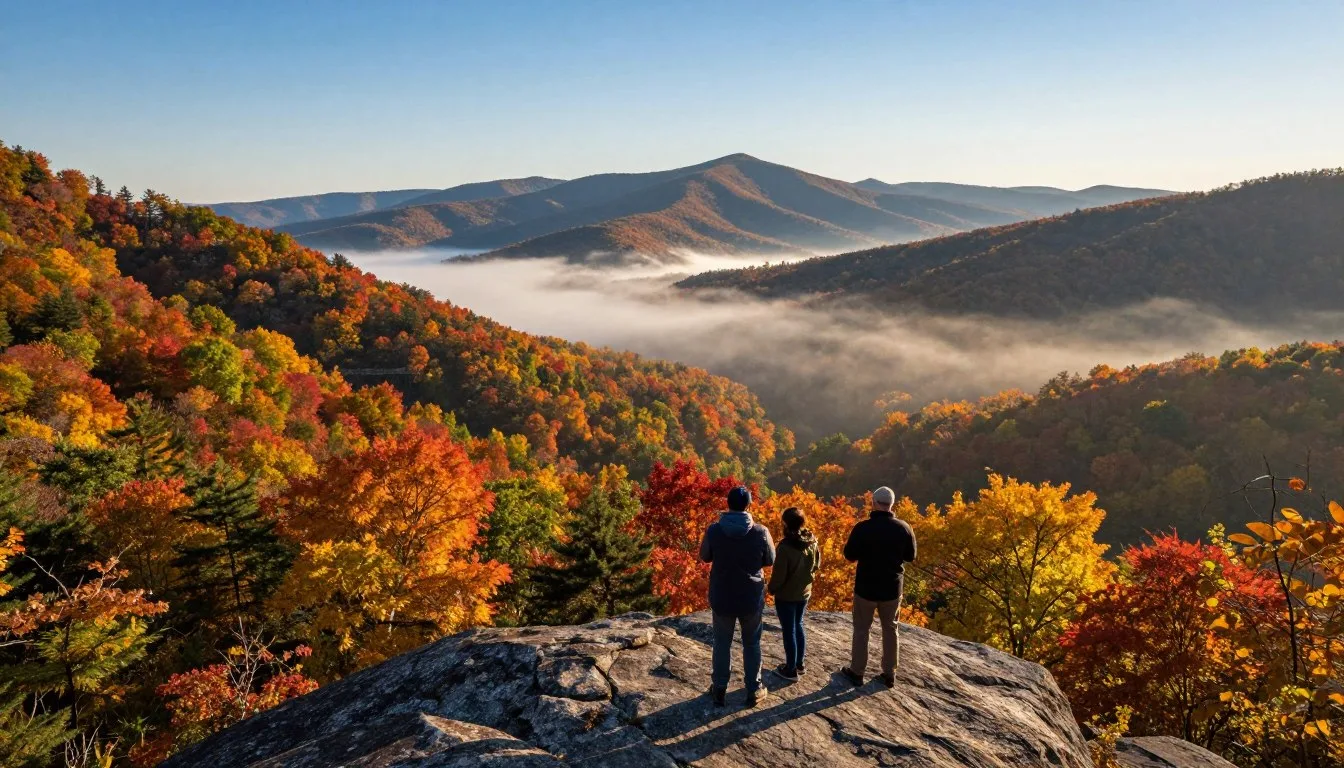
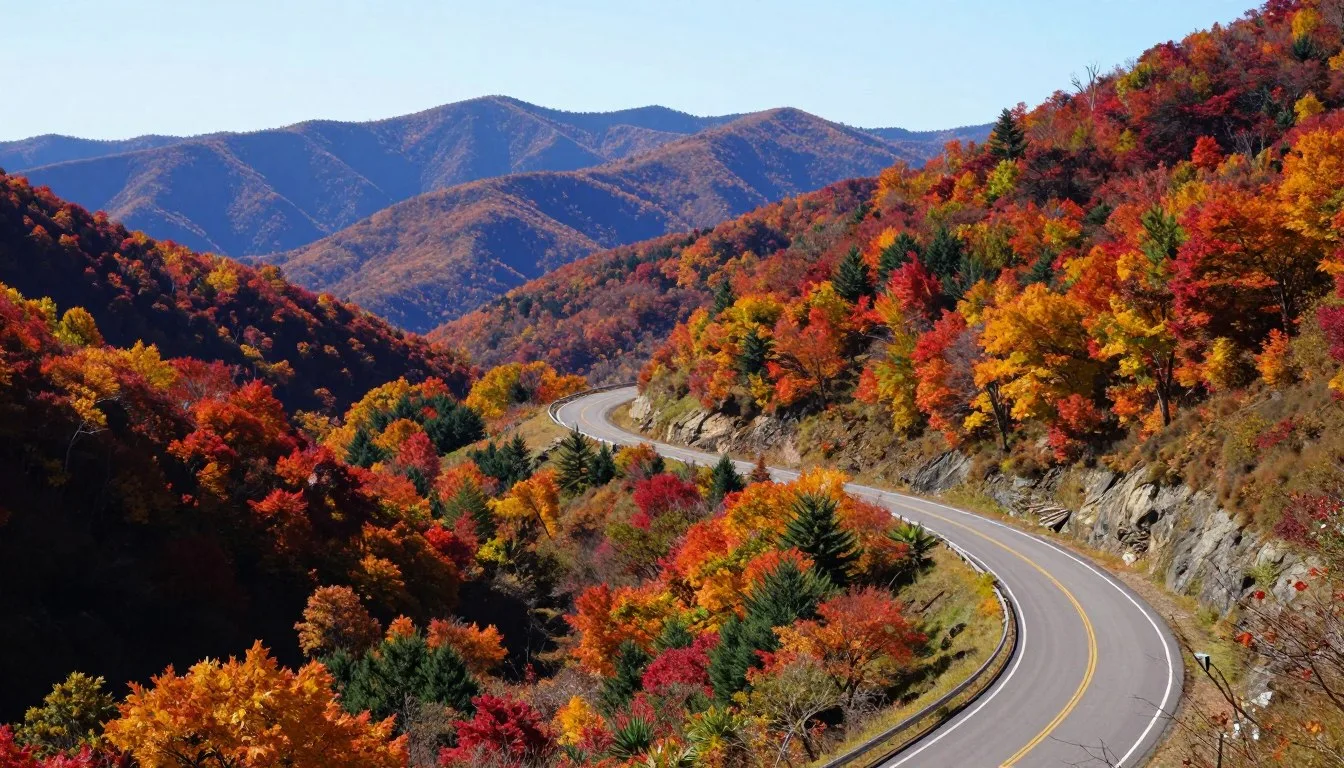
October stands out as the prime month for visiting the Appalachian Mountains Tennessee. The fall foliage reaches peak color, temperatures stay comfortable, and crowds thin out after summer. April through May offers another excellent window with wildflower blooms and moderate temperatures.
Recommended Seasons
These periods provide the best experience for most visitors to the Appalachian region:
- October – Peak fall colors and pleasant temperatures
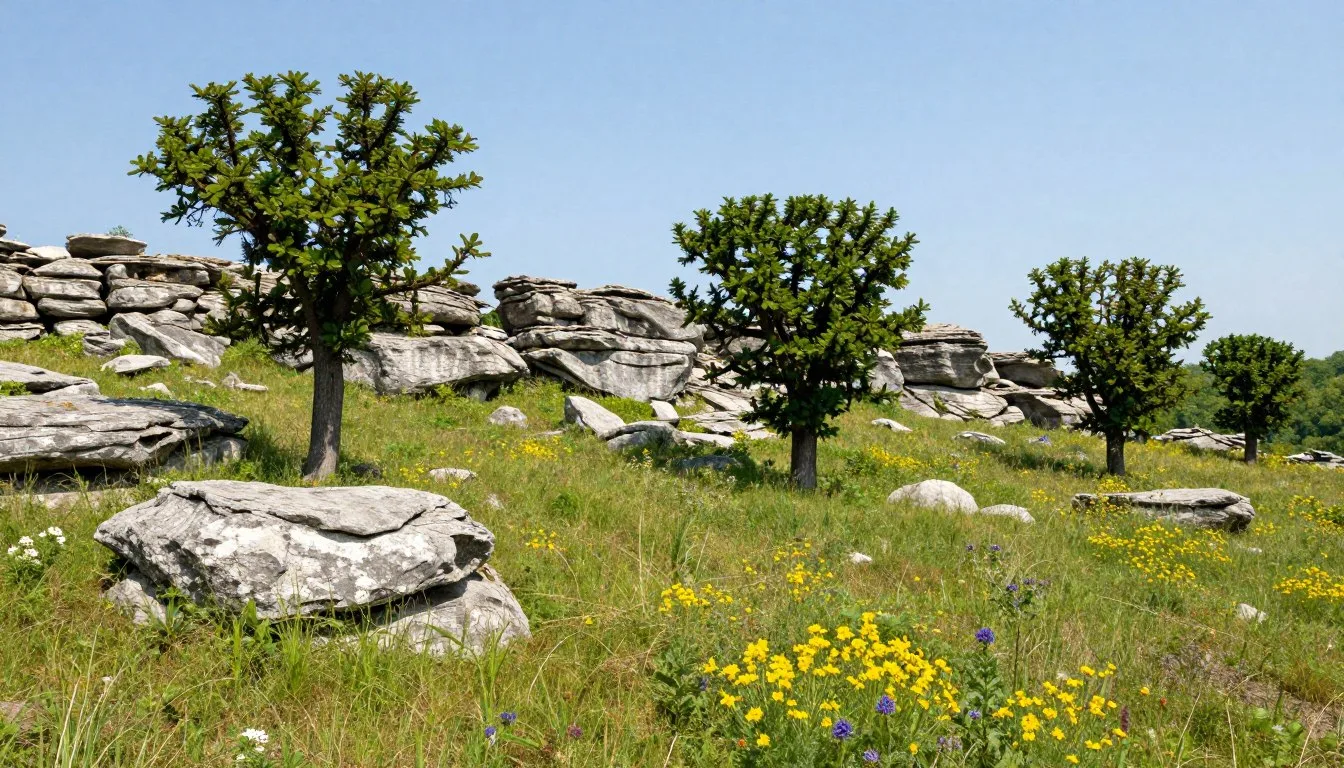
- April to May – Wildflower season with fewer crowds
- September – Warm days, cool nights, great hiking
- Early November – Late foliage and bargain rates
Months to Avoid
Consider skipping these times for a better mountain experience:
- January to February – Cold temperatures, trail closures
- July to August – High humidity, heavy crowds
- March – Unpredictable weather, rain common
- Holiday weekends year-round – Traffic congestion
Weather in the mountains changes quickly. Summer temperatures range from 21°C to 29°C (70°F to 85°F) in valleys. Higher elevations stay cooler by 5°C to 8°C (10°F to 15°F). Winter brings temperatures from -7°C to 7°C (20°F to 45°F) with occasional snow.
Pack layers regardless of season. Morning fog often burns off by midday. Afternoon thunderstorms develop frequently in summer months. Always carry rain gear when hiking the Appalachian Trail sections.
Check 30,000+ Local Sightseeing Tours Worldwide
✓ Numerous languages and currencies are available
Notable Annual Festivals
The Appalachian region celebrates its heritage through numerous festivals. These events showcase mountain culture, crafts, and music traditions.
- Gatlinburg Craftsmen’s Fair (July and October) – Features over 200 artisans displaying traditional Appalachian crafts
- Dollywood’s Harvest Festival (September to October) – Celebrates autumn with crafts and entertainment; 865-428-9488
- Fall Color Cruise and Festival (October, Blount County) – Showcases peak foliage season
- Mountain Music Festival (Various dates, Townsend) – Traditional bluegrass and folk music performances
- Spring Wildflower Pilgrimage (April, Great Smoky Mountains) – Guided nature walks; 865-436-7318
Getting Around Locally
A personal vehicle provides the best way to explore the Appalachian Mountains Tennessee area. Public transportation options remain limited in rural mountain regions. Most attractions, trailheads, and towns sit miles apart along winding mountain roads.
The main routes through the region include US Highway 441, which passes through Great Smoky Mountains National Park. Highway 321 connects several charming mountain towns. The Foothills Parkway offers stunning scenic views with multiple overlooks.
Road conditions vary significantly by season. Winter ice and snow can close mountain passes temporarily. Chain requirements occasionally go into effect on steep grades. Check road conditions before departing, especially from November through March.
Gas stations become sparse in remote areas. Fill your tank when you see stations in larger towns. Many mountain roads lack cell phone coverage, so download offline maps before venturing into the backcountry.
Parking at popular trailheads fills early, particularly on weekends. Arrive before 9 AM for best availability. Some locations now require parking passes or reservations during peak season. The National Park Service website provides current parking information.
Where to Stay
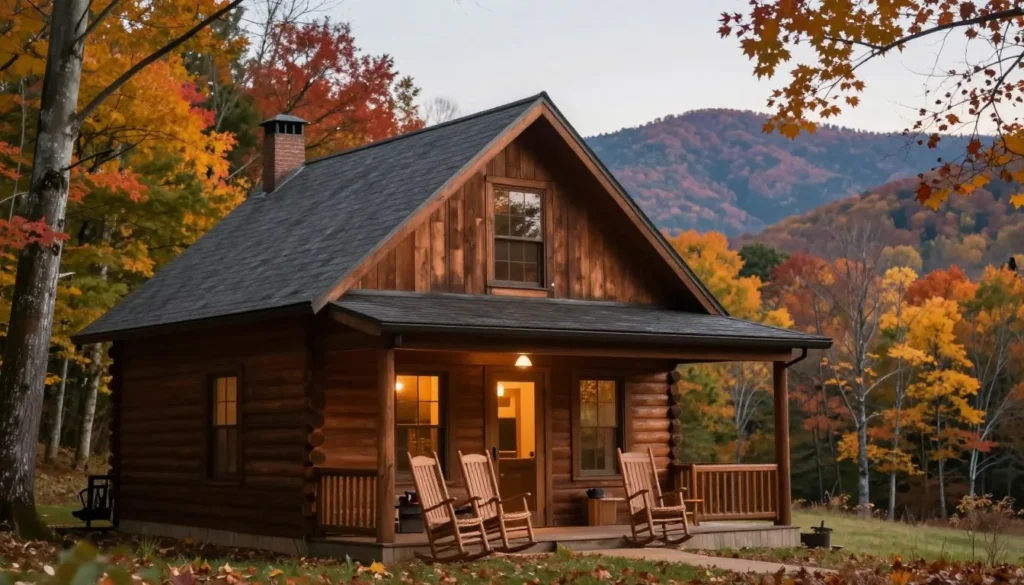
Accommodation options in the Appalachian Mountains Tennessee range from rustic cabins to full-service resorts. Each town offers distinct advantages depending on your travel style and budget.
Gatlinburg provides the most lodging choices with over 10,000 rooms. Hotels, motels, and cabin rentals cluster along the main parkway. This town puts you closest to Great Smoky Mountains National Park entrances. Expect higher prices during peak seasons.
Pigeon Forge offers similar amenities with slightly lower rates. This area works well for families seeking entertainment options alongside mountain access. Cabin rentals here often include mountain views and hot tubs.
Townsend bills itself as the peaceful side of the Smokies. This small town has fewer commercial developments but maintains easy park access. Cabin rentals and small inns dominate the lodging scene. Prices run 20 to 30 percent lower than Gatlinburg.
Camping brings you closest to nature. The Great Smoky Mountains National Park operates 10 developed campgrounds. Sites cost between $17 and $25 per night. Backcountry camping requires free permits available through the park website.
Cherokee National Forest offers additional camping options. These sites see fewer visitors than the national park campgrounds. Facilities range from primitive sites to RV hookups.
Dining and Local Cuisine
Appalachian cuisine reflects generations of mountain living. Traditional dishes use locally sourced ingredients and time-tested recipes. The food culture blends Native American, Scots-Irish, and African American influences.
Cornbread appears on nearly every table in the region. Mountain cooks prepare it in cast-iron skillets for a crispy crust. Biscuits and gravy make a hearty breakfast staple. Many restaurants serve them all day.
Barbecue varies from other Southern styles. Local pitmasters favor pork with a vinegar-based sauce. Slow-cooked meats develop deep smoky flavors over hickory wood. Side dishes include coleslaw, beans, and fried okra.
Trout comes fresh from mountain streams throughout the region. Restaurants prepare it fried, grilled, or smoked. Rainbow and brook trout provide the most common varieties on menus.
Apple products shine in the fall season. Orchards dot the mountainsides producing crisp apples. Bakeries create apple butter, cider, pies, and fritters. Many farms welcome visitors for apple picking from August through October.
Pancake houses line the main streets in Gatlinburg and Pigeon Forge. These restaurants serve enormous portions with various toppings. Most open early and stay busy through late morning.
Family-style restaurants serve meals on large platters meant for sharing. Fried chicken, mashed potatoes, green beans, and cornbread arrive at your table in abundance. These establishments offer good value for large groups or hungry families.
Attractions, Sightseeing and Activities

The Great Smoky Mountains National Park serves as the crown jewel of Tennessee’s Appalachian region. This park protects over 207,000 hectares (512,000 acres) of mountain wilderness. No entrance fees apply, making it accessible for all budgets.
Cades Cove Loop Road takes you through a historic mountain valley. The 17 km (11 mile) one-way loop passes preserved homesteads, churches, and mills. Wildlife viewing opportunities abound, especially during early morning hours. White-tailed deer, black bears, and wild turkeys frequent the area.
Clingmans Dome stands as the highest point in Tennessee at 2,025 m (6,643 ft). A paved trail leads 800 m (half mile) to an observation tower. The tower provides 360-degree views across the Smoky Mountains. On clear days, you can see over 160 km (100 miles).
Roaring Fork Motor Nature Trail winds through old-growth forest. This 9 km (5.6 mile) one-way road passes several historic buildings. The narrow, winding road requires careful driving but rewards you with beautiful scenery. Several waterfalls are accessible from roadside parking areas.
Newfound Gap sits on the Tennessee-North Carolina border at 1,539 m (5,046 ft). The Appalachian Trail crosses the highway at this point. A large parking area provides access to multiple hiking trails. The Rockefeller Memorial marks the park’s dedication in 1940.
Blue Ridge Parkway connects to the Smokies near the North Carolina border. This scenic road runs 755 km (469 miles) through the Appalachian Mountains. Overlooks offer mountain vistas every few miles. The parkway closes sections during winter months.
Museums, Cultural Spots and Festivals

The Museum of the Cherokee Indian in North Carolina sits just across the Tennessee border. This facility chronicles 11,000 years of Cherokee history. Interactive exhibits bring stories to life through multimedia presentations. Admission costs $12 for adults and $8 for children.
Great Smoky Mountains Heritage Center in Townsend preserves regional history. The 2.2-hectare (5.5-acre) site features historic buildings moved from throughout the area. A covered pavilion hosts regular craft demonstrations. Admission runs $7 for adults with children under 12 entering free.
Arrowmont School of Arts and Crafts maintains studios in Gatlinburg. This nationally recognized craft school offers workshops year-round. The gallery displays contemporary craft work from regional and national artists. Gallery admission is free and open to the public.
Mountain Farm Museum sits near the Oconaluftee Visitor Center. This collection of historic log buildings shows 19th-century farm life. Buildings include a barn, springhouse, and working blacksmith shop. Park rangers and volunteers demonstrate traditional skills during summer months.
Country music shows provide evening entertainment in Pigeon Forge and Gatlinburg. These theaters present variety shows mixing music, comedy, and dancing. Productions run year-round with multiple shows daily during peak season.
Gatlinburg hosts several craft fairs throughout the year. The largest events occur in July and October, featuring over 200 artisans. Traditional Appalachian crafts include pottery, weaving, woodcarving, and blacksmithing. Many artists demonstrate their techniques during the shows.
Nature and Outdoor Experiences

Hiking trails in the Appalachian Mountains Tennessee suit all ability levels. The region contains over 1,287 km (800 miles) of maintained trails. Options range from easy nature walks to challenging multi-day backpacking routes.
The Appalachian Trail passes through 115 km (71 miles) of Tennessee terrain. This section includes some of the trail’s most scenic portions. Most hikers tackle it as day hikes or short backpacking trips rather than thru-hiking. Springer Mountain in Georgia marks the southern terminus 480 km (298 miles) away.
Alum Cave Trail leads to one of the park’s most photographed features. The 7.2 km (4.5 mile) round trip climbs 396 m (1,300 ft) in elevation. The trail passes through an old-growth forest before reaching the massive rock overhang. Hikers can continue another 4 km (2.5 miles) to reach Mount LeConte summit.
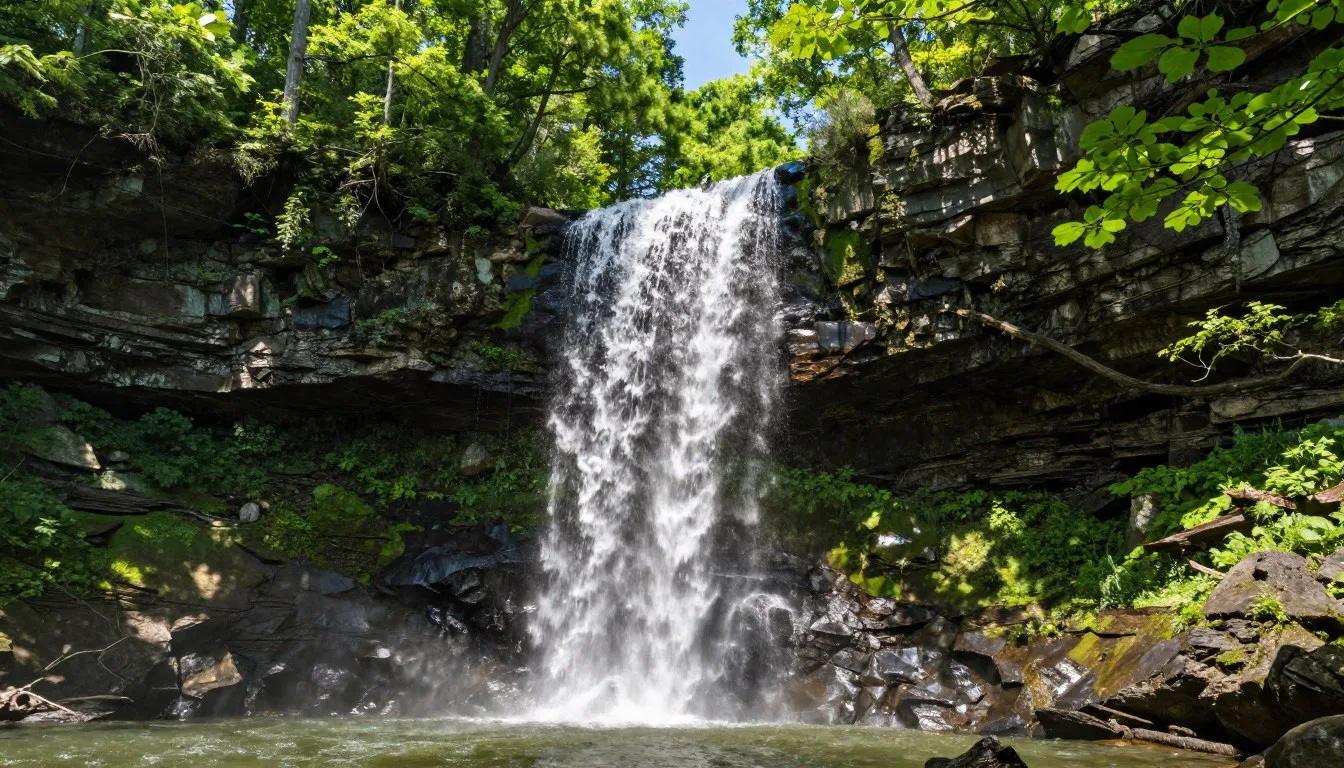
Abrams Falls Trail offers a moderate 8 km (5 mile) round trip hike. The trail follows a creek through hardwood forests to a 6 m (20 ft) waterfall. Swimming holes near the falls attract visitors during summer months. The relatively flat terrain makes this trail popular with families.
Laurel Falls provides an accessible paved trail option. The 4.2 km (2.6 mile) round trip requires minimal elevation gain. This trail sees heavy traffic but offers rewarding views of a 24 m (80 ft) waterfall. The paved surface allows strollers and wheelchairs on the lower section.
Fishing opportunities abound in mountain streams throughout the region. Rainbow and brown trout inhabit most waterways. Tennessee requires a fishing license for anyone over age 13. The park also requires a separate permit for fishing within its boundaries.
Horseback riding trails wind through forests and meadows. Several stables operate near park boundaries offering guided rides. Trail rides last from one hour to full-day excursions. Most stables require advance reservations during busy seasons.
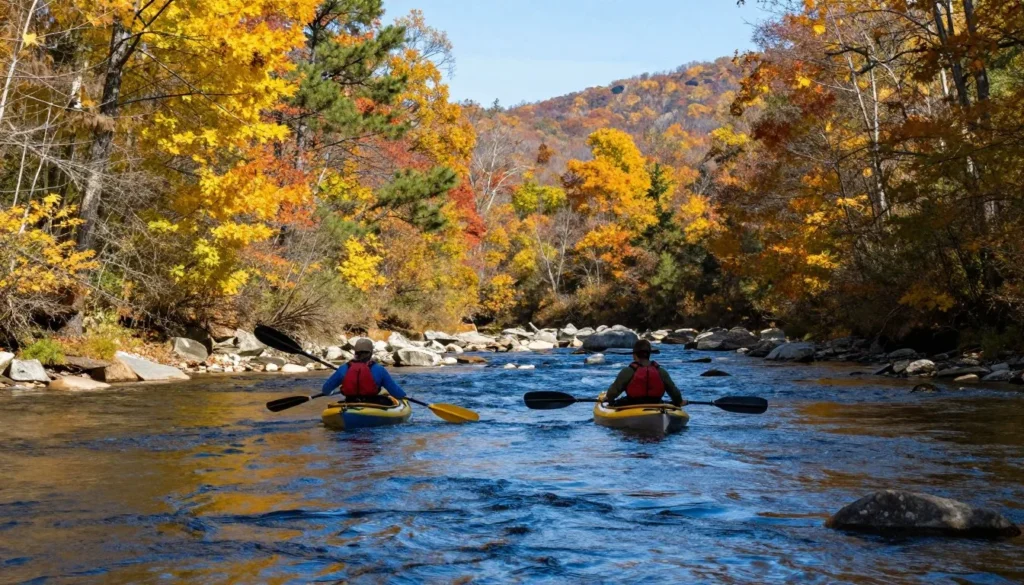
Whitewater rafting provides thrills on several area rivers. The Pigeon River offers class III and IV rapids during spring runoff. Outfitters provide all equipment and guide services. Trips run from March through October depending on water levels.
Wildlife viewing ranks among the most popular activities. The park supports over 1,500 black bears living throughout its forests. Elk were reintroduced to the Cataloochee Valley in 2001. Early morning or evening visits to this remote valley offer the best elk viewing opportunities.
Travel With Children

The Appalachian Mountains Tennessee region welcomes families with kid-friendly activities. Many attractions cater specifically to younger visitors while maintaining appeal for adults.
Junior Ranger programs at Great Smoky Mountains National Park engage children in learning. Kids complete activity booklets while exploring the park. Upon finishing, they receive an official Junior Ranger badge. Booklets are free at any visitor center.
Easy hiking trails make nature accessible for small children. Cataract Falls Trail spans just 1.3 km (0.8 miles) round trip. Spruce Flats Falls offers another gentle option at 3.2 km (2 miles) total. Both trails feature waterfalls that captivate young hikers.
Picnic areas throughout the park provide spots for outdoor meals. Many sites include playgrounds and open spaces for running. Chimneys Picnic Area offers pavilions, restrooms, and a creek for wading.
Aquariums in Gatlinburg display native and exotic fish species. Interactive touch tanks let children handle sea stars and rays. Shark feedings and penguin encounters happen at scheduled times throughout the day.
Miniature golf courses line the parkways in Gatlinburg and Pigeon Forge. Many feature mountain themes with waterfalls and caves. These courses offer evening entertainment when kids tire of hiking.
Elk viewing in Cataloochee Valley creates memorable wildlife experiences. The large animals typically remain calm around people at safe distances. Bring binoculars to observe elk behavior without disturbing them. Rangers enforce a 45 m (150 ft) minimum distance from elk.
Visitor centers show films about park history and wildlife. Air conditioning provides relief on hot summer days. Exhibits teach children about mountain ecosystems through hands-on displays.
Money Saving Tips
Visiting the Appalachian region can fit various budgets with smart planning. Free activities and affordable options exist throughout the area.
Great Smoky Mountains National Park charges no entrance fee. This policy saves families $30 to $35 compared to most national parks. Unlimited visits throughout your trip cost nothing.
Pack your own meals for hiking days. Grocery stores in Sevierville offer better prices than tourist towns. Simple sandwiches, fruit, and trail mix provide energy without restaurant costs.
Visit during shoulder seasons for lower accommodation rates. November through March sees prices drop 30 to 50 percent. You sacrifice peak fall colors but enjoy smaller crowds and significant savings.
Book cabin rentals directly with owners when possible. Third-party booking sites add service fees of 10 to 15 percent. Direct bookings sometimes include discounts for longer stays.
Free activities fill days without spending money. Hiking, wildlife watching, and scenic drives cost nothing. Many historic sites within the park require no admission fees.
Purchase an America the Beautiful Pass if visiting multiple national parks. The $80 annual pass covers entrance fees at over 2,000 federal recreation sites. It pays for itself after visiting three fee-charging parks.
Refillable water bottles eliminate beverage costs. Mountain streams provide clean water, though filtration is recommended. Visitor centers and campgrounds offer free water bottle filling stations.
Attend free ranger programs scheduled daily throughout summer months. These educational talks cover wildlife, history, and geology topics. Evening campfire programs provide entertainment without ticket prices.
Safety, Etiquette and Local Customs
Mountain safety requires awareness and preparation. Weather changes rapidly, and wildlife encounters need proper handling.
Bear safety rules help protect both visitors and animals. Store all food in bear-proof containers or car trunks. Never approach bears regardless of size or apparent tameness. Make noise while hiking to avoid surprising bears on the trail. Carry bear spray in backcountry areas.
Lightning poses serious danger on exposed ridges. Afternoon thunderstorms develop quickly during summer months. Descend from high elevations if you hear thunder. Avoid tall isolated trees and open fields during storms.
Cell phone service remains unreliable throughout mountain areas. Download offline maps before entering remote regions. Tell someone your hiking plans and expected return time. Carry physical maps as backup navigation.
Trail etiquette maintains harmony among users. Hikers yield to horseback riders on shared trails. Uphill hikers have right-of-way over descending hikers. Step aside to let faster hikers pass safely.
Leave No Trace principles preserve natural beauty. Pack out all trash including food scraps. Stay on marked trails to prevent erosion. Never feed wildlife or leave food unattended.
Dress in layers for changing mountain conditions. Temperatures drop 3°C (5°F) for every 305 m (1,000 ft) of elevation gain. Cotton clothing becomes dangerous when wet. Choose synthetic or wool fabrics that maintain warmth when damp.
Respect private property throughout the region. Many parcels of land remain privately owned within the national forest boundaries. Posted signs indicate property boundaries. Trespassing laws are enforced strictly in rural areas.
Local customs emphasize friendliness and helpfulness. Wave to passing drivers on mountain roads. Greet fellow hikers on trails. Southern hospitality remains strong in small mountain communities.
Visitor Comments About Appalachian Mountains Tennessee
V.T., Albuquerque: “The fall colors exceeded every expectation. We hiked Alum Cave Trail and couldn’t believe the views from the top. The park rangers were incredibly knowledgeable and friendly. Three days wasn’t nearly enough time to explore everything. We’re already planning our return trip for next October.”
L.B., Port St. Lucie: “Our family spent a week camping in Cades Cove. The kids loved spotting deer and black bears from safe distances. Historic buildings throughout the valley made history come alive for them. We appreciated how the park charges no entrance fee. It made our vacation much more affordable than expected.”
Check 30,000+ Local Sightseeing Tours Worldwide
✓ Numerous languages and currencies are available
R.K., Workington: “Traveling from the UK, we wanted an authentic American mountain experience. The Smokies delivered beyond imagination. Hiking the Appalachian Trail section challenged us physically while rewarding us with spectacular scenery. Small towns like Townsend offered genuine Southern hospitality. We found the local cuisine hearty and delicious.”
Additional Nearby Destinations
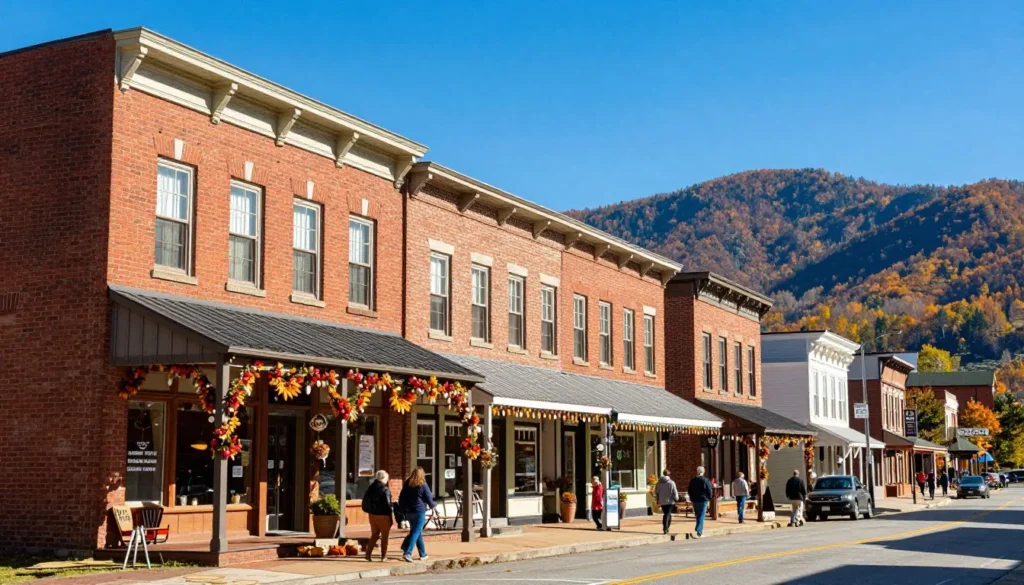
Several worthwhile destinations sit within easy driving distance of the Appalachian Mountains Tennessee region. These locations extend your trip with diverse experiences.
Asheville, North Carolina lies 97 km (60 miles) east of Gatlinburg. This vibrant city blends mountain culture with arts and craft beer scenes. The Biltmore Estate, America’s largest home, welcomes visitors year-round. Downtown Asheville features dozens of galleries, restaurants, and breweries.
Cherokee, North Carolina borders the park’s southern edge. The Eastern Band of Cherokee Indians maintains its headquarters here. Oconaluftee Indian Village recreates 18th-century Cherokee life. Harrah’s Cherokee Casino Resort provides gaming and entertainment options.
Knoxville offers urban amenities 48 km (30 miles) from the mountains. The city serves as home to the University of Tennessee. Market Square downtown hosts farmers markets, restaurants, and shops. The Tennessee Aquarium rivals any facility in the southeastern United States.
Chattanooga sits 161 km (100 miles) southwest of the Smokies. Rock City and Ruby Falls rank among Tennessee’s oldest tourist attractions. The Tennessee Riverwalk spans 21 km (13 miles) along the waterfront. Lookout Mountain offers views across seven states from its summit.
Blue Ridge, Georgia provides access to the southern Appalachian region. This small town attracts visitors with its scenic railway and downtown shops. The Toccoa River offers tubing and fishing opportunities. Apple orchards dot the hillsides throughout the area.
Practical Travel Tips
Successful trips require attention to practical details. These tips help you avoid common problems and maximize your visit.
Book accommodations far in advance for October visits. Fall color season sells out months ahead. Many properties require minimum two or three-night stays during peak weekends.
Carry cash for parking at some trailheads and small-town businesses. Not all locations accept credit cards. ATMs become scarce in remote areas.
Download the National Park Service app before your visit. The app provides offline maps, trail information, and real-time alerts. It works without cell service once downloaded.
Bring insect repellent from April through October. Mosquitoes and ticks thrive in mountain forests. DEET-based products provide best protection for extended outdoor time.
Start hikes early to secure parking and avoid afternoon heat. Popular trailhead lots fill by 10 AM on summer weekends. Morning hours also offer best wildlife viewing opportunities.
Purchase National Geographic Trails Illustrated maps for serious hiking. These waterproof maps show topography, distances, and difficulty ratings. Paper maps provide essential backup when technology fails.
Check weather forecasts daily and adjust plans accordingly. Mountain weather changes rapidly and differs from valley forecasts. The National Weather Service provides specific mountain forecasts.
Bring binoculars for wildlife observation and distant views. Even inexpensive models enhance your experience significantly. Bird watching opportunities abound throughout the park.
Wear proper footwear with ankle support for hiking. Trails include rocky, uneven terrain that challenges casual shoes. Waterproof boots help during stream crossings and rainy conditions.
Location Map
Your Appalachian Adventure Awaits
The Appalachian Mountains Tennessee offer experiences that create lasting memories. Ancient peaks, rushing streams, and diverse wildlife combine with rich cultural heritage. Whether you seek challenging hikes, peaceful nature walks, or family-friendly activities, these mountains deliver.
Plan your visit during shoulder seasons for smaller crowds and lower prices. Pack layers for changing weather and start your days early. Respect the land and wildlife that make this region special.
The mountains have welcomed visitors for generations. Now it’s your turn to discover why millions return year after year. The Appalachian Mountains Tennessee are calling.